Critical Care, Toxicology, and Wound Management
 Call Kai
 Learn
Learn Practice Test
 Spaced Repetition
 Match
Match Flashcards
 Knowt Play
1/54

There's no tags or description
Looks like no tags are added yet.
Name | Mastery | Learn | Test | Matching | Spaced | Call with Kai |
|---|
No analytics yet
Send a link to your students to track their progress
55 Terms
acidosis
A medical condition characterized by an excess of acid in the body fluids, resulting in a decrease in blood pH. It can occur due to respiratory issues or metabolic disturbances.
arrhythmia
A condition in which the heart beats with an irregular or abnormal rhythm, which can affect the efficiency of the heart's pumping ability.
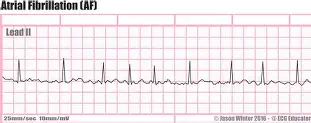
atrial fibrillation
a rapid, irregularly irregular rhythm with supraventricular morphology QRS complexes, no identifiable P waves, and the presence of fibrillatory waves (f waves) that occurs in the atria, leading to decreased cardiac output and an increased risk of stroke.
atrial premature complex (APC)
an early heartbeat originating in the atria; often felt as a skipped or fluttery beat, and is usually harmless unless frequent or symptomatic
azotemia
a condition characterized by elevated levels of nitrogen waste products in the blood, particularly BUN and serum creatinine; occurs when the kidneys are unable to effectively filter waste from the blood
borborygmi
the rumbling/gurgling sounds produced by the movement of gas, fluids, and food through the GI tract; usually a normal part of digestion
capillary refill time (CRT)
a quick, non-invasive test to assess peripheral blood flow and circulatory efficiency; normal time is typically under 2 seconds
choke
a condition caused by esophageal obstruction in ruminants and horses; clinical signs include excessive drooling; can eventually cause severe bloat
colic
refers to abdominal pain in horses with various causes
disseminated intravascular coagulation (DIC)
a complex disorder resulting in the abnormal activation of the coagulation cascade, leading to the formation of small clots throughout the body's blood vessels
down animals
animals that cannot stand
dystocia
difficult birth, typically caused by a large or awkwardly positioned fetus, by smallness of the maternal pelvis, or by failure of the uterus and cervix to contract and expand normally.
metritis
inflammation of the uterus, usually caused by infection, often occurring after birth, miscarriage, or invasive gynecological procedures
multiple organ dysfunction syndrome (MODS)
a life-threatening condition where two or more organ systems fail; often triggered by severe infection or injury; requires immediate intensive care
perineal
the region located below the pelvic diaphragm, encompassing the external genitalia and anus
pneumothorax
when air leaks into the space between the lung and chest wall, causing either partial or complete lung collapse
regional nerve block
provides targeted pain relief and enhances patient comfort during surgical procedures; categorized into four types (infraorbital, caudal maxillary, middle mental, and caudal mandibular/inferior alveolar)
rumen tympany
commonly known as bloat; a condition in ruminant animals characterized by excessive gas accumulation in the rumen
rumenostomy
a surgical procedure that creates a permanent or temporary opening into the rumen, primarily used for nutritional support and therapeutic access in ruminants
rumenotomy
a surgical procedure that involves the opening of the rumen, primarily performed on ruminant animals like cattle and sheep, to diagnose and treat various gastrointestinal conditions
sepsis
a life-threatening organ dysfunction caused by a dysregulated host response to infection
syncope
a sudden, temporary loss of consciousness caused by a reduction in blood flow to the brain
systemic inflammatory response syndrome (SIRS)
a complex syndrome that indicates the body’s overwhelming response to a stressor, resulting in widespread inflammation; can progress if untreated to sepsis, septic shock, or MODS
tachycardia
an abnormally rapid heart rate
tachypnea
an abnormally rapid respiratory rate
thoracocentesis
a veterinary procedure used to remove air or fluid from the pleural space for diagnostic or therapeutic purposes
thromboembolism
refers to a blood clot (thrombus) or other material that travels through the bloodstream and blocks a vessel, potentially causing tissue damage or organ dysfunction
tracheostomy
a critical procedure in veterinary surgery for managing severe upper airway obstruction, requiring careful consideration of indications, techniques, and post-operative care; may be performed in acute respiratory distress when immediate airway access is required
tracheotomy
a surgical procedure that creates an opening in the trachea; allows for the placement of a tracheostomy tube
transfaunation
a procedure that involves the transfer of rumen contents from a healthy donor animal to an animal with compromised rumen function
triage
the process of prioritizing medical care based on the severity of patients’ conditions
tube cystostomy
a common procedure for managing urinary obstructions in small animals; provides temporary or permanent urine diversion when other, less invasive methods are not feasible
urethral process
a 2-4 cm extension of the urethra beyond the glans penis in male ruminants, such as sheep and goats; significant in veterinary medicine because it is the most common site of obstruction due to urinary calculi
urethrostomy
a surgical procedure that creates a permanent opening in the urethra to bypass obstructions and allow normal urine flow
urolithiasis
refers to the formation of urinary stones, particularly in dogs and cats

