Surface Water - Unit 2
 Call Kai
 Learn
Learn Practice Test
 Spaced Repetition
 Match
Match Flashcards
 Knowt Play
1/50

There's no tags or description
Looks like no tags are added yet.
Name | Mastery | Learn | Test | Matching | Spaced | Call with Kai |
|---|
No analytics yet
Send a link to your students to track their progress
51 Terms
Hydrologic cycle (water cycle)
Repeated circulation of water through the different Earth environmental components
- Geosphere
- Hydrosphere
- Atmosphere
- Biosphere
Geosphere
the solid part of the earth consisting of the crust and outer mantle
Hydrosphere
All the water at and near the surface of the earth, 97% of which is in oceans
Atmosphere
the envelope of gases surrounding the earth or another planet.
Biosphere
part of Earth in which life exists including land, water, and air or atmosphere
ways water vapor enters atomosphere
Evaporation, Sublimation, and Transpiration
Evaporation
The change of a substance from a liquid to a gas
Sublimation
A change directly from the solid to the gaseous state without becoming liquid
Transpiration
Evaporation of water from the leaves of a plant
Precipitated water can move to many places including...
- Re-enter atmosphere
- Move into the ground
- Stay on the surface
What percent of earths fresh water is surface water?
1.3%
sheet flow
runoff moving in unconfined thin sheets
channelized flow
Water flow restricted to channels. Compare with sheet flow.
Drainage basins
Areas drained by a given stream or stream system; Also called watersheds
Drainage divides
Define boundaries of specific drainage basins
Continental divides
Special type of drainage divides
- Mark where surface water flows into specific oceans/seas/bays or an isolated basin
Water flow in a stream channel
Driven by gravity; Can be one of two types
- Laminar flow
- Turbulent flow
Laminar flow
a smooth pattern of flow
Turbulent flow
Irregular flow with random variations in pressure.
Channel slope (gradient)
Steeper gradient means more gravitational
energy to drive flow
Channel shape
For comparable channels, water flows
faster in narrow and deep channels and
slower in wide and shallow channels
What kinds of channels does water more more efficiently through?
Water moves more efficiently through...
o Larger channels
o Smoother channels
How do channel properties change along the stream length
Generally, from head to mouth...
- Channel slope (gradient) decreases
- Channel size increases
- Channels become smoother
Types of work by flowing surface water
Erosion, transport, deposition
Work of a specific stream is governed by...
Stream flow velocity, Stream discharge, and Properties of channel bed and channel banks
What are the 3 zones of a stream
- Sediment production (erosion) zone (Headwaters region)
- Sediment transport zone (Main trunk of stream)
- Sediment deposition zone (Mouth region)
What are the 3 sizes of sediment eroded by streams
- Easily eroded...
o Sand-sized sediments
- Not as easily eroded...
o Silt- and clay-sized sediments
o Gravel-sized sediments
What are the 3 types of erosion by streams (bedrock)
Quarrying, Abrasion, and Corrosion
Quarrying
Removing large bedrock blocks from the channel bed
Abrasion
Scraping, bumping and rubbing action of sediment carried in stream
Corrosion
Bedrock dissolution
Streams transport material in one of three ways
- In solution (Dissolved load)
- In suspension (Suspended load)
- Along the bed (Bed load)
Dissolved load
Materials dissolved in the water
Suspended load
Materials carried along in suspension; Mostly small sediment particles
o Fine sand and silt
Bed load
Materials transported along channel bed; Larger sediment particles
o Coarse sands
o Gravel
o Boulders
Ability of a stream to carry solid particles often
described by two properties
competence and capacity
Competence
Maximum sediment size a stream can transport
Capacity
Maximum sediment load a stream can transport
o Total mass per unit time
When does deposition of sediments from streams occur
Deposition occurs when the stream flow rate decreases
- Stream capacity decreases
- Largest suspended sediments are deposited
- Results in well sorted sediment deposits
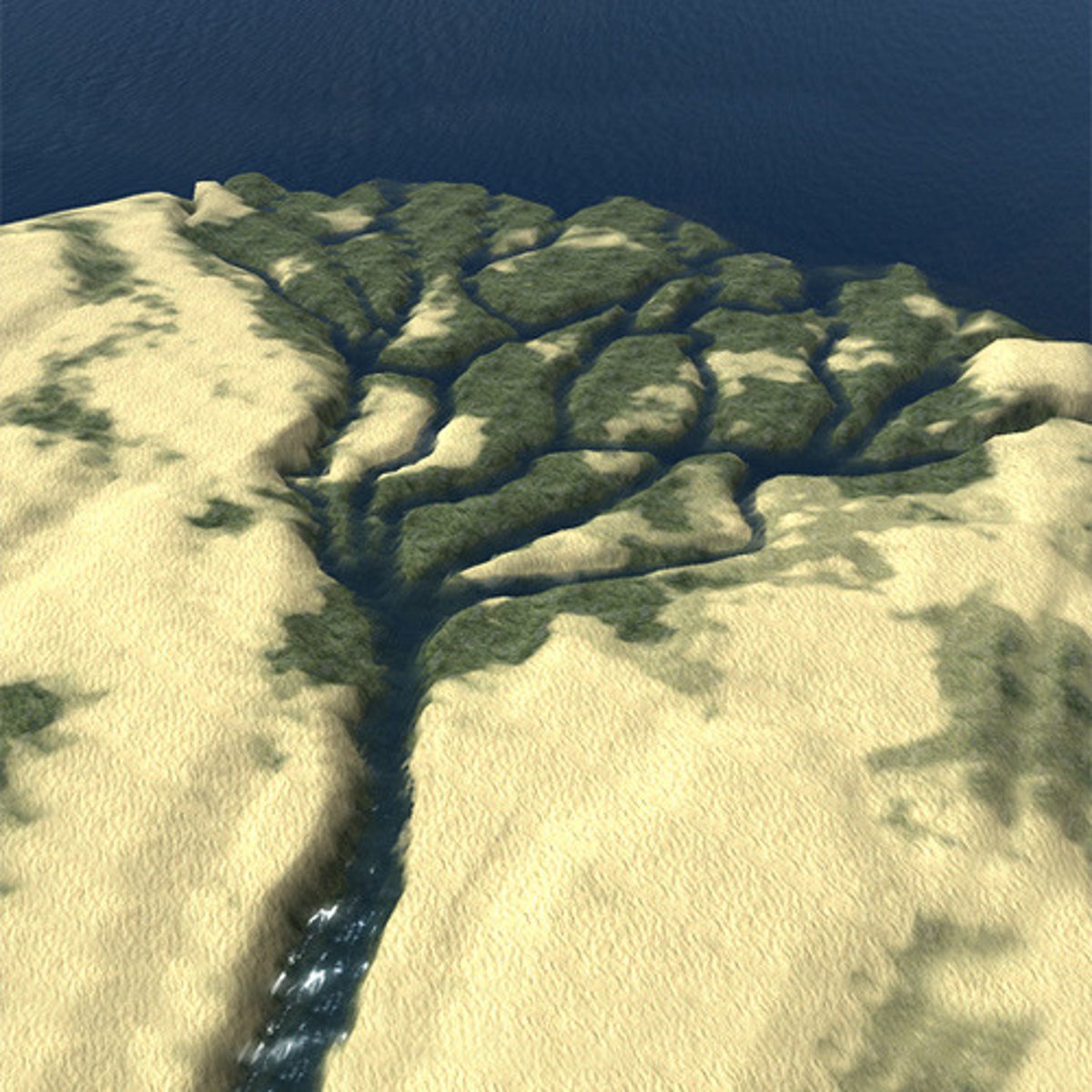
Deltas
Sediment deposits accumulated where
streams empty into a large body of water
- Sediment deposits form a delta
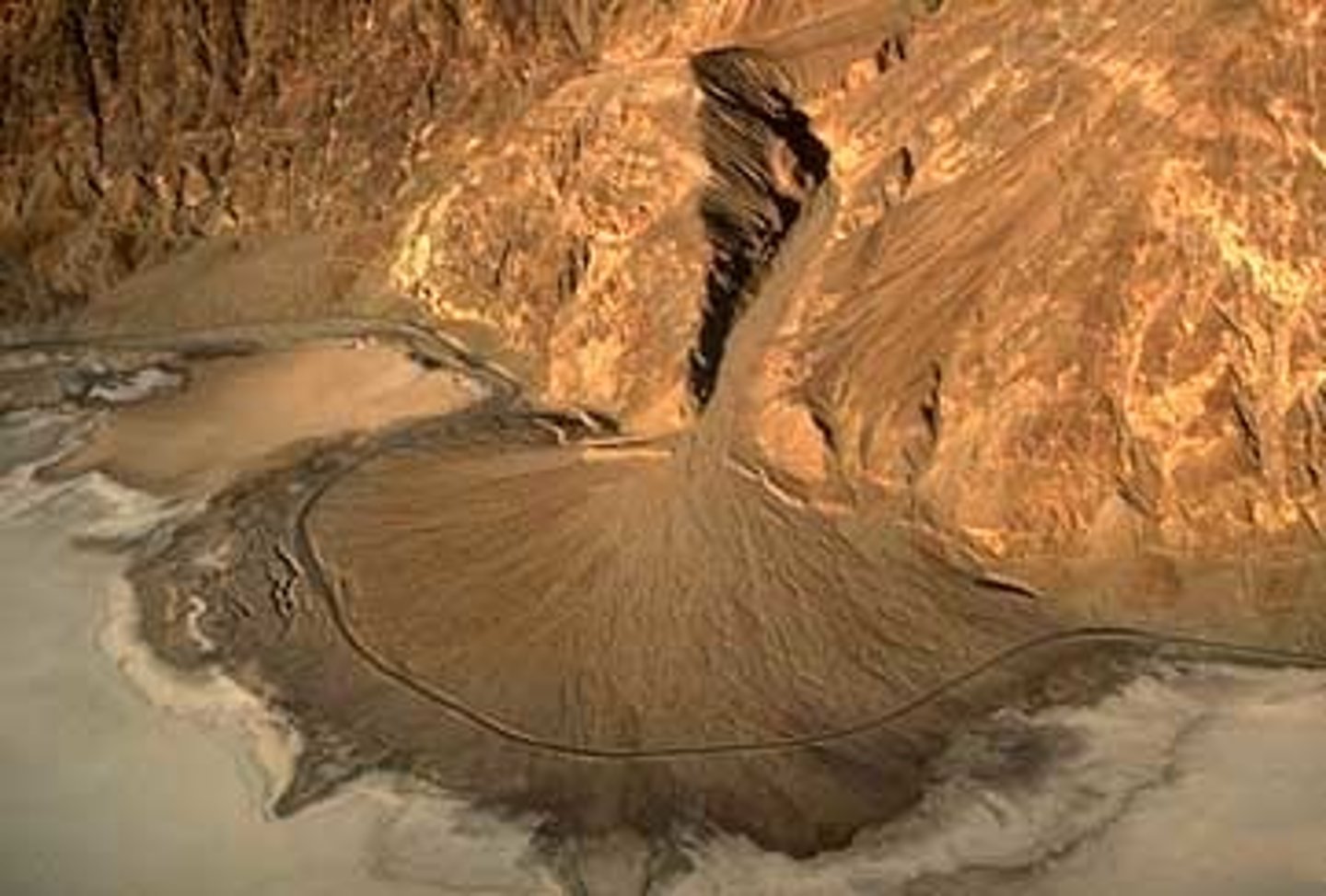
Alluvial fans
Fan-shaped sediment deposits at base of mountain fronts
- Mountain stream emerges onto a flat lowland
- Stream channel slope decreases
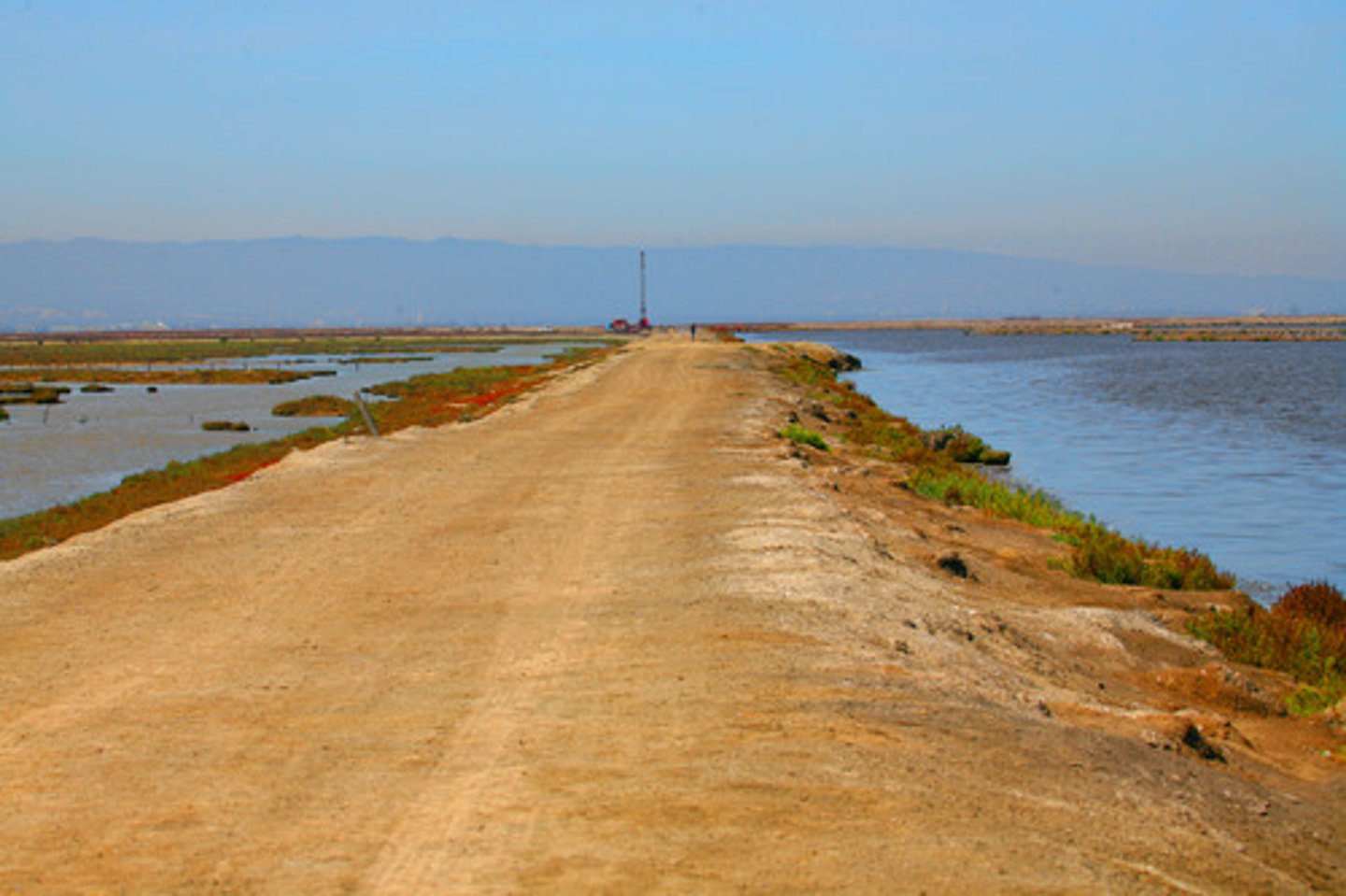
Natural levees
- Raised areas adjacent to the channel
- Form during flood events
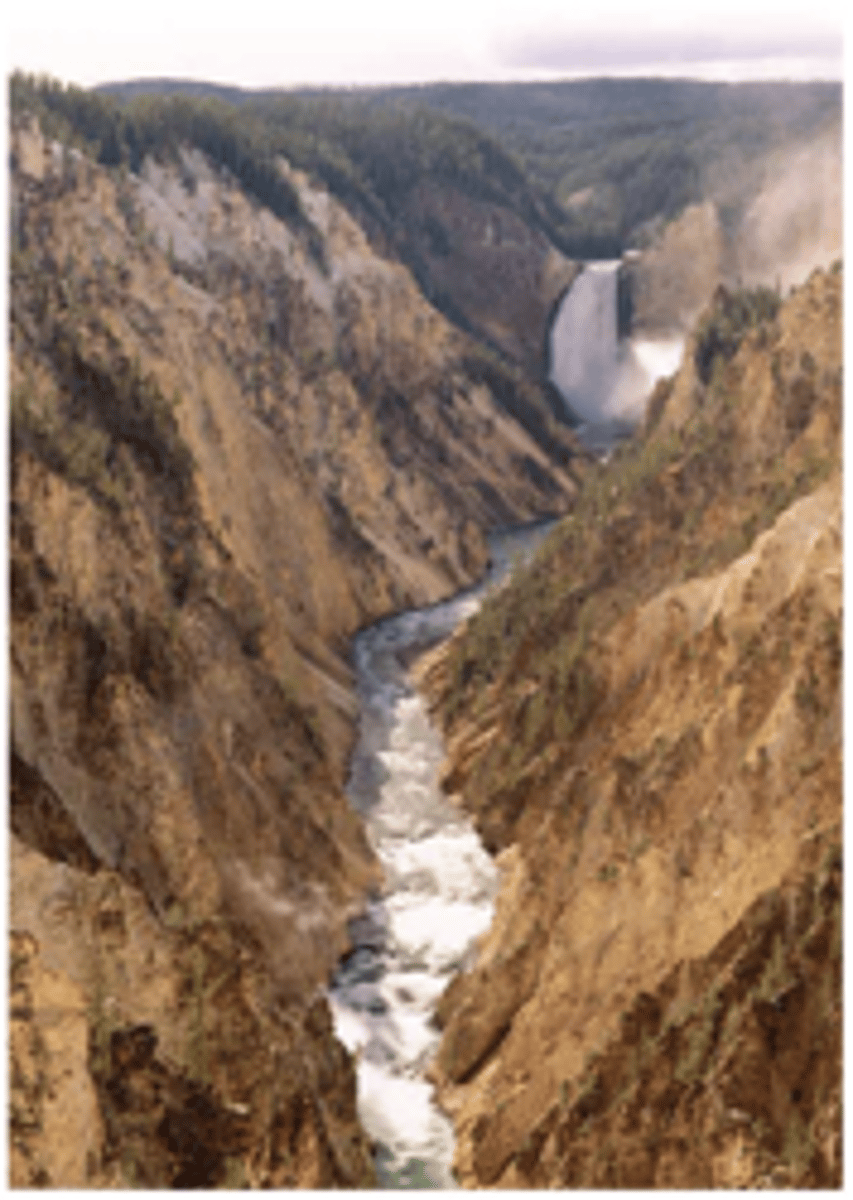
Bedrock channels
- Channels cut into bedrock
- Typically form in headwater region
Alluvial channels
- Channels cut into previously deposited steam sediments
- Channels progressively change shape and location (meander)
- Typically form in floodplains
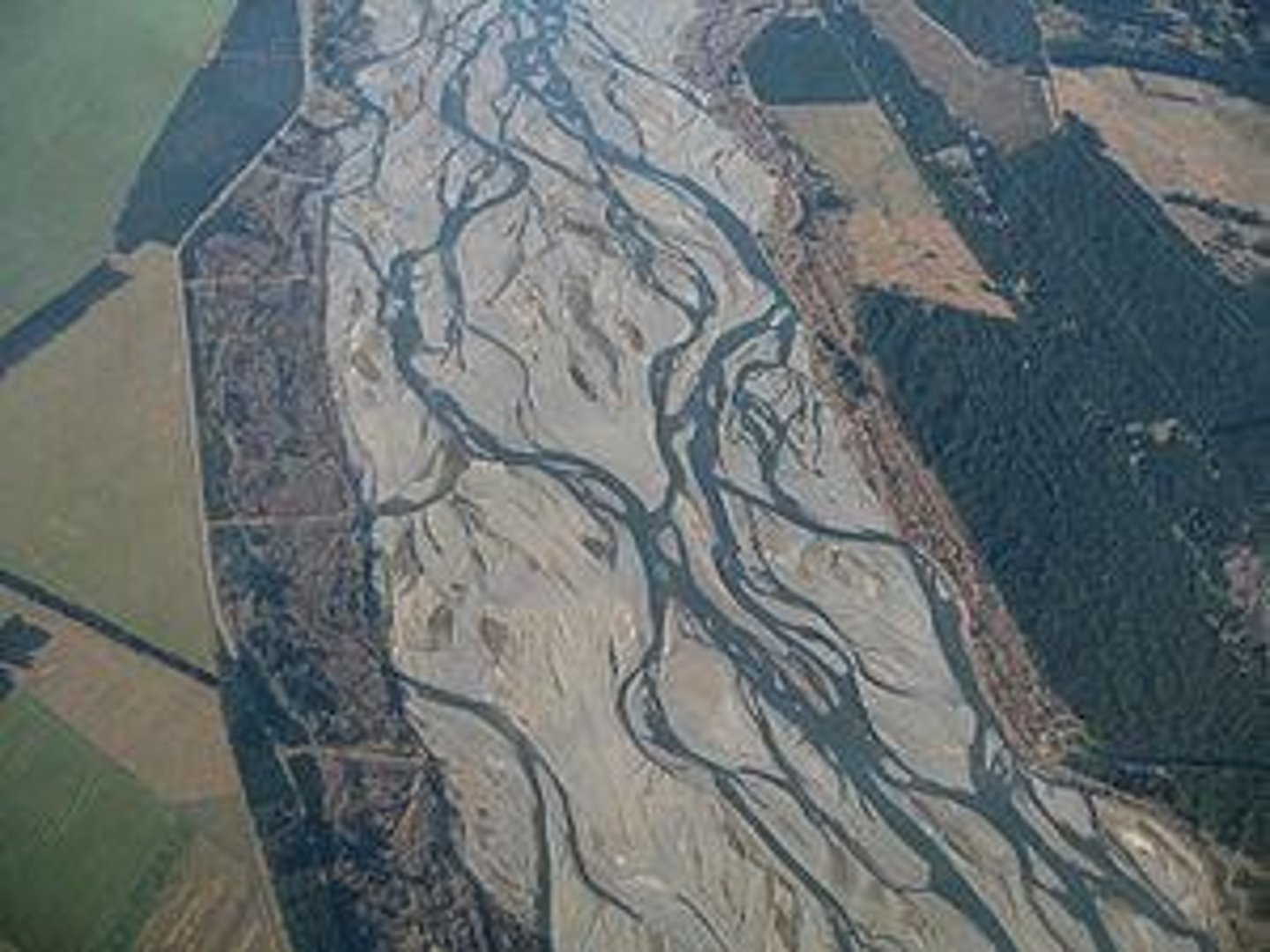
What parts of a meandering channel erode vs deposit?
- Outside of a meander is a zone of active erosion
- Inside of a meander is a zone of deposition
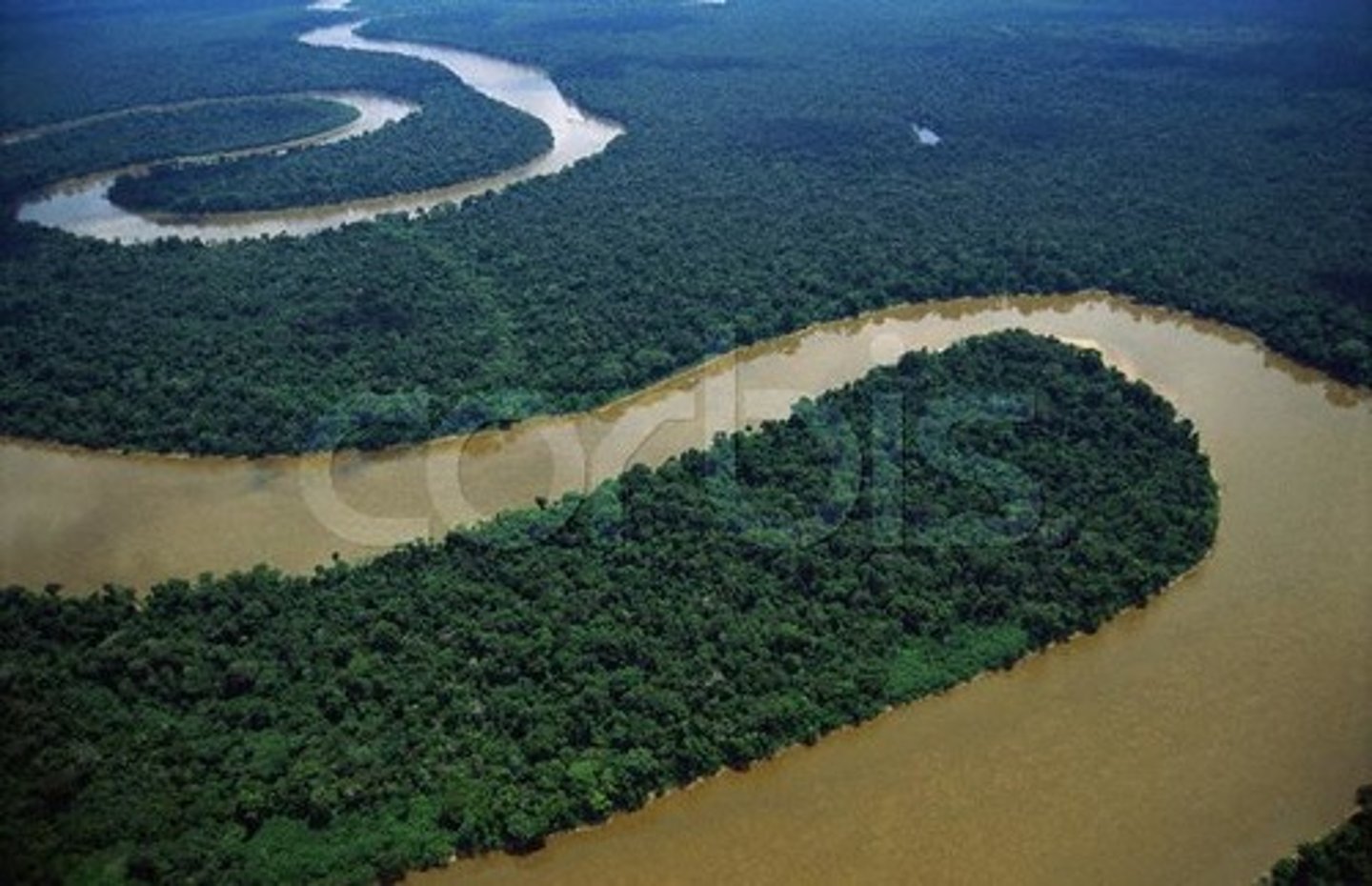
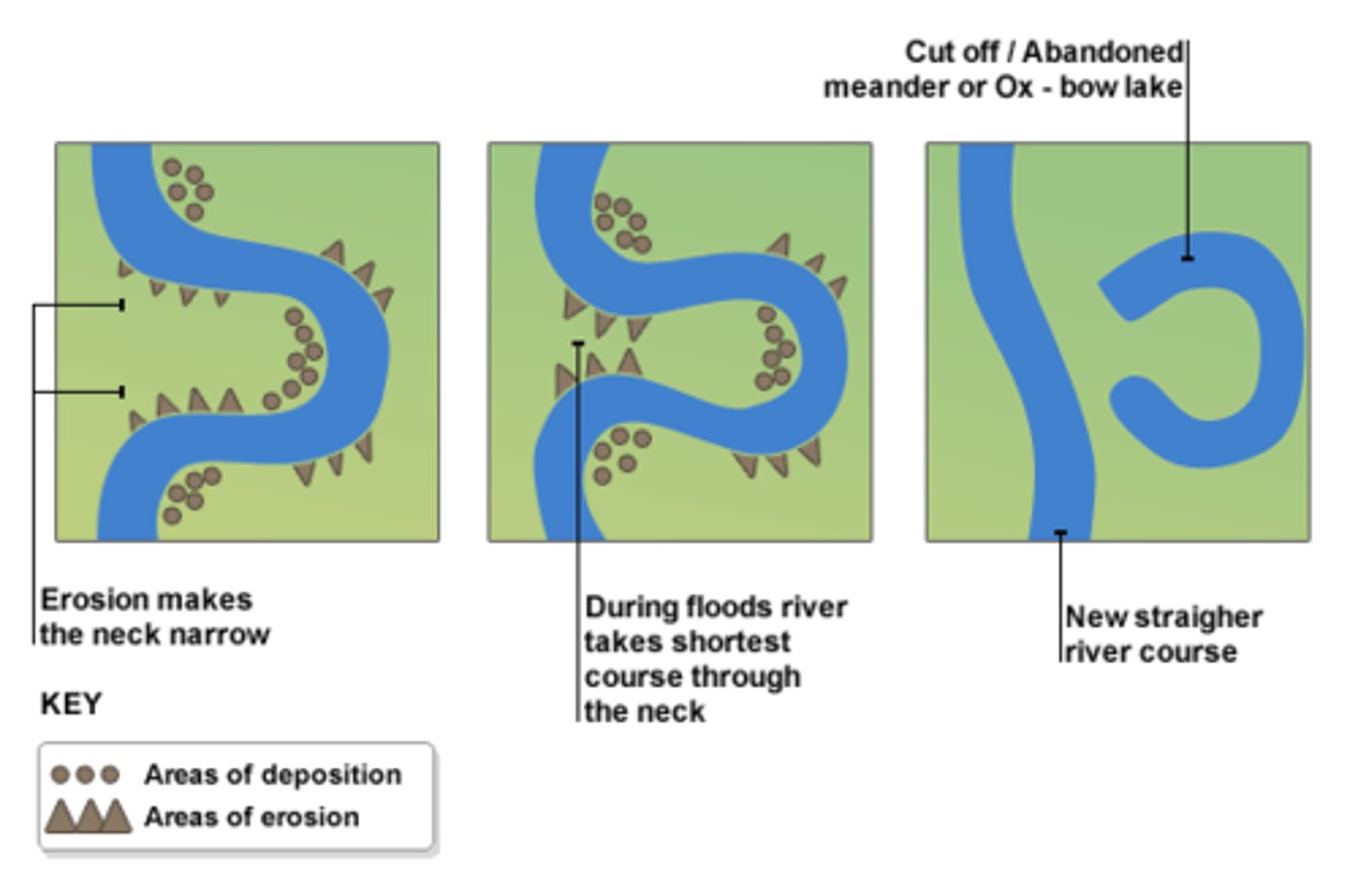
Oxbow lake
A meander that has been cut off from the river
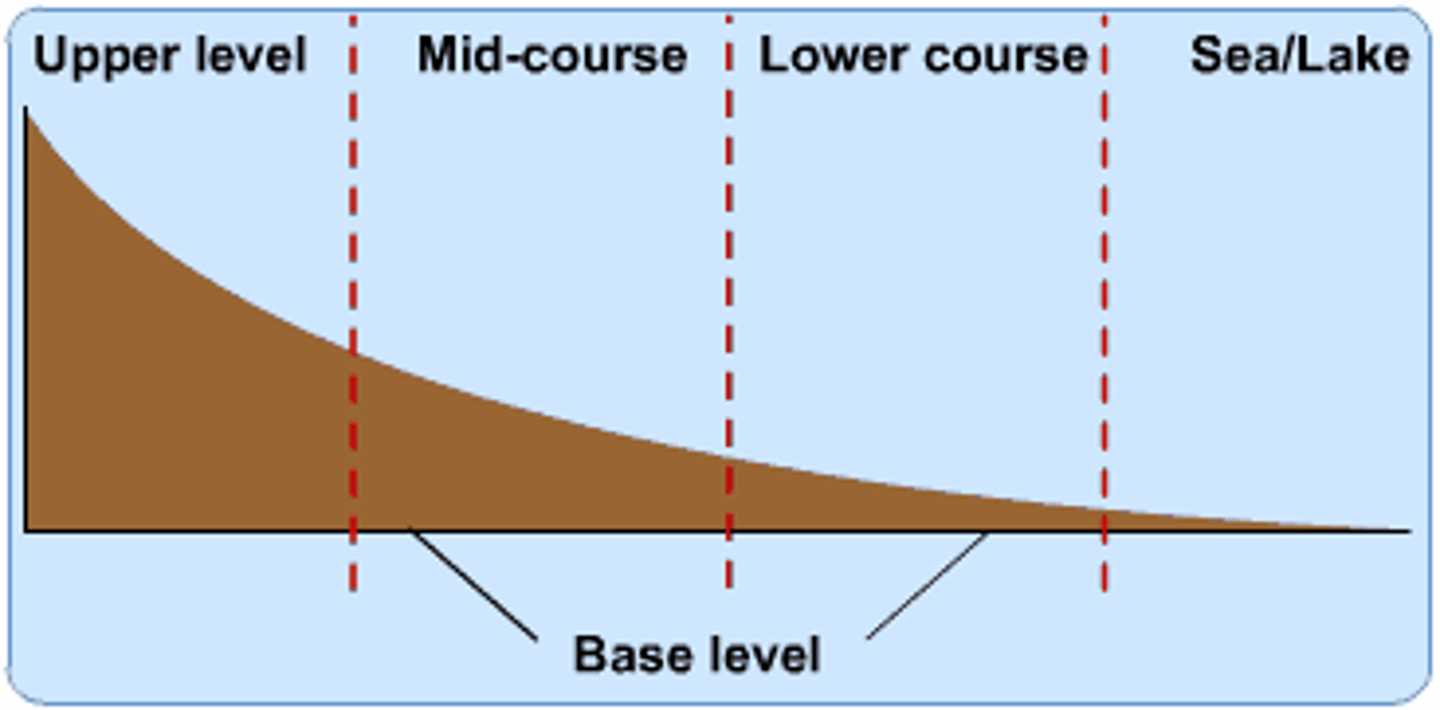
Base level
The lowest level to which a stream can erode its channel
Graded stream
A stream that maintains a minimum flow rate necessary to transport the sediment that is delivered to it
- No net erosion or deposition of sediment
When does stream valley widening occur?
As a stream approaches a graded condition...
- Downcutting is less important
- Erosion mostly occurs laterally
- Produces flood plain
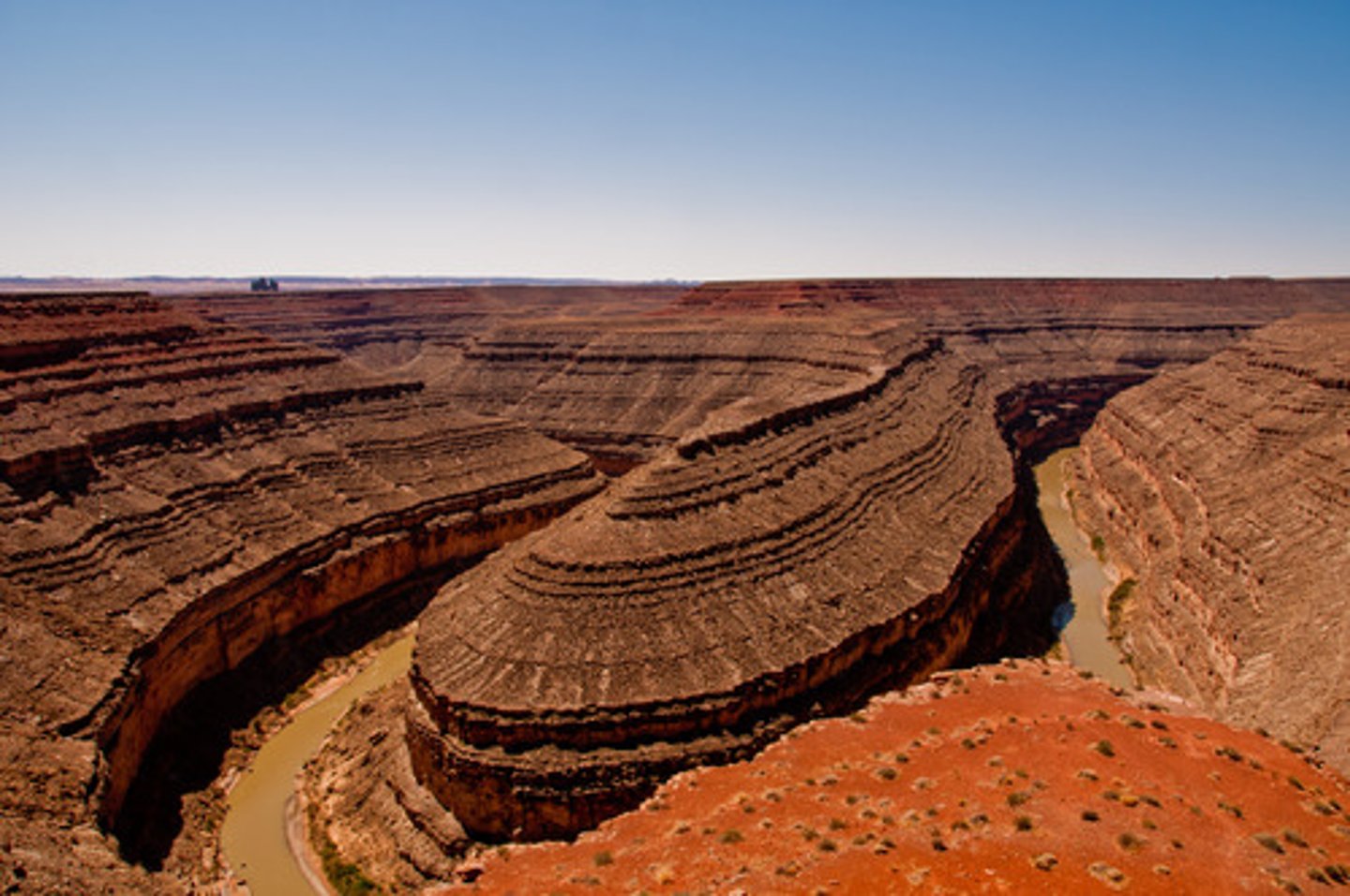
Incised meanders
Meanders flowing through steep, narrow
bedrock valleys
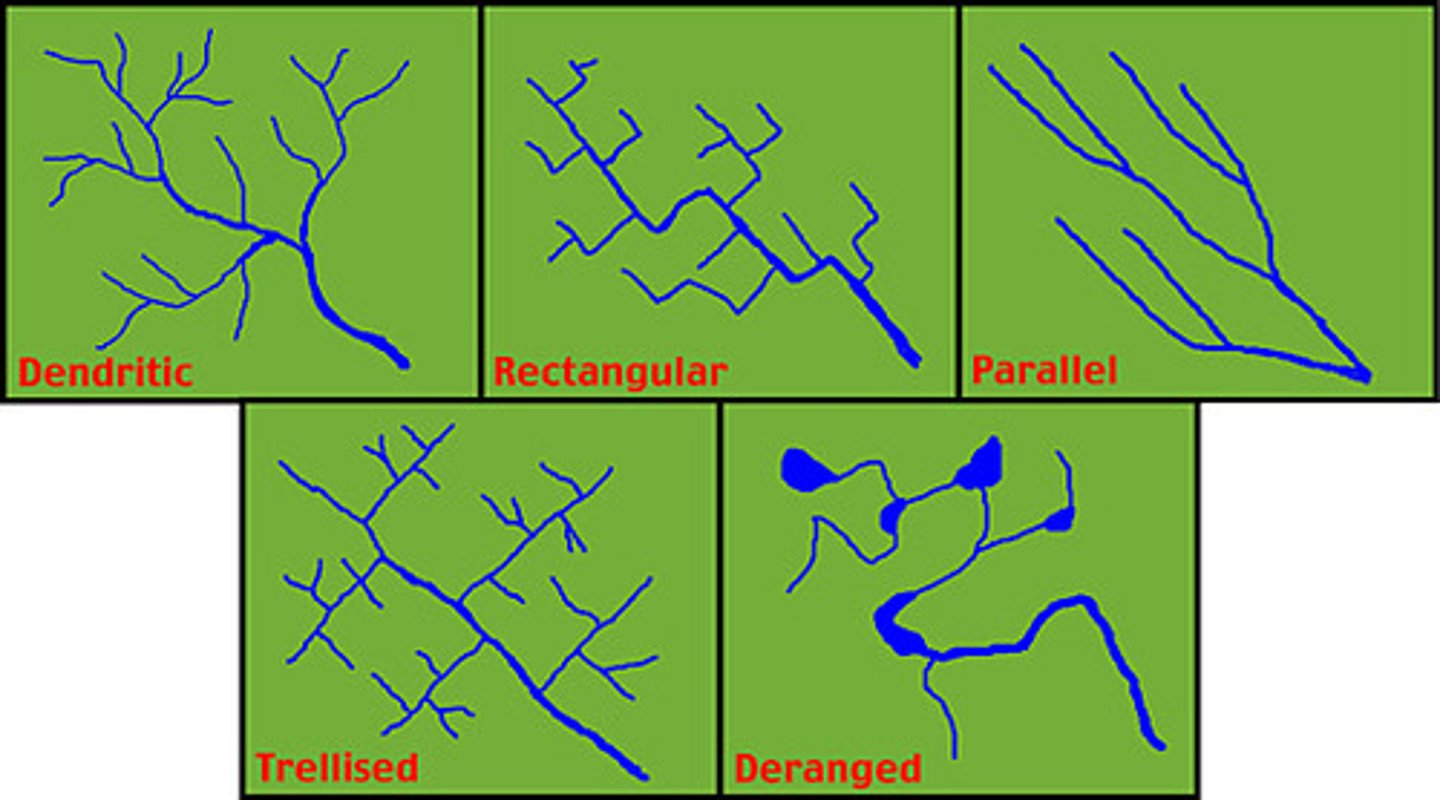
Stream drainage patterns
Network of stream valleys creates a drainage pattern
Explore top notes

