Chem lab safety
 Studied by 0 people
 Call Kai
 Learn
Learn Practice Test
 Spaced Repetition
 Match
Match Flashcards
 Knowt Play
1/65

There's no tags or description
Looks like no tags are added yet.
Name | Mastery | Learn | Test | Matching | Spaced | Call with Kai |
|---|
No analytics yet
Send a link to your students to track their progress
66 Terms
What is all eye wear rated?
ANSI Z87.1, protects against hazards including impact and penetration
safety glasses
metal or plastic safety frames and impact resistant lenses, side protection required
chemical splash goggles
tight fitting and cover the eye, eye sockets, and facial area around the eye completely, provide protection from impact, dust, and splashes
dust goggles
tight-fitting and resist the passage of large particles into the goggles
fluid resistant shields
provides splash protection from biological materials but does not provide protection against chemicals or impact hazards, not complaint with Z87.1, think Dr. pimple popper
Face shield
extends from the eye to below the chin across the width of the head, providing protection against splashes or sprays, can be used for UV protection too
laser eyewear
must be used only at the wavelength and energy/power which intended
welding shield
protects eyes from burns caused by intense light and protects eyes/face from flying sparks and metal splatter
Required lab attire
department approved glasses, long pants, shirt with sleeves that covers entire upper torso, flat soled shoes that cover the entire foot, hair longer than should length tied back
how long you should rinse your eyes in eyewash station
15 minutes
NOs for wearing in lab
leggings, dangling jewelry, sandals
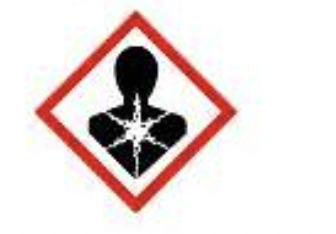
Health Hazard, carcinogen, mutagenicity, reproductive toxicity, respiratory sensitizer, target organ toxicity, aspiration toxicity
Flame, flammables, pyrophorics, self-heating, emits flammable gas, self-reactives, organic peroxides

Exclamation Mark, irritant (skin and eye), skin sensitizer, acute toxicity (harmful), narcotic effects, respiratory tract irritant, hazardous to ozone layer

Gas Cylinder, Gases under pressure
Corrosion, skin corrosion/burns, eye damage, corrosive metals
Exploding Bomb, explosives, self-reactives, organic peroxides
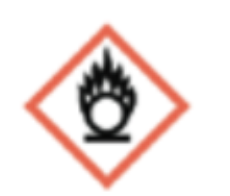
Flame Over Circle, oxidizers

Environment, aquatic toxicity
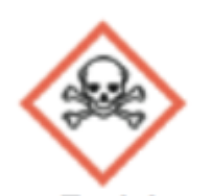
Skull and Crossbones, acute toxicity (fatal or toxic)
Section 1
Identification
Section 2
Hazard identification
Section 4
First aid measures
Section 8
Exposure control protection, lower is more dangerous
section 9
chemical and physical properties
section 5
firefighting precautions
section 10
stability and reactivity
section 11
toxicity information
Magnesium is flammable
TRUE
magnesium reacts with water and acid solutions
TRUE
hydrogen gas is considered and asphyxiant
TRUE
hydrogen gas is considered flammable
TRUE
A pyrophoric liquid freezes spontaneously and can pose a hazard as a result
FALSE
carcinogenity is a mechanical hazard
FALSE
NFPA
National Fire Protection Association
0 NFPA
No hazard, will not burn, stable
BLUE NFPA
Health hazard
RED NFPA
flammability hazard
YELLOW NFPA
instability hazard
WHITE NFPA
special hazard
1 NFPA
Blue, health: can cause significant irritation
red, flammability: must be preheated before ignition can occur
yellow, instability: normally stable, high temperatures make unstable
2 NFPA
Blue, health: can cause temporary incapacitation or residual injury
red, flammability: must be heated or high ambient temperature to burn
yellow, instability: violent chemical change at high temperatures or pressures
3 NFPA
blue, health: can cause serious or permanent injury
red, flammability: can be ignited under almost all ambient temperatures
yellow, instability: may explode at high temperature or shock
4 NFPA
blue. health: can be lethal
red, flammability: will vaporize and readily burn at normal temperatures
yellow, instability: may explode at normal temperatures and pressures
OX NFPA
Oxidizing
SA NFPA
Simple Asphyxiants
W NFPA
Reacts violently or explosively with water
cryogenic
being or related to very low temperature
GHS
Globally harmonized system of classification and labelling
GHS hazards
health hazards
physical hazards
environmental hazards
Asphyxiant
can result in suffocation
Teratogen
can cause birth defects
carcinogen
can cause cancer
mutagen
can cause genetic mutations
corrosive
can cause damage to living tissue
lachrymator
a substance that irritates the eyes and causes tears to flow
pyrophoric
liable to ignite spontaneously on exposure to aire
sensitizer
a substance that, after initial exposure, triggers an immune response, causing a person to develop an allergy
what is needed for a fire to start
fuel source, heat or ignition source, oxygen or other oxidizer, a chemical chain reaction
ABC Fire extinguishers can put out
Ordinary combustibles (paper cardboard plastics and rubber), Flammable and combustible liquids and gases (gasoline alcohols common organic solvents), Electrical equipment (hot plates stirrers ovens computers) NOT combustive water-reactive metals such as lithium sodium and potassium
Fire extinguishers that can put out fires from flammable organic solvents
ABC & CO2
Class A fires
ordinary combustibles (wood and paper)
Class B fires
flammable liquids like gasoline and oil
Class C fires
energized electrical equipment
Class D fires
involves combustible water-reactive metals such as lithium potassium and sodium and flammable metals such as magnesium
 Note
Note  Flashcards (260)