ANP140 Lab 7 digestive system
 Call Kai
 Learn
Learn Practice Test
 Spaced Repetition
 Match
Match Flashcards
 Knowt Play
1/124

There's no tags or description
Looks like no tags are added yet.
Name | Mastery | Learn | Test | Matching | Spaced | Call with Kai |
|---|
No analytics yet
Send a link to your students to track their progress
125 Terms
Mucosa (GI tract layer)
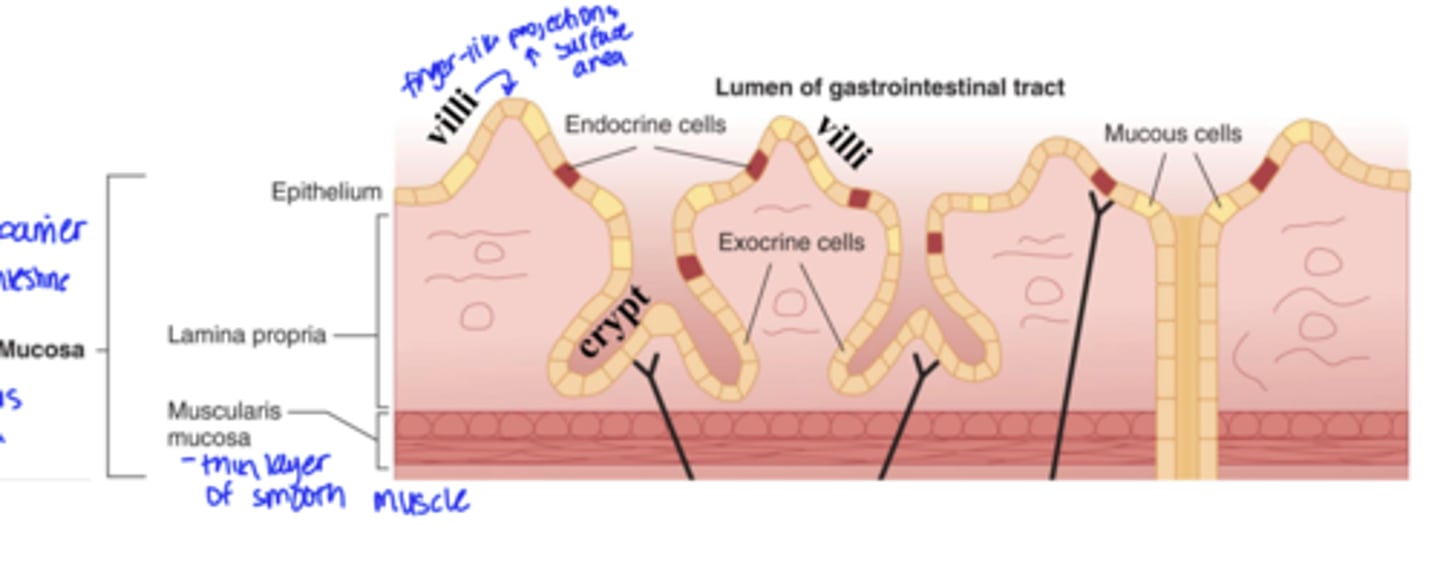
Mucosa
contains Epithelial tissue
- faces the lumen of the GI tract
Submucosa (GI tract layer)
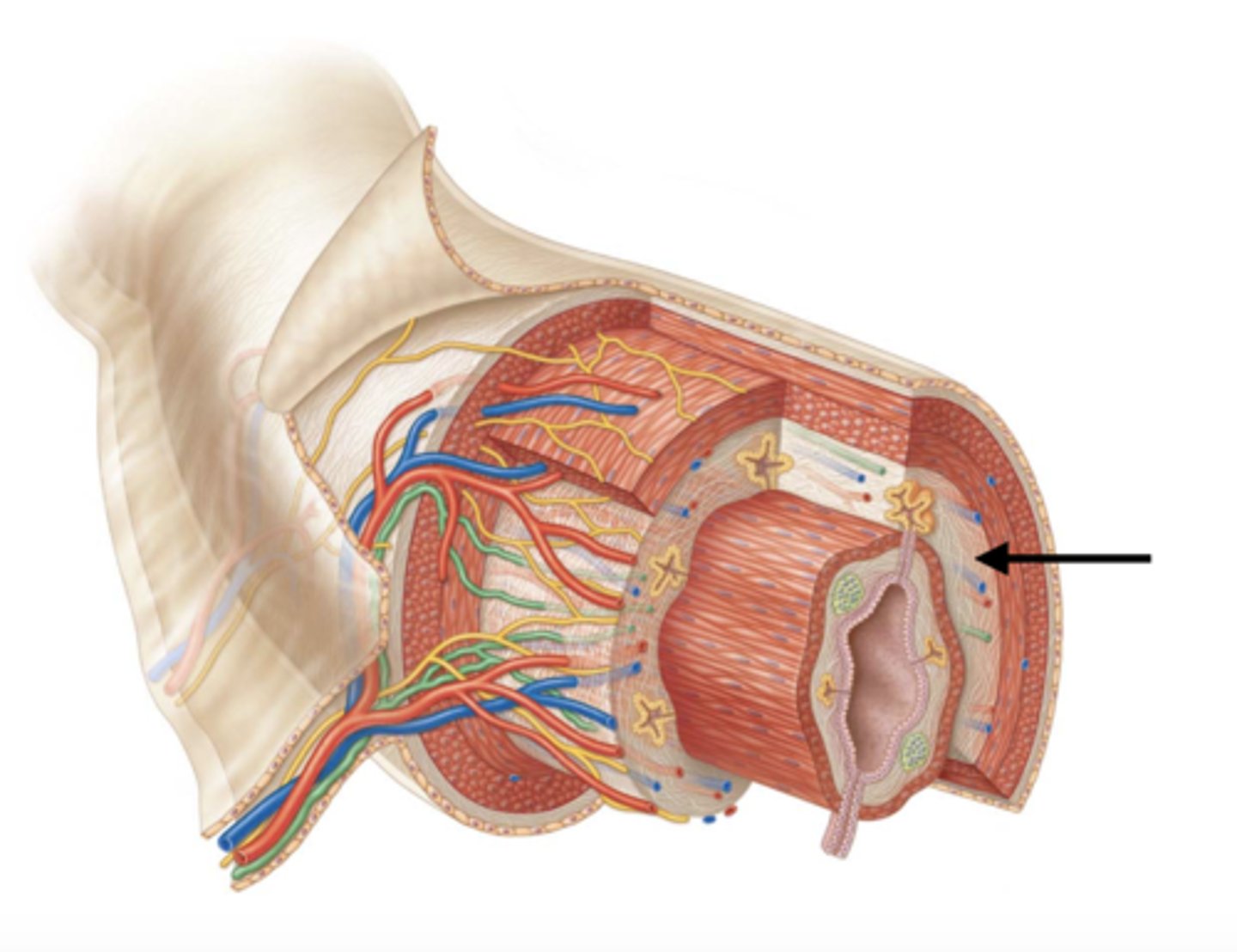
submucosa
Contain blood, lymph vessels, and submucosal nerve plexus
submucosal nerve plexus
regulates secretions
Muscularis externa (GI tract layer)
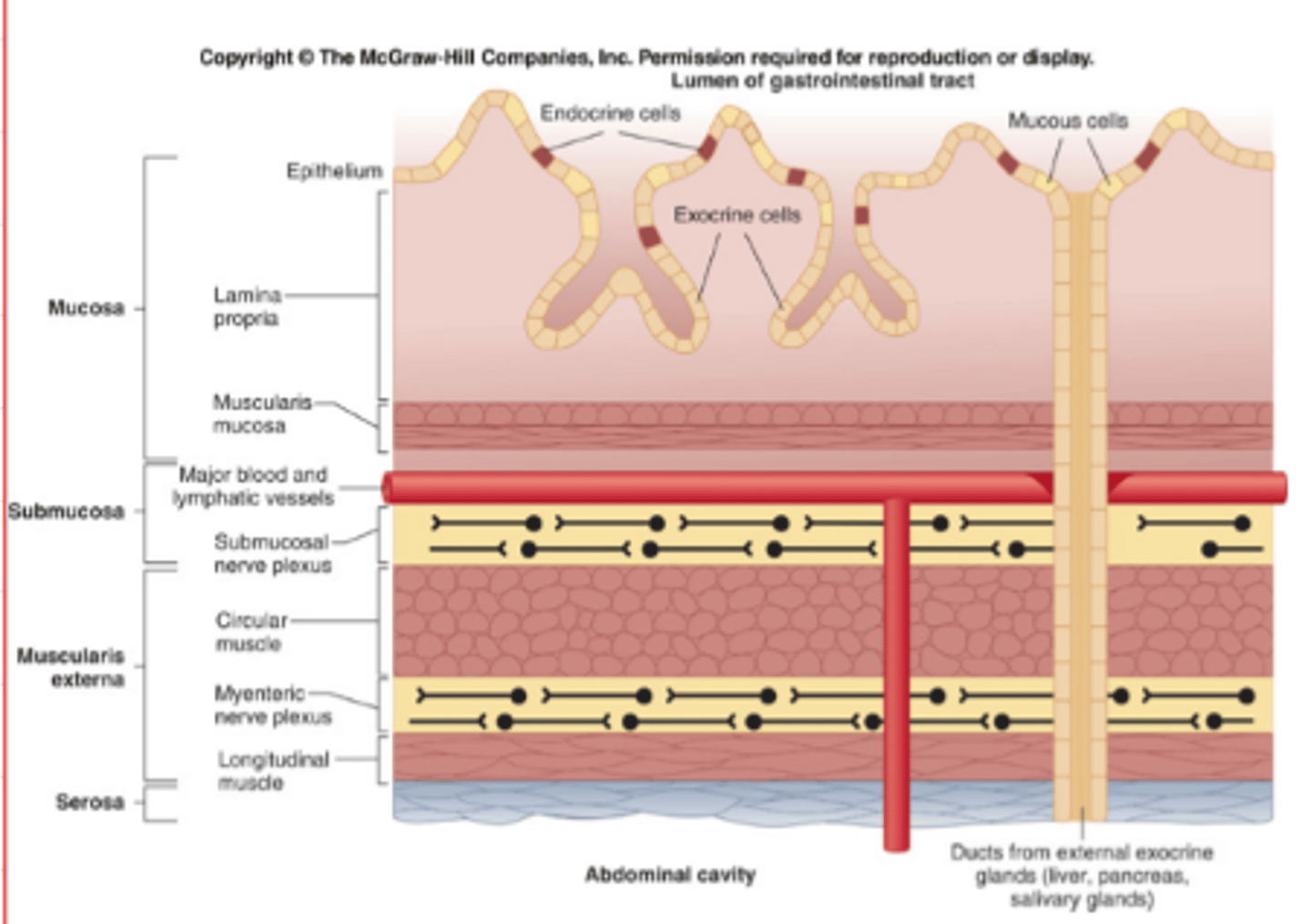
muscularis externa
circular muscle, myenteric plexus, longitudinal muscle
circular muscle funcation
narrowing motions
myenteric plexus
regulates motility
longitudinal muscle funcation
shortening motions
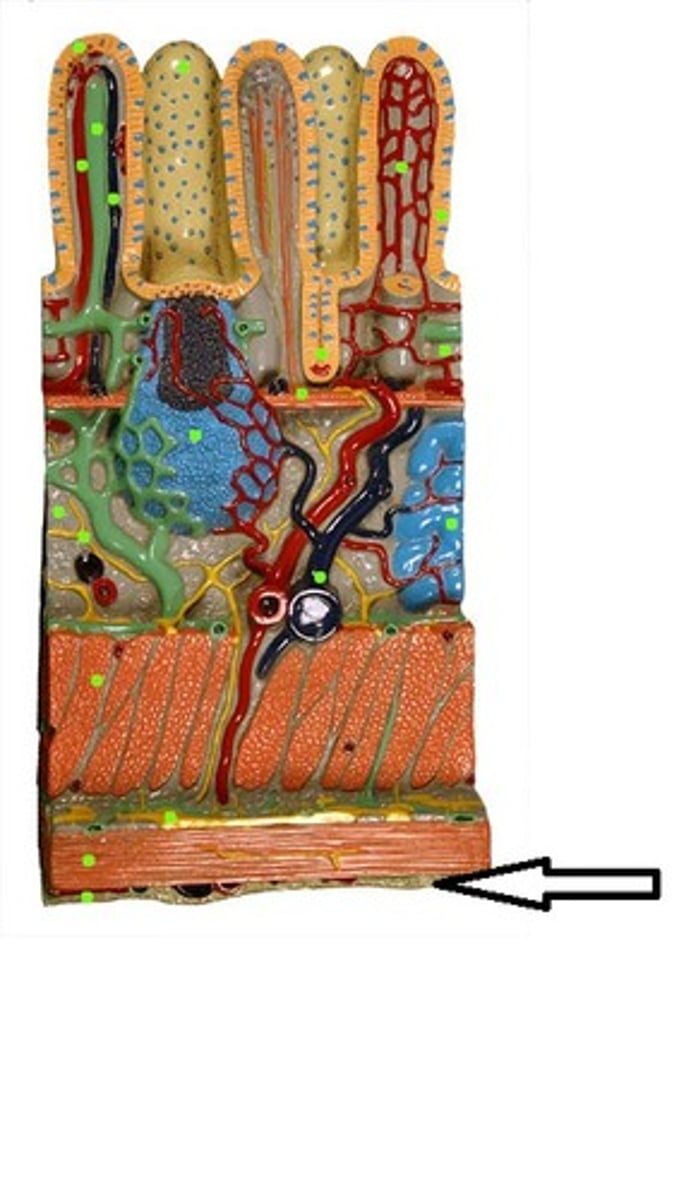
Serosa
thin outermost layer formed on visceral peritoneum
hard palate
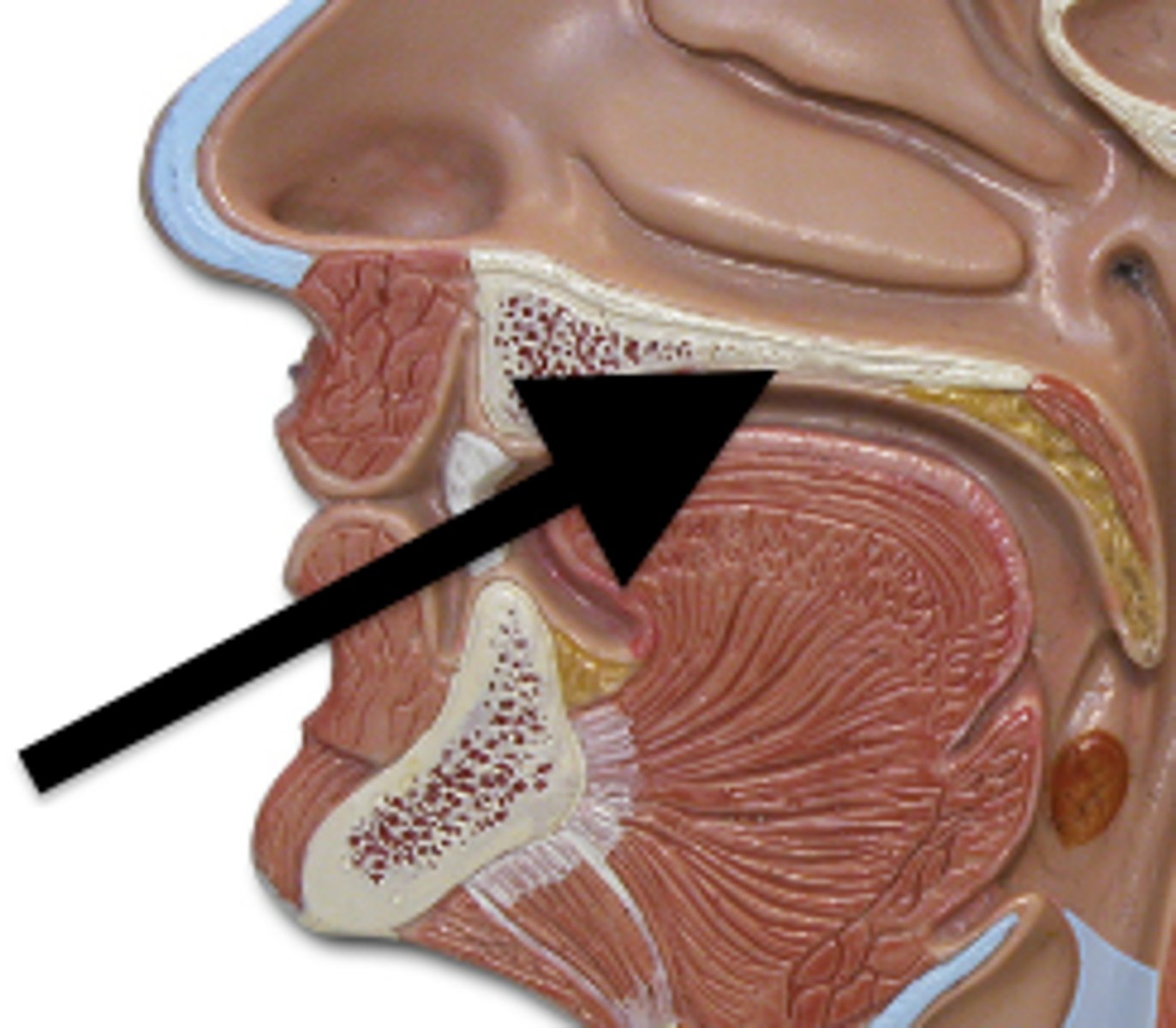
oral cavity
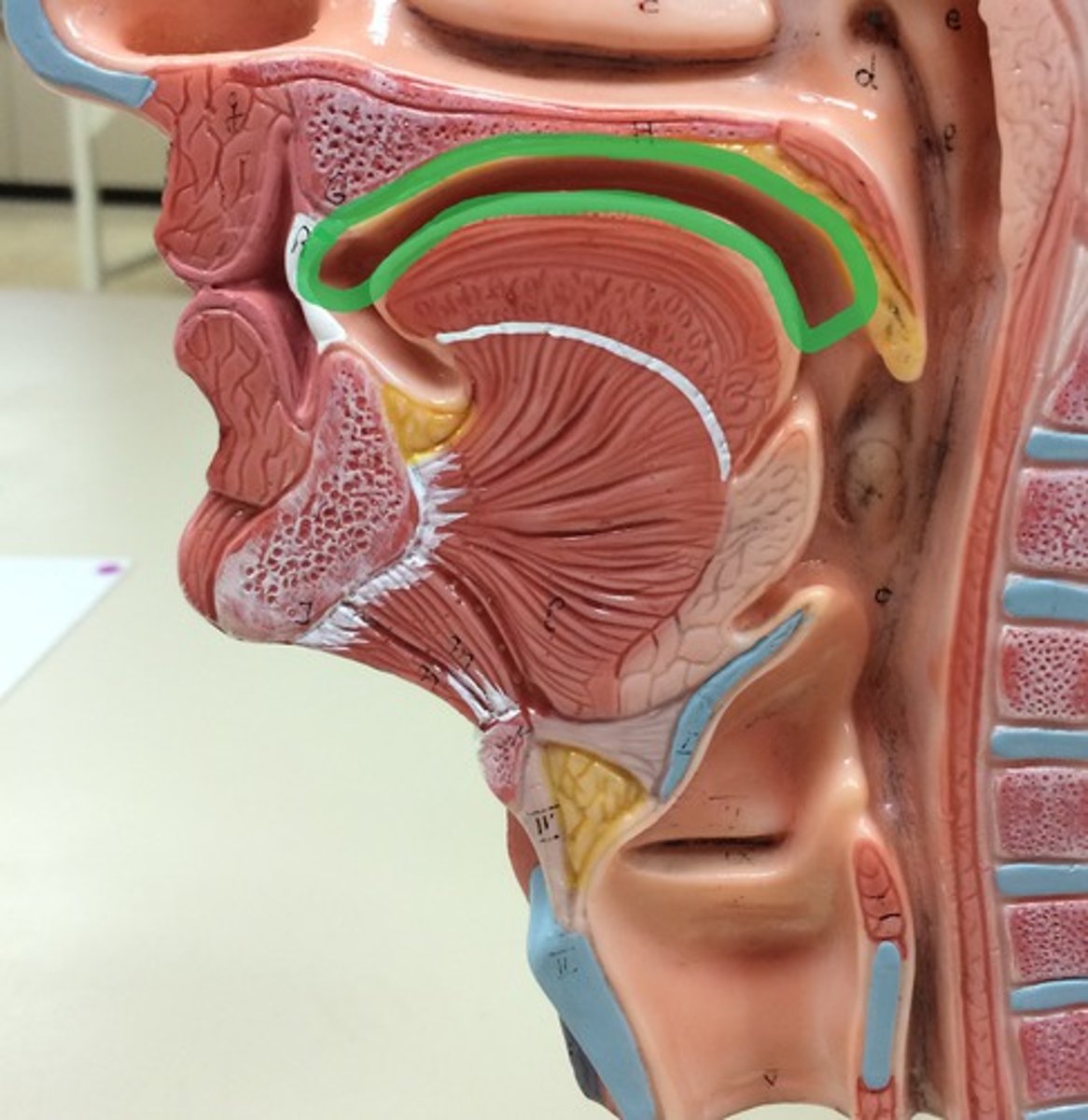
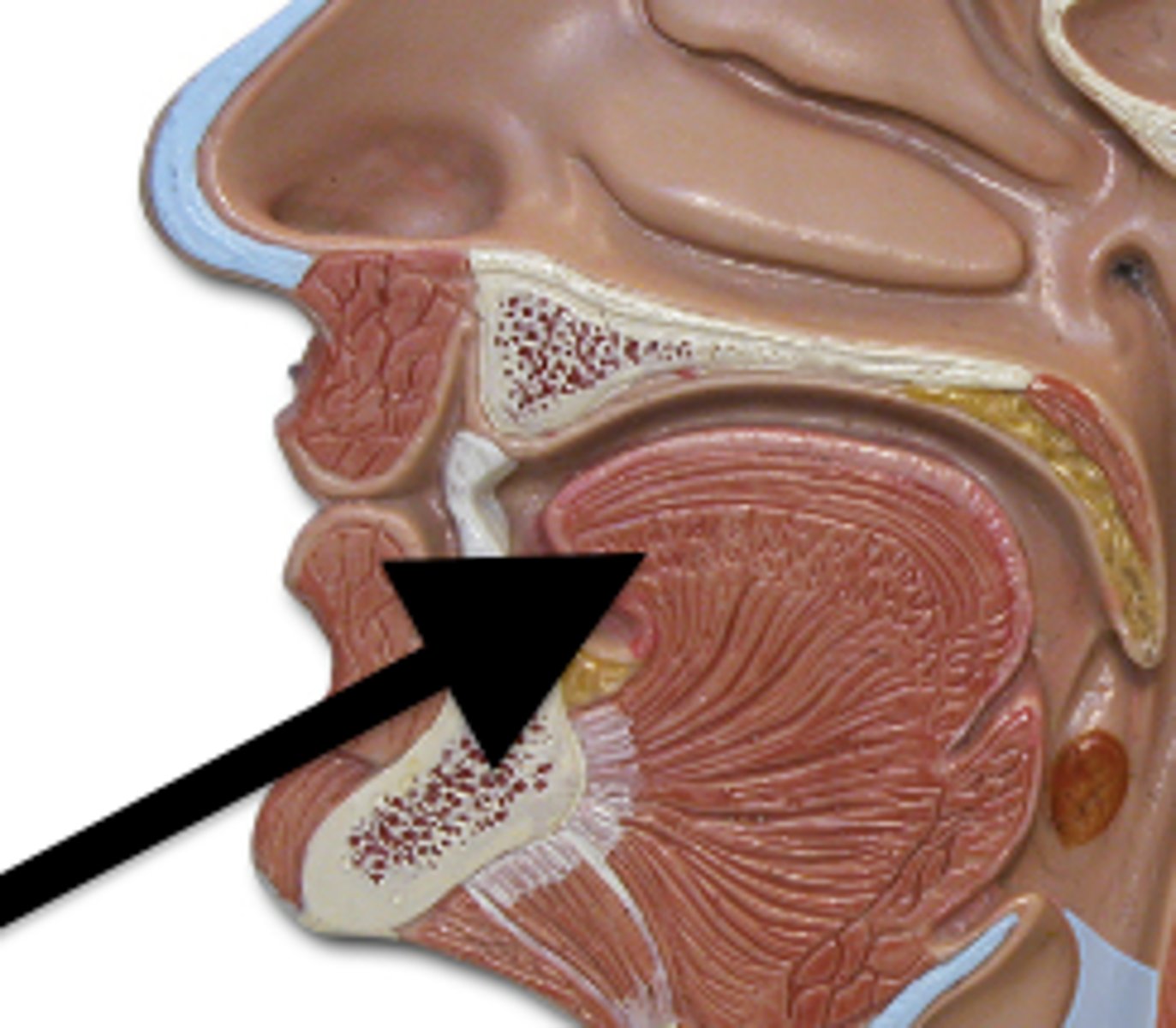
tongue
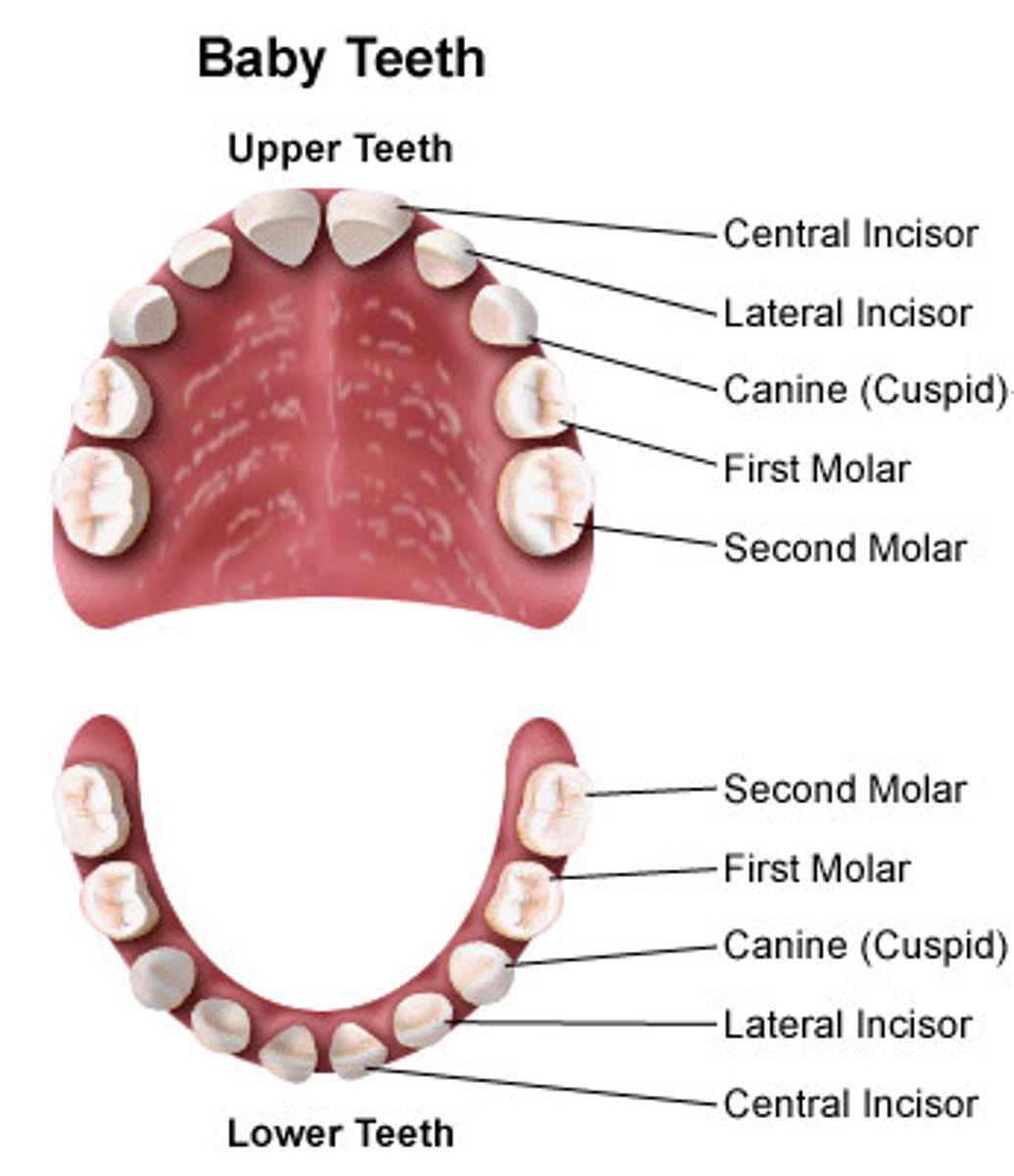
teeth
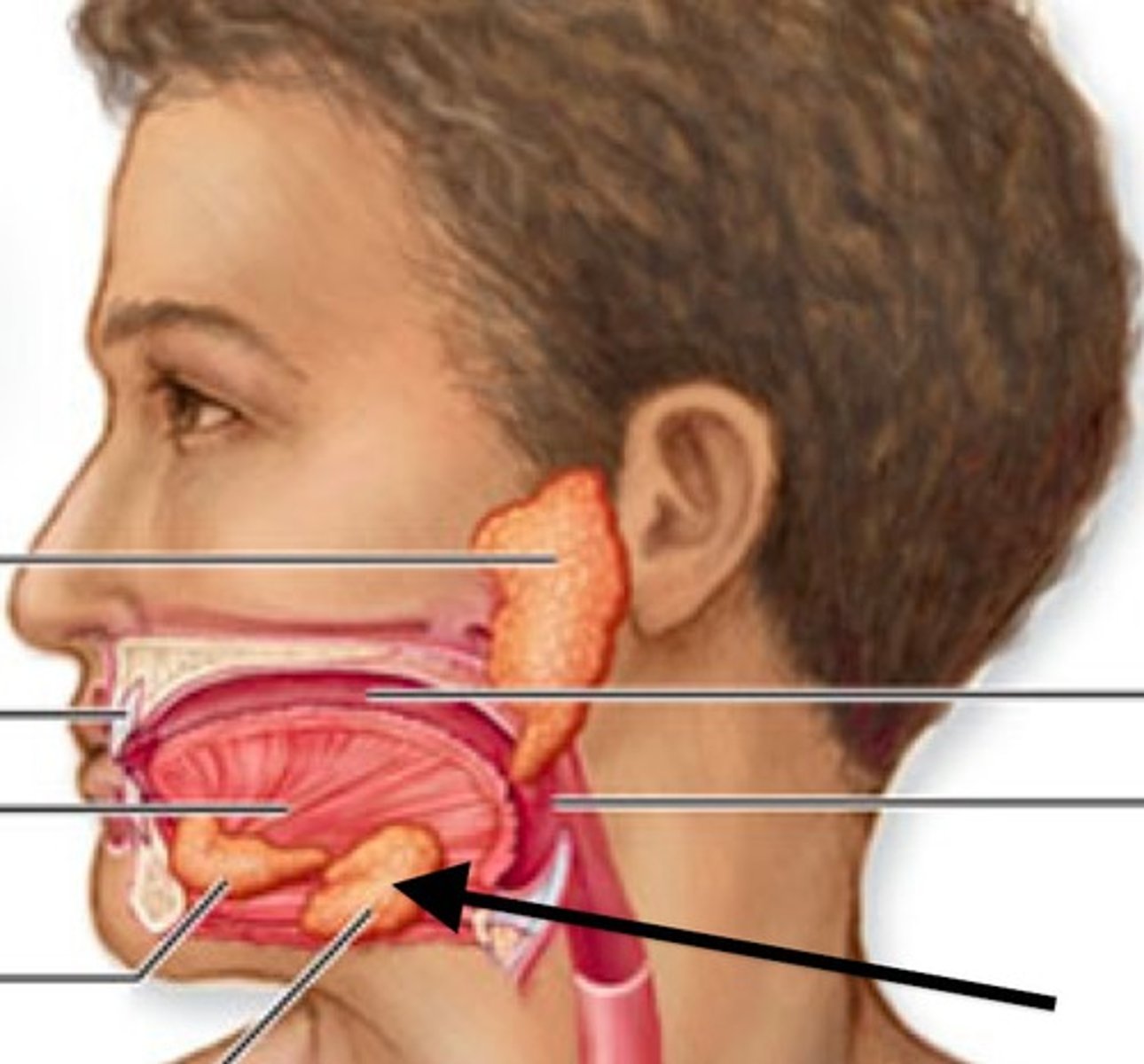
sublingual gland
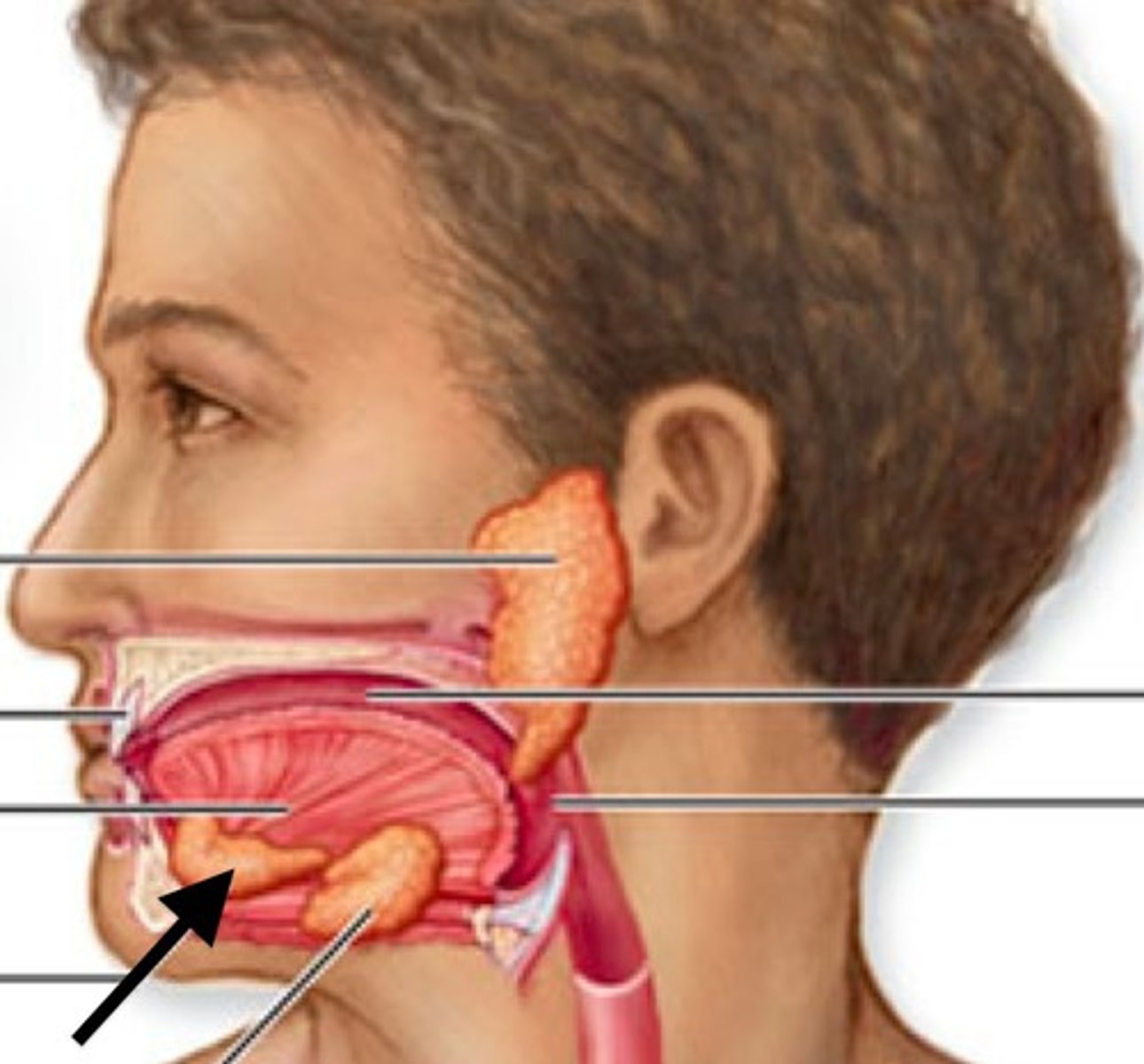
submandibular gland
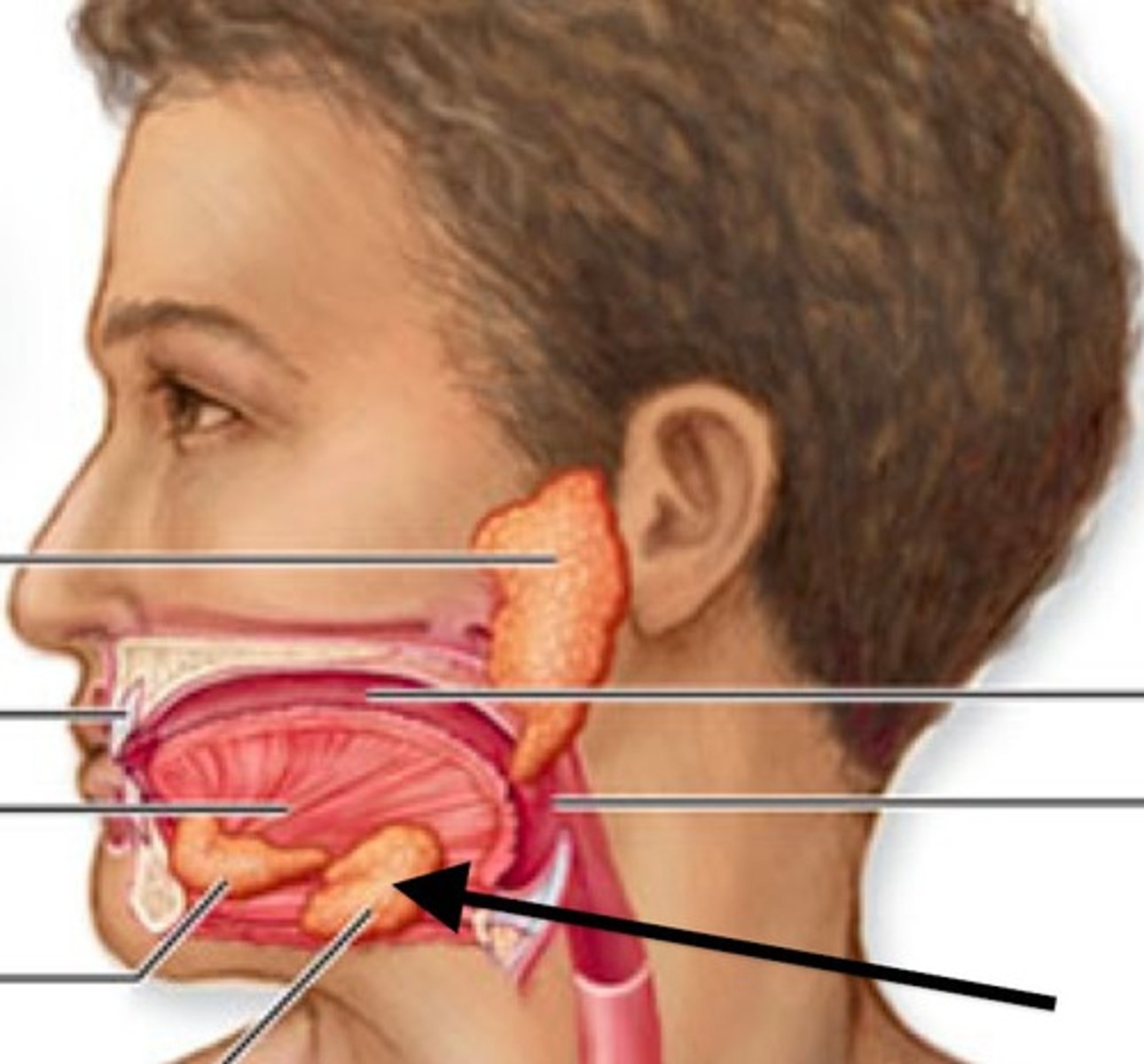
parotid gland
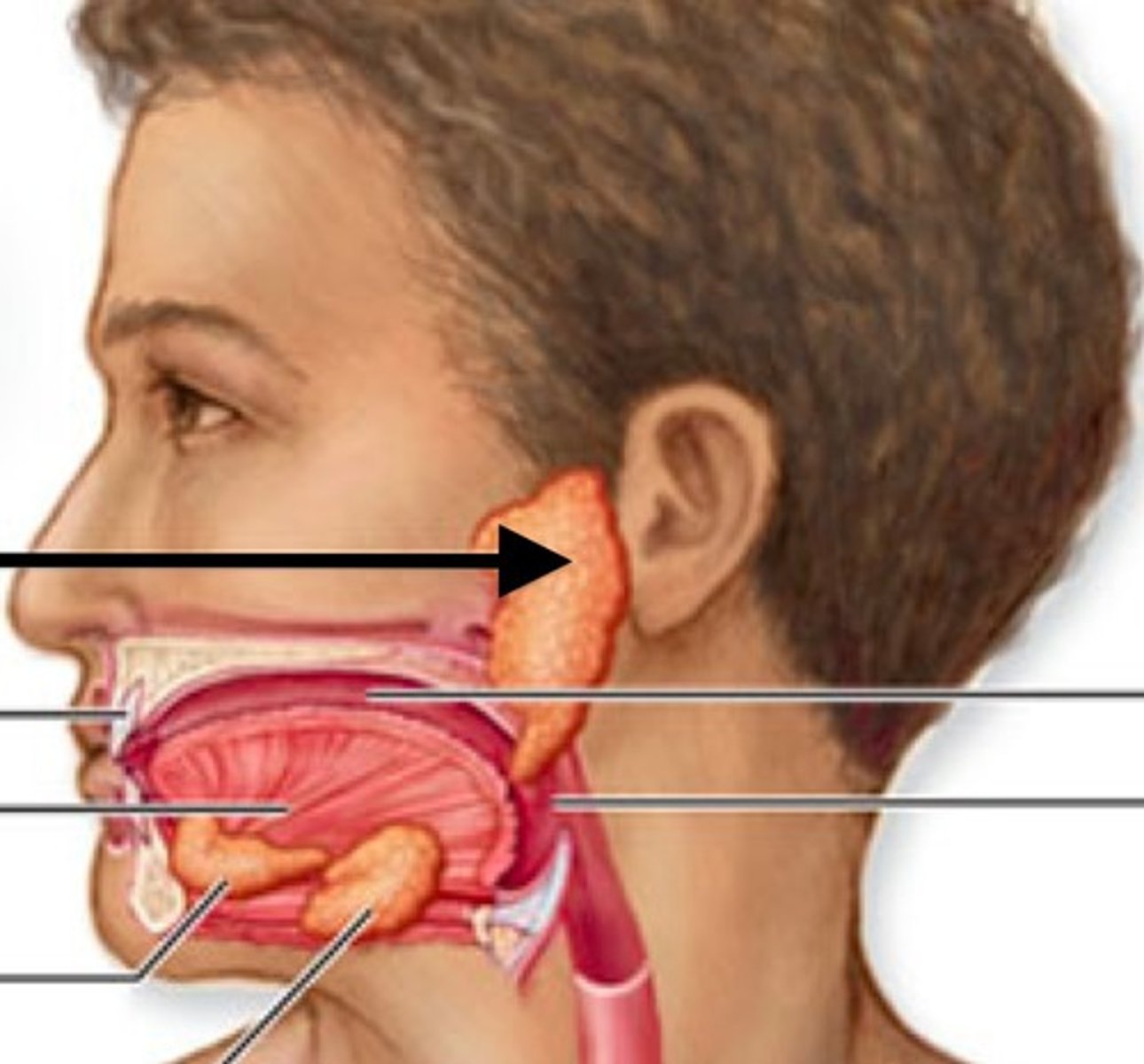
soft palate
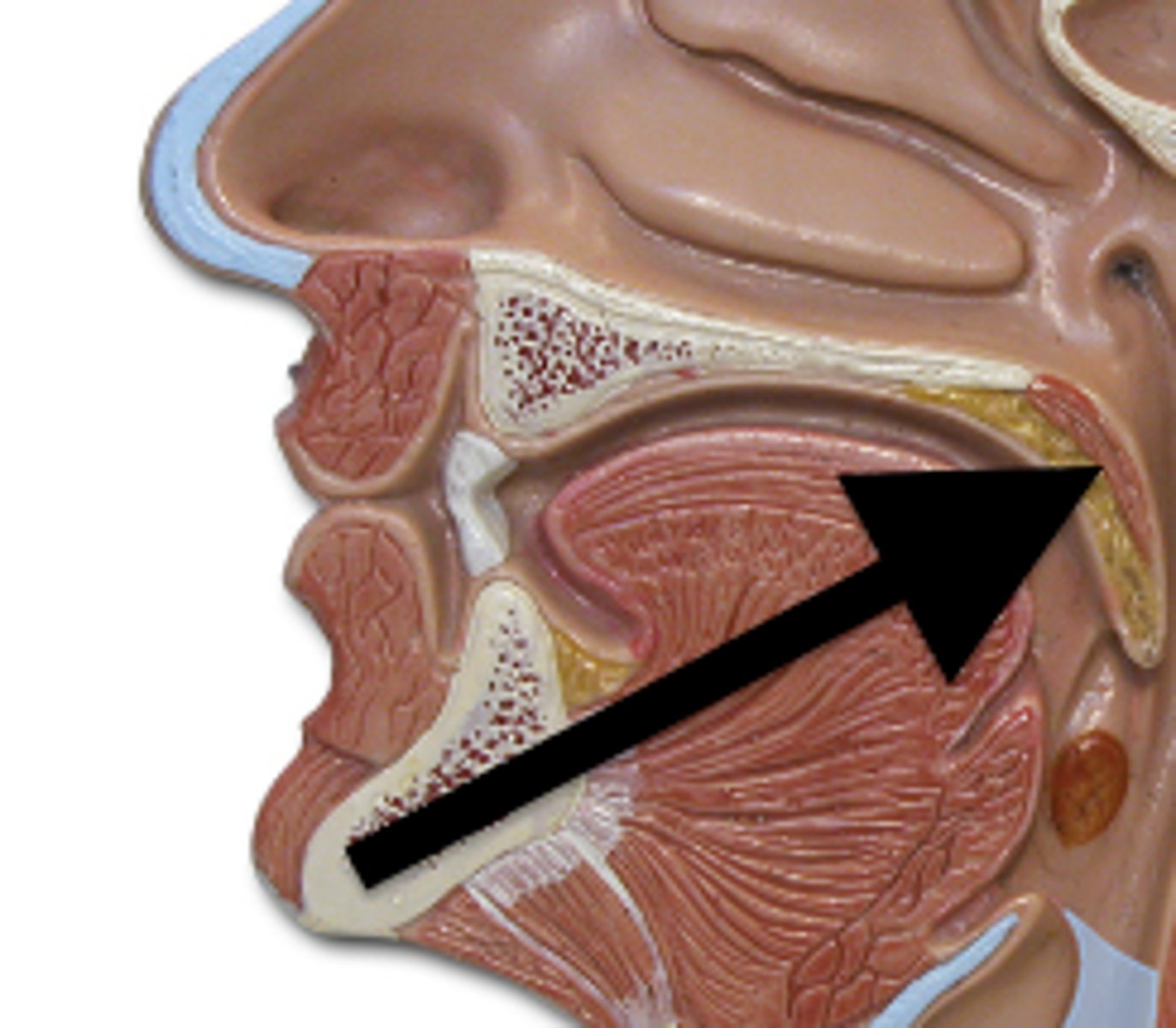
pharynx
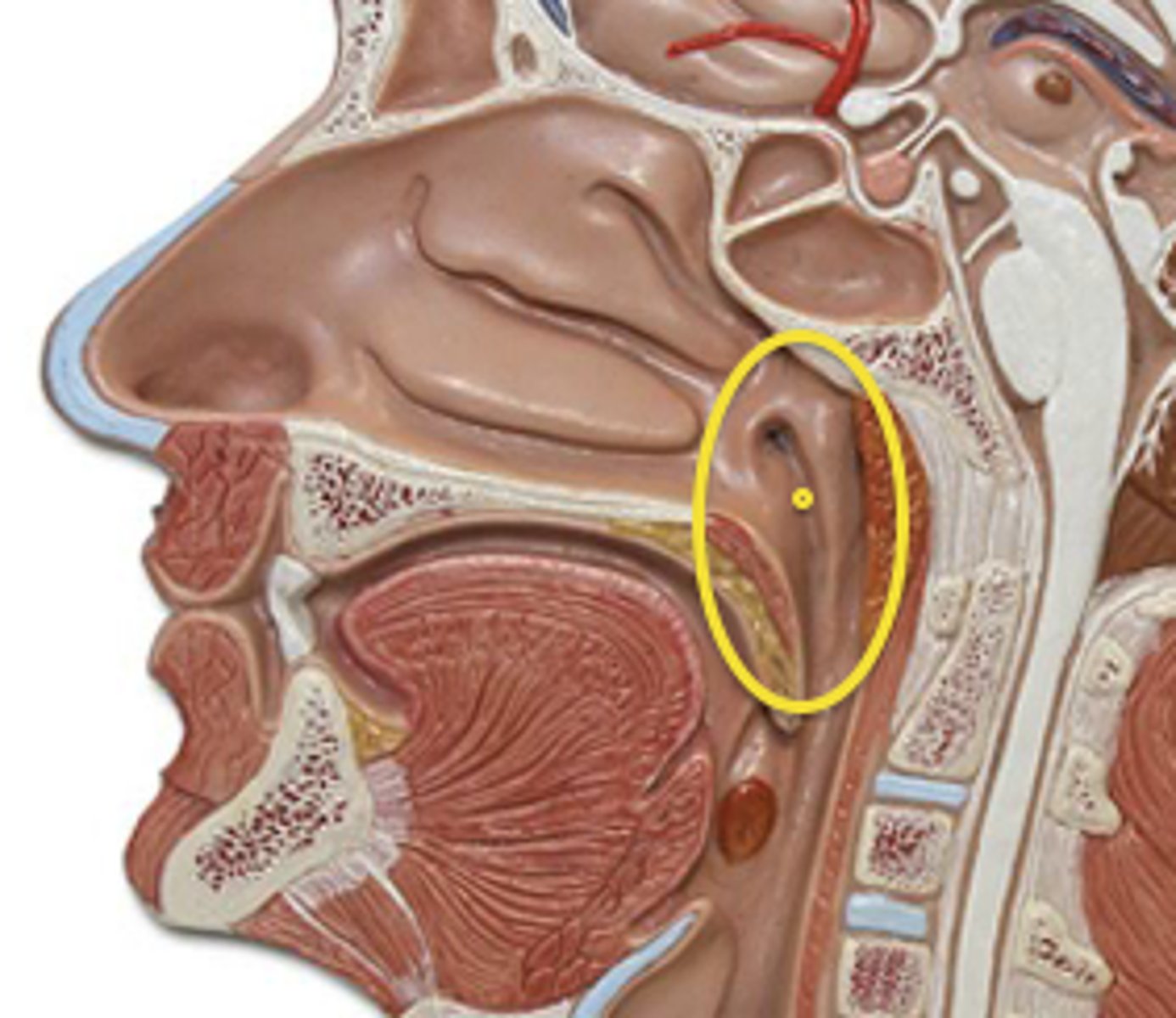
Esophagus
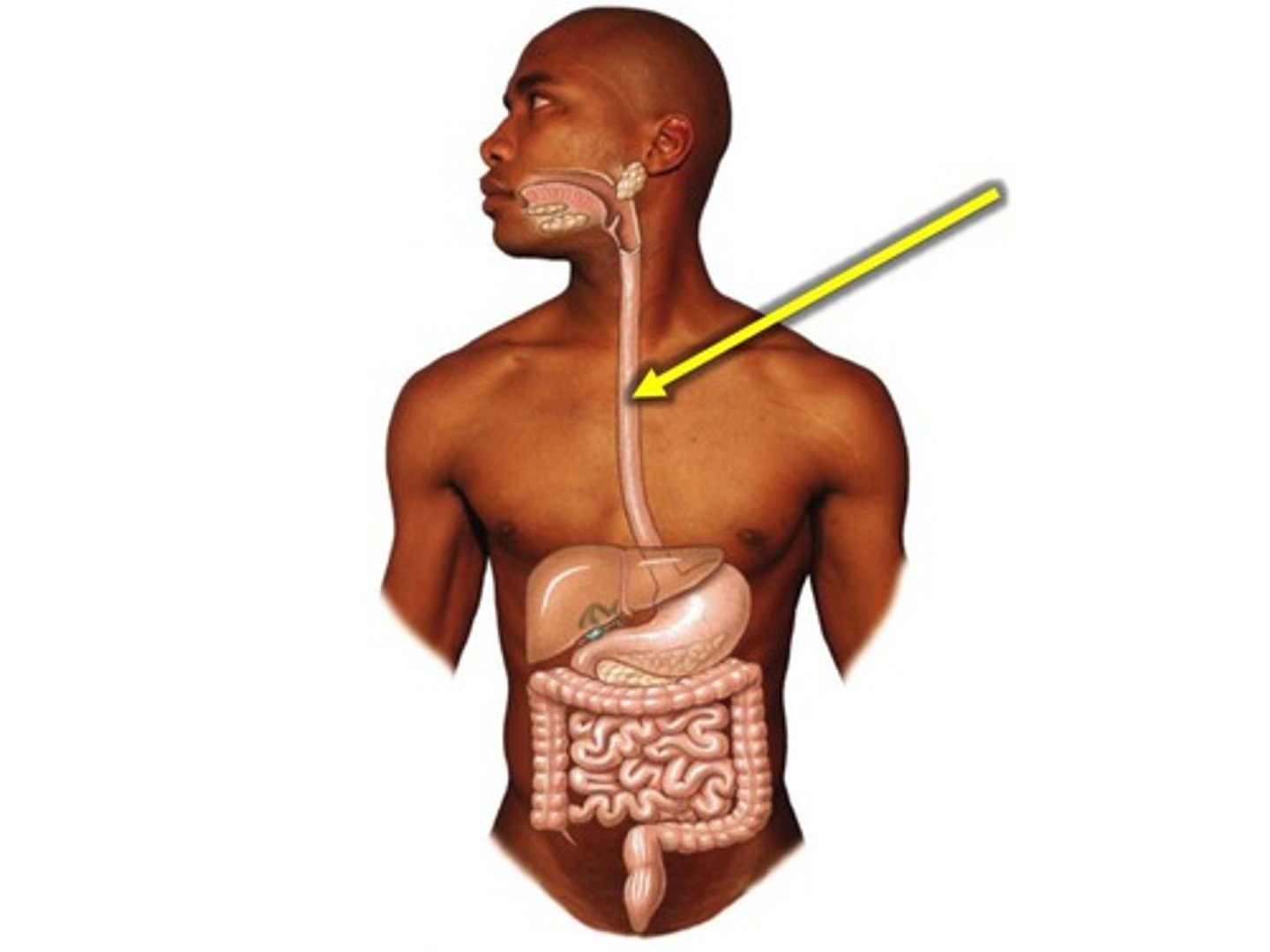
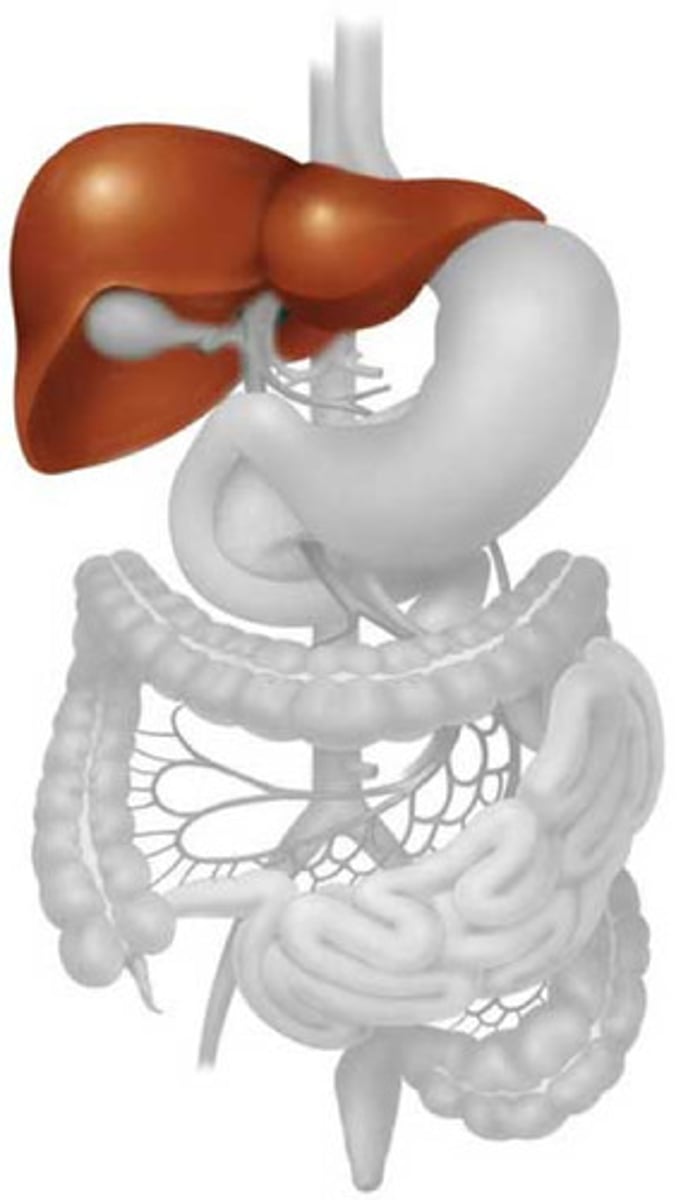
liver
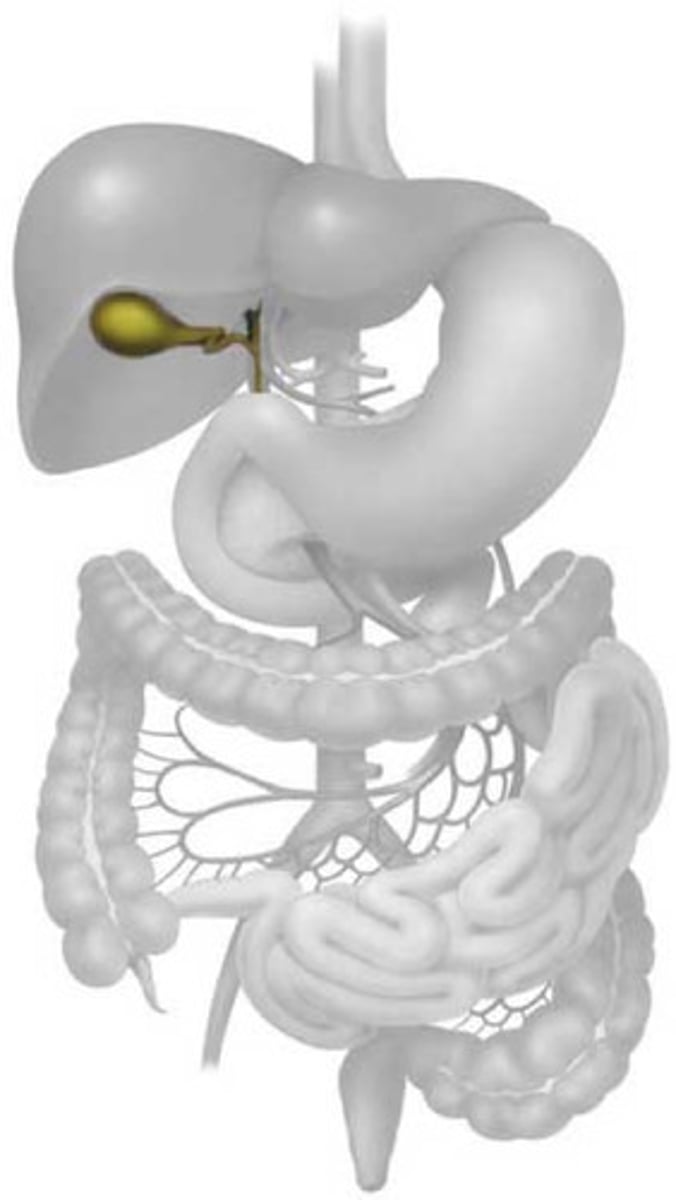
gallbladder
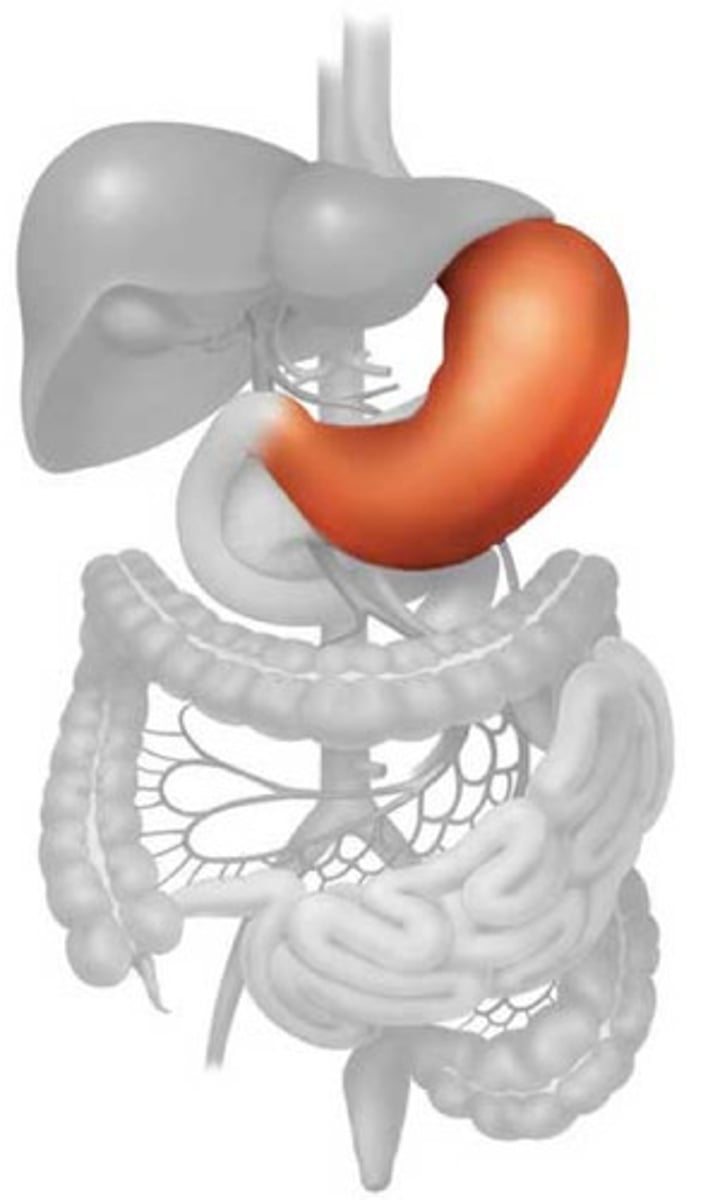
stomach
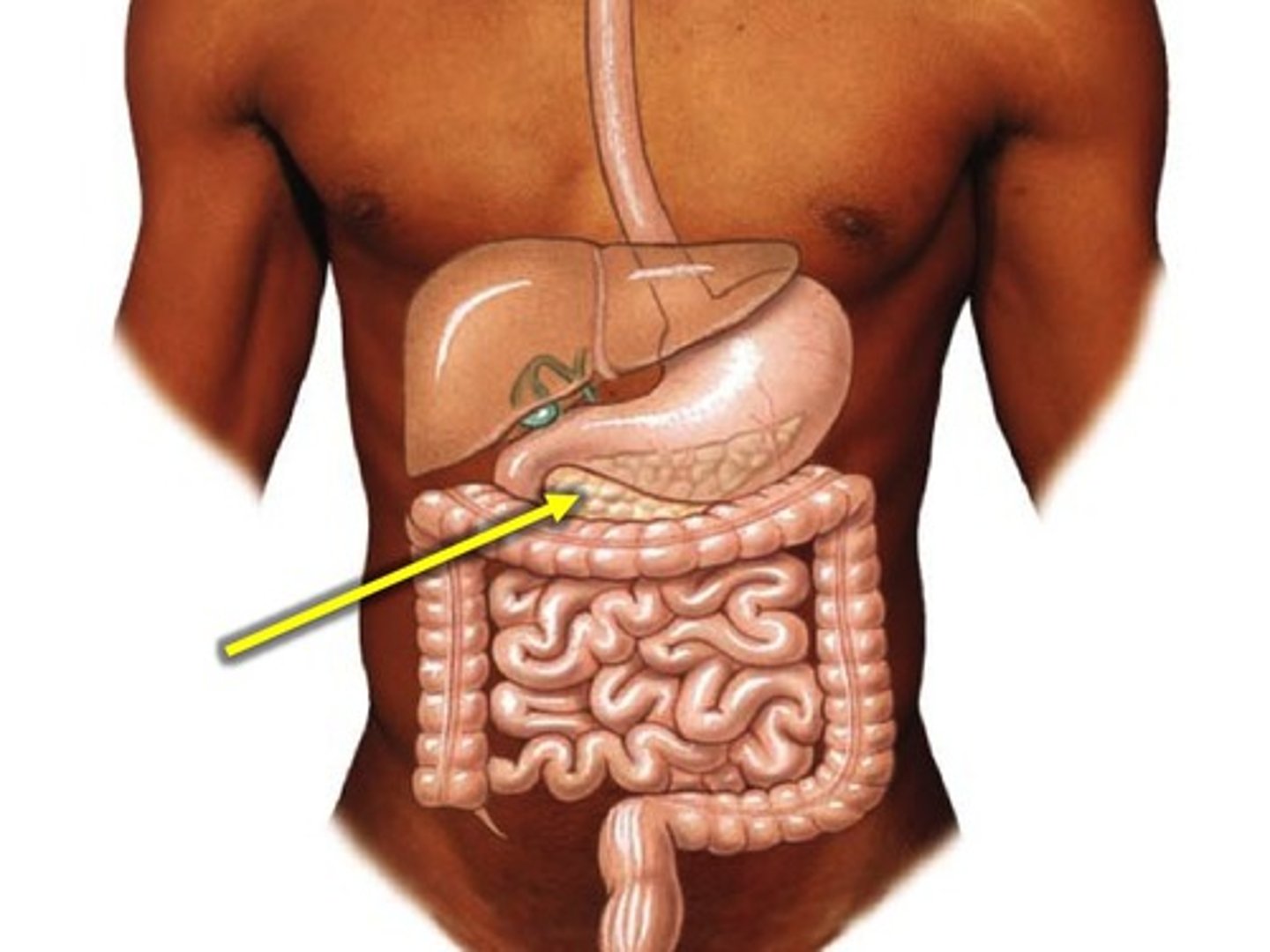
Pancreas
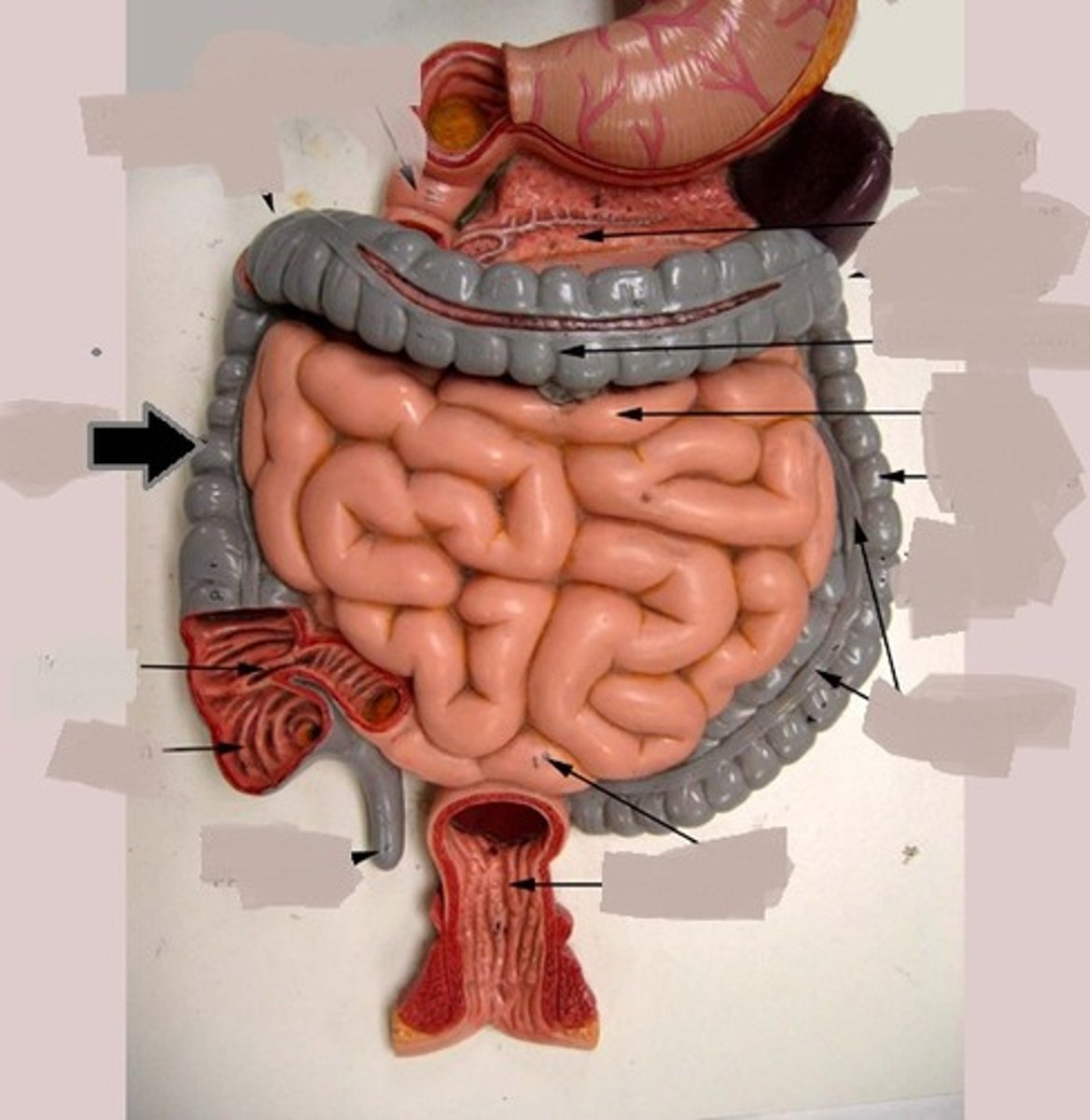
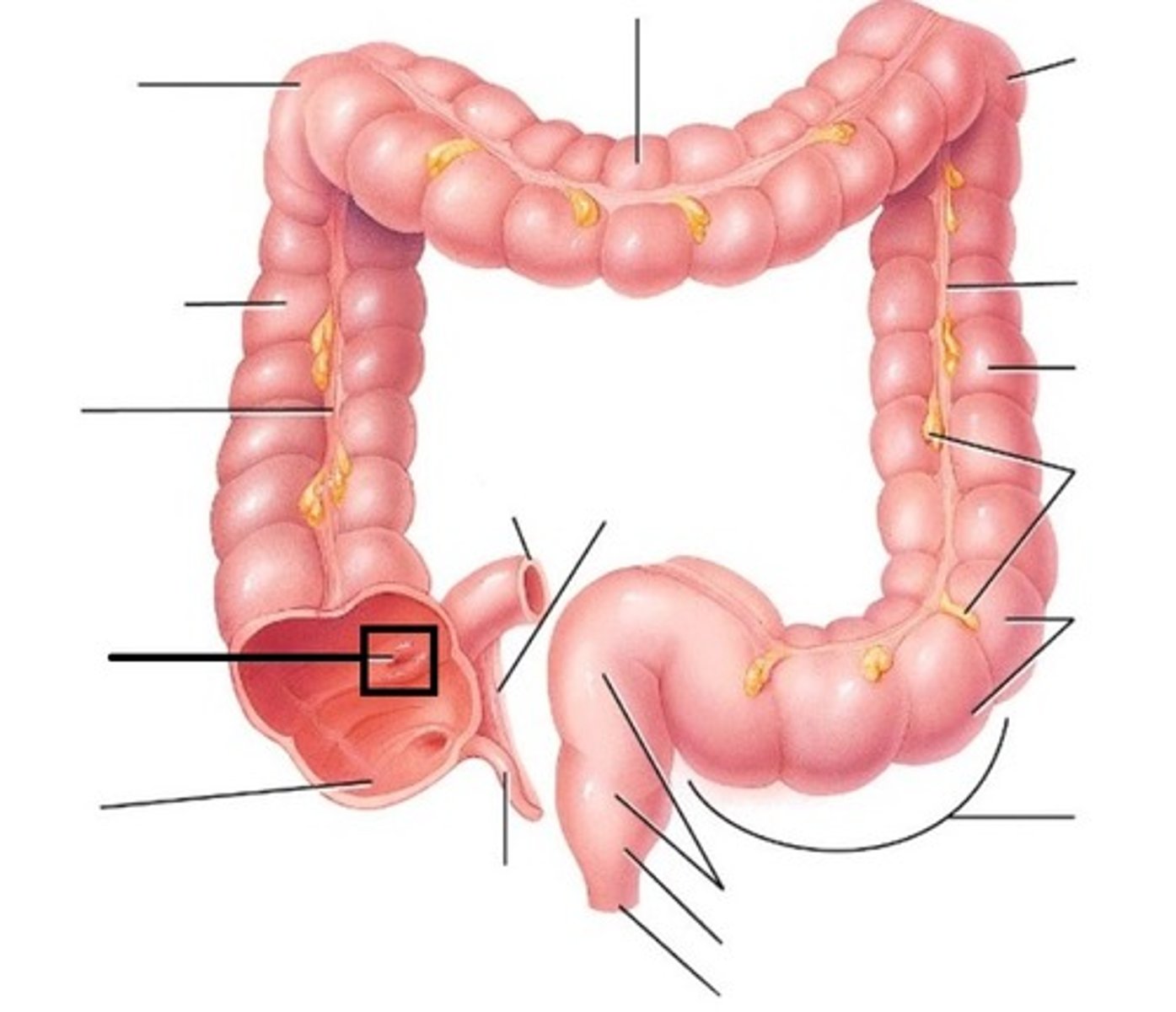
ascending colon
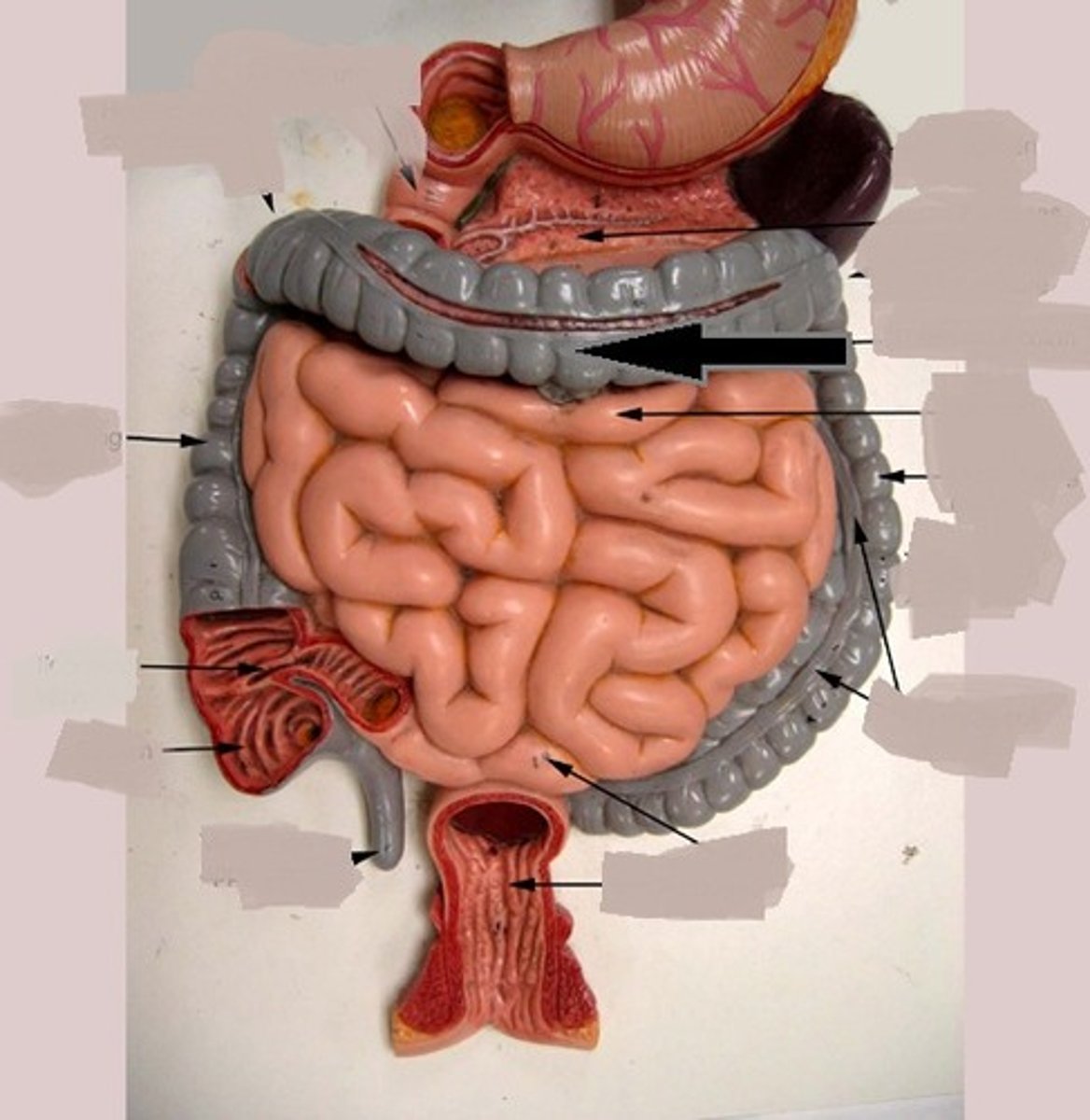
transverse colon
descending colon
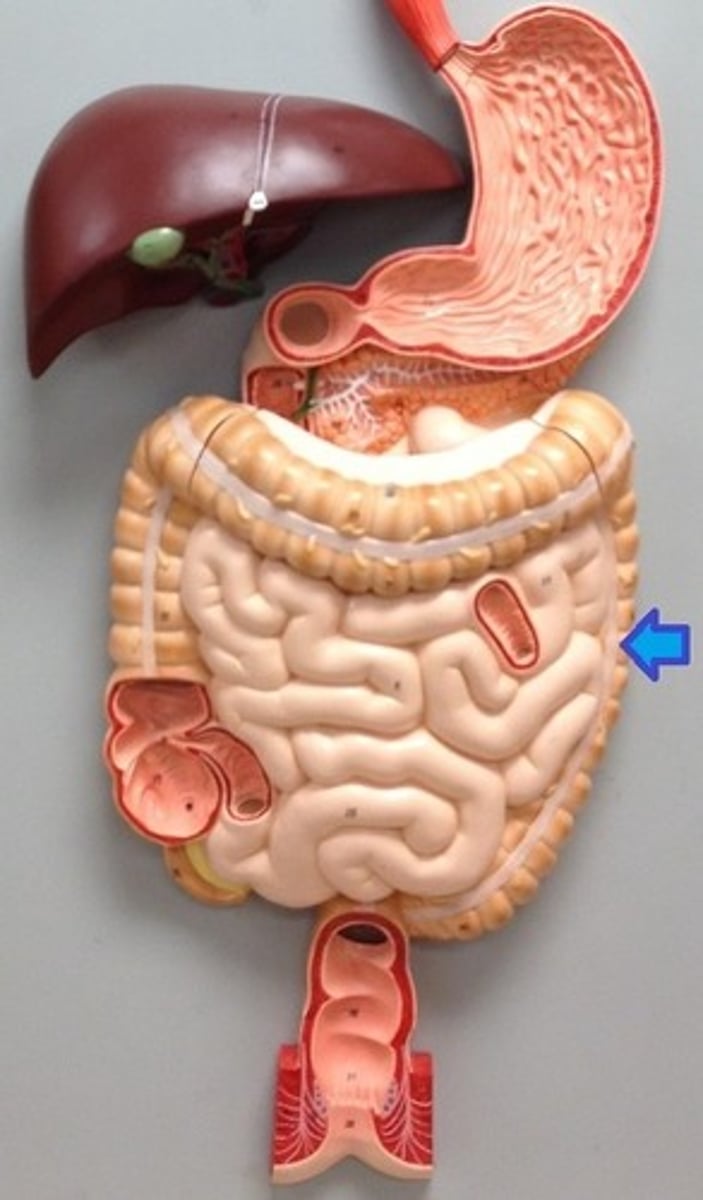
small intestine
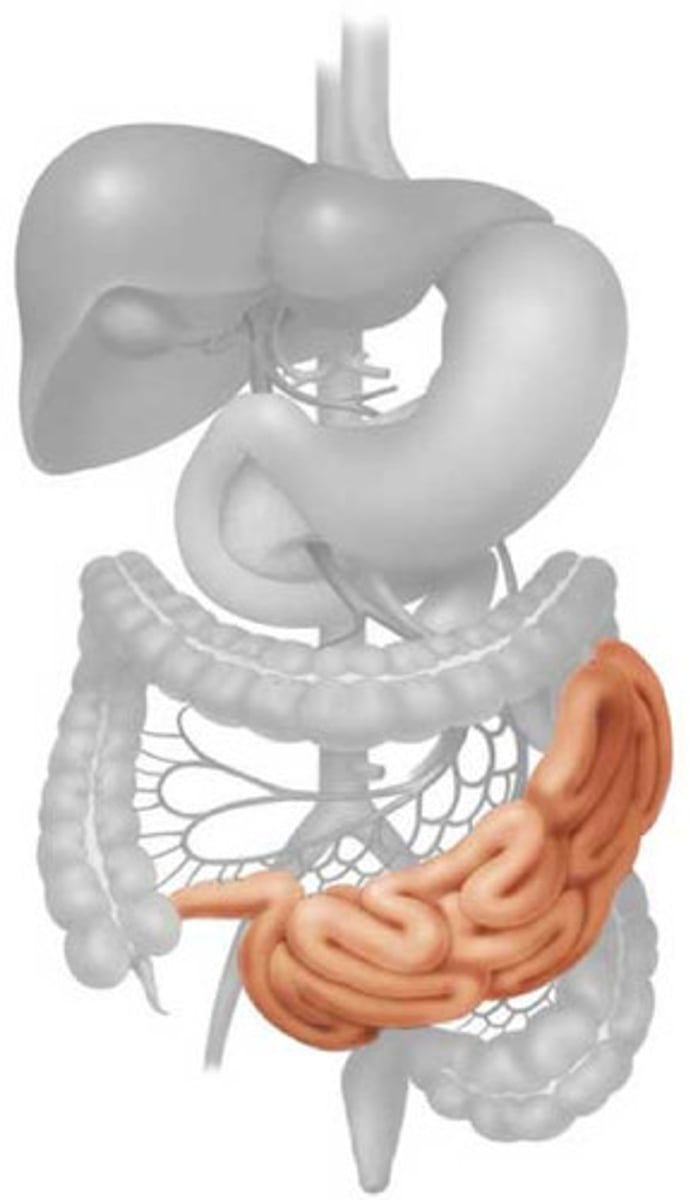
cecum
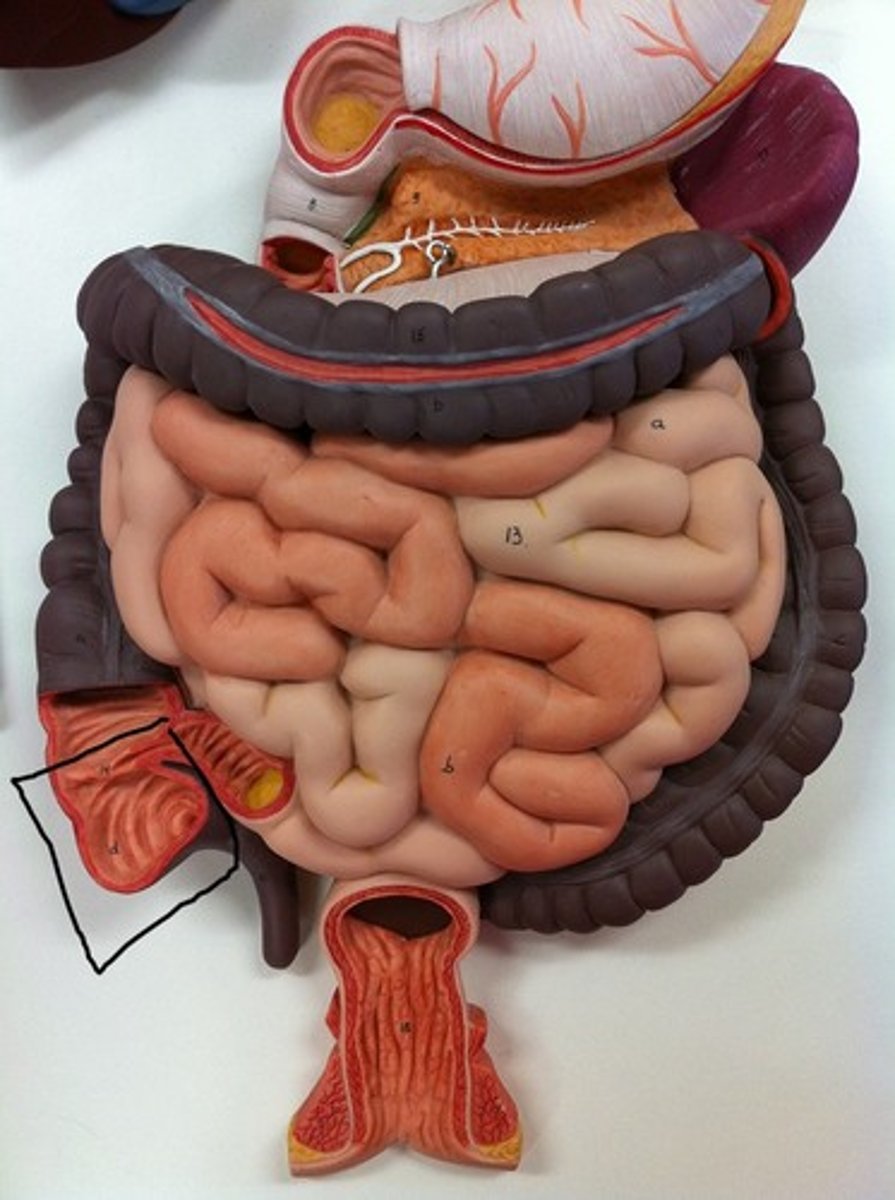
appendix
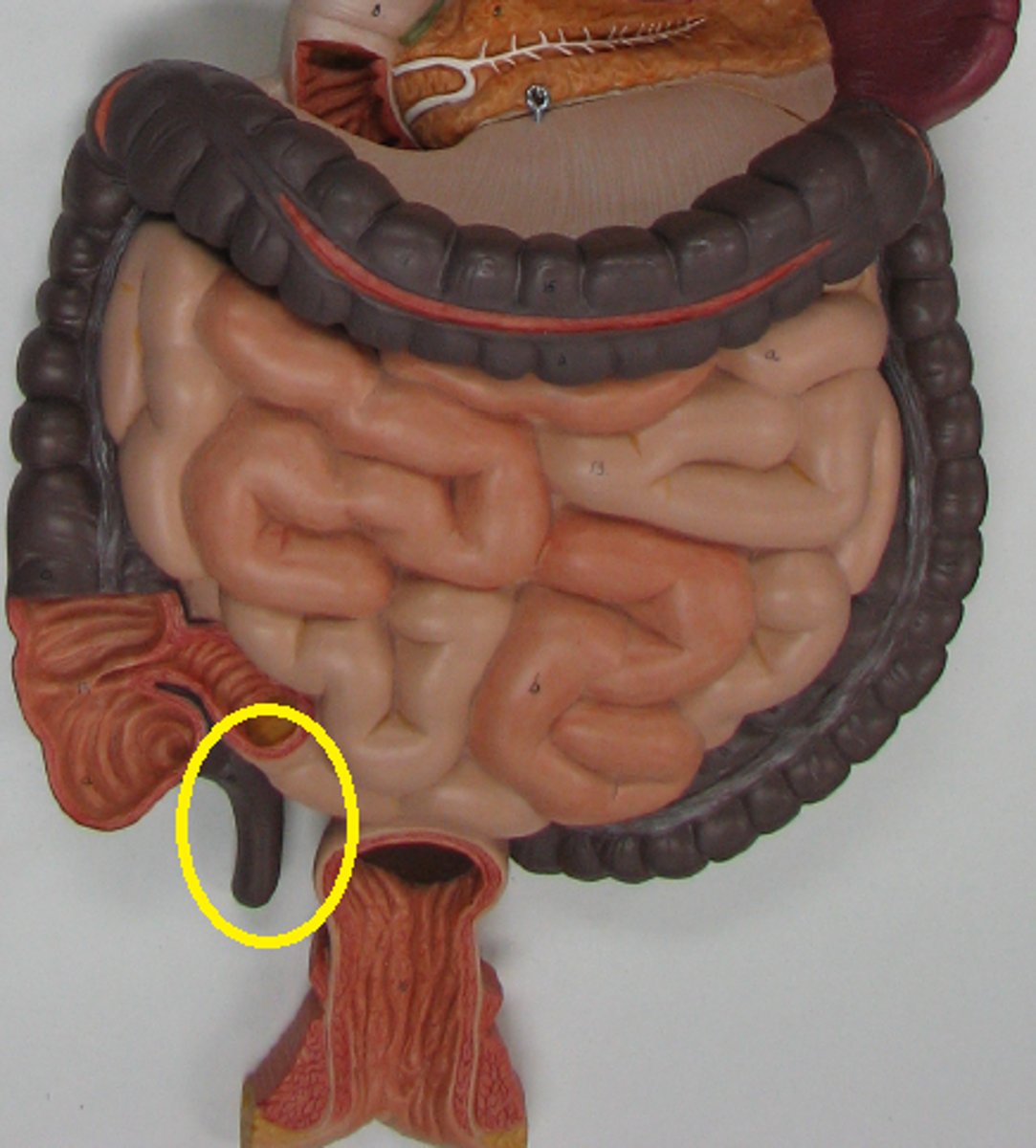
sigmoid colon
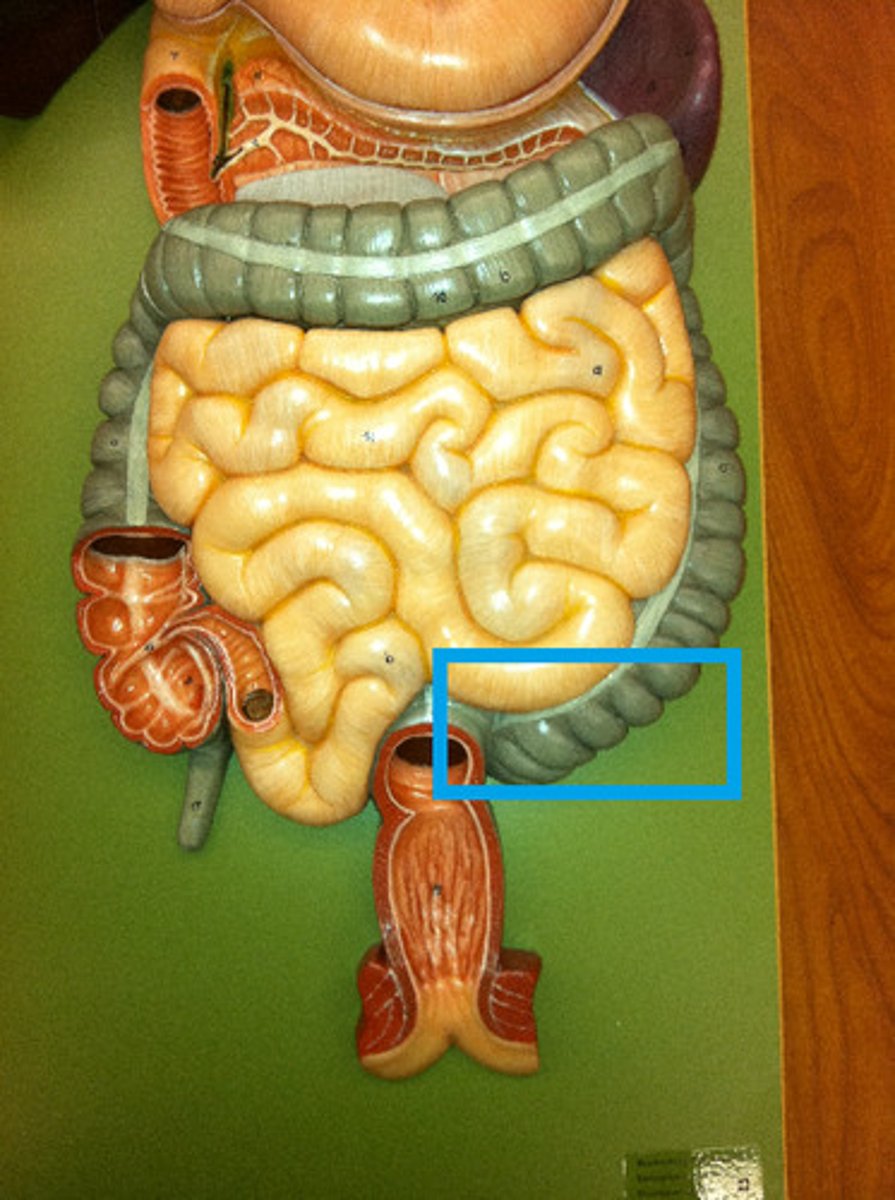
rectum
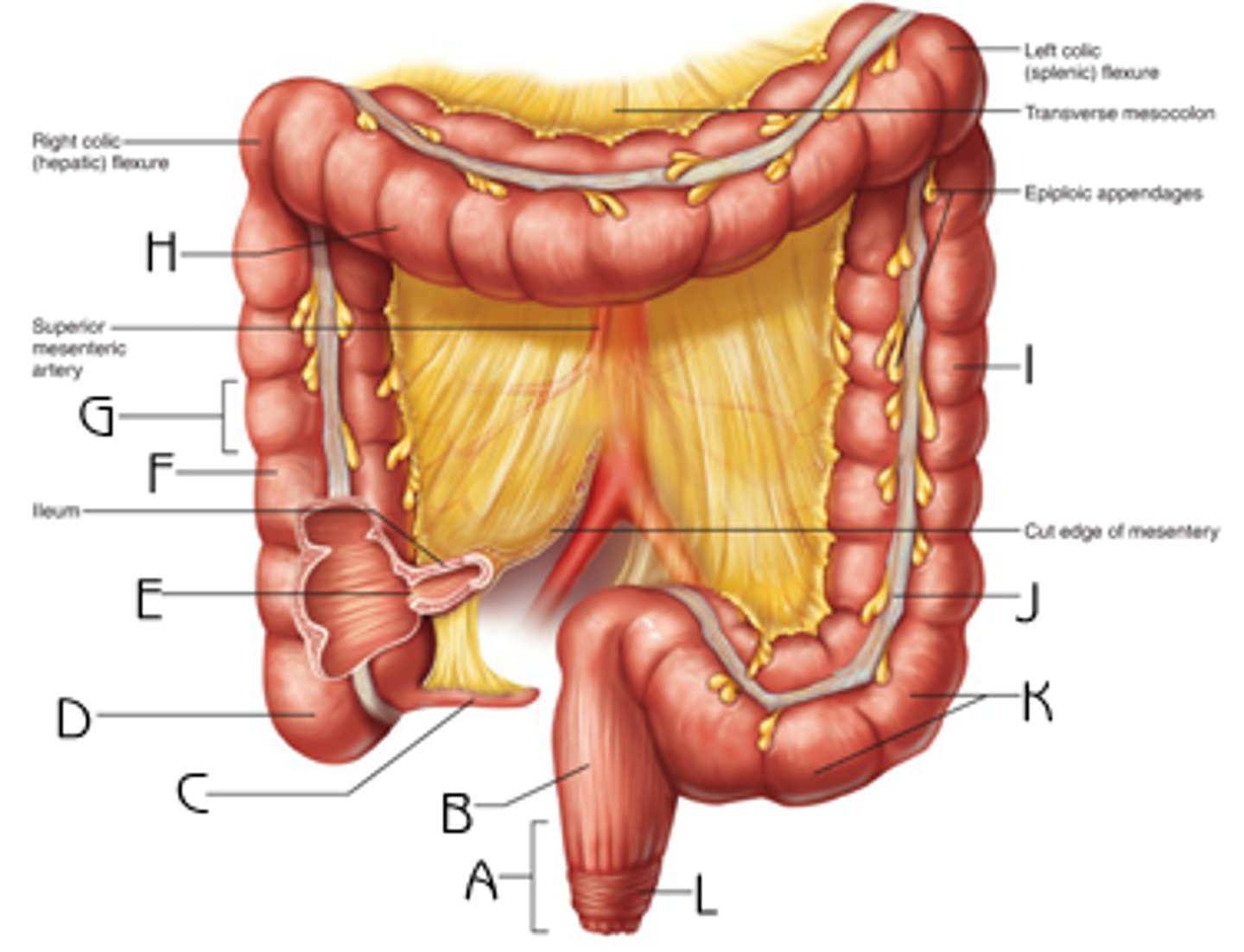
(A)
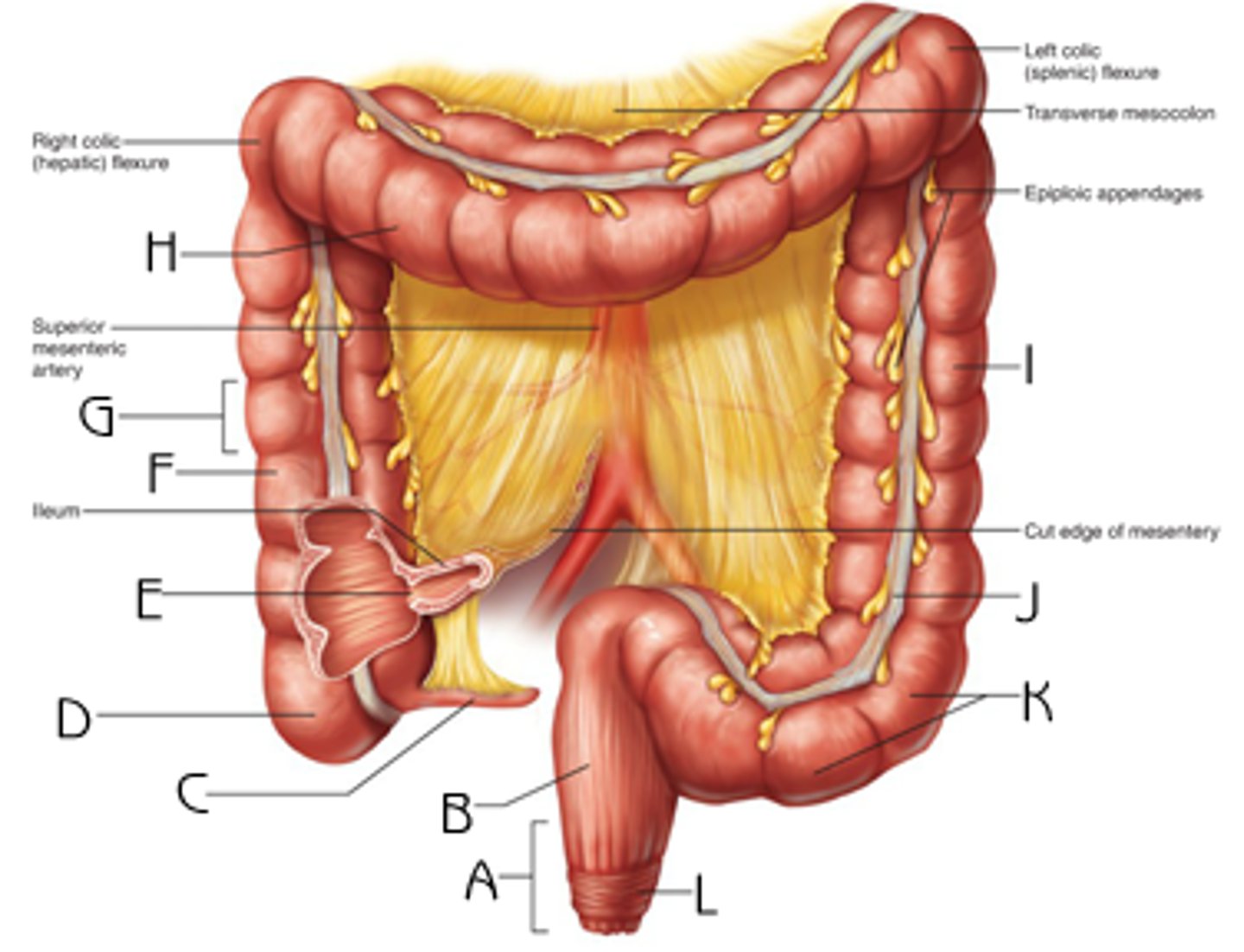
Anus
(L)
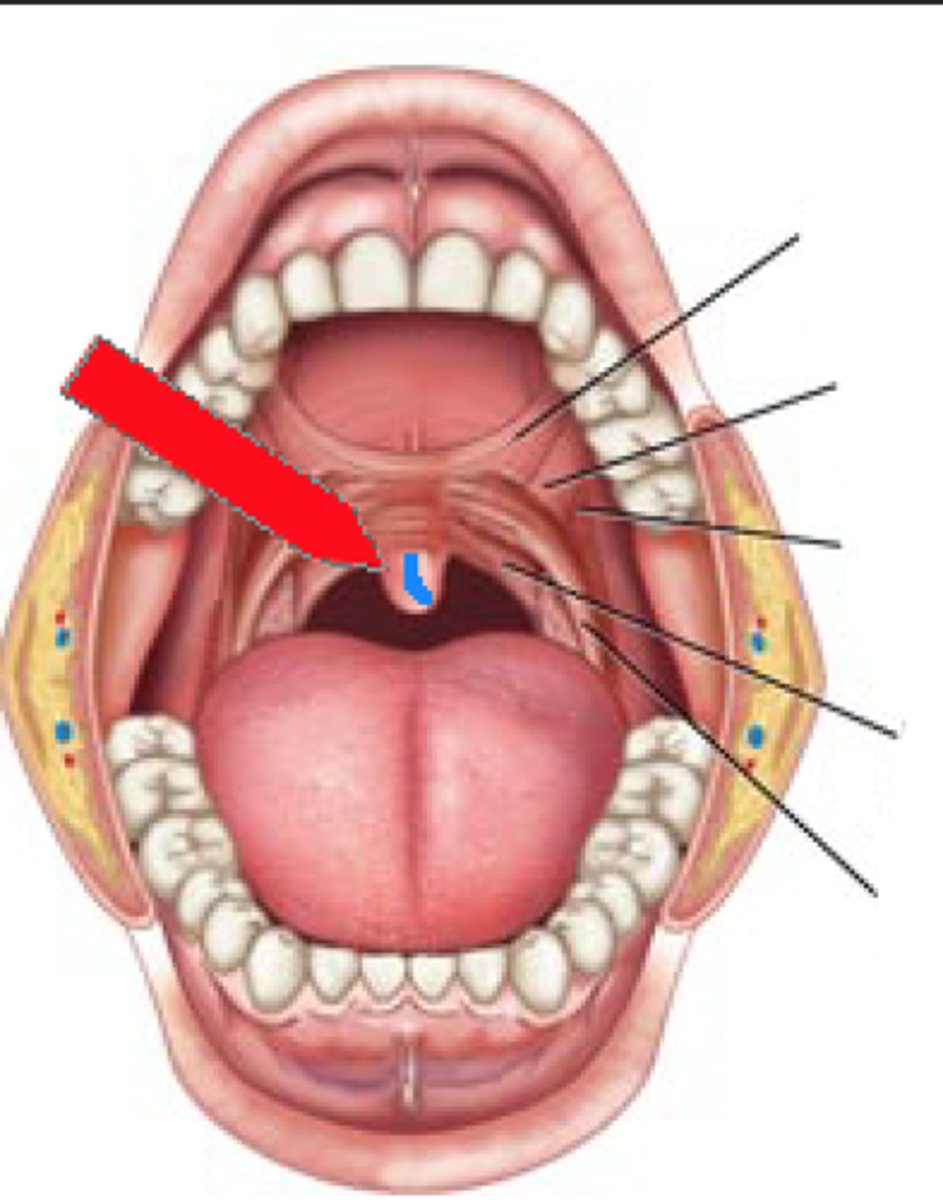
uvula
central incisor
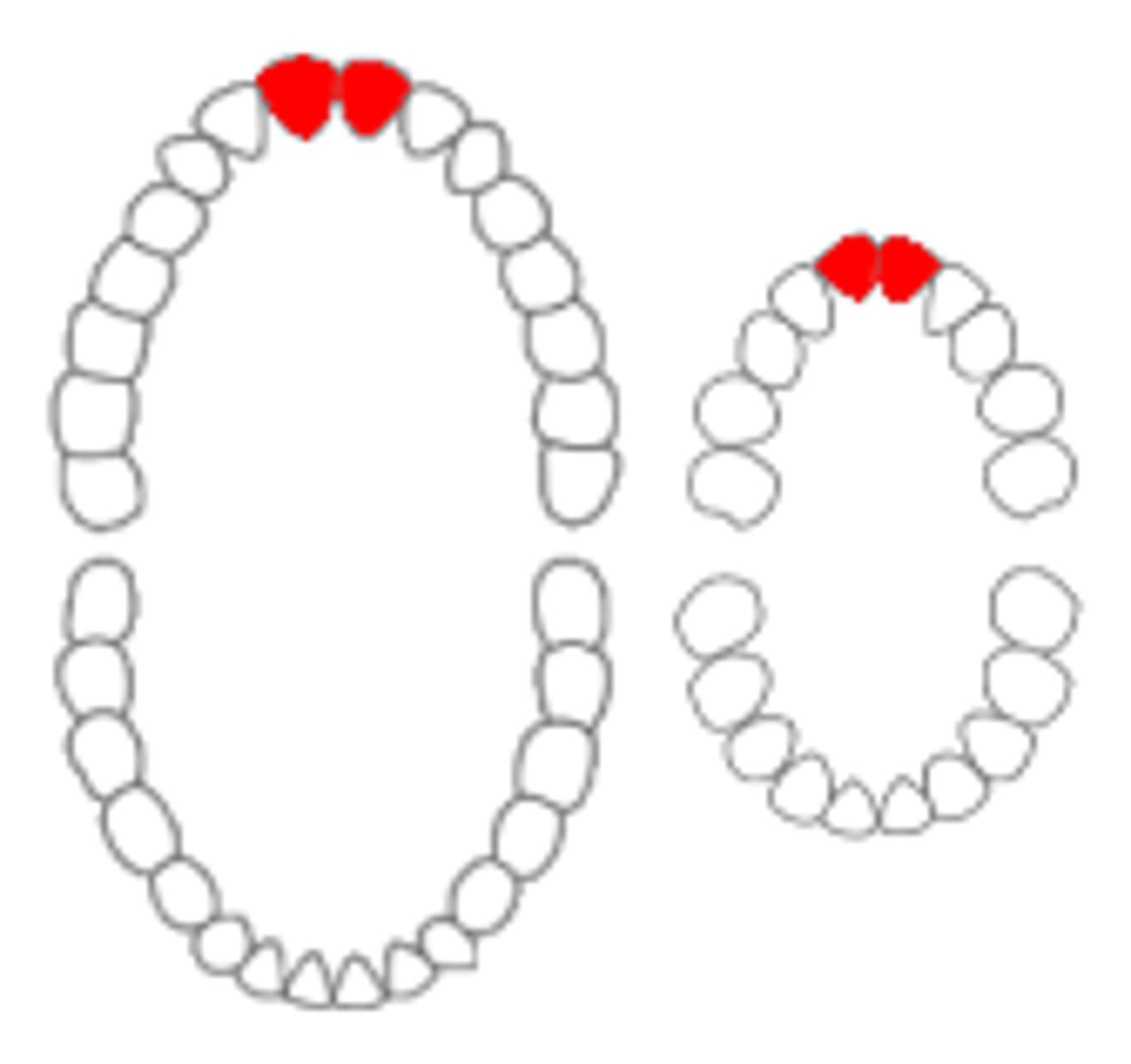
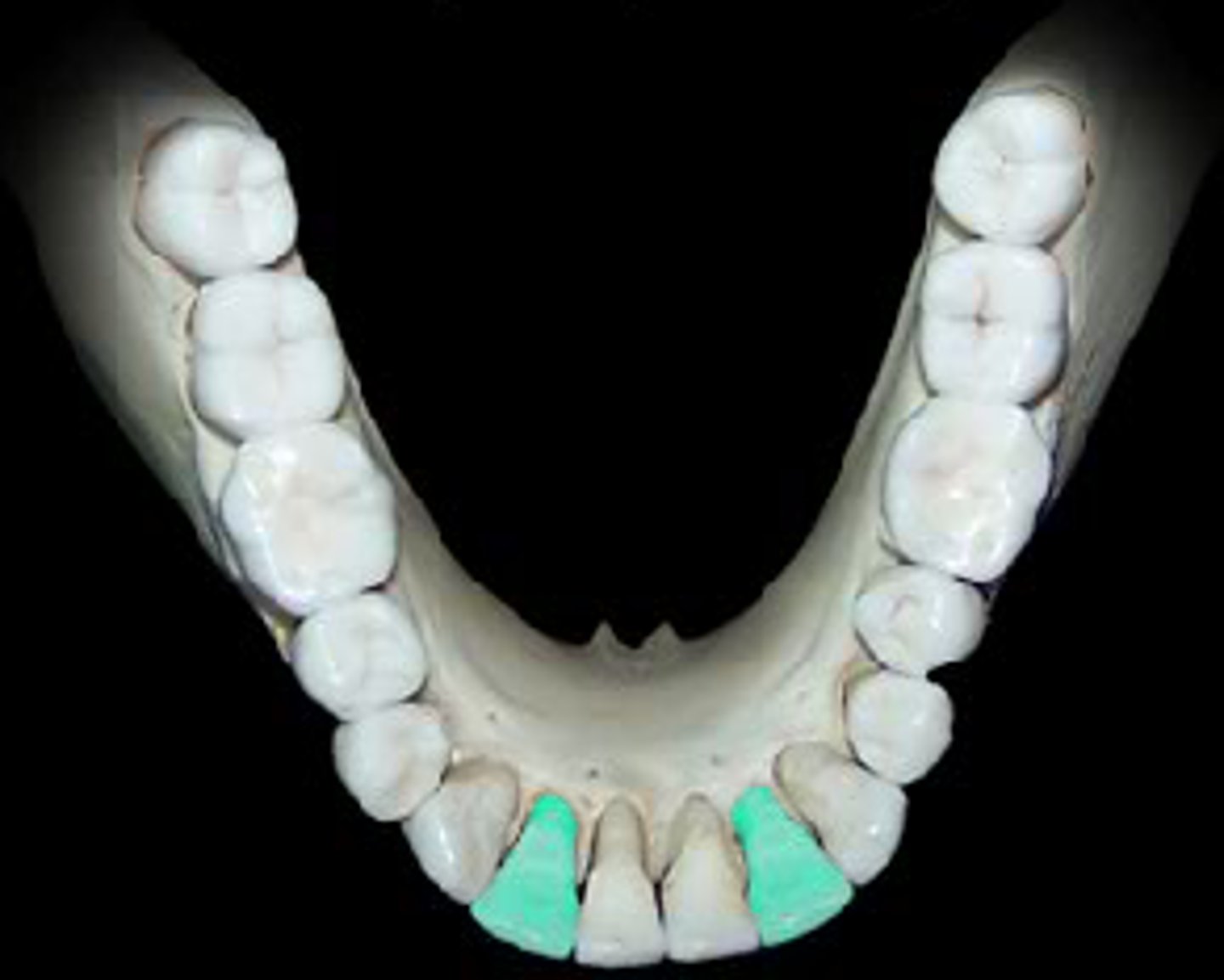
lateral incisor
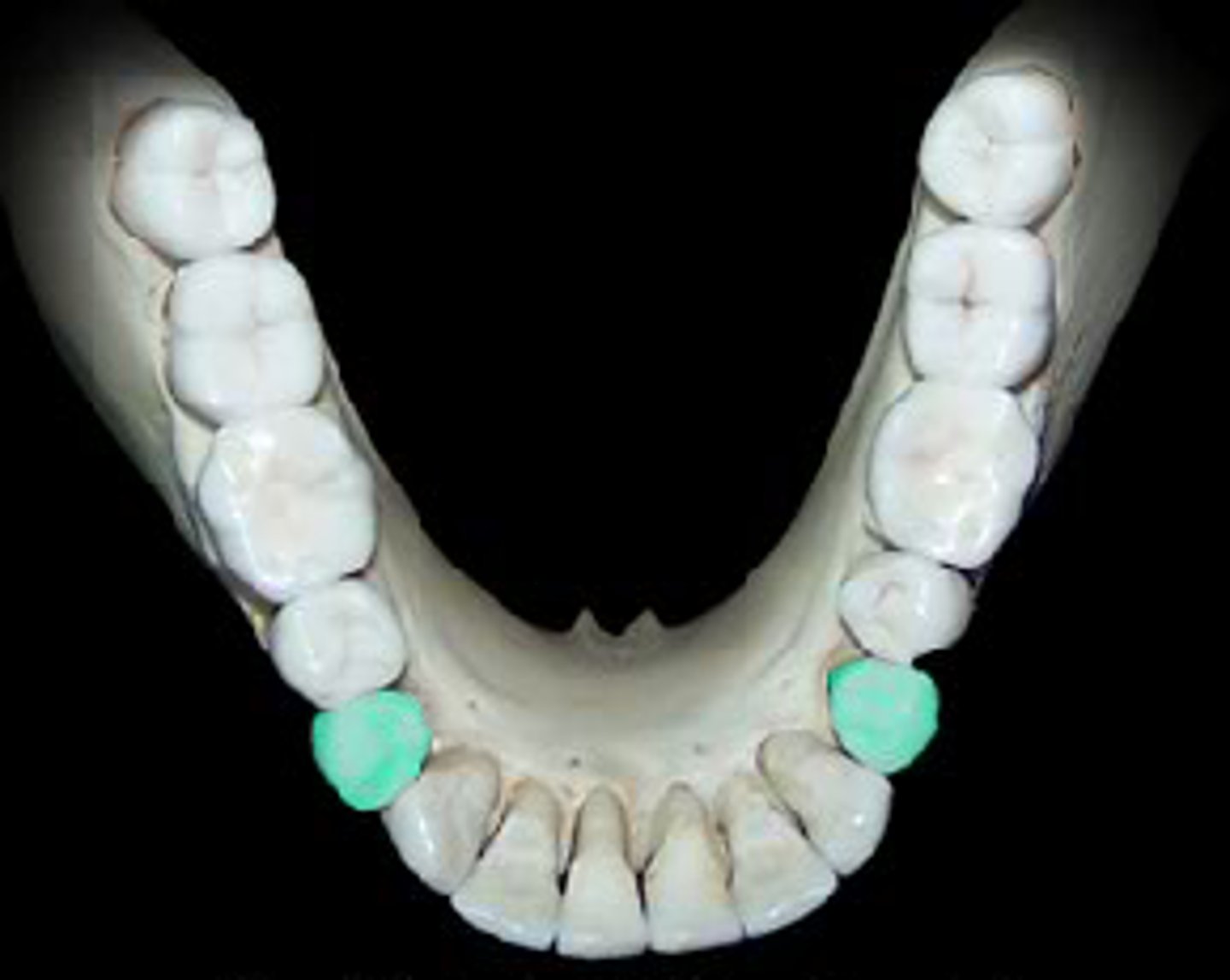
1st premolar
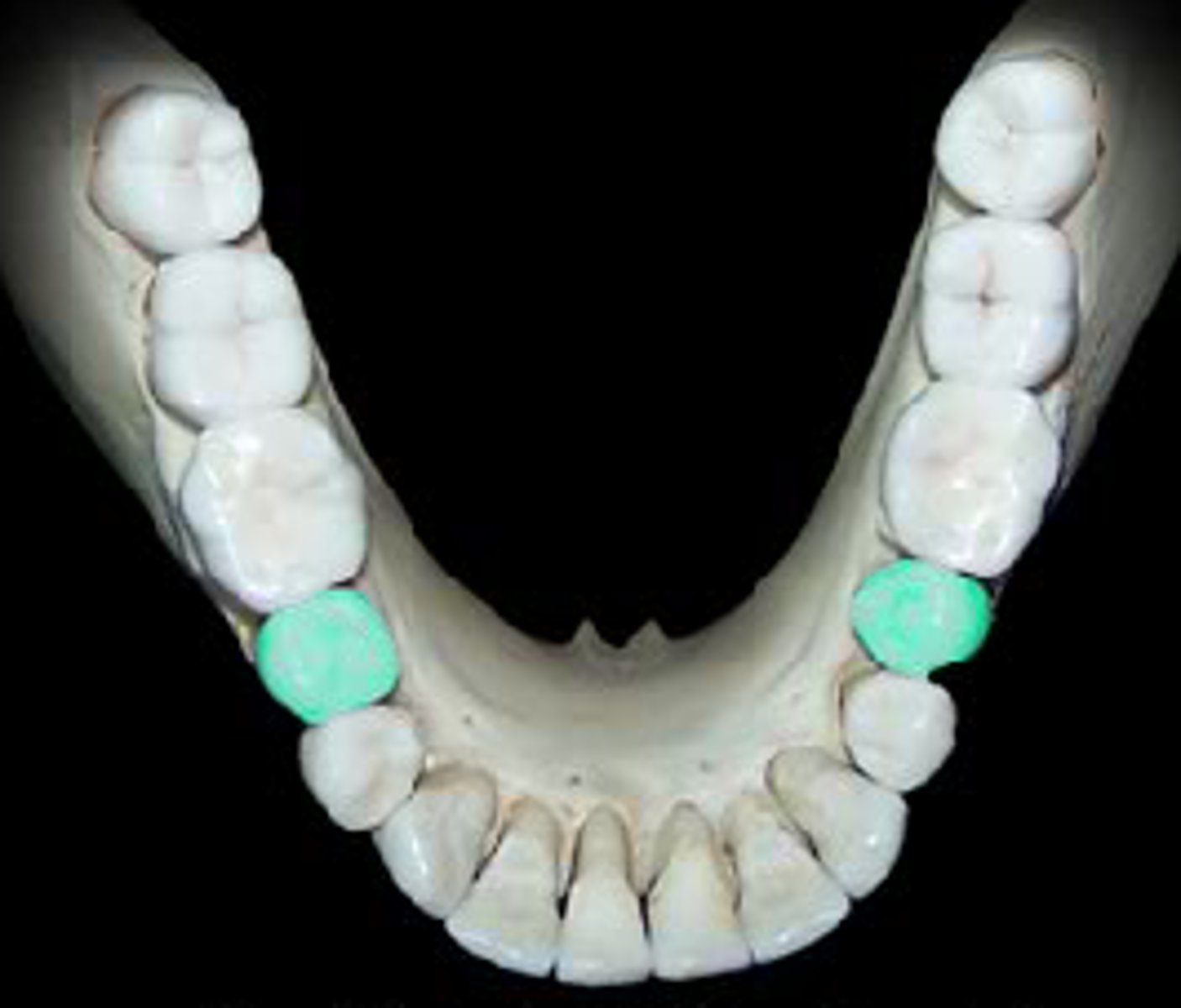
2nd premolar
1st molar
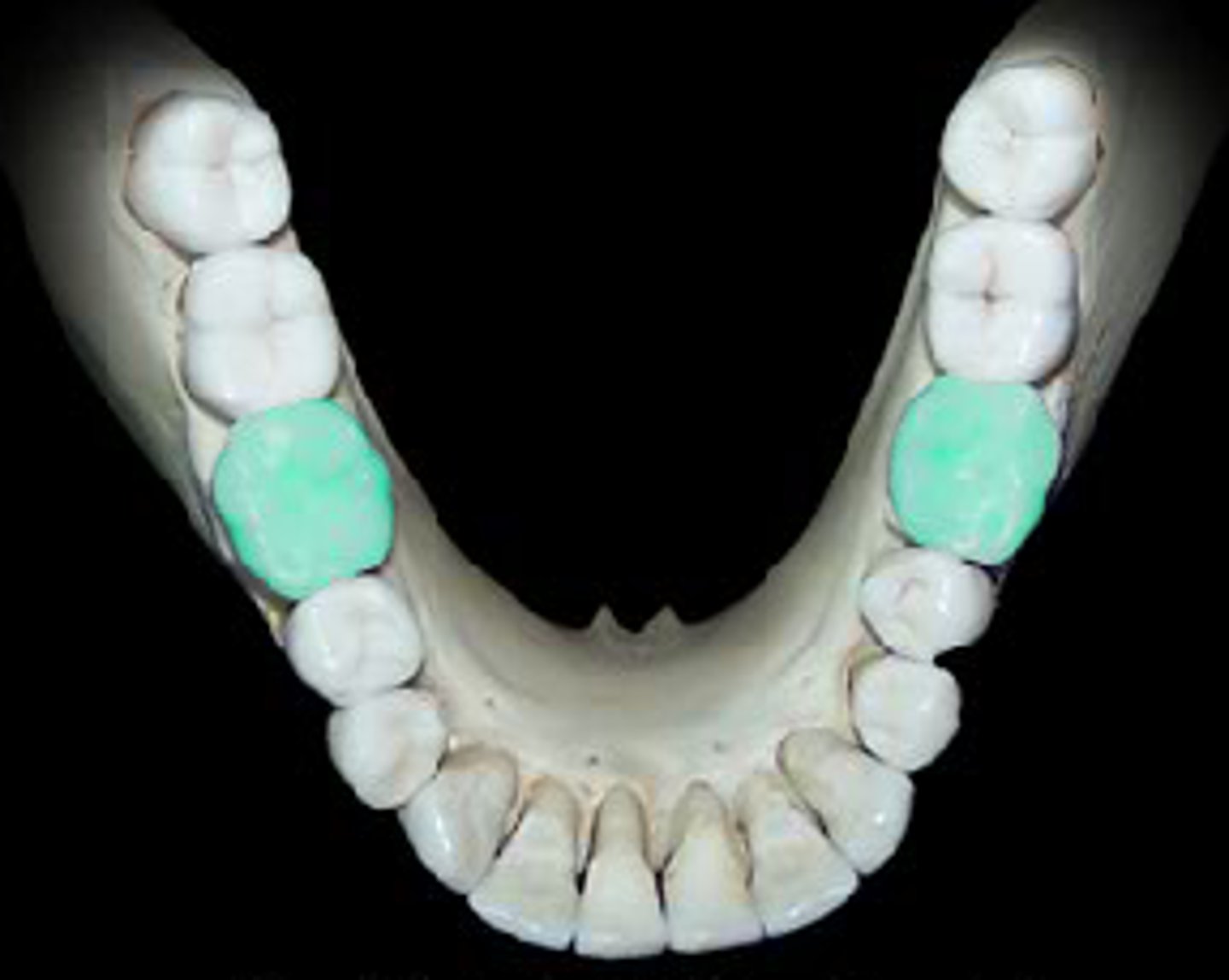
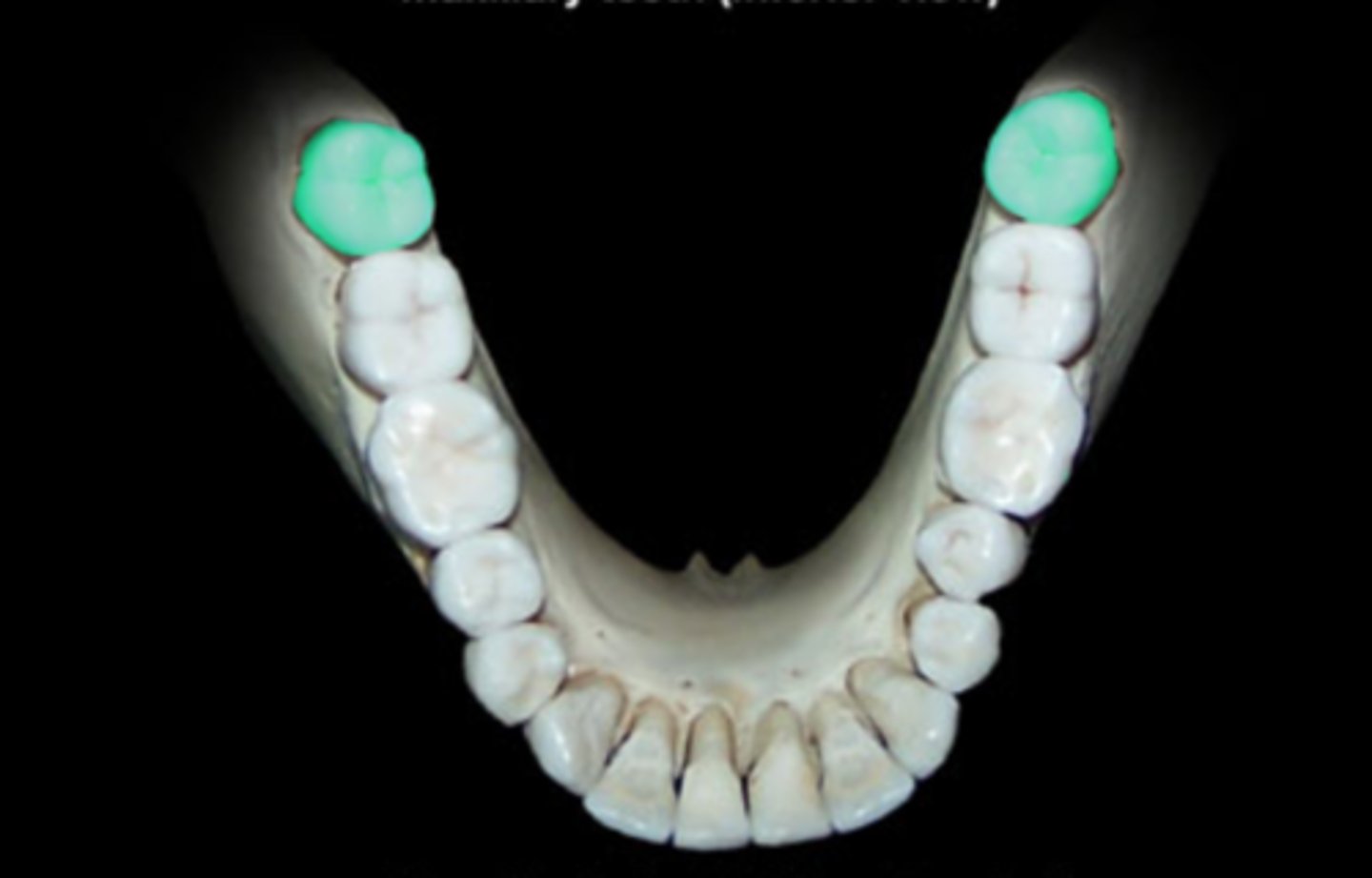
2nd molar
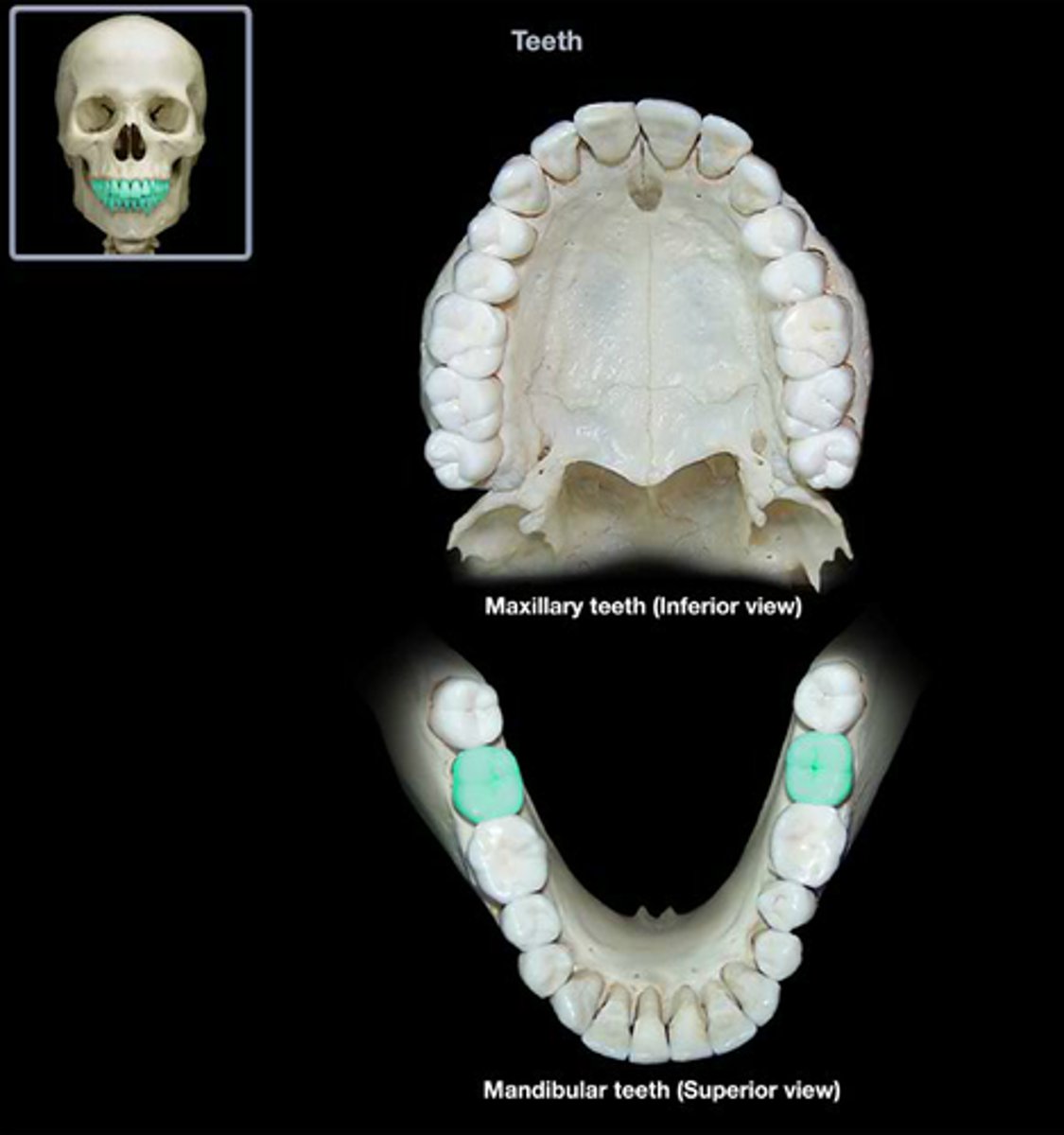
3rd molar
sublingual salivary gland
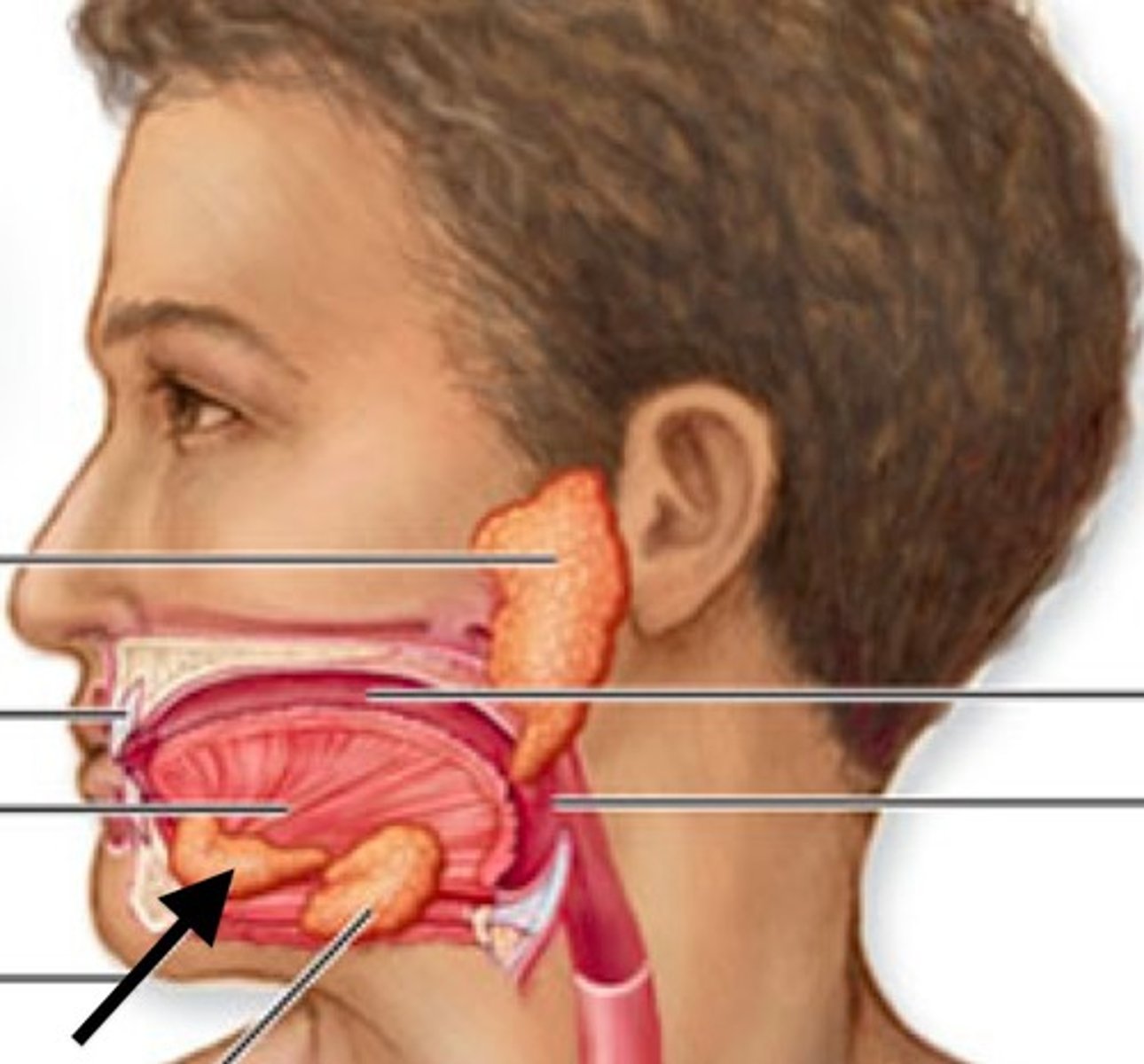
submandibular salivary gland
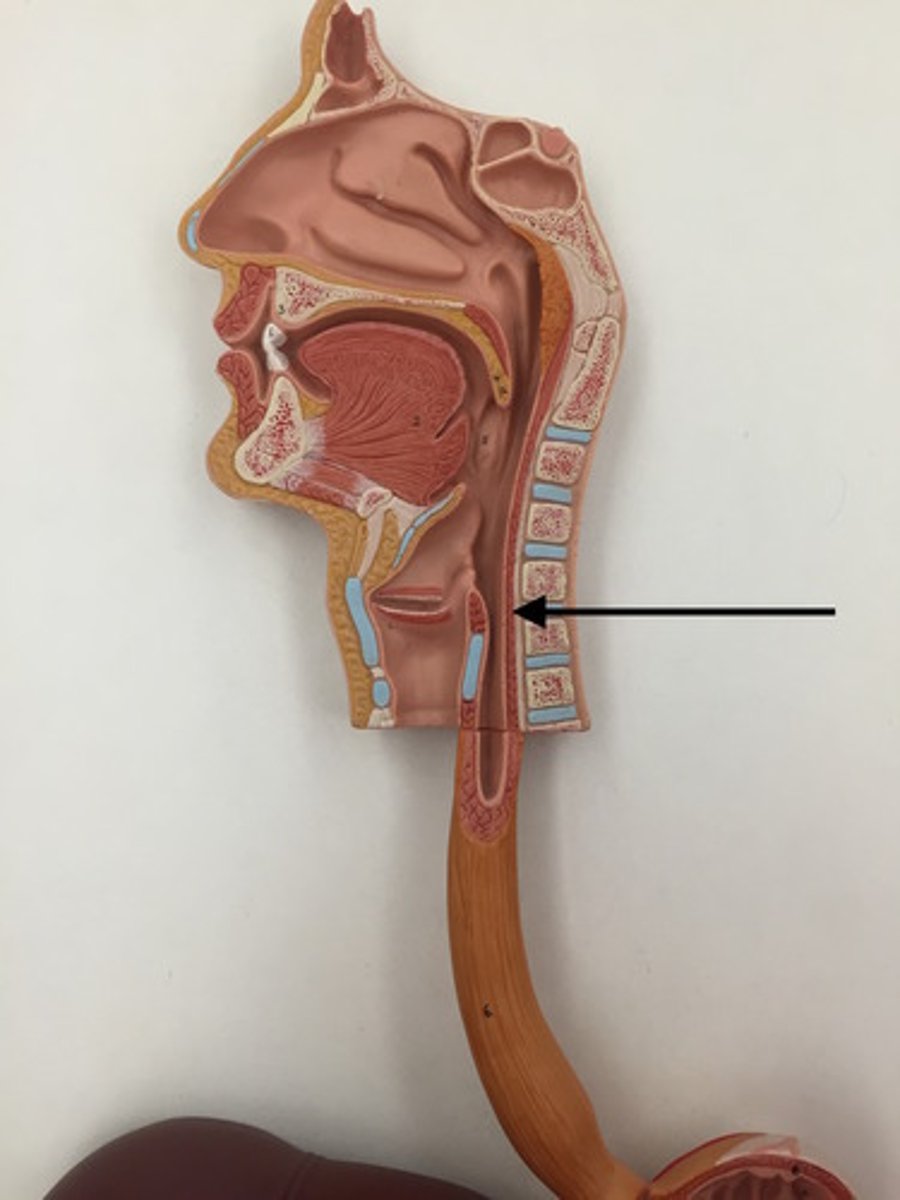
upper esophageal spincter
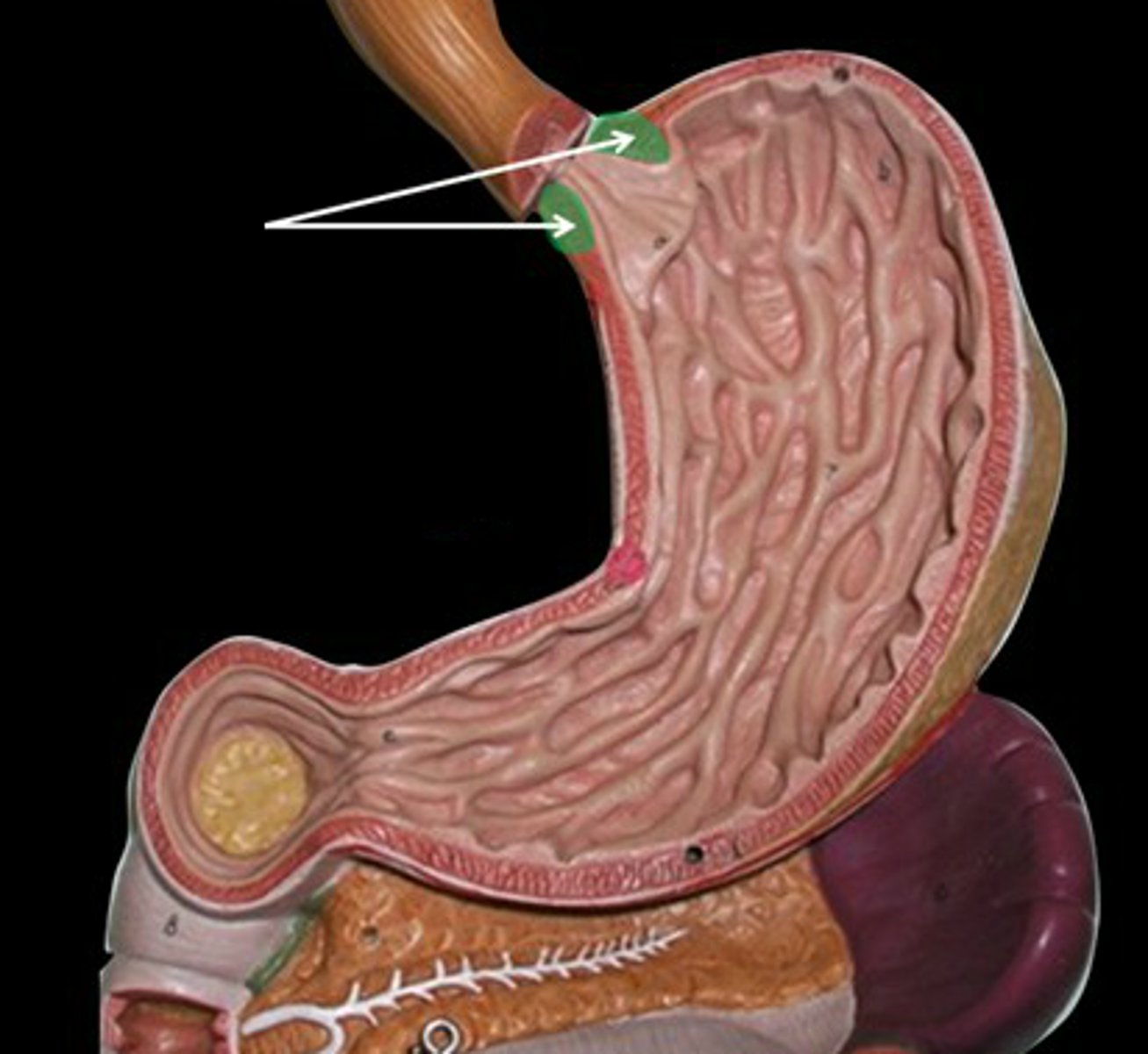
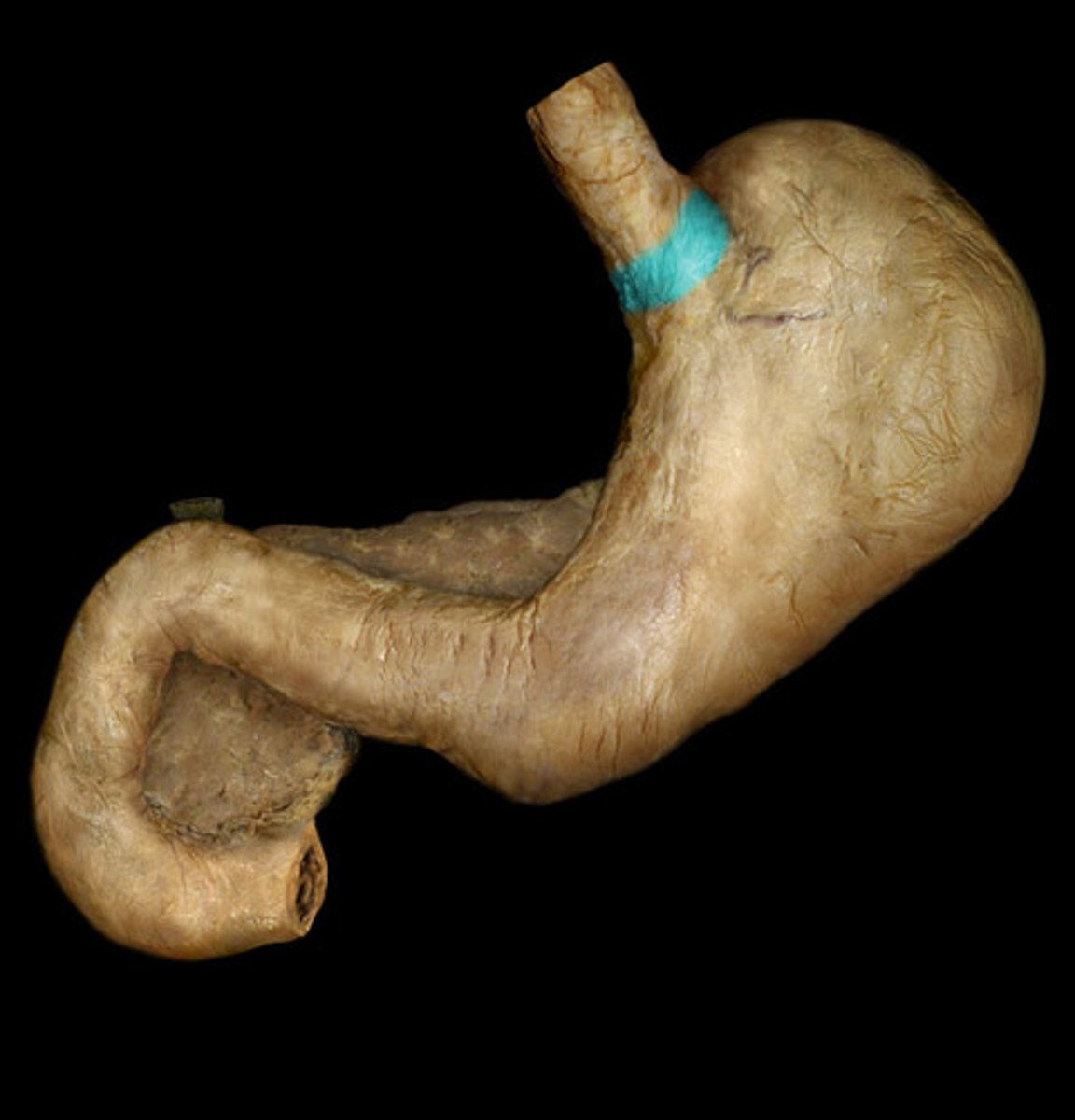
lower esophageal sphincter
cardiac stomach region
fundic stomach region
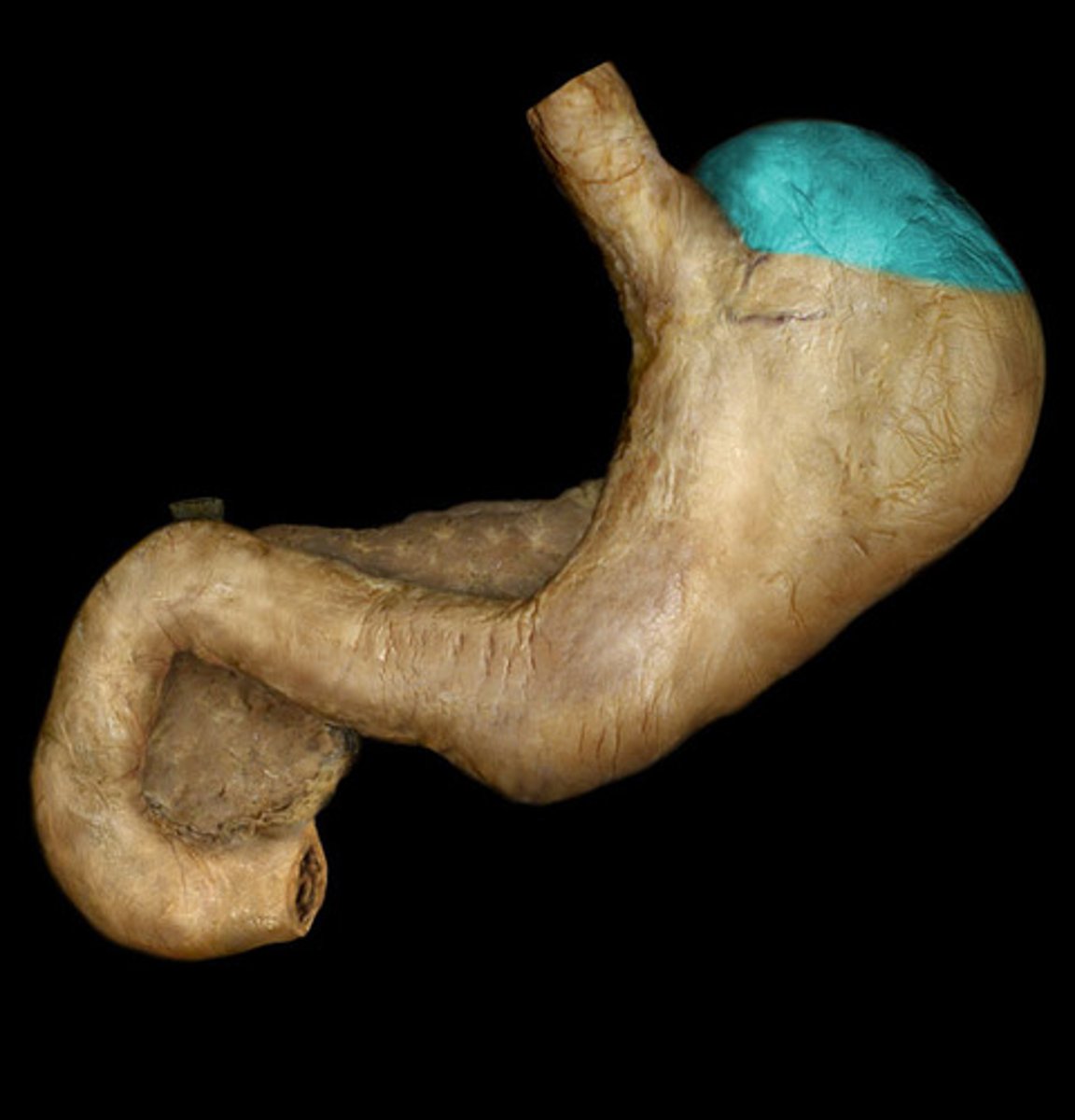
body stomach region
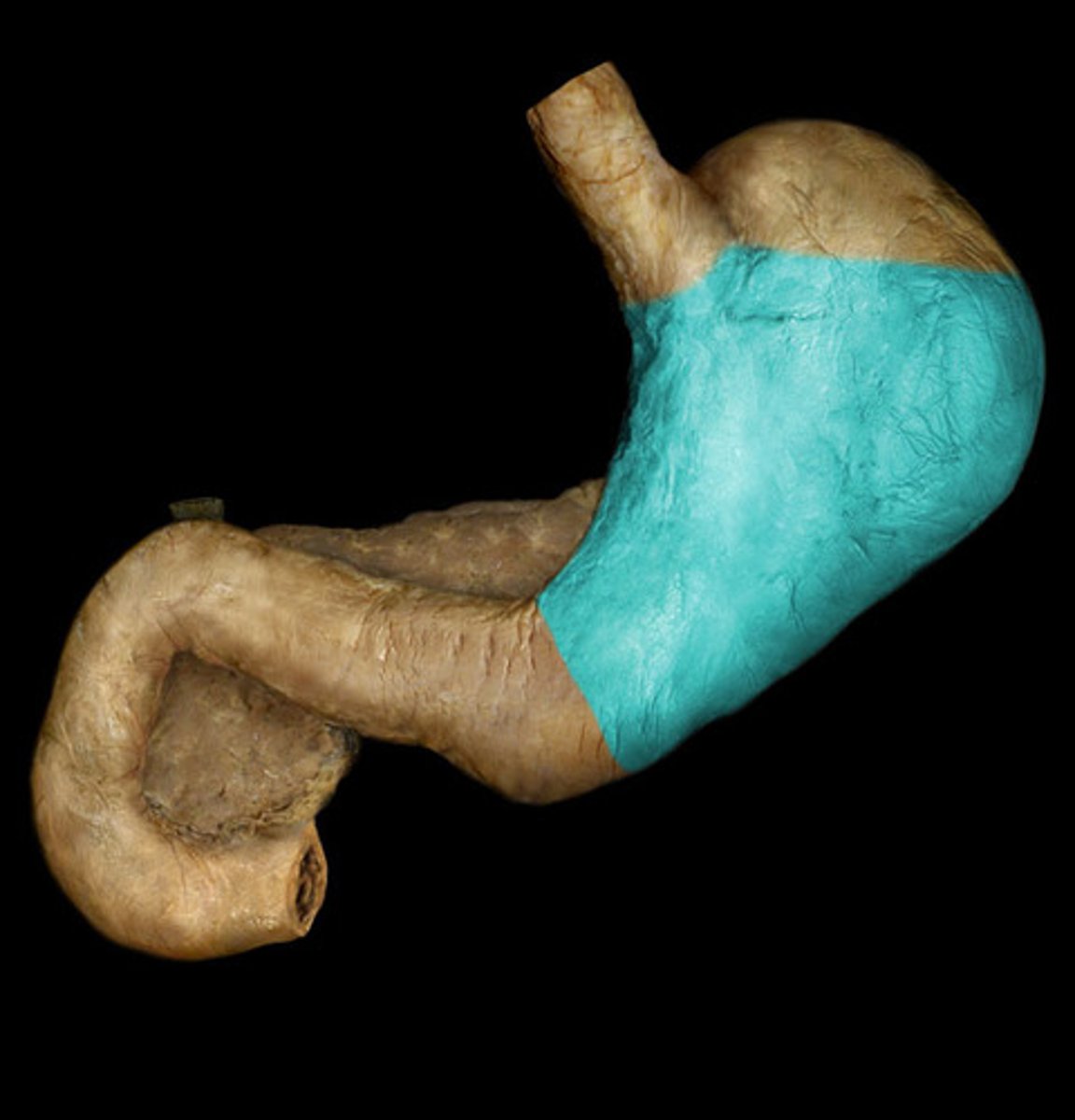
pyloric stomach region
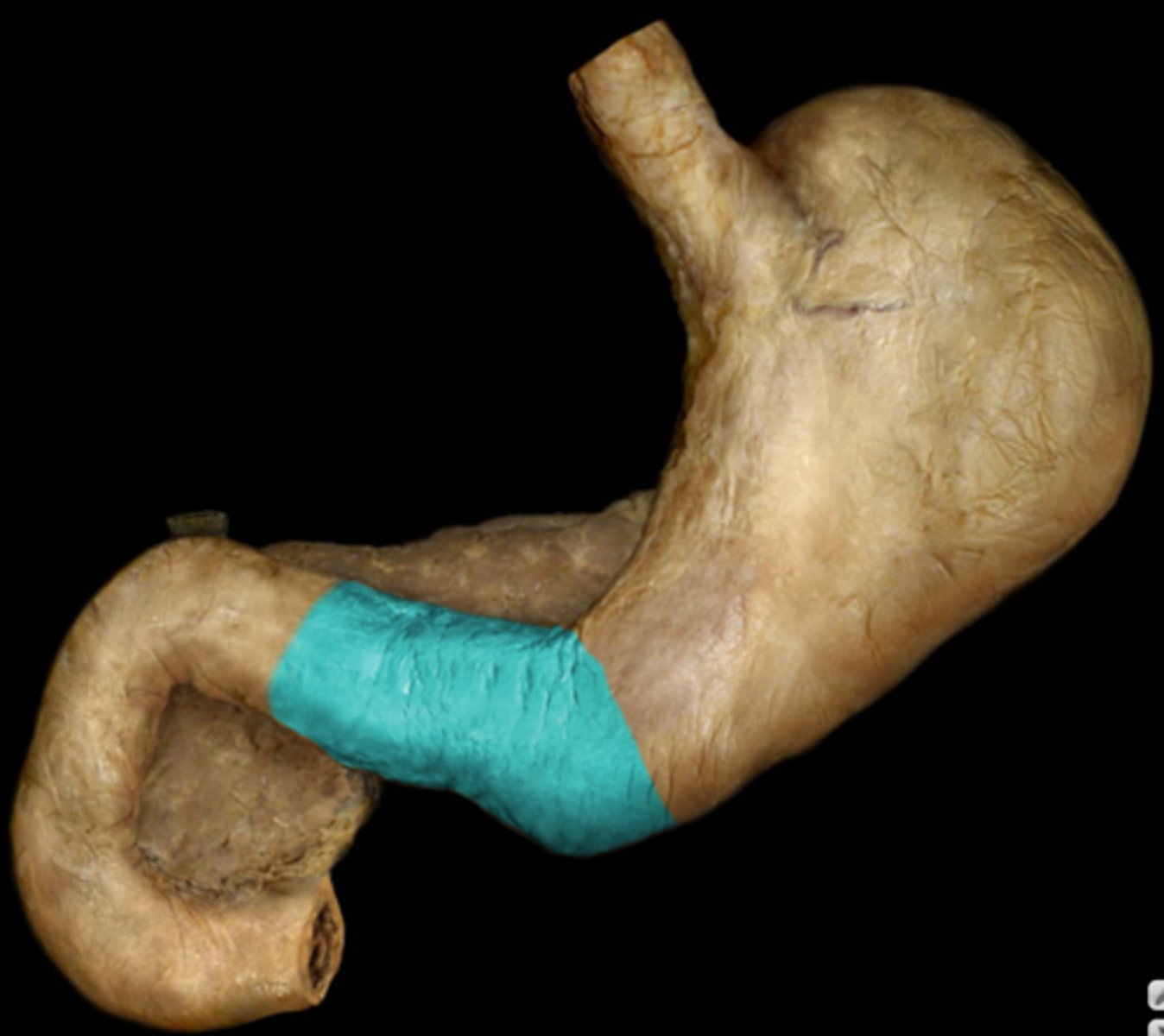
lesser omentum
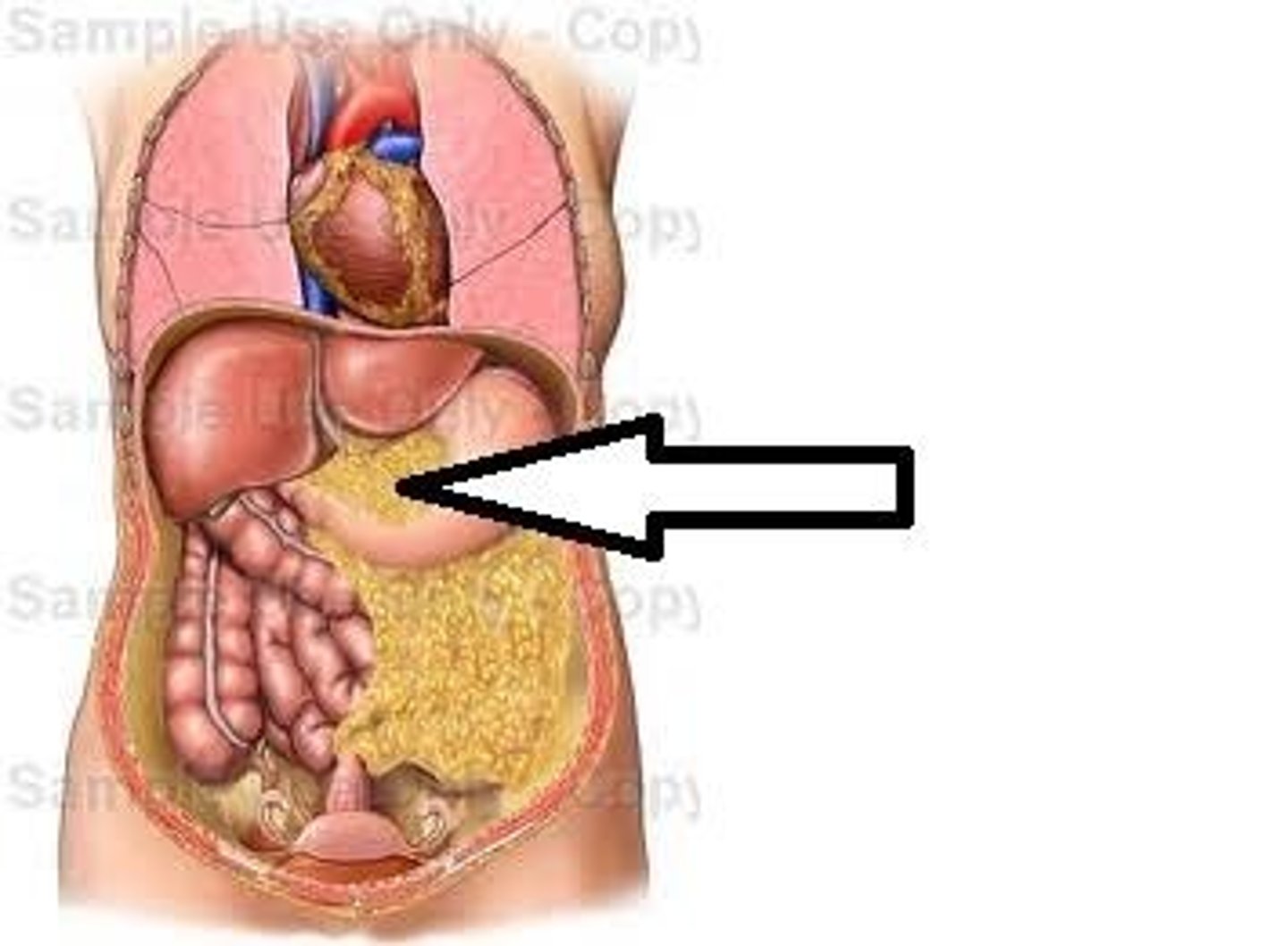
greater omentum
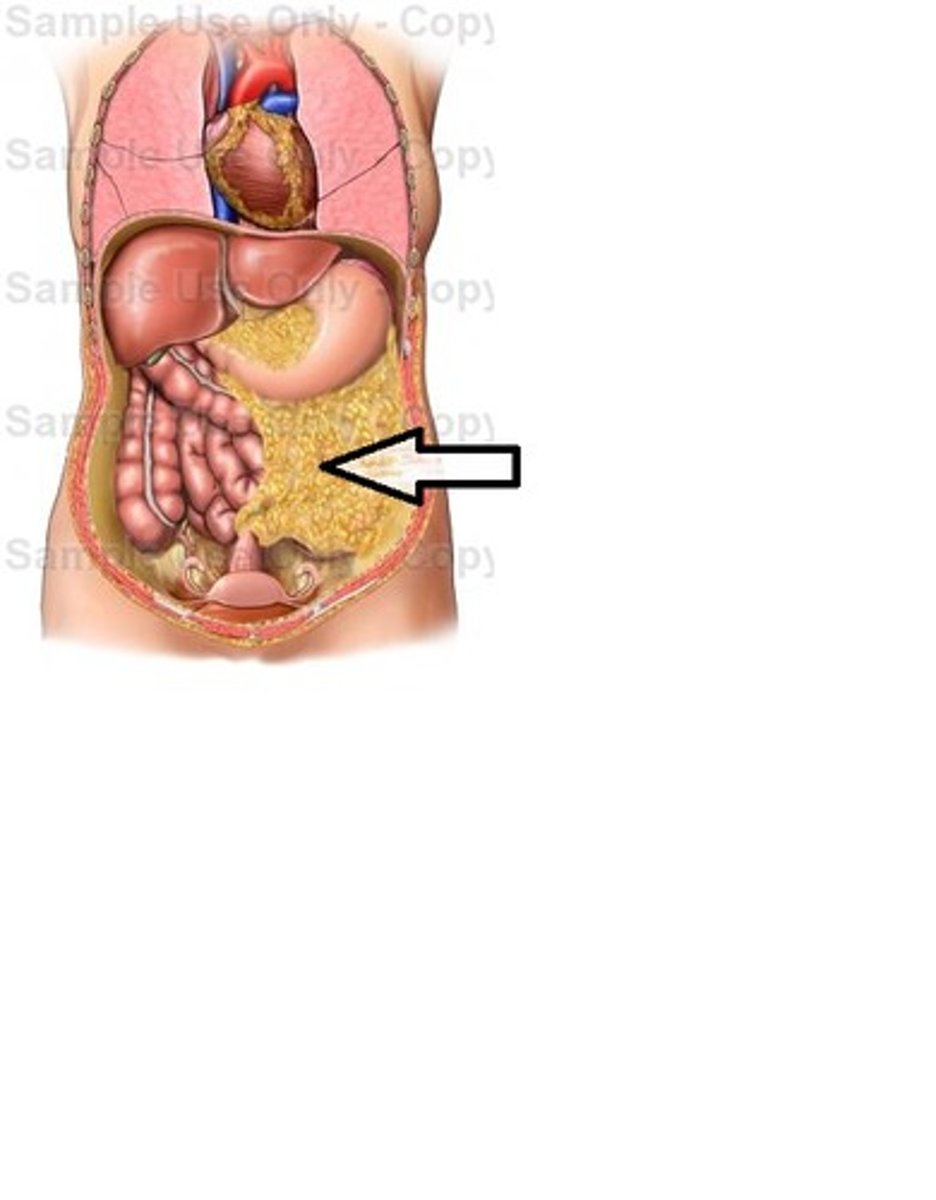
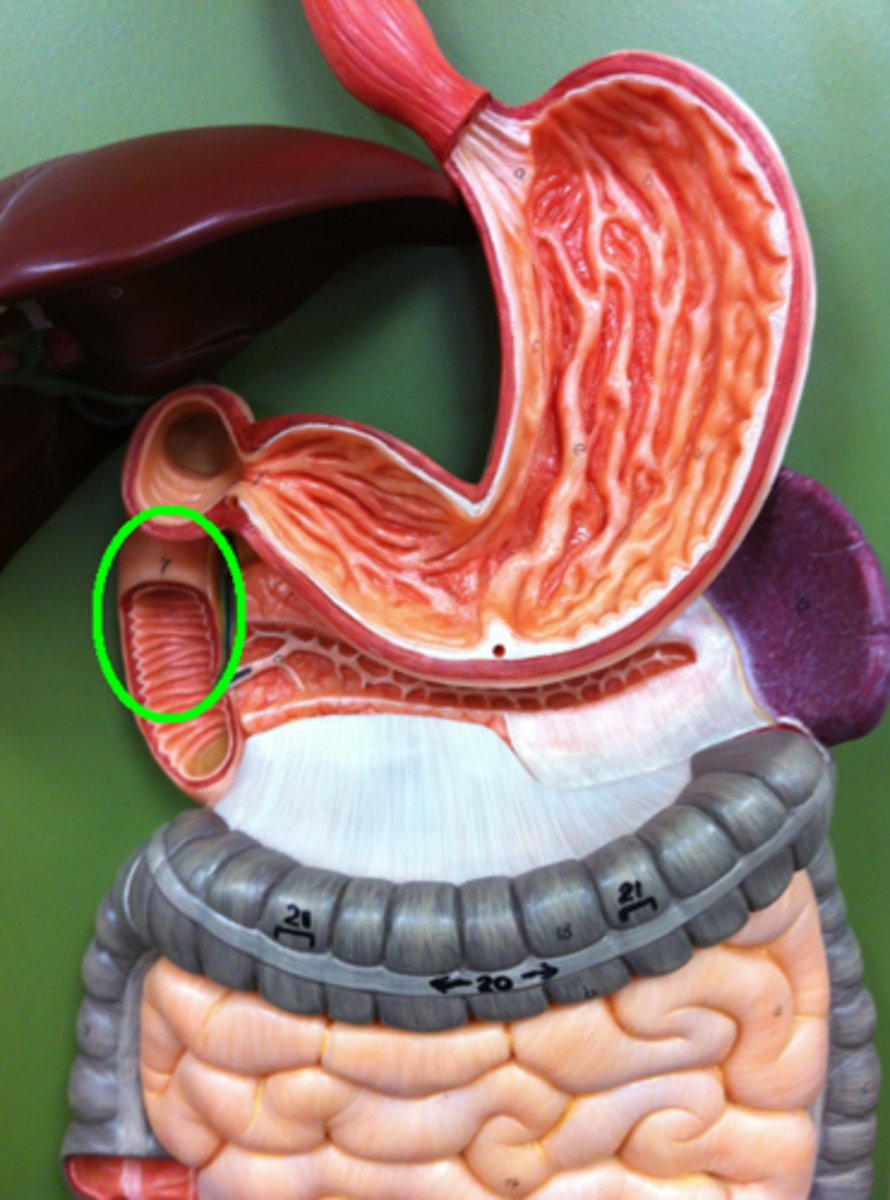
Duodenum
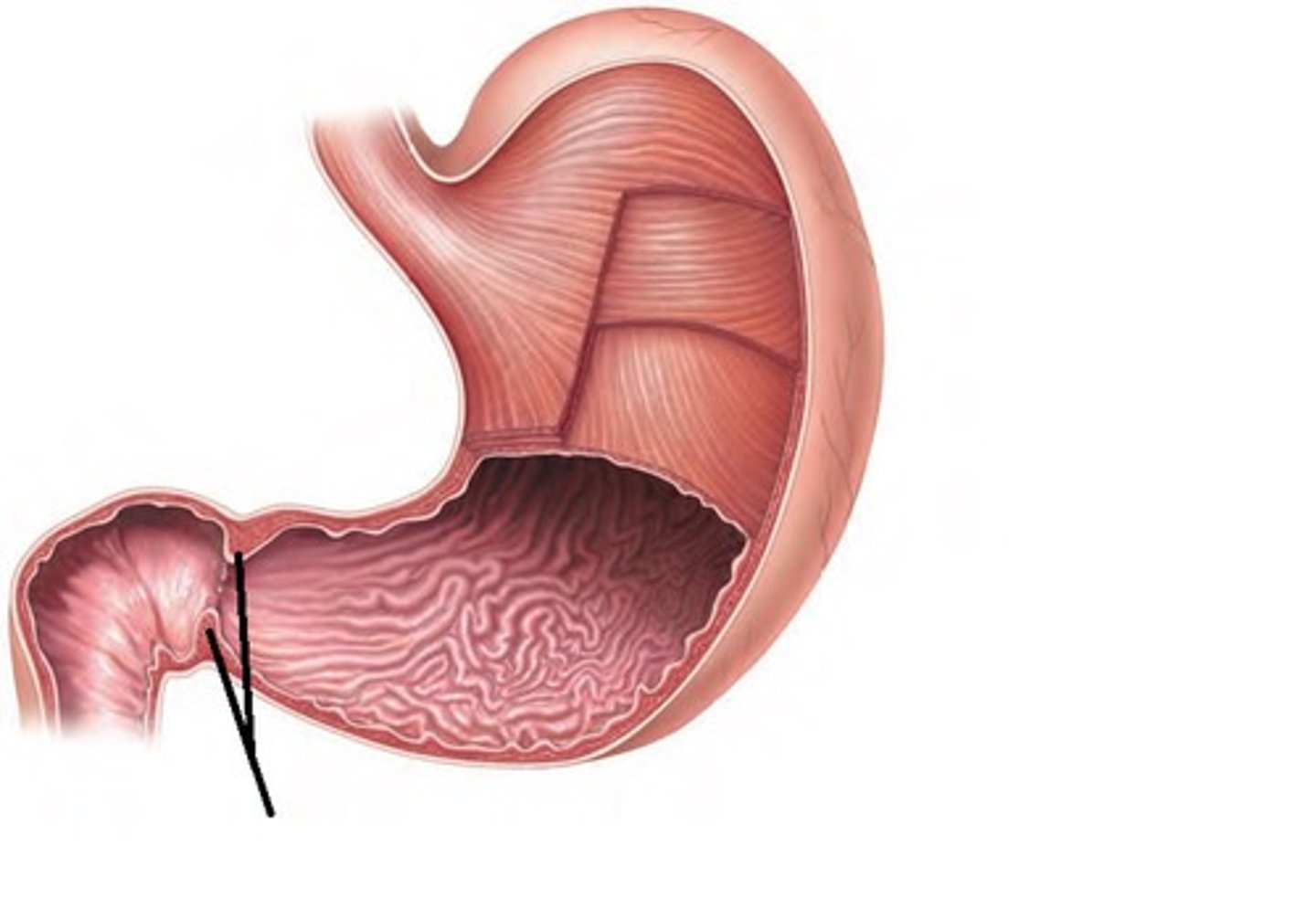
pyloric sphincter
longitudinal muscle
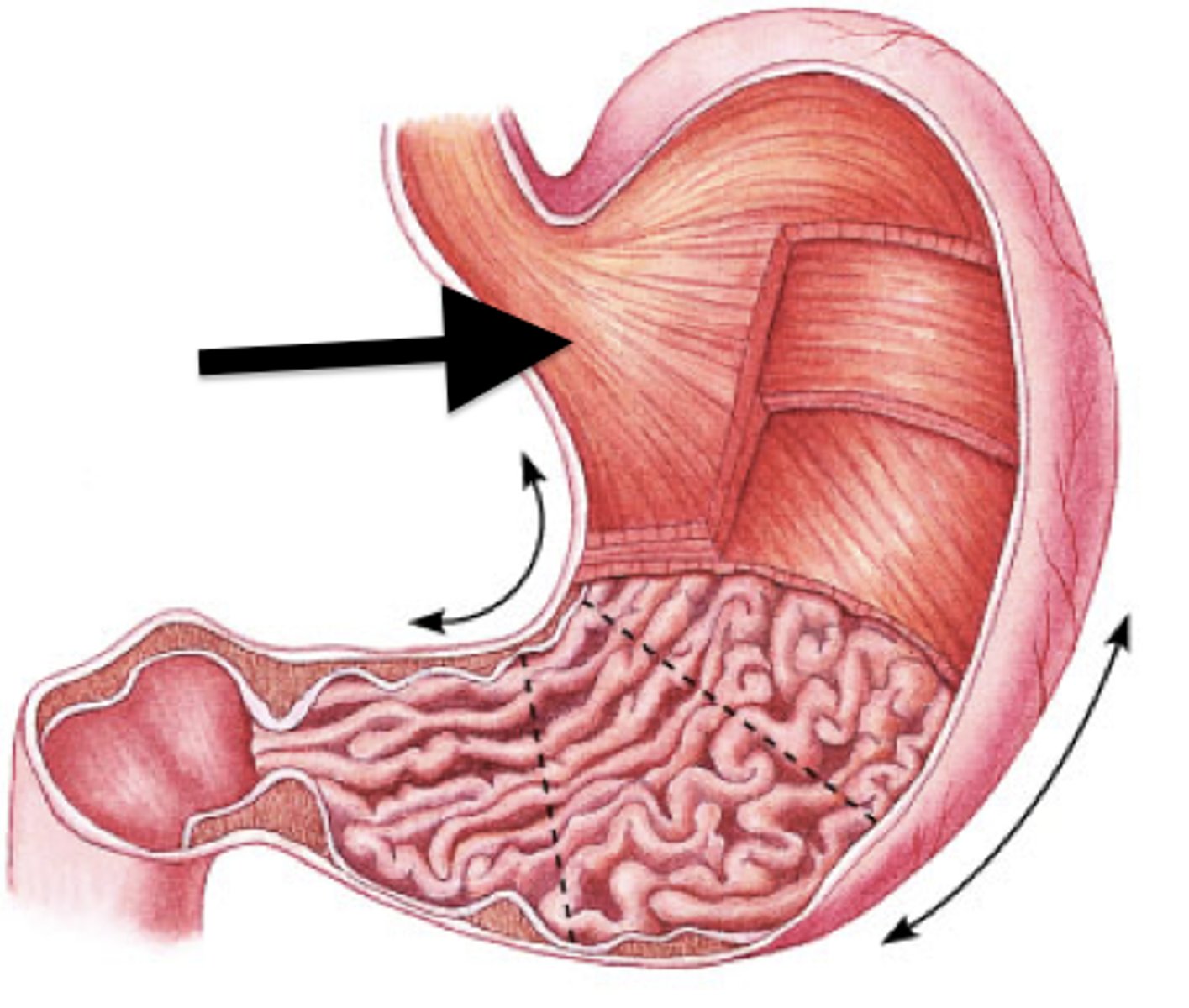
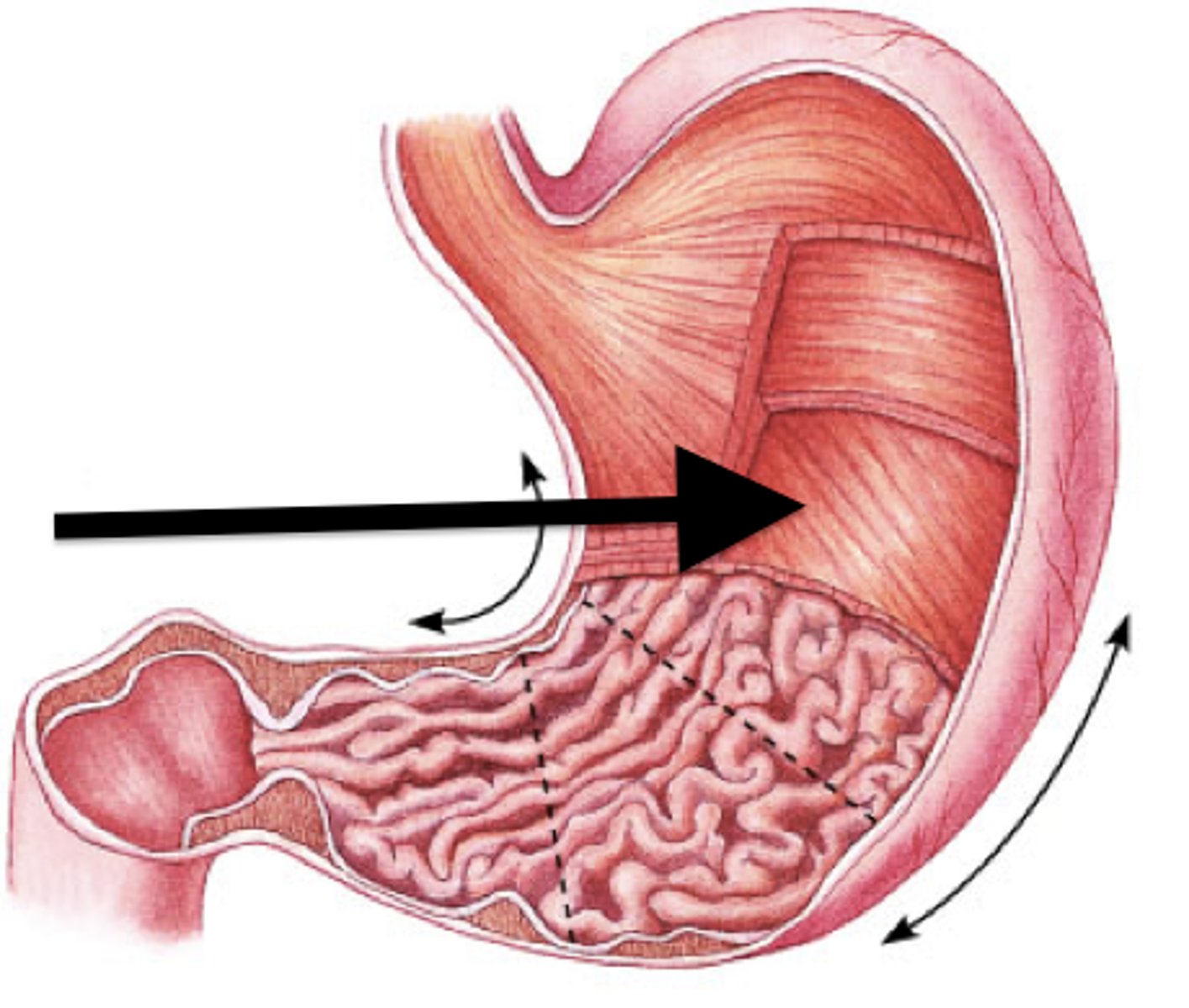
circular muscle
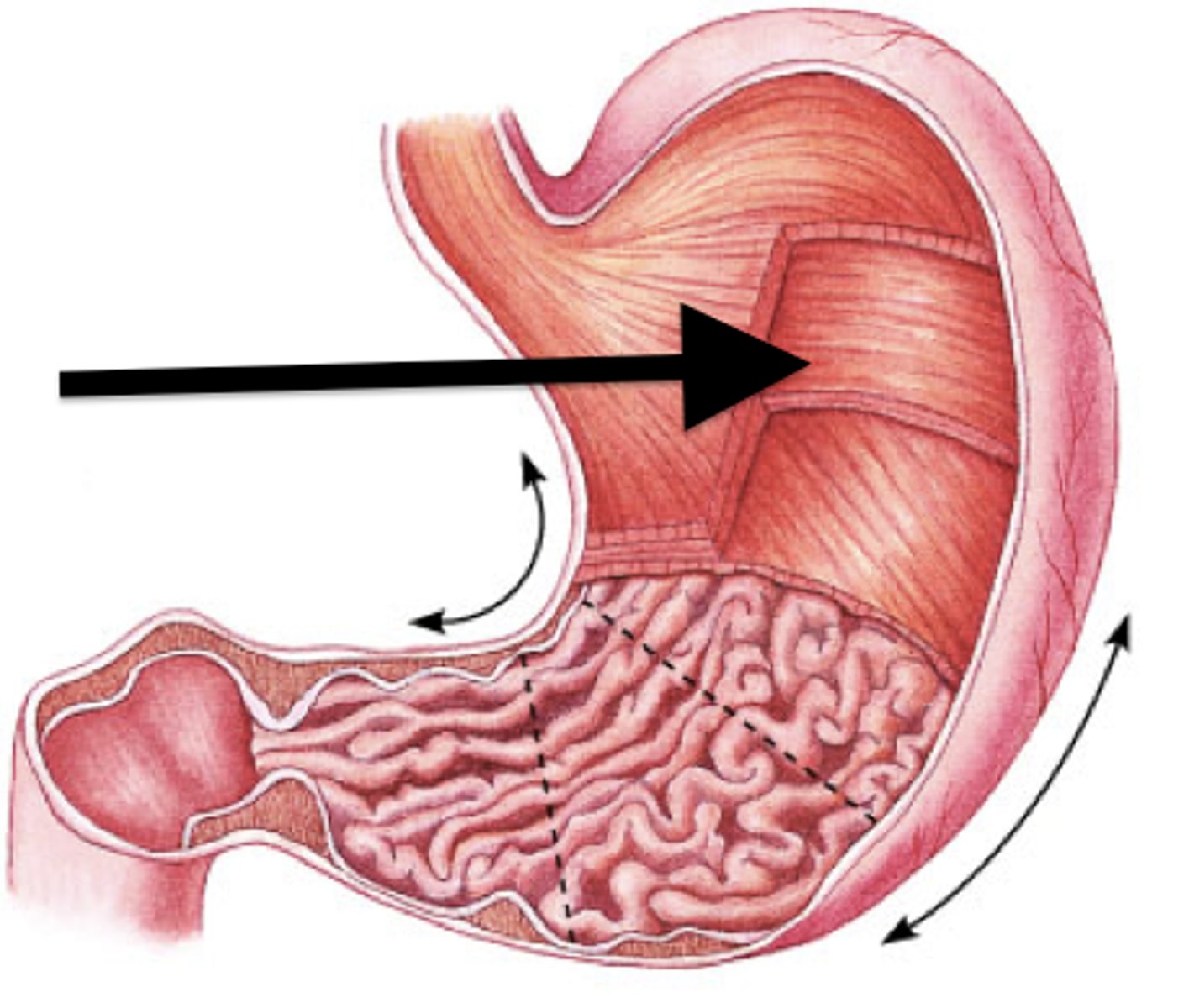
oblique muscle
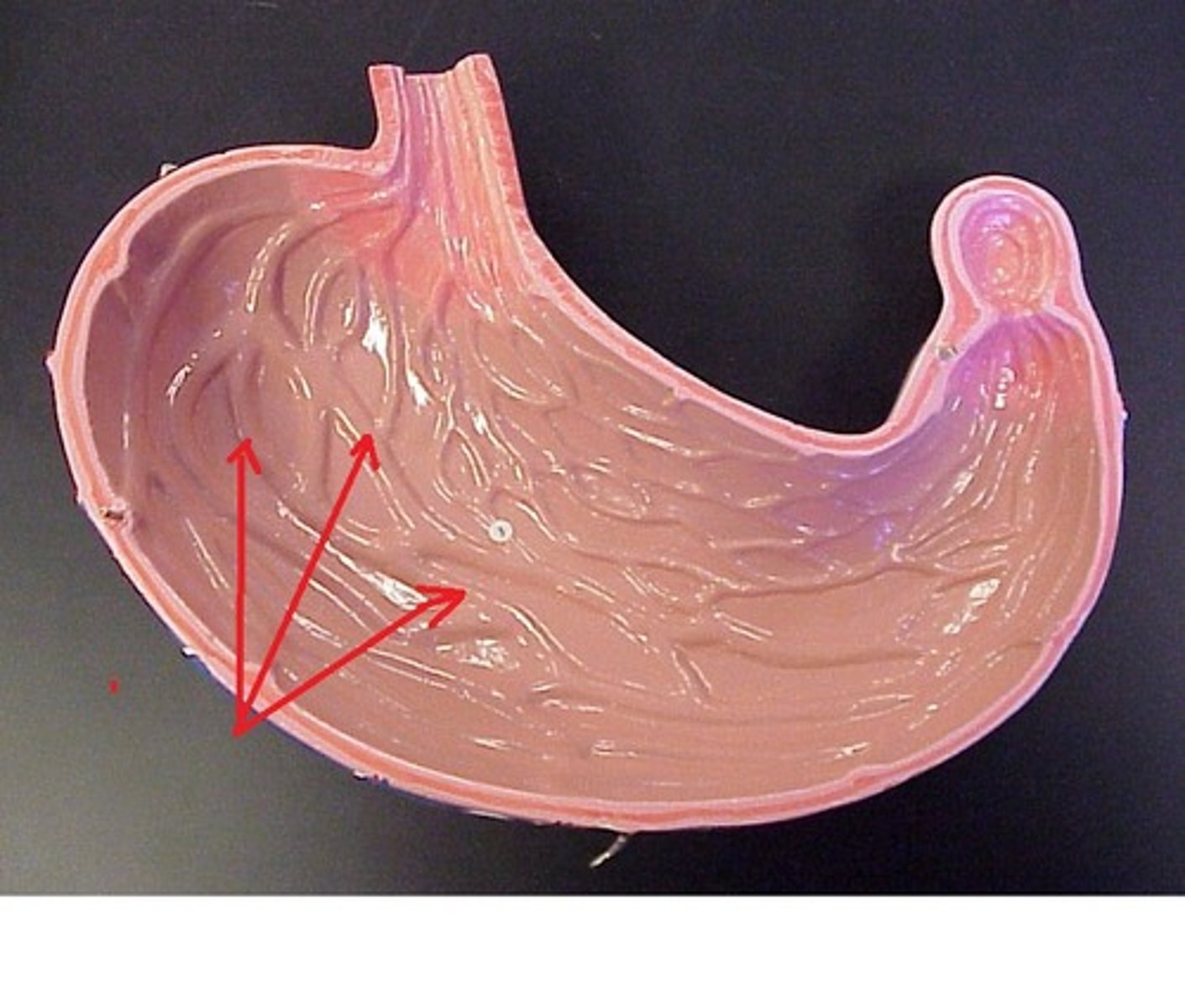
gastric rugae
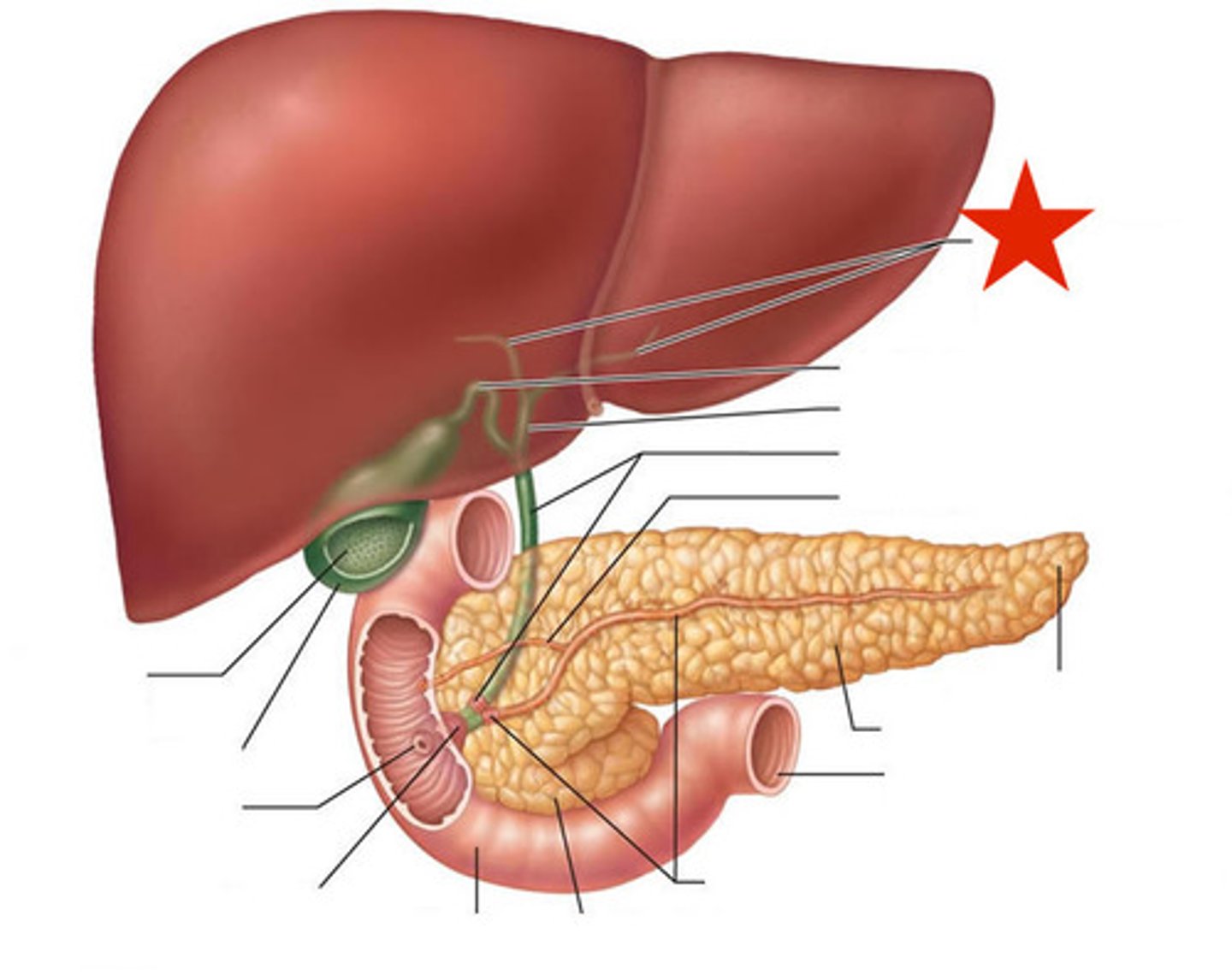
hepatic ducts
common hepatic duct
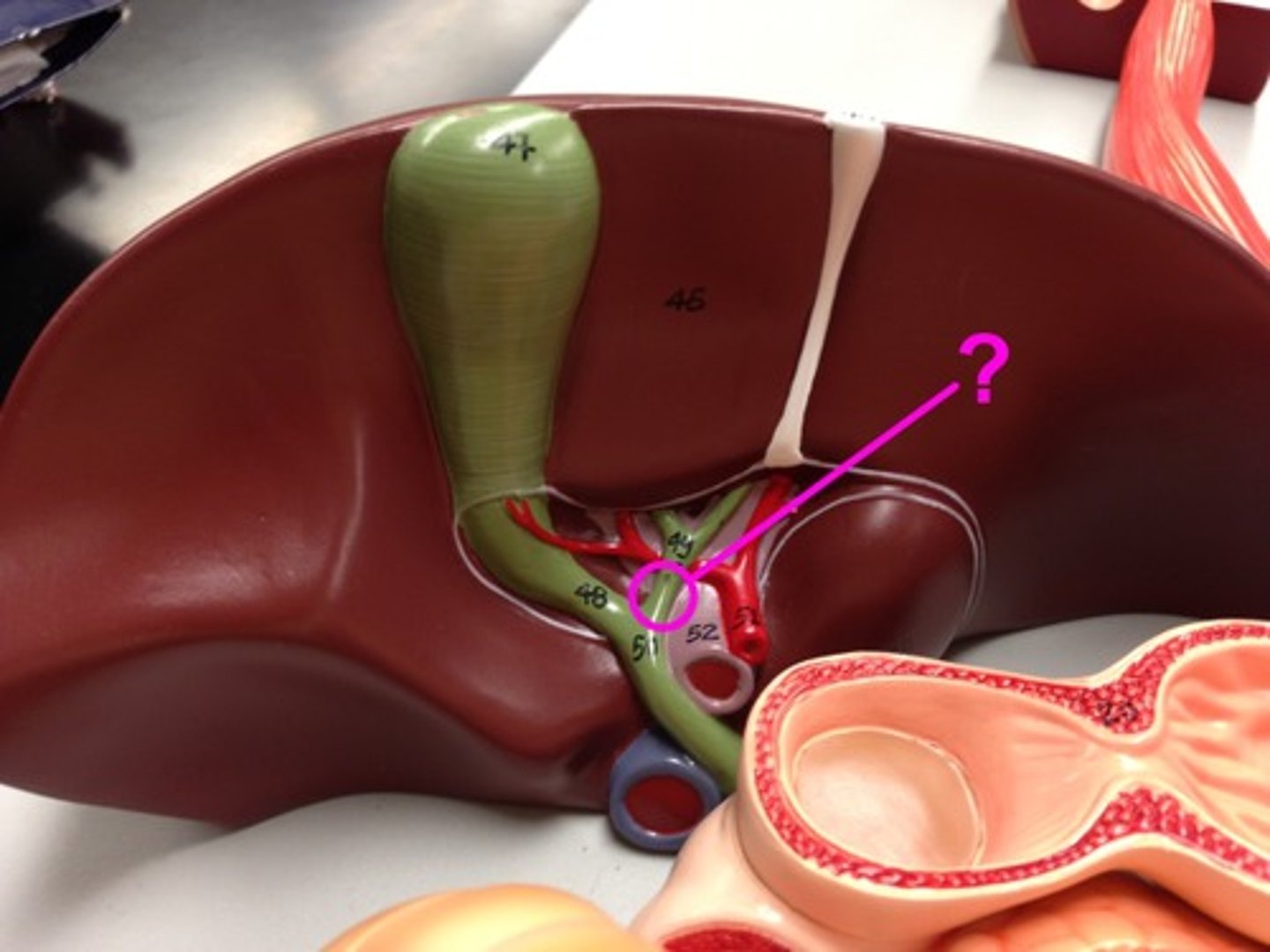
cystic duct
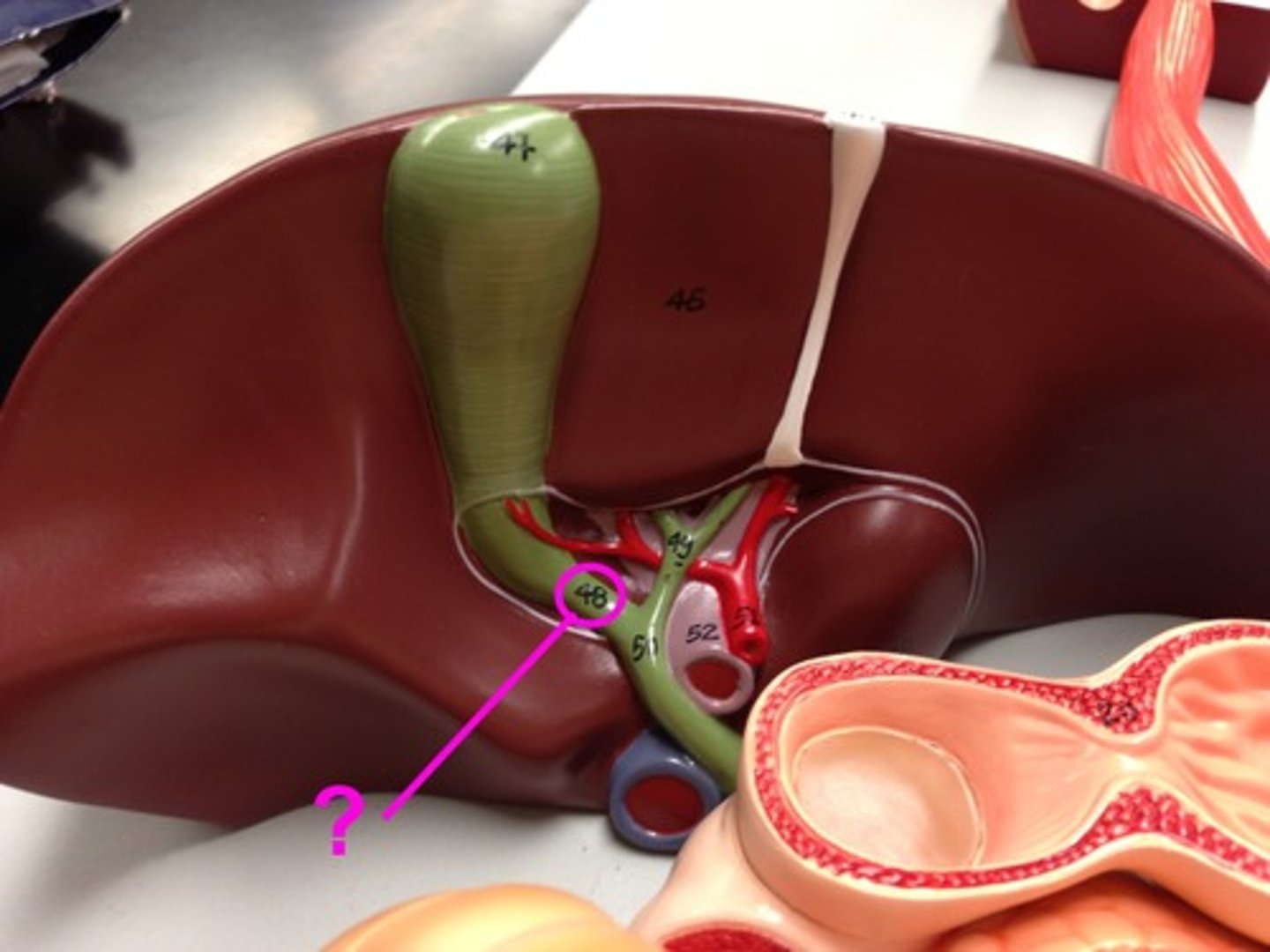
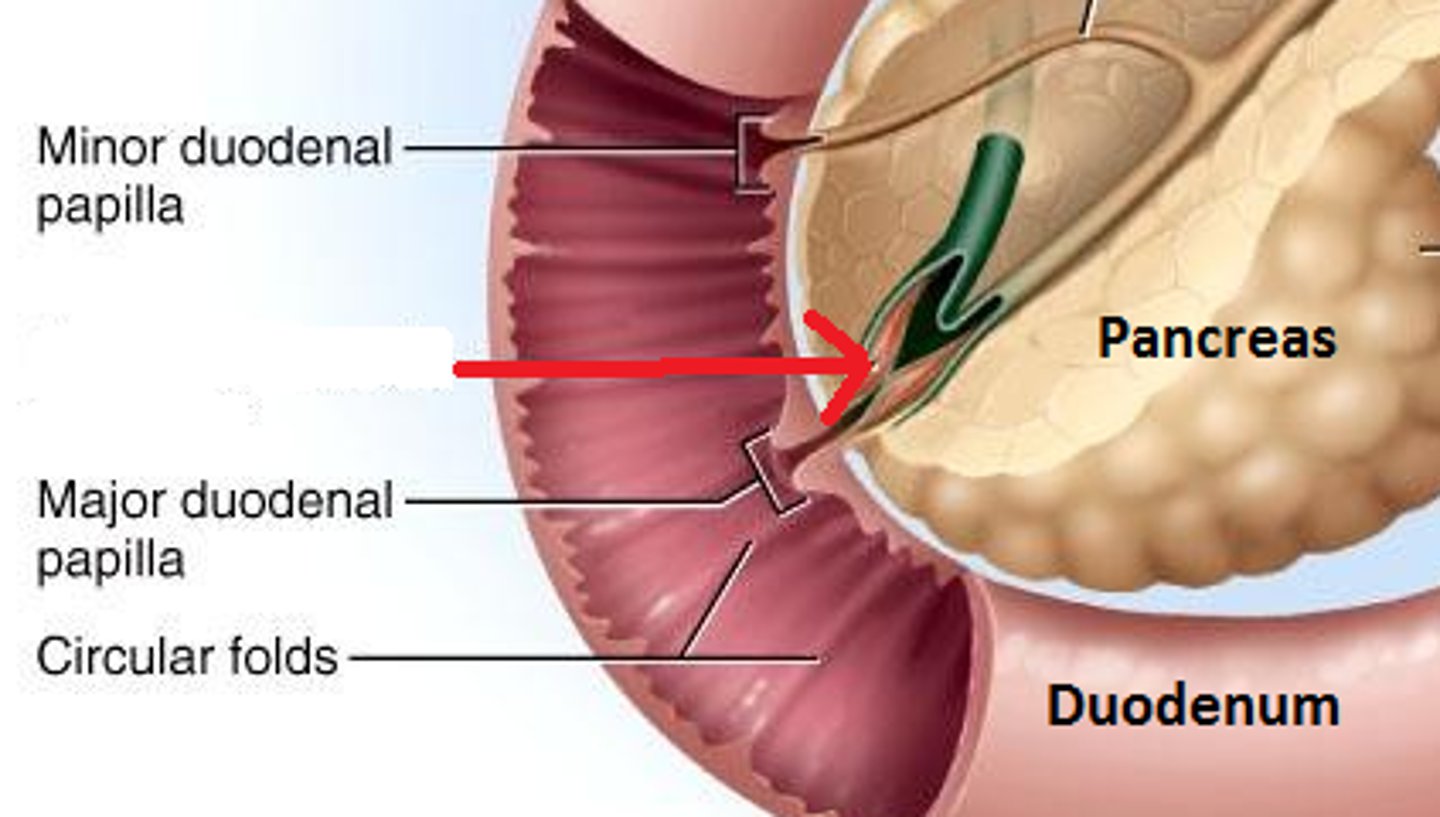
bile duct
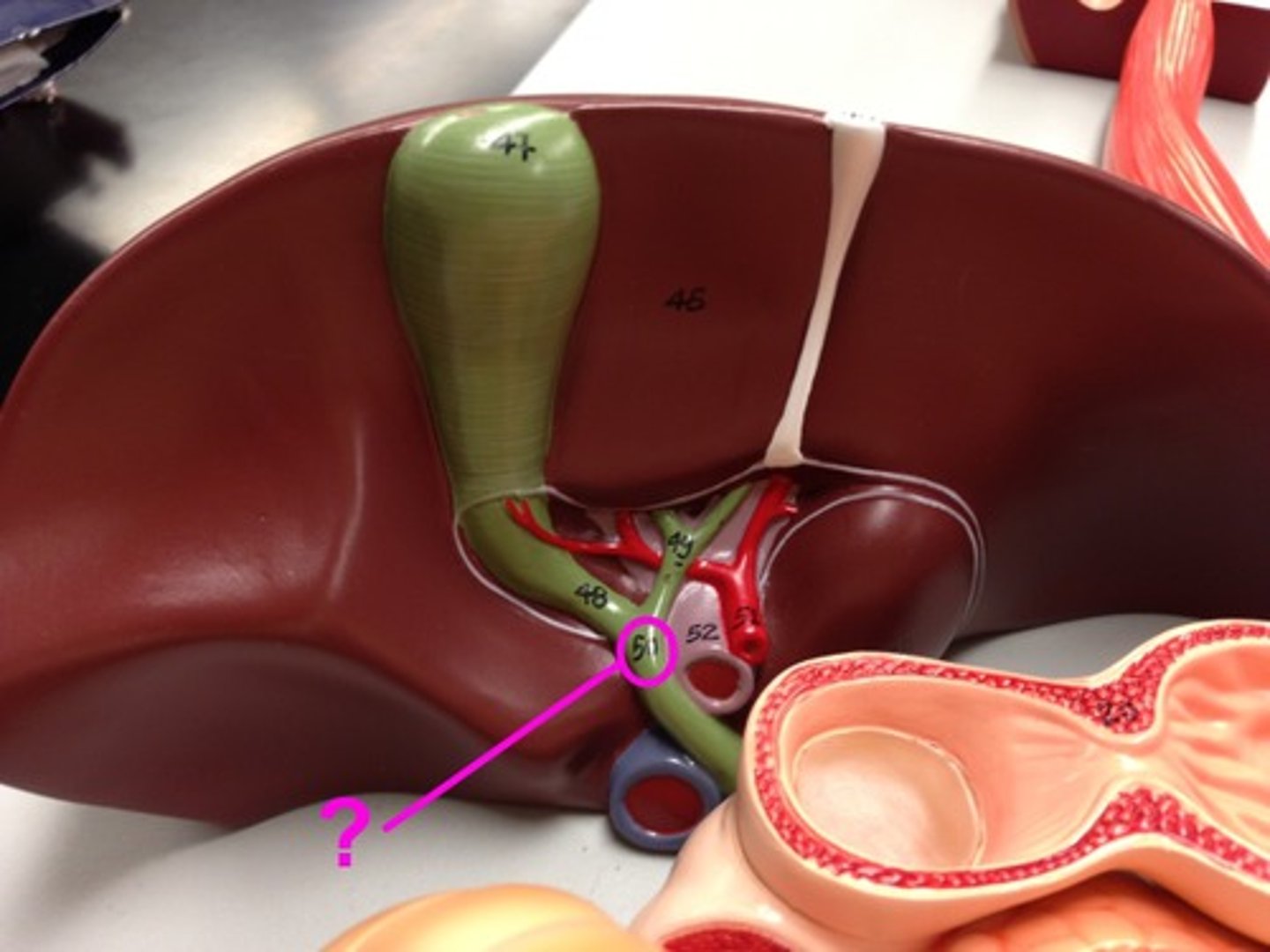
pancreatic duct
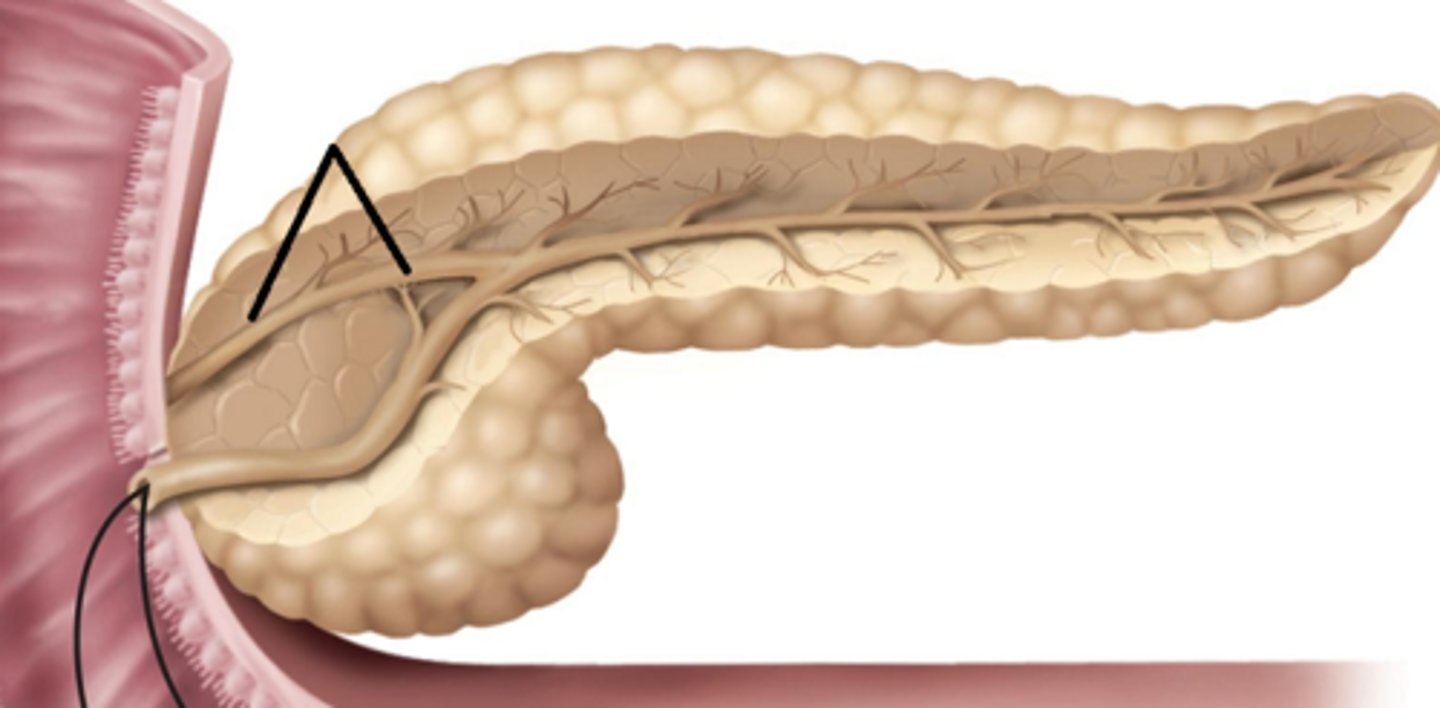
hepatopancreatic sphincter
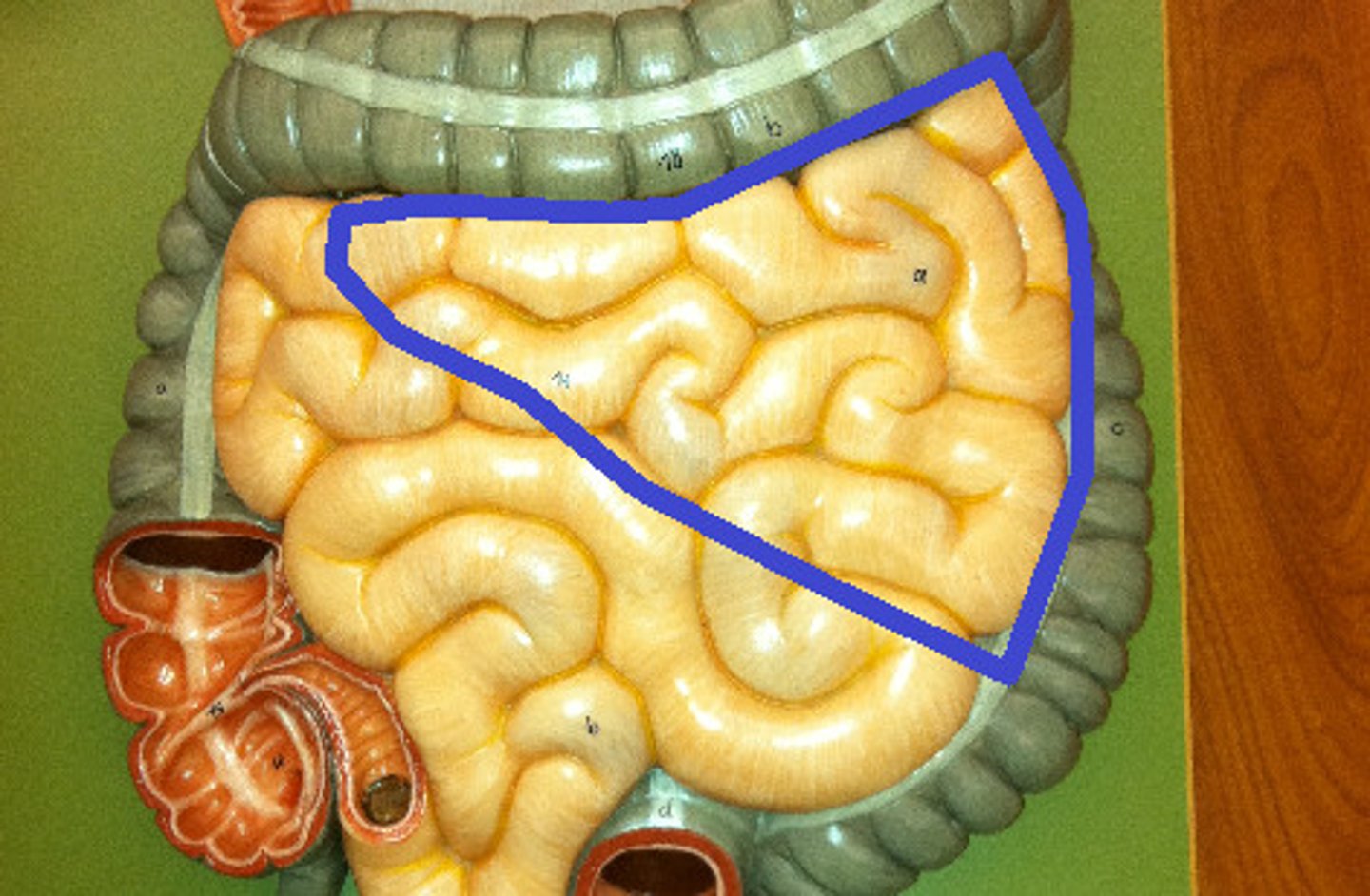
Jejunum
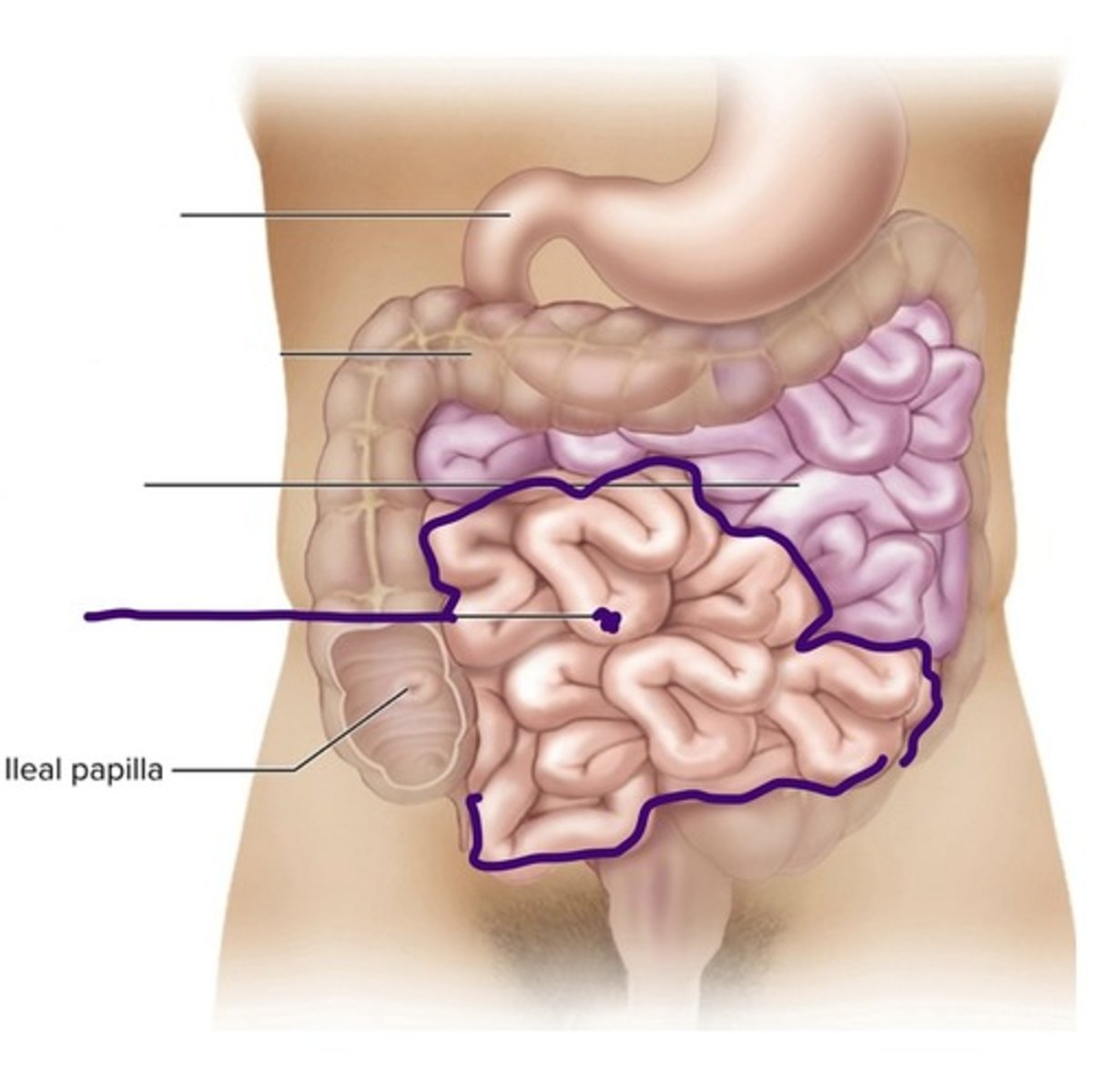
iieum
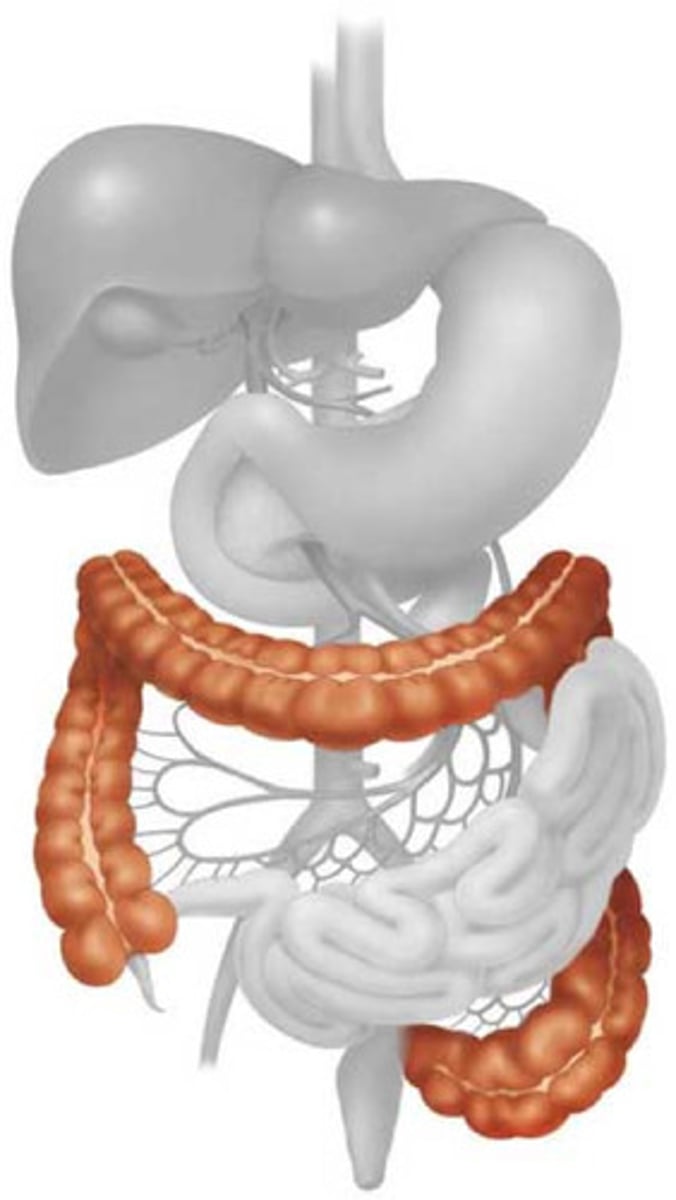
large intestine
illeocecal sphincter
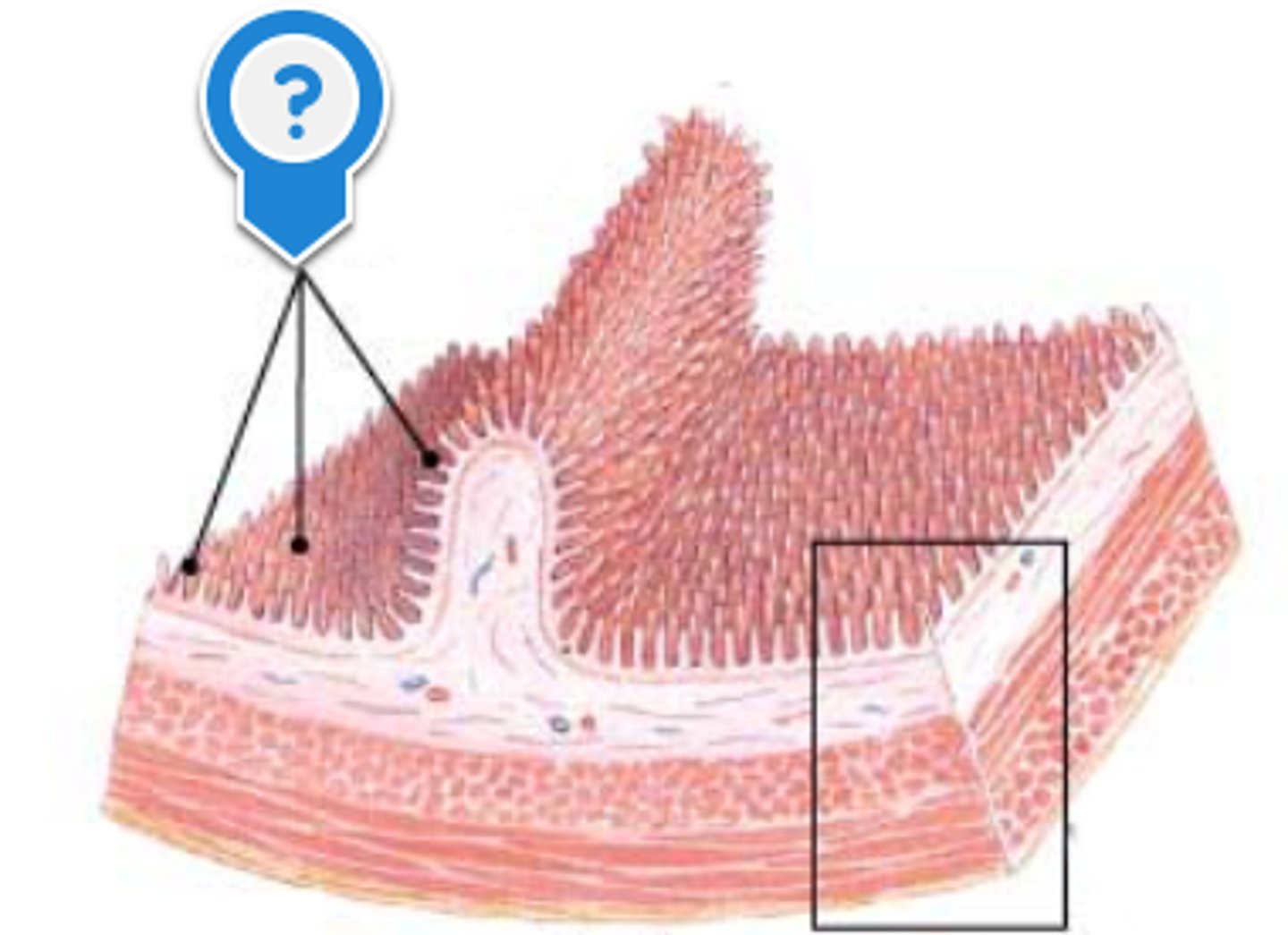
intestinal villi
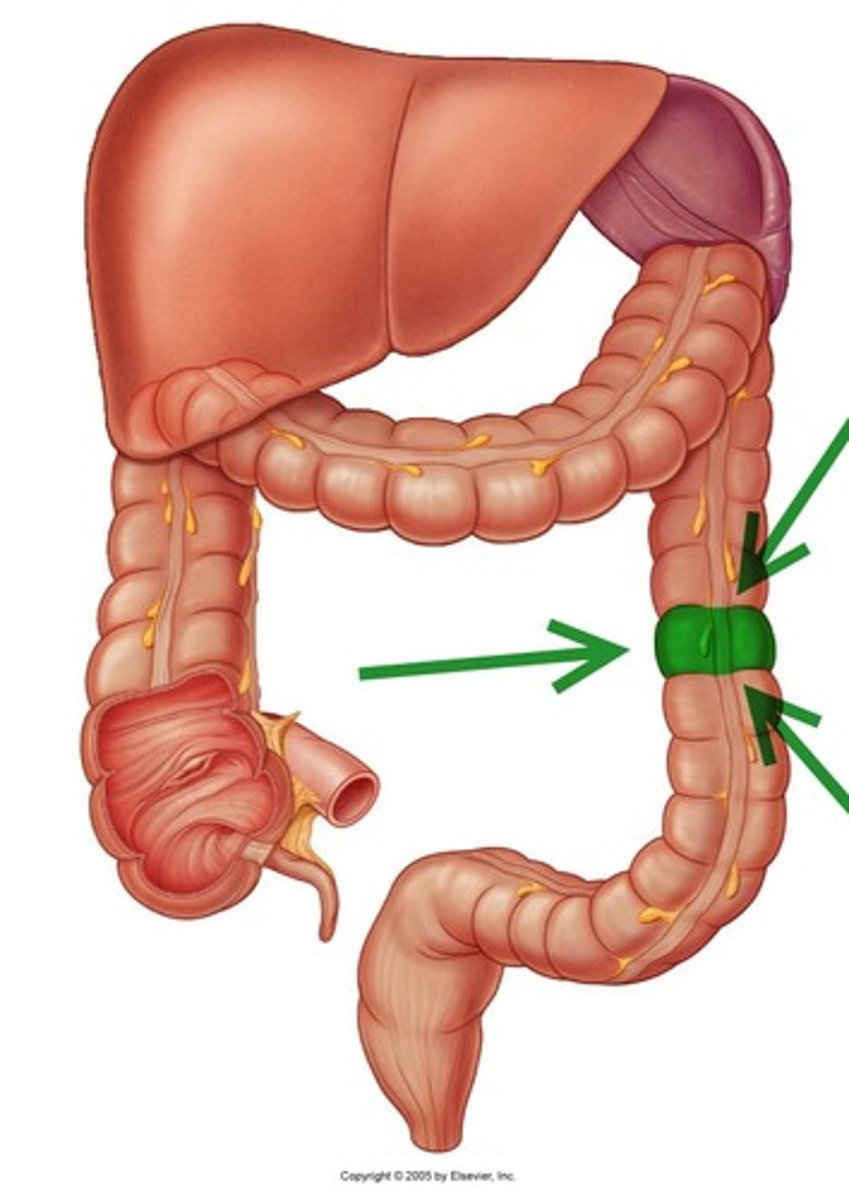
haustrum
external anal sphincter
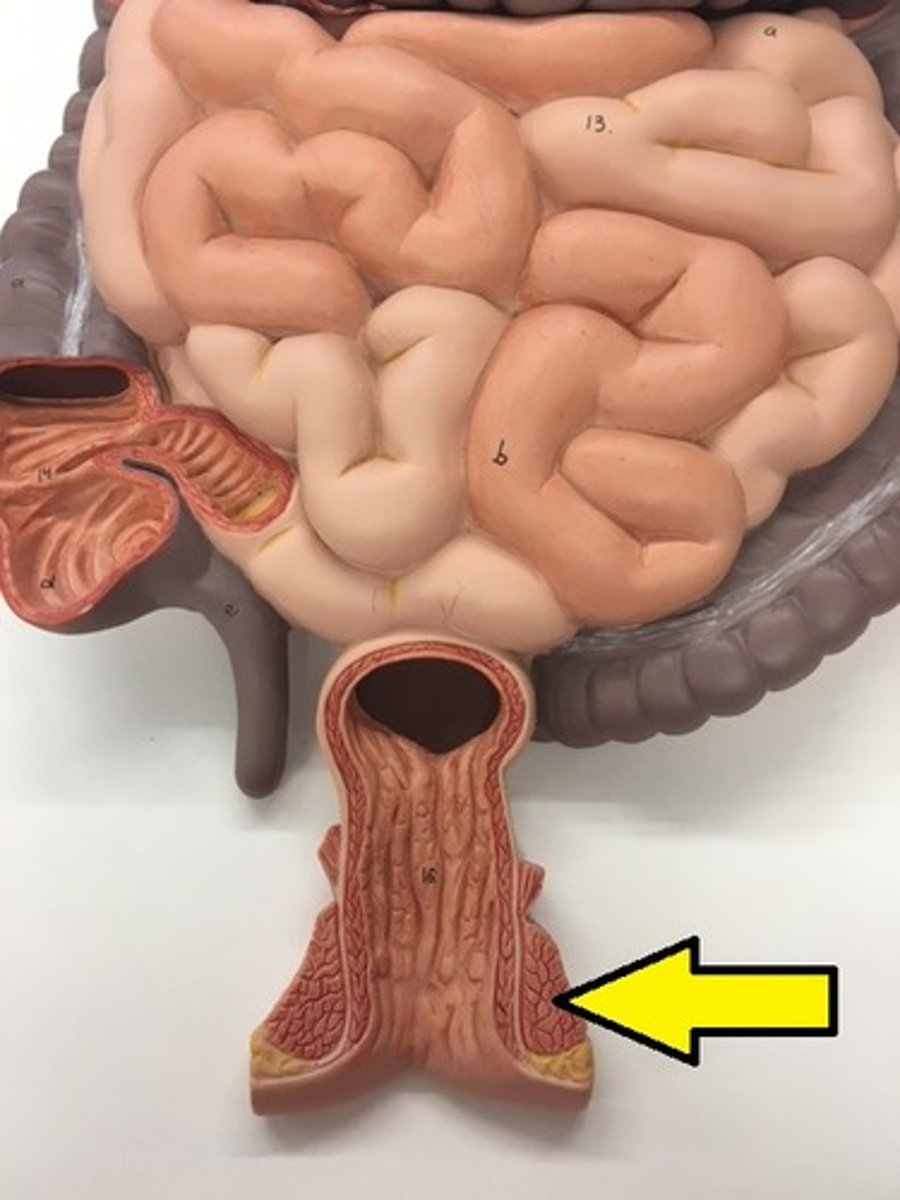
internal anal sphincter
Stomach function
Food storage and protein digestion
Canines functions
Puncture, tear, shred food
small intestine function
digestion and absorption of nutrients
Gallbladder function
store bile
pancreas function
secretes bicarbonate and digestive enzymes
Greater and lesser omentum funcation
Keep abdominal organs in place and isolate infections
Villi and microvilli function
create surface area for absorbtion
pre molars/molars function
crushing and grinding food
liver function
produced bile
Incisors function
Biting food
Large intestine function
Absorption of water and products of bacterial metabolism
myenteric plexus function
regulates motility of GI tract
Submucosa function
contains blood and lymph vessels
circular muscle function
Narrow tract contractions
serosa function
outermost connective tissue layer
submucosal plexus function
regulates secretions in GI tract
Mucosa function
Contains epithelial tissue for absorption and secretion
muscularis externa function
Muscular layer of GI tract
Longitudinal muscle funcation
shorten GI tract with contractions
External anal sphincter function
regulate passage of feces from body
Pyloric sphincter function
Regulate flow of chyme from stomach to duodenumileo
ileocecal sphincter function
Between small and large intestine
lower esophageal sphincter function
prevents stomach contents from going back up
hepatopancreatic sphincter function
regulates flow of bile and pancreatic secretions into duodenum
upper esophageal sphincter
separtes pharynx from the esophagus
carbohydrates
monoscarrides
proteins
amino acids
fats
monoglycerides + 2 free fatty acids

