Microbiology test 3
 Call Kai
 Learn
Learn Practice Test
 Spaced Repetition
 Match
Match Flashcards
 Knowt Play
1/69

Earn XP
Description and Tags
hiphip hooray
Name | Mastery | Learn | Test | Matching | Spaced | Call with Kai |
|---|
No analytics yet
Send a link to your students to track their progress
70 Terms
The study of inheritance and inheritable traits expressed in an organism's genetic material.
genetics
genome
The entire genetic complement of an organism (bacteria, eukaryote, virus).
What is a gene
A segment of DNA that codes for a functional product (a protein or regulation site).
chromosome in bacteria?
Genes essential for survival, typically circular and most bacteria have one (haploid).
plasmid
Extra chromosomal DNA found in some organisms that replicates independently and is not essential for normal bacterial metabolism, growth, or reproduction.
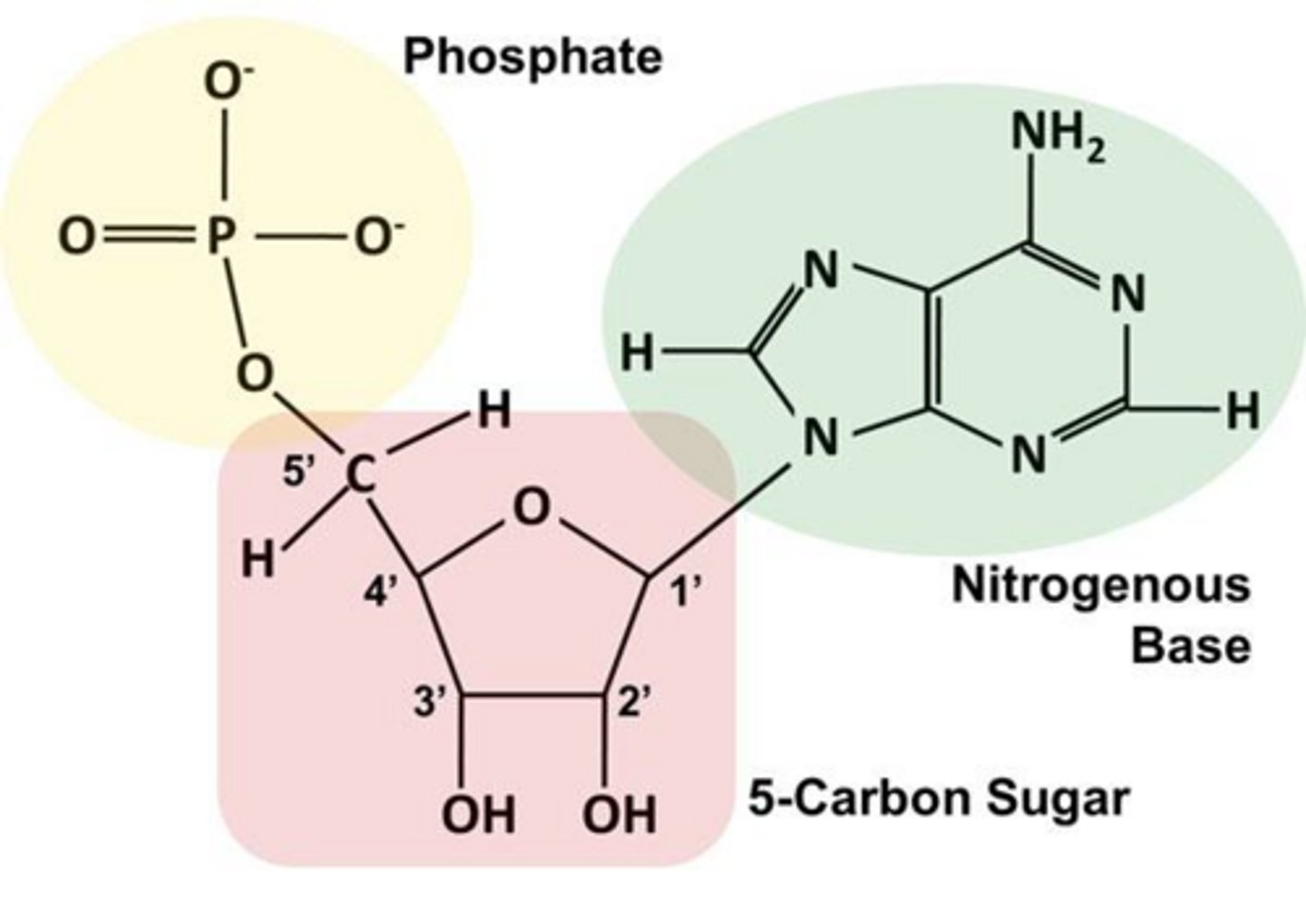
structure of nucleic acids
WHAT (structure) are polymers made of repeating units of nucleotides (monomers).
components of nucleotides
WHAT (components) are made of nitrogenous bases and complementary base pairs.
structure of DNA.
WHAT is double stranded with complementary strands running antiparallel (5'-3' and 3'-5').
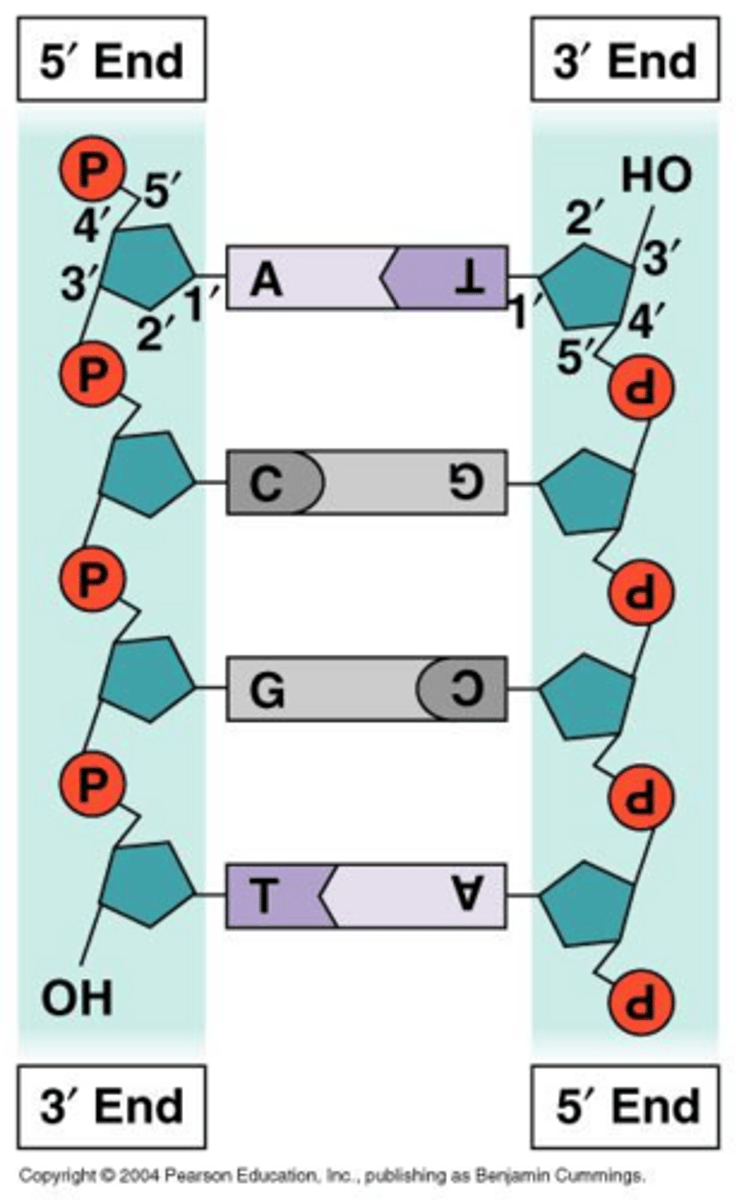
Hydrogen bonds between DNA bases
WHAT bonds form between the bases, while covalent bonds form between the sugar and phosphate sides.
RNA compared to DNA
RNA is single-stranded, composed of ribose sugar, and substitutes uracil for thymine.
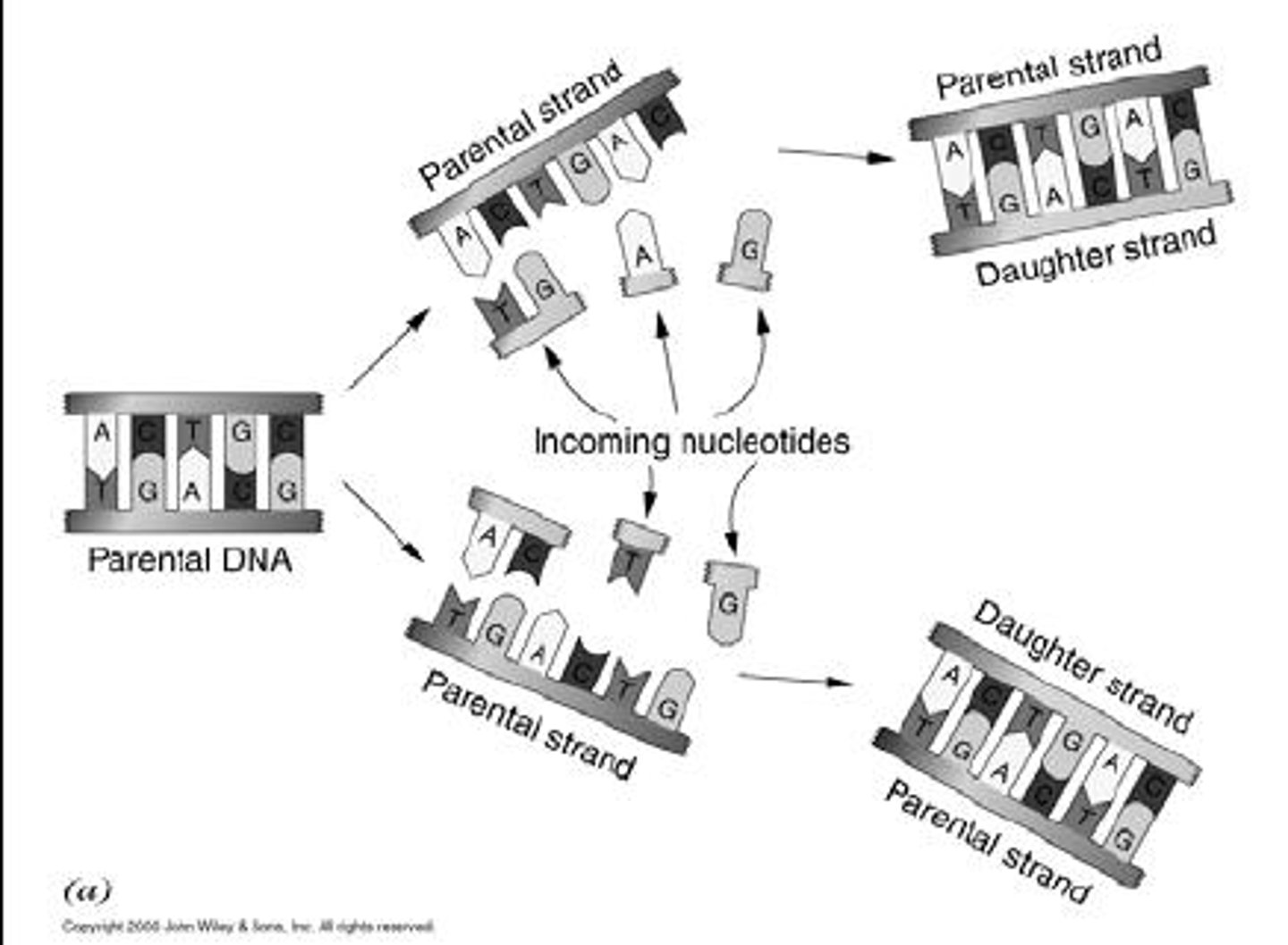
process of DNA replication
Bacteria replicate their DNA as the first step in binary fission, using a semiconservative model where each strand serves as a template.
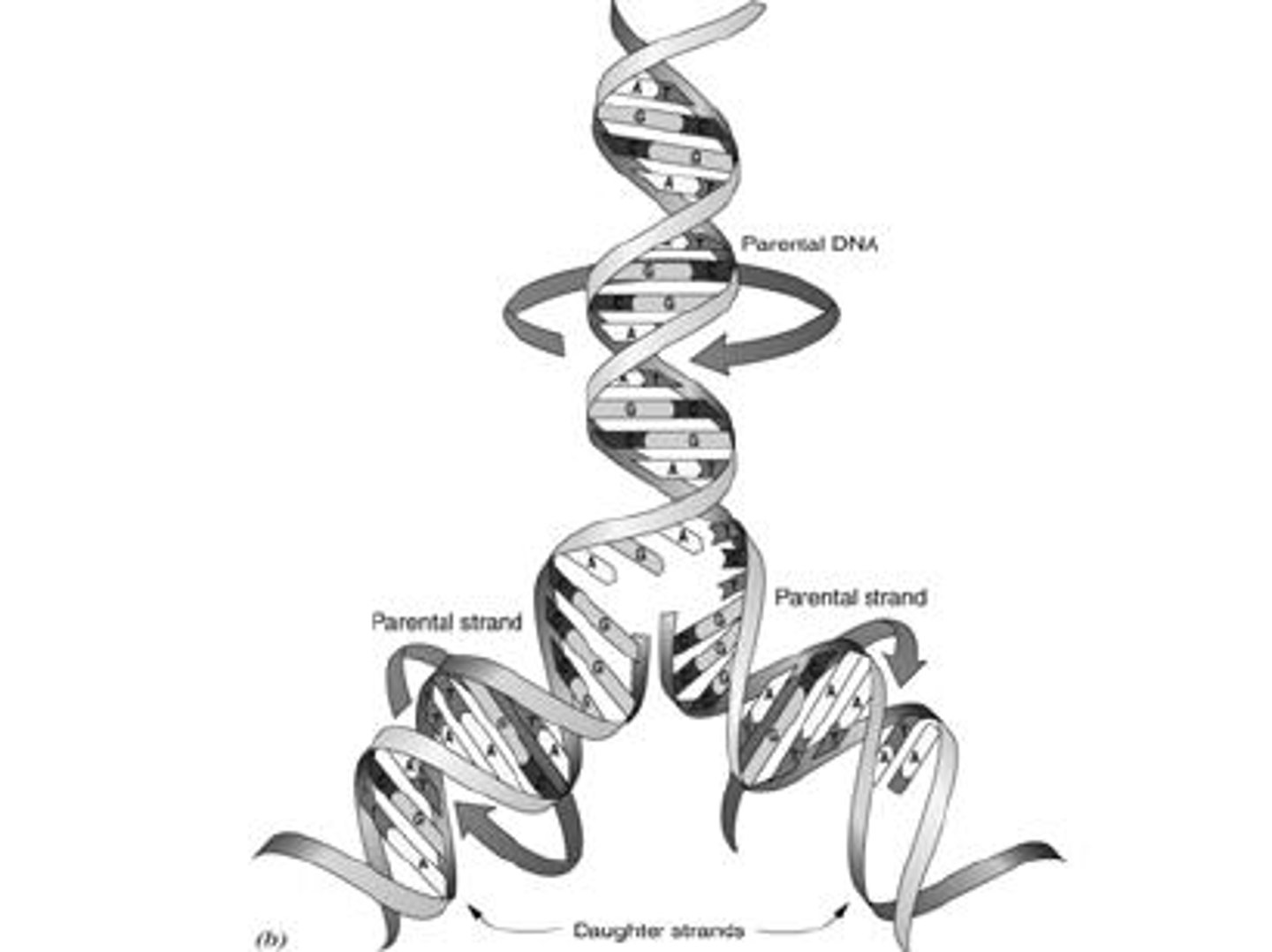
role of helicase in DNA replication
WHAT unwinds DNA and creates a replication fork.
Okazaki fragments
Short, newly synthesized DNA fragments formed on the lagging strand during DNA replication.
function of DNA ligase
_____ ______ seals gaps between Okazaki fragments.
central dogma of genetics
The process of gene expression where DNA is transcribed to mRNA, which is then translated to produce proteins.
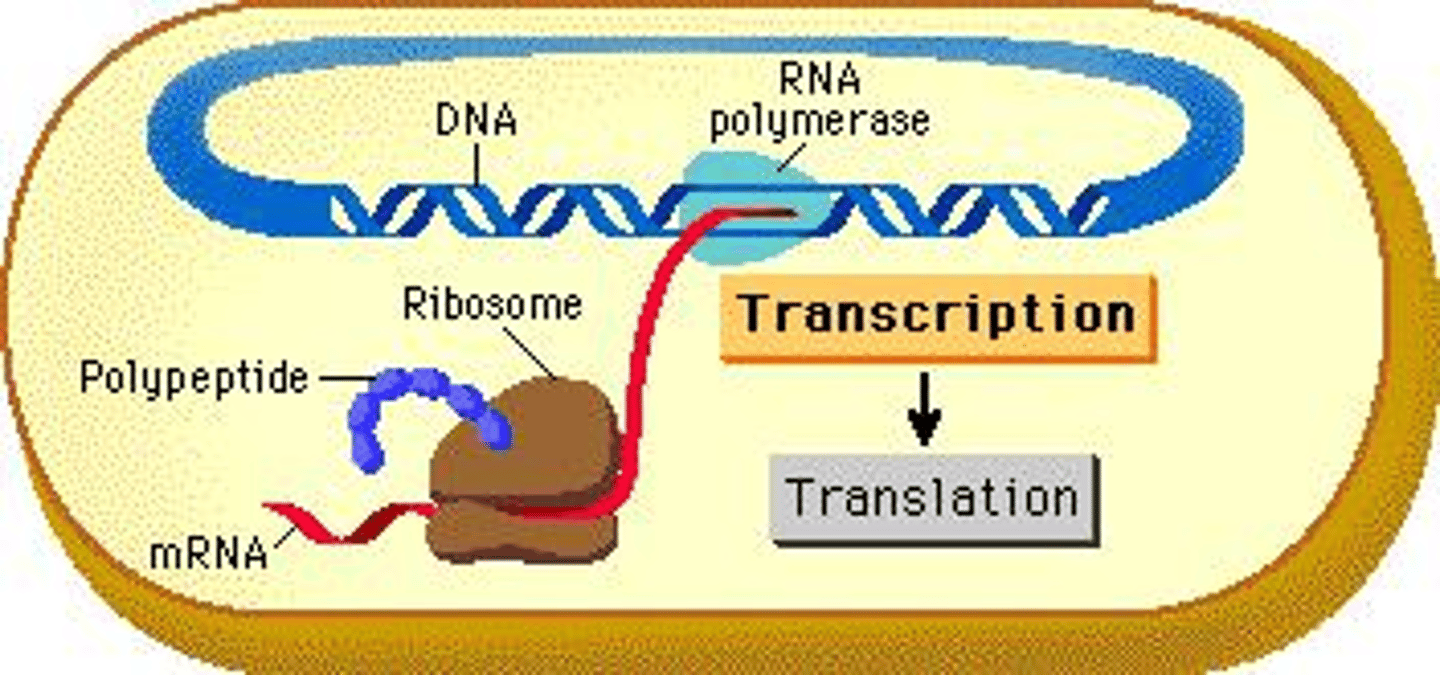
three steps of transcription
Initiation, elongation, and termination.
EIT
transcription
The product of __________ is mRNA.
DNA template during transcription
WHAT is unwound and used to synthesize mRNA in TRANSCRIPTION
Is the mRNA code universal
Yes, the mRNA code is universal and used by all organisms.
role of mRNA in gene expression
_____ carries transcribed information from DNA to the ribosomes for protein synthesis.
function of ribosomal RNA (rRNA)
_____ is part of ribosomes and catalyzes protein synthesis.
What does transfer RNA (tRNA) do
____ transfers amino acids to the ribosomes, where proteins are synthesized.
codon
WHAT is a 3-base sequence of nucleotides in mRNA that codes for an amino acid.
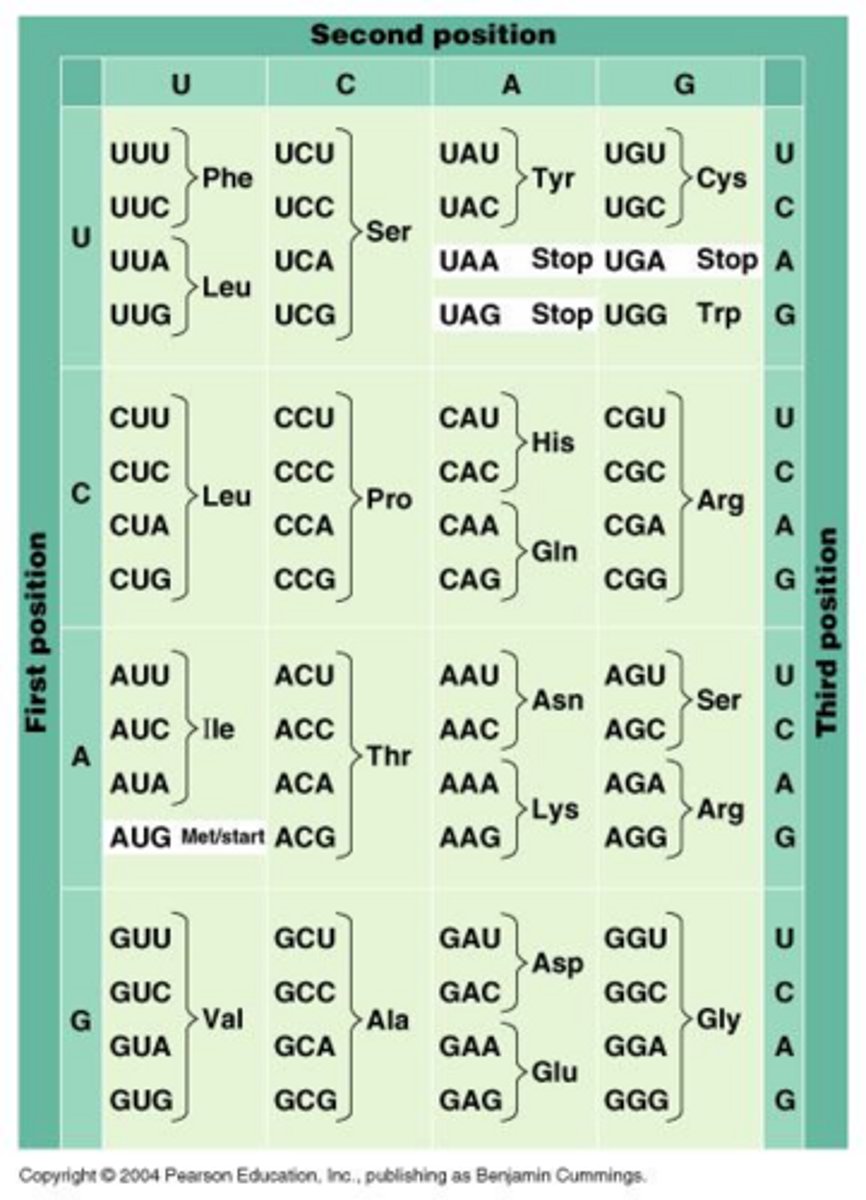
three stages of translation
Initiation, Elongation, and Termination.
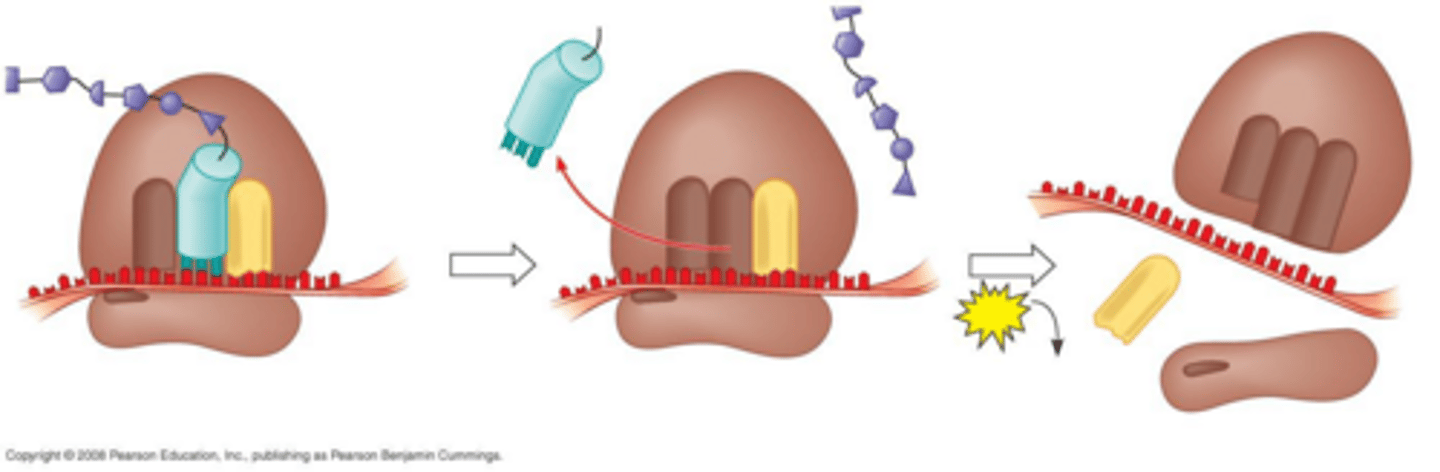
initiation stage of translation
The mRNA, tRNA, and ribosome come together at the start codon.
elongation stage of translation
Codon recognition, peptide bond formation, and translocation occur.
What triggers termination in translation
The ribosome reaches a stop codon, leading to the release of the polypeptide.
operon
WHAT is a group of genes that work together, regulated as a single unit.
repressible operon
a WHAT is usually transcribed (on) and must be turned off by an active repressor protein (e.g., Trp Operon).
inducible operon
An WHAT is usually not transcribed (off) and must be turned on by a molecule that inactivates the repressor (e.g., Lac Operon).
promoter in an operon function
WHAT is the DNA segment where RNA polymerase attaches to begin transcription.

role of the operator in an operon
The WHAT is the DNA segment where the repressor protein binds to block transcription.
tryptophan function in the trp operon
WHAT acts as a co-repressor that activates the repressor, turning off its own production.
lac operon when lactose is absent
The WHAT is active, switching the lac operon off.
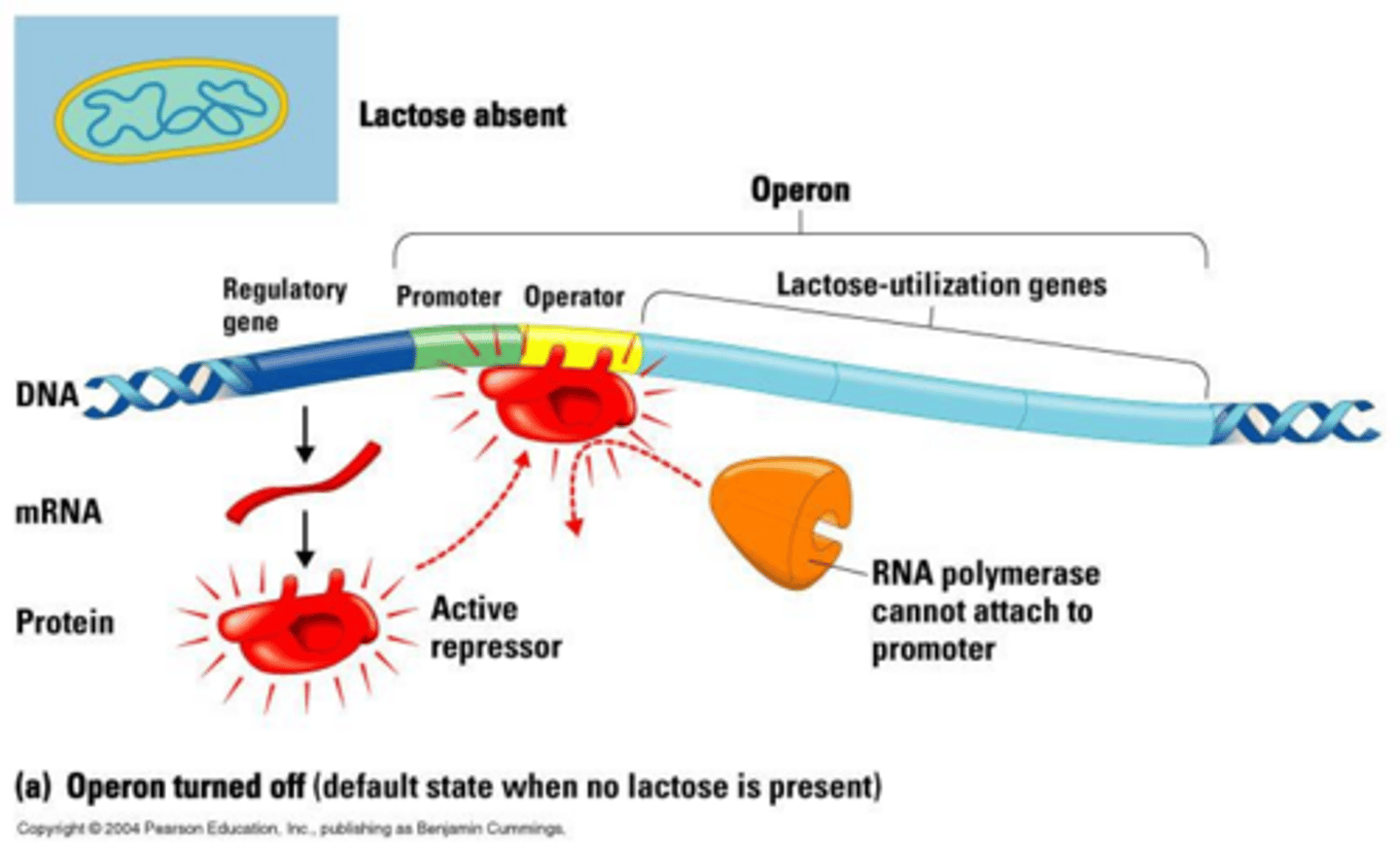
lac operon when lactose is present
The repressor is inactivated, allowing the lac operon to be turned on.
product of translation
The WHAT is a polypeptide (protein).
significance of the start codon
The WHAT (AUG) signals the beginning of translation.
significance of stop codons
WHAT (UAG, UAA, UGA) signal the termination of translation.
structure of tRNA
WHAT is a short piece of folded RNA containing 3 loops, with an anticodon and an acceptor stem for an amino acid.
role of the regulatory gene in an operon
The WHAT codes for a repressor protein that controls the operon's transcription.
function of the repressor protein
The WHAT blocks RNA polymerase from initiating transcription.
How operons conserve energy in prokaryotes
By regulating gene expression, operons prevent unnecessary transcription and conserve resources.
relationship between transcription and translation
Transcription produces mRNA from DNA, which is then translated into proteins at the ribosomes.
role of the release factor in termination
The WHAT binds to the stop codon, causing hydrolysis and the release of the polypeptide.
function of the acceptor stem in tRNA
The WHAT is where a specific amino acid is attached to the tRNA molecule.
significance of the 5' and 3' ends of mRNA
They indicate the directionality of the mRNA strand, which is important for translation.
mutation
A permanent change in the nucleotide base sequence of a genome.
point mutations
Mutations where a single base in the DNA sequence is inserted, deleted, or substituted.
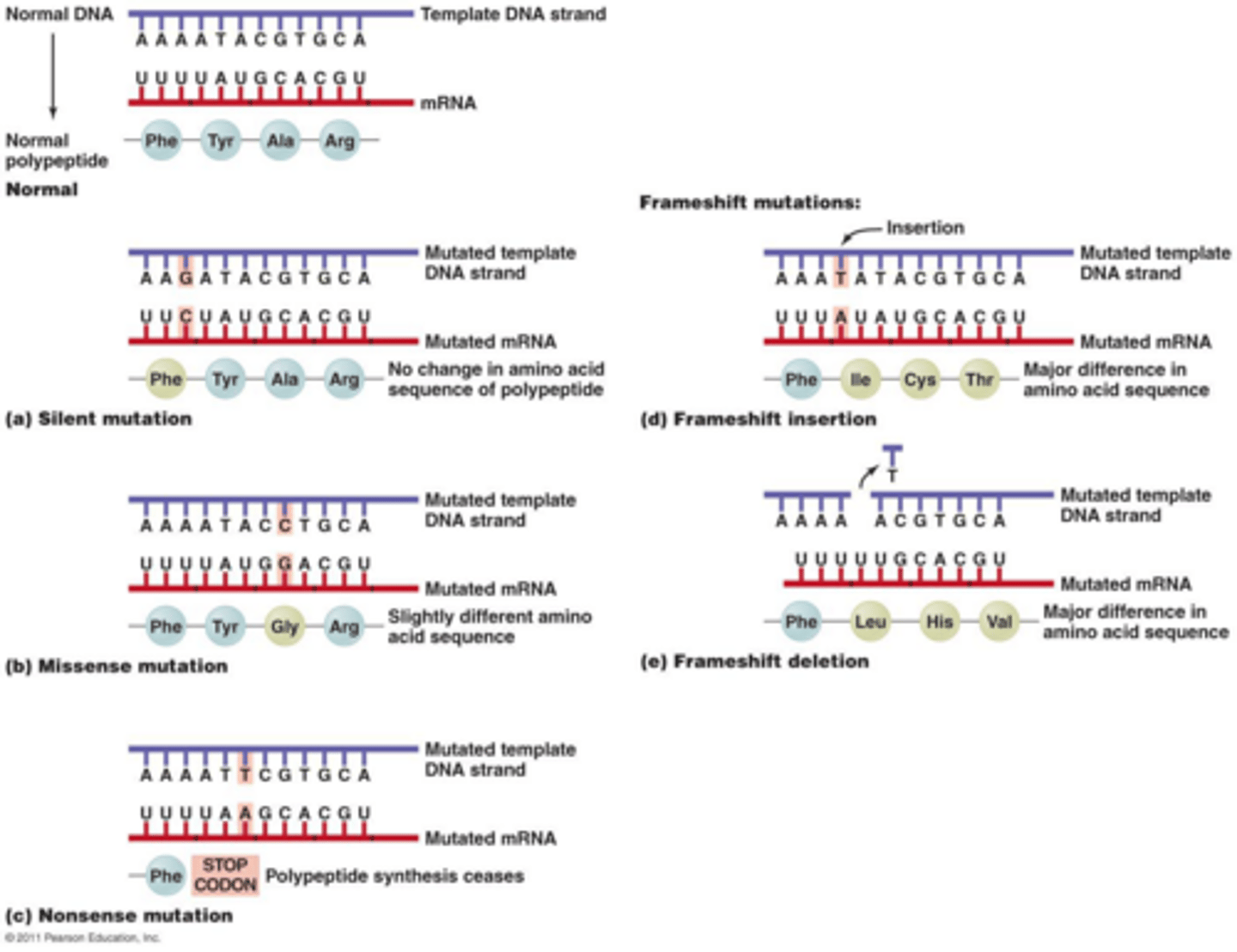
Frameshift mutation
A mutation caused by an insertion or deletion that shifts the reading frame of the genetic code.
frequency of mutation in DNA replication
About 1 mutation per 1 billion DNA replications.
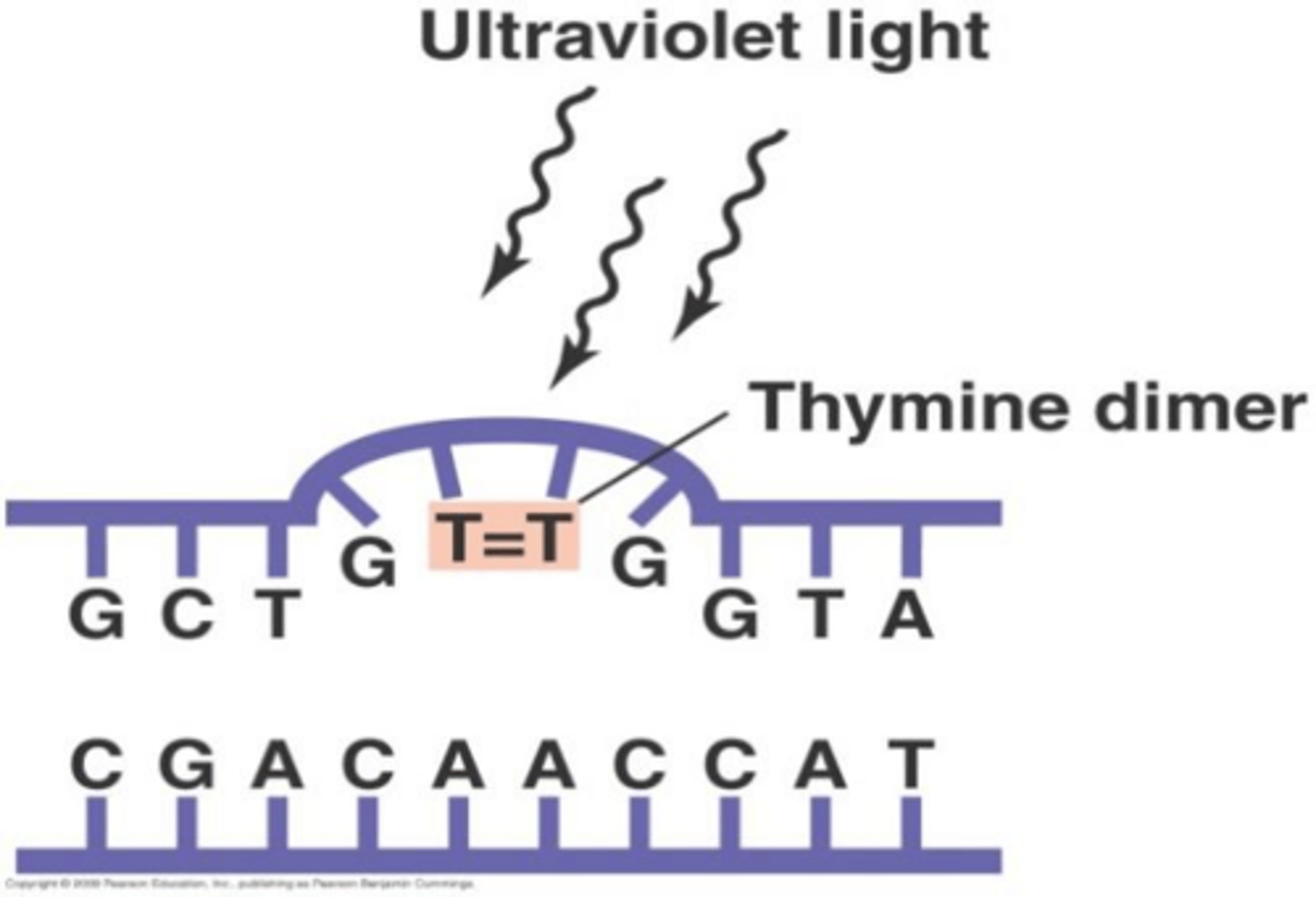
mutagens
Agents that increase mutation rates, including environmental factors like radiation and chemicals.
two types of radiation mutagens
Ionizing radiation (X rays and gamma rays) and nonionizing radiation (UV rays).
nucleotide analogs
Chemical mutagens that mimic DNA or RNA nucleotides and can be incorporated into DNA during replication.
positive selection in identifying mutants
Selecting mutants by eliminating wild types, allowing only mutants to grow.
negative selection in identifying mutants
Selecting mutants by identifying auxotrophs, which require different nutrients than wild types.
horizontal gene transfer
The exchange of genes between bacteria of the same generation, resulting in recombinant cells.
The three methods of genetic recombination
Transformation, transduction, and conjugation.
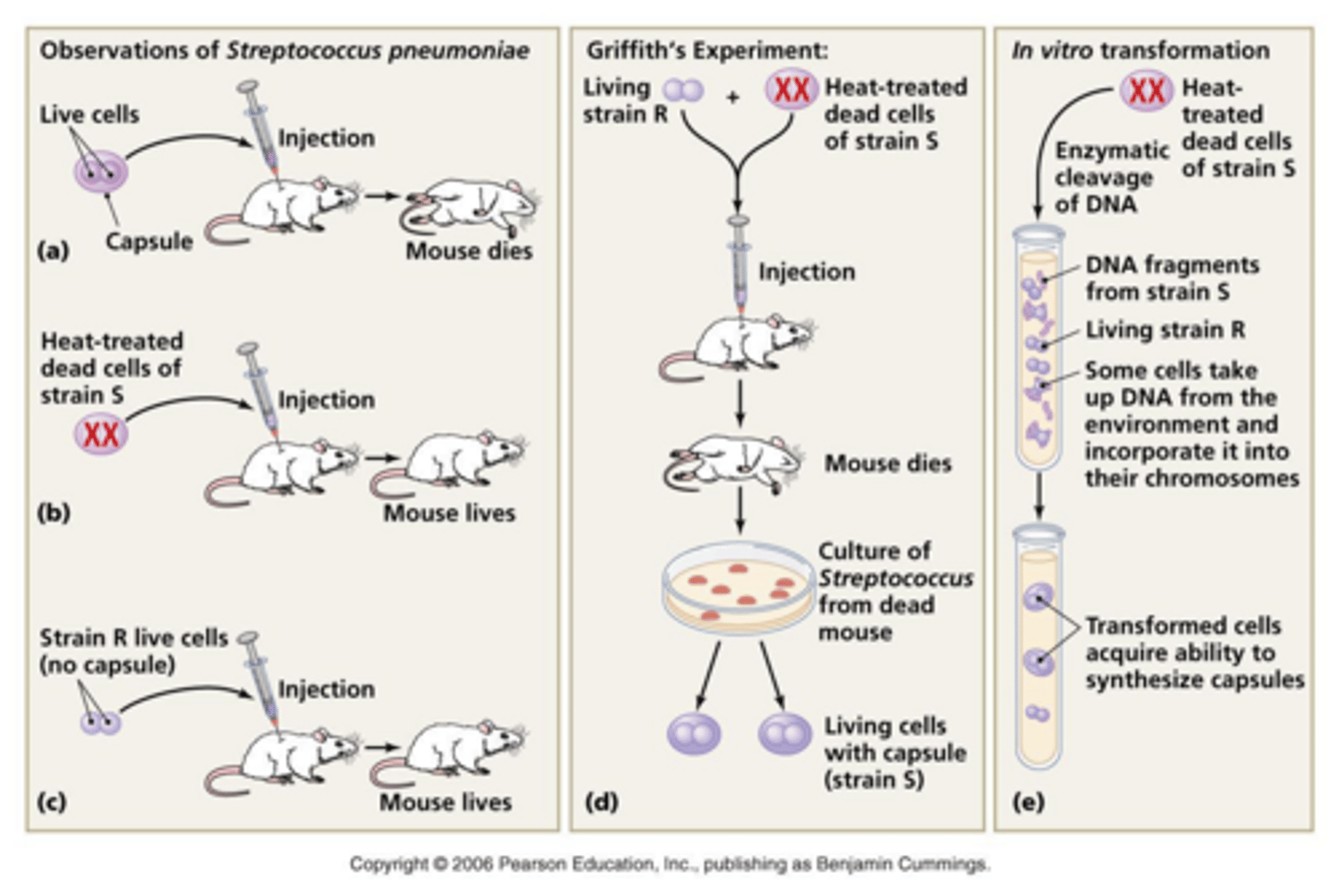
transformation in bacteria
The transfer of DNA fragments from the environment into a bacterial cell.
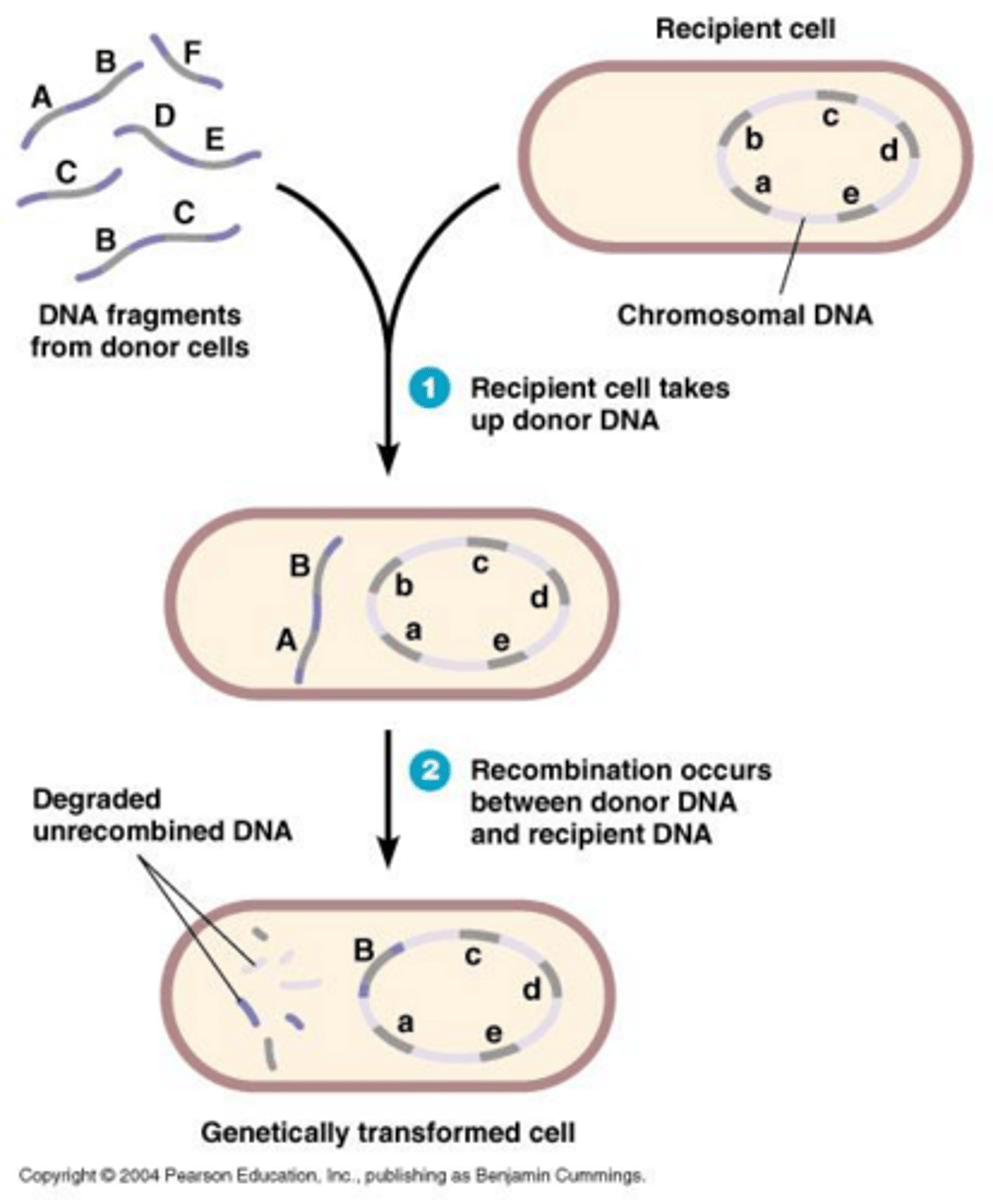
Limitation of transformation
The recipient bacterium must be competent to take up DNA from its environment.
transduction
Genetic transfer mediated through a bacteriophage that infects bacteria.
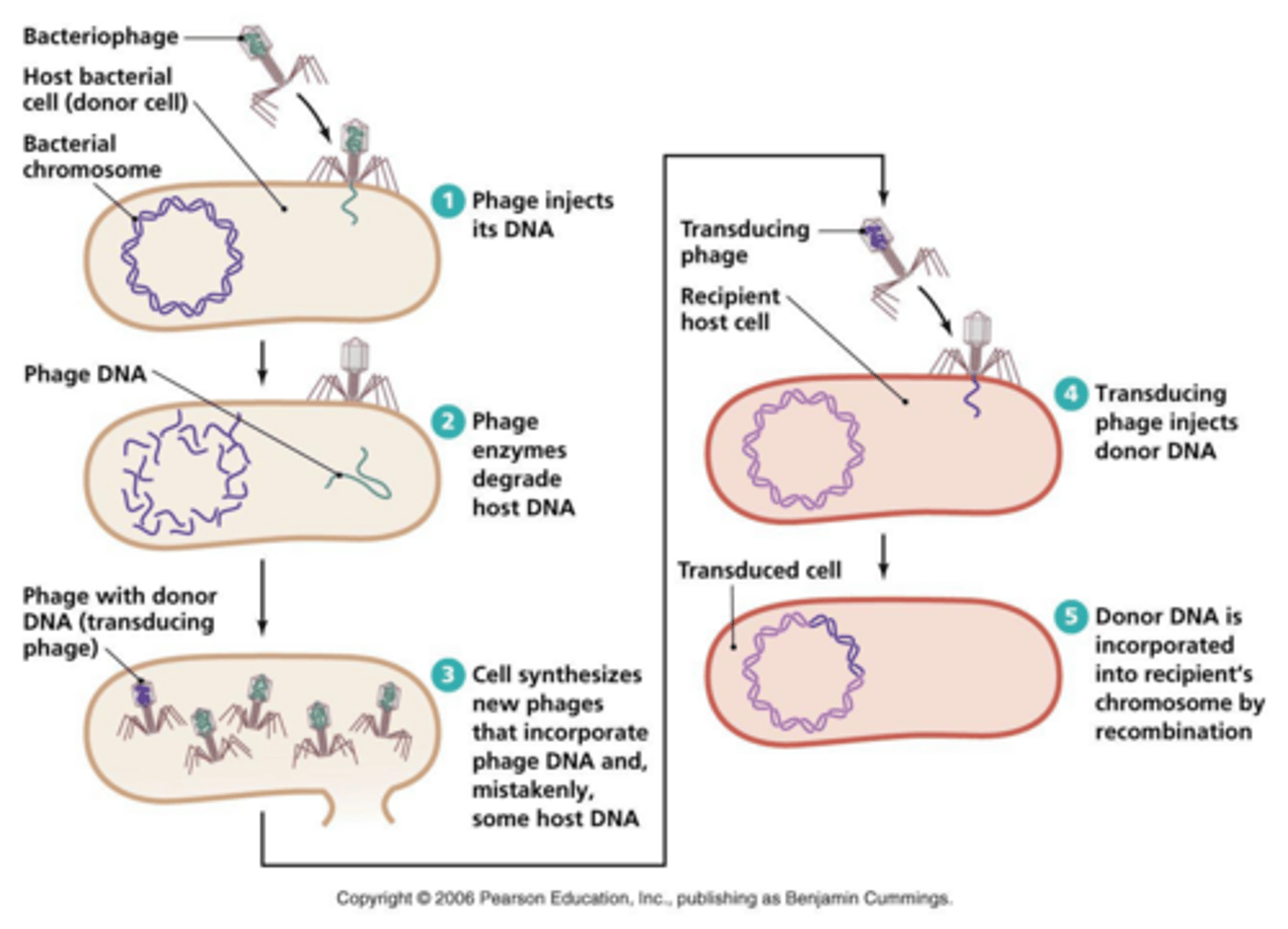
Limitation of transduction
It requires a bacteriophage to infect the bacteria.
Bacterial conjugation
The transfer of DNA from one bacterium to another through direct cell-to-cell contact via a pilus.
F plasmid
A fertility plasmid that contains genes necessary for the formation of a pilus in bacterial conjugation.
What happens in F+ x F- conjugation
The F+ donor bacterium transfers its F plasmid to the F- recipient, converting it to F+.
Hfr conjugation
A process where an Hfr donor bacterium transfers part of its chromosome to an F- recipient, but not the entire F plasmid.
auxotroph
A mutant that has a nutrient requirement different from that of the wild type.
role of a pilus in bacterial conjugation
It facilitates the transfer of DNA between donor and recipient bacteria.
significance of Griffith's experiments
They demonstrated the process of transformation in bacteria using rough and smooth strains.
effects of point mutations
They can lead to silent, nonsense, or frameshift mutations, affecting protein synthesis.
outcome of Hfr x F- conjugation
The recipient bacterium gains new DNA but remains F- and does not receive the entire F plasmid.
Explore top notes

Explore top flashcards
