BMED 3100 Exam 1 Review
 Call Kai
 Learn
Learn Practice Test
 Spaced Repetition
 Match
Match Flashcards
 Knowt Play
1/155

There's no tags or description
Looks like no tags are added yet.
Name | Mastery | Learn | Test | Matching | Spaced | Call with Kai |
|---|
No analytics yet
Send a link to your students to track their progress
156 Terms
Organizational Principles of Physiology Core Concepts
Hierarchical Organization
Compartmentation
Structure-Function relationships
Functional Principles of Physiology Core Concepts
Cell Communication
Flow Down Gradients
Mass & Energy Balance
Systems Principles of Physiology Core Concepts
Homeostasis & Control Systems
Integration & Interdependence
Causality & Complexity
Cell Theory
1) All organisms are composed of one or more cells
2) Cells are the basic unit of life
3) All cells come from preexisting cells
Cell Structure
Nucleus
Contains genetic material/DNA
Site of transcription
Cell Structure
Cytoplasm
All of the material inside the cell membrane except the nucleus
Cell Structure
Cytosol
Intracellular fluid
Cell Structure
Organelles
Structures that perform a specific function within a cell
Cell Structure
Cytoskeleton
Fibers provide structure
Transport
Movement
Cell Structure
Ribosomes
Participate in protein synthesis
Cell Structure
Mitochondria
produces ATP
Cell Structure
Cell Membrane
Physical isolation & protection
Structural support & connections
Acts as selective barrier
Communication & detection
Features of the Cell Membrane
Outside is polar phospholipid heads
Inside is nonpolar fatty acid tails
_____ materials can freely pass through the cell membrane
Hydrophobic
______ materials require the use of channels to cross the cell membrane
Hydrophilic
Hydrophilic materials are ______ while
Hydrophobic materials are ______
Polar
Nonpolar
Central Dogma of Molecular Biology
Genetic information flows in one direction:
DNA transcription → RNA translation → proteins
Functions of Cytoskeleton
Cell shape
Internal organization
Intracellular transport
Assembly of cells into tissues
Movement & support
Cell signaling
Features of Nucleus
DNA
Contains genetic information for the development and functioning of an organism
Double helix shape
Features of Nucleus
Nucleotide
Basic unit of DNA
Features of Nucleus
Gene
Sequence of nucleotides that encodes a specific protein
Features of Nucleus
Chromatin
Material of which the chromosomes are made of; contains DNA and associated proteins
Features of Nucleus
Nucleolus
Genes that code for ribosomal RNA
Site of lots of transcription
Features of Nucleus
Nuclear envelope
Double membrane structure that surrounds the nucleus
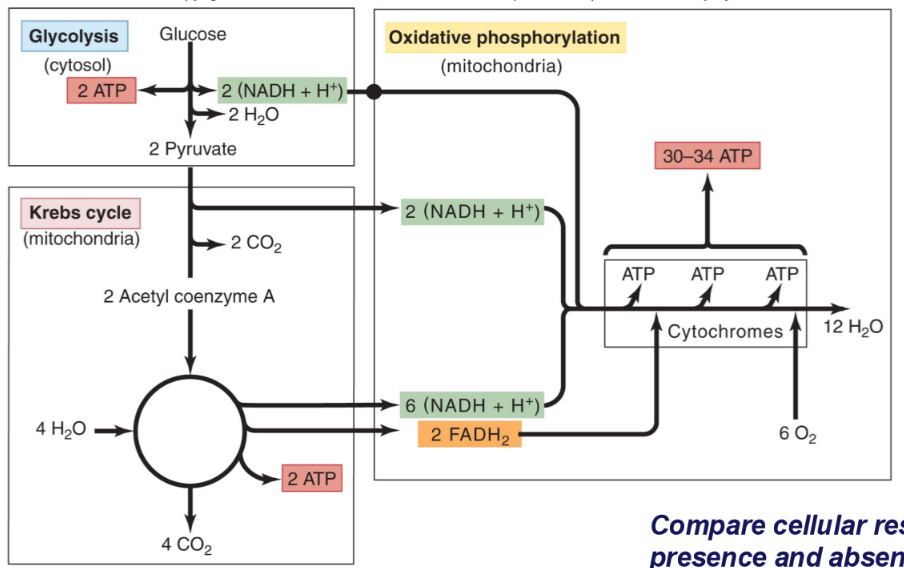
Metabolism
Glycolysis
Creates pyruvate from glucose;
occurs in the cytosol
Metabolism
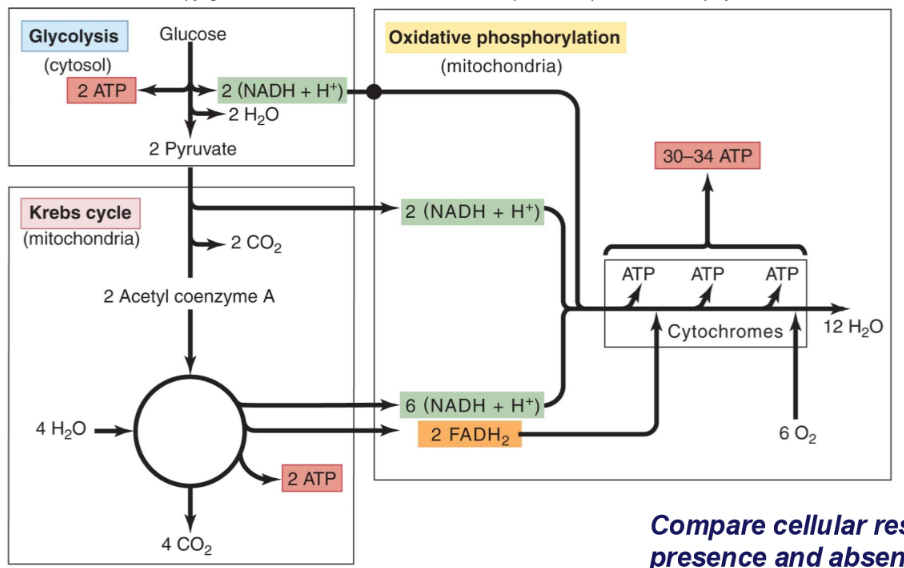
Krebs cycle
Uses acetyl coenzyme A and pyruvate to produce NADH, FADH2, and 2 ATP;
occurs in the mitochondria
Metabolism
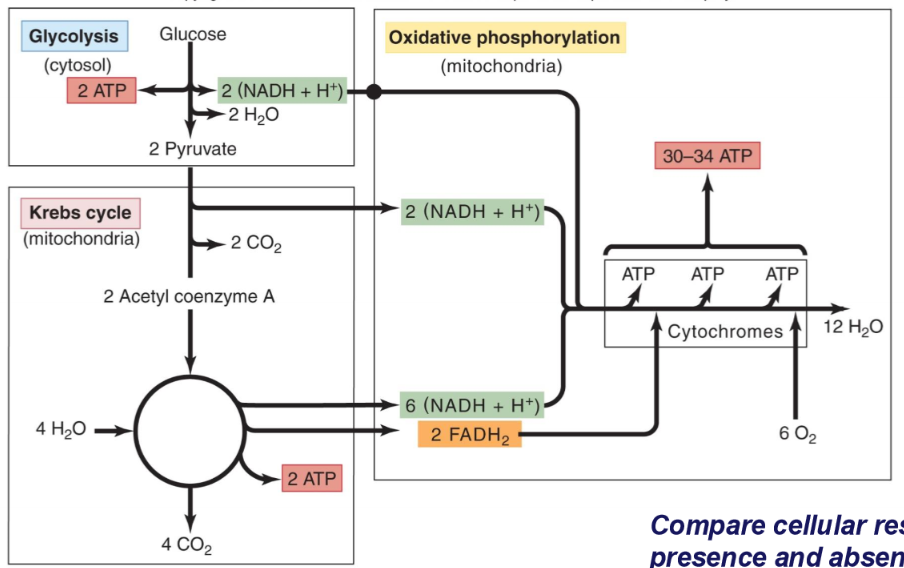
Oxidative phosphorylation
NADH, FADH2, and oxygen are used to produce 30 - 34 ATP;
occurs in the mitochondria
Metabolism
Equation for cellular respiration
C6H12O6 + 6O2 + 38 ADP + 38 Pi → 6CO2 + 6H2O + 34-38 ATP

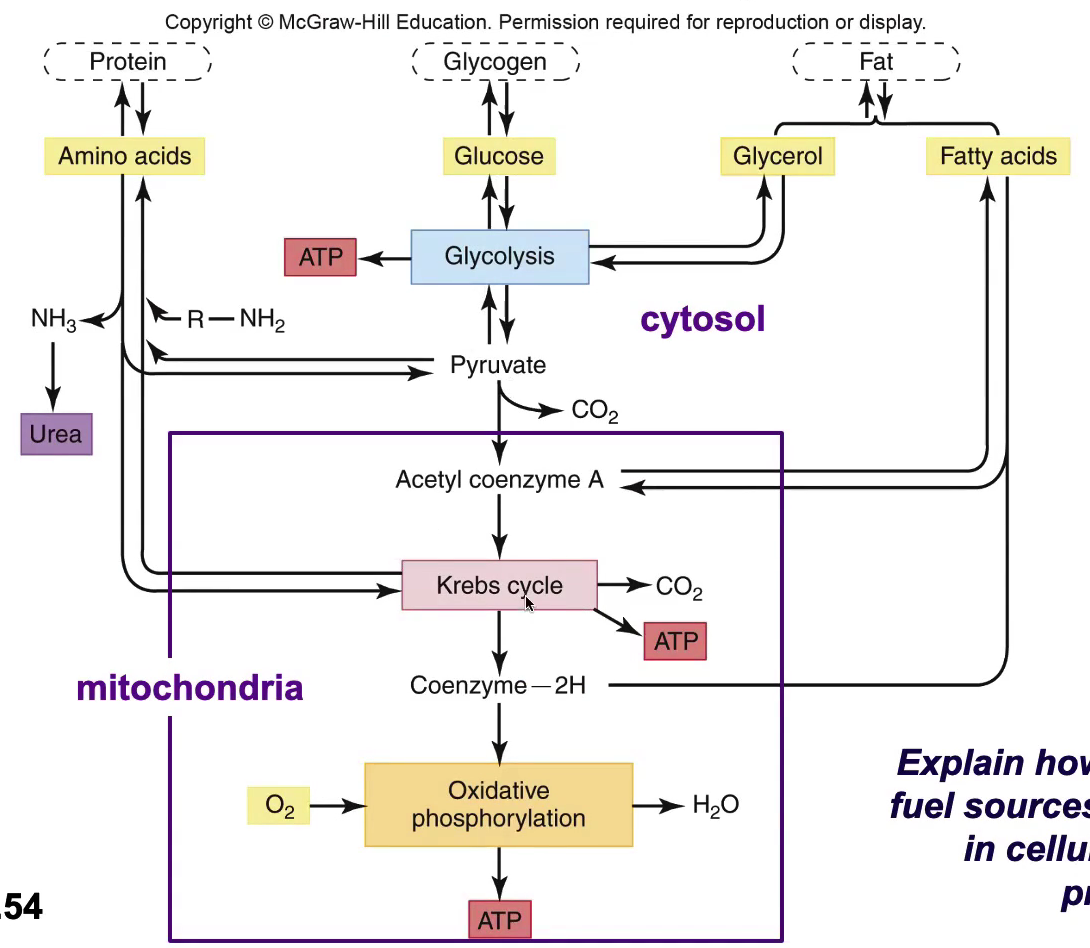
Metabolic Fuel Sources
Protein Structures
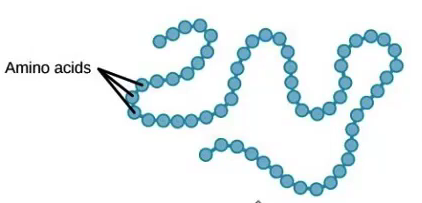
Primary structure
Amino acid sequence
Protein Structures
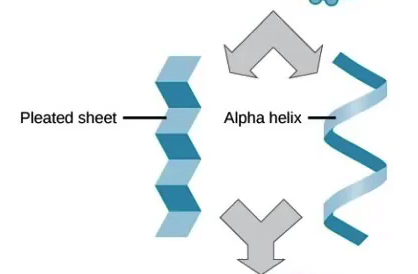
Secondary structure
Hydrogen bonding of the peptide backbone;
Amino acids fold into repeating pattern
Protein Structures
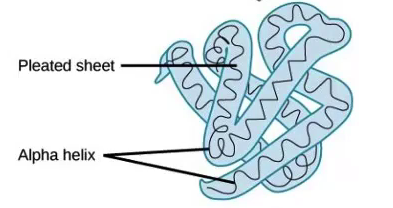
Tertiary structure
Three-dimensional folding pattern due to side chain interactions
Protein Structures
Quaternary structure
Consisting of more than one amino acid chain
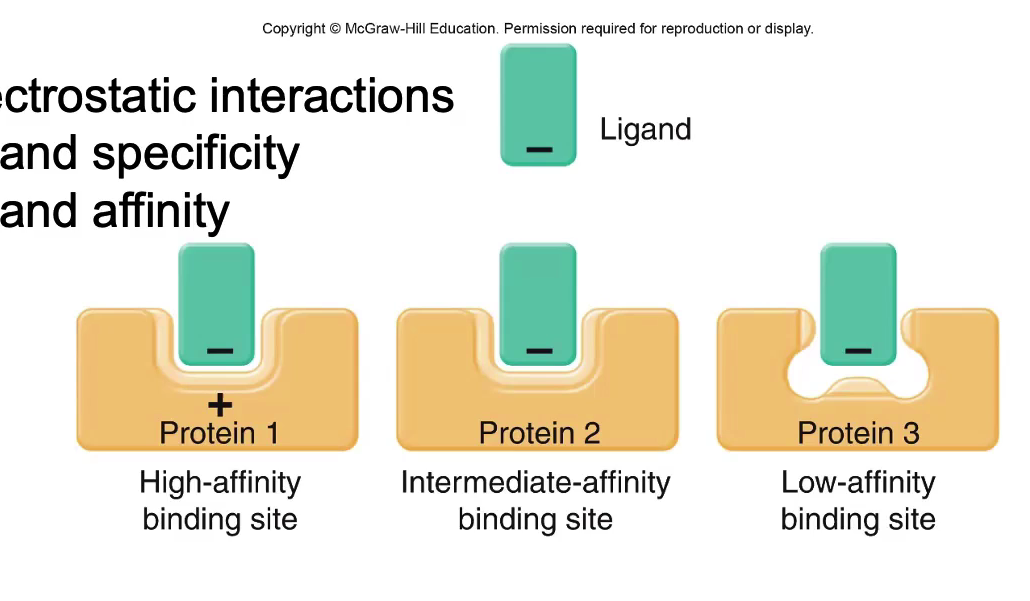
Protein-Ligand Interactions
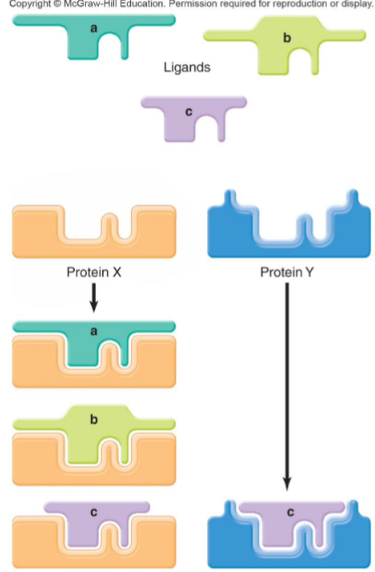
Specificity
A specific ligand docks with a specific receptor
Protein-Ligand Interactions
Affinity
The attraction of the ligand and protein based on their charges
Protein-Ligand Interactions
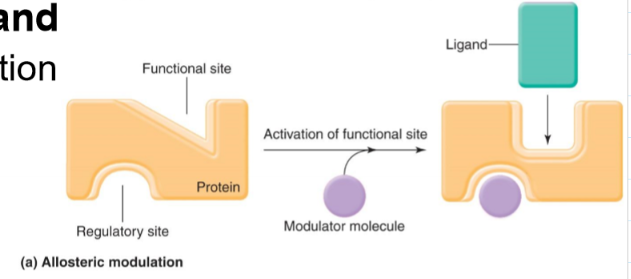
Allosteric modulation
A modulator molecule binds to proteins and changes the affinity
Protein-Ligand interactions
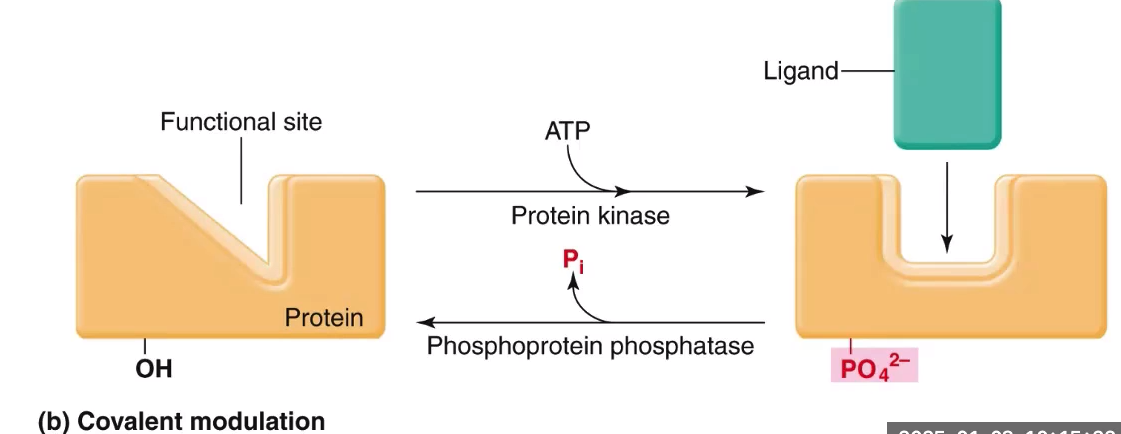
Covalent modulation
Protein kinase phosphorylates, or phosphoprotein phosphatase dephosphorylates protein and changes the affinity
Important feature of enzymes
Modulates reaction rates without being altered or consumed;
form enzyme-substrate complexes
Types of connective tissue
Proper (fat, tendon)
Dense (Cartilage, bone)
Loose
Functions of connective tissue
Support, defense, repair, transport, structure
Types of muscular tissue
Skeletal
Smooth
Heart
Functions of skeletal muscular tissue
Movement and maintenance of posture
Types of nervous tissue
Central
Peripheral
Function(s) of nervous tissue
Communication
Regulation
Functions of epithelial tissue (lining)
Protection
Absorption
Secretion
Hierarchy of connective tissue
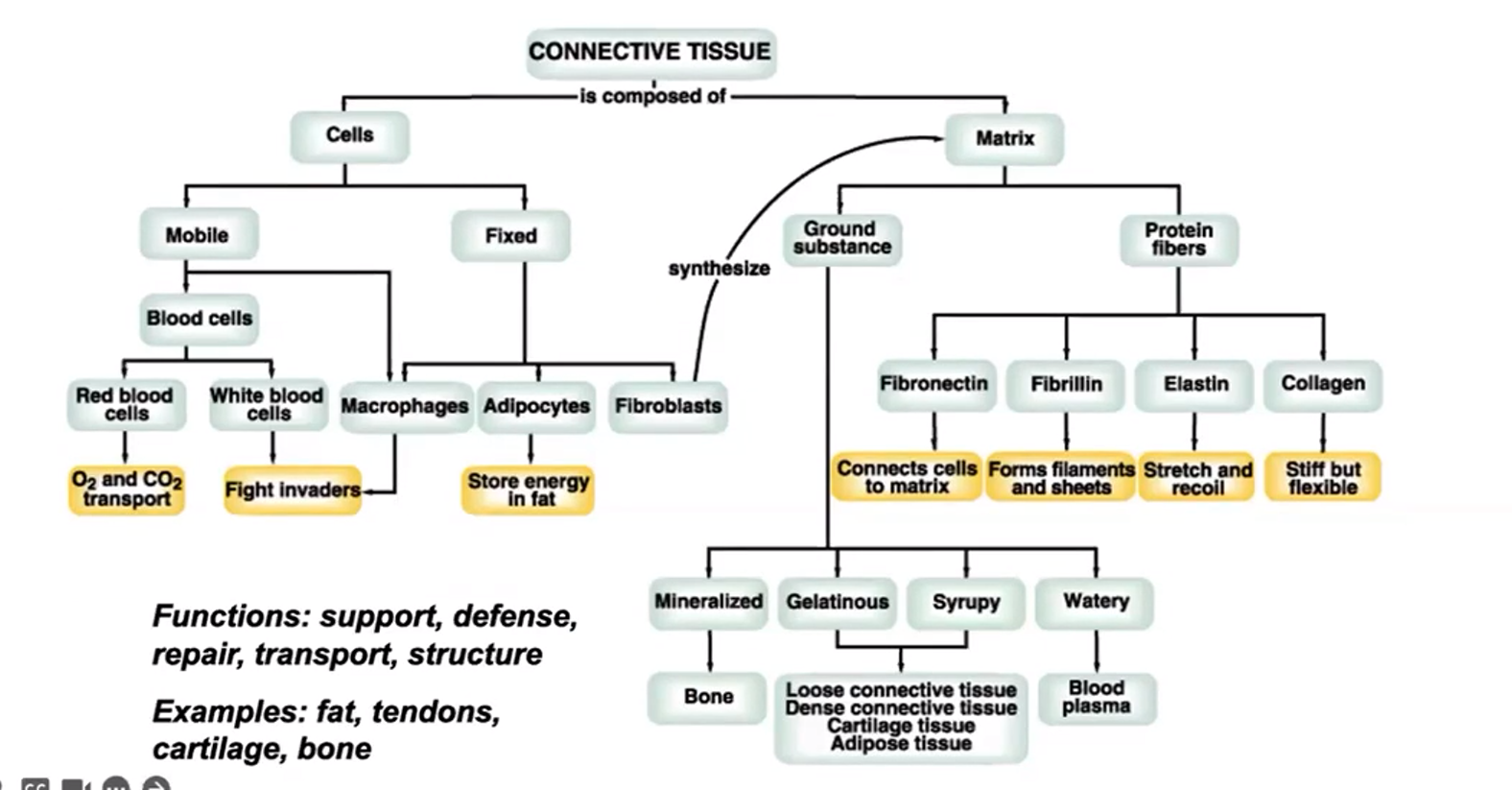
Examples of mobile cells
Blood cells
Examples of fixed cells
Macrophages
Adipocytes
Fibroblasts
Mineralized
Bone is an example of this kind of ground substance
Gelatinous; Syrupy
Loose/dense connective tissues, cartilage tissue, and adipose tissue are all examples of these kinds of ground substances
Watery
Blood plasma is an example of this kind of ground substance
Examples of protein fibers
Fibronectin
Fibrillin
Elastin
Collagen
Functions of smooth muscle tissue
Contraction
Motility
Functions of cardiac muscle tissue
Heartbeat
Contraction
Striated
Having layers/sheets; skeletal and muscle cells have this property
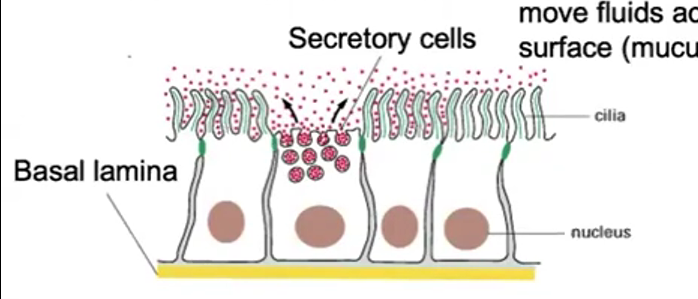
Ciliated Epithelium
Has cilia that move materials across its surface
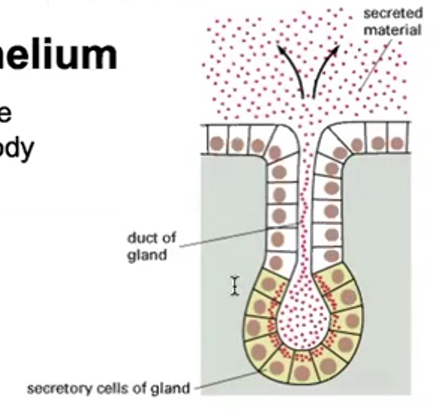
Secretory Epithelium
Has exocrine glands that release material to the outside of the body, and endocrine glands that release material into the blood stream
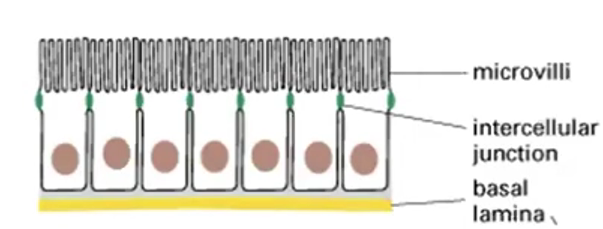
Transporting/Absorptive Epithelium
Has absorptive cells (microvilli) that absorb molecules
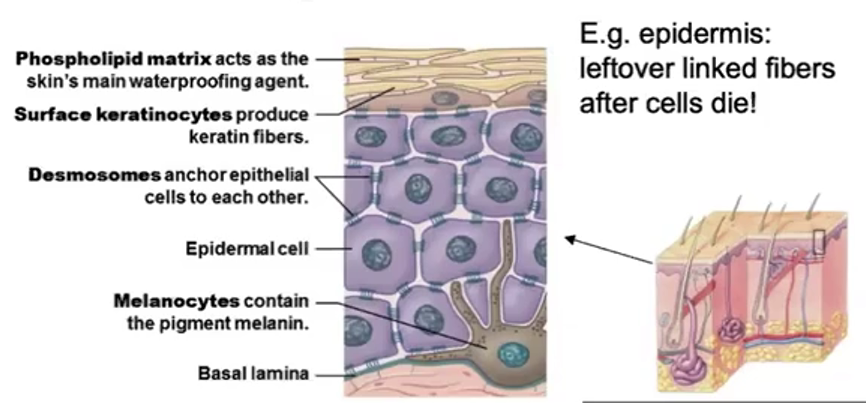
Protective Epithelium
A layer of cells that protects the body
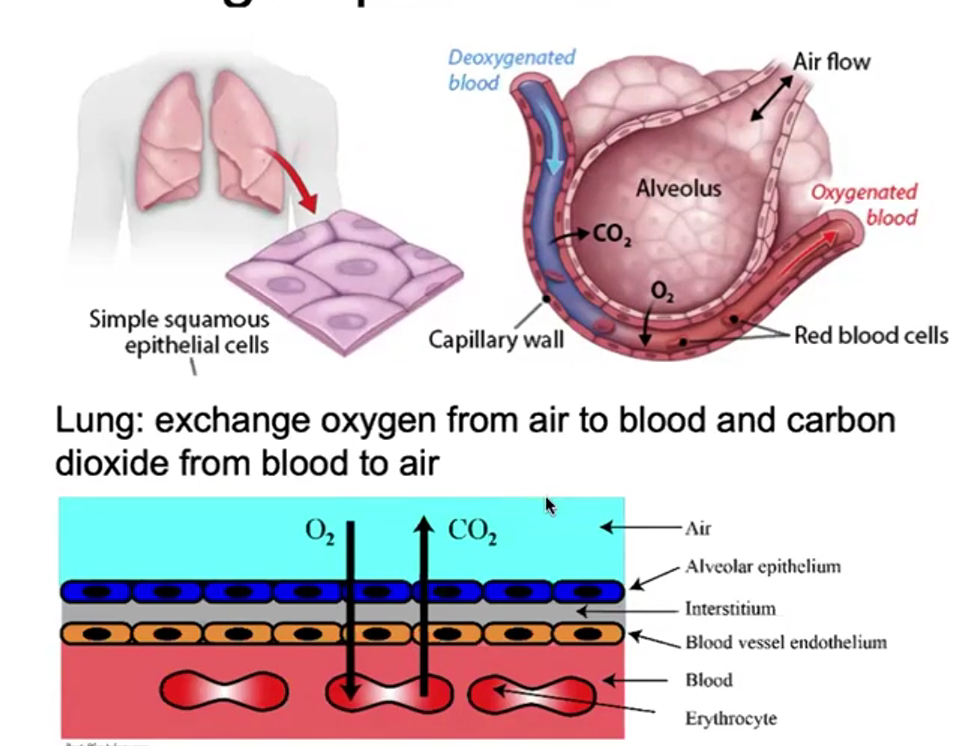
Exchange Epithelium
Notably present in the alveoli of the lungs and facilitates the exchange of materials (i.e. CO2 and O2)
Classification of Epithelial Tissue
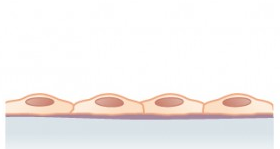
Simple Squamous
Classification of Epithelial Tissue
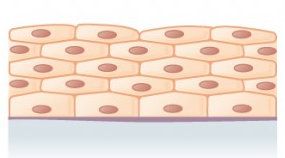
Simple Stratified
Classification of Epithelial Tissue
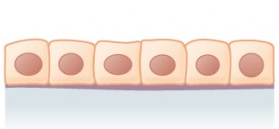
Simple Cuboidal
Classification of Epithelial Tissue
Stratified Cuboidal
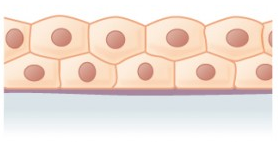
Classification of Epithelial Tissue
Simple Columnar
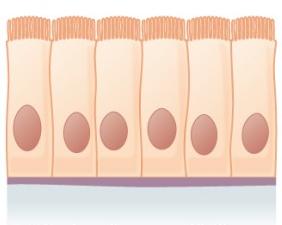
Classification of Epithelial Tissue
Stratified Columnar
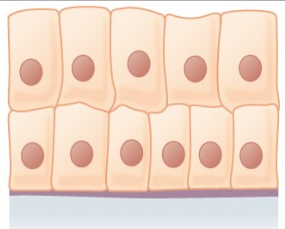
Classification of Epithelial Tissue
Pseudostratified Columnar
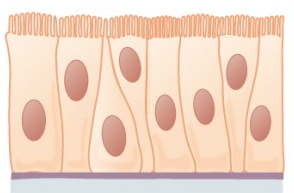
Structure of Epithelial Tissue
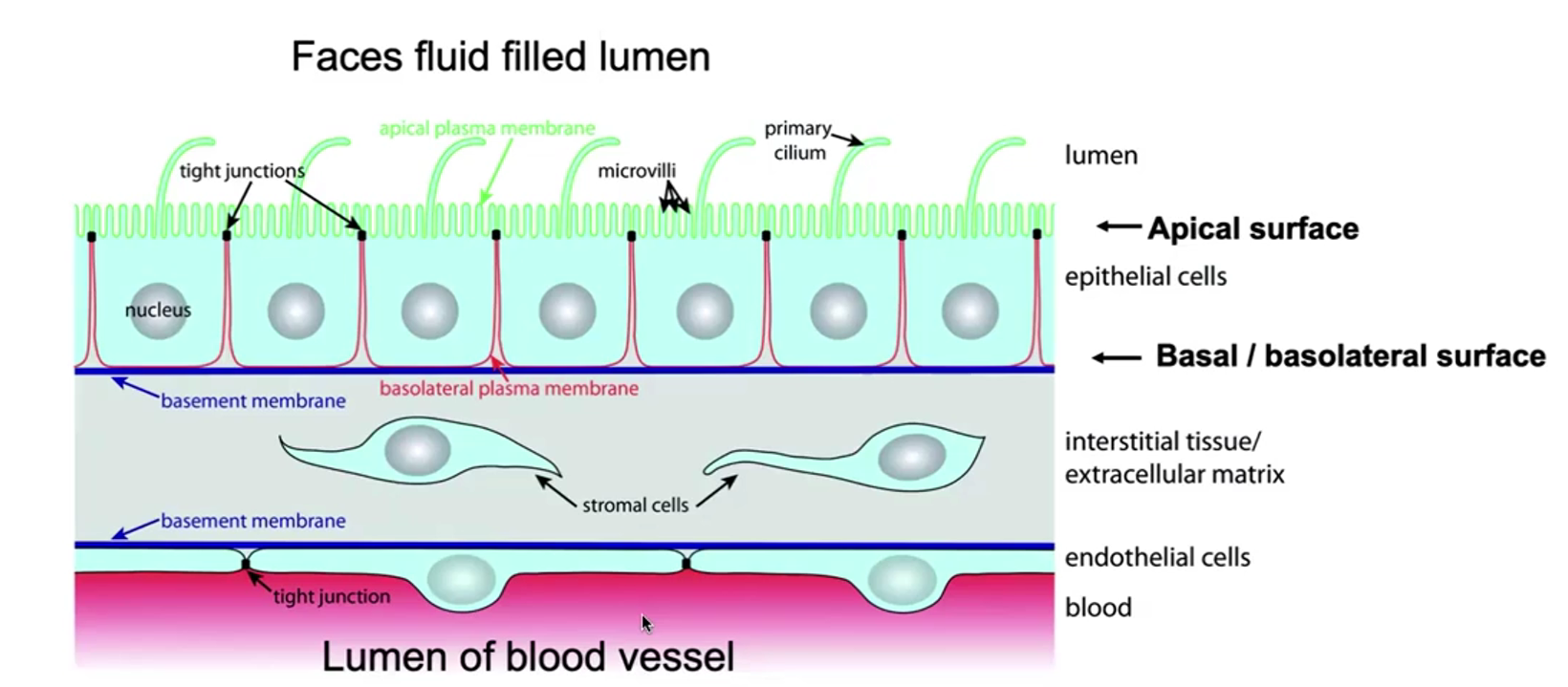
Intracellular fluid (ICF)
Fluid inside a cell
Interstitial fluid (ISF)
Fluid around cell
Extracellular Fluid (ECF)
Plasma + ISF
Lumen
The space within tubes, tracts, organs, and cavities of the body
Membrane Transport Hierarchy
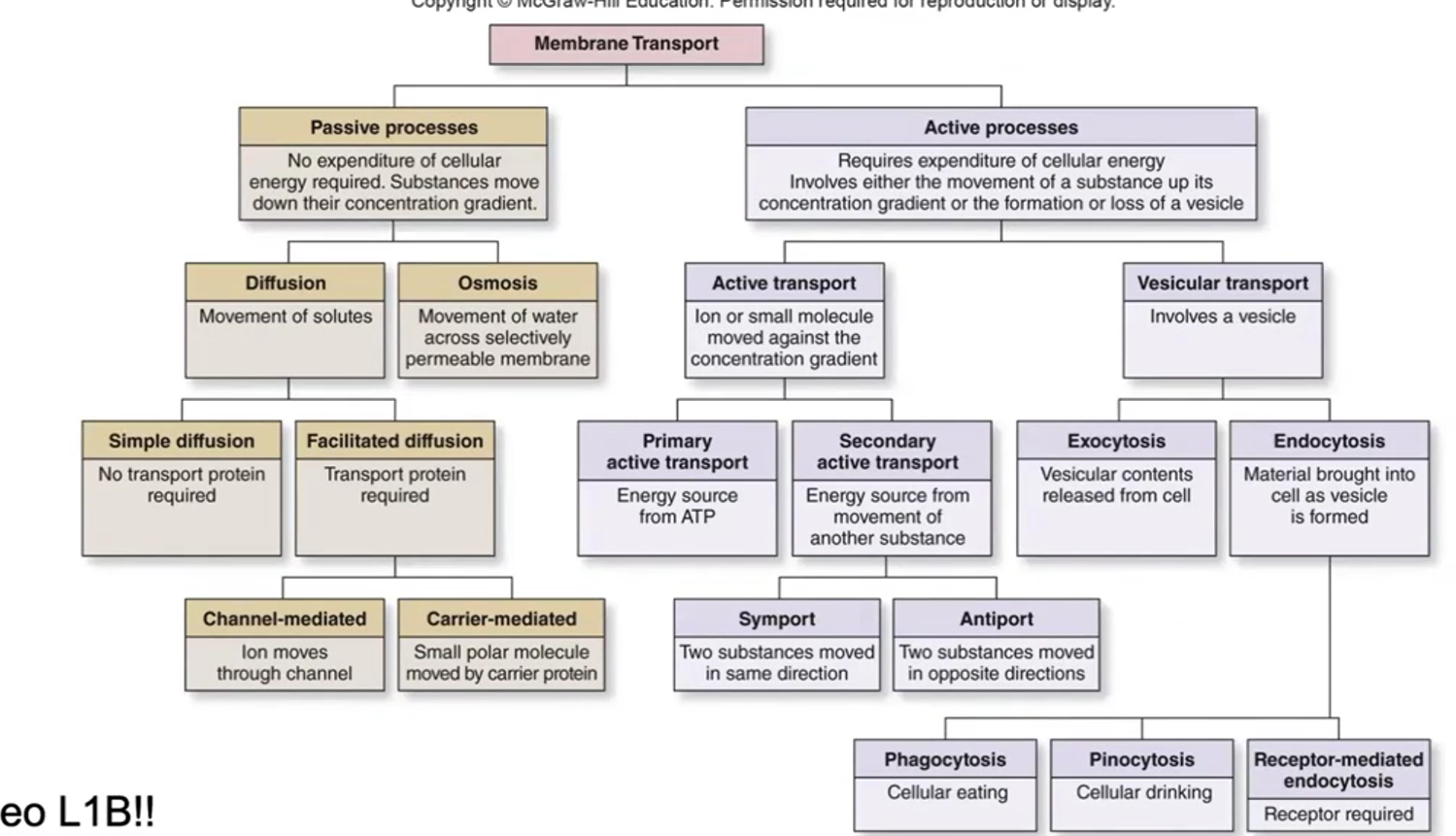
Passive Processes
Processes that do not require energy (ATP), materials simply move down their concentration gradient
Active Processes
Processes that require cellular energy (ATP), involving the movement of a substance up its concentration gradient of the formation/loss of a vesicle
Diffusion (P)
Movement of solutes
Osmosis (P)
Movement of water across a selectively permeable membrane
Simple diffusion (P)
The kind of diffusion that does not require a transport protein
Facilitated diffusion (P)
Diffusion that requires a transport protein
Channel-mediated diffusion (P)
A kind of facilitated diffusion where ions are transported through a channel
Carrier-mediated diffusion (P)
A kind of facilitated diffusion where small polar molecules are transported by a carrier protein
Active transport
Ions or small molecules move against the concentration gradient
Vesicular transport
Active transport that involves a vesicle
Primary active transport
The type of active transport where the main energy source of movement is ATP
Secondary active transport
The kind of active transport where the main energy source of movement comes from the movement of another substance
Exocytosis
Vesicular contents are released from a cell (vesicular transport)
Endocytosis
Material is brought into the cell as a vesicle is formed (vesicular transport)
Symport
The type of transporter through which two substances move in the same direction (secondary active transport)
Antiport
Two substances move in opposite directions (secondary active transport)
Phagocytosis
Cellular “eating” (endocytosis)
Pinocytosis
Cellular “drinking” (endocytosis)
Receptor-mediated endocytosis
Endocytosis that requires the use of a receptor
Epithelial Transport
Paracellular Transport
Molecules move through junctions between adjacent cells
Epithelial Transport
Transcellular transport
Molecules move through cells themselves via transcytosis with vesicular transport
Juxtacrine, Paracrine, Autocrine, Gap junctions
Types of short-range cell signaling
Synaptic, Endocrine
Types of long-range cell signaling
Juxtacrine Signaling
Contact-dependent cell signaling where a signaling cell sends a membrane-bound signal molecule over a very short distance.
Paracrine Signaling
Short-range cell signaling where a signaling cell sends a local mediator to multiple target cells
Autocrine Signaling
Short-range cell signaling where a cell sends a signal to itself.
Gap Junction
Used for short-range cell signaling; cells attach to one another and send molecules or electrical signals through this

