Plant Lab 2
 Call Kai
 Learn
Learn Practice Test
 Spaced Repetition
 Match
Match Flashcards
 Knowt Play
1/10

There's no tags or description
Looks like no tags are added yet.
Name | Mastery | Learn | Test | Matching | Spaced | Call with Kai |
|---|
No analytics yet
Send a link to your students to track their progress
11 Terms
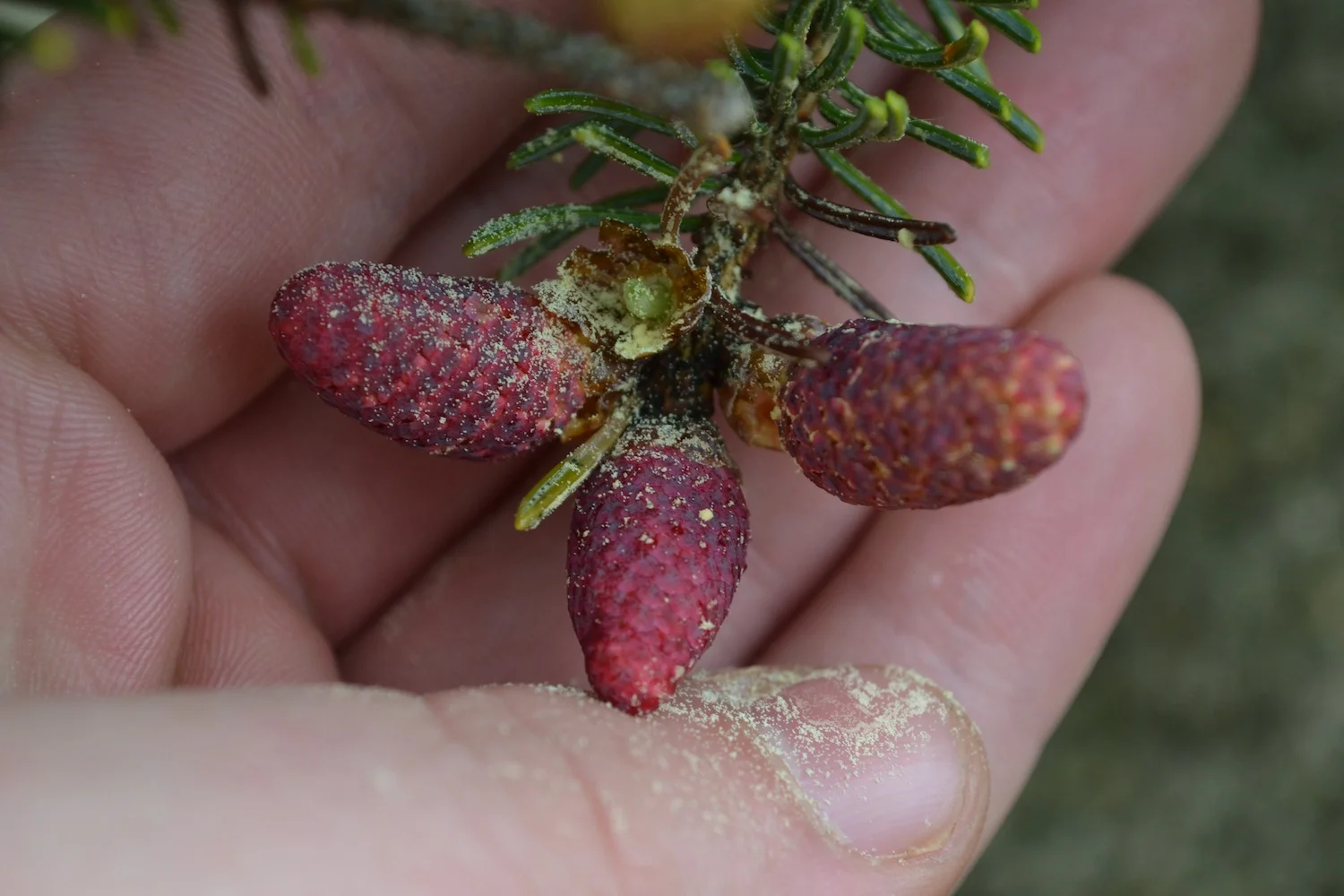
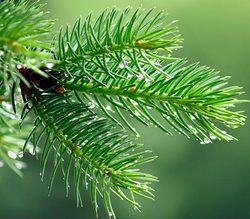
Coniferophyta
Structure: Long stem, brown. Provide year round habitat, prevent soil erosion, purify air. Male and female cones.
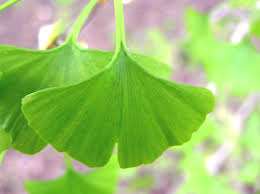
Ginkgophyta
Structure: Big leaf, long slim stem. Resistant to pollution, fire, diseases and pests. Male produce pollen cones. Female produce ovules.
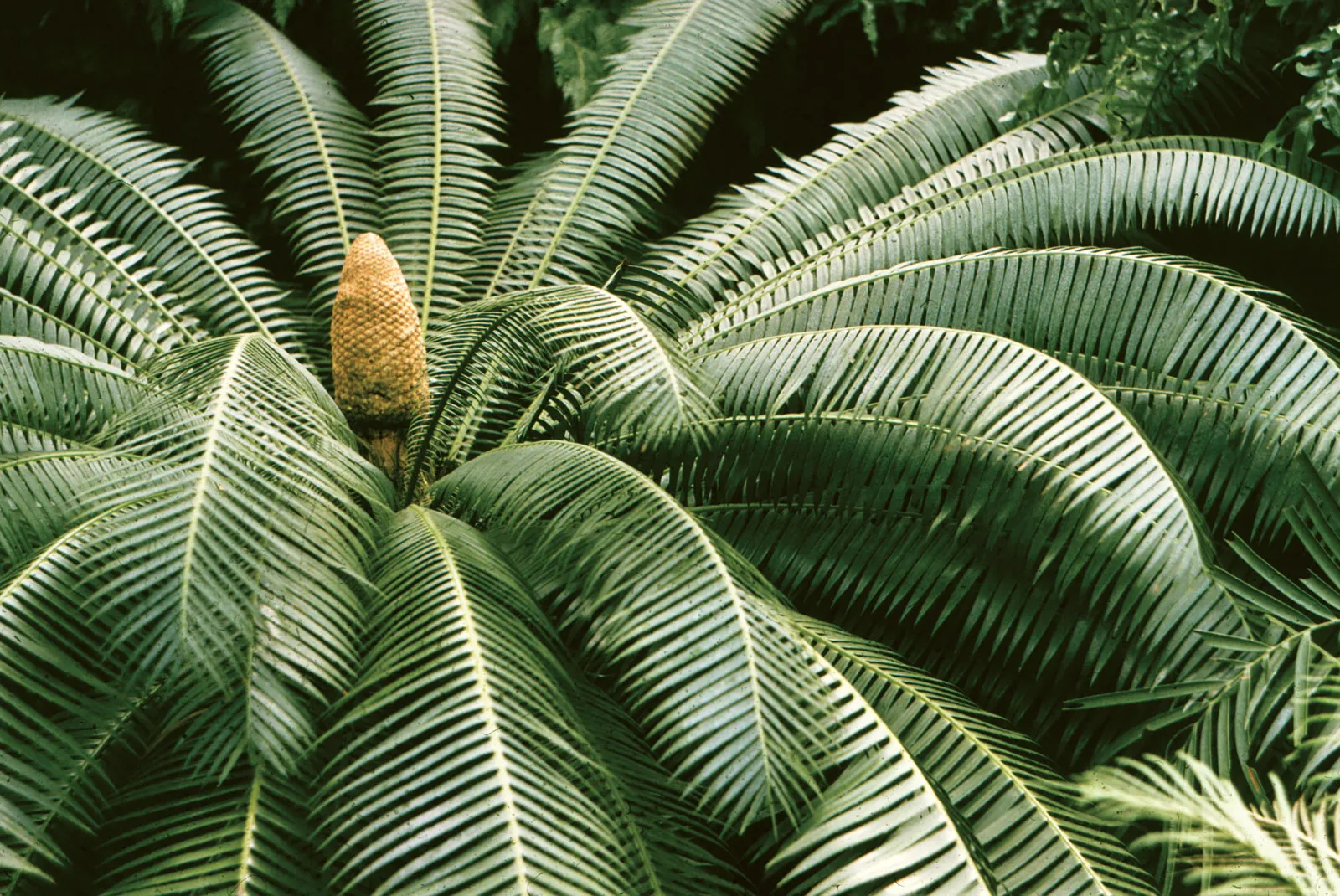
Cycadophyta
Structure: Green, slim leaves. Provides food and habitat in tropical regions. Cones or strobili.
Gnetophyta
Structure: Long, slim stem. Crucial for tropical ecosystem stability. Surrounds shorts fertile strobili that produce seeds and pollen.
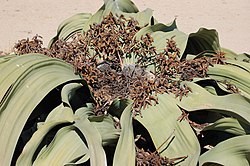
What happens in the first year of ovulate cone development?
Pollination occurs and the pollen tube grows.
What does the first year ovulate cone look like?
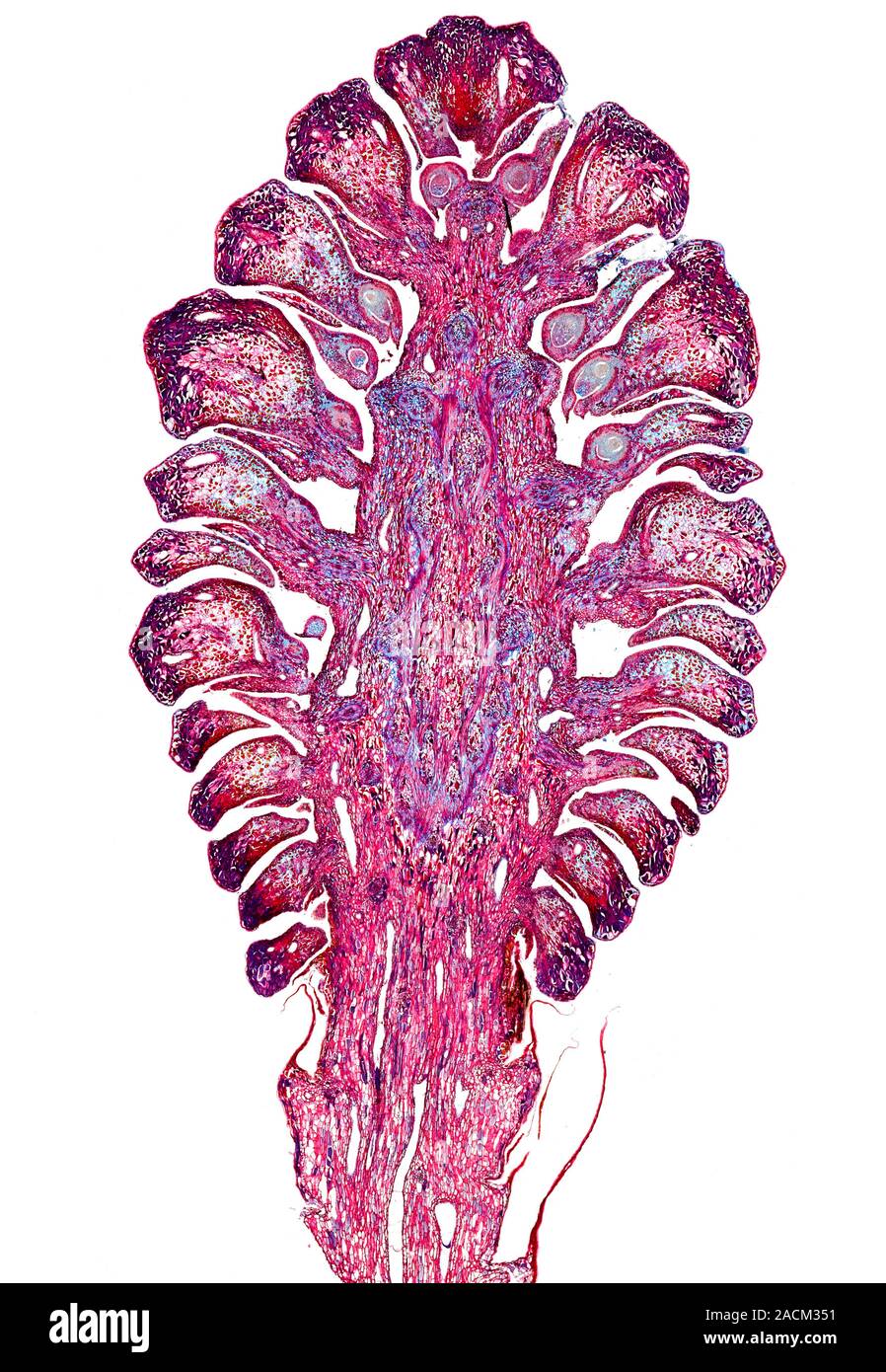
What happens in the 2nd year of ovulate development?
Female gametophyte develops and an egg forms.
What does a 2nd year ovulate look like?
What happens in the 3rd year of ovulate development?
Development of embryo sporophyte.
What does the 3rd year ovulate look like?
What does male pollen cones look like? When are they present?
They are present in the spring, producing pollen within overlapping bracts or scales.