Vet CDE- Team Event Information (Reptile Diseases)
 Studied by 18 people
 Call with Kai
 Learn
Learn Practice Test
 Spaced Repetition
 Match
Match Flashcards
 Knowt Play
1/77

There's no tags or description
Looks like no tags are added yet.
Name | Mastery | Learn | Test | Matching | Spaced | Call with Kai |
|---|
No analytics yet
Send a link to your students to track their progress
78 Terms
What is Metabolic Bone Disease?
A problem with the bones where the bones are weakened, and/or have bone loss. The reptile can commonly sustain fractures and breaks.
What is another name for Metabolic Bone Disease?
Osteomalacia.
What is the abbreviation for Metabolic Bone Disease?
MBD.
What is Metabolic Bone Disease caused by?
It results from a combination of poor nutrition (high phosphate, low calcium and low Vitamin D), kidney disease or inadequate UV B light (leading to Vitamin D and calcium deficiency).
What are the symptoms of Metabolic Bone Disease?
Reduced appetite
Easy to break/soft bones
Incorrectly developed/bend bones
Tremors
Seizures
General weakness
Reproductive problems
How can Metabolic bone Disease be diagnosed?
Physical examination and radiographs.
How can Metabolic Bone Disease be treated?
Casting/splinting broken bones
Calcium supplements (via injection or orally)
Antibiotics and fluids via injection
Improved diet
Adequate access to proper lights
What common disease does this gecko have?

Metabolic Bone Disease (MBD)
What is an upper respiratory infection in reptiles?
An infection within the breathing structures, including the mouth, nose, sinuses, trachea/windpipe, and lungs.
What are Upper Respiratory Infections caused by?
Essentially caused by poor husbandry; A variety of infectious agents, including viral, bacterial, fungal and parasitic agents.
What are the symptoms of Upper Respiratory Infections?
Nasal discharge
Oral redness
Wheezing
Weight loss
Open mouthed breathing
Outstretched neck
Lethargy
Increased respiratory rate/effort
How can an Upper Respiratory Infection be diagnosed?
A physical examination, or if that is inconclusive, an X-ray or blood work.
How can an Upper Respiratory Infection be treated?
Antibiotics, antiparasitic drugs, and antifungal medications.
What are Intestinal Parasites in reptiles?
When a reptile has parasites in their intestinal tract.
What are Intestinal Parasites caused by?
Often caused by poor husbandry.
What are some symptoms on Intestinal Parasites?
Poor appetite
Weight loss
Vomiting
Diarrhea
Other abnormal droppings
How can Intestinal Parasites in reptiles be diagnosed?
Through a vet examining the reptiles feces under a microscope.
How can Intestinal Parasites be treated in reptiles?
Treatments are anthelmintics (a drug used to treat infections of animals with parasitic worms) or dewormers.
What is Infectious Stomatitis in reptiles?
It is an infection of the gum and mouth of a reptile.
What is another name for Infectious Stomatitis?
Mouth rot.
What causes Infectious Stomatitis in reptiles?
Small cuts and food stuck in the mouth and/or poor husbandry.
What are some symptoms of Infectious Stomatitis in reptiles?
Swelling of gums/mouth/nose
Loss of appetite
Viable dead tissue in mouth
Inflamed mouth tissue/ pus coming from the mouth/nose
How is Infectious Stomatitis diagnosed?
A clinical examination and culturing discharge and through cytology.
What is Cytology?
The branch of biology concerned with the structure and function of plant and animal cells.
How is Infectious Stomatitis treated?
Cleaning the reptile's mouth out with antiseptics and potentially injectable/oral antibiotics
Surgery
Supportive care to eat/drink if the animal is unable
What common reptile disease is shown in this photo?

Infectious Stomatitis.
What is Cryptosporidiosis in reptiles?
A parasite in the intestines.
What is Cryptosporidiosis caused by?
A parasite called Cryptosporidia living in the intestines-
Poor husbandry
Coming into contact with anything infected
What are some symptoms of Cryptosporidiosis?
Loss of appetite
Vomiting
Weight loss
Lethargy
How can Cryptosporidiosis be diagnosed in reptiles?
Physical examination and a CBC.
How can Cryptosporidiosis be treated?
It cannot be killed and is highly contagious, but antibiotics are typically the course of treatment to reduce parasite numbers enough for the reptile to recover.
What is Malnutrition in reptiles?
When a reptile has a lack of proper nutrition.
What is Malnutrition in reptiles caused by?
Not having enough to eat
Not eating enough of the right things
Being unable to use the food that one does eat
Diets low in calcium
Diets high in phosphorus
A lack of Vitamin D3 (cholecalciferol) in the diet
A lack of ultraviolet light
What are some symptoms of Malnutrition in reptiles?
Lethargy
Seizures
Anorexia
A lack of appetite
A reluctance to move
Fragile bones (and body in general)
What diseases does Malnutrition make reptiles especially susceptible to?
Susceptible to rickets
Susceptible to osteomalacia (metabolic bone disease.)
How can Malnutrition be diagnosed in reptiles?
Physical examination, consultation with owners, and radiographs.
How can Malnutrition be treated in reptiles?
Hospitalized for:
Fluid therapy
Assisted feeding
Oral calcium (or via injection if they have seizures)
And at home:
correcting husbandry issues
access to unfiltered sunlight
What common reptile disease is the picture showing? 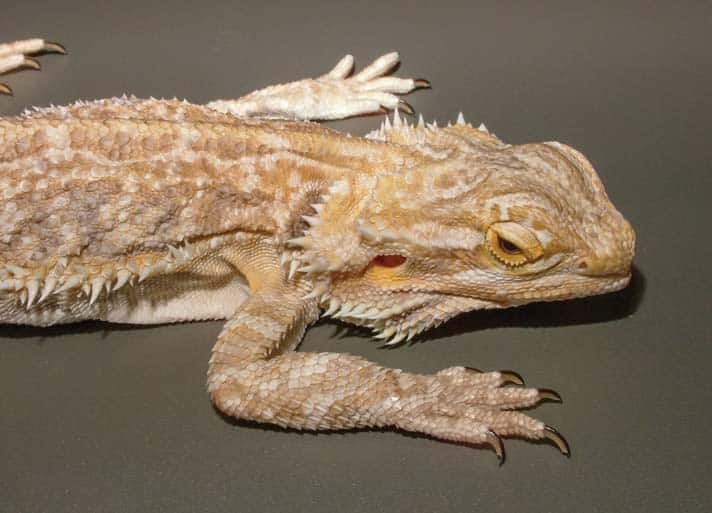
Malnutrition.
What common reptile disease is this picture showing? 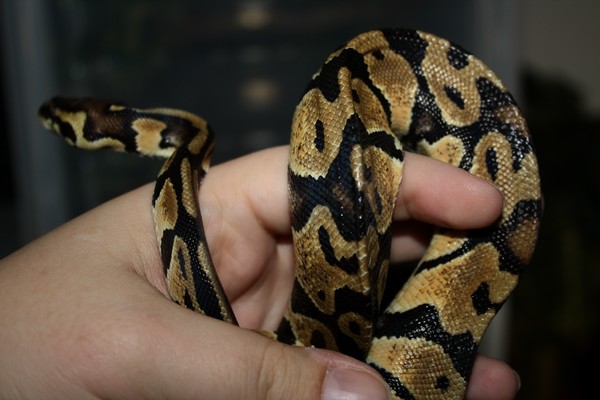
Malnutrition.
What is Cancer in reptiles?
A disease created by an uncontrolled division of abnormal cells in a part of the body.
What is Cancer caused by in reptiles?
It can be caused by genetics, past poor care, parasites, some viruses, or simply be bad luck.
What are some symptoms of Cancer in reptiles?
Anorexia
Weight loss
Lethargy
Hyperglycemia
Tumors
Vomiting
Loss of appetite
Changes in behavior
How do you diagnose Cancer in reptiles?
To diagnose it:
biopsy
To Stage it:
Radiography
CT
MRI
Ultrasonography
Endoscopy
Cytology
Histopathology (biopsy)
Viral isolation
What are treatment options for Cancer in reptiles?
Surgery
Chemotherapy
Radiation therapy
There is also an emphasis on supportive end of life care to keep the retile comfortable depending on their overall health and prognosis.
What common reptile disease is displayed in this photo?

Cancer.
What is Dystocia/Egg Retention in reptiles?
When a female is unable to pass an egg or fetus.
What is Dystocia/Egg Retention caused by in reptiles?
It is usually caused by poor husbandry practices including:
Improper environment
Lack of proper UV lighting
Housing temperature that is too hot or cold
Improper humidity levels
Inadequate nest site
Improper diet (malnutrition)
Dehydration
What are some symptoms of Dystocia/Egg Retention in reptiles?
Severe lethargy
Weakness
Anorectic appearance
How can Dystocia/Egg Retention be diagnosed in reptiles?
Physical examination
Radiograph
Ultrasound
How can Dystocia/Egg Retention be treated in reptiles?
Usually surgery is required but sometimes oxytocin will be administered although considered risky.
What is Oxytocin?
A hormone that stimulates uterine contractions.
What common reptile disease is shown in this photo? 
Dystocia/Egg Retention.
What is Dysecdysis in reptiles?
The abnormal shedding of the dead outer skin in reptiles.
What can Dysecdysis in reptiles be caused by?
Environmental humidity temperature
Internal and external parasites
Infection
Malnutrition
Hypothyroidism and hyperthyroidism
Previous injury
Dehydration
What are some symptoms of Dysecdysis in reptiles?
Pale or dull skin
Loss of toes or the tail
Skin buildup
Squinting or closed eyes
Loss of appetite
How is Dysecdysis in reptiles diagnosed?
Physical examination.
How is Dysecdysis in reptiles treated?
Warm water soaking for 15-30 minutes followed with using tweezers or forceps to help to gently remove skin.
What common reptile disease does this photo display? 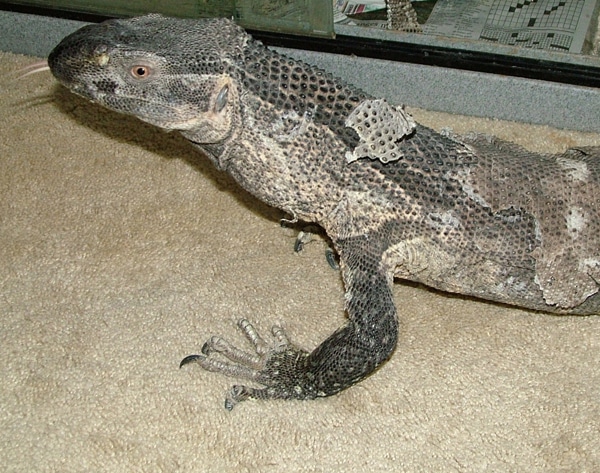
Dysecdysis.
What are Mites in reptiles?
A small common parasite that can live on the skin of a reptile.
What are Mites in reptiles caused by?
Coming into contact with infected animals
Coming into contact with infected substrate
You can also introduce them to your pet's enclosure on your hands and clothing
What are symptoms of Mites in reptiles?
Loss of appetite
Inflamed or infected skin
Restlessness
Rubbing on cage decorations/being itchy and scratching
More frequent or longer soaking,
Discomfort
How can your diagnose Mites in reptiles?
Physical examination.
How can you treat Mites in Reptiles?
Enclosure should be throughly cleaned after diagnosed and at least twice a week during treatment with new substrate
The snake and its environment should be sprayed with Ivermectin twice, two weeks apart
What is Scale Rot in reptiles?
A bacterial or fungal infection that grows on your pet's body on the skin or scales.
What is Scale Rot in reptiles caused by?
Too warm or cold of an environment
When the substrate is too damp/wet creating a breeding ground for bacteria and fungus
What are some symptoms of Scale Rot in reptiles?
Skin or scales being cracked and crusty
Raised or swollen scales
Red, brown, or otherwise dark discolored skin especially near the tail or on the abdomen
Loss of appetite
How is Scale Rot in reptiles diagnosed?
Physical examination.
How can you treat Scale Rot in reptiles?
Soaking the reptile in water with an antibacterial/antifungal solution like betadine.
What is a Fungal infection in reptiles?
A disease/ infection caused by fungus (usually yeast or mold.)
What are Fungal Infections in reptiles caused by?
It can be caused by:
Poor husbandry
Excessively high humidity
Low environmental temperature
Poor sanitation of the animals environment
Malnutrition
Direct or indirect contact with the infection
Surgery
Trauma or injury
Concurrent disease
Inappropriate antibiotic therapy
Other stressors
What are symptoms of Fungal Infections in reptiles?
Weight loss
Lack of appetite
Other symptoms will depend on the location/type of infection (Ex: infection of respiratory system- trouble breathing)
How is a Fungal Infection diagnosed in reptiles?
Varying diagnostics such as biopsies.
How can Fungal Infections in reptiles be treated?
Antifungal medications or surgery.
What is Cloacititis in reptiles?
Inflammation, irritation, or infection of the cloaca.
What is Cloacititis caused by?
Any condition that disrupts the normal protective barriers of cloacal tissues that can allow an infection to set in
Internal parasites or stones that develop within the cloaca because of vitamin and mineral imbalances in the diet
What are some symptoms of Cloacititis?
Swollen tissue around the cloaca
Bloody discharge coming from the cloaca
How do you diagnose Cloacititis in reptiles?
Physical examination as well as a fecal exam to determine any internal parasites that may be involved.
How do you treat Cloacititis in reptiles?
Treatment can include surgical removal of damaged tissues, cleaning the affected area with an antiseptic, applying a topical antibiotic ointment, and oral or injectable antibiotics.
 Note
Note  Flashcards (20)