Class 7. Human Psyche | Quizlet

0.0(0)
studied byStudied by 0 people
call kaiCall Kai
learnLearn
examPractice Test
spaced repetitionSpaced Repetition
heart puzzleMatch
flashcardsFlashcards
GameKnowt Play
Card Sorting

1/34

encourage image

There's no tags or description

Looks like no tags are added yet.

Last updated 6:17 PM on 12/12/25
Name
Mastery
Learn
Test
Matching
Spaced
Call with Kai

No analytics yet

Send a link to your students to track their progress

35 Terms

1
New cards

Borderline

very close to but not completely

your answer was ~ rude, so I would advise you to be more diplomatic in the future

She was a ~ candidate

After the exams, the teacher gave all ~ cases a spoken test.

<p>very close to but not completely</p><p>your answer was ~ rude, so I would advise you to be more diplomatic in the future</p><p>She was a ~ candidate</p><p>After the exams, the teacher gave all ~ cases a spoken test.</p>
2
New cards

Erratic

moving or behaving in a way that is not regular, certain, or expected SYN sporadic, random, bizarre

his pulse/heartbeat is ~

~ movement/driving/behavior/

the animal's ~ behavior made her wonder if it was ill

because of your ~ attendance at practice, you're in danger of being cut from the team

<p>moving or behaving in a way that is not regular, certain, or expected SYN sporadic, random, bizarre</p><p>his pulse/heartbeat is ~</p><p>~ movement/driving/behavior/</p><p>the animal's ~ behavior made her wonder if it was ill</p><p>because of your ~ attendance at practice, you're in danger of being cut from the team</p>
3
New cards

Coupled with

combined, joined

An oil spill ~ strong winds brought disaster.

The team's win, ~ a loss by their rivals, put them in first place.

<p>combined, joined</p><p>An oil spill ~ strong winds brought disaster.</p><p>The team's win, ~ a loss by their rivals, put them in first place.</p>
4
New cards

Abandonment

ADJ. abandoned

the act of leaving someone or something, usually forever

memories of her father's complete ~t of her.

an ~ car/house

The child was found ~but unharmed.

There was an ~ supermarket trolley in the middle of the road.
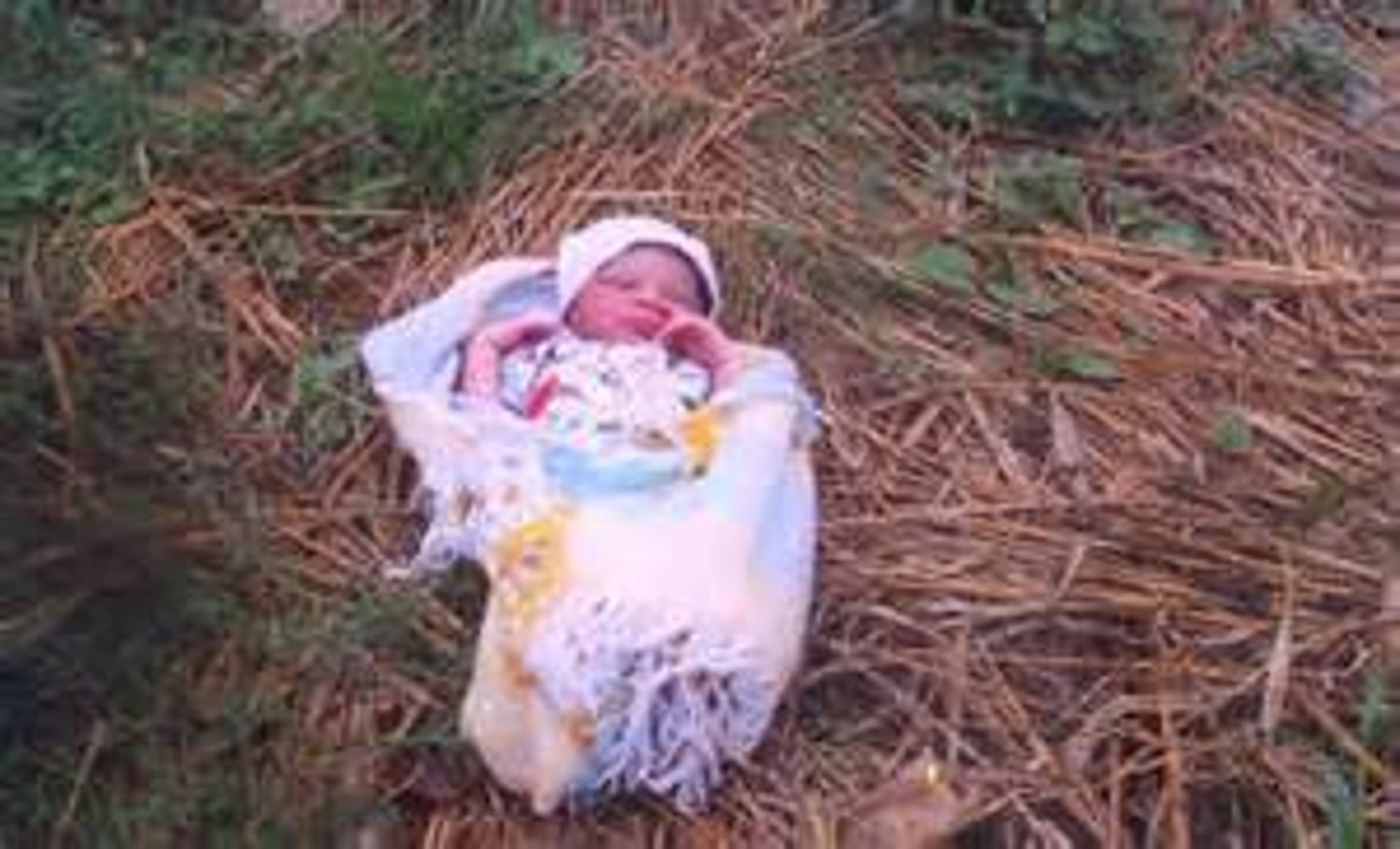
<p>the act of leaving someone or something, usually forever</p><p>memories of her father's complete ~t of her.</p><p>an ~ car/house</p><p>The child was found ~but unharmed.</p><p>There was an ~ supermarket trolley in the middle of the road.</p>
5
New cards

Mood swings

an abrupt and unaccountable change of mood

He is liable to abrupt ~

his sudden ~ of ~

<p>an abrupt and unaccountable change of mood</p><p>He is liable to abrupt ~</p><p>his sudden ~ of ~</p>
6
New cards

Grumpy

being in a slightly angry mood because you are annoyed at something or are feeling tired

a ~ neighbor whose yard we had long ago learned not to trespass

a ~ old man/lady

the baby's sure to be ~ if she doesn't get her afternoon nap

<p>being in a slightly angry mood because you are annoyed at something or are feeling tired</p><p>a ~ neighbor whose yard we had long ago learned not to trespass</p><p>a ~ old man/lady</p><p>the baby's sure to be ~ if she doesn't get her afternoon nap</p>
7
New cards

Shapeshift

to undergo a noticeable change (in character for example), to metamorphose

A werewolf is a mythological or folkloric human with the ability to ~ into a wolf

<p>to undergo a noticeable change (in character for example), to metamorphose</p><p>A werewolf is a mythological or folkloric human with the ability to ~ into a wolf</p>
8
New cards

Clingy

Cling like a leech

Her younger brother clings like a leech, always hanging around us and asking for money.

too emotionally dependent SYN needy

a ~ child

a ~ plastic wrap

~ fabrics dress/clothes

<p>too emotionally dependent SYN needy</p><p>a ~ child</p><p>a ~ plastic wrap</p><p>~ fabrics dress/clothes</p>
9
New cards

Pervasive

Pervasive is most often used of things we don't really want spreading throughout all parts of something:

But pervasive can occasionally also be found in neutral and even positive contexts: a pervasive rhythm, a pervasive sense of calm

existing in or spreading through every part of something

~ atmosphere of/sense/fear/attitude/influence/corruption

a ~ problem

a stench that is ~

Her influence is all-~

<p>existing in or spreading through every part of something</p><p>~ atmosphere of/sense/fear/attitude/influence/corruption</p><p>a ~ problem</p><p>a stench that is ~</p><p>Her influence is all-~</p>
10
New cards

Fetch

go or come after and bring or take back

~ help/a doctor

If you throw the ball the dog will ~ it.

She's gone to ~ the kids from school.

Could you ~ my bag for me?

<p>go or come after and bring or take back</p><p>~ help/a doctor</p><p>If you throw the ball the dog will ~ it.</p><p>She's gone to ~ the kids from school.</p><p>Could you ~ my bag for me?</p>
11
New cards

Startling

very surprising, astonishing, or remarkable

~ new evidence came to light during the trial.

He made a ~ discovery.

It is a city of ~ contrasts.

~ beauty/effect/results/insight/speed

<p>very surprising, astonishing, or remarkable</p><p>~ new evidence came to light during the trial.</p><p>He made a ~ discovery.</p><p>It is a city of ~ contrasts.</p><p>~ beauty/effect/results/insight/speed</p>
12
New cards

Misconception

a view or opinion that is incorrect because based on faulty thinking or understanding

a common/popular ~

There's this ~ that you get famous and everything is perfect.

Many gardeners are under the ~ that bamboos grow only in mild climates.

an attempt to clear up ~s about the disorder

frequently held ~s about the disease

<p>a view or opinion that is incorrect because based on faulty thinking or understanding</p><p>a common/popular ~</p><p>There's this ~ that you get famous and everything is perfect.</p><p>Many gardeners are under the ~ that bamboos grow only in mild climates.</p><p>an attempt to clear up ~s about the disorder</p><p>frequently held ~s about the disease</p>
13
New cards

Offer a perspective

to suggest a particular way of considering something; to think about a situation or problem in a wise and reasonable way

The aim is to ~ a fresh ~.

The exhibition provides us with a unique ~ on her work.

a report that looks at the education system from the ~ of deaf people

<p>to suggest a particular way of considering something; to think about a situation or problem in a wise and reasonable way</p><p>The aim is to ~ a fresh ~.</p><p>The exhibition provides us with a unique ~ on her work.</p><p>a report that looks at the education system from the ~ of deaf people</p>
14
New cards

Needy

wanting too much attention and love

~ families

... where ~ children from the community could come to get free, nutritious meals.emotionally ~

The girl was ~ for her mother's affection.
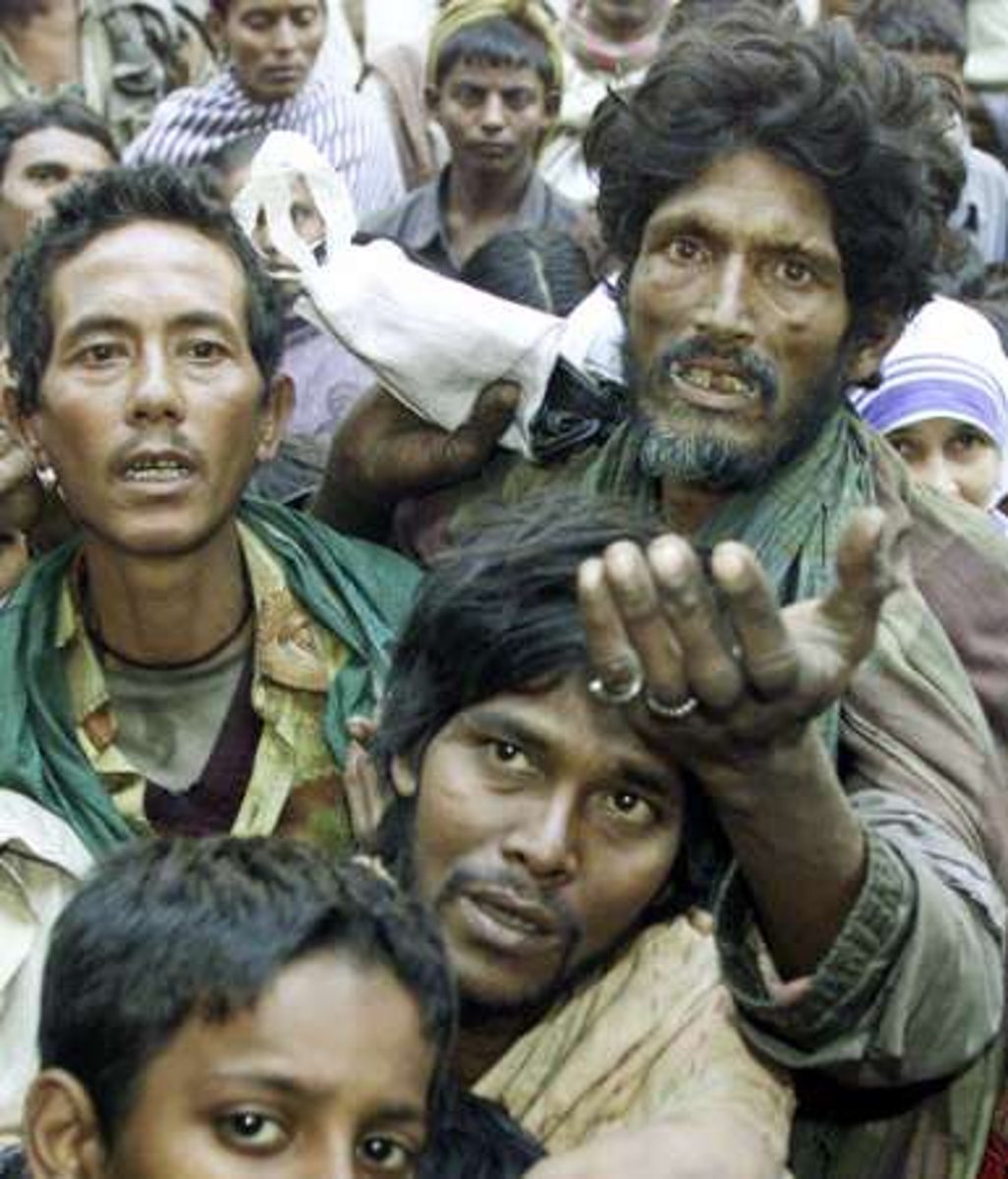
<p>wanting too much attention and love</p><p>~ families</p><p>... where ~ children from the community could come to get free, nutritious meals.emotionally ~</p><p>The girl was ~ for her mother's affection.</p>
15
New cards

equipped

qualified

she is well ~ for the job

he was ideally ~ for this task

I am perfectly well ~ to look after myself.

Some students have emotional problems that teachers are ill ~ to handle.

<p>qualified</p><p>she is well ~ for the job</p><p>he was ideally ~ for this task</p><p>I am perfectly well ~ to look after myself.</p><p>Some students have emotional problems that teachers are ill ~ to handle.</p>
16
New cards

deemed

to be regarded or considered in a specified way

~ it wise to go slow

those whom she ~ worthy

a movie ~ appropriate for all ages

The evening was ~ a great success.

I ~ it an honor to be invited.

They would take any action ~ necessary.

<p>to be regarded or considered in a specified way</p><p>~ it wise to go slow</p><p>those whom she ~ worthy</p><p>a movie ~ appropriate for all ages</p><p>The evening was ~ a great success.</p><p>I ~ it an honor to be invited.</p><p>They would take any action ~ necessary.</p>
17
New cards

Resistant

1. opposed to it and wants to prevent it; 2. not harmed or affected by something

wrinkle-~ clothes

a drug-~ strain of virus

These plants are ~ to cold temperatures.

He became ~ to the medication.

Mosquitoes are becoming ~ to insecticides.
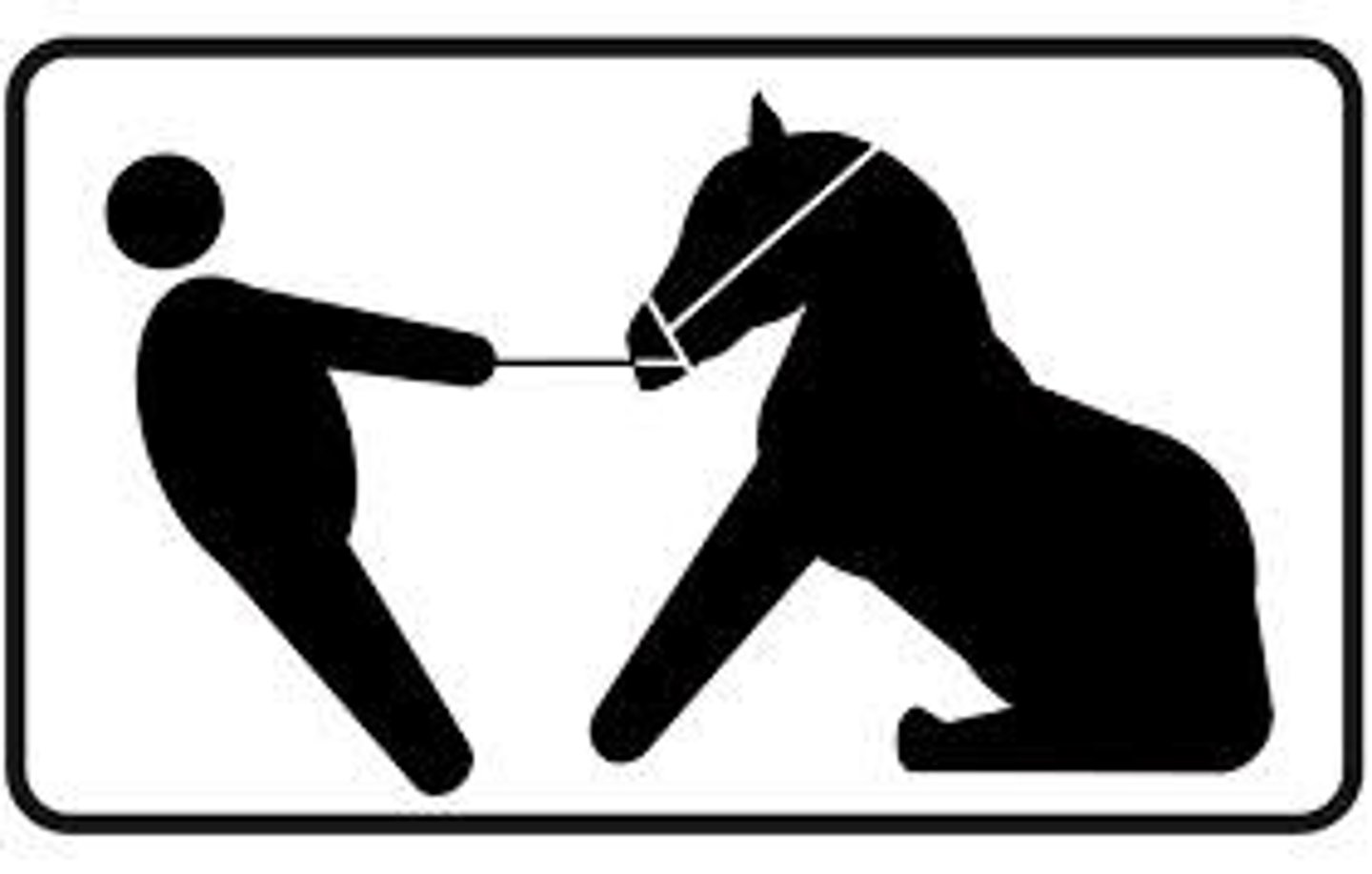
<p>1. opposed to it and wants to prevent it; 2. not harmed or affected by something</p><p>wrinkle-~ clothes</p><p>a drug-~ strain of virus</p><p>These plants are ~ to cold temperatures.</p><p>He became ~ to the medication.</p><p>Mosquitoes are becoming ~ to insecticides.</p>
18
New cards

Come by

manage to acquire or obtain

a good job is hard to ~

In rural France, English language magazines are rather hard to ~

do you ever ~ any old books?

19
New cards

On and off

happen occasionally, or only for part of a period of time, not in a regular or continuous way

It rained ~ all day.

<p>happen occasionally, or only for part of a period of time, not in a regular or continuous way</p><p>It rained ~ all day.</p>
20
New cards

Saving grace

a good quality that something or someone has that stops it, him, or her from being completely bad

His one ~ is his sense of humor.

It's expensive, but the machine's ~ is its ease of operation.

Beautiful photography was the ~ of the otherwise awful film

<p>a good quality that something or someone has that stops it, him, or her from being completely bad</p><p>His one ~ is his sense of humor.</p><p>It's expensive, but the machine's ~ is its ease of operation.</p><p>Beautiful photography was the ~ of the otherwise awful film</p>
21
New cards

Work wonders/miracles

to produce very good effects

Her new diet and exercise program has ~ for her.

That will ~ for their motivation.

You'll love this new face cream. It ~ on my wrinkles.

This new medicine ~ with my headaches.

<p>to produce very good effects</p><p>Her new diet and exercise program has ~ for her.</p><p>That will ~ for their motivation.</p><p>You'll love this new face cream. It ~ on my wrinkles.</p><p>This new medicine ~ with my headaches.</p>
22
New cards

Exacerbate /ɪɡˈzæsərbeɪt/

to make (pain, disease, emotion, etc) more intense; aggravate

The new law only ~s the problem.

His aggressive reaction only ~d the situation.

~ a condition/crisis/shortage/situation/symptoms

<p>to make (pain, disease, emotion, etc) more intense; aggravate</p><p>The new law only ~s the problem.</p><p>His aggressive reaction only ~d the situation.</p><p>~ a condition/crisis/shortage/situation/symptoms</p>
23
New cards

Meltdown

a breakdown of self-control (as from fatigue or overstimulation); a rapid or disastrous decline or collapse

fears that an accident could cause ~

a company experiencing financial ~

After a long day at the beach, our toddler had a major ~ in the car on the way home.

<p>a breakdown of self-control (as from fatigue or overstimulation); a rapid or disastrous decline or collapse</p><p>fears that an accident could cause ~</p><p>a company experiencing financial ~</p><p>After a long day at the beach, our toddler had a major ~ in the car on the way home.</p>
24
New cards

Overwhelmed

to be overcome completely in mind or feeling by a certain emotion

~ by a task/the amount of/the size of/the enormity of

She was ~ by feelings of guilt.

<p>to be overcome completely in mind or feeling by a certain emotion</p><p>~ by a task/the amount of/the size of/the enormity of</p><p>She was ~ by feelings of guilt.</p>
25
New cards

Sustain

to give support or relief to

Hope ~ed us during that difficult time.

The roof, unable to ~ the weight of all the snow, collapsed.

The army ~ed heavy losses. (suffer, undergo)

He ~ed serious injuries in the accident.

<p>to give support or relief to</p><p>Hope ~ed us during that difficult time.</p><p>The roof, unable to ~ the weight of all the snow, collapsed.</p><p>The army ~ed heavy losses. (suffer, undergo)</p><p>He ~ed serious injuries in the accident.</p>
26
New cards

Come out

make a public appearance (If something comes out, it becomes known publicly after it has been kept secret)

everything ~ all right

~ as bisexual

decided to ~ to her family

blew his cover and ~ as a CIA agent

<p>make a public appearance (If something comes out, it becomes known publicly after it has been kept secret)</p><p>everything ~ all right</p><p>~ as bisexual</p><p>decided to ~ to her family</p><p>blew his cover and ~ as a CIA agent</p>
27
New cards

grounded

mentally and emotionally stable : admirably sensible, realistic, and unpretentious

remains ~ despite all the praise and attention

<p>mentally and emotionally stable : admirably sensible, realistic, and unpretentious</p><p>remains ~ despite all the praise and attention</p>
28
New cards

Malicious

having or showing a desire to cause harm to someone

There is no truth whatsoever to the ~ rumors.

His observations were funny without being ~.

Vandals may take ~ pleasure in destroying and defacing property but usually don't truly hate the owners.

<p>having or showing a desire to cause harm to someone</p><p>There is no truth whatsoever to the ~ rumors.</p><p>His observations were funny without being ~.</p><p>Vandals may take ~ pleasure in destroying and defacing property but usually don't truly hate the owners.</p>
29
New cards

Weed out

to remove (people or things that are not wanted) from a group

They will review the applications to ~ the less qualified candidates.

He is keen to ~ the many applicants he believes may be frauds.

30
New cards

Curb

to control or limit something that is not wanted

trying to ~ her curiosity

pills designed to ~ your appetite

He needs to learn to ~ his temper.

New measures should ~ the speed of cars traveling through the village.

~ an epidemic

<p>to control or limit something that is not wanted</p><p>trying to ~ her curiosity</p><p>pills designed to ~ your appetite</p><p>He needs to learn to ~ his temper.</p><p>New measures should ~ the speed of cars traveling through the village.</p><p>~ an epidemic</p>
31
New cards

Cultivate

to develop or improve by education or training

The land around here has never been ~d.

He has carefully ~d his image.

She ~d a taste for fine wines.

~ a passion/reputation
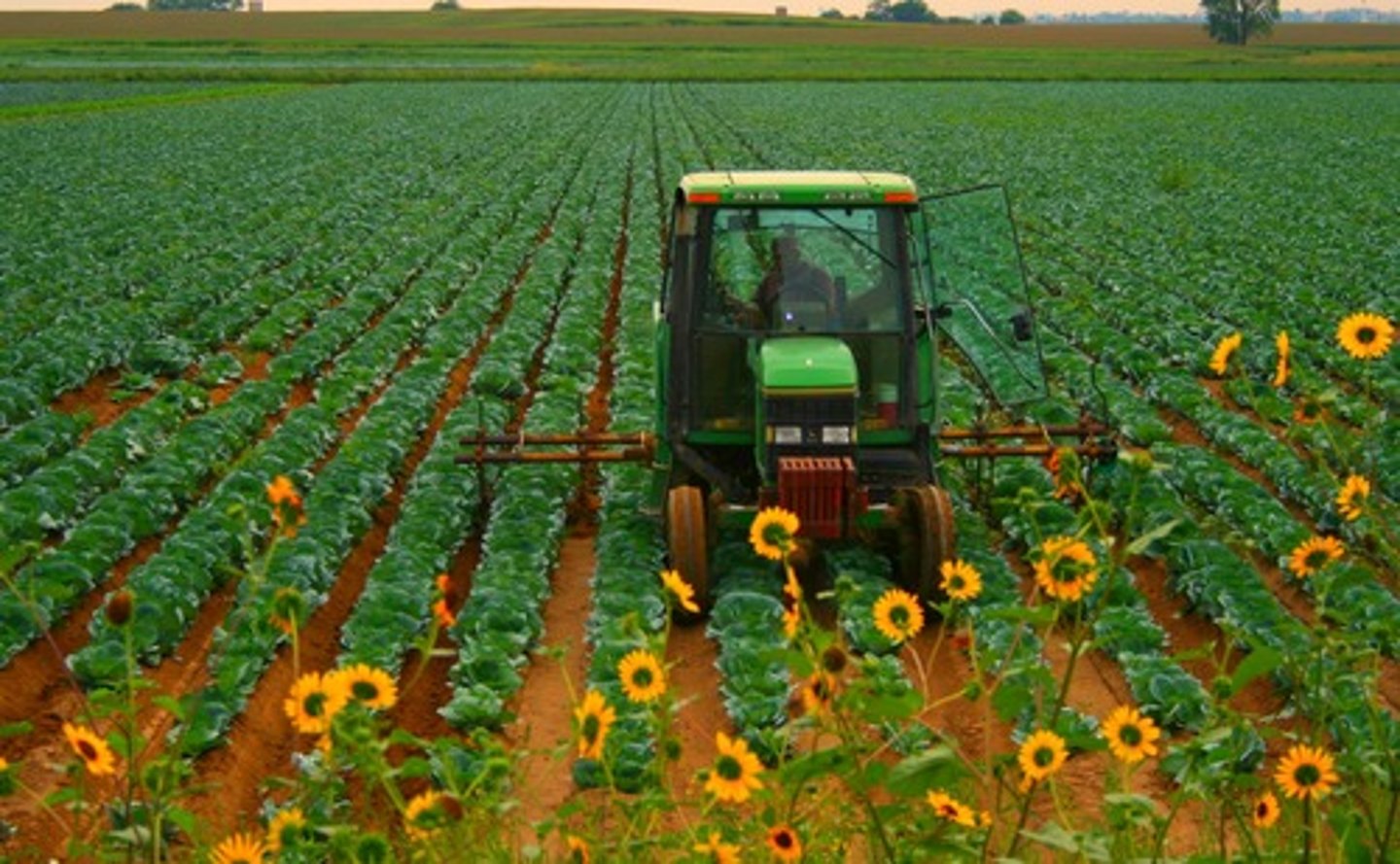
<p>to develop or improve by education or training</p><p>The land around here has never been ~d.</p><p>He has carefully ~d his image.</p><p>She ~d a taste for fine wines.</p><p>~ a passion/reputation</p>
32
New cards

Trigger

sensations, images, or experiences that spark a negative emotional response

Smoke ~ed the fire alarm.

The timer was set to ~ the bomb in exactly one hour.

His remarks ~ed a public outcry.

Certain foods ~ his headaches.

The power outage was ~ed by heavy rains.

<p>sensations, images, or experiences that spark a negative emotional response</p><p>Smoke ~ed the fire alarm.</p><p>The timer was set to ~ the bomb in exactly one hour.</p><p>His remarks ~ed a public outcry.</p><p>Certain foods ~ his headaches.</p><p>The power outage was ~ed by heavy rains.</p>
33
New cards

a lost cause

a person or thing that can no longer hope to succeed or be changed for the better

She decided her acting career was ~.

I'm ~ when it comes to anything technical.

Finishing the project on time seemed like ~.

<p>a person or thing that can no longer hope to succeed or be changed for the better</p><p>She decided her acting career was ~.</p><p>I'm ~ when it comes to anything technical.</p><p>Finishing the project on time seemed like ~.</p>
34
New cards

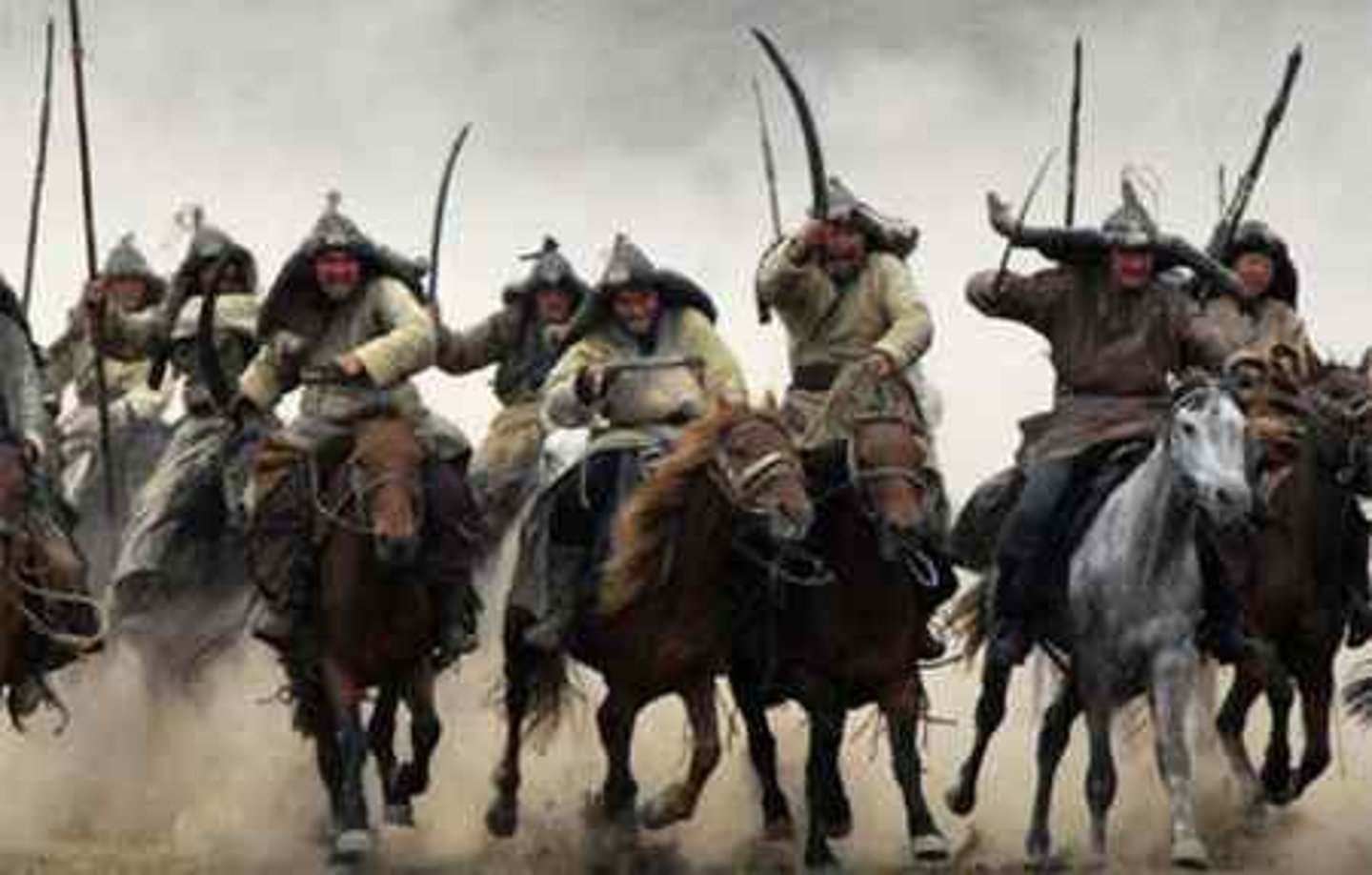
invade

to enter by force in order to take over

The troops ~d at dawn.

When tourists ~, the town is a very different place.

The cancer eventually ~d the brain.

Do the press have the right to ~ her privacy in this way?

You feel tense with worrying thoughts constantly ~ing your sleep.
<p>to enter by force in order to take over</p><p>The troops ~d at dawn.</p><p>When tourists ~, the town is a very different place.</p><p>The cancer eventually ~d the brain.</p><p>Do the press have the right to ~ her privacy in this way?</p><p>You feel tense with worrying thoughts constantly ~ing your sleep.</p>
35
New cards

Hygge (pronounced hue-gah)

the act of creating intimacy with yourself, friends and home

To live the ~ way, focus on friendship, wholesomeness, and happiness.

<p>the act of creating intimacy with yourself, friends and home</p><p>To live the ~ way, focus on friendship, wholesomeness, and happiness.</p>

Explore top notes

Imperialism Rise in Nationalism • During the French and Industrial Revolution, nationalism continued to inspire nations to increase their political and economic power. • Nationalism became the ideal force in the political, economic, and cultural life in the world, becoming the first universal ideology-organizing all people into a nation state. Nationalism Defined • The strong belief that the interest of a particular nation-state is of primary importance. o Nation-State – a state where the vast majority shares the same culture and is conscious of it. It is an ideal in which cultural boundaries match up with political ones. • As an ideology, it is based on the idea that the individual’s loyalty and devotion to the nation-state surpass other individual/group interests. • Exalting one nation’s belief above all others and placing primary emphasis on promotion of its culture and interests, excluding the interests of others. Changing the World through a Nationalistic Vision • The French Revolution significantly changed the political world and how countries govern. • The Industrial Revolution significantly changed the economic world. • The Age of Imperialism (1870-1914) dramatically changed the political, economic, and social world. What is Imperialism? • Imperialism- The policy of extending the rule of authority of an empire or nation over foreign countries, or of acquiring and holding colonies and dependencies. Power and influence are done through diplomacy or military force. Reasons for Imperialism • There are 5 main motives for empires to seek to expand their rule over other countries or territories: 1. Exploratory • Imperial nations wanted to explore territory unknown to them. • The main purpose for this exploration of new lands was for resource acquisition, medical or scientific research. o Charles Darwin • Other reasons: o Cartography (map making) o Adventure 2. Ethnocentric • Europeans acted on the concept of ethnocentrism o Ethnocentrism- the belief that one race or nation is superior to others. • Ethnocentrism developed out of Charles Darwin’s “survival of the fittest” theory. Philosophers used the theory to explain why there were superior races and inferior races. o This became known as Social Darwinism. • Most imperial nations believed that their cultural values or beliefs were superior to other nations or groups. • Believed imperial conquest would bring successful culture to inferior people. 3. Religious • Imperial expansion promoted a religious movement of people setting out to convert new members of conquered territories. • With the belief that Christianity was superior, missionaries believed it was their duty to spread Christianity to the world. • Christian missionaries established churches, and in doing so, they spread Western culture values as well. • Typically, missionaries spread the imperial nation's language through education and religious interactions. 4. Political • Patriotism and Nationalism helped spur our imperial growth, thus creating competition against other supremacies. • It was a matter of national pride, respect, and security. • Furthermore, European rivalry spurred nations for imperial conquest. Since land equaled power, the more land a country could acquire the more prestige they could wield across the globe. • Empires wanted strategic territory to ensure access for their navies and armies around the world. • The empire believed they must expand, thus they needed to be defended. 5. Economic • With the Industrial Revolution taking place during the same time, governments and private companies contributed to find ways to maximize profits. • Imperialized countries provided European factories and markets with natural resources (old and new) to manufacture products. • Trading posts were strategically placed around imperialized countries to maximize and increase profits. o Such places as the Suez Canal in Egypt which was controlled by the British provided strategic choke hold over many European powers. o Imperial powers competed over the best potential locations for resources, markets, and trade. History of Imperialism • Ancient Imperialism 600 BCE-500 CE o Roman Empire, Ancient China, Greek Empire, Persian Empire, Babylonian Empire. • Middle Age Imperialism (Age of Colonialism-1400-1800s) o Great Britain, Spain, Portugal, France, Netherlands (Dutch), Russia. • Age of Imperialism 1870-1914 o Great Britain, Spain, Portugal, France, Germany, Belgium, Italy, Japan, United States, Ottoman Empire, Russia. • Current Imperialism...? o U.S. Military intervention (i.e. Middle East) o Russia’s Invasion of Ukraine. Imperialism Colonialism • Refers to political or economic control, either legally or illegally. • Refers to where one nation assumes control over the other. • Creating an empire, expanding into neighboring regions and expanding the dominance far outside its borders. • Where a country conquers and rules over other regions for exploiting resources from the conquered country for the conqueror's benefit. • Foreign government controls/governs a territory without significant settlement. • Foreign government controls/governs the territory from within the land being colonized. • Little to no new settlement established on fresh territory. • Movement to settle to fresh territory. Age of Colonialism WHEN? • Started around the late 1400s and ended around the late 1700s/early 1800s. WHY? • Primary Reason: European countries, wished to find a direct trade route to Asia (China & India) and the East Indies. o Quicker and relatively more effective than land routes over Asia. • Secondary Reason: Empire expansion (land power) WHO? • Countries involved: Great Britain, France, Spain, the Dutch & Portugal. • Individuals’ knowns as Mercantilists believed that maintaining imperialized territory and colonizing the region could serve as a source of wealth, while personal motives by rulers, explorers, and missionaries could therefore promote their own agenda. o This agenda being “Glory, God and Gold”. Mercantilism • Mercantilism was a popular and main economic system for many European nations during the 16th to 18th centuries. • The main goal was to increase a nation’s wealth by promoting government rule of a nation’s economy for the purpose of enhancing state power at the expense of rival national power. • It was the economic counterpart of political absolutism. Why did mercantilists want colonies? • Mercantilists believed that a country must have an excess of exports over imports. • By colonizing territory, it provided the nation with indispensable wealth of precious raw materials. • Therefore, the claimed territory served as a market and supplier of raw materials for the mother country. Which, in time, provided an excess of exports for the nation and thus created wealth. o Development of Trading Companies to support this economic system. Hudson Bay Company – (1670). Controlled primarily North America. o Dutch East Indie Trading Company (1682) o East Indian Trading Company (1600) o Royal African Trade Company (1672) WHERE? • European nations begun to colonize the America, India and the East Indies to create a direct trade route. • Great Britain was the leading power in India, Australia and North America, South Africa. • Spain colonized central and South America. • French held Louisiana, coastal land of Africa and French Guinea. • The Dutch built an empire in the East Indies. • The Portuguese was able to take control of present-day Brazil and the southern tip of South America and Japan. Age of Colonialism • As countries started to imperialize these regions, eventually the concept of colonization took hold: • This is what makes the Age of Colonialism extremely different! End of Colonialism • By 1800, colonialism became less popular • Why? o Revolutions (Spain, France & American) o The Napoleonic Wars o Struggle for nationalism and democracy. o Exhausted all money and energy to supervise their colonies. Waiting to wake again • Imperialism would stay quiet for close to 50 years before Great Britain and France’s economies revitalized. • The outbreak of the Industrial Revolution only encouraged and revitalized European nations to begin their conquest for new territory and resources. Age of Imperialism THE SCRAMBLE FOR AFRICA 1870-1914 Conditions Prior to Imperialism of Africa  European interest in exploiting Africa was minimal.  Their economic interests & profit in Africa primarily came through coastal trade that took place during the 1500-1700s.  The slave trade became the main source of European profit.  Furthermore, disease, political instability, lack of transportation and unpredictable climate all discouraged Europeans from seeking territory. Slave Trade & the Trans-Atlantic Slave Voyages  Forced labor was not uncommon during the 13-17th Centuries. Africans and Europeans had been trading goods and people across the Mediteranea for centuries.  This all changed from 1526 to 1867, as a new system of slavery was introduced that became highly “commercialized, racialized and inherited”  By 1690, the America and West Indies saw approximately 30,000 African people shipped from Africa. A century later, that number grew to 85,000 people per year.  By 1867, approximately 12.5 million people (about twice the population of Arizona) left Africa in a slave ship. What Changed? 1. End of the Slave Trade- Left a need for trade between Europe and Africa. 2. Innovation in technology- The steam engine and iron hulled boats allowed Europe 3. Discovery of new raw materials- Explorers located vast raw materials and resources and this only spurred imperialism with Europe in the wake of the Industrial Revolution. 4. Politics- Unification of Germany and Italy left little room to expand in Europe. Germany and Italy both needed raw materials to “catch up” with Britain and France so they looked to Africa. The Scramble for Africa  The scramble started in 1870.  Although some coastal land had previously been acquired before 1870, the need for territory quickly accelerated as European countries looked t get deeper into Africa.  Within 20 years, nearly all continents were placed under imperialistic rule. Who was Involved?  Great Britain  France  Germany  Italy  Portugal  Belgium  Spain (kind) Violent Affairs  Violence broke out multiple times when European nations looked to claim the same territory.  Germ Chancellor. Otto van Bismarck. Attempted to avert the possibility of violence against the European powers.  In 1884, Bismarck organized a conference in Berlin for the European nations. The Berlin Conference (1884-85)  The conference looked to set ground rules for future annexation of African territory by European Nations.  Annexation is the forcible acquisition and assertion of legal title over one state’s territory by another state, usually following military occupation of the territory.  From a distant perspective, it looked like it would reduce tensions among European nations and avert war.  At the heart of the meeting, these European countries negotiated their claims to African territory, made it official and then mapped their regions.  Furthermore, the leaders agreed to allow free trade among imperialized territory and some homework for negotiating future European claims in Africa was established. Further Path  After the conference, european powers continued to expand their claims in Africa so that by 1900. 90% of the African territory had been claimed. A Turn towards Colonization?  Upon the imperialization of African territory, European nations and little interest in African land unless it produced economic wealth.  Therefore, European governments put little effort and expertise into these imperialized regions.  In most cases, this emat a form of indirect rule. Thus, governing the natin without sufficient settlement and government from within the mother country. Some Exceptions  There were some exemptions through in Africa as colonization was a necessary for some regions i n Africa.  Some regions where diamonds and gold were present. Government looked to protectorate the regions and establish rule and settlement in the regions.  Protectorates: A state controlled and protected by another state for defense against aggression and other law violations. Would  Some examples include South Africa, Botswana, Zimbabwe and Congo. Conclusion  Although it may appear that the Berlin Conference averted war amid the African Scramble, imperialism eventually brought the world into worldwide conflict.  With the continued desire to create an empire by European nations. World War 1 would break out which can be linked to this quest at imperialism.
Updated 490d ago
note Note
Imperialism Rise in Nationalism • During the French and Industrial Revolution, nationalism continued to inspire nations to increase their political and economic power. • Nationalism became the ideal force in the political, economic, and cultural life in the world, becoming the first universal ideology-organizing all people into a nation state. Nationalism Defined • The strong belief that the interest of a particular nation-state is of primary importance. o Nation-State – a state where the vast majority shares the same culture and is conscious of it. It is an ideal in which cultural boundaries match up with political ones. • As an ideology, it is based on the idea that the individual’s loyalty and devotion to the nation-state surpass other individual/group interests. • Exalting one nation’s belief above all others and placing primary emphasis on promotion of its culture and interests, excluding the interests of others. Changing the World through a Nationalistic Vision • The French Revolution significantly changed the political world and how countries govern. • The Industrial Revolution significantly changed the economic world. • The Age of Imperialism (1870-1914) dramatically changed the political, economic, and social world. What is Imperialism? • Imperialism- The policy of extending the rule of authority of an empire or nation over foreign countries, or of acquiring and holding colonies and dependencies. Power and influence are done through diplomacy or military force. Reasons for Imperialism • There are 5 main motives for empires to seek to expand their rule over other countries or territories: 1. Exploratory • Imperial nations wanted to explore territory unknown to them. • The main purpose for this exploration of new lands was for resource acquisition, medical or scientific research. o Charles Darwin • Other reasons: o Cartography (map making) o Adventure 2. Ethnocentric • Europeans acted on the concept of ethnocentrism o Ethnocentrism- the belief that one race or nation is superior to others. • Ethnocentrism developed out of Charles Darwin’s “survival of the fittest” theory. Philosophers used the theory to explain why there were superior races and inferior races. o This became known as Social Darwinism. • Most imperial nations believed that their cultural values or beliefs were superior to other nations or groups. • Believed imperial conquest would bring successful culture to inferior people. 3. Religious • Imperial expansion promoted a religious movement of people setting out to convert new members of conquered territories. • With the belief that Christianity was superior, missionaries believed it was their duty to spread Christianity to the world. • Christian missionaries established churches, and in doing so, they spread Western culture values as well. • Typically, missionaries spread the imperial nation's language through education and religious interactions. 4. Political • Patriotism and Nationalism helped spur our imperial growth, thus creating competition against other supremacies. • It was a matter of national pride, respect, and security. • Furthermore, European rivalry spurred nations for imperial conquest. Since land equaled power, the more land a country could acquire the more prestige they could wield across the globe. • Empires wanted strategic territory to ensure access for their navies and armies around the world. • The empire believed they must expand, thus they needed to be defended. 5. Economic • With the Industrial Revolution taking place during the same time, governments and private companies contributed to find ways to maximize profits. • Imperialized countries provided European factories and markets with natural resources (old and new) to manufacture products. • Trading posts were strategically placed around imperialized countries to maximize and increase profits. o Such places as the Suez Canal in Egypt which was controlled by the British provided strategic choke hold over many European powers. o Imperial powers competed over the best potential locations for resources, markets, and trade. History of Imperialism • Ancient Imperialism 600 BCE-500 CE o Roman Empire, Ancient China, Greek Empire, Persian Empire, Babylonian Empire. • Middle Age Imperialism (Age of Colonialism-1400-1800s) o Great Britain, Spain, Portugal, France, Netherlands (Dutch), Russia. • Age of Imperialism 1870-1914 o Great Britain, Spain, Portugal, France, Germany, Belgium, Italy, Japan, United States, Ottoman Empire, Russia. • Current Imperialism...? o U.S. Military intervention (i.e. Middle East) o Russia’s Invasion of Ukraine. Imperialism Colonialism • Refers to political or economic control, either legally or illegally. • Refers to where one nation assumes control over the other. • Creating an empire, expanding into neighboring regions and expanding the dominance far outside its borders. • Where a country conquers and rules over other regions for exploiting resources from the conquered country for the conqueror's benefit. • Foreign government controls/governs a territory without significant settlement. • Foreign government controls/governs the territory from within the land being colonized. • Little to no new settlement established on fresh territory. • Movement to settle to fresh territory. Age of Colonialism WHEN? • Started around the late 1400s and ended around the late 1700s/early 1800s. WHY? • Primary Reason: European countries, wished to find a direct trade route to Asia (China & India) and the East Indies. o Quicker and relatively more effective than land routes over Asia. • Secondary Reason: Empire expansion (land power) WHO? • Countries involved: Great Britain, France, Spain, the Dutch & Portugal. • Individuals’ knowns as Mercantilists believed that maintaining imperialized territory and colonizing the region could serve as a source of wealth, while personal motives by rulers, explorers, and missionaries could therefore promote their own agenda. o This agenda being “Glory, God and Gold”. Mercantilism • Mercantilism was a popular and main economic system for many European nations during the 16th to 18th centuries. • The main goal was to increase a nation’s wealth by promoting government rule of a nation’s economy for the purpose of enhancing state power at the expense of rival national power. • It was the economic counterpart of political absolutism. Why did mercantilists want colonies? • Mercantilists believed that a country must have an excess of exports over imports. • By colonizing territory, it provided the nation with indispensable wealth of precious raw materials. • Therefore, the claimed territory served as a market and supplier of raw materials for the mother country. Which, in time, provided an excess of exports for the nation and thus created wealth. o Development of Trading Companies to support this economic system. Hudson Bay Company – (1670). Controlled primarily North America. o Dutch East Indie Trading Company (1682) o East Indian Trading Company (1600) o Royal African Trade Company (1672) WHERE? • European nations begun to colonize the America, India and the East Indies to create a direct trade route. • Great Britain was the leading power in India, Australia and North America, South Africa. • Spain colonized central and South America. • French held Louisiana, coastal land of Africa and French Guinea. • The Dutch built an empire in the East Indies. • The Portuguese was able to take control of present-day Brazil and the southern tip of South America and Japan. Age of Colonialism • As countries started to imperialize these regions, eventually the concept of colonization took hold: • This is what makes the Age of Colonialism extremely different! End of Colonialism • By 1800, colonialism became less popular • Why? o Revolutions (Spain, France & American) o The Napoleonic Wars o Struggle for nationalism and democracy. o Exhausted all money and energy to supervise their colonies. Waiting to wake again • Imperialism would stay quiet for close to 50 years before Great Britain and France’s economies revitalized. • The outbreak of the Industrial Revolution only encouraged and revitalized European nations to begin their conquest for new territory and resources. Age of Imperialism THE SCRAMBLE FOR AFRICA 1870-1914 Conditions Prior to Imperialism of Africa  European interest in exploiting Africa was minimal.  Their economic interests & profit in Africa primarily came through coastal trade that took place during the 1500-1700s.  The slave trade became the main source of European profit.  Furthermore, disease, political instability, lack of transportation and unpredictable climate all discouraged Europeans from seeking territory. Slave Trade & the Trans-Atlantic Slave Voyages  Forced labor was not uncommon during the 13-17th Centuries. Africans and Europeans had been trading goods and people across the Mediteranea for centuries.  This all changed from 1526 to 1867, as a new system of slavery was introduced that became highly “commercialized, racialized and inherited”  By 1690, the America and West Indies saw approximately 30,000 African people shipped from Africa. A century later, that number grew to 85,000 people per year.  By 1867, approximately 12.5 million people (about twice the population of Arizona) left Africa in a slave ship. What Changed? 1. End of the Slave Trade- Left a need for trade between Europe and Africa. 2. Innovation in technology- The steam engine and iron hulled boats allowed Europe 3. Discovery of new raw materials- Explorers located vast raw materials and resources and this only spurred imperialism with Europe in the wake of the Industrial Revolution. 4. Politics- Unification of Germany and Italy left little room to expand in Europe. Germany and Italy both needed raw materials to “catch up” with Britain and France so they looked to Africa. The Scramble for Africa  The scramble started in 1870.  Although some coastal land had previously been acquired before 1870, the need for territory quickly accelerated as European countries looked t get deeper into Africa.  Within 20 years, nearly all continents were placed under imperialistic rule. Who was Involved?  Great Britain  France  Germany  Italy  Portugal  Belgium  Spain (kind) Violent Affairs  Violence broke out multiple times when European nations looked to claim the same territory.  Germ Chancellor. Otto van Bismarck. Attempted to avert the possibility of violence against the European powers.  In 1884, Bismarck organized a conference in Berlin for the European nations. The Berlin Conference (1884-85)  The conference looked to set ground rules for future annexation of African territory by European Nations.  Annexation is the forcible acquisition and assertion of legal title over one state’s territory by another state, usually following military occupation of the territory.  From a distant perspective, it looked like it would reduce tensions among European nations and avert war.  At the heart of the meeting, these European countries negotiated their claims to African territory, made it official and then mapped their regions.  Furthermore, the leaders agreed to allow free trade among imperialized territory and some homework for negotiating future European claims in Africa was established. Further Path  After the conference, european powers continued to expand their claims in Africa so that by 1900. 90% of the African territory had been claimed. A Turn towards Colonization?  Upon the imperialization of African territory, European nations and little interest in African land unless it produced economic wealth.  Therefore, European governments put little effort and expertise into these imperialized regions.  In most cases, this emat a form of indirect rule. Thus, governing the natin without sufficient settlement and government from within the mother country. Some Exceptions  There were some exemptions through in Africa as colonization was a necessary for some regions i n Africa.  Some regions where diamonds and gold were present. Government looked to protectorate the regions and establish rule and settlement in the regions.  Protectorates: A state controlled and protected by another state for defense against aggression and other law violations. Would  Some examples include South Africa, Botswana, Zimbabwe and Congo. Conclusion  Although it may appear that the Berlin Conference averted war amid the African Scramble, imperialism eventually brought the world into worldwide conflict.  With the continued desire to create an empire by European nations. World War 1 would break out which can be linked to this quest at imperialism.
Updated 490d ago
note Note

Explore top flashcards

Unit 5: Genetics
Updated 375d ago
flashcards Flashcards (29)
La familia
Updated 784d ago
flashcards Flashcards (38)
CMS III Final: EM
Updated 255d ago
flashcards Flashcards (212)
2b: Cell structure
Updated 1171d ago
flashcards Flashcards (30)
deelsteppen
Updated 1065d ago
flashcards Flashcards (87)
PSYC 14
Updated 148d ago
flashcards Flashcards (64)
Unit 5: Genetics
Updated 375d ago
flashcards Flashcards (29)
La familia
Updated 784d ago
flashcards Flashcards (38)
CMS III Final: EM
Updated 255d ago
flashcards Flashcards (212)
2b: Cell structure
Updated 1171d ago
flashcards Flashcards (30)
deelsteppen
Updated 1065d ago
flashcards Flashcards (87)
PSYC 14
Updated 148d ago
flashcards Flashcards (64)