First Semester Final Exam Review: APUSH Periods 1 - 5
 Studied by 0 people
 Call with Kai
 Learn
Learn Practice Test
 Spaced Repetition
 Match
Match Flashcards
 Knowt Play
1/260

There's no tags or description
Looks like no tags are added yet.
Name | Mastery | Learn | Test | Matching | Spaced | Call with Kai |
|---|
No study sessions yet.
261 Terms
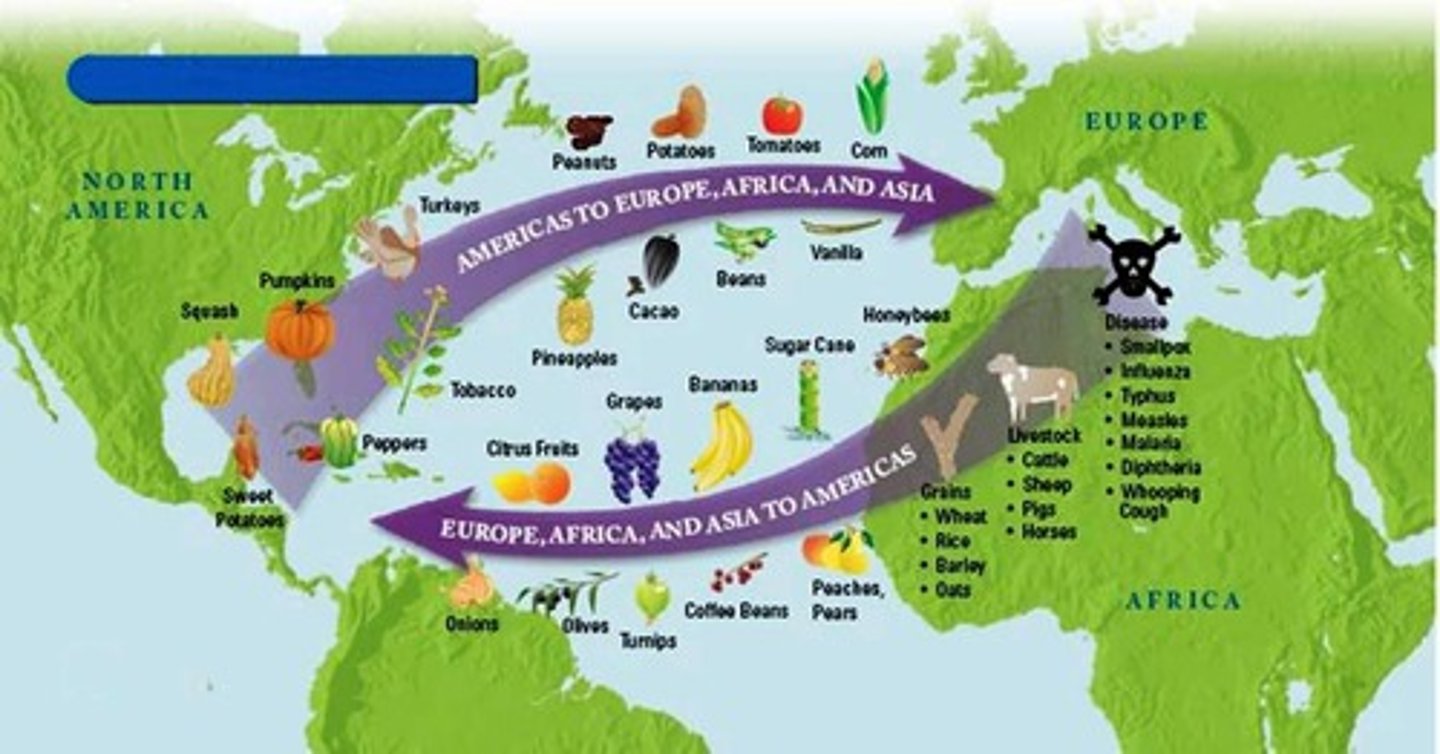
Columbian Exchange
"Triangle Trade: Widespread transfer of animals, plants, culture, human populations, technology and ideas between the American and Afro-Eurasian hemispheres in 15th-16th centuries, related to European colonization and trade after Christopher Columbus' 1492 voyage.
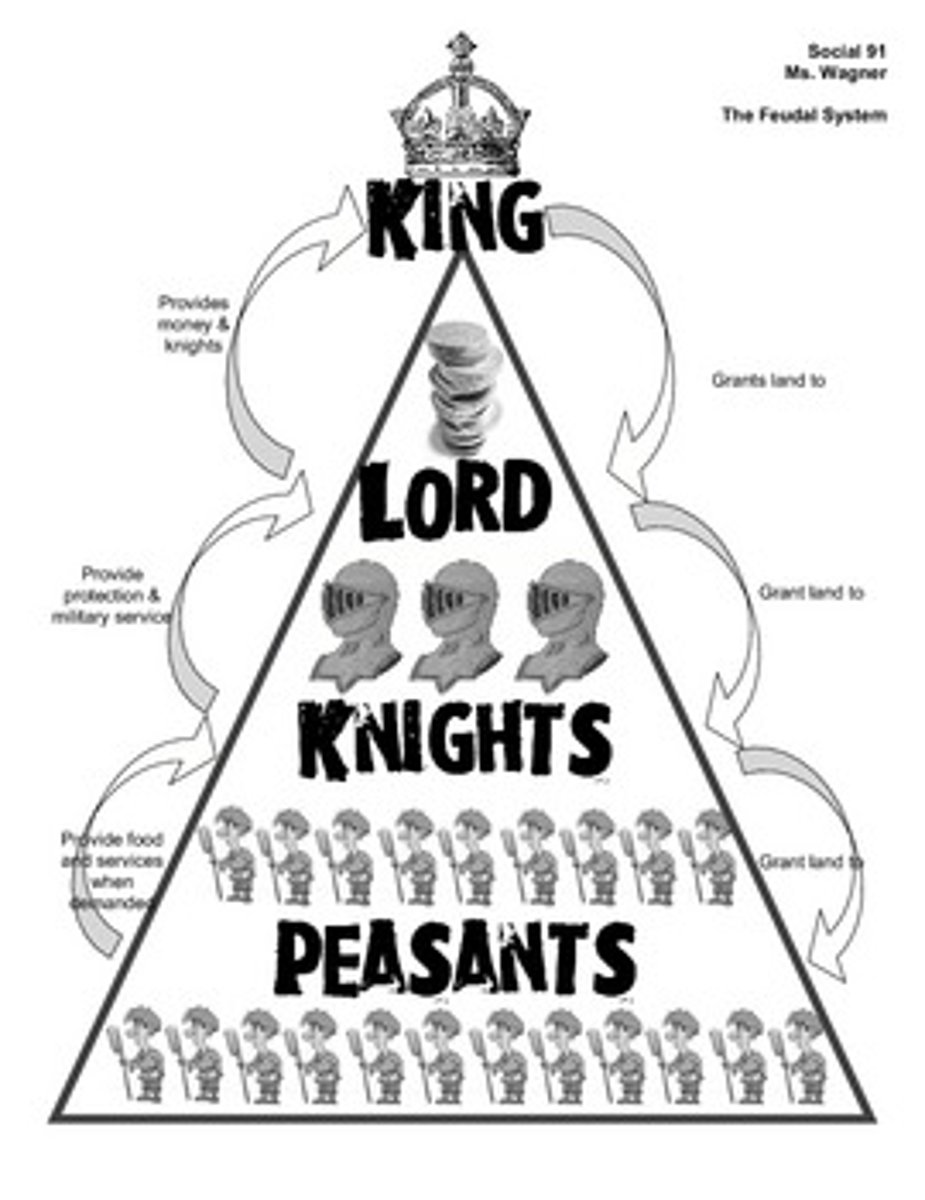
Feudalism
A way of structuring society around relationships derived from the holding of land in exchange for service or labour.
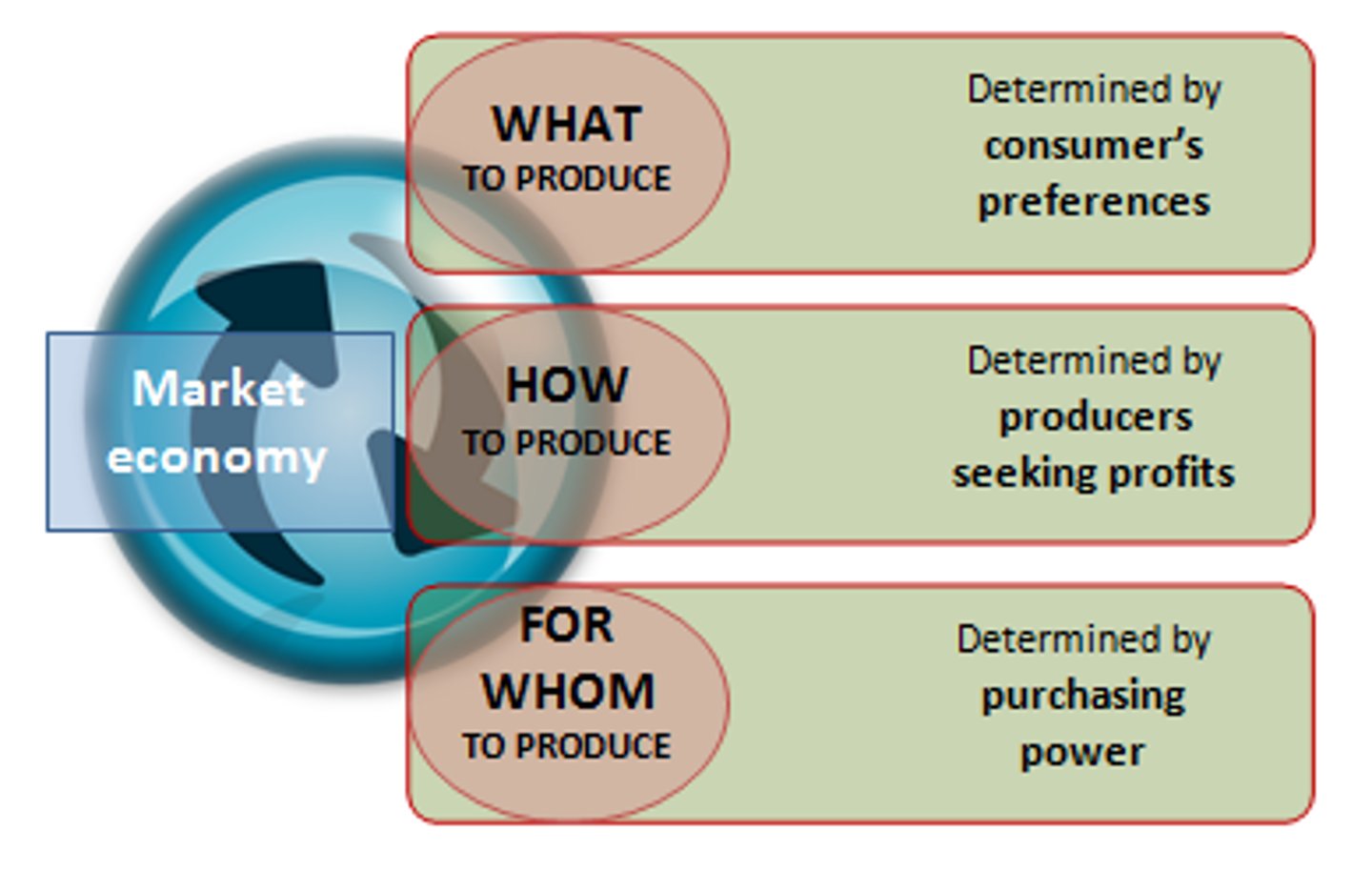
Capitalism
An economic and political system in which a country's trade and industry are controlled by private owners for profit, rather than by the state.
Joint-Stock Companies
A business entity where different stocks can be bought and owned by shareholders. Each shareholder owns company stock in proportion, evidenced by his or her shares (certificates of ownership).[1]This allows for the unequal ownership of a business with some shareholders owning a bigger proportion of a company than others do.
![<p>A business entity where different stocks can be bought and owned by shareholders. Each shareholder owns company stock in proportion, evidenced by his or her shares (certificates of ownership).[1]This allows for the unequal ownership of a business with some shareholders owning a bigger proportion of a company than others do.</p>](https://knowt-user-attachments.s3.amazonaws.com/ff5e1e7b-b618-4cdd-bf28-a29e9cb35ee5.jpg)
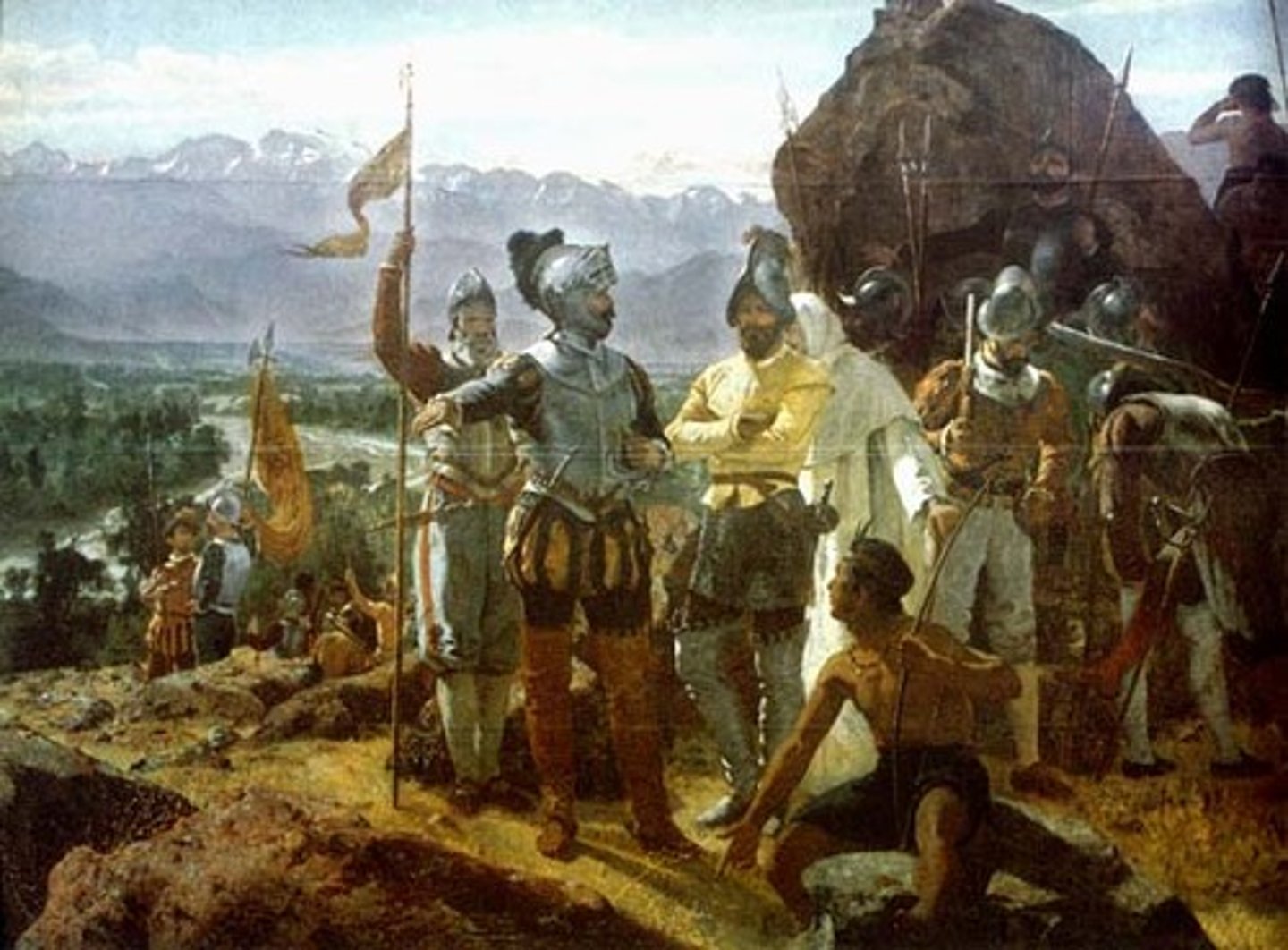
Encomienda System
A system in which the Spanish crown granted a person a specified number of natives of a specific community, with the indigenous leaders in charge of mobilizing the assessed tribute and labor. In turn, encomenderos were to take responsibility for instruction in the Christian faith, protection from warring tribes and pirates, instruction in the Spanish language and development and maintenance of infrastructure.
subjugate
to bring under complete control or subjection; conquer; master, enslave.
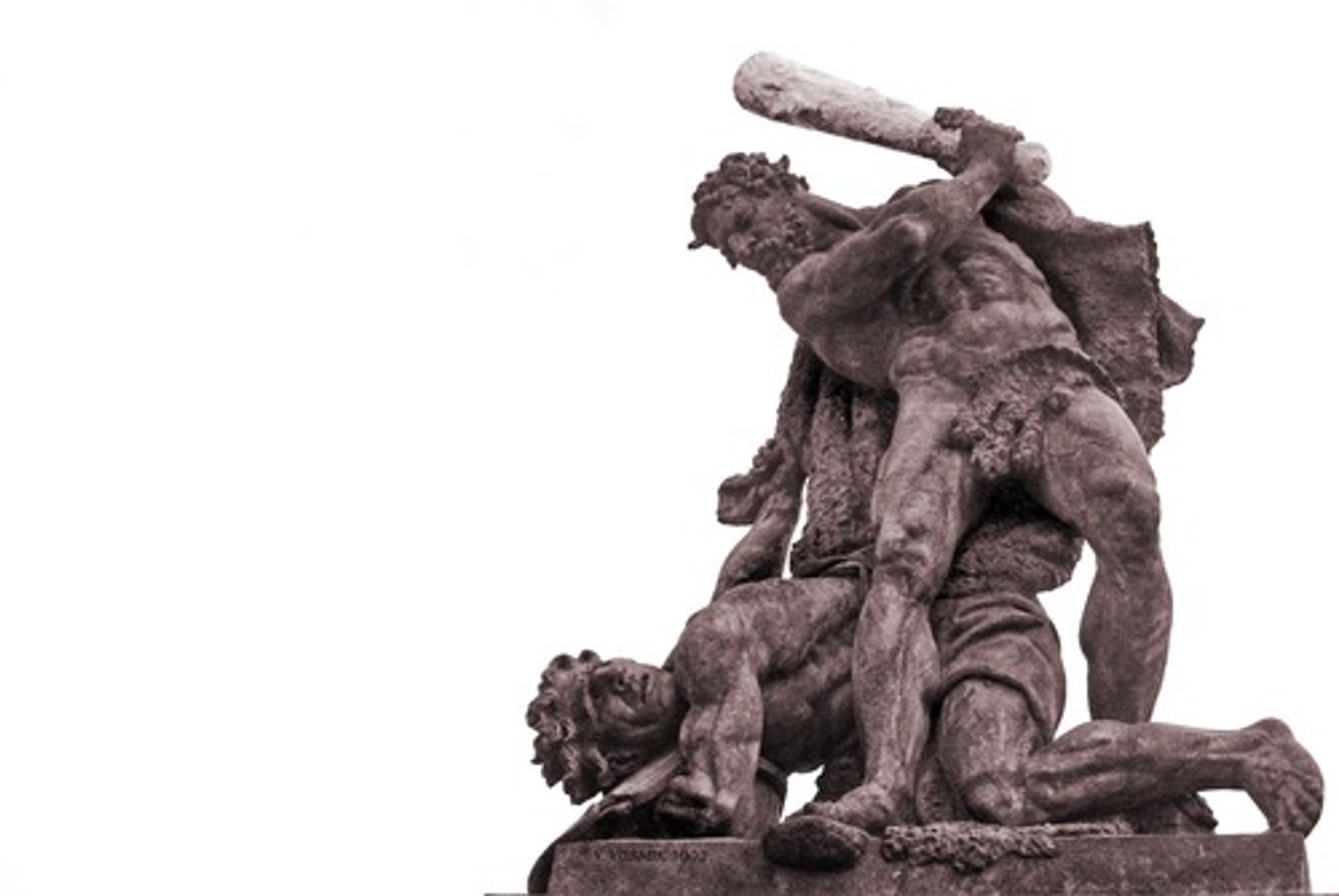
Northwest Passage
The Northwest Passage is a sea route connecting the northern Atlantic and Pacific Oceans through the Arctic Ocean, along the northern coast of North America via waterways through the Canadian Arctic Archipelago
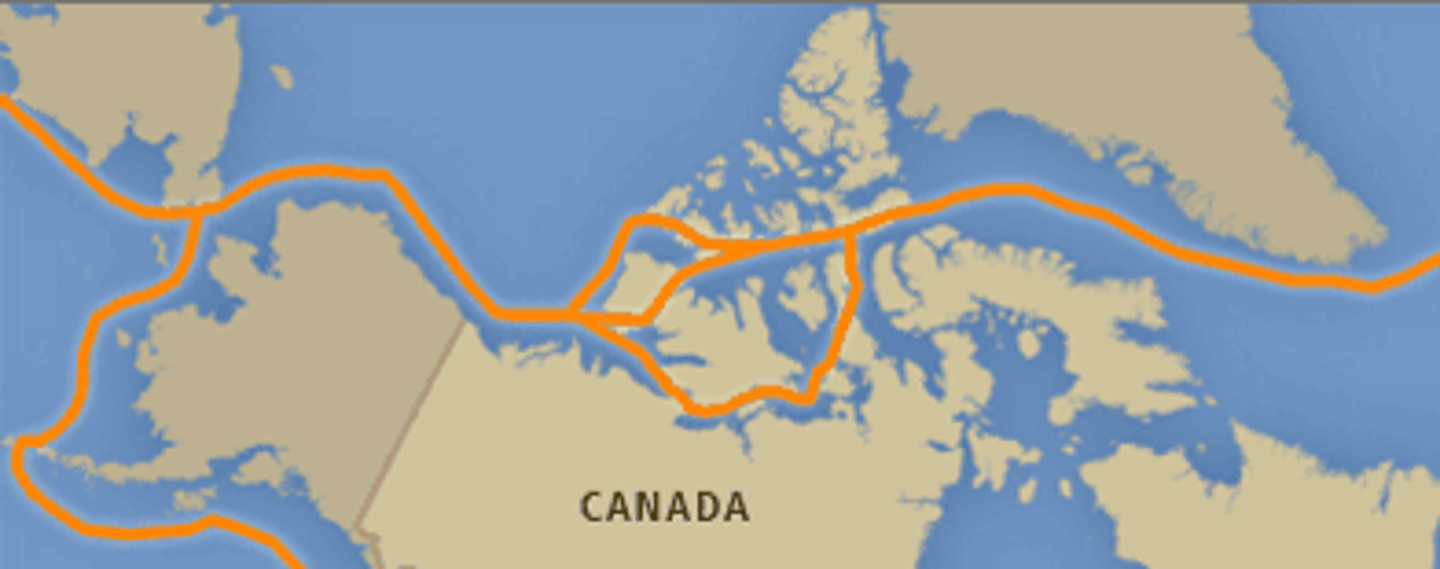
Bering Strait
Stretch of ocean separating North America from Asia that was, during the Ice Age, the location of a land bridge as wide as Alaska. Then, human migration was possible over the land bridge from Siberia, and human beings came across likely in pursuit of game. From this point of origin, American Indians dispersed down across the entire Western hemisphere.
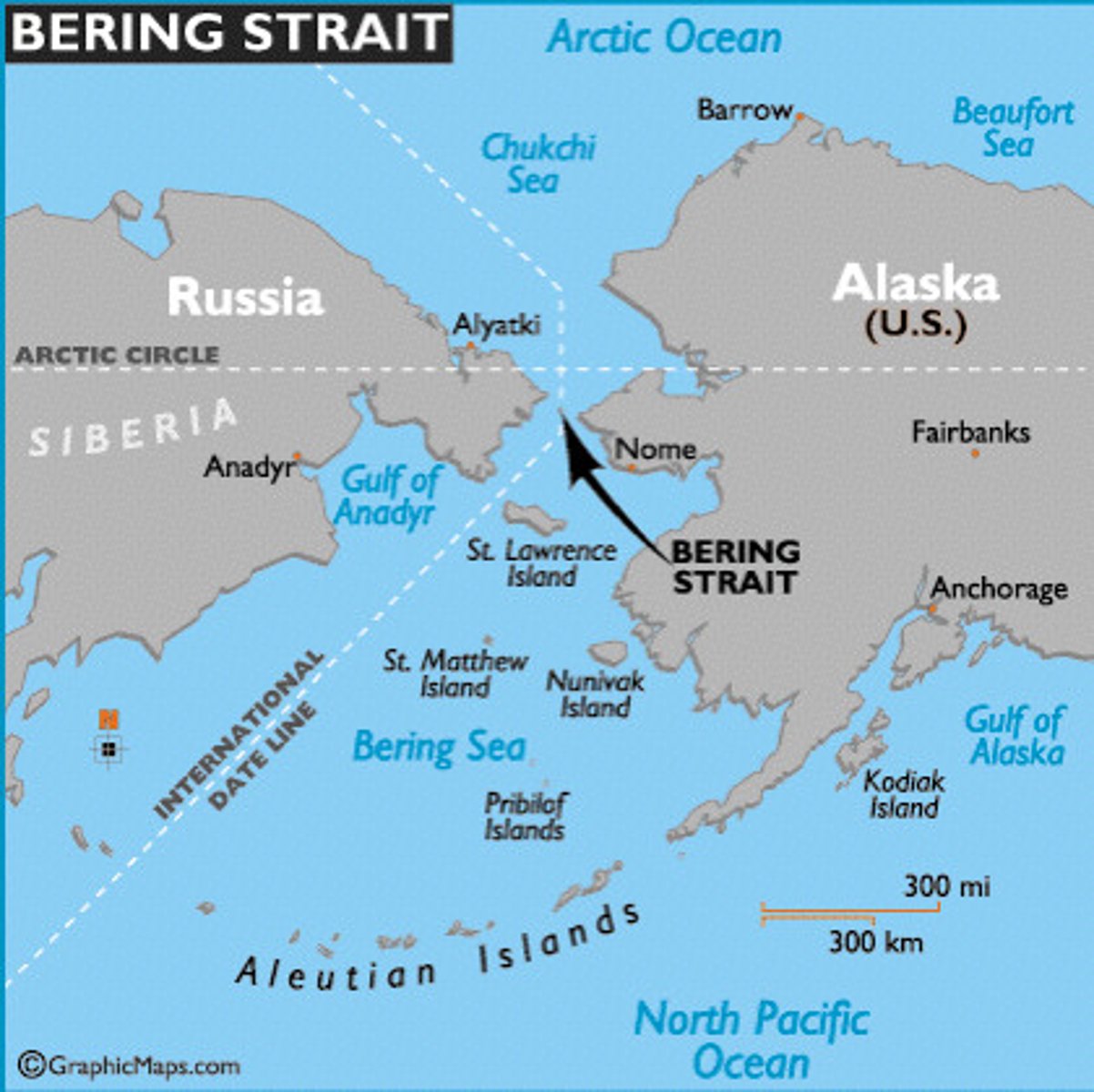
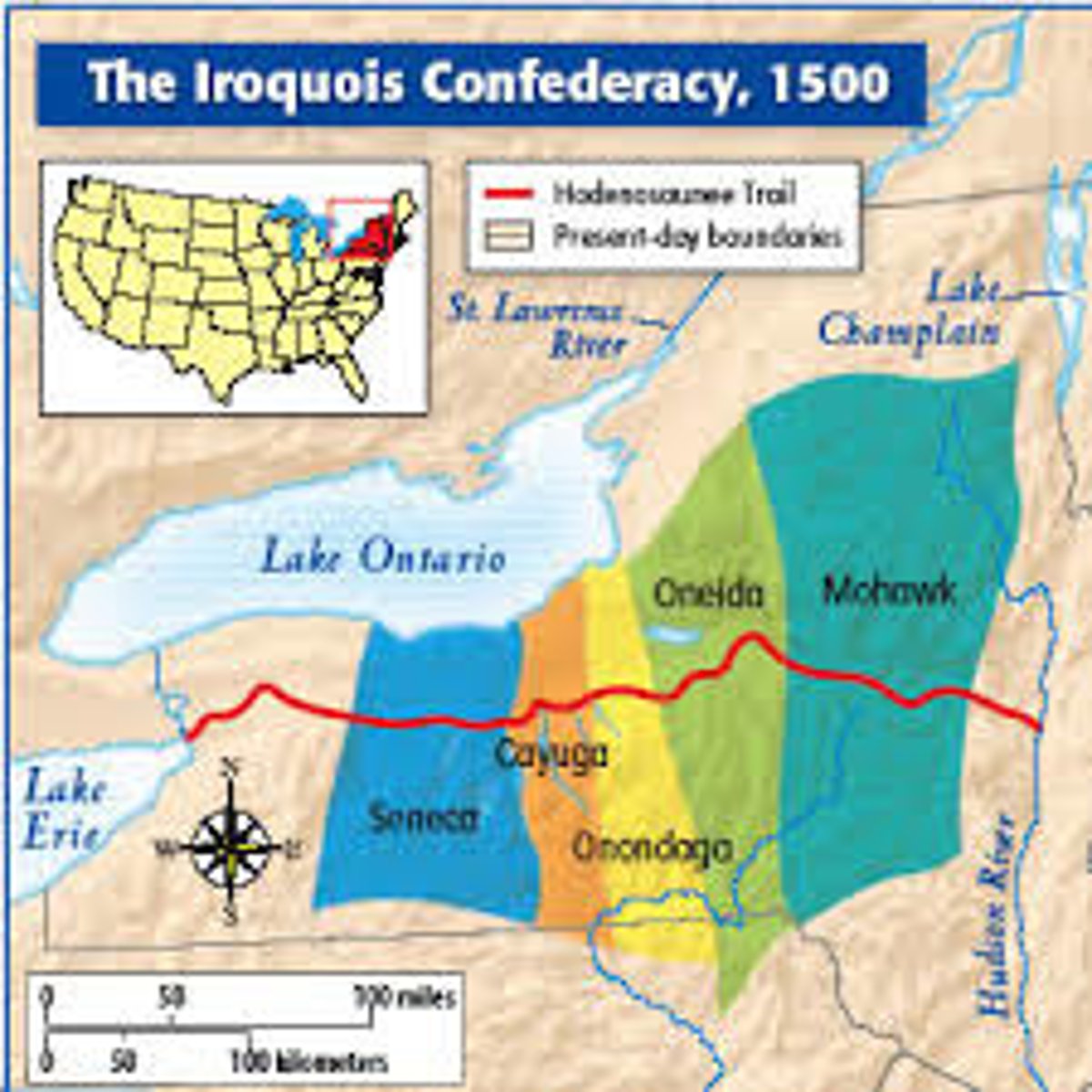
Iroquois
The name not of a tribe but of a confederacy of six separate tribes centered in what would become New York. Coposed of the Mohawk, Seneca, Cayuga, Onondaga, Oneida and Tuscarora Tribes united in a military alliance against the Huron tribe located in the Great Lakes Region.
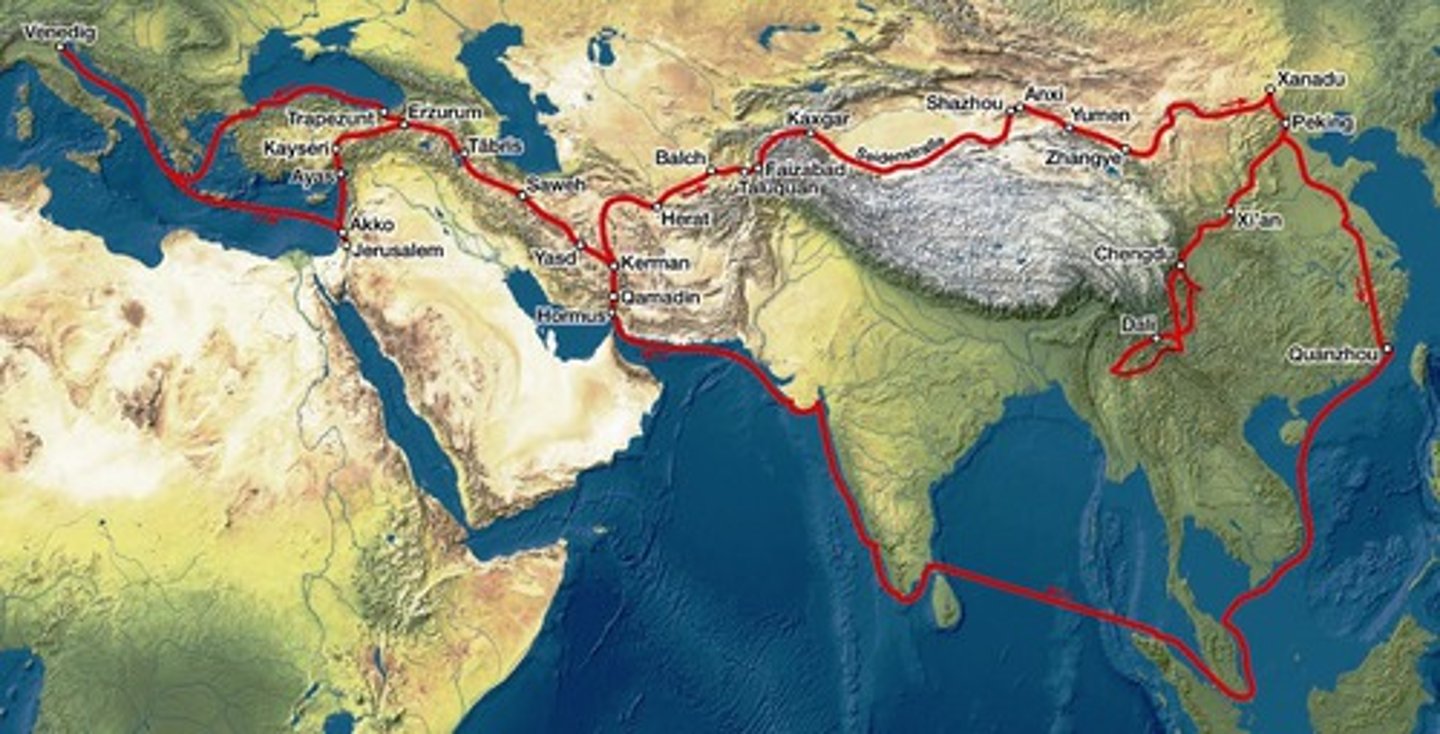
Marco Polo
Explorer whose famous journey along the Silk Road (from Mongolia to China) inspired the Discourse Containing Various Experiences, which became the basis for overland trade with China. Established Europe as a market hungry for Asian goods and vice versa.
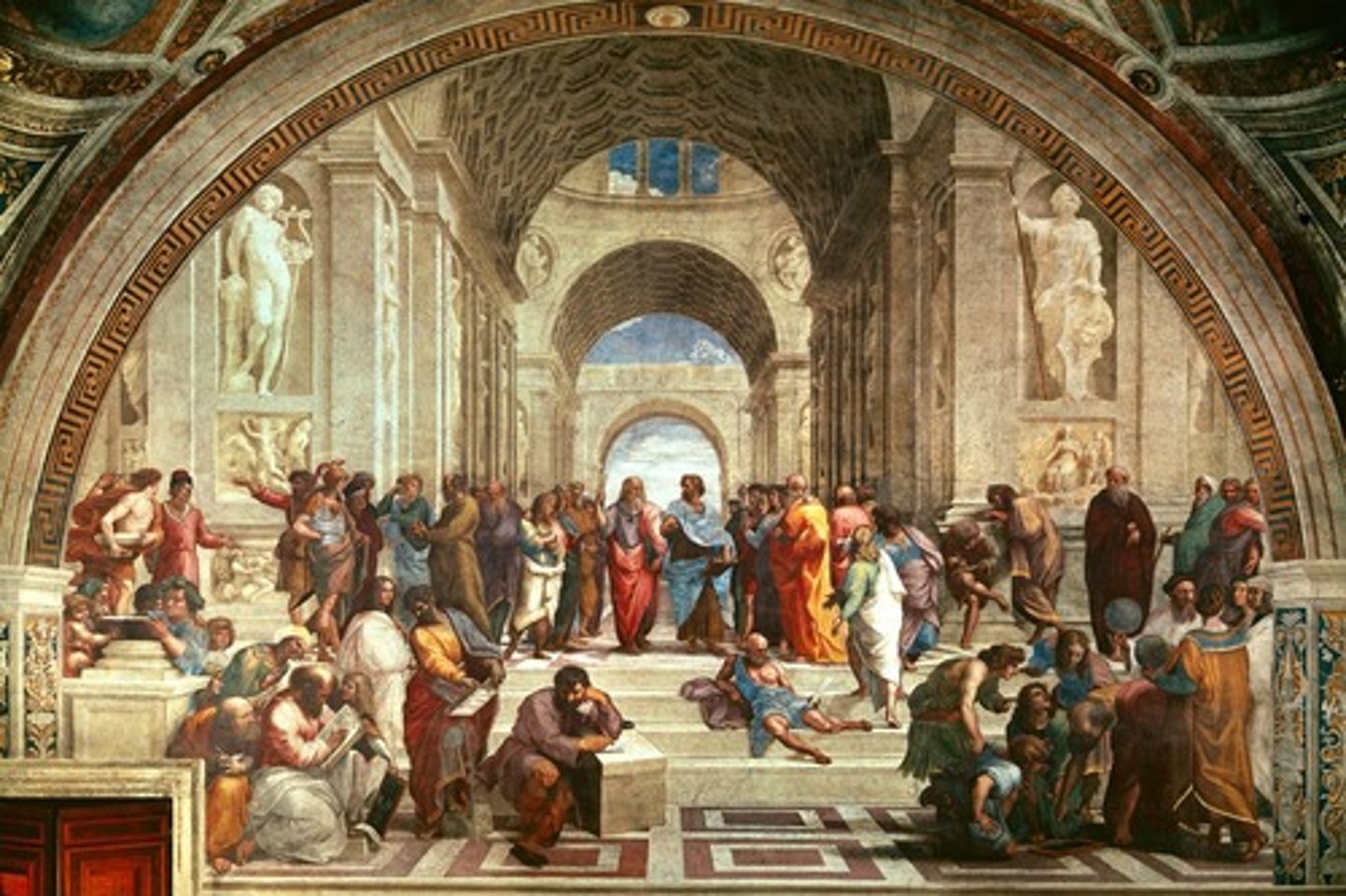
Renaissance
The flowering of scholarship and individualistic, humanistic endeavor that ended the medieval period of European history. In English: "Rebirth."
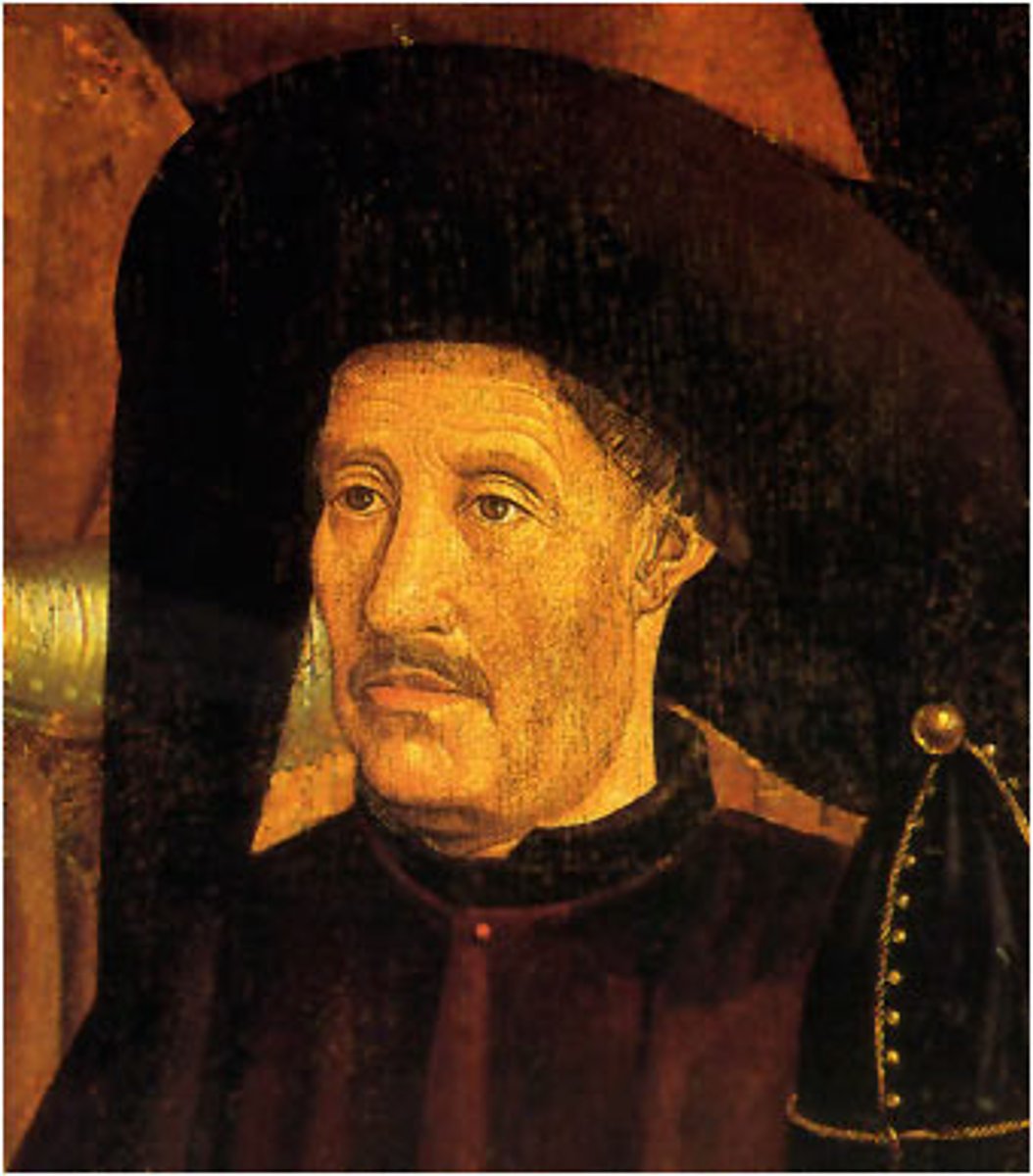
Prince Henry the Navigator
Regarded as the main initiator of what would be known as the Age of Discoveries, responsible for the early development of Portuguese exploration and maritime trade with other continents through the systematic exploration of Western Africa, the islands of the Atlantic Ocean, and the search for new routes.
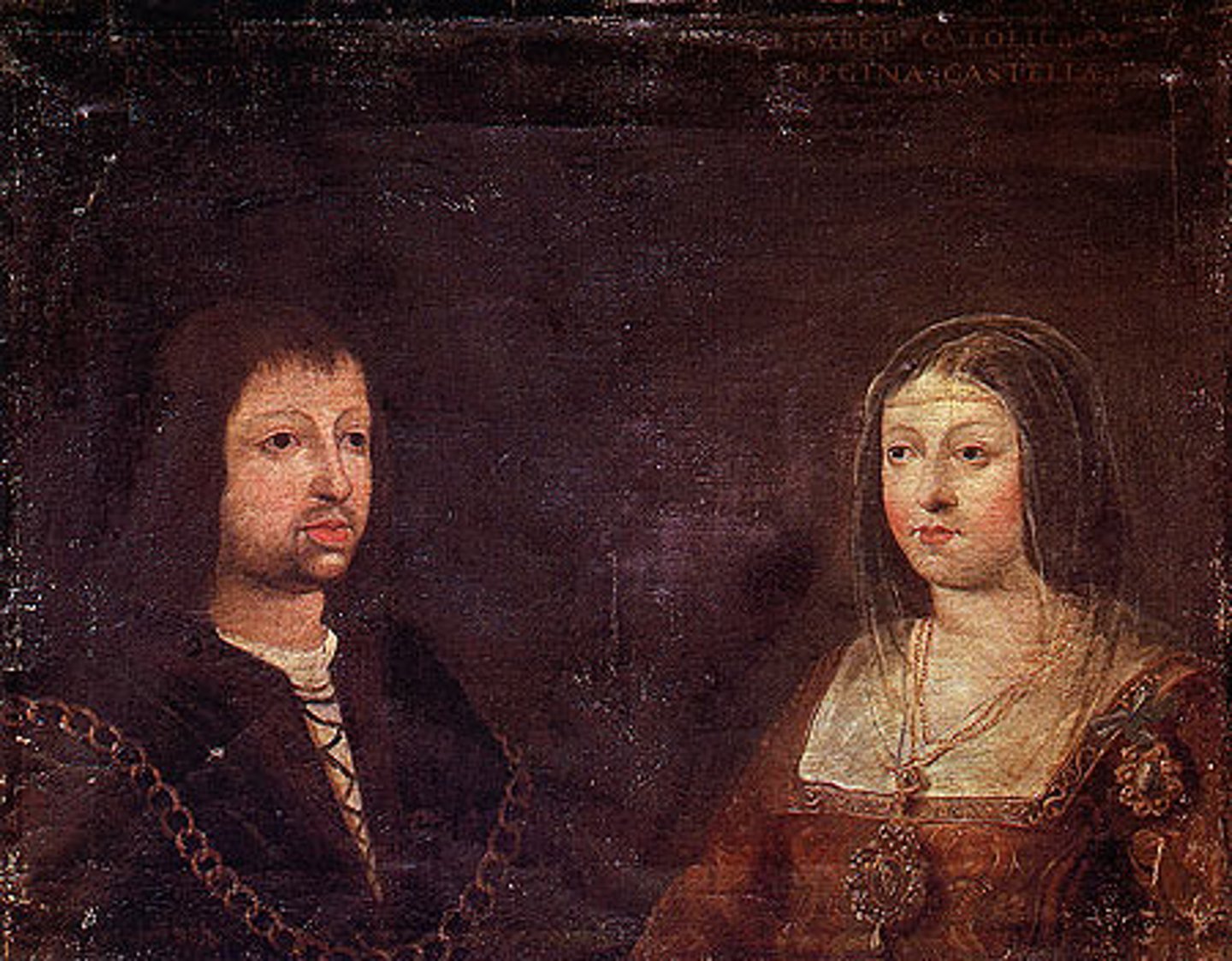
Ferdinand and Isabella of Spain
Christopher Columbus' patrons; launched the Spanish Empire after hearing of his discoveries of a supposed water route to Asia. Established management precedents that cpaitalized on treasures discovered in the New World, served as a model for other European nations attempting similar exploits.
Pope's Rebellion
An uprising of most of the indigenous Pueblo people against the Spanish colonizers in the province of Santa Fe de Nuevo México, present day New Mexico. Killed 400 Spanish and drove the remaining 2,000 settlers out of the province
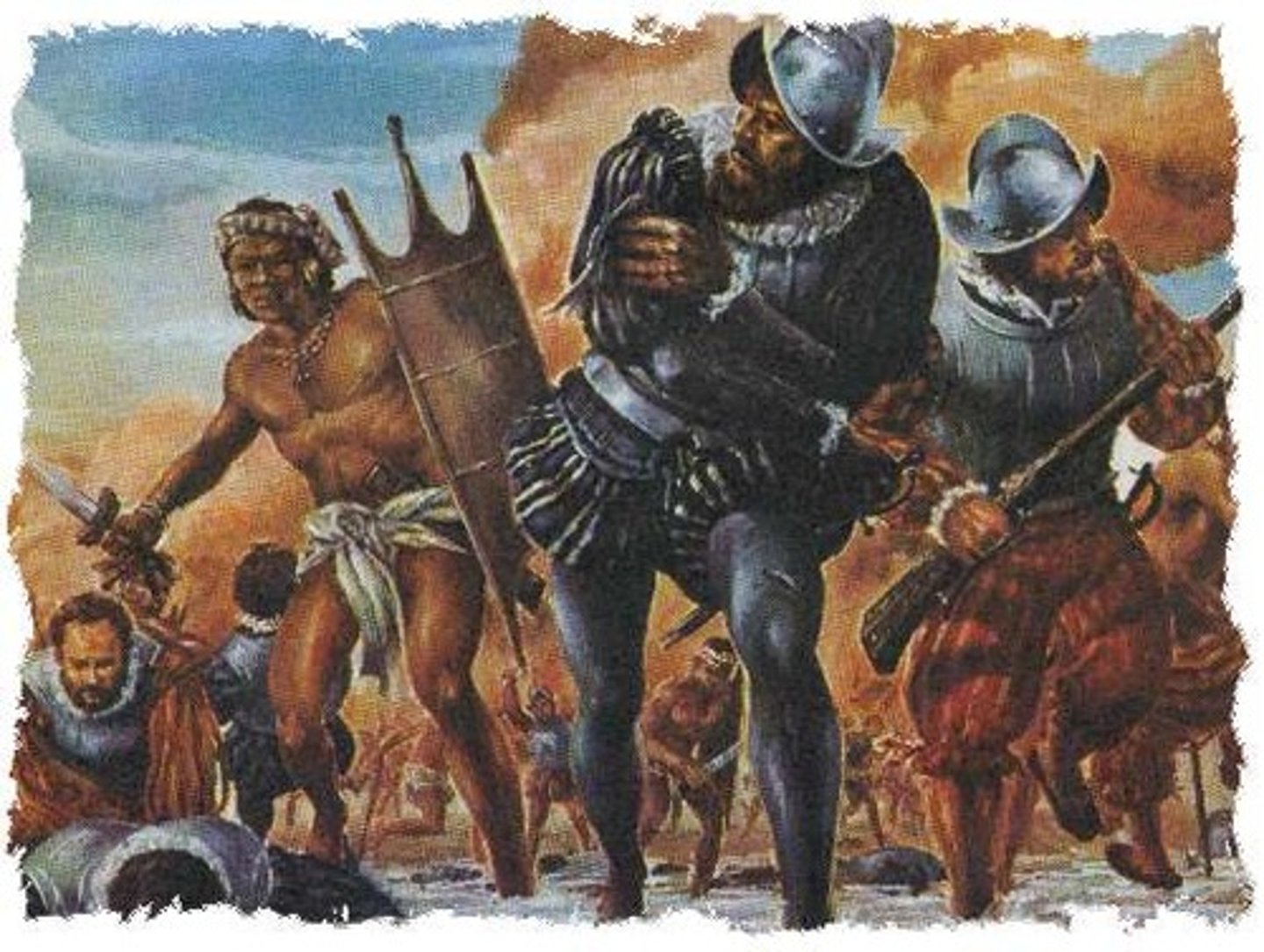
viceroy
In the Spanish Empire's power structure, the first representative position sent to govern divisions in the New World. Handpicked, loyal men were chosen to this position, which served as the head of civil government but also as the commander in chief of Spanish military forces in his region. Served as a model for other European nations that sought stricter control over their colonies.
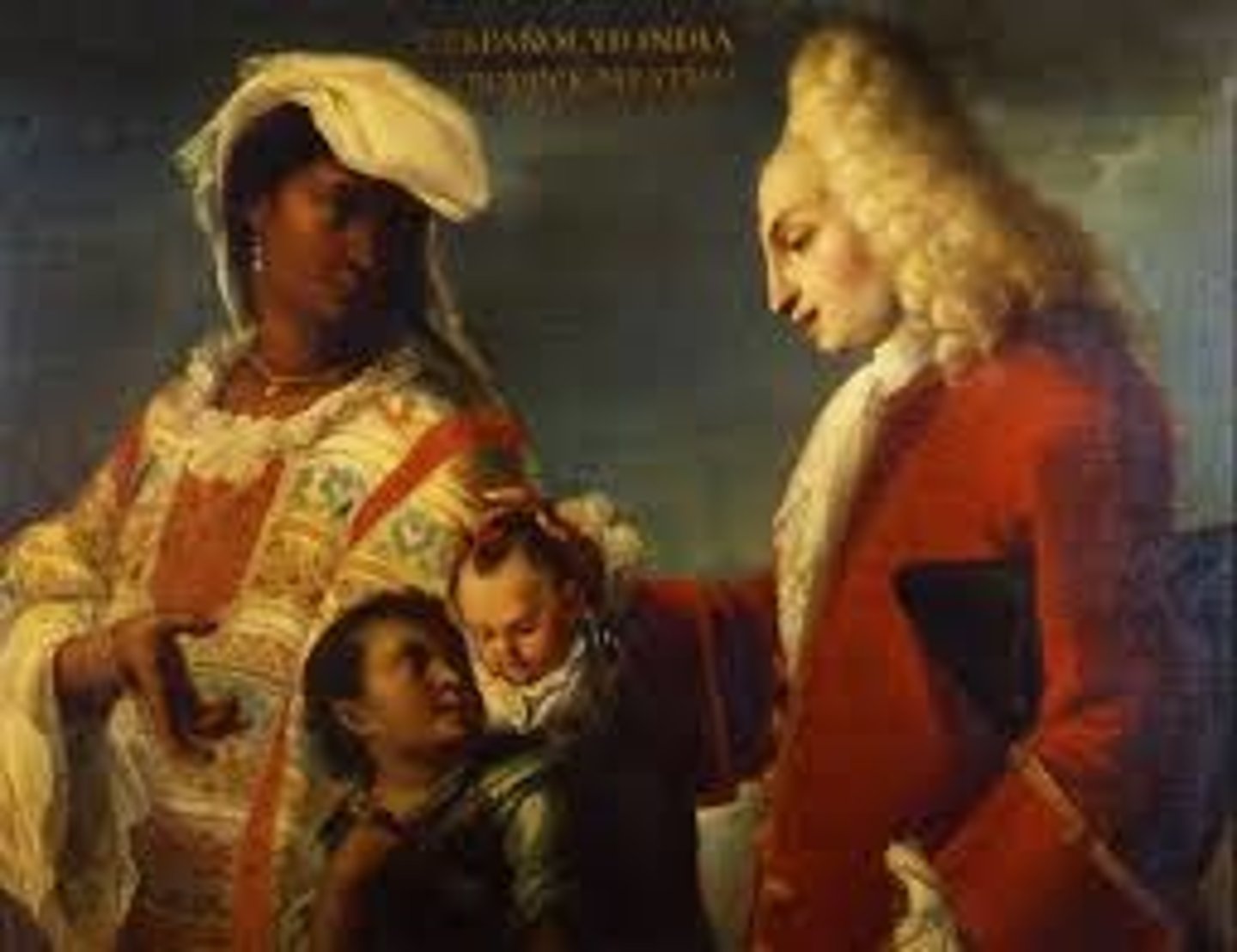
Bartolome de las Casas
Dominican friar, priest and scholar that worked tirelessly throughout the sixteenth century, decrying the plight of the American Indians.
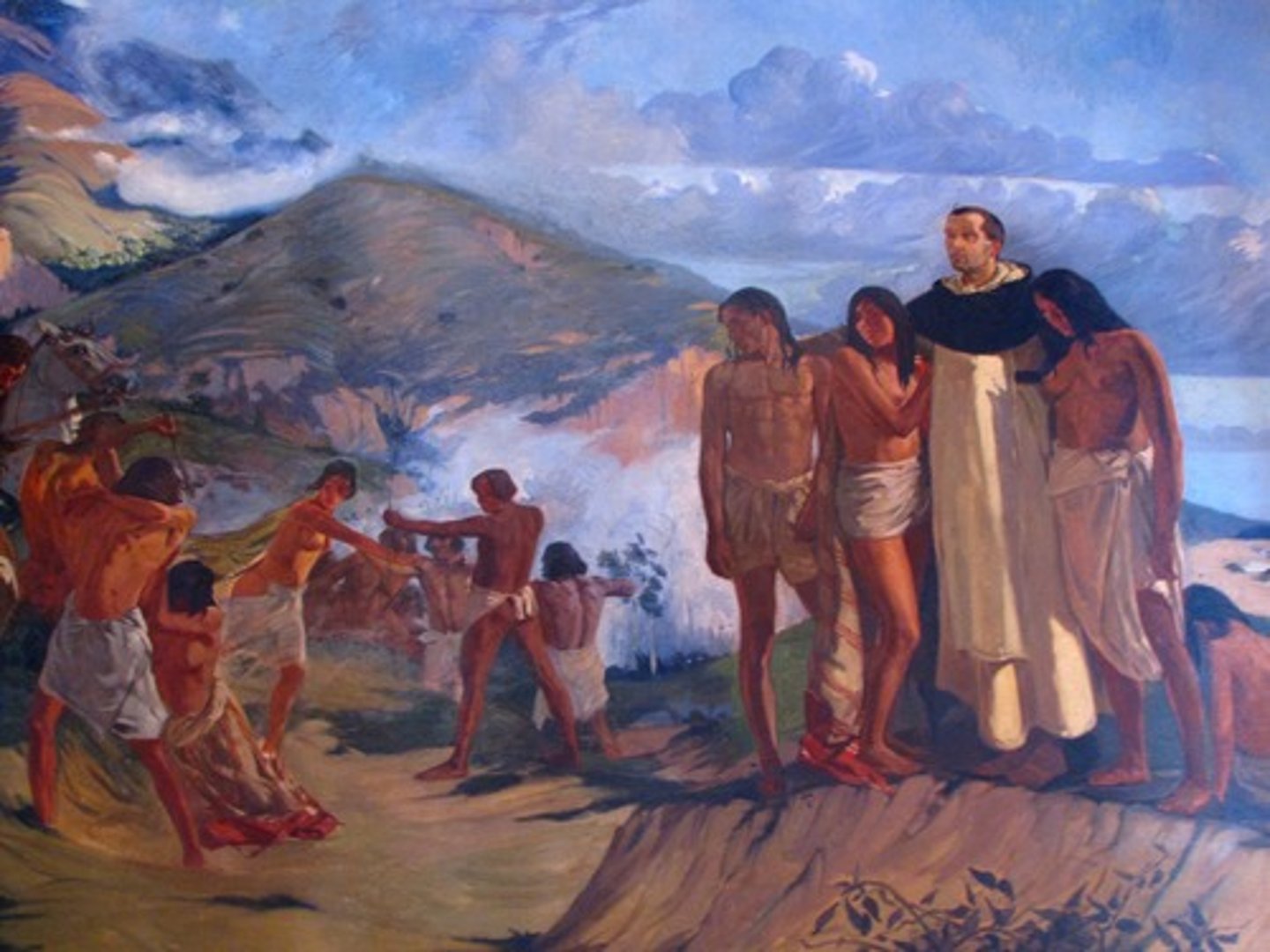
Protestant Reformation
Early 16th century writings by the priest and scholar Martin Luther, focusing primarily on biblical doctrines of grace, inspired this movement. Its key doctrine: each person having an individual calling and a Christian duty to work diligently at that calling for the Glory of God. This idea became a seminal attribute of American society through the influence of Dutch, English, Swedish, Germany and French Huguenot colonists.
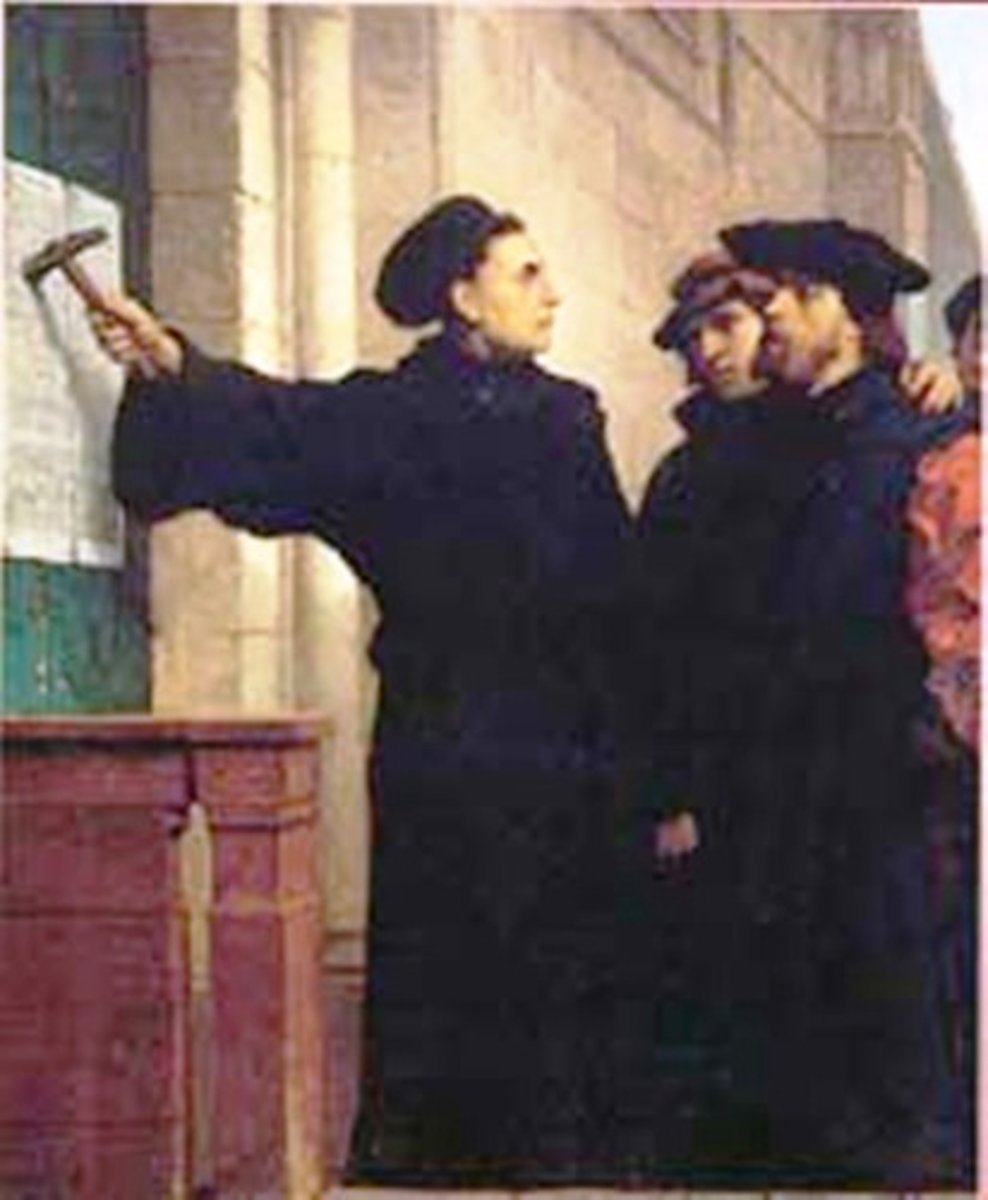
Martin Luther
A German priest and scholar who defied Rome and launched the Protestant Reformation by contesting certain teachings of the Roman Catholic Church, beginning in 1517.
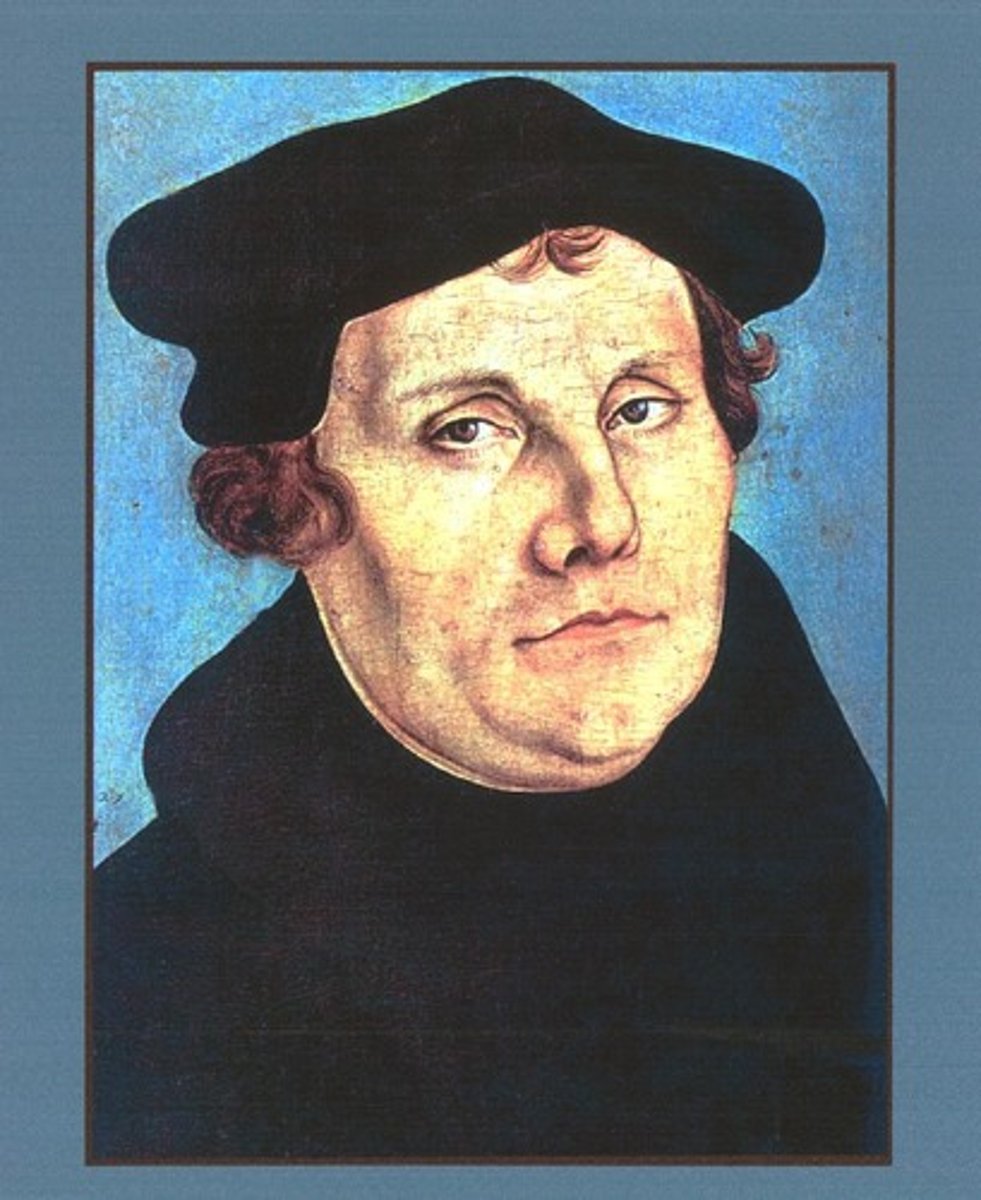
John Calvin
Frenchman that began as a priest but joined the Protestant cause as a legal scholar and minister in Geneva, Switzerland. Wrote the Institutes of Christian Religion, emphasizing the sovereignty of God in salvation. His student, John Knox, formed the Scottish Presbyterian Church brought to the shores of America by Scots-Irish immigrants. The Puritans were also Calvinist in doctrine and were the founders of Congregational Churches in New England.
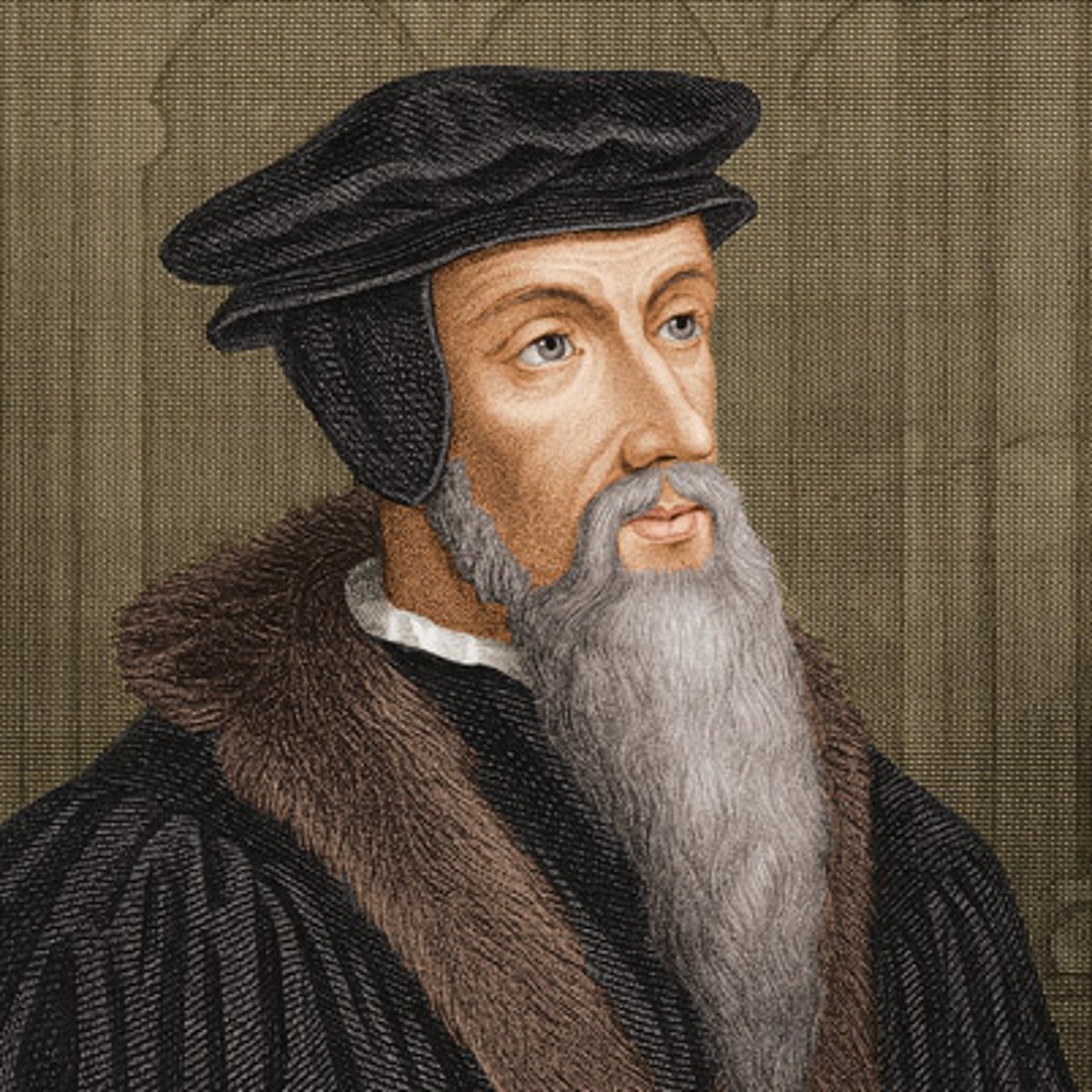
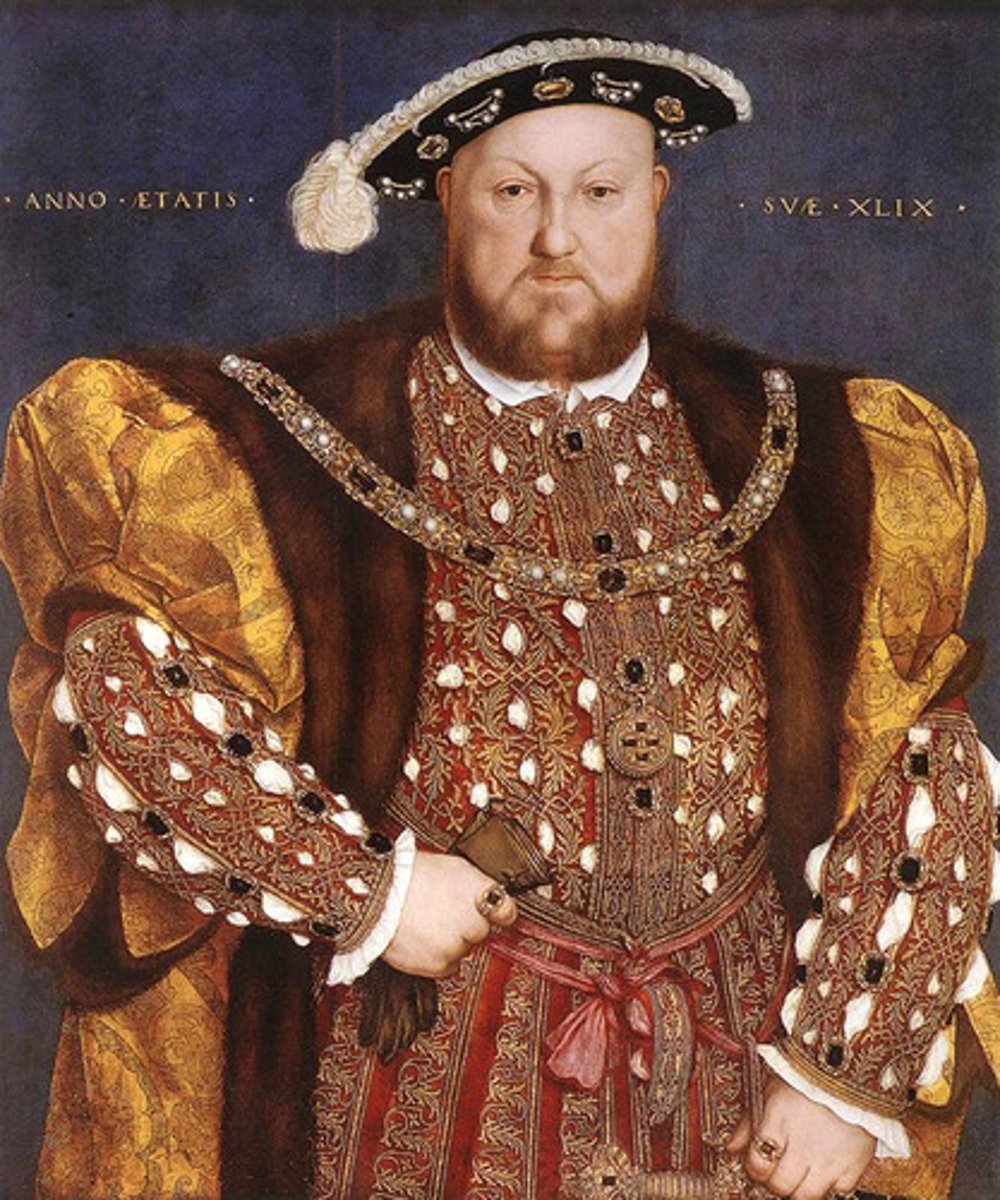
Henry VIII of England
Tudor King of England who launched the English Reformation because the Roman Catholic Church opposed his actions of divorcing Catherine of Aragon and marrying Anne Boleyn. Also: severed ties with Rome and allowed the Bible to be printed in English legally for the first time.
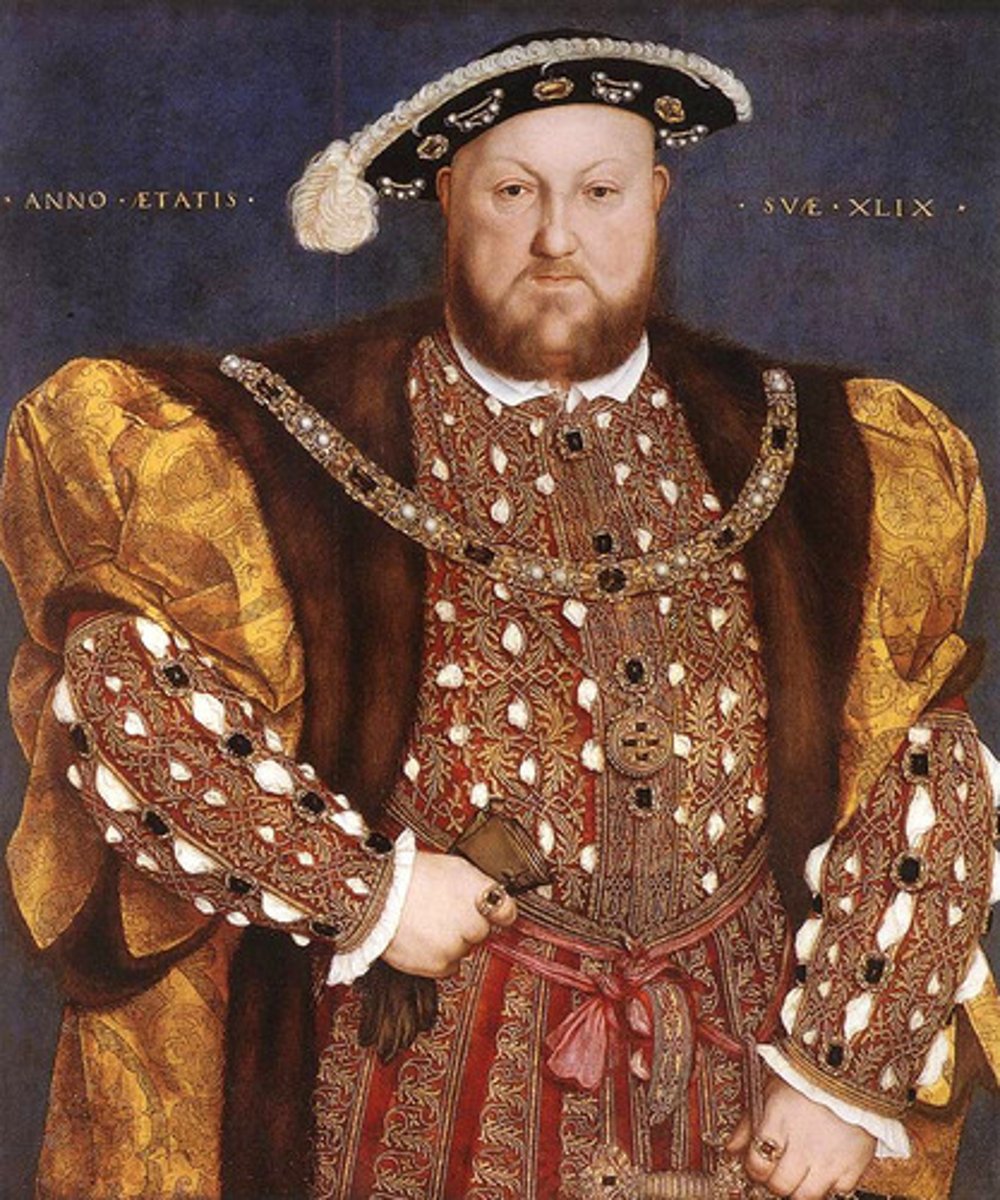
New Amsterdam
Dutch Colony in North America that began when Peter Minuit purchased the best harbor on the Atlantic Seaboard from local Indians with a few trading goods. Established the Dutch as competent fur traders, excellent merchants, responsible for founding the most ethnically diverse colony that fittingly, became the site of the trade and culture capital of the world, New York City.
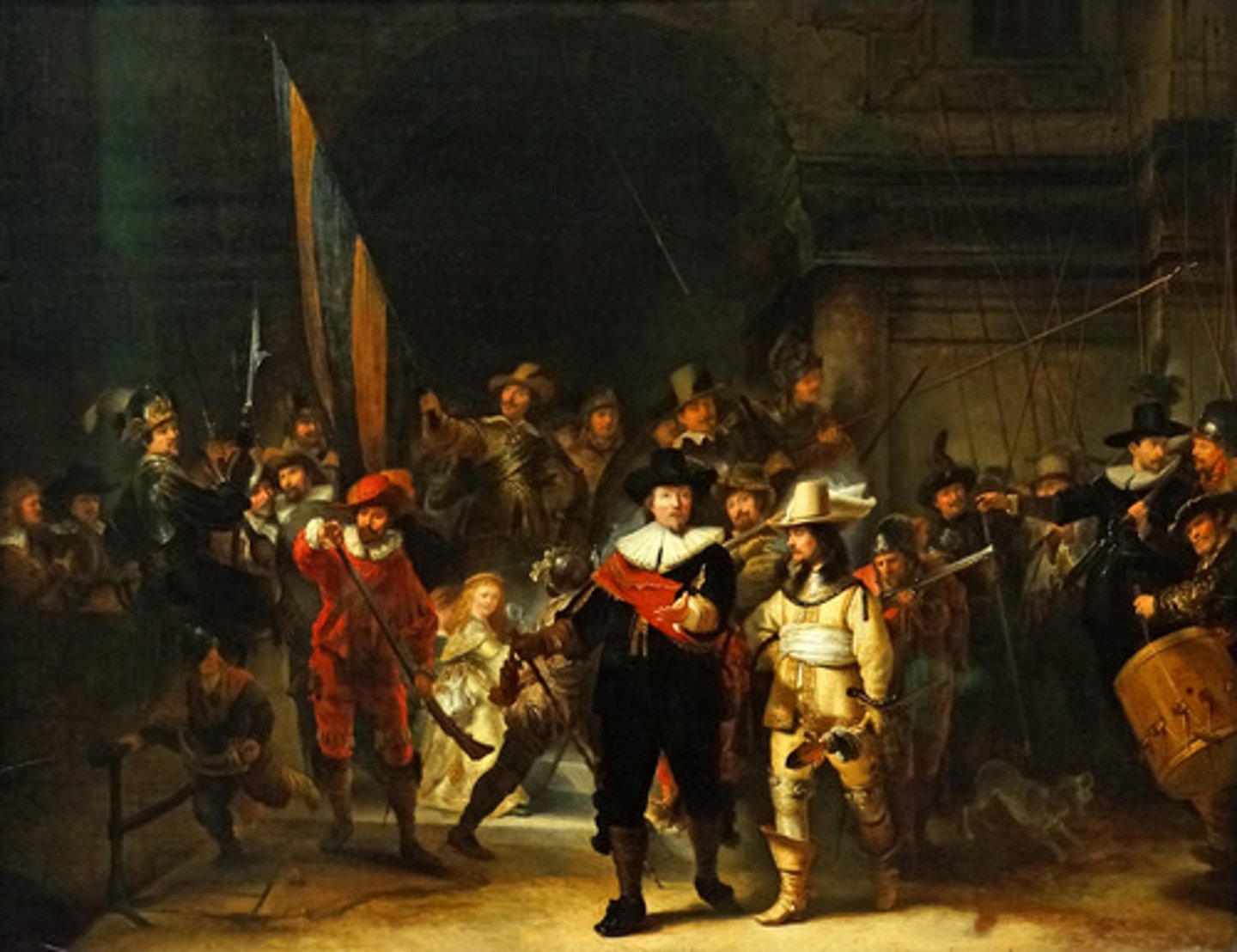
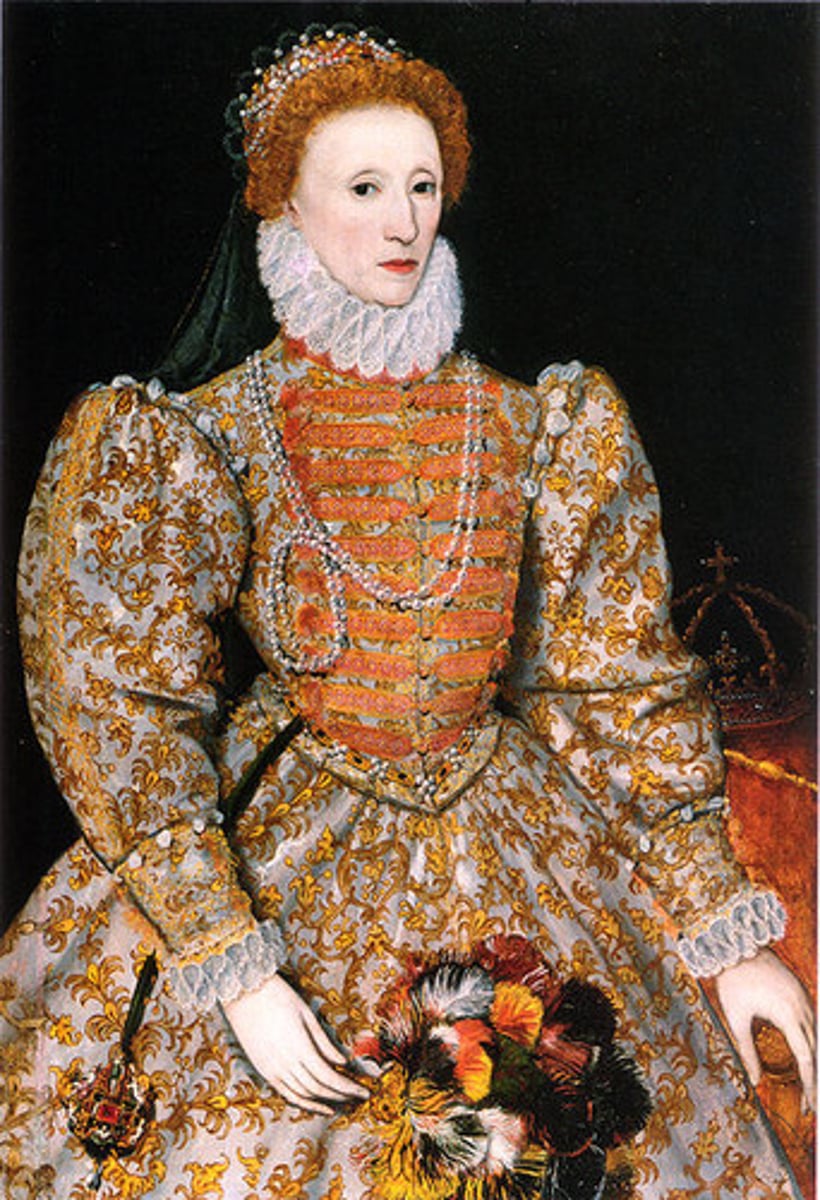
Elizabeth I
The daughter of Henry VIII and Anne Boleyn, who was more responsible than any other monarch for positioning her country to take advantage of New World discoveries.
nation-state
The modern form of political society that combines centralized government with a high degree of ethnic and cultural unity.
confederacy
An alliance or league of nations or peoples looser than a federation.
middlemen
In trading systems, those dealers who operate between the original buyers and the retail merchants who sell to consumers.
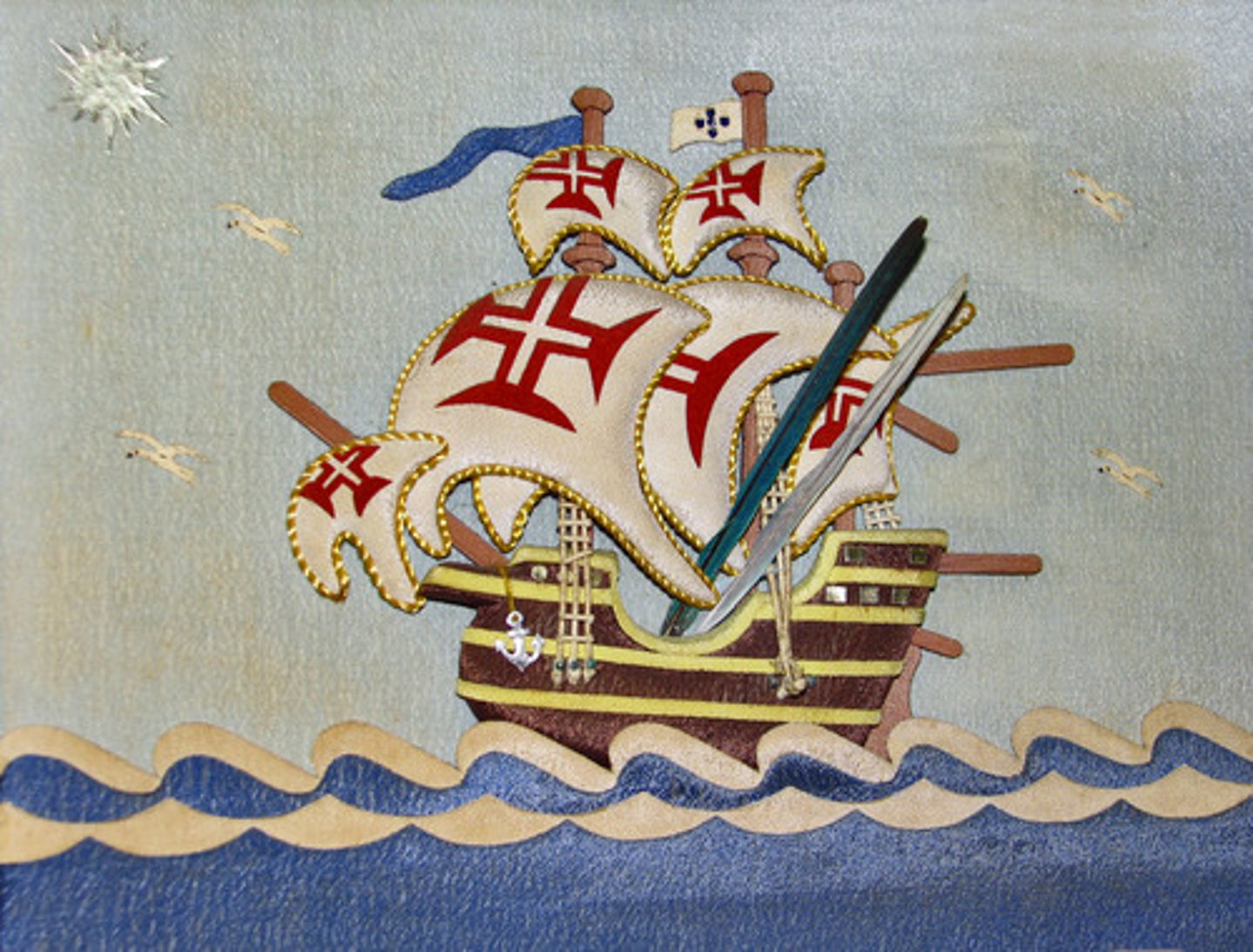
caravel
A small vessel with a high deck and three triangular sails.
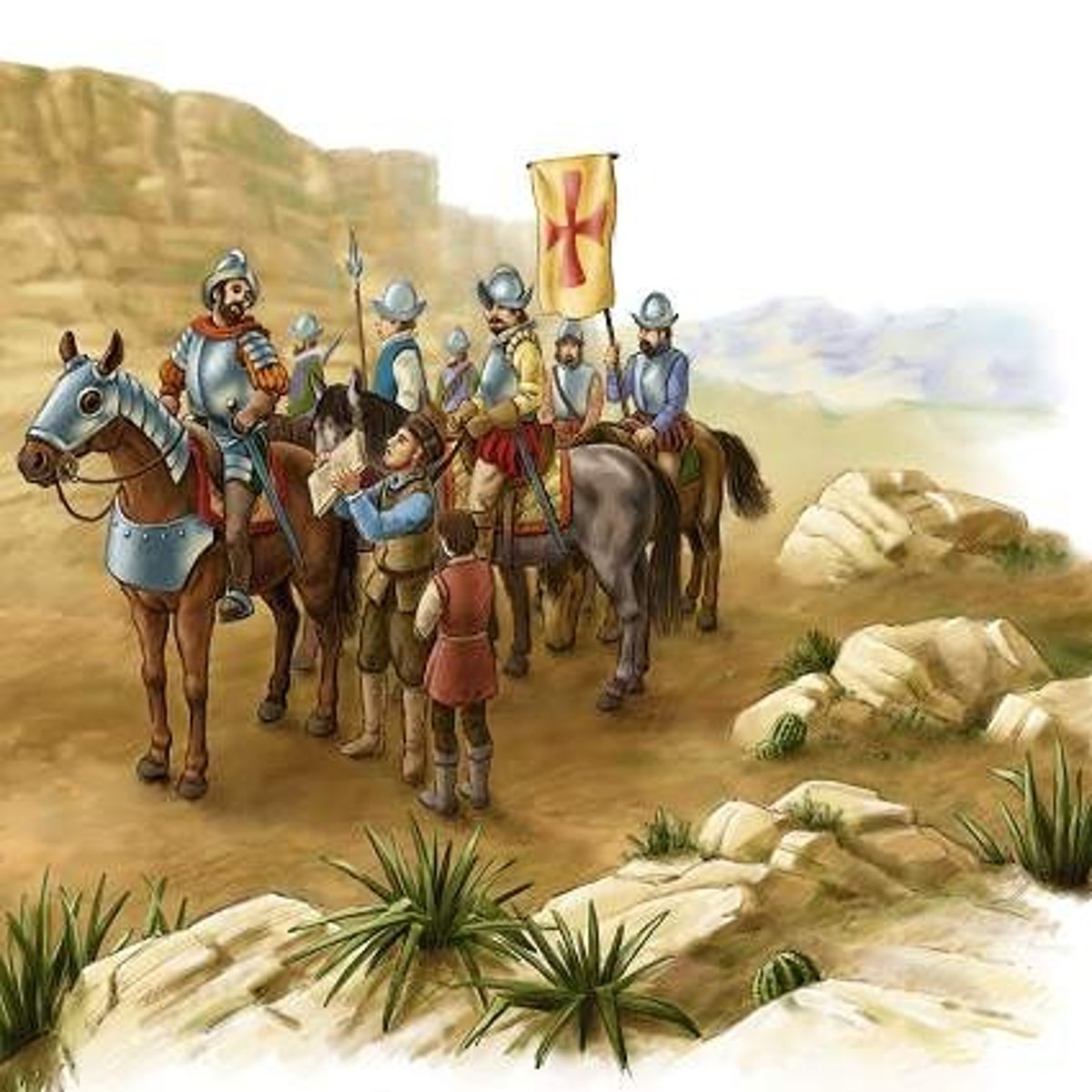
conquistador
A Spanish conqueror or adventurer in the Americas.
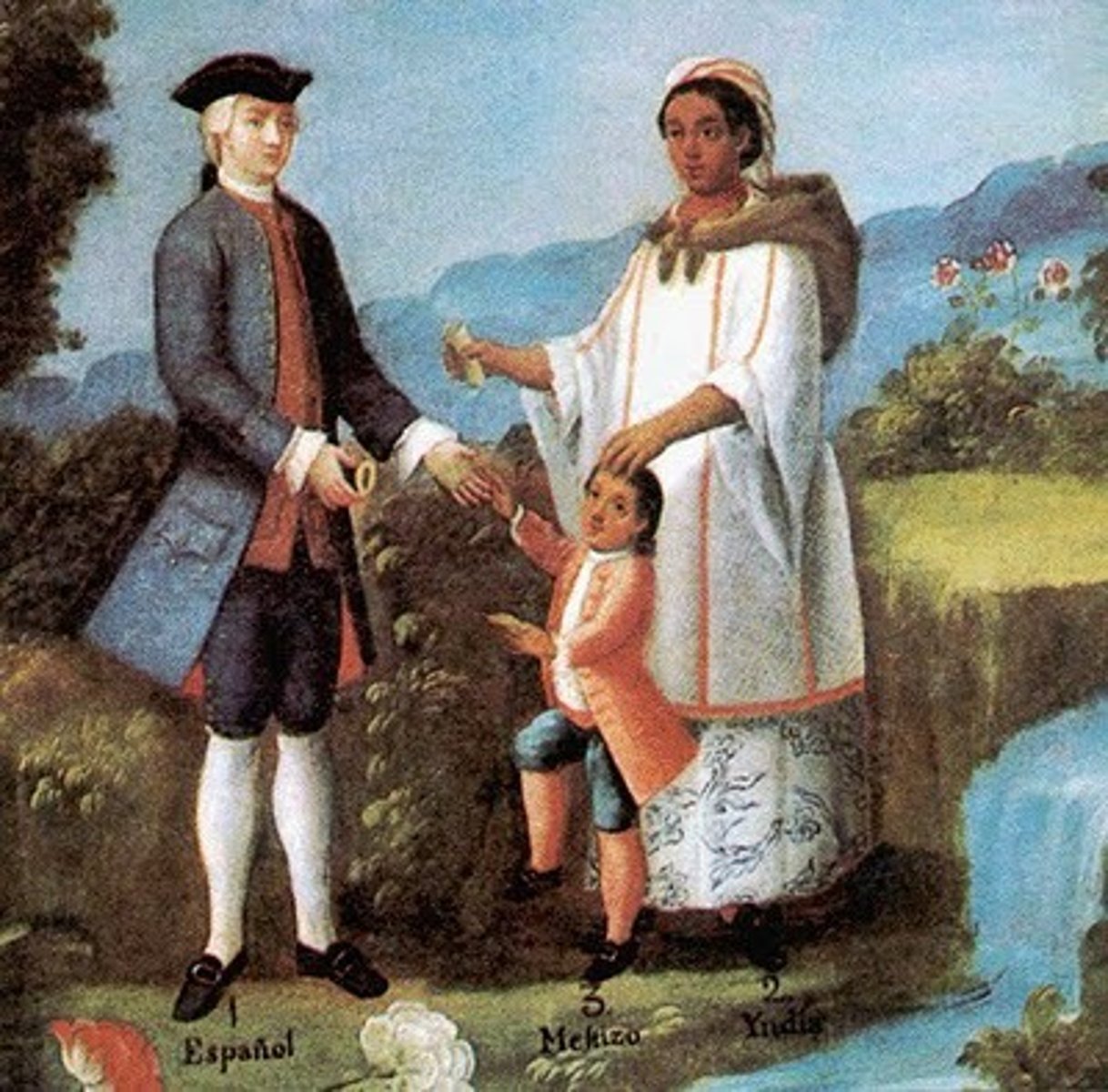
mestizo
A person of mixed Native American and European ancestry.
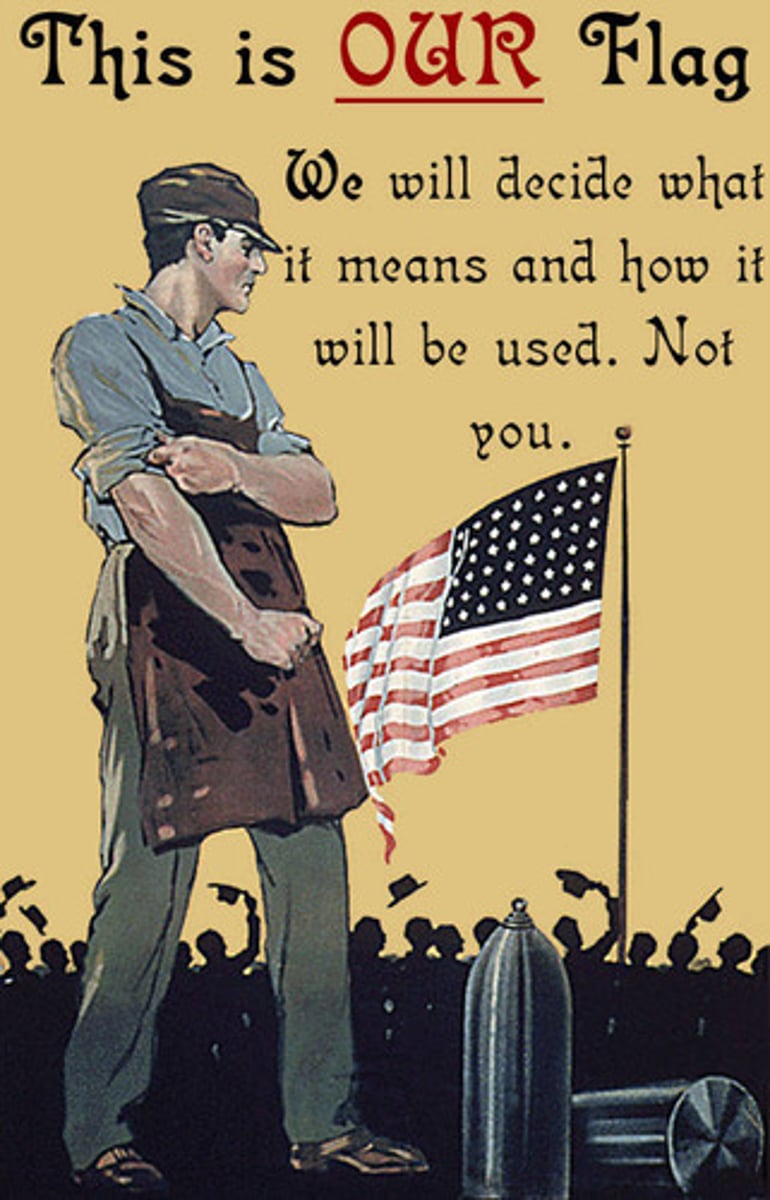
nationalism
Fervent belief and loyalty given to the political unit of the nation-state, leading to a belief in the superiority of one's culture over another.
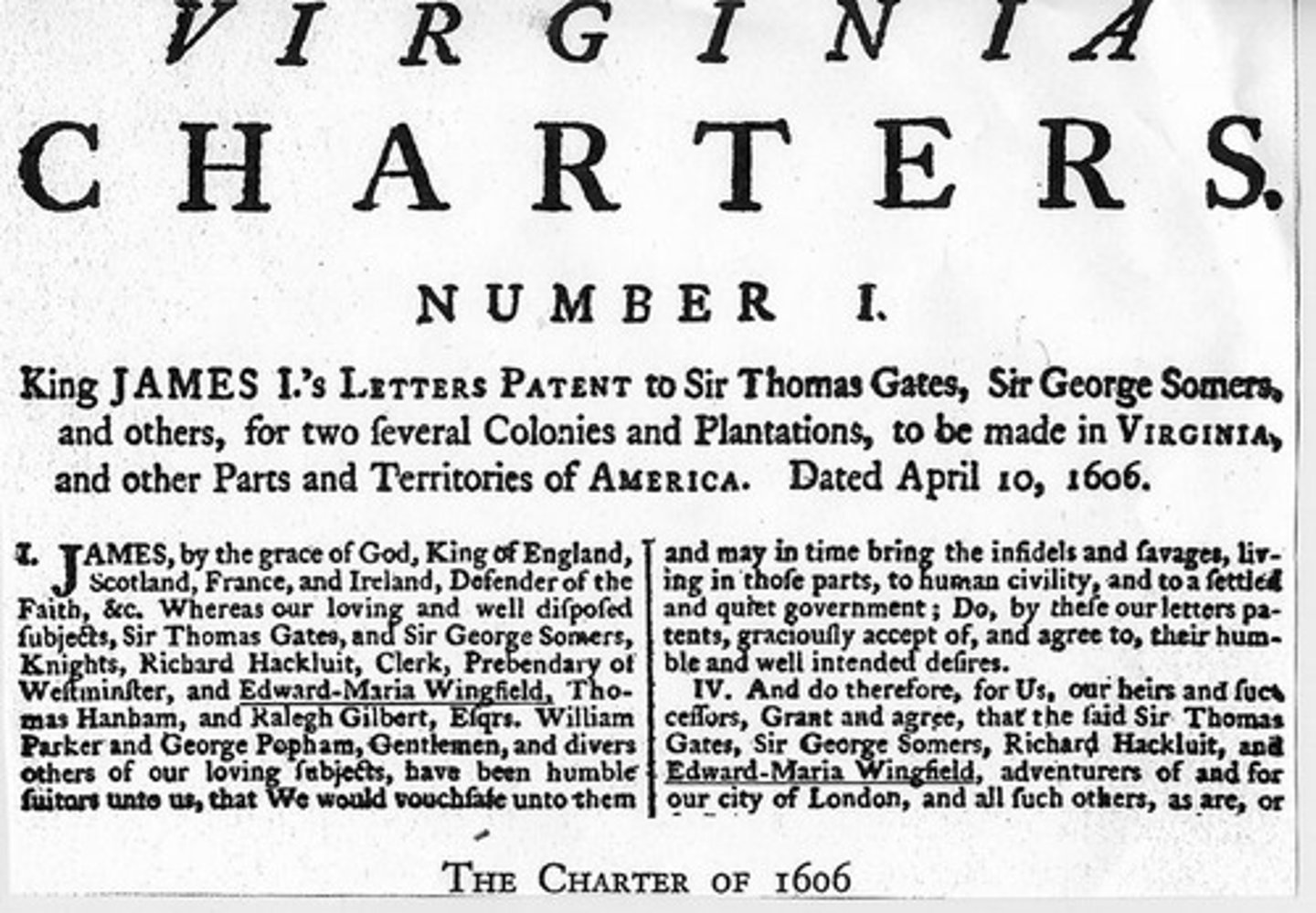
charter
A legal document granted by a government to some group or agency to implement a stated purpose, and spelling out the attending rights and obligations.
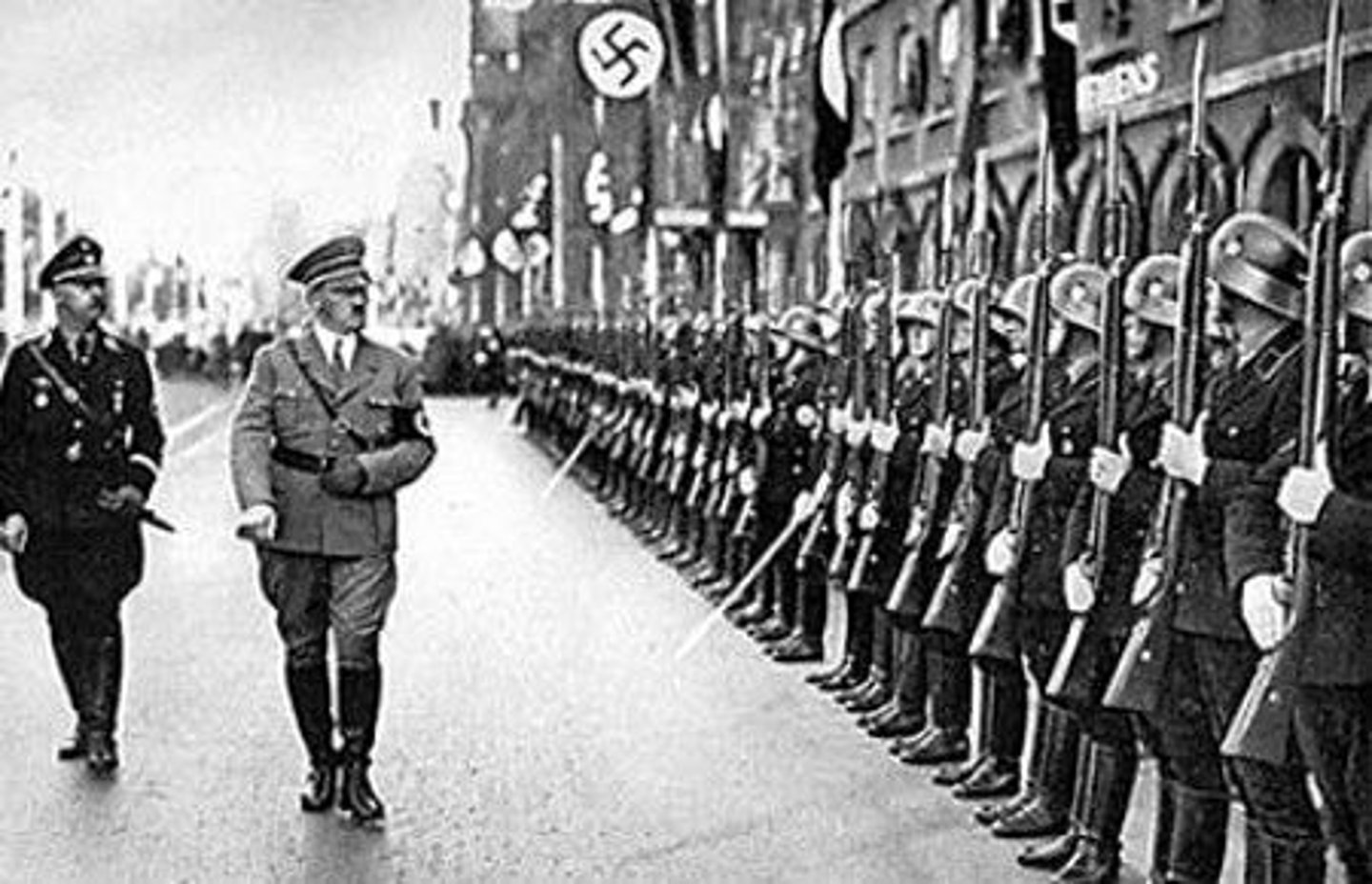
autocratic
Absolute or dictatorial rule.
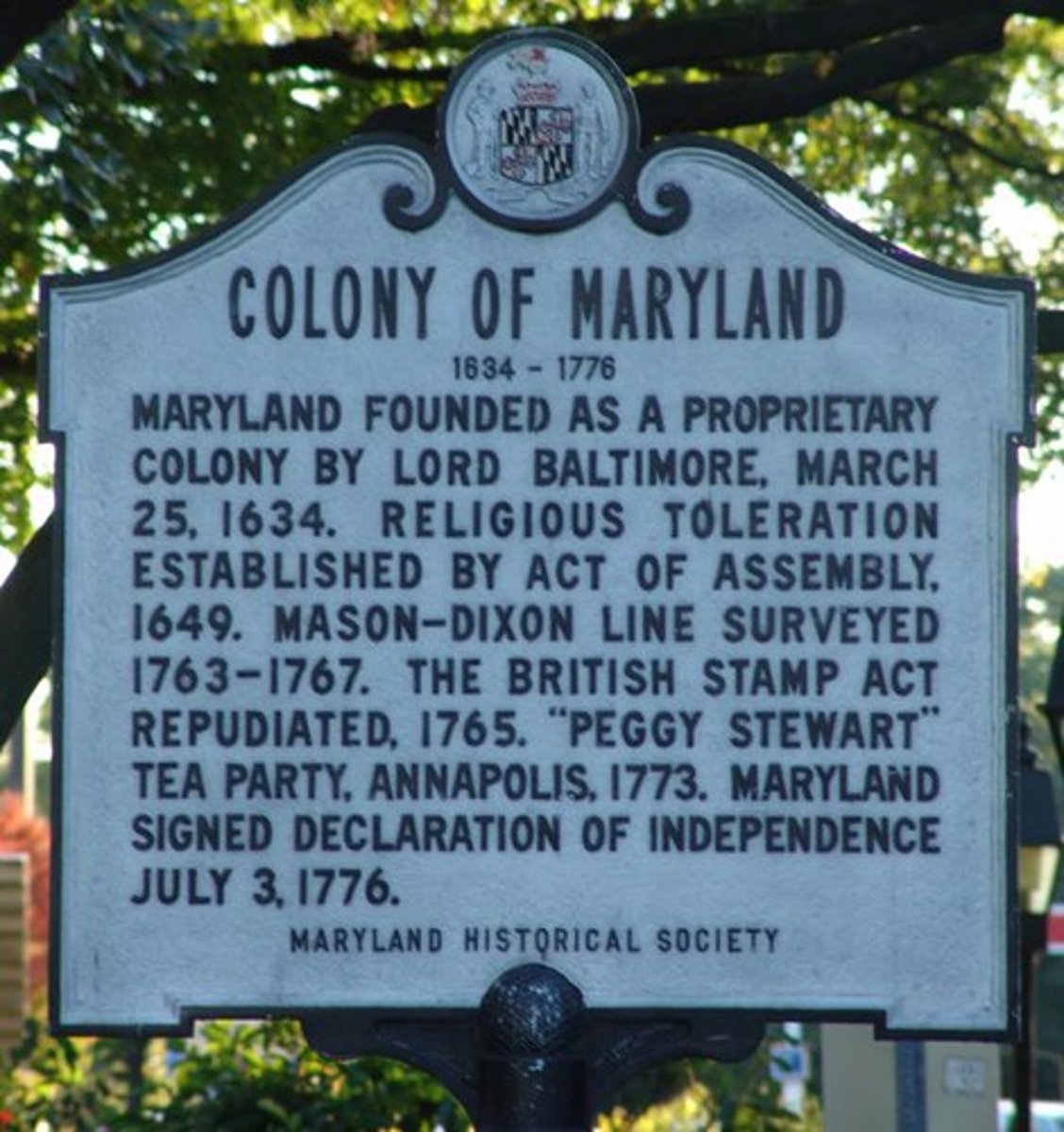
proprietary
Concerning exclusive legal ownership, as of colonies granted to individuals by the monarch.
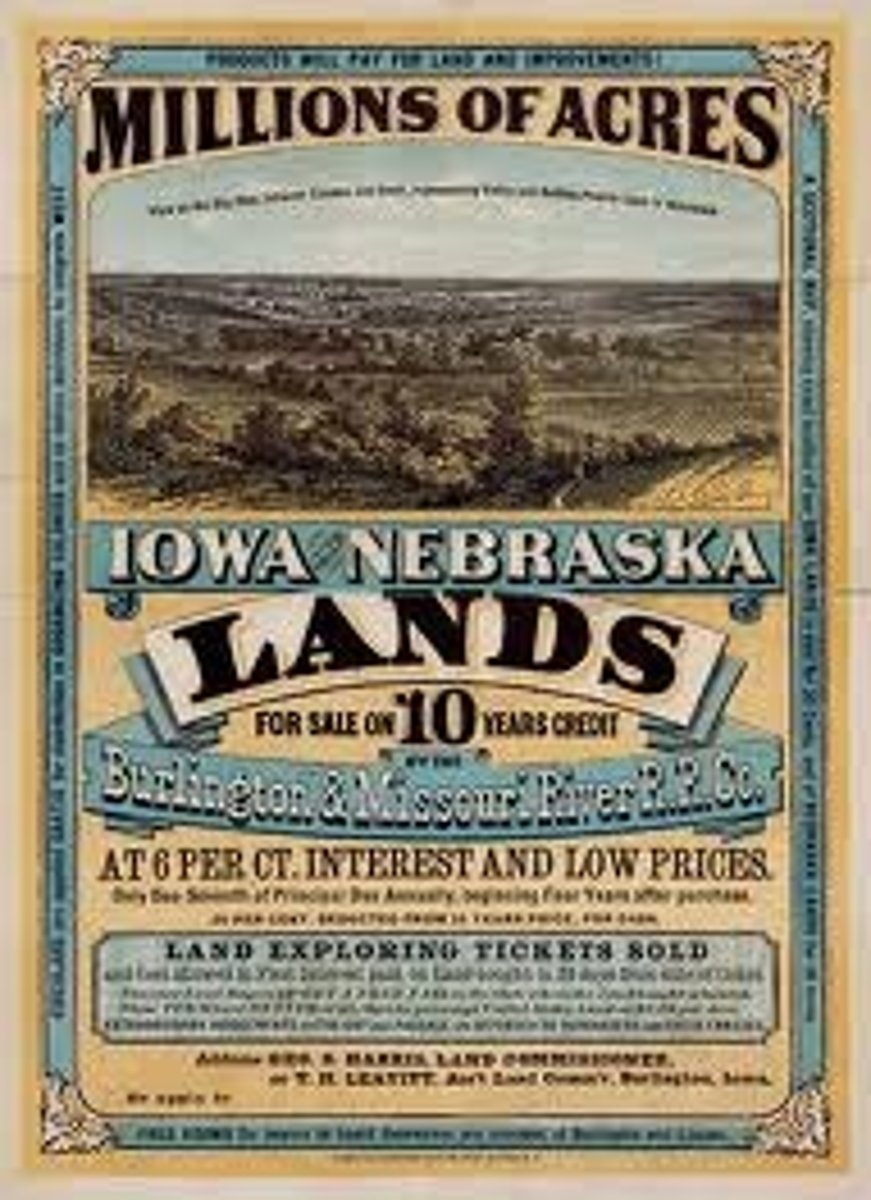
headright
The right to acquire a certain amount of land granted to the person who finances the passage of a laborer.
tidewater
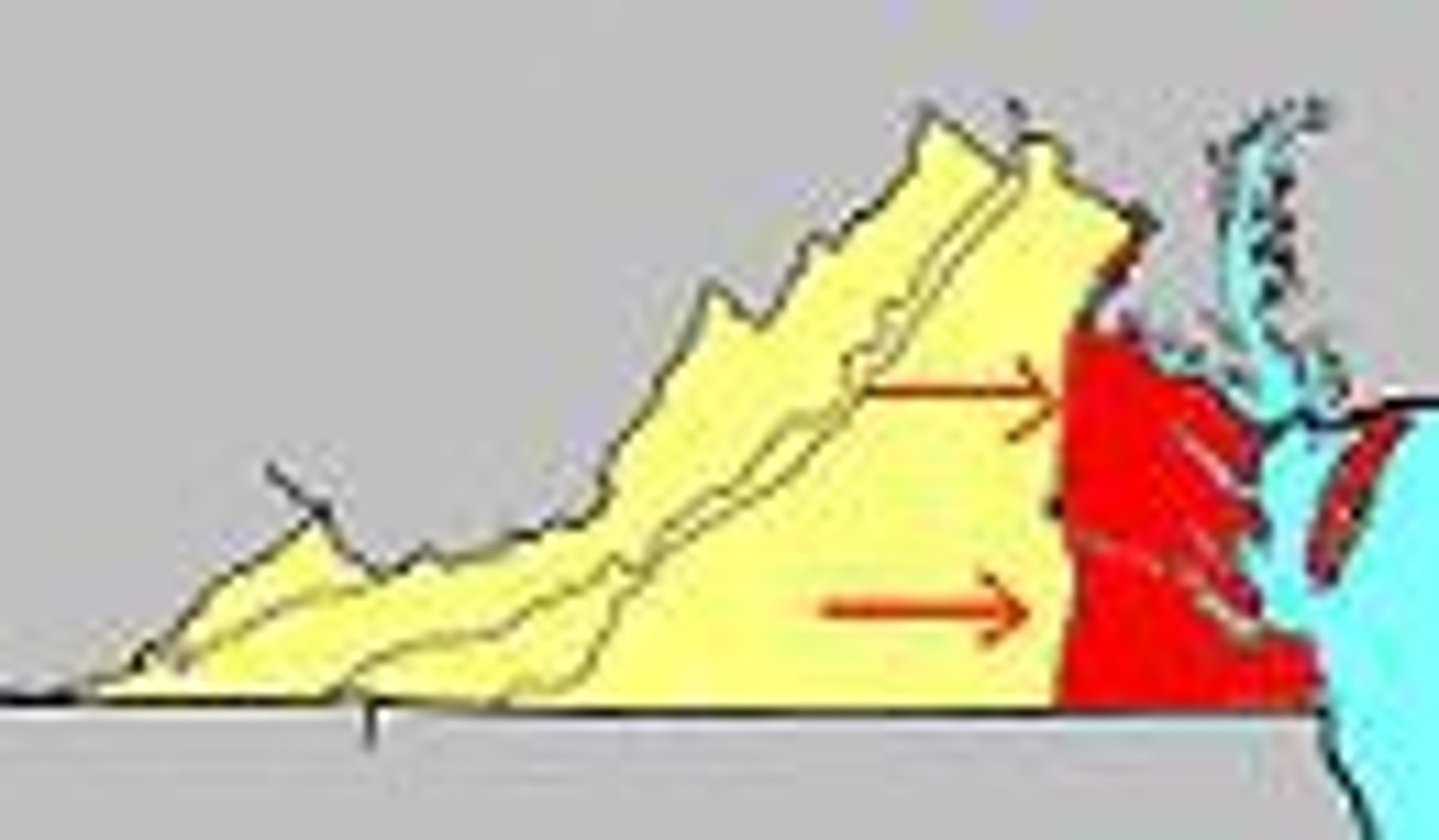
The territory adjoining water affected by tides-this is, near the seacoast or coastal rivers.
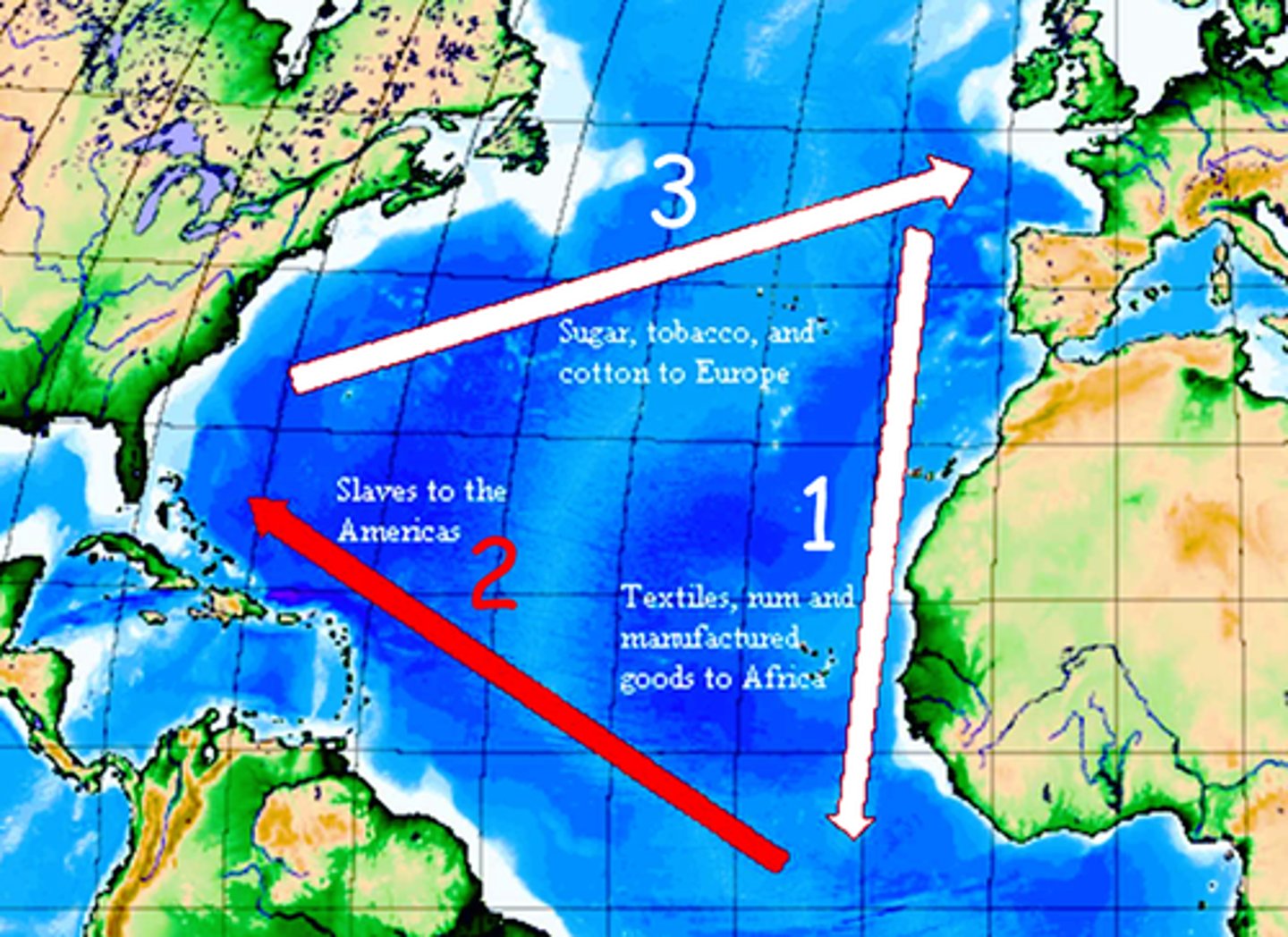
middle passage
That portion of a slave ship's journey in which slaves were carried from Africa to the Americas.
hinterland
Inland region back from a port, river, or the seacoast.
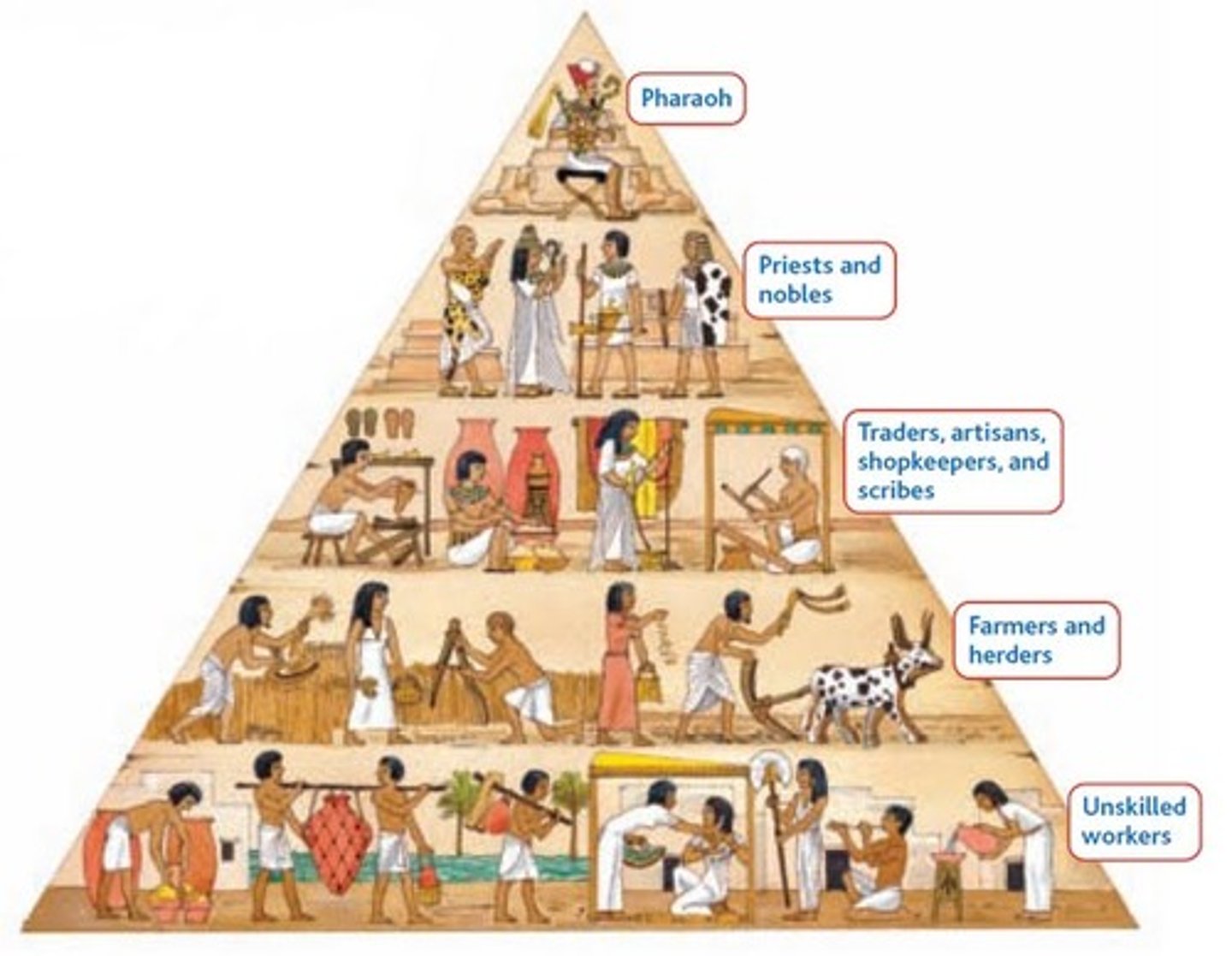
stratification
The visible arrangement of society into a hierarchical pattern, with distinct social groups layered one on top of the other.
indentured servants
A person under contract to work for another person for a definite period of time, usually without pay but in exchange for free passage to a new country. During the seventeenth century most of the white laborers in Maryland and Virginia came from England as indentured servants.
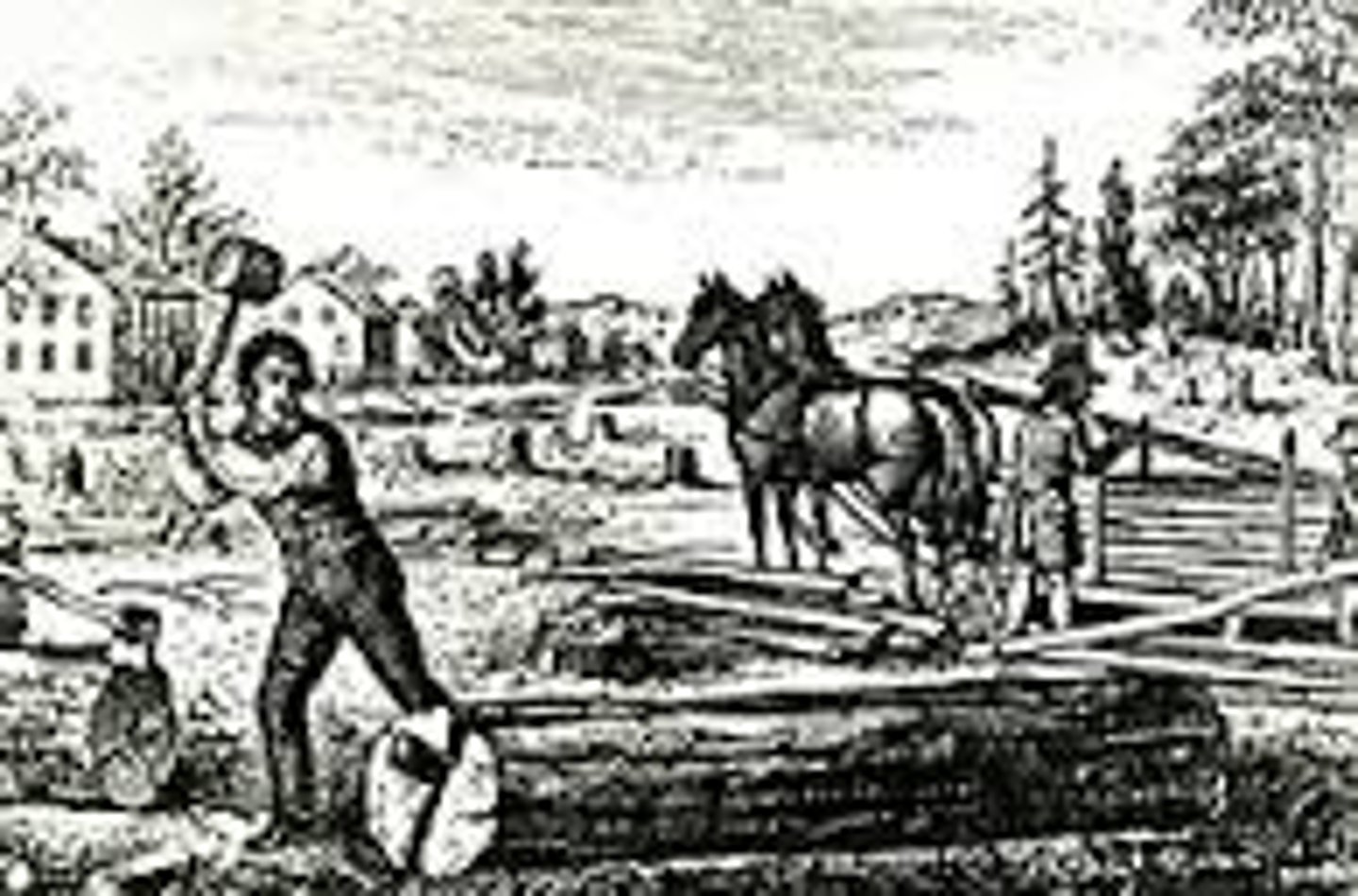
Puritan
A member of a group of English Protestants of the late 16th and 17th centuries who regarded the Reformation of the Church of England under Elizabeth as incomplete and sought to simplify and regulate forms of worship.
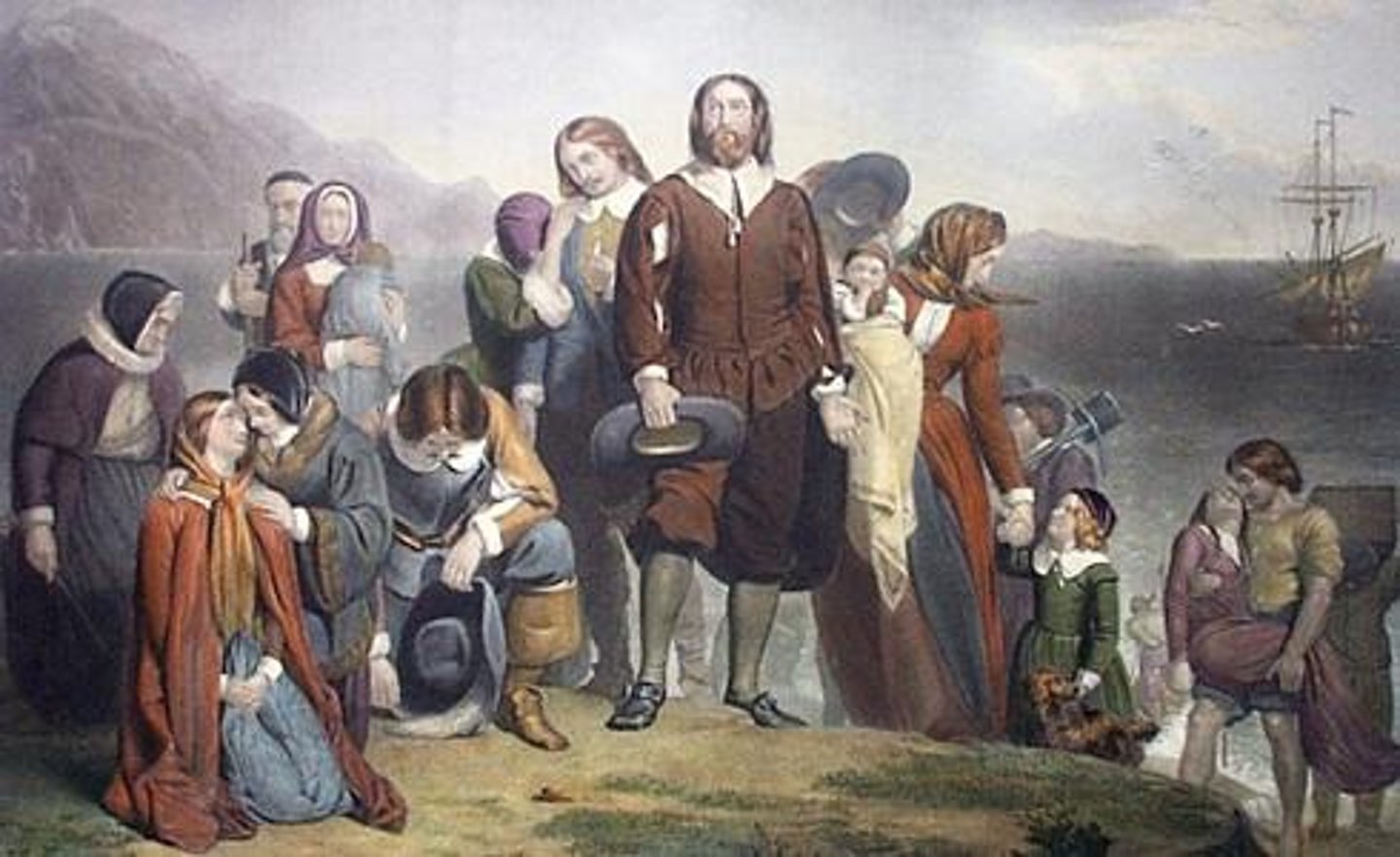
Export Economy
Economy whose growth depends to a great extent on the export sector (i.e. selling to other countries) rather than domestic demand.
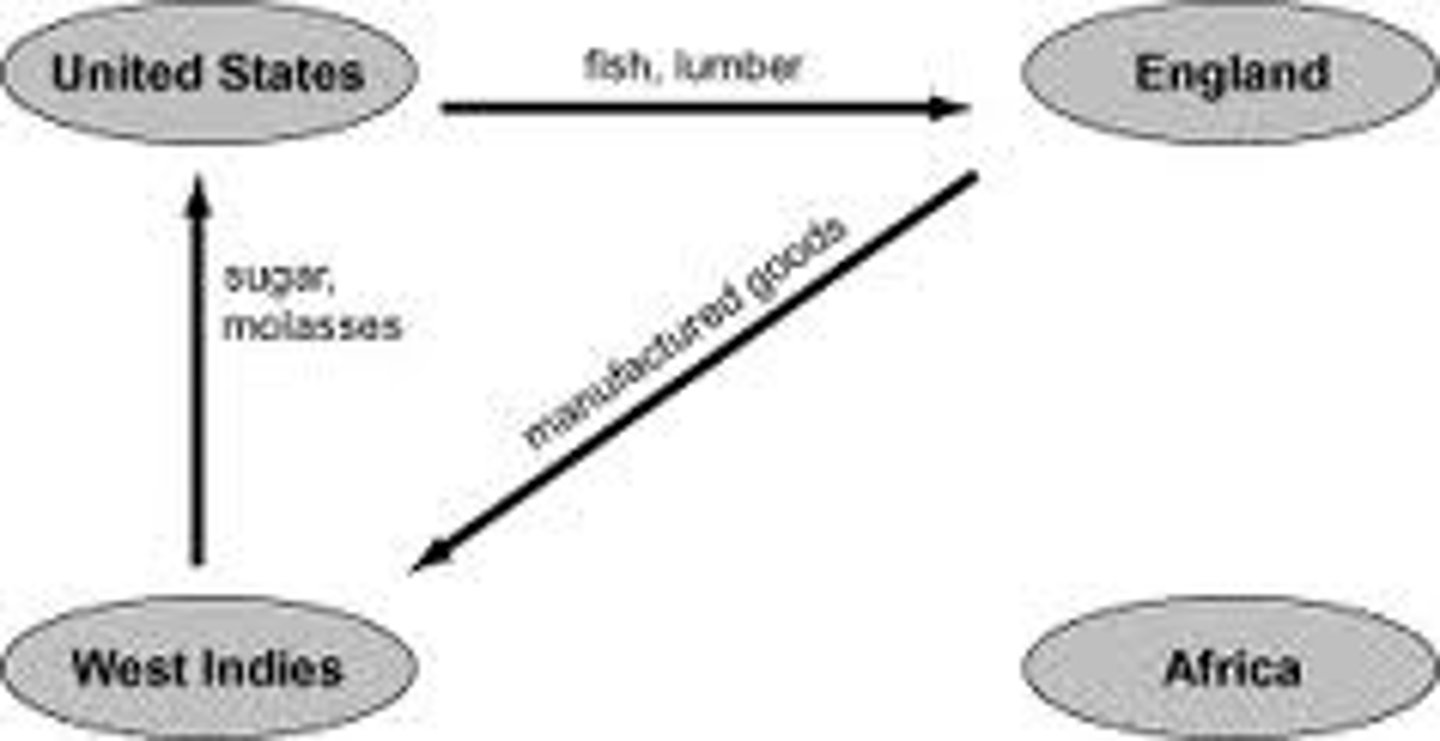
Participatory Town Meetings
Originated in New England - town meetings at which normal citizens can participate in making decisions related to politics, government, current events, etc. Noted as one of the first instances of democracy in America.
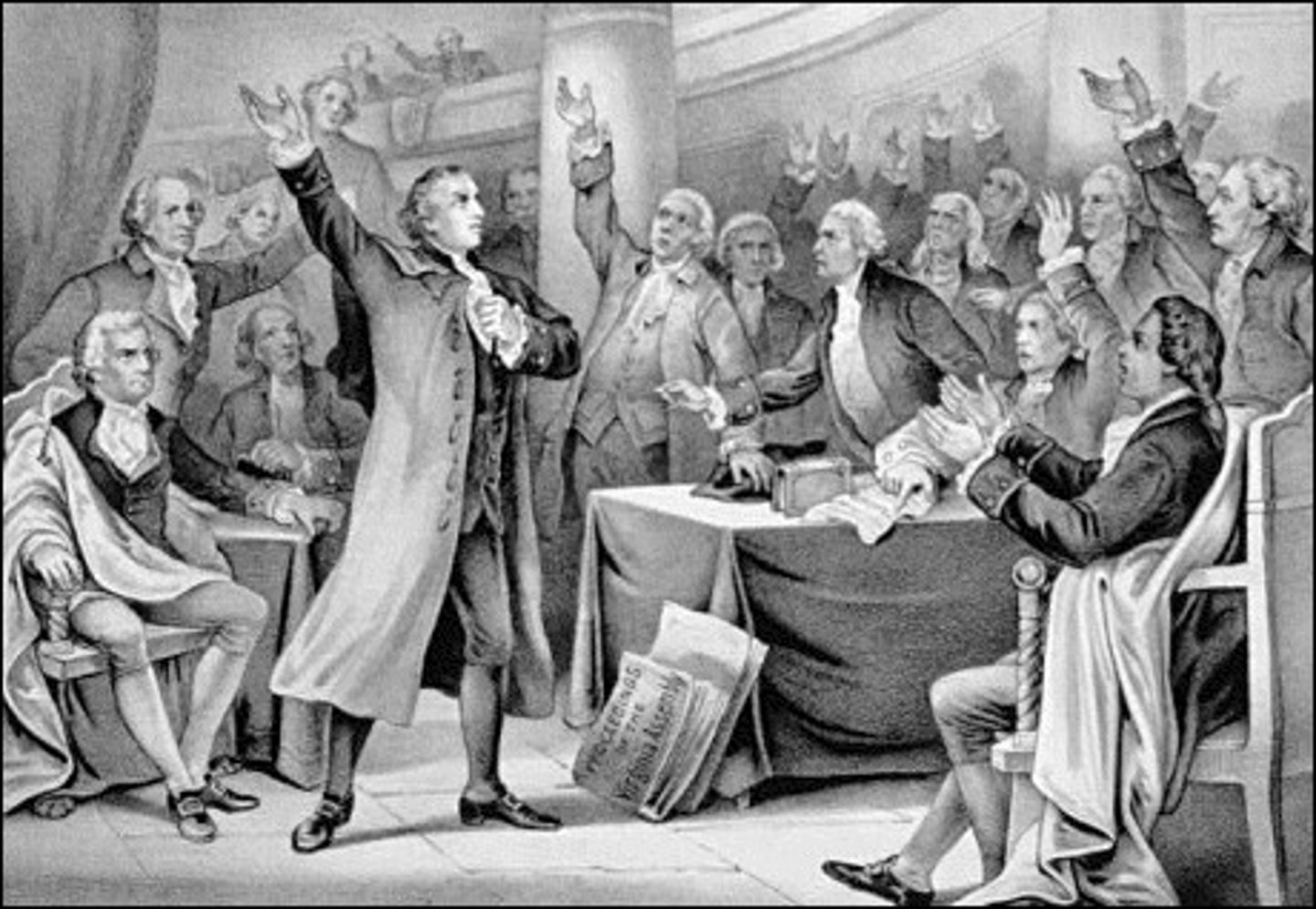
Metacomet's War (King Phillip's War)
An armed conflict between Native American inhabitants of present-day New England and English colonists and their Native American allies in 1675-78. King Phillip (Metacomet) reacted against European encroachment onto the Wampanoag territory, was defeated and humiliated by colonists, forced him to sign a new peace agreement that included the surrender of Indian guns.
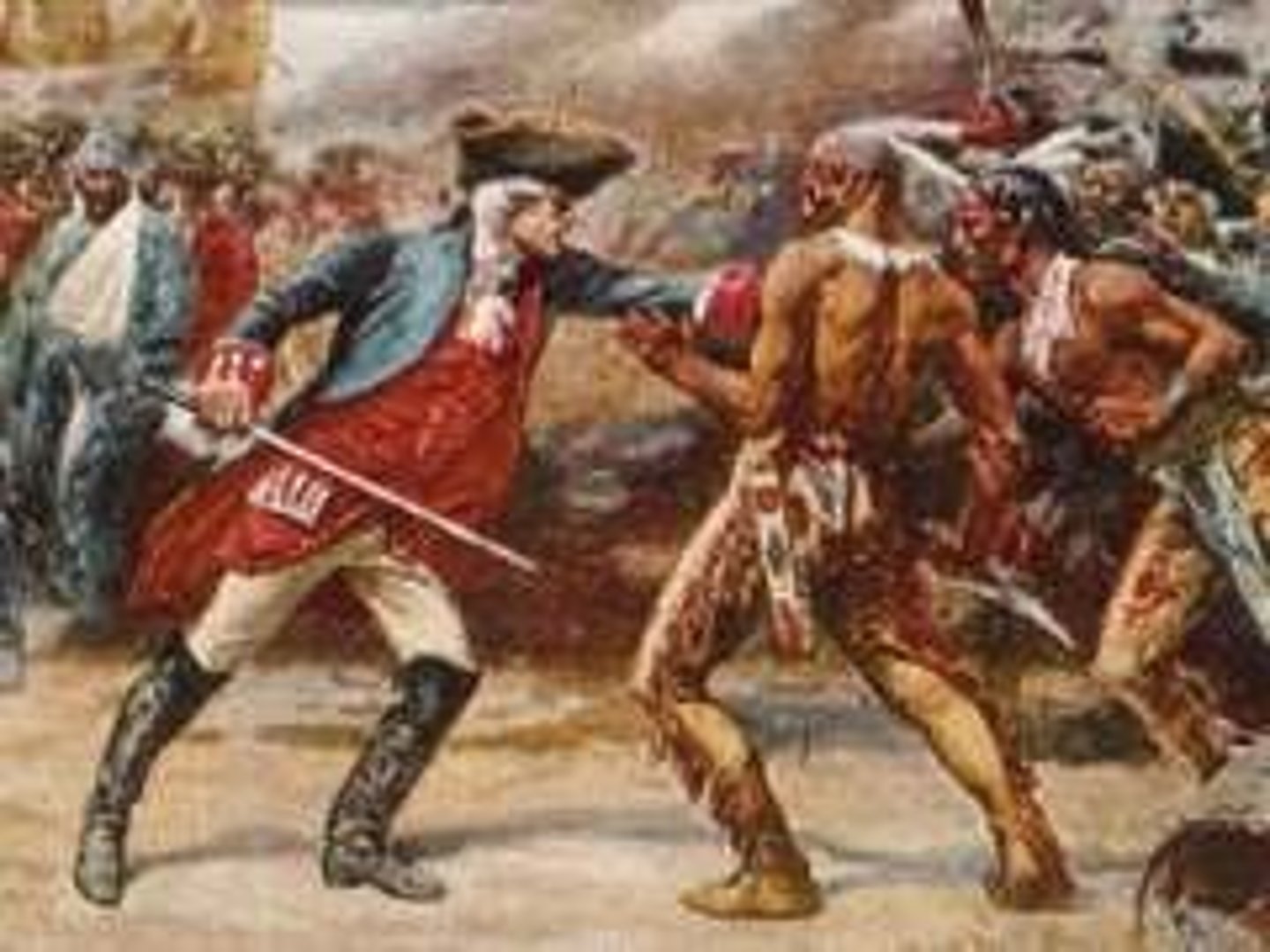
Pueblo Revolt
1680 - An uprising of most of the indigenous Pueblo people against the Spanish colonizers in the province of Santa Fe de Nuevo México, present day New Mexico. The Pueblo Revolt killed 400 Spanish and drove the remaining 2,000 settlers out of the province.
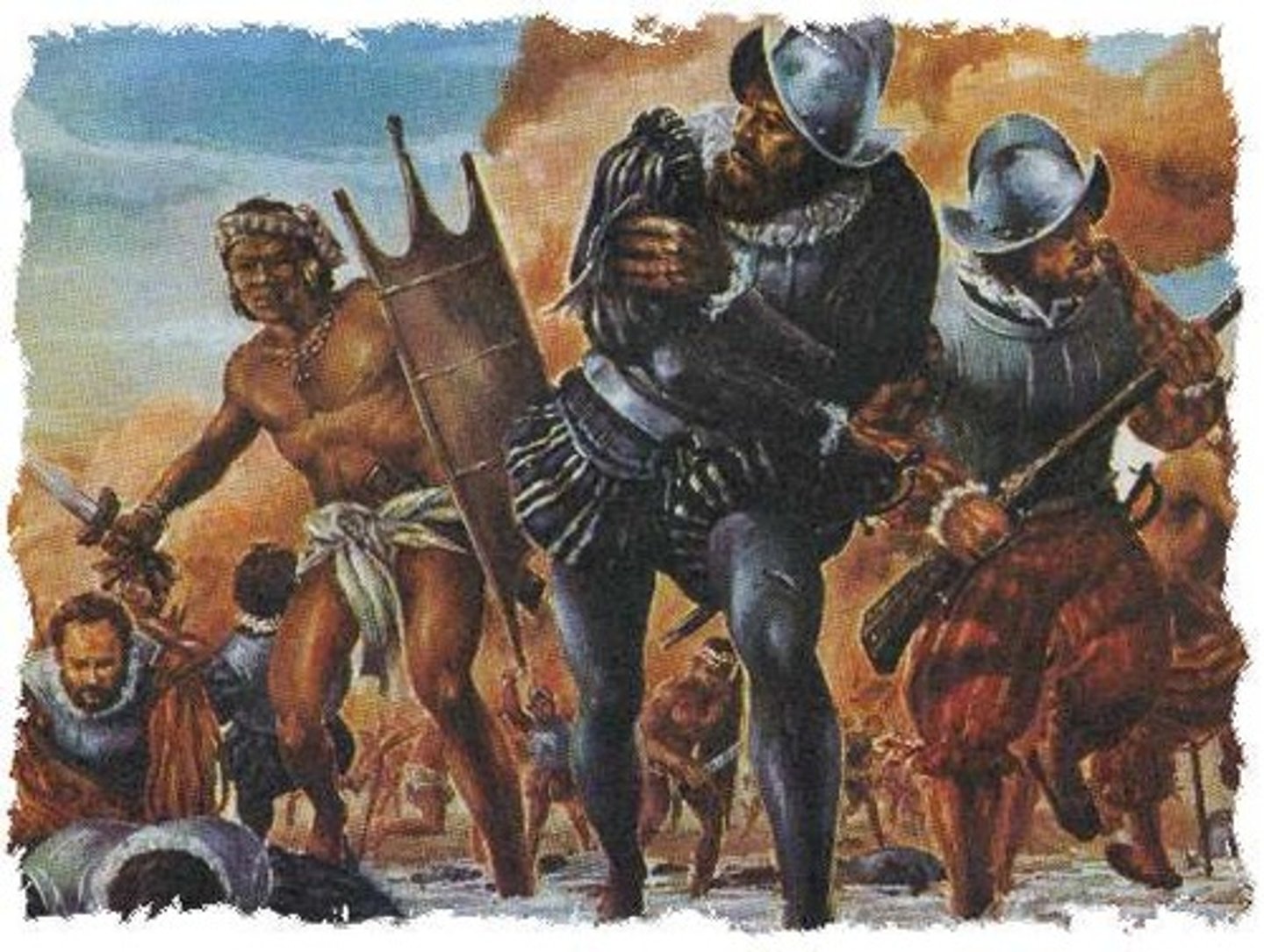
Pluralism
The recognition and affirmation of diversity within a political body, which permits the peaceful coexistence of different interests, convictions and lifestyles.
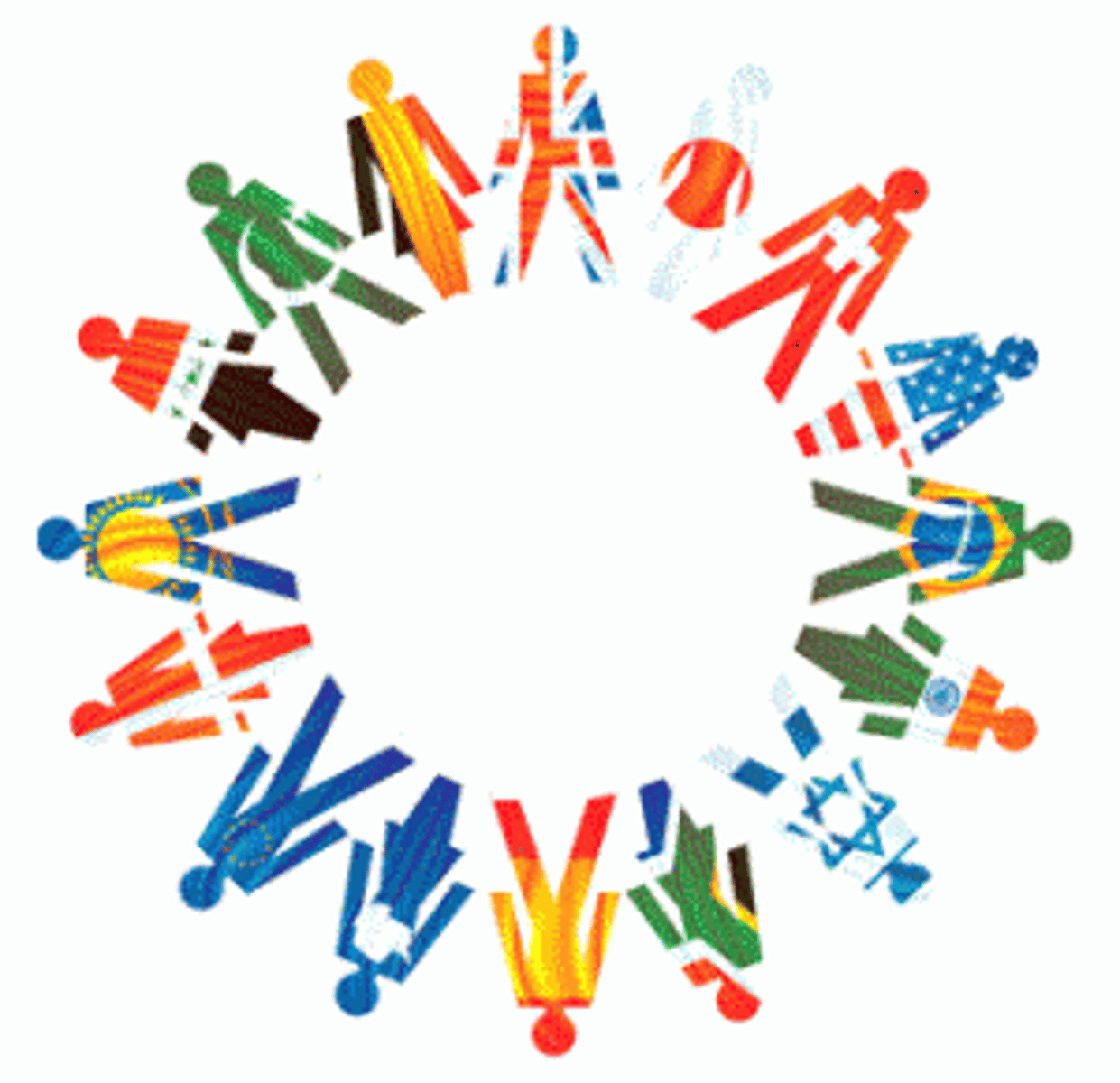
Great Awakening
An evangelical and revitalization movement that swept Protestant Europe and British America, and especially the American colonies in the 1730s and 1740s
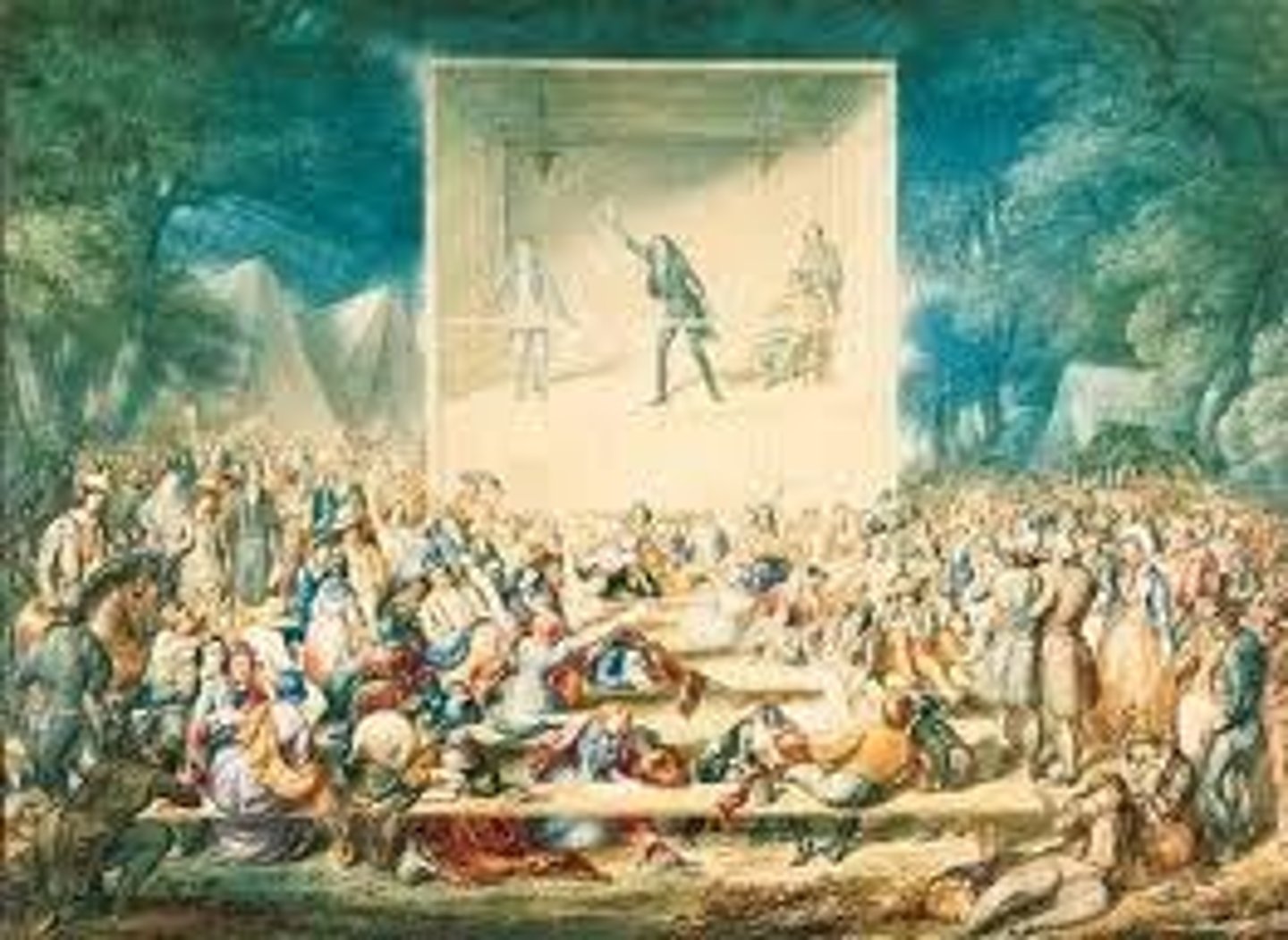
Enlightenment
The Enlightenment included a range of ideas centered on reason as the primary source of authority andlegitimacy. Advanced ideals such as liberty, progress, tolerance, fraternity, constitutional governmentand ending the perceived abuses of the church and state.
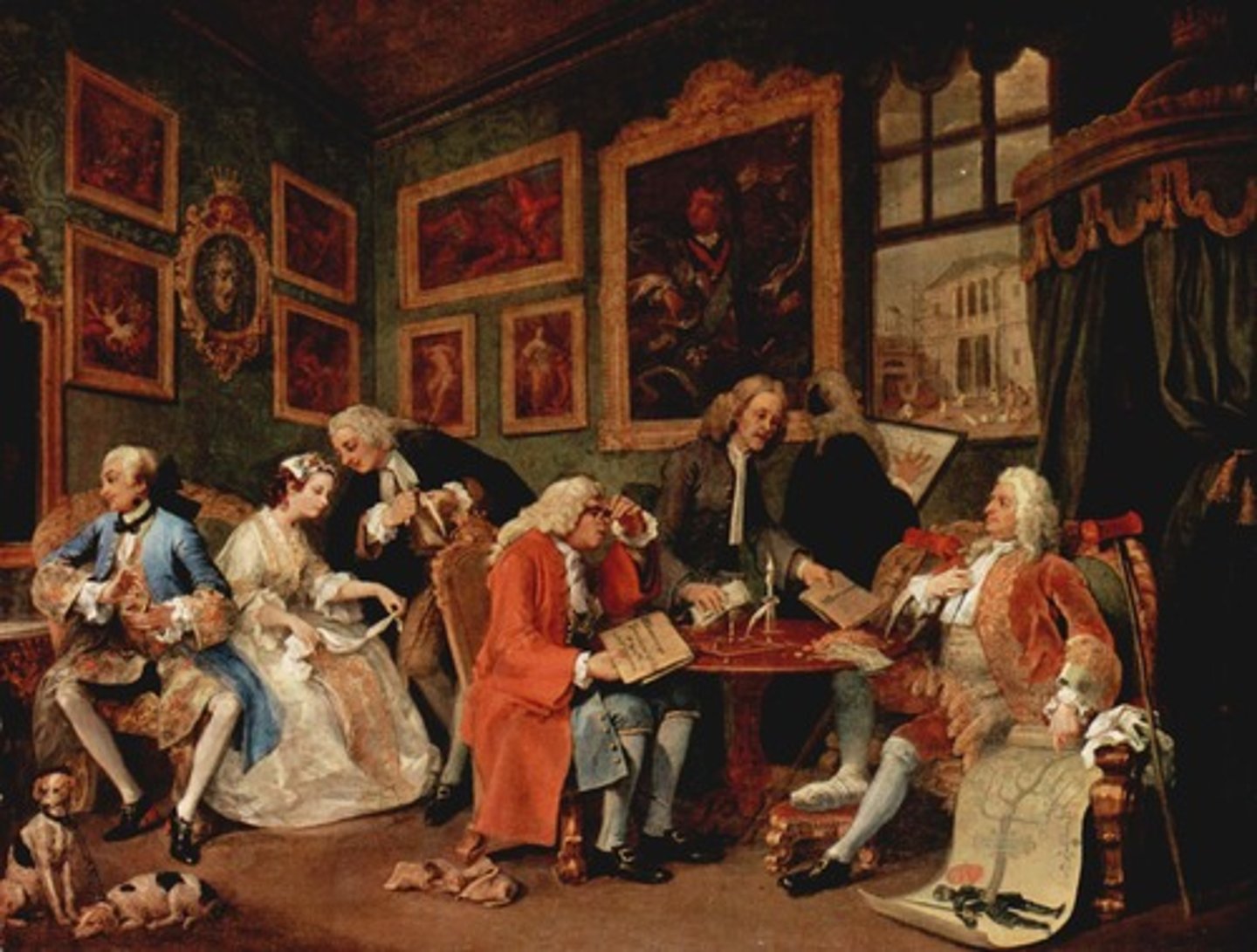
Anglicization
The act of making something English in either form or character.
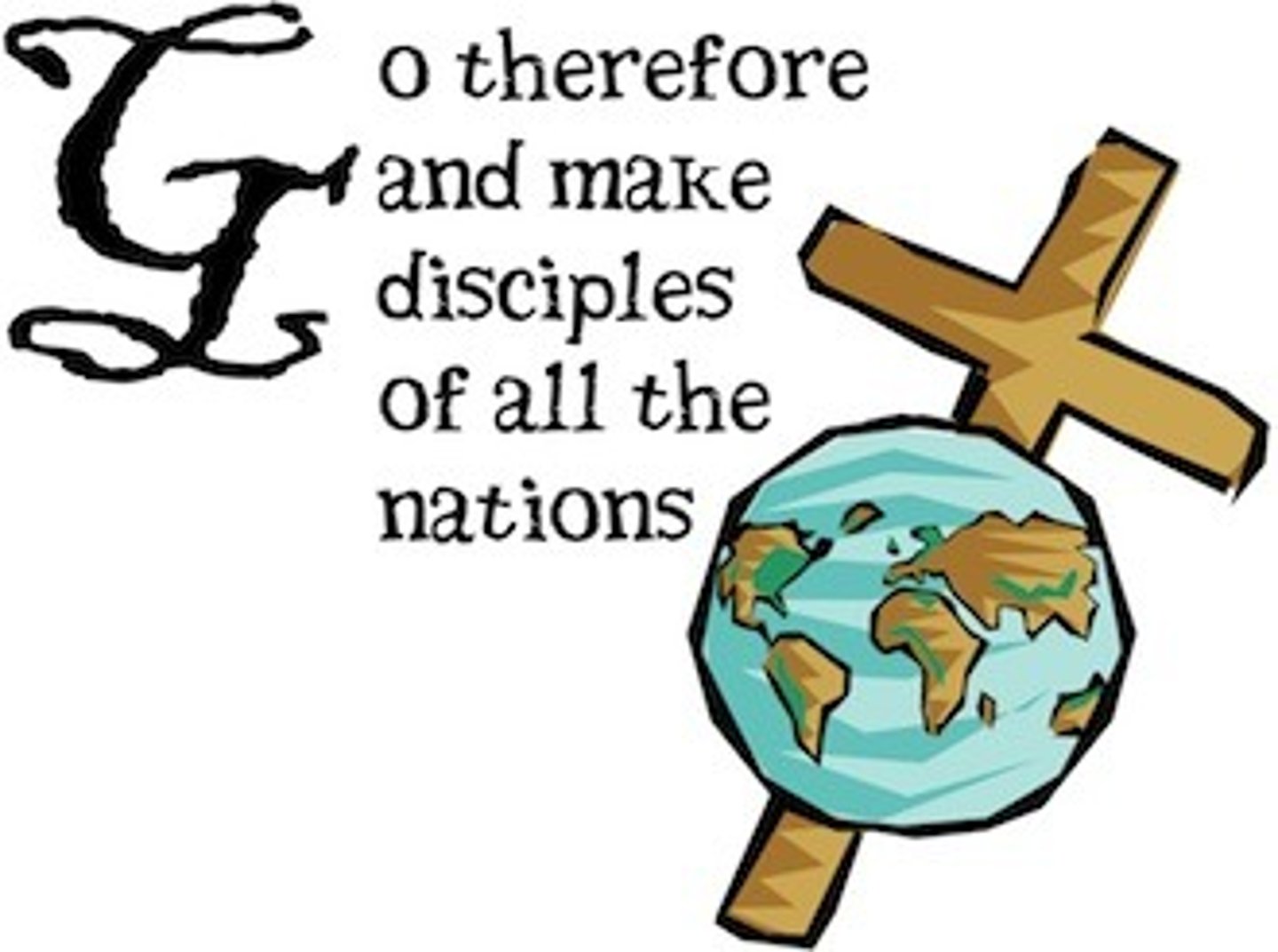
Protestant Evangelicalism
A strain of protestantism that stresses the preaching of the gospel of Jesus Christ, personal conversion experiences, Scripture as the sole basis for faith, and active evangelism (the winning of personal commitments to Christ).
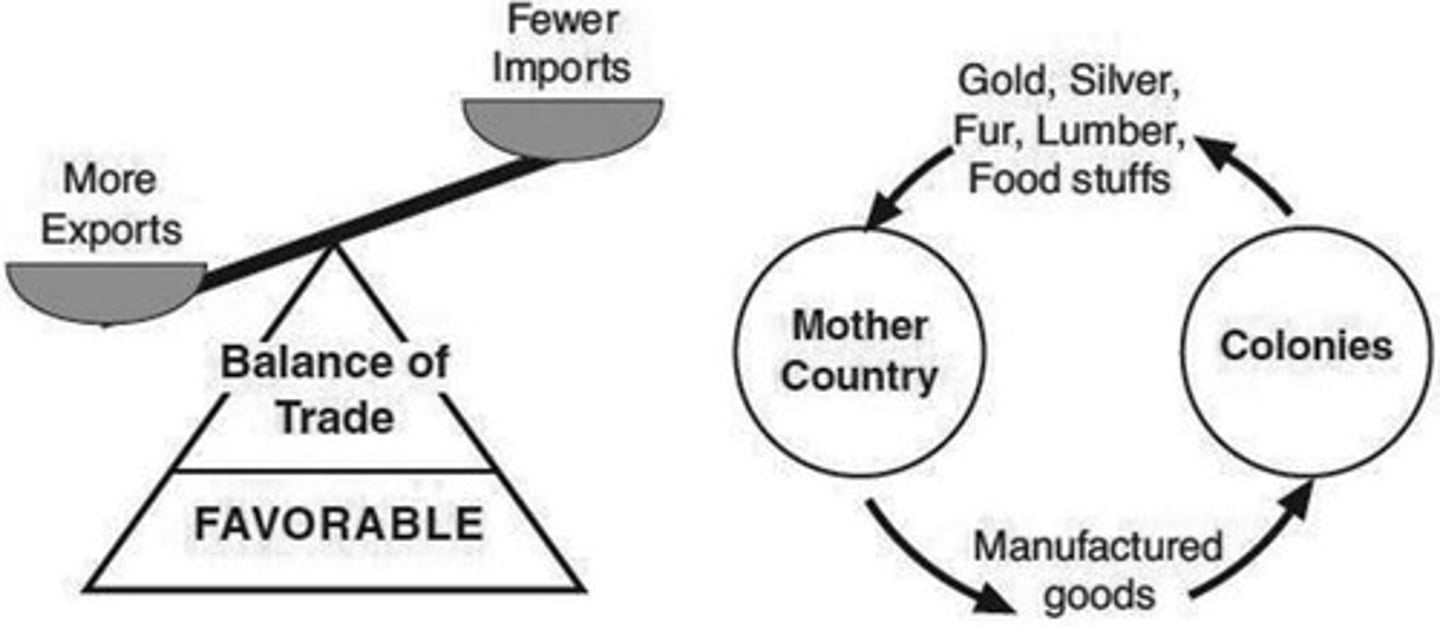
Mercantilism
An enconomic theory that promoted governmental regulation of a nation's economy for the purpose of augmenting state power at the expense of rival national powers. (Think: the economic counterpart of political absolutism)
Separatists
People who believed the Church of England retained too many traces of its Catholic origin and thus, could not be made holy again. Those who formally left the established state church.
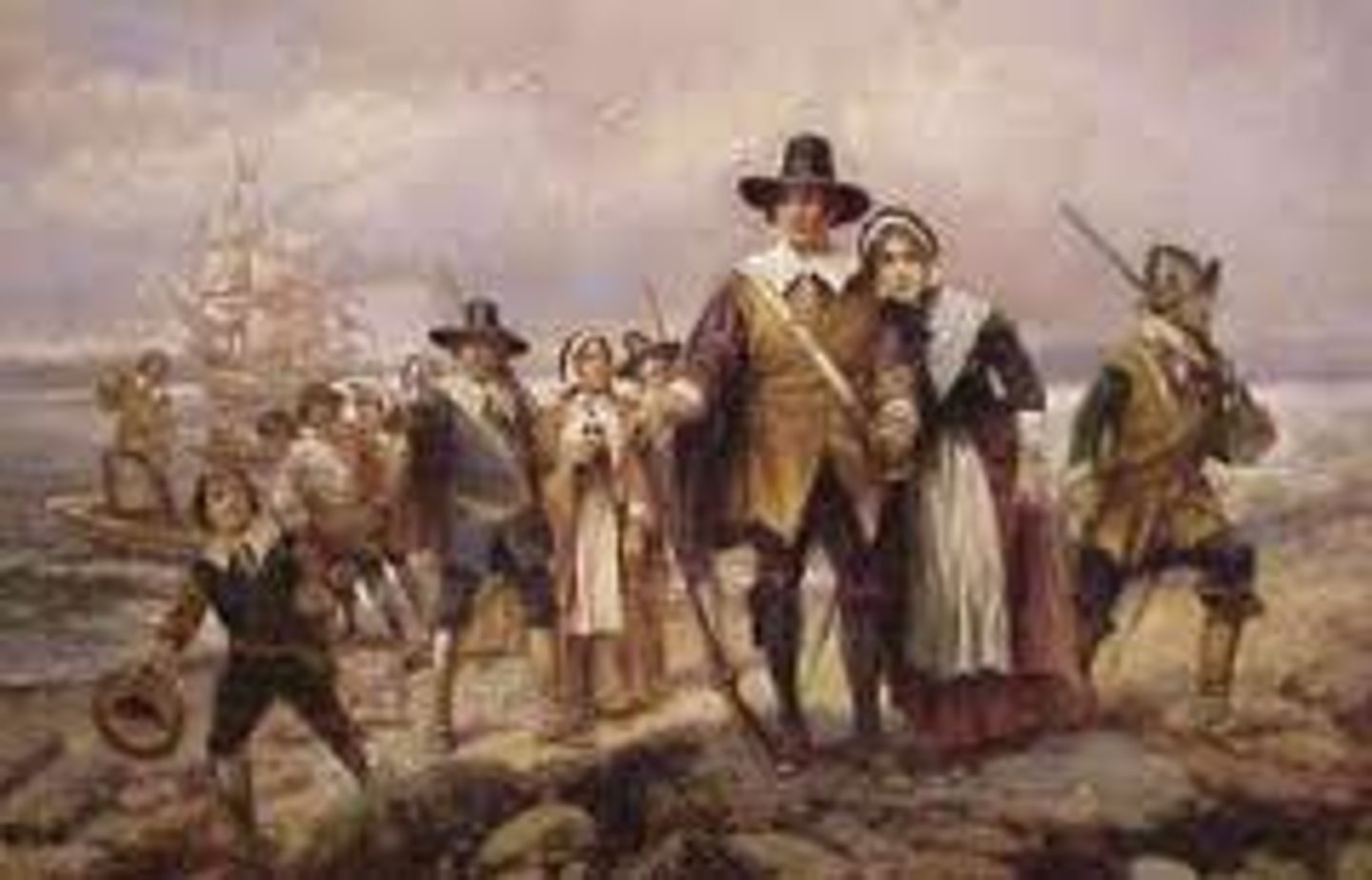
Congregationalism
A system of organization among Christian churches whereby individual local churches are largely self-governing.
Quaker
Christians basing their message on the religious belief that "Christ has come to teach his people himself", stressing the importance of a direct relationship with God through Jesus Christ, and a direct religious belief in the universal priesthood of all believers.
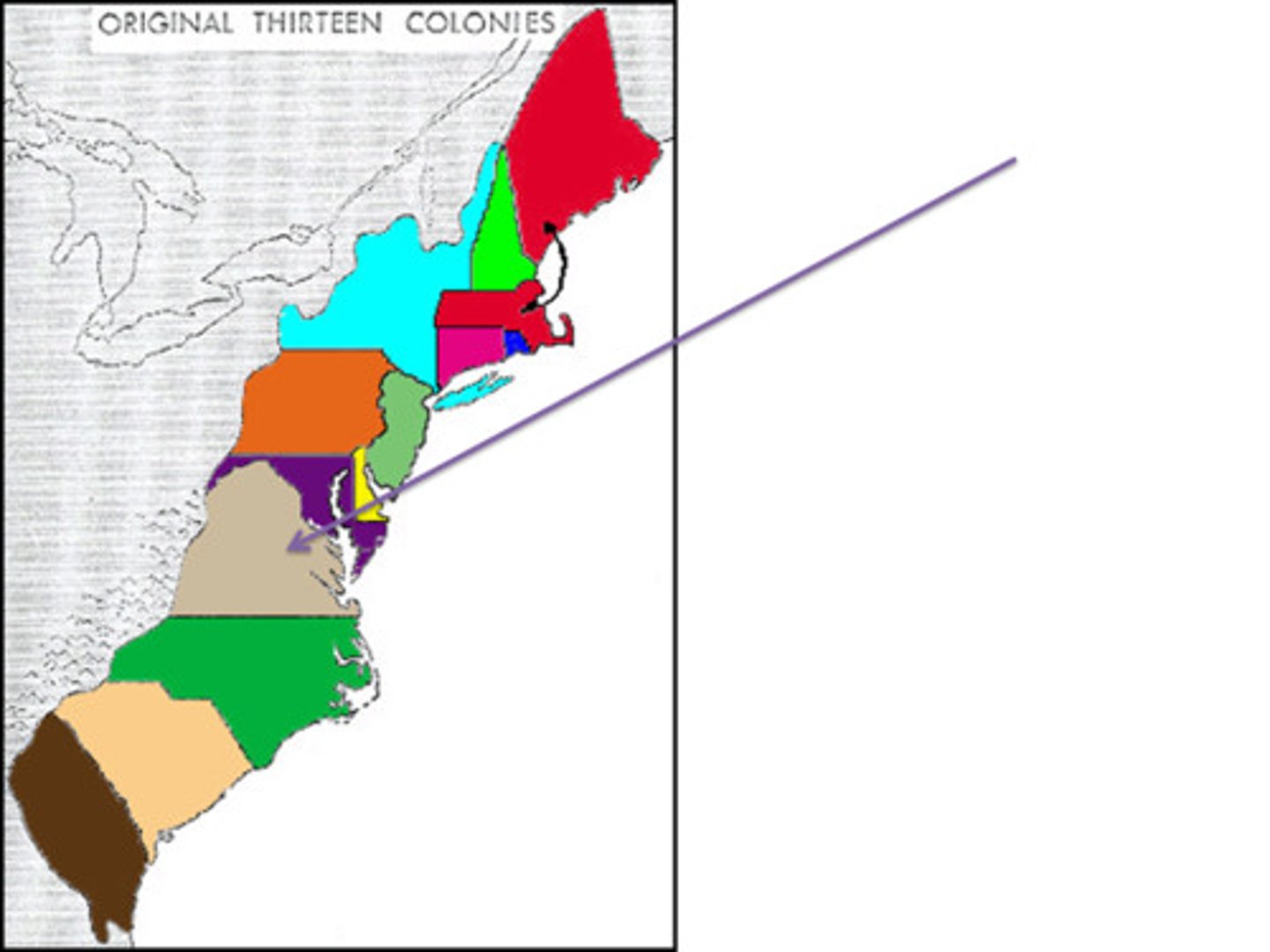
Virginia
The first colony of the original thirteen. The birthplace of both presidents and future generals, but also the birthplace of African slavery in English America. This company eventually went bankrupt and was salvaged by becoming a royal colony with a royal governor, William Berkeley, in 1642.
House of Burgesses
Frist representative assembly in the Western Hemisphere, established in Jamestown to protect the property and other rights of Englishmen.
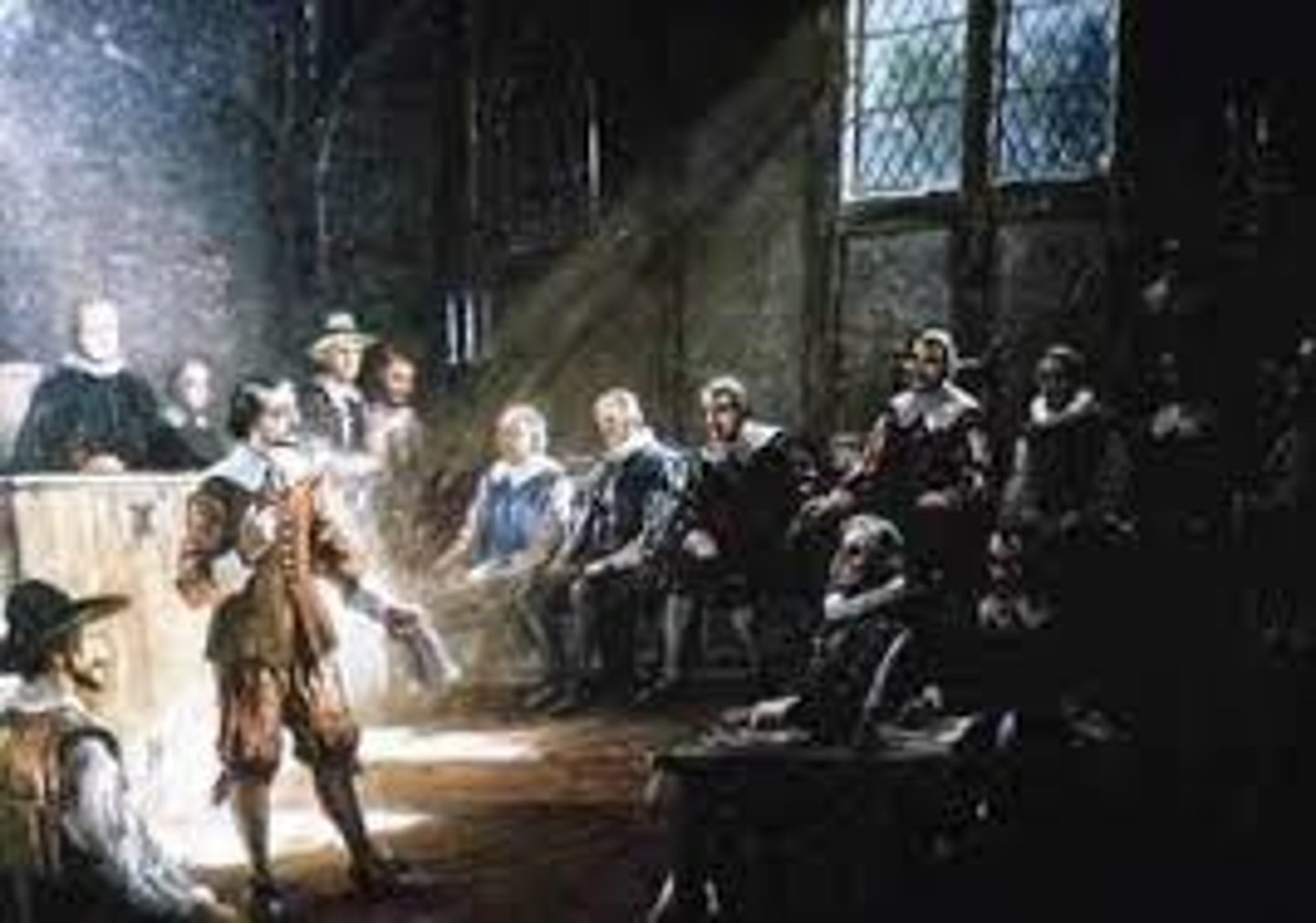
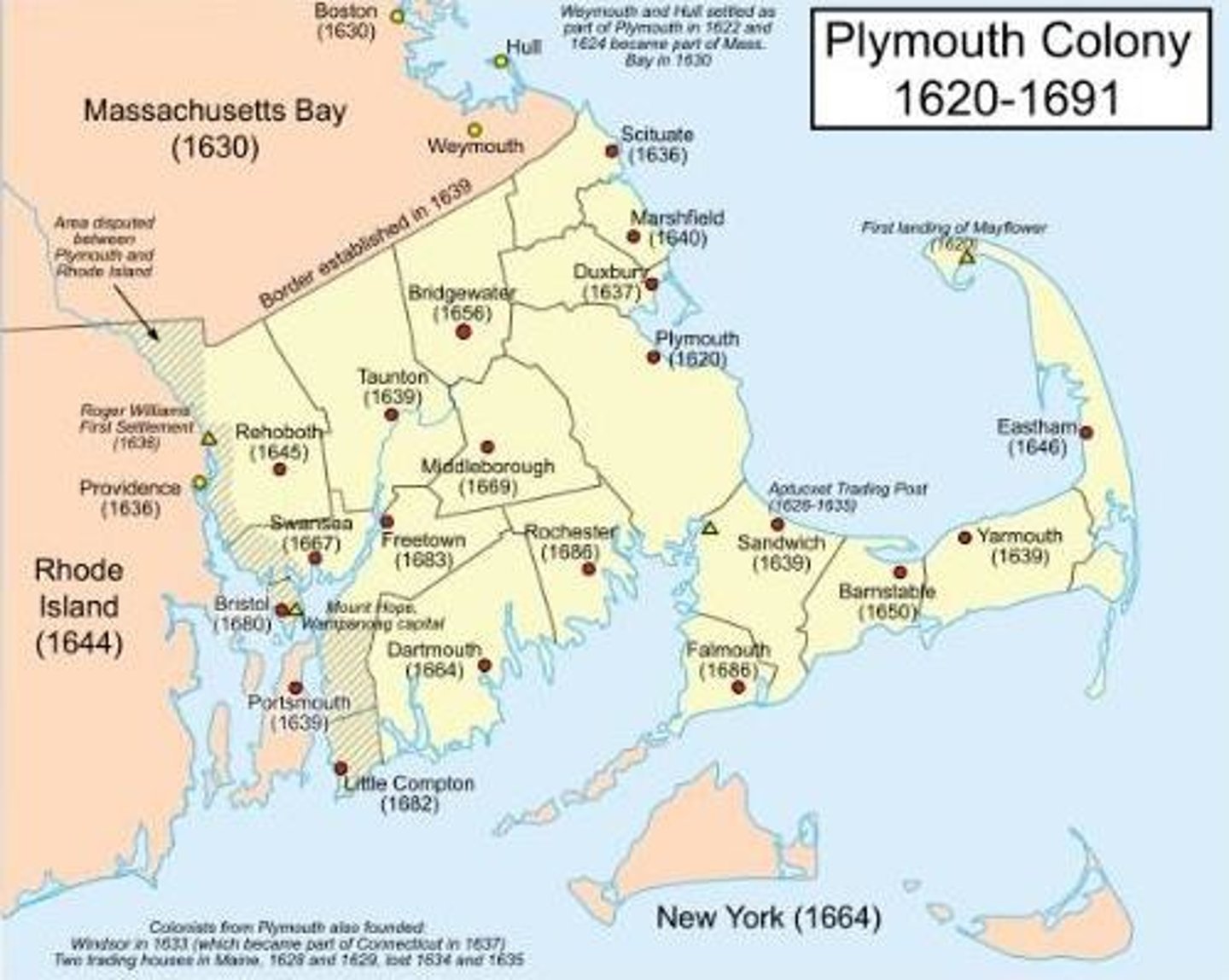
Plymouth Colony
A short-lived but symbolically important colony founded in 1620 at Cape Cod by Separatists and other more secularly-minded colonists. There, 100 surviving colonists signed the Mayflower Compact to increase obligation to stand together. This colony was eventually absorbed by its much larger neighbor, the Massachusetts Bay Colony. William Bradford, the long-term governor of the colony, recorded this history in Of Plymouth Plantation.
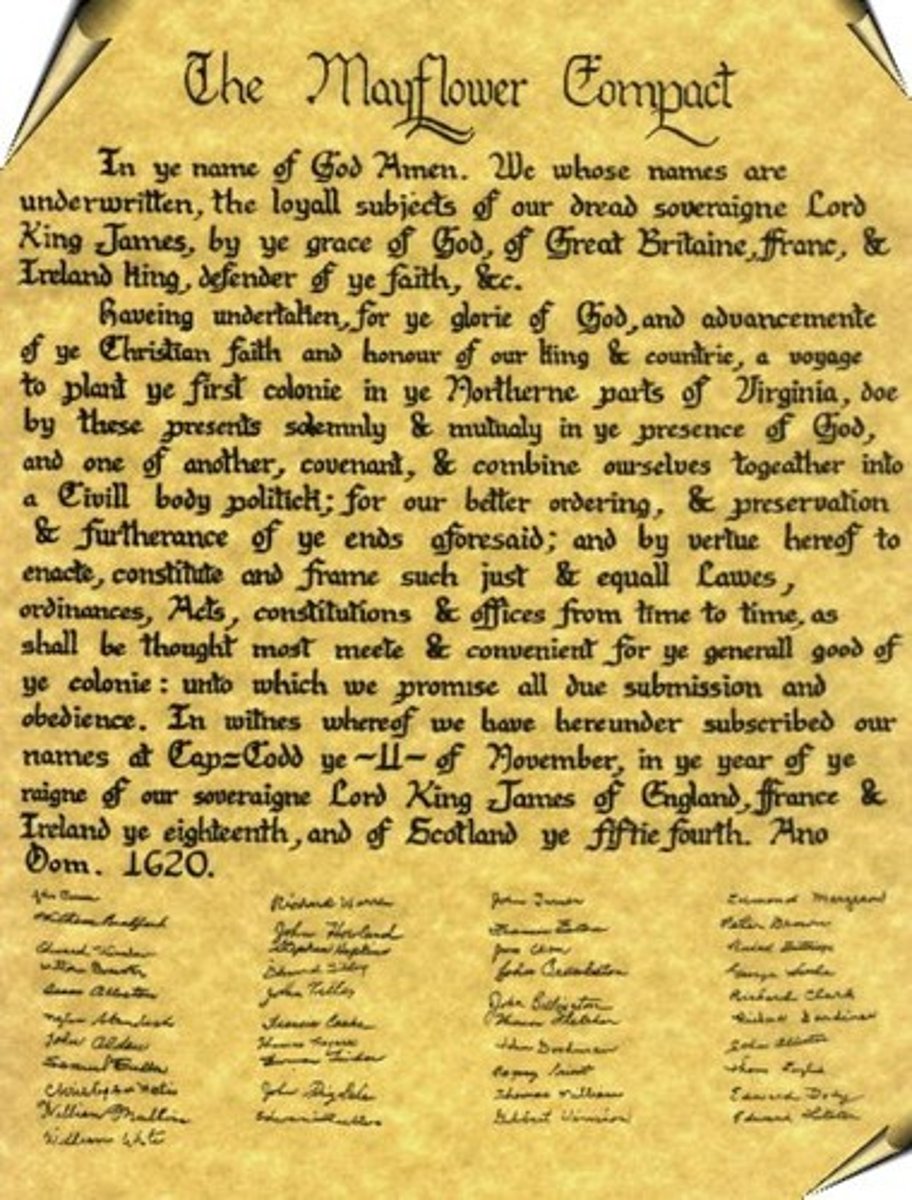
Mayflower Compact
Considered the first written constitution of the English-speaking world. Signed by members of the Plymouth colony upon arrival to the New World.
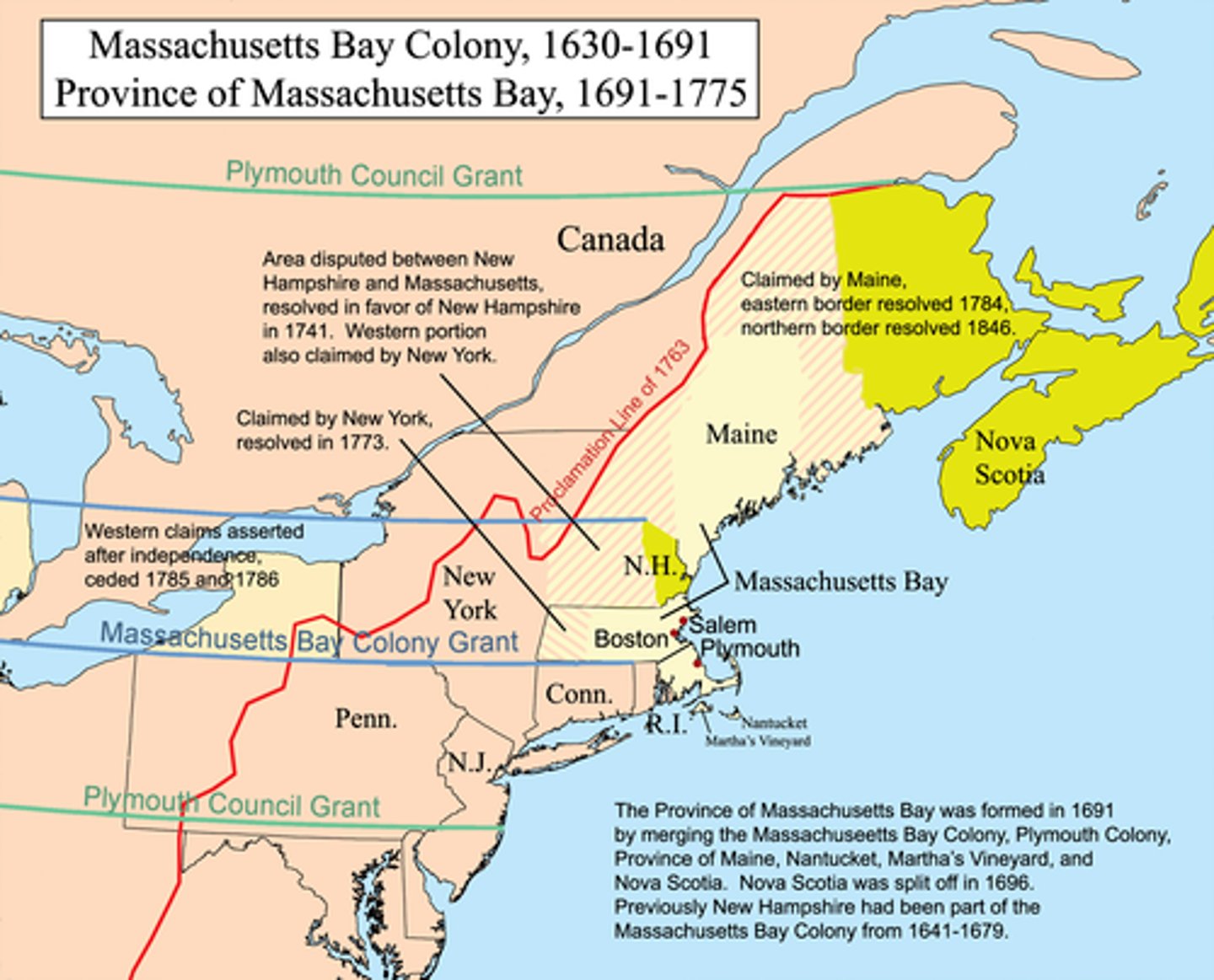
Massachusetts Bay Colony
A Puritan Colony founded by the Massachusetts Bay Company in 1629. Made up of Puritans coming to America during the Great Migration.
Anne Hutchinson
A Bostonian who taught doctrines the Puritans believed to be heretical in her home with several men, even ministers, in attendance. For these acts, she was put on trial for heresay and was banished from Massachusetts.
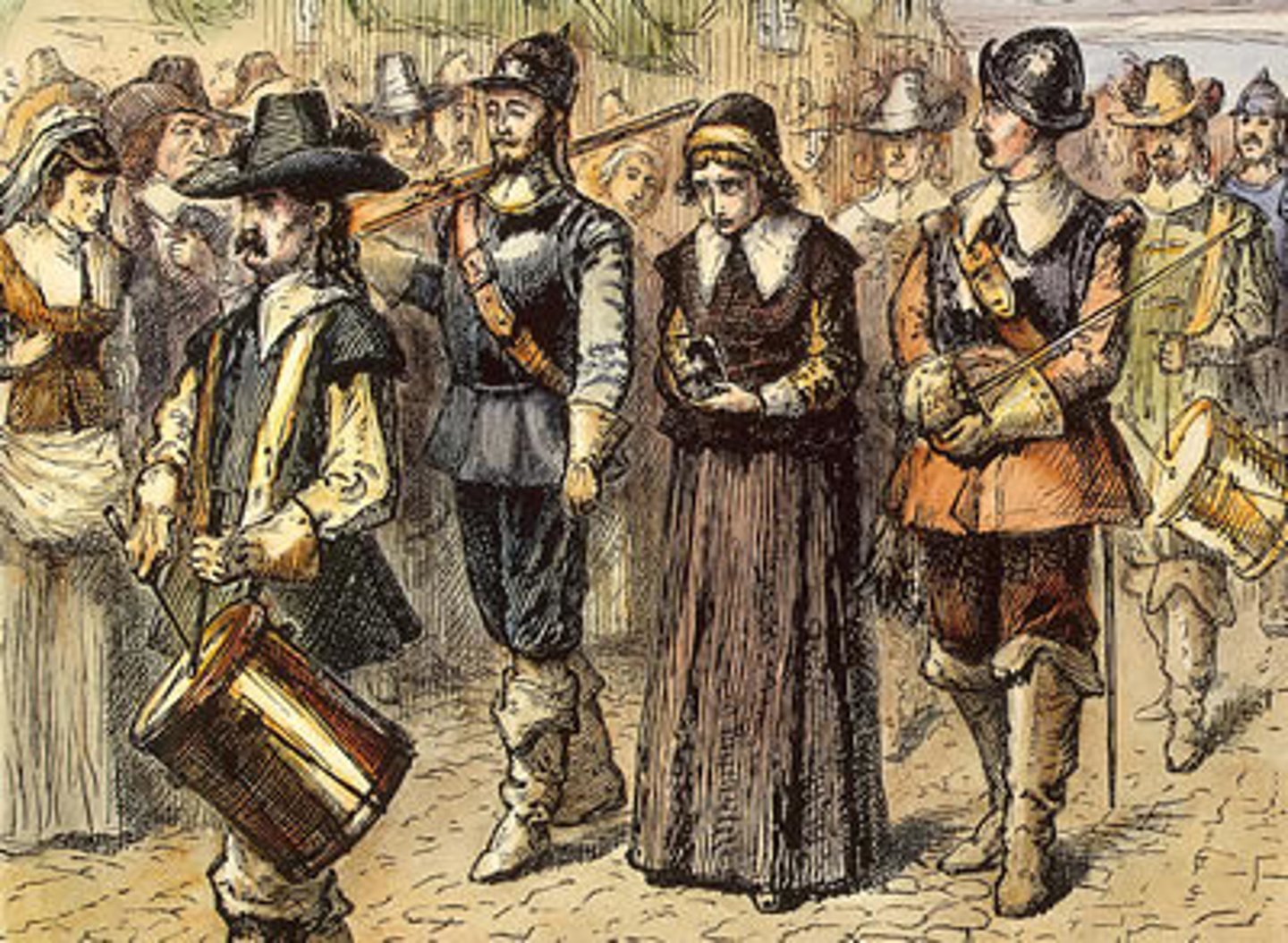
Roger Williams
A Puritan minister; one of the first colonists ot advocate the separation of church and state.
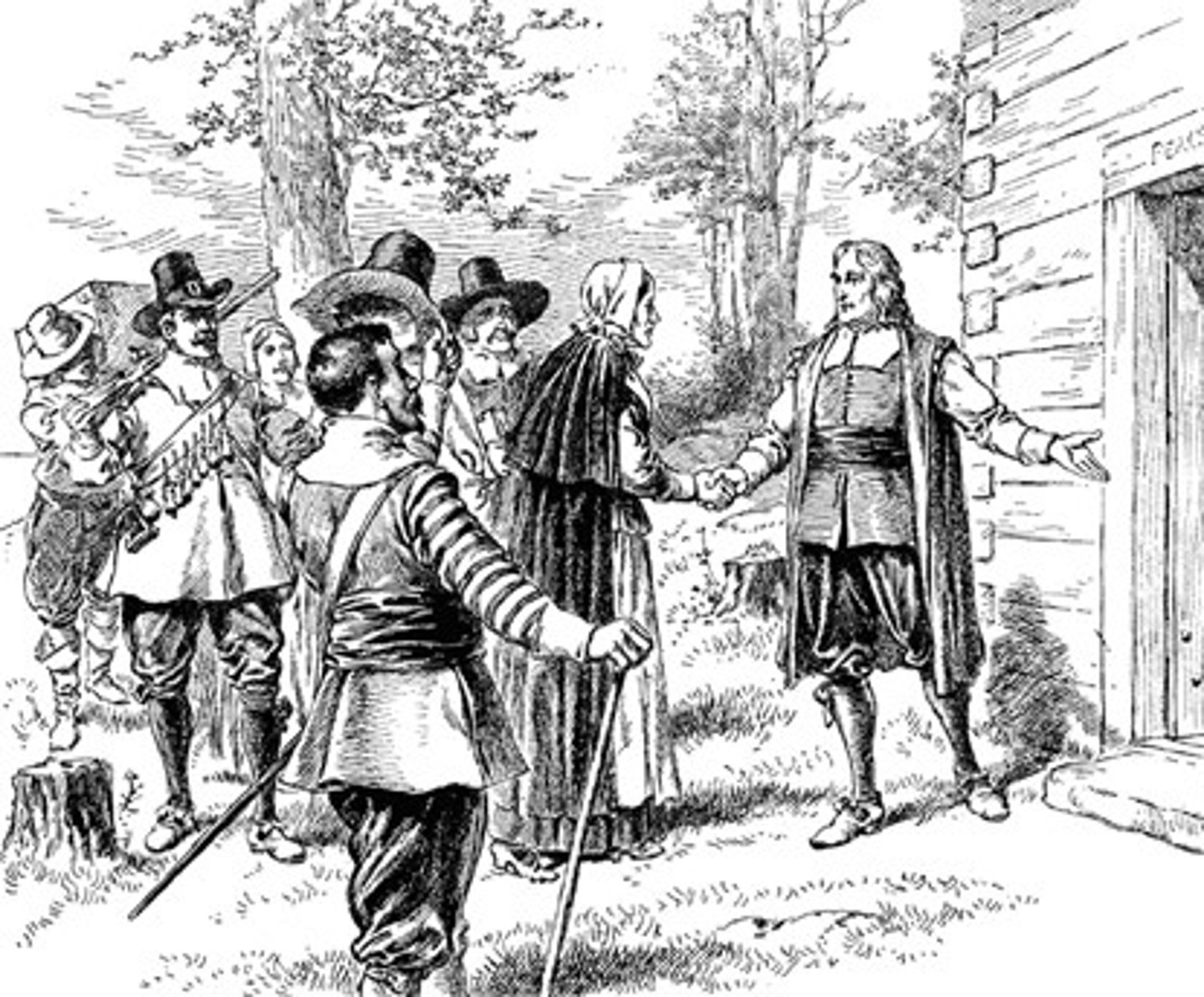
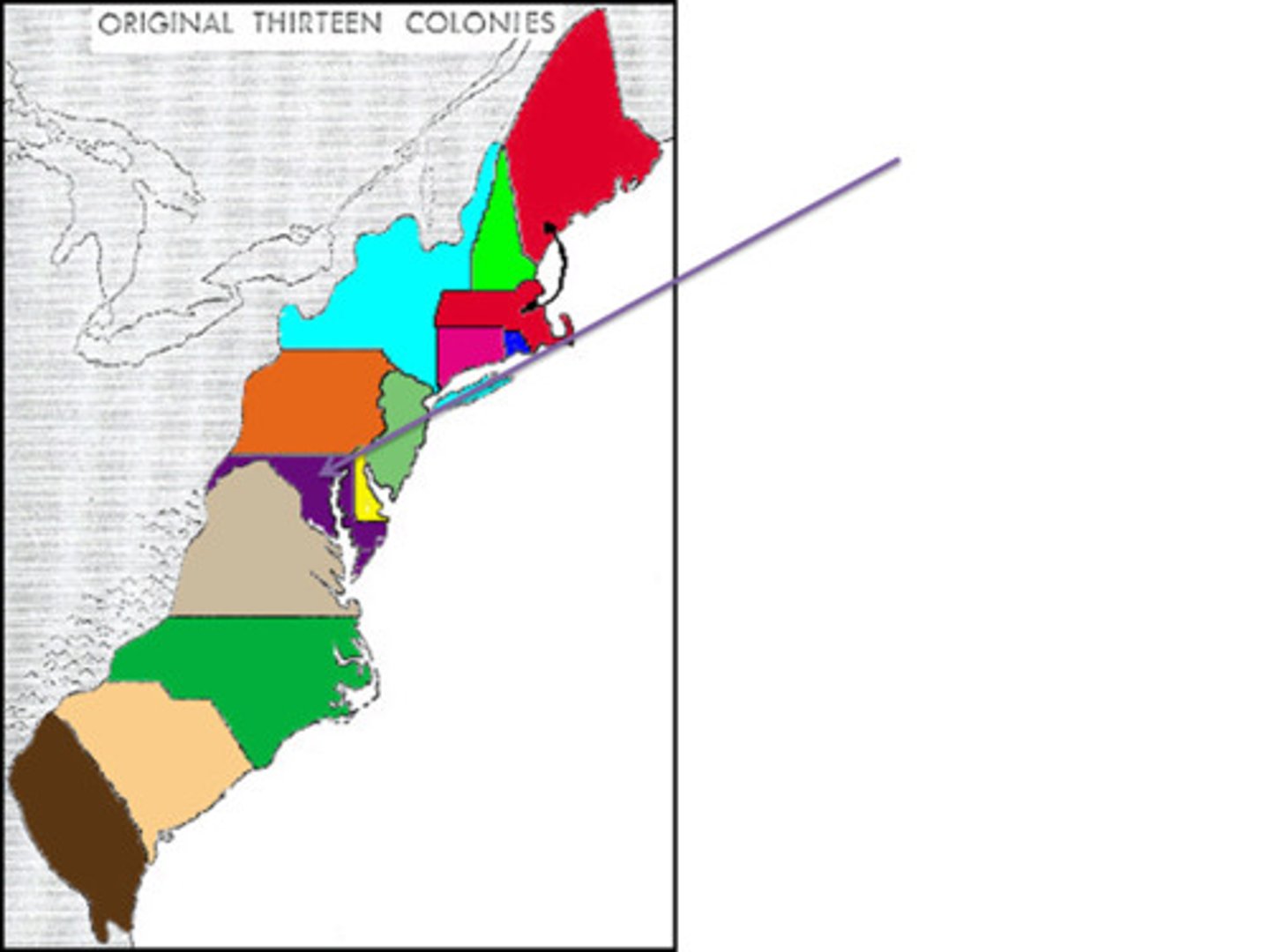
Maryland
Founded by George Calvert, the Lord Baltimore, as a refuge for Roman Catholics facing persecution from Anglican Church.
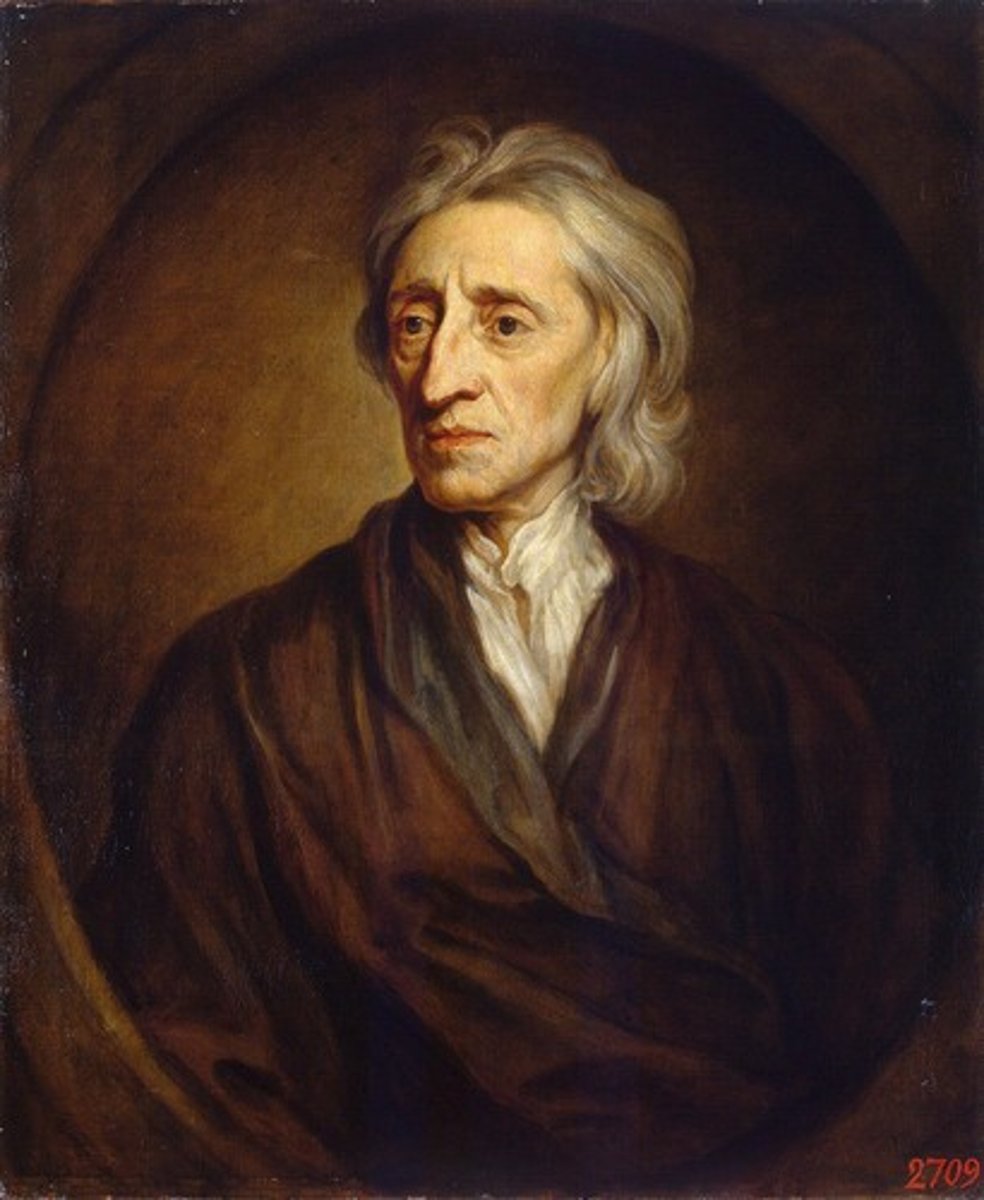
John Locke
Political philosopher that theorized governments were instituted among men for the preservation of life, liberty and property and that they should employ balance of powers. Wrote the Constitution for the Carolina colony as secretary to one of its eight proprietors.
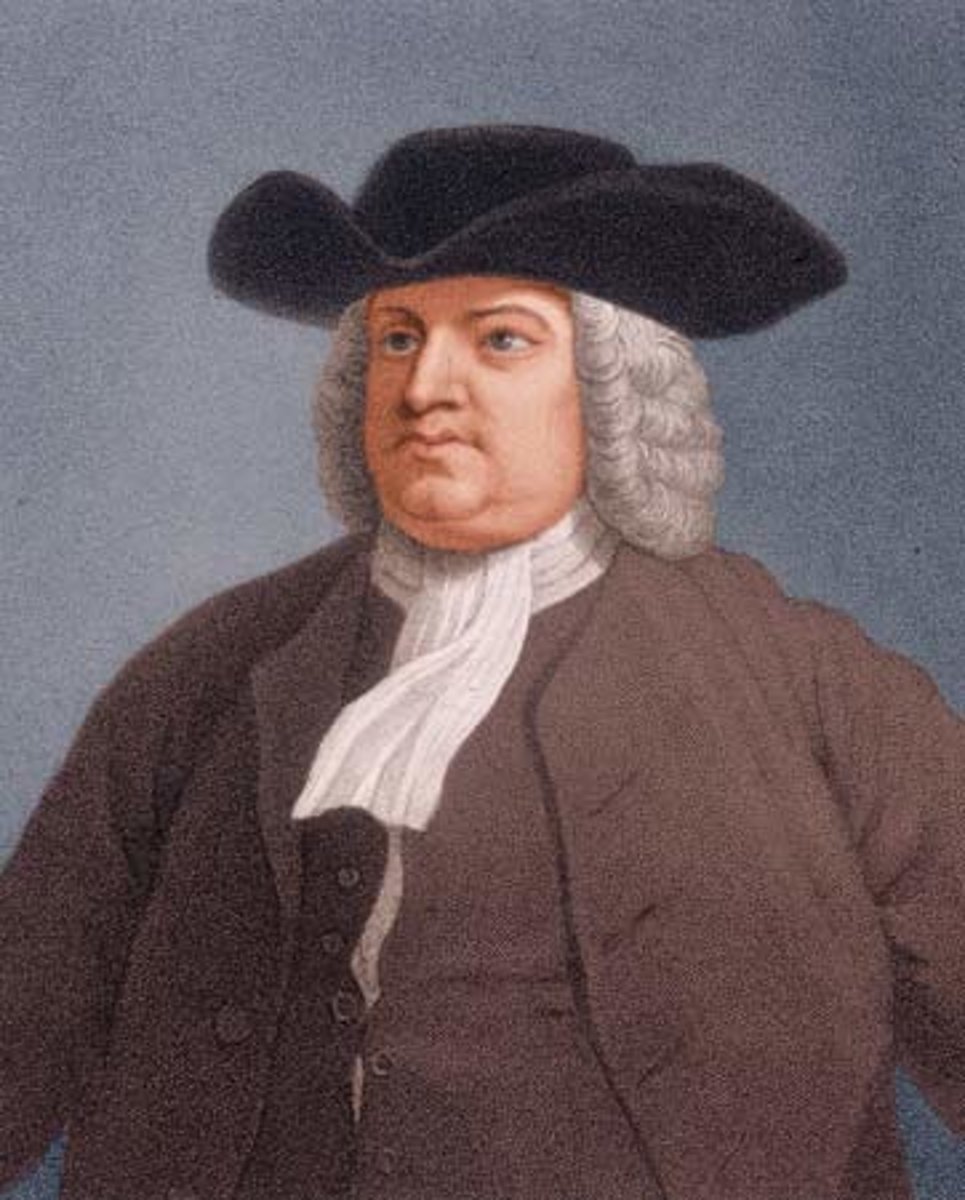
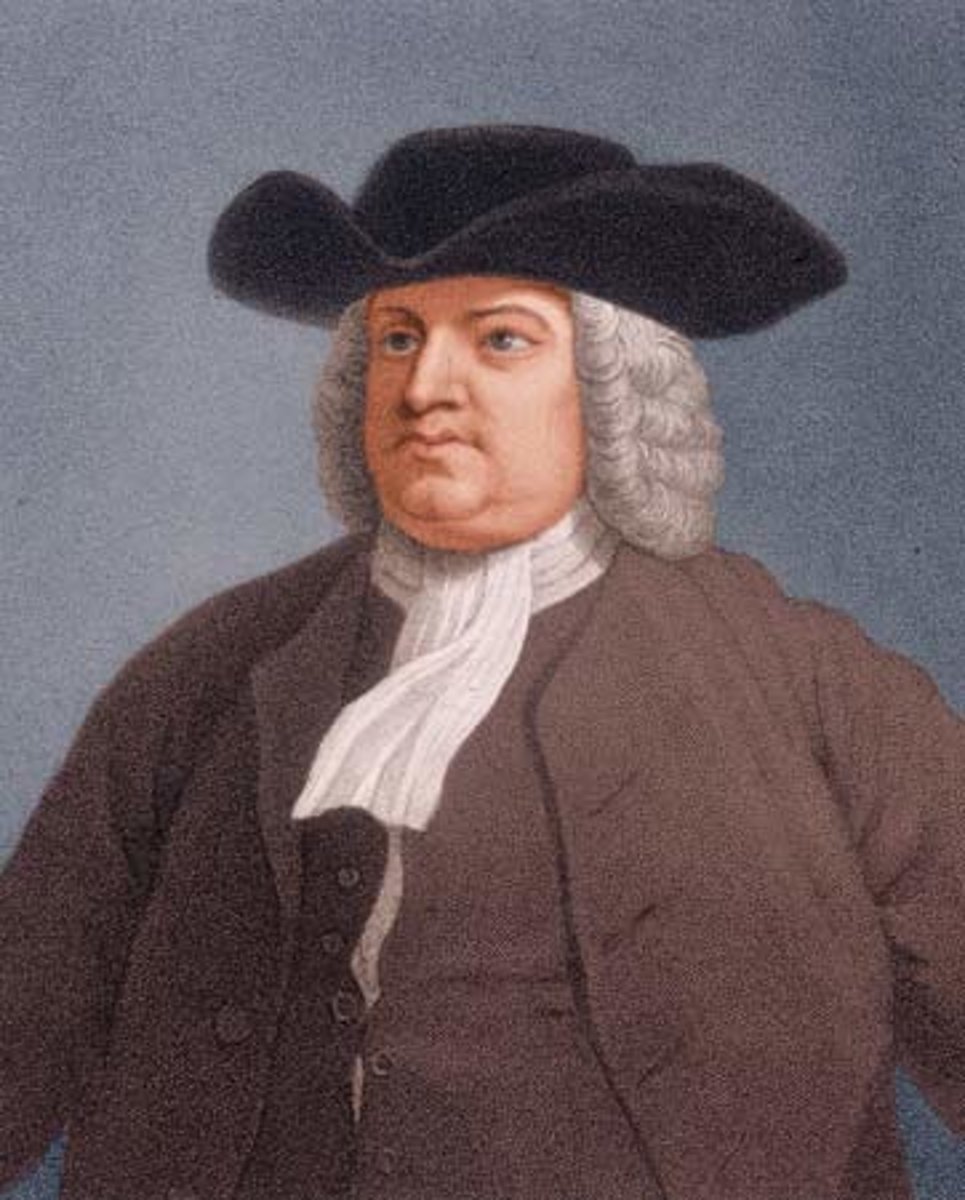
William Penn
Founder of the Quaker colony Pennsylvania.
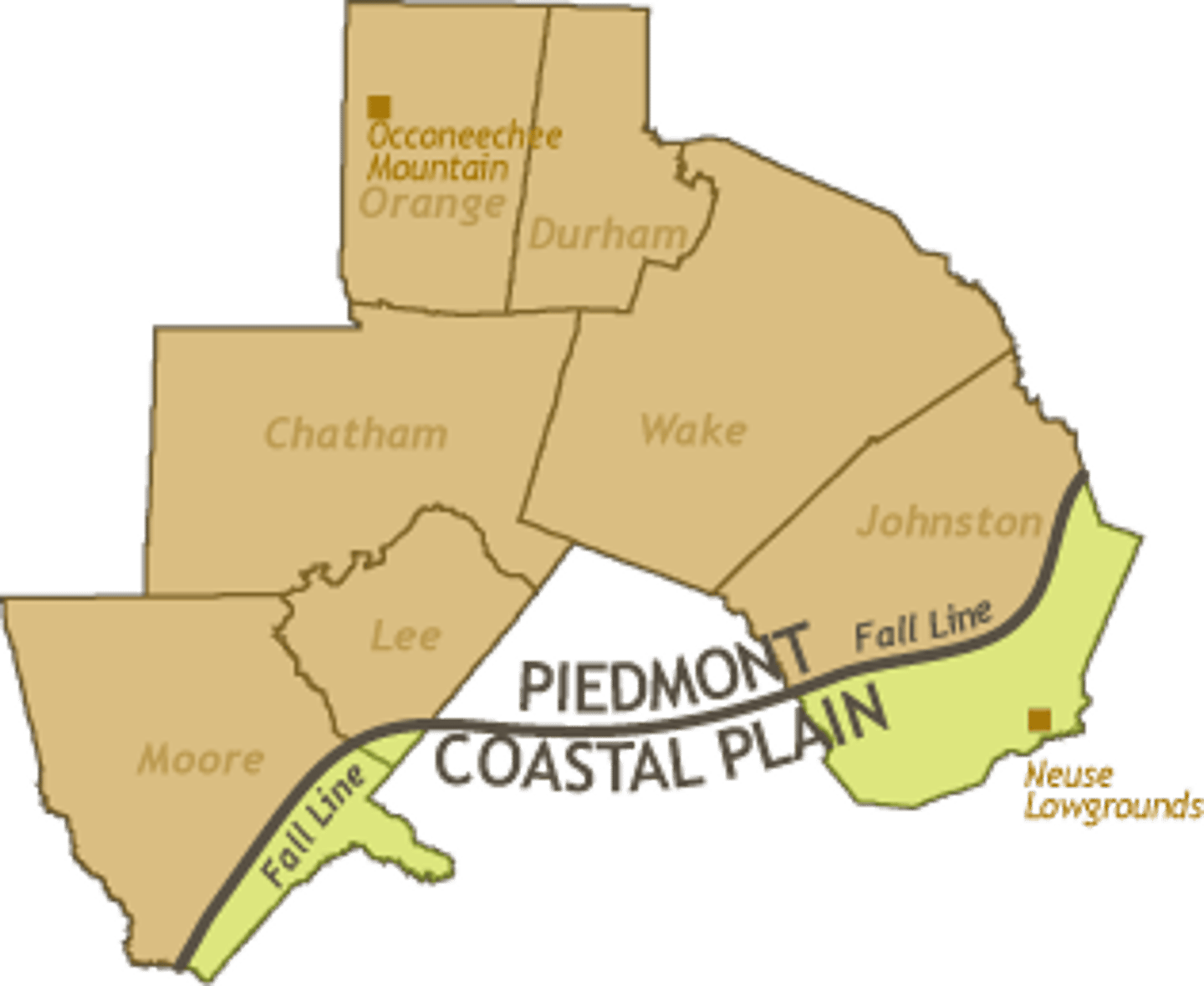
piedmont (coastal plain)
Extending from the Fall Line in the foothills from the Appalachian Mountains out to the Atlantic Sea, contained fertile soil and was crisscrossed with rivers that served as highways.
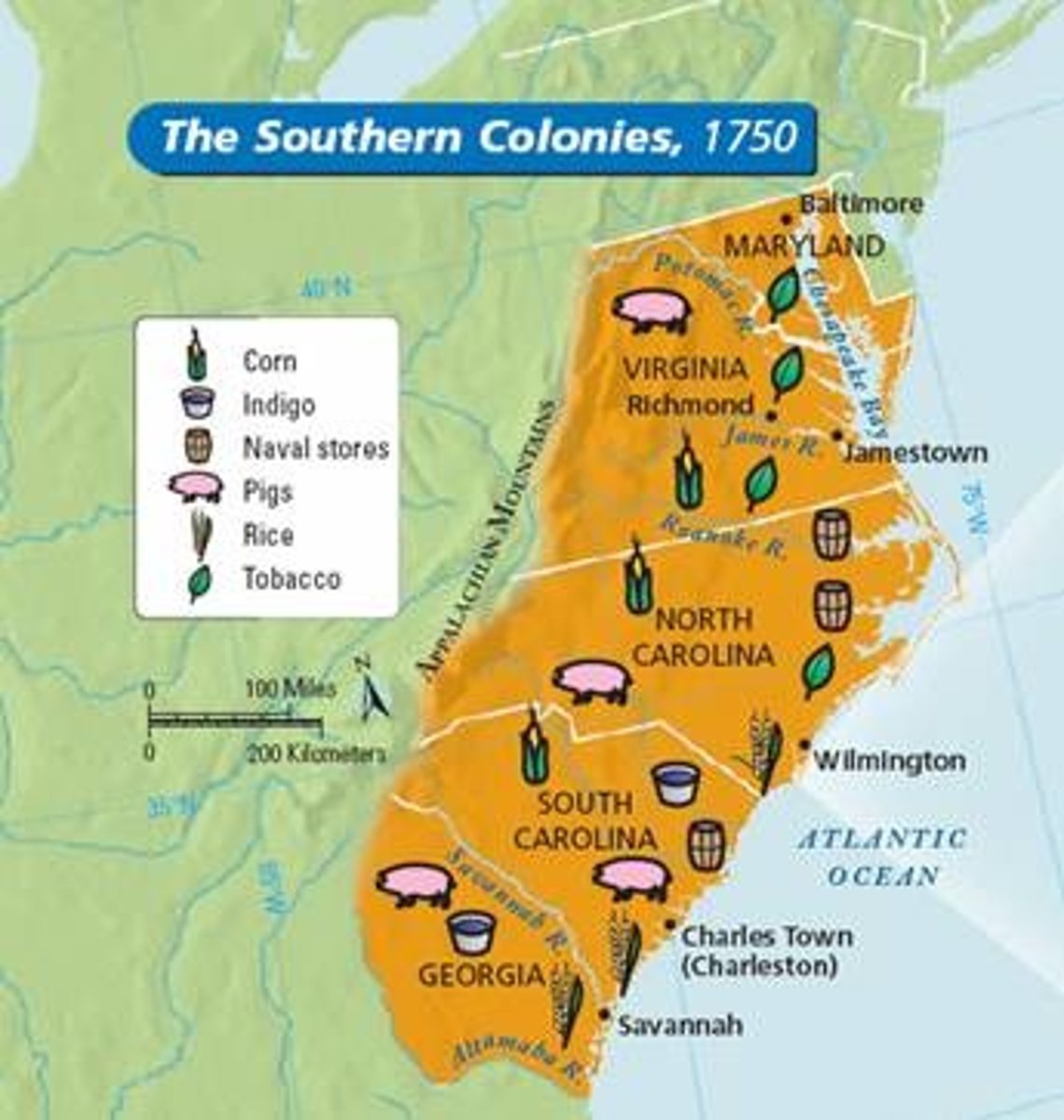
Cash-Crop Economy
An economic system based on the exportation of certain crops such as sugar, cotton, and coffee.
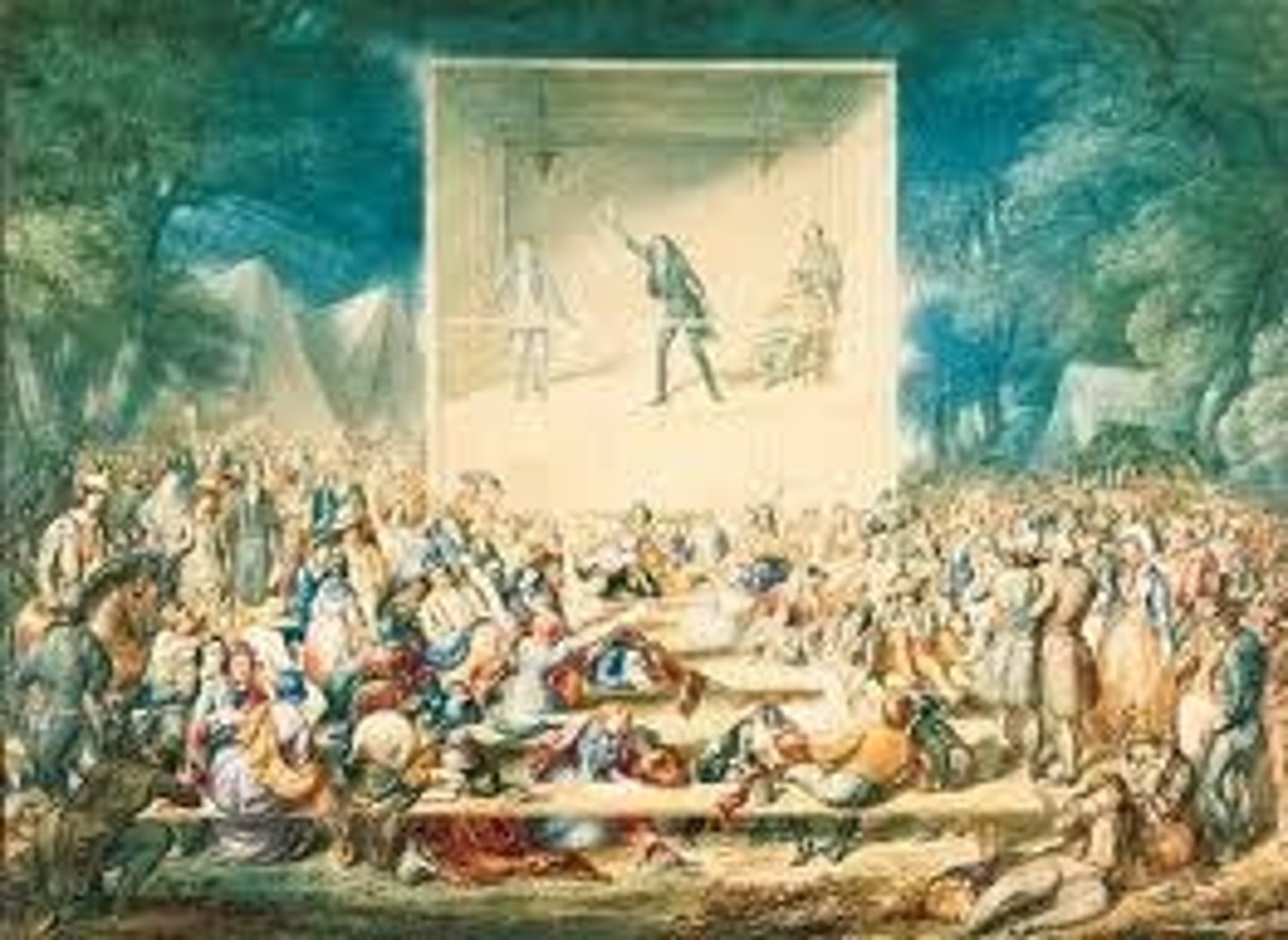
First Great Awakening
A revival of the Christian Religion as an act of God through the Holy Spirit. The first unifying event int he history of colonial America.
Jonathan Edwards
Preacher from Northampton, Massachusetts, that spread the First Great Awakening through famous sermons, notably "Sinners in the Hands of an Angry God."
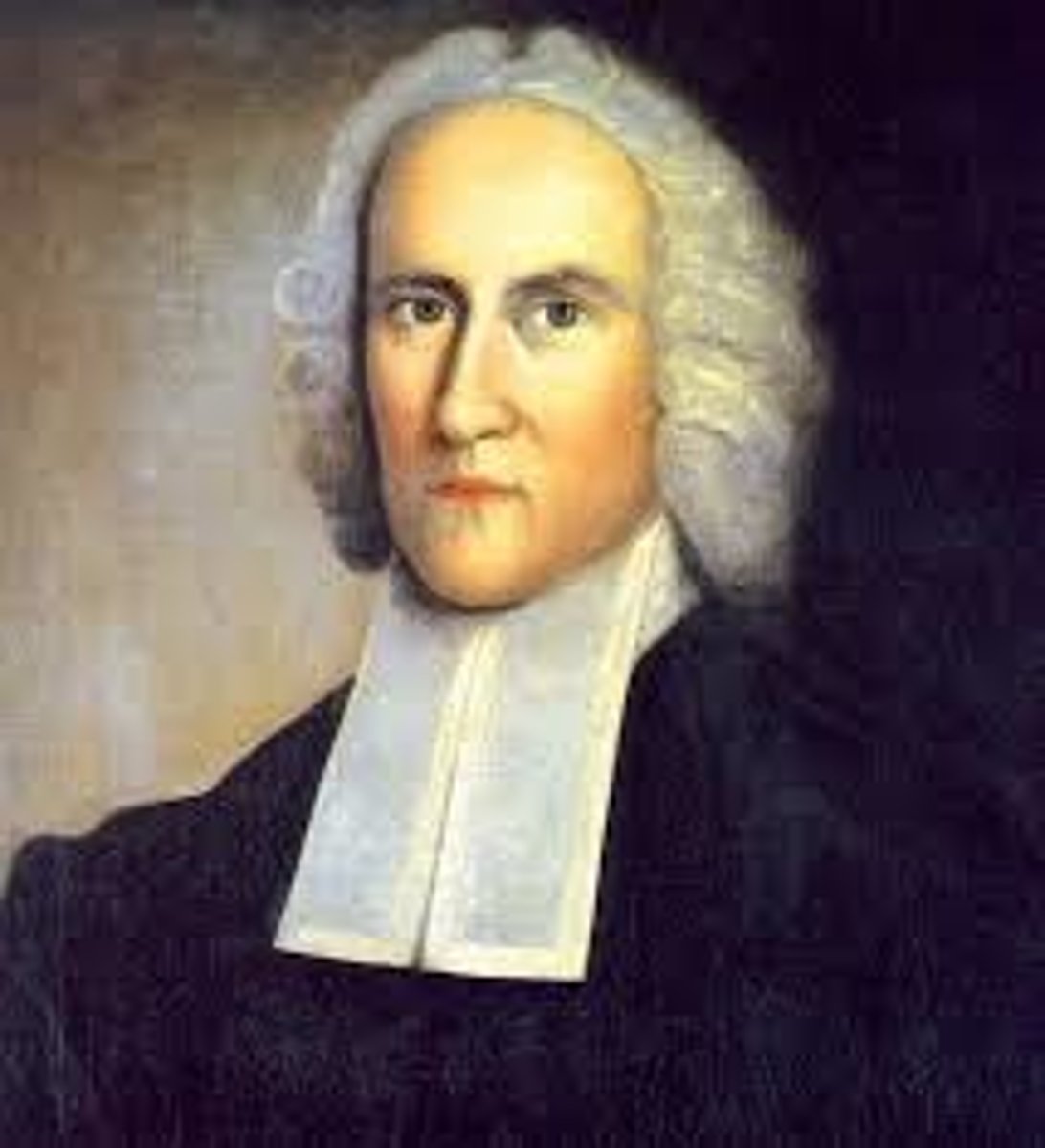
Seven Years' (French and Indian) War
fought between the colonies of British America and New France, with both sides supported by military units from their parent countries of Great Britain and France, as well as Native American allies
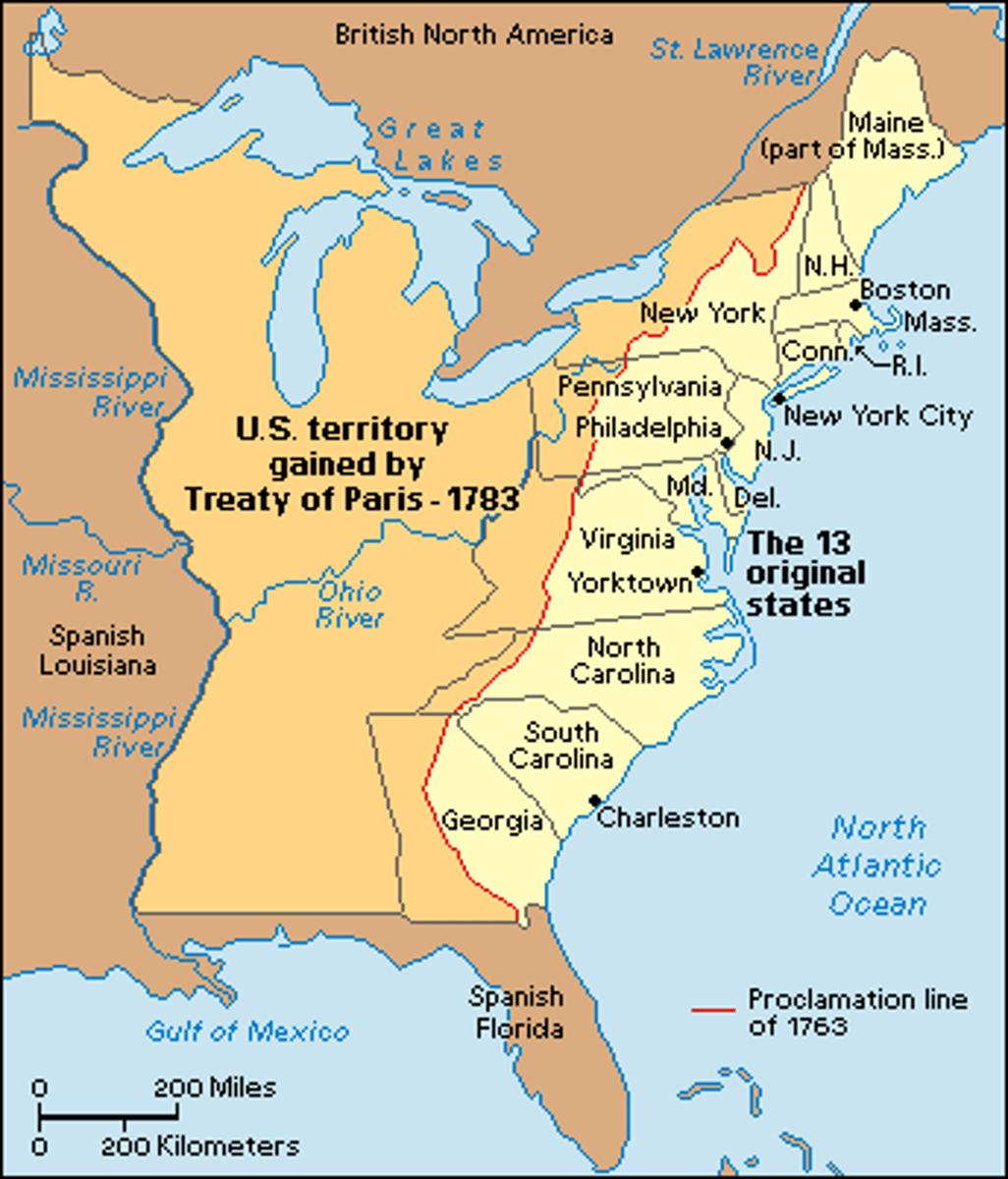
"No Taxation Without Representation."
a phrase, generally attributed to James Otis about 1761, that reflected the resentment of American colonists at being taxed by a British Parliament to which they elected no representatives and became an anti-British slogan before the American Revolution; in full, "Taxation without representation is tyranny.".
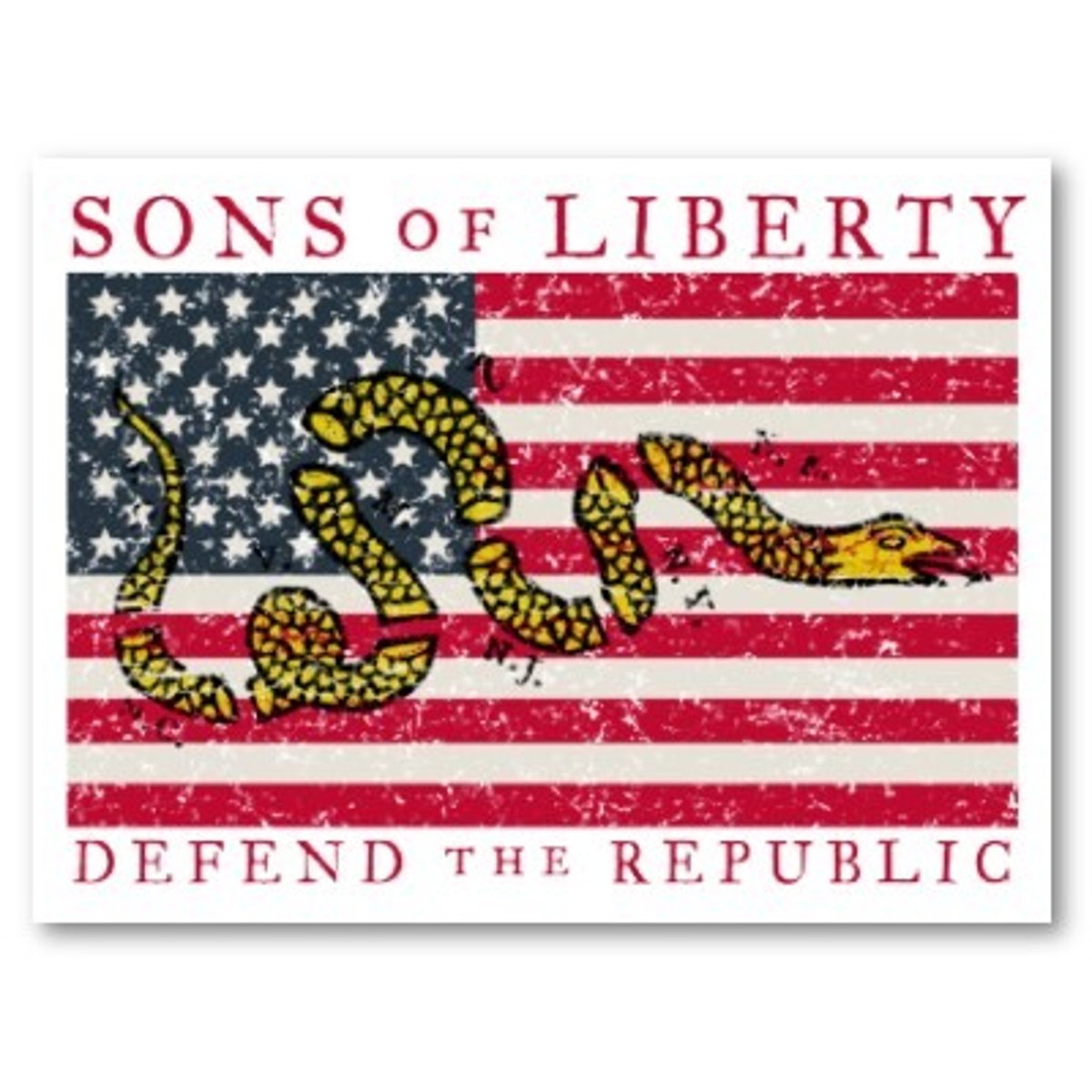
Enlightenment
a philosophical movement which dominated the world of ideas in Europe in the 18th century. The Enlightenment included a range of ideas centered on reason as the primary source of authority andlegitimacy, and came to advance ideals such as liberty, progress, tolerance, fraternity, constitutional governmentand ending the perceived abuses of the church and state
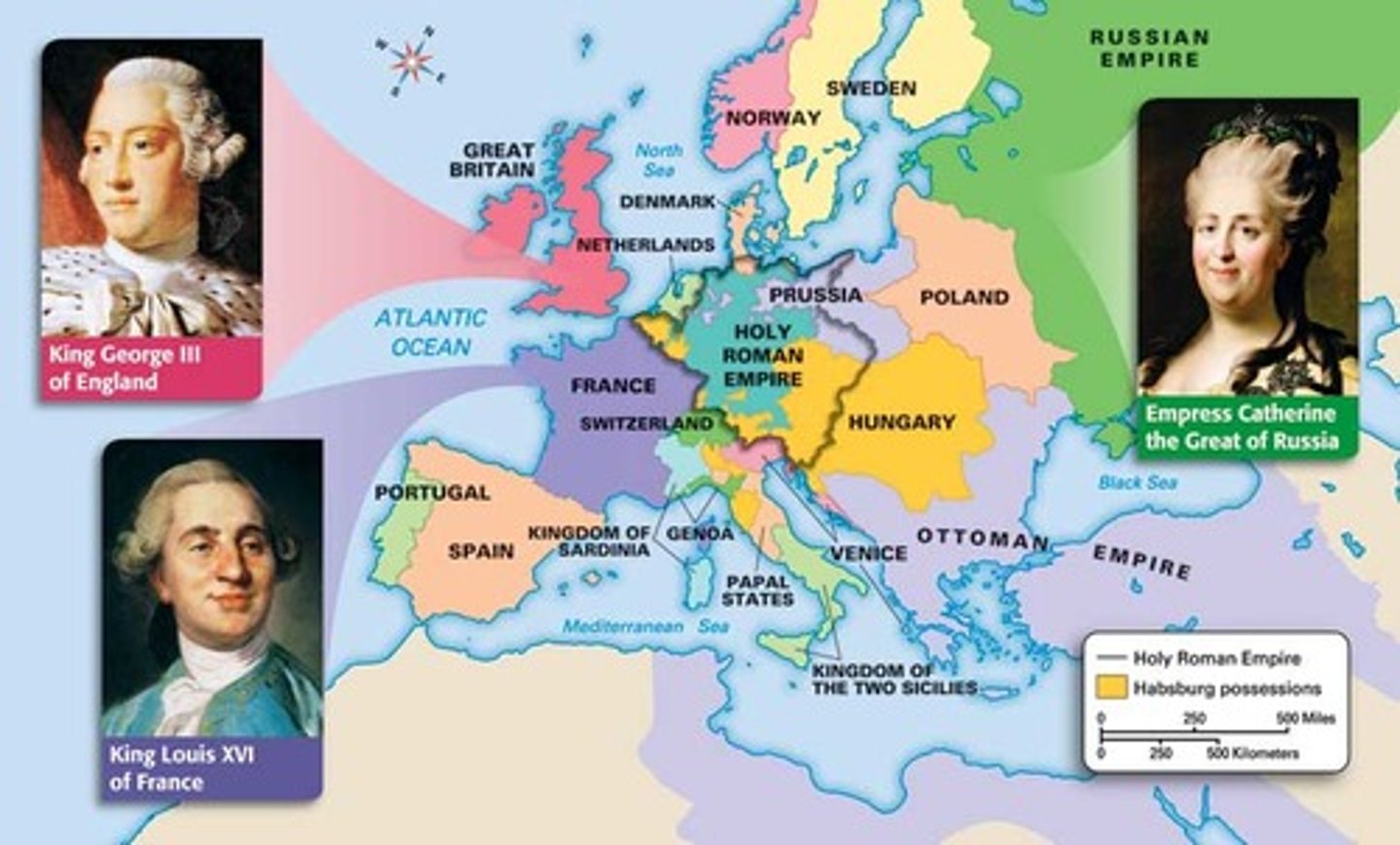
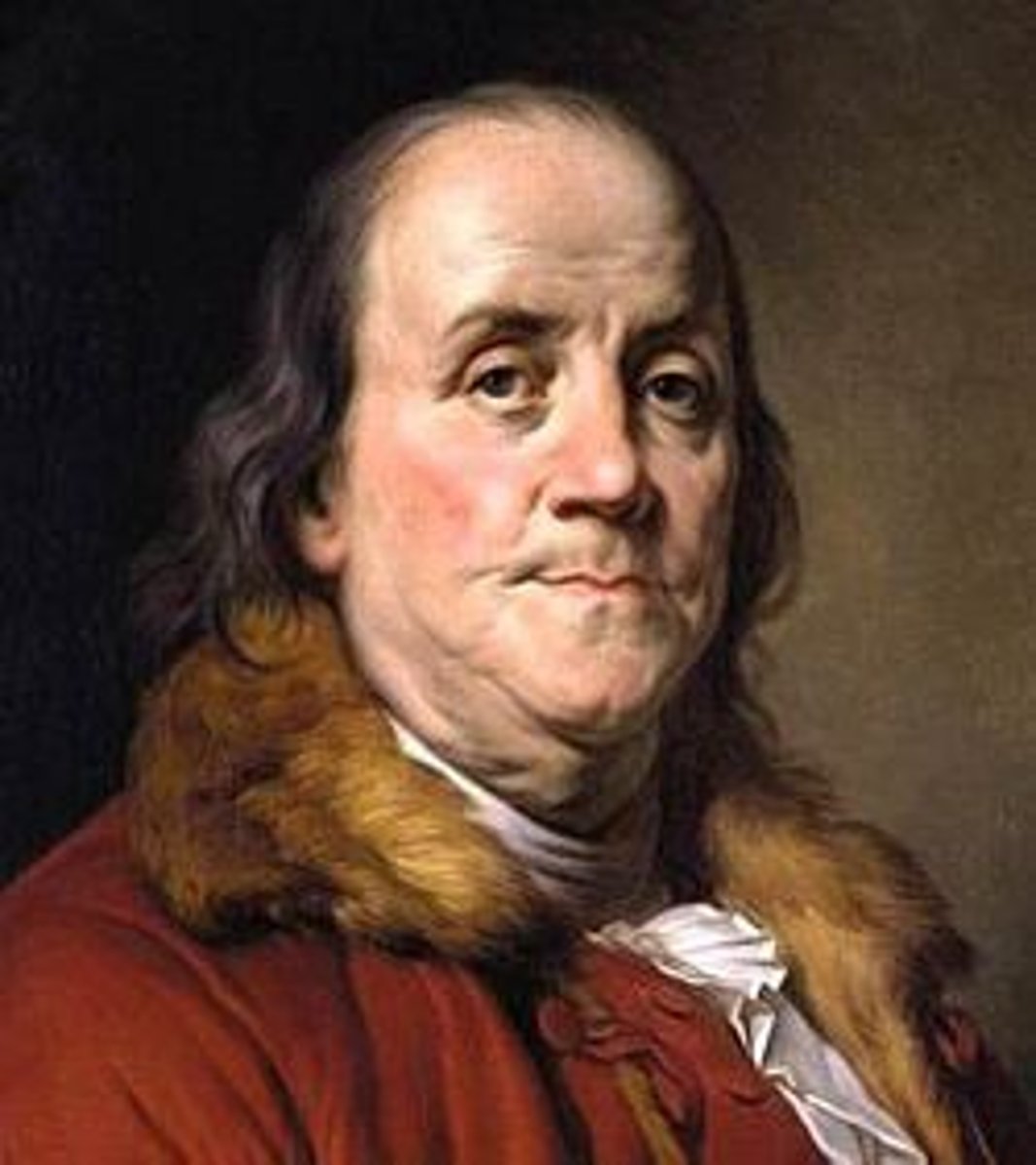
Benjamin Franklin
One of the founding fathers, famous for presence in the American Enlightenment. earned the title of "The First American" for his early and indefatigable campaigning for colonial unity, initially as an author and spokesman in London for several colonies.
The Patriot Movement
Movement or push toward independence in the colonies. Those that supported colonial independence were referred to as "Patriots" while those that were loyal to the British crown were called "Loyalists."
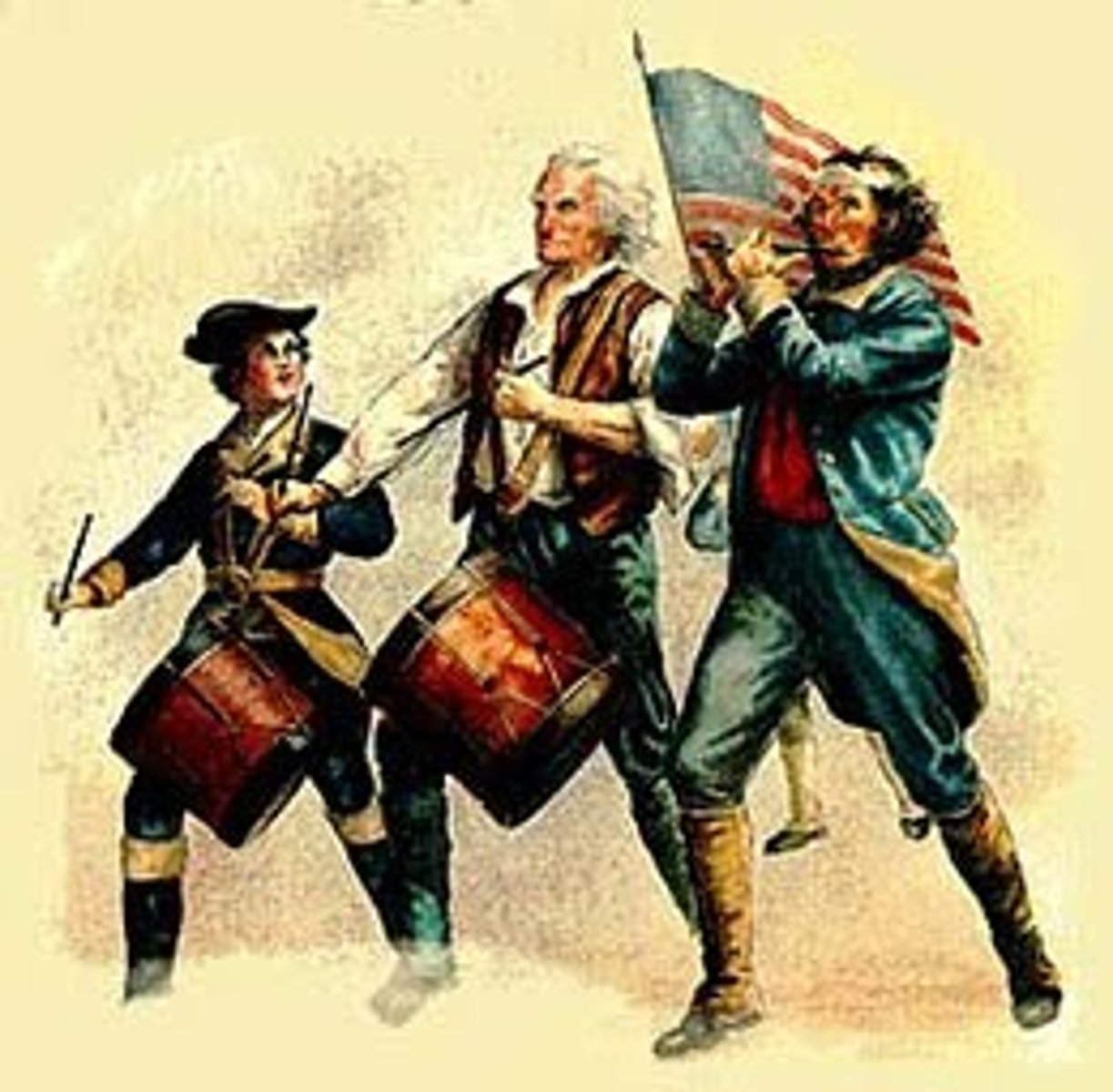
Colonial Militias
Groups of able-bodied colonialist men without proper military training that banded together to revolt against British tyrannny.
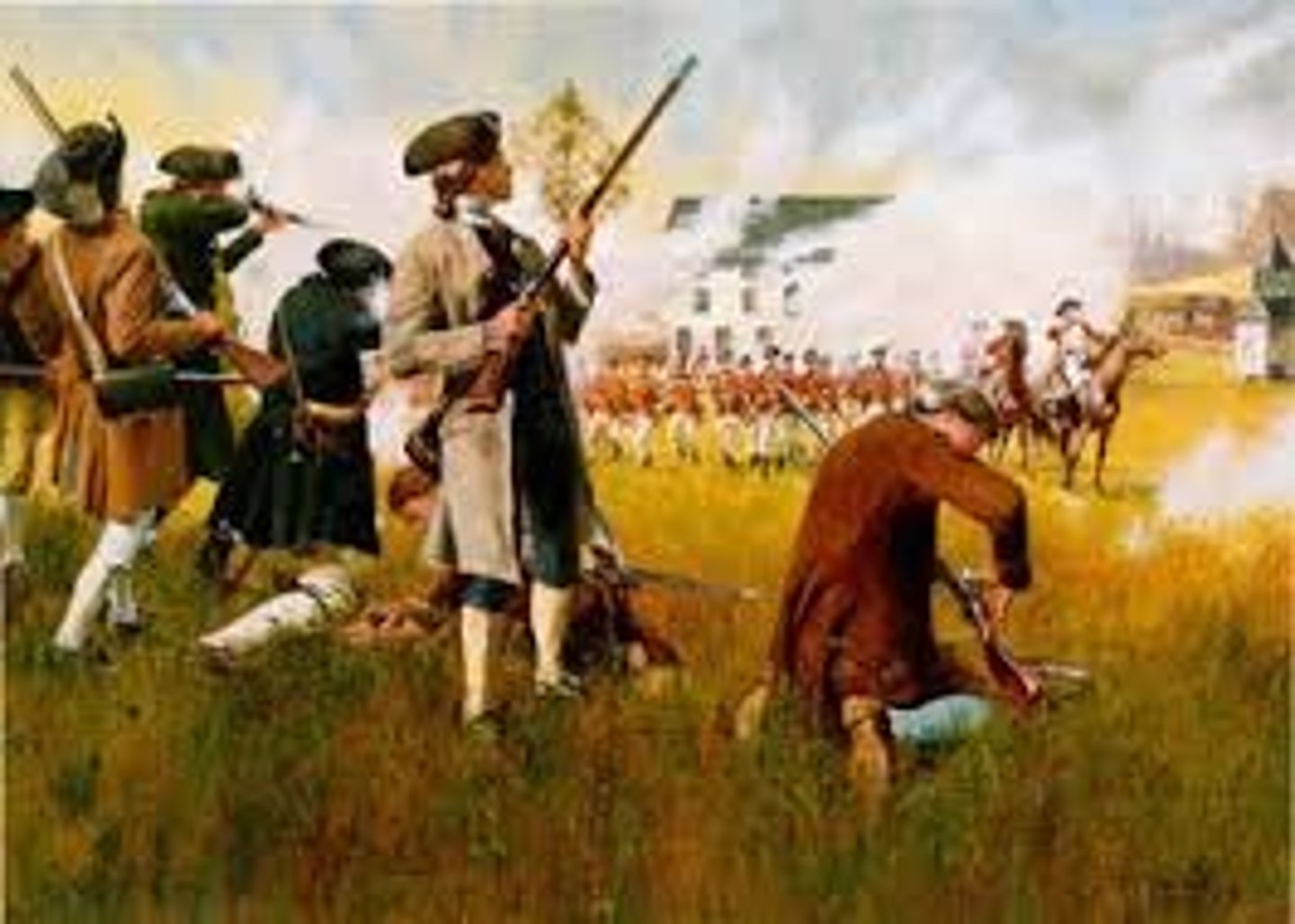
The Continental Army
formed by the Second Continental Congress after the outbreak of the American Revolutionary War by the colonies, created to coordinate the military efforts of the Thirteen Colonies in their revolt against the rule of Great Britain. Commanded by General George Washington (Commander-in-Chief)
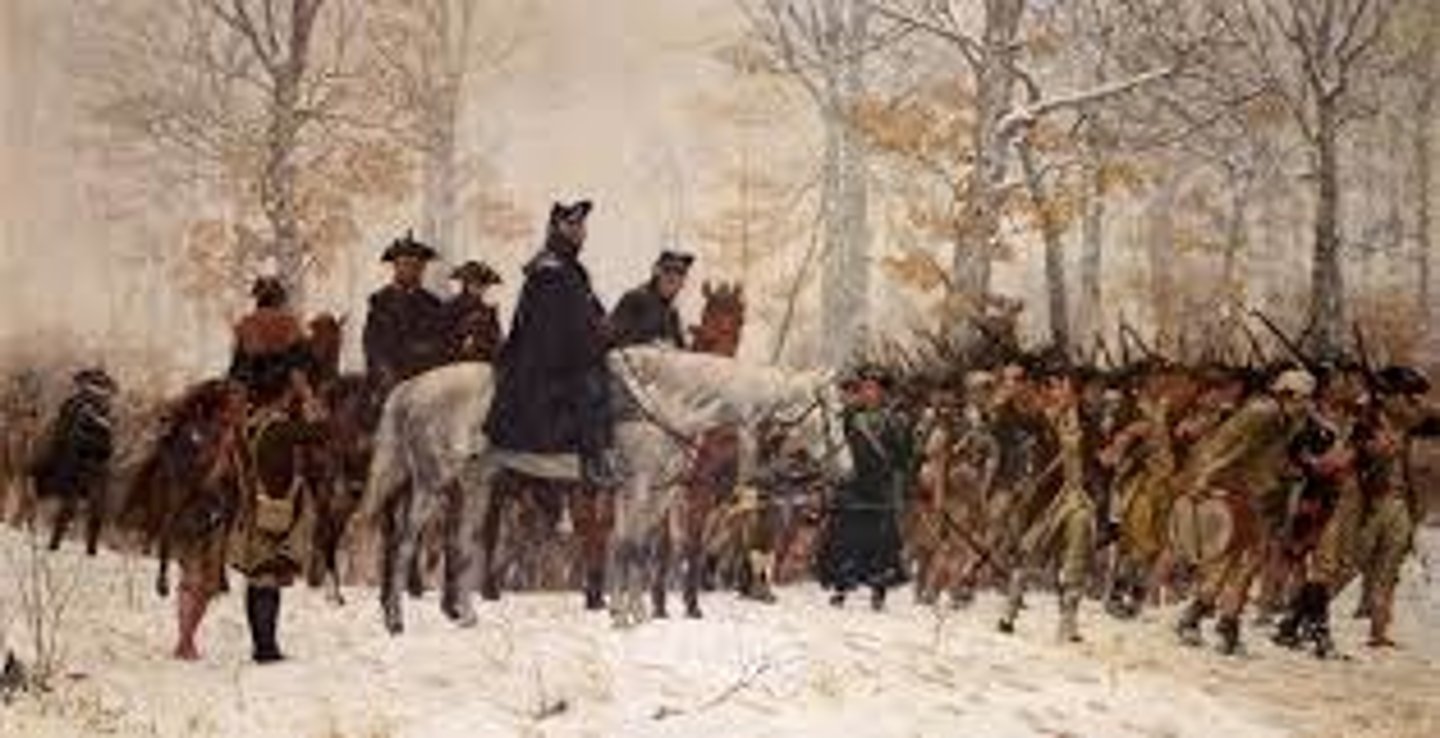
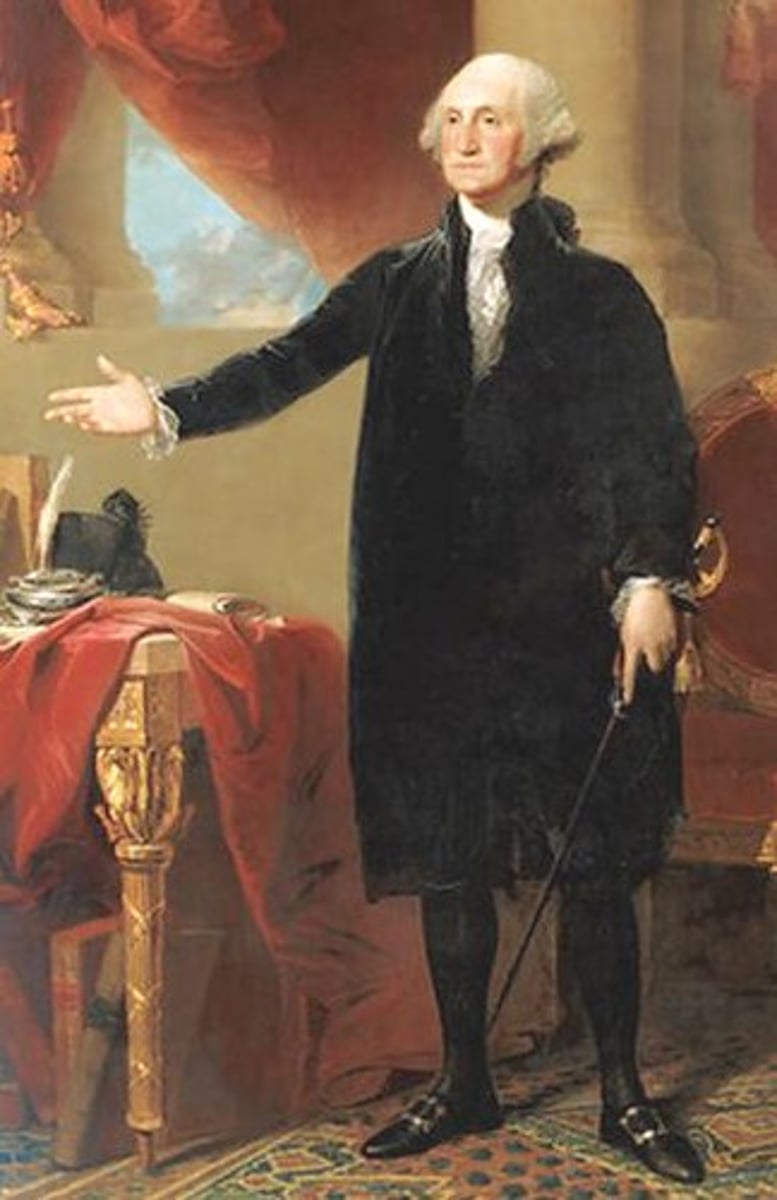
George Washington
General, Commander-in-Chief of the Continental Army during the American Revolution. Later named the first President of the United States.
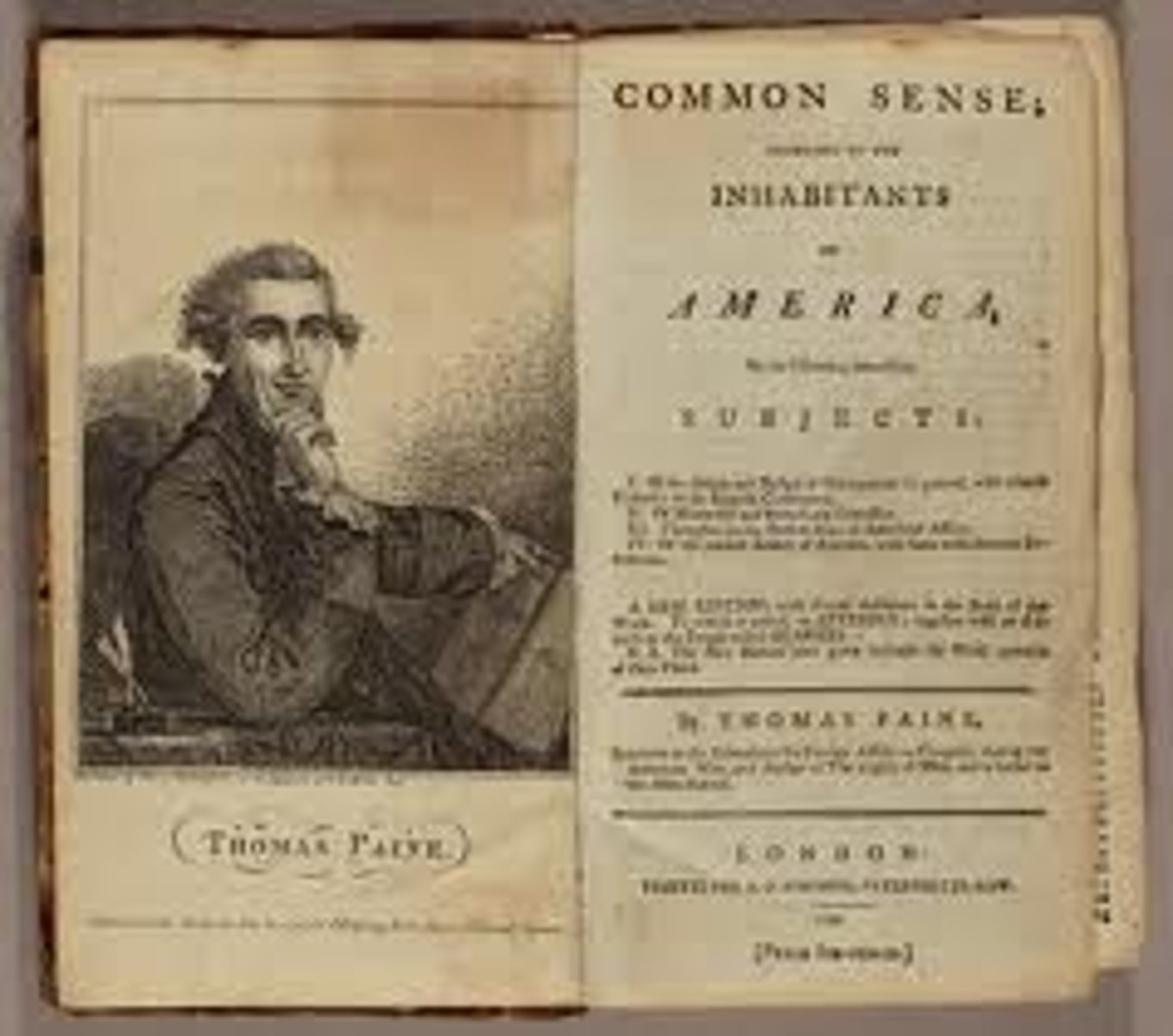
Thomas Paine's Common Sense
Published in 1776. Pamphlet that challenged the authority of the British government and the royal monarchy. Used "Common Sense" and plain language to appeal to the average colonist. First work to ask for independence outright.
The Declaration of Independence
the statement adopted by the Second Continental Congress meeting atPhiladelphia, Pennsylvania on July 4, 1776, which announced that the thirteen American colonies,[2] then at war with the Kingdom of Great Britain, regarded themselves as thirteen newly independent sovereign states, and no longer under British rule.
![<p>the statement adopted by the Second Continental Congress meeting atPhiladelphia, Pennsylvania on July 4, 1776, which announced that the thirteen American colonies,[2] then at war with the Kingdom of Great Britain, regarded themselves as thirteen newly independent sovereign states, and no longer under British rule.</p>](https://knowt-user-attachments.s3.amazonaws.com/f0c8f600-6861-4bb0-ae5a-52df09f10a02.jpg)
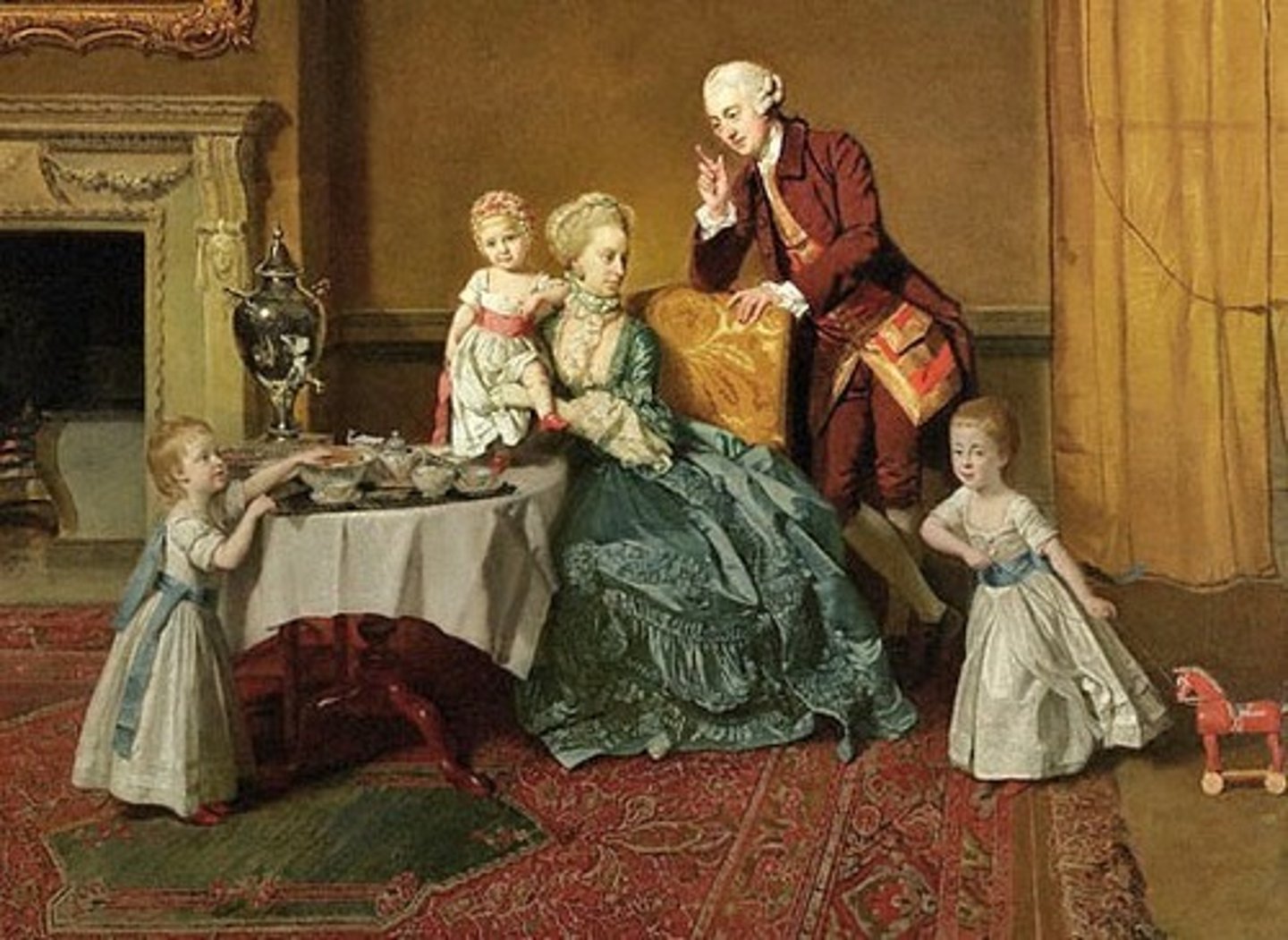
Republican Motherhood
Predominant conception of women's roles before, during and after the American Revolution: the "Republican Mother" was considered a custodian of civic virtue responsible for upholding the morality of her husband and children. Though this idea emphasized the separation of women's and men's roles, it did weight heavily the influence of the mother on the family and advocated for this influence to be taken seriously.
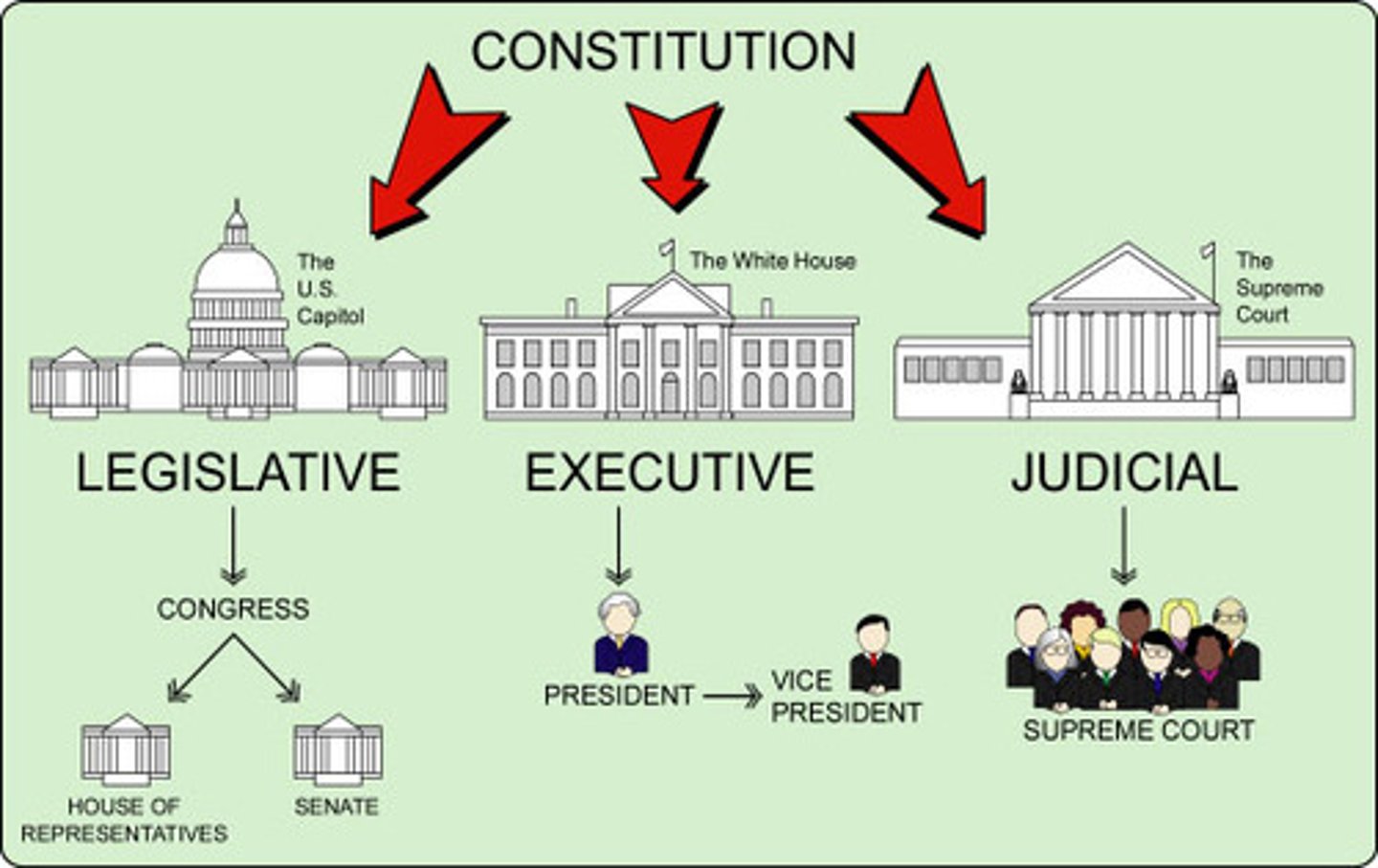
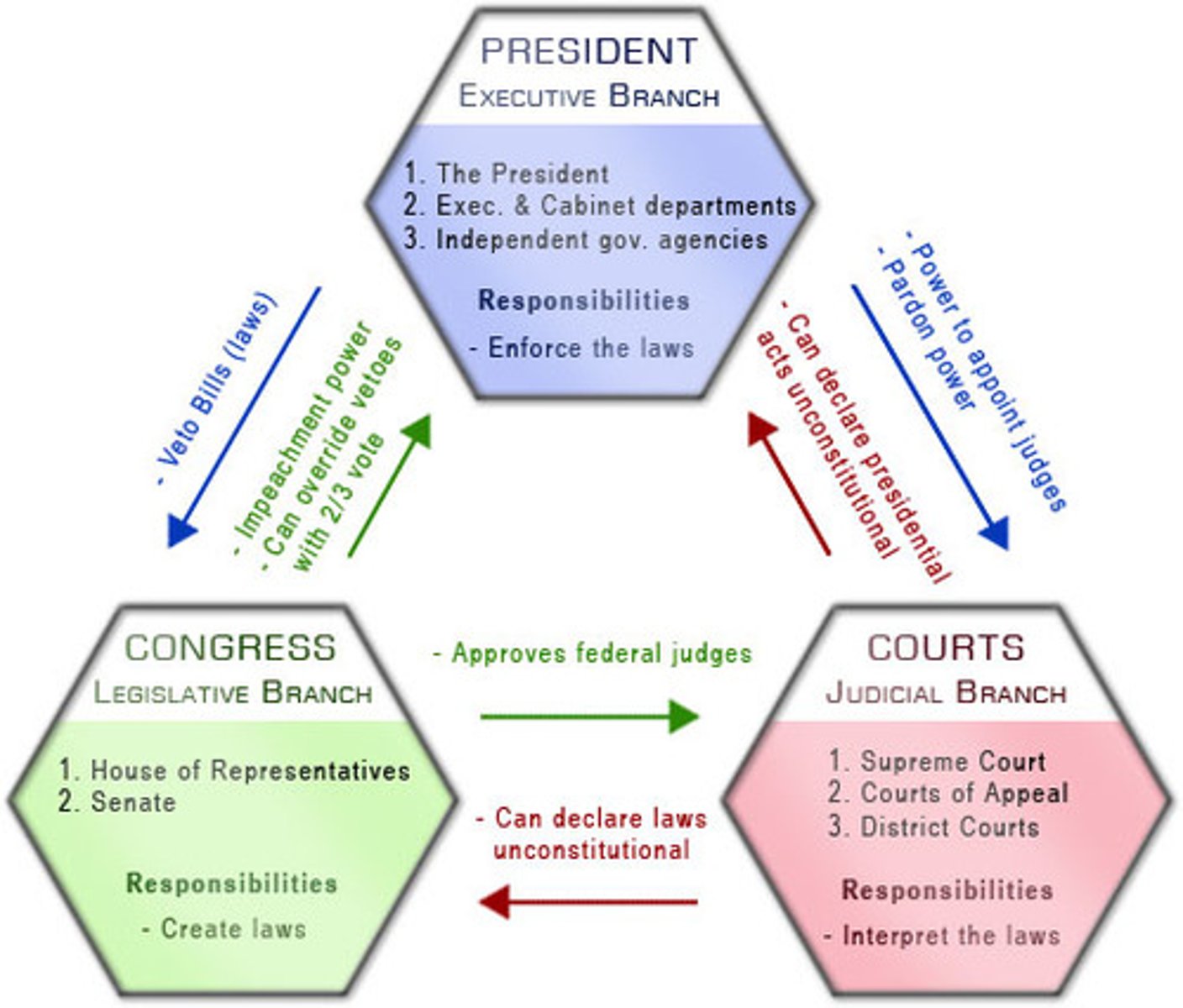
Legislative Branch
The branch of government tasked with writing laws.
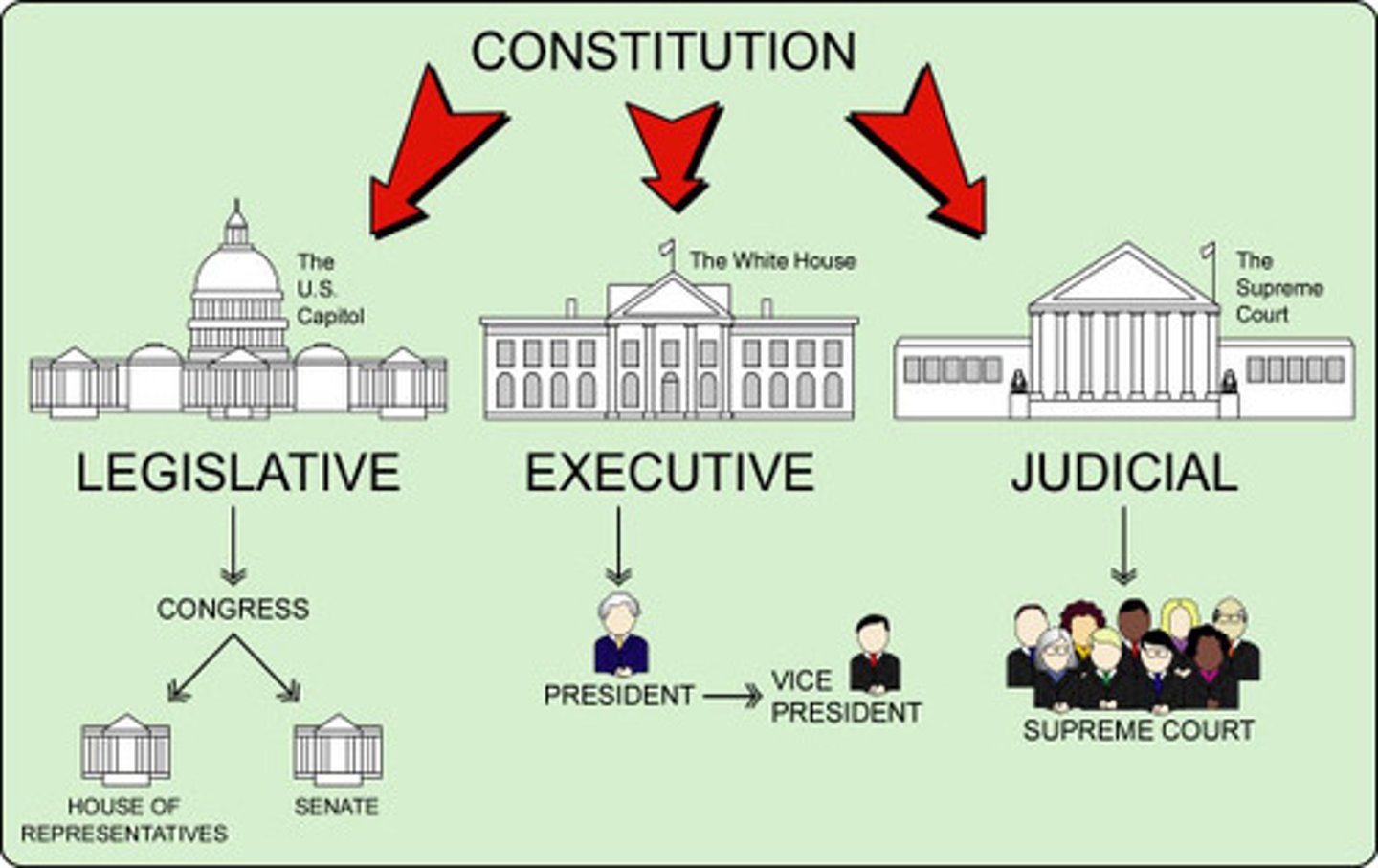
Judicial Branch
The branch of government tasked with interpreting laws.
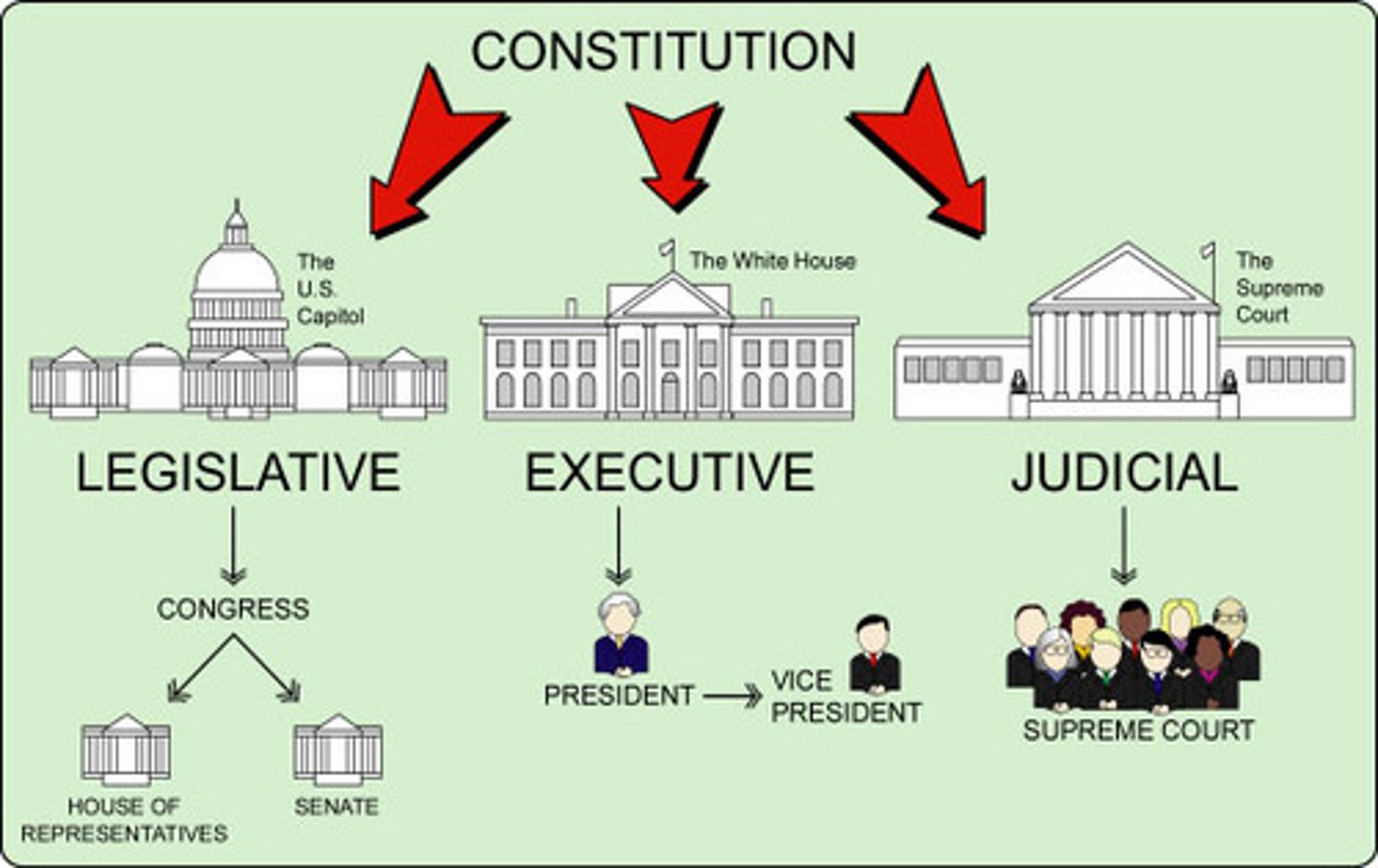
Executive Branch
The branch of government tasked with enforcing laws.
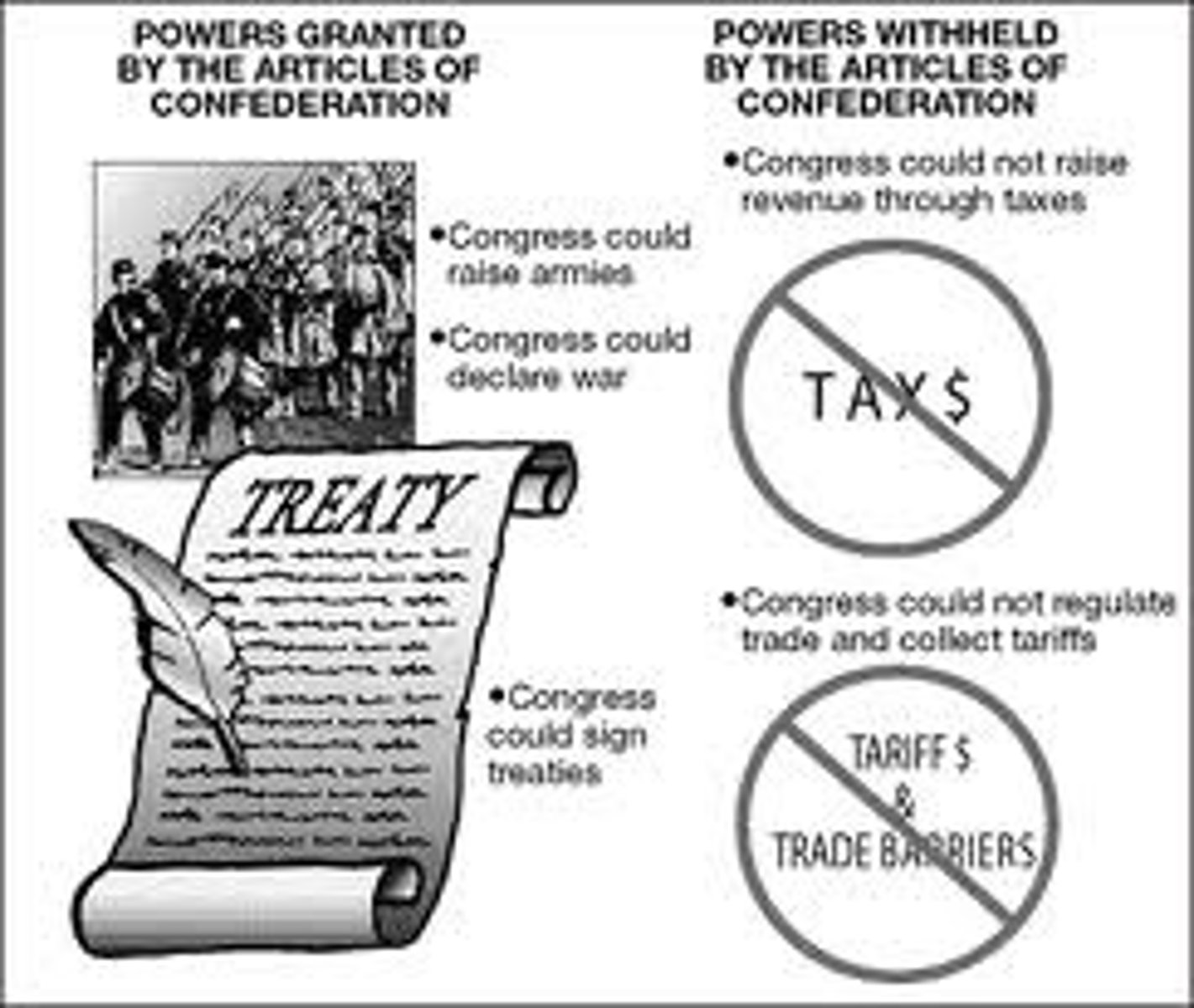
The Articles of Confederation
An agreement among all thirteen original states in the United States of America that served as its first constitution. Drafted by a committee appointed by the Second Continental Congress, ratified in late 1777. Later replaced by the Constitution of the United States of America.
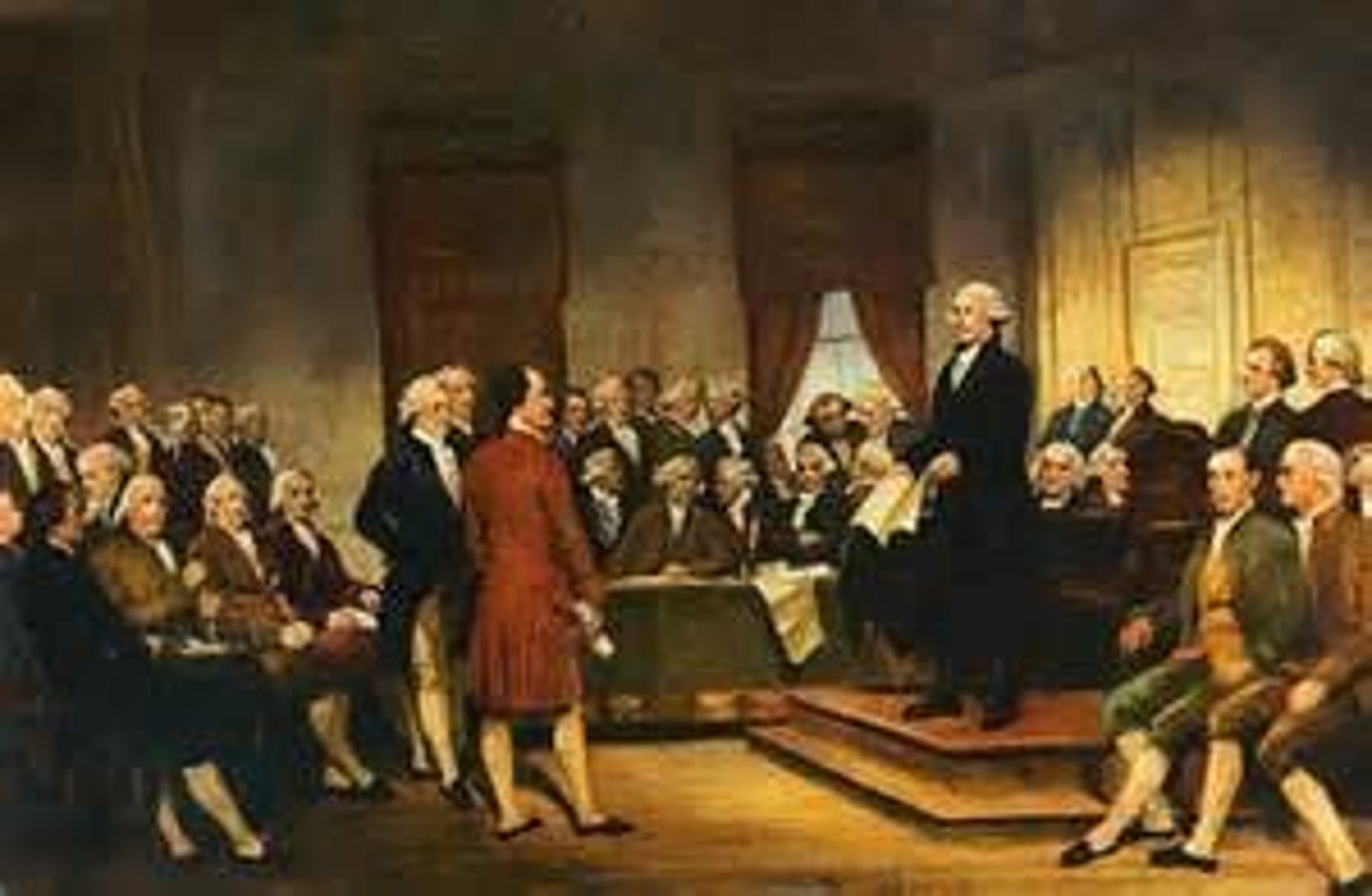
Constitutional Convention
Took place from May 25 to September 17, 1787, in Philadelphia, Pennsylvania. Although the Convention was intended to revise the Articles of Confederation, the intention from the outset of many of its proponents, chief among them James Madison and Alexander Hamilton, was to create a new government rather than fix the existing one. The delegates elected George Washington to preside over the Convention. The result of the Convention was the creation of the United States Constitution, placing the Convention among the most significant events in the history of the United States.
Federalism
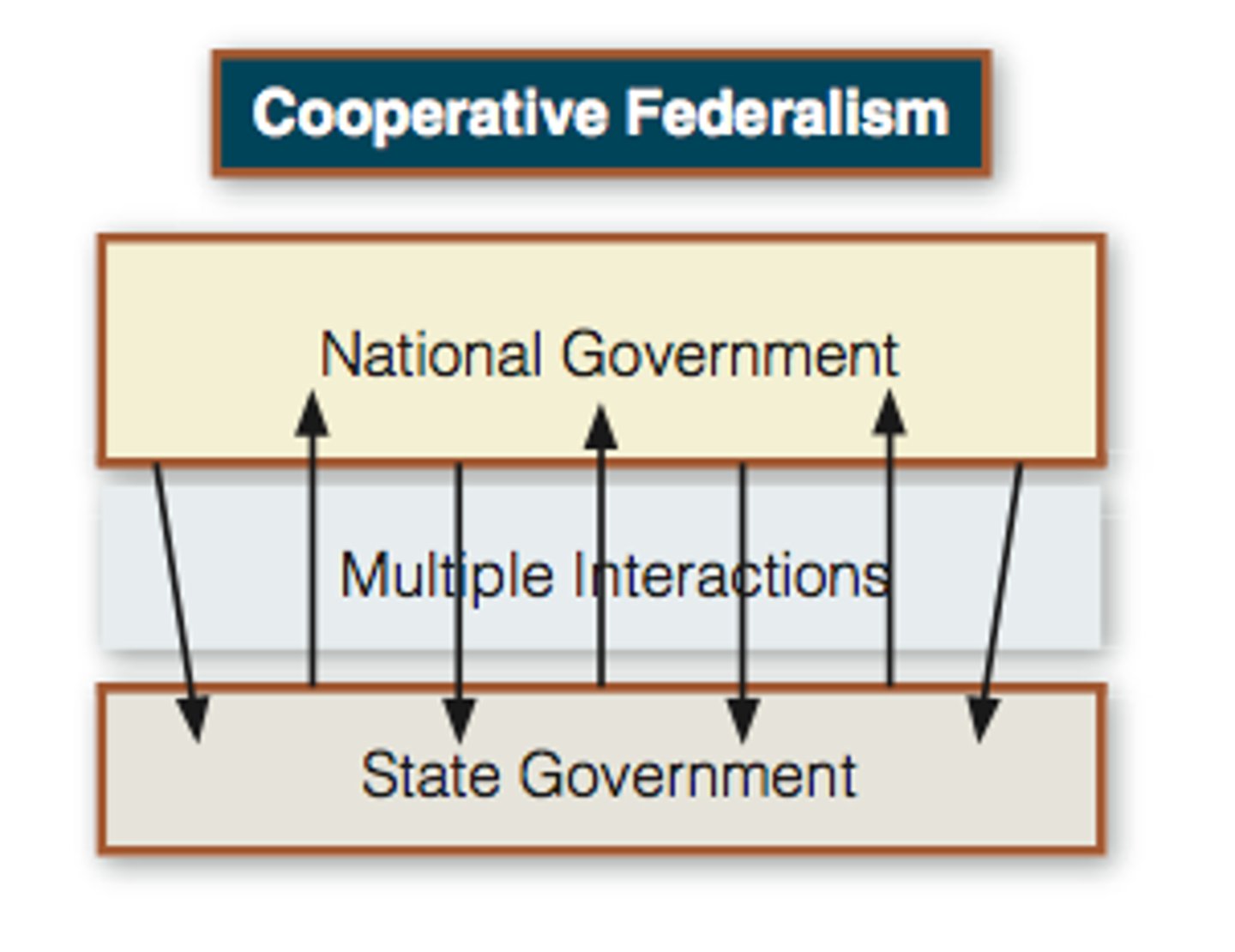
a system of government in which entities such as states or provinces share power with a national government.
Separation of Powers
Inspired by Montesquieu in The Spirit of the Laws, the idea of a constitutional government with three separate branches of government. Each of the three branches would have defined abilities to check the powers of the other branches.
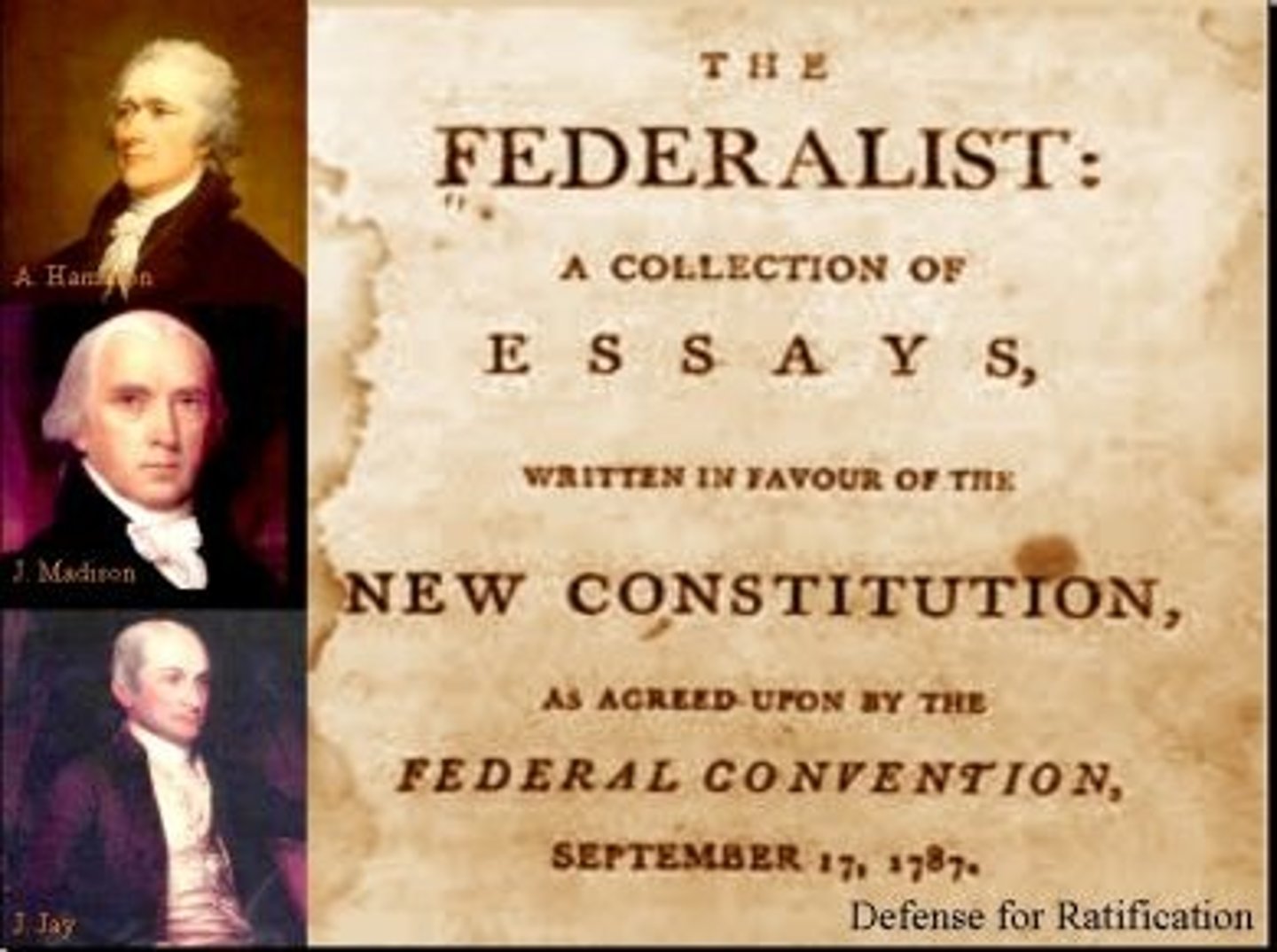
The Federalist Papers
a collection of 85 articles and essays written by Alexander Hamilton, James Madison, and John Jay promoting the ratification of the United States Constitution.
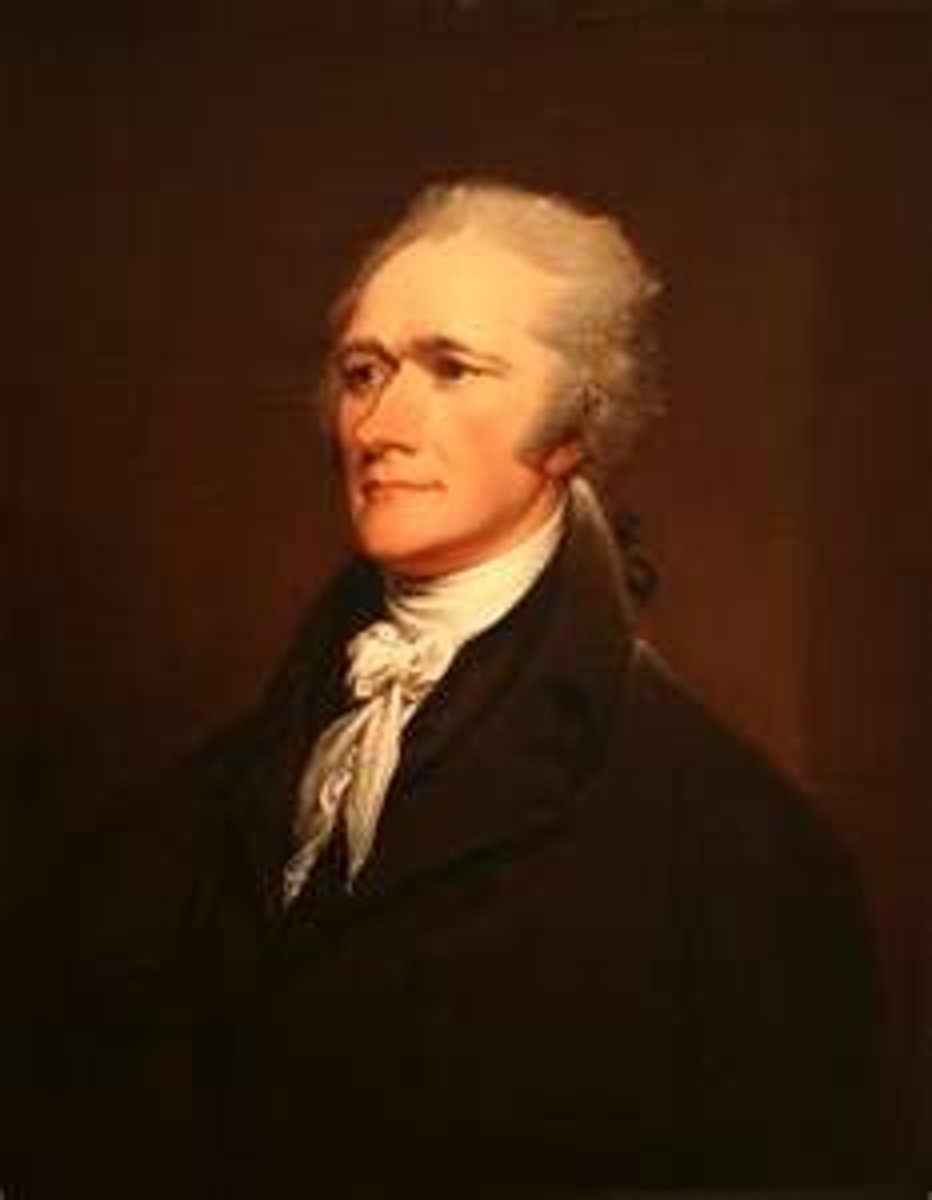
Alexander Hamilton
Founder of the Federalist Party, Co-author of The Federalist Papers, First Secretary of the Treasury
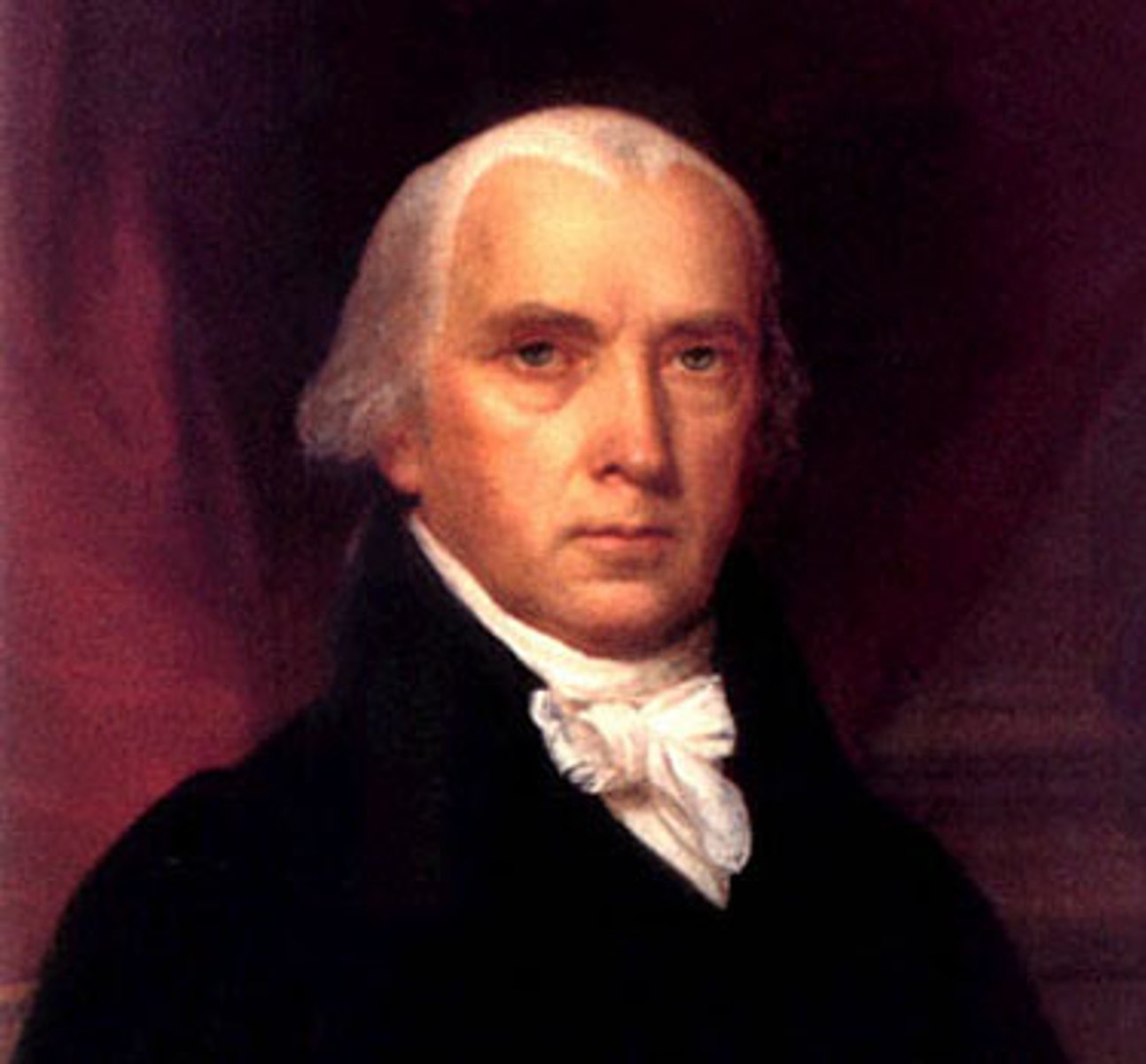
James Madison
Co-Author of the Federalist Papers, hailed as "the Father of the Constitution," Fourth President of the United States
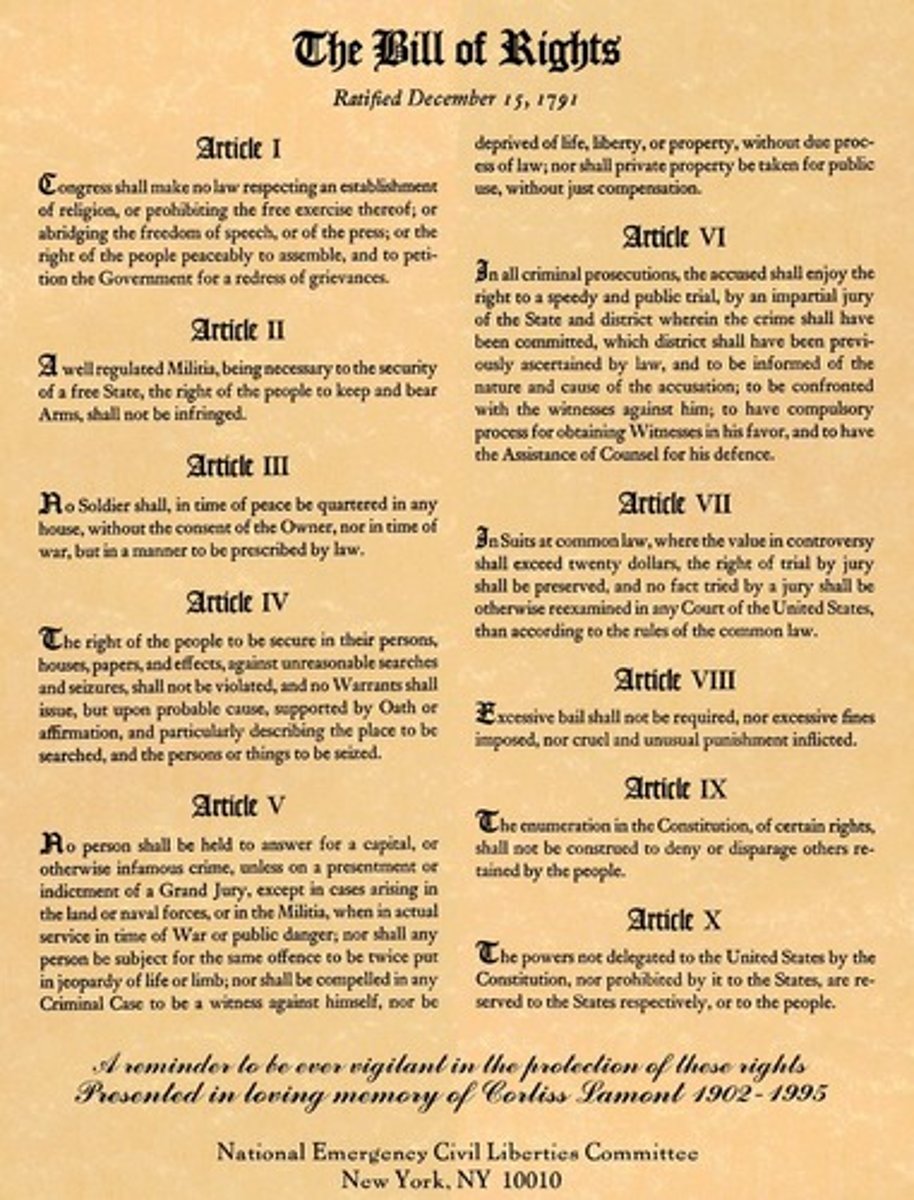
Bill of Rights
the collective name for the first ten amendments to the United States Constitution. These amendments add to the Constitution specific guarantees of personal freedoms and rights, clear limitations on the government's power in judicial and other proceedings, and explicit declarations that all powers not specifically delegated to Congress by the Constitution are reserved for the states or the people.
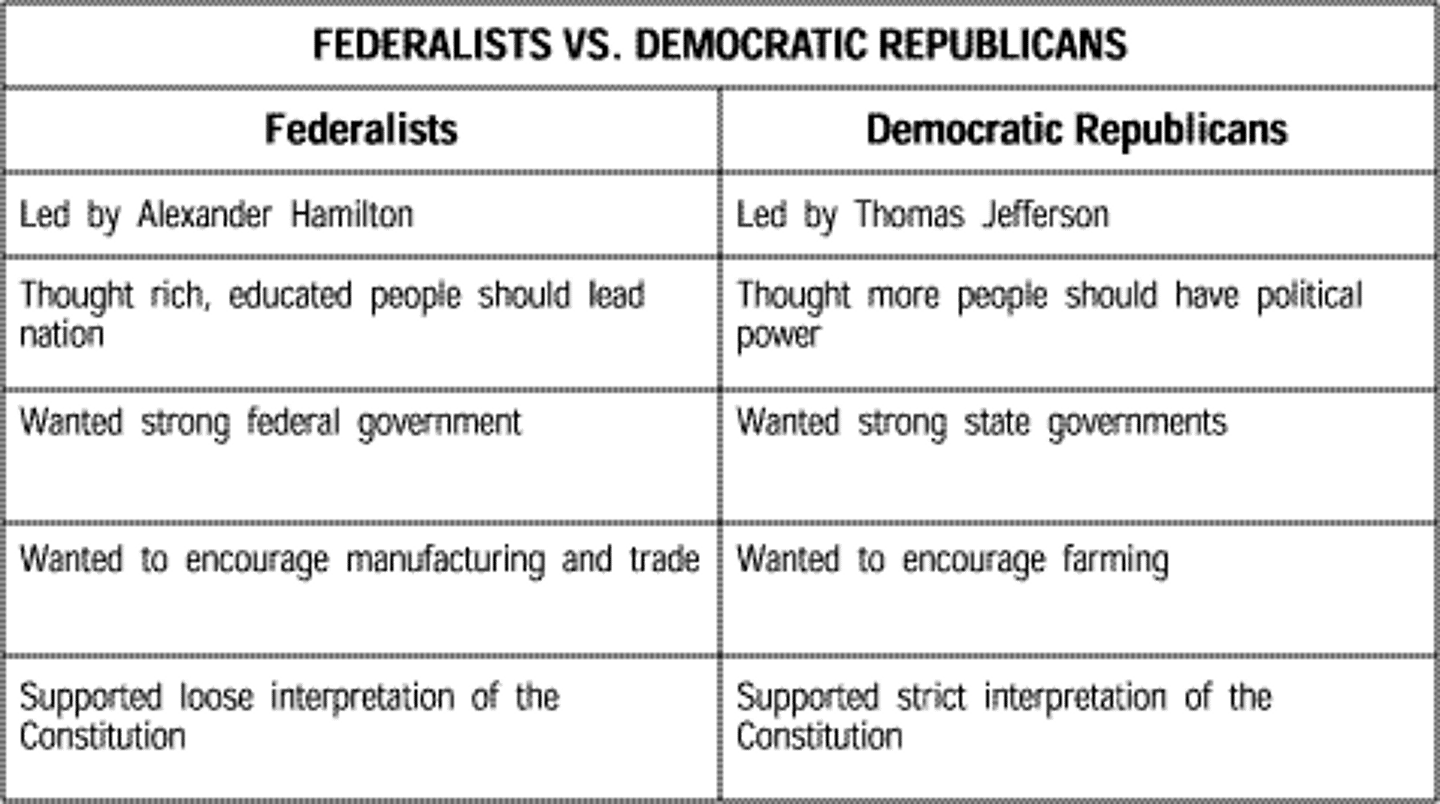
Democratic-Republican Party
formed by Thomas Jefferson and others who believed in an agrarian-based, decentralized,democratic government. The party was established to oppose the Federalists who had supported and pushed through the ratification of the US Constitution.
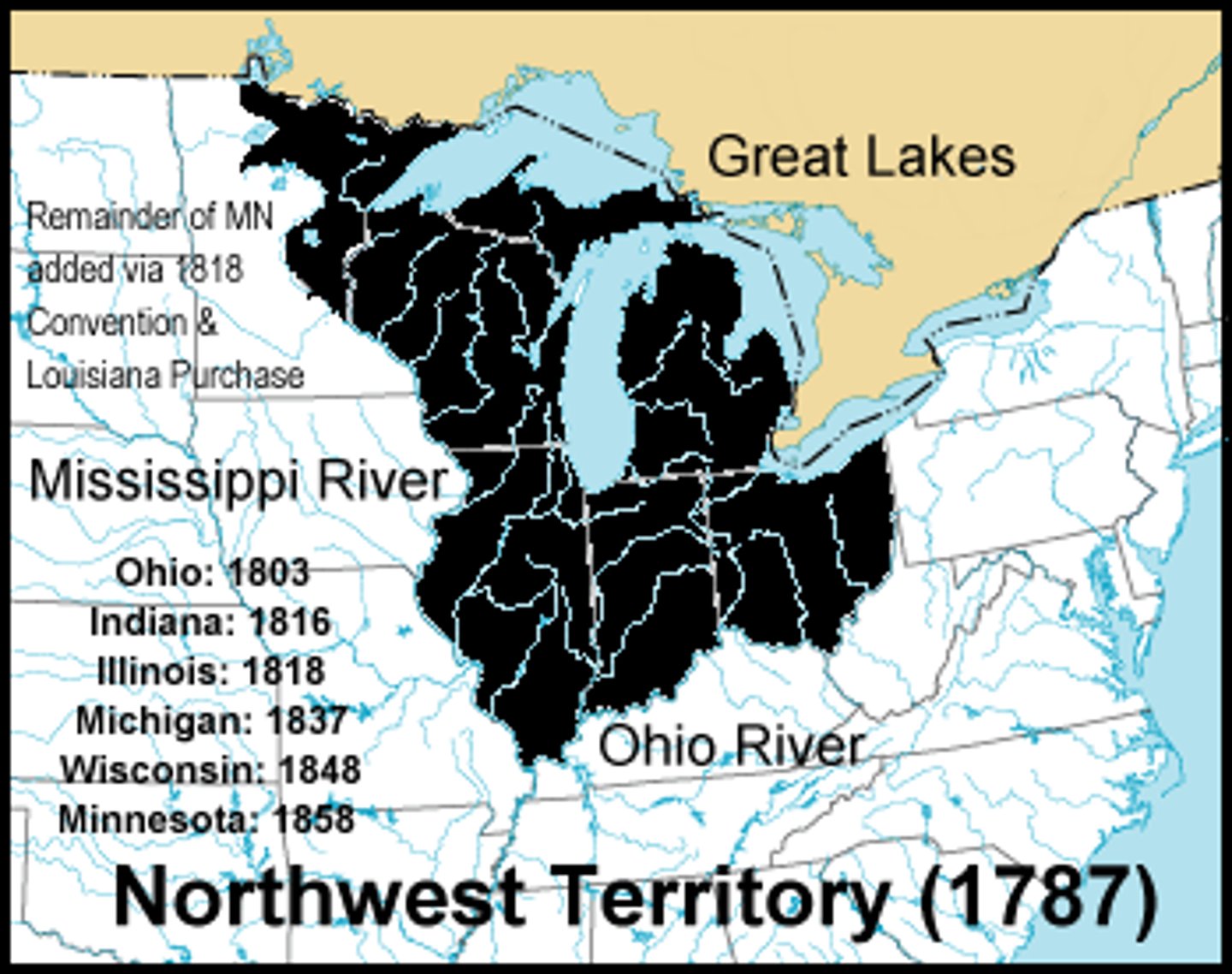
The Northwest Ordinance
created the Northwest Territory, the first organized territory of the United States, from lands beyond the Appalachian Mountains, between British North America and the Great Lakes to the north and the Ohio River to the south.established the precedent by which the Federal government would be sovereign and expand westward with the admission of new states, rather than with the expansion of existing states and their established sovereignty under the Articles of Confederation.
French Revolution
a period of far-reaching social and political upheaval in France that lasted from 1789 until 1799, and was partially carried forward by Napoleon during the later expansion of the French Empire. The Revolution overthrew the monarchy, established a republic, experienced violent periods of political turmoil, and finally culminated in a dictatorship under Napoleon that rapidly brought many of its principles to Western Europe and beyond.
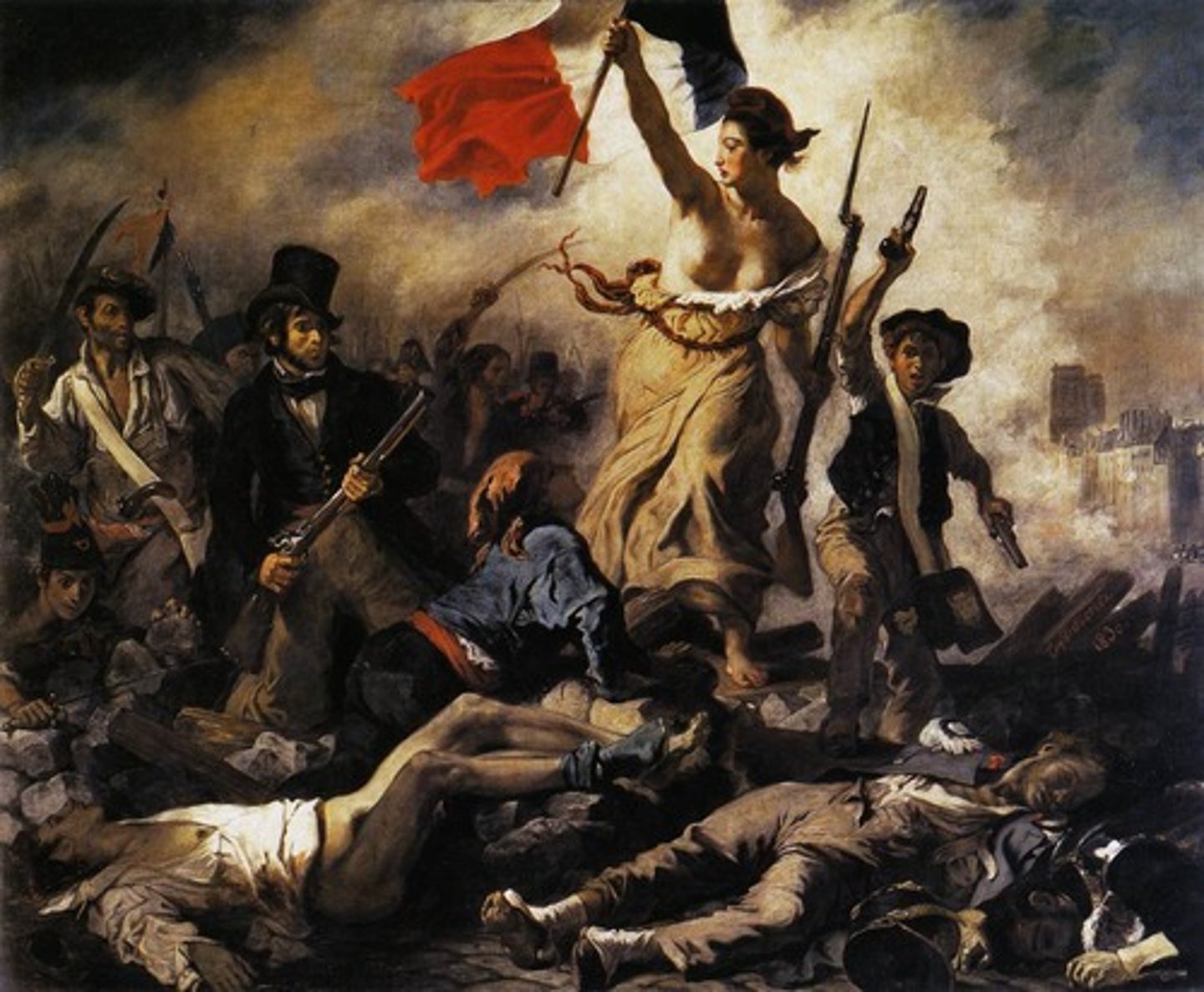
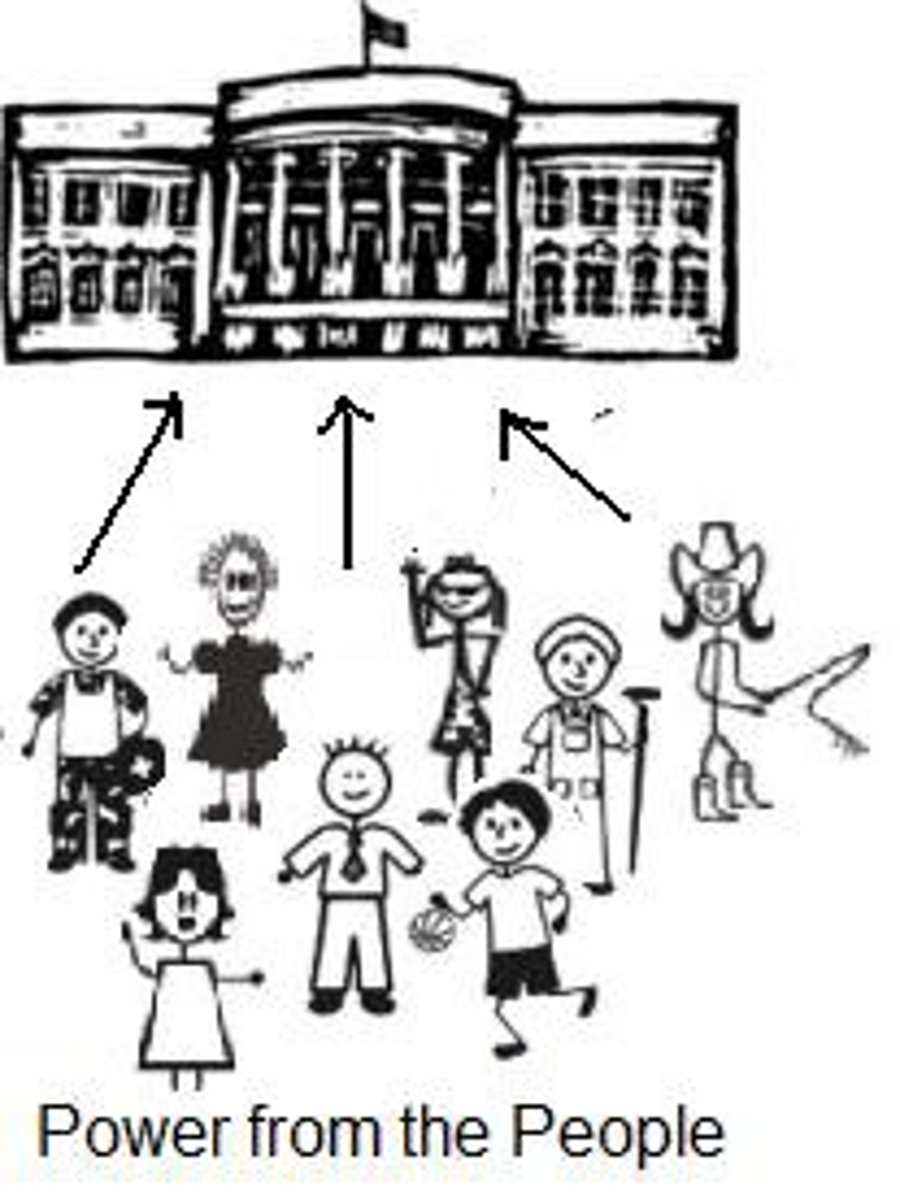
Popular Sovereignty
the principle that the authority of a state and its government is created and sustained by the consent of its people, through their elected representatives (Rule by the People), who are the source of all political power.
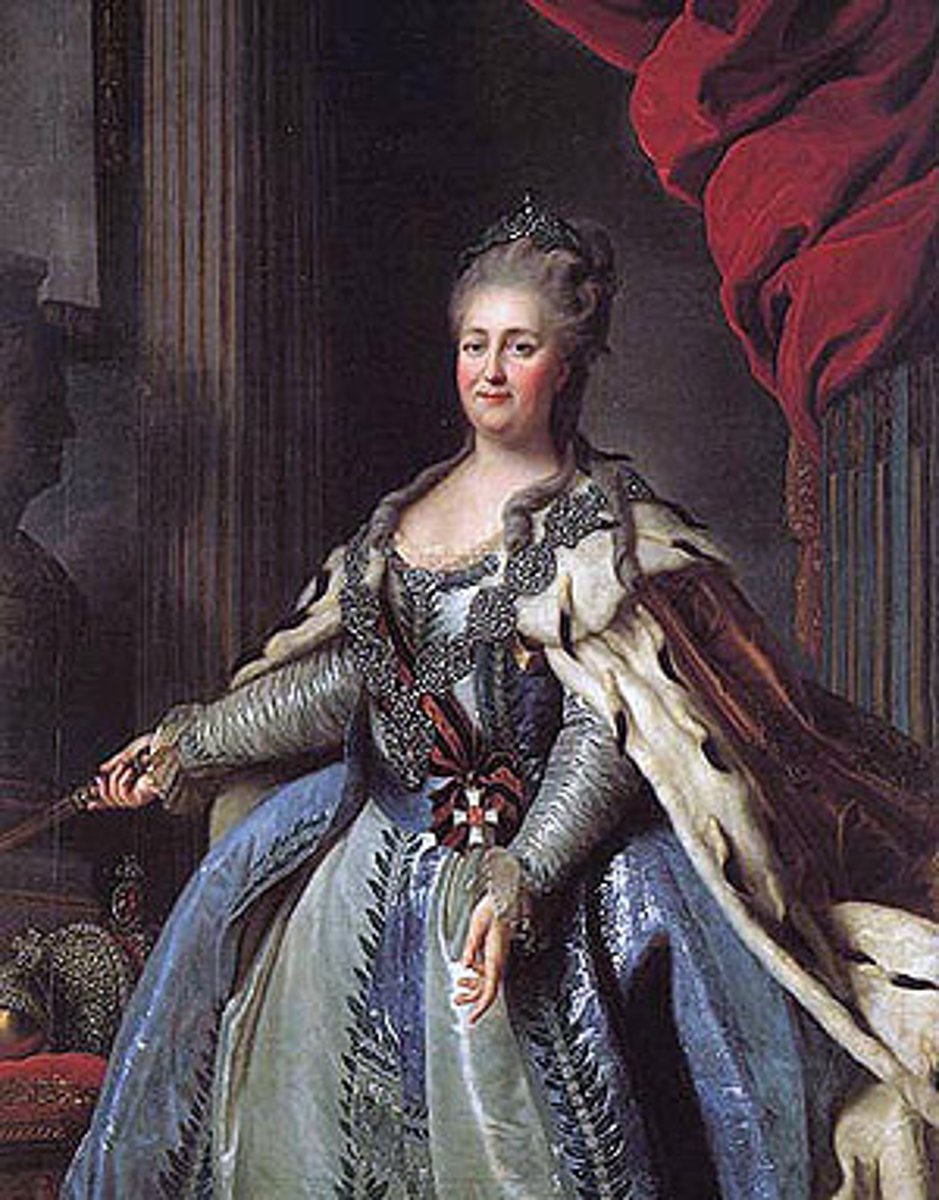
despotism
Arbitrary or tyrannical rule.
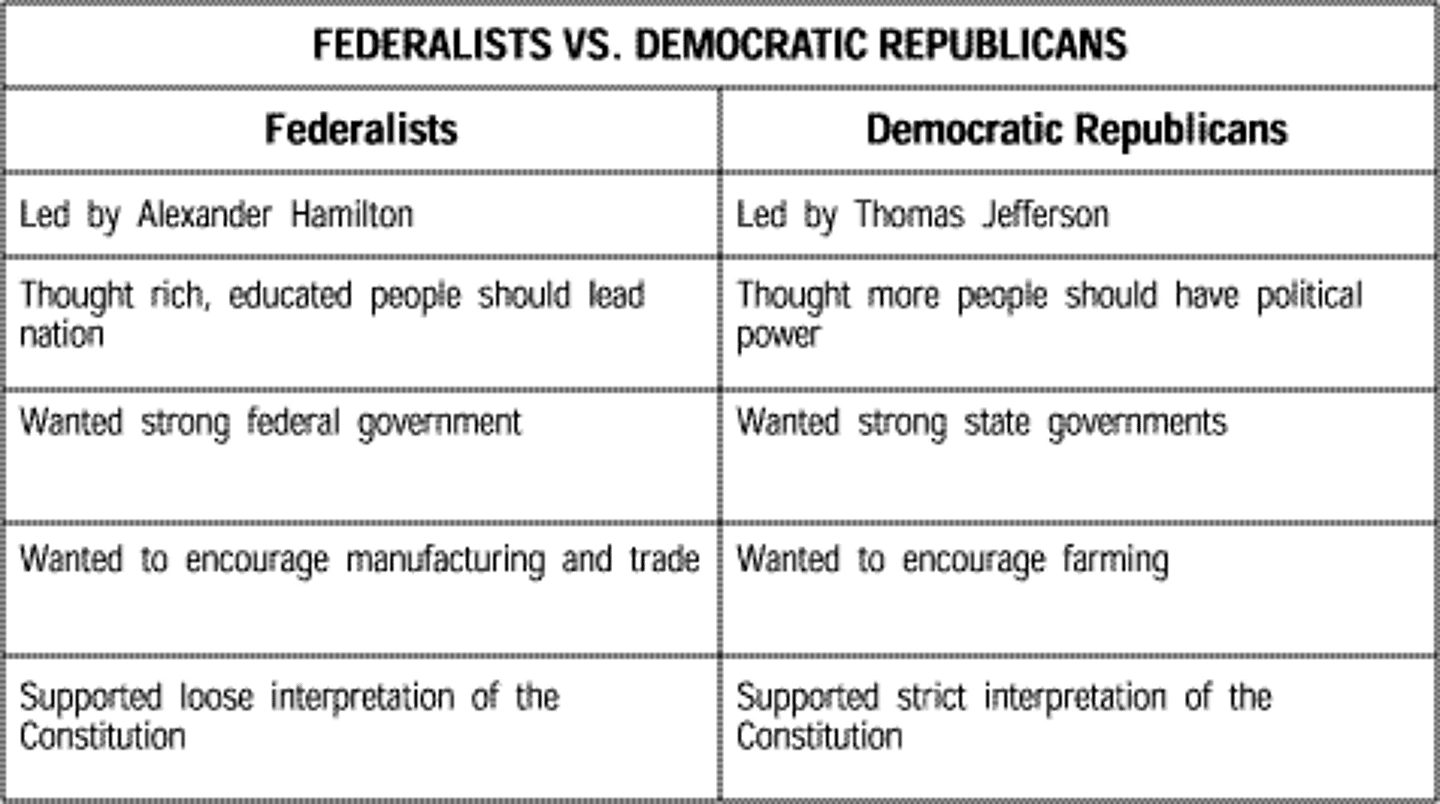
Federalist
Political party created in the 1790s led by Alexander Hamilton; favored a stronger national government; supported primarily by the bankers and moneyed interests
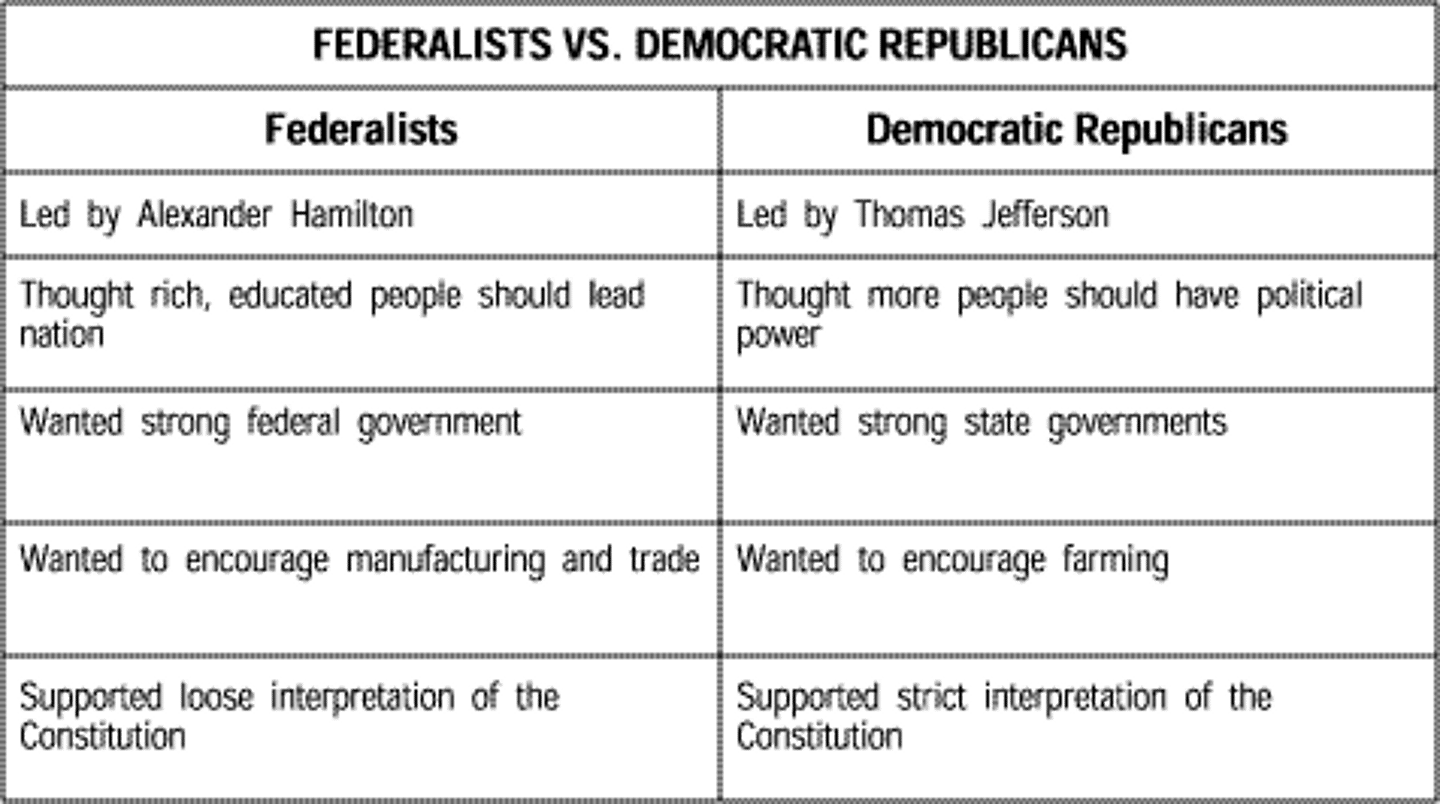
Democratic-Republicans
Political party created in the 1790's; led by Thomas Jefferson; favored limited government and state rights; supported primarily by the "common man"
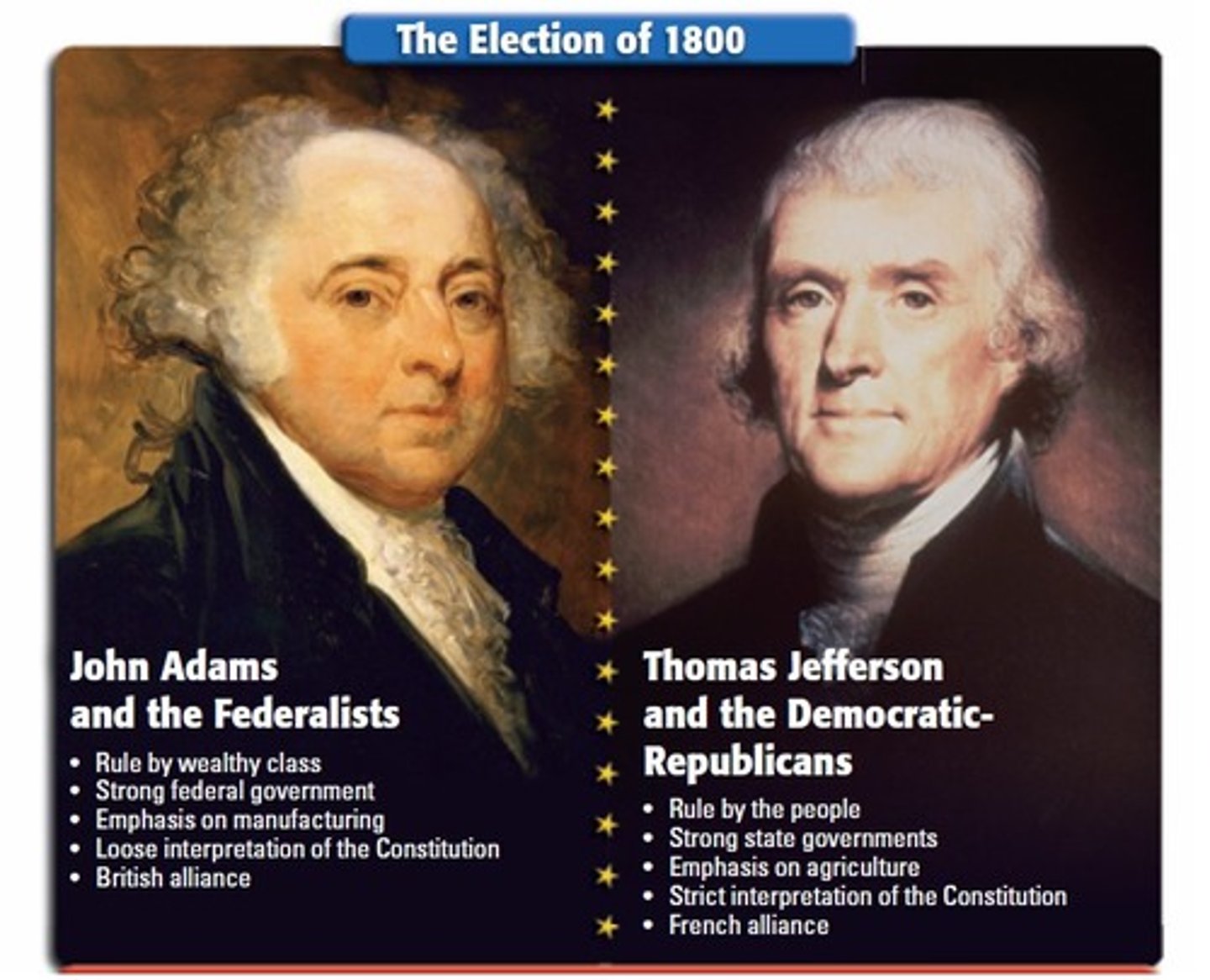
Election of 1800
(AKA Revolution of 1800) election that led to a peaceful transfer of power from the Federalist party to the Democratic Republican Party
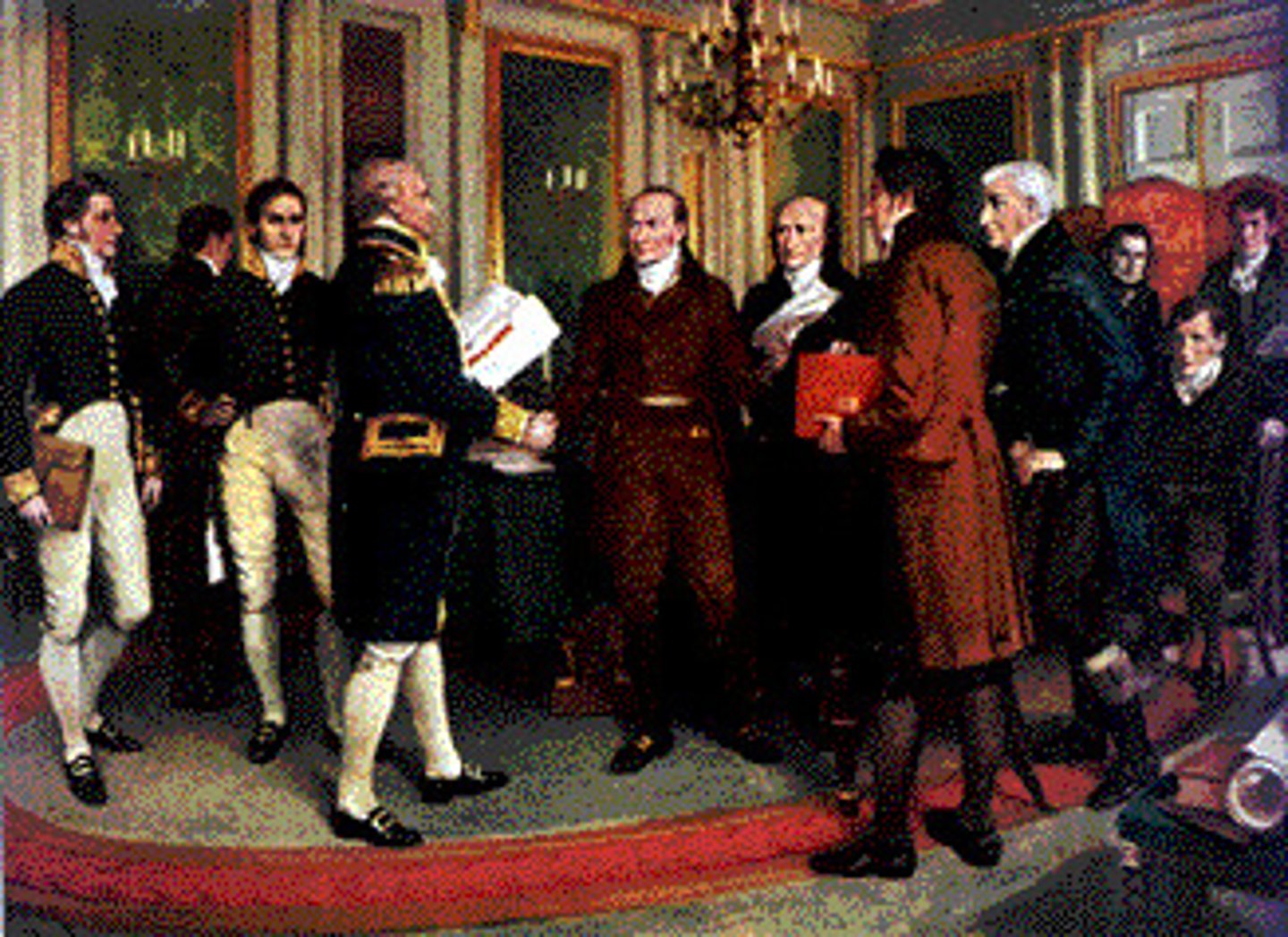
Hartford Convention, 1814
Meeting of Federalists during the War of 1812 discuss strategy to gain more power in government; viewed as unpatriotic by many; as a result, the Federalist Party was no longer a significant force in American politics
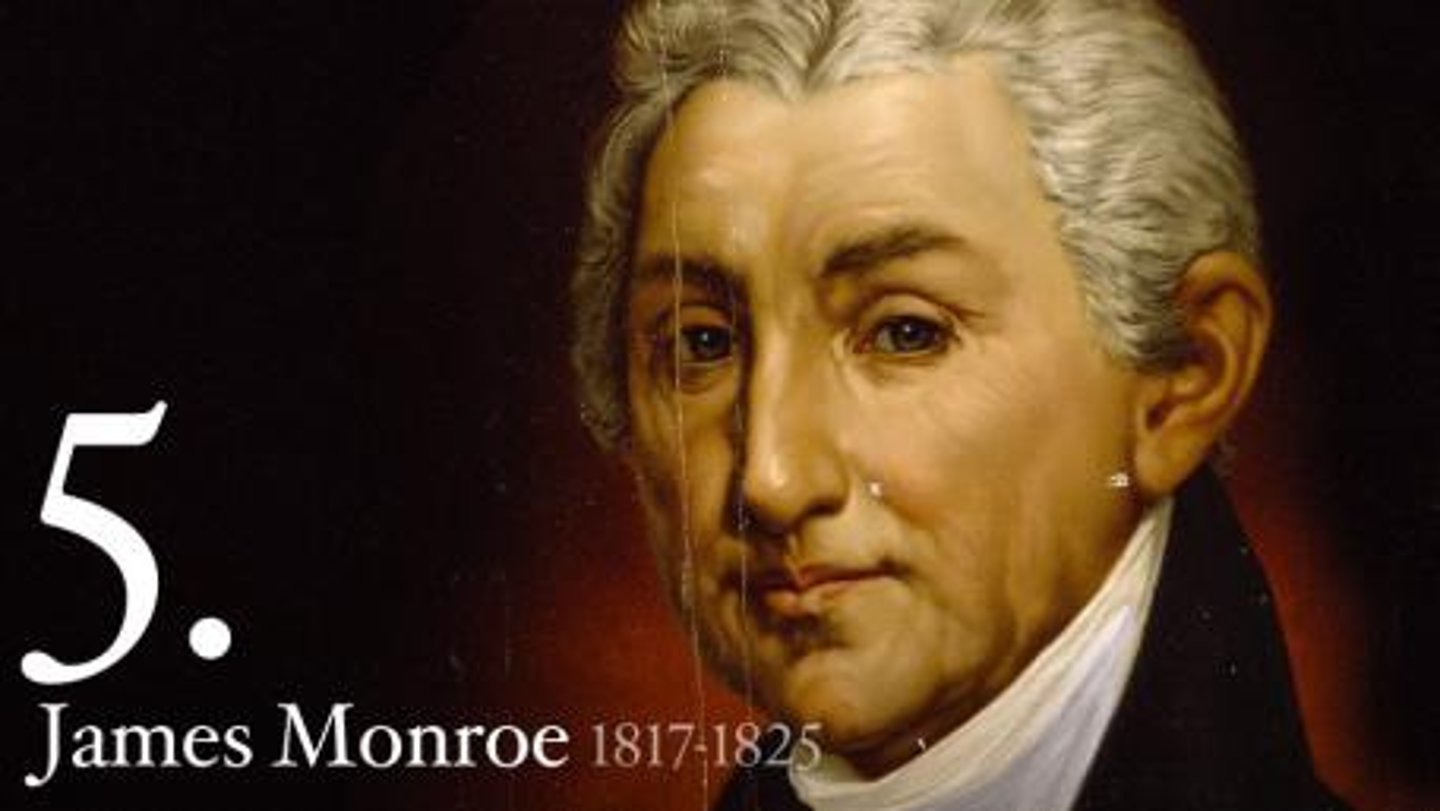
Era of Good Feelings
Term used to describe the time period after the 2nd Party System in the United States after the Federalist Party fell from the national stage, leaving only the Democratic Party; associated with the presidency of James Monroe
Democrats
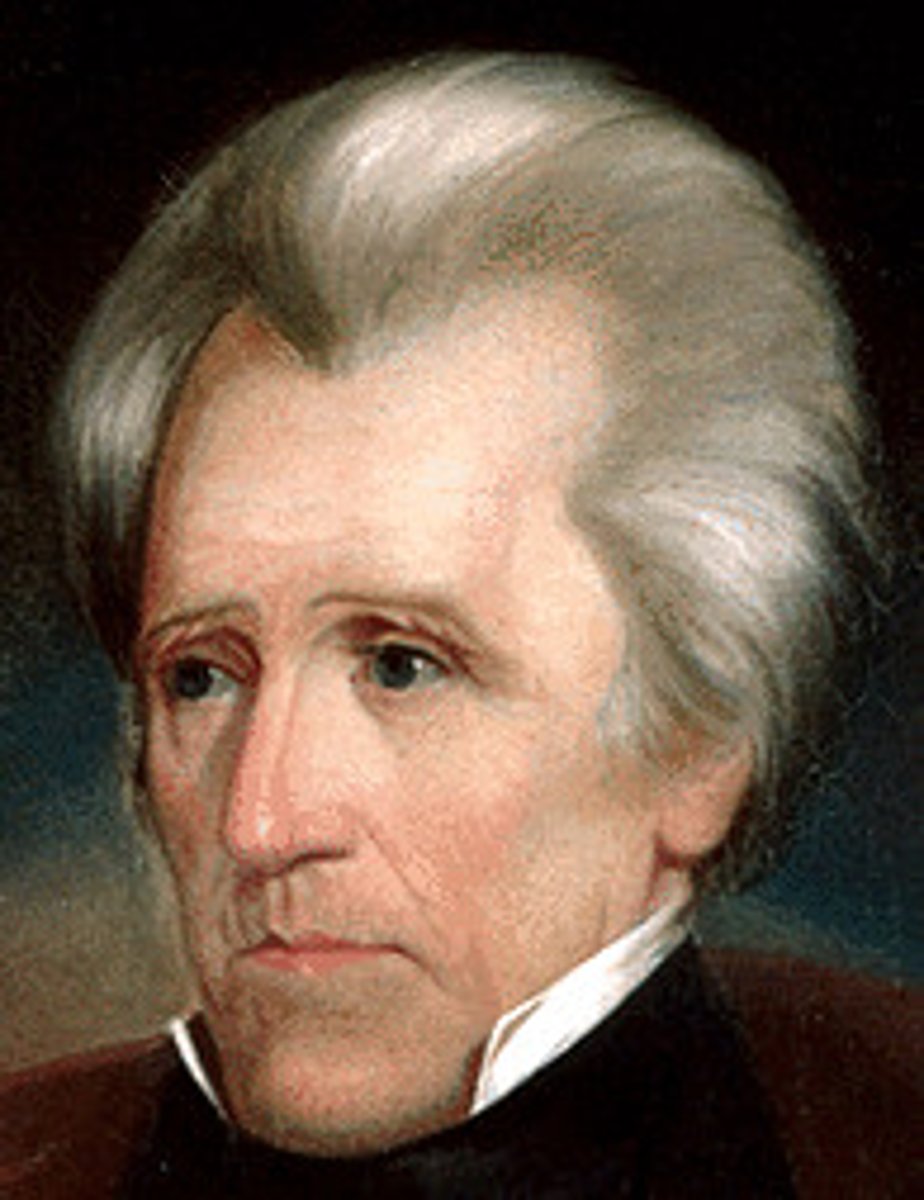
Political party that brought Andrew Jackson into office in 1829; part of the 2nd Party System of the United States; supported Jeffersonian ideas of limited government and individualism; drew its support from the "common Man"
Whig Party
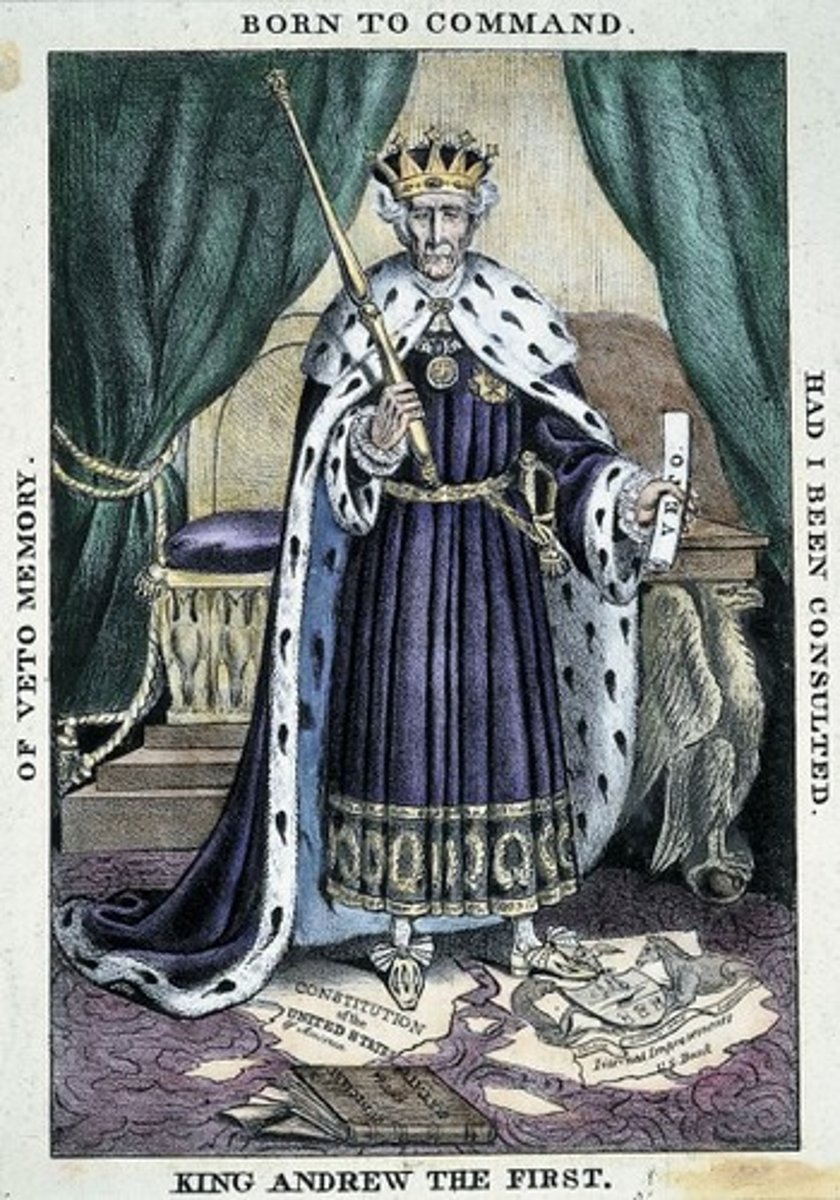
Political Party created in 1834 as a coalition of anti-Jackson political leaders and dedicated to internal improvements funded by the national government
 Note
Note  Flashcards (26)