AP WORLD UNIT 5: HEIMLER'S HISTORY REVIEW
 Call Kai
 Learn
Learn Practice Test
 Spaced Repetition
 Match
Match Flashcards
 Knowt Play
1/31

There's no tags or description
Looks like no tags are added yet.
Name | Mastery | Learn | Test | Matching | Spaced | Call with Kai |
|---|
No analytics yet
Send a link to your students to track their progress
32 Terms
Why was the Industrial Revolution such a big deal?
It literally changed the entire world from the way people think, to where they work, and their social structures. The revolution also inspired waves of nationalism that had serious effects on colonies and their chances for independence.
How did innovations during this time period aid in global development?
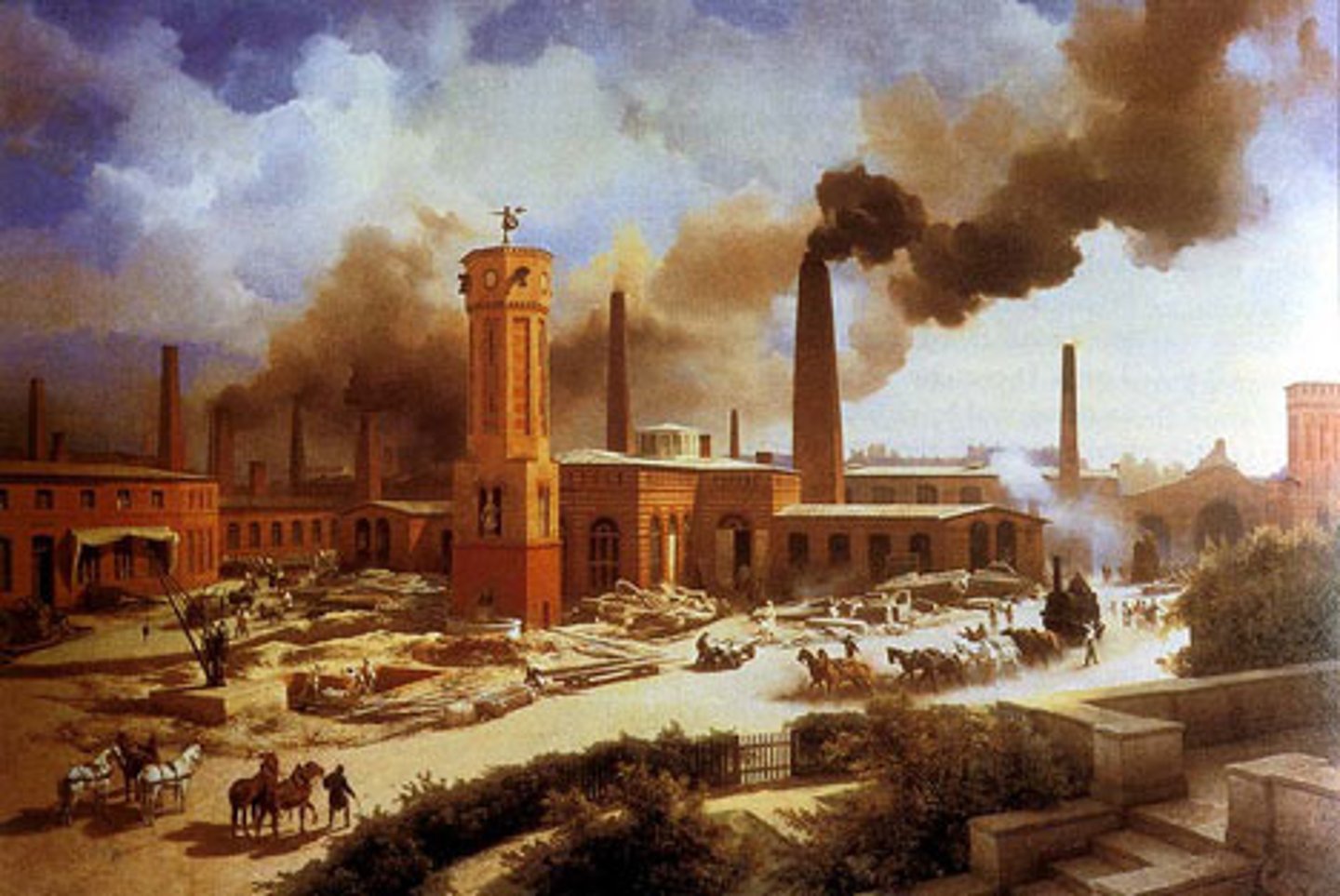
Railroads, steamships, and the telegraph made exploration and communication possible in interior regions globally, which led to increased trade and migration.
What was the Industrial Revolution?
It was the introduction of machine manufacturing and industry and transformed the world from one based on agrarian/handicraft economies to one based on industrial production in factories.
How were the first industrial revolution and second industrial revolution different?
The "first industrial revolution" (1740-1860) focused on coal, iron and cotton. The "second industrial revolution" (1860-1900) led to new methods in the production of steel, chemicals, electricity and precision machinery.
What led to the creation of factory systems?
New innovations like the Spinning Jenny and the Water Frame which were first powered by moving water and then steam, required space and money. Entrepreneurs put several into the same space and thus the factory was born.
Why were unskilled workers more likely to find work during the Industrial Revolution?
Workers on assembly lines were responsible for a single part of whatever was produced and they did the same task over and over again. Workers no longer needed to be skilled at making a full product from start to finish.
What did industrialization mean for the consumer?
The development of industrial capitalism led to increased standards of living for some, and to continued improvement in manufacturing methods that increased the availability, affordability, and variety of consumer goods. This is a good example of the extent to which industrialization brought change from 1750-1900.
What new economic theory became the driving force in European countries?
Capitalism!!!!!! Adam Smith!!!!!!!! Laissez-Faire ("leave alone") Economics!!!!!!!
Why did the Industrial Revolution begin in England?
England had the necessary resources for mechanization like iron and coal close to the surface and abundant waterways for the transportation of goods. This helps to explain how environmental factors contributed to Industrialization from 1750-1900. Additionally, England directly encouraged the revolution through introducing legal protections for entrepreneurs.
Where did industrialization primarily spread to (outside of Europe)?
The United States, Russia, and Japan
Why was there resistance to Industrialization in China during the Qing Dynasty and in the Ottoman Empire?
Some viewed industrialization as westernization.
What was the self-strengthening movement?
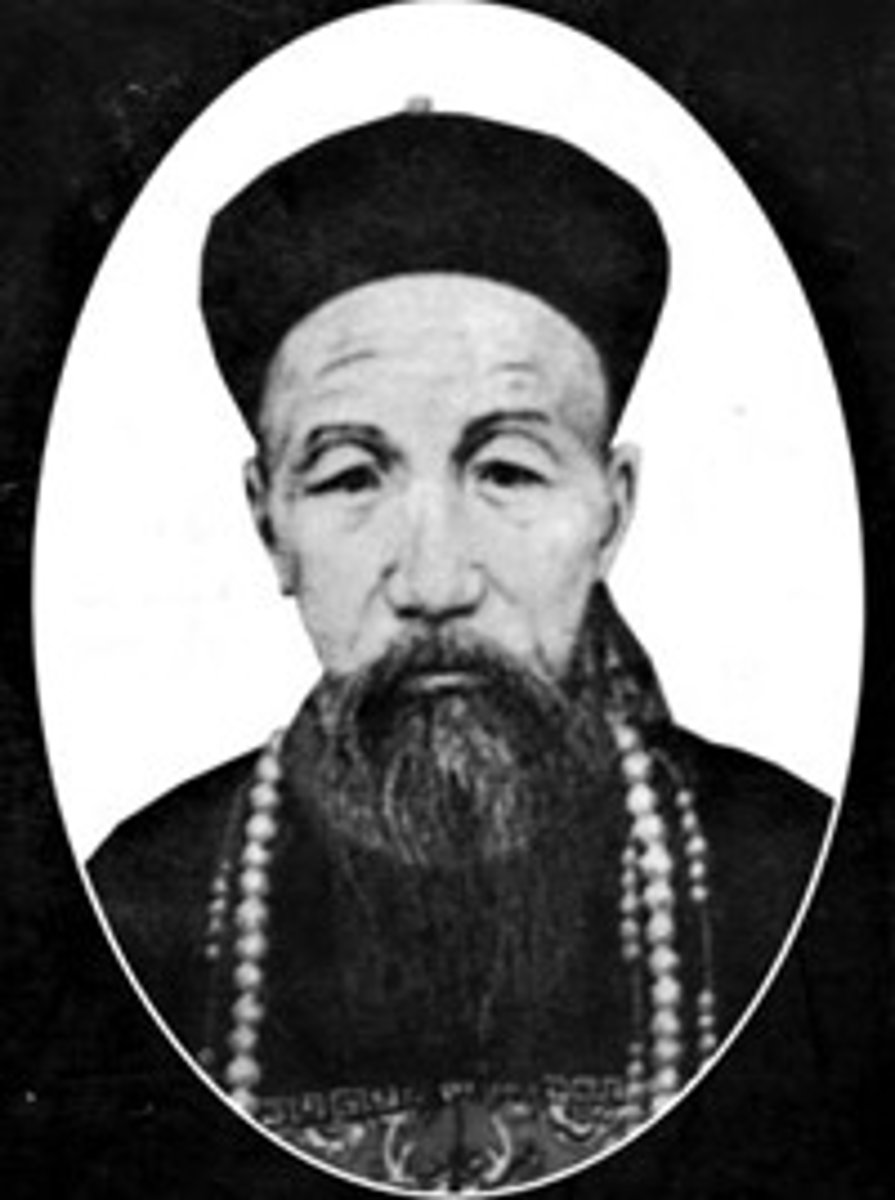
A Chinese industrializing movement led by Empress Cixi post-revolution. The goal was to industrialize, but due to resistance from landowners and other traditional elites in the Qing dynasty the program did not move quickly enough and the goods it produced were inferior to those found in Europe.
What was the Tanzimat? Why did it fail?
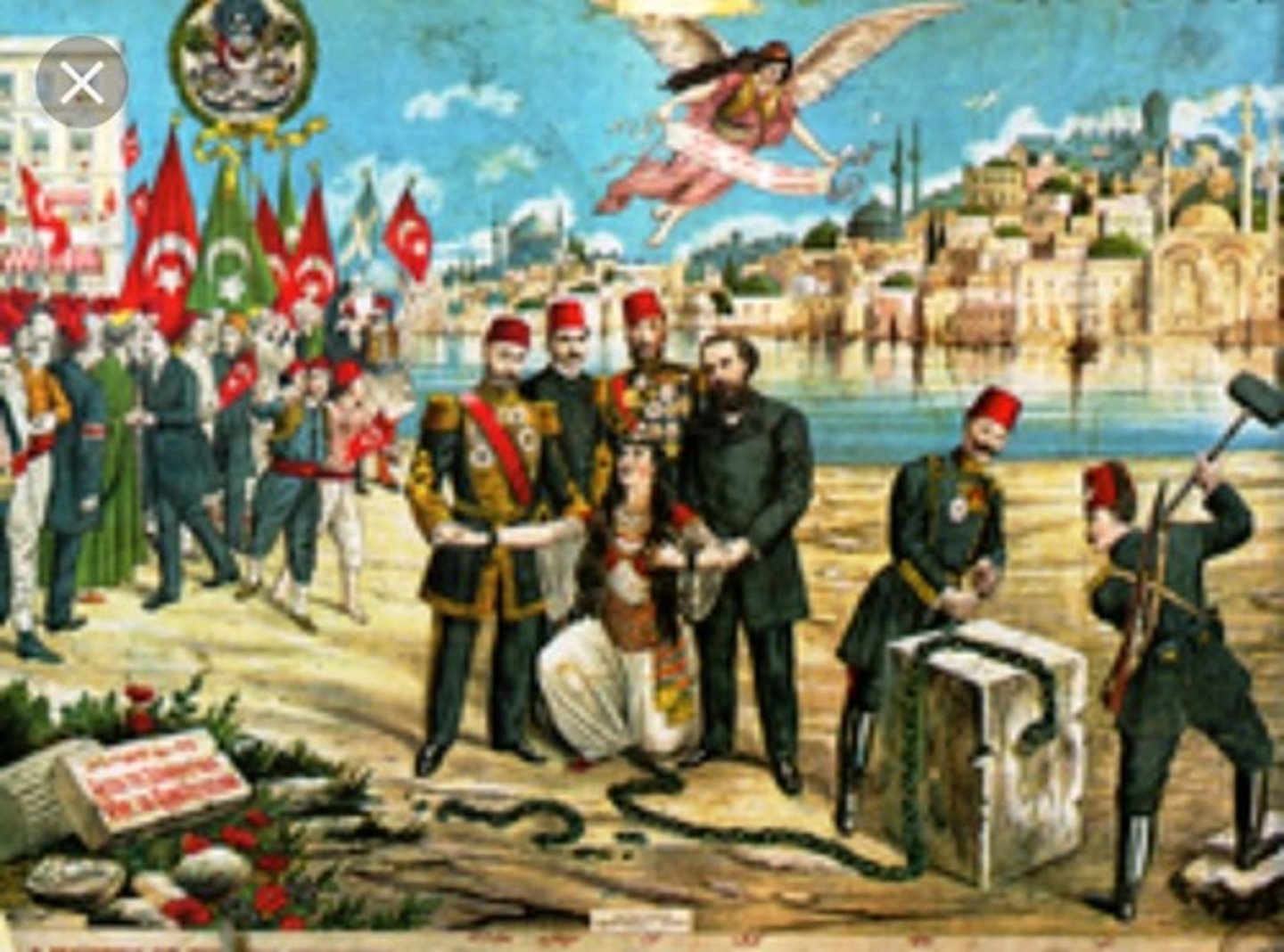
The Ottomans were losing territory to nationalist uprisings, which resulted in a free trade deal between the British and Ottomans to increase imports and exports. The Ulama (religious scholars) saw this as a loss of Islamic culture and when a conservative Sultan came to power he pushed back all reforms.
Who was a part of the growing working class?
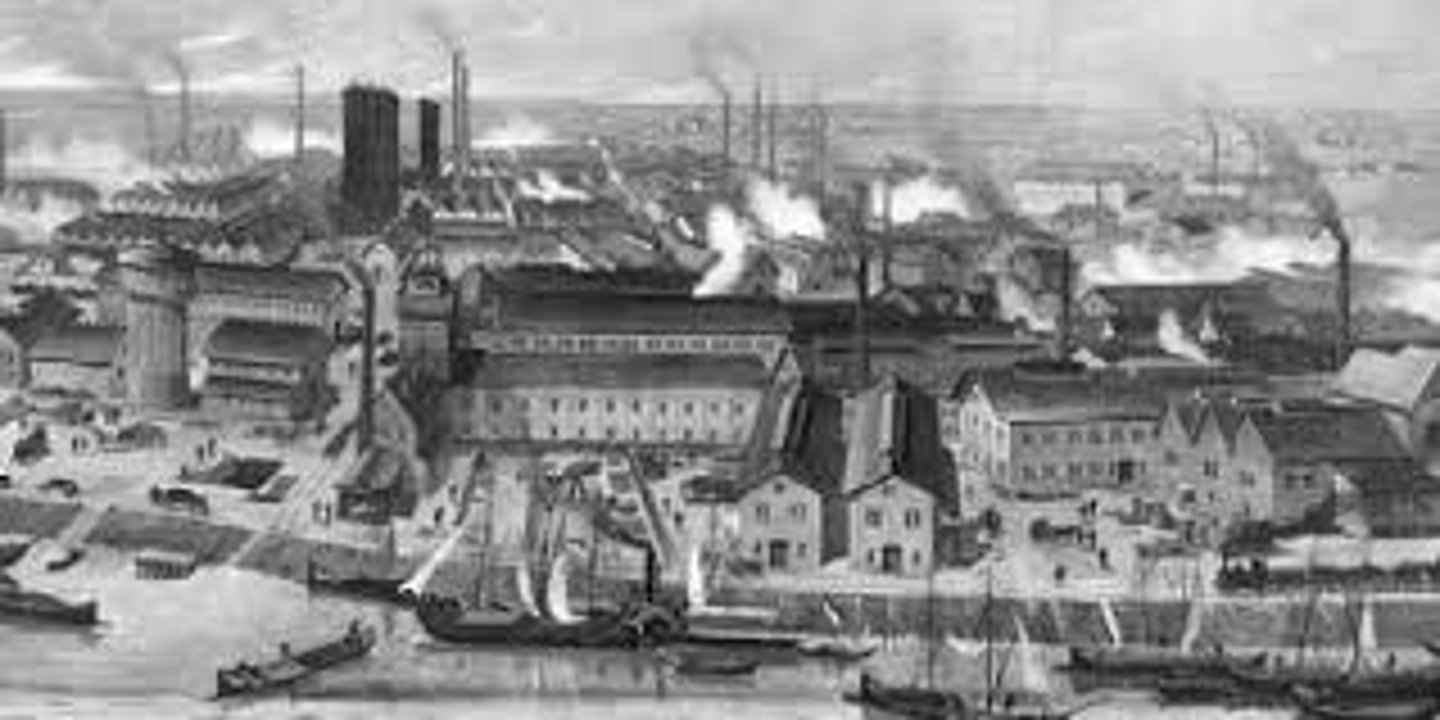
Those who worked in factories
Who was a part of the growing Middle Class?
Those who worked in offices or managed factory workers. They came to be known as "white collar" workers.

Who was the new elite class?
Factory owners who were replacing those whose status was linked to birth and landownership. Sometimes this new elite were called the bourgeoisie.
What was the life of the working class like?
Awful! They worked 14-16 hours a day, and ate most of their meals at the factory away from their families. Conditions in the factories were unsafe and pay was very low.
Why did factory owners employ so many women and children?
Women and children could be paid less than men.
What methods were used by the working class to fight for better conditions?
They joined labor unions to make their voices more powerful as a collective. Labor unions fought for and won the creation of a fair minimum wage for workers, limited work hours, and the five day work week.
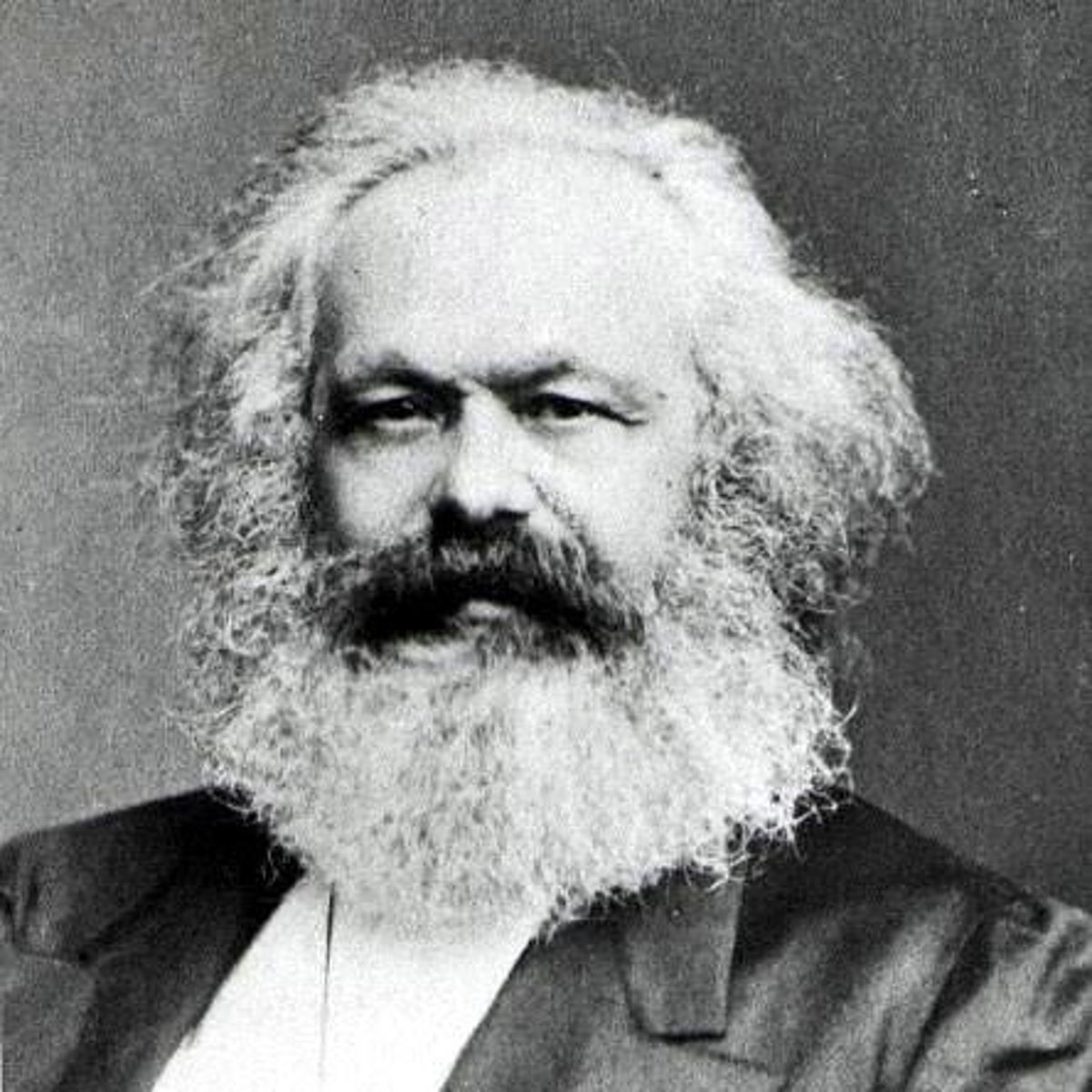
What was Karl Marx's critique of industrial society and how did he propose to fix it?
He felt the hierarchical class system in which the upper classes exploited the lower classes was a problem. His solution was communism, which advocated a classless society that shared all wealth equally. This is a good example of the extent to which industrialization brought social change from 1750-1900.
What was the Enlightenment?
An intellectual movement in the 17th and 18th centuries that emphasized reason and individualism over tradition.
What political ideas were proposed by the philosophers of the Enlightenment?
All people had natural rights on the basis of their being human. Locke's Social Contract ruled that the people were within their right to overthrow the government if need be. This led many states to create constitutional governments. Similarly, the vote was given to non-landowners and eventually to working class men during this time period.
How
How did the Enlightenment bring social change?
Its ideas and religious ideals influenced various reform movements that contributed to the expansion of rights, as seen in expanded suffrage (the franchise), the abolition of slavery ( 19th century), and the end of serfdom (in Russia). Demands for women's suffrage and emergent feminism challenged political and gender hierarchies.
Where did enlightenment concepts lead to actual revolutions?
Think back to the rebellion presentations! Bolivar, Haitian guy, American dads, etc.
Besides the Enlightenment, what motivated revolutions?
A growing sense of commonality based on language, religion, social customs and territory. This was harnessed by governments to foster a sense of unity.
What was the primary economic motive for New Imperialism?
Need for Raw Materials: Industrial nations needed steady supplies of rubber, cotton, and minerals.
How do Settler Colonies differ from Economic Imperialism?
Settler Colonies involved Europeans moving to live there, while Economic Imperialism involved controlling trade/resources without full settlement.
How did Social Darwinism justify European imperialism?
It claimed Europeans were biologically superior and had a 'Civilizing Mission' to rule others.
How did indigenous people respond to state expansion?
They formed Anti-Colonial Resistance movements, such as the Sepoy Mutiny, the Ghost Dance, and the Xhosa Cattle-Killing.
Why did global migration increase during this period?
Industrialization led to Urbanization and new labor systems like Indian/Chinese Indentured Servitude.
How did the British and Dutch East India Companies compare?
Both were Joint-Stock Companies with trade monopolies, but transitioned into direct government control over time.

