A level Geography - Globalisation
 Studied by 0 people
 Call Kai
 Learn
Learn Practice Test
 Spaced Repetition
 Match
Match Flashcards
 Knowt Play
1/72

There's no tags or description
Looks like no tags are added yet.
Name | Mastery | Learn | Test | Matching | Spaced | Call with Kai |
|---|
No analytics yet
Send a link to your students to track their progress
73 Terms
Define Globalisation:
A process by which national economies, societies and cultures have become increasingly integrated through the global network of trade, communication, transportation and immigration.
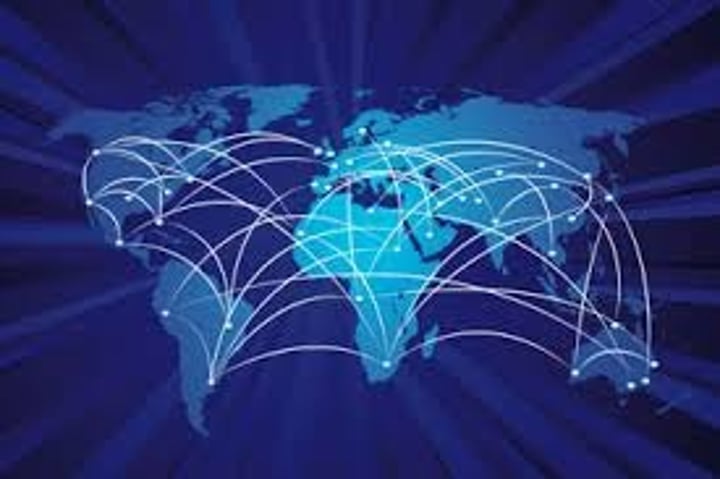
Importance of Globalisation:
•Different types of connection or movement are linking people and places together.
•These connections and movements can be forged across a global-scale distance, or space.
•These connections and movements can make different places interdependent on one another for trade or other forms of support.
•Places are becoming dynamic, as societies and cultures begin to mix and change as a result of connections and movements.
Factors accelerating Globalisation:
•Technology.
•Governments, organisations (UN) and businesses.
•Global corporations.
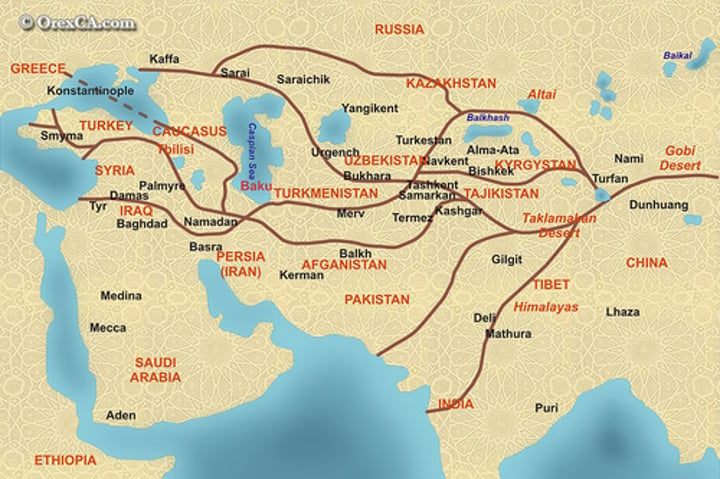
Silk road:
The term 'Globalisation' can be traced back to 206 BC when the 'Silk Route' or 'Silk Road' connected the overland trade route between Asia, Europe and Africa.
3 main dimensions of Globalisation:
1. Economic - the long distance flows of goods, capital and services as well as information and market exchanges.
2. social / cultural - the spread of ideas, information and images.
3. Political - the diffusion of government policy and development of market economies in former communist states.
Factors of production are the inputs available to supple goods and services in an economy:
1. Land - all natural resources found by Earth.
2. Labour - The human resources available in any economy. The quantity and quality of any workforce are key considerations to any business owners.
3. Enterprise - those who take the risk of establishing business, producing goods and providing services.
4. Capital - Any physical resource that can be regarded as a man made aid for production, factories.
How has globalisation affected trade around the world?
Globalization has resulted in greater interconnectedness among markets around the world and increased communication and awareness of business opportunities in the far corners of the globe. More investors can access new investment opportunities and study new markets at a greater distance than before.
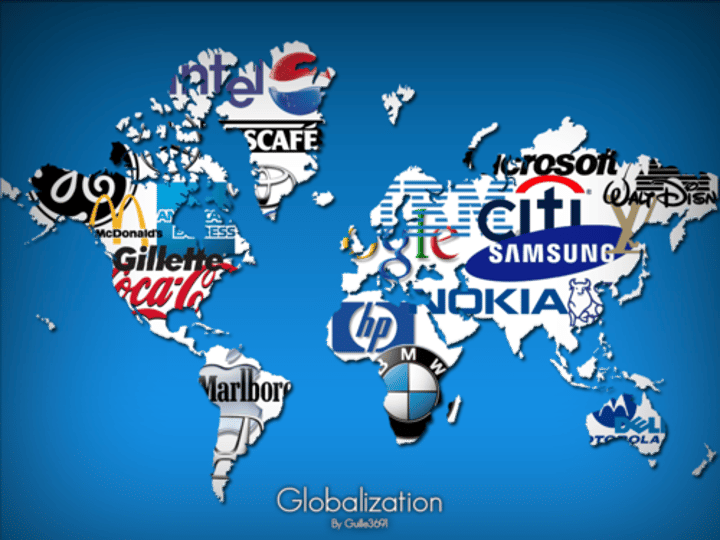
Social strands of globalisation:
1. Increased social connectivity due to technological enhancements.
2. Global improvements in life expectancy and literacy rates.
3. International immigration - multi ethnic societies
Economic strands of globalisation:
1. Growth of TNCs
2. Technology
3. Internet
Political strands of globalisation:
1. Growth of trading blocs
2. The world bank, IMF and WTO
3. G7/G8 and G20 group meetings
Cultural strands of globalisation:
1. Glocalisation
2. Mc Donaldisation
3. Technology
MINT:
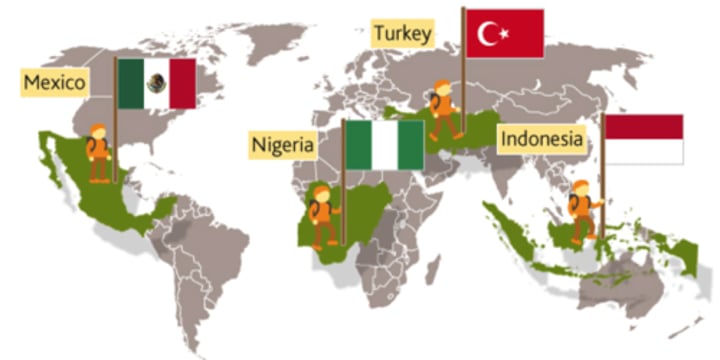
A group of four countries—Mexico, Indonesia, Nigeria and Turkey—that are expected to show strong growth and provide high returns for investors over the coming decade
Diaspora:
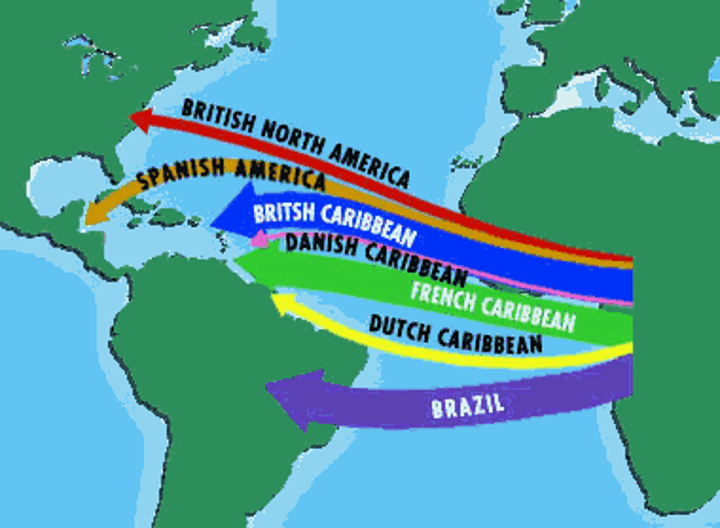
The dispersion or spread of any people from their original homeland.
BRIC:
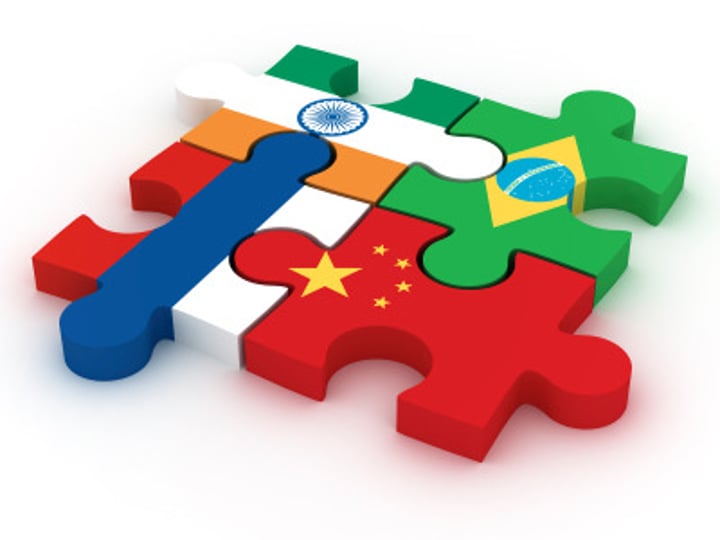
BRIC is a grouping acronym that refers to the countries of Brazil, Russia, India and China, which are all deemed to have economies that have rapidly advanced since the 1990s
Economic Leakages:
Leakage is a situation in which capital, or income, exits an economy or system rather than remaining within it.

Capital flows:
The movement of money for the purpose of investment, trade or to produce goods provide services. Usually regarded as investment into a production operation.
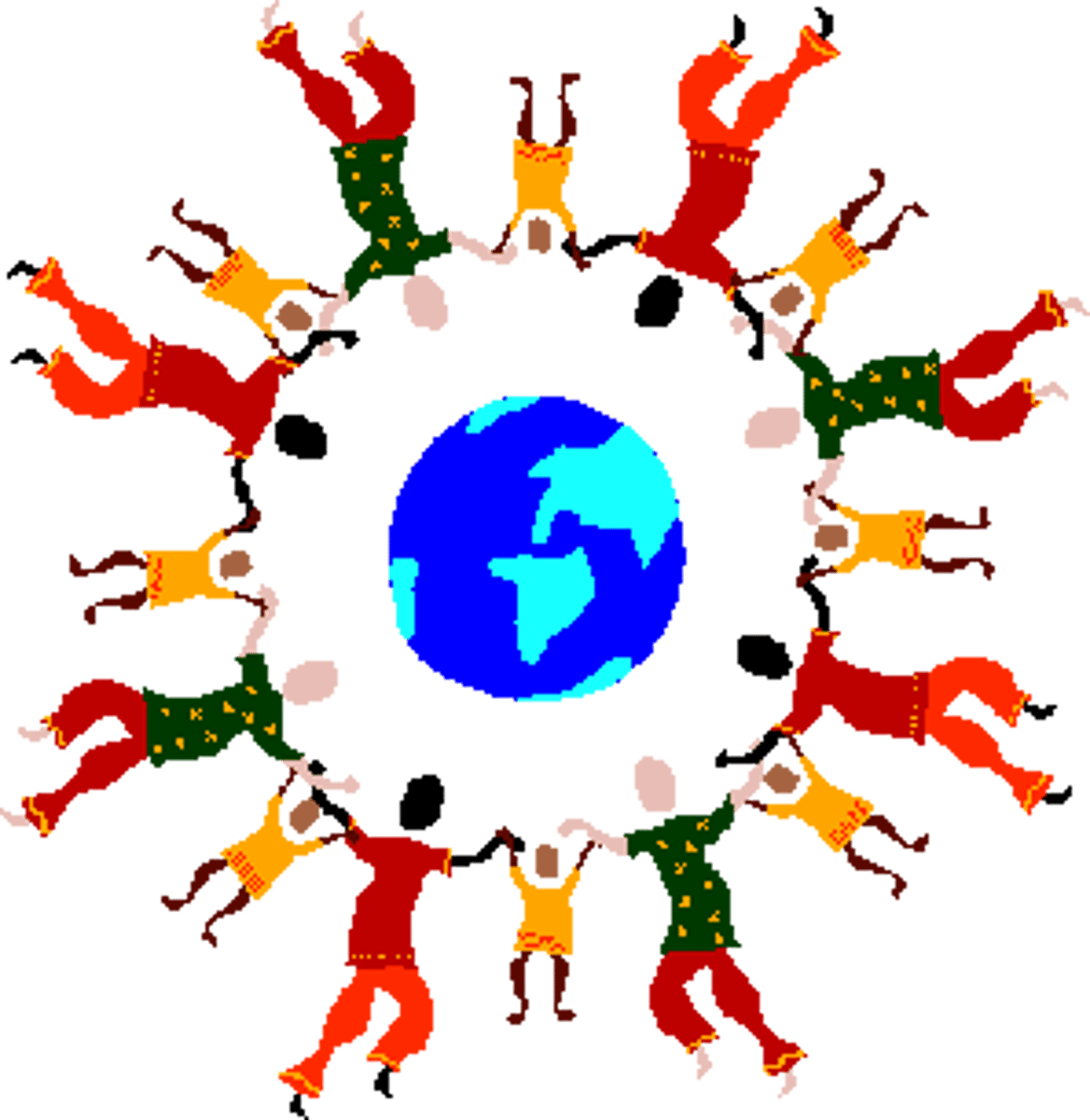
Pluralistic:
A conviction that various religious, ethnic, racial, and political groups should be allowed to thrive in a single society.
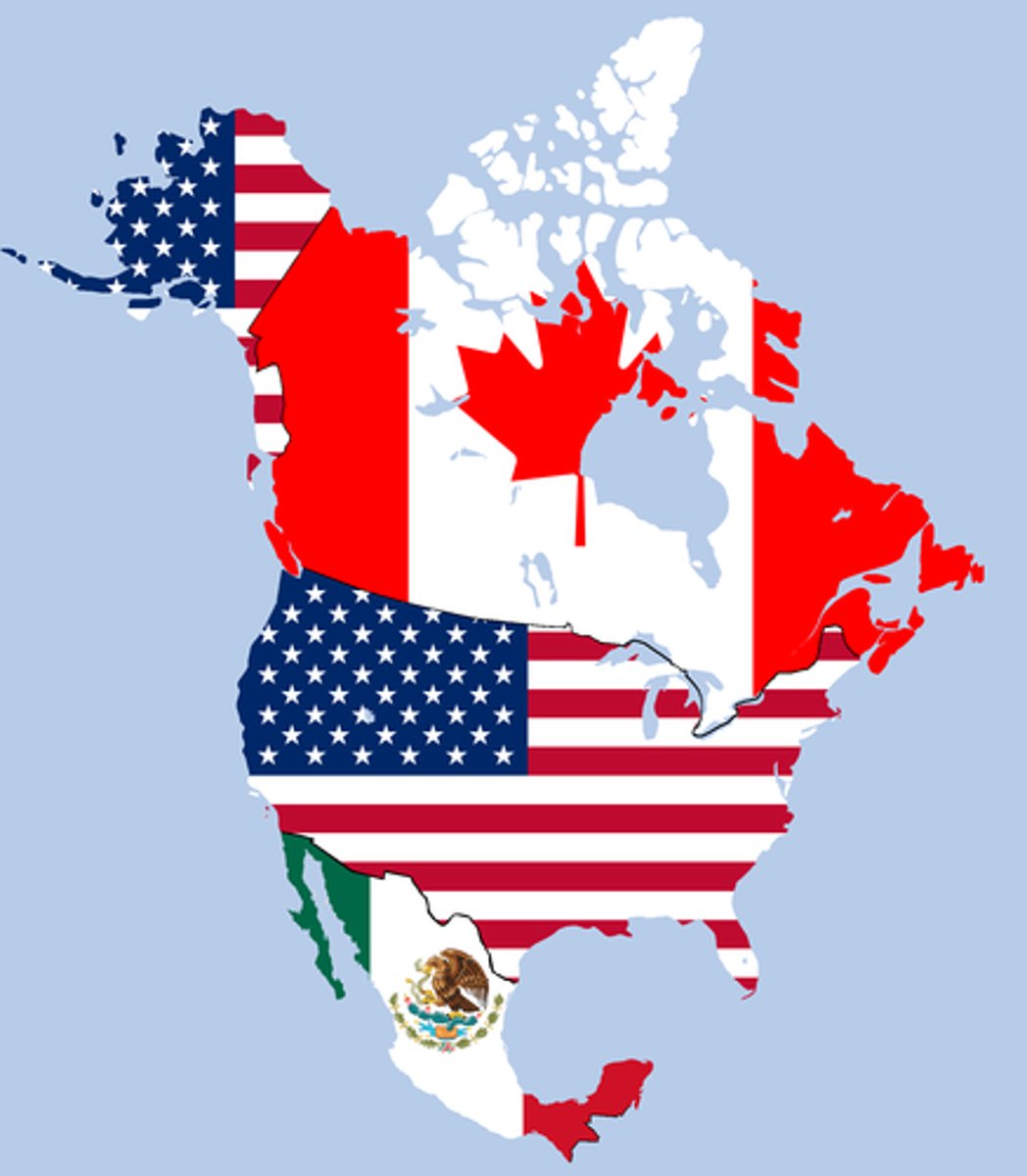
NAFTA:
The North American Free Trade Agreement (NAFTA) is a comprehensive agreement that sets the rules for international trade and investment between Canada, the United States, and Mexico.
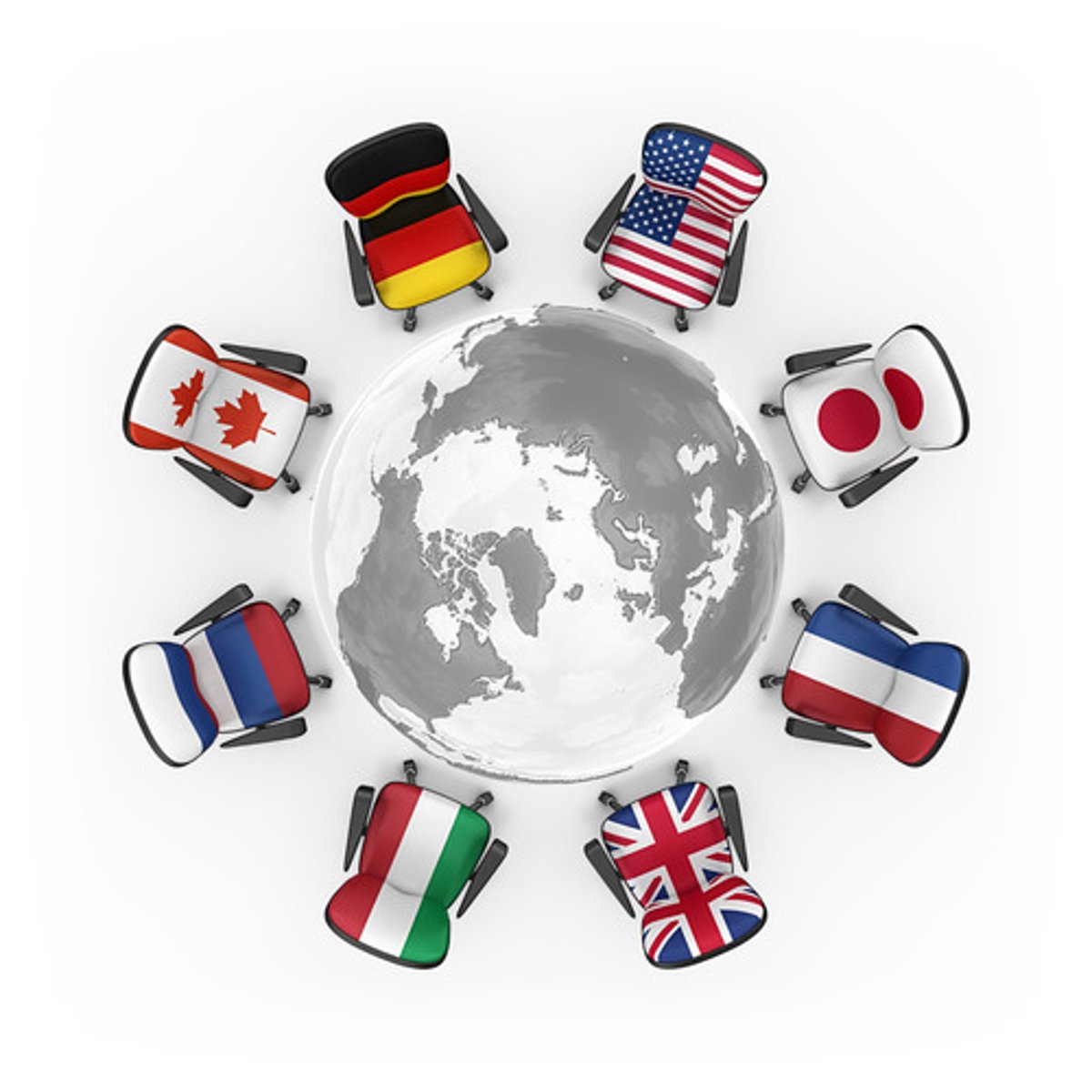
G8:
Refers to the group of eight highly industrialized nations—France, Germany, Italy, the United Kingdom, Japan, the United States, Canada, and Russia—that hold an annual meeting to foster consensus on global issues like economic growth and crisis management, global security, energy, and terrorism.
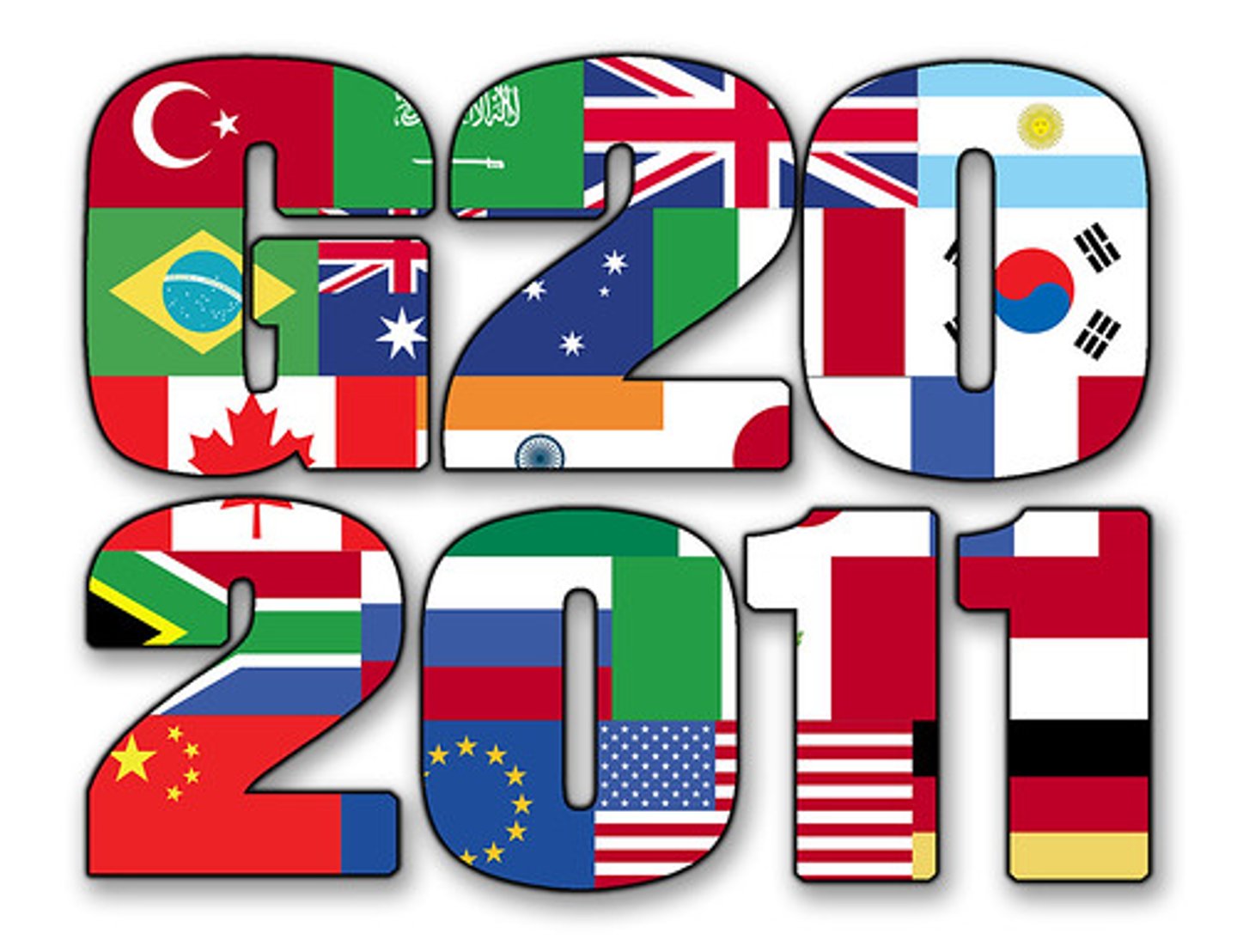
G20:
The Group of Twenty is an international forum for the governments and central bank governors from 20 major economies.
Labour:
Factor of production defined as the aggregate of all human physical and mental effort used to create goods or provide services.
International Trade:
The exchange of capital. goods and services across international borders. Inbound trade is defined as imports and outbound trade as exports.
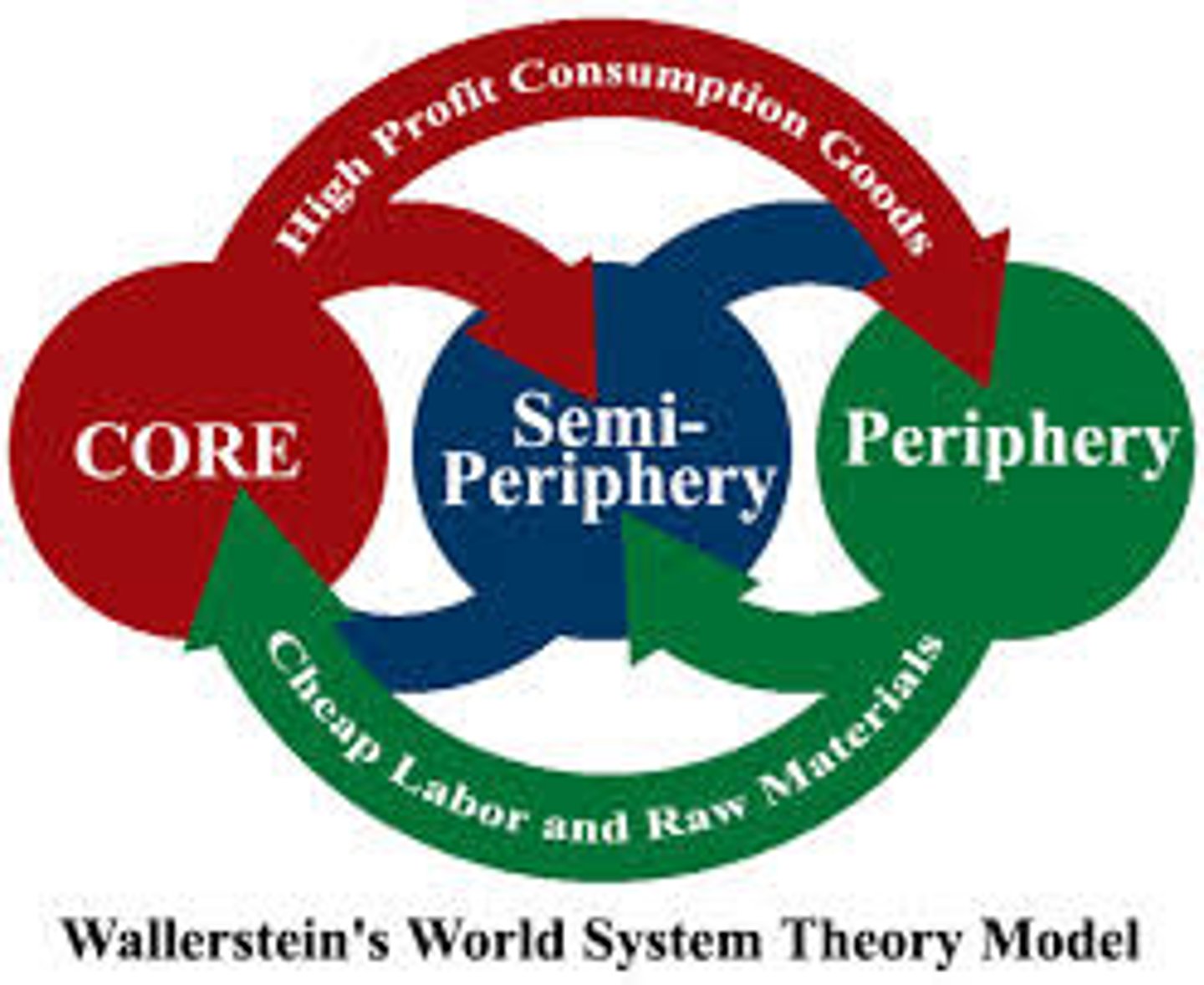
Define core area:
A small block of developed nations where global power is considered to be concentrated - HIC countries.
Define periphery area:
Nations that are considered to be less developed, have been exploited and have suffered from a lack of investment, economic leakages and out-migration - LIC countries.
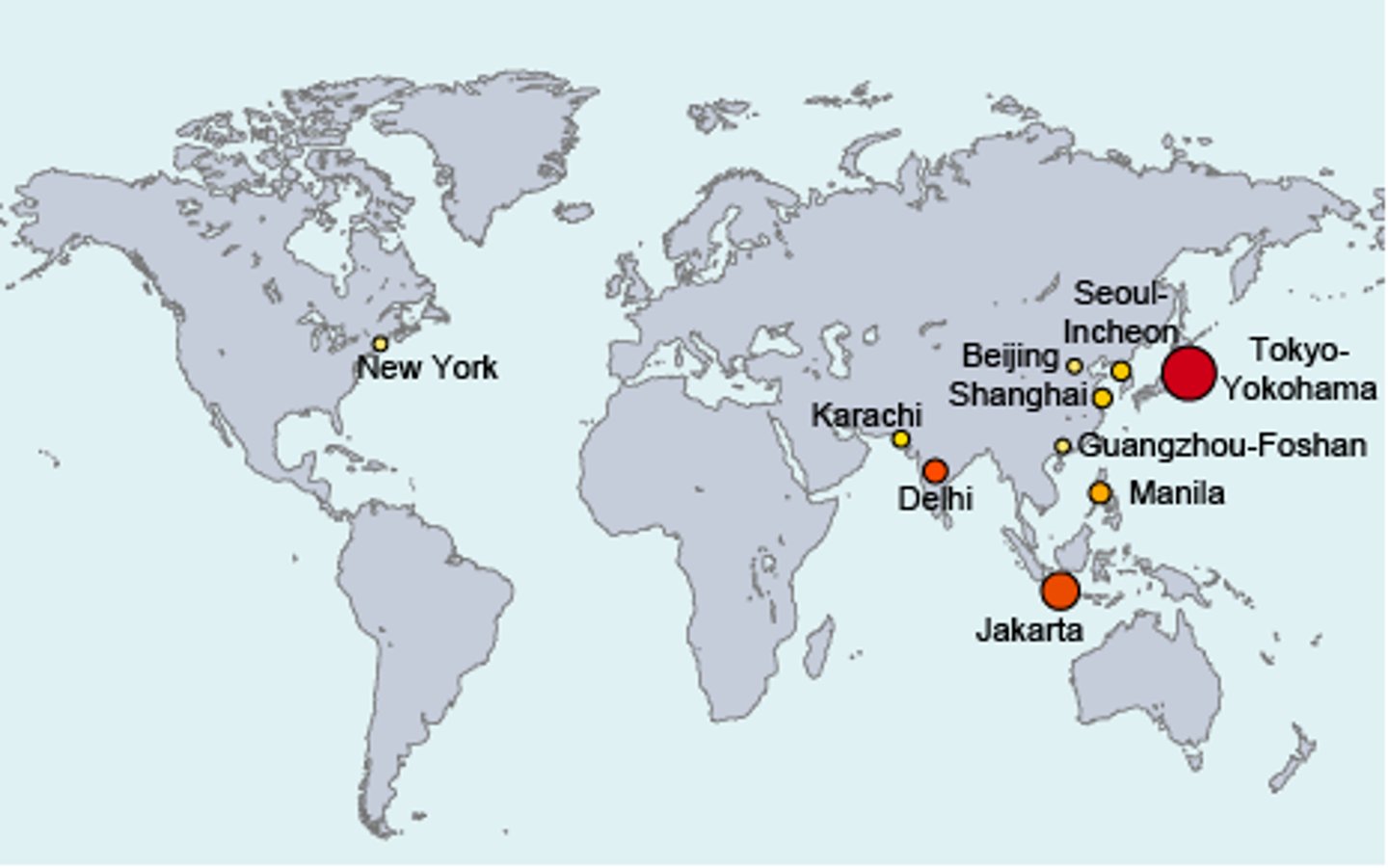
Why is the core-periphery model outdated?
The model doesn't show any countries between the 2 extremes - NEE countries.
foreign direct investment:
This is investment made mainly by TNCs based in one country, into the physical capital or assets of foreign enterprises. Example, Shell in Nigeria.
Aid:
Important source of financial support for poor countries. It can take many forms and can be provided through the UN (multilateral) from contributions made by a number of richer countries. This can be provided in the form of technology or as disaster relief help.
What is bilateral aid?
Aid from one country to another (often tied)
Repatriation of profits:
TNCs investing in overseas production will normally take any profit made from that investment back to their home-country headquarters. Economical leakage can lead to flows of money going to the HIC countries. Examples - Shell, Nestle, Unilever etc.
Migration:
The majority of out-migration of labour takes place from poorer to richer countries. This will exacerbate disparities as the less developed nations lose their most skilled and talented labour, who will pay taxes and spend much of their earnings in their destination country.
Remittance payments:
These are transfers of money made by foreign workers to family in their home country. Second most important source of income in developing countries, above international aid.
Advantages of remittance in Somalia:
1. Helps support livelihoods and economical development.
2. $1.3 billion is remitted to Somalia annually.
3. Remittance accounts for 50% of Somalia's GNI and 80% of the countries investment.
Disadvantages of remittance in Somalia:
40% of Somalis rely on remittances to meet their basic needs. Money started to to fall into the hands of terrorist groups. Remitence payments were prevented from entering Somalia creating many effects in Somalia that were devastating and protests were organized by human rights group supporting Somalians.
4 different dimensions of globalisation:
1.Global flow of people and labour.
2.Global flow of products.
3.Global flow of services.
4.Global flow of information
Global flow of services:
Services are economic activities that are traded without the production of material goods, for example, financial or insurance services. They can also be sub-divided into:
•High level services - services to businesses such as finance, investment and advertising
•Low level services - services to consumers such as banking, travel and tourism, customer call centres or communication services
Global flow of information:
Information flows are governed by the movement of people through migration and by the speed of data and communication transfers.
Digitisation and satellite technology have transformed these flows of information, which are now supported by:
•Improvements to global telephone networks, making communication cheaper and easier.
•Mobile telecommunication technology.
•Email and the internet, which enable large amounts of information to be exchanged instantly across the globe.
•Live media coverage available on a global scale because of satellite technology.
Flows of people and labour:
Labour markets are not as free flowing as financial markets in the process of globalisation. People move less easily around the world than money because of restrictions on immigration. However, in recent years there has been a phenomenal rise in the numbers of migrants crossing international borders, mainly to seek better employment opportunities.
Much of the movement has been from developing countries in South Asia, Africa and Latin America to the richer areas of North America and Europe.
People require money and an education to migrate.
Global flow of products:
The reduction in costs of trade, which includes transaction, tariffs, and transport and time costs. This is due to the increase in international trade.
Transaction costs have been reduced by the improvements in flows of data and the ease with which capital can be transferred to pay for transactions.
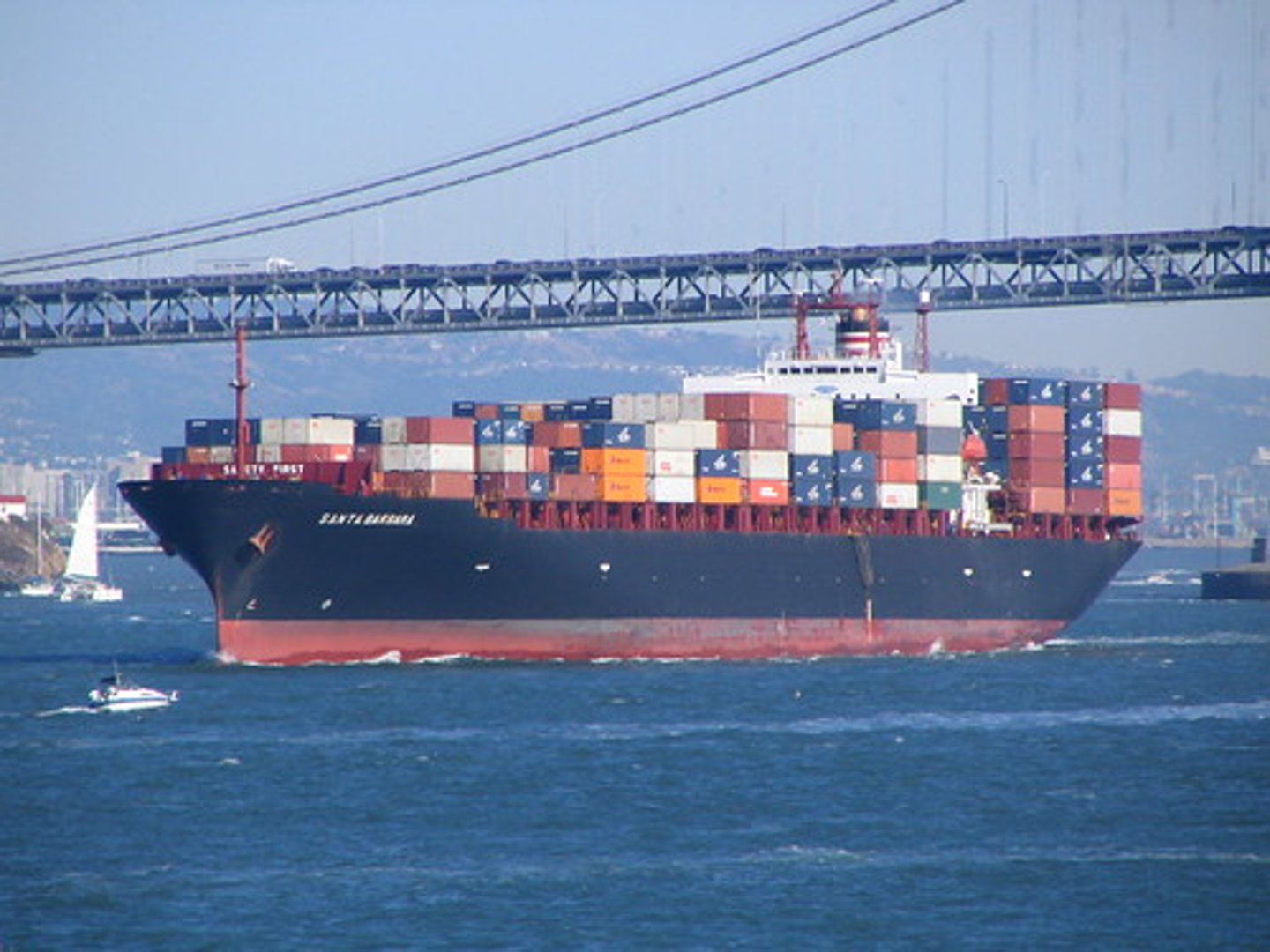
Transport time and costs and been reduced by containerisation.
World trade organisation!!!
Containerisation definition
A logistical system of transporting large amounts of goods in steel containers (each carrying 25000kg of goods).
Define marketing:
Marketing is the process of promoting, advertising and selling products or services.
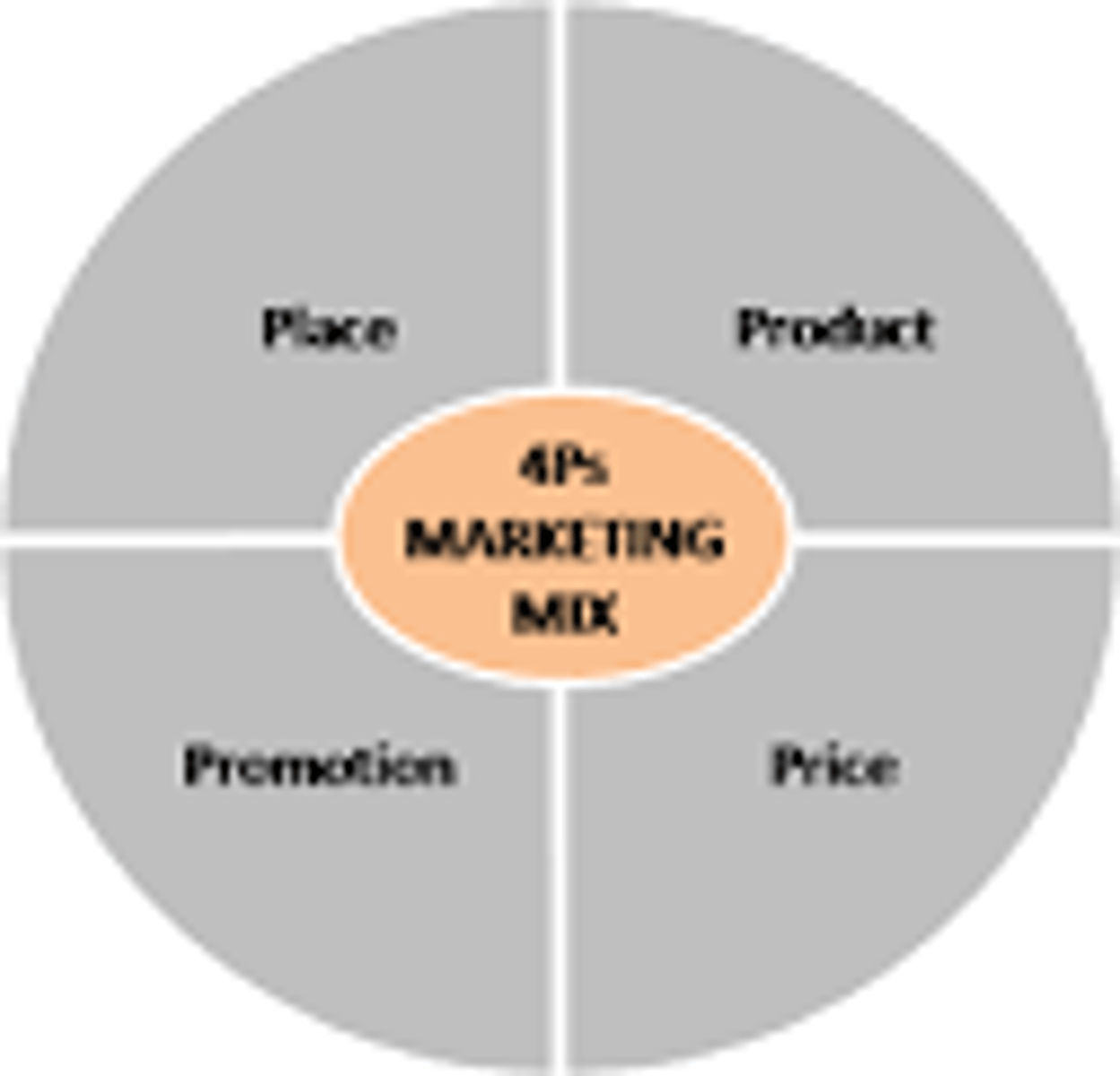
Global marketing:
A marketing strategy that consciously addresses customers, markets, and competition throughout the world. This is a large scale marketing scheme.

Global marketing - Kit Kat:
1. Different flavours around the world - glocalisation
2. Advertising on TV, posters and bill boards - impulsive buying.
3. Different forms and shapes around the world - 4 vs 2 fingers.
4. Globally available in over 100 countries.
5. Different packaging - China stores Kit Kats in a plastic wrapper, due to humid temperatures.

Define GDP:
Gross Domestic Product and is a measure of average income per person in a country.
Purchasing Power Parity:
This compares what the same amount of money can buy in different countries. It takes into consideration different costs of living.
New international division of labour (NIDL):
The term was coined by theorists seeking to explain the spatial shift of manufacturing industries from developed countries to developing countries.
Developed countries:
countries with strong economies and a high quality of life. The highly skilled, highly paid, decision-making research and managerial occupation
Developing countries:
countries with less productive economies and a lower quality of life. The unskilled, poorly paid assembly occupations, they usually have lower labour costs.
Production of the UK:
•Just after World War II, manufacturing accounted for almost 40% of the UK economy.
•In 1954, around 95% of all manufacturing industries were concentrated in the industrialised economies of Western Europe, Northern America and Japan.
•The sector also employs considerably less people than it used it. At the end of the 1970s, it employed just under a third of the total UK workforce.
LIC ---> NEE
Many countries categorised as LICs have become NEEs over the last 40 years. These countries have developed their own industrial and commercial base which helps them to develop higher GDPs per capita.
More recently the MINT economies are growing rapidly and developing higher GDPs per capita.
What percentage of manufacturing jobs are found in developing countries?
More than 50%
Changes in patterns of distribution:
Products being manufactured in emerging NIC economies are largely exported and sold to countries in Europe, North America and Japan.
Changes in patterns of consumption:
Product consumption still lies predominantly in the richer countries of the developed world. As emerging NICs develop, their populations are becoming more affluent and starting to demand similar consumer products to those being exported from their own countries.
Consumption will drive trade patterns more than production location decisions and so the fastest growing trade route will be between India and China.
Asia becomes more competitive a growing share of the region's exports will be to other countries in Asia.
The reasons for the decline in the manufacturing industry in the developed regions of the World:
•Over time, decentralisation has occurred, largely as a result of foreign direct investment by transnational corporations (TNCs) into those developing countries able to take on manufacturing tasks at a competitive price. Lower land and labour costs, as well as incentives offered by governments in developing countries, have encouraged many TNCs to relocate the production side of their business abroad. This filtering down of manufacturing industry from developed countries to lower wage economies is known as global shift.
•The transfer of technology made by TNCs has enabled countries in the developing world to increase their productivity, without raising their wages to the same levels as developed countries.
•One of the consequences of global shift has been deindustrialisation in the richer countries and a loss of jobs in the manufacturing sector.
•Global shift is not the only factor that caused the decline in manufacturing in developed countries, Outmoded production methods, products at the end of their life cycles and poor management have all contributed to the decline in manufacturing in these regions. Reversal of this trend has been prompted by foreign TNCs investing in deindustrialised regions.
•Manufacturing transfers around the world with great ease and not only because of lower costs. Other factors affecting the location choice of entrepreneurs of some of the largest manufacturing companies include:
1.Government incentives in the form of tax breaks or
2.Enterprise zones to entice companies to invest and relocate
3.Access to large markets without tariff barriers, enabled through trade agreements.
4.The availability of a skilled and educated workforce o the opportunity to build new plant with the latest and most productive technology
Nissan in Sunderland:
This car production factory is one of the most productive car plants in Europe, producing more 'cars per worker' than any other factory.
Friction of distance:
This is the reduced likelihood of people using a service the greater the distance that they live from it.
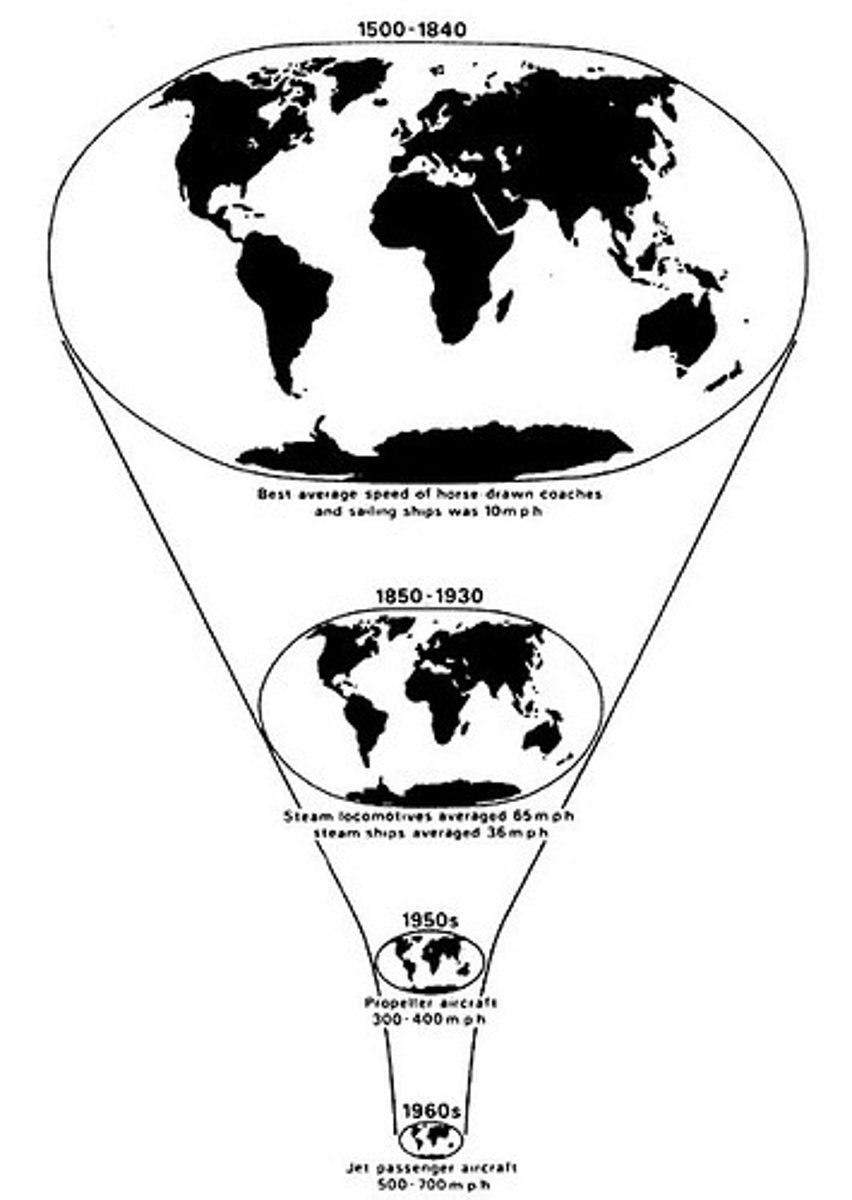
Time/space convergence:
This is when travel time between places decreases and distance declines in terms of its significance. It is generally brought about by transport innovations.
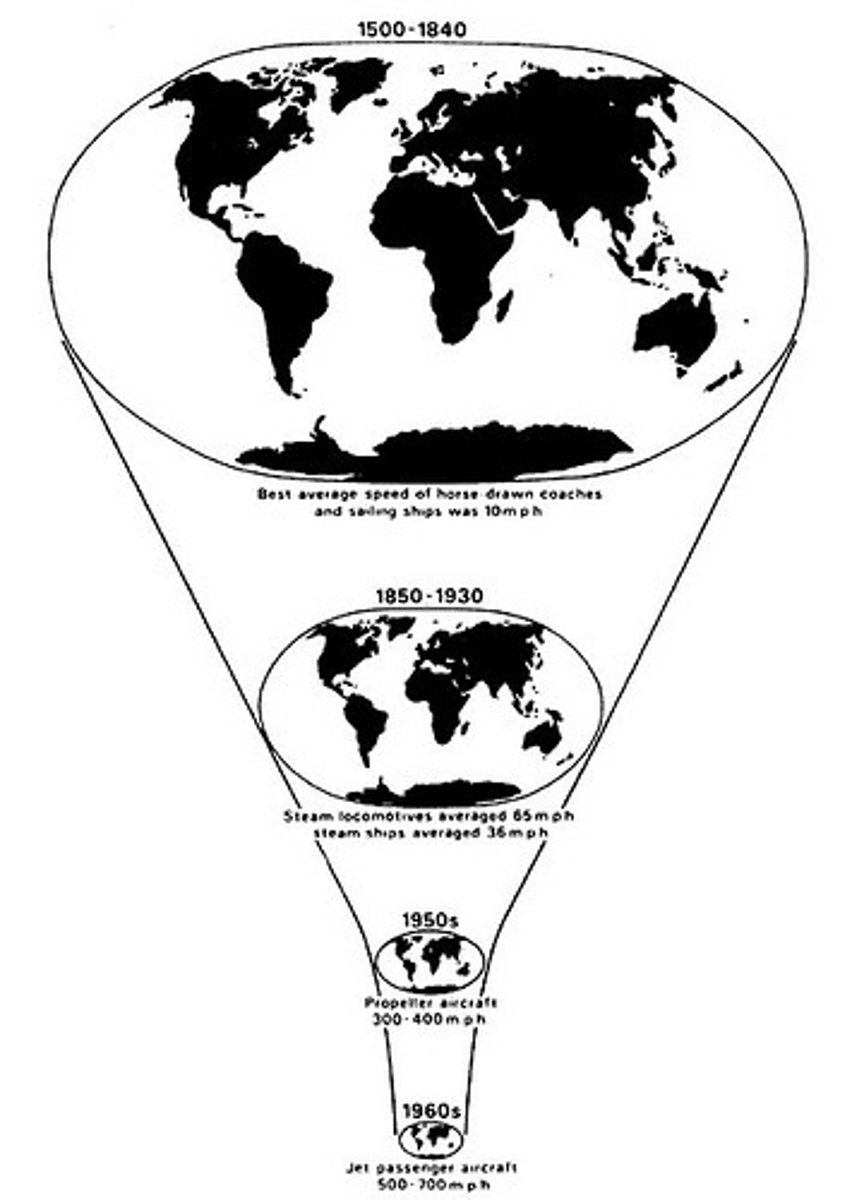
What is the 'Shrinking World' phenomenon?
Developments in many factors including communications and transport have reduced the importance of distance and therefore aided globalisation
Define containerisation:
A system of standardised transport that uses large standard-size steel containers to transport goods.
Examples leading to a shrinking world.
1. Trade agreements - NAFTA and WTO
2. Capital investment
3. TNC's - Shell
4. Migration - Increased global culturalism / diversity
5. Collapse of communism - Freedom to spread ideas (Berlin wall)
6. Containerisation - Ease of spreading goods around the world.
7. Travel - Explore different cultures/ways of living
8. Global marketing - Apple, Nestle, Coca cola
4 factors leading to the acceleration of globalisation:
1. Financial reasons
2. Government support
3. Security
4. Management and information systems
Financial reasons:
1. Deregulation of financial markets - removement of financial barriers.
2. Communication technology - ease of trade information
3. High speed electronic trading systems and global exchange connectivity
Government support:
1. Increasing exports from their country.
2. They offer support and advice on all aspects of trade to encourage businesses, especially first-time exporters, to trade their goods overseas.
3. Dry ports are used for larger developing countries with less developed infrastructure - saving the exporter time and transport costs.
Define dry ports
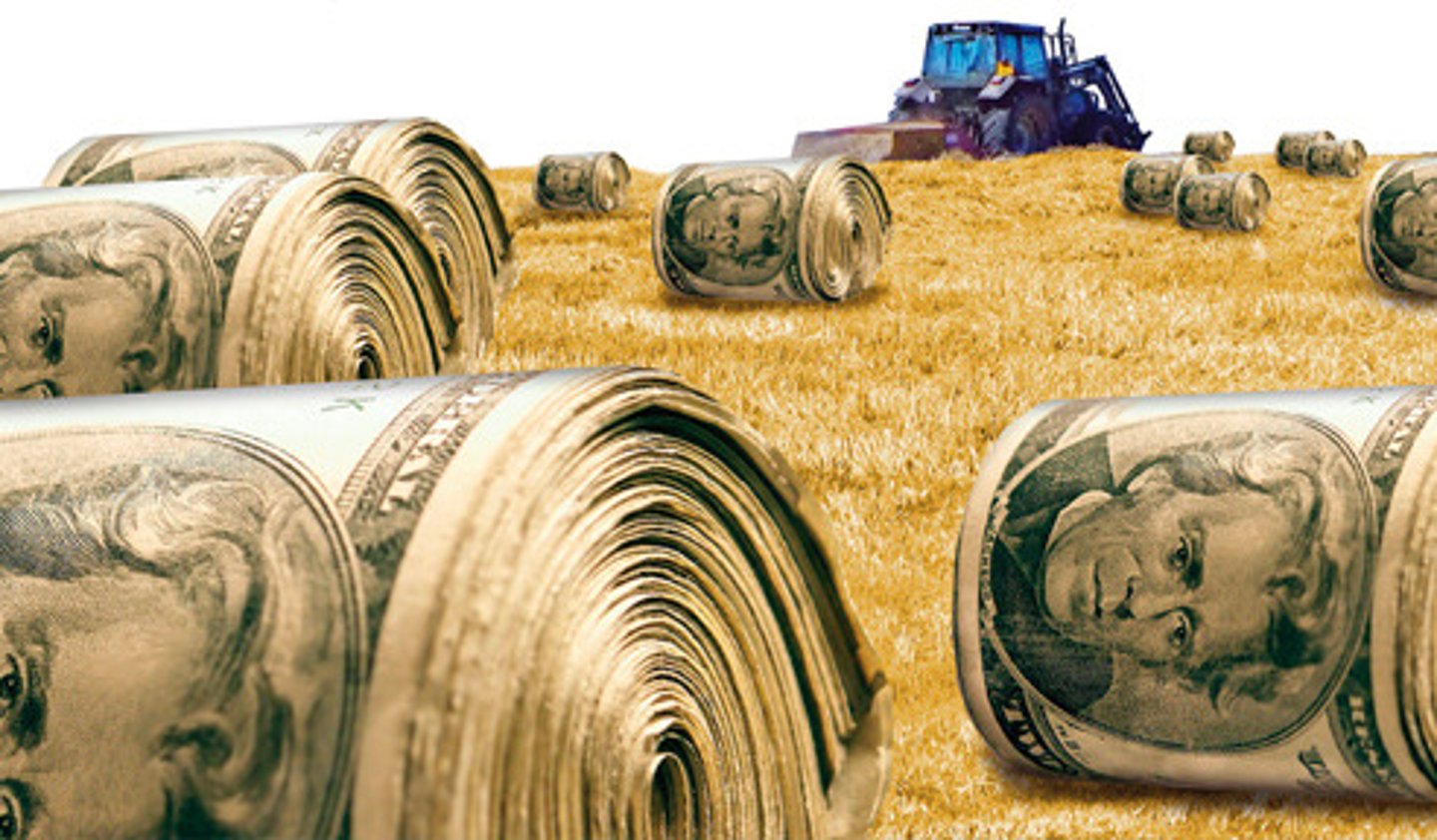
As the name suggests, a dry port is a port that is away from the sea. It is more inland and connected to a seaport with either a paved road or railway. Dry ports are terminals where cargo brought over on ships is transshipped.
Security:
1. World customs organisation and EU operators help to prevent security issues - stealing, crime etc.
2. But security can sometimes delay trading and this delay may be costly for the producer.

Management and information systems:
Many manufacturing companies create processes that are as quick and cost effective as possible. This can be done by large production assembly points, global marketing and global capable management. This is often done for global chains!
What is a trade bloc?
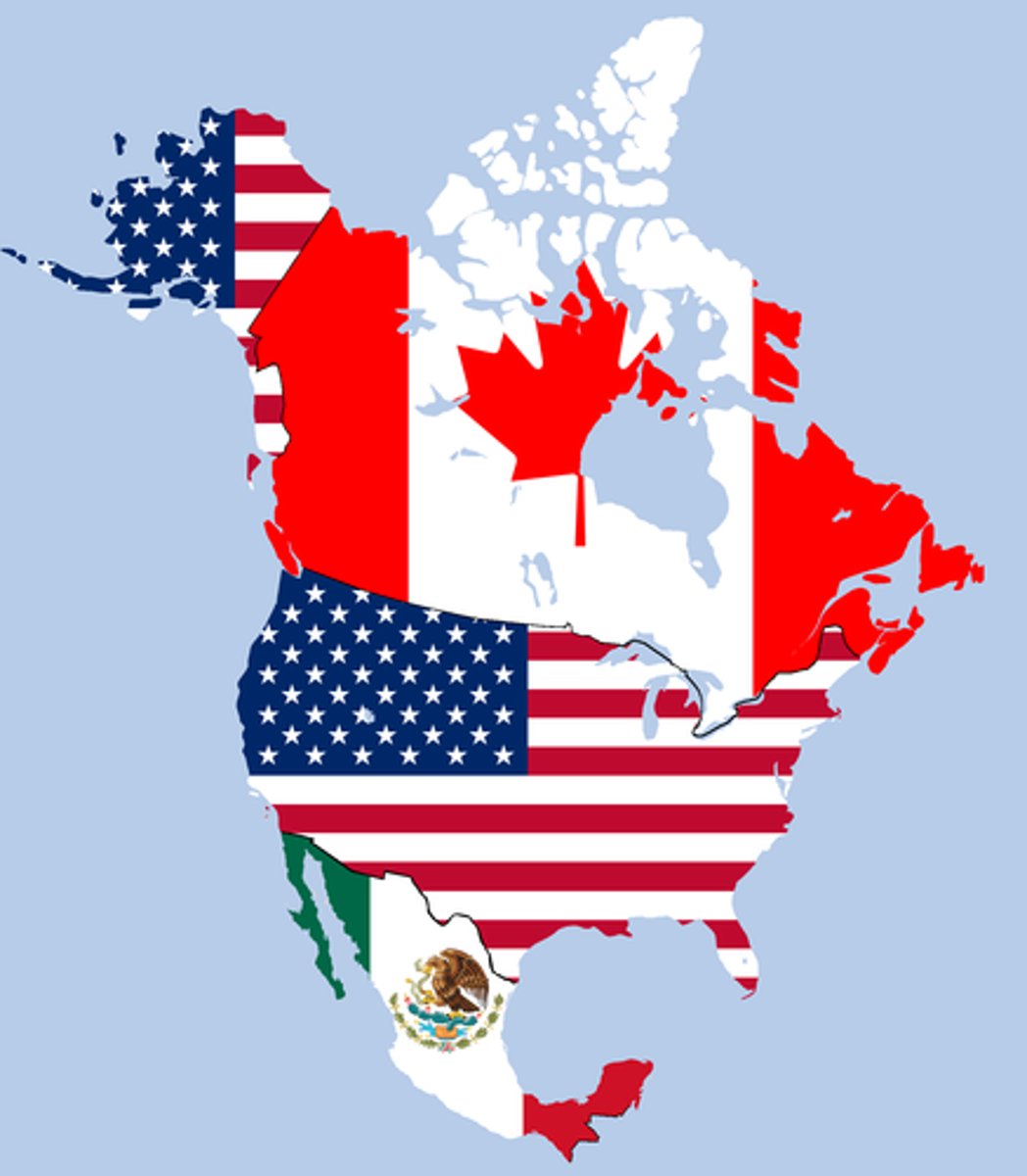
a group of countries that work together to promote trade with one another, without incurring taxes or charges. E.g. NAFTA and the EU.
Countries outside the trade bloc may have to pay an additional tariff to trade within the bloc.
4 trade group forms:
1. Free trade areas
2. Customs unions
3. Common Markets
4. Economic Unions
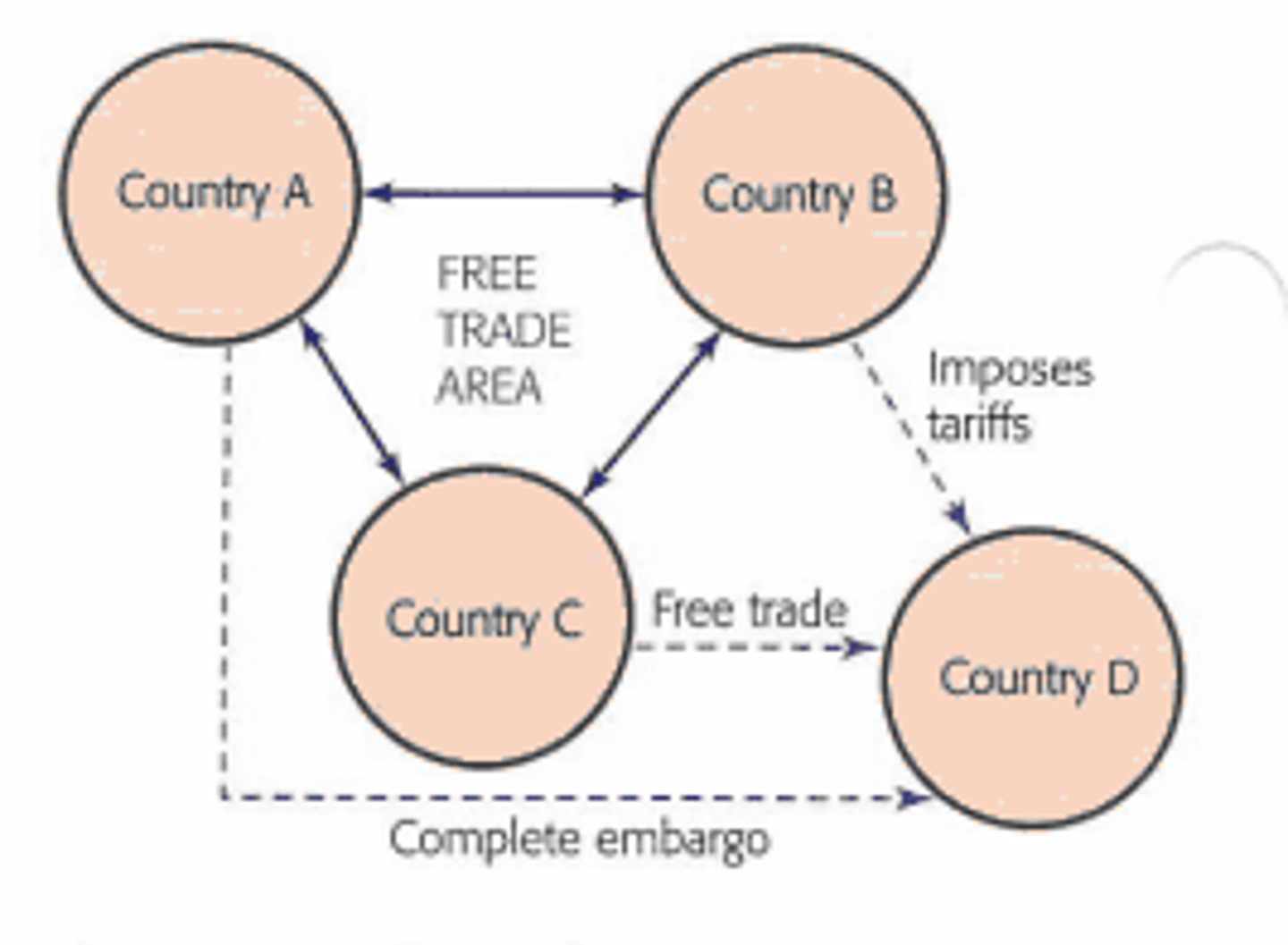
Free trade areas:
When a group of countries have removed tariffs and quotas between themselves, while retaining the right to set tariffs/quotas towards non-members. E.g. NAFTA and the EU free trade association.
Customs Unions:
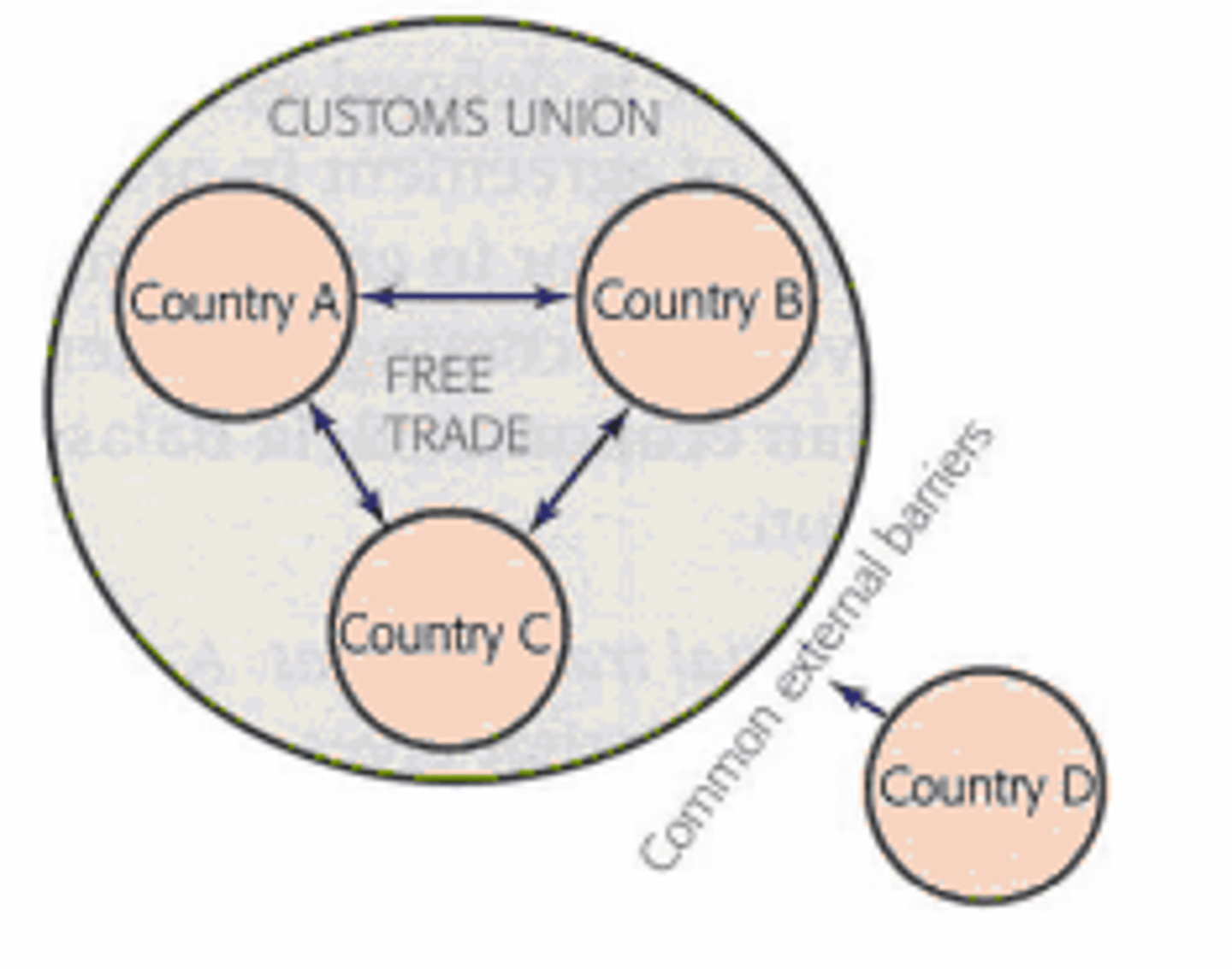
A trade bloc which allows free trade with no barriers between its member states but imposes a common external tariff to trading countries outside the bloc
Common Markets:
A group formed by countries in geographical proximity in which trade barriers for goods and services are eliminated.
Economic Unions:
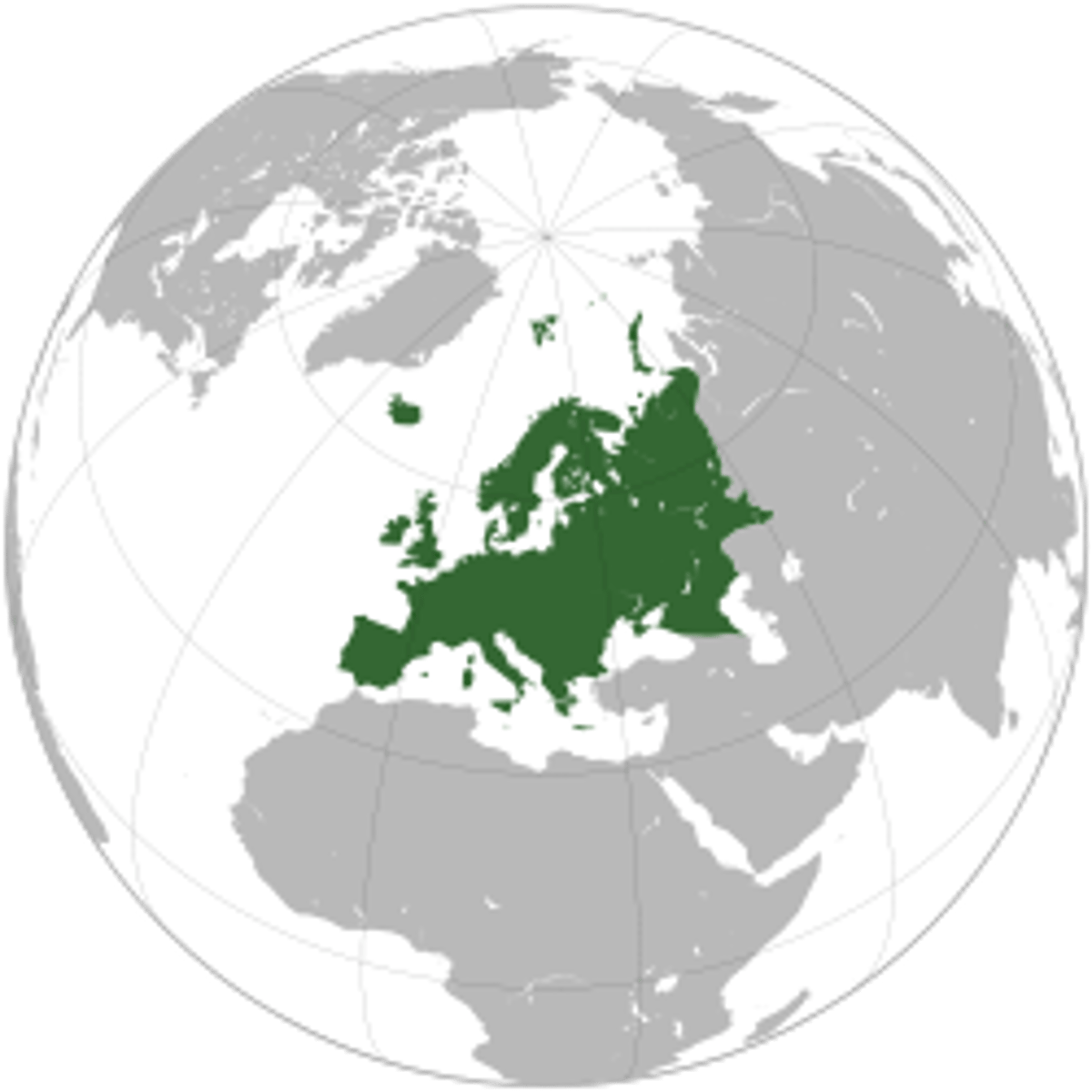
a community of nations that join together to promote similar economic interests. The participant countries have both common policies on product regualtion, freedom of movement of goods and services, factors of production and common external trade policies.
Advantages of trade blocs:
1. Within social and political unions people are often free to live and work in the country of their choice within the union.
2. Market access and trade creation - trade is likely to increase as countries have access to each others markets.
3. Jobs may be created as a consequence of increased trade between member economies.
4. Goods can be produced cheaper as countries can club together and benefit from economies of scale.
5. Free trade within the bloc.
6. Living standards increase as trade prospers.
7. Weaker disadvantaged peripheral regions can be supported by stronger areas.
8. Firms inside the bloc are protected from cheaper imports from outside.
9. Inefficient producers within the bloc can be protected from more efficient ones outside the bloc.
10. Social and economic unions can set high environmental standards.
11. The incentives of trade and political cooperation help to reduce the chance of violent conflict.
Disadvantages of trade blocs:
1. Some loss of financial controls to a central authority such as a bank.
2. With relaxed borders it may be easier for illegal migrants to move around the bloc.
3. Some smaller regions do not like the big government bodies and this has led to Seperatism. For example the Scotish referendum in 2014.
4. Legislations can limit workers as well as protect them.
5. Trade wars between blocs.
6. Trade blocs are EXPENSIVE!
7. Certain economic sectors have been damaged by having to share resources.
8. Pressures to adopt central legislations
 Note
Note  Flashcards (46)