Chemistry - atomic structure and the periodic table
 Call Kai
 Learn
Learn Practice Test
 Spaced Repetition
 Match
Match Flashcards
 Knowt Play
1/93

There's no tags or description
Looks like no tags are added yet.
Name | Mastery | Learn | Test | Matching | Spaced | Call with Kai | Chat |
|---|
No analytics yet
Send a link to your students to track their progress
94 Terms
What are elements?
pure substances made of only one type of atom, unable to be broken down chemically into simpler substances
What are atoms?
Basic unit of matter
What is a molecule?
2 or more atoms bonded together
What is a compound?
2 or more different elements chemically bonded
What is a mixture?
A combination of two or more substances that are not chemically combined
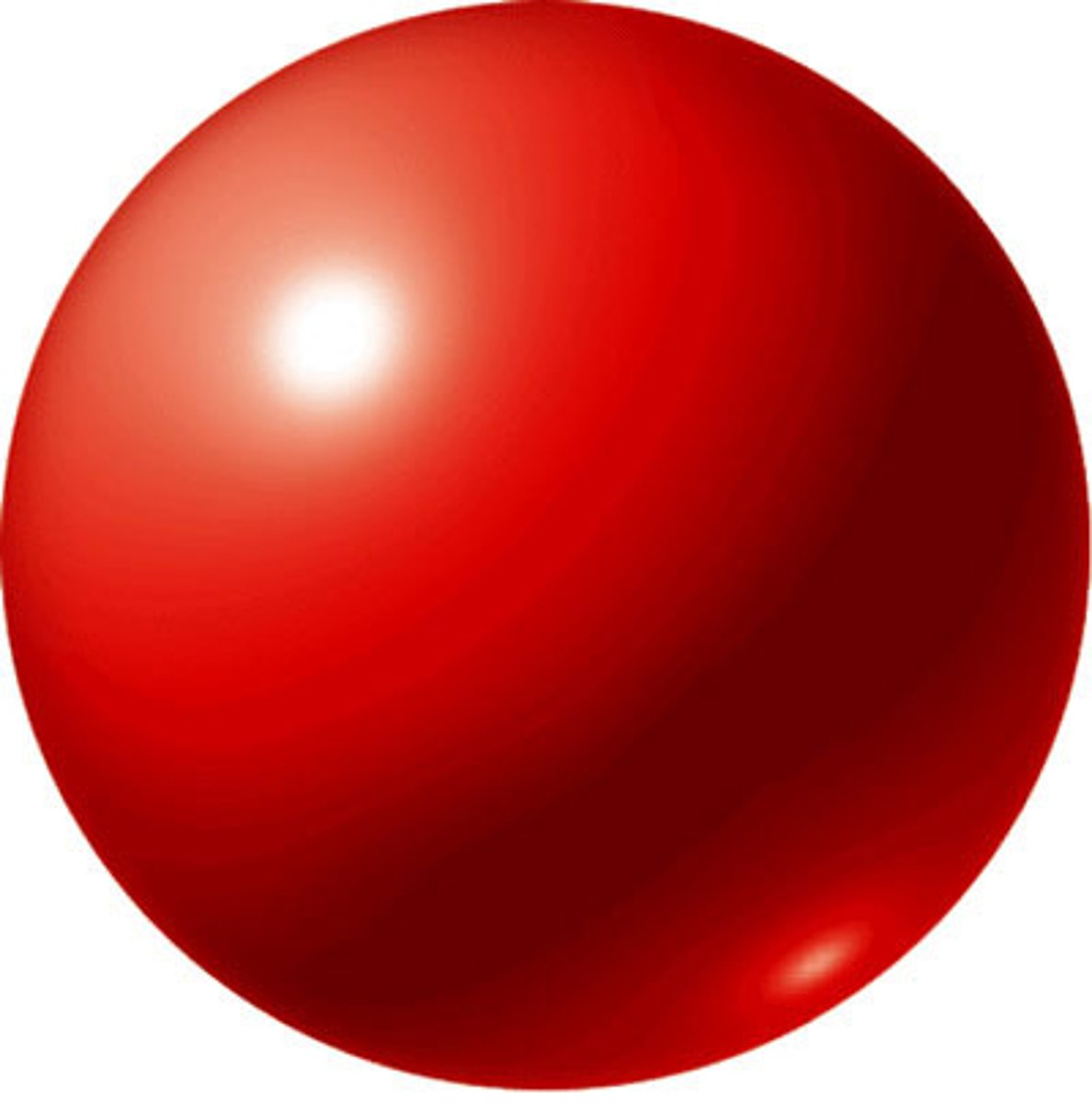
What is Dalton's model?
hard sphere model(atom appeared as just a dense hard solid sphere)
What did JJ Thomson discover?
electron
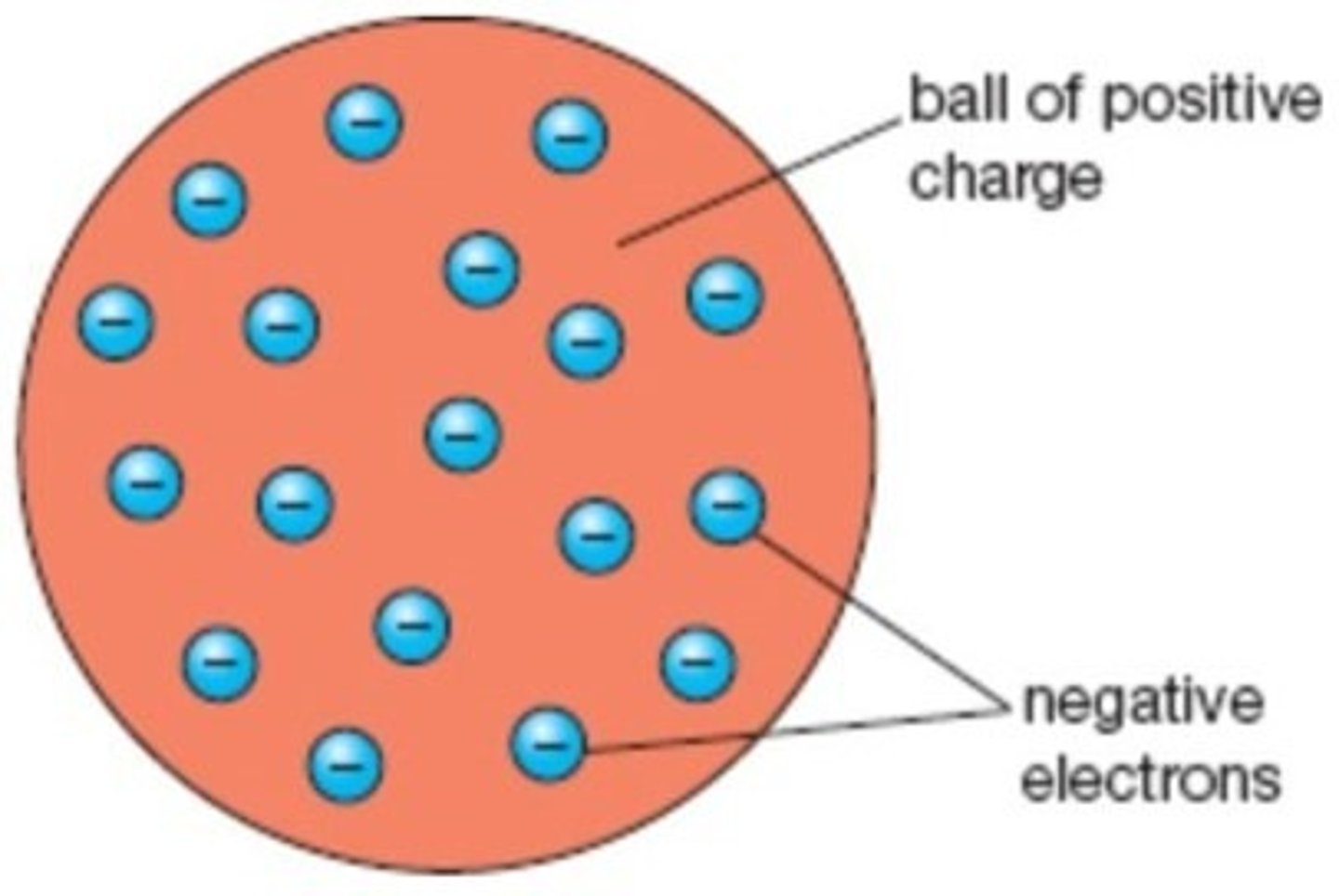
What is Thomson's model?
Plum pudding model
What is the plum pudding model?
It states that atoms are a ball of positive charge, with negative electrons randomly embedded in it
Who conducted the gold foil experiment?
Rutherford, Geiger, and Marsden
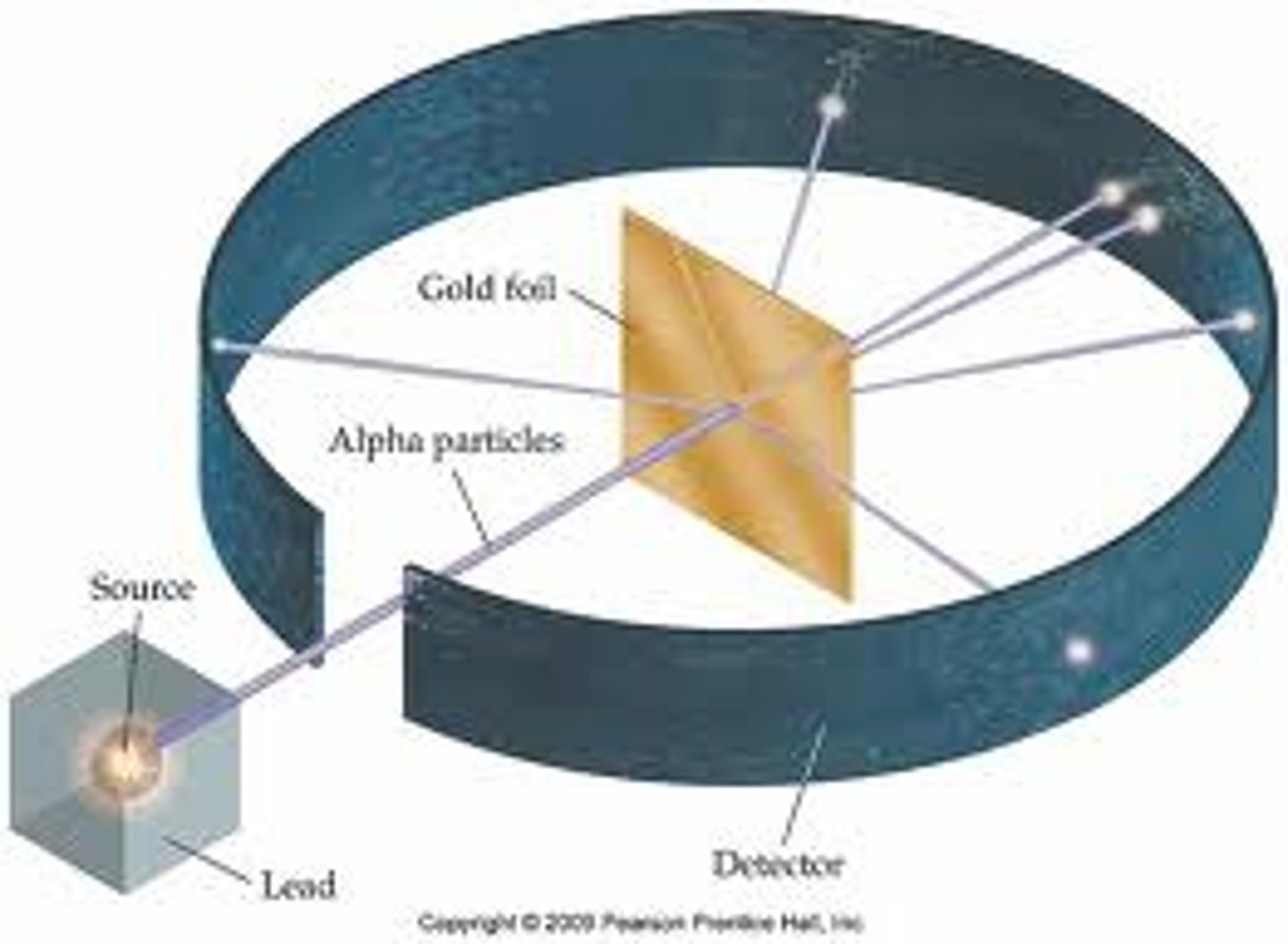
What is the gold foil experiment?
Aiming a beam of alpha particles at a piece of gold foil and determining the path of the alpha particle after passing through the gold
What were the results of the gold foil experiment?
Most of the alpha particles went through the foil; only 1% were deflected at angles and only very few bounced back
What do the results of the gold foil experiment mean?
The atom has a tiny, dense, positively charged nucleus surrounded by vast empty space
What is Rutherford's model?
Nuclear model
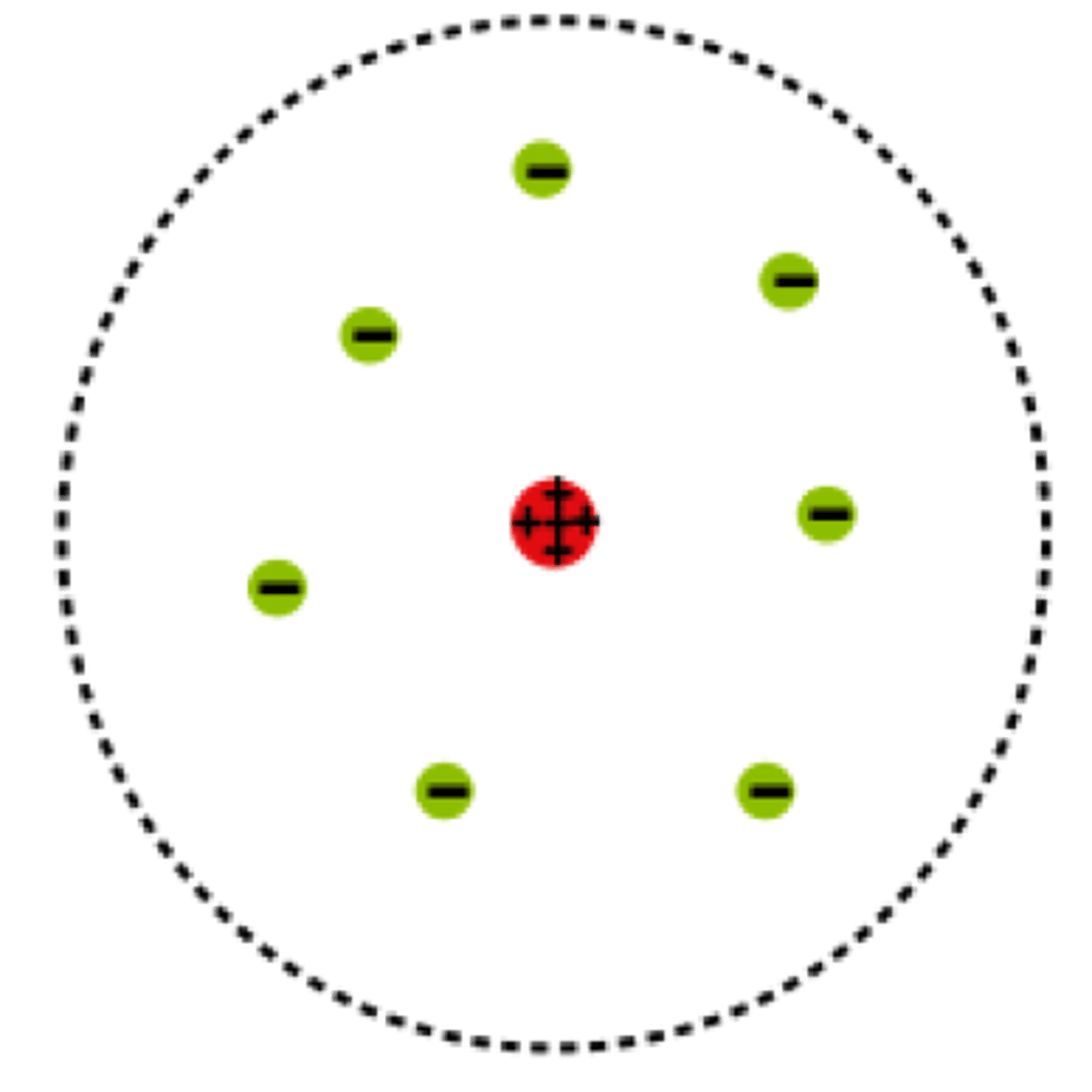
What is the nuclear model?
A positively charged nucleus surrounded by a sea of negative electrons
What was the problem with the nuclear model?
Classically, an electron should spiral into the nucleus, and atoms should collapse
What did Rutherford discover about the atom?
the atom has a tiny, dense, positively charged nucleus at its center, containing most of its mass, with electrons orbiting in mostly empty space around it
What did Chadwick discover?
neutron
What is Neils Bohr's model?
Planetary model
What is the planetary model?
a small, positively charged nucleus surrounded by negatively charged electrons orbiting in fixed, distinct energy levels or "shells,"
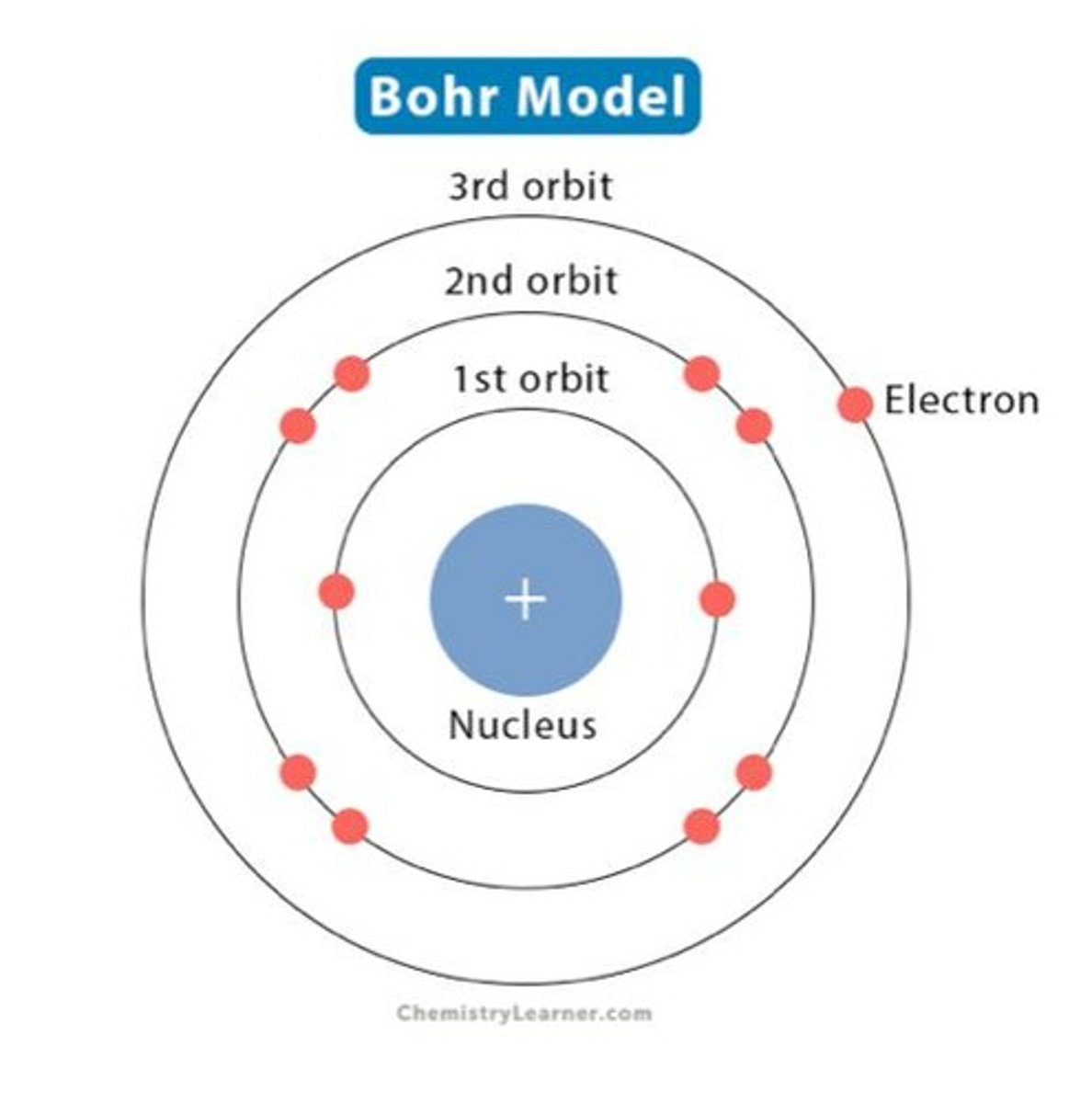
What are shells?
energy levels
How many electrons are in the first shell?
up to 2
How many electrons are in the second shell?
up to 8
How many electrons are in the third shell?
up to 8
How many electrons are in the fourth shell?
32
What are energy levels?
areas of space in which electrons move around the nucleus
What is the relative charge of protons?
+1
What is the relative mass of protons?
1
What is the relative charge of neutrons?
0
What is the relative mass of neutrons?
1
What is the relative charge of electrons?
-1
What is the relative mass of electrons?
very small (0)
Why are atoms neutral?
they have the same number of protons and electrons
What is the atomic mass determined by?
Number of protons and neutrons
What is the atomic number determined by?
number of protons
What is the radius of an atom?
1 x 10^-10 metres
or
0.1 nanometres
How big is the nucleus of an atom?
Very small. About 10,000 times smaller than an atom, i.e. 10⁻¹⁴ m
What do atoms of the same group have in common?
same number of valence electrons
What are periods on the periodic table?
horizontal rows
What are groups on the periodic table?
vertical columns
What do atoms of the same period have in common?
same number of electron shells
Where are the non-metals on the periodic table?
right hand side
What are metals?
Metals are elements that can form positive ions when they react.
What are non-metals?
Non-metals are elements that either form negative ions in ionic compounds or bond covalently with other non-metals.
What are the properties of metals?
- Have high melting or boiling points
- Conduct heat and electricity
- React with oxygen to form alkalis
- They are shiny
- They are malleable and ductile
What are the properties of non-metals?
- Have a low melting or boiling points
- They are thermal or electrical insulators
- They react with oxygen to form acids
- They are dull
- They are brittle
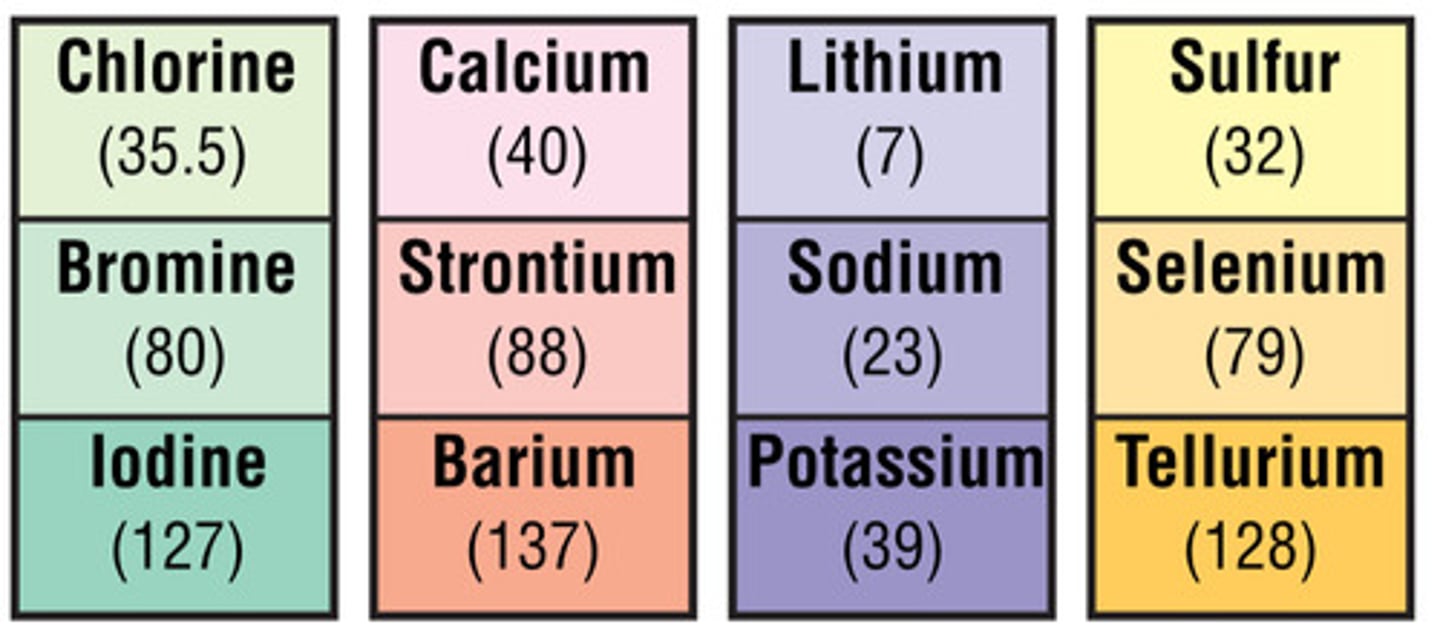
What are Johann Dobereiner's triads?
in 1817 Dobereiner arranged elements with similar properties and appearance in groups of three—such as lithium, sodium, and potassium—arranged in increasing atomic weight.
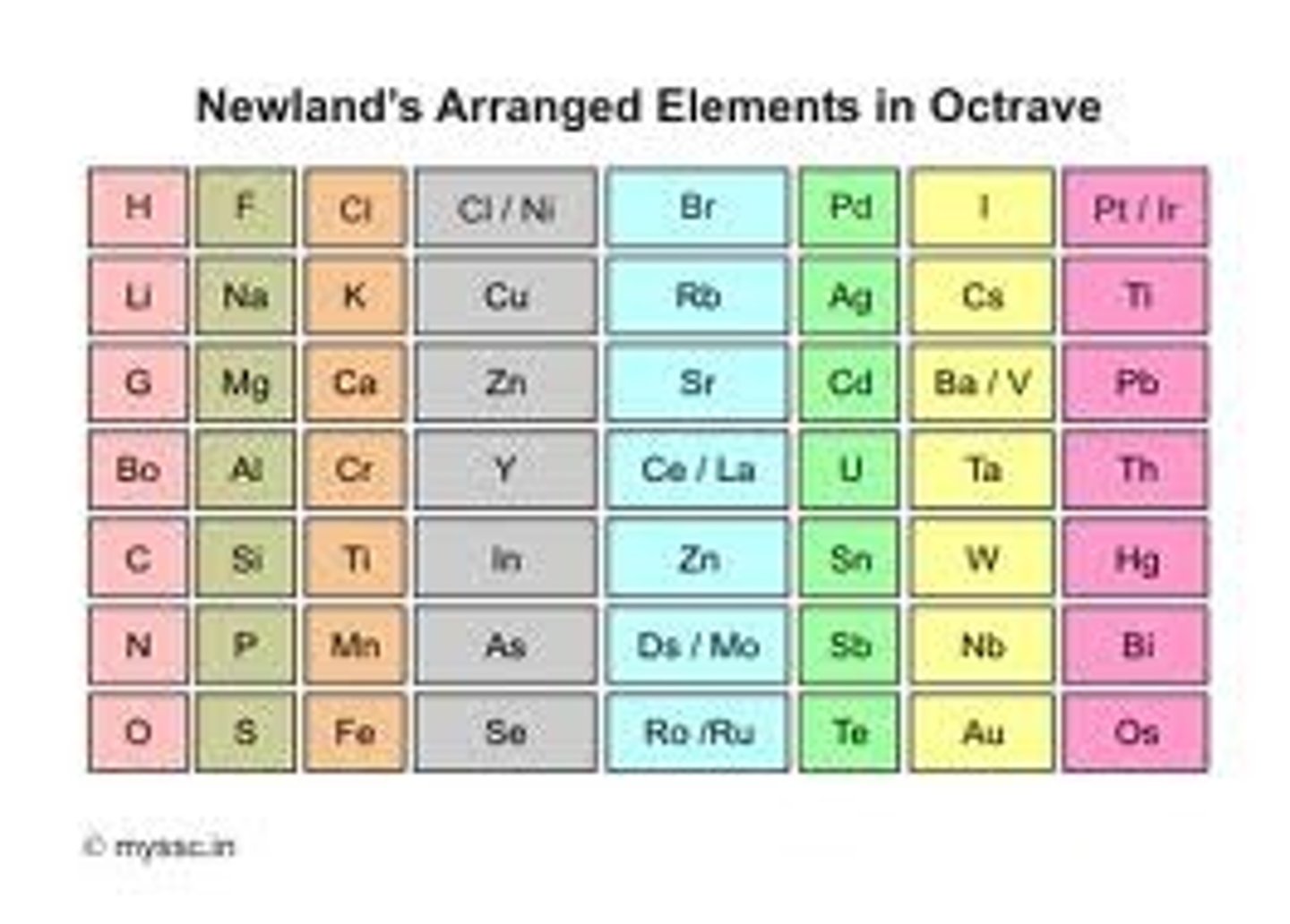
What are John Newland's octaves?
- The known elements were ordered by increasing atomic mass
- He observed that every eighth element shared similar physical and chemical properties, forming a pattern similar to musical scales
What is Dmitri Mendeleev's periodic table?
In 1869 Dmitri Mendeleev arranged the elements in order of atomic mass but changed the order to group similar elements. He also left gaps for undiscovered elements
What is Henry Moseley's periodic table?
in 1913 Moseley recorded the periodic table according t atomic number
What are the alkaline metals?
group 1
What are the properties of the alkaline metals?
- very reactive (especially with water and oxygen)
- soft (can be cut with a knife)
- Low density (some float on water)
- Low melting and boiling points compared to most metals
- They all have one electron in their outer shell
Formula for alkaline metals + water
Alkali Metal + Water → Metal Hydroxide + Hydrogen Gas
What kind of reaction do alkaline metals have with water?
vigorously and exothermically with water to produce hydrogen gas and a metal hydroxide solution
What happens to the water when it reacts with an alkaline metal?
The water becomes a strongly alkaline solution
Why do alkaline metals make the water alkaline?
they react vigorously with it to produce a metal hydroxide—a strong base—and hydrogen gas. These hydroxides dissolve in water to release hydroxide ions, raising the pH level above 7.
How does sodium react with water?
- Sodium reacts vigorously but less violently than potasium
- it melts into a silvery ball that skitters across the surface
- If the hydrogen gas ignites, it burns with an orange flame
- The reaction creates hydrogen gas (causes bubbling/fizzing) and sodium hydroxide, an alkali.
Why does sodium melt into a ball in water?
- because its reaction with water is exothermic, which produces enough energy to surpass sodium's low melting point
- The heat causes the metal to melt, while surface tension pulls it into a spherical shape
- It floats because it is less dense than water.
How does lithium react with water?
- it fizzes, moves across the surface, and shrinks as it reacts
- it produces hydrogen gas and lithium hydroxide
How does potassium react with water?
- violently and instantaneously
- it floats on the surface
- melts into a ball
- fizzes rapidly
- burns with a lilac flame
Why do sodium and potassium burn when they react with water?
- because their reaction is extremely exothermic, producing large amounts of heat
- The intense heat generated instantly melts the metal and ignites the hydrogen gas produced, often causing a violent explosion.
Why do alkali metals melt into a sphere?
because the highly exothermic reaction generates enough heat to melt the metal. Due to low melting points and density, the molten metal floats, while surface tension forces the liquid metal into a spherical shape
Why does potassium burn with a purple flame?
because the intense heat produced by its rapid reaction with water excites the electrons within the potassium atoms
What are the trends in group 1?
increasing density and reactivity and decreasing melting and boiling points as you go down the group
Why do the melting points decrease down group 1?
- As you move down the group, the atoms become larger. This means that there is more shielding, and the distance between the nuclei and delocalised electrons increases
- This means that the electrostatic attraction between the positive metal ions and the sea of delocalised electrons weakens
- Because the metallic bonds are weaker, less heat energy is needed to break those bonds
What is electron shielding?
inner electron shells repelling outer shell electrons, which reduces the attraction from the positive nucleus
Why does the reactivity increase down group 1?
- As you go down group 1, the atoms have more electron shells. This means the atom gets larger, and its atomic radius increases. This means that the outer shells are further away from the nucleus
- This makes the attraction between the positive nucleus and the negative electrons weaker
- There is also more shielding because the increased inner electrons block the attraction between the nucleus and the outer electrons
- because of the meaken atrraction, it is easier for the atoms to lose their outer electron
What metal has the highest melting point?
Tungsten (W)
Why does density increase as you go down group 1?
Because the mass of the atoms increases more rapidly than their volume
How does rubidium react with water?
Explodes violently on contact with water
How does caesium react with water?
it explodes
What is group 1?
alkali metals
What is group 2?
alkaline earth metals
What is group 7?
The halogens
What is group 8/0?
noble gases
What are the transition metals?
elements in the center of the periodic table (between Groups 2 & 3)
known for being strong, dense, hard, having high melting points, and conducting heat/electricity well
they form coloured compounds and are good catalysts, unlike alkali metals.
What are the noble gases? (+properties)
colourless, odourless, tasteless, nonflammable, monatomic gases that are highly unreactive (inert) due to having a full outer electron shell.
What are the properties of the noble gases?
- colorless
- odorless
- tasteless
- nonflammable
-monatomic
- gases at room temperature
- very low reactivity
- very low melting/boiling points that increase down the group
What are the properties of the transition metals?
-hard
- strong
- shiny
- high densities
- high melting points
- good conductivity
What are the properties of the halogens?
- low boiling points
- poor conductors of heat and electricity
- exist as diatomic molecles
What are the trends in the halogens?
As you go down they:
- become less reactive
- have higher melting/ boiling points
- have higher relative atomic masses
Why does the melting point increase down group 7?
The atoms get bigger, leading to stronger intermolecular forces
Why does the reactivity decrease down group 7?
- The atoms get bigger as you go down group 7 so the atomic radius increases
- There is also more shielding because there are more electron shells
- This means that the electrostatic attraction between the outer shell of electrons and the nucleus weakens
- This makes it harder for the atom to gain an electron than for smaller halogens
What colour is fluorine gas?
yellow
What colour is chlorine gas?
green
What colour is bromine?
red-brown
What colour is iodine?
grey
What colour is copper in solution?
blue
What colour is iron (II) in solution?
green
What colour is iron (III) in solution?
yellow/orange/brown
What state are fluorine and chlorine at room temp?
gas
What state is bromine at room temp?
liquid
What state is iodine at room temp?
solid
What are giant structures?
substances made of repeating patterns of atoms or ions bonding together