LA 3710 - Exam 2 Plans and Paintings
 Studied by 0 people
 Call Kai
 Learn
Learn Practice Test
 Spaced Repetition
 Match
Match Flashcards
 Knowt Play
1/63

There's no tags or description
Looks like no tags are added yet.
Name | Mastery | Learn | Test | Matching | Spaced |
|---|
No study sessions yet.
64 Terms
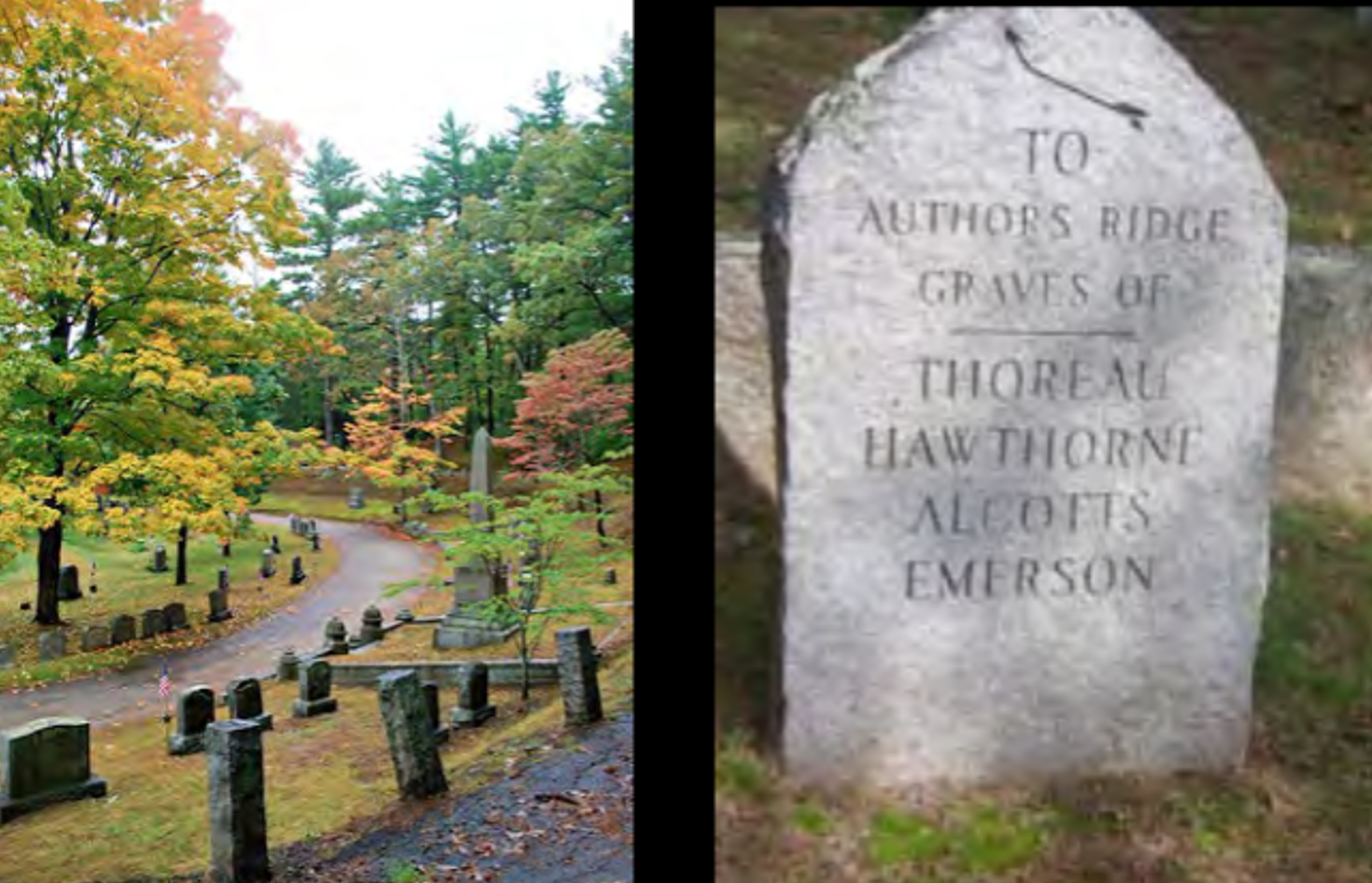
· Sleepy Hollow Cemetery | Concord, MD - H.W.S. Cleveland, 1854 USA
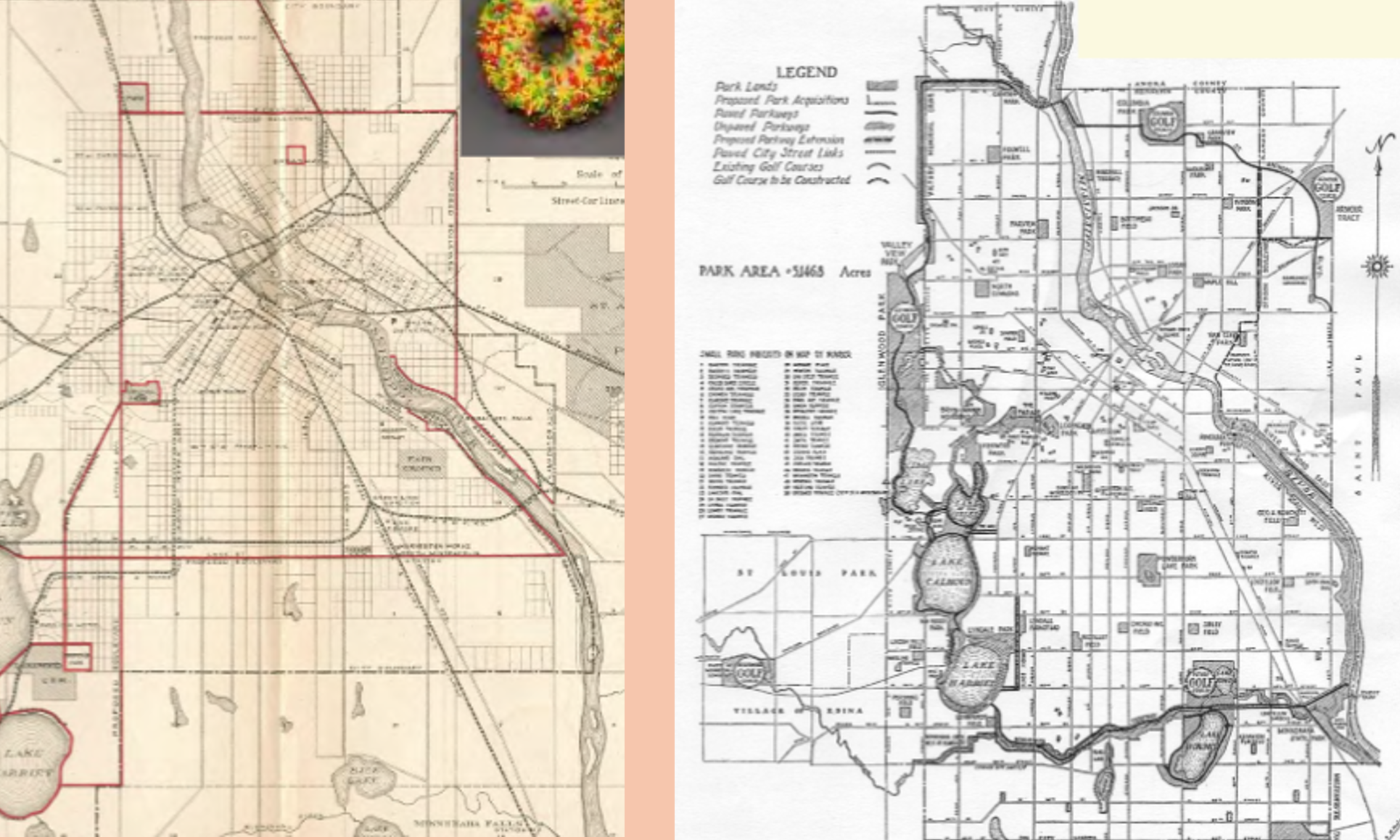
· Minneapolis Park System - H.W.S. Cleveland, 1886 USA
Series of parkways ("light and air of city") connecting series of parks located around lakes. Park system around city to be able to look back at city from all the parkways. It is an expansion of Olmsted's ideas about what a park system was: different landscapes with different functions, a plan for urban growth.
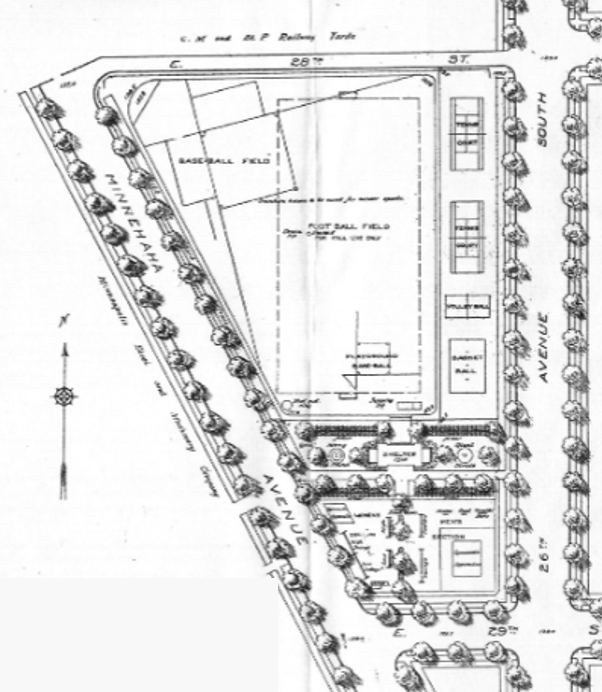
· Longfellow Field, Minneapolis Park System - Theodore Wirth, 1912 USA
Minneapolis combines aspects of the park system as a Reform Era idea and programmed playgrounds. Recreation becomes a huge part of Minneapolis Park System.
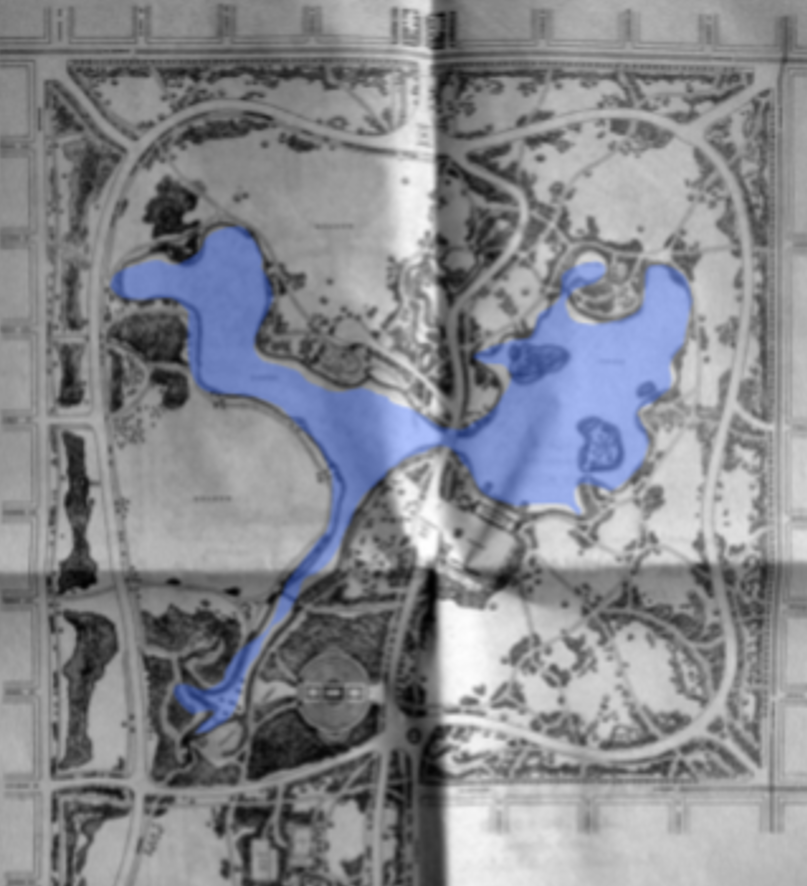
· Humboldt Park, Chicago Park System - Jens Jensen, 1912 USA
Working within American Park Movement, but beginning to evolve style inspired by native landscapes of the Midwest.
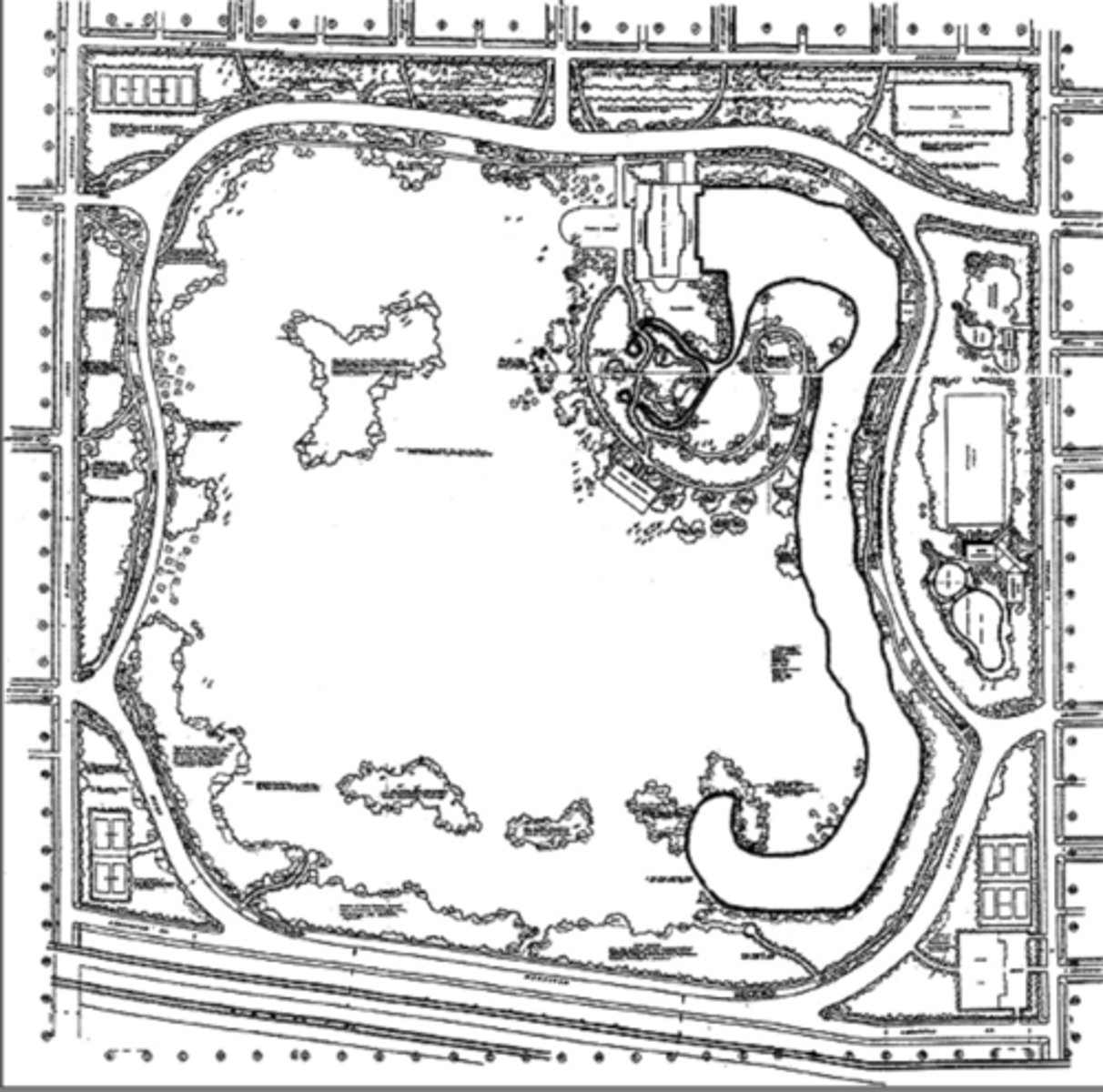
· Columbus Park, Chicago Park System - Jens Jensen, 1917 USA
Uses ideas of canopy, understory, and ground plane- almost verging on ecological design. Council ring- trademark of Jensen's designs. Creating country/rural experience. Recreation and country park in same place.
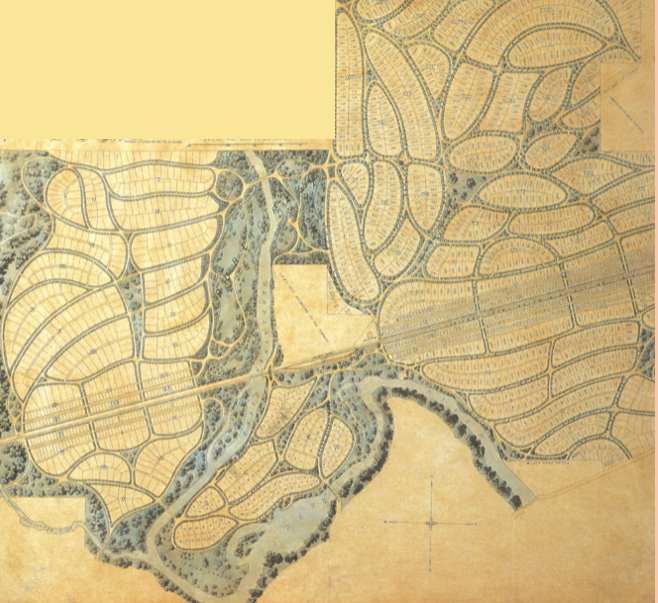
· Riverside, IL - Olmsted and Vaux, 1868 USA
Best known early suburb. Separates city and country. Utilizes the picturesque to create a new environment for living and real estate land subdivision. Looks at Central Park and Cemetery Movement to design this. Railroad connection to city.
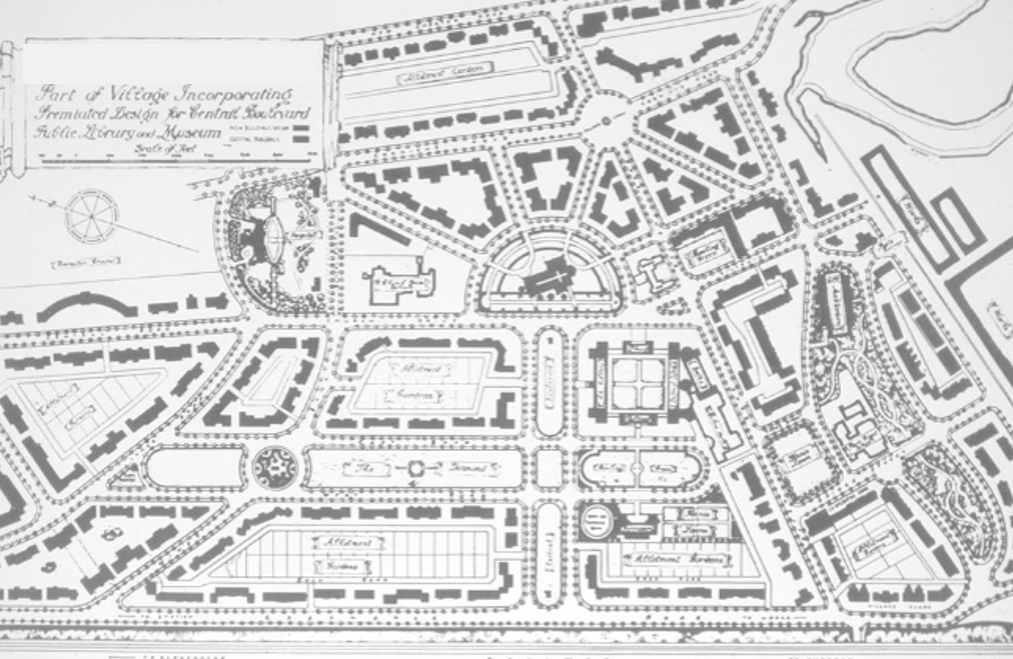
| Port Sunlight - W.H. Lever (Lever Brothers), 1887 USA
Town placed in the country. Development of the idea of a "Super Block"- (all houses are placed outside of the block, space in the middle that residents can use)
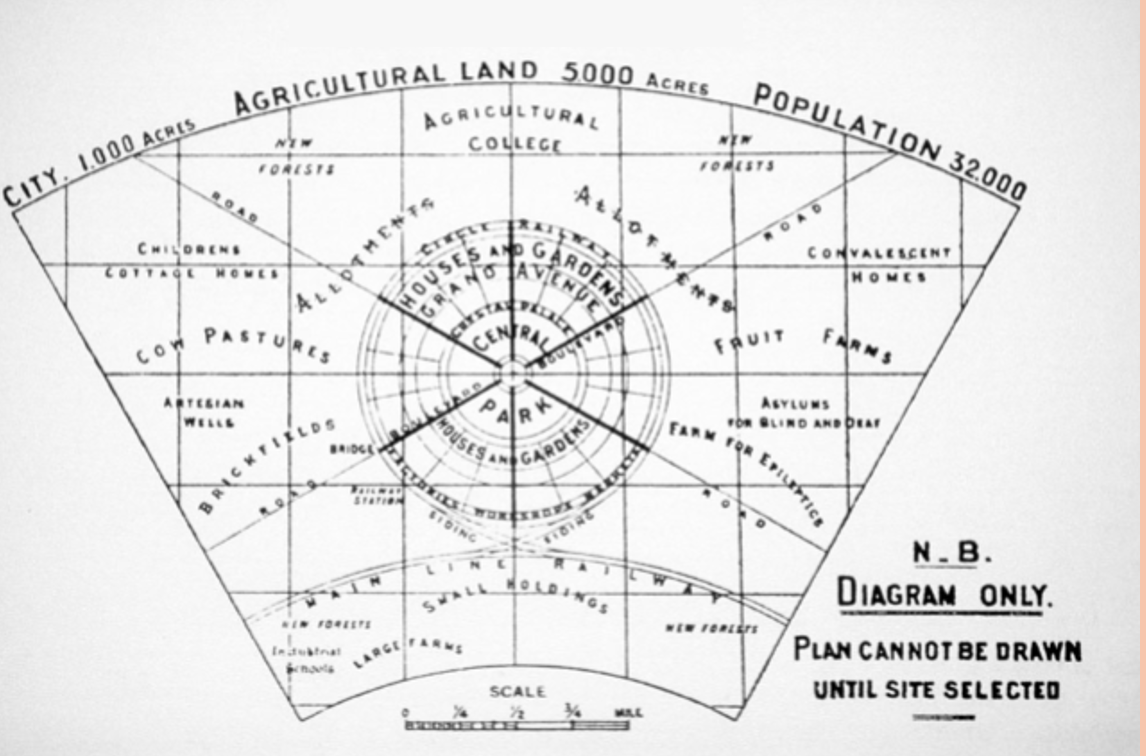
Garden City Diagram - Ebenezer Howard, 1902
Town-country model. Similar to Loudon's "Plan for Breathing Spaces.", Garden City = fully sustainable city —> bring country to city
| Letchworth - Barry Parker and Raymond Unwin, 1903 England
First experimental garden-city. Garden-city movement important movement in design and becomes influential in the US. Combined city and country into one entity.
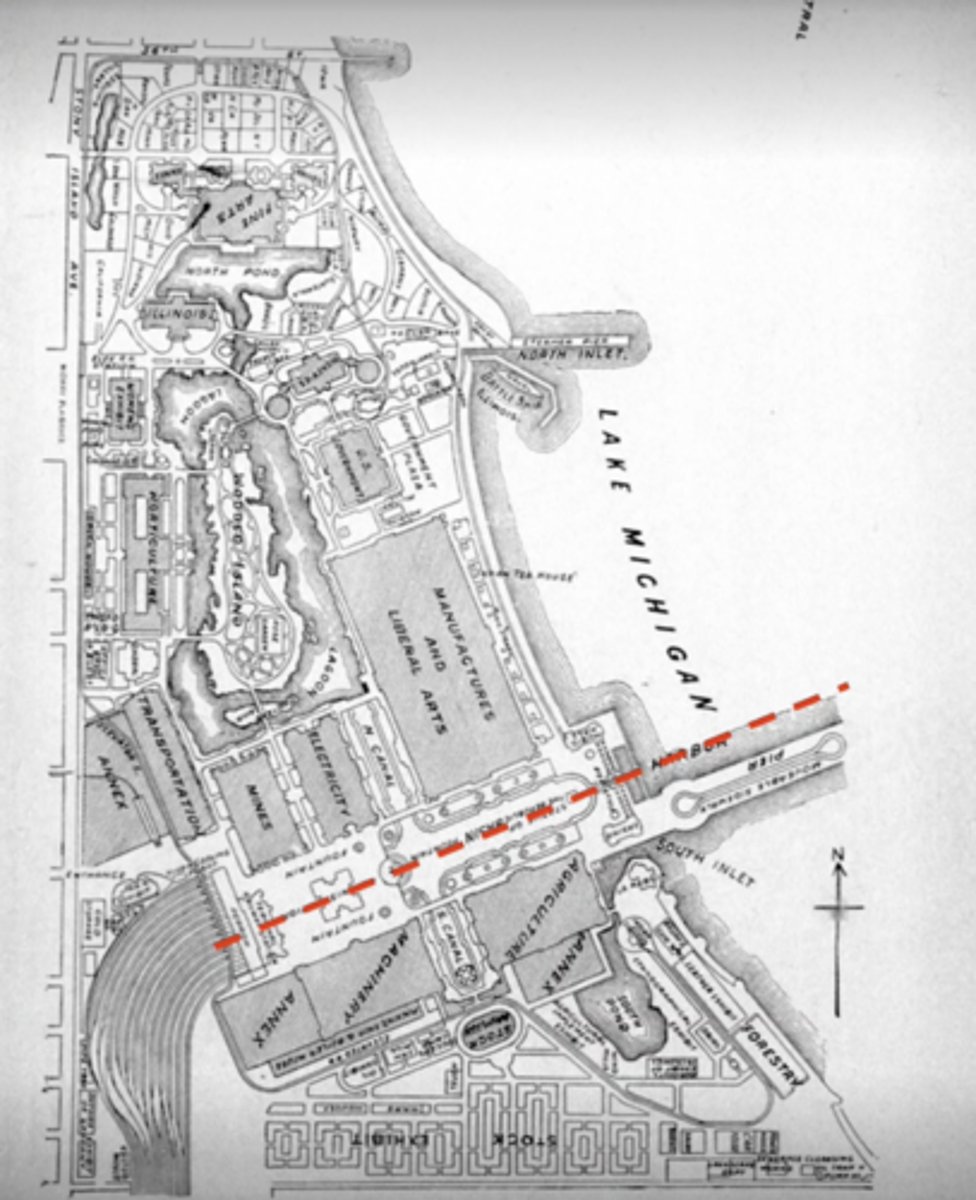
· World's Colombian Exposition | USA Chicago, IL - Olmsted, Daniel Burnham, John Root, 1893
City surrounding naturalized area (lagoon). Viewshed and water system, buildings organized around framework. Awakens ideas of what a city could be, represents aspirations and values (a city can be beautiful, good and worthy, and a monument to culture). Beaux Arts. Begins the “City Beautiful” Movement
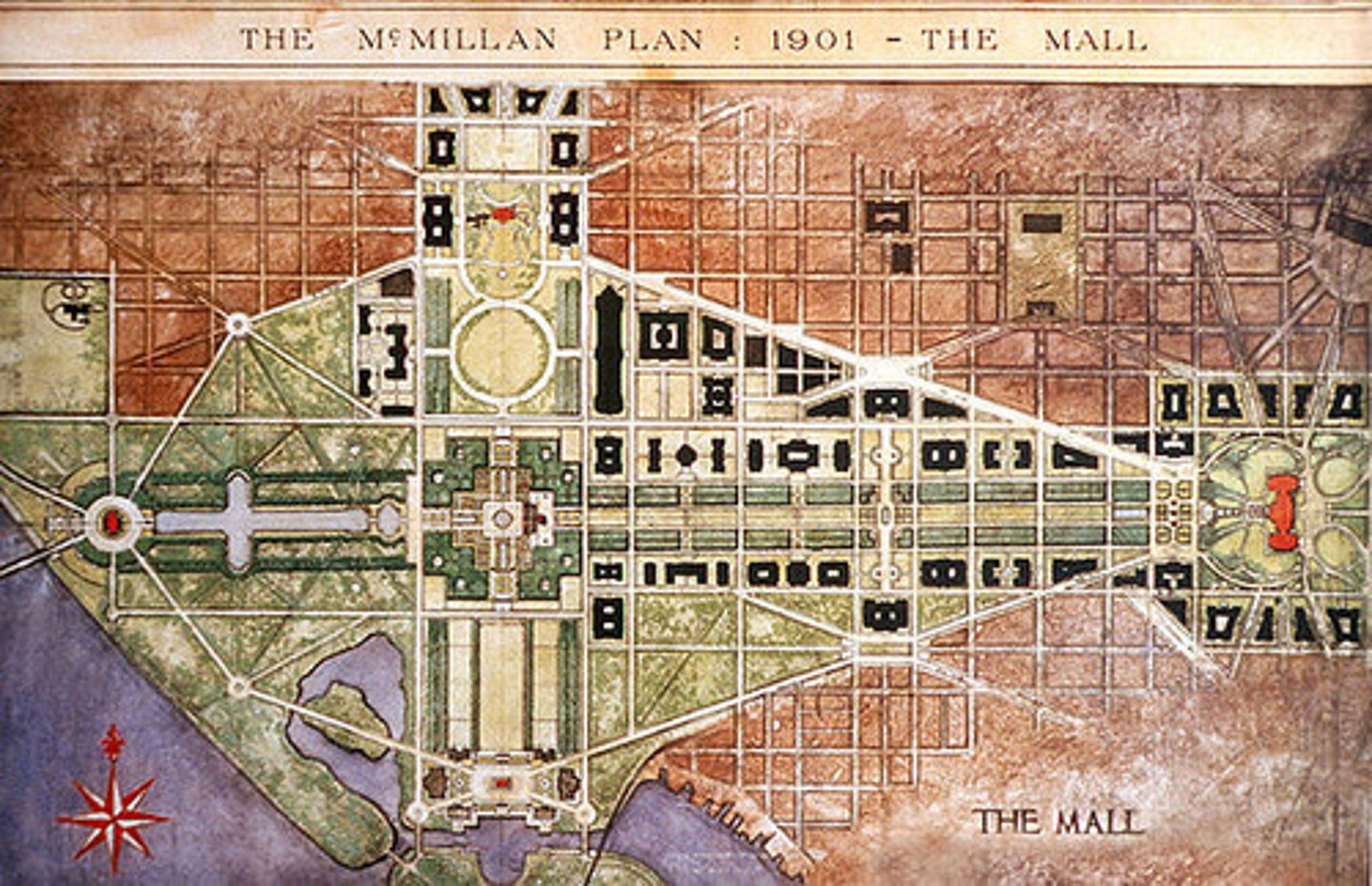
· The McMillan Plan, The Mall | USA Washington DC - James McMillan, 1901
Result of the World Colombian Exposition. Improves and reinforce the L'Enfant Plan. Part of City Beautiful, one of the only parts that was built.
· Charles Platt Place | USA Cornish, NH - Charles Platt, 1892
Takes Italian garden ideas, puts them in the U.S., and updates them for the 20th century world.
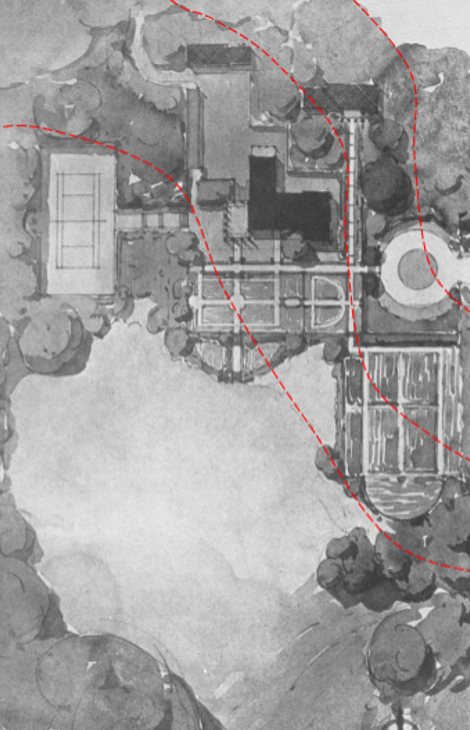
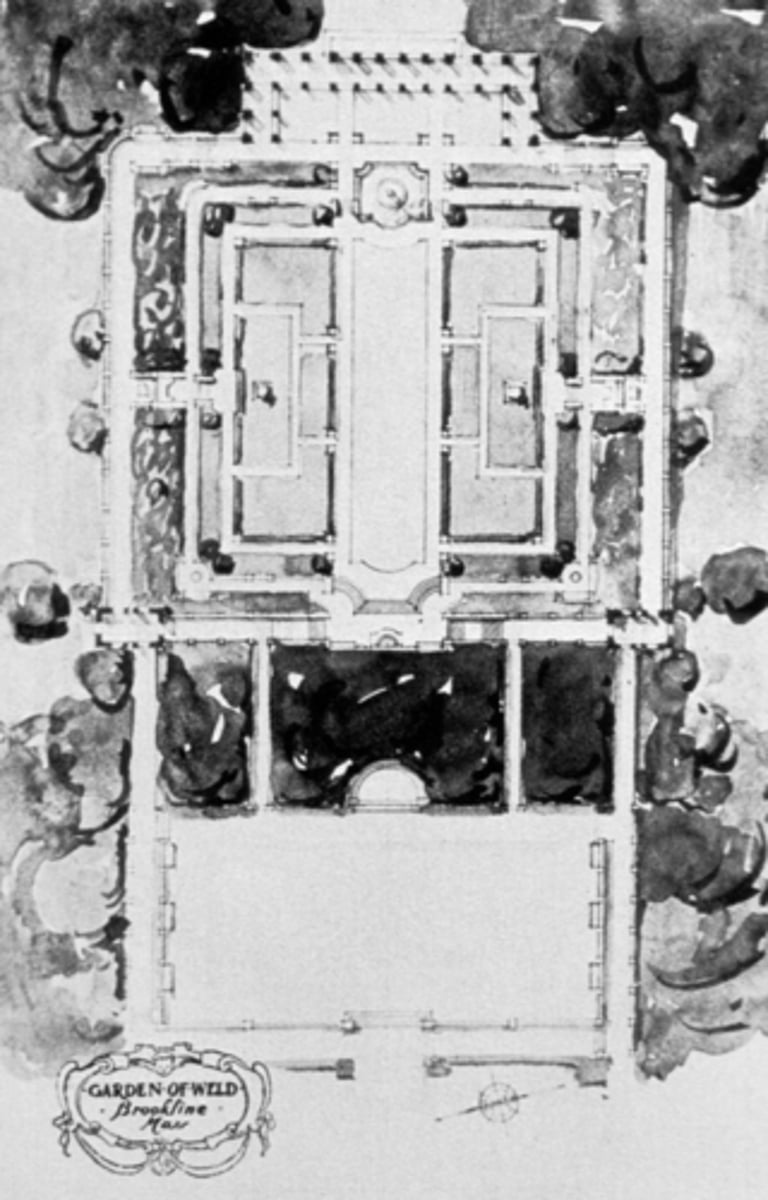
· Garden of Weld | USA Brookline, MA - Charles Platt, 1902
Follows Italian garden principles. central axis and geometric designs
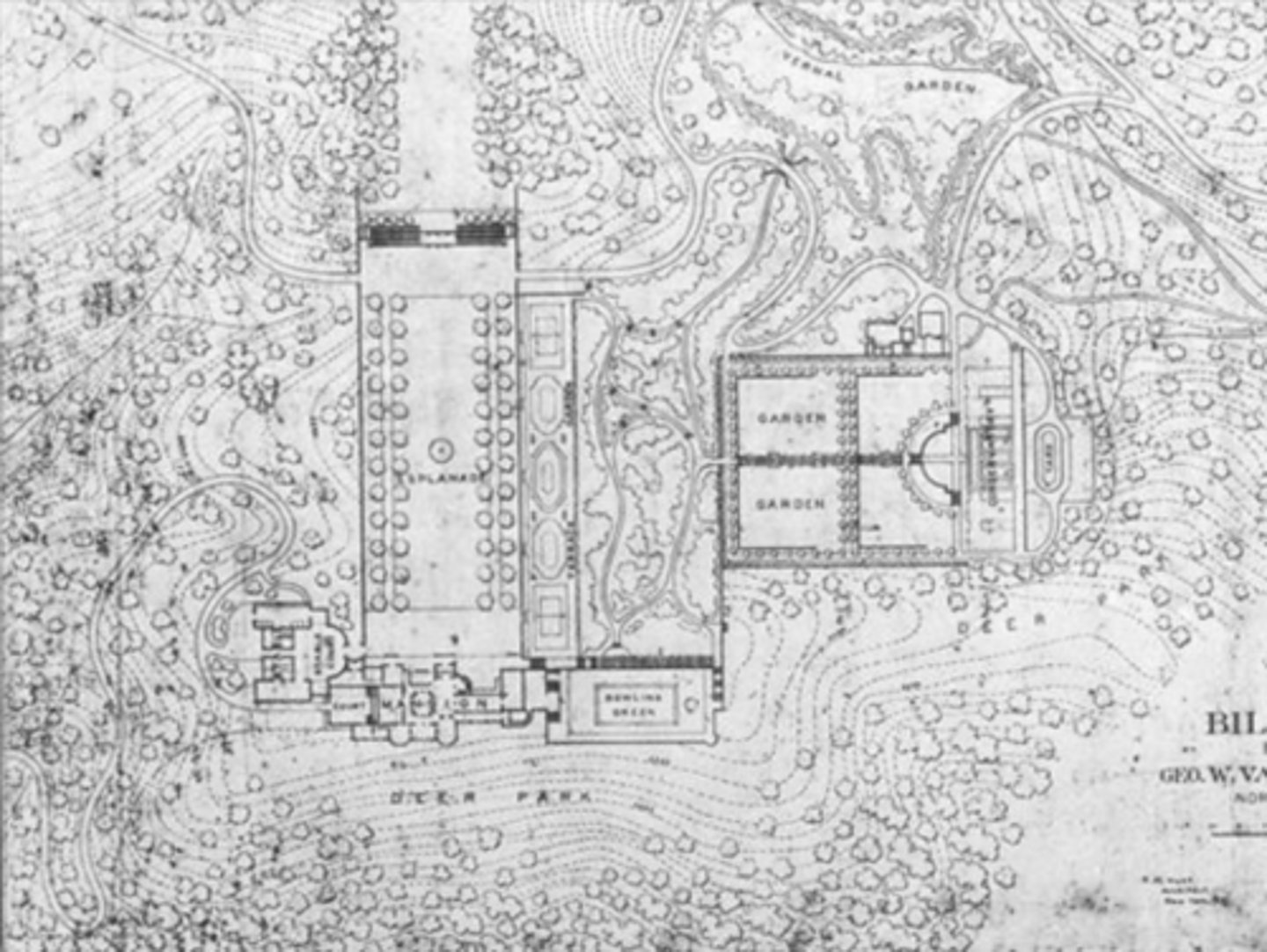
· Biltmore | USA Asheville, NC - FLO Jr. & Sr., 1888
Largest and most famous manifestation of a country place in the U.S. A key part of country place design is the combination of humanized and natural.
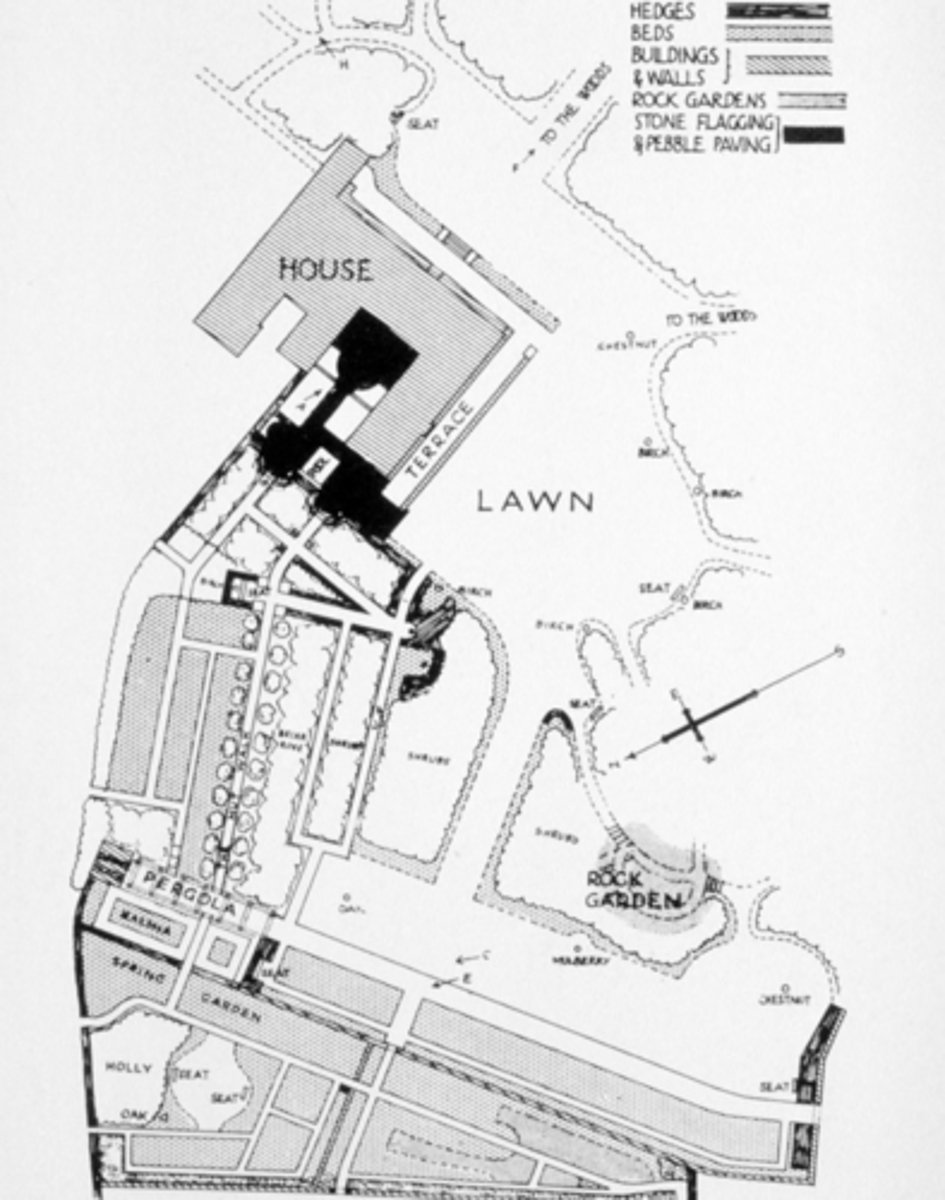
· Munstead Wood - Gertrude Jekyll and Edwin Lutyens, 1895 England
Jekyll and Lutyens' home. Used plants in large masses, Country Place Landscape, sequencing plants
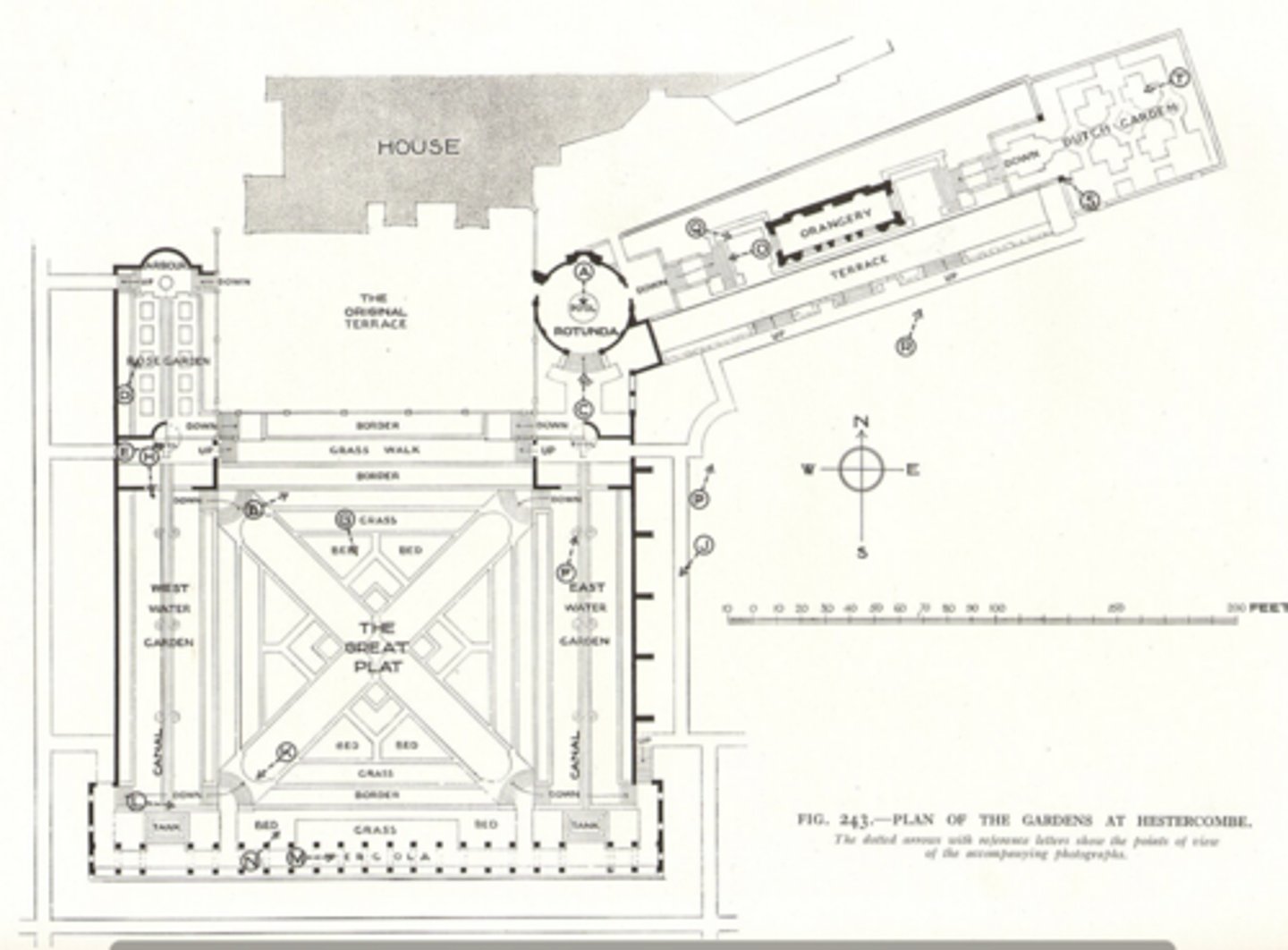
· Hestercomb - Gertrude Jekyll and Edwin Lutyens, 1903 England
Strong geometries, highly hand crafted places (wall), part of Arts and Crafts movement
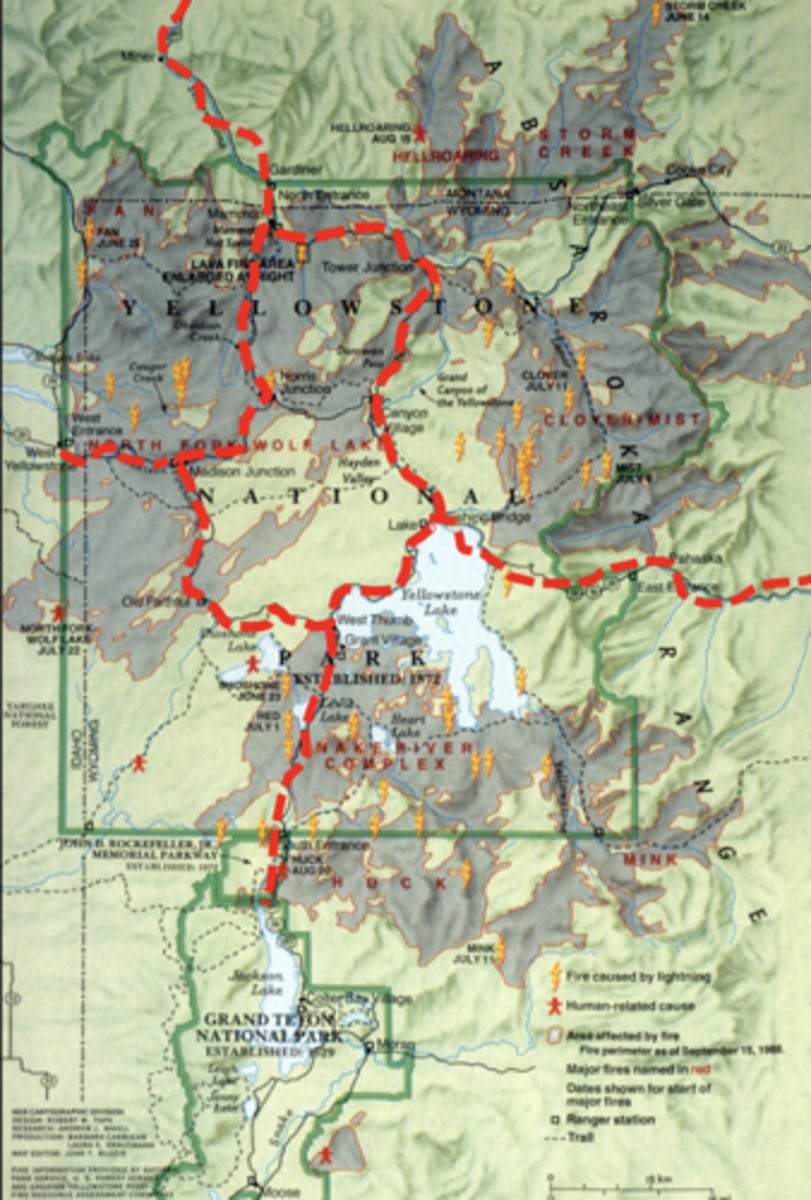
· Yellowstone | USA WY, MT - Army Core of Engineers, 1872
1872 est. by Act of Congress as first National Park, Army Core of Engineers first to plan and supervise construction in park. Idea of reserving park land in a developing area part of can be compared to municipal parks. Connection to design movement and conservation movement. A park in response to national development.
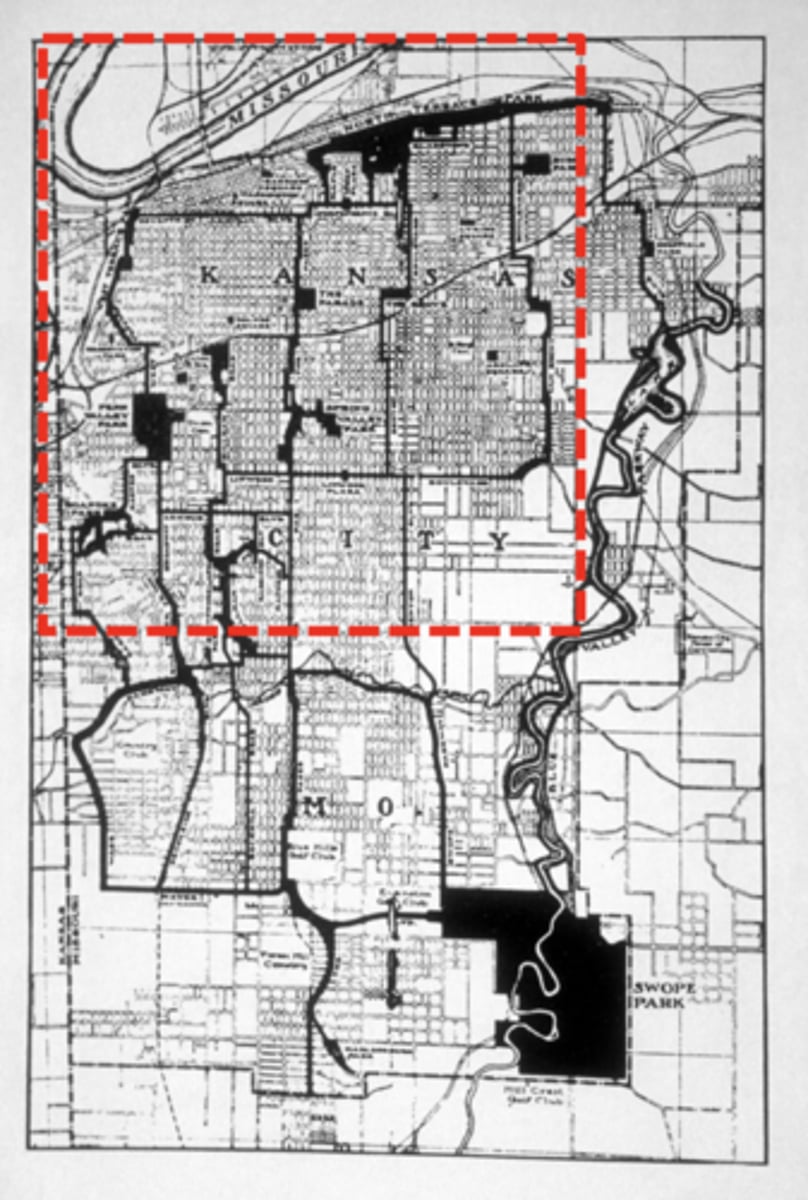
· Kansas City Park System | USA MO - George Kessler, 1930
Intraurban parkway system (intra=within)
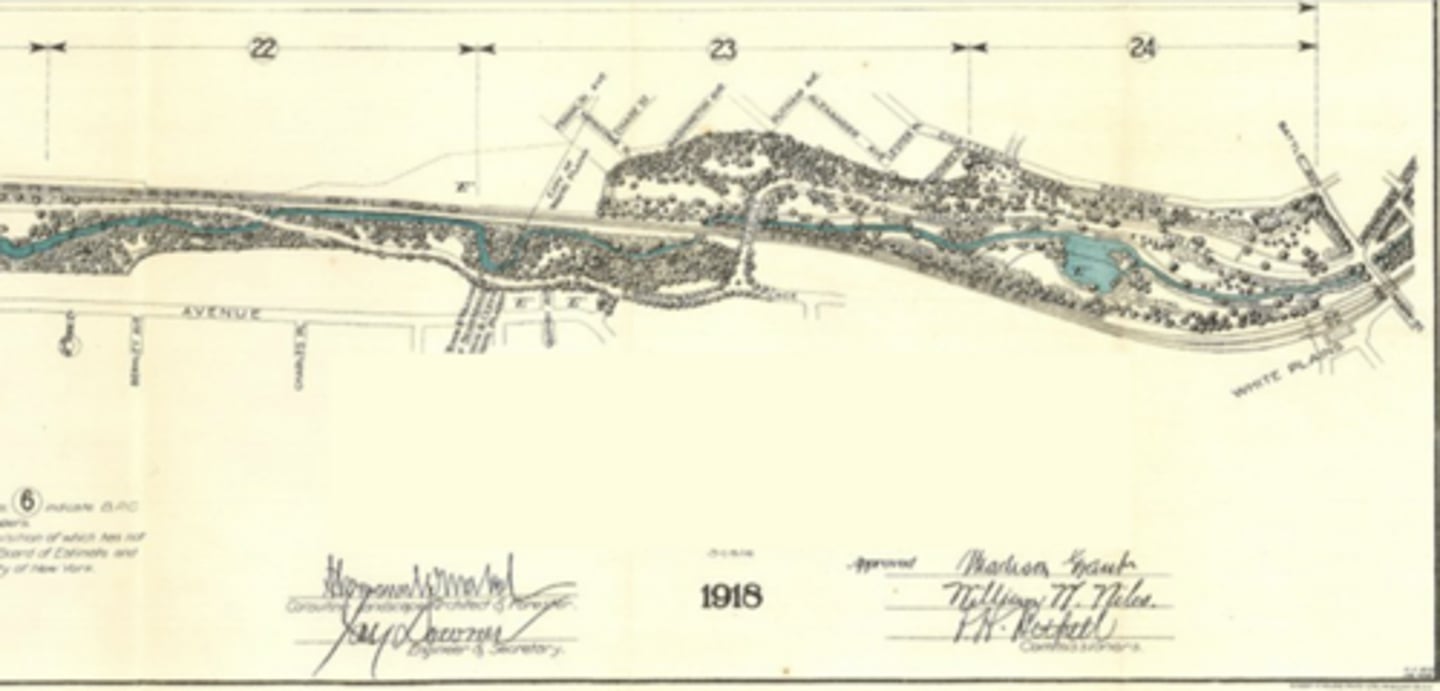
· Bronx River Parkway | USA NY- Jay Downer (engineer), Herman Merkel & Gilmore Clark (LAs), 1907-25
First modern parkway, originally designed as a park. Parks embedded in ROW. Designed specifically for automobiles (makes it modern). Access to parkway through bridges, ramps, and first clover leaf design (leads to birth of first limited access roadway)
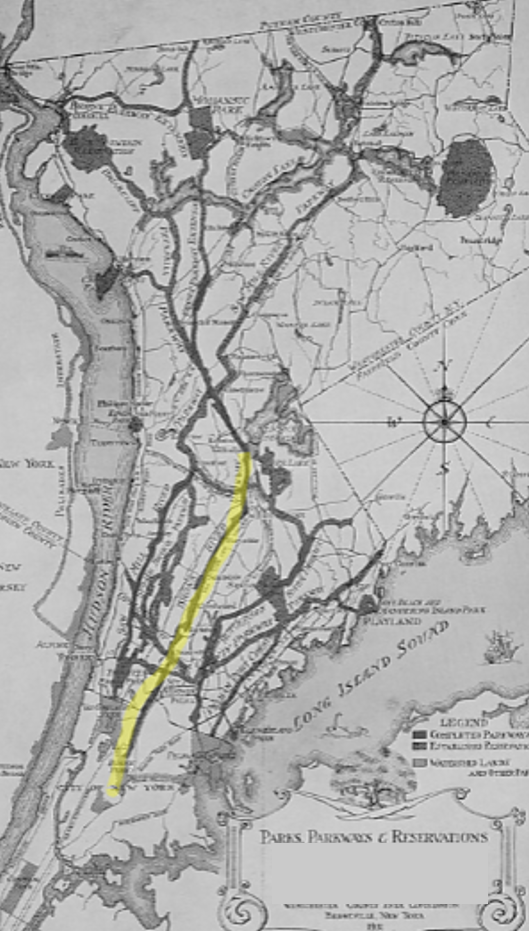
· Westchester County Park and Parkway System | USA NY - Gilmore Clark, Stanley Abbott
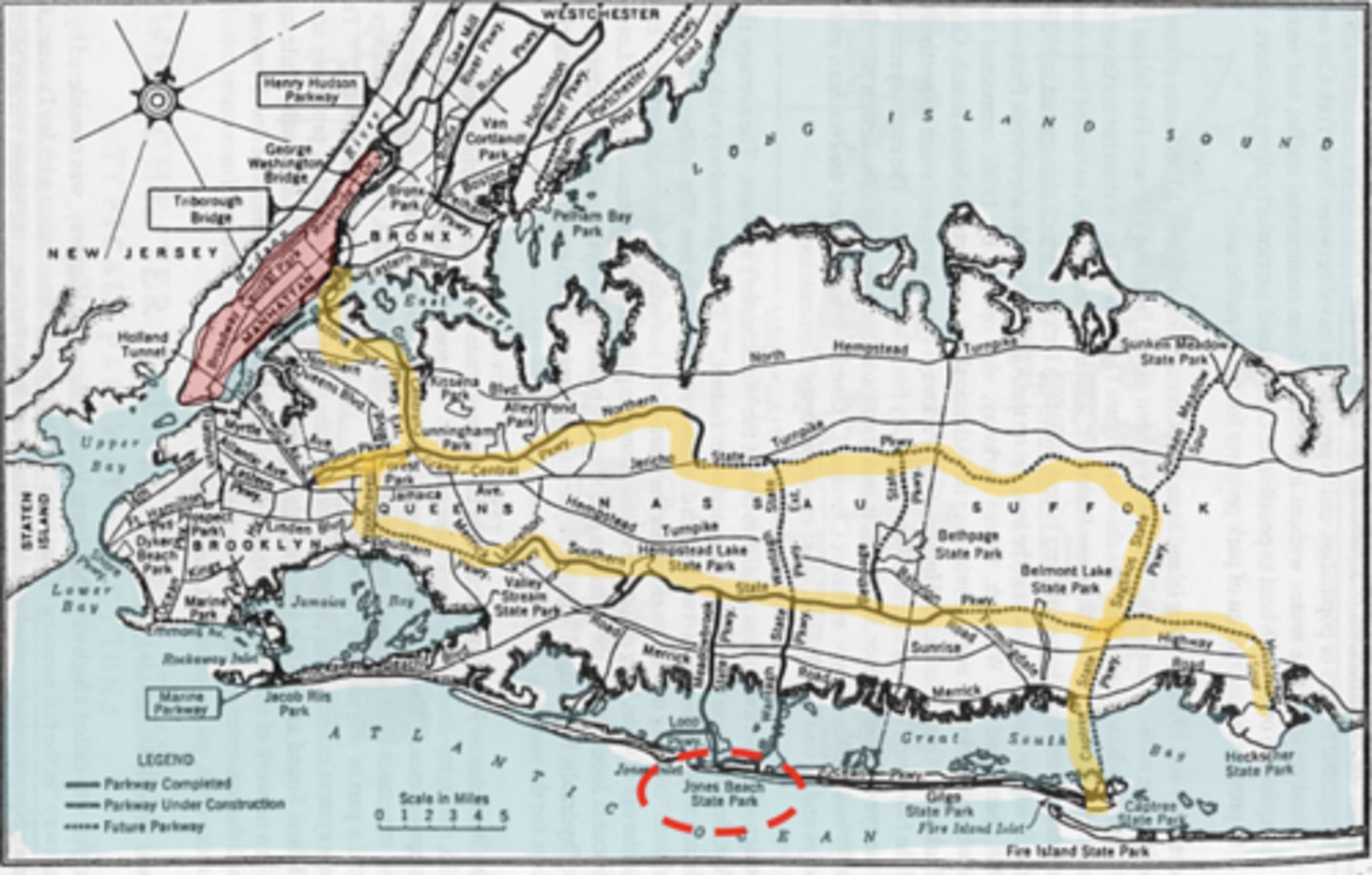
· Long Island Park System | NY USA - Robert Moses
State park parkway. Automobile designed parkway system.
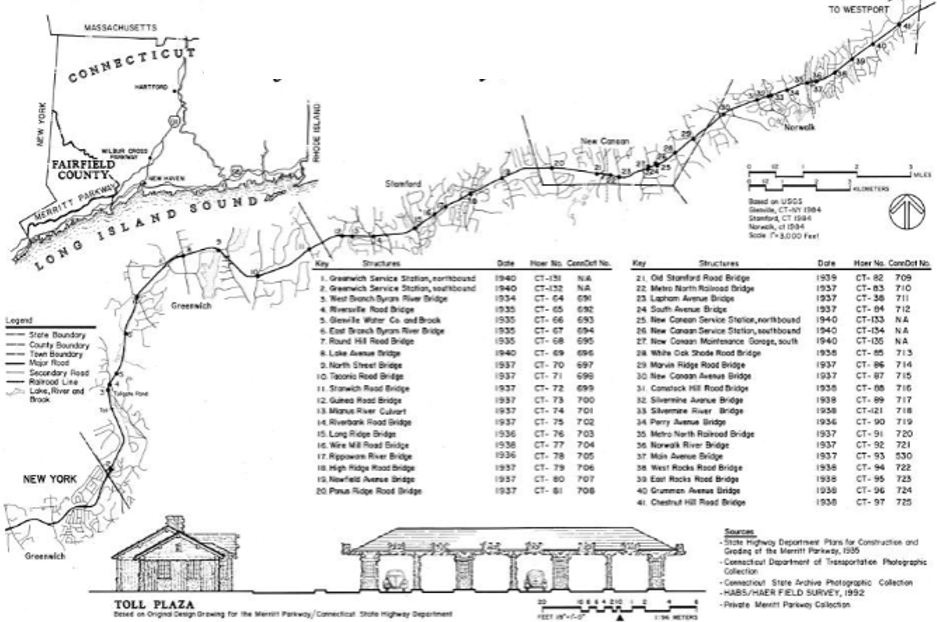
· Merritt Parkway | CT USA - W. Thayer Chase (LA), George Dunkelberger (Architect), Leslie Sumner (Engineer), 1927-40
Inter-Urban Parkway. Not connecting any parks, but about inter-urban transportation. Art-Deco bridges. Smooth, rapid, and beautiful driving experience.
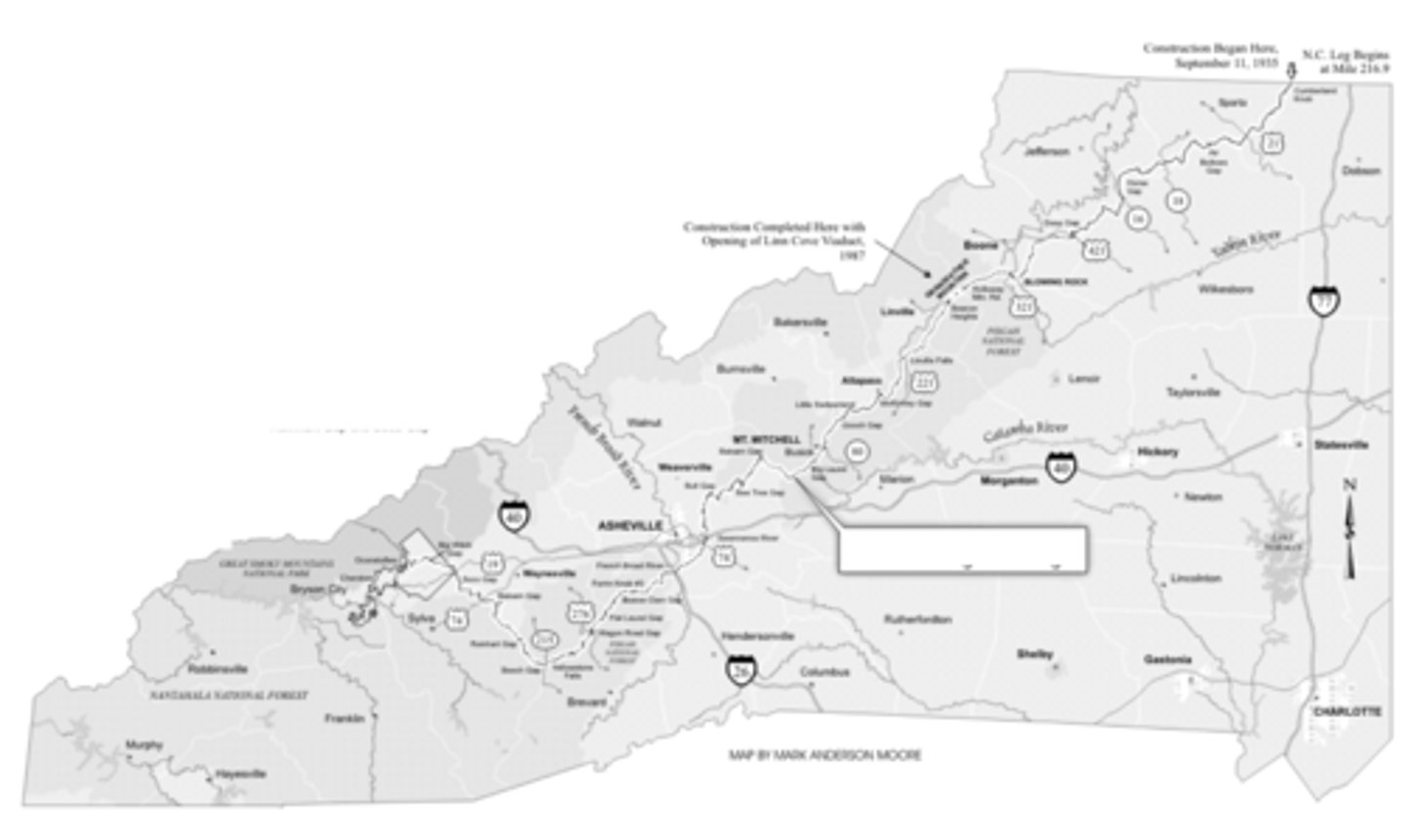
· Blue Ridge Parkway | NC USA - NPS, 1930's-70's
NPS Parkway. Connects Appalachia. Scenic, natural, cultural resource preservation.
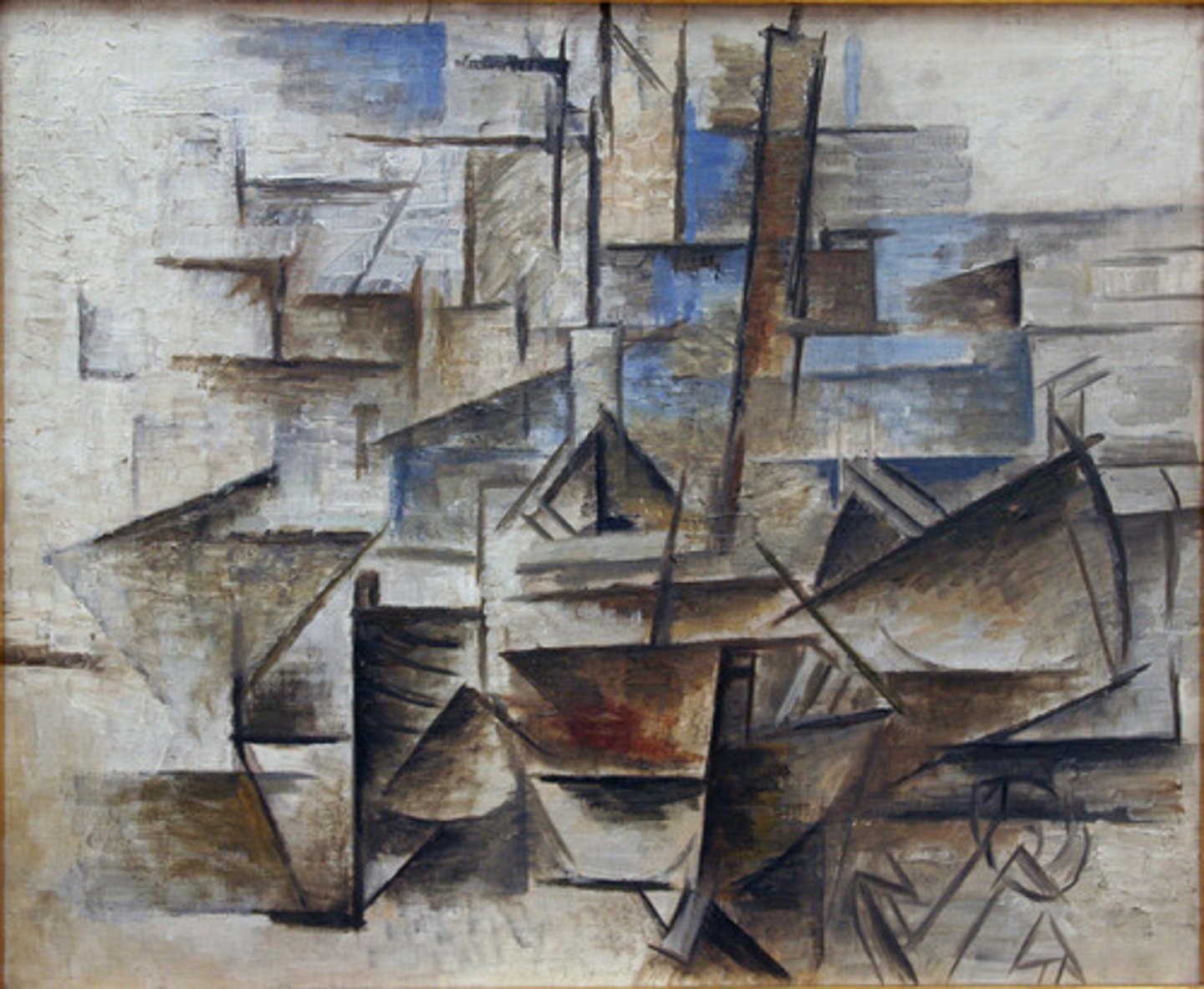
Harbor at Cadaques - Pablo Picasso, 1910
Example of cubism, breakdown of traditional perspectives
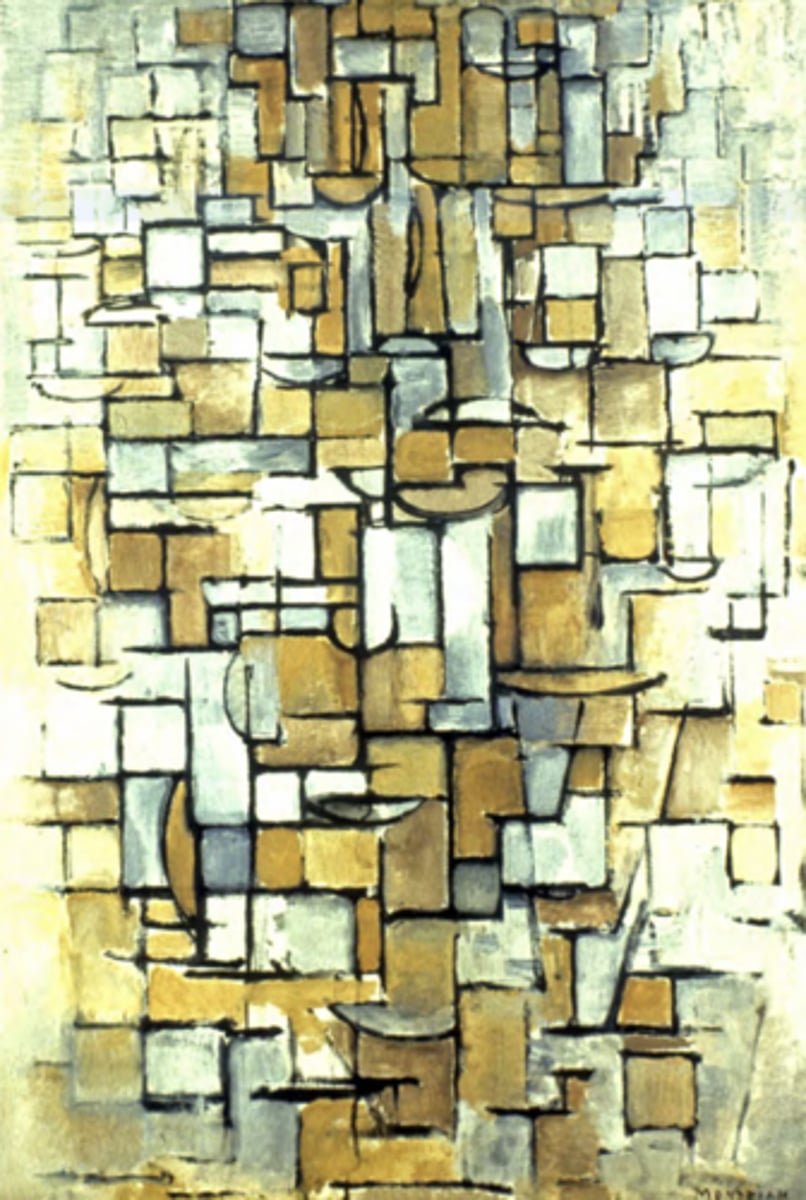
Composition in Line and Color - Piet Mondrian, 1909
DeStijl Movement, painting "pure abstraction"
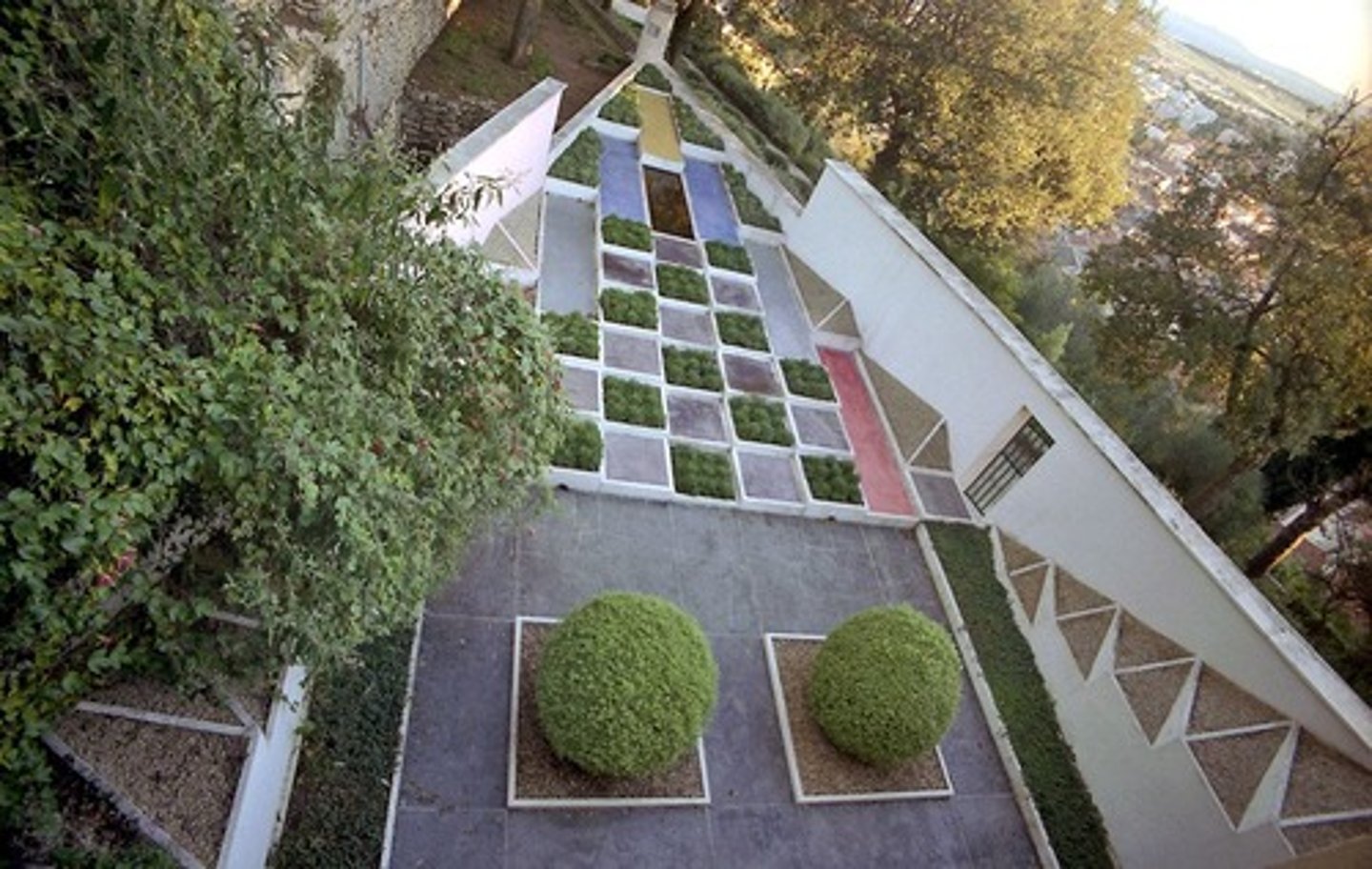
| Villa Noailles - Gabriel Guevrekian and Robert Mallet Stevens, 1925-27 France
Cubism, geometries and shifting planes, Avant Garde garden, revolving sculpture (changes with time) #fug
| Garden of Modern Living | France - Robert Mallet Stevens, Jan & Joel Martel, 1925
Copy nature with new materials. Abstraction, garden to make you think about gardens. Expresses newly engineered qualities of 20th century life. #fug
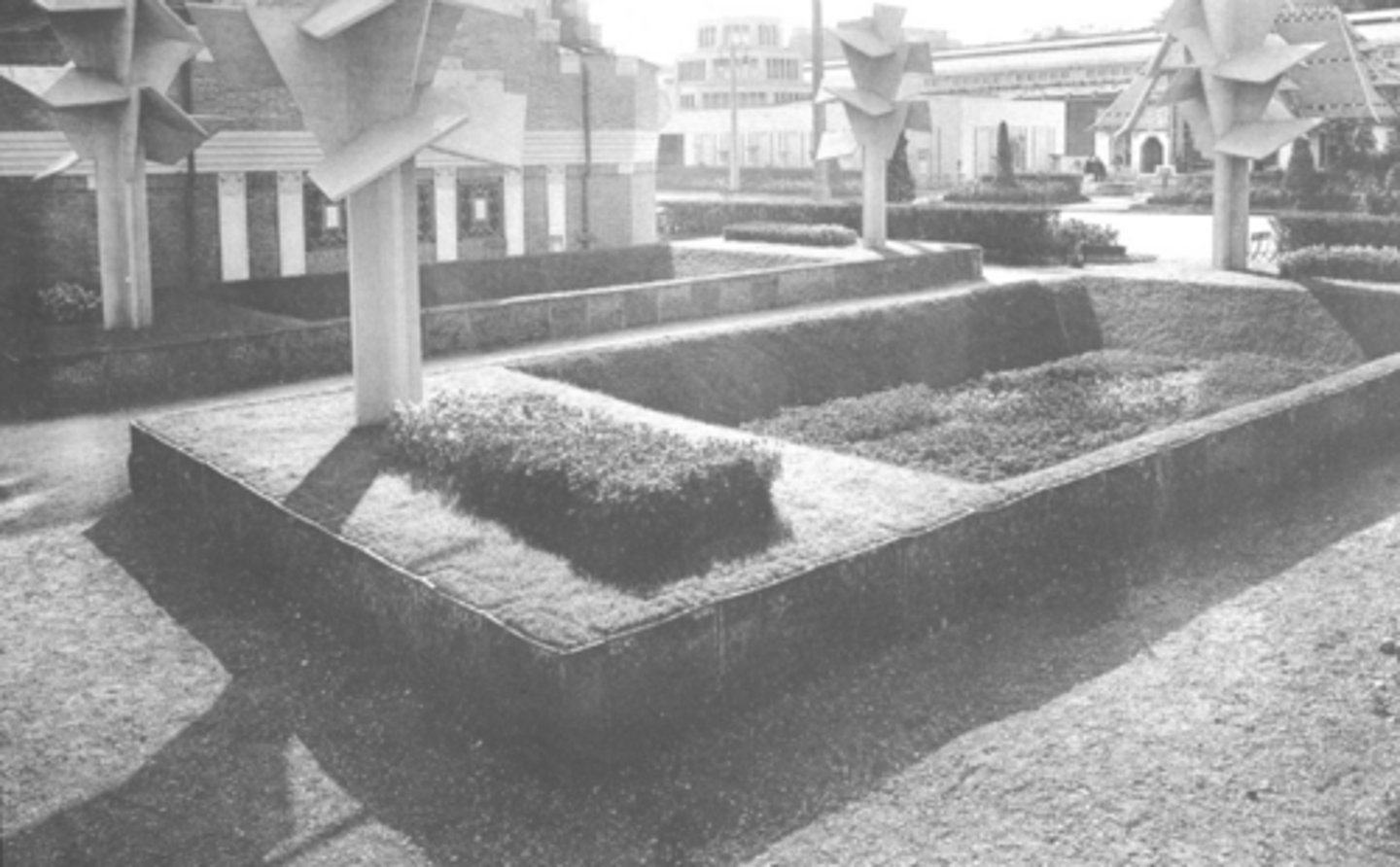
| Garden of Water and Light | France - Gabriel Guevrekian, 1925
Meant to be seen, not entered. Intended to turn the idea of a garden on its head, to be controversial. Expressed cubistic aspects of time. Garden as a painting (goes back to Alexander Pope quote, "all gardening is landscape painting") #fug
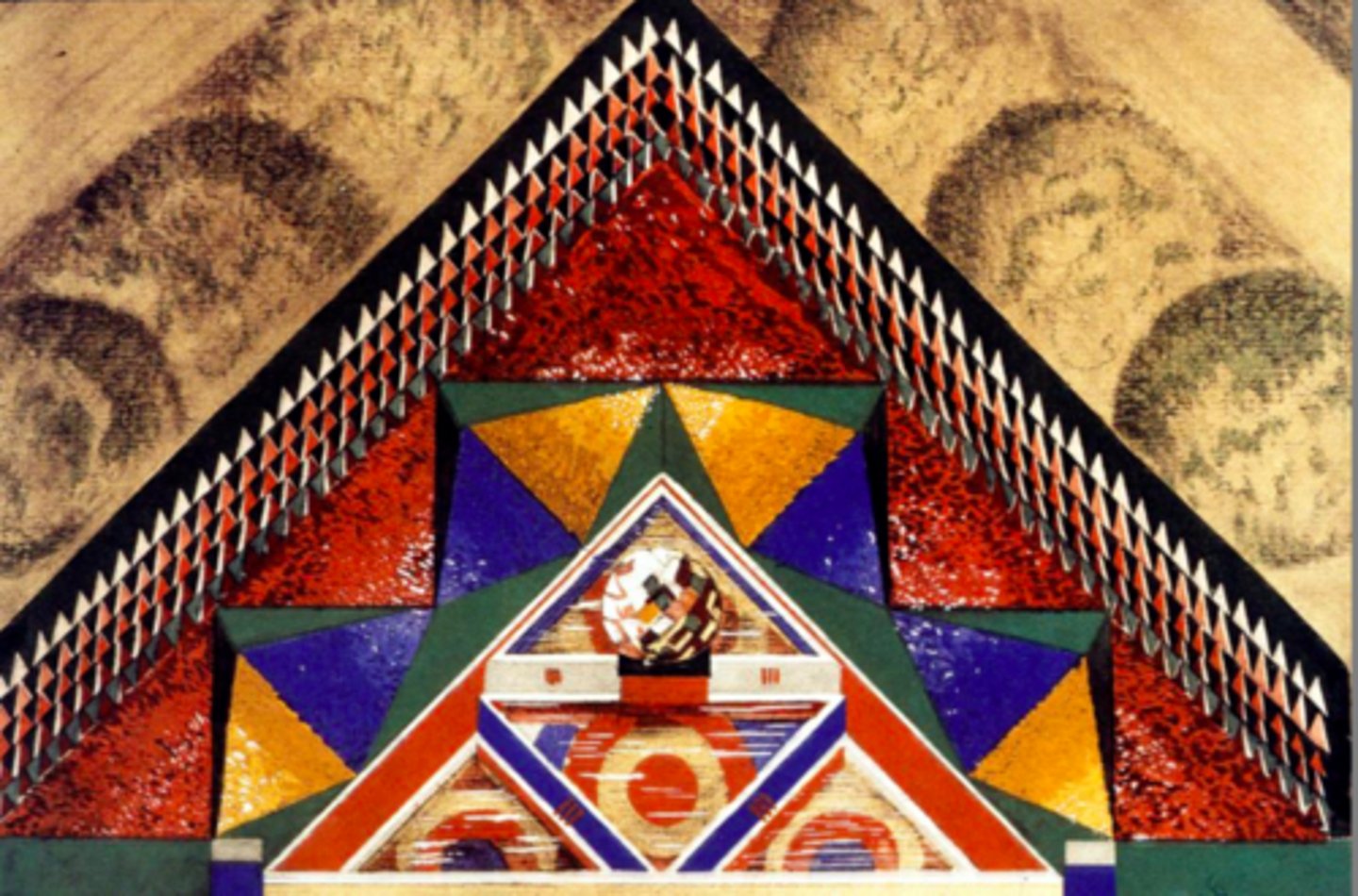
| Tachard Garden - Pierre Emil Legrain, 1926 France
Presented in Paris Exposition. Avant garde at time; no use of axis, classical statuary, or symmetry. Cleary rejecting past in plan and through the way that vegetation is being used architecturally. Big part of transitional gardens in France. Influences Fletcher Steele (ideas infiltrate into Country Place design).
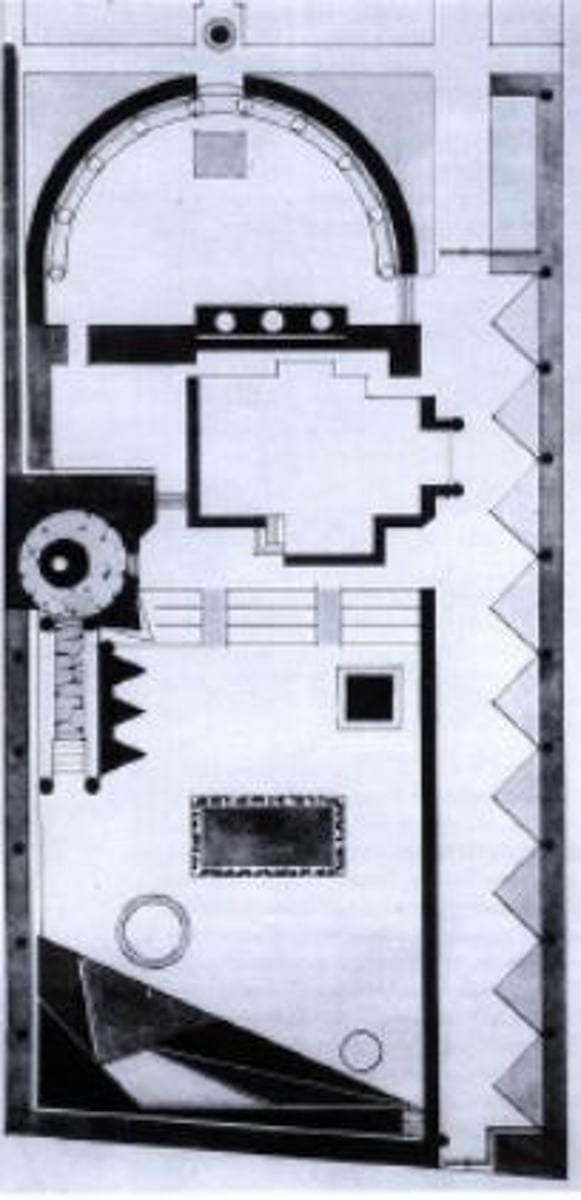
· Naumkeag | MA - Fletcher Steele, 1926-59 USA
Plays with idea of garden.
★ Inspired by French gardens, but clearly American in spirit, Naumkeag turned the conventional idea of the Beaux Arts Country Place on its head, creating a space less about formalized garden conventions and more about personal delight.
(Camryn says "fletch a steel keg stand in Nam")
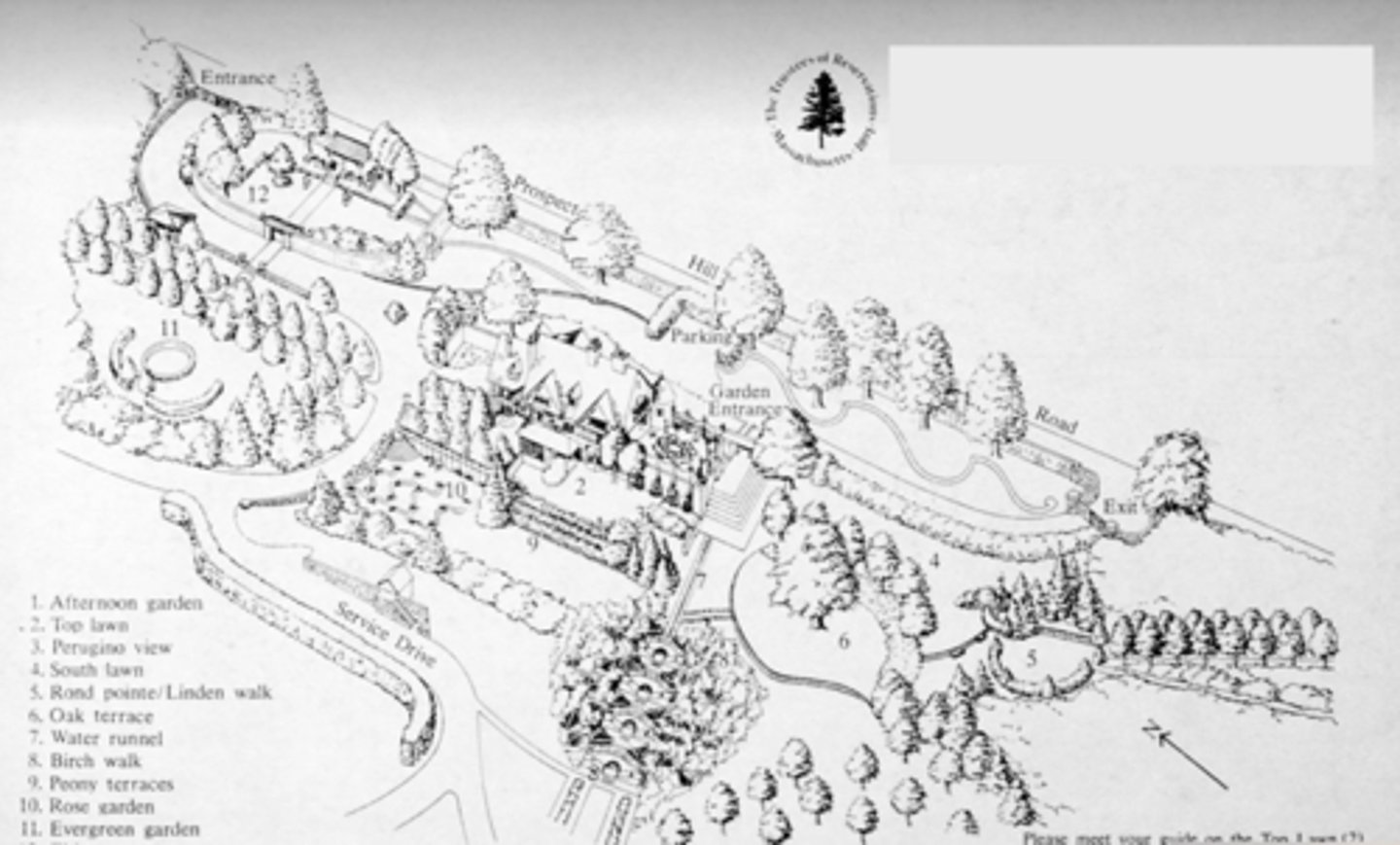
· Oak Park Home/Studio | IL - Frank Lloyd Wright, 1889
Modern architecture. Idea of free plan, able to see what's changing in architecture at the time. Spaces flowing into one another. (Luke home)
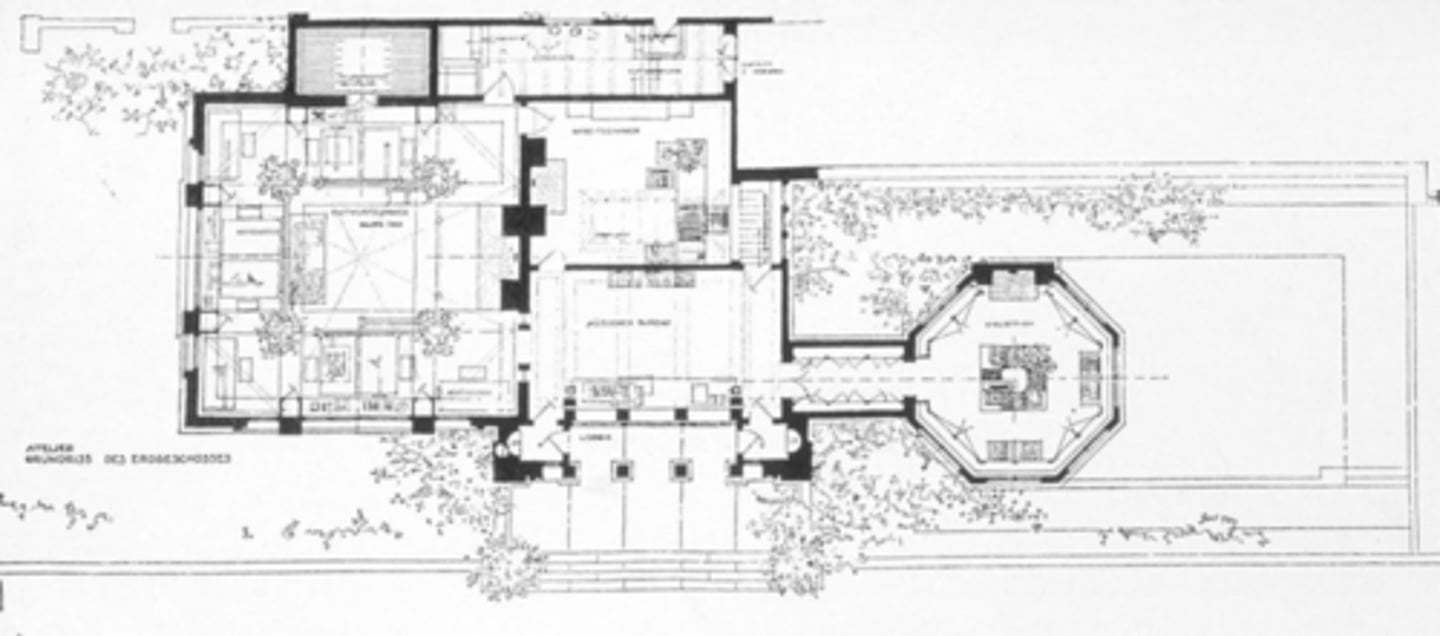
· Taliesin I | WI - Frank Lloyd Wright, 1911
Modern architecture. Comprehensive LA (total work of art). Blurring of spacial boundaries. Assemblage of spaces linked by more spaced, collaged walls. Blurred inside and outside. House is like a cubist painting, shifting planes and spaces. Architecture absorbing ideas from art, making 2D ideas 3D.
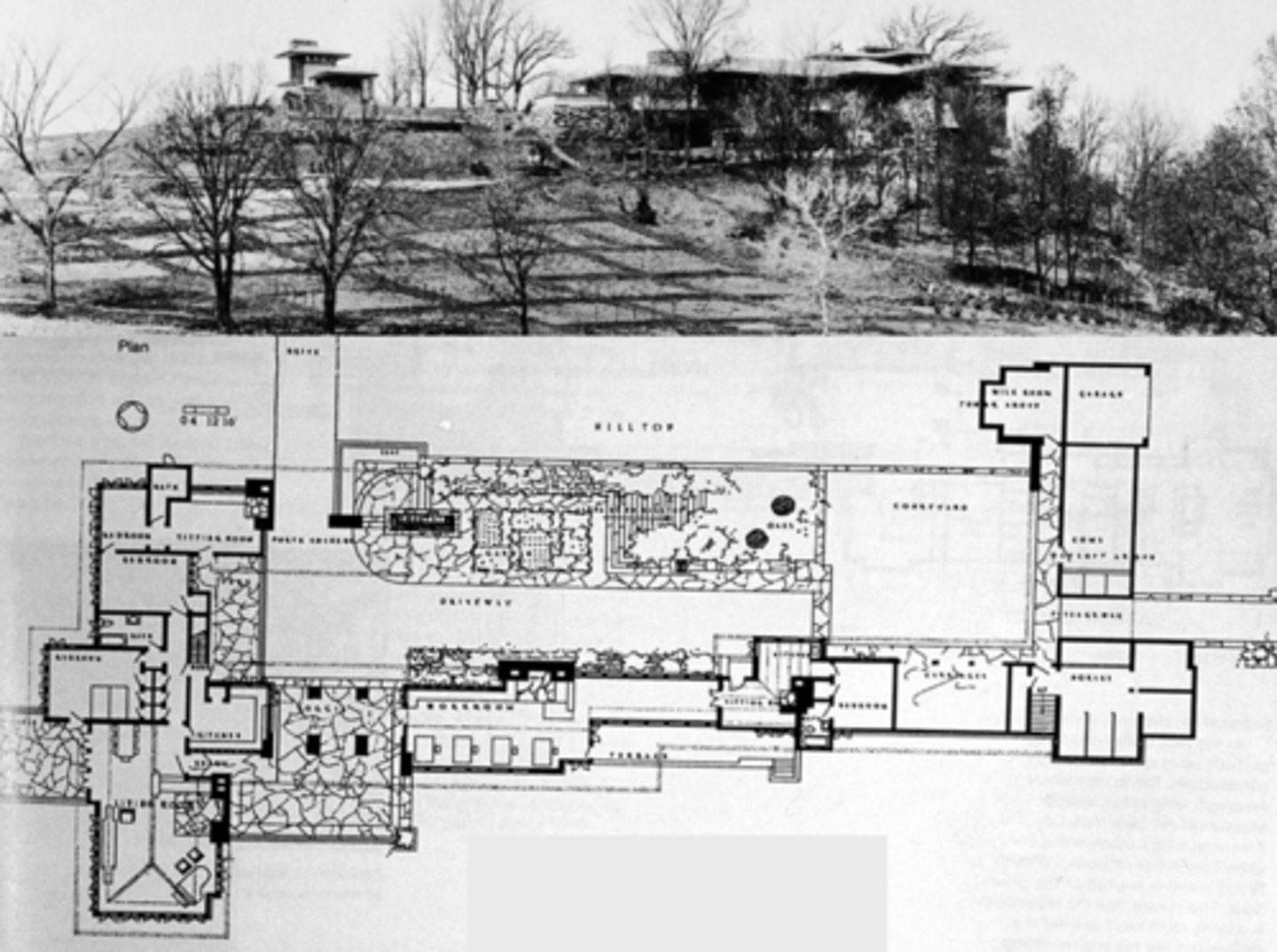
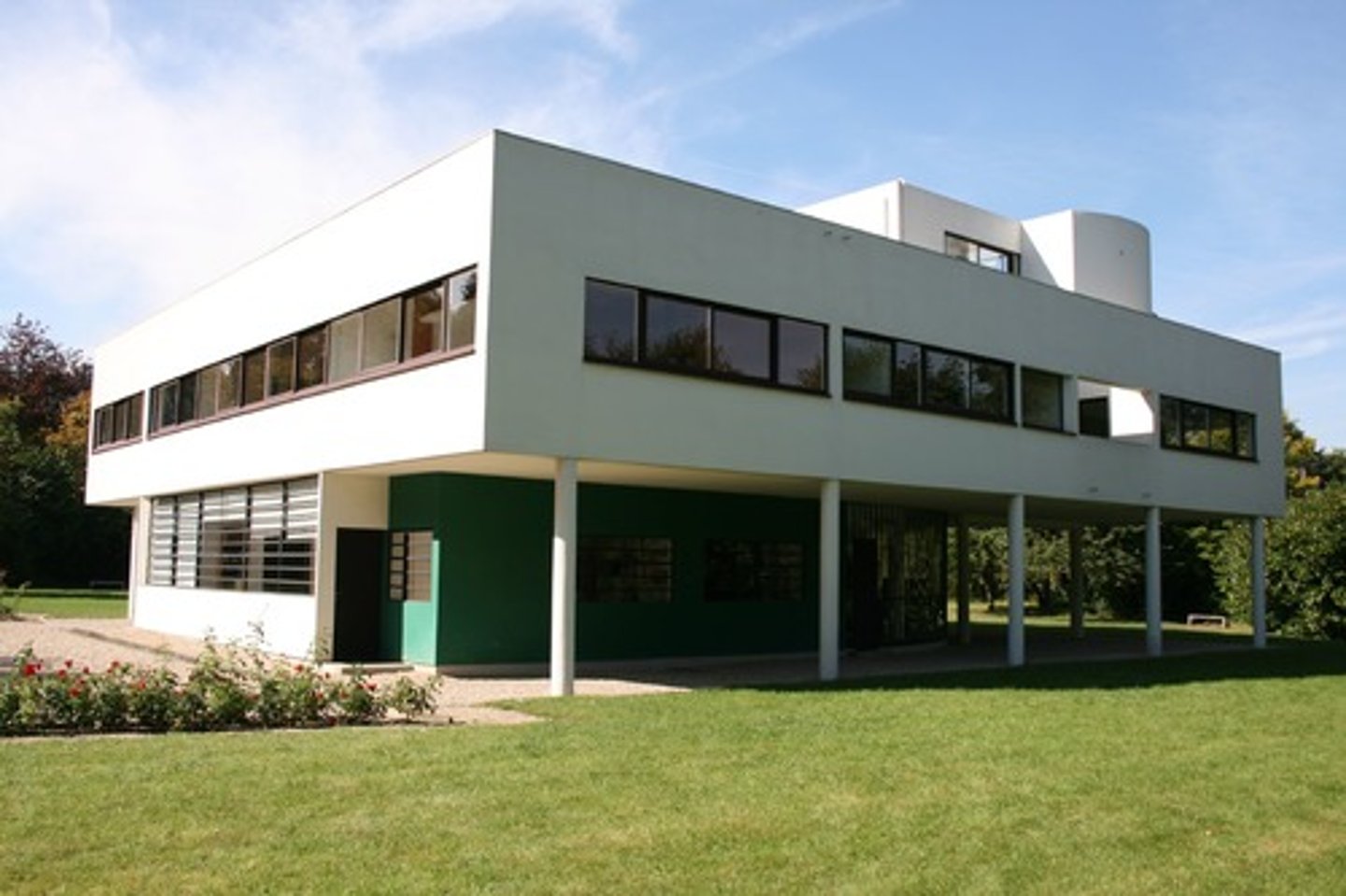
| Villa Savoye - LeCorbusier, 1931 France
Modern architecture. Manifesto of 5 Points of Architectural Coherence. #fug
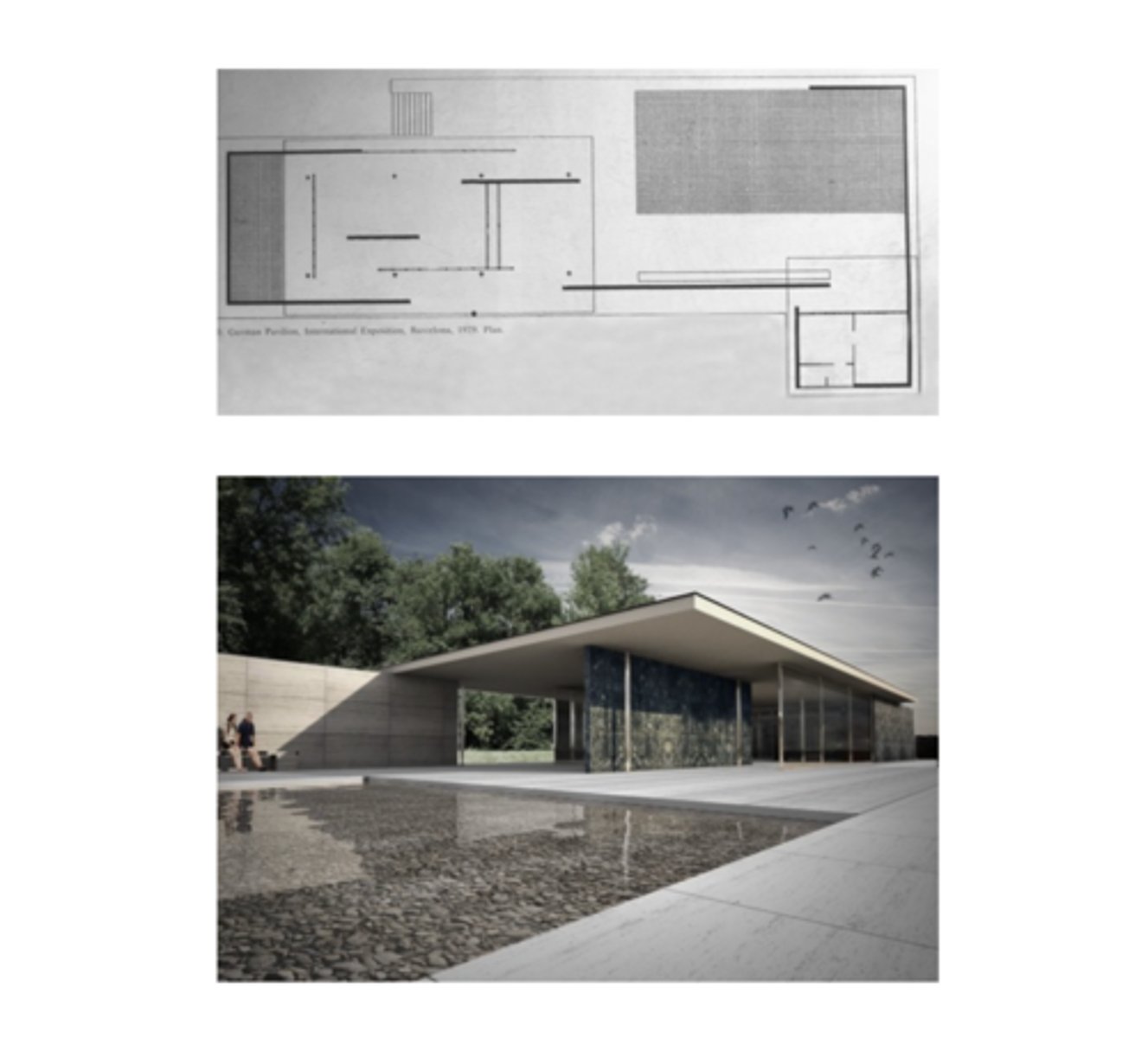
Barcelona Pavilion | Barcelona Spain - Mies van der Rohe, 1929
Characterized by use of horizontal and vertical planes to create space, revolutionary idea at the time. Walls of stone and glass which create space. Not four structural walls around anything.
★ Barcelona Pavilion joins ideas of architecture, technology, art and culture into a new, pared down conception of space and life. Simple life, simple architecture, simple landscape.
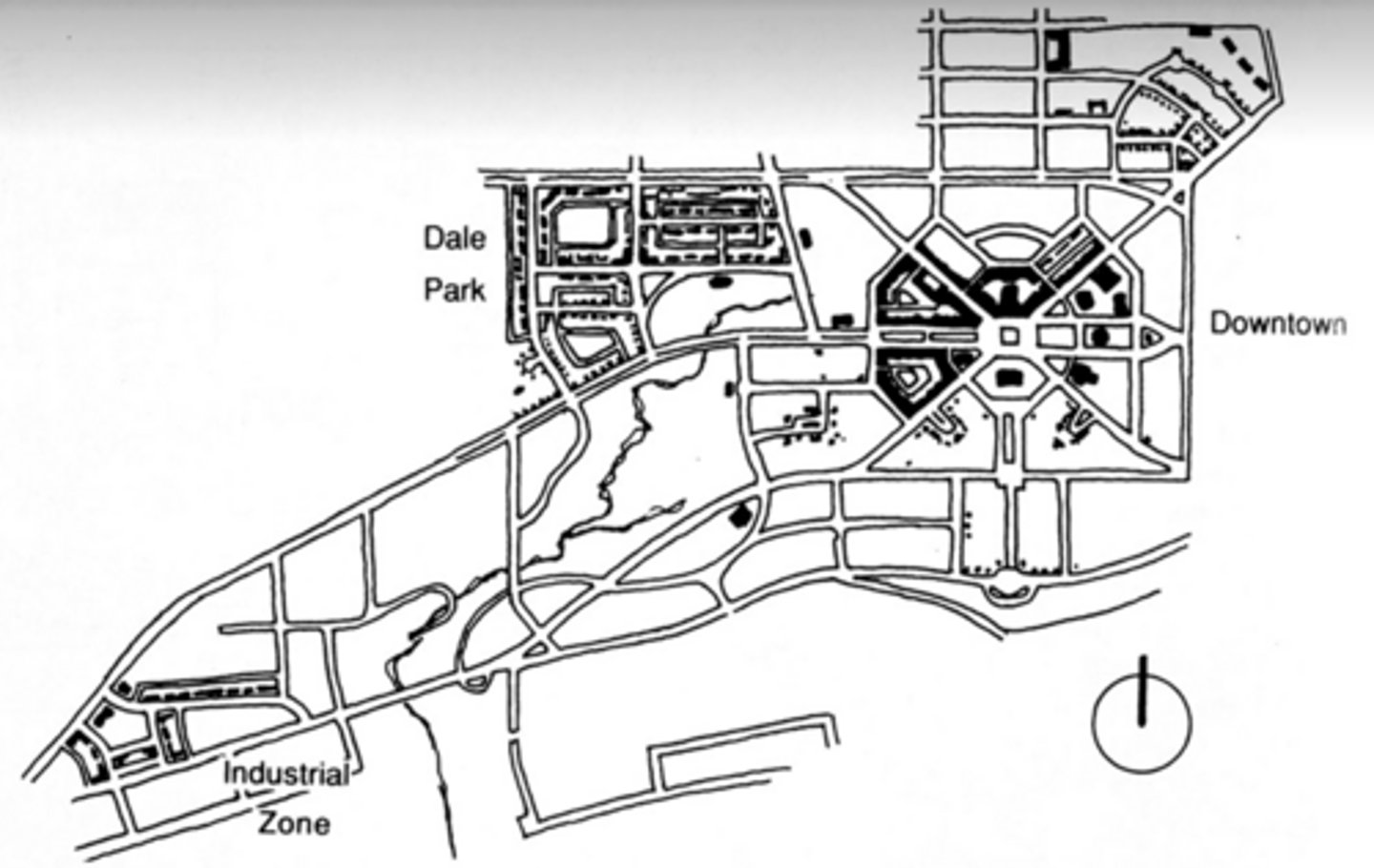
· Mariemont | OH - John Nolen and Thomas Emery, 1920-25
A model community supported by industry, self sustaining.
★ Mariemont combines aspects of both Riverside and Letchworth. Neither garden city nor suburb, but has qualities of both. This characterizes American "Town Planning" from 1910-1940.
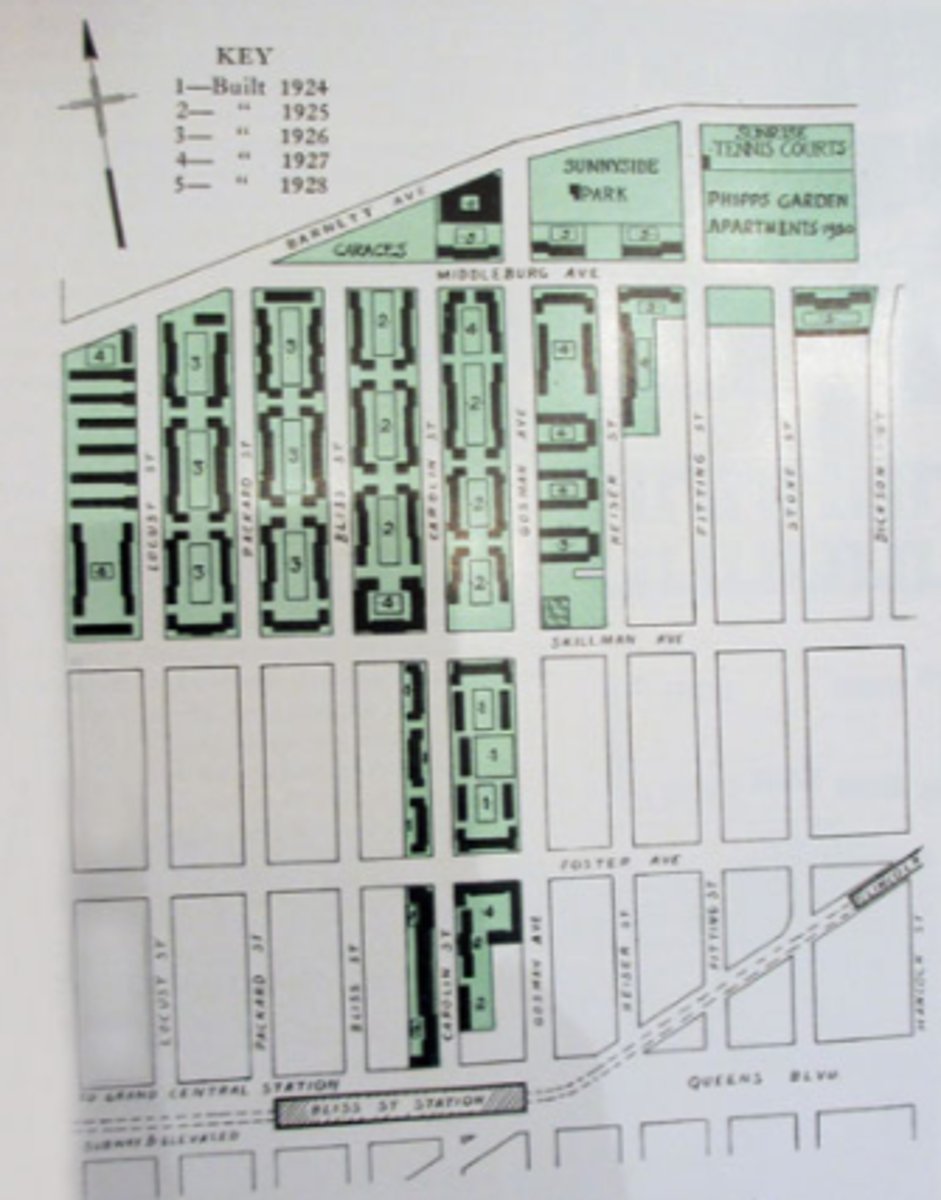
· Sunnyside | NY - Clarence Stein, Henry Wright, Marjorie Sewell Cautley, 1924-28
Pedestrian/commuting (railroad) community. Superblock, but using simple forms of Modern architecture. Break up of buildings for different relationship of interior garden space.
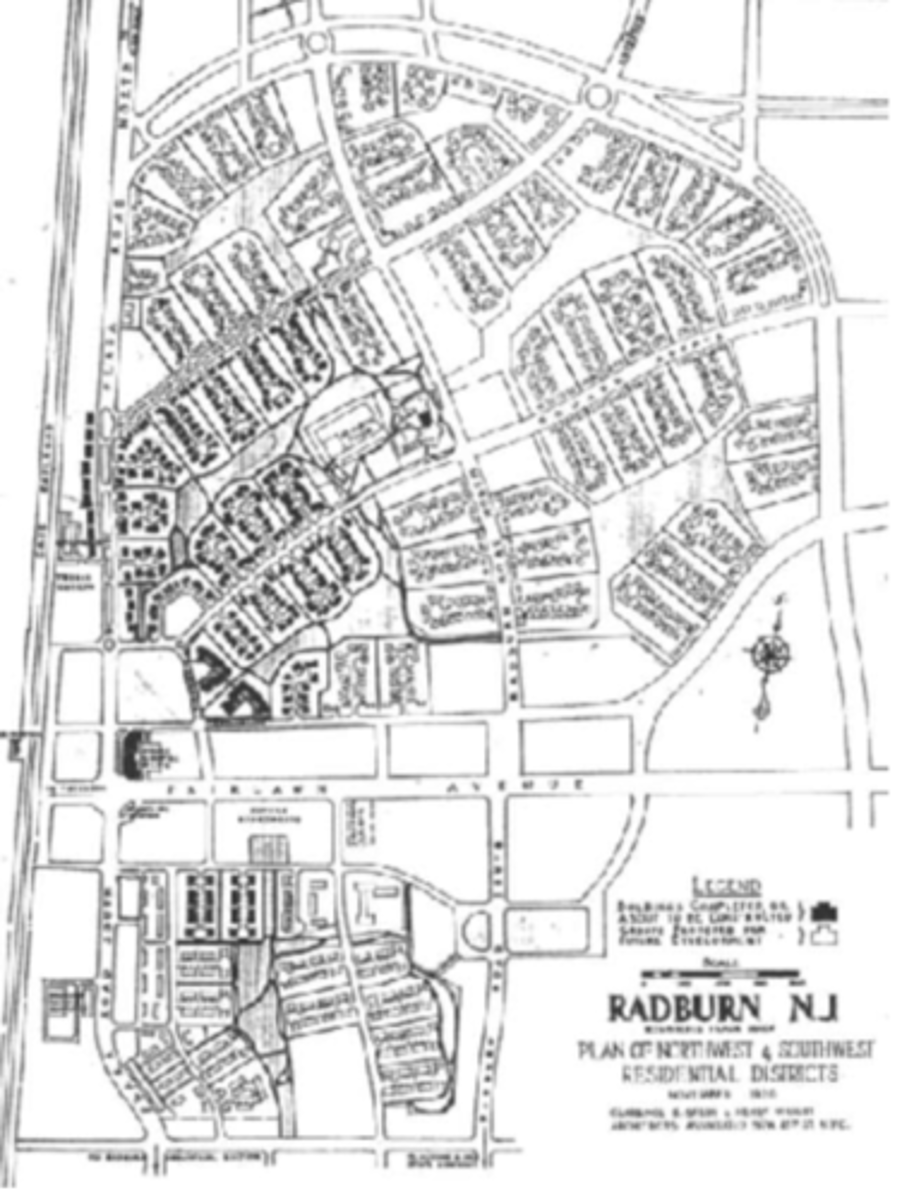
· Radburn | NJ - Clarence Stein, Henry Wright, Marjorie Sewell Cautley, 1927-29
Commuting suburb of New York. A town for the motor age, one of first suburbs designed for the automobile. Series of pedestrian underpasses to separate pedestrian and vehicular circular in a housing development (for safety). Idea of Superblock applied to automobile traffic- a Cul de Sac. Pedestrian front and car front.
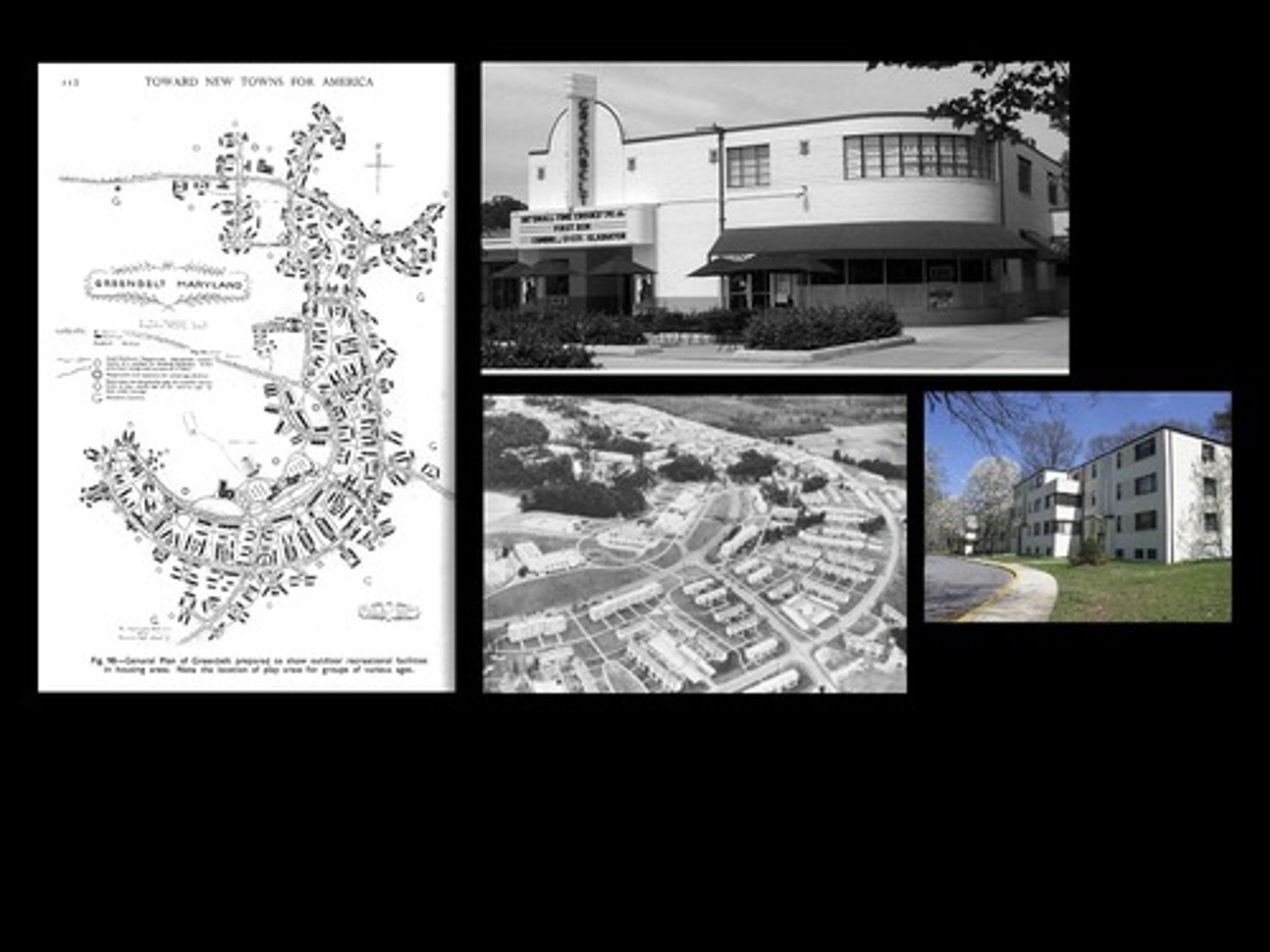
· Greenbelt | MD - LAs, 1935-37 Rex Tugwell
Another suburb for the motor age, connected to a parkway. Pedestrian focused circulation (underpasses). Row houses similar to Sunnyside model. Modern architecture with influence of Art Deco. Plan influenced by Riverside and sinuousness of American suburb. Town planning, suburb planning, Modern architecture, combining and changing idea of what American housing could look like in mid 20th century.
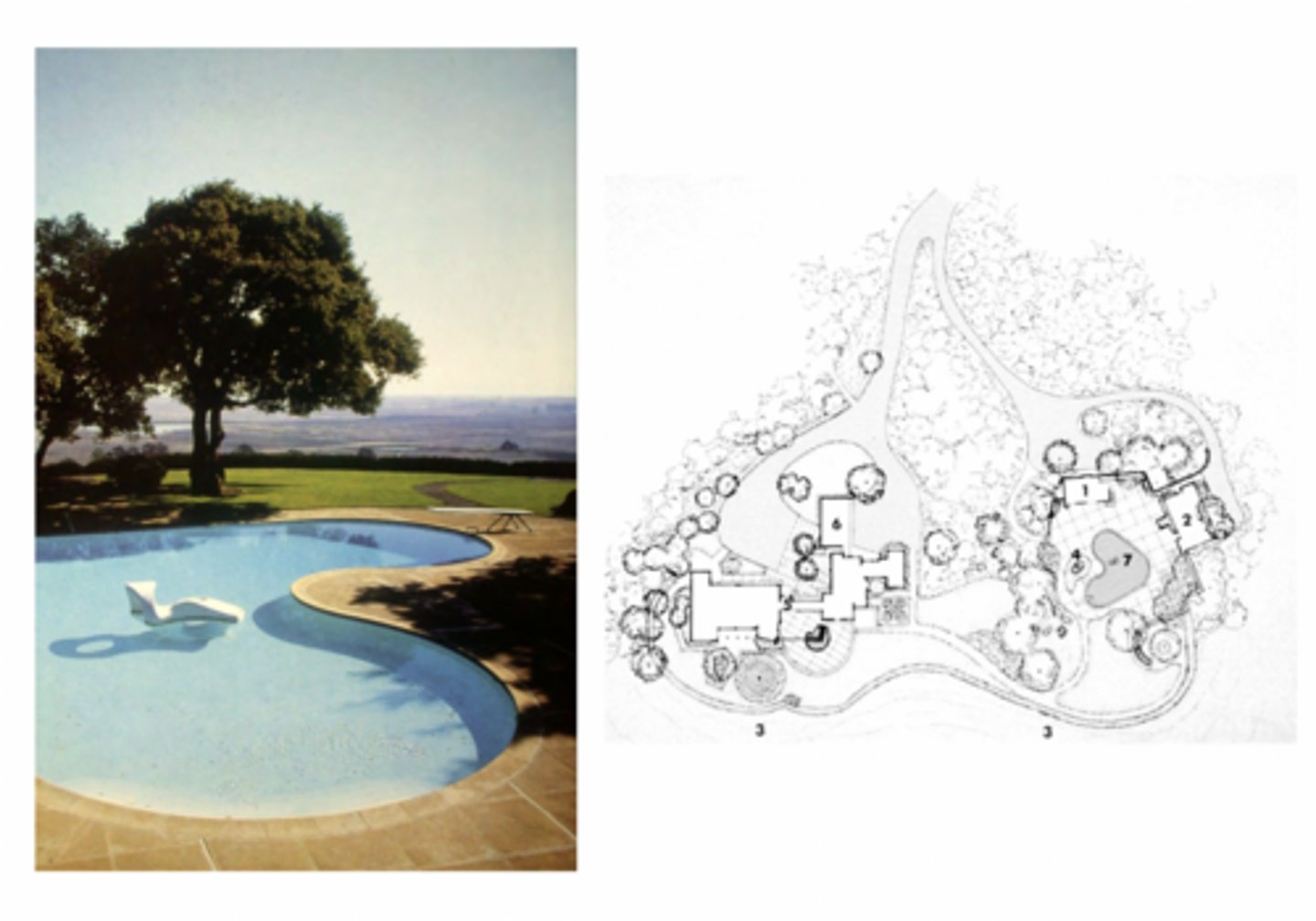
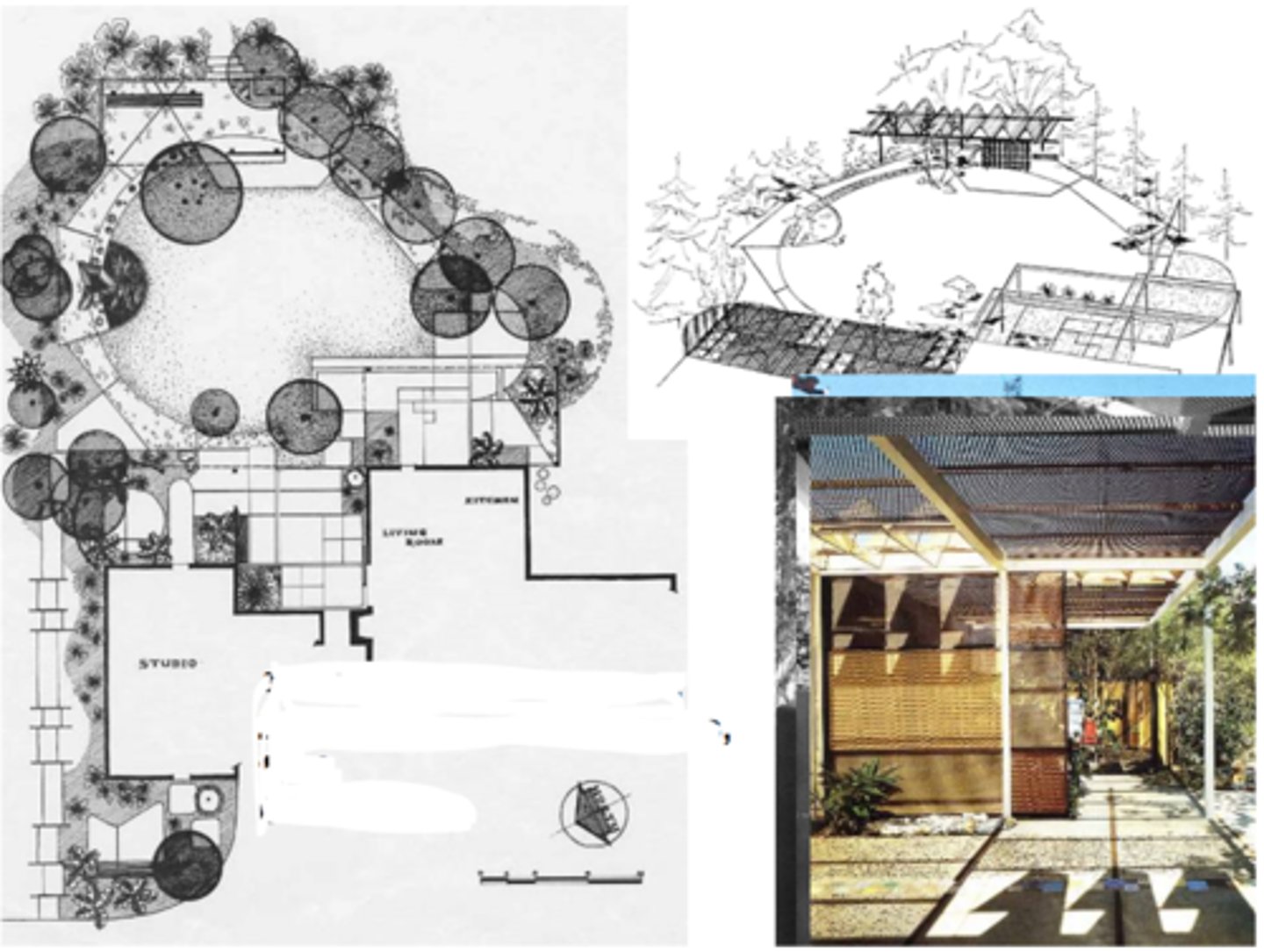
· Dewey Donnell Garden | CA - Thomas Church and Larry Halprin, 1948
Contrast between grid based on the house and the curves of the surrounding landscape. Representation of vegetation and design influenced by Modern art. Focused on spacial design, not architectural. Blurring of indoor and outdoor space- idea from Barcelona Pavilion. Kidney shaped pool becomes an icon of Modern design and precedent for other products.
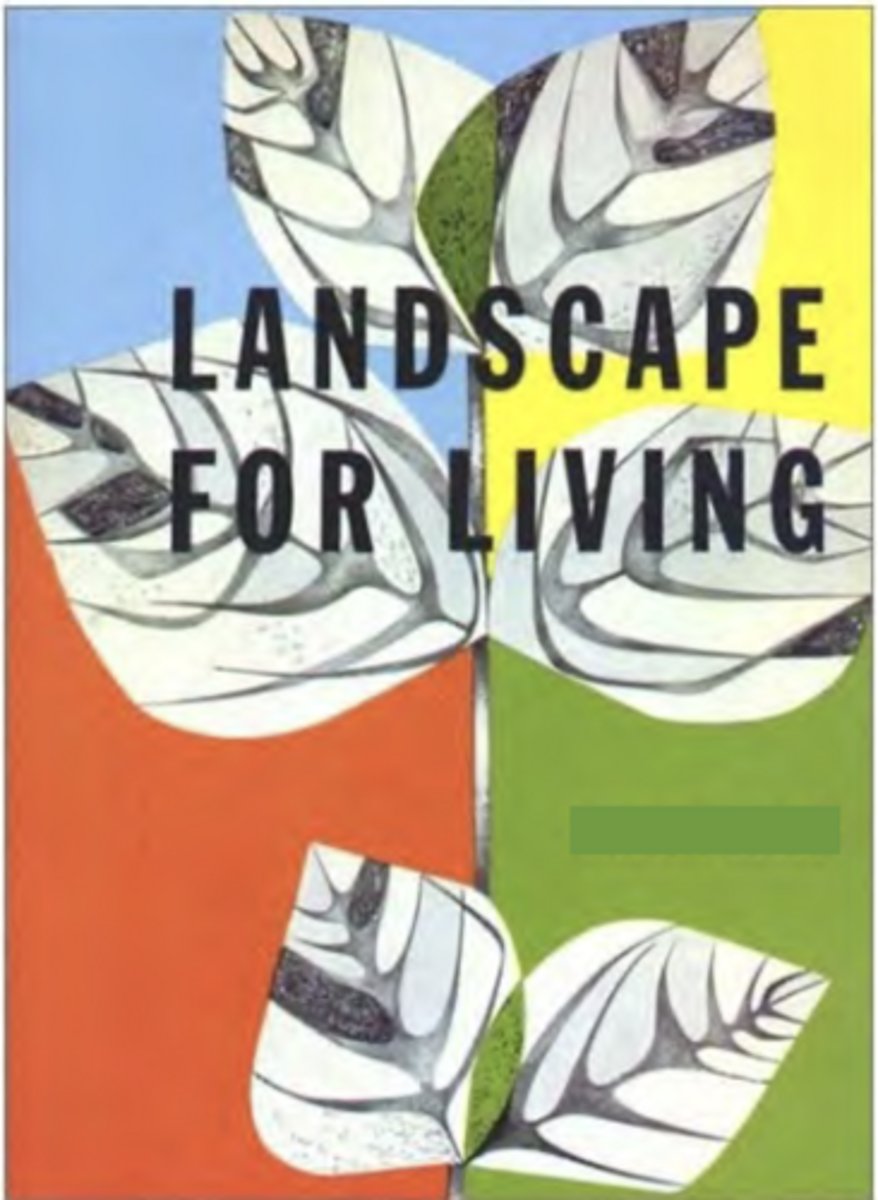
Landscape for Living - Garrett Eckbo, 1950
Incredibly influential book used as textbook for LAs and for non-LAs.
Landscape design is:
1. An Art (based on artistic intuition)
2. A science (both social/natural)
3. An act of problem-solving
· Alcoa Forecast Garden | LA, CA - Garrett Eckbo, 1959
Creates a garden around aluminum, forecasts the future of American gardens. Figures out new ways to build structures with this new material. Rooted in the ideas of 1920's and Paris Exposition of Modern Arts. combines inside and outside
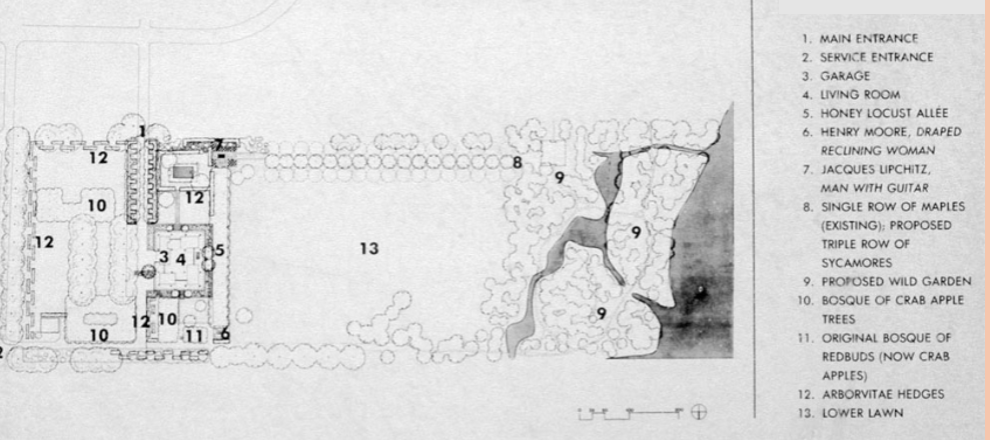
· Miller Garden | IN - Dan Kiley, 1953-57
Modern design, based off of a series of overlapping grids created by hedges and vegetation. House is essentially a glass box. Ultimate free plan. No dividing walls, can move seamlessly throughout. Use of tree canopies to create space.
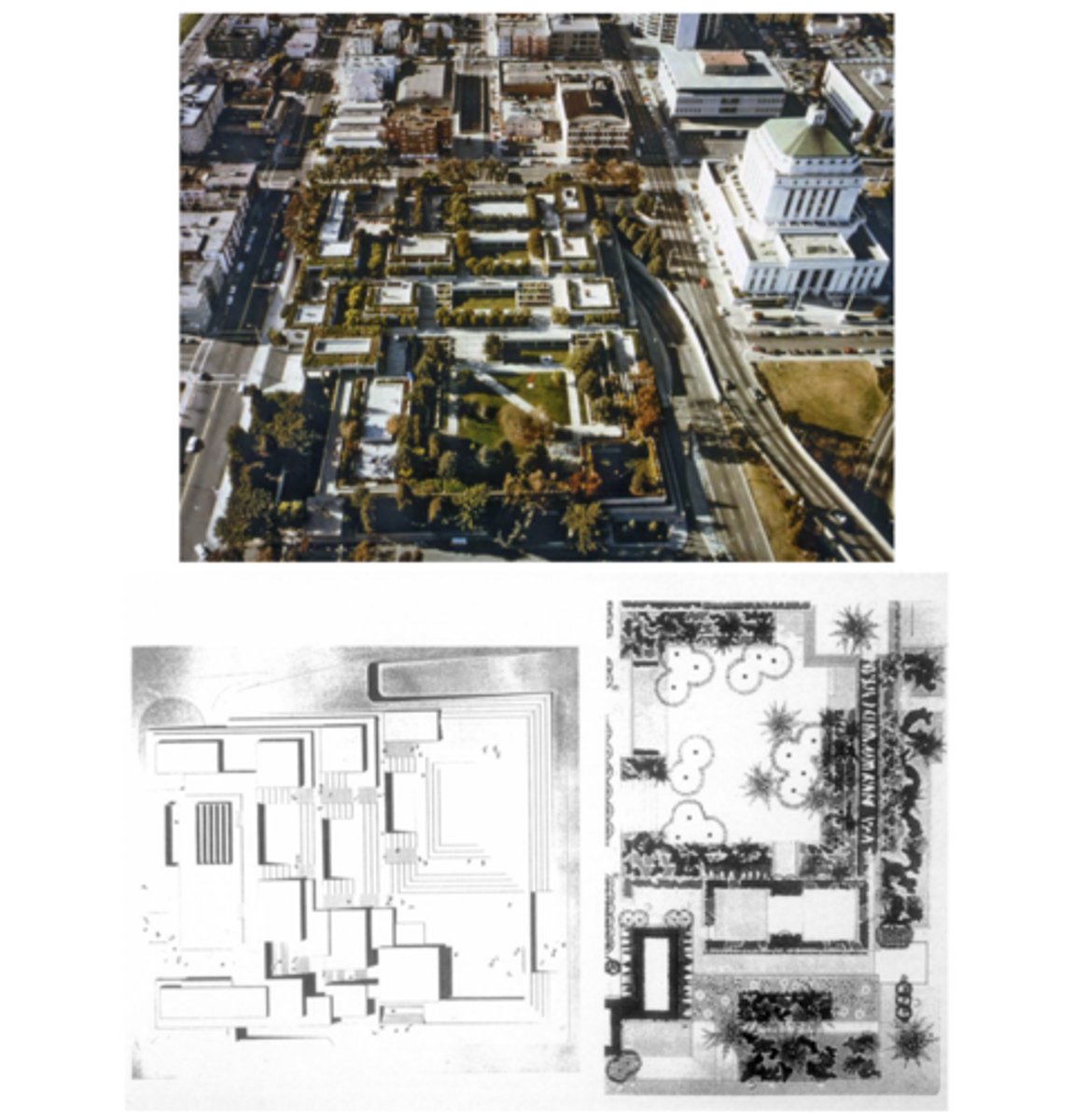
· Oakland Museum of Modern Art | CA - Dan Kiley and Kevin Roche, 1962-69
Blurs boundaries and integrates building with landscape and combines physical form of the building with the physical form of a park. Idea that the building will mature over time. Changes ideas of nature in city: contrast between smooth orthogonal forms of concrete and organic forms of vegetation. Situates museum as part of the city and as a park, welcoming people in. Puts sculpture in the landscape.
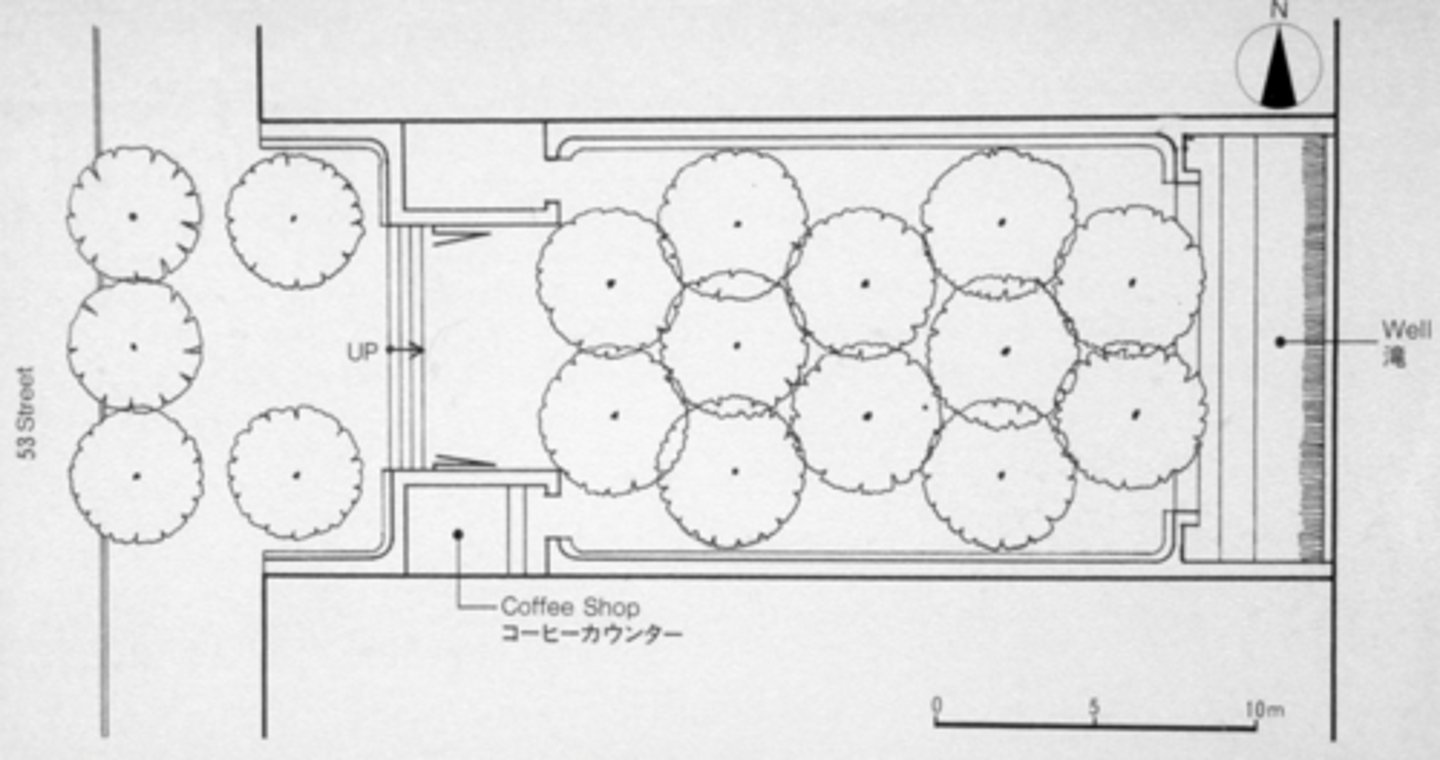
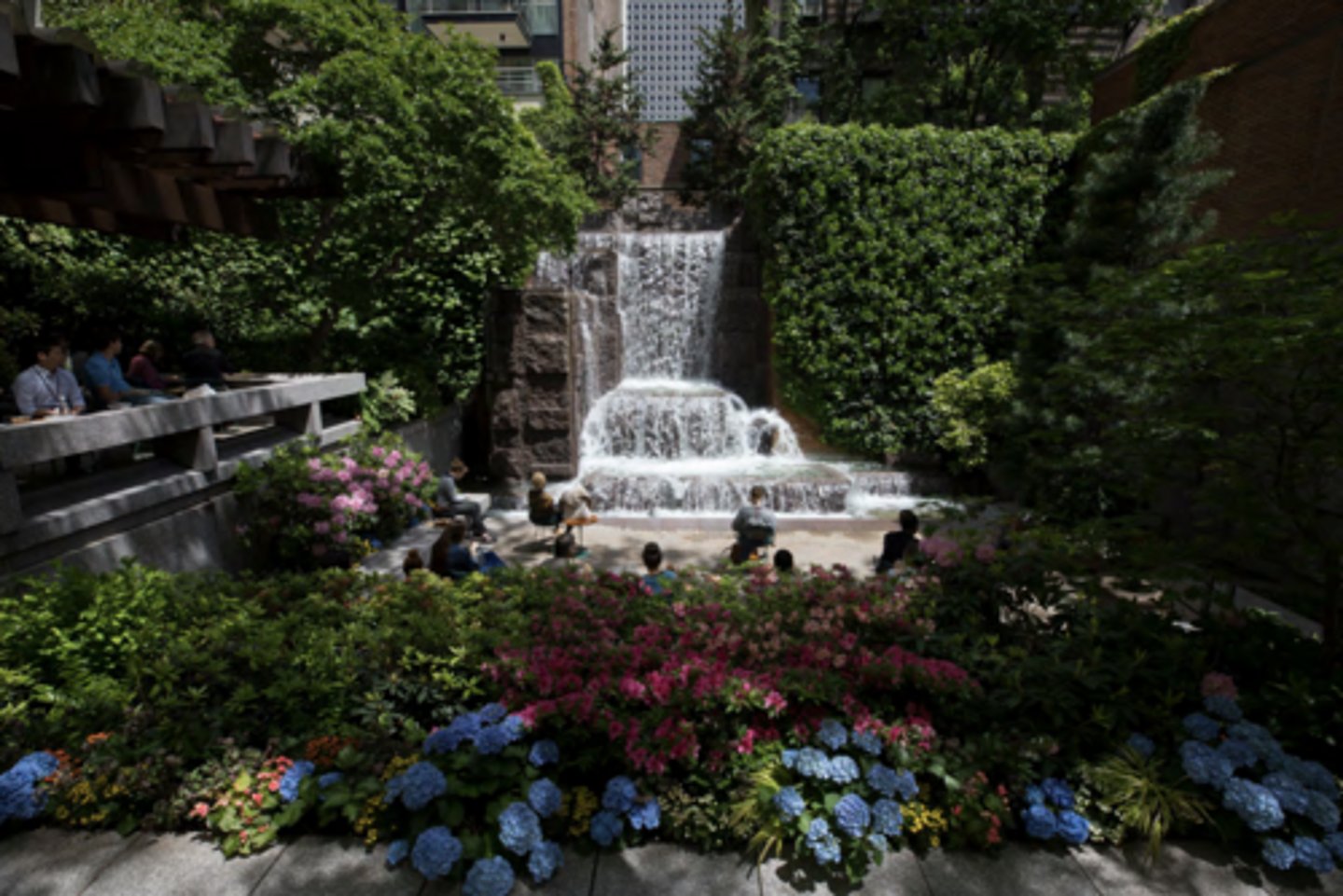
· Paley Park | NY - Robert Zion and Harold Breen, 1967
Pocket Park, less than 3 acres. New use: a park to pop into for 10-15 minutes to "refresh." Precedent for many other Pocket Parks; so popular that it was incorporated into the 1975 Zoning Act in NY. Embraces ideas of being part of the city.
· Greenacre Park | NY - Sasaki & Associates, 1971
Built with precedent of Paley Park. Money incentives if built from 1975 Zoning Act, buildings can be taller. Landscape architecture as a place to refresh or a "place to eat lunch." Embraces ideas of being part of the city.
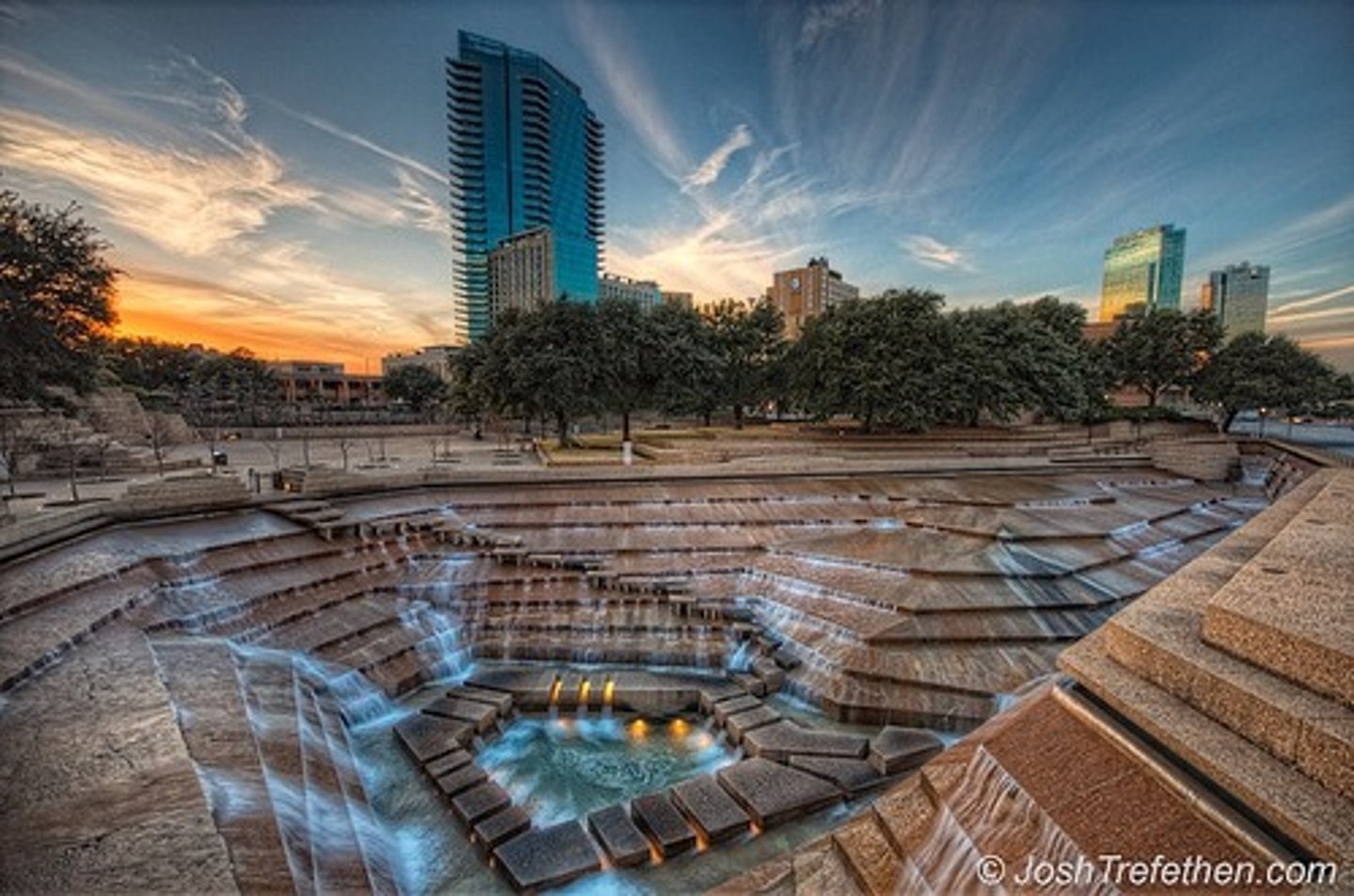
· Fort Worth Water Gardens | TX - Phillip Johnson, 1974
Halprin's design ideas as precedents, abstracting natural features of the area. Abstracting the red soil and rainstorms in Texas.
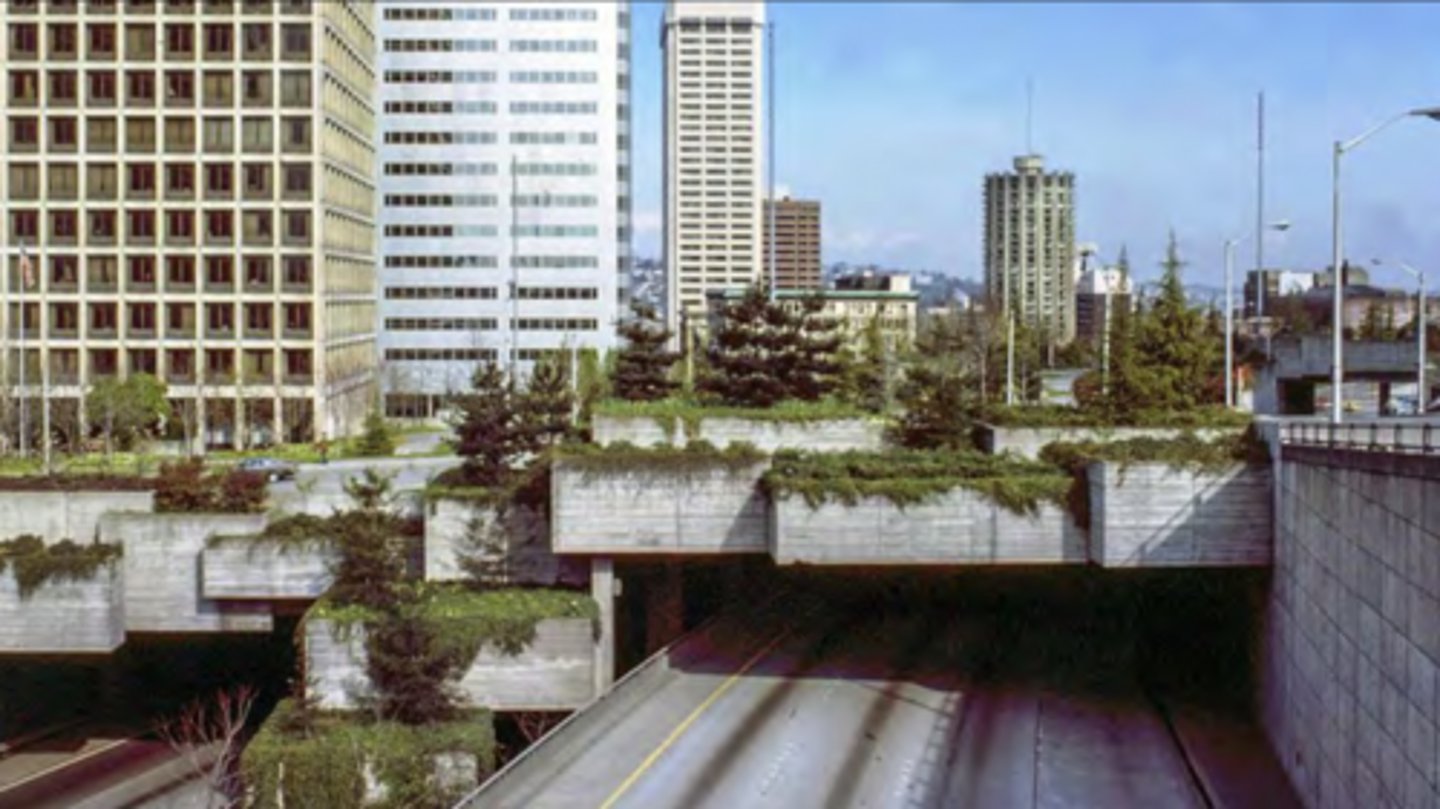
· Freeway Park | WA - Laurence Halprin and Angela Danadjieva, 1970-76
A new kind of park: a park across a freeway. Modernist park that solves a problem creates by modernization (the freeway). Reconceptualizes the idea of a park; a new landscape on a new kind of leftover or non-space. Makes something out of nothing. water drowns out noise of cars
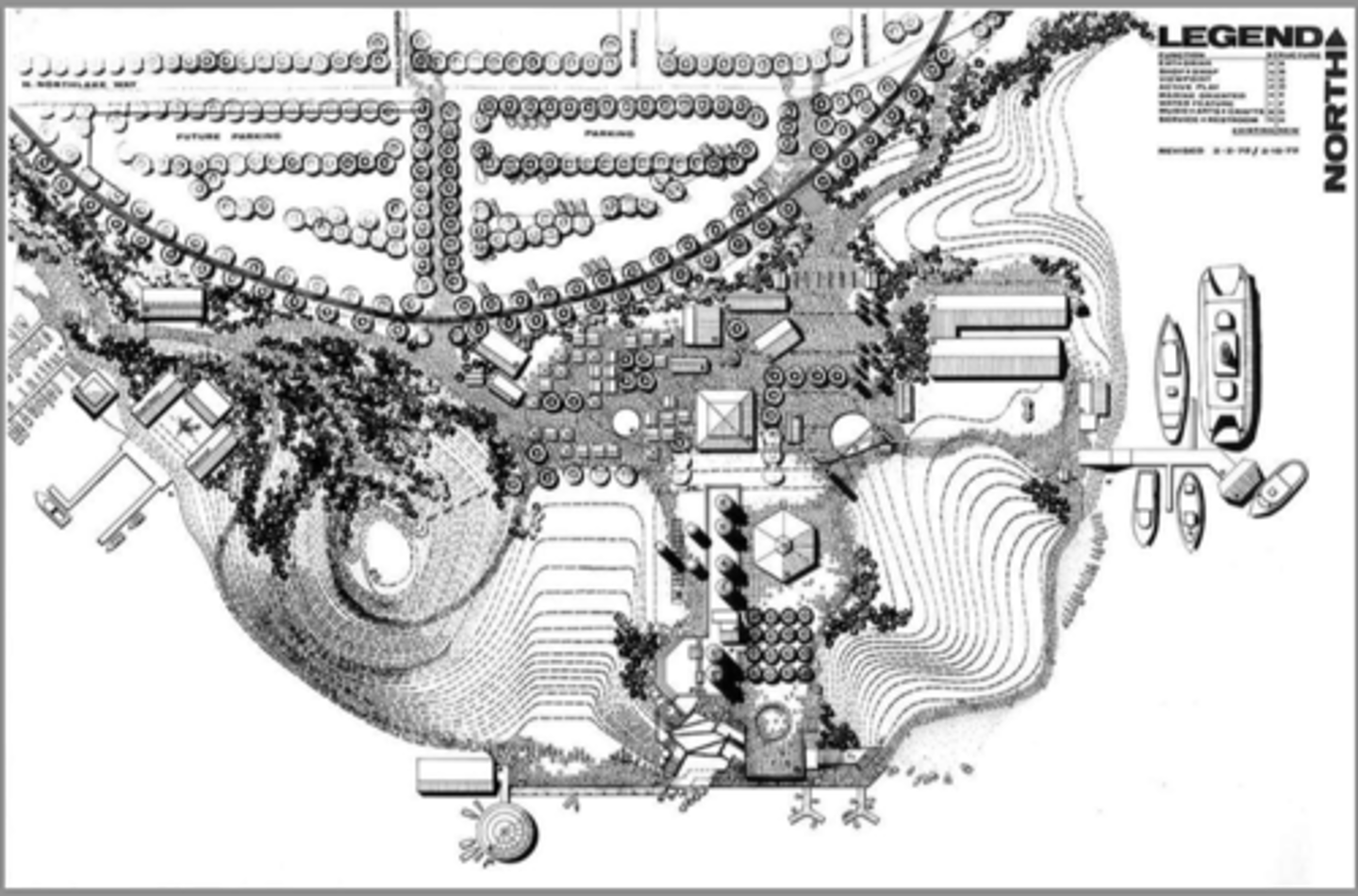
· Gas Works Park | WA - Richard Haag, 1970-78
Uses bioremediation to solve an environmental problem, located on a Superfund site. Idea to keep remnants to create a park that is a monument to history of the site. Idea of projecting outward and thinking about past society.
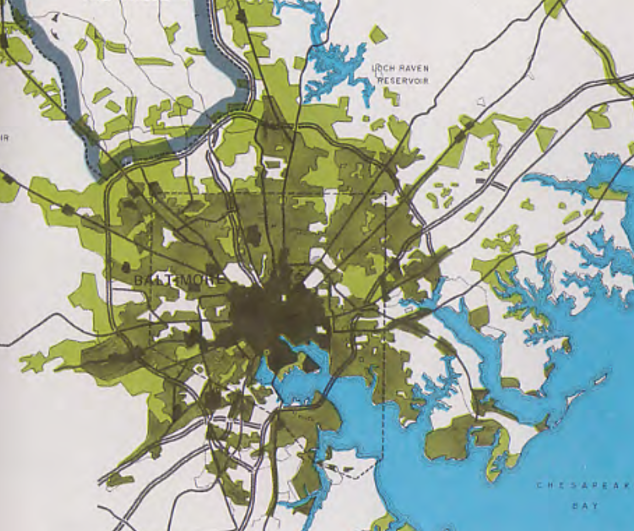
· Plan for the Valleys | Baltimore, MD - Wallace, McHarg, Roberts, Todd, 1965
leads movement of conservations design, beautiful vulnerable area
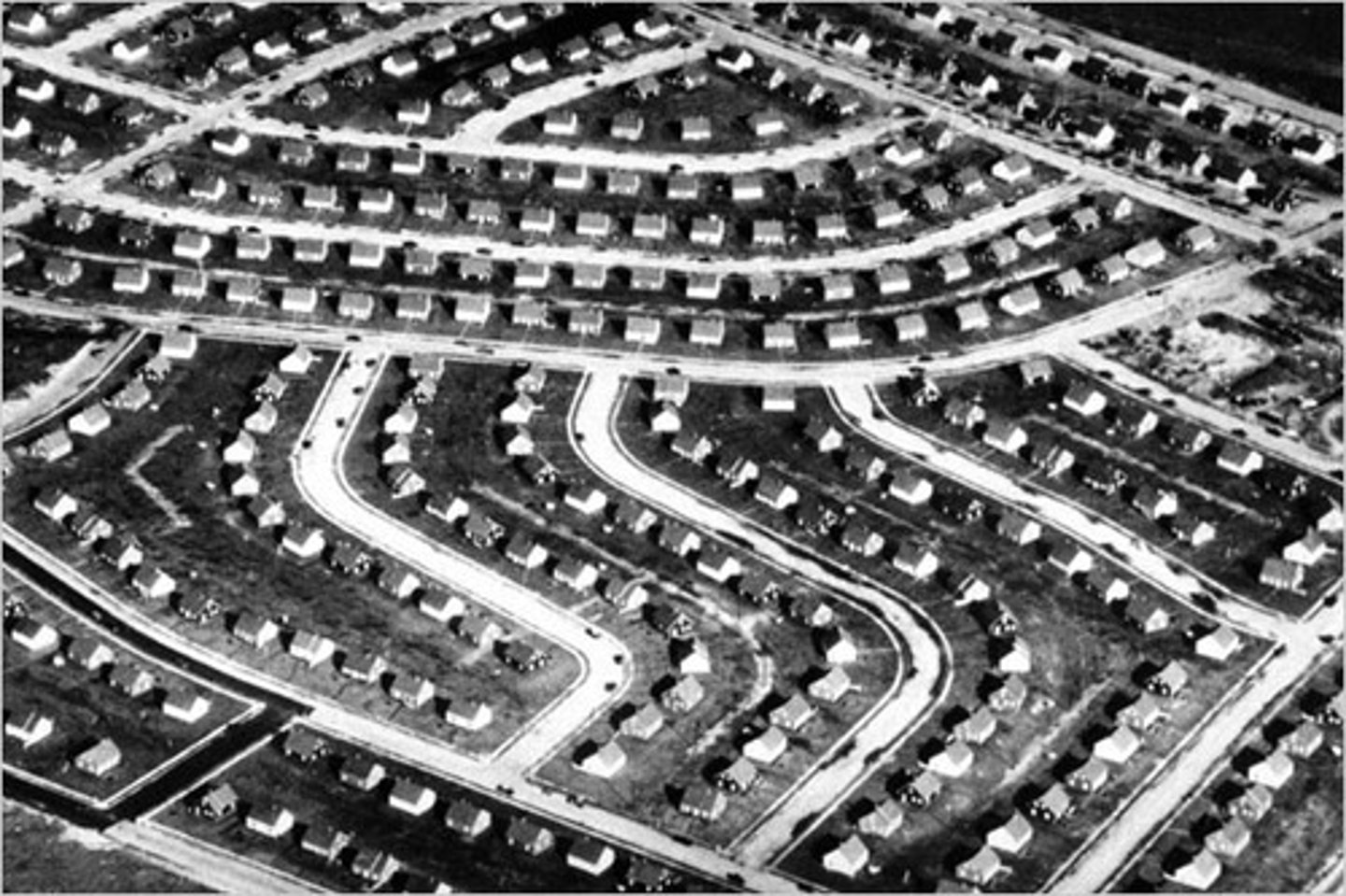
· Levittown | Levittown, NY - William Levitt/Levitt & Sons, 1950's
Gave people returning from the war an opportunity to buy a new home. Plan Unit Development, precedent for modern home development. #ankeny
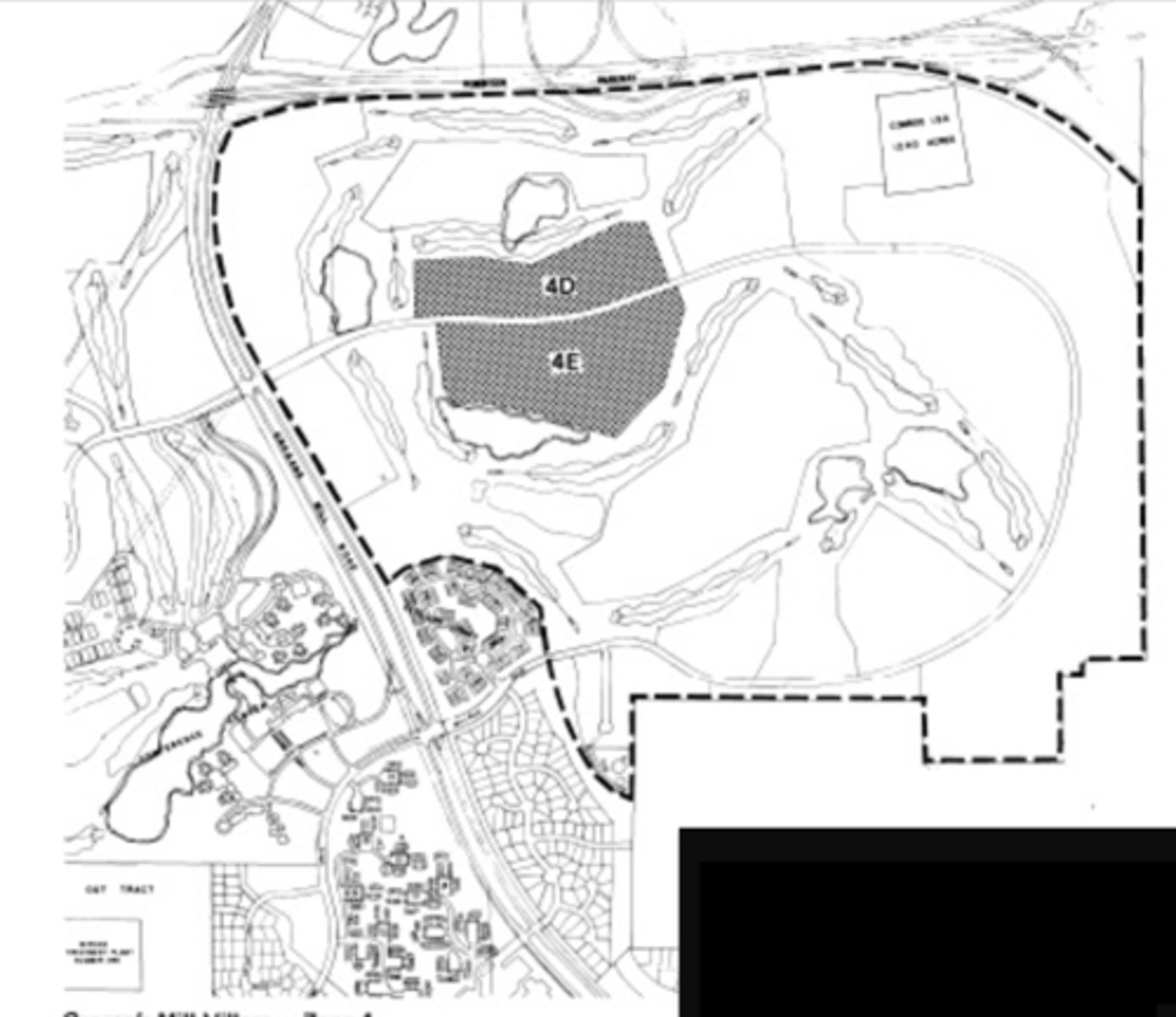
· The Woodlands | Houston, TX - Ian McHarg, 1974-9
"The first environmentally planned community," first Environmental Impact Statement associated with it. Idea of preserving hydrology and ecological areas.
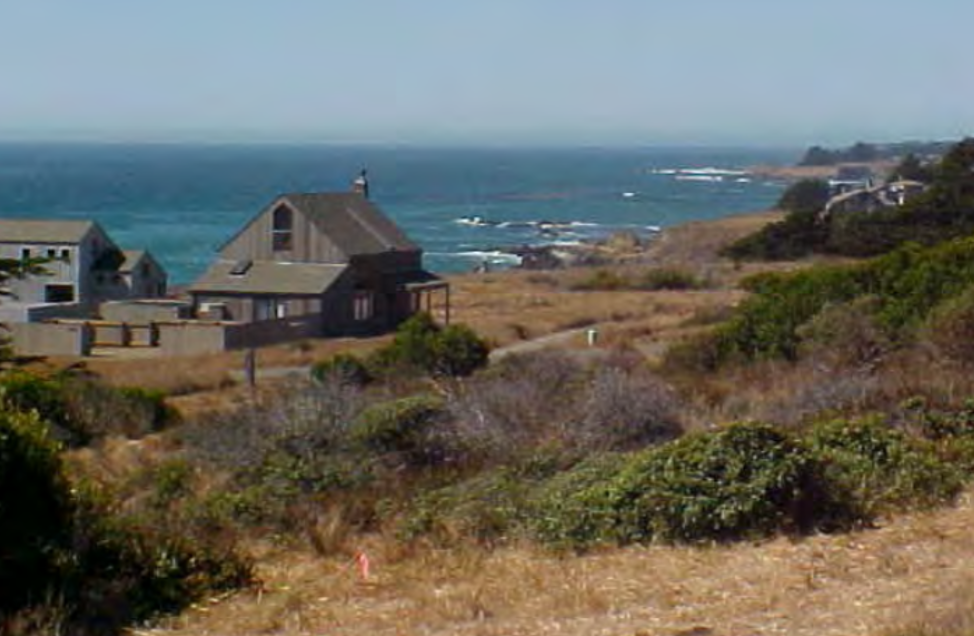
· Sea Ranch - Oceanic, Incorporated (Lawrence Halprin), 1960-70
PUD, cluster housing.
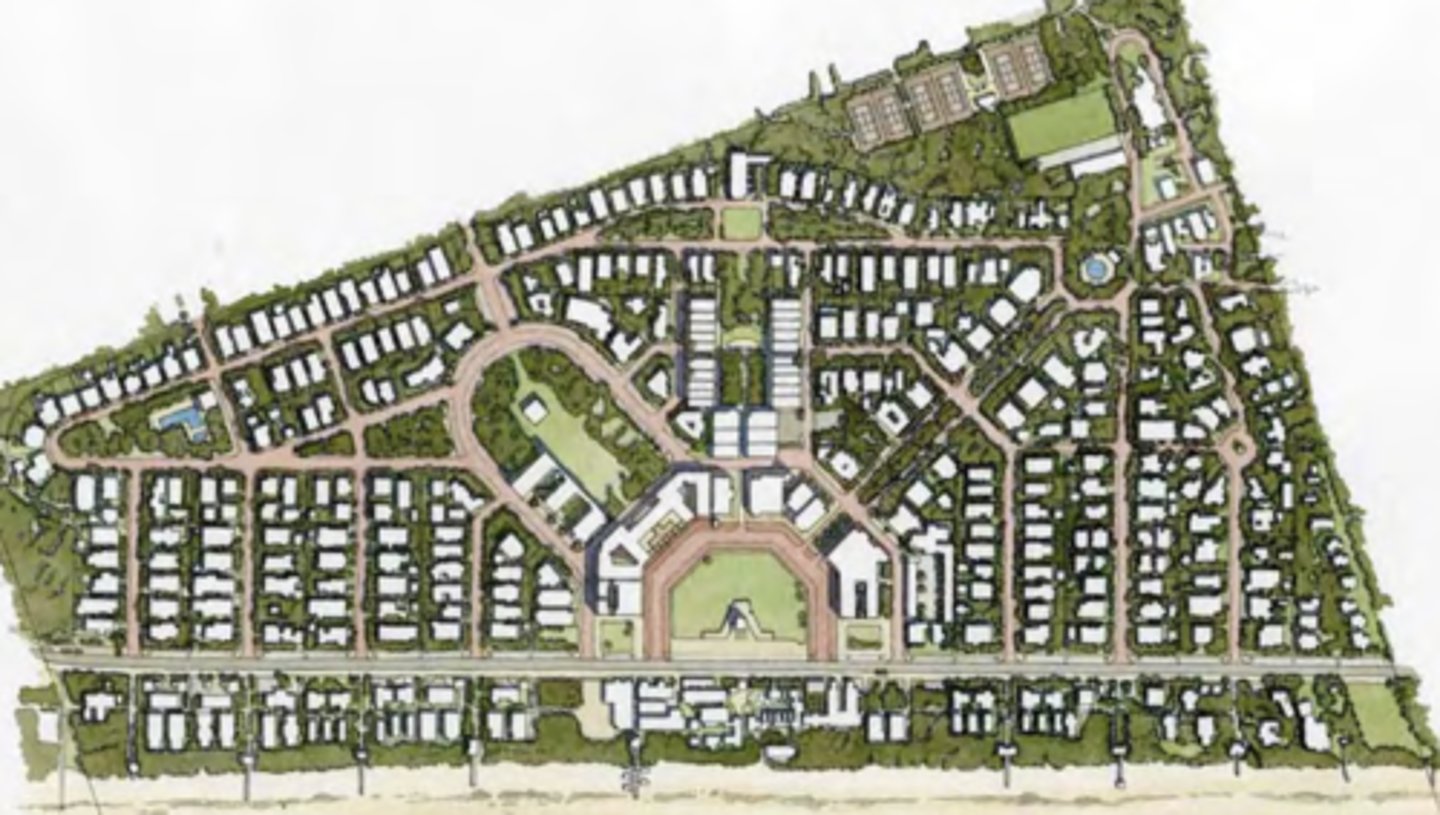
· Seaside | FL - Andreas Duany, Elizabeth Plater-Zyberk (DPZ), 1985
Post-Modernism, historical references, walkable
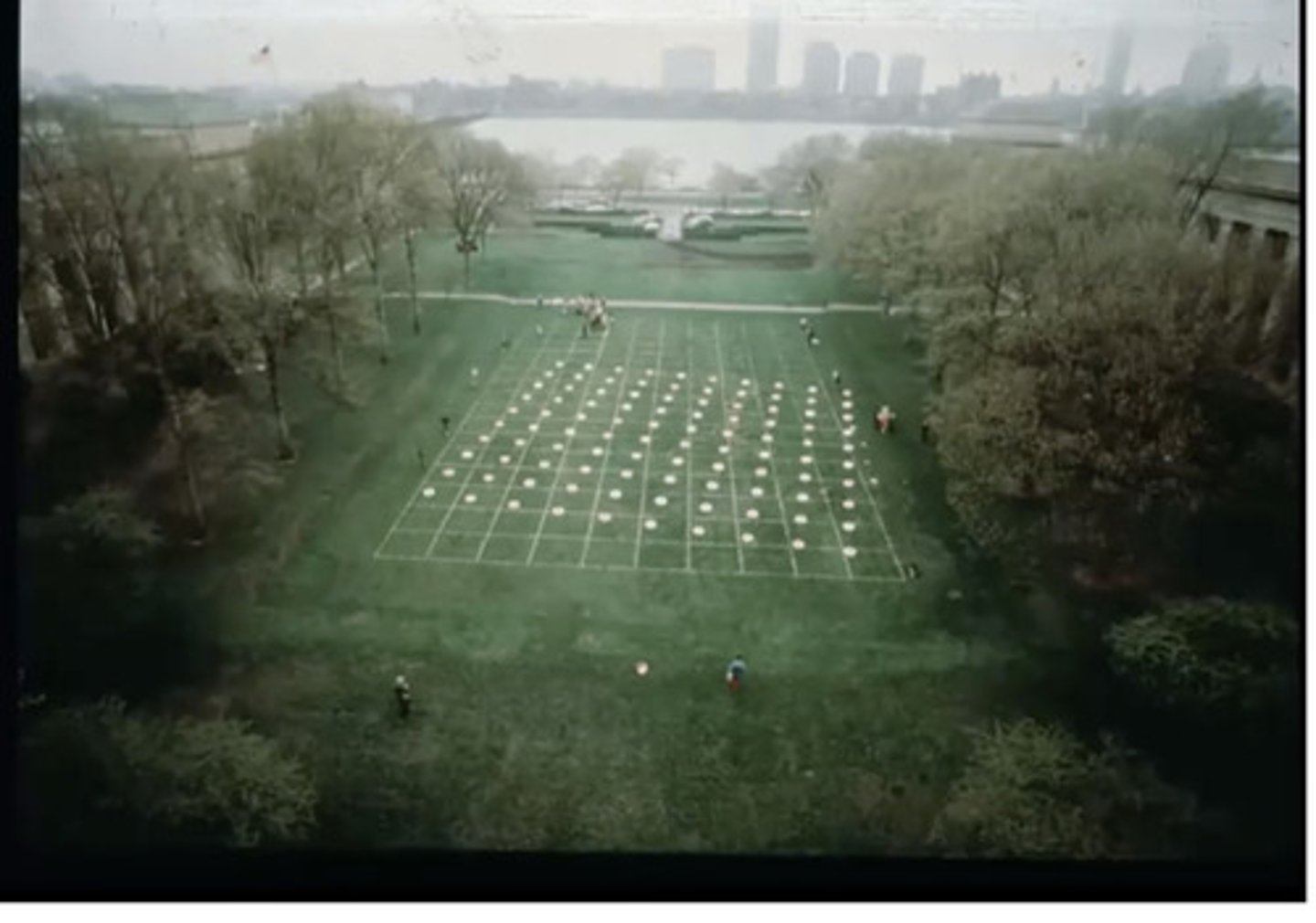
· Necco Garden | MIT - Martha Schwartz, 1980
Ideas expressed in the landscape, taken out of the gallery and expressed on a large scale #fug
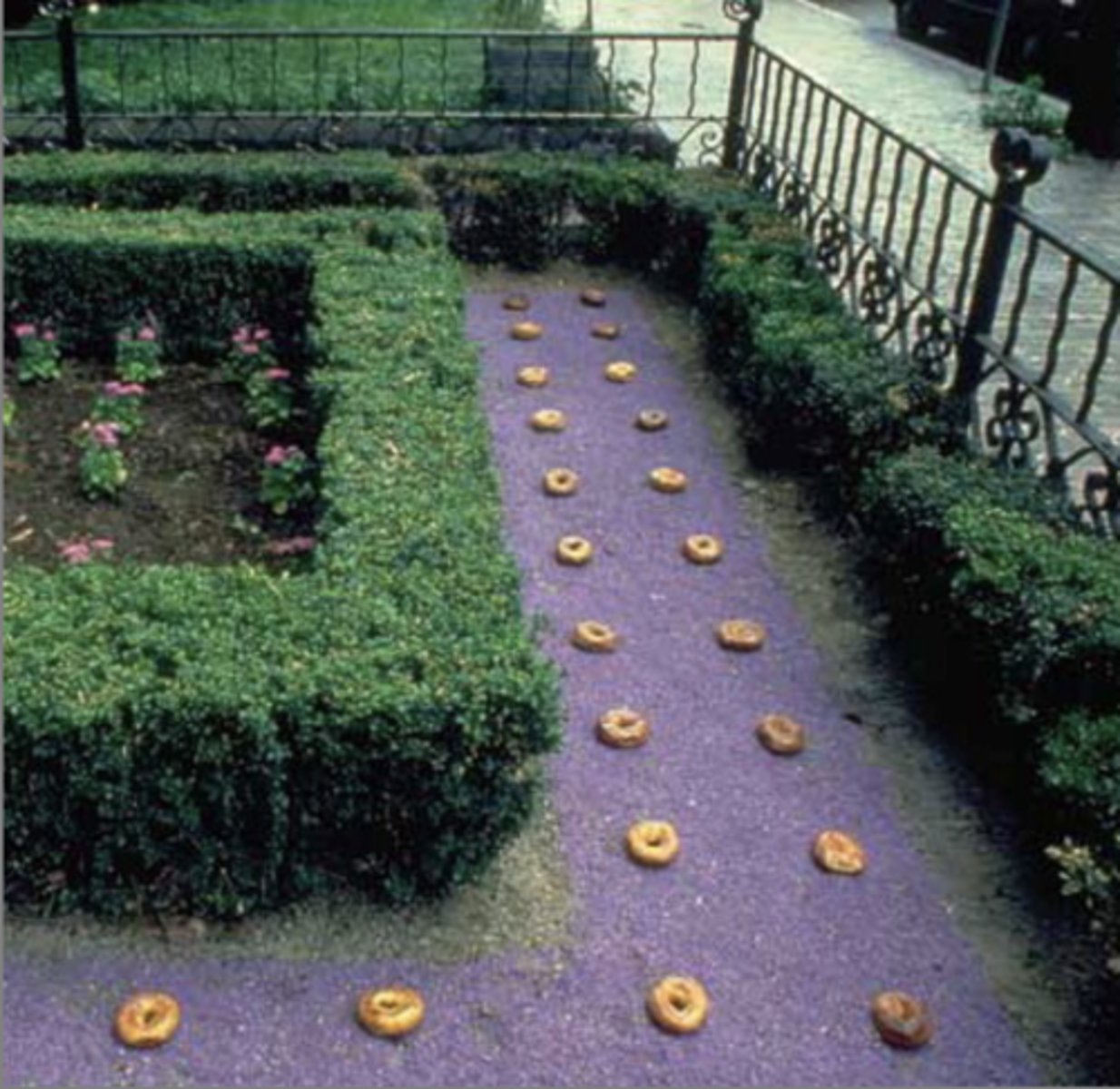
· The Bagel Garden - Martha Schwartz, 1979 USA
Critique of the profession of Landscape Architecture (doing the minimum for clients and making money)
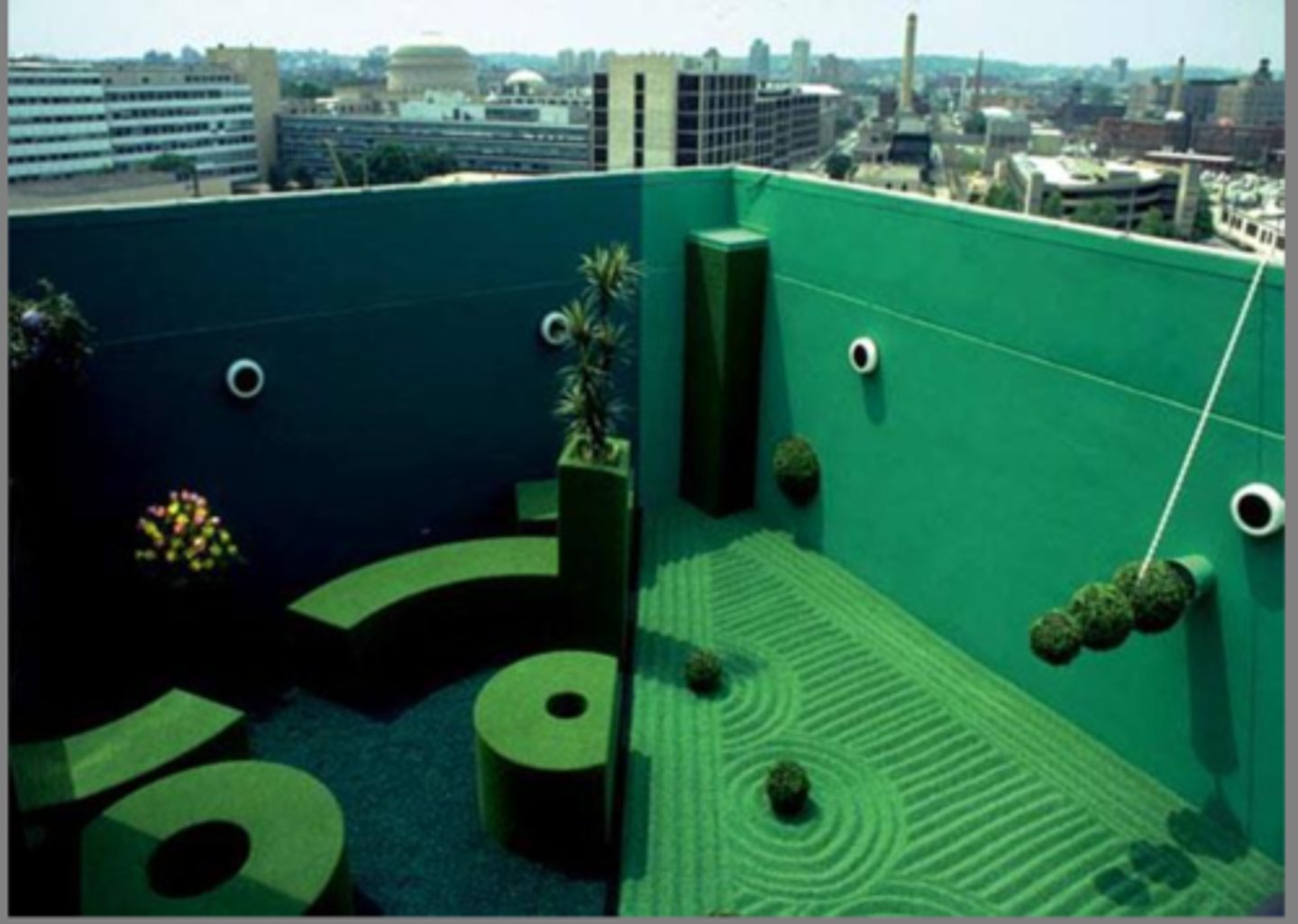
· Splice Garden | MA - Martha Schwartz, 1986
Garden to be viewed from outside of it. #fug
· Federal Plaza | NYC - Martha Schwartz, 1992
Post-Modernism #fug
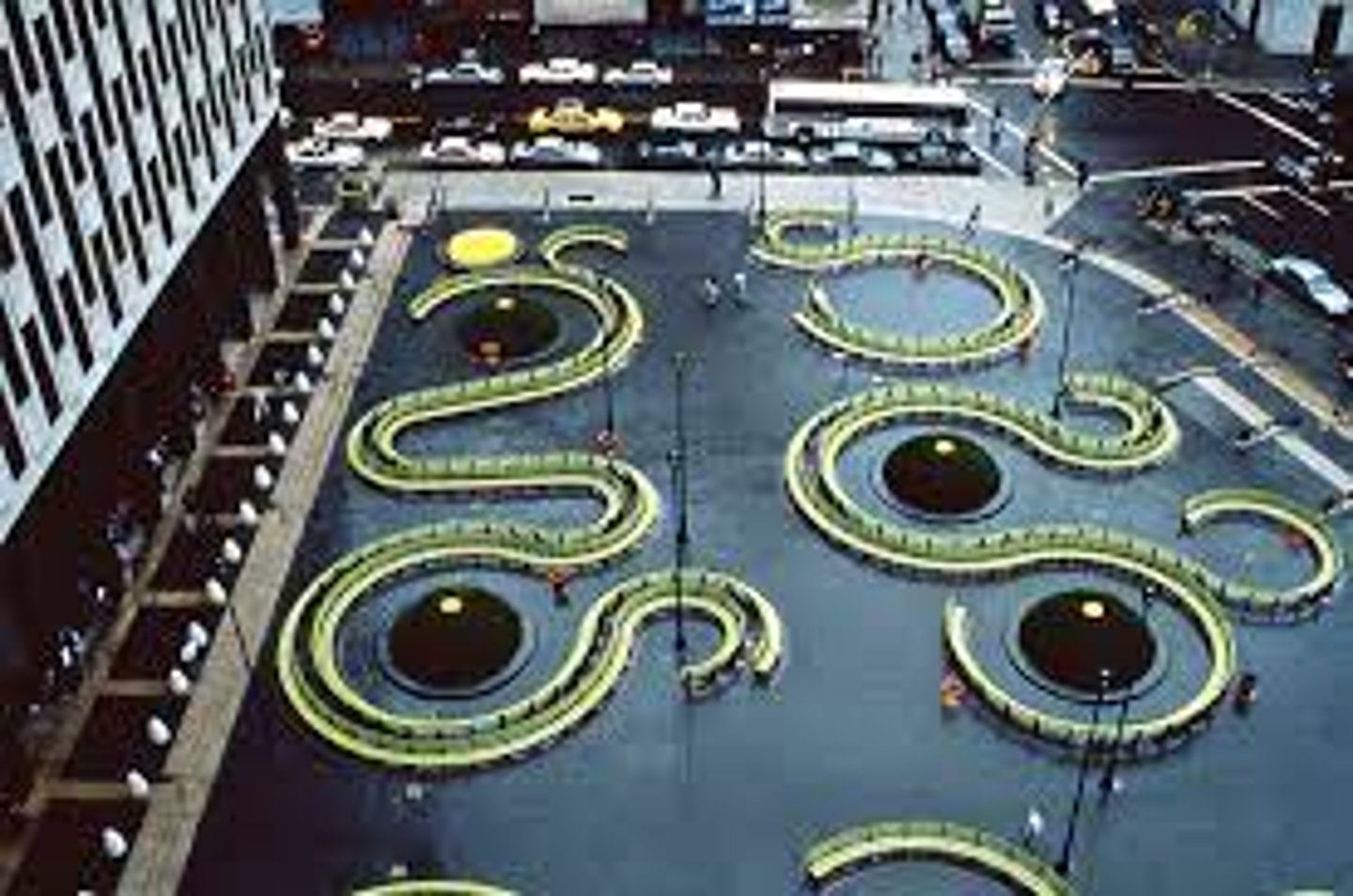
· Federal Courthouse Plaza | Minneapolis - Martha Schwartz, 1998
Bomb car proof, built on top of parking garage, showcases movement of landscape architecture not needing to be serious. #fug
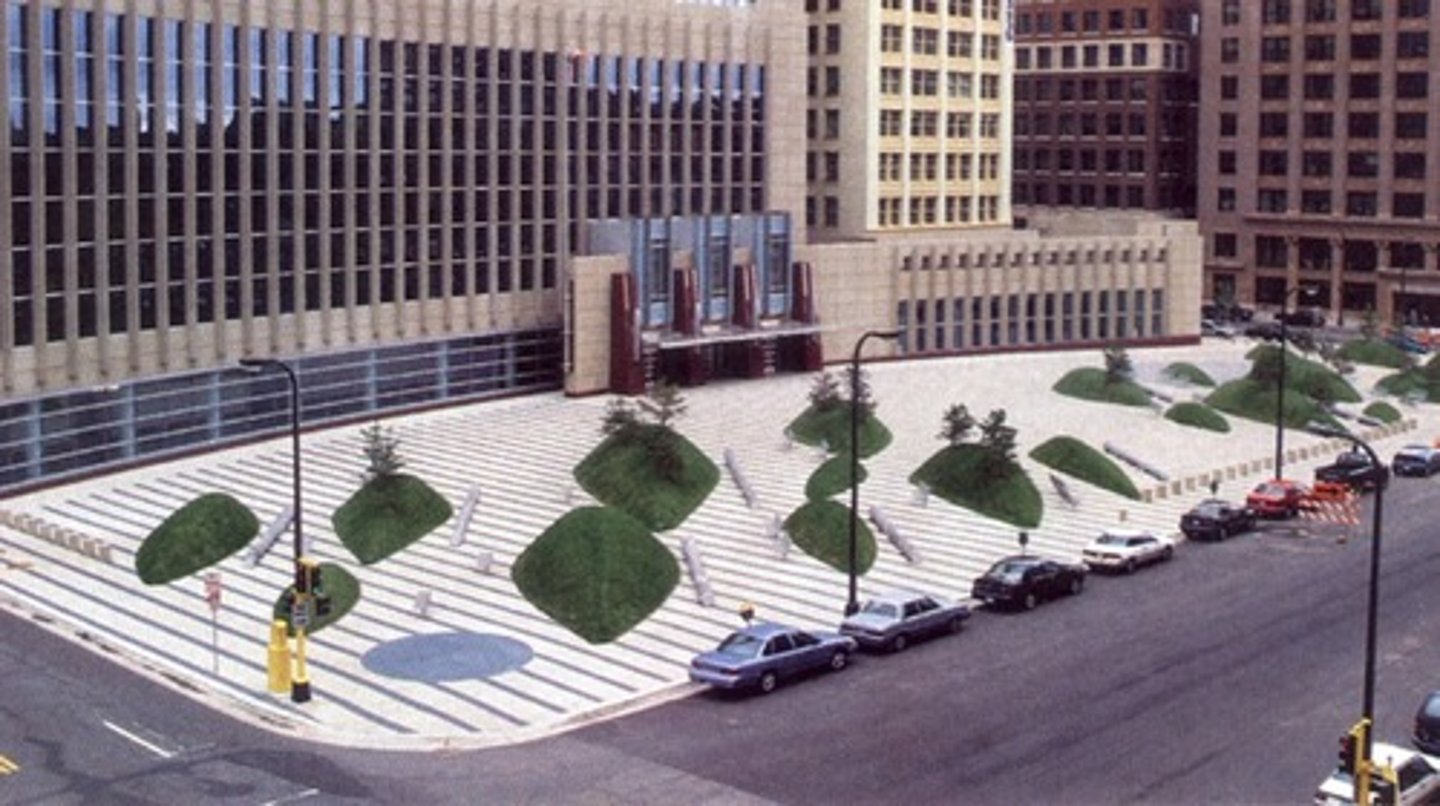
· Piazza d'Italia | NOLA - Charles Moore, 1978
Post-Modernism #fug
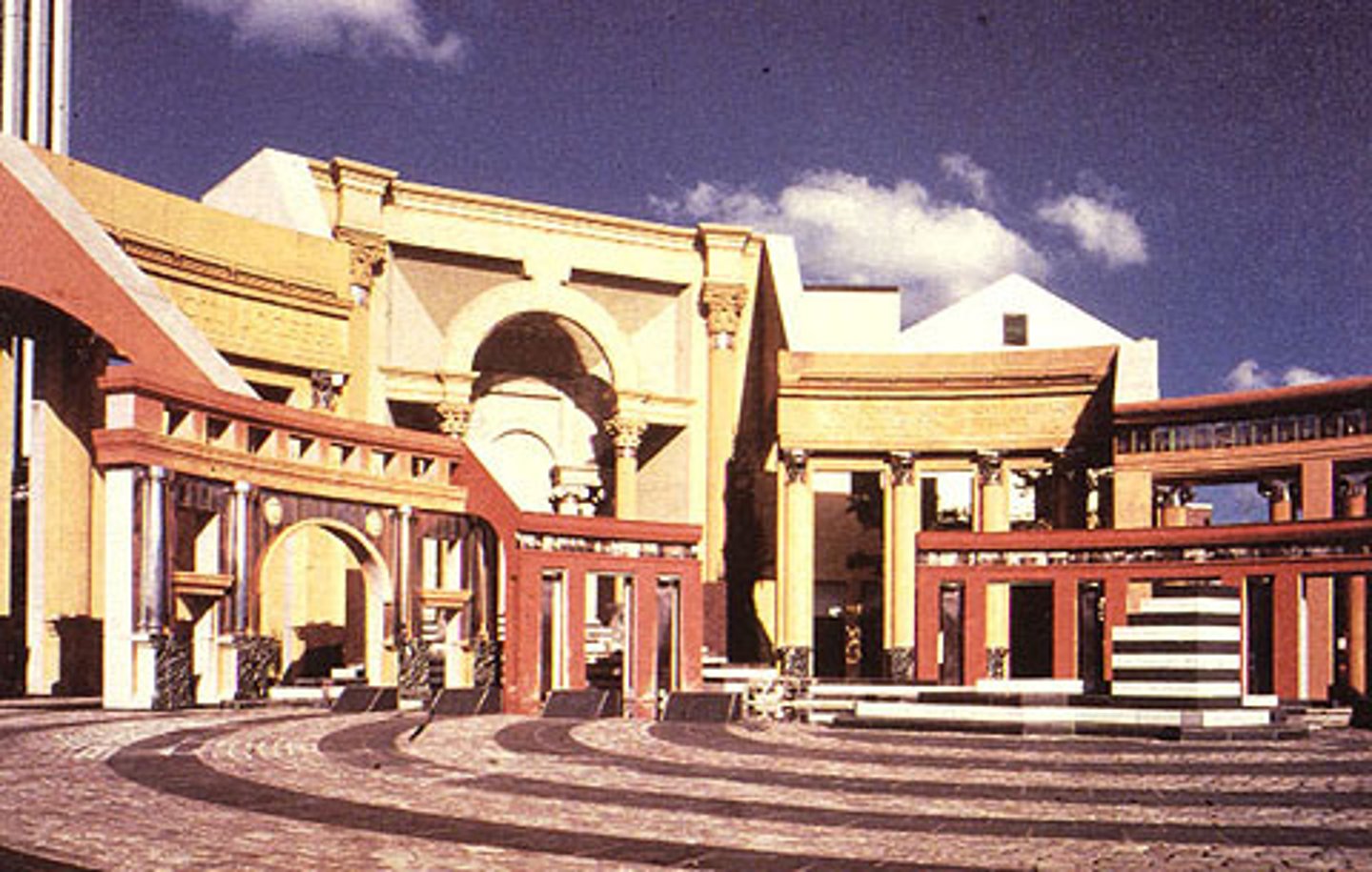
· Harlequin Plaza | Denver - George Hargreaves, 1980-2
Most Post-Modern plaza #fug
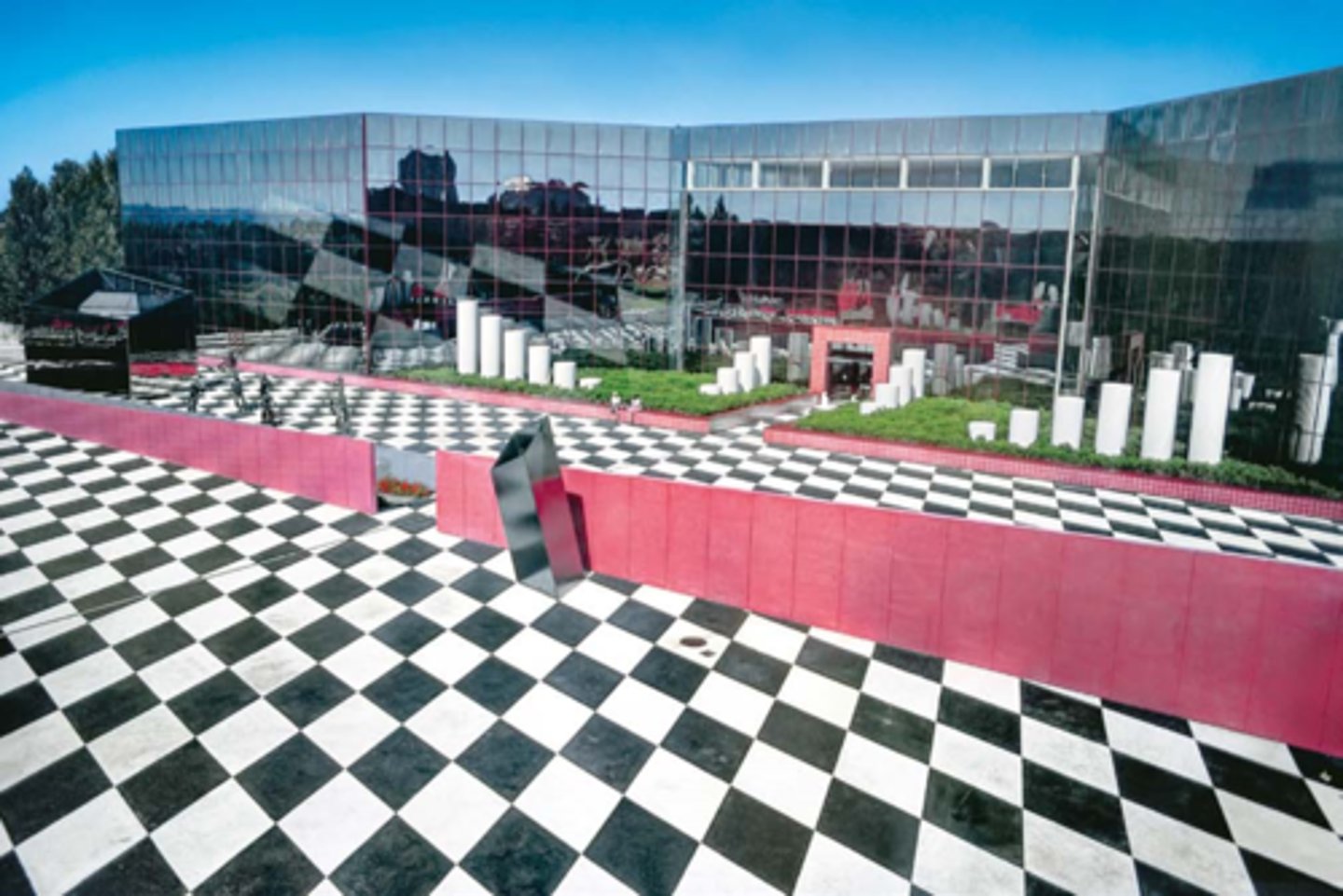
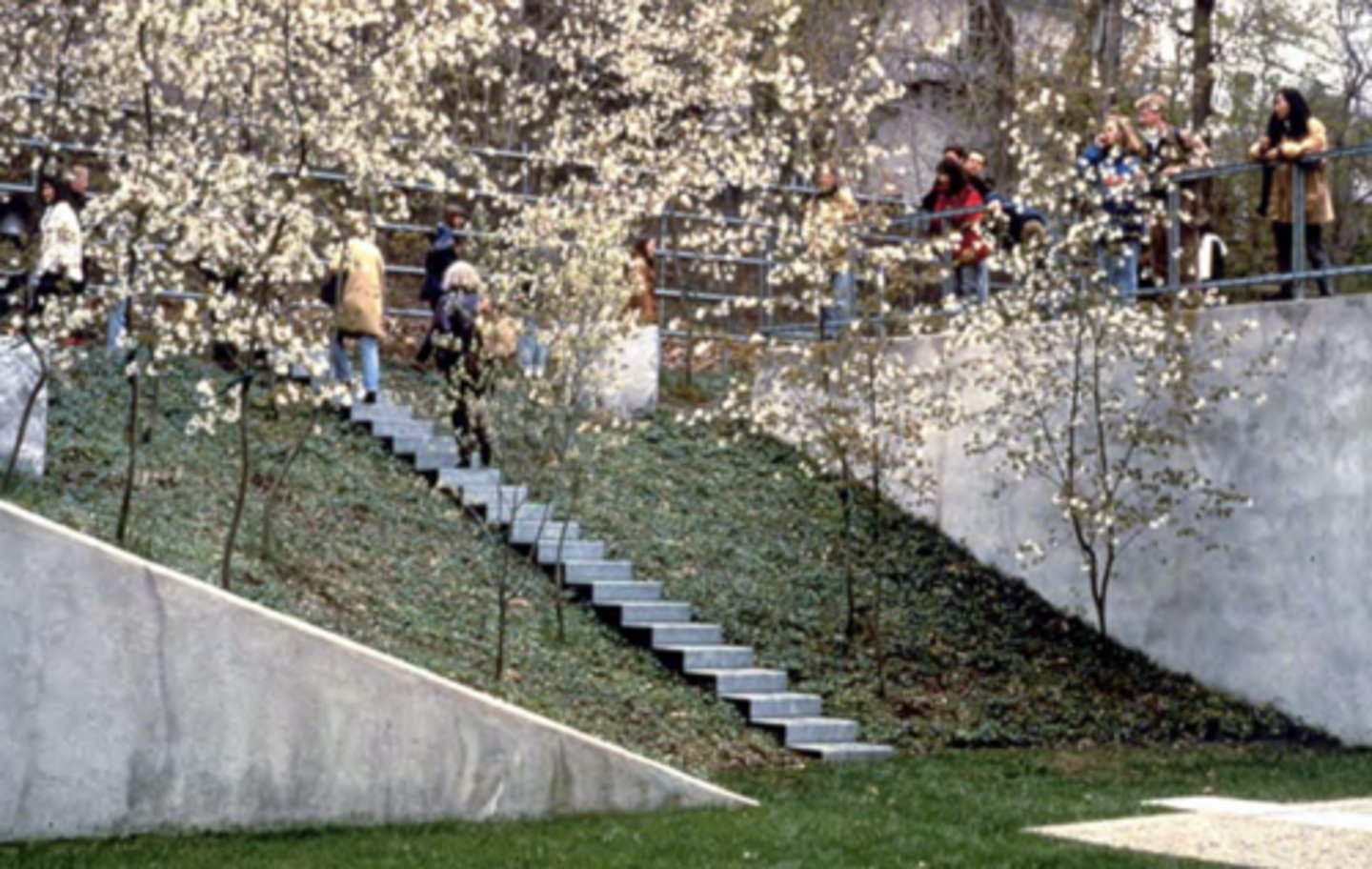
· Pucker Garden | Brookline, MA - Michael Van Valkenburgh, 1990
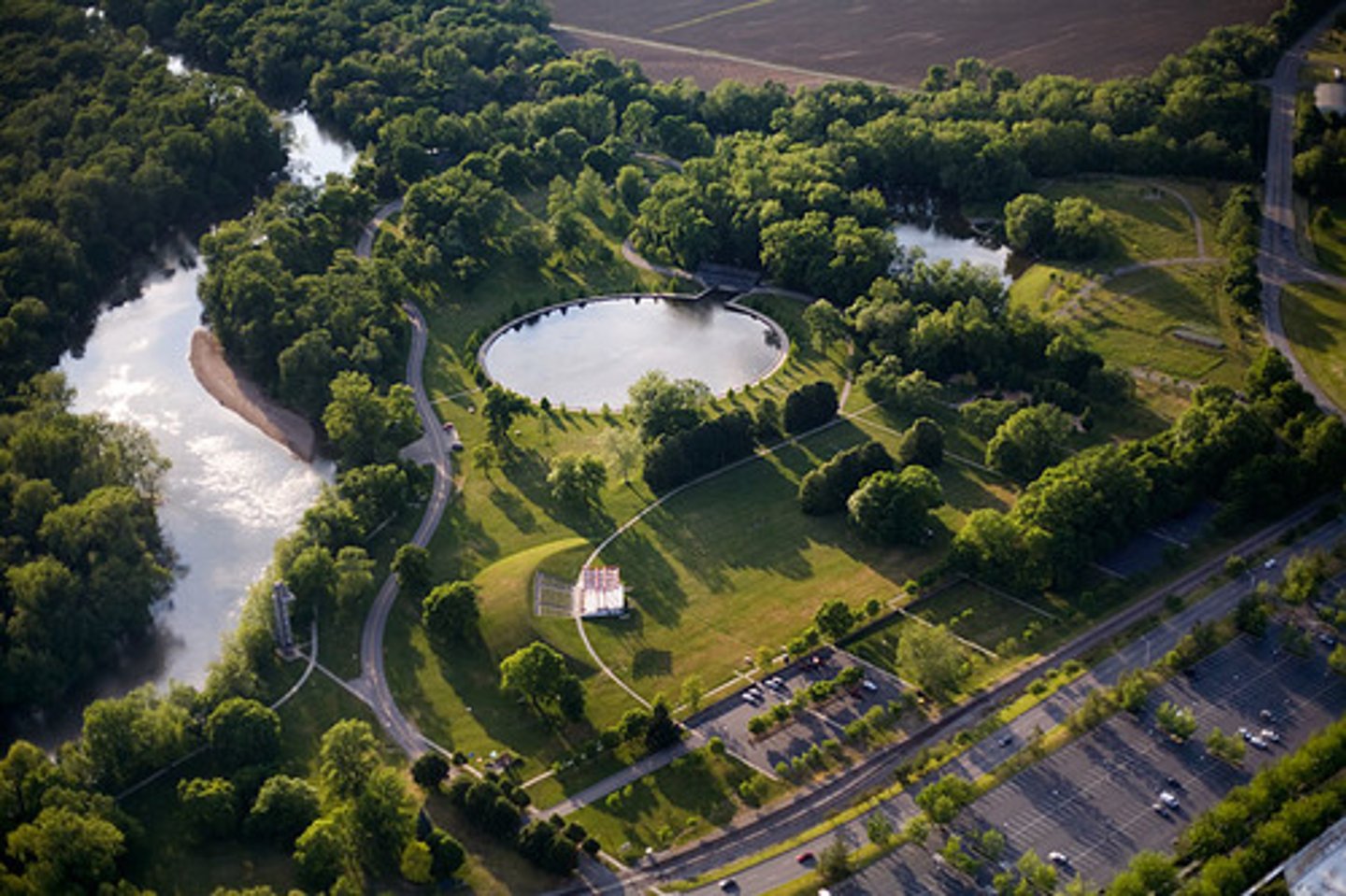
· Mill Race Park | Colombus, IN - Michael Van Valkenburgh, 1990
Transition to where we are today, floodable park, doesn't try to battle ecology
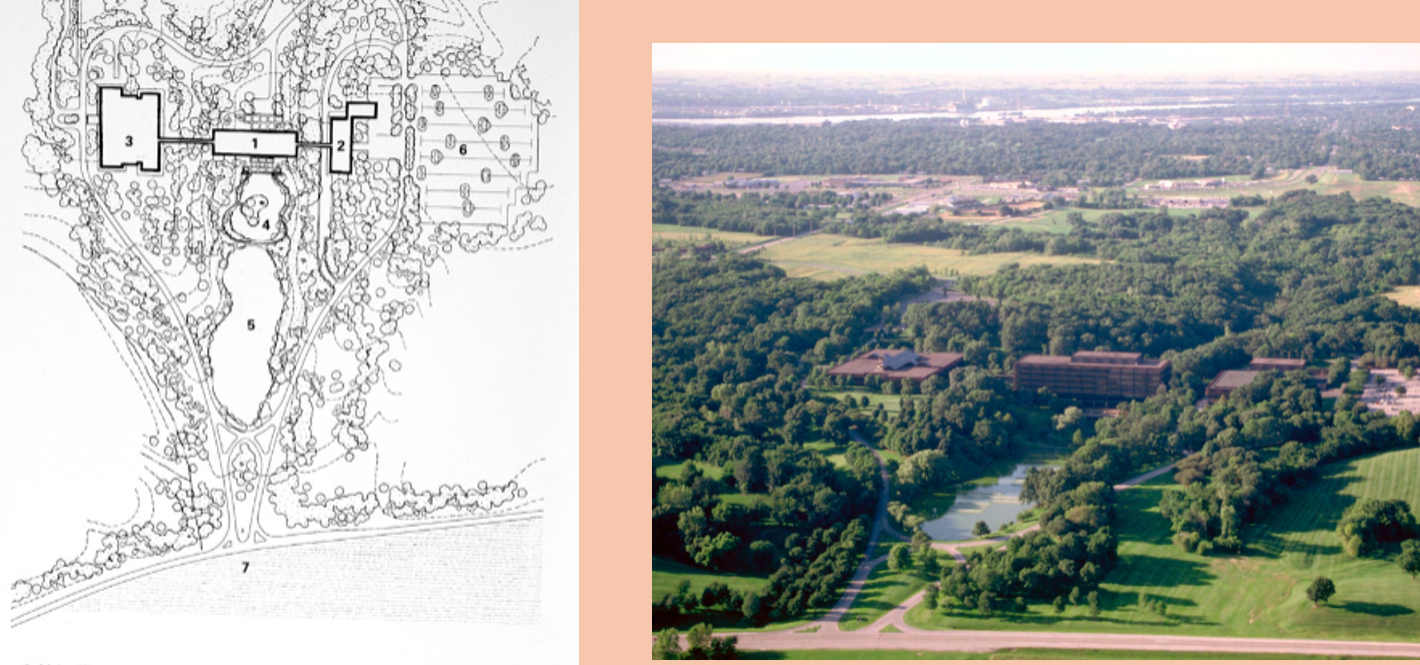
John Deere Headquarters —> Hideo Sasaki & Stuart Dawson —> 1964
corporate landscape garden
- influenced by japanese design
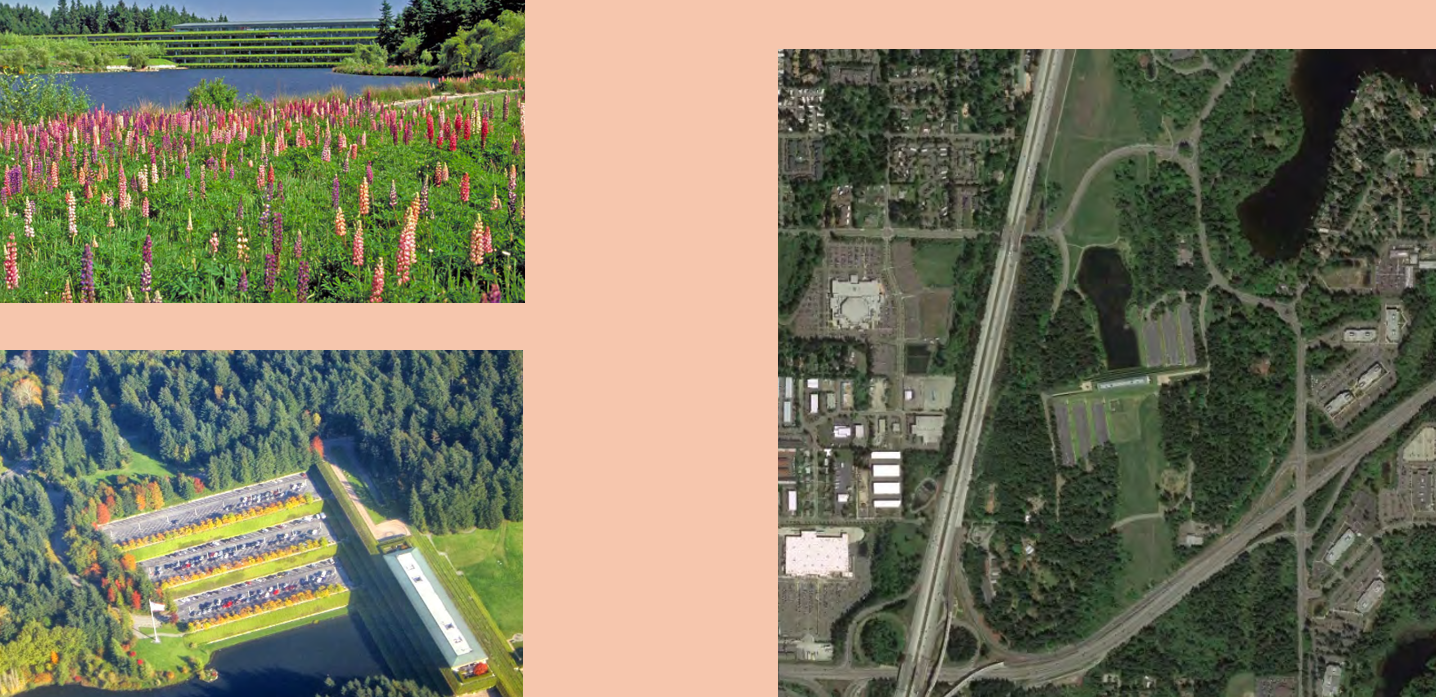
Weyerhauser International Headquarters —> Sasaki Walker and Associates
corporate campus in Washington
blends with landscape, offices view labdscape
 Note
Note  Flashcards (26)