Neoplasia #4: Oncogenes and the Cell Cycle
 Studied by 1 person
 Call Kai
 Learn
Learn Practice Test
 Spaced Repetition
 Match
Match Flashcards
 Knowt Play
1/26

There's no tags or description
Looks like no tags are added yet.
Name | Mastery | Learn | Test | Matching | Spaced | Call with Kai |
|---|
No analytics yet
Send a link to your students to track their progress
27 Terms
Review of cell categories
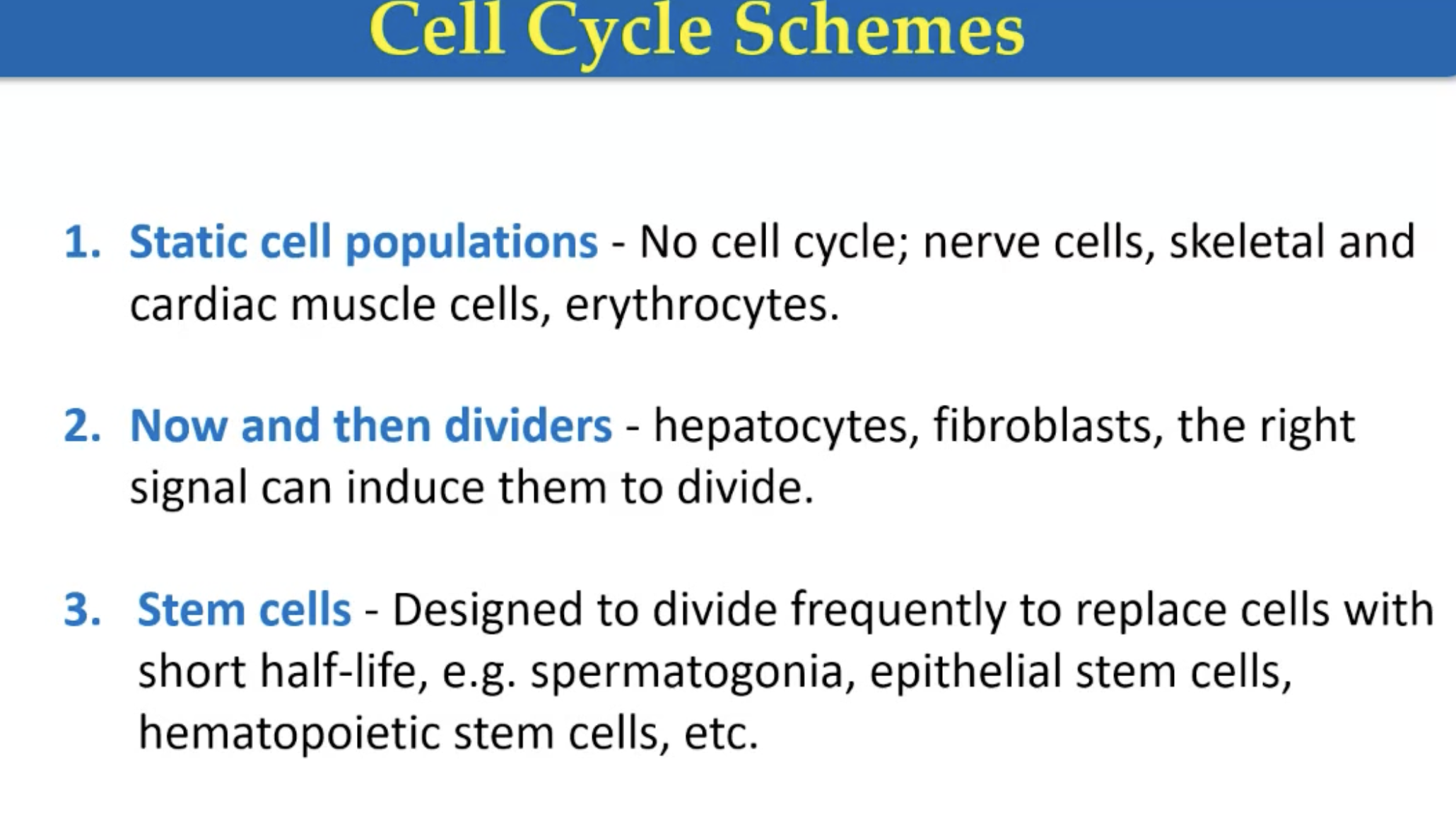
Cell cycle
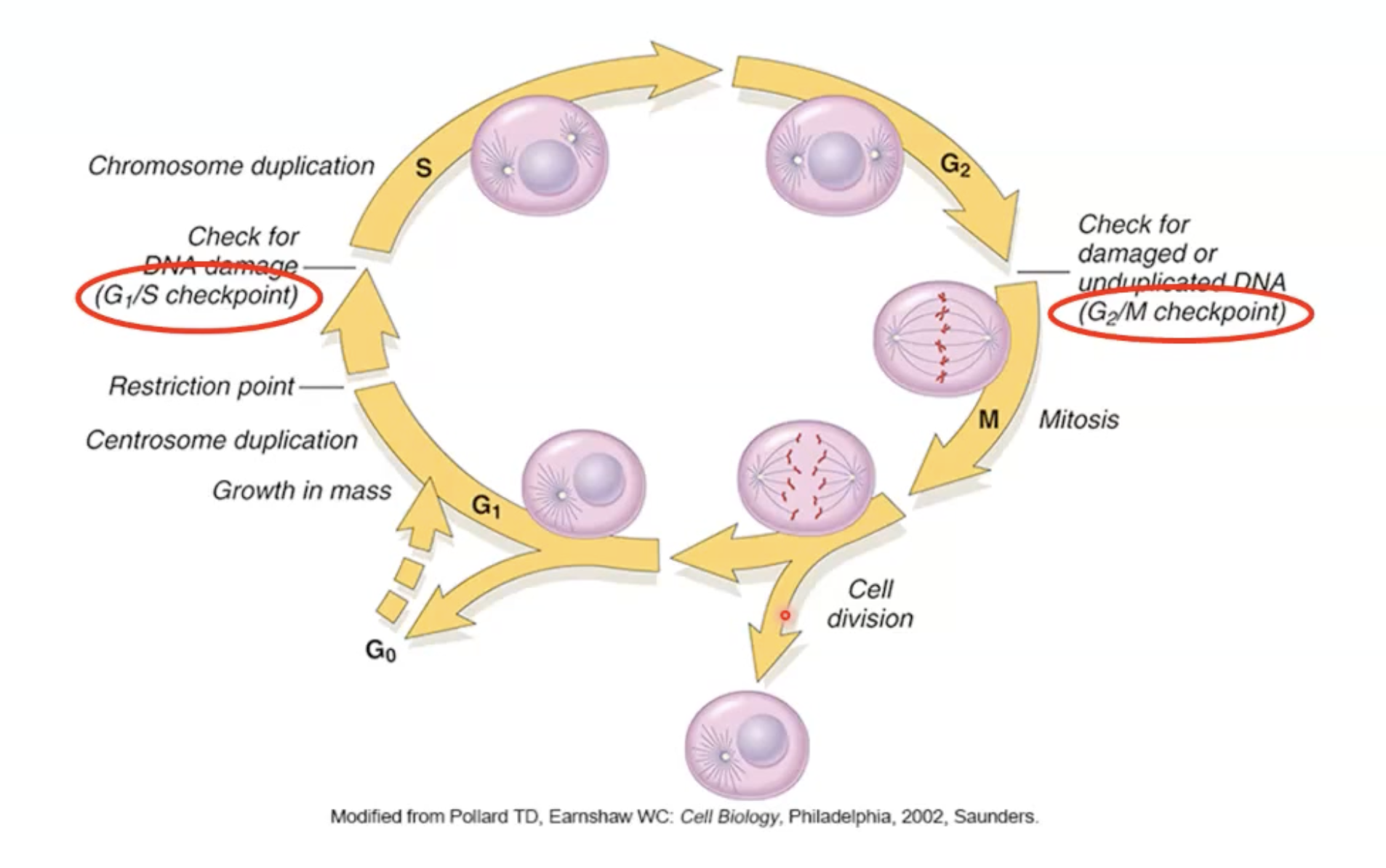
G0 = arrest phase of cell
G1 = all cell content expect chromosomes are duplicated
S = chromosomal replication
G2 =1,000,000 mg² integrity of duplicated genome is checked and corrected
M = mitosis
Growth factors coax cells in G0 back into G1
Restriction point: cell irreversibly committed to cell cycle progression or apoptosis
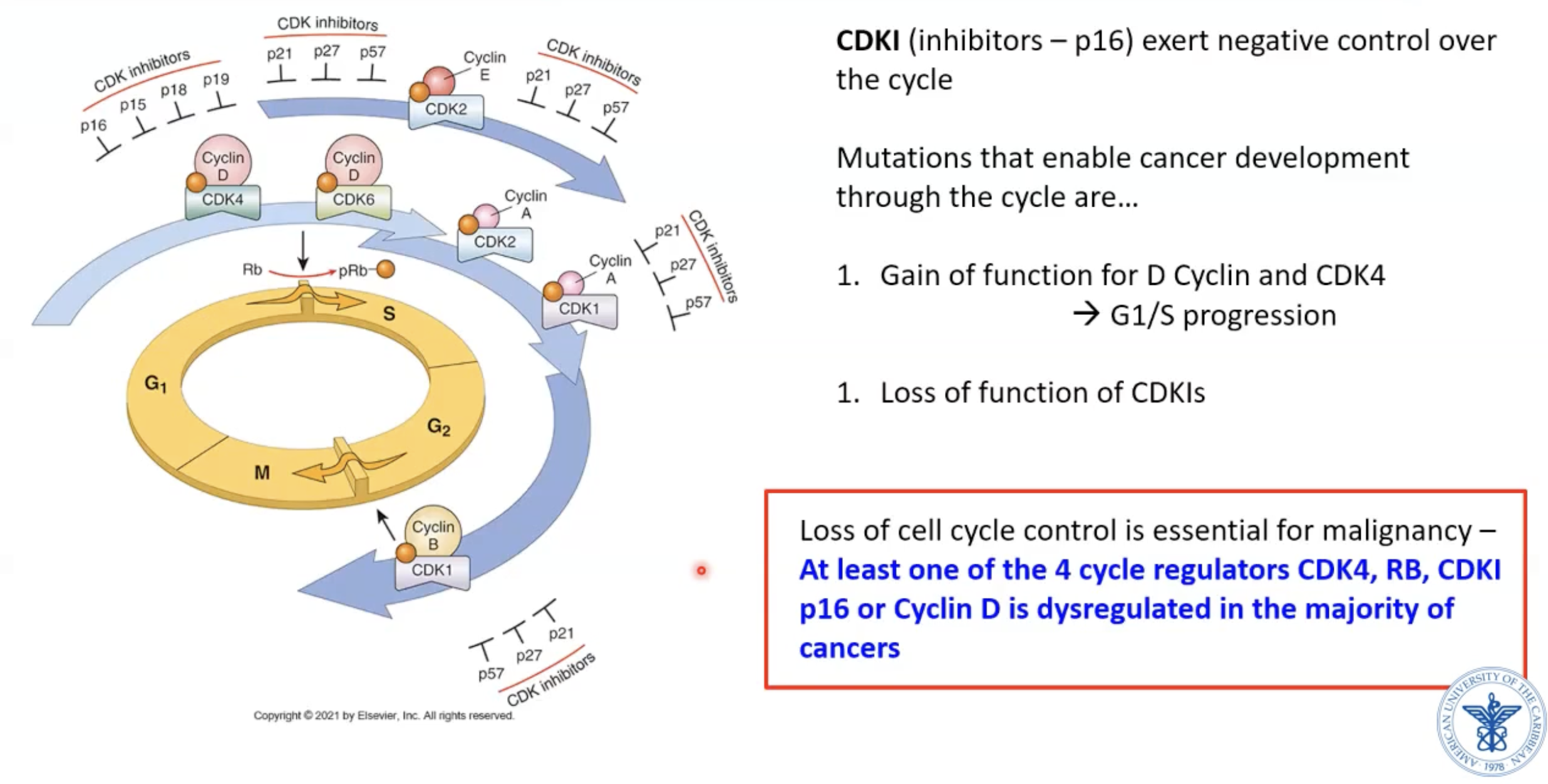
Control of the cell cycle
CDK (cyclin dependent kinases) help cells through cell cycle by binding to cyclins
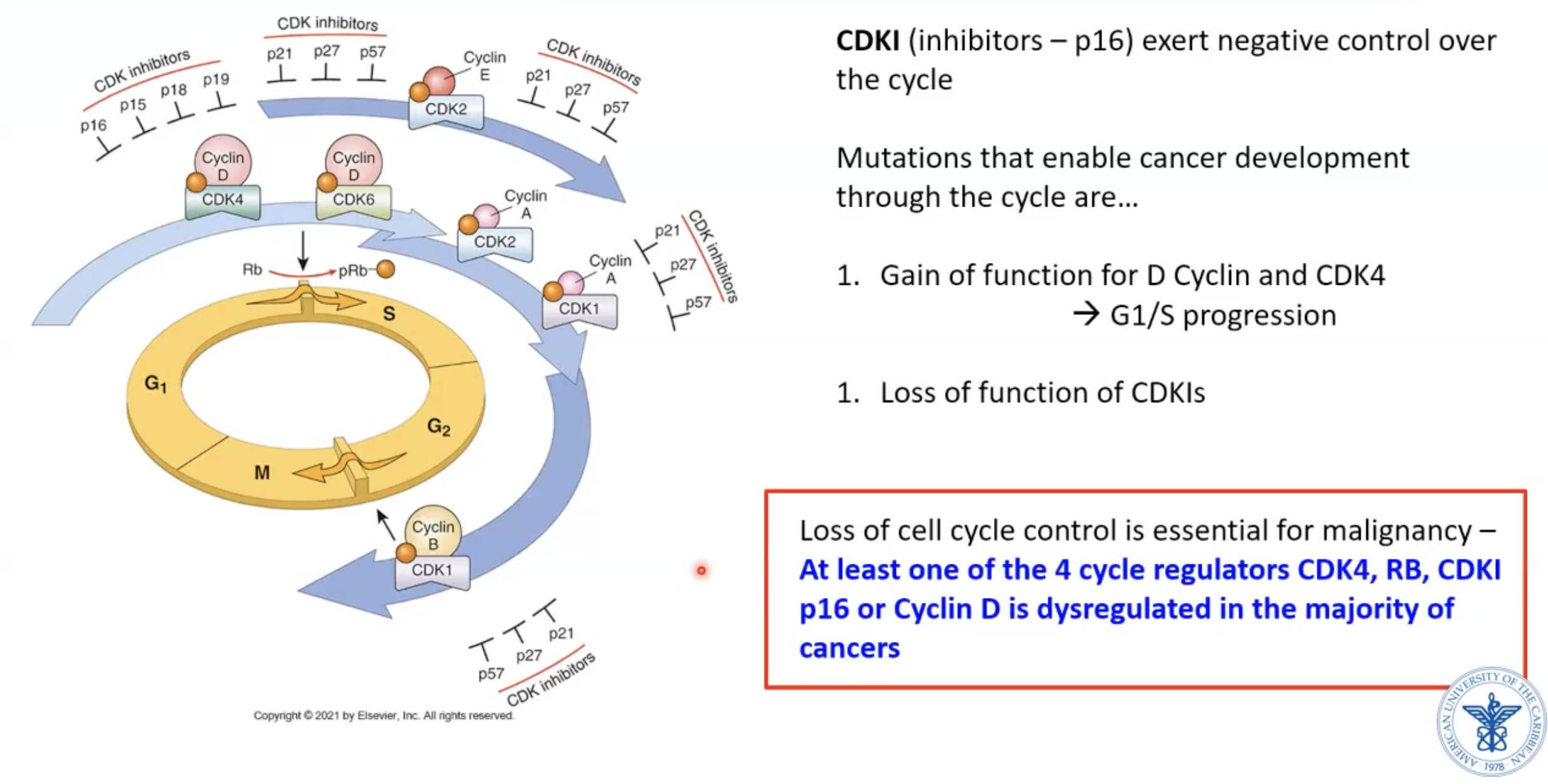
Loss of cell cycle control is essential for malignancy
At least one of the 4 cycle regulators CDK4, RB, CDK1, p16, or cyclin D is dysregulated in the majority of cancers
Define proto-oncogenes
Group of genes that can cause normal cells to become cancerous when they are mutated
They are normal in the unmutated state → controlled cell growth.
How do proto-oncogenes function?
Activation of guanine binding protein
Activation of tyrosine kinase
Conversion of proto-oncogenes to oncogenes (c-one) occurs by three mechanisms
Point mutation
Translocation
Amplication (also over expression)

Oncogenes are genes whose products are associated with
neoplastic transformation
Mechanisms of oncogene activation
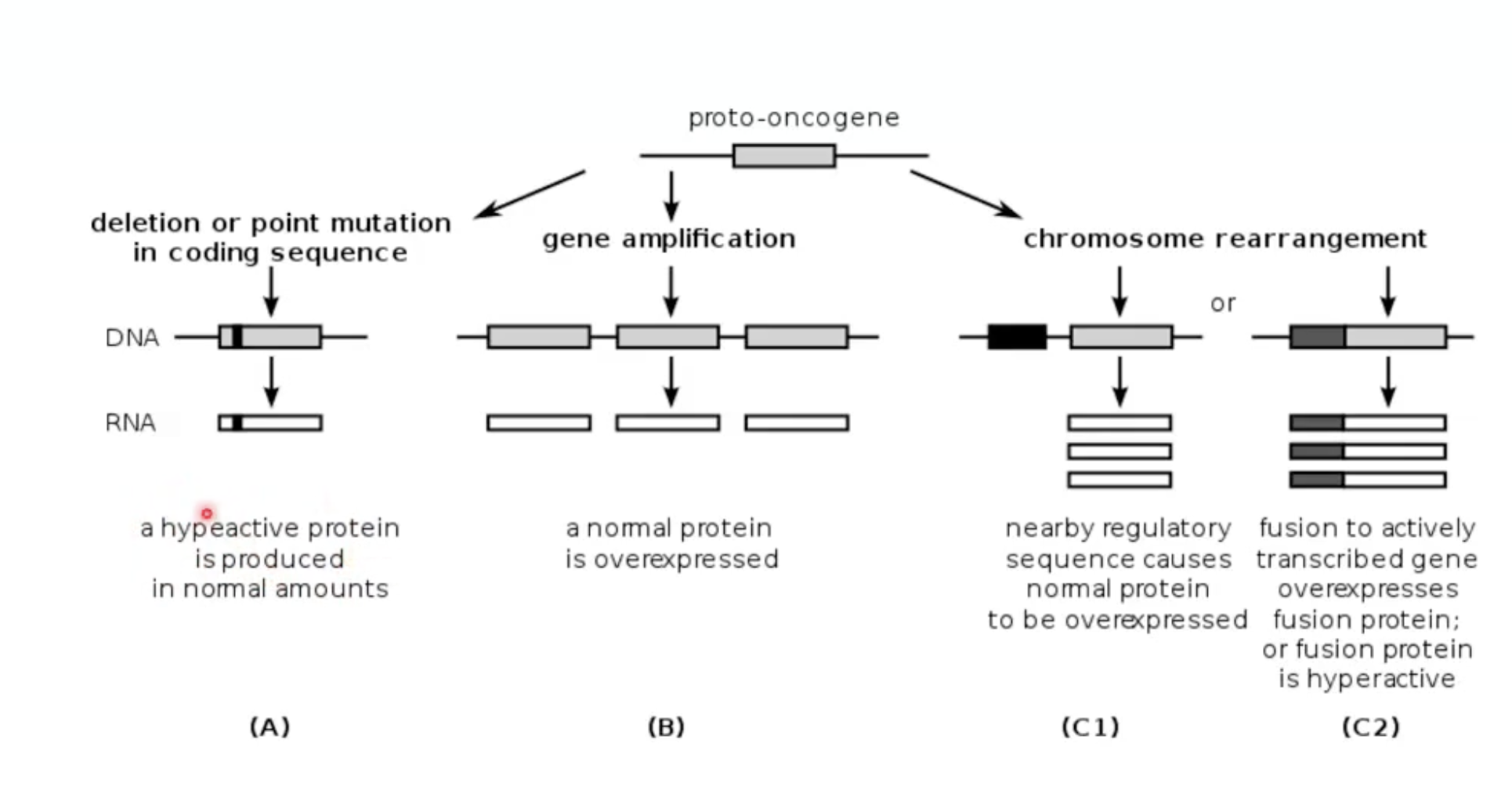
Oncogenes encode __ that are similar to normal counterparts.
Oncogenes encode oncoproteins that are similar to normal counterparts.
They are constantly active = never turned off = unregulated
Oncoproteins can promote
cell growth in the absence of normal growth signals.
What mutation constitutes the most common type of abnormality involving proto-oncogenes?
Point mutations of the RAS family genes constitute the most common type of abnormality involving proto-oncogenes.
15-20% of all human tumors express mutated RAS proteins
90% of all pancreatic adenocarcinomas are associated with KRAS
Think: panKReAS
Downstream RTK mutations - RAF/BRAF
Causes hairy cell leukemia and melanoma
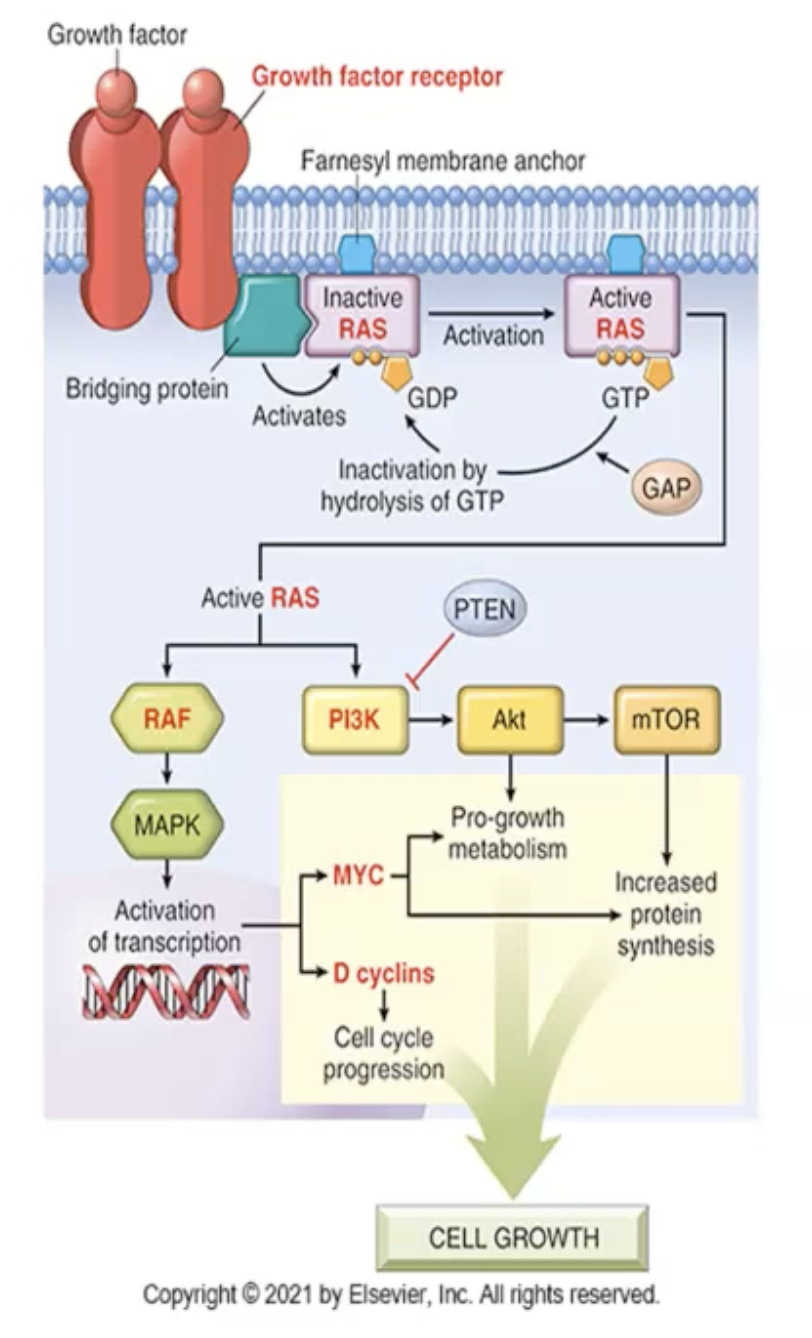
Downstream RTK mutations - PI3K
Causes breast carcinoma
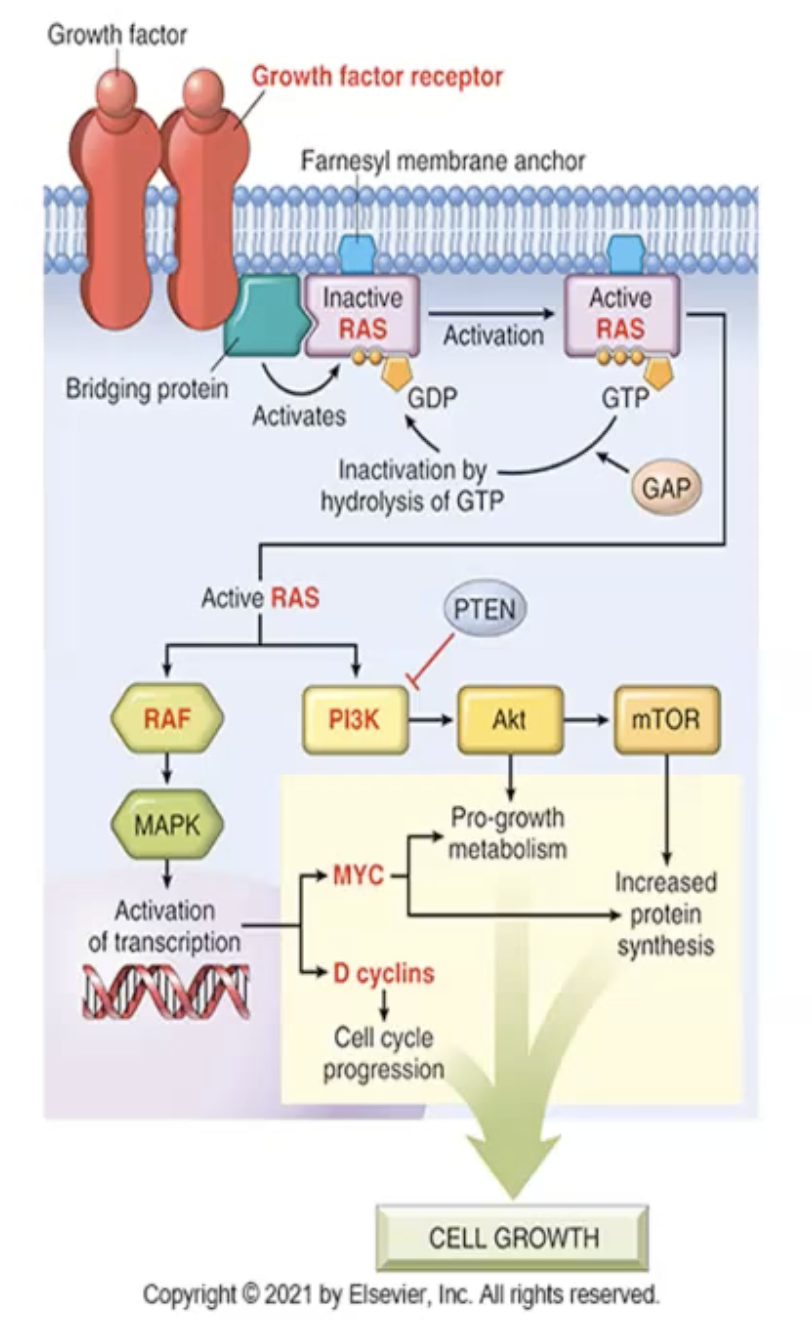
Downstream RTK mutations - PTEN
Causes endometrial carcinoma
What are non-receptor tyrosine kinases?
Localized to the cytoplasm or the nucleus
Many are mutations of chromosomal translocation or rearrangements → creates fusion genes encoding constitutively active tyrosine kinases
Oncogenic activation by chromosome translocation - over expression of proto-oncogene
t(8; 14) - Burkitt lymphoma-C (c-MYC)
t(14;18) - Follicular lymphoma (Bcl-2)
Oncogenic activation by chromosome translocation - fusion/chimeric genes
Novel product promotes cell proliferation in same manner as an oncogene
t (9;22) - Chronic myeloid leukemia
t (15;17) - acute promyelocytic leukemia (AML B3)
t(11;22) - Ewing sarcoma
Philadelphia chromsome
CML:
BCR -ABL1 fusion gene
9 and 22 translocation
Creates fusion gene → continuous activation of tyrosine kinase pathway → increased cell growth → decreased apoptosis
Also associated with some ALL
In CML, how to G1-S checkpoint stimulated?
ABL tyrosine kinase activity is constitutively activated by the juxtaposition of BCR, thus favoring autophosphorylation
Important translocations need to know - Burkitt lymphoma
c-MYC translocation
Also has amplification → worse prognosis
Important translocations need to know -
Important translocations need to know - Acute promyelotic leukemia
PML-RAR alpha, transcription factor
Important translocations need to know - Synovial sarcoma
(X:18)
SYT-SSX
Important translocations need to know -
Important translocations need to know - Renal cell carcinoma
Xp11 (X:17)
AND ALSO
alveolar soft parts sarcoma
Important translocations need to know - Ewing Sarcoma
EWS-FLI1
transcription factor
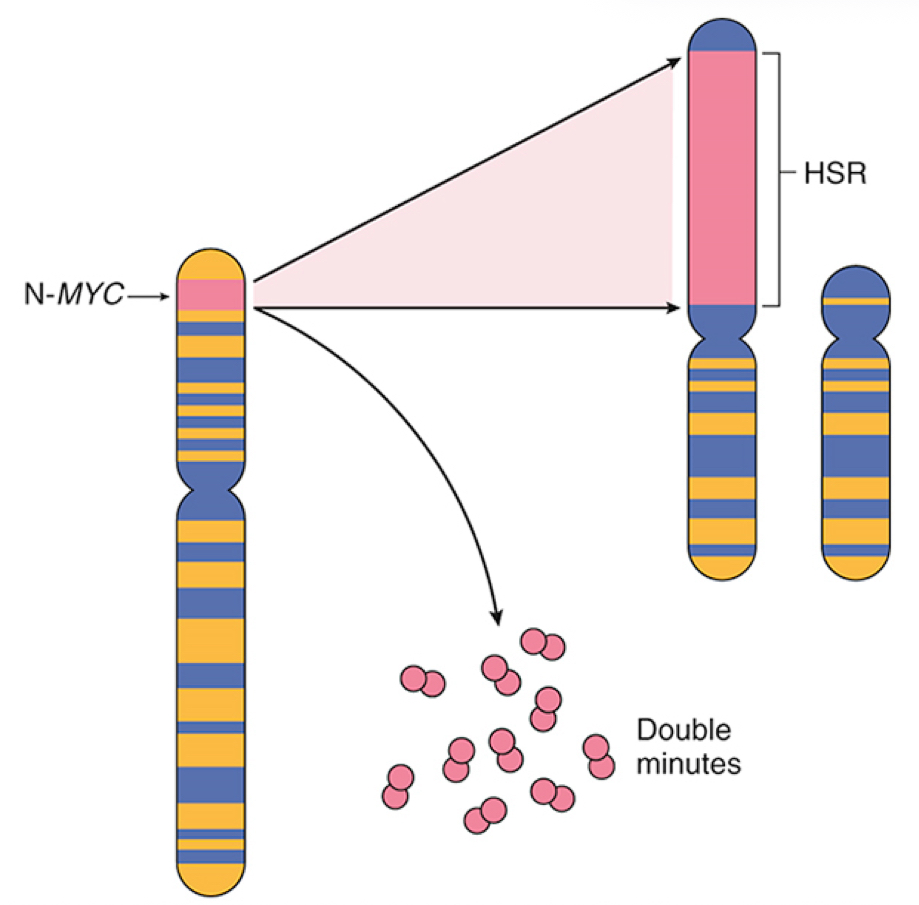
MYC amplification
MYC is amplified in many cancers - breast, colon, lung
N-MYC amplified in neuroblastoma
c-MYC activated by chromosomal translocation in Burkitt’s lymphoma
Extra chromosomal double minutes
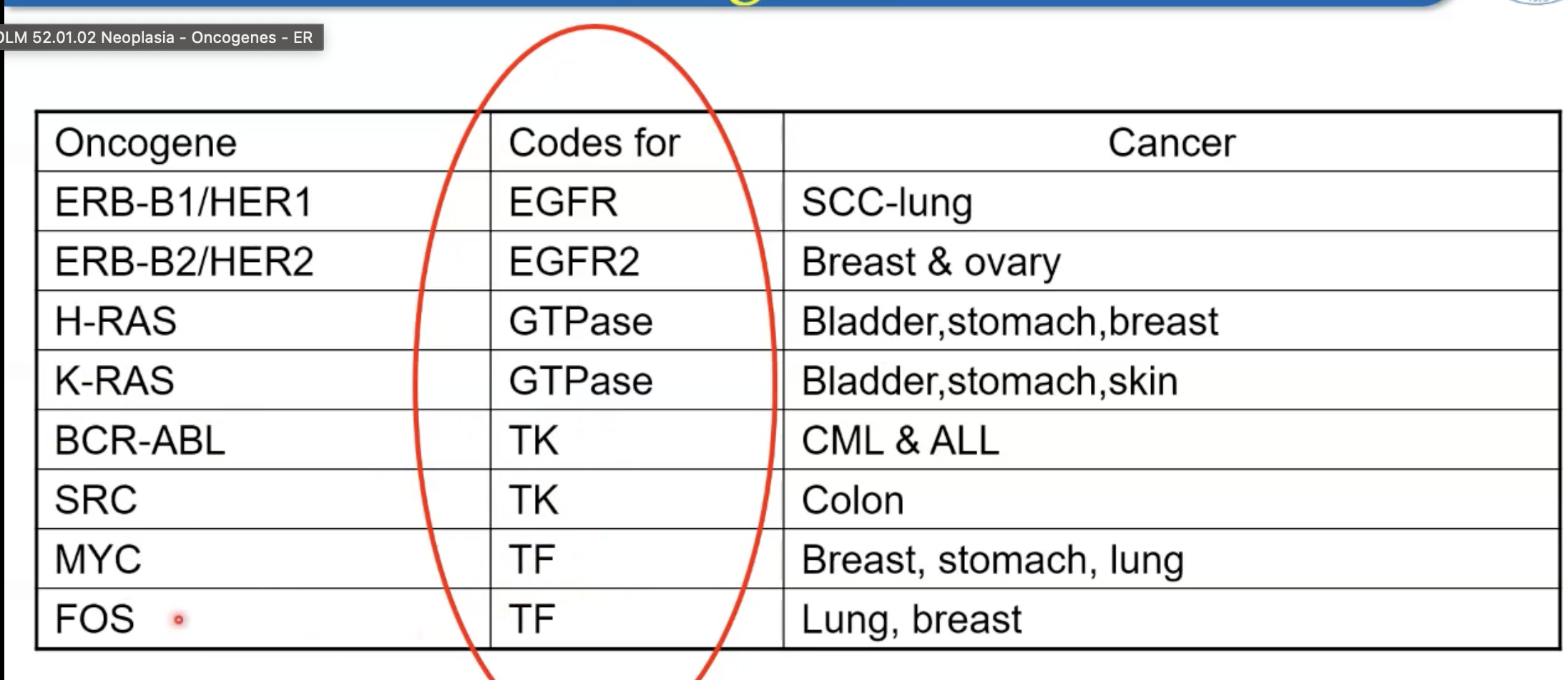
Oncogene
MUST KNOW ONCOGENE AND WHAT IT CODES FOR!!!!!
 Note
Note  Flashcards (42)