(3.2b-immune system)L1-Passive and active immunity
 Call Kai
 Learn
Learn Practice Test
 Spaced Repetition
 Match
Match Flashcards
 Knowt Play
1/9

There's no tags or description
Looks like no tags are added yet.
Name | Mastery | Learn | Test | Matching | Spaced | Call with Kai |
|---|
No analytics yet
Send a link to your students to track their progress
10 Terms
What is an antigen-presenting cell?
What is Clonal selection?
What are cytokines?
What is a neutrophil?
What are Opsonins?
6.Microbes(short for microorganisms) are tiny living organisms found everywhere the soil, water and air and on the skin and lining of our digestive tracts. Name the 5 microorganisms ?
7.what are pathogens?
What is an antigen?
Info•The body is protected by a complex system of defences that prevent assault from pathogenic microbes
A cell that processes antigens and presents antigen fragments on its cell surface
When an Antibody on the surface of a B-cell meets a complimentary shaped antigen and binds to it - together with substances released
Cell signalling molecules released from cells of the immune system
A type of phagocytic white blood cell
5. Proteins that assist the process of phagocytosis - makes it easier for the pathogen to be engulfed and digested
* Bacteria: Single-celled organisms that can be both helpful (like those in our gut) and harmful (causing infections).
* Viruses: Non-living infectious agents that need a host cell to reproduce.
* Fungi: Organisms like yeasts and molds, some of which can cause diseases, while others are beneficial.
* Protist: Single-celled eukaryotic organisms, some of which can cause diseases like malaria.
* Algae: Simple plant-like organisms, many of which are microscopic and play a role in aquatic ecosystems
Microorganisms that can cause disease in a host.
A foreign protein substance that triggers an immune response(usually a foreign molecule)
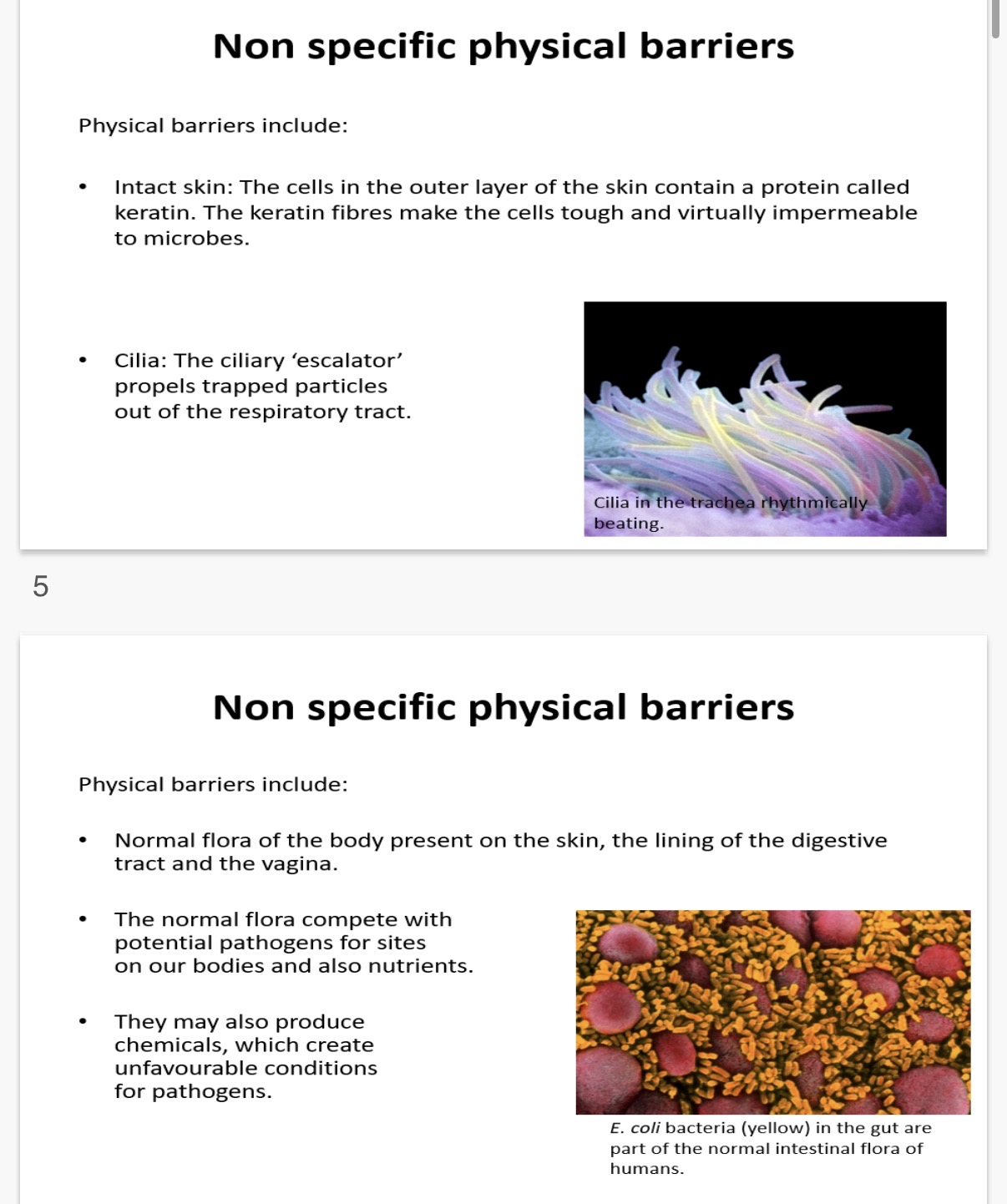
Defending ourselves against microbes:
The body's defences:
• Prevent microbes getting into the …1?
• …2? microbes once they have got in
The body has three lines of defence against invading micro-organisms. Name them?
Non specific physical barriers:
Physical barriers include:
• Intact skin: The cells in the outer layer of the skin contain a protein called …4?. The keratin …5? make the cells tough and virtually …6? to microbes.
• Cilia: The ciliary '…7?' propels trapped particles …8? of the respiratory tract
• Normal …9? of the body present on the skin, the lining of the …10? tract and the ...11?.
• The normal flora compete with potential pathogens for …12? on our bodies and also …13?.
• They may also produce …14?, which create unfavourable conditions for pathogens.
1.body 2. Destroy
(1)Non specific physical and chemical barriers (2) Non specific immune system
(3) Specific immune system
Keratin. 5. Fibres. 6. Impermeable. 7. Escalator. 8. Out. 9. Flora. 10. Digestive. 11.vagina. 12.sites. 13. Nutrients 14 chemicals
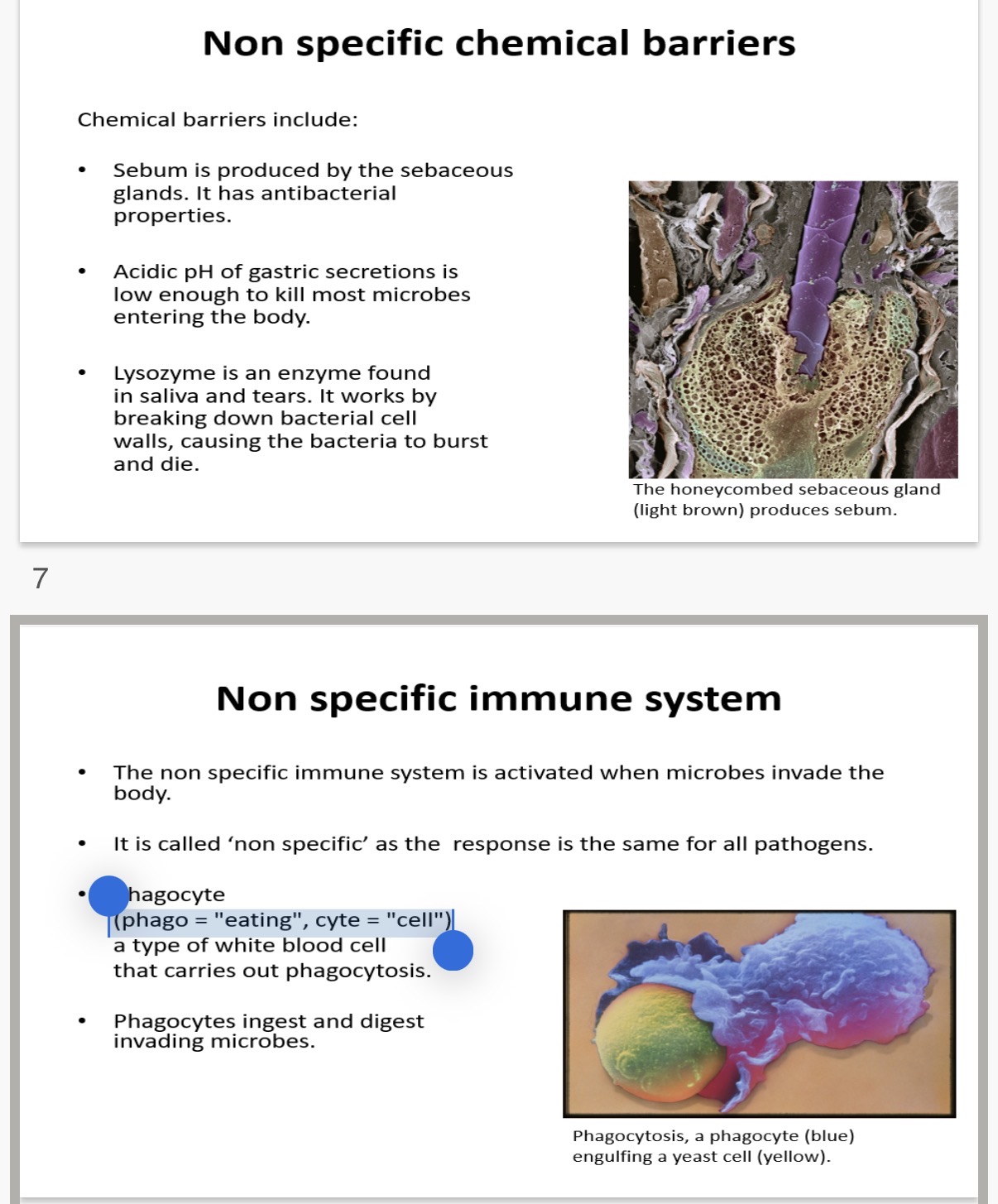
Non specific chemical barriers:
Chemical barriers include:
• …1? is produced by the sebaceous glands and has …2? properties.
• …3? pH of gastric secretions is low enough to …4? most microbes entering the body.
• …5? is an enzyme found in saliva and tears. It works by …6? down bacterial cell …7?, causing the bacteria to burst and die
Non specific immune system :
• The non specific immune system is activated when microbes …8?
• It is called 'non specific' as the response is the …9? for all pathogens.
• Phagocyte(phago = "eating", cyte = "cell") is a type of …10? that carries out phagocytosis.
• Phagocytes …11? and digest invading microbes
Sebum. 2. Antibacterial. 3. Acidic. 4.kill. 5.lysozyme. 6.breaking
Walls. 8. Invade the body. 9. Same
White blood cell. 11.ingest
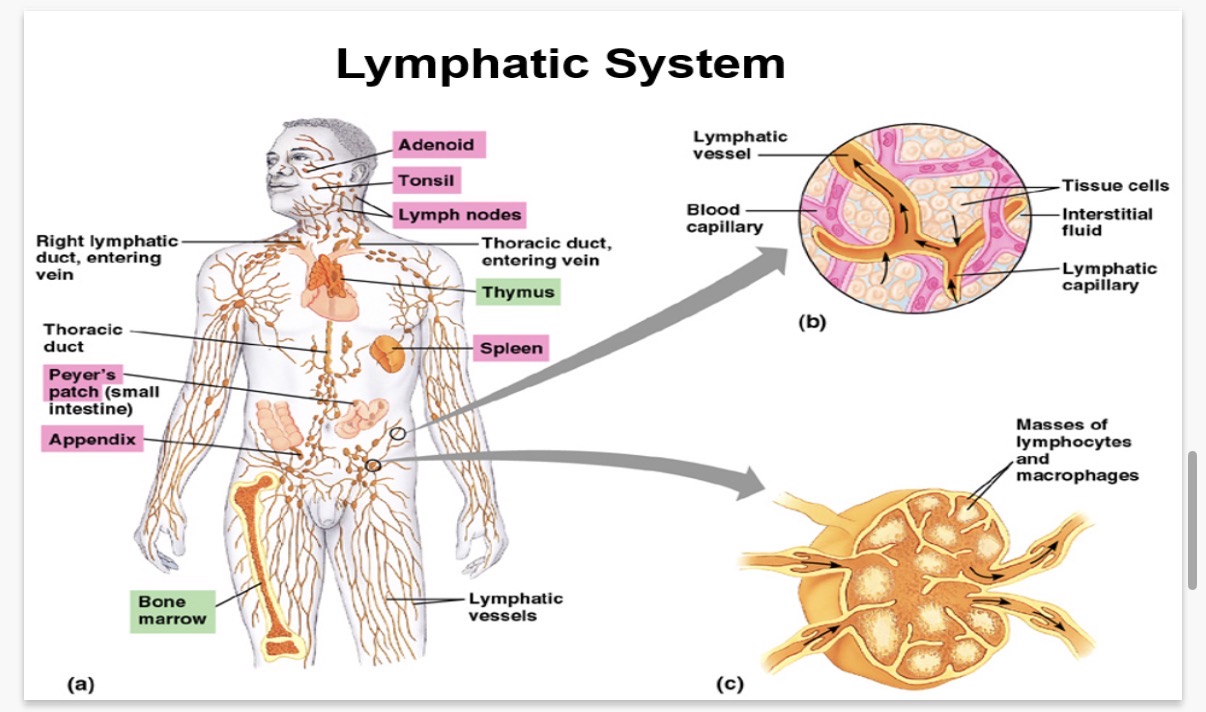
Lymphatic system:
(Made up of lymph nodes and fluids).
Lymph nodes and lymph fluid are both key parts of your lymphatic system, which is a vital part of your immune system and circulatory system.
Lymph Nodes:
These are small, …1?-shaped organs found throughout your body, often in …2? in areas like your neck, armpits, and g…3?. They act like …4? for the lymph fluid. Inside the lymph nodes, there are specialised immune cells, such as lymphocytes and …5?, which trap and destroy harmful substances like …6?, viruses, and …7? cells. When you have an infection, your lymph nodes might …8? as these immune cells …9? to fight off the invaders.
Lymph Fluid (or Lymph):
This is a …10?, watery fluid that circulates through your …11? vessels. It's formed from the fluid that leaks out of blood …12? into the surrounding …13? (interstitial fluid). Lymph fluid collects …14? products, …15? cells, proteins, and …16 particles from the tissues. It also carries white blood cells, especially …17?, which are important for immunity. This fluid then flows through the lymphatic vessels, passes through the lymph …18? for filtering, and eventually returns to the …19?, helping to maintain fluid balance in the body and transport immune cells.
1.bean. 2. Clusters. 3.groin. 4.filters
Macrophages. 6.bacteria. 7.abnormal. 8.swell. 9.multiply. 10.clear. 11. Lymphatic. 12. Capillaries. 13. Tissues. 14.waste. 15. Dead. 16. Foreign. 17.lymphocytes 18.nodes 19.bloodstream
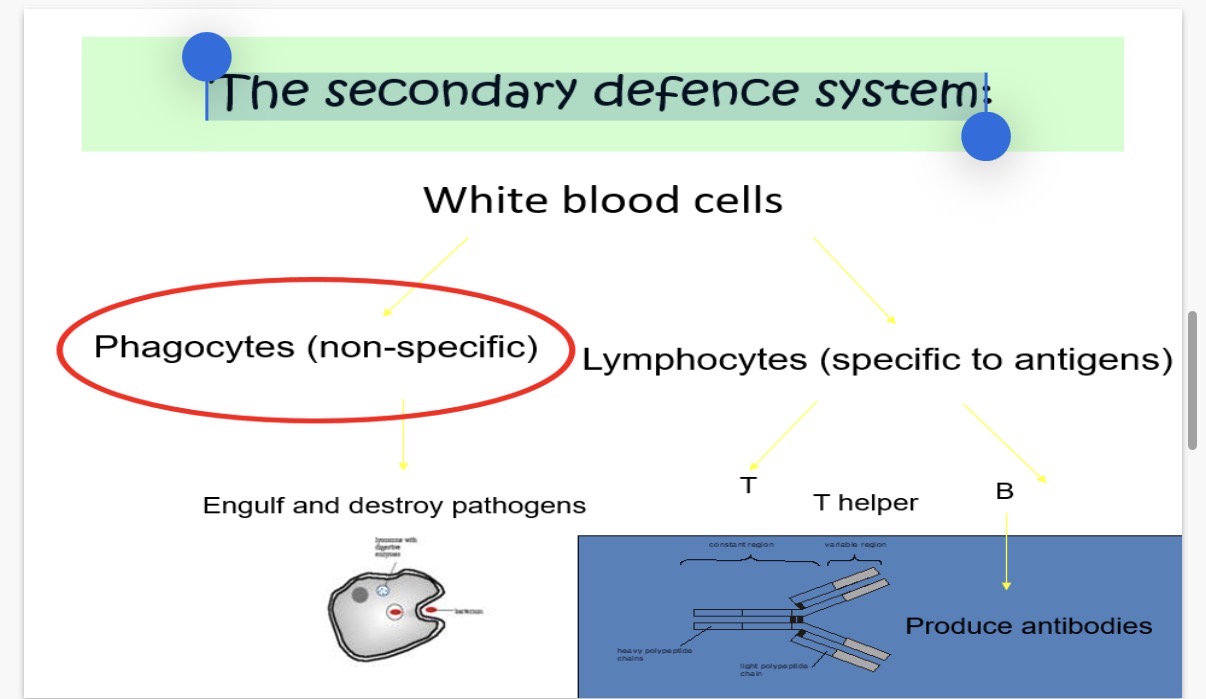
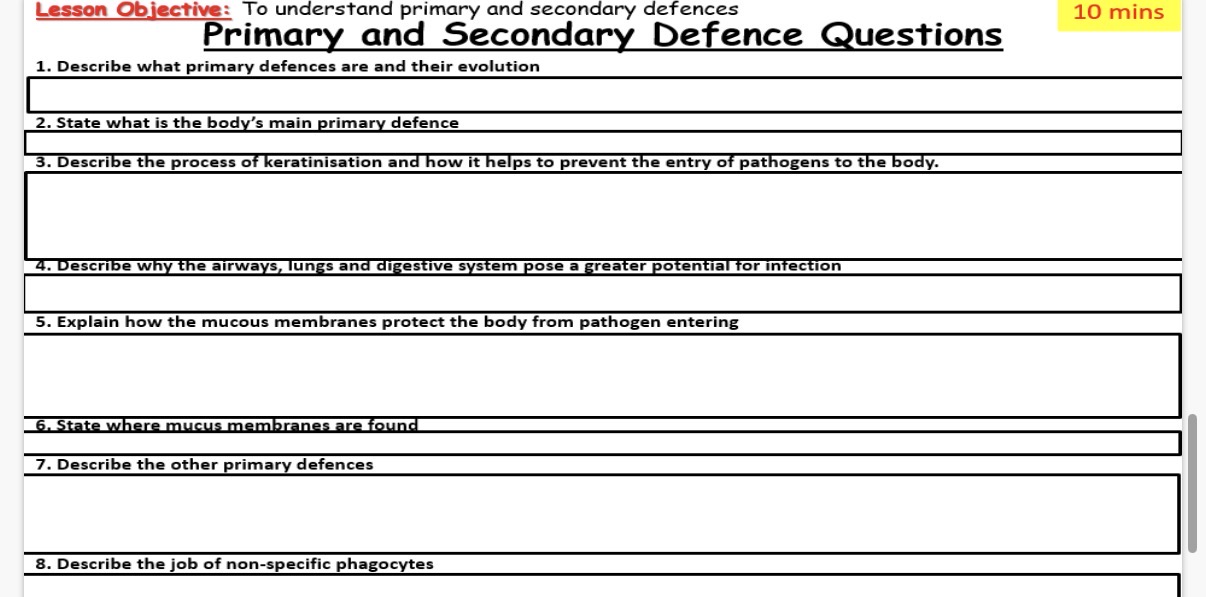
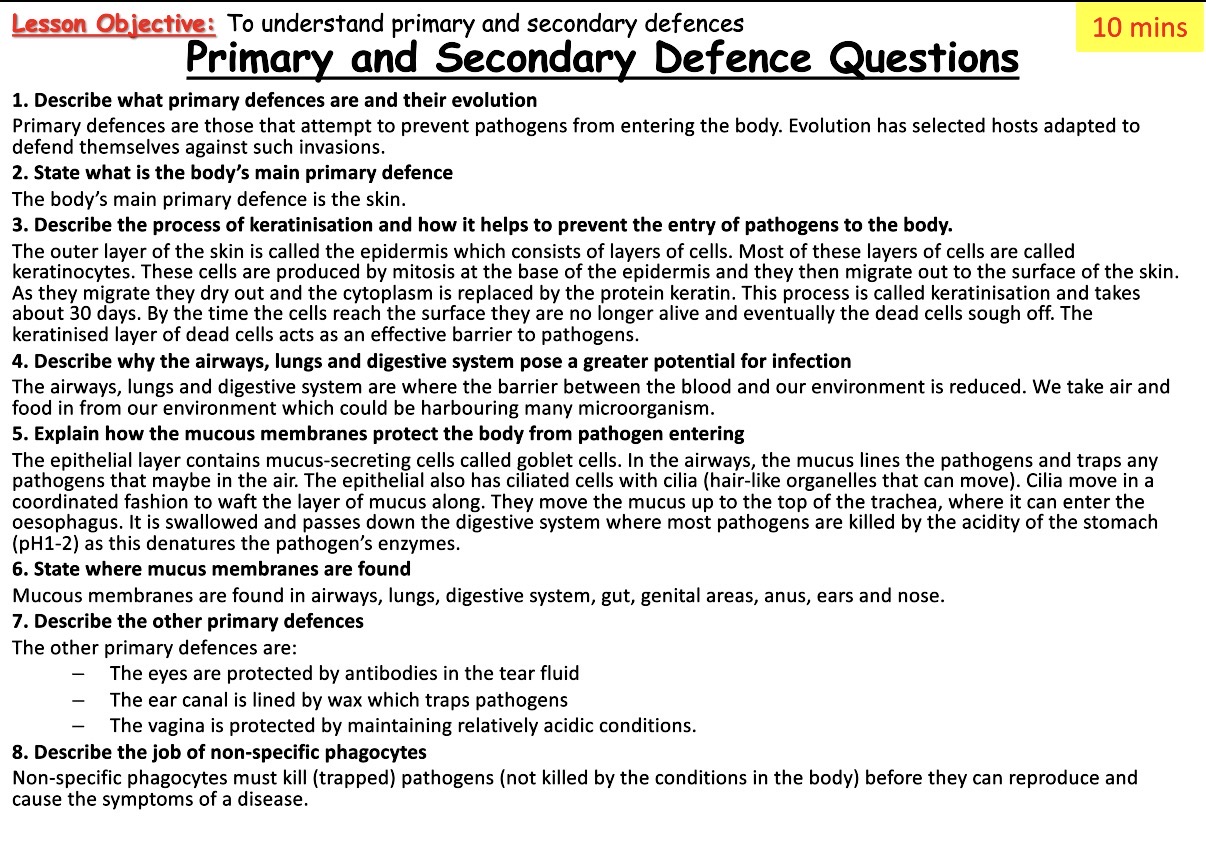
The secondary defence system:
Name 2 types of white blood cells and state whether they’re specific or non specific defences?
What is the role of B lymphocytes(or B cells) and T helper cells?
Phagocytes (non-specific):
•There are 2 types of phagocytes both of which are made in the…3?
4. Name them?
•Neutrophils(most common) are …5?-lived phagocytic cells that are made in the…6? and have a multi-lobed …+?. They travel in the blood but also ‘Patrol’ the …7? fluid and …8? Surfaces of some tissues e.g. lungs. They respond to pathogens by releasing in …9? numbers but are short-lived so they die after digesting a few pathogens. Neutrophils may collect in an area of infection to form …10?
•Macrophages are larger, ….11?-lived phagocytic cells that are made in the …12?.They travel in blood as …13? when they aren’t active and settle in …14? Such as the liver and lymph nodes. The inactive monocytes settle in lymph nodes to develop into …15?. They respond to pathogens by …16? Specific responses to diseases.
Phagocytes(non-specific)
Lymphocytes(specific to antigens)
2.B lymphocytes, often called B cells, are responsible for producing antibodies. When a B cell encounters an antigen (a foreign substance), it can differentiate into plasma cells, which then release large amounts of specific antibodies to target and neutralize that antigen.
T helper cells(type of lymphocyte), on the other hand, don't directly kill infected cells or produce antibodies. Their main role is to coordinate the immune response. They recognize antigens presented by other immune cells and then release chemical messengers (cytokines) that activate other immune cells, such as B cells, cytotoxic T cells, and macrophages, to help fight off the infection.
Bone marrow. 4.Neutrophils and macrophages
Short. 6.bone marrow. +.nucleus 7.tissue
Epithelial. 9.large. 10. Pus. 11.long
Bone marrow. 13. Monocytes. 14. Organs. 15.macrophages. 16.initiating
Explain(descriptive summary) the process of phagocytosis and how a phagocyte becomes an antigen-presenting cell?
Note-A phagosome is a vesicle formed inside a phagocyte that contains the engulfed bacterium or other foreign particle. It's essentially a bubble of membrane that surrounds the pathogen after it's been taken into the cell.
• The Phagocyte responds to the cytokines released at the site of damage and move towards the site of damage up a concentration gradient.(chemotaxis)
• The receptor on the phagocyte recognises and binds to the antigens on the bacteria
• The phagocyte, attaches to the bacterium / pathogen
• It then surrounds and engulfs the bacteria by endocytosis and so the bacterium is now in the phagosome
• lysosomes fuse to the phagosome and the lysosome enzymes (lysozymes) digest the bacterium
• Useful digested products like amino acids are absorbed into the cytoplasm
• Products of digestion that are not useful are excreted by exocytosis
• The Phagocyte then presents the pathogen’s antigens on its plasma membrane to activate other immune system cells
• The phagocyte now acts as an antigen- presenting cell (APC)
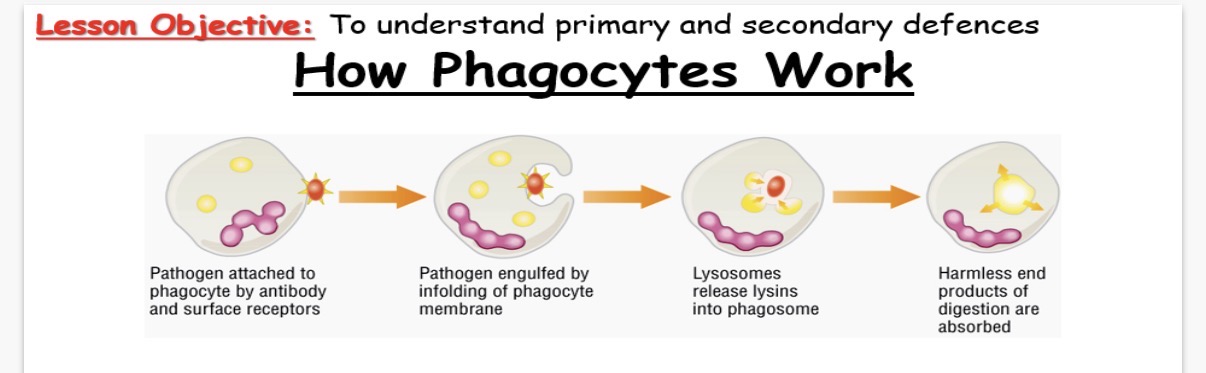
How Phagocytes Work:
•Phagocytes engulf and destroy pathogenic cells.
1) When a pathogen invades the body it is recognised as …1? by the chemical markers called …2? on its outer membrane. Our own cells have antigens but these are …3? as our own and do not produce a response.
2) Proteins in the blood called antibodies, attach to foreign …4?.
3) Phagocytes have membrane-bound proteins that act as …5? which bind to antibodies already attached to the pathogen.
4) This process maybe assisted by other proteins called …6?.
5) Once the phagocyte is bound to the pathogen, it will envelope the pathogen by folding its membrane …7?. The pathogen is now trapped inside a vesicle called a …8?.
6) Lysosomes …9? with the phagosomes and release into it enzymes called …10?. Lysozymes …11? the bacterium forming end products which are harmless nutrients that can be absorbed into the …12?
7) The neutrophils are …13?-lived and will die soon after digesting a few pathogens. They may collect in an area of infection to form ..14?
Foreign. 2.antigens. 3. Recognised. 4. Antigens. 5.receptors. 6.opsonins. 7.inwards
Phagosome. 9.fuse. 10.lysozymes11.digest. 12.cytoplasm. 13.short. 14. Pus
The role of macrophages:
Infected cells release chemicals such as …1?, which attracts …2? to the area.
Histamine also causes a response that makes the …3? more leaky.
As a result more …4? leaves the capillaries in the area of …5?.
This causes …6? and redness, but it also means that more tissue fluid passes into the …7? system.
This leads the pathogens towards the …8? waiting in the …9?.
The macrophages play an important role in initiating the …10? response to a disease.
This is known as the …11? response.
The immune response is the activation of …12? in the blood to help fight the disease.
Histamine. 2.neutrophils. 3.capillaries. 4.fluid. 5.infection. 6.swelling. 7.lymphatic 8.macrophages. 9.lymph nodes. 10.specific 11. Immune. 12.lymphocytes
Increasing the likelihood of phagocytosis:
1.Although phagocytes are non-specific, they do not always bind to every pathogen they encounter. How can we increase the chance of phagocytosis?
These signalling molecules to increase the chance of phagocytosis are known as…
What are the most common opsonin molecules?
By Attaching a signalling molecule to a pathogen to highlight it
Opsonins
Antibodies
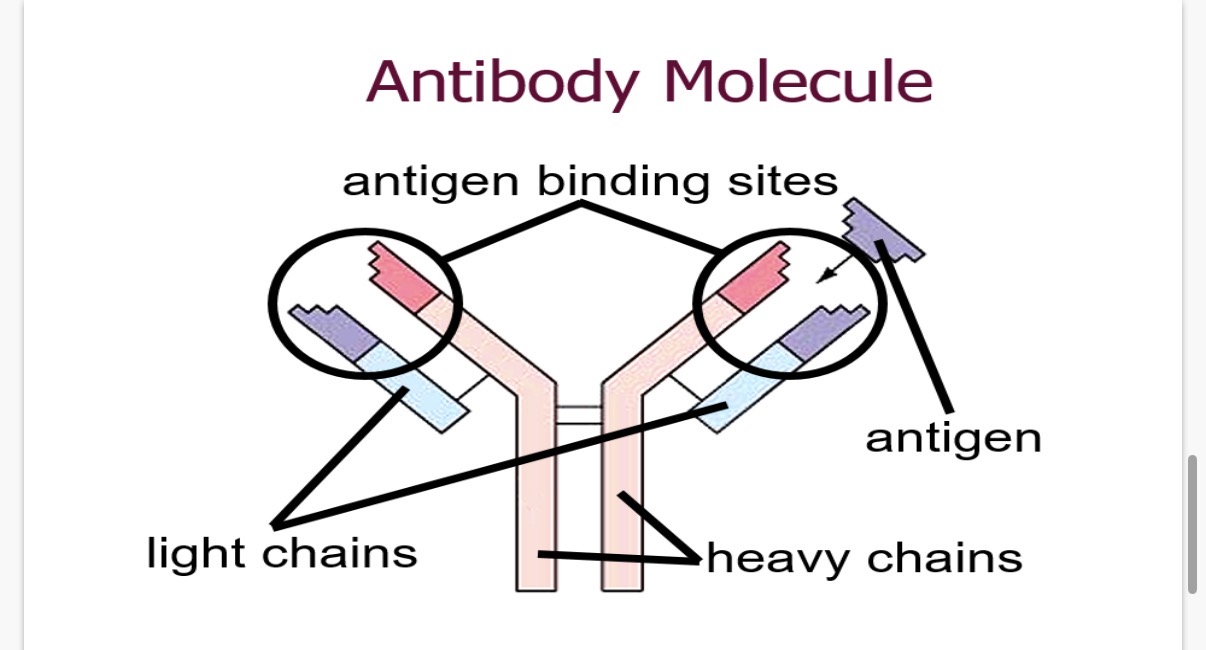
•Antibodies constitute a group of globular serum proteins called …1? (Igs).
- A typical antibody molecule has …2? identical antigen-binding sites specific for the …3? that provokes its production.
Immunoglobulins. 2. Two. 3.epitope(the specific part of an antigen that an antibody or T-cell receptor binds to)