Orientation to Anatomy
 View linked note
 Call Kai
 Learn
Learn Practice Test
 Spaced Repetition
 Match
Match Flashcards
 Knowt Play
 Podcast
1/60

Earn XP
Description and Tags
Flashcards covering essential vocabulary from the introductory lecture on human body orientation, including anatomical terms, body cavities, planes, and directional terminology.
Name | Mastery | Learn | Test | Matching | Spaced | Call with Kai |
|---|
No analytics yet
Send a link to your students to track their progress
61 Terms
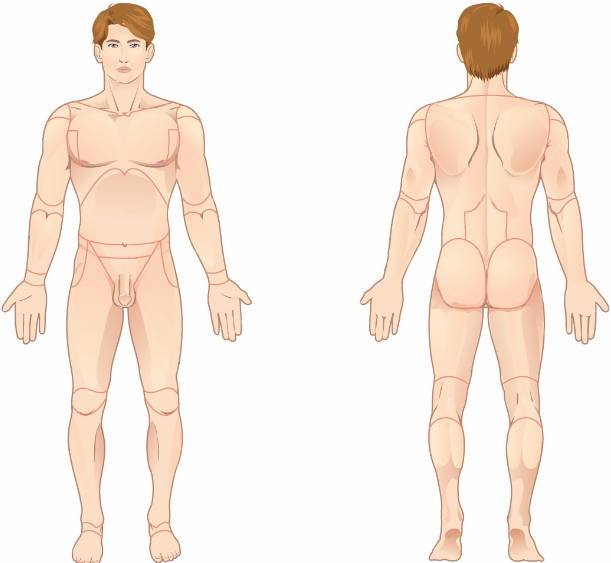
Anatomical Position
A standard body position where an individual faces forward, is upright, with arms at their sides, palms facing forward, thumbs pointing outward, and feet together. Used as a reference for directional terms.
Anatomy
The study of the structures of the body and their relationships to one another; derived from Greek roots meaning 'to cut up'.
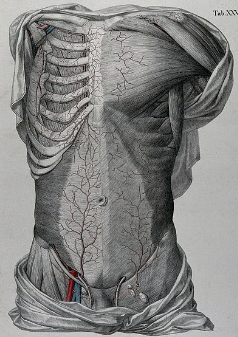
Gross Anatomy
The study of body structures large enough to be seen without the aid of a microscope or advanced imaging.
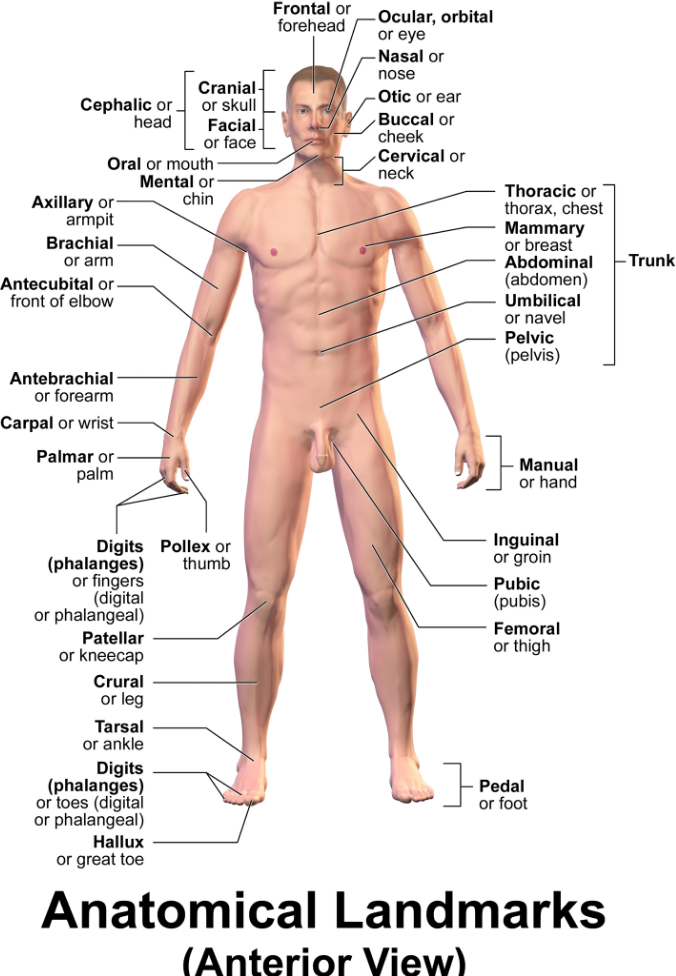
Surface Anatomy
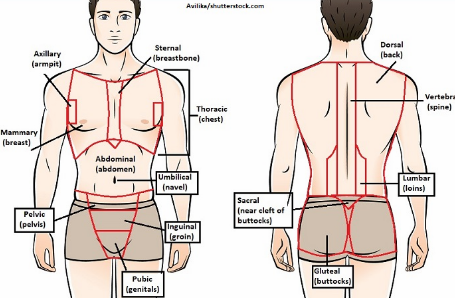
A subfield of gross anatomy that focuses on superficial markings on the body.
Regional Anatomy
A subfield of gross anatomy that studies the body in specific regions (e.g., head and neck, forearm).
Systemic Anatomy
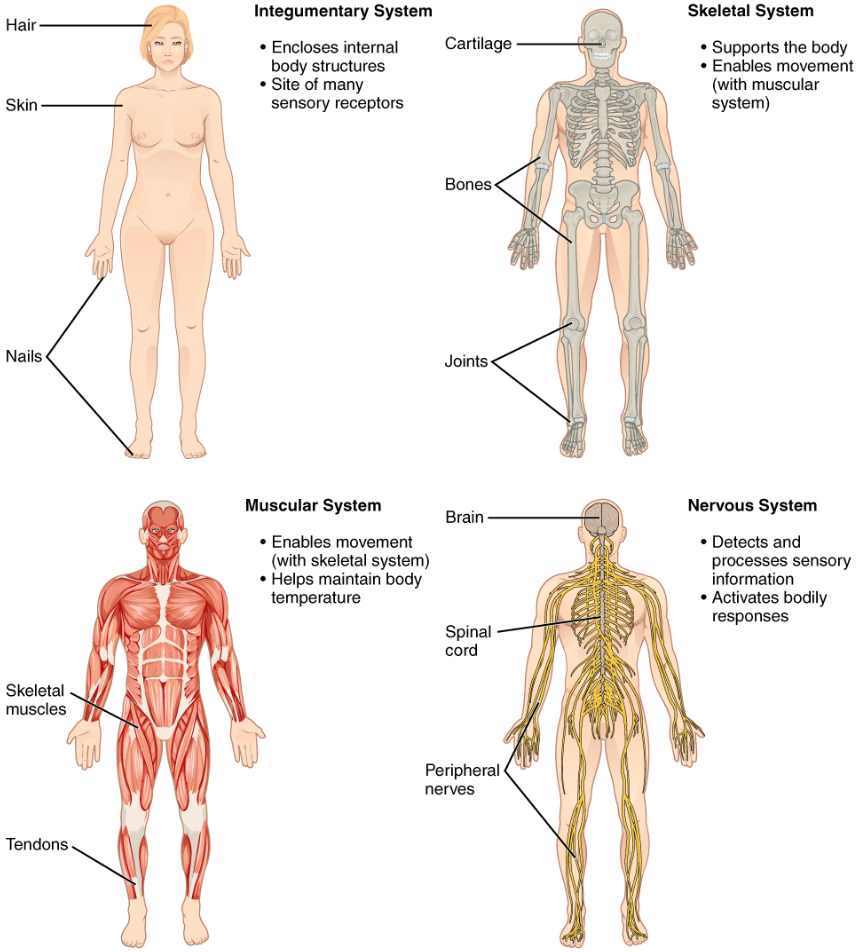
A subfield of gross anatomy that studies specific organ systems (e.g., cardiovascular system).
Developmental Anatomy
The study of structural changes that occur throughout a lifespan.
Embryology
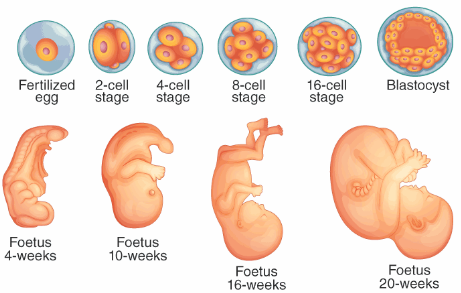
A subfield of developmental anatomy that specifically studies the structural changes from an embryo into a fetus.
Microscopic Anatomy
The study of structures that cannot be seen with the unaided eye, requiring a microscope or advanced imaging.
Cytology
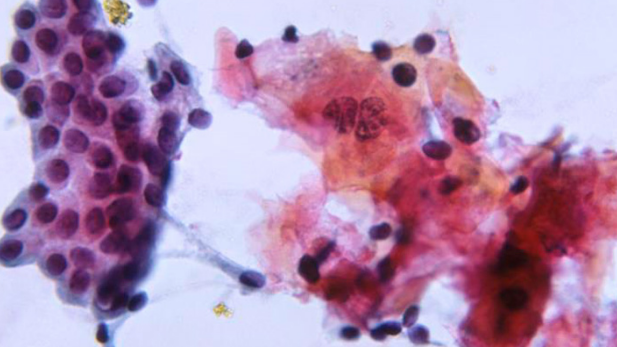
The microscopic study of cells.
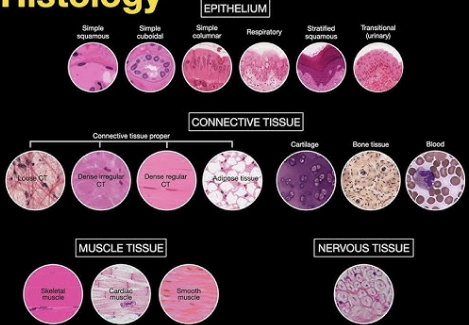
Histology
The microscopic study of tissues.
Physiology
The study of the function of the body; how all body parts work.
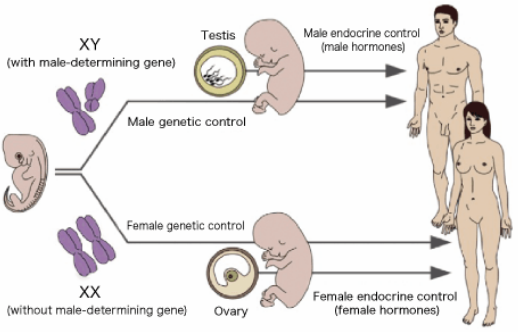
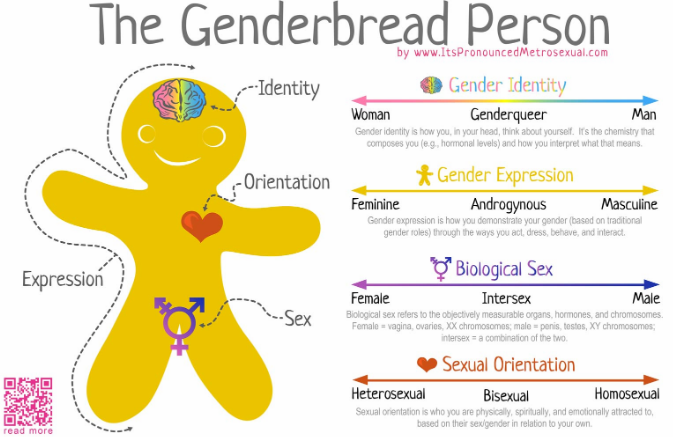
Sex
A set of biological attributes, including chromosomes, hormones, gene expression, and internal/external reproductive anatomy, typically described as male, female, or intersex.
Gender
A psychosocial construct consisting of behaviors, expressions, beliefs, and identities shaped by culture, context, and individual identity, not determined by biology alone.
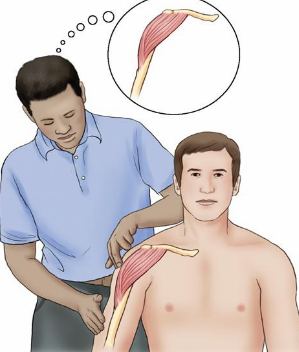
Palpate
To feel or examine by touch, used to identify different textures and densities of structures.
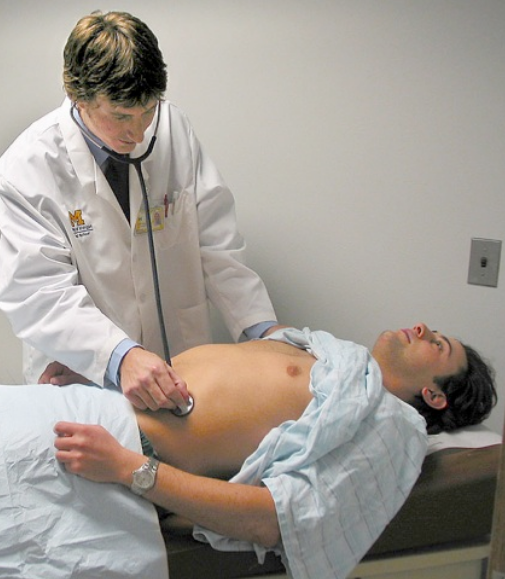
Auscultate
To listen, typically with a stethoscope, to sounds produced by the body (e.g., heartbeat, lung sounds).
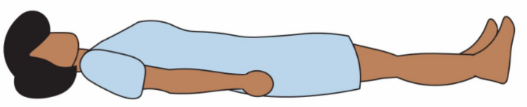
Supine
A body position where someone is lying down facing up.
Prone
A body position where someone is lying down facing down.

Superior
Towards the head or upper part of a structure.
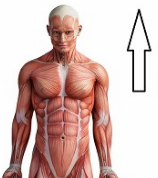
Inferior
Away from the head or toward the lower part of a structure.
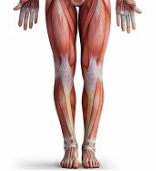
Anterior
Towards the front of the body.

Posterior
Towards the back of the body.

Dorsal
Towards the back (used interchangeably with posterior for humans but refers to the back of the hand/top of the foot).

Ventral
Towards the front (used interchangeably with anterior for humans but refers to the palm of the hand/sole of the foot).

Medial
Towards the midline of the body.
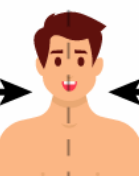
Lateral
Away from the midline of the body.
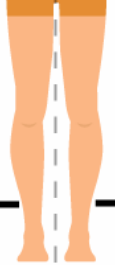
Proximal
Closer to the origin of a body part or point of attachment of a limb to the body trunk.

Distal
Further from the origin of a body part or point of attachment of a limb to the body trunk.

Superficial
Closer to the surface of the body.
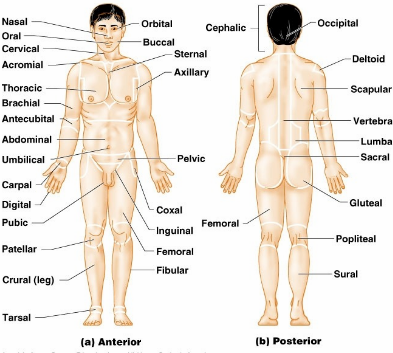
Deep
Further away from the surface of the body.
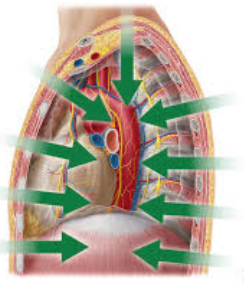
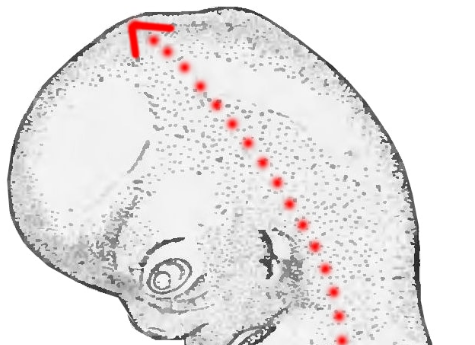
Cranial
Towards the head (often used in embryology).
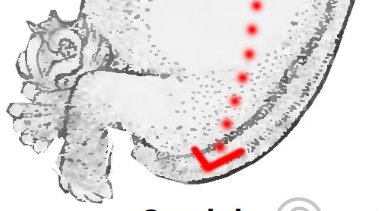
Caudal
Towards the tail (often used in embryology).
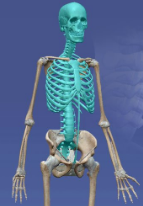
Axial
Referring to the head, neck, and thorax regions of the body.
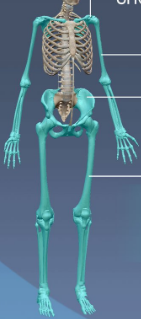
Appendicular
Referring to the upper and lower limbs of the body.
Sagittal Plane
A vertical plane that divides the body into right and left halves.
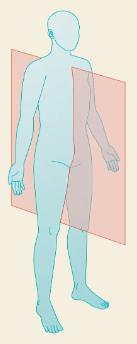
Midsagittal Plane (Median Plane)
A sagittal plane that lies directly on the midline, dividing the body into equal right and left halves.
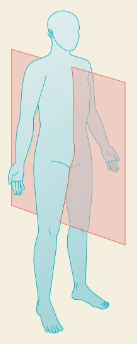
Parasagittal Plane
A sagittal plane that is offset from the midline, dividing the body into unequal right and left parts.
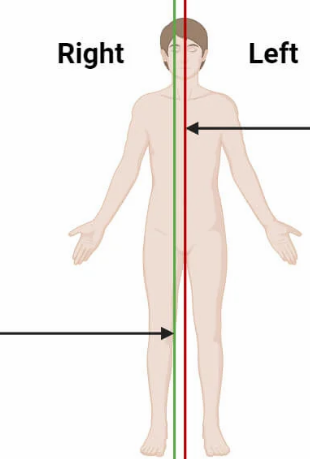
Frontal Plane (Coronal Plane)
A vertical plane that divides the body into anterior (front) and posterior (back) parts.
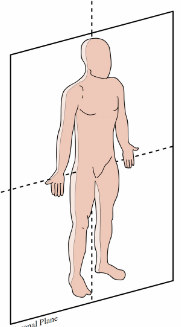
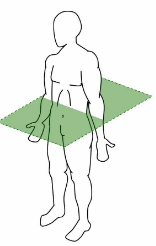
Transverse Plane (Horizontal Plane / Cross Section)
A horizontal plane that divides the body into superior (upper) and inferior (lower) parts; perpendicular to the long axis.
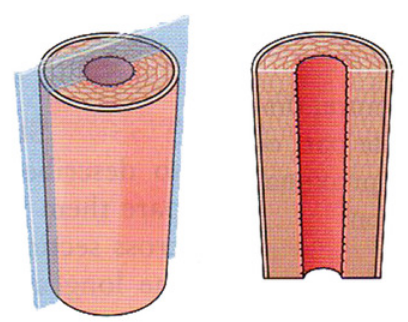
Longitudinal Cut
A section cut along the length or parallel to the long axis of an organ.
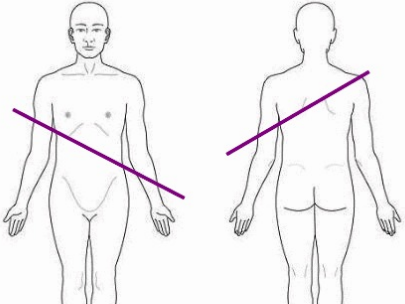
Oblique Cut
A section cut through an organ at any angle except a right angle.
Body Cavity
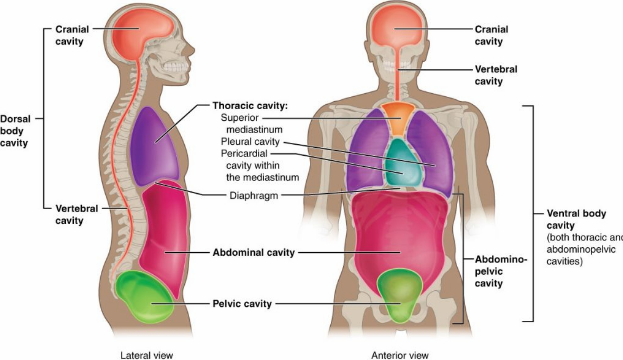
A space completely enclosed within the body, containing organs; serves to protect delicate organs and allow for changes in size/shape.
Viscera
Internal organs located within body cavities (e.g., abdominal organs, heart, lungs).
Dorsal Body Cavity
The body cavity that protects the nervous system, subdivided into the cranial and vertebral cavities.
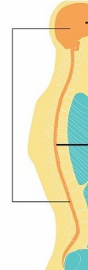
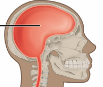
Cranial Cavity
The body cavity housing the brain, part of the dorsal body cavity.
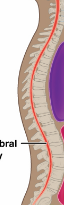
Vertebral Cavity
The body cavity housing the spinal cord, part of the dorsal body cavity.
Ventral Body Cavity
The body cavity housing internal organs (viscera), subdivided into the thoracic and abdominopelvic cavities.
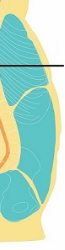
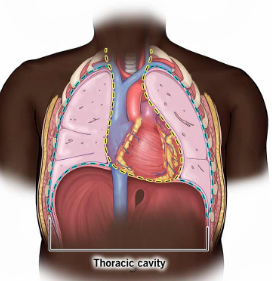
Thoracic Cavity
The superior part of the ventral body cavity, containing the lungs (pleural cavities), heart (pericardial cavity), thymus, and great vessels (mediastinum).
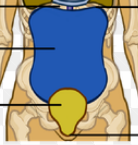
Abdominopelvic Cavity
The inferior part of the ventral body cavity, containing abdominal organs and pelvic organs, separated from the thoracic cavity by the diaphragm.
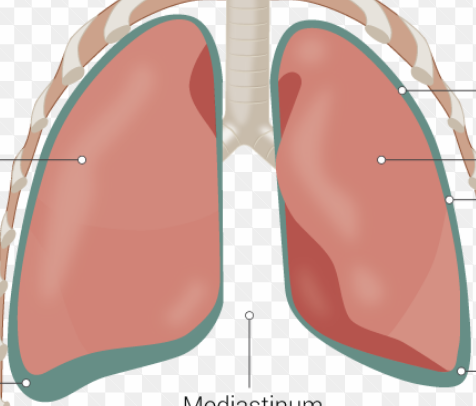
Pleural Cavities
Two lateral sub-cavities within the thoracic cavity, each housing a lung.
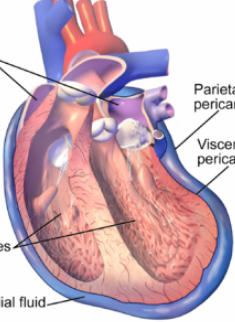
Pericardial Cavity
A sub-cavity within the mediastinum (part of the thoracic cavity) that encloses the heart.
Mediastinum
The central compartment of the thoracic cavity, containing the heart, thymus, great vessels, trachea, and esophagus.
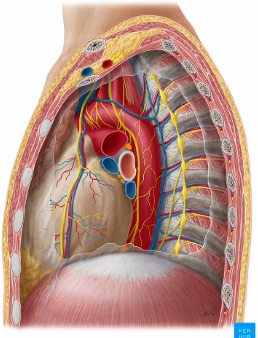
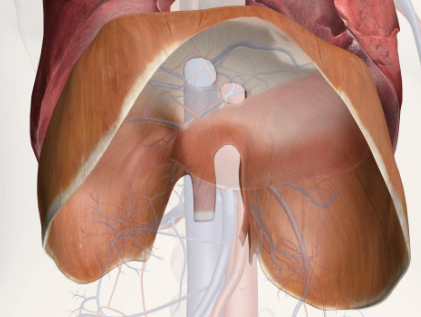
Diaphragm
A dome-shaped muscle that separates the thoracic and abdominopelvic cavities, crucial for respiration.
Serous Membrane
A double-layered membrane consisting of parietal and visceral portions that lines body cavities and encases viscera, reducing friction.
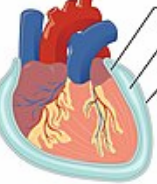
Parietal Portion (Serous Membrane)
The outer layer of a serous membrane that lines the wall of the body cavity.
Visceral Portion (Serous Membrane)
The inner layer of a serous membrane that directly adheres to the organ itself.
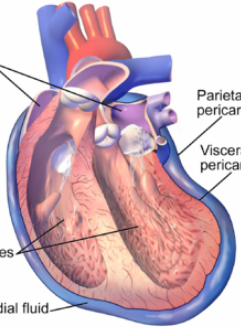
Pericardium
The serous membrane associated with the heart, consisting of the parietal pericardium (lining the pericardial cavity) and the visceral pericardium (lining the heart itself).
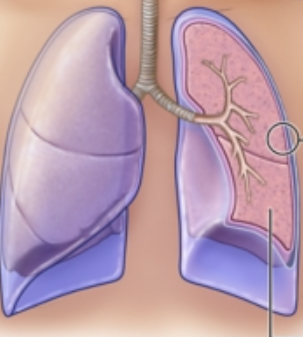
Pleura
The serous membrane associated with the lungs, consisting of the parietal pleura (lining the thoracic wall) and the visceral pleura (lining the lungs themselves).
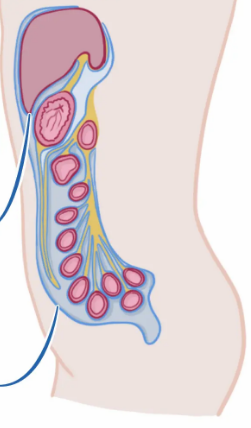
Peritoneum
The double-layered serous membrane that lines the abdominal cavity and covers many abdominal organs.
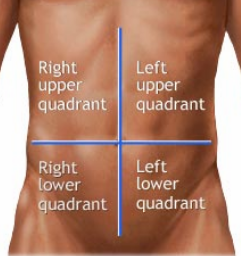
Abdominopelvic Quadrants
A division of the abdominopelvic cavity into four regions: Right Upper, Left Upper, Right Lower, and Left Lower, used for clinical description.
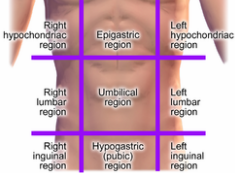
Abdominopelvic Regions
A more detailed division of the abdominopelvic cavity into nine regions (e.g., epigastric, umbilical, hypogastric/pubic, hypochondriac, lateral lumbar, inguinal/iliac), used for precise anatomical and clinical description.