PSYC 101 test 2
 Call Kai
 Learn
Learn Practice Test
 Spaced Repetition
 Match
Match Flashcards
 Knowt Play
1/87

There's no tags or description
Looks like no tags are added yet.
Name | Mastery | Learn | Test | Matching | Spaced | Call with Kai |
|---|
No analytics yet
Send a link to your students to track their progress
88 Terms
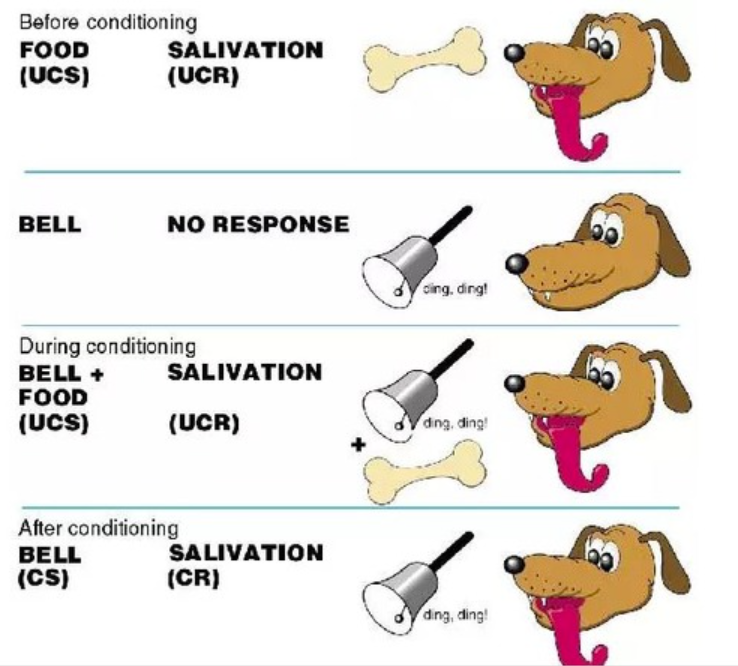
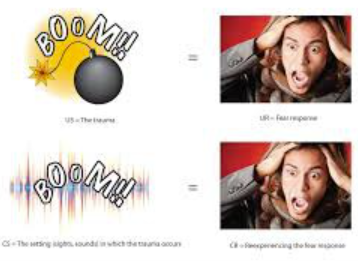
classical conditioning
a type of learning developed by Ivan Pavlov in which we learn to link two or more stimuli and anticipate events
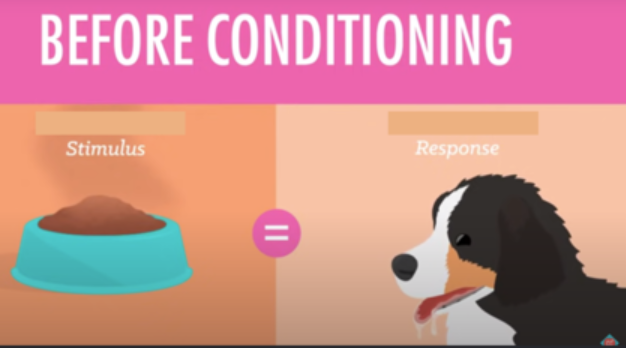
unconditioned stimulus (UCS)
in classical conditioning, the stimulus in a reflex that automatically elicits an unconditioned response
- unconditioned means no learning was necessary
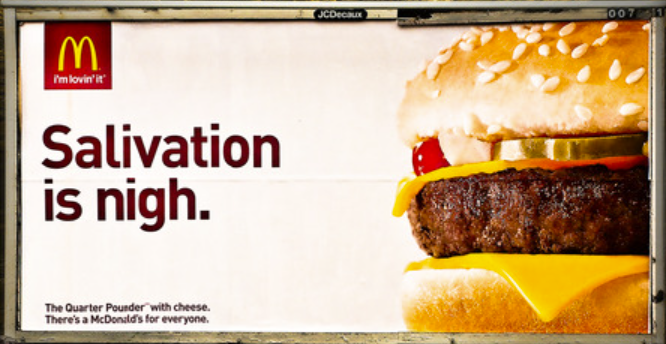
unconditioned response (UCR)
in classical conditioning, the response in a (UCR) reflex that is automatically elicited by the unconditioned stimulus

neutral stimulus (NS)
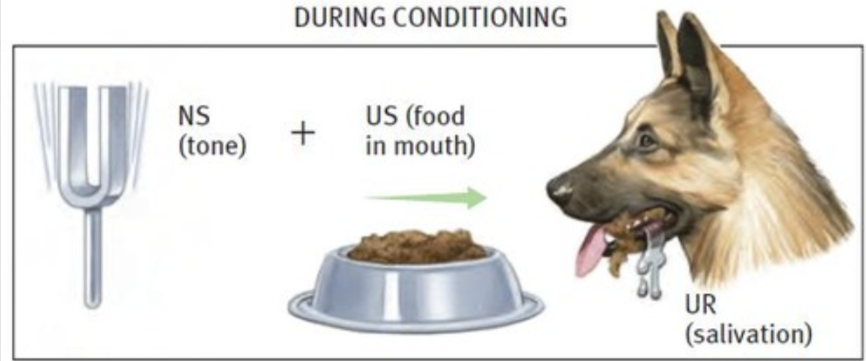
a stimulus that does not naturally elicit a to-be-conditioned response
- ex. buzzer, metronome, tuning fork
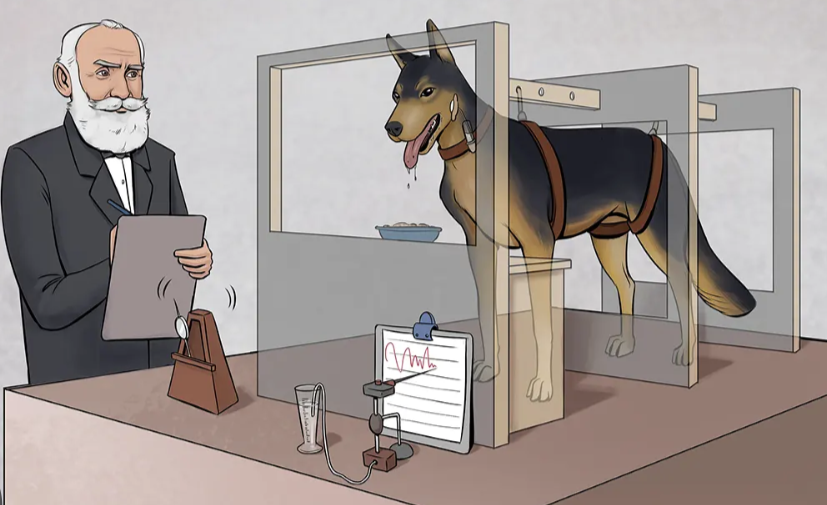
- Pavlov used tuning fork
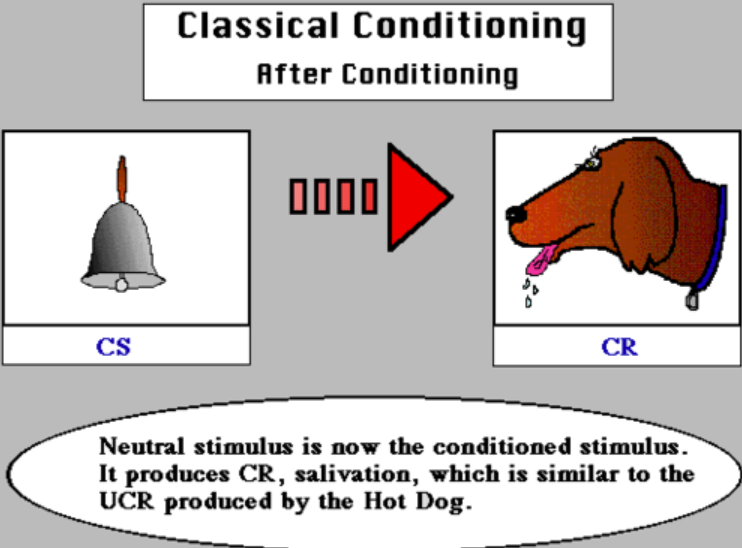
conditioned stimulus (CS)
the stimulus that comes to elicit a new response or the conditioned response in classical conditioning
- used to be the neutral response (NS)
conditioned response (CR)
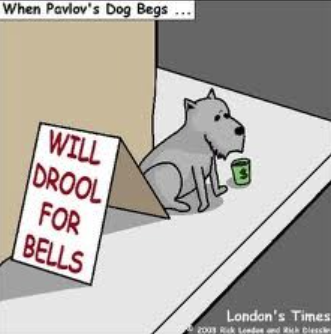
the response that is elicited by the conditioned response in classical conditioning
Ivan Pavlov
a Russian physiologist famous for developing the concept of classical conditioning and the neural stimuli with food could elicit salivation responses in dogs
The Little Albert Study
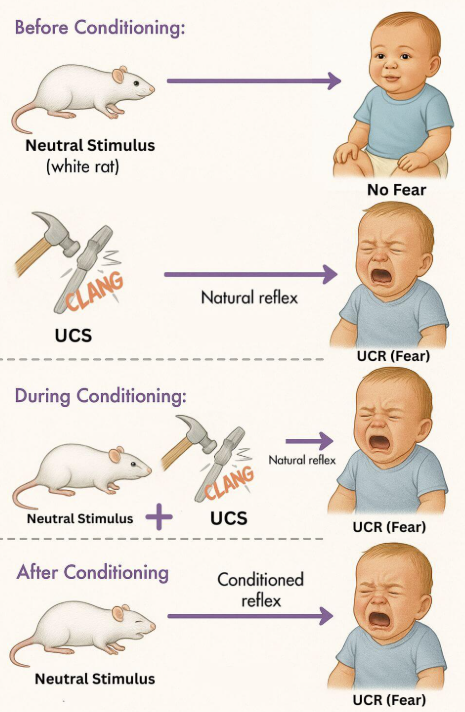
Demonsrated how fear could be conditioned
Acquisition (in classical conditioning)
acquiring a new response (the conditioned response) to the conditioned stimulus
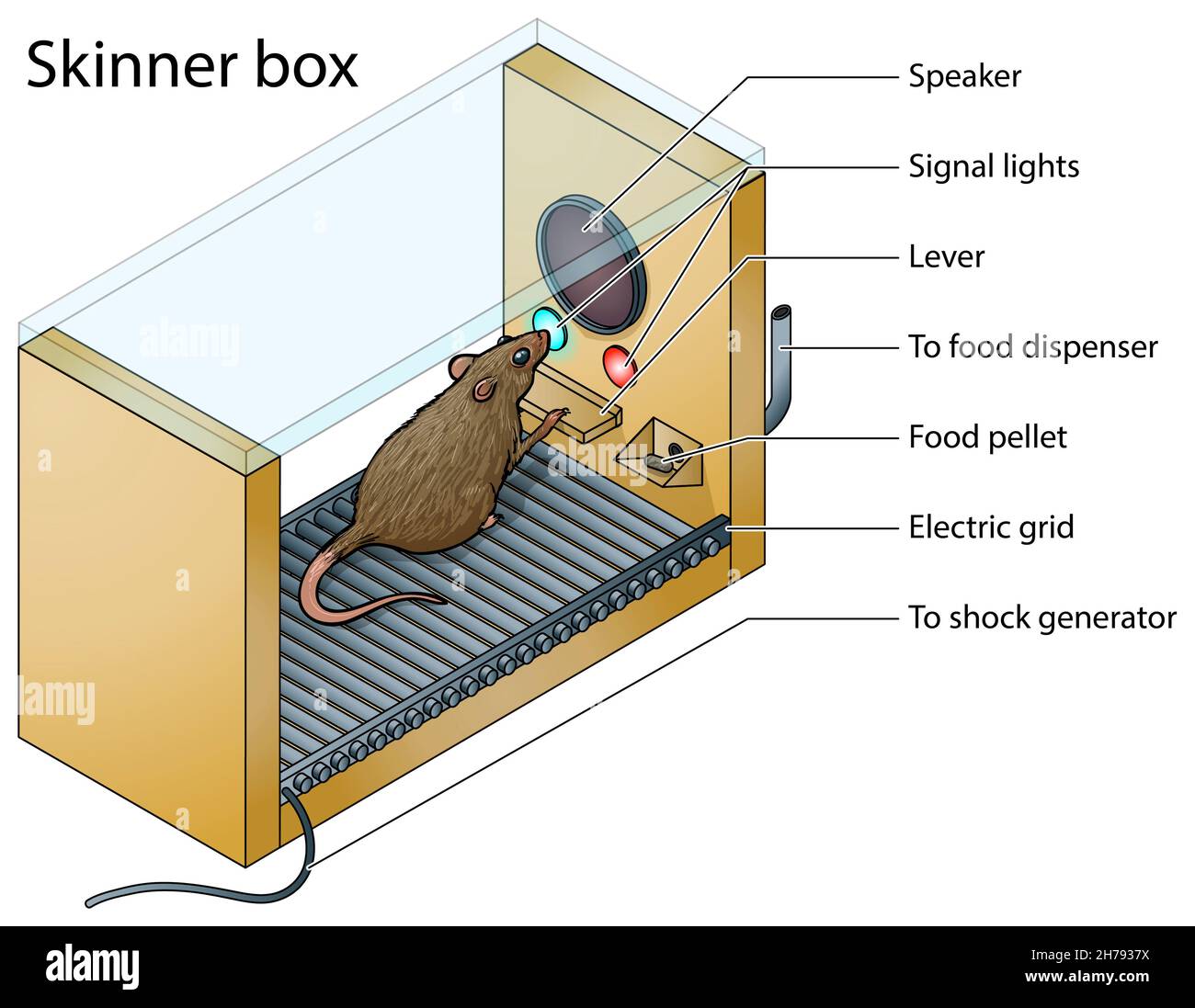
Acquisition (in operant conditioning)
strengthening of a reinforced operant response
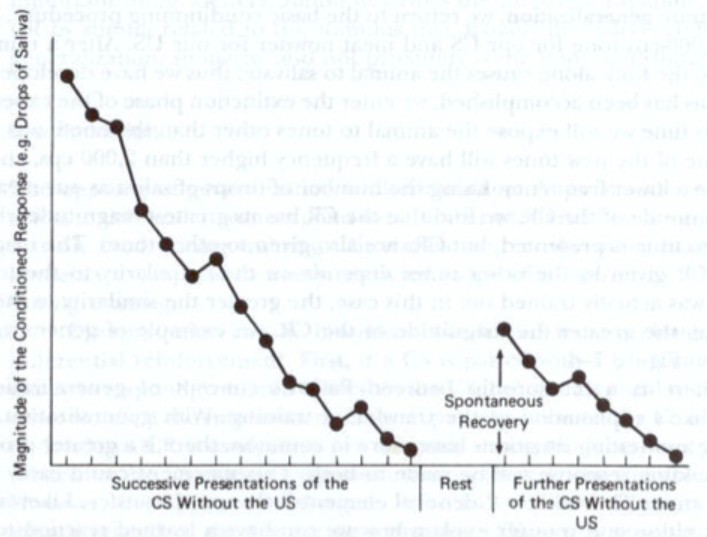
Extinction (in classical conditioning)
diminishing of the conditioned response when the unconditioned stimulus no longer follows the conditioned stimulus
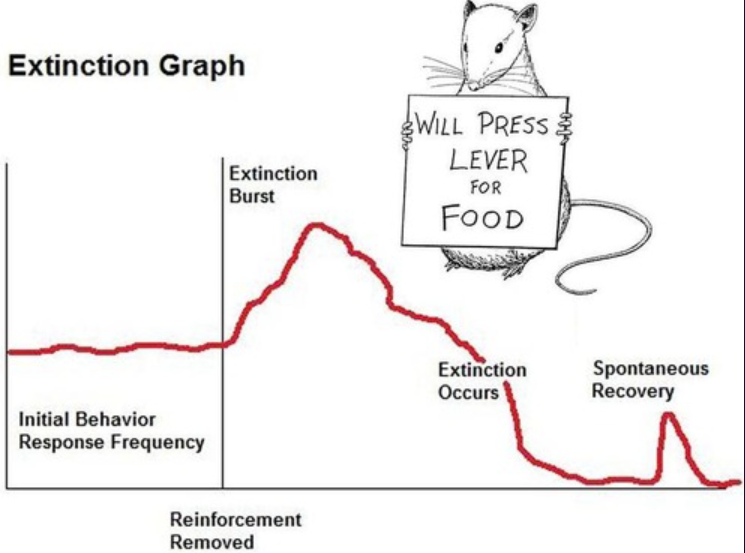
Extinction (in operant conditioning)
diminishing of the operant response when it is no longer reinforced
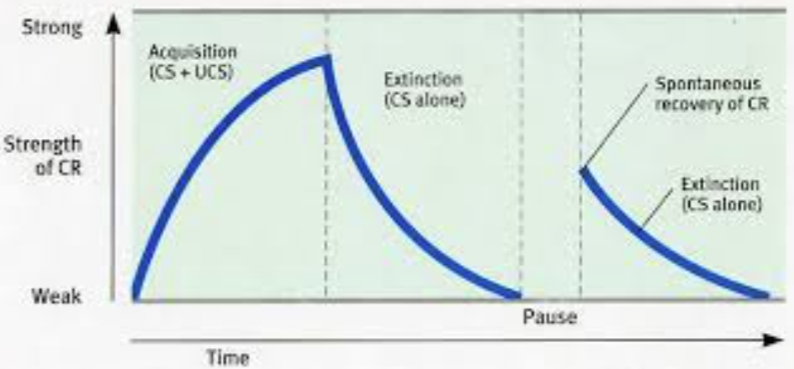
Spontaneous recovery (in classical conditioning)
partial recovery in strength of the conditioned response following a break during extinction training

spontaneous recovery (in operant conditioning)
temporary recovery in the operant response rate following a break during extinction training

Stimulus discrimination (in classical conditioning)
elicitation of the conditioned response by stimuli that are similar to the conditioned stimulus (the more similar, the stronger the response)

Stimulus discrimination (in operant conditioning)
learning to give the operant response only in the presence of the discriminative stimulus
Stimulus generalization (in classical conditioning)
elicitation of the conditioned response only by the conditioned stimulus or only by a small set of highly similar stimuli that includes the conditioned stimulus
Stimulus generalization (in operant conditioning)
learning to give the operant response only in the presence of the discriminative stimulus
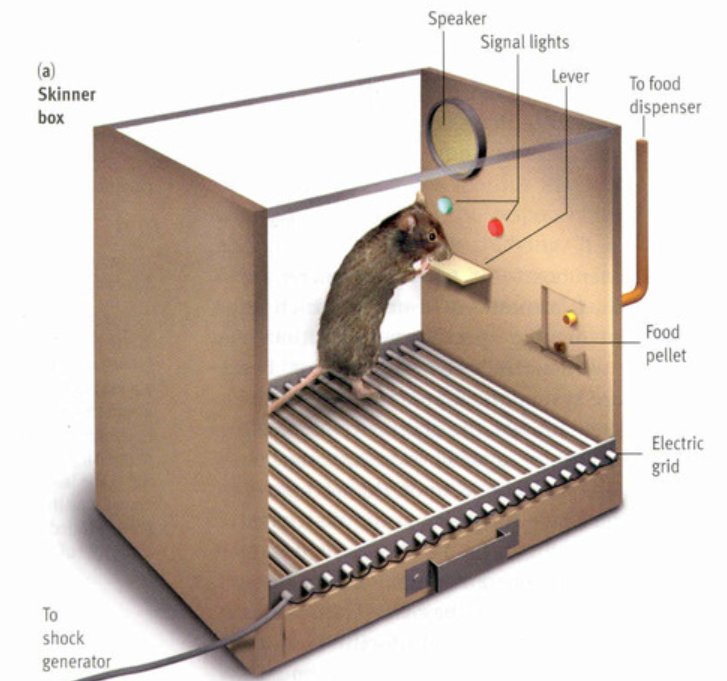
Operant conditioning
learning to associate behaviors with their consequences
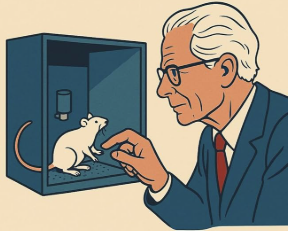
B.F. Skinner
Built his theory of operant conditioning on Edward Thorndike's Law of Effect
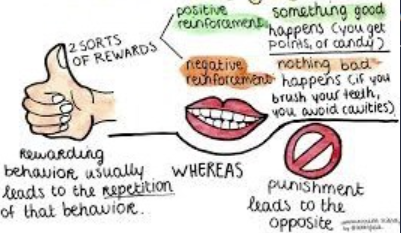
Law of effect
a principle developed by Edward Thorndike that says any behavior that results in satisfying consequences tends to be repeated and that any behavior that results in unsatisfying consequences tends not to be repeated

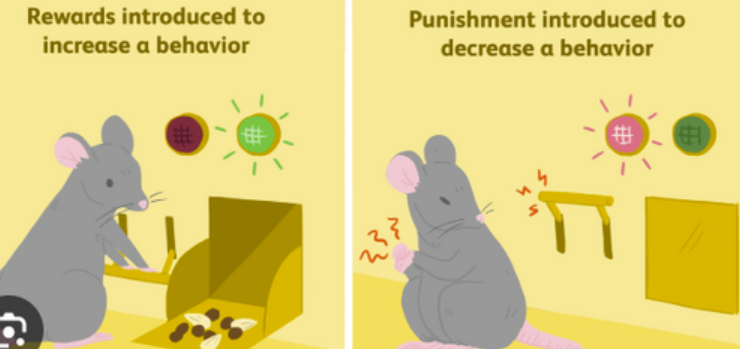
Reinforcer
a stimulus that increases the possibility of a prior response (behavior)
- a dog gets a treat after sitting
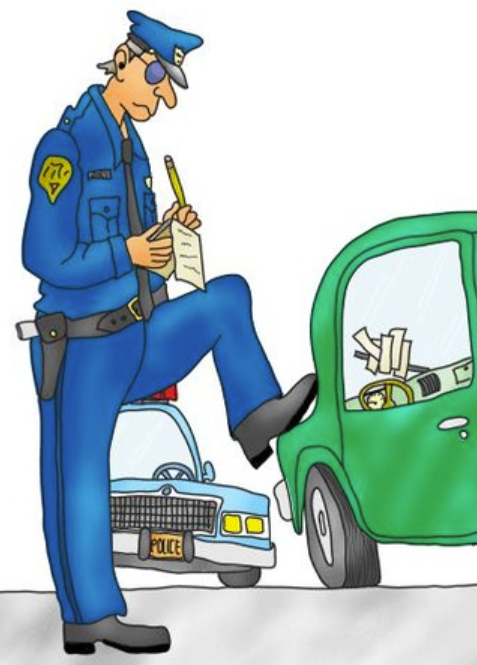
Punisher
any stimulus or event that functions to decrease the likelihood of the repsonse (behavior) that led to it

Reinforcement
the process by which the probability of a response is increased by the presentation of a reinforcer following the response
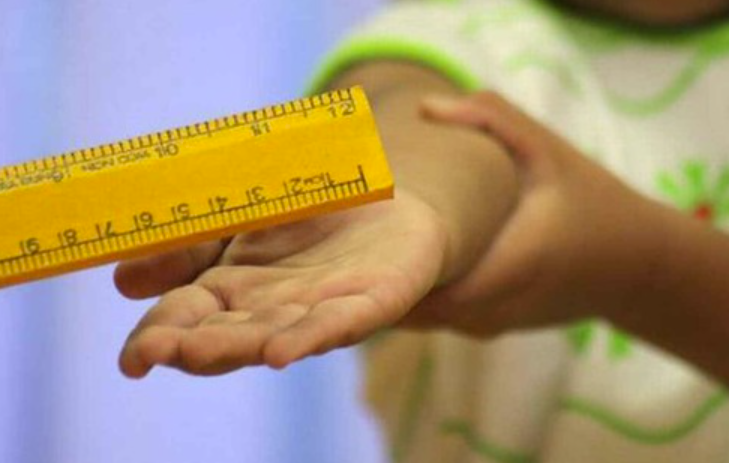
Punishment
the process by which the probability of a response is decreased by the presentation of a punisher following the response
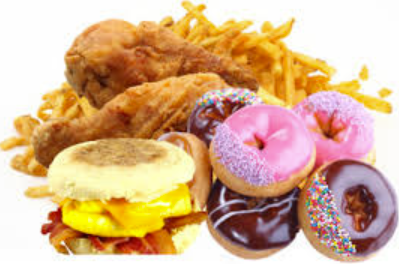
Appetitive stimulus
a pleasant stimulus
- appetite
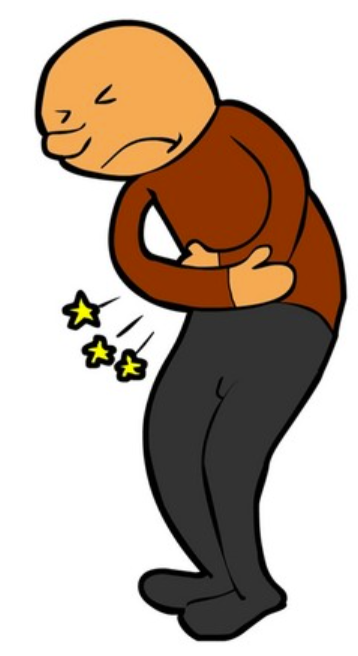
Aversive stimulus
an unpleasant stimulus
- pain
Positive reinforcement
reinforcement in which an appetitive stimulus is presented
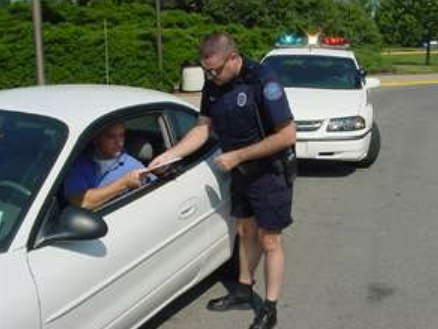
Positive punishment
punishment in which an aversive stimulus is presented

Negative reinforcement
reinforcement in which an aversive stimulus is removed

Negative punishment
the removal of an appetitive stimulus
- taking away a happy stimulus
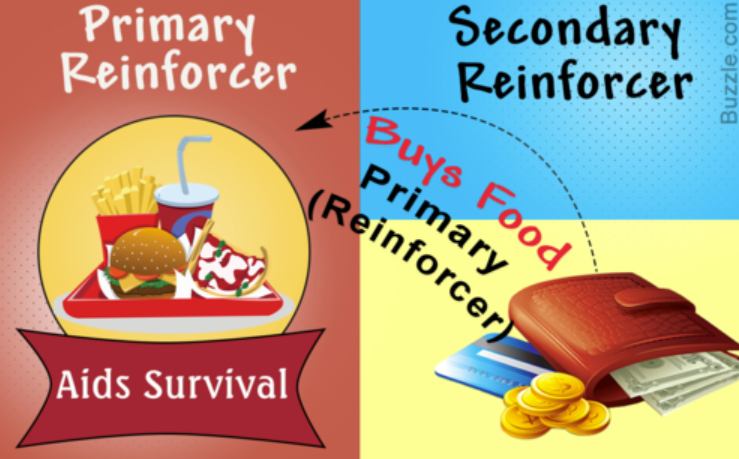
Primary reinforcer
a stimulus that is innately reinforcing

Secondary reinforcer
a stimulus that gains its reinforcing property through learning
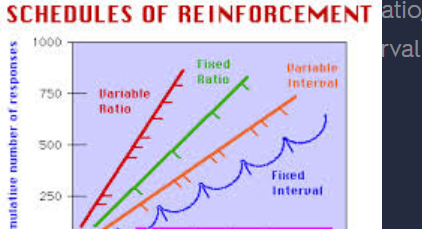
Schedules of reinforcement in operant conditioning
Fixed ratio, variable ratio, fixed interval, variable interval
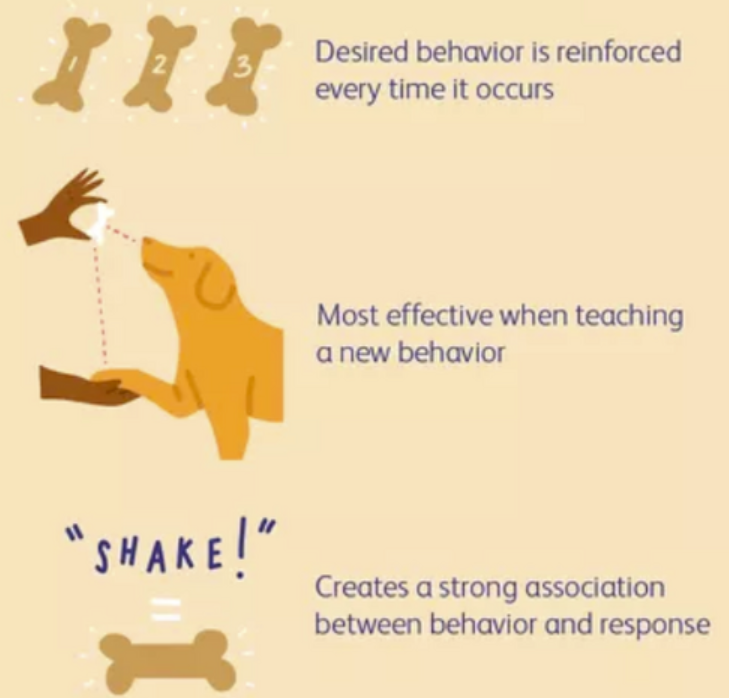
Continuous schedule of reinforcement
reinforcing the desired operant response each time it is made
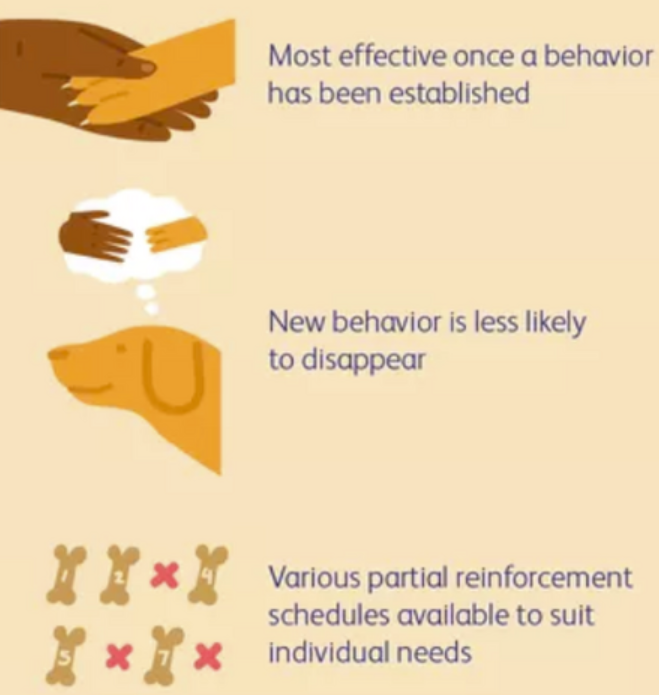
Partial schedule of reinforcement
reinforcing the desired operant response only part of the time
- leads to partial reinforcement

Fixed ratio schedule
a reinforcer is delivered each time z fixed number of responses is made
- a fixed number can be any number greater than 1
- ex. buy 1 get 1 free coupon
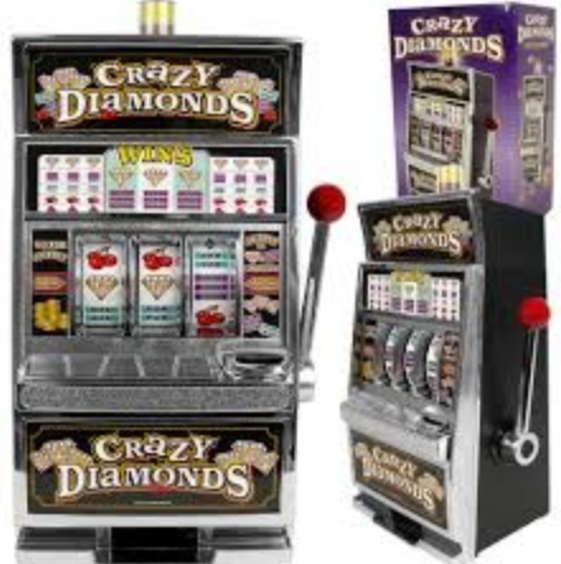
Variable ratio schedule
the number of responses to obtain a reinforcer varies on each trial but averages to a set number across trials (person presses lever 10 times, then 6, then 13, person can’t predict the next win)
Fixed interval schedule
a partial reinforcement schedule in which a reinforcer is delivered after the first response is given after a certain amount of time has elapsed
Variable interval schedule
time that must elapse on every trial before a response that varies from trial to trial but averages to a set time across the trial
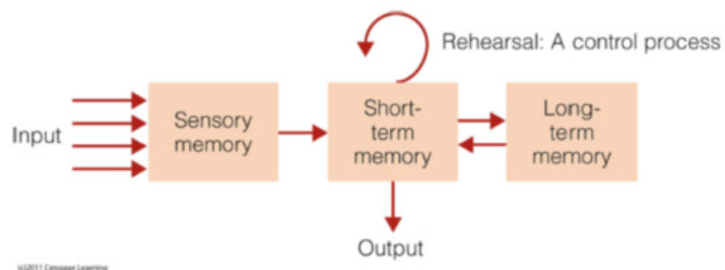
The three-stage model of memory
sensory memory (brief perception), short-term memory (active processing), and long-term memory (permanent storage)
Sensory memory (SM)
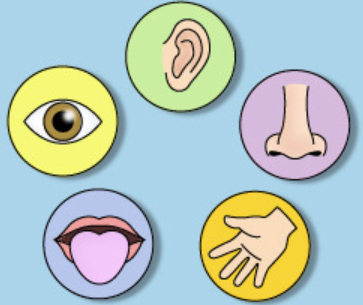
the set of sensory registers that serve as holding places fo rincoming sensory information until it can be attended to, interpreted, and encoded into short-term memory
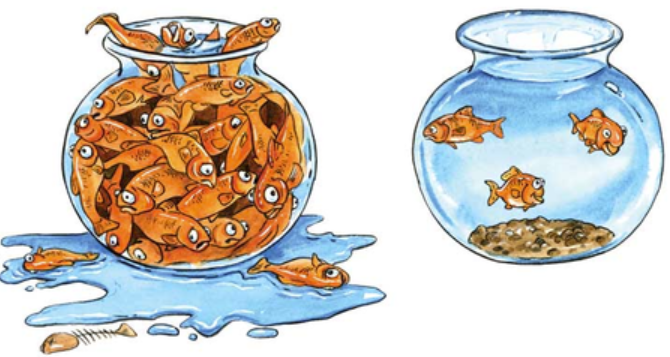
Capacity of sensory memory
holds nearly all incoming sensory data of the environment for milliseconds to a few seconds
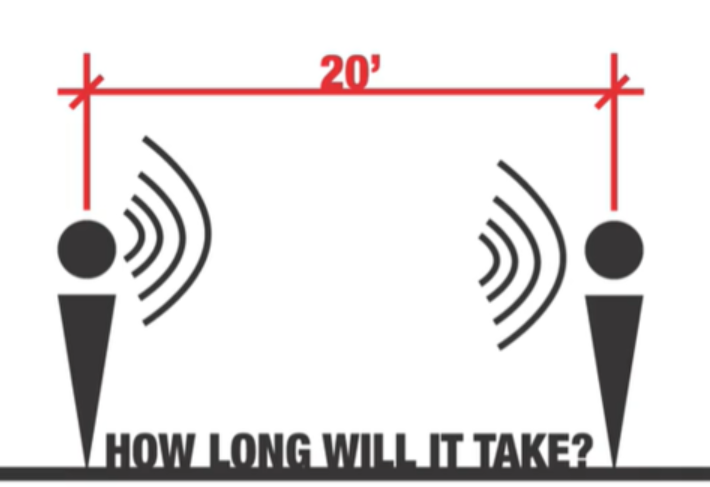
Duration of sensory memory
0.2-4 seconds
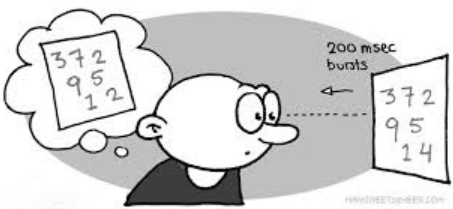
Iconic memory
the visual sensory register that holds an exact copy of the incoming visual input but only for a brief period of time, less than a second
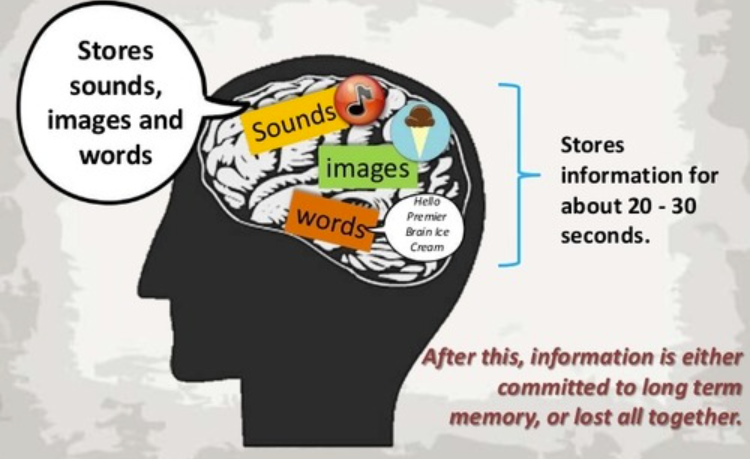
Short-term memory
the memory stage with a small capcacity (5-9 chunks) and brief duration (< 30 seconds) that we are consciously aware of and in which we do our problem solving, reasoning, and decision-making
Capacity of short-term memory
5-9 chunks
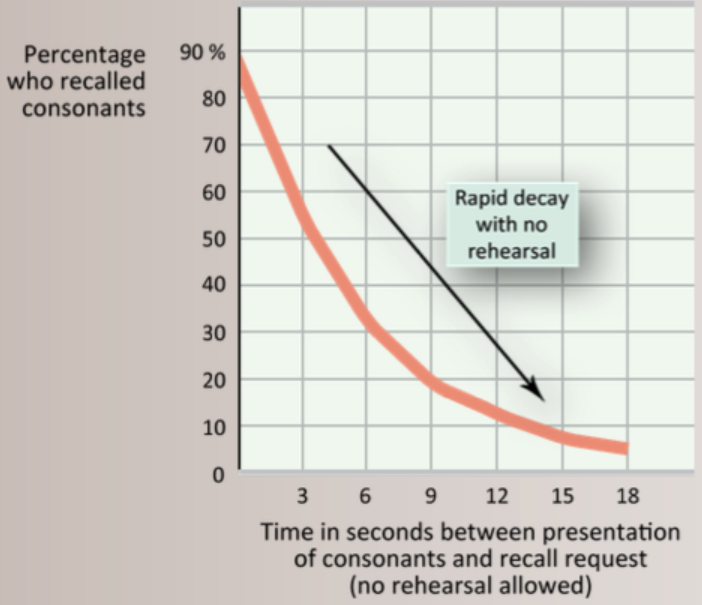
Duration (short-term memory)
< 30 seconds
Working memory
a more detailed version of short-term memory that includes the mechanisms that allow short-term memory to accomplish its tasks

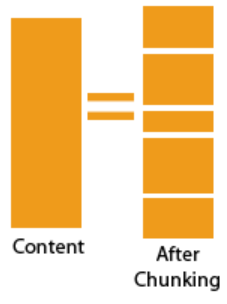
Chunk
a meaningful unit in a person's memory
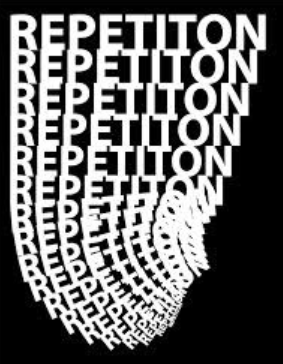
Maintenance rehearsal
a type of rehearsal in short-term memory in which the information is repeated over and over again in order to maintain it
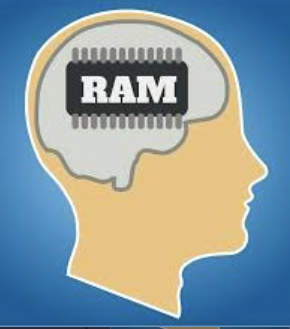
Long-term memory
the memory stage in which information is stored for a long period of time (perhaps permanently) and whose capacity is essentially unlimited

capacity (long-term memory)
unlimited capacity
Duration (long-term memory)
long periods of time or permanently
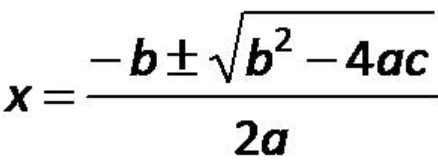
Explicit memory
long-term memory for factual knowledge and personal experiences, and requires conscious effort to remember

Implicit memory
long-term memory for procedural tasks, classical conditioning, and priming effects that doesn't require conscious awareness

Episodic memory
explicit memory for personal experiences
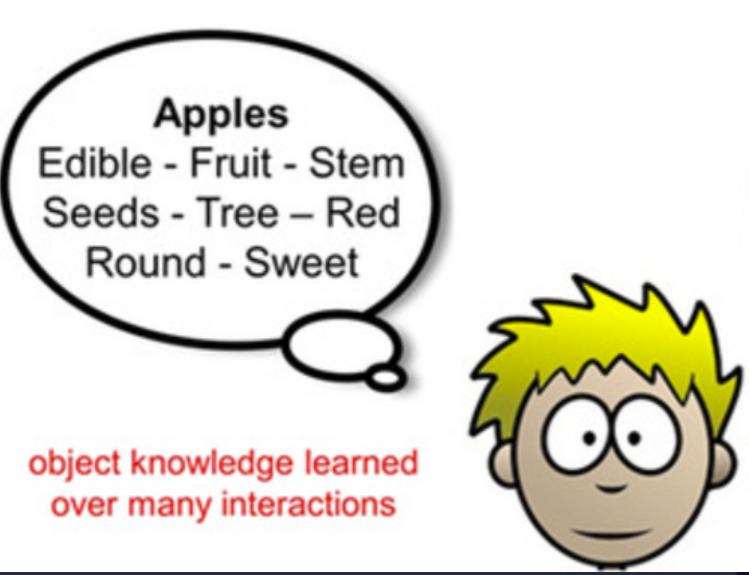
Semantic memory
explicit memory for factual knowledge
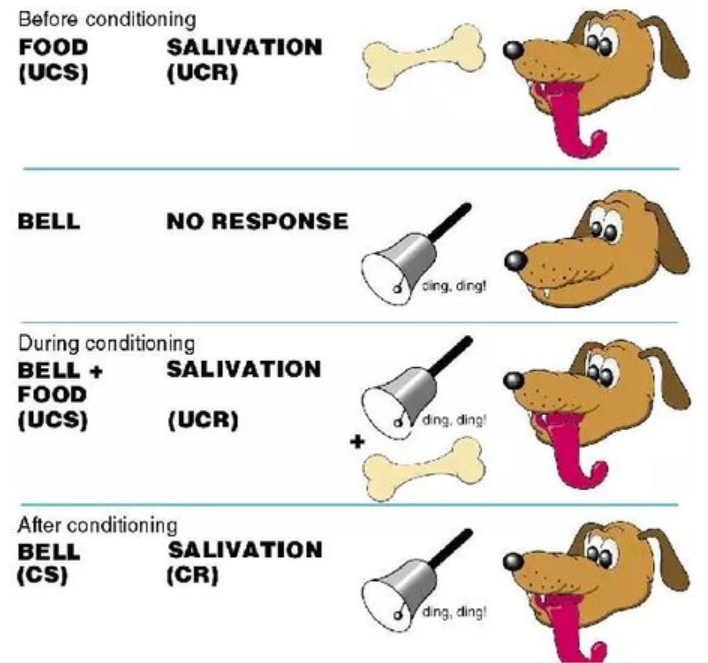
Classical conditioned responses (as a type of implicit memory)
involuntary, automatic behaviors or emotional reactions triggered by a previously neutral stimulus, established through associative learning without conscious effort

Procedural memory
implicit memory for cognitive and motor tasks that have a physical procedural aspect to them
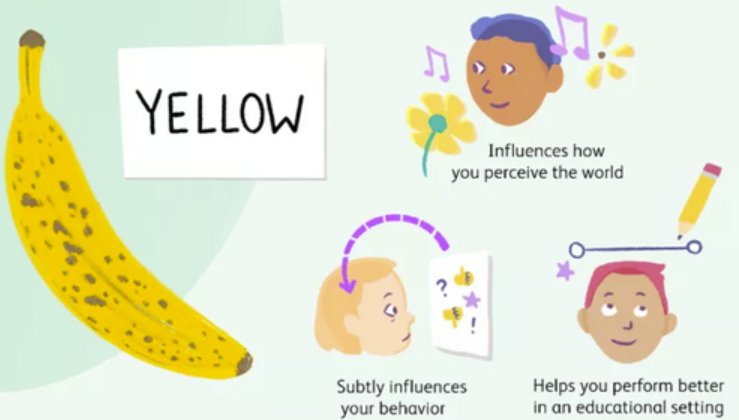
Priming (as a type of implicit memory)
the implicit influence of an earlier presented stimulus on the response to a later stimulus that is independent of conscious memory for the earlier stimulus
Amnesia
a person with severe memory deficits following brain surgery or injury
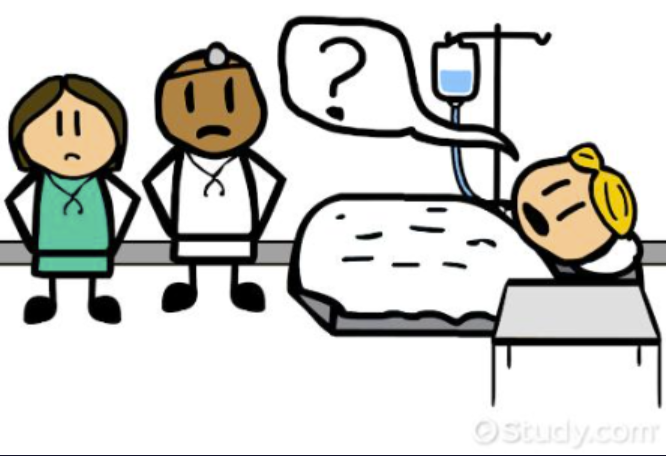
anterograde amnesia
the inability to form new explicit long-term memories for events following surgery or trauma to the brain. Explicit memories formed before surgery or trauma are left intact.
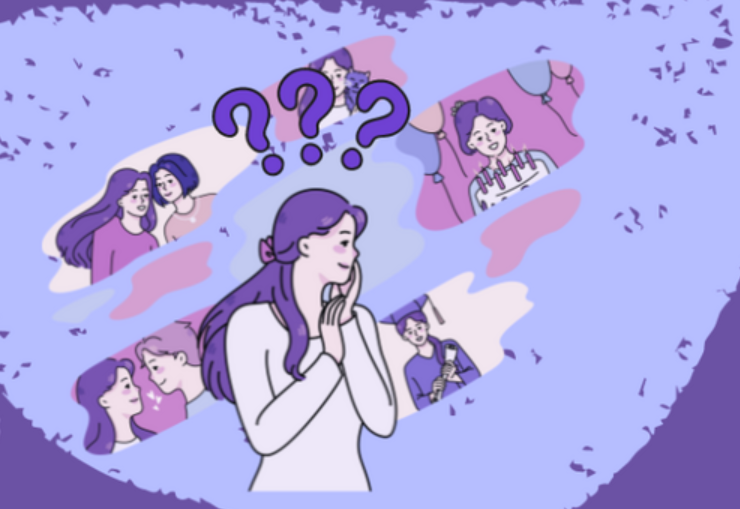
retrograde amnesia
the disruption of memory for the past, especially episodic information for events before, especially just before surgery or trauma to the brain
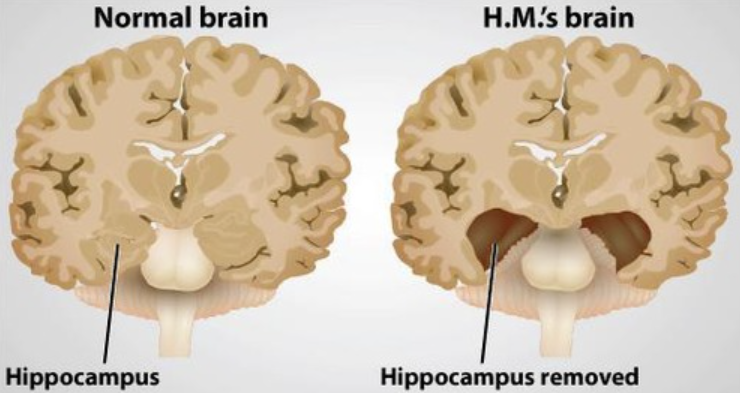
Henry Molaison (HM)
an American memory disorder patient who lost the ability to form new memories after a 1953 brain surgery removed his hippocampus to treat epilepsy
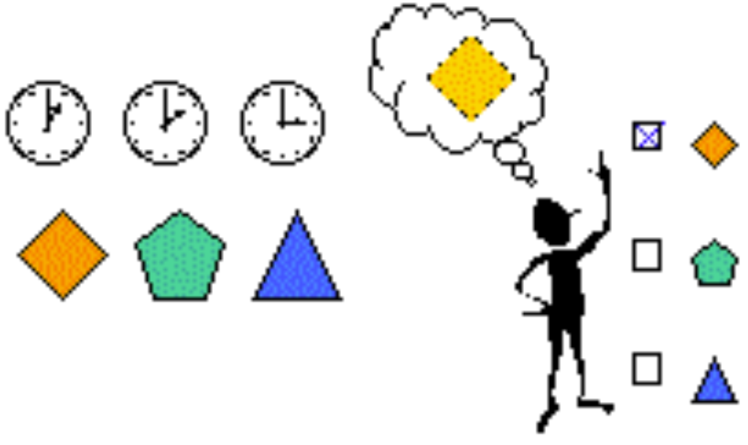
Primacy effect
the superior recall of the early portion of a list relative to the middle of the list in a one-trial free recall task
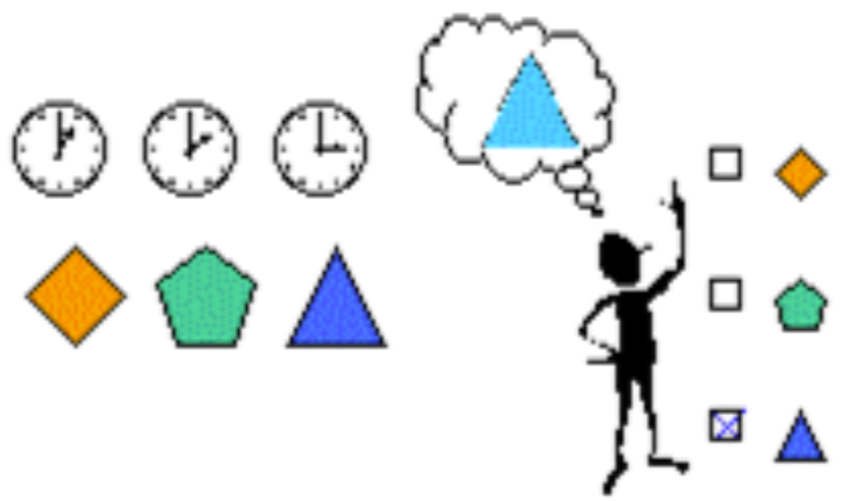
Recency effect
the superior recall of the latter portion of a list relative to the middle of the list in a one-trial free recall task
Encoding
the process of moving information from one memory stage to the next
Levels of processing theory
depth of processing depends on how information is encoded (shallow processing vs. deep processing)
shallow processing
little attention to meaning (poor memory)
deep processing
close attention to meaning (good memory)
Elaborative rehearsal
transfers information to long-term memory
Encoding specificity principle
using environmental cues to store information into long-term memory for future retrieval
State-dependent memory
a person's mood is used to store information into long-term memory for future retrieval
Moods-dependent memory
individuals are more likely to recall information or events when their mood at the time of retrieval matches their mood at the time of learning
Intelligence testing
a standardized, psychological method that measures an individual's cognitive abilities (problem-solving, reasoning, memory, and speed of processing) and compares them to those of their peers.
Intelligence quotient (IQ in intelligence testing)
a child's mental age (MA) / a child's chronological age (CA)
standardization (in intelligence testing)
the process that allows tests scores to be interpreted by providing test norms
reliability (in intelligence testing)
the extent to which the scores for a test are consistent
validity (in intelligence testing)
the extent to which a test measures what it is supposed to measure or predicts what it is supposed to predict
Theorists of intelligence
Charles Spearman, Robert Sternberg, Howard Gardner
Charles Spearman (theorist of intelligence)
developed the two-factor theory of intelligence, using a statistical method called factor analysis
Robert Sternberg (theorist of intelligence)
developed the Triarchic Theory of Intelligence, which defines intelligence through three main components: Analytical (problem-solving/academic), Creative (handling novelty), and Practical ("street smarts" or adapting to environments)
Howard Gardner (theorist of intelligence)
argues that there are at least 8 distinct intellectual abilities: linguistic, logical-mathematical, musical, spatial, bodily-kinesthetic, interpersonal, intrapersonal, naturalistic
Nature nuture debate
centers on whether human behavior, personality, and intelligence are caused by genetics (nature) or environmental experiences (nurture)
heritibility (as part of the nature nuture debate)
an index of the degree that variation of a trait within a given population is due to heredity
reaction range (as part of the nature nuture debate)
the genetically determined limits for an individual's intelligence
Flynn effect (as part of the nature nuture debate)
the finding that the average intelligence test score in the US and other industrialized nations has improved steadily over the last century

