Art Appreciation 2
 Call Kai
 Learn
Learn Practice Test
 Spaced Repetition
 Match
Match Flashcards
 Knowt Play
1/47

There's no tags or description
Looks like no tags are added yet.
Name | Mastery | Learn | Test | Matching | Spaced | Call with Kai |
|---|
No analytics yet
Send a link to your students to track their progress
48 Terms
Civilization
Distinguish culture, composite of cultures that have fairly complex social orders and relatively high degrees of technical development
Key Elements
Agriculture
Animal Husbandry
Occupational Specialization
Writing and Production of Bronze
All made possible by the move to cooperative living in urban as well as agriculture communities
Contrapposto
Counterpoised pose when a figure bears most of his weight on one leg; indicating movement and naturalism
Humanism
New philosophical, literary and artistic movement that combines theological concerns w/ intellectual and scientific inquiry; rediscovered from classic culture of Greece and Rome
Icon
Devotional image but not worshipped in themselves and painted in conformity to a formula
Ziggurat
Massive, stepped temple tower in ancient Mesopotamia (Iraq and Iran), built from 4000 to 500 BCE to serve as a high-place, or "mountain," connecting heaven and earth.
Ka
The soul or life force of a person, often in reference to a royal or a pharaoh.
Linear perspective
A technique used in art to create the illusion of depth on a flat surface. Artists use a vanishing point and converging lines so objects appear smaller as they get farther away.
Iconoclast
in Byzantine art, one who opposes the creation of, and orders the destruction of, images of holy persons, believing that they promote idolatry.
Dome
A rounded, hemispherical roof or ceiling placed over a space. Domes are often used in important buildings (like churches or mosques) to symbolize the heavens and create a grand interior space.
Arch
Ancient Roman architectural elements or principles of construction.
Semicircular arch made with wedge-shaped stones fitted together with joints at right angles; it uses a keystone, final stone set in place at the top creating a continuous arch with load-bearing capacity
Vault
Curving ceiling or or roof structure made of bricks or blocks of stone tightly fitted to form a unified shell; Roman builders perfected the round arch and developed the groin vault, formed by the intersection of two barrel vaults, which are round arches extended in depth
Sfumato Chiaroscuro
soft blurring of the edges achieved through subtle value gradations and was invented by Leonardo, “without lines or borders in the manner of smoke”
Gothic
The term or culture which refers to the European Christian architectural style whose pointed arch superseded the Romanesque round arch is
Renaissance
“Rebirth,” specifically of classical values, is a group of artists and intellectuals who were the first in European history to give their own era an identifying name.
Romanesque
All medieval art of Western Europe from mid 11th to 12th centuries
Baroque
Highly ornate, dramatic, and complex artistic style prevalent in 17th-century Europe, spanning architecture, music, painting, and sculpture
Dramatically activates viewers’ emotions, often in line with the Counter-Reformation.
Araich Period
Early period in Greek art in which they assimilated influences from Egypt and Near East
Classical Period
Specifically 480-323 BCE in Greece
Hellenistic Period
Late Greek art that is more expressive and romantic than classical, frequently shows exaggerated movement; not balanced and ordered movement
Classical art of Greece and Rome which is defined as the Classical West, emphasizes all of the following :
Order
Rational Simplicity
Restrained Emotion
Pros for returning the Elgin Marbles to Greece
Ethical Benefits of a strong, old and powerful country, Britain, returning sculptures to a smaller and newer independent nation state, Greece, that is yearning for symbols of national pride
Completion of the new, climate controlled Acropolis Museum in Athens
Reuniting the sculptures with the Parthenon Temple and their original context on the Acropolis in Athens
The Church of San Vitale was commissioned by
Emperor Justinian and Empress Theodora
David by Donatello is characterized by
Stood in the Medici Palace and was commissioned by the Medici family of wealthy bankers who held power and influence in the rising middle class and became a primary patron of art and architecture.
The first human scaled male nude sculpture since the Ancient Roman times
A Renaissance artwork that draws on the classical tradition of heroic nudity and transforms it based on the artist's unique vision.
The panels of the Great Lyre with Bull’s Head represent
Scenes from the Epic of Gilgamesh, the first ever literary text, which was written in cuneiform, a type of writing that the Sumerians invented.
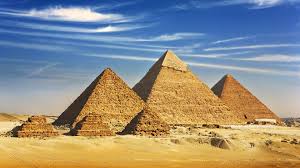
Pyramid of Giza
Medium : Granite and limestone
Location: Giza, Egypt
Culture: Ancient Egyptian
Description : Served the cultural values of immortality and the pleasures of the afterlife; served religious and political purposes; evoke a sense of awe and magnificence. They project a sense of permanence.
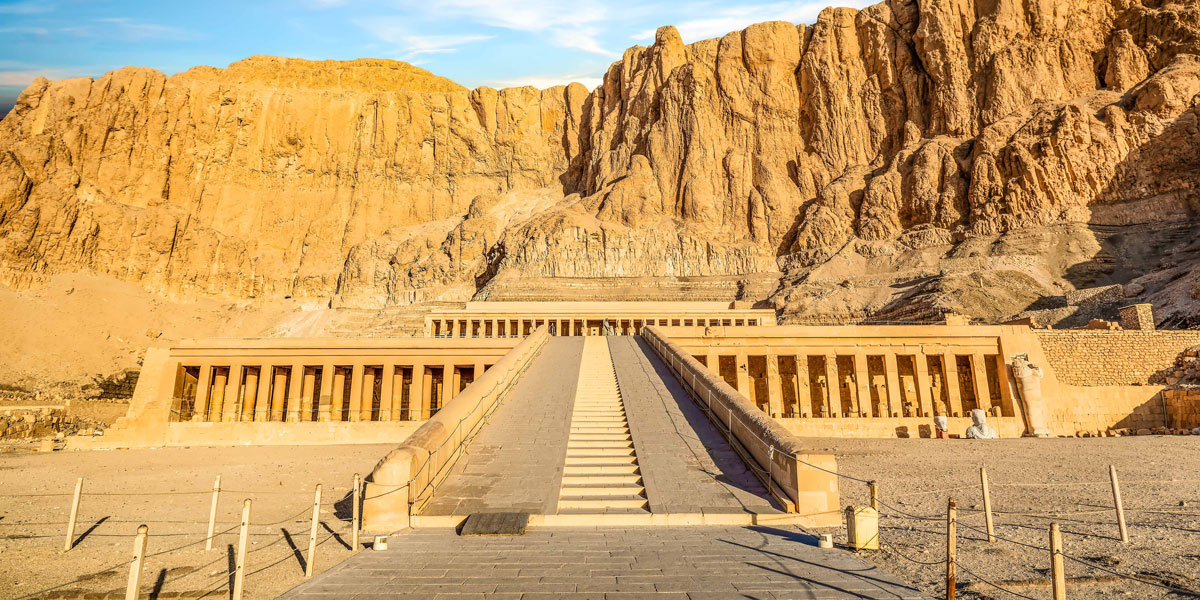
Title: Funerary Temple of Hatshepsut
Architect: Senmut
Culture: Ancient Egyptian
Description: rock cut tomb wall is a remarkable union of nature and architecture; ramps and colonnades create an open form that facilitates royal displays of pageantry and that communicates more accessibility than Great Pyramid forms
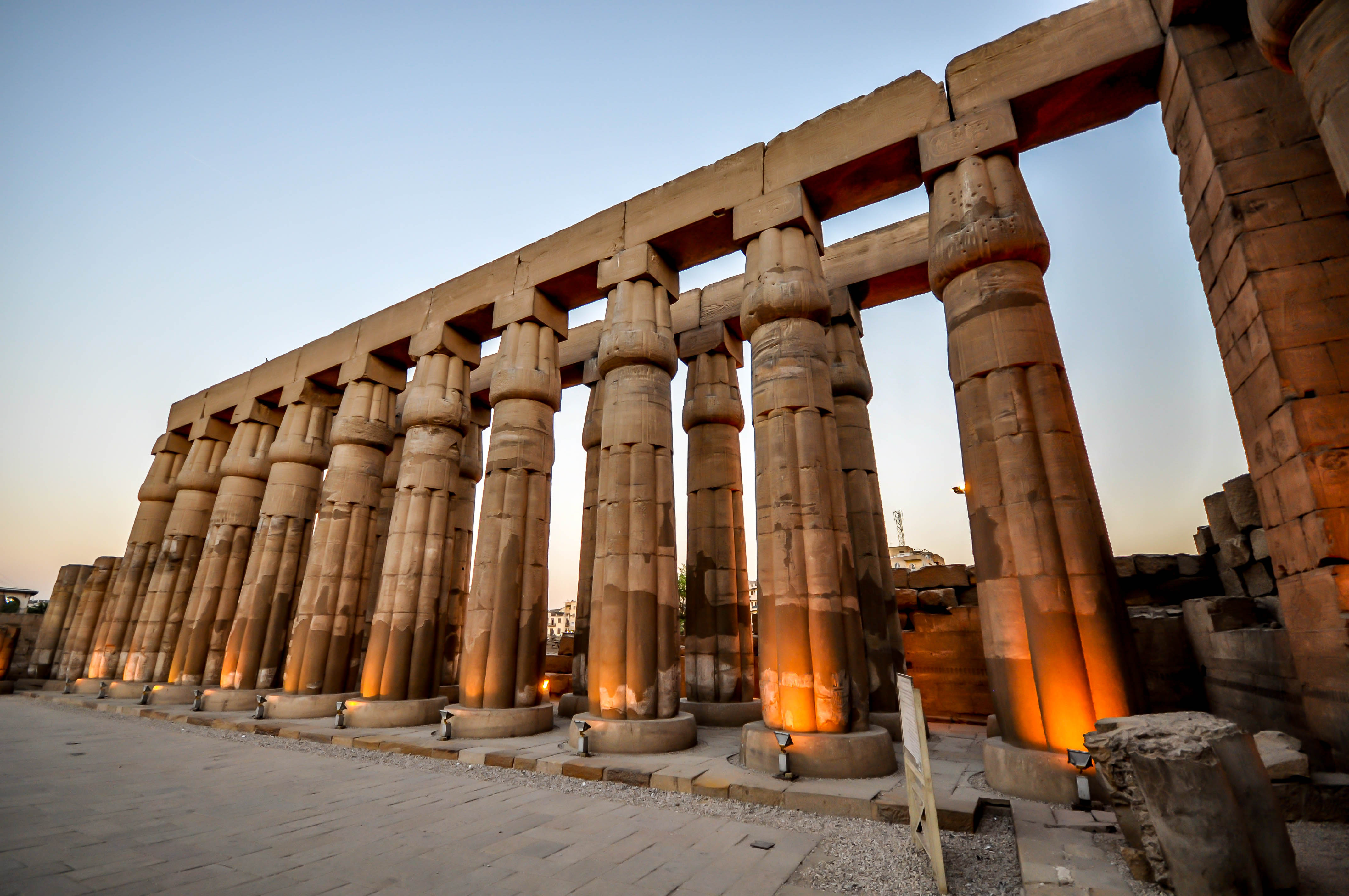
Title: Colonnade and Court of Amenhotep III, Temple of Amun-Mut-
Khonsu
Culture: Ancient Egyptian
Description: view of the great court with double row or papyrus-clustered Columns
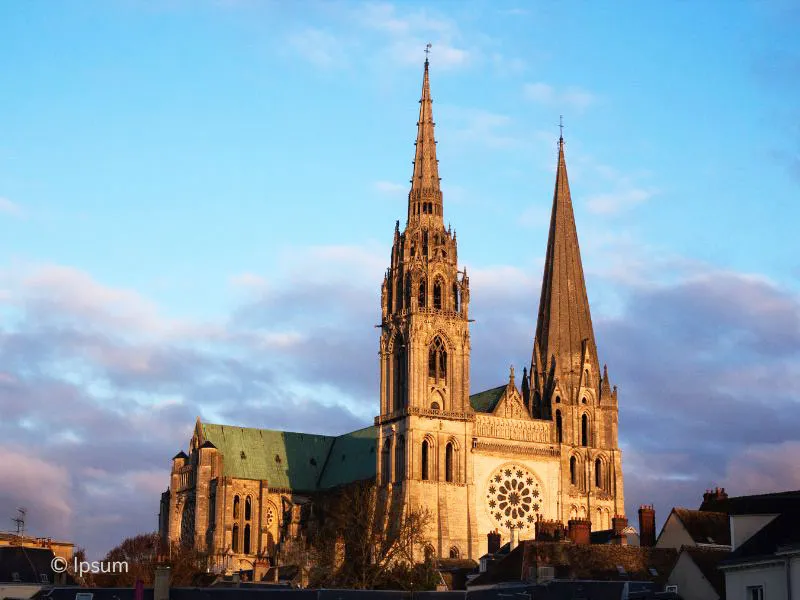
Title : Notre Dame de Chartres, Chartres,
Location : France
Style : Gothic
Description : light filled upward reaching structures symbolized transcendence up into the heavens, a triumph of the spirit over the bonds of earthly life
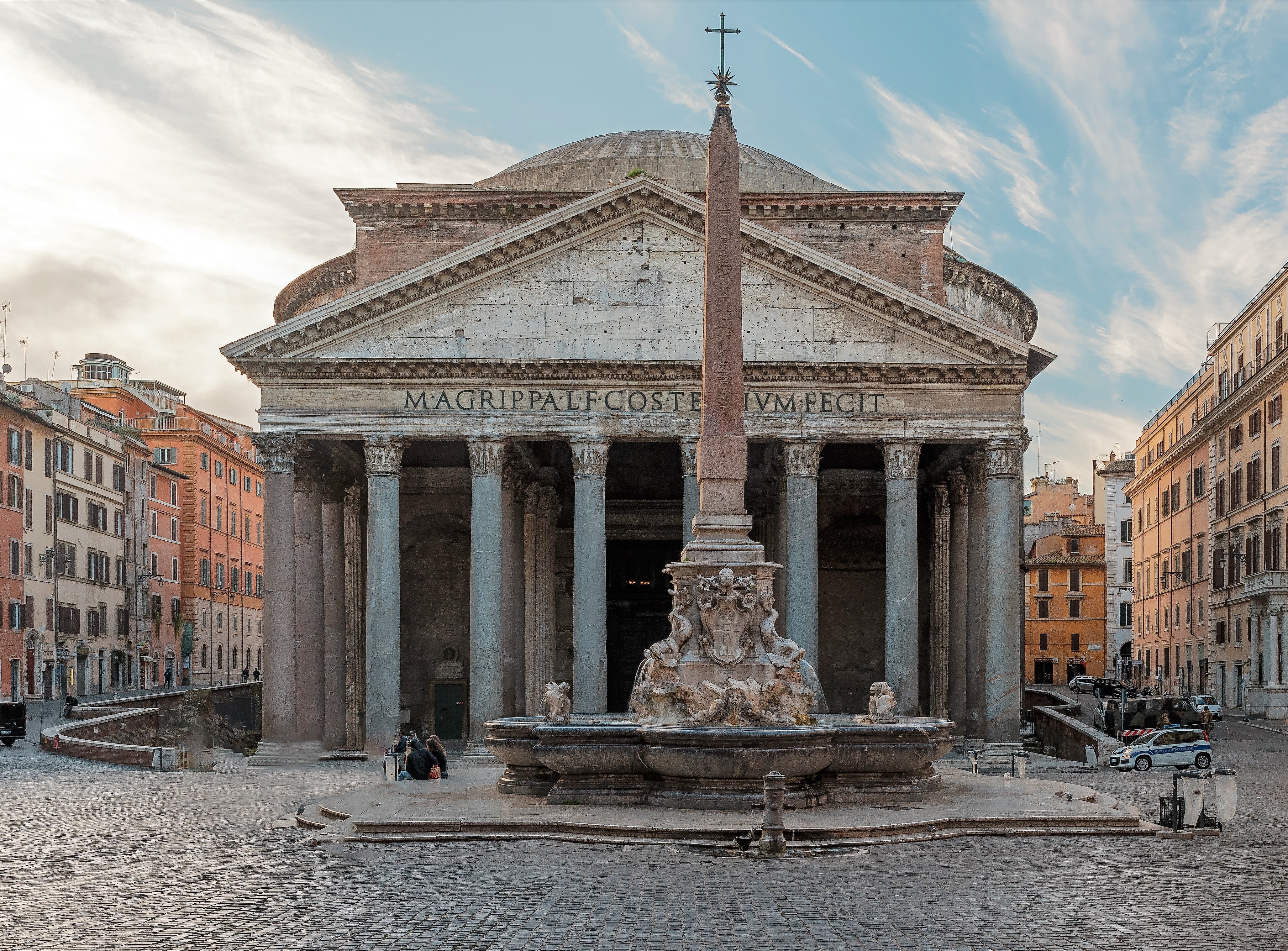
Title : Pantheon
Location : Rome, Italy
Period : Imperial Roman
Medium : Marble and concrete
Description dome- a round, or Roman, arch rotated 180 degrees on its vertical axis
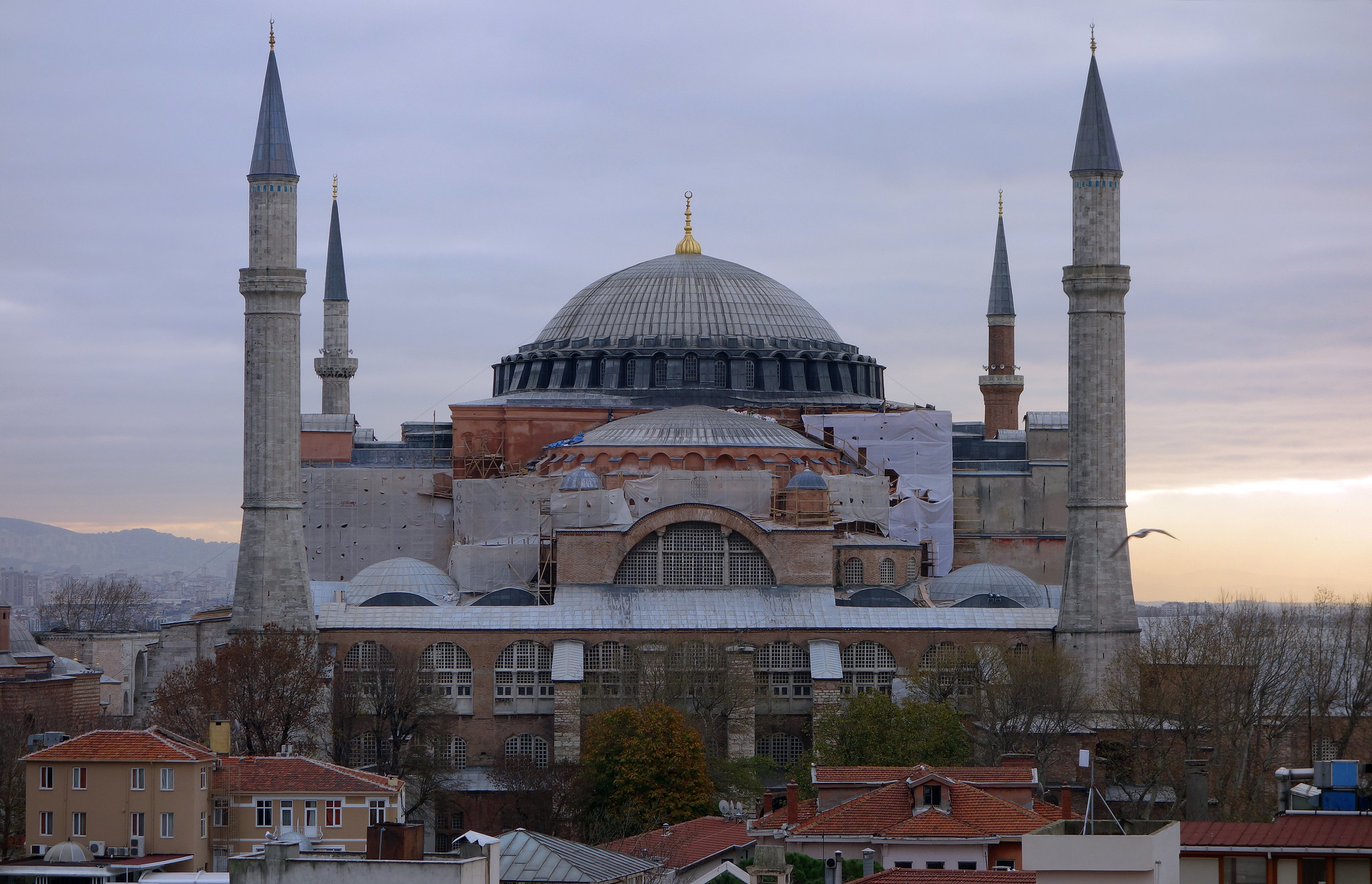
Title: Hagia Sophia
Location: Constantinople (later Istanbul)
Culture: Byzantine
Description: principal church of the Byzantine Empire in its capital and a mosque after the Ottoman Empire conquered the city in 1453.
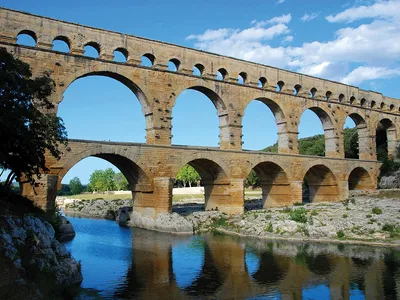
Title: Pont du Gard
Culture: Ancient Roman
Period: Imperial
Medium: limestone and concrete
Description: aqueduct
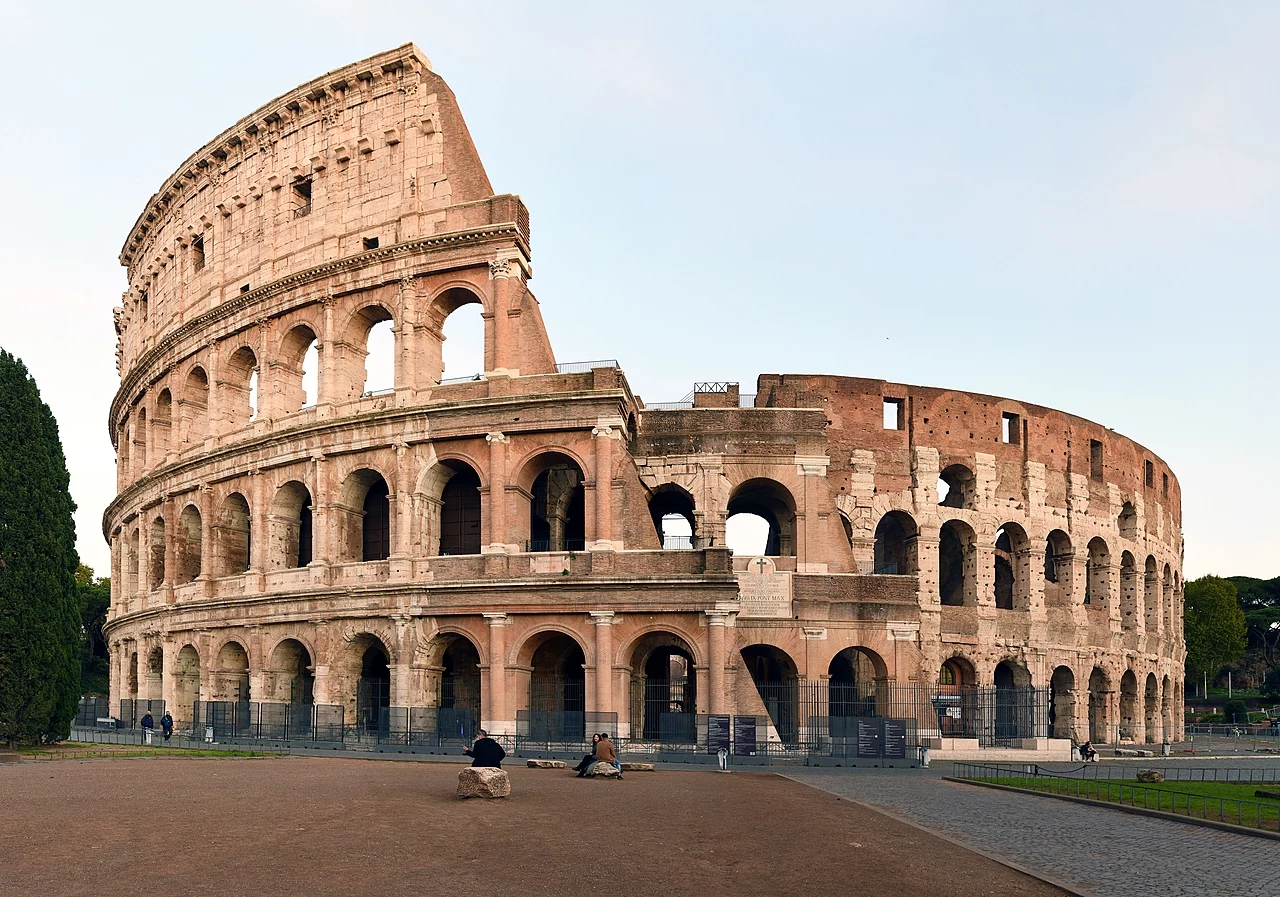
Title: Colosseum
Culture: Ancient Roman
Period: Imperial
Medium: concrete, brick, stone
Description: arena for gladiator events that could
hold 50,000 people
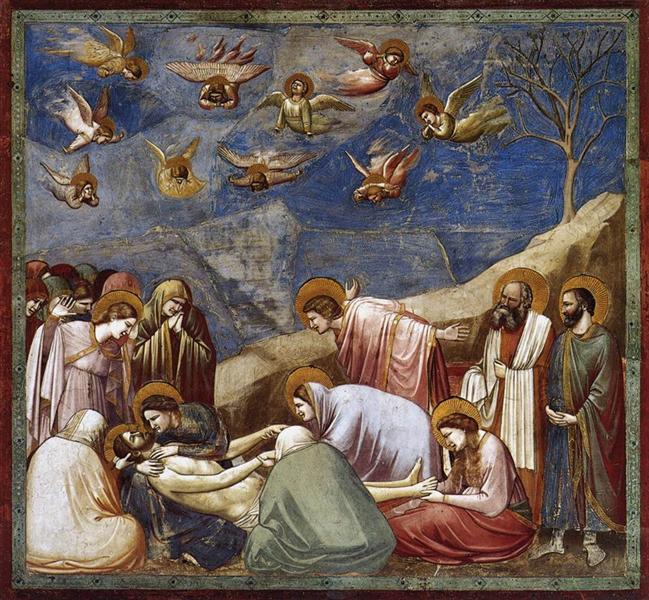
Architect : Giotto
Title : Lamentation in the Scrovegni Chapel
Location : Padua, Italy
Period : Fresco
Culture/ Description : Renaissance, trans. as “rebirth,” specifically of classical values; group of intellectuals were the first in European history to give their own era an identifying name
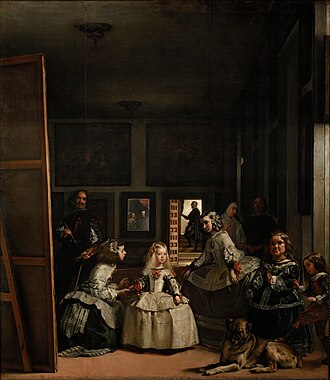
Artist : Velazquez
Title : The Maids of Honor
Medium : Oil on canvas
Period Baroque
Self-portrait
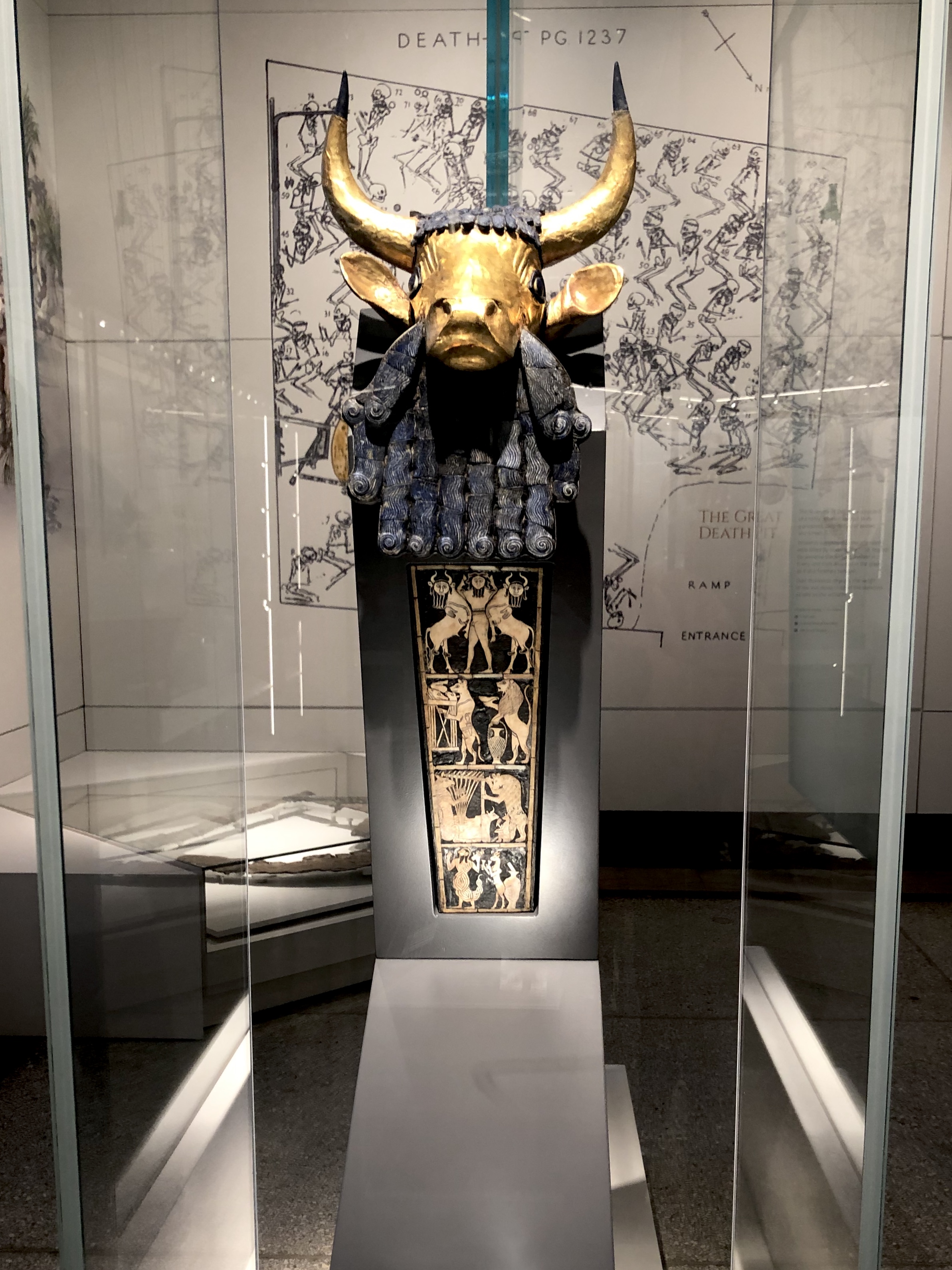
Title: Great Lyre with Bull’s Head
Location: Sumer city-state
Medium: wood with gold, lapis lazuli, shell, silver
Culture: Mesopotamian (Ancient Near Eastern)
Description: panels depict scenes from the Epic of Gilgamesh, the first ever literary text which was written in cuneiform; the Sumerians invented writing called cuneiform
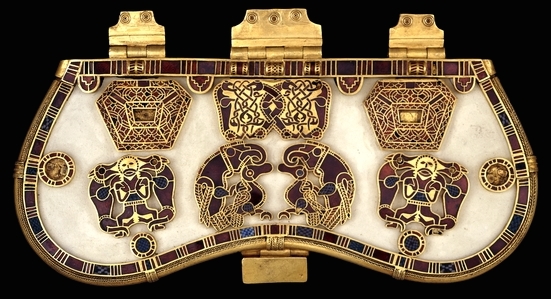
Title: Purse cover, from the Sutton Hoo Burial Ship, Suffolk, England
Culture: Early Medieval
Medium: gold and enamel
Description: the style of nomadic merchant’s metalwork was diffused over large geographic areas and derived from many sources
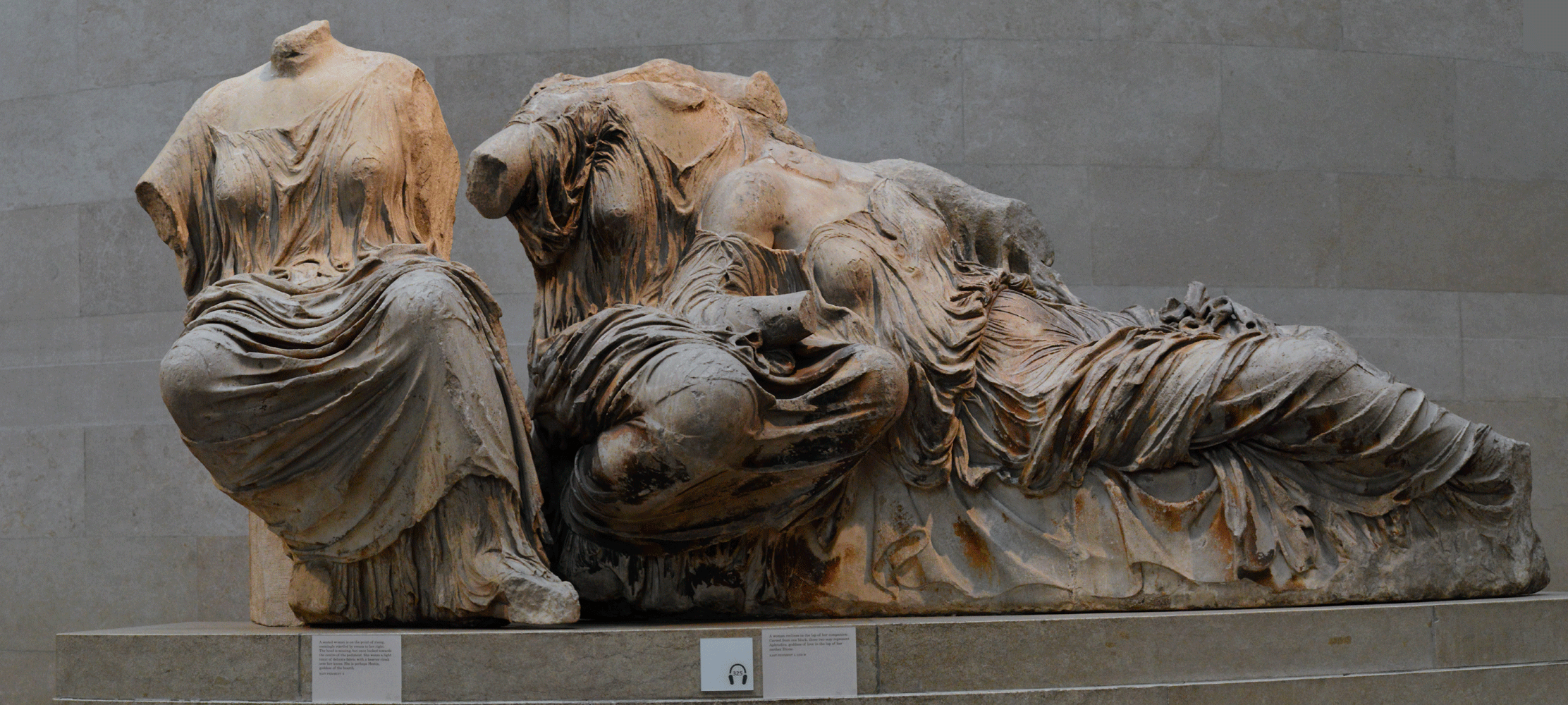
Title: Hestia, Dione and Aphrodite
Location: Parthenon east pediment
Culture: Greek
Period: Classical
Medium: marble
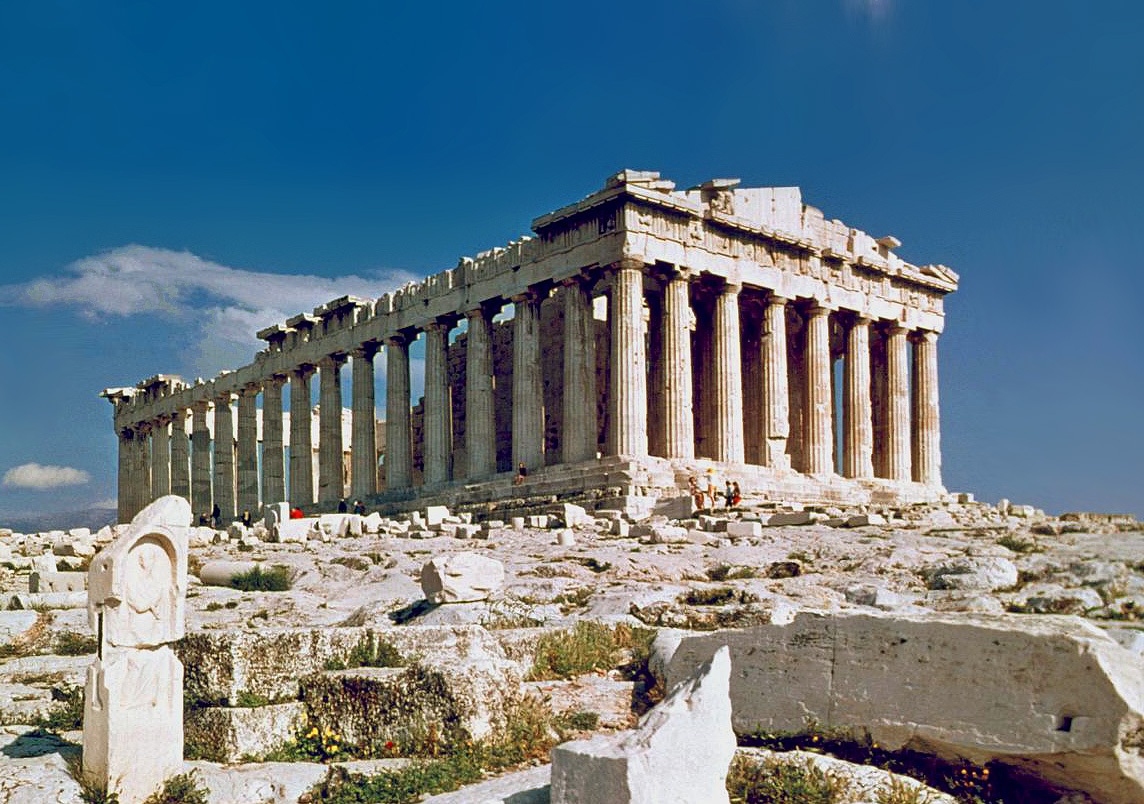
Architect: Ictinus and Callikrates
Title: Parthenon
Location: Acropolis, Athens
Culture: Greek Period: Classical
Medium: marble
The axis of the building was carefully calculated so that on Athena’s birthday the rising sun coming through the east doorway would illuminate the 40 ft statue of her
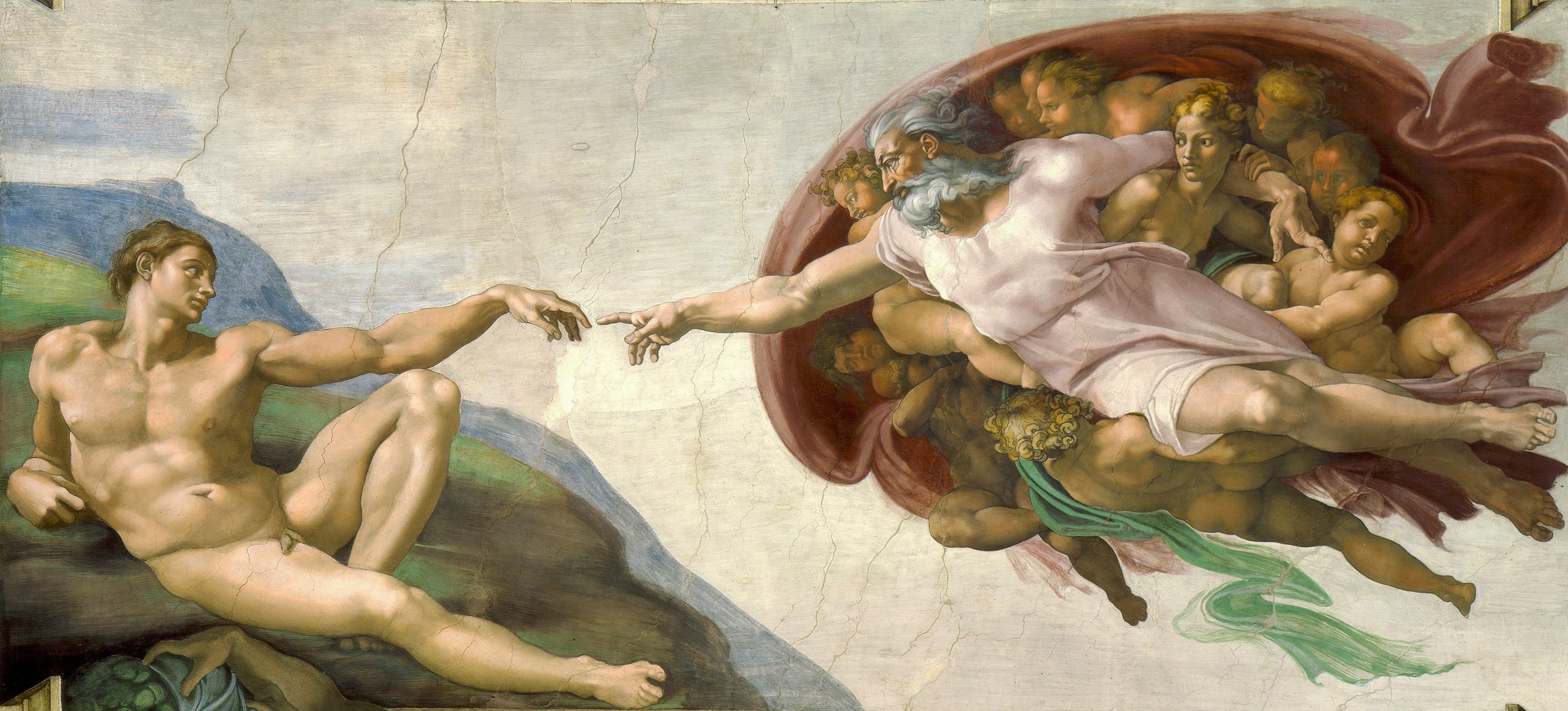
Artist: Michelangelo
Title: The Creation of Adam
Medium: fresco
Place: Sistine Chapel ceiling, Vatican, Rome
Period: Renaissance
Description: one of nine panels of scenes from Genesis; Michelangelo
emphasized idealized, bulging muscular bodies- intense twisting figures and facial expressions; human body is a powerful, expressive form
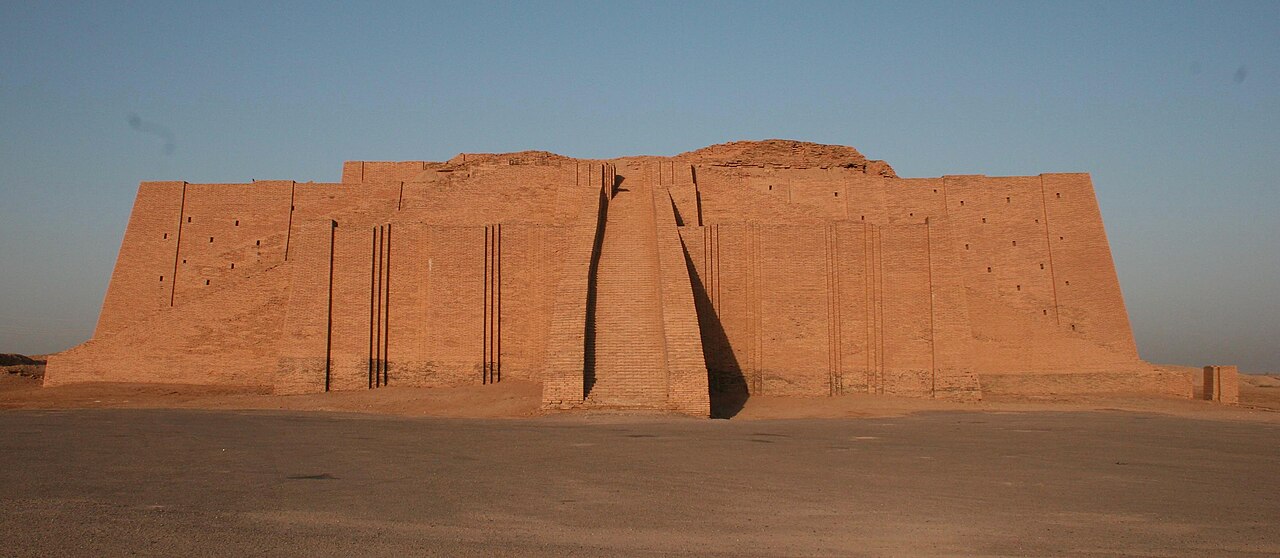
Title: Ziggurat
Location: Sumer city-state
Medium: red mud bricks
Culture: Mesopotamian (Ancient Near Eastern)
Description: a temple set on a huge platform where Sumerians worshipped a hierarchy
of nature gods; “sacred mountain” that links heaven and earth
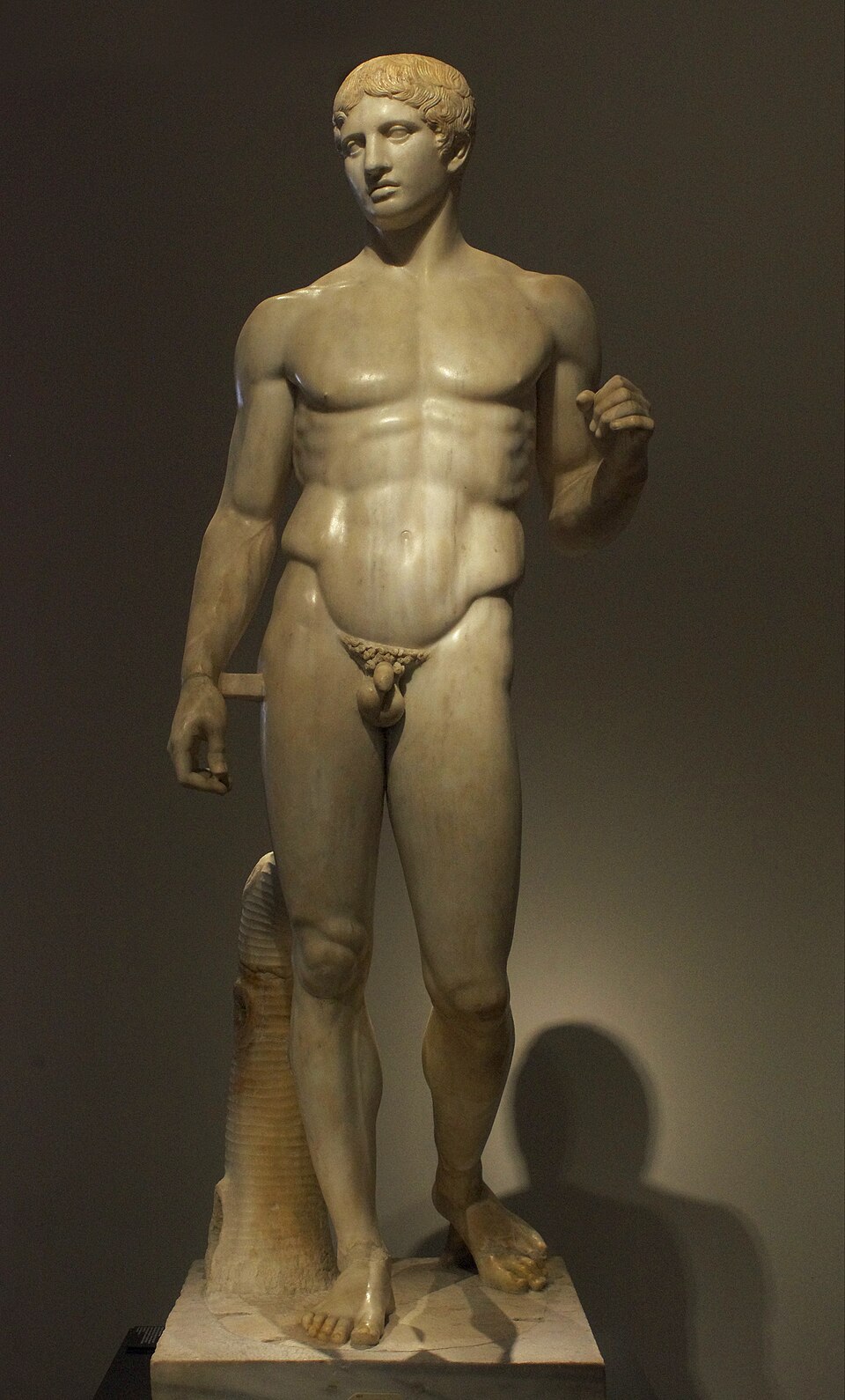
Artist: Polykleitos
Title: Spear Bearer (Doryphoros)
Culture: Greek
Period: Classical
Medium: marble
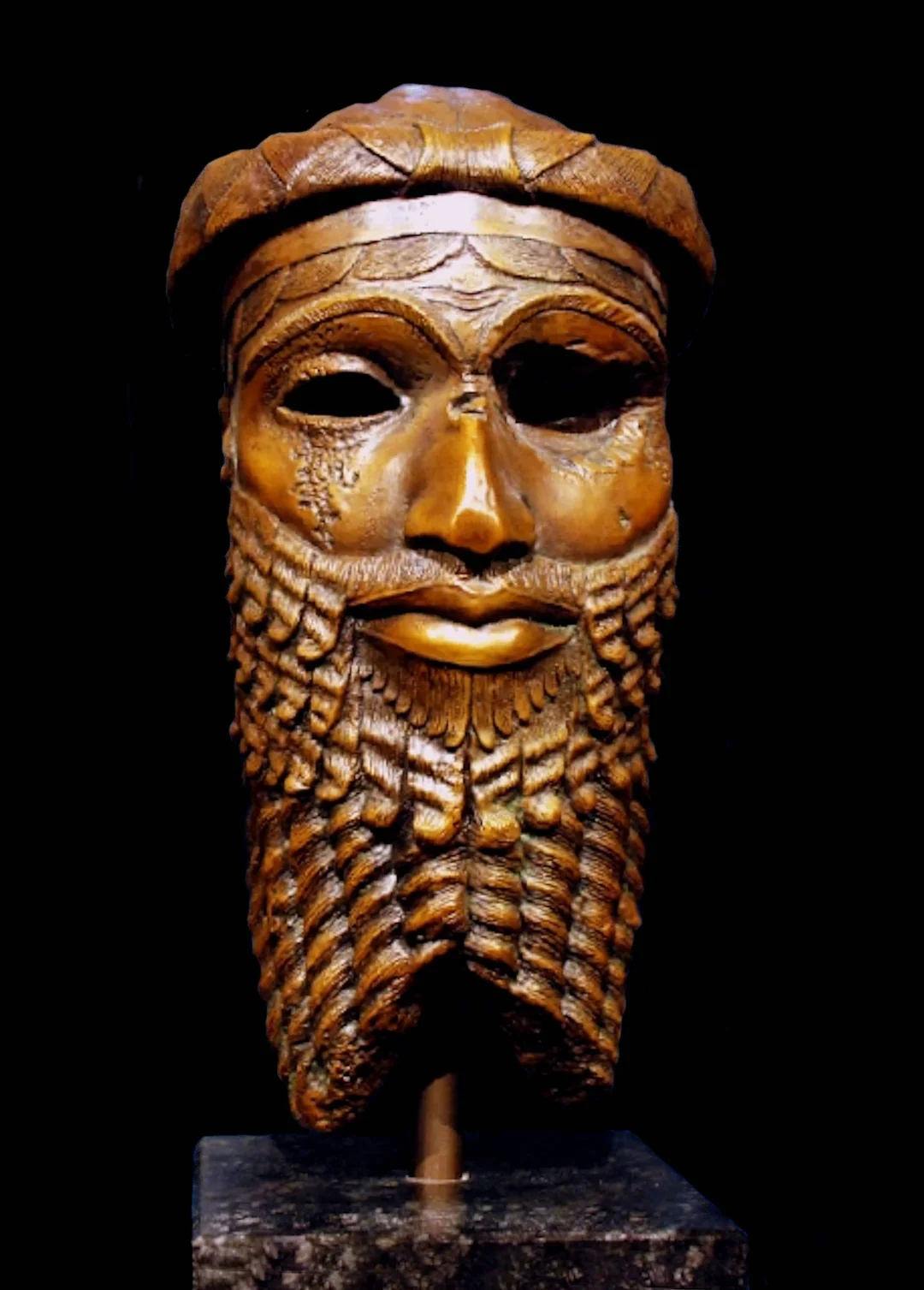
Title: Akkadian Ruler
Medium: Bronze
Location: Akkad city-state
Culture: Mesopotamian (Ancient Near Eastern)
Title: Menkaura and Queen
All of the following Artists depicted David from David and Goliath except..
Senmut
Linear Perspective is used in
Reanaissance painting
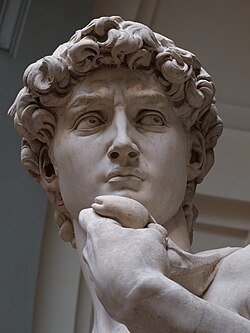
Artist: Michelangelo
Title: David
Medium: marble
Period: Renaissance
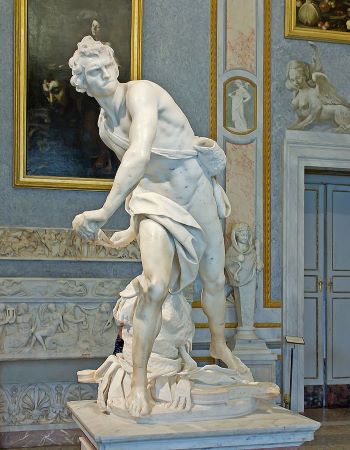
Artist: Bernini
Title: David
Medium: marble
Period: Baroque
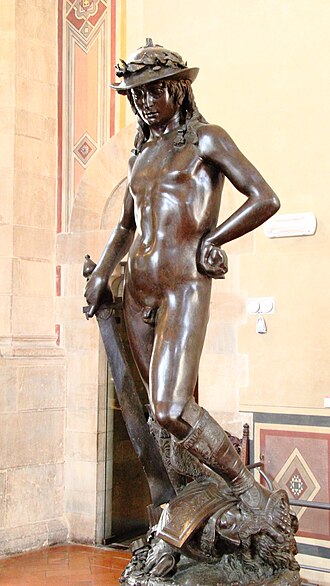
Artist: Donatello
Title: David
Medium: bronze
Period: Renaissance
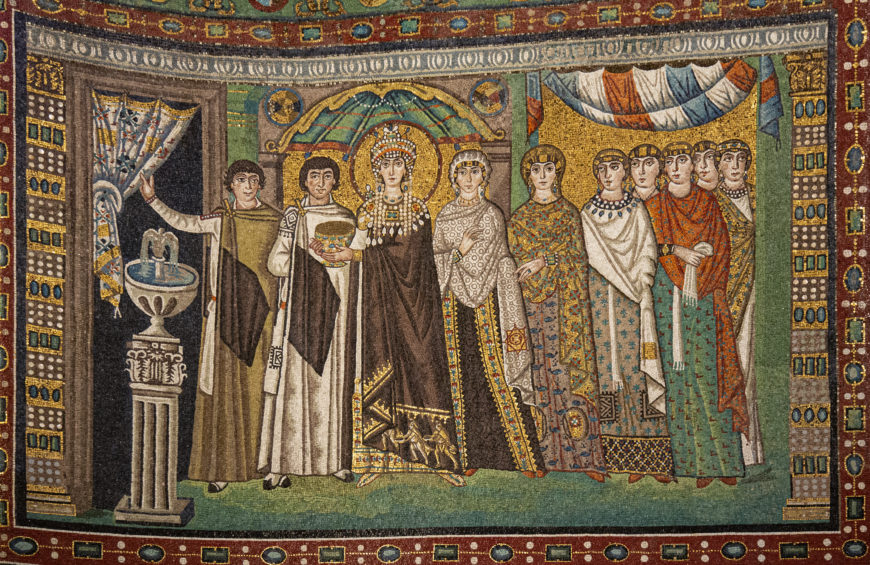
Title: Empress Theodora in the Church of San Vitale
Culture: Byzantine
Medium: mosaic, commissioned by Empress Theodora and Emporer Justinian

