surgical instruments
 Call Kai
 Learn
Learn Practice Test
 Spaced Repetition
 Match
Match Flashcards
 Knowt Play
1/15

There's no tags or description
Looks like no tags are added yet.
Name | Mastery | Learn | Test | Matching | Spaced | Call with Kai |
|---|
No analytics yet
Send a link to your students to track their progress
16 Terms
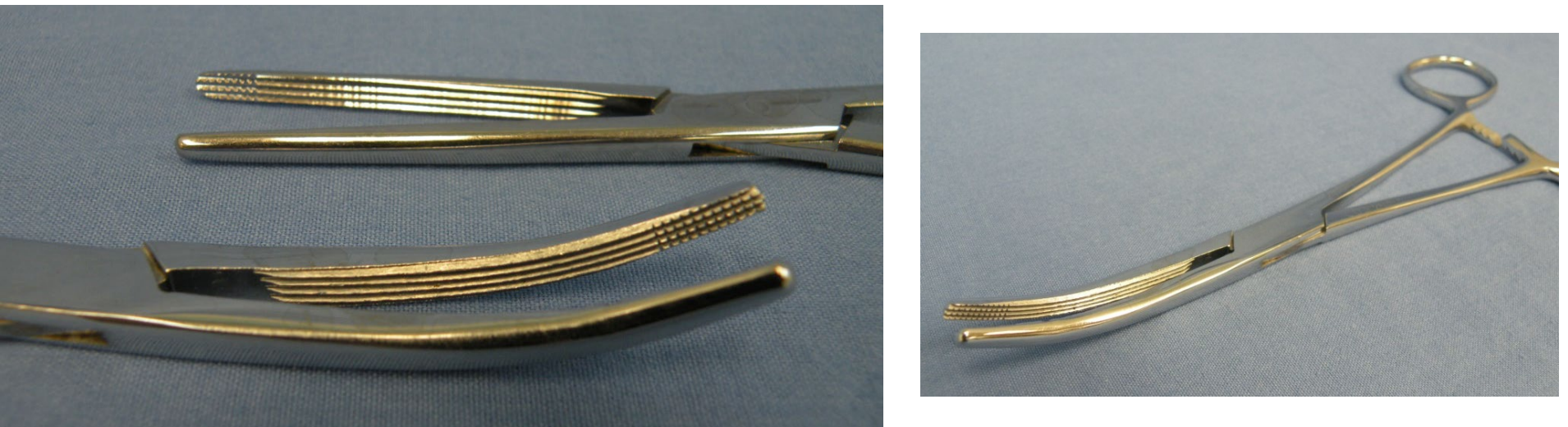
Rochester-Carmalt forceps
longitudinal grooves with cross grooves at the ends of the tips
useful in controlling large bundles/pedicles of tissue
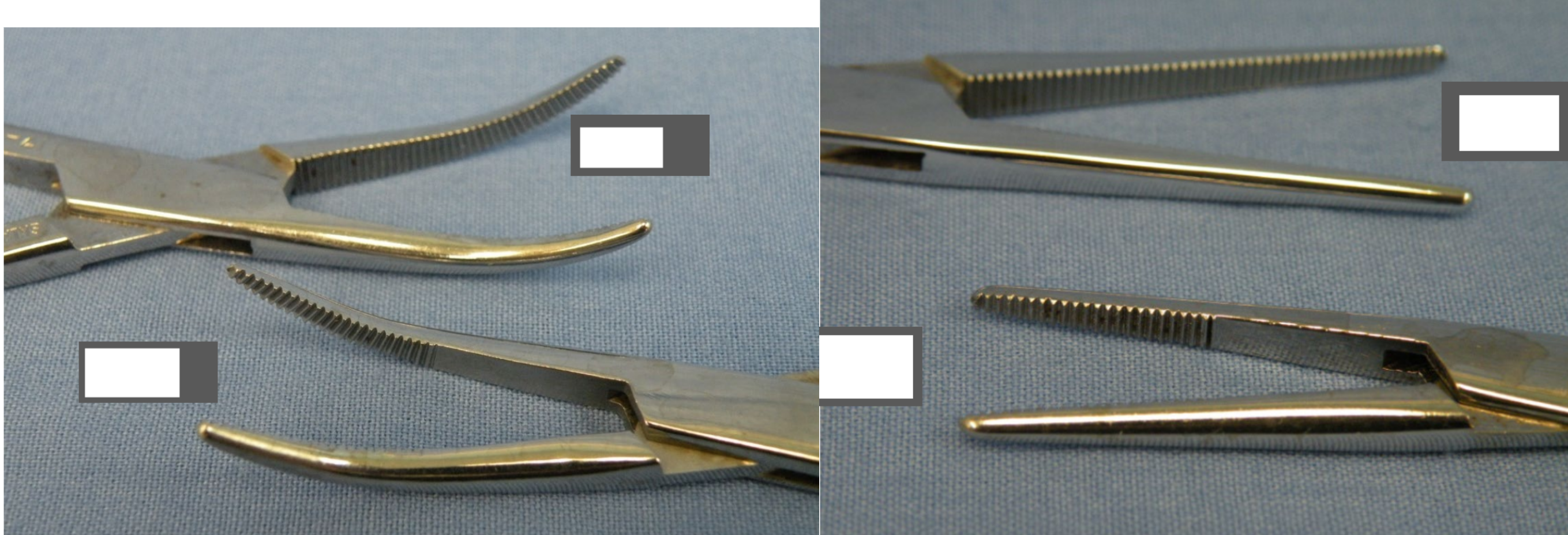
top: Crile hemostatic forceps
transverse grooves; full jaw length
bottom: Kelly hemostatic forceps
length transverse grooves; ½ jaw length
used on small vessels (larger than mosquito)
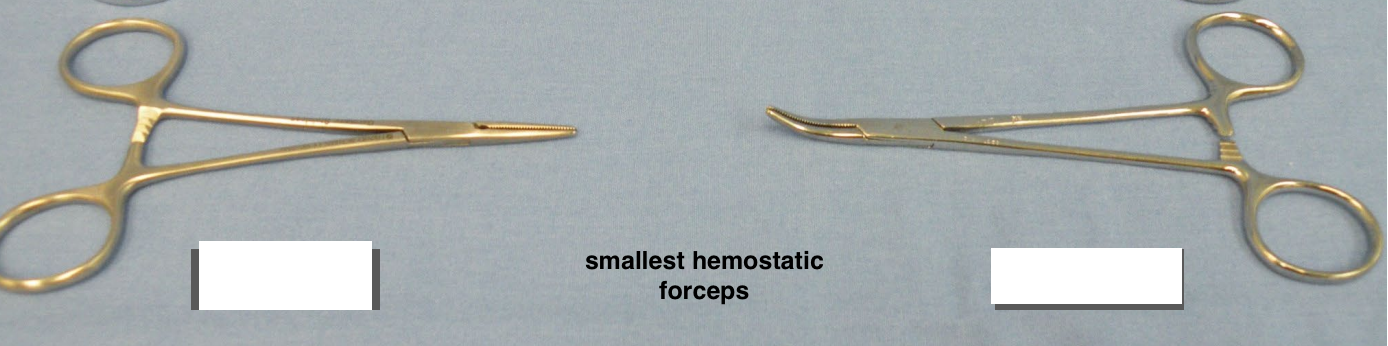
halstead mosquito forceps
transverse grooves; full inner jaw
used for small vessels
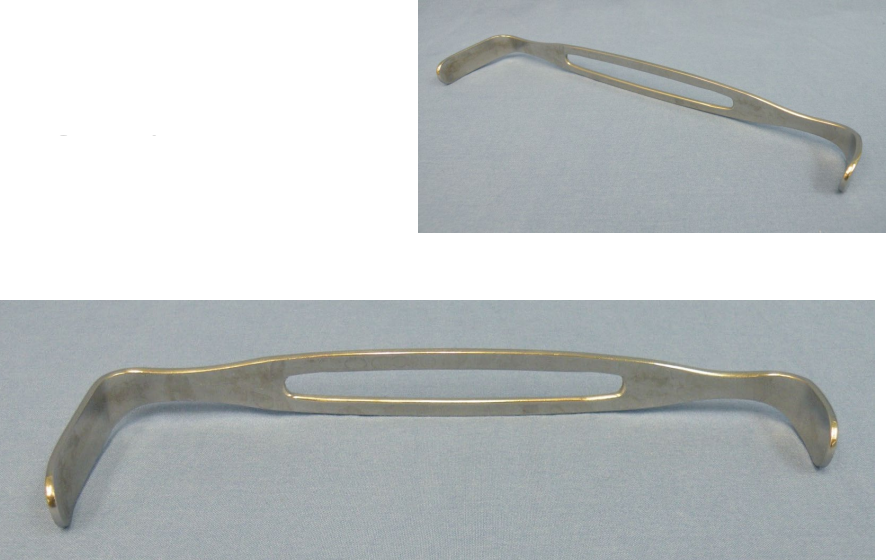
army-navy retractor
used to retract large muscle groups
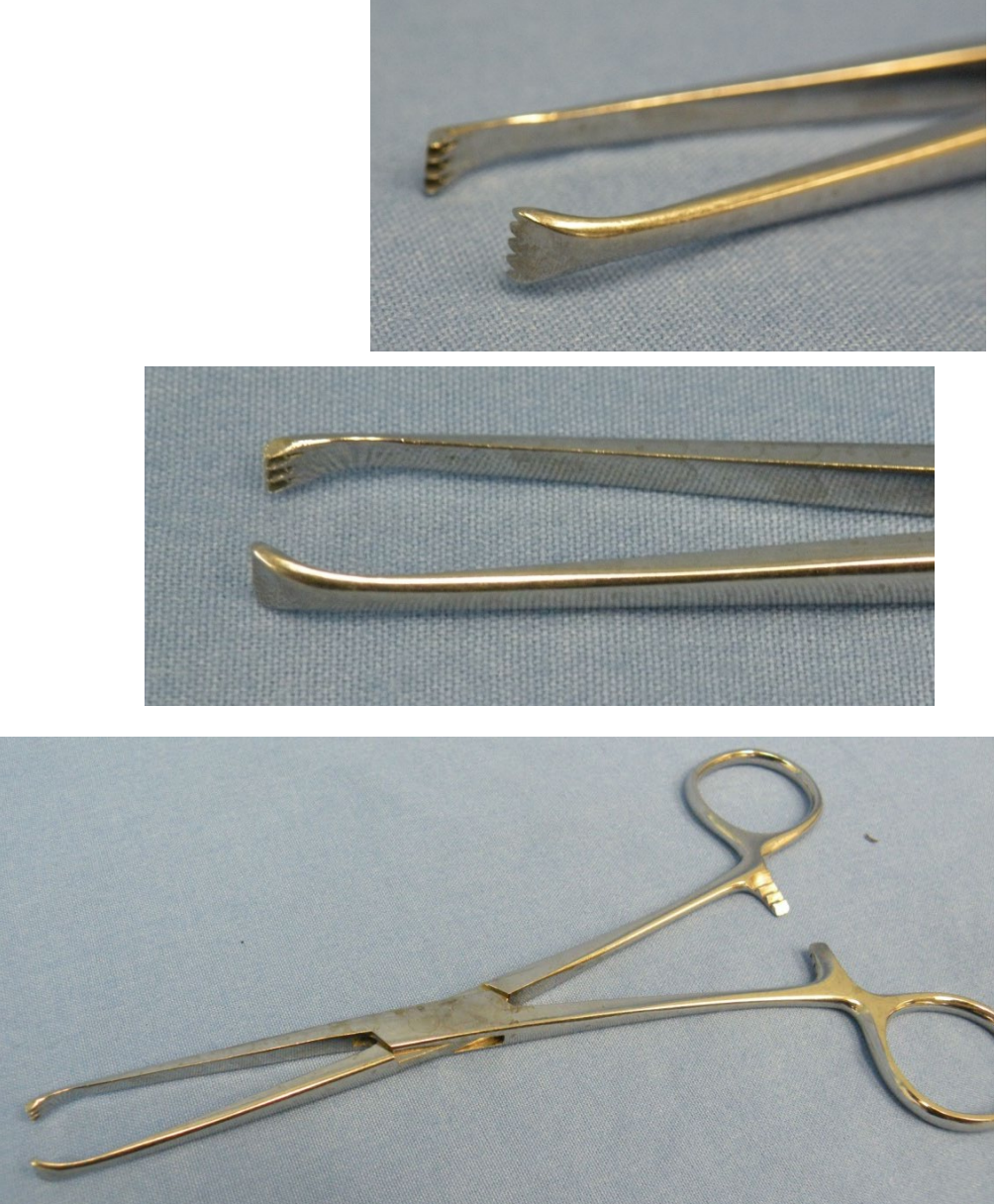
allis tissue forceps
used to forcibly retract tissue
ONLY place on tissue to be removed from body
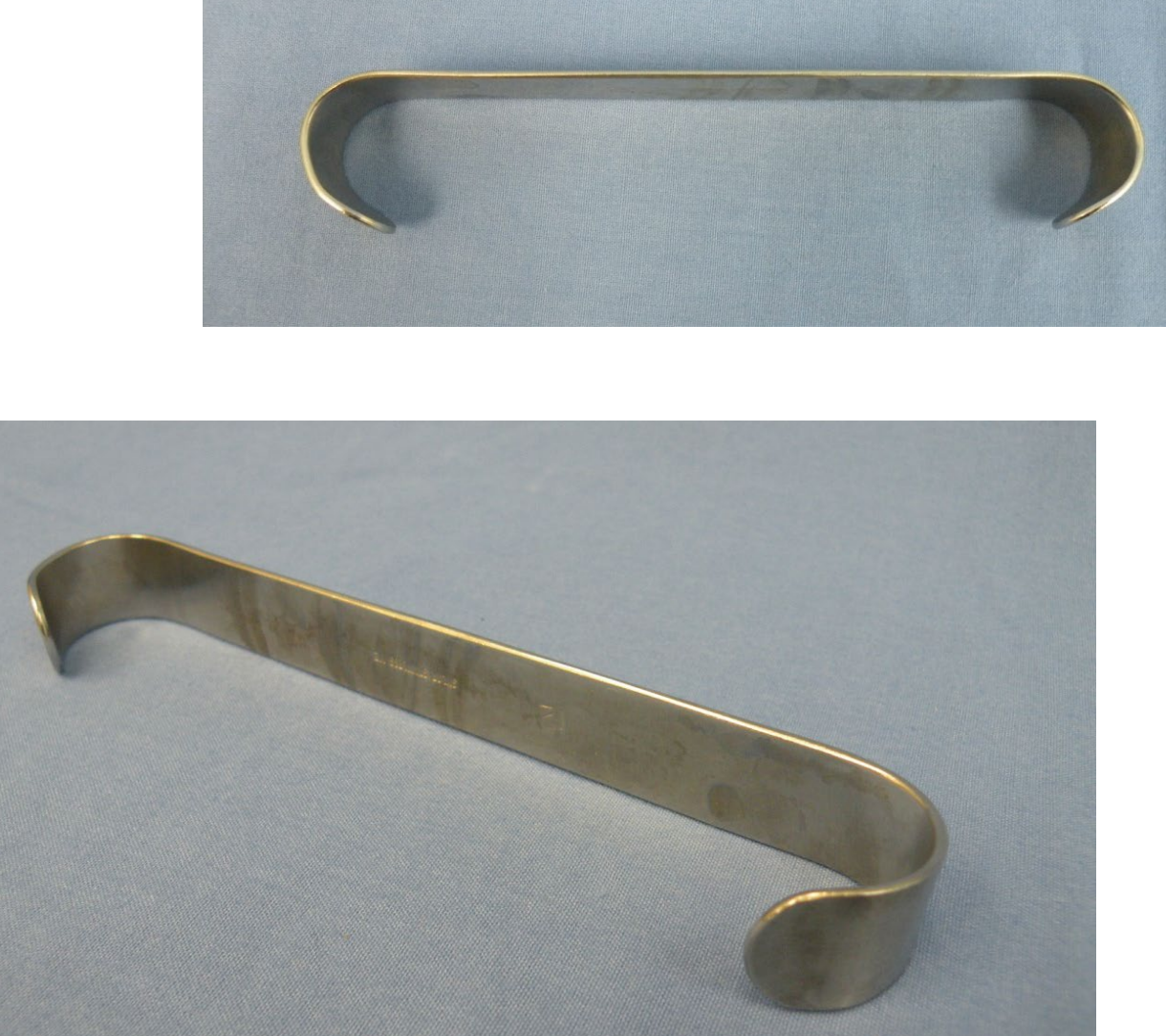
parker retractor
used to hold small muscle groups or laprotomy incision open
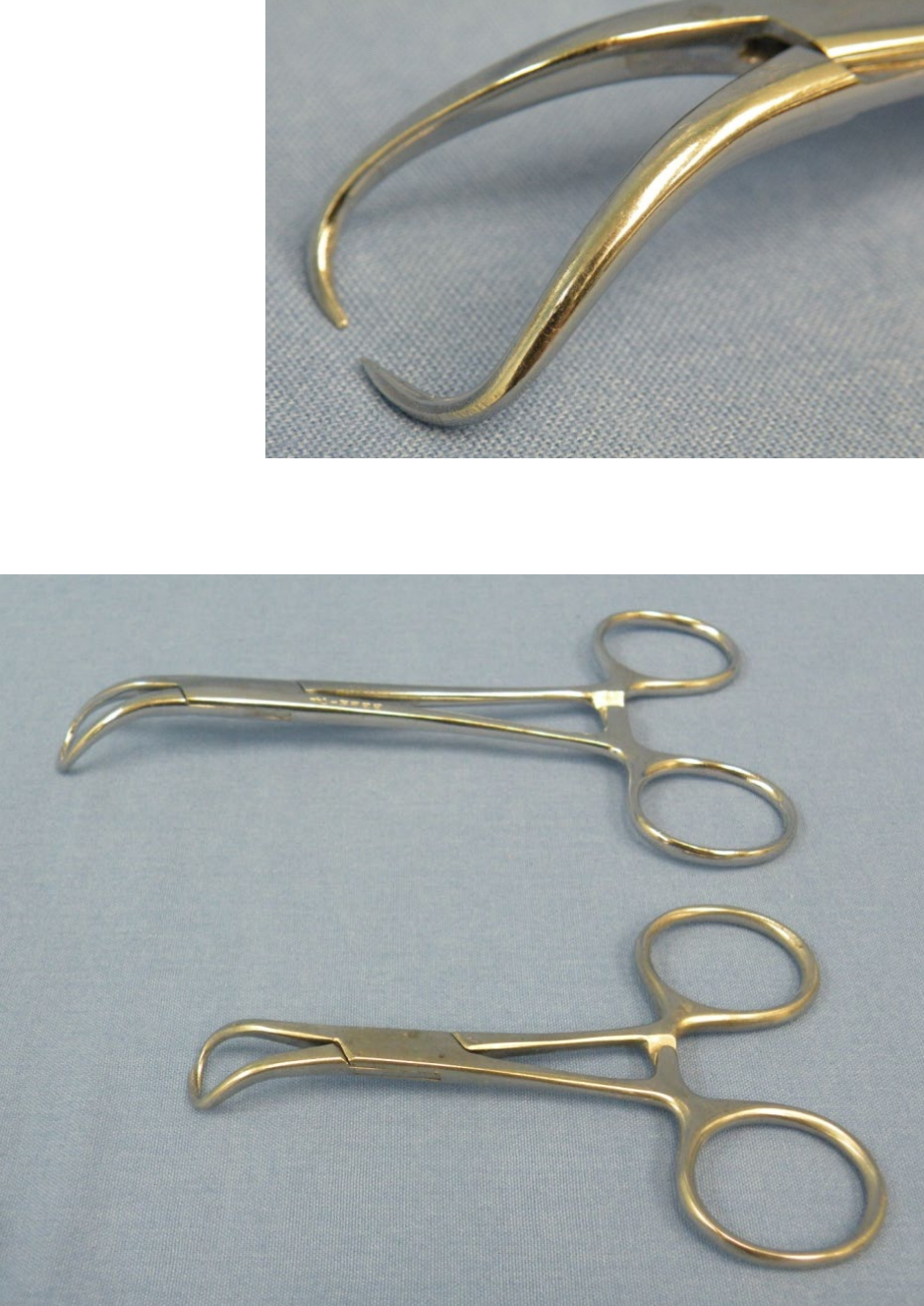
backhaus towel clamp
“penetrating” towel clamp
secures drape to patient
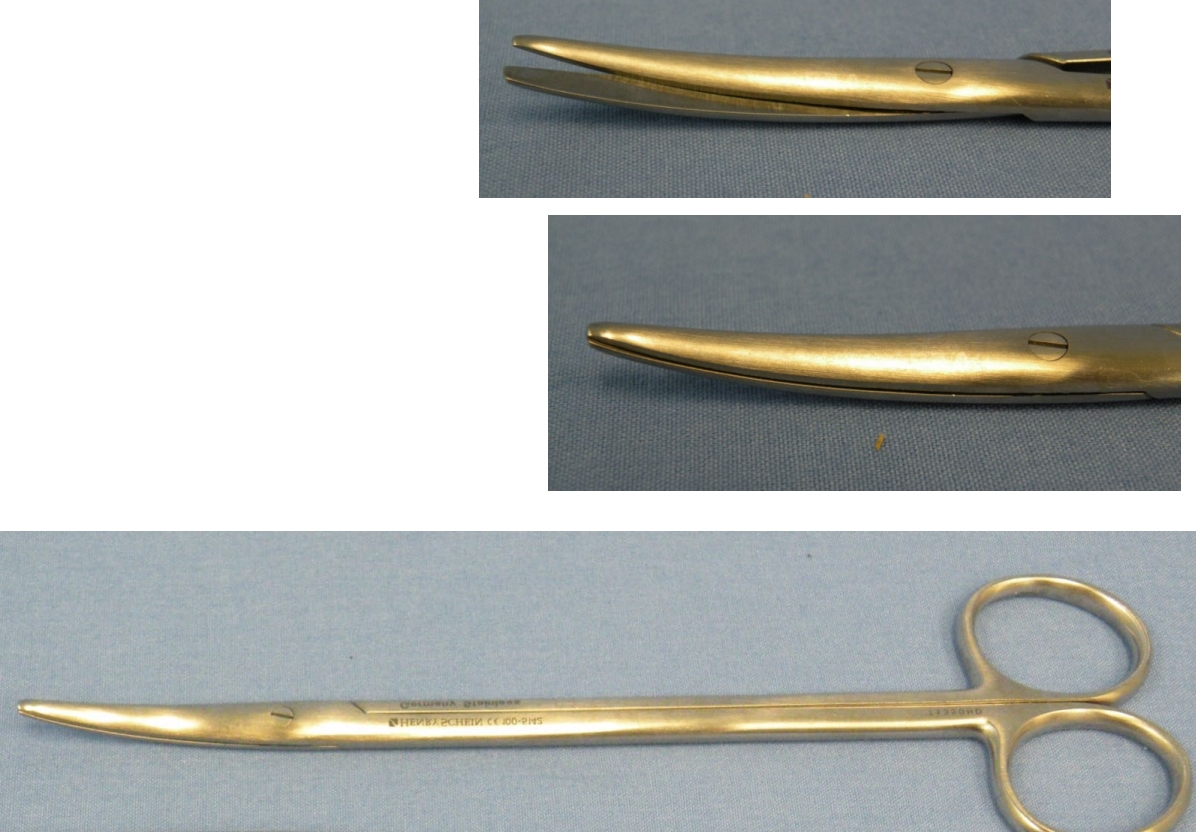
metzenbaum scissors
dissecting scissors used for delicate and fine tissues
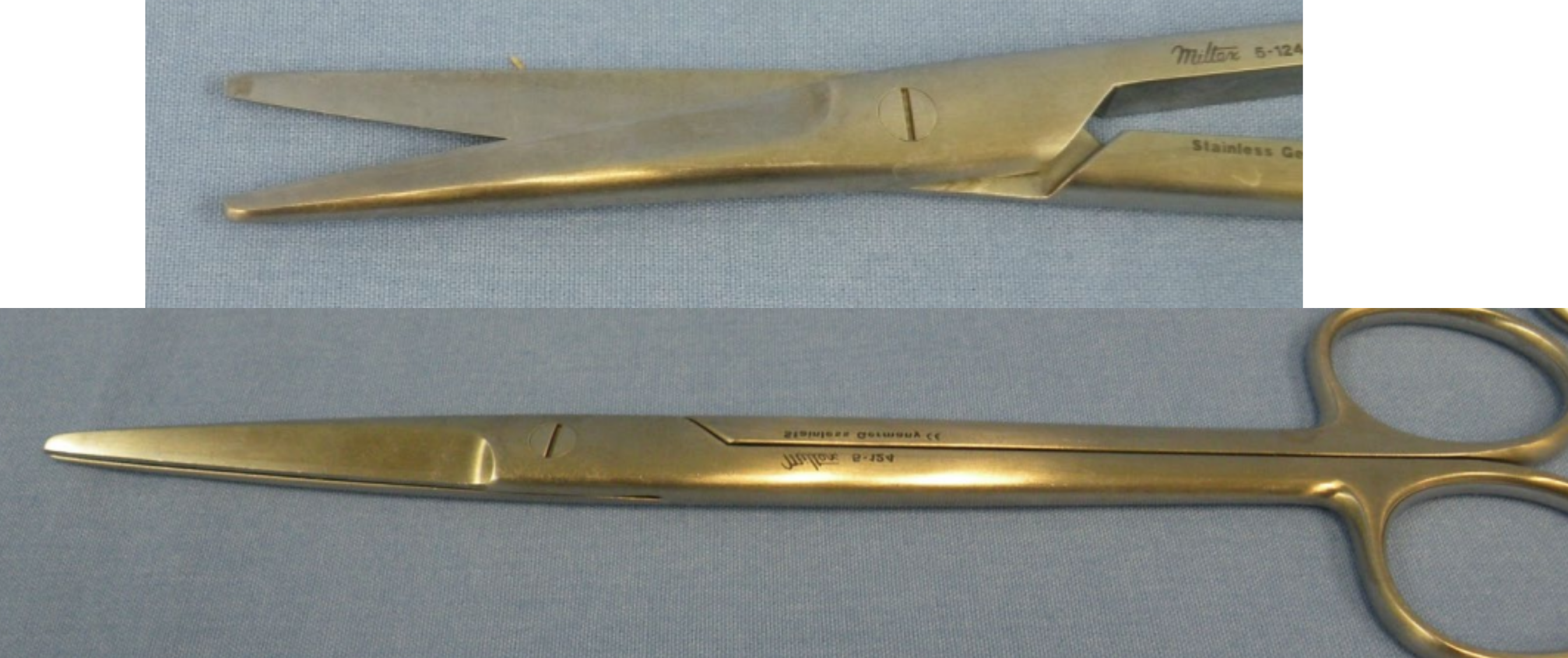
mayo scissors
cutting dense connective tissue & tough fascial planes
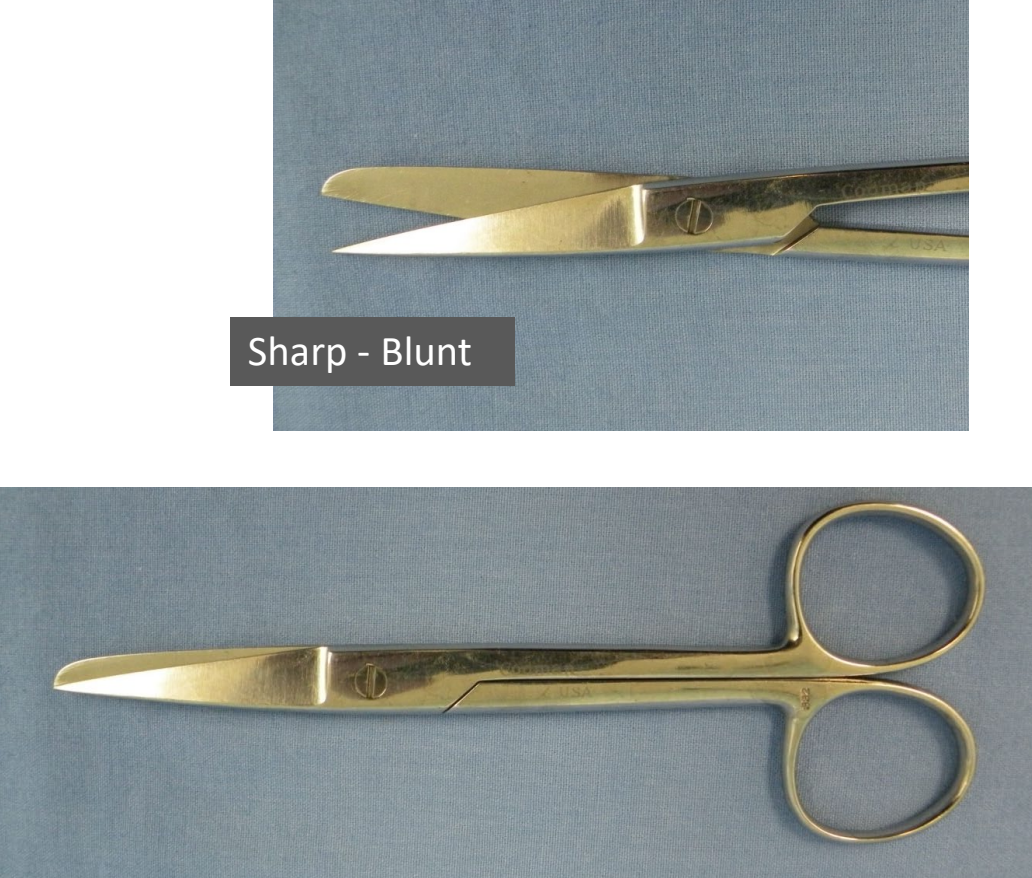
operating scissors
used for cutting suture in OR
sharp — blunt
sharp — sharp
blunt — blunt
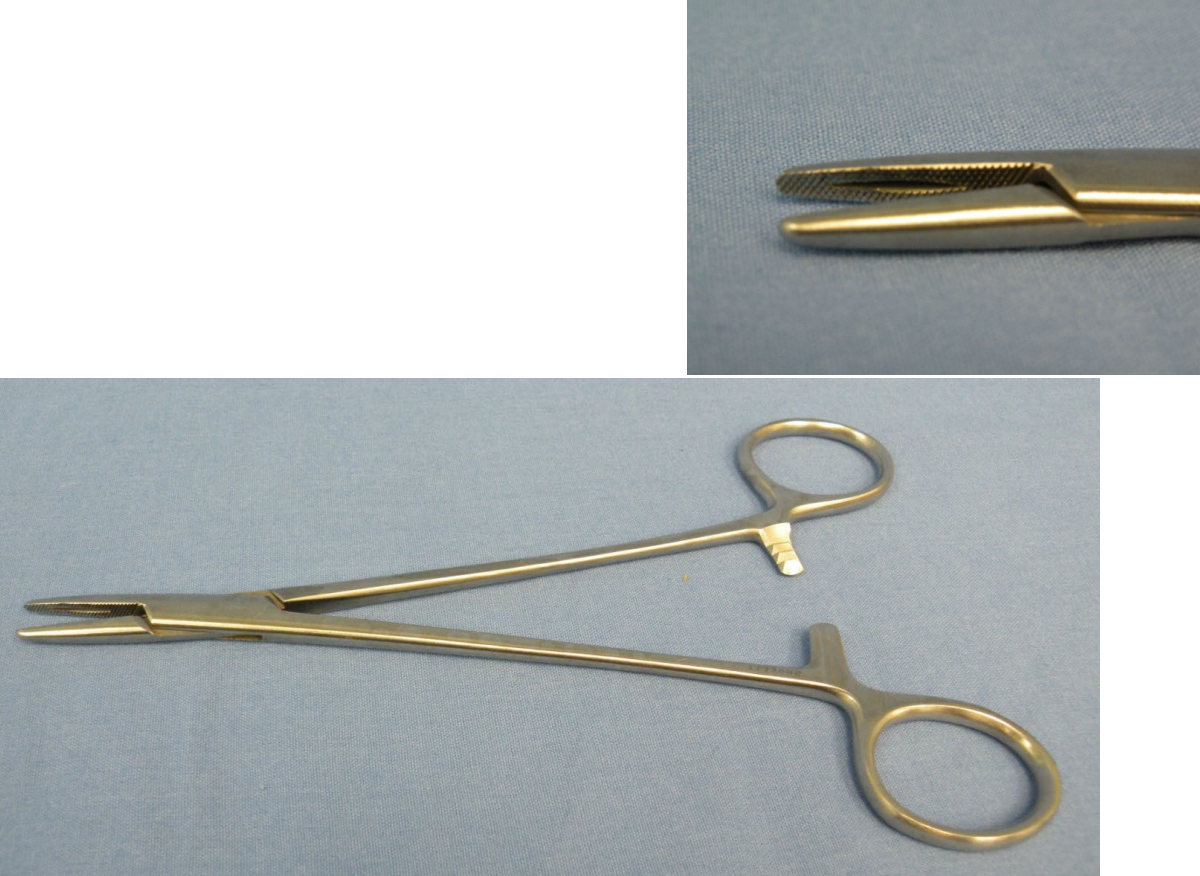
mayo-hegar needle holder
for needle & suture ONLY
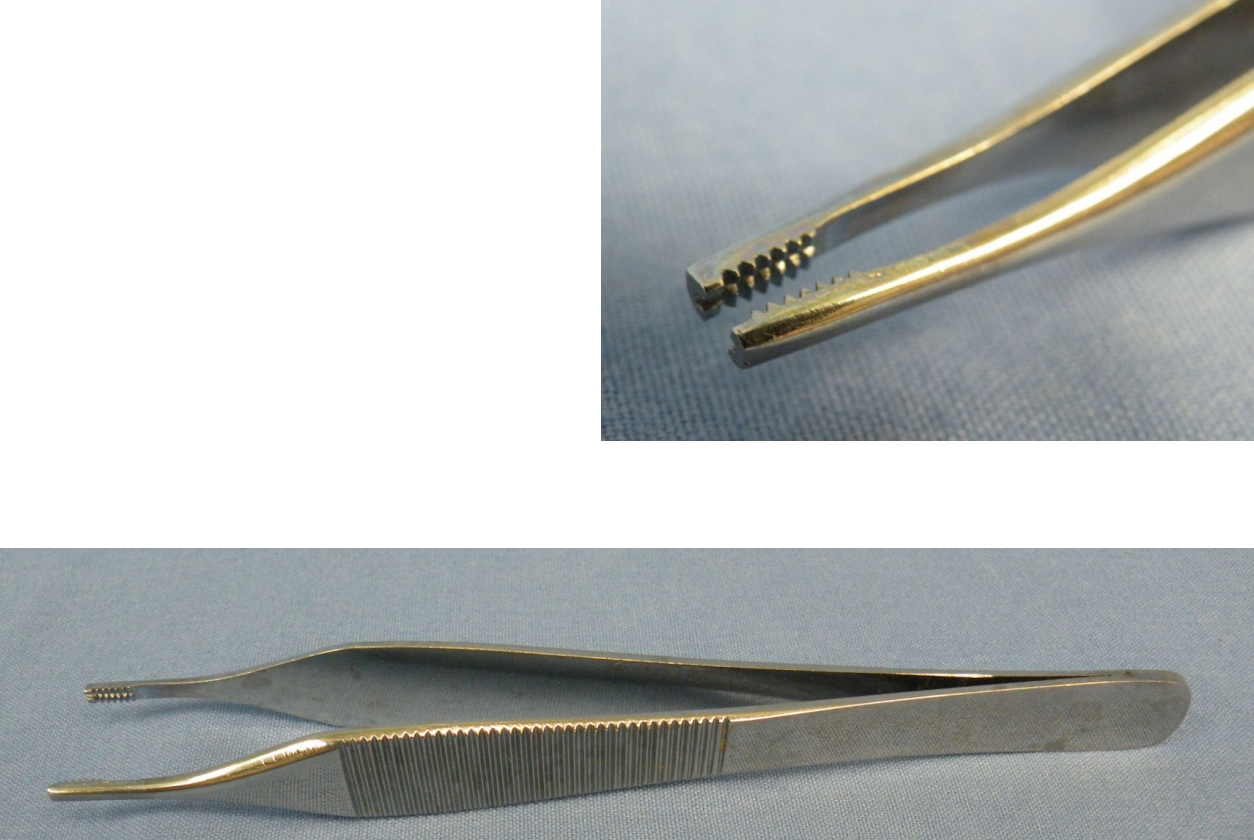
Brown-Adson tissue forceps
two longitudinal rows of small, fine intermeshing teeth
fine teeth for grasping tissue — broad delicate tissue grip
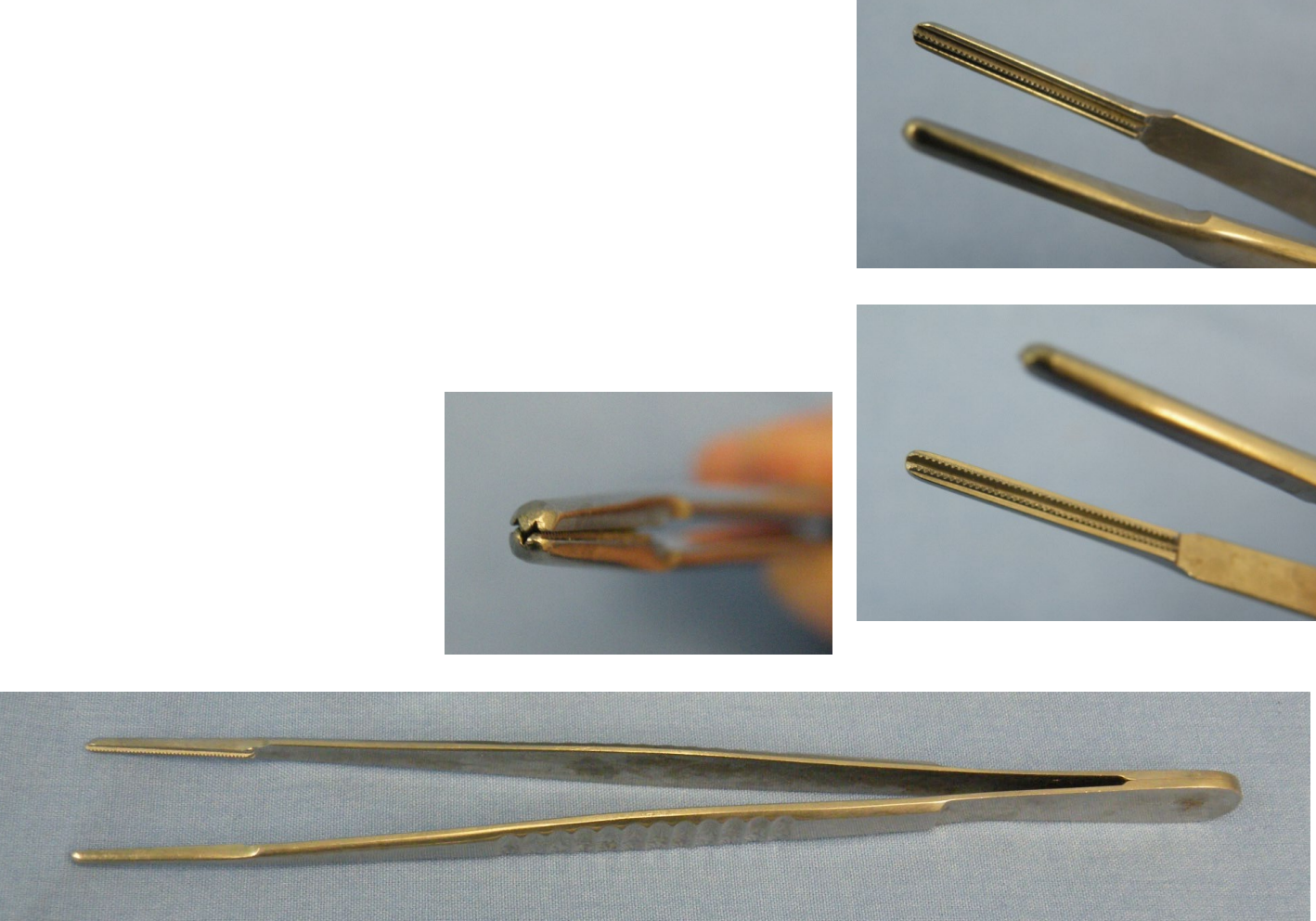
DeBakey tissue forceps
long smooth serrated ridges
atraumatic
delicate tissue handling including vasculature
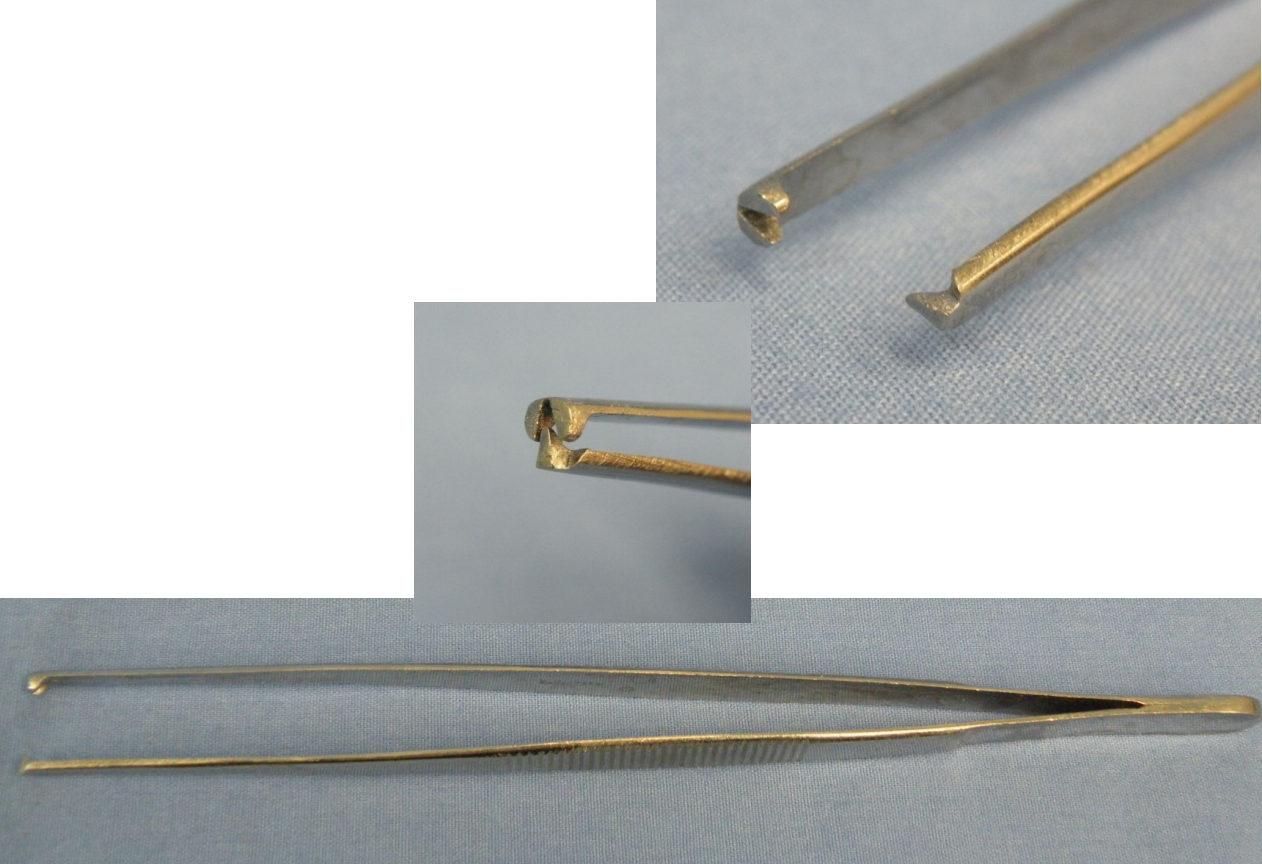
rat tooth forceps
variable number of interlocking tooth patterns at tip
for grasping thick, dense tissue (tough connective tissue, manipulating skin)
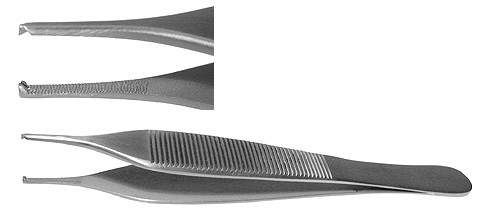
adson forceps
one or two tooth tip
thin skin & light fascial planes
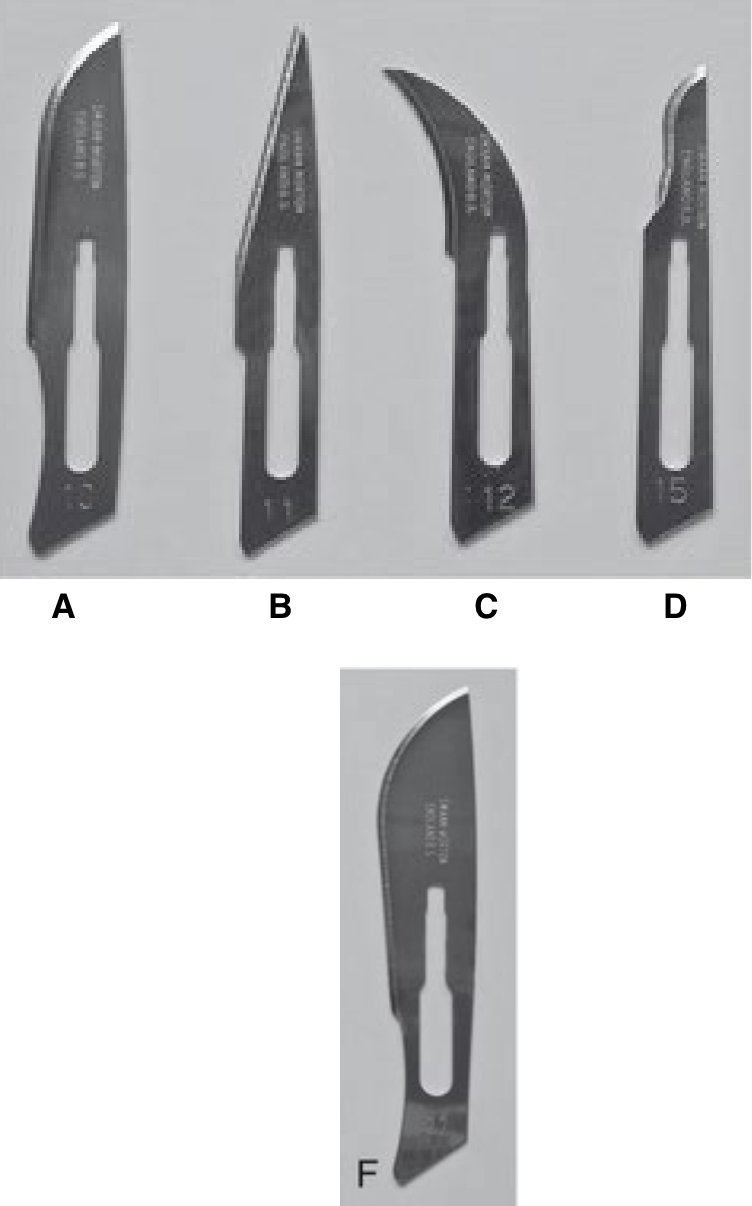
A: 10 — rounded blade used for most incisions
B: 11 — pointed blade used for stab incisions
C: 12 — hooked blade used for blind incisions
D: 15 — small rounded blade used for small precise incisions
F: 22 — large rounded blade used for thick tissues (large animal)

