ch.5 conciousness
 Studied by 0 people
 Call Kai
 Learn
Learn Practice Test
 Spaced Repetition
 Match
Match Flashcards
 Knowt Play
1/65

There's no tags or description
Looks like no tags are added yet.
Name | Mastery | Learn | Test | Matching | Spaced | Call with Kai |
|---|
No analytics yet
Send a link to your students to track their progress
66 Terms
sleep…
a natural, active state where awareness and acitivty decrease, yet the brain stays busy
restores energy, regulates mood, and supports memory and learning
Disruptions throw these rhythms off, affecting focus and health
4 types of rhythms
circannual - yearly (bear hibernation)
infradian - longer than a day (menstrual cycle)
ultradian - short cycles (heart rate)
circadian
circadian
24 hour cycle regulating sleep, hunger, focus
how does the sleep cycle work?
light →retina →SCN (hypohalamus) → pineal gland →melatonin release
Melatonin peaks at night and drops during the day
Artificial light and screens can disrupt this rhythm
using devices within 30 minutes of bedtime - reduces sleep quality, duration, suppresses melatonin; leads to grogginess and poor alertness
Blue light tricks the brain's SCN into thinking it's day time.
Theories of Sleep
Restore & Repair Hypothesis
Preserve & Protect Hypothesis
restore and repair hypothesis
sleep helps restore energy and repair daily wear and tear
supports immune function, memory, and emotional balance
during deep sleep, brain waves + fluid pulses flush out waste
without sleep: toxins build up →cognitive decline and health problems
preserve & protect hypothesis
sleep saves energy and keeps us safe during risky time
species sleep patterns match their survival needs
sleep deprivation
too little or no sleep
lower attention, memory, multitasking, judgement
lower emotional control and immune strength
sleep displacement
sleeping at the wrong time throws off body clock
e.g. jet lag, shift work
easier to adjust when travelling west than east
Night shift mimic chronic jet lag
Sleep disorders
Dyssomnias - affects the amount, quality or timing of sleep
Parasomnias - involves abnormal behaviour or experiences
Dyssomnias
Insomnia
Hypersomnolence
Narcolepsy
Breathing-related sleep disorder
Circadian Rhythm sleep-wake disorder
Insomnia
initial - difficulty falling asleep
middle - diffulty staying asleep
late - early morning awakening w/ an inability to return to sleep
hypersomnolence
excessive sleepiness during the day
narcolepsy
causes extreme daytime sleepiness and sudden “sleep attacks”
causes people to fall asleep anywhere, anytime at random times
episodes last seconds to mins
enter REM sleep instantly, skipping earlier stages
linked to low orexin, strong emotions, and abnorma acitivity in emotuona dn reward braina areas
breathing-related sleep disorder: Apnea
temporary loss of breathing
caused by airway obstruction
more commen in and overwieght individuals
symptoms:
loud snorings, gasping and fatigue
may not fully wake up
mild sleep depravation
leads to poor sleep quality, concentration, reduced attention and memory problems
parasomnias
Nightmare disorder
sleep/night terror disorder
sleep walking disorder
nightmare vs night terrors
nightmares
vivid, disturbing dreams that occer during REM SLEEP.
involves fear, sadness, or anger → can wake you up
linked to anxiety, emotional distress and negative mood
normal part of dreaming
night terrors
sudden panic and arousal during NREM SLEEP not a dream
can invlovle screaming, running, or fighting imaginary threats
usually no memory of the event
theories of dreaming
psychoanalytic approach
problem solving theory
activation synthesis
psychoanalytic approach
dreams are expressions of unconcious desires/wishes
outlet for suppressed urges which surface when self-control relaxes during sleep
usually people who bottle up anger, fear, or guilt
the brains way of processing what's unexpressed (work them out)
what we suppress tends to resurface
mainfest content
the storyline or images of the dream
latent content
the hidden meaning - symbolic expression on unconcious desires
problem solving theory
dreams help us work through real-life problems
thoughts and concerns continue from waking life into sleep
the content often reflects our current worries or challenges
may help the brain process emotions and test solutions to waking issues
activation synthesis
brain's attempt to make sense of random neural activity during REM sleep
bursts of signals from pons activate the cortex → creates random images, sounds, and emotions
cortex tries to organize the chaos into a story
can possibly aid in learning and memory
how does REM sleep/dreaming relate to learning?
if REM is lost the brain catches up later →REM rebound
REM sleep resembles wakefulness → active brain processing, emotions, movement, & learning
REM is not critical for basic memory
It is essential for complex learning.
DOES NOT CAUSE better memory, but CAN SUPPORT it.
disrupted conciousness
during altered stated (or after falling asleep) our brains show enchanced associative thinking which is linked to creative output
short term sleep loss can lead to a boost in divergent thinking.
chronic lack of sleep can hurt creativity and brain function
how are drugs related to creativity?
psychedelics
can give a strong short-term creative boost
increases novel ideas and dievrgent thinking by decreasing prefrontal filtering which allows for freer associations
stimulants - help execution/focus, not imagination
how are sleep and creativity related?
short sleep loss
temporary idea boosts
short shifts in conciousness can inspire breakthroughs
chronic sleep loss
decreases problem solving and brain connectivity
destorys the neural flexibility creativity depends on
sleep paralysis
occurs when the mind wakes up before the body causing breif paralysis while falling asleep or waking.
can include vivid hallucinations - sensing a presence, pressure on the chest, or hearing sounds
it is a mix of REM sleep and wakefulness
they body is still in REM atonia while the brain is alert
usually harmless but can be distressing
to reduce improve sleep hygiene, stress management, and keep a regular sleep schedule ir meditation can also help.
repeated sleep paralysis
known as Recurrent Isolated Sleep Paralysis
linked to poor slepe, stress, irregular schedules, trauma, and anxiety disorders
can also occer with sleep disorders
frequent episodes cause: fear of sleep, bedtime anxiety, and worsened sleep quality
which can cause more episodes and a cycle of it.
mind-wandering
when your thoughts drift away from the task at hand
like daydreaming
it’s an altered state because awareness shifts from present moment to internal thoughts/fantasies
reduces: attention, comprehension, and memory
dissociation
also known as auto-pilot mode
when the brain is energy-efficient → it automates routine tasks to save effort
brain uses stored memory instead of concious thought to run on autopilot
e.g. driving, typing, tying shoes
allows people to handle everyday life without overloading the brain
however lacks full awareness (mental check out)
depersonalization
feelings of unreality/detachment from oneself or one's body
e.g. feelings, thoughts, body parts
a form of dissociation (deeper detachment) which is caused by extreme stress, fatigue or emotional overload
seems robot-like or functioning on automatic pilot
obeserving oneself from the outside
normal dissociation vs. chronic dissociation
normal
daydreaming
zoning out
highway hypnosis
chronic
feeling disconnected from yourself
feeling like the world is not real
memory problems
problems with depression, anxiety or both
when do we tend to dissociate?
when faced with extreme stress
“mentally check out”
movies, books, video games, etc.
when engaging int addictive behaviour
substance use, shopping, gambling, etc.
during an absorbing/automatic activity
traumatic event
dissociation can be…
can be a denfense mechanism
form of emotion-regulation (trying to forget/avoid/minimize difficult emotions)
can be a coping tool
movies, social media, video games
can be involved in addictive behaviour
numbing yourself
hypnosis
a procedure that increases suggestibility →NOT a trance or mind control
a hypnotist suggest changes; the person may choose to follow them
popular hypnotic images are misleading.
hypnosis cannot force someone to do/act against their morals or will
hypnosis can make familiar, acceptable behaviours more likely under suggestion
types of hypnotic suggestions
ideomotor - suggest actions
e.g. lifting an arm
challenge - suggest inability to act
e.g. can't move hand
cognitive-perceptual - suggests memory or perception changes
e.g. forgetting a name, feeling less pain
how does hypnosis work?
hypnosis is not sleep but an interaction between automatic process (unconcious actions/thoughts) and executive control (attention, decision-makin, problem solving.)
2 theories: dissociation theory and social-cognitive theory
dissociation theory
conciousness splits into TWO systems
lower-level: handles movement and perception
executive system: monitors & evaluates actions
under hypnosis, suggestions can bypass concious monitoring
brain scans show reduced activity in executive regions
e.g. driving automatically while focused on smth else
social cognitive theory
hypnosis works through beliefs and expectations
people act how they expect to act under hypnosis
expectancy can even influence pain relief outcomes
uses of hypnosis
therapeutic uses
called Cognitive Hypnotherapy
used for:
depression, anxiety, eating disorders, hot flashes (cancer survivors), irritable bowel syndrome
Not a cure-all, but can enhance other treatments
pain management
reduces pain
works especially well for acute pain but less effective for chronic pain (especially if strong expectations of pain remain)
conciousness disorders
brain death
coma
persistant vegetative state
minimally conscious state
locked-in syndrome
brain death
no brain or brainstem activity; no recovery possible
brainstem functions (breathing, heartbeat) are permanently lost
coma
no wakefulness or awareness
often due to brainstem or widespread brain damage
some recover within 2-4 weeks, but outcomes vary
persistent vegetative state (PVS)
eyes open, sleep-wake cycles present but no concious awareness
brainstem is intact, but severe cortical damage
chance of recovery drops sharply after 3 months
minimally concious state
shows inconsistent but real awareness of self or surroundings
may follow commands, make yes/no gestures, or show emotional reaactions
brain scans reveal higher activity than vegetative states, especially in thinking and sensory areas
locked-in syndrome
fully awake and conscious but completely paralyzed
caused by brainstem damage
communicates through eye movements or technology that tracks gaze
hidden consciousness (awareness during coma)
people in comas can show signs of covert consciousness
awareness w/o movement or response
some can report breif memories
hearing familiar voices can activate the brain or even aid recovery.
drugs
any substance taken to a produce an intende effect on mood, perception or body
drugs act on the central nervous system, changing both physical states and psychological experiences
alters neurotransmitter activity in the synapse (space between neurons)
drugs act as..
agonists - mimic or boost neurotransmitter activity
antagonists - blocks or reduce it
short term effects of drugs..
changing how much neurotransmitter is released
blocking reuptake (making effects last longer)
blocking or mimicking receptor activity
dopamine high
most addictive drugs releases dopamine in the nucleus accumbens and ventral tedmental area
pleasure reinforces use of the drug.
psychological & situational factors
setting matters: same drug, different context = different effect
environment cues can trigger the body to prepare for a drug → which changes tolerance and overdose risk
expectations also shape how a drug feels → belief can alter brain activity and outcomes
long-effects of drug use
tolerance and brain adaptation
dependence and withdrawal
tolerance & brain adaptation
repeated use → builds tolerance which leads to needing more of the drug to achieve the same effect
caused by down-regulation: receptors move away from synapse to reduce overstimulation
e.g. daily coffee drinkers stop feeling that “wired” buzz
Dependence & withdrawal
physical dependence
body needs the drug to avoid withdrawal
e.g. headaches, nausea, tremors
psychological dependence
emotional reliance on the drug to avoid negative feelings
why addiction happens
biological - may have specific genes to make people more/less linked to drug effects
psychological - habits, triggers, and learned associations
e.g. coffee = start of the day
social - culture, family nborms, and social isolation increase risk (rat park study)
personality - impulsivity and senssation-seeking raise vulnerability
psychoactive drugs
alters thinking, perception, emotion, and behaviour
they affect nervous system by:
speeding it up (stimulants)
slowing it down (depressants)
triggering pleasue centres (opioids)
distorting perception (hallucinogens)
legal vs. illegal drugs
a blurry line…
many prescription drugs are chemically similar to illegal ones
some legal meds are misused or sold illegally
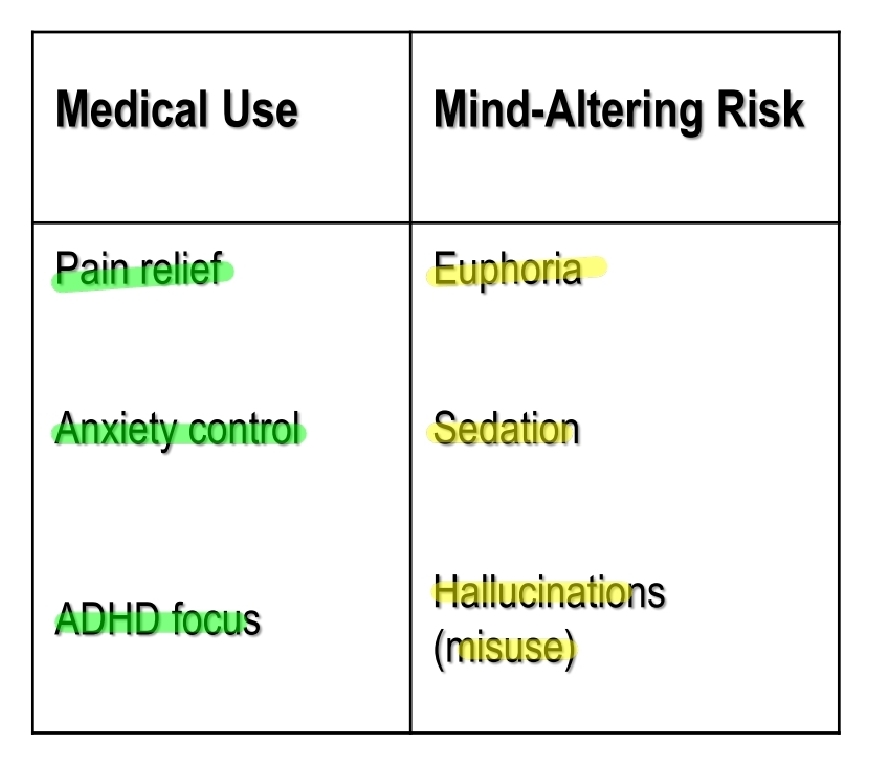
why does drug abuse happen?
drug is legal, meaning people have easy access to it (over the counter)
crushing/snorting it for faster, stronger high
oxycontin frequently misused:
crushing it releases a powerful opioid high
many patients and prescribing doctors were LIED to about the drug's addictive potential or other associated risks w/ it’s use
oxycontin 12 hour lie
oxycontin is…
not 12-hrs for most
twice daily causes mini withdrawal
flawed from the start
mice survived → “safe”
human trials → 50%+ needed early dose
cancer study: 1/3 dropped out due to pain/side effects
FDA green light
mice didn’t die
more than 50% felt relief
seemed good to them
FDA
in a nutshell..
tiny agency - relies on company data
doesn't test drugs itself
reviews what companies submit
steps:
testing - done by the company only
review - only one FDA reviewer
decision - based on THEIR WORD
oxycontin vs. opium
oxycontin (oxycodone)
semi-synthetic opioid made form compounds
stronger and more concentrated than raw opium
designed as a slow-release pain med but highly addictive
1.5x more powerful than morphine
10 mg = 15mg morphine
clean, intense pain relief + euphoria
opium (raw poppy)
natural substance from the opium poppy
contains morphine and codeine in varying amounts
potency depends on how it’s prepared → effects are less consistent
weaker & diluted
needs 125g-150g to match 10mg oxycontin
milder, “dreamy” effect”
why do some drugs stay legal?
historical precedent & cultural norms - centuries-old norm
political & economic interests - laws protect profit and power (based on money)
perceived vs. actual harm - laws ignore science, follows fear, profit and culture
international treaties - 1961 UN drug treaty
no non-medical use
even if science changes
public health vs. moral control - laws not worried about health, more about who's in charge
BOTTOM LINE
keeps some drugs legal for power
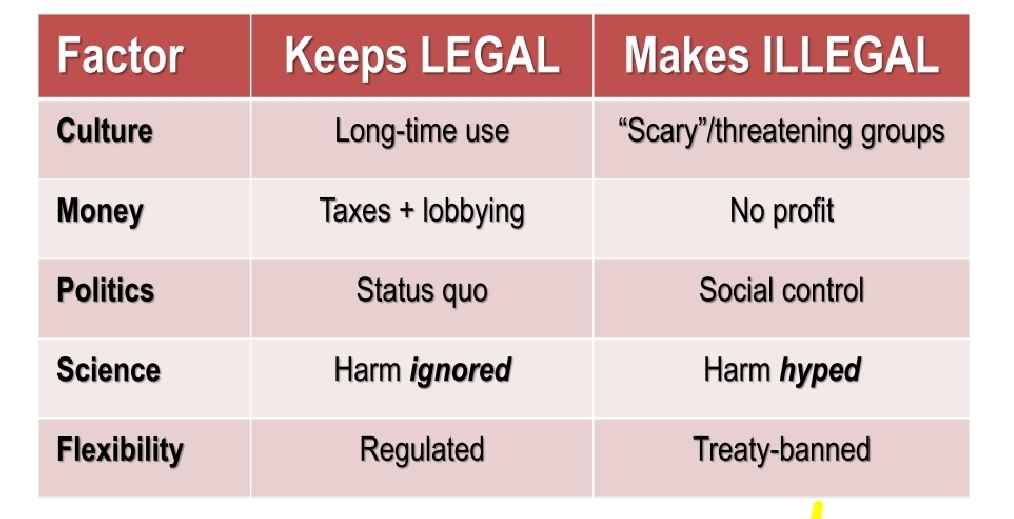
public health vs. moral control
legal drugs = control
regulated: age limits, taxes, warnings
Gov't keeps: revenue + control
illegal drugs = chaos
black markets, violence, fentanyl-laced drugs
indigenous culture
uses drugs for treatment programs and healing
social & historical context
higher rates of substance use are linked to poverty, unemployment, and poor living conditions
however there are factors linked to use, such as cultural and historical ones
intergenerational trauma & disconnection from tradional culture
culturally grounded treatment
programs blend medical treatment w/ cultural reconnection
seeking safety model
incorporates indigenous languages
addresses intergenerational trauma & cultural identity
aim to build pride, connection and community support
 Note
Note  Flashcards (44)