Daily life conversation & programming & trade
 Studied by 0 people
 Call Kai
 Learn
Learn Practice Test
 Spaced Repetition
 Match
Match Flashcards
 Knowt Play
1/3

There's no tags or description
Looks like no tags are added yet.
Name | Mastery | Learn | Test | Matching | Spaced | Call with Kai |
|---|
No analytics yet
Send a link to your students to track their progress
4 Terms

I usually start my day by stepping outside and letting things happen naturally. The street is busy, people are moving in different directions, and conversations flow without planning. I got used to listening carefully, because real understanding comes from hearing how people actually speak, not how textbooks write.
At the café, I look for a seat near the window. Sometimes there’s a blank moment while waiting, but that’s when I observe people. Someone takes a small sip of coffee, another person checks their phone, and a short conversation starts. These moments feel iconic in a quiet way.
When I order, I pronounce my words clearly. If I rush, misunderstandings happen, and that comes with a small penalty—wrong orders or awkward corrections. I learned that slowing down helps communication flow better.
Outside, language is simple but alive. People don’t care about perfect grammar; they care about meaning. A sentence with the wrong vowel or consonant can still work if the intention is clear. That realization helped me gain confidence.
Later, I walk through the city. The sound of cars, footsteps, and voices blends together. It feels like being on a boat moving through noise instead of water. At first, it drained my energy, but now it feels natural. I don’t fight it anymore.
I meet a friend on a wooden deck near the park. We talk about daily problems, small wins, and future plans. He’s been paying off his debt, slowly but steadily. That taught me something important: progress doesn’t need to be fast, just consistent.
Sometimes conversations hit a streak—everything clicks, jokes land, ideas connect. Other times, there’s silence. Silence isn’t bad; it’s just a pause, not a failure. I stopped trying to zap silence away.
When people disagree, emotions can sap energy quickly. I learned to measure my reactions. Not every comment needs a response. Choosing calm saves effort and helps conversations flowed better than force.
In shops, on buses, or standing in line, I practice listening. I don’t just wait to speak; I absorb tone, rhythm, and timing. That’s how words become real. That’s how speaking starts to feel awesome, not stressful.
Sometimes I make mistakes. I use the wrong word, or my sentence comes out strange. But I got over the fear of that. Mistakes are part of the process. Avoiding them only creates debt in confidence.
I noticed that confident speakers don’t rush. They pause. They breathe. They let their words land. When I started doing that, interactions felt smoother. I wasn’t acing every conversation, but I was improving.
In the evening, I walk home. The city slows down. Lights turn on. Conversations become quieter. I think about how much I gained just by paying attention during the day.
Daily life doesn’t teach loudly. It teaches through repetition. Through small talks. Through moments that seem ordinary but aren’t. If you listen, language stops being something you study—and starts being something you live.
من معمولاً روزم را با بیرون رفتن شروع میکنم و میگذارم اتفاقها بهطور طبیعی بیفتند. خیابان شلوغ است، آدمها در جهتهای مختلف حرکت میکنند و مکالمهها بدون برنامهریزی جریان دارند. من به گوش دادن عادت کردهام، چون درک واقعی از شنیدن نحوهی صحبت واقعی آدمها میآید، نه از متن کتابها.
در کافه دنبال یک صندلی کنار پنجره میگردم. گاهی یک لحظهی خالی پیش میآید، اما همان موقع شروع میکنم به دیدن آدمها. یکی یک جرعه قهوه مینوشد، یکی گوشیاش را چک میکند، و یک گفتوگوی کوتاه شکل میگیرد. این لحظهها به شکل آرامی نمادین هستند.
وقتی سفارش میدهم، کلماتم را واضح تلفظ میکنم. اگر عجله کنم، سوءتفاهم پیش میآید و این یک جریمهی کوچک دارد—سفارش اشتباه یا اصلاحهای معذبکننده. یاد گرفتم آهستهتر حرف زدن باعث میشود ارتباط بهتر جریان پیدا کند.
بیرون، زبان ساده اما زنده است. مردم دنبال گرامر بینقص نیستند؛ دنبال معنا هستند. حتی اگر یک مصوت یا صامت اشتباه باشد، اگر نیت واضح باشد جمله کار میکند. همین موضوع باعث شد اعتمادبهنفس بگیرم.
بعدتر در شهر قدم میزنم. صدای ماشینها، قدمها و حرف زدنها با هم ترکیب میشود. انگار سوار یک قایق هستی که در صدا حرکت میکند. اولش انرژیام را میگرفت، اما حالا طبیعی شده. دیگر با آن نمیجنگم.
با دوستی روی یک سکوی چوبی نزدیک پارک ملاقات میکنم. دربارهی مشکلات روزمره، موفقیتهای کوچک و برنامههای آینده حرف میزنیم. او مدتی است در حال پرداخت بدهیاش است، آرام ولی پیوسته. این به من یاد داد پیشرفت لازم نیست سریع باشد؛ فقط باید مداوم باشد.
گاهی مکالمه وارد یک روند خوب میشود—همهچیز جور درمیآید، شوخیها مینشیند، ایدهها وصل میشوند. گاهی هم سکوت میآید. سکوت بد نیست؛ فقط مکث است، نه شکست. یاد گرفتم لازم نیست سکوت را نابود کنم.
وقتی آدمها اختلاف نظر دارند، احساسات میتواند سریع انرژی را تحلیل ببرد. یاد گرفتم واکنشهایم را اندازهگیری کنم. هر حرفی جواب لازم ندارد. آرامش باعث میشود مکالمه بهتر جریان پیدا کند تا فشار.
در مغازهها، اتوبوسها یا صفها، تمرین گوش دادن میکنم. منتظر نوبت حرف زدن نمیمانم؛ لحن، ریتم و زمانبندی را جذب میکنم. اینطوری کلمات واقعی میشوند. اینطوری صحبت کردن لذتبخش میشود، نه استرسآور.
گاهی اشتباه میکنم. کلمهی اشتباه میگویم یا جملهام عجیب درمیآید. اما از این ترس رد شدم. اشتباه بخشی از مسیر است. فرار از آن فقط بدهی اعتمادبهنفس میسازد.
متوجه شدم آدمهای بااعتمادبهنفس عجله نمیکنند. مکث میکنند. نفس میکشند. میگذارند حرفشان بنشیند. وقتی من هم این کار را کردم، تعاملها روانتر شد. شاید همهی مکالمهها را عالی انجام ندادم، اما بهتر شدم.
عصر، پیاده به خانه برمیگردم. شهر آرامتر میشود. چراغها روشن میشوند. صداها کم میشوند. به این فکر میکنم که چقدر چیز فقط با توجه کردن در طول روز به دست آوردم.
زندگی روزمره با صدای بلند آموزش نمیدهد. با تکرار آموزش میدهد. با گفتوگوهای کوچک. با لحظههایی که عادی به نظر میرسند اما نیستند. اگر گوش بدهی، زبان دیگر چیزی نیست که درس بخوانی—چیزی میشود که زندگیاش میکنی.
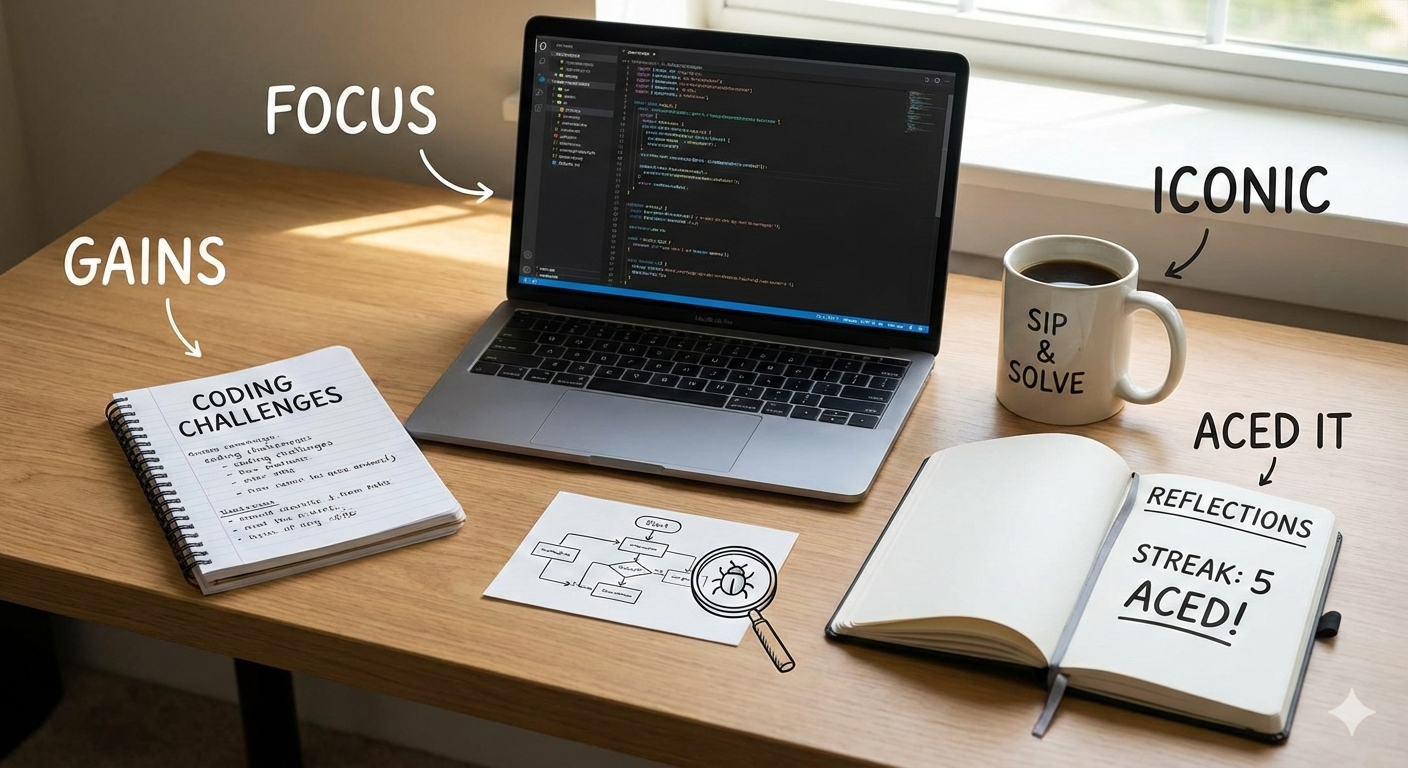
This morning, I got up early to focus on coding challenges. My desk was ready, the laptop open, and a notebook with blanks waiting for new ideas. I felt awesome, excited to tackle problems that could improve my programming skills and help me gain understanding of complex algorithms.
I started with a problem that had been bugging me for days. Each function needed to flow perfectly, without any unnecessary lines of code. Even a small typo could zap my progress, wasting hours of work. I reminded myself to pronounce each step clearly in my mind, thinking through every vowel and consonant in my logic.
As I worked, I noticed a streak of small successes. Each problem solved gave me confidence and motivation to continue. Sometimes, I had to measure outcomes carefully, testing every condition and edge case. Every successful test made me feel I was acing the challenge, proving that consistent effort leads to real gain.
I took a short break and had a sip of coffee. I noticed that even small breaks help energy return naturally, allowing me to continue without feeling drained. Occasionally, I reflected on how much progress I had made. I had overcome bugs that once sapped my confidence, and I was now able to write functions that were iconic in their efficiency and clarity.
The next challenge was more complex. It required combining multiple algorithms, and I knew that any misstep could incur a penalty in performance or correctness. I carefully planned each line, filling every blank with code that flowed logically. Sometimes, I felt like I was in a boat navigating through a storm, balancing efficiency and correctness. When the code finally ran perfectly, I felt a zap of excitement and accomplishment.
Later, I collaborated with a friend on a group project. We had to gain consensus on the best solution, dividing tasks and reviewing each other’s work. I noticed that small improvements, even tiny sips of effort, can accumulate into a streak of successful outcomes. Teamwork also taught me patience, as some ideas were initially unclear or confusing, but eventually flowed naturally into the project.
During debugging, I discovered a subtle error. One misused variable caused unexpected behavior. I realized that in programming, attention to detail is critical. Even the smallest blank can become a debt if ignored, leading to bigger problems later. Correcting it gave me a sense of gain and satisfaction, proving that careful planning pays off.
Sometimes, I practice competitive coding. Each problem is like a race, and my code must flow without interruptions. Maintaining focus is essential, or my solutions will not ace the competition. The feeling of solving a hard problem, after struggling for hours, is awesome—a combination of relief, excitement, and the satisfaction of gaining new skills.
I also keep a journal of my coding sessions. Every streak of challenges solved, every bug fixed, is documented. This helps me see patterns, measure progress, and identify areas that still need improvement. Even moments of failure are valuable; they teach lessons and prevent future penalties in performance or logic.
By the end of the day, I reflected on everything I had achieved. I had aced several tough problems, gained insights into complex algorithms, and avoided making debts in my project’s structure. Each success was iconic, reinforcing the importance of persistence, careful planning, and continuous learning.
صبح امروز، زود بیدار شدم تا روی چالشهای برنامهنویسی تمرکز کنم. میزم آماده بود، لپتاپ باز بود و یک دفتر با جای خالی برای ایدههای جدید آماده بود. احساس فوقالعادهای داشتم، هیجانزده برای حل مسائلی که میتوانست مهارت برنامهنویسیام را بهبود دهد و به من کمک کند درک الگوریتمهای پیچیده را کسب کنم.
با یک مسئله شروع کردم که چند روز بود ذهنم را مشغول کرده بود. هر تابع باید به روانی جریان پیدا میکرد، بدون هیچ خط اضافی در کد. حتی یک اشتباه کوچک میتوانست پیشرفت مرا از بین ببرد و ساعتها کار را هدر دهد. به خودم یادآوری کردم که هر مرحله را در ذهنم واضح بیان کنم و هر مصوت و صامت در منطق را بررسی کنم.
در حین کار، یک روند از موفقیتهای کوچک را مشاهده کردم. هر مسئله حل شده اعتماد به نفس و انگیزه ادامه دادن را میداد. گاهی لازم بود نتایج را اندازهگیری کنم و هر شرایط و حالتهای خاص را تست کنم. هر تست موفق باعث شد احساس کنم که چالش را عالی انجام میدهم و ثابت شود تلاش مداوم منجر به کسب نتیجه واقعی میشود.
یک استراحت کوتاه گرفتم و یک جرعه قهوه نوشیدم. متوجه شدم حتی استراحتهای کوچک کمک میکنند انرژی به طور طبیعی بازگردد و بدون خستگی به کدنویسی ادامه دهم. گاهی اوقات به پیشرفت خود فکر میکنم. باگهایی که قبلاً اعتماد به نفسم را تحلیل برده بودند، حالا توانستم توابعی بنویسم که در کارایی و وضوح نمادین بودند.
چالش بعدی پیچیدهتر بود. نیاز به ترکیب چند الگوریتم داشت و میدانستم هر اشتباهی میتواند باعث جریمه در عملکرد یا درستی شود. با دقت هر خط را برنامهریزی کردم و هر جای خالی را با کدی که به طور روان جریان داشت پر کردم. گاهی احساس میکردم مثل یک قایق هستم که در طوفان دادههای برنامهنویسی حرکت میکنم، تعادل بین کارایی و درستی را حفظ میکنم. وقتی کد بالاخره به درستی اجرا شد، یک انگیزه ناگهانی و هیجان احساس کردم.
بعداً با دوستی روی یک پروژه گروهی همکاری کردم. باید به کسب توافق در مورد بهترین راهحل میپرداختیم، وظایف را تقسیم کرده و کار همدیگر را مرور میکردیم. متوجه شدم که بهبودهای کوچک، حتی جرعهای تلاش، میتوانند به یک روند از نتایج موفق منجر شوند. همکاری تیمی همچنین صبر را به من آموخت، زیرا بعضی ایدهها ابتدا نامفهوم بودند اما در نهایت به طور طبیعی جریان یافتند.
در حین دیباگ، یک خطای ظریف کشف کردم. یک متغیر اشتباه باعث رفتار غیرمنتظره شد. متوجه شدم که در برنامهنویسی، توجه به جزئیات حیاتی است. حتی کوچکترین جای خالی میتواند یک بدهی ایجاد کند اگر نادیده گرفته شود و باعث مشکلات بزرگتر شود. اصلاح آن حس کسب و رضایت به من داد و ثابت کرد که برنامهریزی دقیق نتیجه میدهد.
گاهی در کدنویسی رقابتی تمرین میکنم. هر مسئله مانند یک مسابقه است و کدم باید به روانی جریان داشته باشد. حفظ تمرکز ضروری است، وگرنه راهحلها عالی نخواهد بود. احساس حل یک مسئله سخت، بعد از ساعتها تلاش، فوقالعاده است—ترکیبی از آرامش، هیجان و رضایت از کسب مهارتهای جدید.
من همچنین یک دفترچه برای جلسات کدنویسی خود نگه میدارم. هر روند از مسائل حل شده، هر باگ رفع شده، ثبت میشود. این به من کمک میکند الگوها را ببینم، پیشرفت را اندازهگیری کنم و نقاط ضعف را شناسایی کنم. حتی لحظات شکست ارزشمند هستند؛ آنها درس میدهند و از جریمهها در عملکرد یا منطق جلوگیری میکنند.
در پایان روز، به همه دستاوردهایم فکر کردم. چند مسئله سخت را عالی حل کردم، کسب بینش در الگوریتمهای پیچیده کردم و از ایجاد بدهی در ساختار پروژه جلوگیری کردم. هر موفقیت نمادین بود و اهمیت پشتکار، برنامهریزی دقیق و یادگیری مستمر را تقویت کرد.
hh
jj
hh
jj
 Note
Note  Flashcards (42)