Atlantic Unit 5 Key Terms
 Studied by 0 people
 Call Kai
 Learn
Learn Practice Test
 Spaced Repetition
 Match
Match Flashcards
 Knowt Play
1/53

There's no tags or description
Looks like no tags are added yet.
Name | Mastery | Learn | Test | Matching | Spaced | Call with Kai |
|---|
No analytics yet
Send a link to your students to track their progress
54 Terms
Enlightenment
An intellectual and philosophical movement that dominated Europe during the 17th and 18th centuries, characterized by a shift toward reason, logic, and scientific methodology as the primary sources of authority rather than tradition or religious dogma. rdr pg. 3-8,
“state of nature”
A hypothetical, pre-social condition used by Enlightenment thinkers to describe human life before the establishment of organized government, laws, and civil society, often serving as a foundation for theories of political legitimacy. The words “state of nature” aren’t actually written anywhere in the reader, but the idea is discussed on reader page 8.
“social contract theory of government”
The political concept asserting that a government's authority is derived from a mutual agreement (a social contract) between the rulers and the subjects, where individuals surrender certain liberties in exchange for security and the protection of their remaining rights. Discussed on reader pg. 4-5
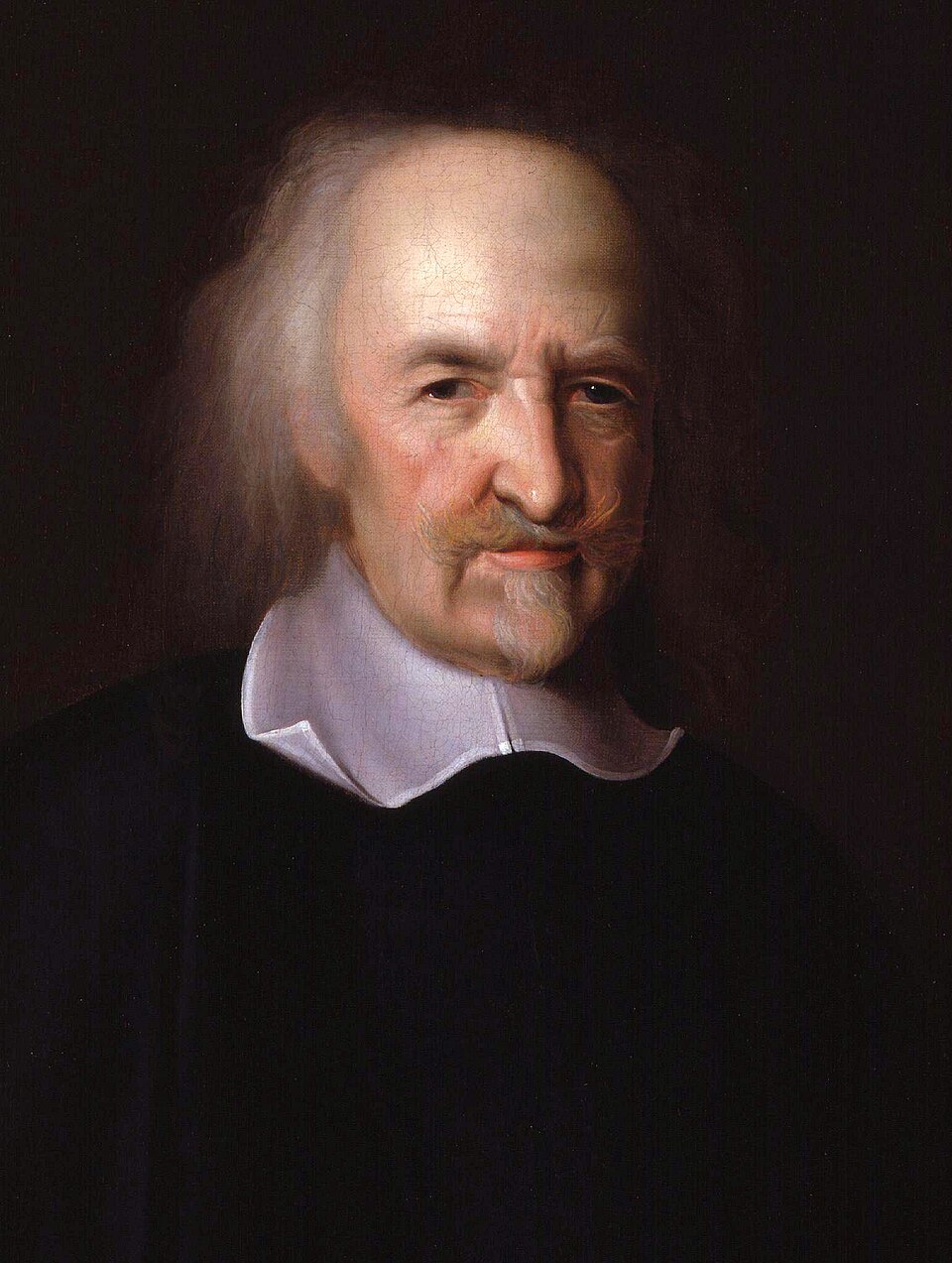
Thomas Hobbes
(1588-1679) English Enlightenment philosopher who argued that there should be a strong central government, because then there won’t be war. The central government should keep the masses in check with with the fear of punishment. His ideas are discussed in the primary source document that Dr. Allen handed out in class with excerpts from the different philosopher’s works.
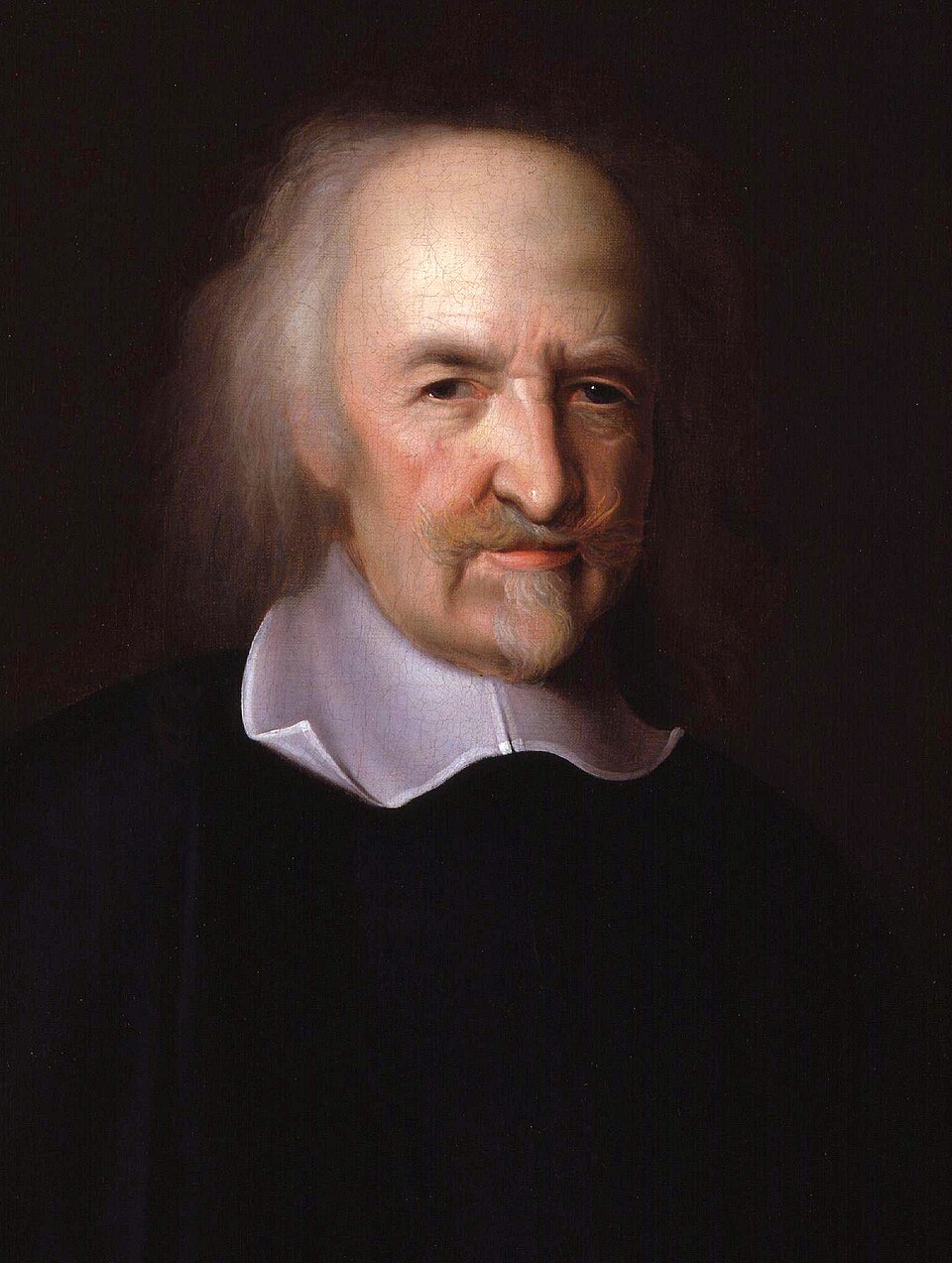
John Locke
Influential English thinker who argued that humans are born with natural rights (life, liberty, and property) and that the purpose of government is to protect these rights. Argued that if a government fails to do so, the people have a right to revolt. Ideas discussed on reader pg. 4-5, 6, 8, and the primary source document that Dr. Allen handed out in class with excerpts from the different philosopher’s works.
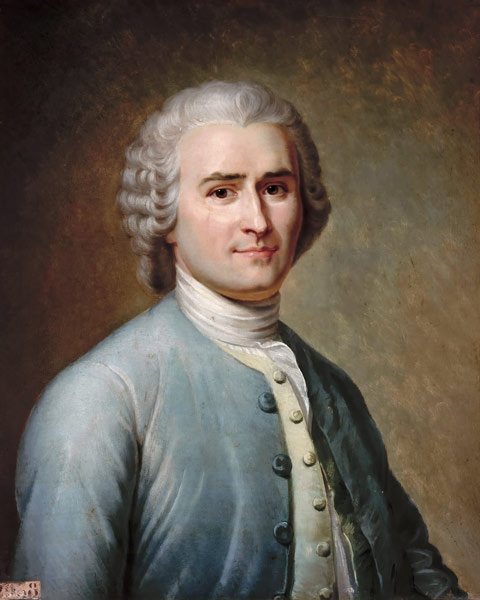
Jean-Jacques Rousseau
Genevan philosopher, wrote The Social Contract (1762), argued that true sovereignty resides with the people and that individuals should align their personal interests with the “general will” of the community for the greater good. His ideas are discussed on reader pages 4, 6-7(!), 8, and the primary source document that Dr. Allen handed out in class with excerpts from the different philosopher’s works.
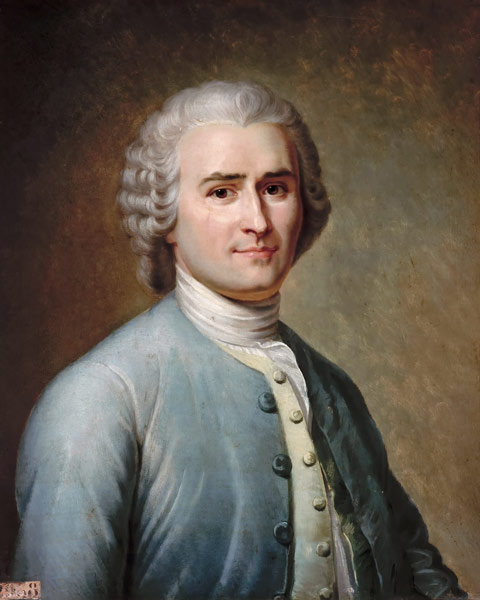
popular sovereignty
The principle that the authority of a state and its government is created and sustained by the consent of its people, through their elected representatives, who are considered the ultimate source of all political power. Argued by Locke and Rousseau, more info on Reader pg. 7
Encyclopédie
A monumental multi-volume reference work co-edited by Denis Diderot and Jean le Rond d'Alembert that sought to catalog all human knowledge and promote secular, rationalist thought across Enlightenment-era Europe. Mentioned on reader pg. 3 & 8
“separation of powers” (Montesquieu)
A political doctrine advocating for the division of government into three distinct branches—executive, legislative, judicial—to ensure a system of checks and balances and prevent the concentration of power. Mentioned on reader pg. 5-6.
“natural rights”
Universal and inalienable rights that are believed to be inherent to all human beings from birth, such as life and freedom, and which cannot be justly granted or revoked by any human law or government.
“noble savage”
A philosophical concept, often linked with the critique of modern civilization, that idealizes indigenous or “uncivilized” people as being naturally more virtuous, peaceful, and uncorrupted than those living in industrial or European societies. Locke wrote “In the beginning all the world was America,” and Rousseau talked about Indigenous Americans’ “natural aristocracy.” More info on reader page 8.
Navigation Acts
A series of laws implemented by England that severely tightened trade restrictions, intended to make the Crown get more moolah. See reader pg. 21-22
smuggling
The illegal practice of importing or exporting goods secretly to avoid paying government taxes or to bypass trade restrictions. In the American colonies, smuggling became a key method of resisting the Navigation Acts and maintaining economic independence.
"balance of payments deficit"
An economic condition where the total value of a colony's imports exceeds the value of its exports. In the American colonies, this led to a drainage of 'hard' currency (gold and silver) back to Great Britain, causing a chronic shortage in the colonial economy. see reader pg. 21-22, as this is a kind of weird concept (at least for me lol).
"Power of the Purse"
The constitutional power of a representative body (colonial assemblies) to authorize the spending of public money and set taxes. This gave legislatures leverage over royal governors, as they could withhold salaries to force compliance with colonial demands.
Salutary Neglect
An unofficial British policy during the 17th and 18th centuries that involved the relaxed enforcement of parliamentary laws, specifically trade regulations (like the Navigation Acts!), in exchange for colonial loyalty and economic benefit. Allowed for the development of colonial self-government and greater economic independence.
Magna Carta
A group of nobles forced King John to sign this royal charter of rights in 1215. Established the principle that everyone, including the monarch, is subject to the law, and guaranteed the rights of individuals and the right to a fair trial. Considered by many enlightenment philosophers, including our good old friend Marquisse Oui-Oui du Jean-Baptiste du Croissant du Baguette du Locque, as the first ever attempt to limit a monarch’s absolute power.
Whigs
British people that wanted more power in Parliament, and the monarch to have less power. See reader pg. 24.
Tories
British people that wanted the monarch to have more power, and Parliament to have less power. See reader pg. 24.
Glorious Revolution
The overthrow of King James II of England in 1688, leading to the ascension of William III and Mary II to the throne. Established a constitutional monarchy and affirmed the supremacy of Parliament over the crown. See reader pg. 24
French and Indian War (a.k.a. Seven Years War)
Conflict between Britain and France over North America (1754–1763).
Treaty of Paris
Signed in 1763. Ended the French and Indian War, giving Britain French territory in North America.
Pontiac’s Rebellion
Native American resistance to British expansion after 1763.
Albany Plan of Union
Benjamin Franklin’s failed proposal for colonial unity.
Proclamation of 1763
Banned colonial settlement west of the Appalachians.
Sugar Act
Tax on sugar and molasses to raise revenue.
Stamp Act
Tax on ALL printed materials in the colonies.
Declaratory Act
Stated Parliament had authority over the colonies.
Sons of Liberty
Colonial group that organized protests against British policies. They were some of the more radical Patriots, for example, John Adams didn’t really like them all that much.
Admiralty Courts (British Naval Courts, p. 29)
British courts that tried smuggling cases without juries.
Townsend Duties
Taxes on imported goods like glass and tea.
Boston Massacre
1770 clash where British soldiers killed five colonists.
Tea Act
Law giving the British East India Company control of tea sales.
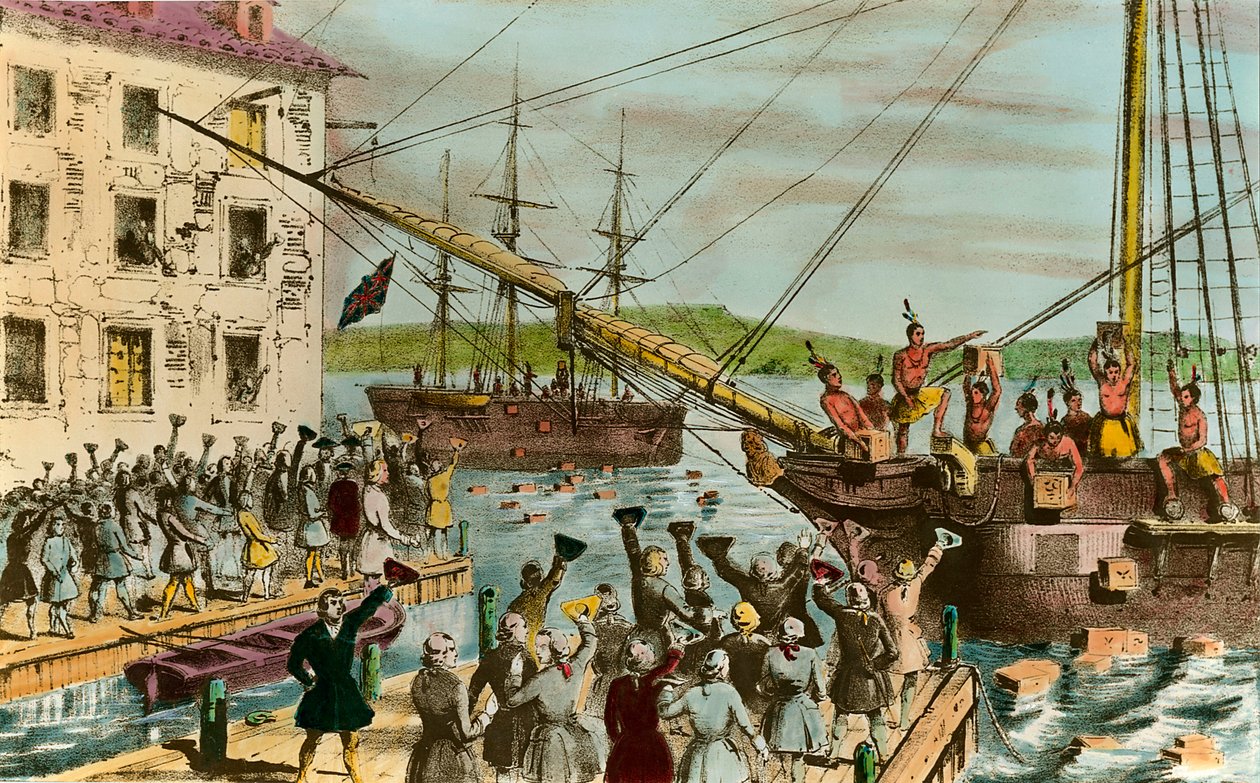
Boston Tea Party
Protest where colonists dumped British tea into Boston Harbor.
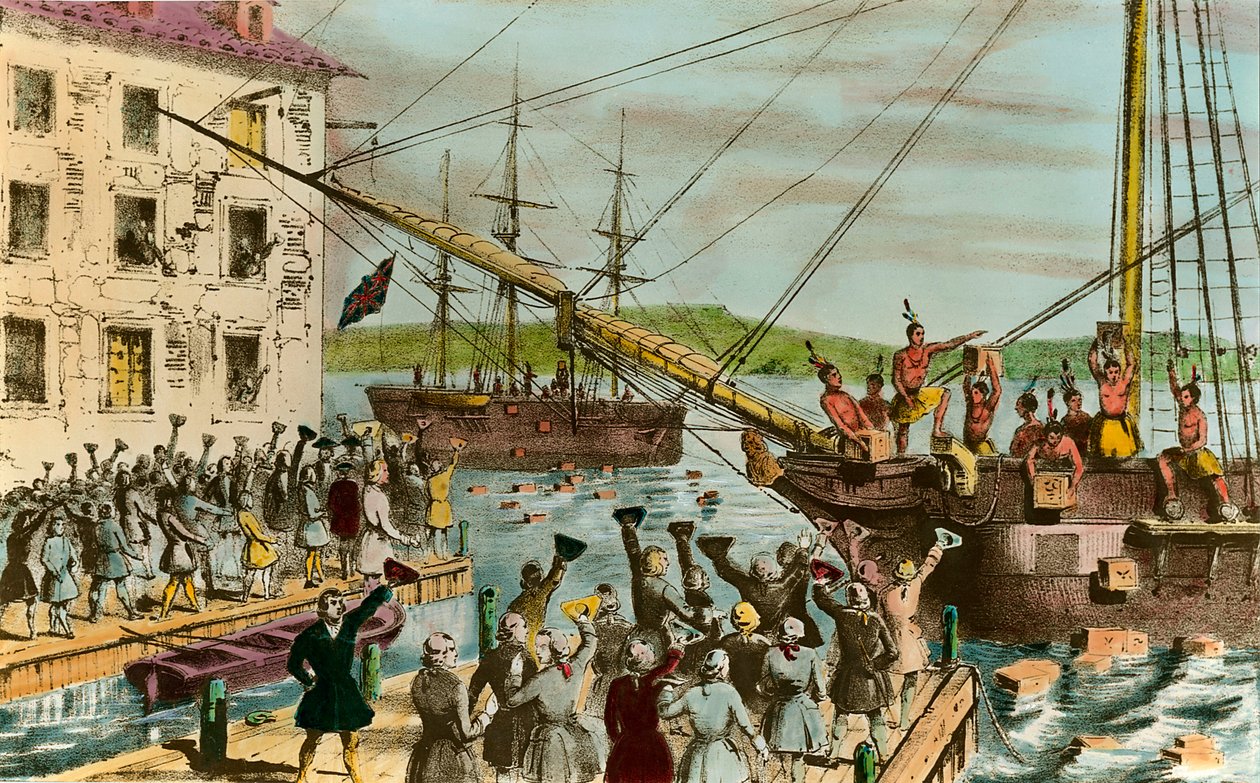
Intolerable Acts
Punitive laws passed to punish Massachusetts. Basically gave Britain the right to do a bunch of annoying stuff to Massachusetts. In response to the Boston Tea Party.
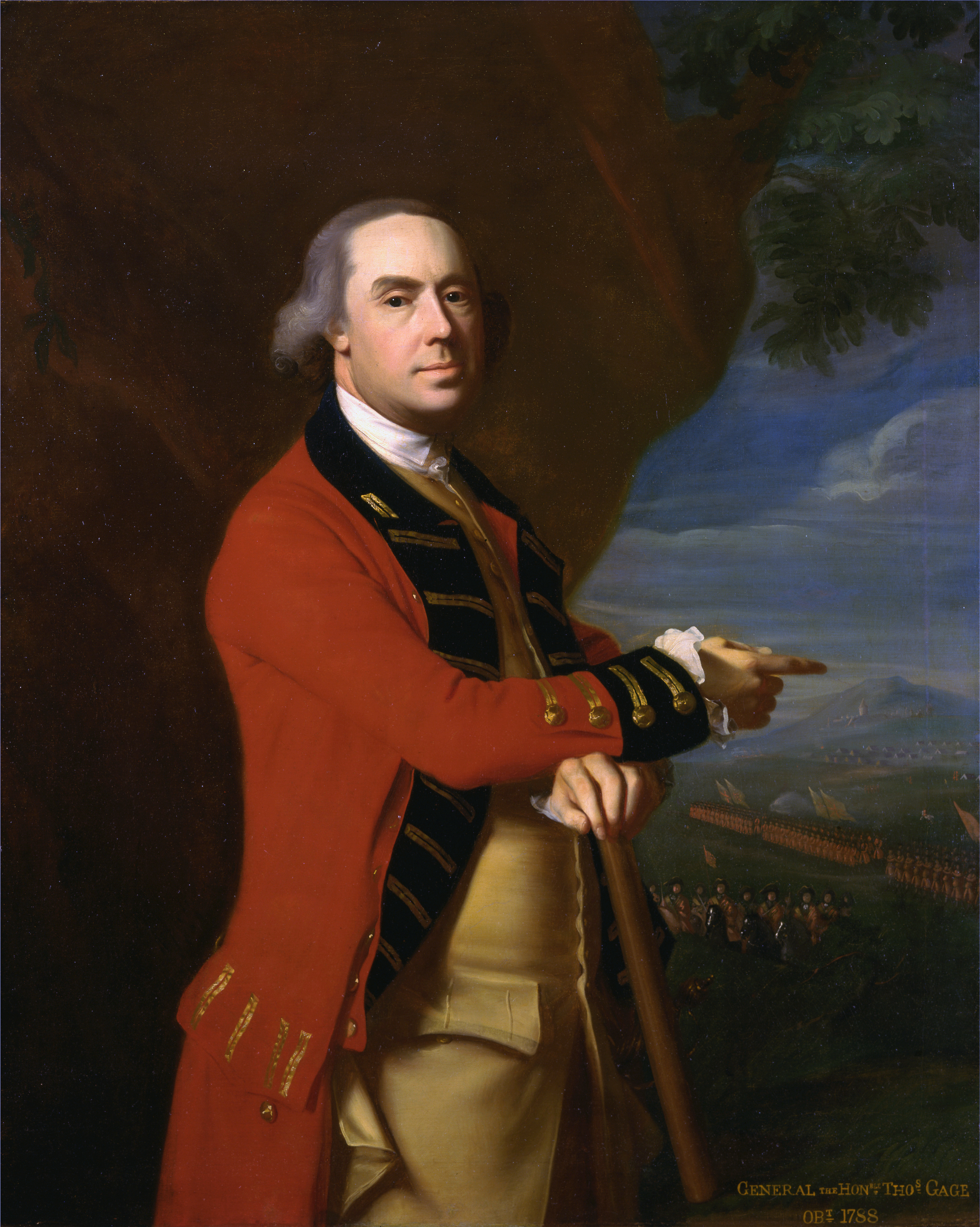
General Thomas Gage
British military governor of Massachusetts.
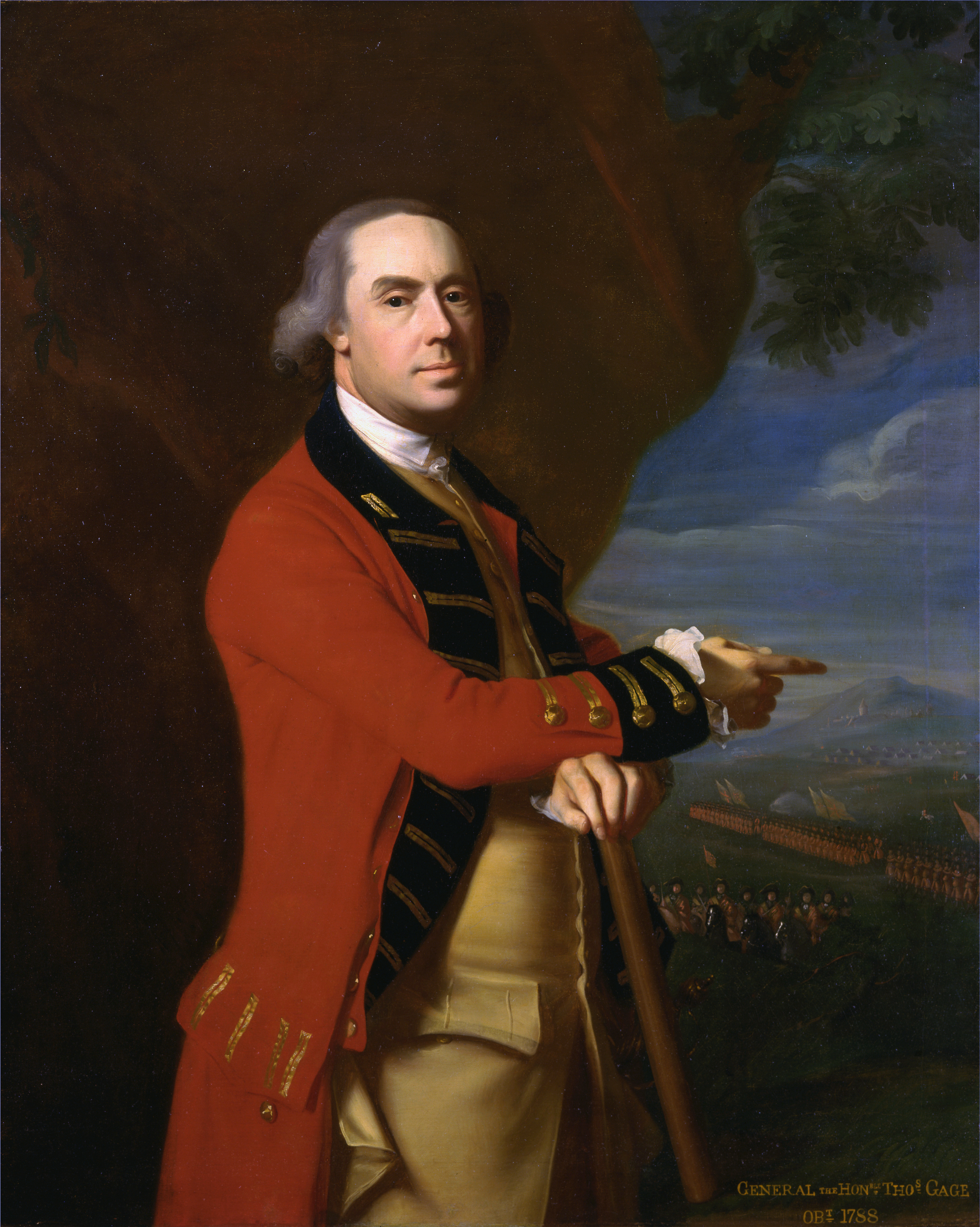
Lexington and Concord
First battles of the American Revolution.
Loyalists
Colonists who remained loyal to Britain.
First Continental Congress
1774 meeting to organize colonial resistance.
Second Continental Congress
Managed the Revolutionary War. This is also where independence was formally declared.
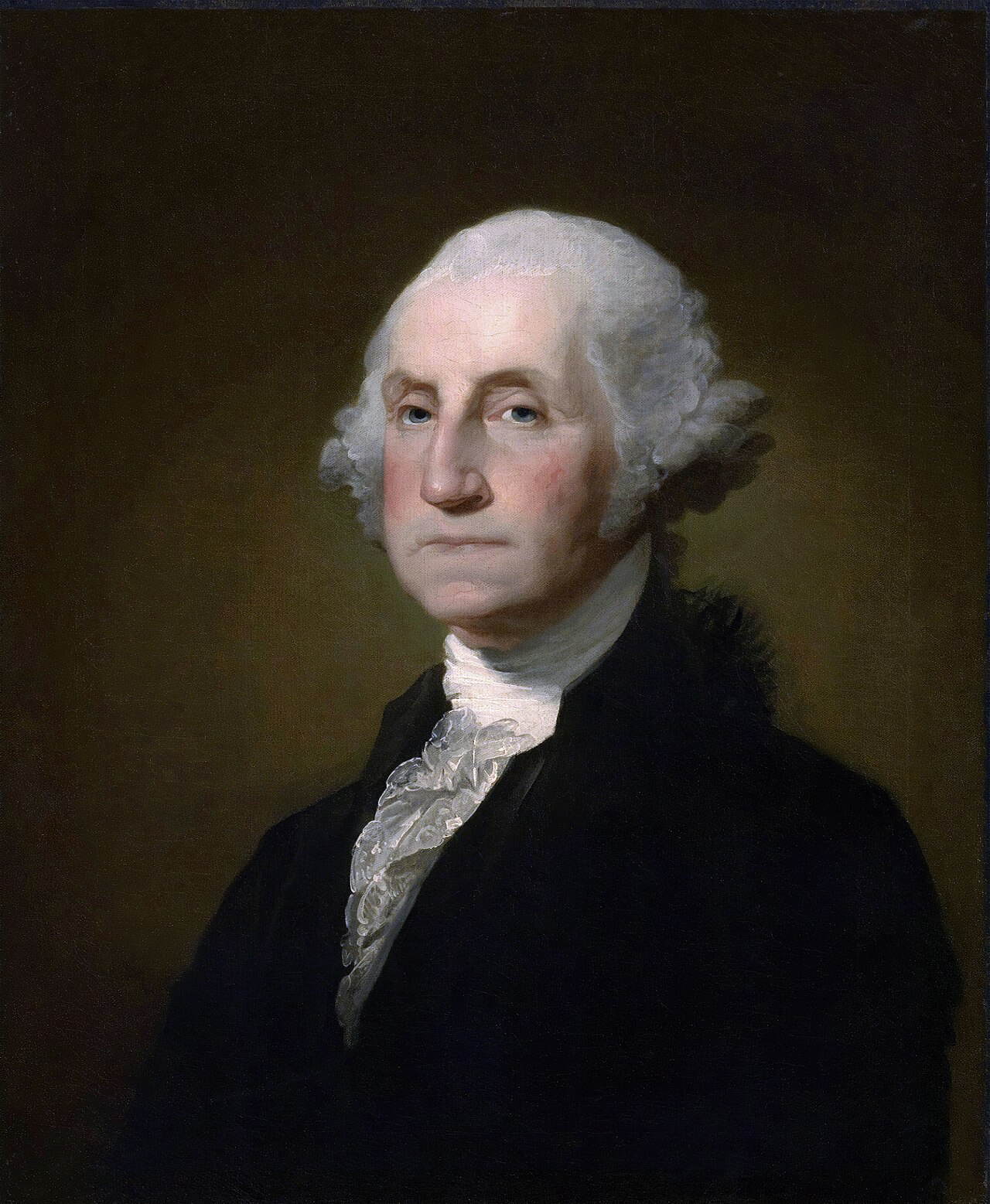
George Washington
Commander of the Continental Army and first U.S. president.
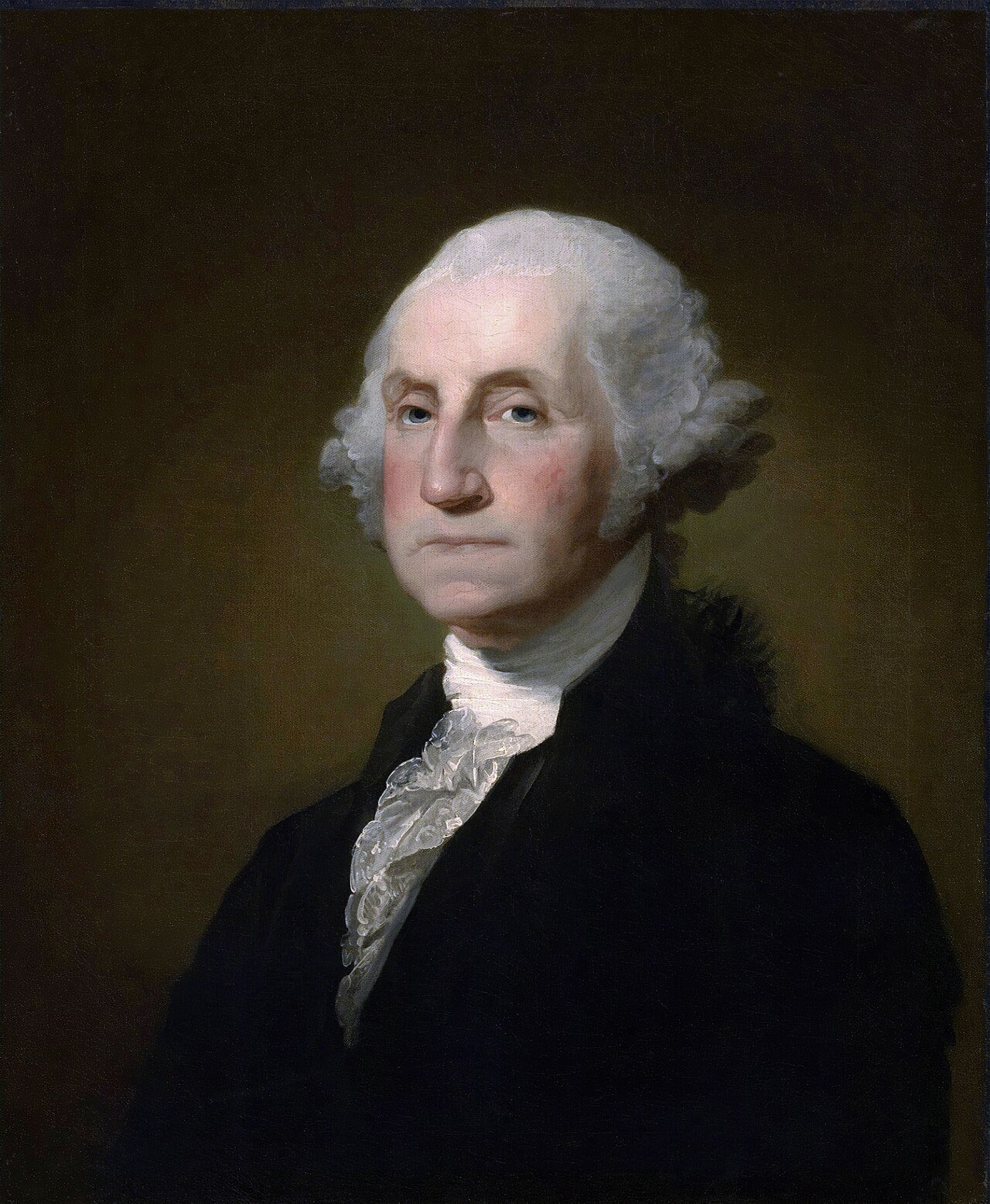
Olive Branch Petition
Final attempt to reconcile with King George III. It was the one that seemed a little over-the-top sucking-uppery to King George. We received a copy of it in class.
Lord Dunmore’s Proclamation
Offered freedom to enslaved people who joined the British.
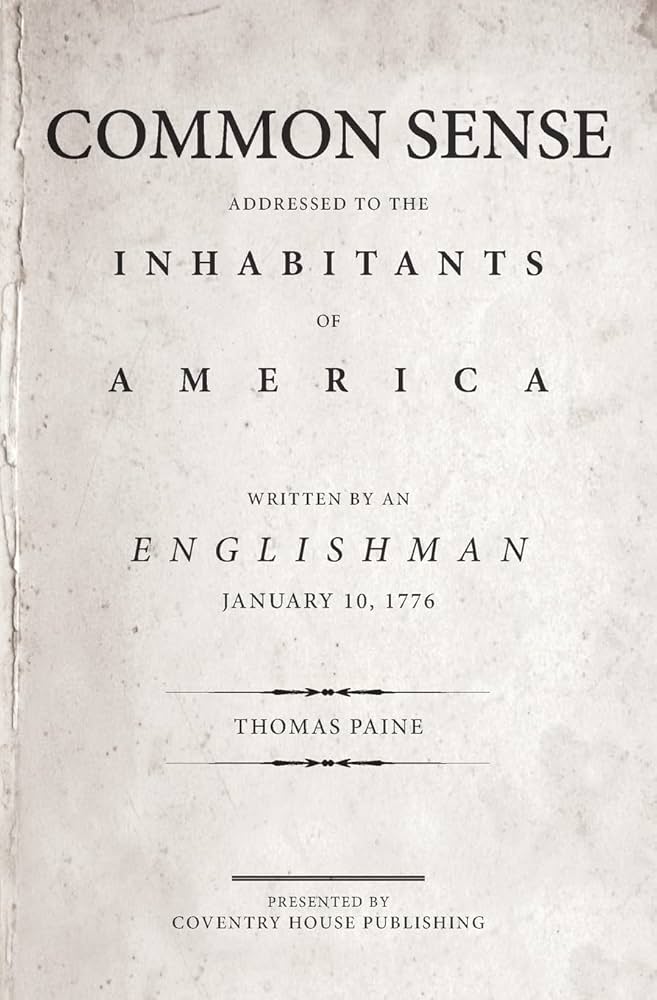
Common Sense
Pamphlet by Thomas Paine arguing for independence.
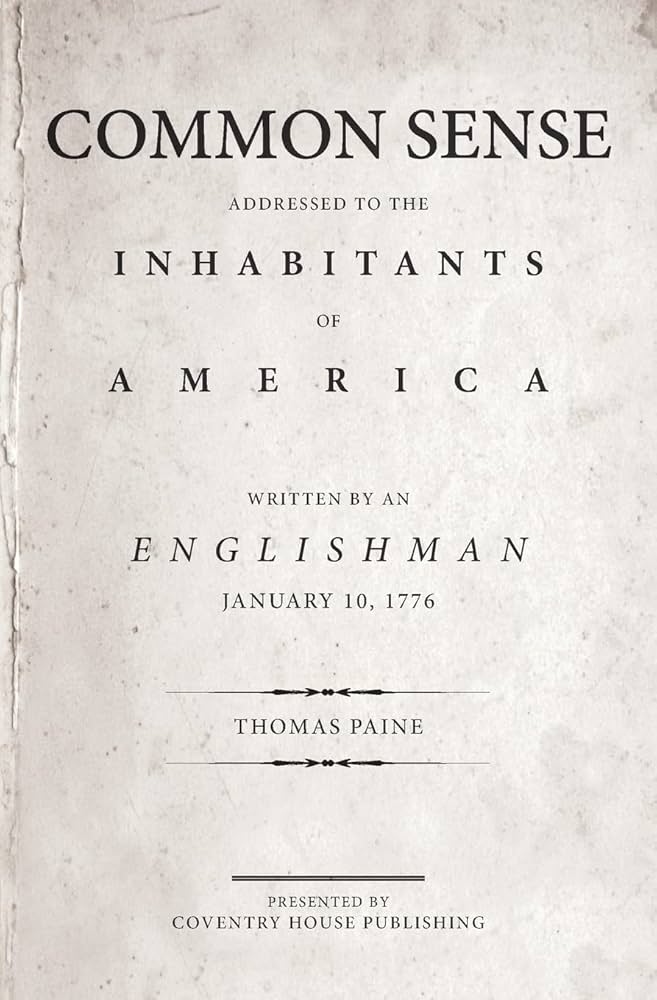
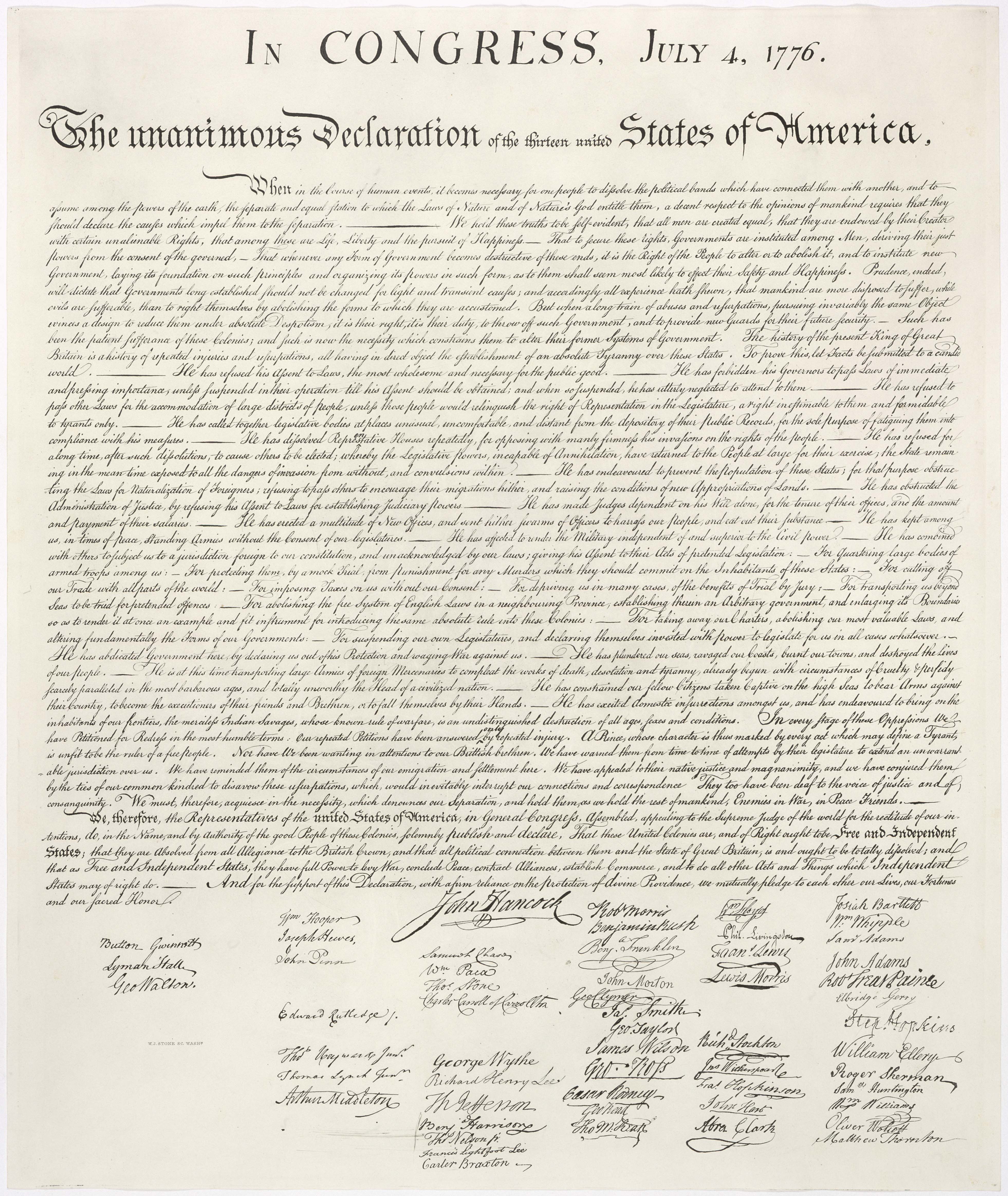
The Declaration of Independence
Document declaring colonial independence from Britain in 1776.
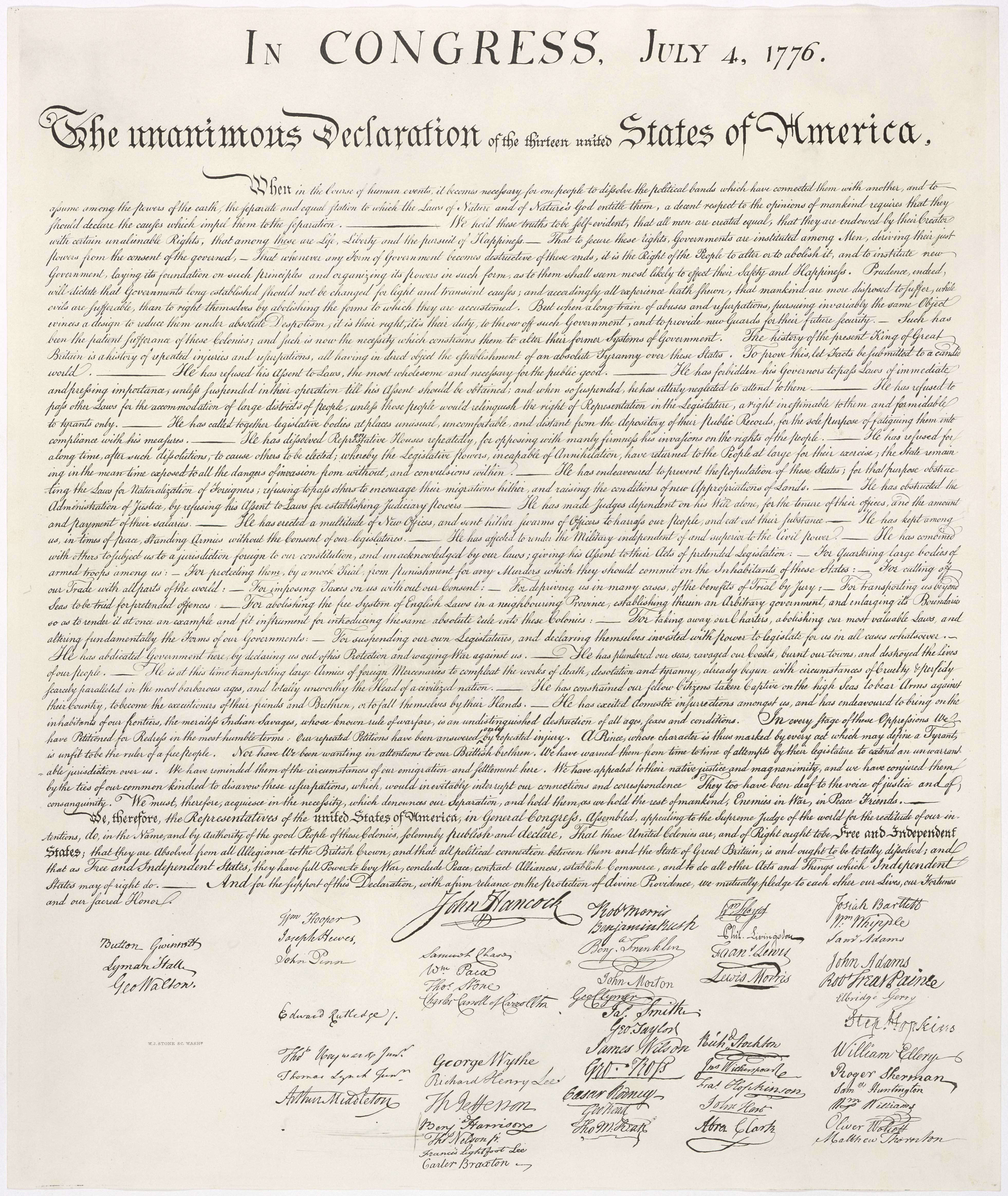
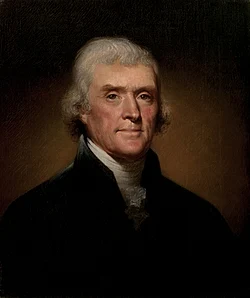
Thomas Jefferson (Tommy Joe)
Primary author of the Declaration of Independence.
Bourbon Reforms
Spanish efforts to strengthen control over colonies.
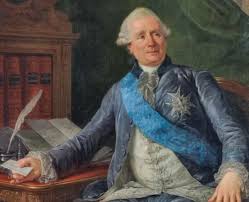
Charles Gravier, Comte de Vergennes
French foreign minister who supported the American Revolution.
Articles of Confederation
First U.S. government with a weak central authority.
Fugitive Slave Clause
Required escaped enslaved people to be returned.
Three-fifths Compromise
Counted enslaved people as three-fifths of a person for representation in the Declaration of Independence.
Constitutional Convention
1787 meeting that created the U.S. Constitution.
Republican Motherhood
Belief that women should raise virtuous citizens, but shouldn’t really participate in government themselves.
Molly Brant
Mohawk leader and diplomat. Allied with the British.
 Note
Note  Flashcards (24)