Study Guide on West Africa
 Studied by 0 people
 Call Kai
 Learn
Learn Practice Test
 Spaced Repetition
 Match
Match Flashcards
 Knowt Play
1/32

There's no tags or description
Looks like no tags are added yet.
Name | Mastery | Learn | Test | Matching | Spaced |
|---|
No study sessions yet.
33 Terms
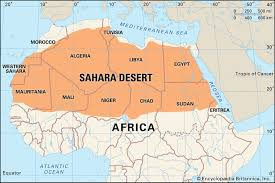
Sahara
A large, hot desert in North Africa that covers about 3.5 million square miles.
Sahel
A zone of semidesert, south of the Sahara, where short grasses, small bushes, and a few trees grow.
Savanna
A vegetation zone of tall grasses and scattered trees, with a long rainy season.
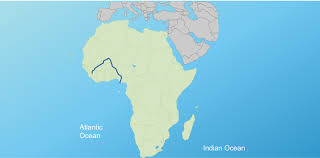
Niger River
The longest river in West Africa, and a kind of trading highway in early times.
Tribute
Payment made by one ruler or country to another for protection or as a sign of submission.
Trans-Saharan trade
Trade between peoples north and south of the Sahara.
Nok
A people living in West Africa in the 500s B.C.E. who mastered ironworking.
Artifact
An item left behind by an earlier culture.
Smelting
The process of melting ore to produce iron or other metals from it.
Jenne-jenno
An ancient West African city built along the Niger River.
Role of iron tools
The ability to make iron tools significantly impacted food production and the types of jobs that villagers performed in West Africa as it spread rapidly. With iron tools, farmers were able to clear land and cultivate crops more effectively. Additionally, with the increased availability of food, larger villages emerged, allowing people to trade goods such as weaving, metalworking, and pottery (they started to make handcrafted goods). Leading them to trade their extras for things they couldn't make themselves.
Early farming communities
Early communities in West Africa consisted of extended families, which were close relatives such as grandparents, aunts, uncles, and cousins, which turns out to be about 15-20 members. In a community, they had to make what they required, in which the members worked together, clearing fields, planting seeds, and harvesting crops. Also they traded with other communities to get additional resources, which was probably decided by the male elders.
Early cities
They became trading cities from the growth of ironworking and trade, plus villages located along the rivers or other trade routes became trading sites. By taxing trade,villages became wealthy. Wealth led to an increasing population, and villages often grew into towns and cities.
Early kingdoms
Kingdoms developed from trading rulers who became wealthy (collecting taxes), so they were able to raise large armies to take over neighboring lands, to take over trade from those areas, to then become wealthier.
Why people traded
People traded to get additional resources they could not produce, or be able to get within their vicinity.
Role of rivers
Rivers acted as trade routes and a way for easy transportation, providing fertile soil for irrigation and fresh water. In which, villages located along rivers or other easily traveled routes became important trading sites. Villages that controlled the trade routes became market centers, and the inhabitants became wealthy by charging fees for trading activity.
Advantages of being part of a kingdom
King provided protection for those captured, armies kept trade routes safe (Kept out raiders or foreign armies), and wars between cities ended. Plus kings collected luxury items where evenly distributes throughout the kingdom (Government also got expensive gifts)
Disadvantages of being part of a kingdom
Obligation to pay tribute, men had to serve in the army, and you had to pay tribute if you were captured. Additionally, the great kingdoms started to not just use local trade, but made demands higher.
Matrilineal
A family line traced through the mother
Ghana
A kingdom in West Africa that controlled trade
Trans-Saharan trade
Trade between peoples north and south of the Sahara
North Africans
had abundance of salt - wanted gold
Gold came from the forest region south of Ghana
West Africans
had an abundance of gold - wanted salt
Salt came from the Sahara
Importance of Gold and Salt
Gold was very valuable since it was a source of wealth and was necessary to trade with other places like China and Italy which used gold to make coins
Gold was plentiful in Wangara
Salt was very significant because it is needed for the human body (sweat) and is used to prevent food from spoiling - especially needed in places where the climate is warmer and food is more prone to spoiling, also needed for taste
Salt was produced through evaporation or mining
Salt was plentiful in Taghaza
Taxing goods
Ghana was a very ideal spot due to its location, and people who wanted to trade gold/salt had to pass through Ghana, taxes were enforced
Role of Camels
Allowed trading to be much faster and more efficient because camels were meant for the desert (Sahara)
Helped trans-Saharan trade grow
Can drink a lot of water at one, allowing it to travel for multiple days without stopping
Have thick eyelashes and hairy ears to prevent sand from going in
GOld mines
Wangara was a gold mine
Wangarans kept the location of the gold mines a secret
Ghana Location
placing it strategically between the Saharan desert and forest regions, controlling crucial trans-Saharan trade routes for gold, salt, and other goods, using rivers for transport, and having access to resources like gold, allowing it to tax trade, grow rich, and develop strong political organization as a central hub
Sahara location
niger river location
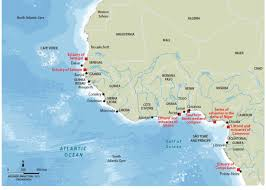
senegal river
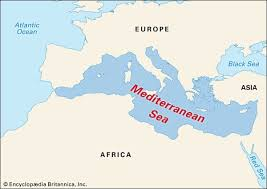
mediterranean sea
atlantic ocean
 Note
Note  Flashcards (51)