Xenacoelomorpha, platyhelminthes, etc. EXAM 1
 Call Kai
 Learn
Learn Practice Test
 Spaced Repetition
 Match
Match Flashcards
 Knowt Play
1/43

Earn XP
Description and Tags
chapter 14
Name | Mastery | Learn | Test | Matching | Spaced | Call with Kai |
|---|
No analytics yet
Send a link to your students to track their progress
44 Terms
how many germ layer?
three- triploblastic
cephlilization
having all sensory structures in one area- having a head
protostome
first opening is mouth
dueterostome
first opening is anus
lophotrochozoa
bilaterally symmetrical, protostome invertebrates within the clade Spiralia. They are defined by sharing either a lophophore (a crown of ciliated feeding tentacles) or a trochophore larva (a free-swimming larva with ciliary bands) during their life cycle
Ecdysozoa
many have cuticle that is molted
Phylum Platyhelminthes
flatworms, free living or parasitic.
SYNCYTIAL tegument or neodermis
outer layer that protects internal parasites from the defense of the host. resistant to immune system of host.
class turbellarians
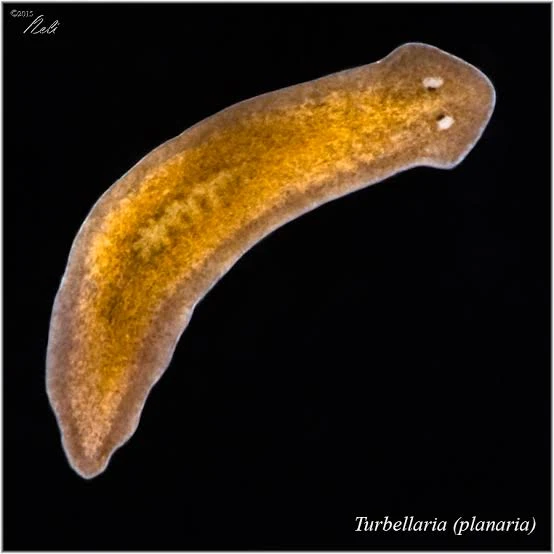
most have cellular, ciliated epidermis. contains rod- shaped rhabdites. most are free living. mouth on ventral side. movement with muscular and cilial movement. can swim if very small.
pharynx
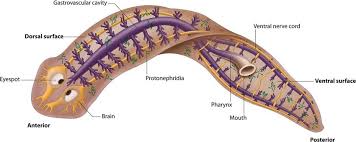
a versatile muscular tube connecting the mouth to the gut, functioning as the primary organ for feeding and waste expulsion
protonephridia
gets rid of extra water, can do some excretion of wasteo
osmoregulation
regulating internal water and electrolyte balance (osmotic pressure) to maintain homeostasis against varying environmental conditions.
flame cell
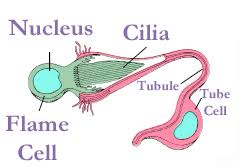
beating flagella moves fluid down collecting ducts for expulsion
ocelli
eye spots that are light sensitive
tactile cells
touch sensitive cells
class trematoda
all parasitic worms, endoparasites,
trematodes- subclass digena
first intermediate host is mollusc. definitive host is vertebrate. reproduce sexually in host
digenaen life cycle
egg leaves host in waste - hatches - larval stage (miracidium)- enters snail - sporocyst - asexual reproduction - rediae - cercariae - leaves snail - metacercaria - eaten by vertebrate host - sexually producing adult stage.
miracidium
free swimming larval stage, with ciliare
sporocyst
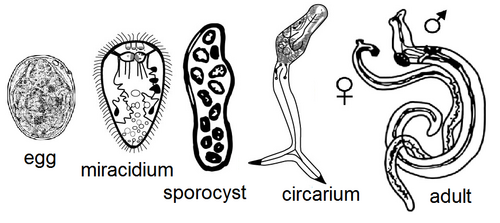
life-cycle stage for certain parasites. encapsulated, spore-like structures essential for transmission
rediae
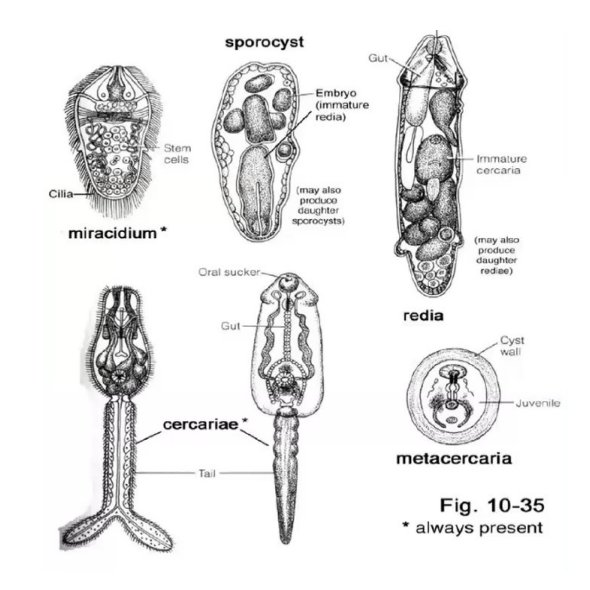
They arise from sporocysts and produce either daughter rediae or cercariae. develop within a molluscan host.
cercariae
these burrow out of a snail. free-swimming, tadpole-shaped larval stage of trematode parasites (flukes)
metacercariae
adult paracite. infective larval stage of digenetic trematodes (flukes). The final hosts are human.
clonorchis sinensis
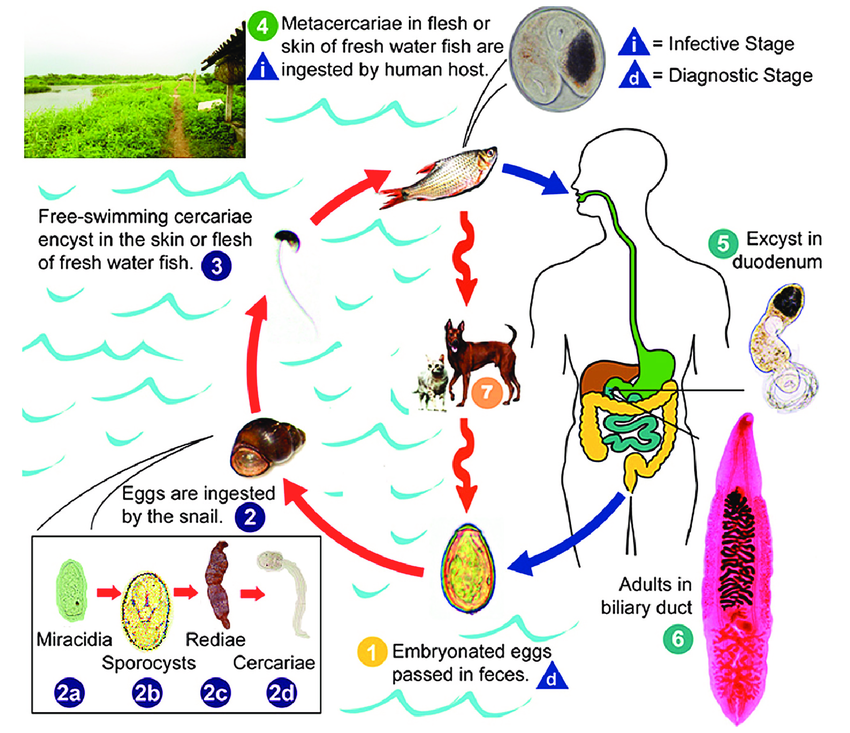
human liver fluke. requires snail. 1 miracidium can produce 250000 cercariae. transfer to fish, eaten by human.
blood fluke- schistosoma
males have gynecophoric canal. no rediae or metacercariae stage.
class cestoda
tapeworms- long flat body with scolex. holdfast structure with suckers and hooks. the only sensory organ is a modified cilia. most do little harm to host.
scolex
the anterior end of a tapeworm, bearing suckers and hooks for attachment.
proglottids
reproductive segments that make up the body (strobila) of an adult tapeworm. It is not true segmentation, just replication.
strobila
main body (proglottid chain)
germinative zone
region located immediately behind the scolex (head) that acts as the primary proliferative center for budding new proglottids.
Taenia saginata
Beef tapeworm. Adults live in human intestine. Juveniles in intermuscular tissue of cattle. humans eat undercooked beef, and the cyst wall dissolves.
oncospheres
shelled larvae
cysticerci (tape worm)
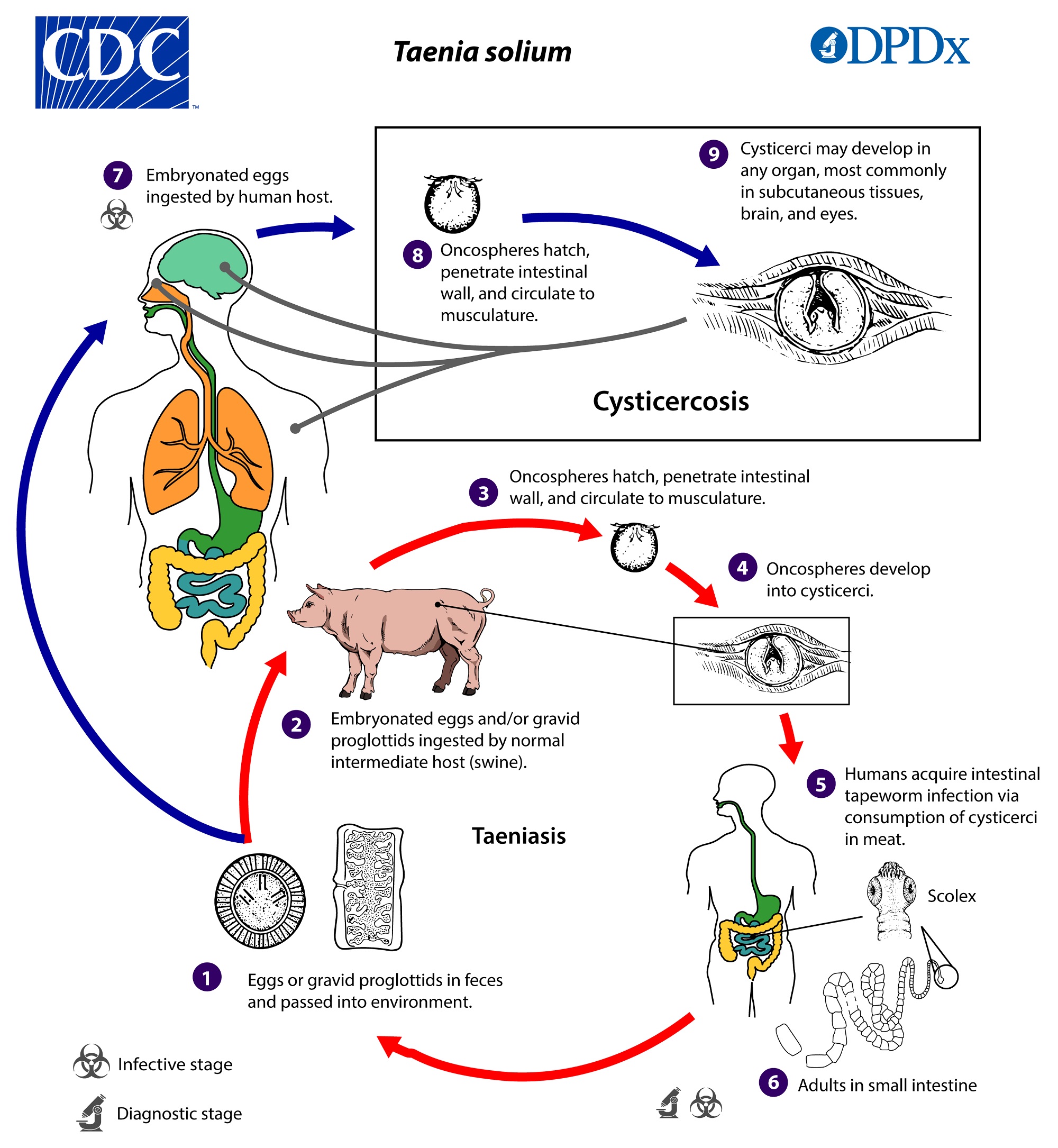
larval stage of the tapeworm, appearing as 5–15 mm fluid-filled sacs (bladder worms) containing a single, invaginated scolex.
Phylum Rotifera
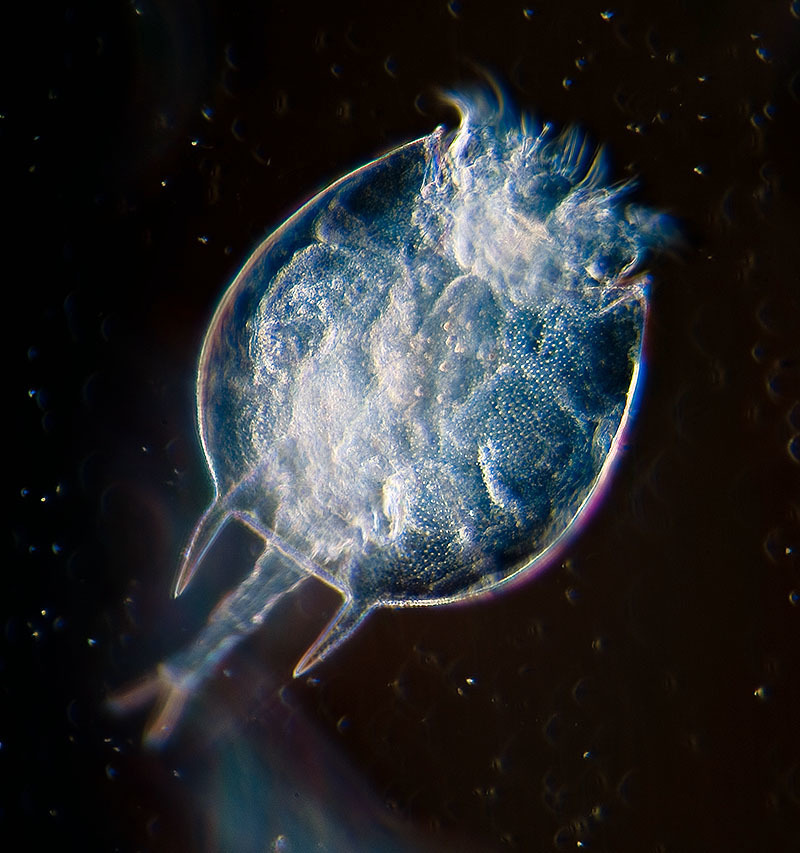
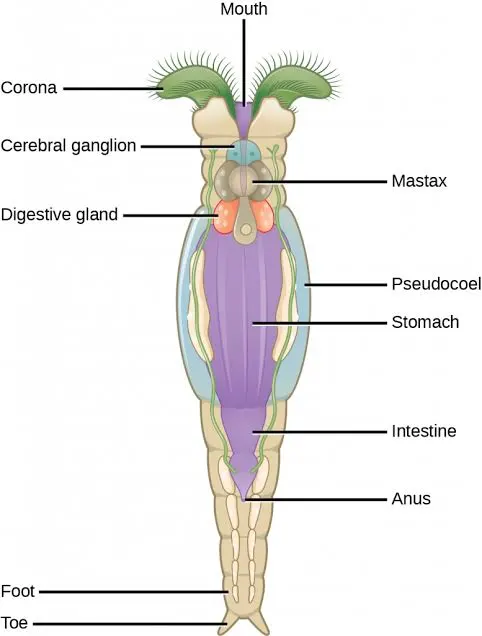
ciliated crown, corona, beats like a rotating wheel. mostly benthic. some part of meiofauna. some epizoic.
corona
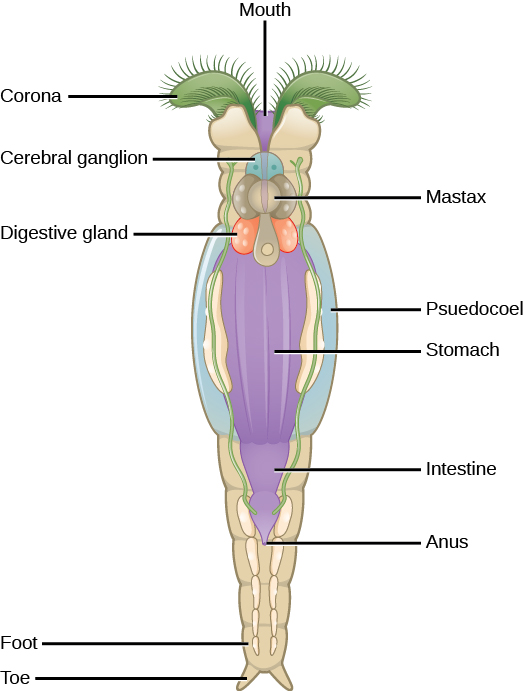
ciliated crown, where the mouth is located
meiofauna
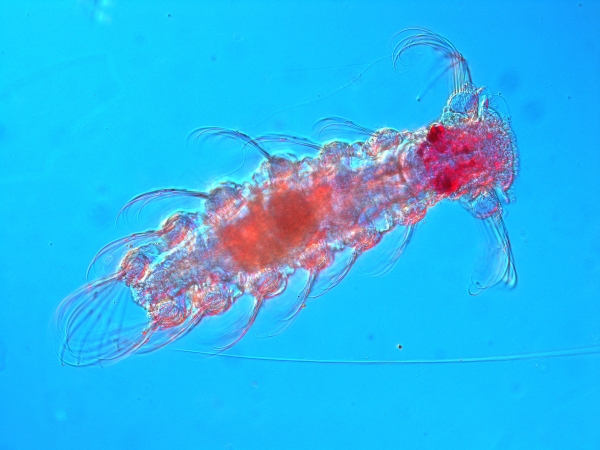
Meiobenthos, also called meiofauna, are small benthic invertebrates that live in marine or freshwater environments, or both.
epizoic
growing or living nonparasitically on the exterior of a living animal.
Mastax
muscular pharynx equipped with hard jaws (trophi) in a rotifer
trophi
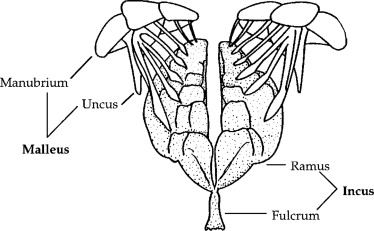
hard jaws that are constantly movving in a rotifer
class monogononta
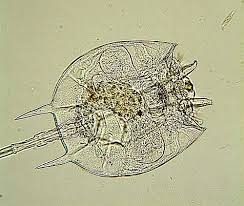
males only present for a few weeks. mostly diploid amictic eggs.
amictic eggs
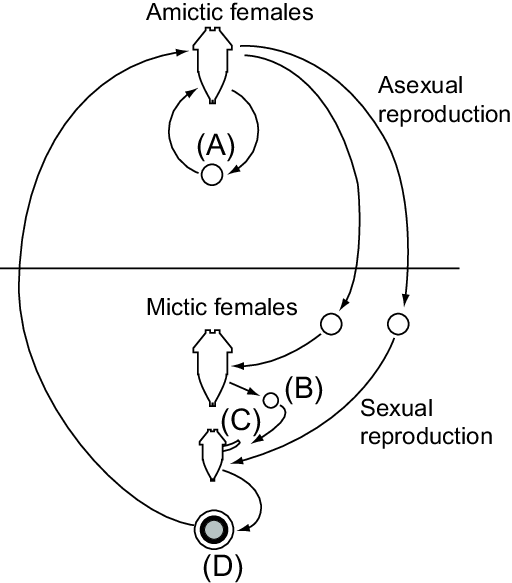
diploid, asexual eggs produced by female rotifers that develop directly into females without fertilization.
mixis stimulus
an environmental signal that triggers a switch from asexual to sexual reproduction in monogonont rotifers.
platyhelminthes 4 classes
Turbellaria- The nice worms. No parasites, all free living.
Tremetoda- flukes all endoparasitic
Monogenea- flukes ectoparasitic
Cestoda- tapeworm
Rotifer classes
Seisonidea
Bdelloidea
Monogononta

