Comprehensive Guide to Anabolism, Carbon Fixation, and Macromolecule Synthesis in Microbial Metabolism
 Call Kai
 Learn
Learn Practice Test
 Spaced Repetition
 Match
Match Flashcards
 Knowt Play
1/25

There's no tags or description
Looks like no tags are added yet.
Name | Mastery | Learn | Test | Matching | Spaced | Call with Kai |
|---|
No analytics yet
Send a link to your students to track their progress
26 Terms
What is the primary purpose of anabolism?
To use energy from catabolism to synthesize macromolecules from monomers.
How do anabolic and catabolic pathways differ in terms of cofactors?
Anabolic pathways typically use NADPH, while catabolic pathways typically use NADH.
What is the main carbon source for autotrophs?
CO2.
What are the three phases of the Calvin-Benson cycle?
Carboxylation, reduction, and regeneration.
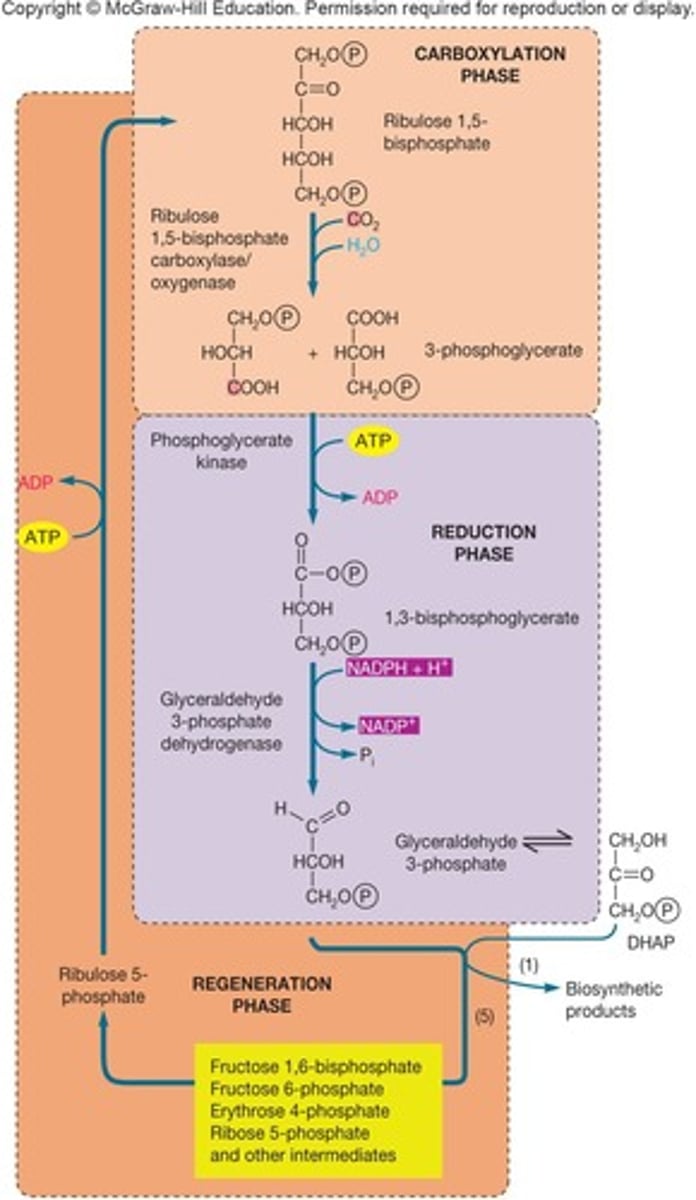
Which enzyme catalyzes the carboxylation phase of the Calvin-Benson cycle?
Ribulose bisphosphate carboxylase/oxygenase (RuBisCO).
What is the primary goal of the Calvin-Benson cycle?
To produce glyceraldehyde 3-phosphate from CO2.
In which organisms is the reductive TCA cycle primarily found?
Some chemolithoautotrophs, specifically anaerobes.
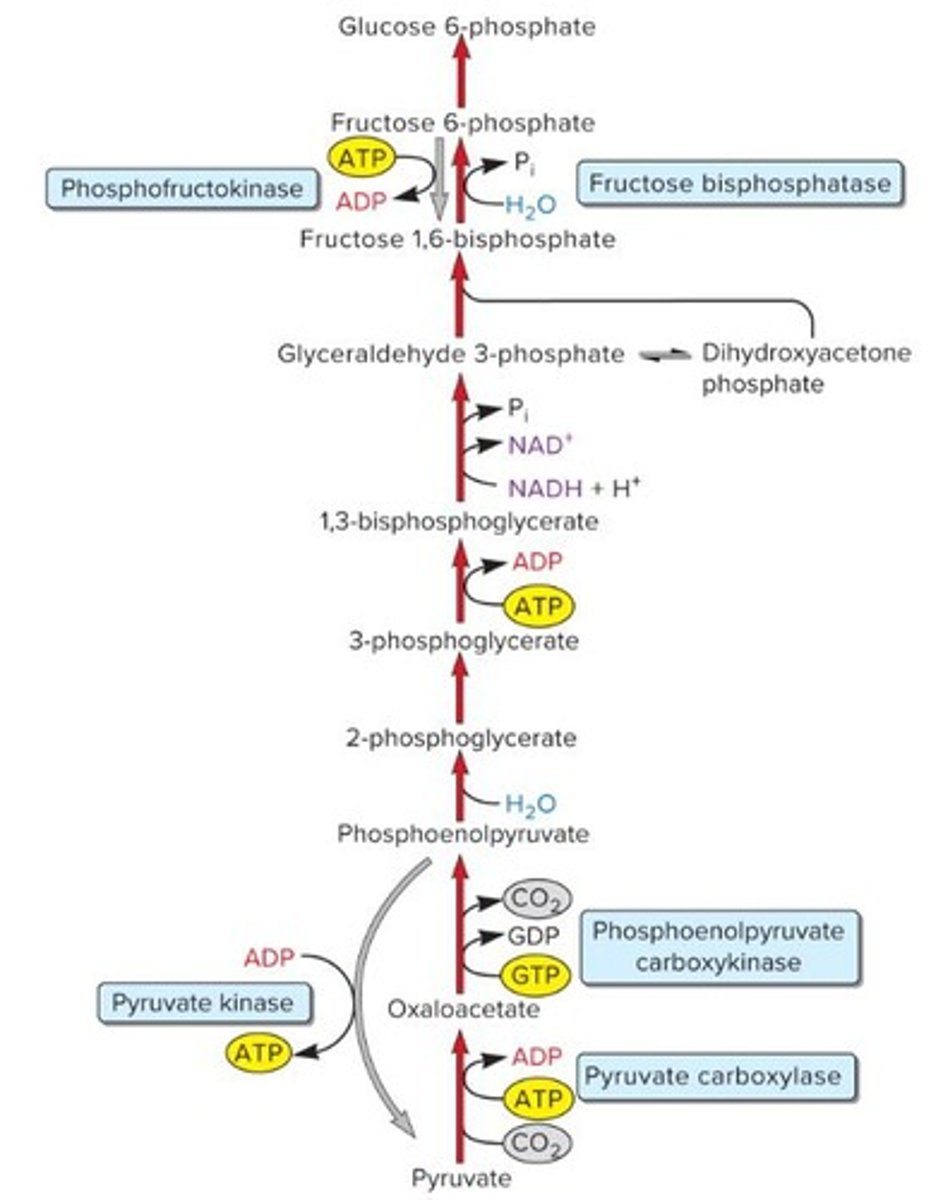
What is the functional relationship between glycolysis and gluconeogenesis?
Gluconeogenesis is the functional reversal of glycolysis, though the pathways are not identical.
What is the role of Fructose 1,6-bisphosphatase in gluconeogenesis?
It is a key regulatory enzyme activated by high-energy signals like ATP and citrate.
What is the difference between assimilatory and dissimilatory pathways?
Assimilatory pathways incorporate inorganic compounds into organic cell constituents, while dissimilatory pathways use them as electron acceptors in respiration.
What enzyme catalyzes nitrogen fixation?
Nitrogenase.
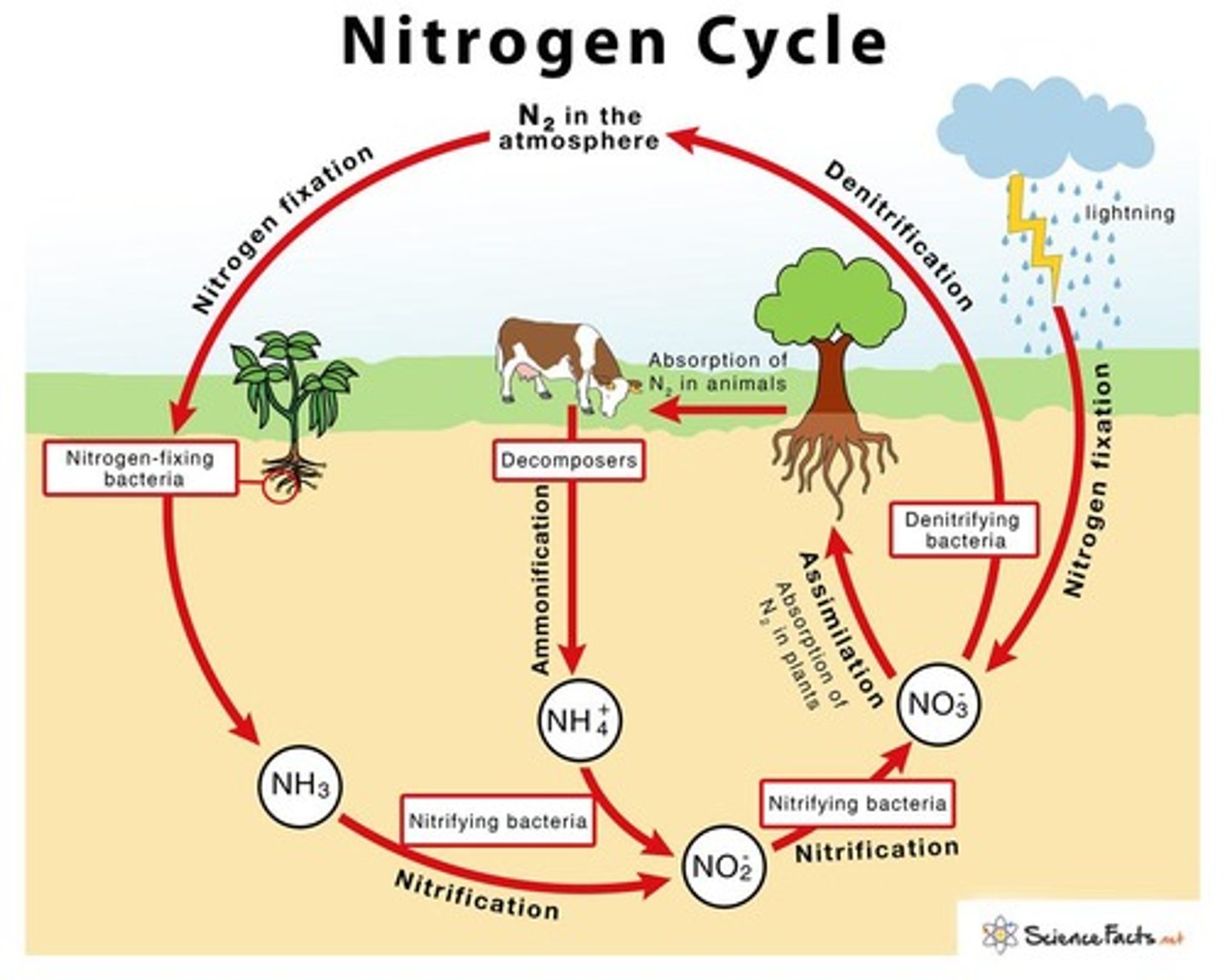
Why is nitrogen fixation highly energy-intensive?
It requires 8 electrons and 16 ATP molecules per N2 fixed.
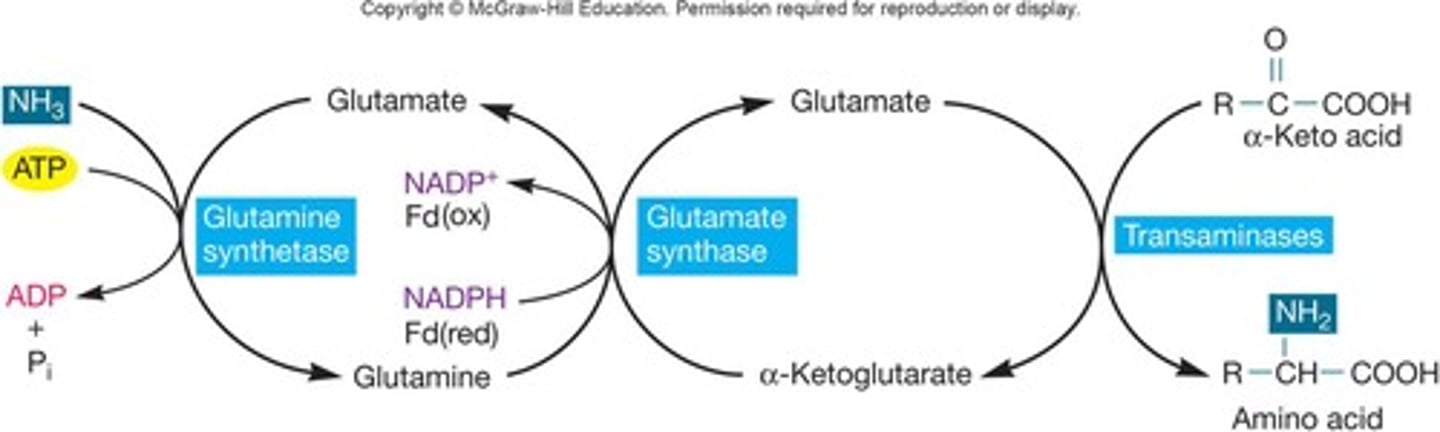
What is the GS-GOGAT system used for in bacteria?
Ammonia incorporation when ammonia concentrations are low; it requires ATP.
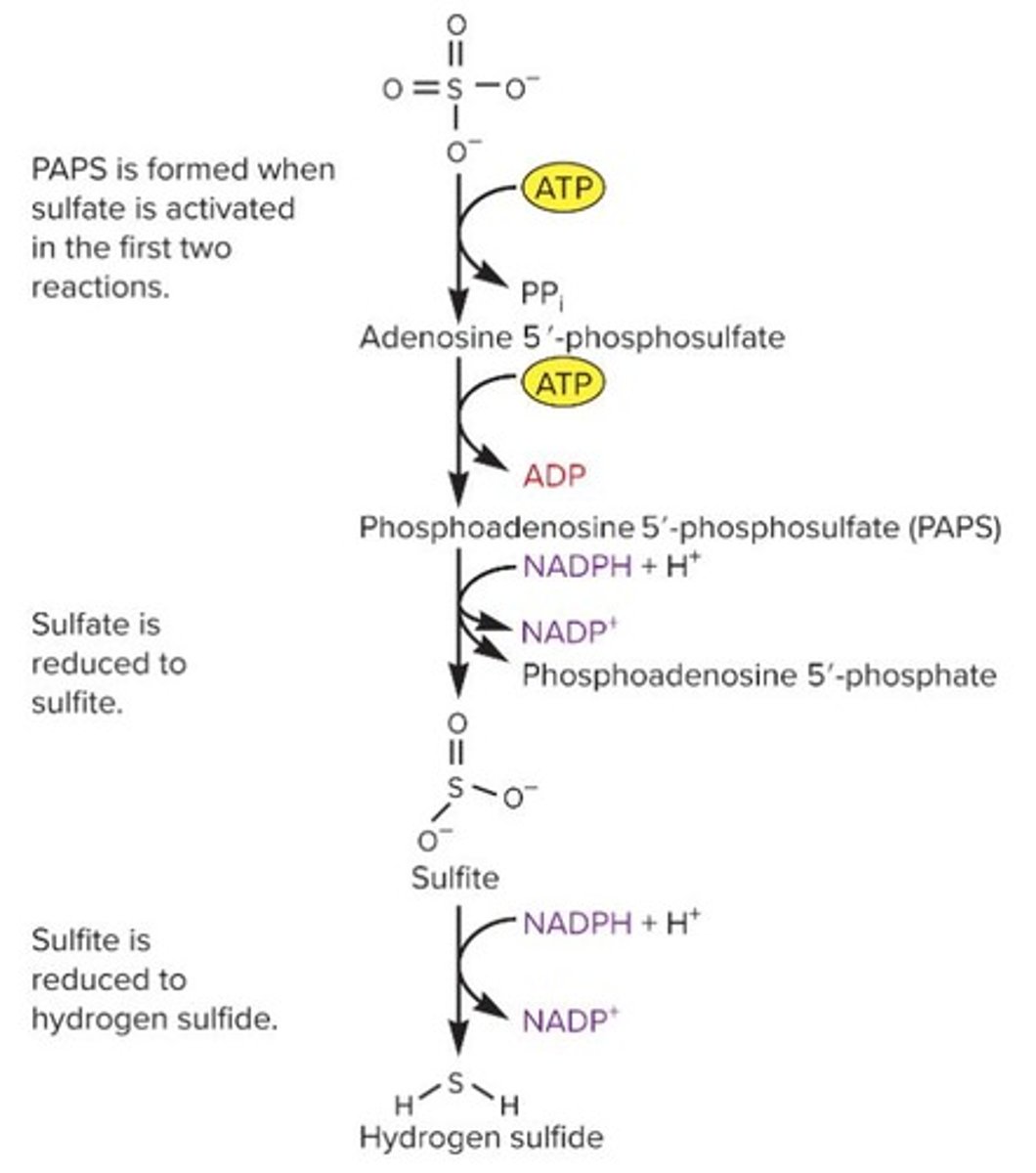
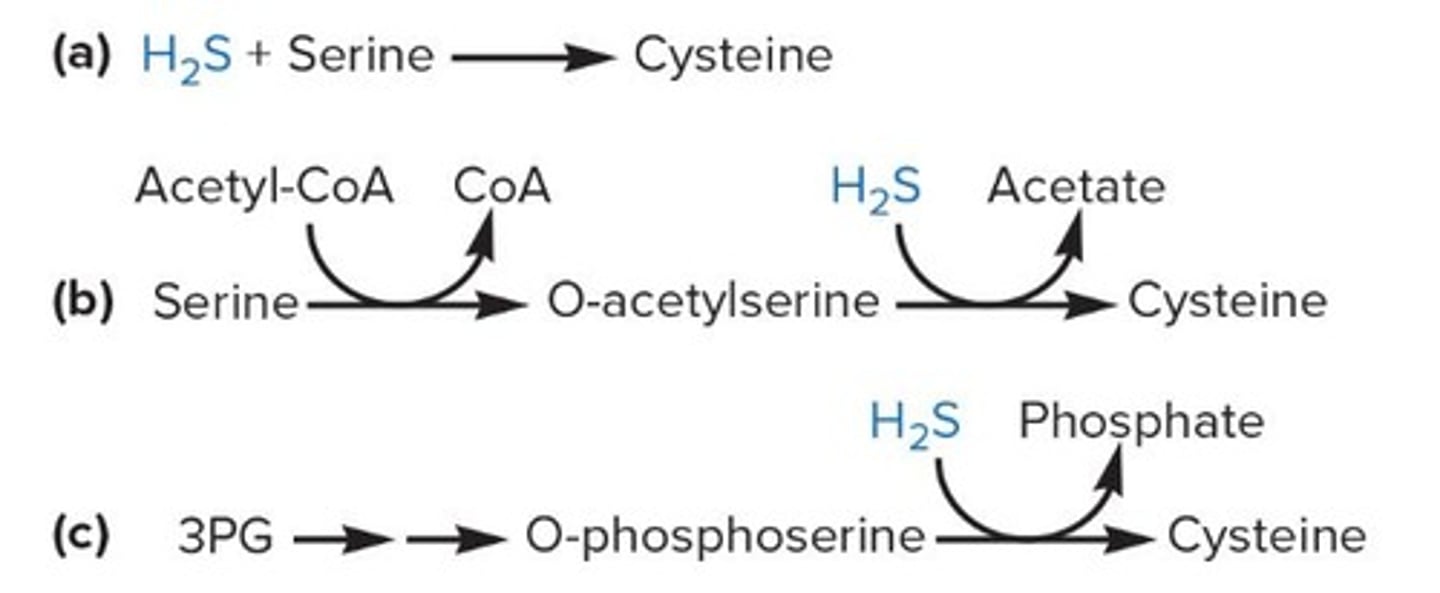
What is the primary sulfur source for cysteine synthesis?
Sulfate (SO4 2-), which is reduced to H2S.
What is the shikimate pathway used for?
The synthesis of aromatic amino acids like tryptophan, phenylalanine, and tyrosine.
Which amino acids are involved in purine synthesis?
Aspartic acid, glycine, and glutamine.
How are deoxyribonucleotides formed from ribonucleotides?
By reduction, requiring thioredoxin as a reducing agent.
What is the primary difference between pyrimidine and purine synthesis?
Pyrimidines are constructed as free bases before adding ribose, whereas purines are built directly onto ribose 5-phosphate.
How is thymine (T) synthesized?
Via the methylation of uracil (U) using a folic acid derivative.
What building blocks do archaea use for lipids instead of fatty acids?
Isoprene.
What are the primary substrates for fatty acid synthase?
Acetyl-CoA, malonyl-CoA, and NADPH.
What are the three main components of Lipopolysaccharide (LPS)?
Lipid A, oligosaccharide core, and O-polysaccharide (O antigen).
What protein is responsible for transporting LPS to the outer membrane?
Lpt proteins.
What is the role of phosphatases in phosphorus assimilation?
They hydrolyze organic phosphoryl groups in the environment to release inorganic phosphate (Pi).
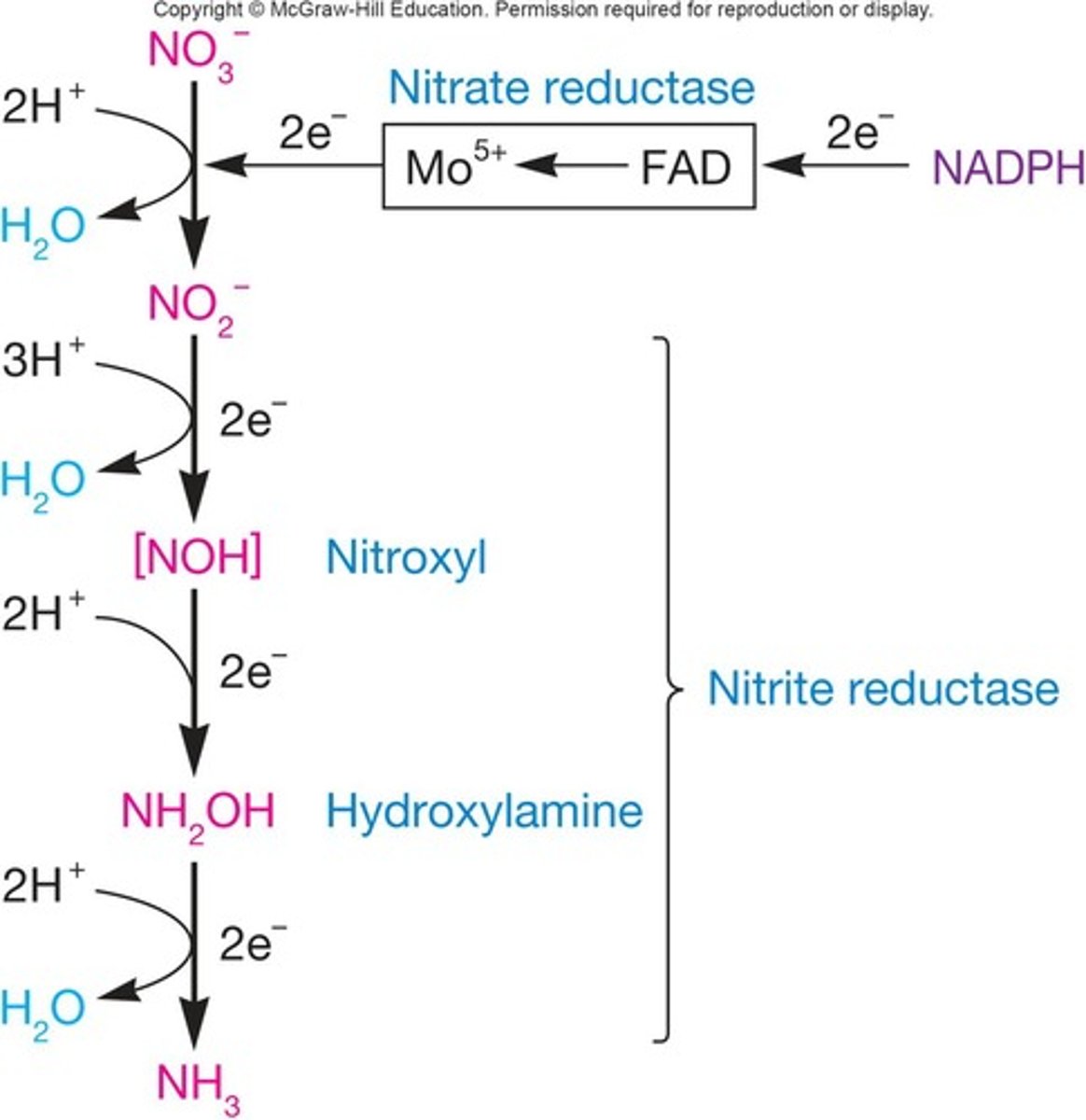
What is the primary nitrogen source for assimilatory nitrate reduction?
Nitrate (NO3-).
Why is nitrogenase sensitive to oxygen?
It is highly sensitive to oxygen, necessitating specialized conditions for nitrogen fixation.

