Key Concepts of Classical Republican and Natural Rights
 Call Kai
 Learn
Learn Practice Test
 Spaced Repetition
 Match
Match Flashcards
 Knowt Play
1/15

There's no tags or description
Looks like no tags are added yet.
Name | Mastery | Learn | Test | Matching | Spaced | Call with Kai |
|---|
No analytics yet
Send a link to your students to track their progress
16 Terms
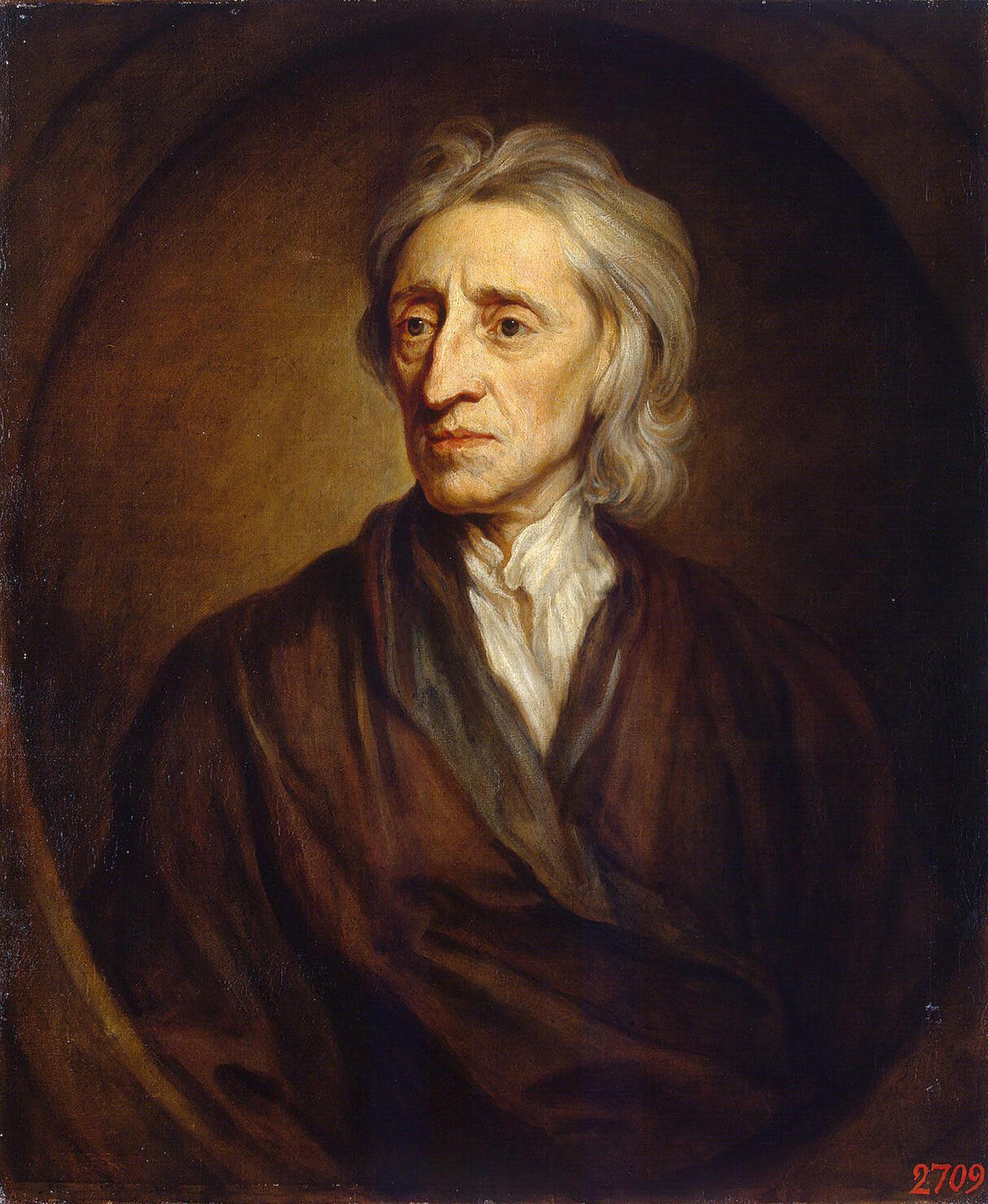
John Locke (natural rights)
Believed all people are born with natural rights: life, liberty, and property
Government’s main job is to protect these rights
If a government fails, people have the right to overthrow it
Strong influence on modern democracy and documents like the Declaration of Independence
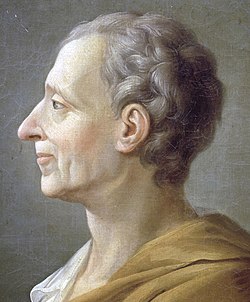
Montesquieu (natural rights)
Supported natural rights but is most famous for separation of powers
Argued government should be divided into legislative, executive, and judicial branches
This prevents tyranny and protects individual freedoms
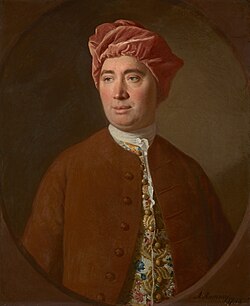
Hume (natural rights)
More skeptical of natural rights theory
Believed rights and government come from custom and social practices, not abstract “natural laws”
Emphasized experience and practicality over theory
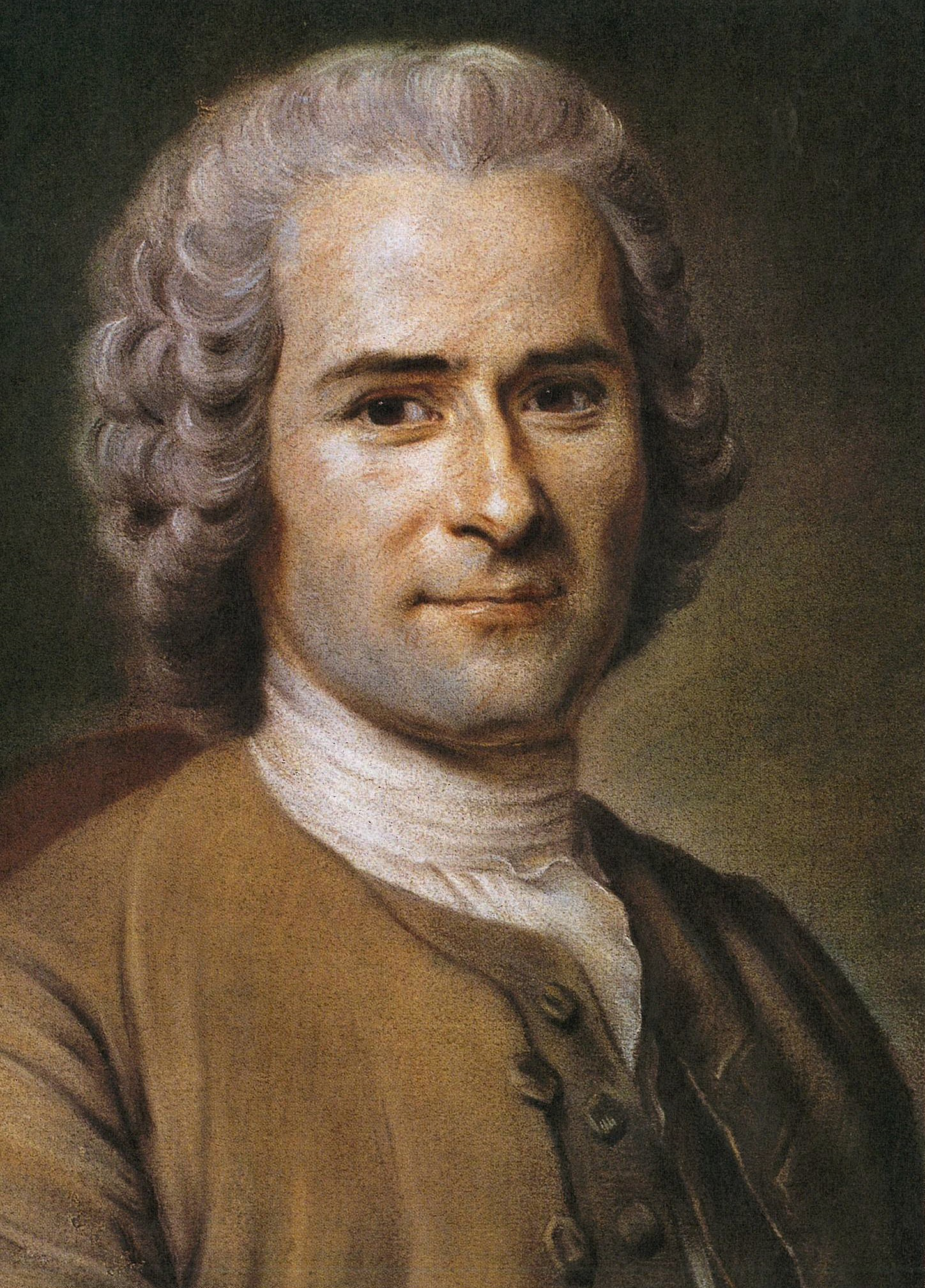
Rousseau (natural rights)
Believed people are naturally free but society can corrupt them
Introduced the idea of the social contract: people agree to follow the “general will” for the common good
Focused more on equality and collective freedom than individual property rights
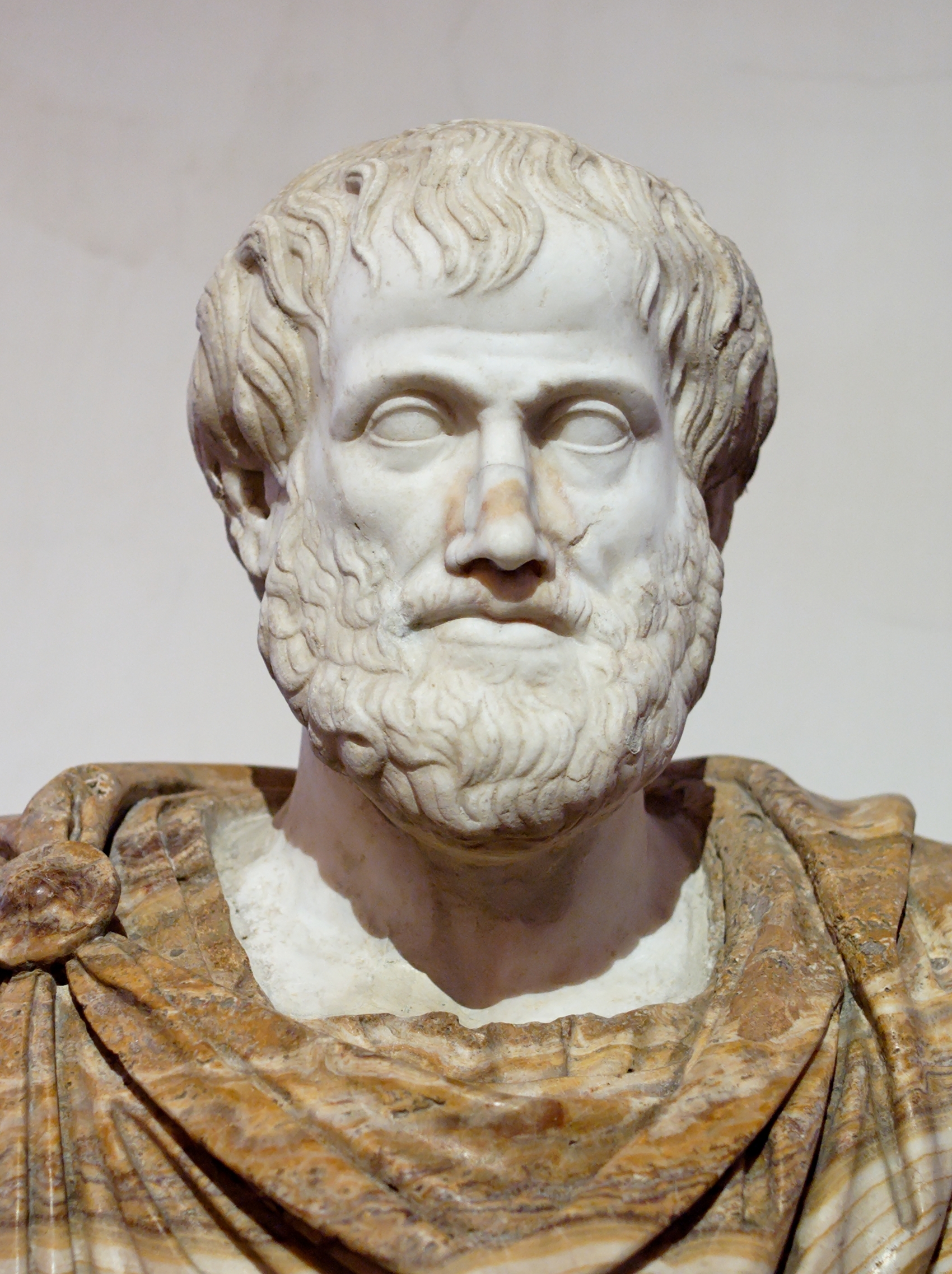
Aristotle (classical republican)
Believed humans are political animals who thrive in communities
Supported a mixed government balancing different social classes
Emphasized civic virtue (citizens participating for the common good)
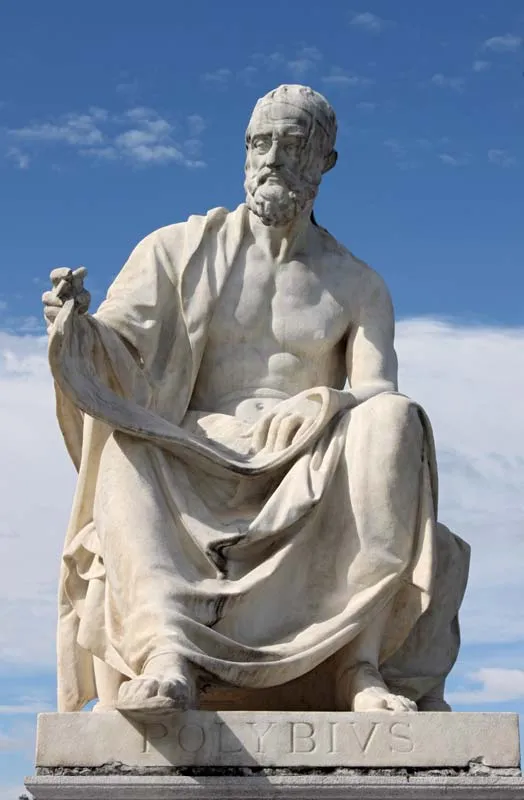
Polybius (classical republican)
Developed the idea of a mixed constitution (combining monarchy, aristocracy, and democracy)
Argued this balance prevents corruption and instability
Influenced later republican systems like Rome and modern governments
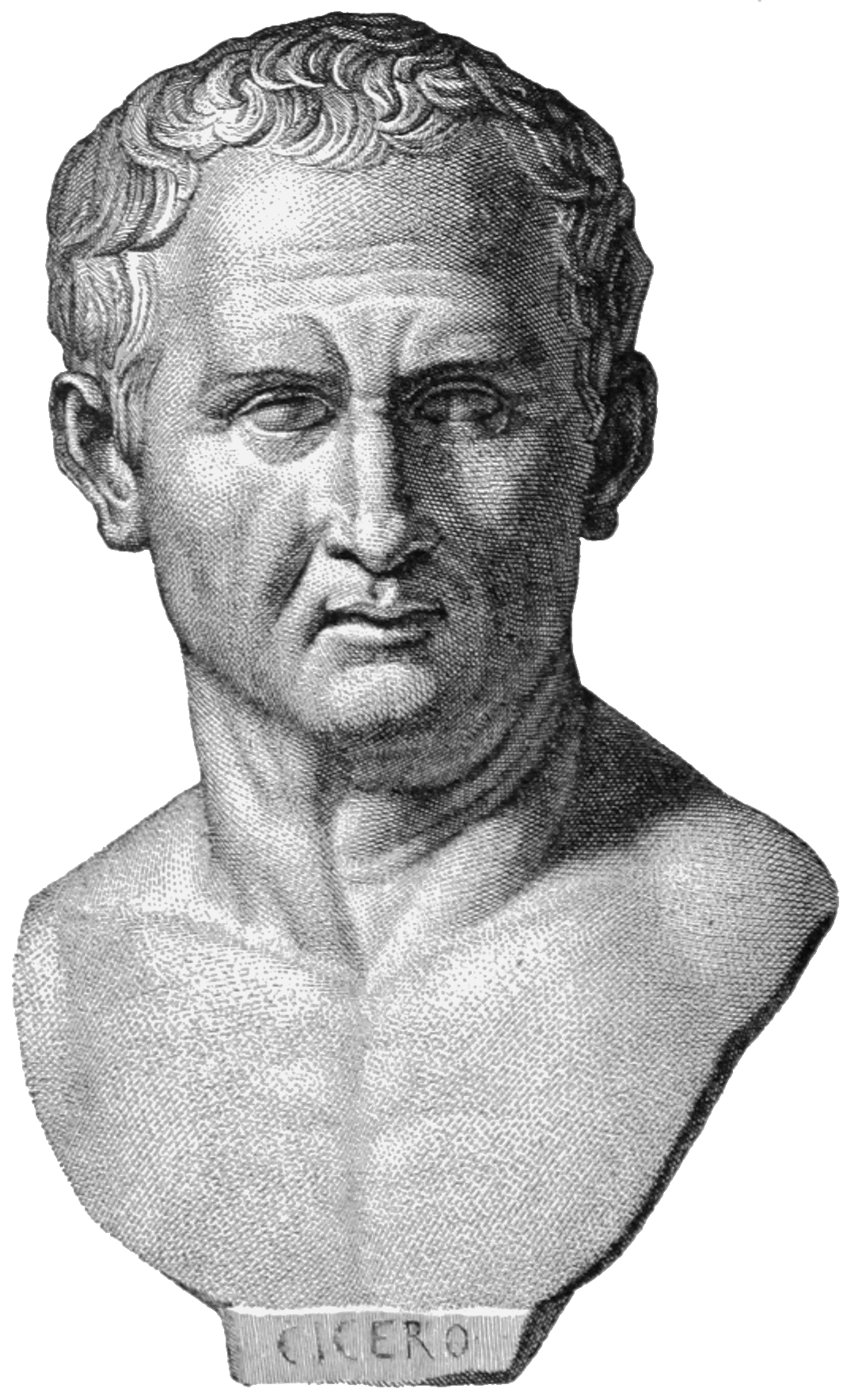
Cicero (classical republican)
Promoted rule of law and moral duty in politics
Believed government should serve the public good
Strong advocate of civic responsibility and virtue
Classical Republican
focus on community, civic duty, and balanced government
Natural Rights
focus on individual rights and freedoms
John Locke “Two Treatises of Government”
Key Quote:
“All mankind… being all equal and independent, no one ought to harm another in his life, health, liberty, or possessions.”
Why it matters:
This directly defines natural rights and the moral limits of government.
Montesquieu “The Spirit of the Laws”
Key Quote:
“Power ought to serve as a check to power.”
Why it matters:
This explains separation of powers—a key way to protect liberty.
David Hume “An Enquiry Concerning the Principles of Morals”
Key Quote:
“Reason is, and ought only to be the slave of the passions.”
Why it matters:
Shows his skepticism—human behavior and society are driven more by experience and emotion than abstract “natural rights.”
Jean-Jacques Rousseau “The Social Contract”
Key Quote:
“Man is born free, and everywhere he is in chains.”
Why it matters:
Captures the tension between natural freedom and society, leading to his idea of the general will.
Aristotle “Politics”
Key Quote:
“Man is by nature a political animal.”
Why it matters:
Supports the idea that people must live in communities and participate in civic life.
Polybius “Histories”
Key Quote:
“The best constitution is a mixture of all forms of government.”
Why it matters:
Explains the idea of a mixed constitution—a foundation of republican systems.
Cicero “De Re Publica”
Key Quote:
“The welfare of the people is the ultimate law.”
Why it matters:
Shows that government exists for the common good, not individual rulers.

