lab practical 2
 Studied by 5 people
 Call Kai
 Learn
Learn Practice Test
 Spaced Repetition
 Match
Match Flashcards
 Knowt Play
1/184

Earn XP
Description and Tags
lab 4-6
Name | Mastery | Learn | Test | Matching | Spaced | Call with Kai |
|---|
No analytics yet
Send a link to your students to track their progress
185 Terms
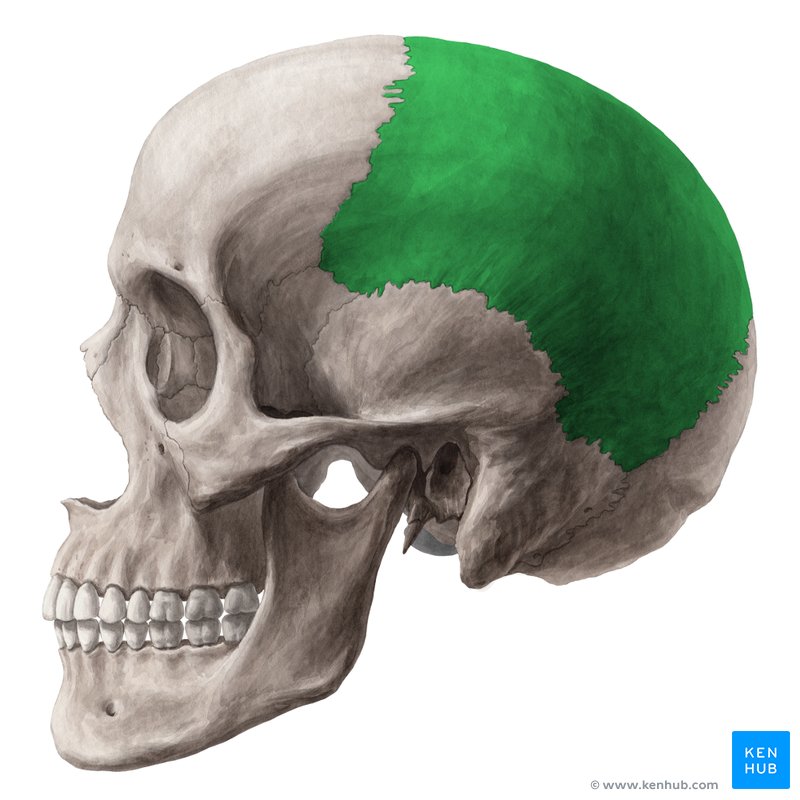
parietal bone
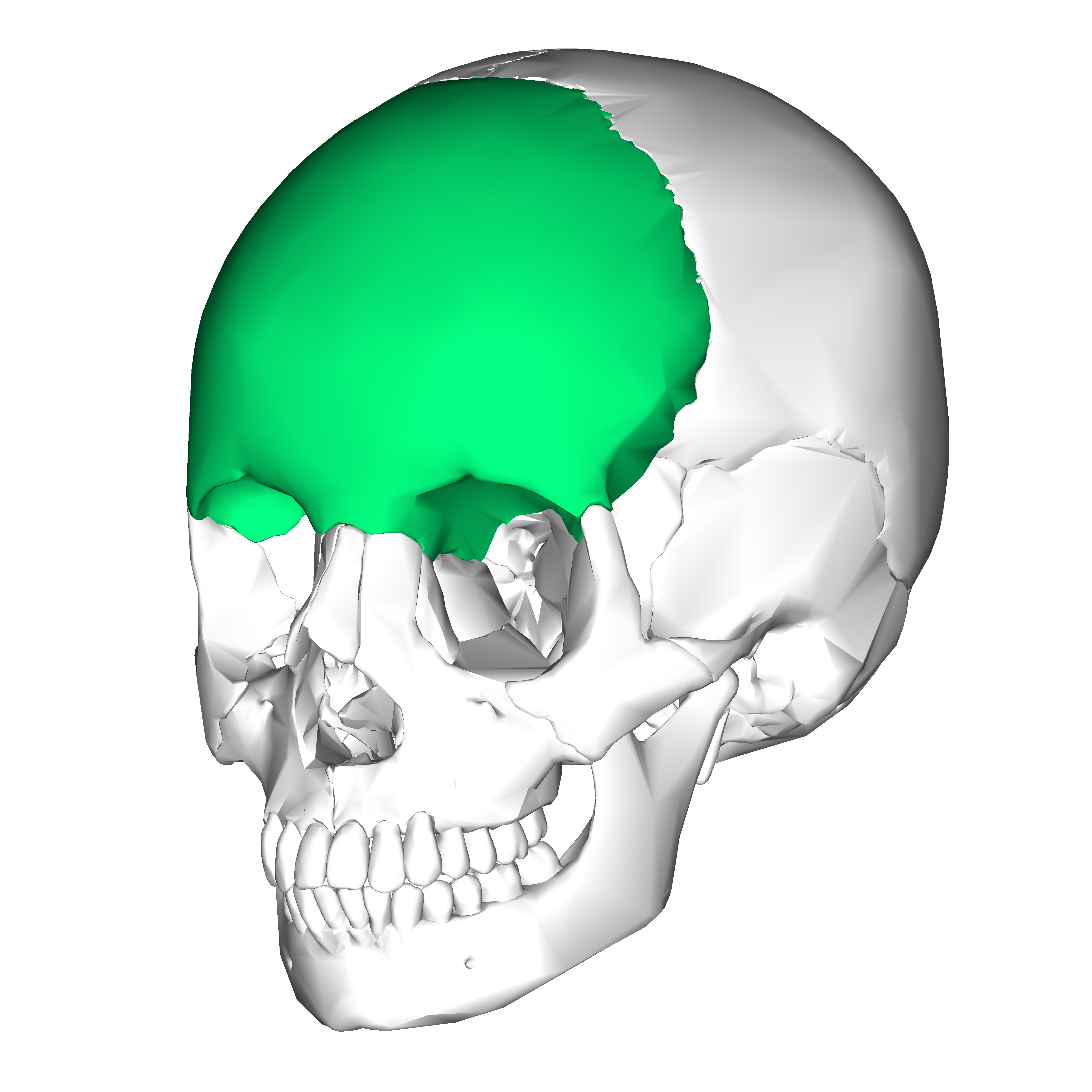
frontal
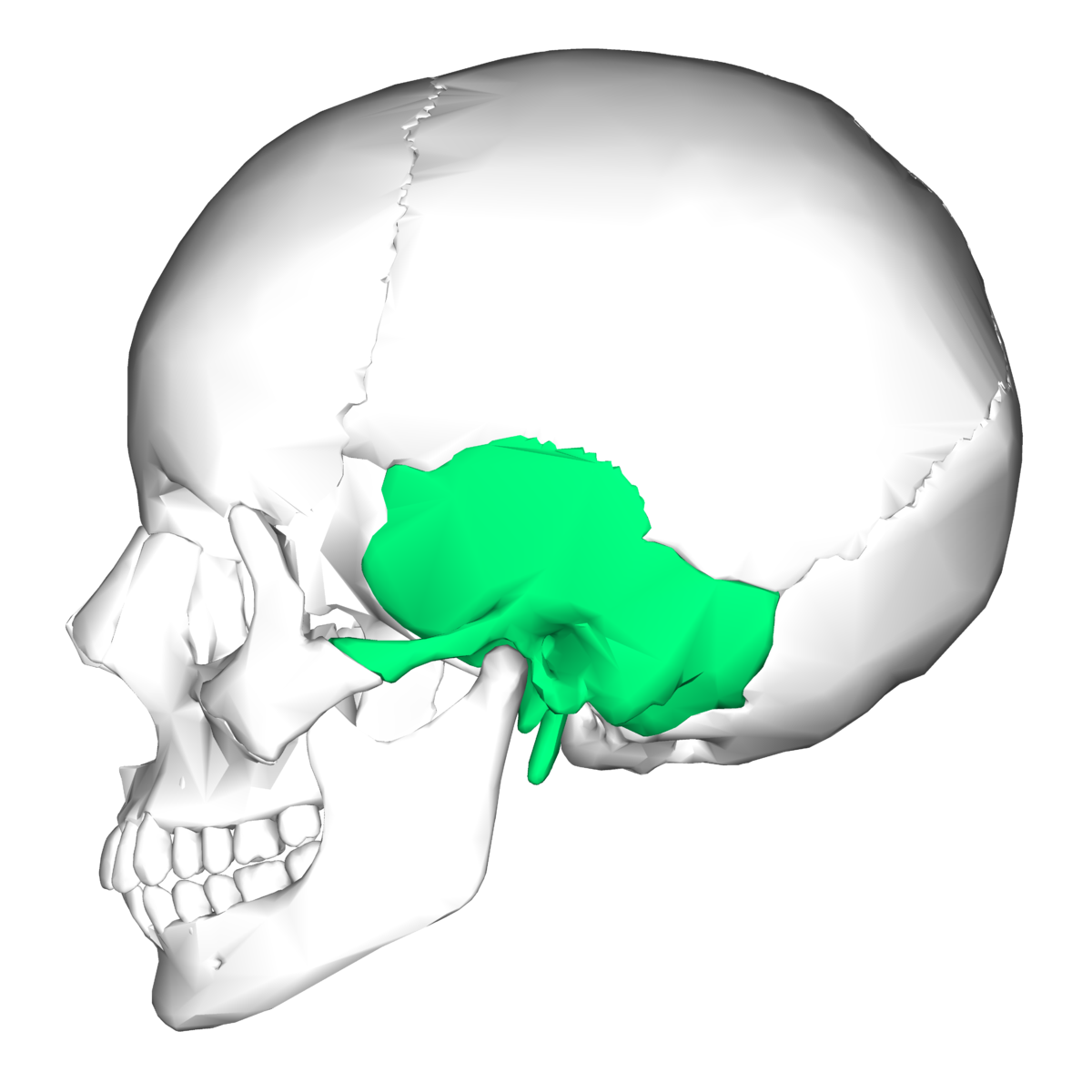
temporal
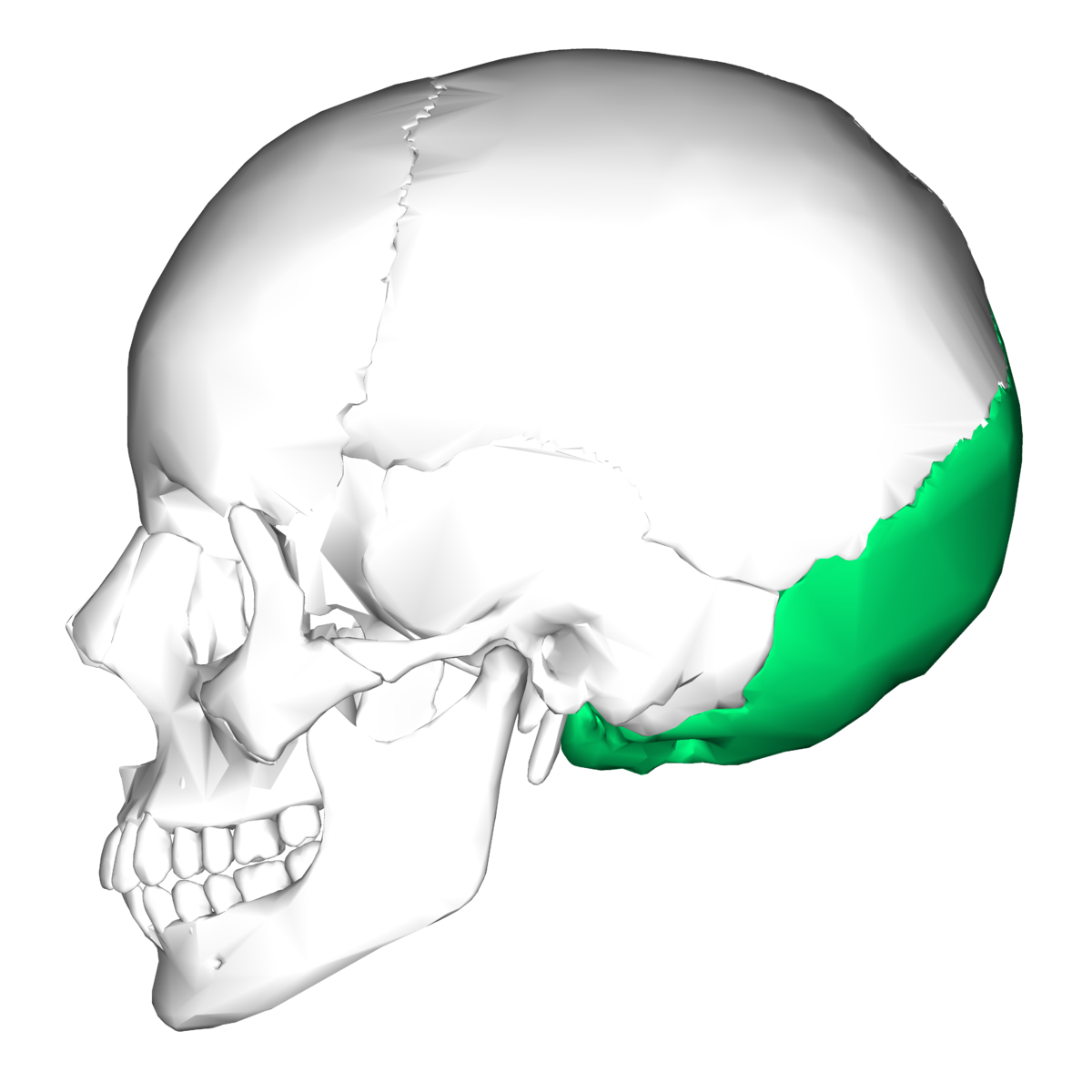
occipital
sphenoid bone
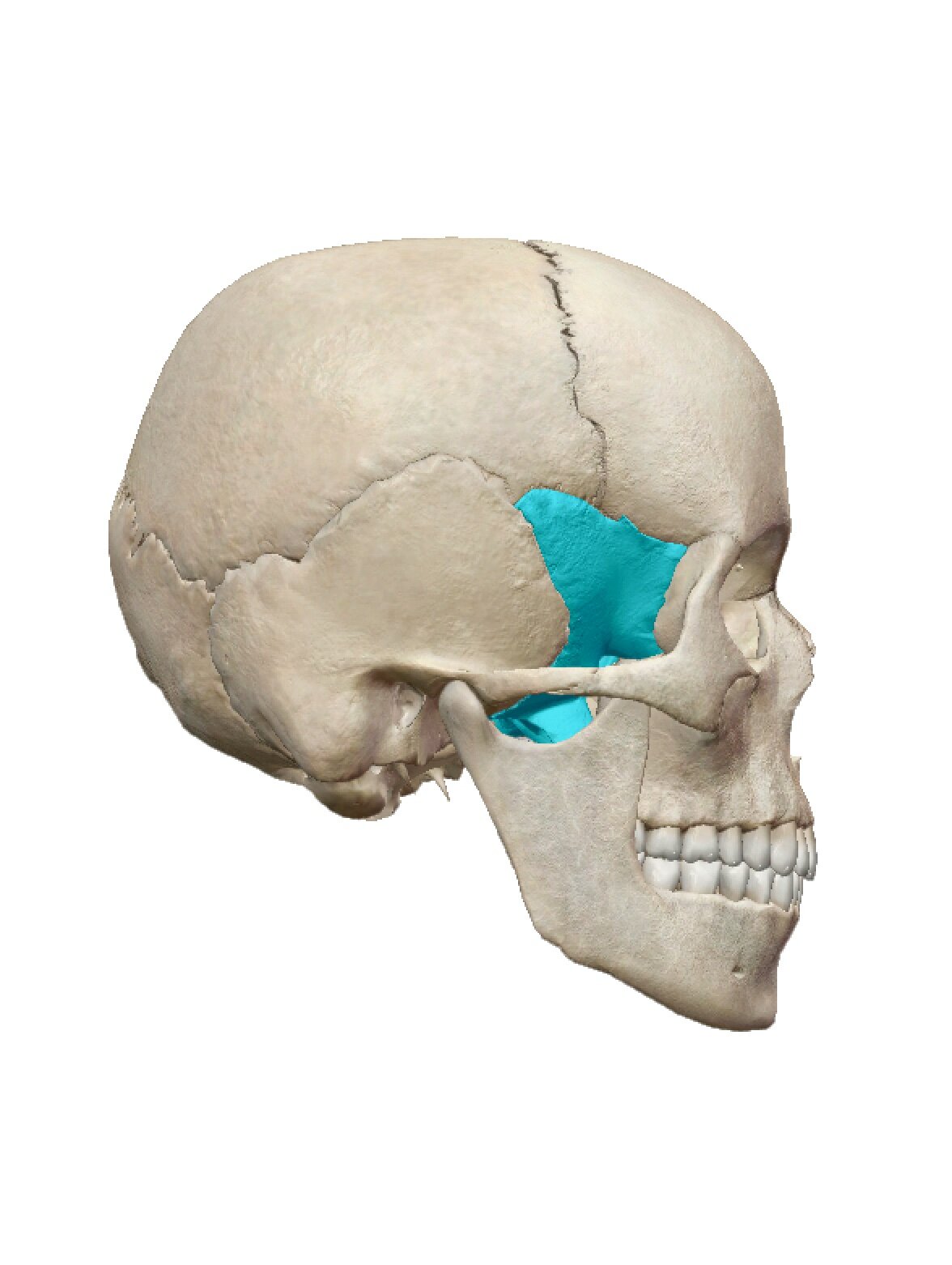
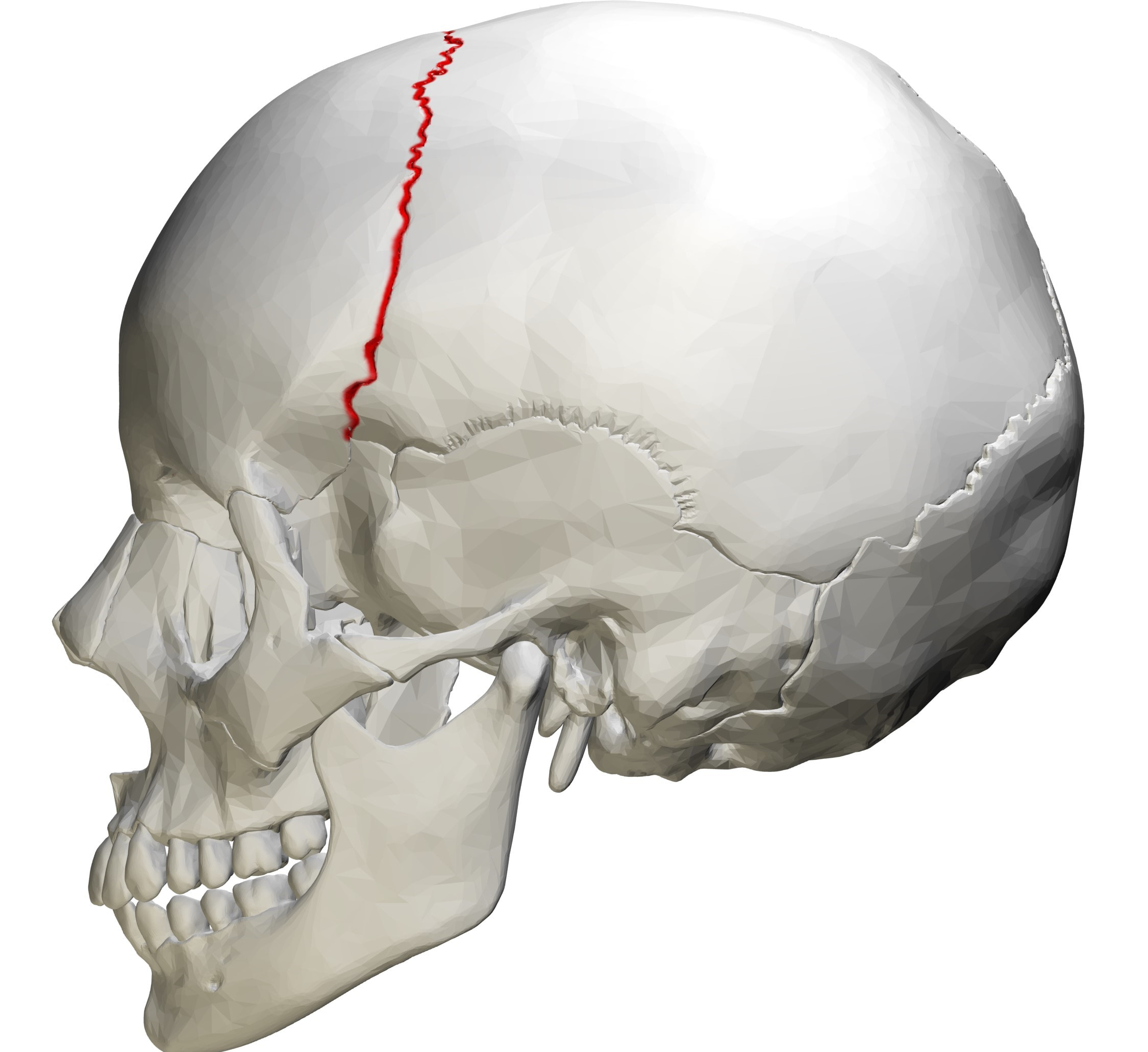
coronal suture
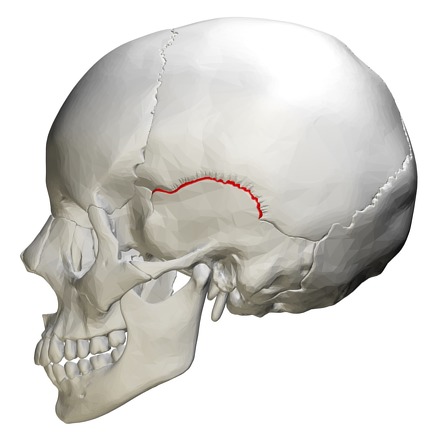
squamous suture
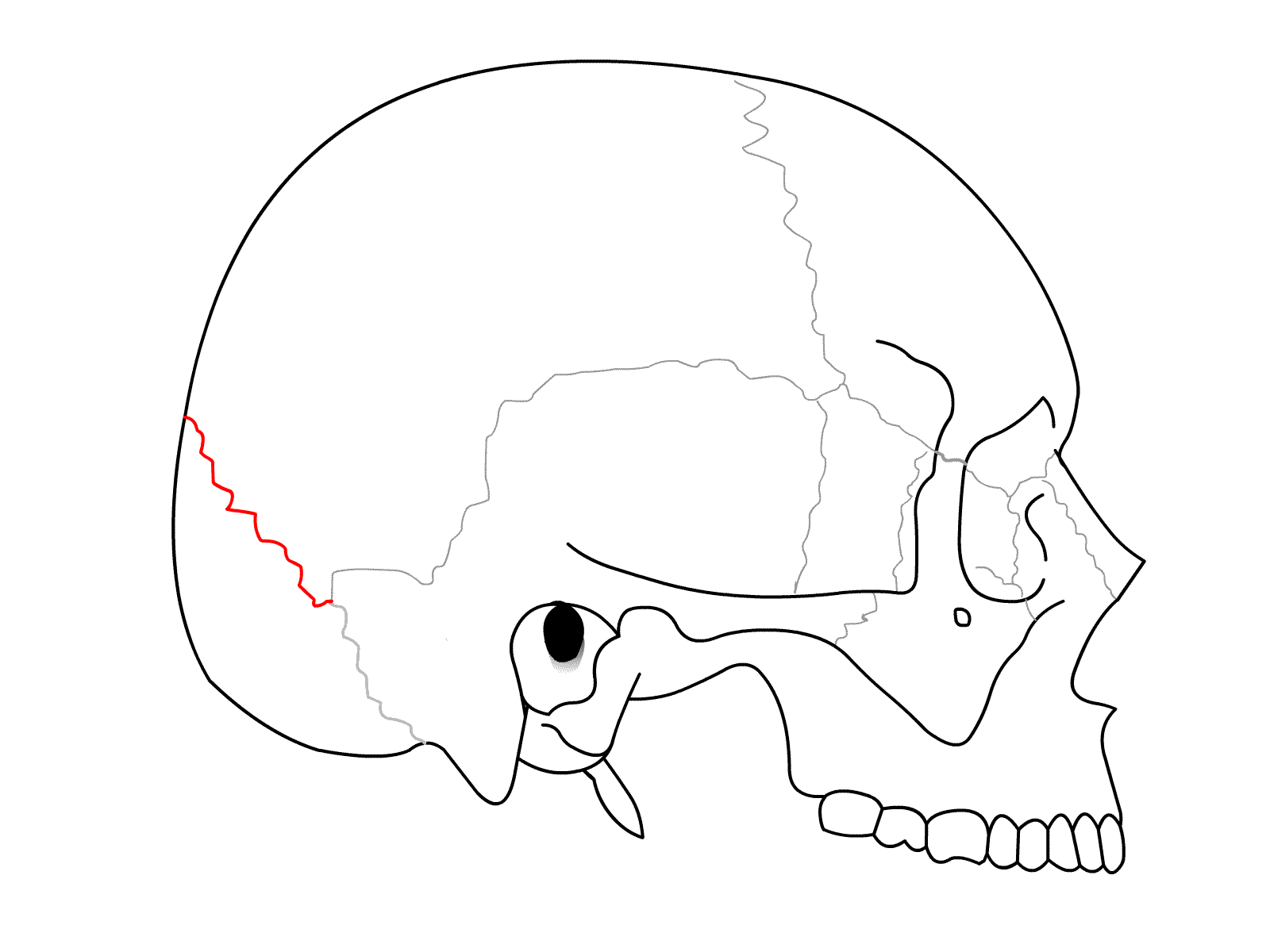
lambdoid suture
zygomatic bone
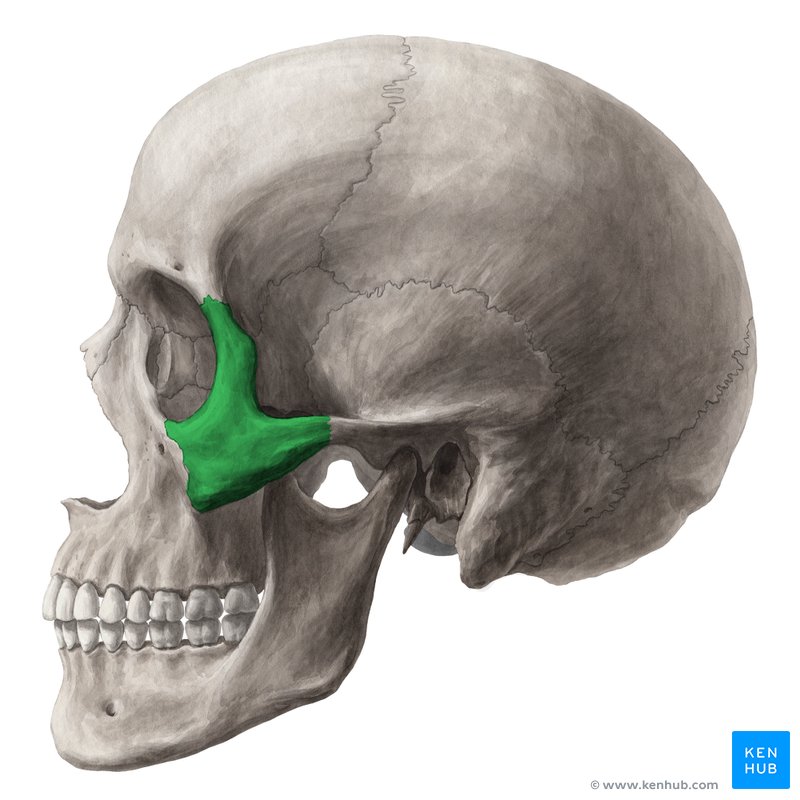
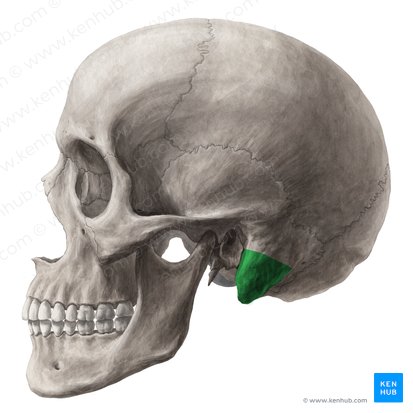
mastoid process
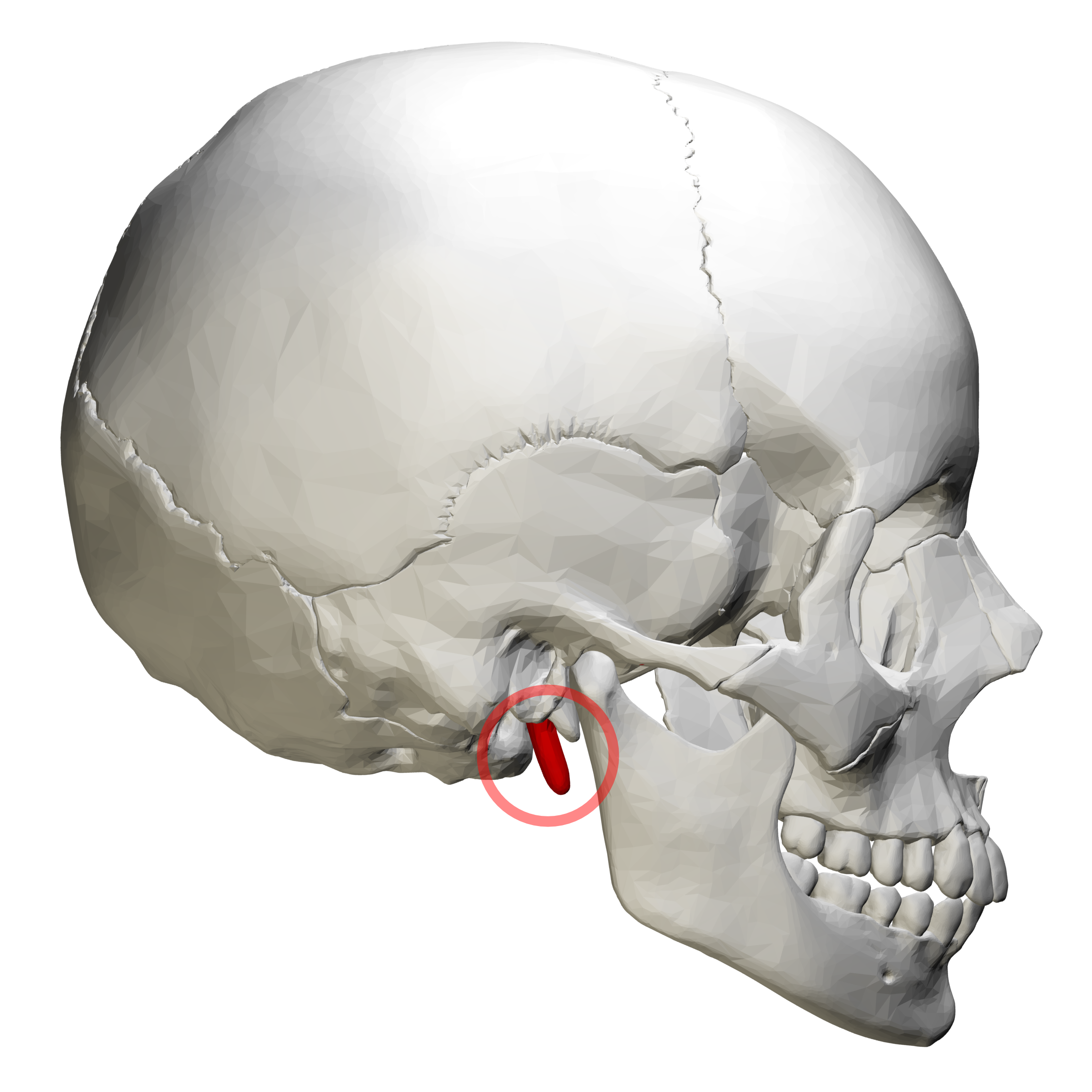
styloid process
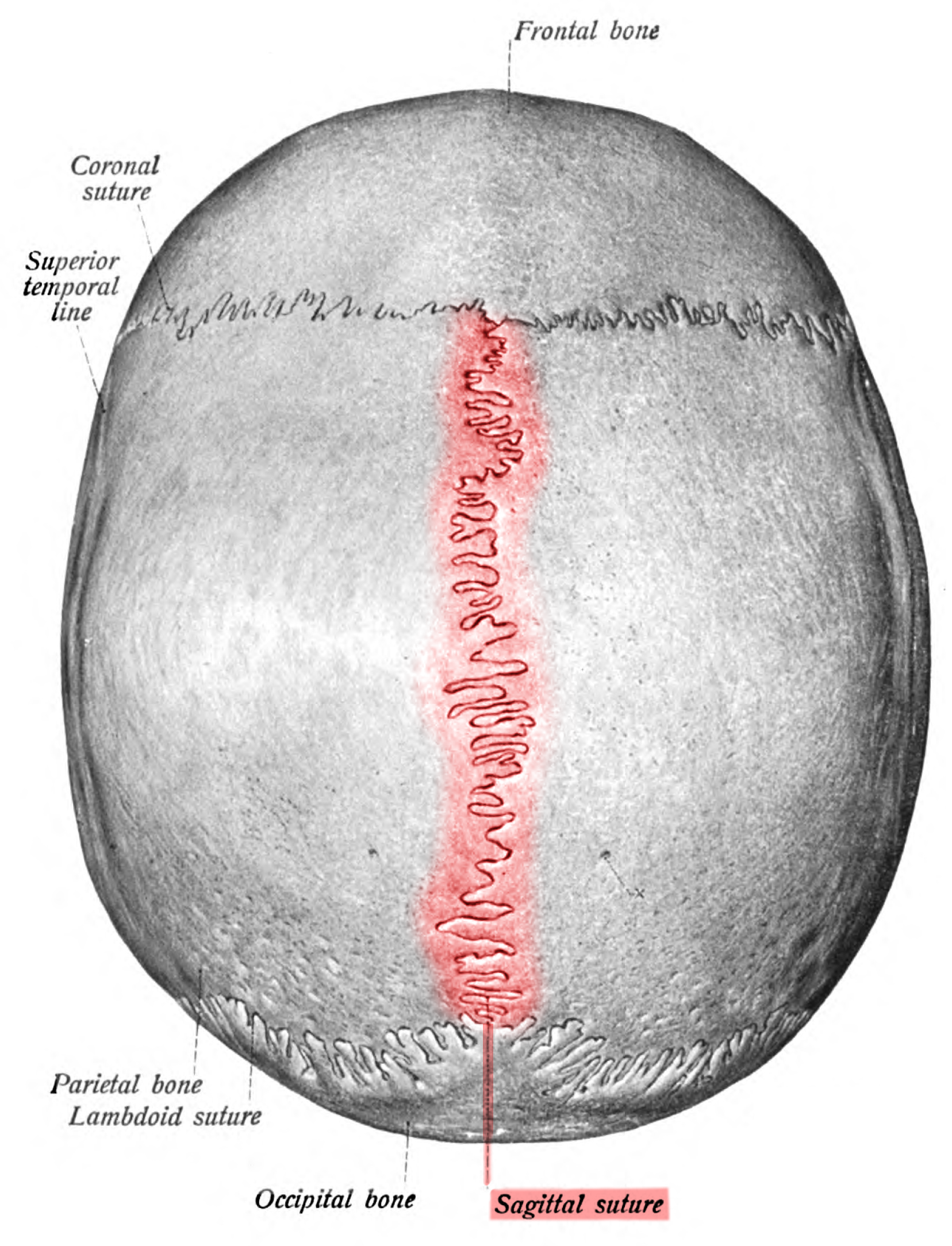
sagittal suture
superior nuchal line
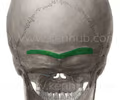
external occipital protuberance
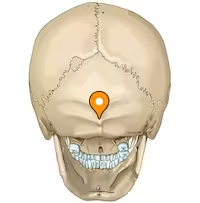
zygomatic process inferior view
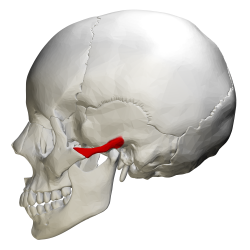
mandibular fossa inferior view
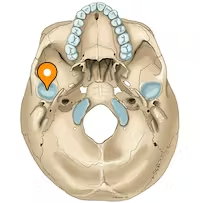
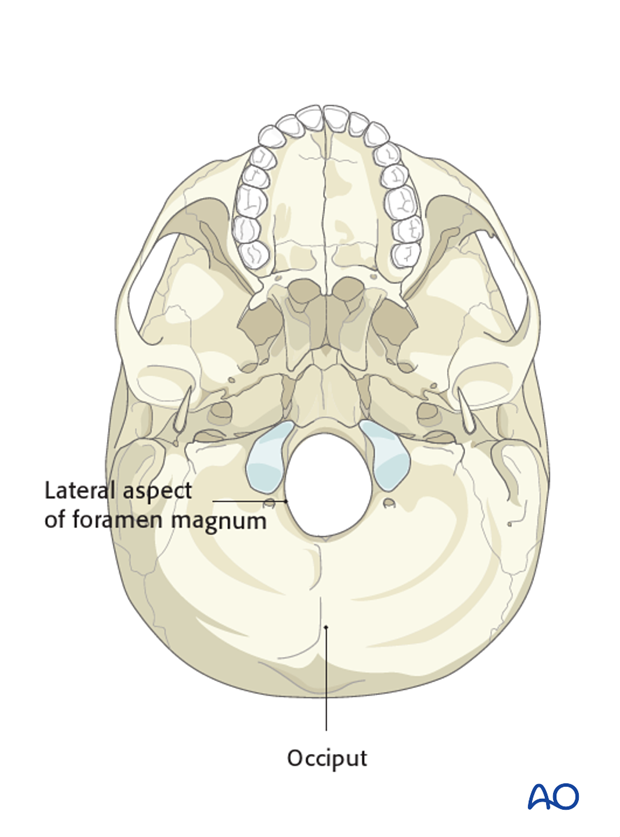
foramen magnum
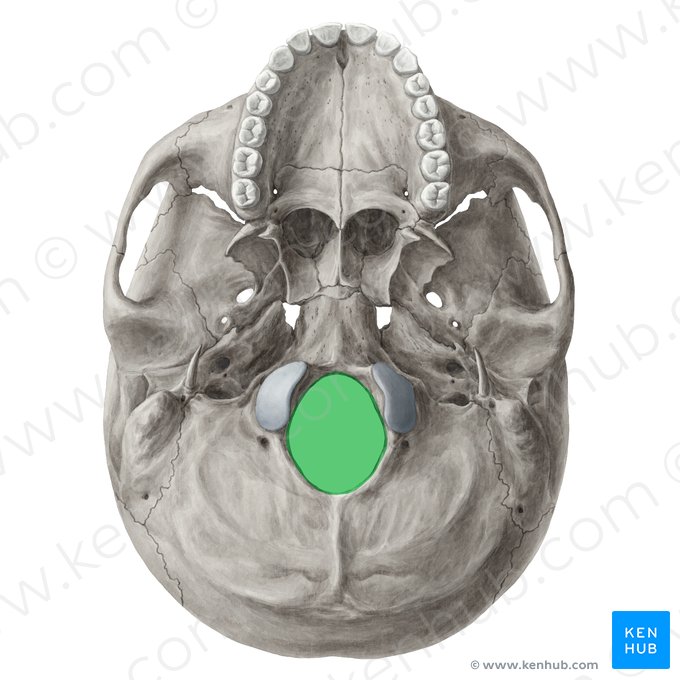
occipital condyle
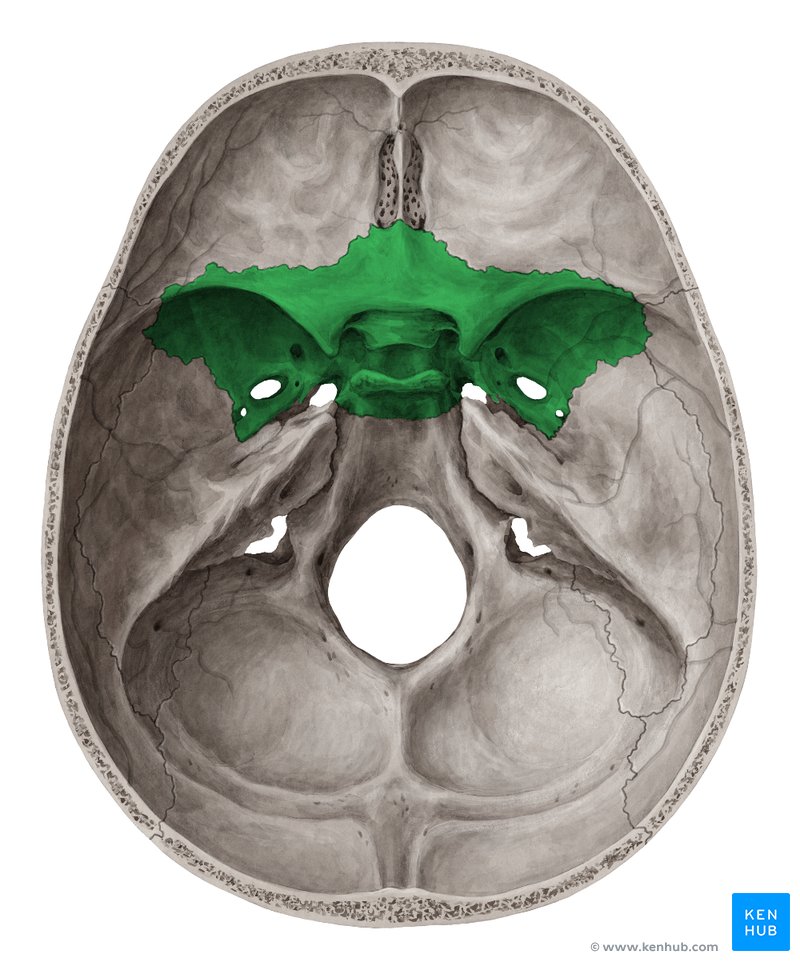
sphenoid bone inferior view
ethmoid bone cribriform plate
ethmoid bone Crista galli
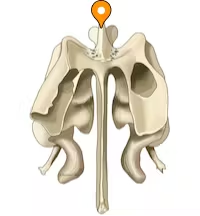
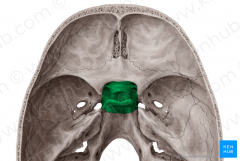
sella turcica
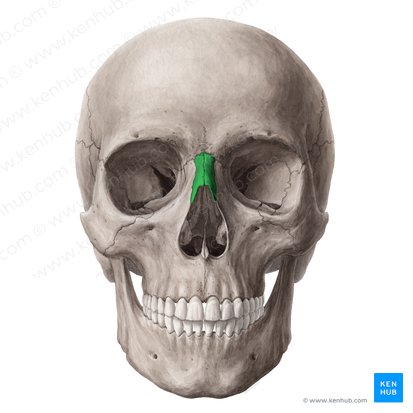
nasal
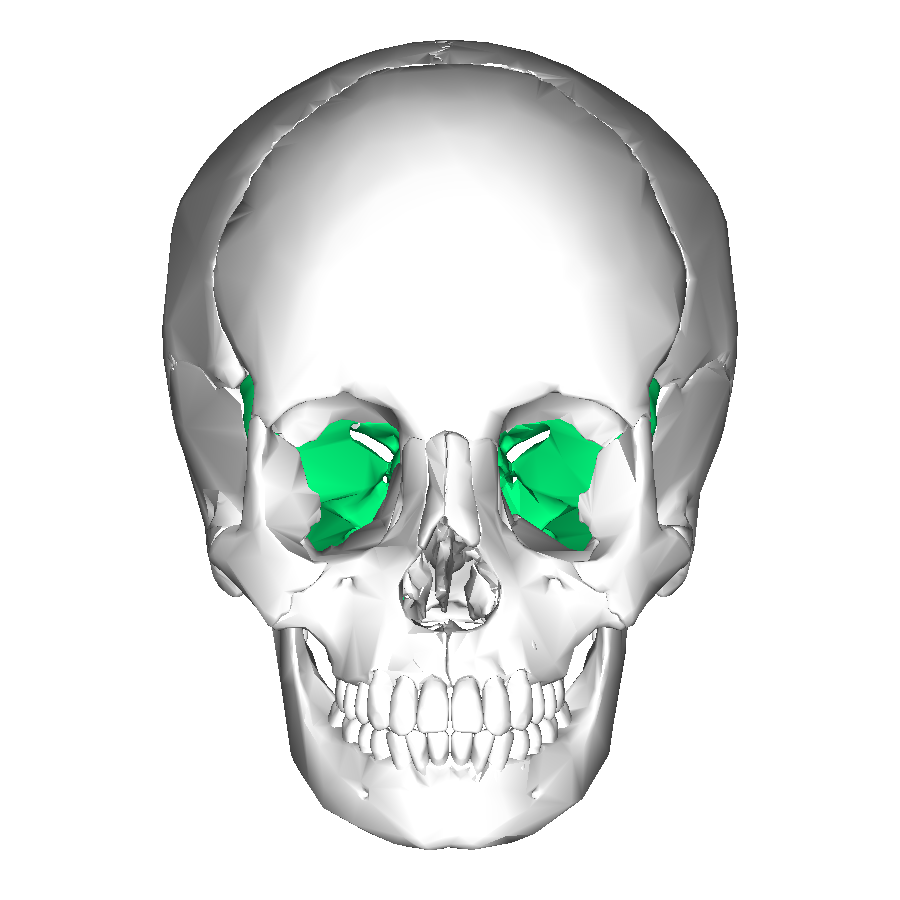
sphenoid bone anterior view
ethmoid bone anterior view
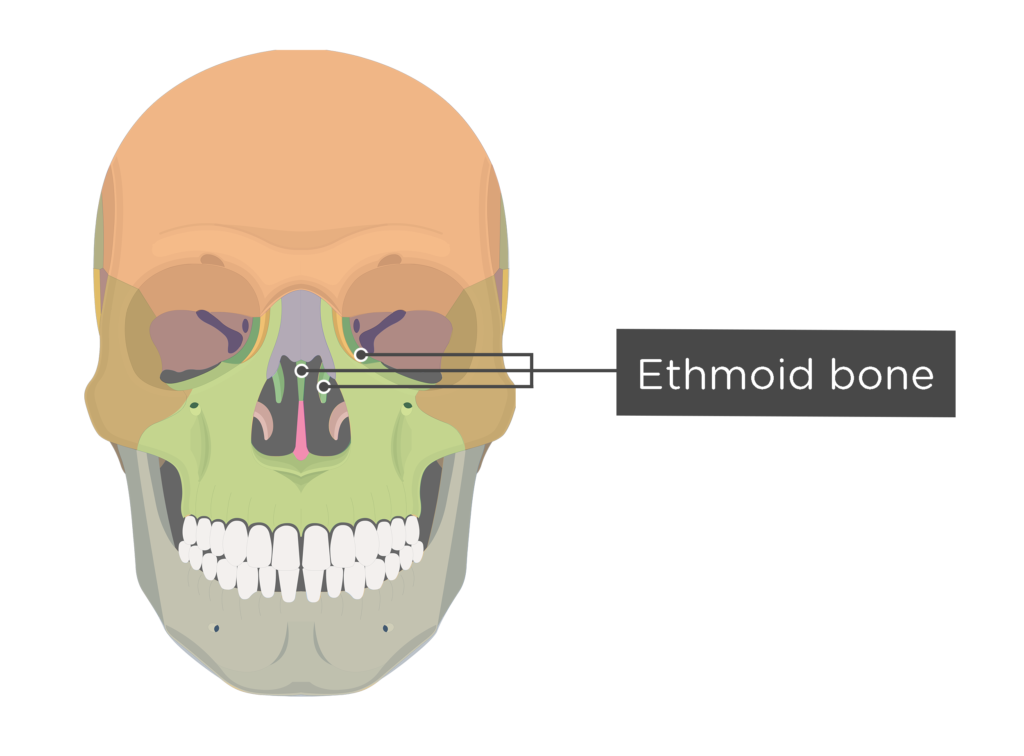
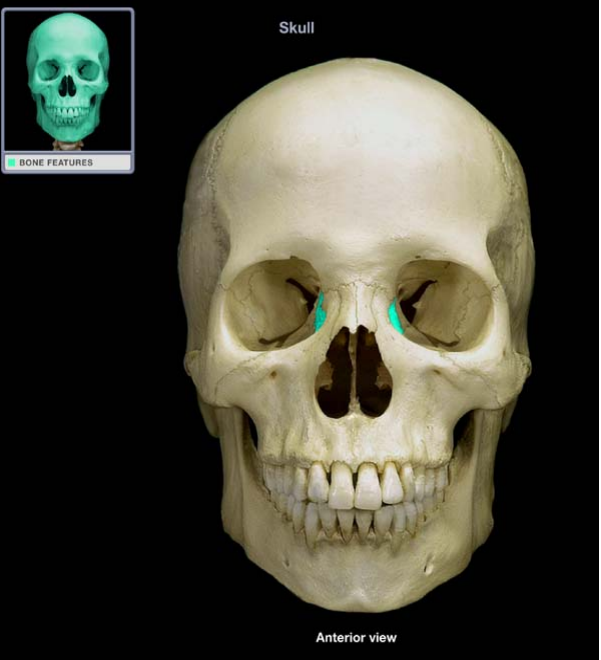
lacrimal bone
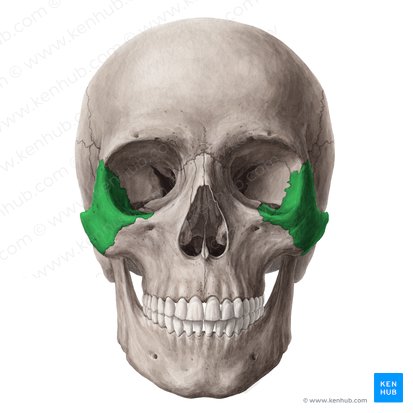
zygomatic bone anterior view
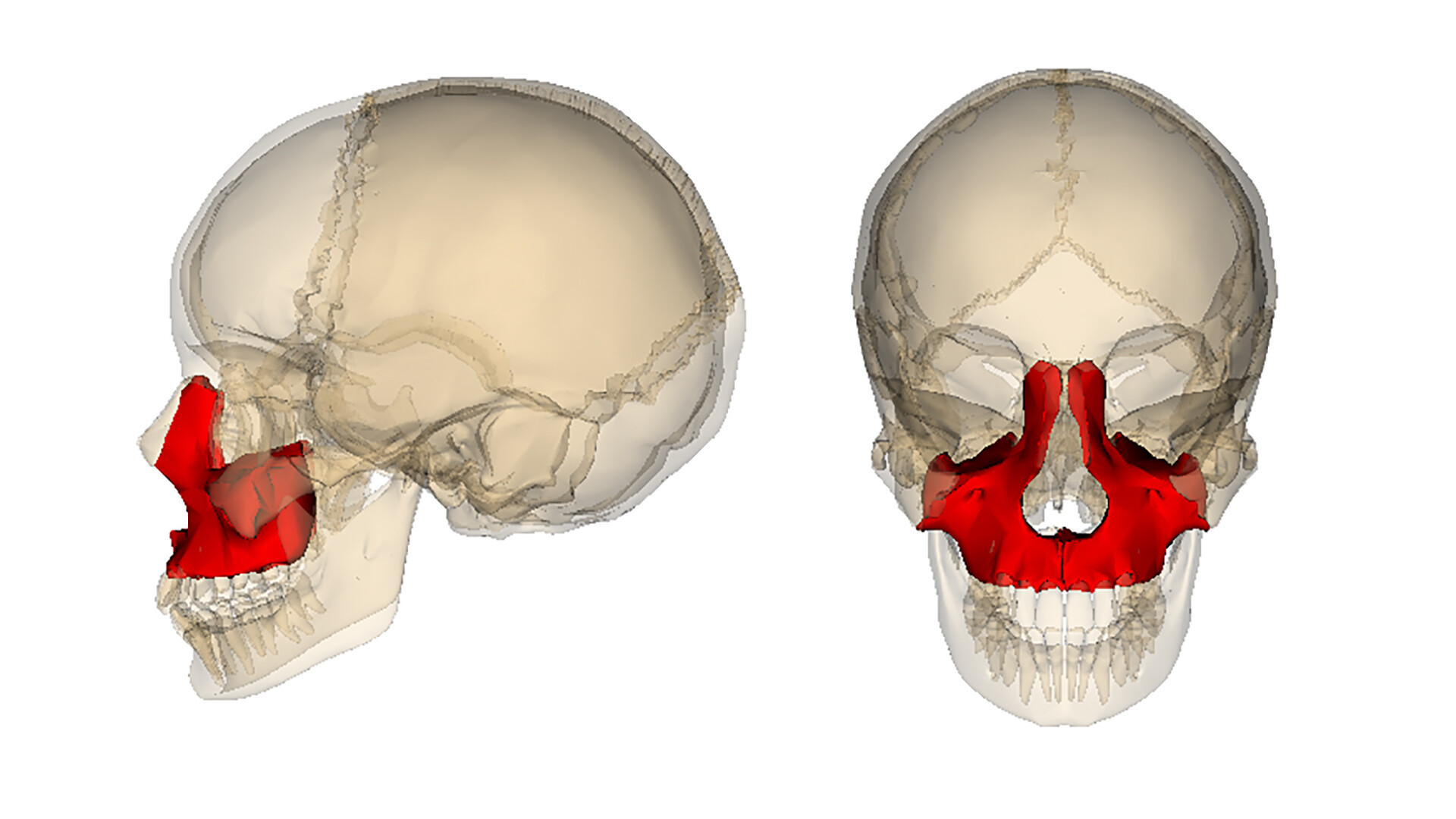
maxilla
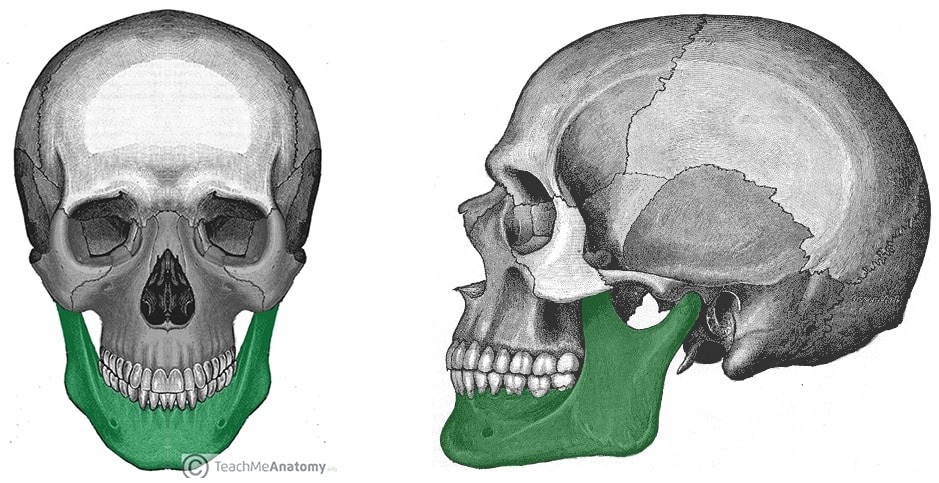
mandible
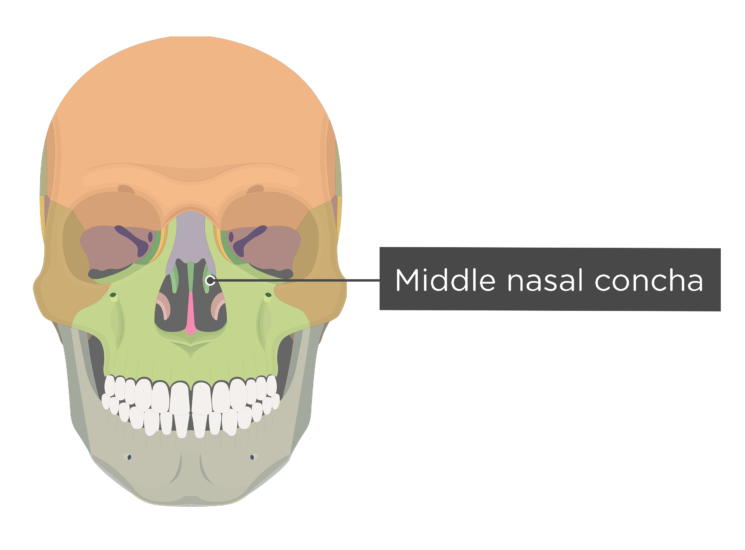
middle nasal concha ethmoid bone
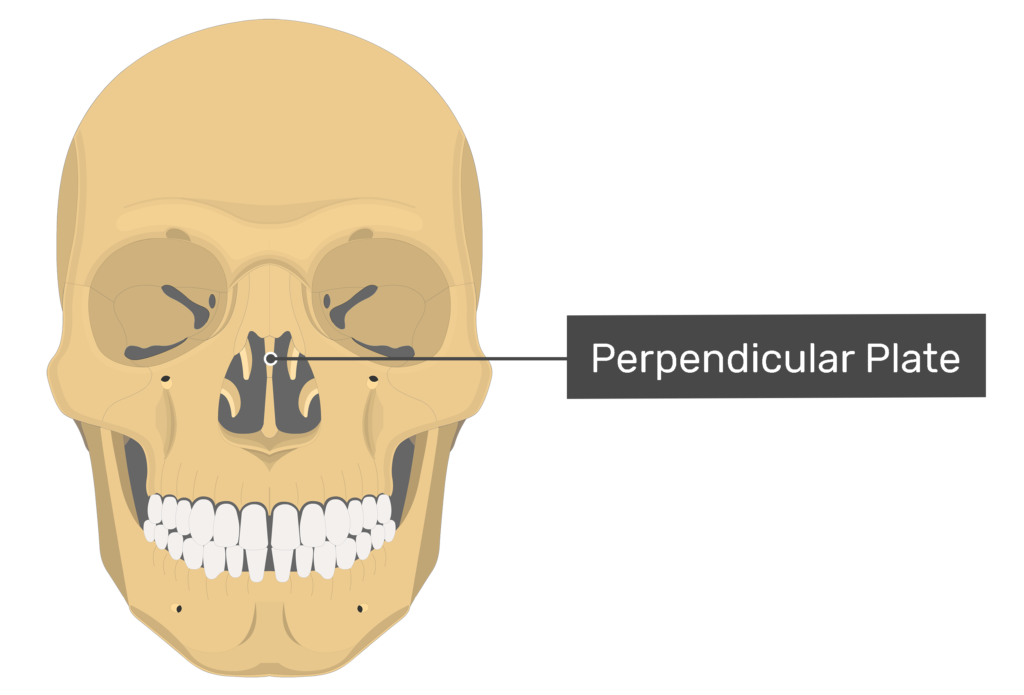
perpendicular plate ethmoid bone
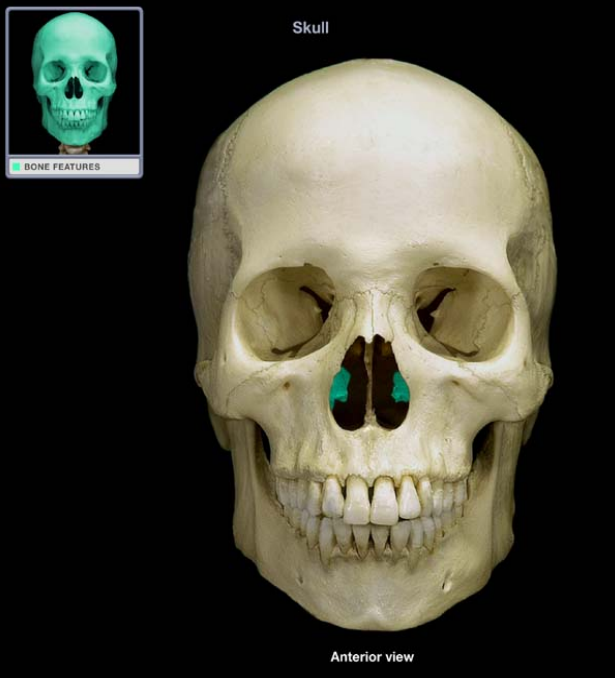
inferior nasal concha
vomer
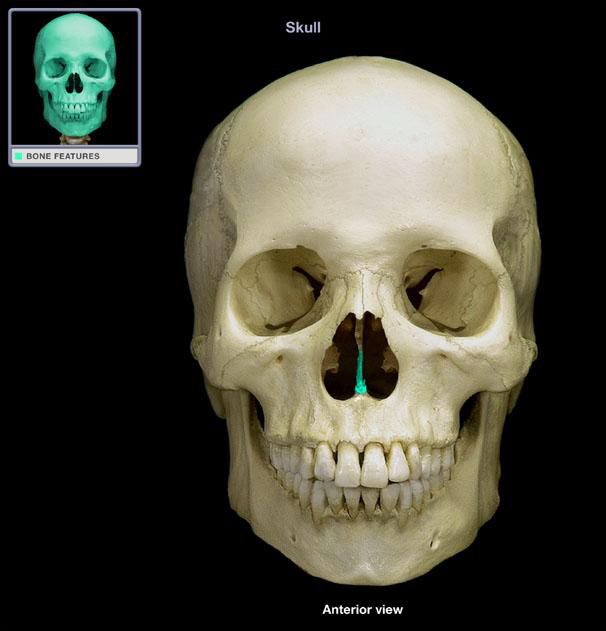
palatine
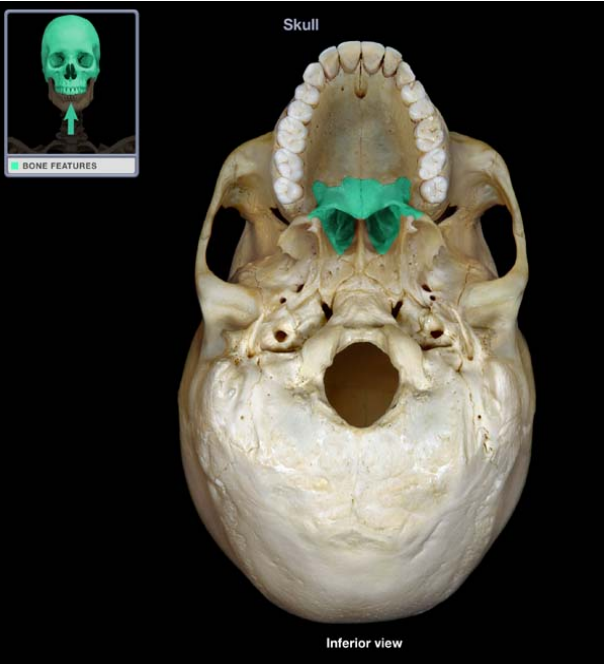
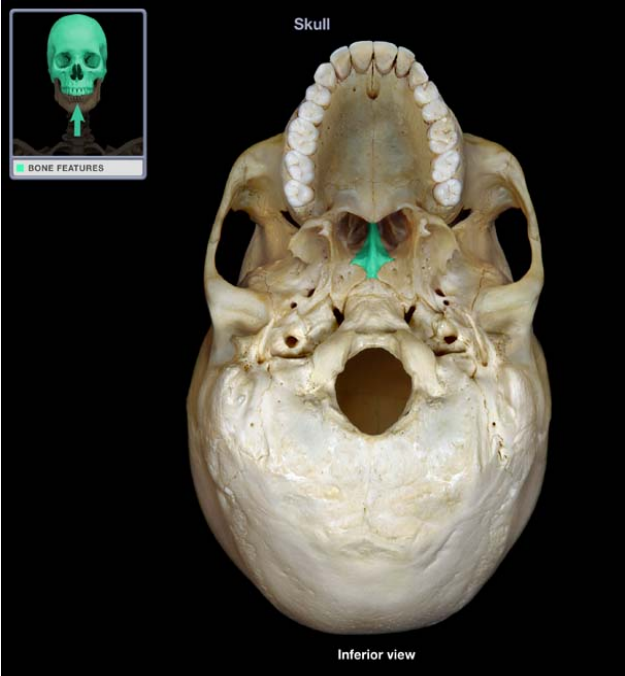
vomer inferior view
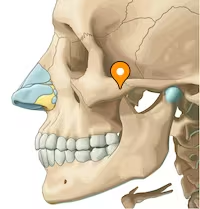
temporal process
coronoid process
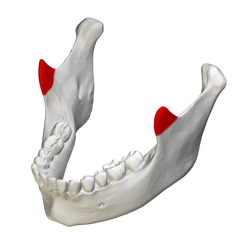
mandibular angle
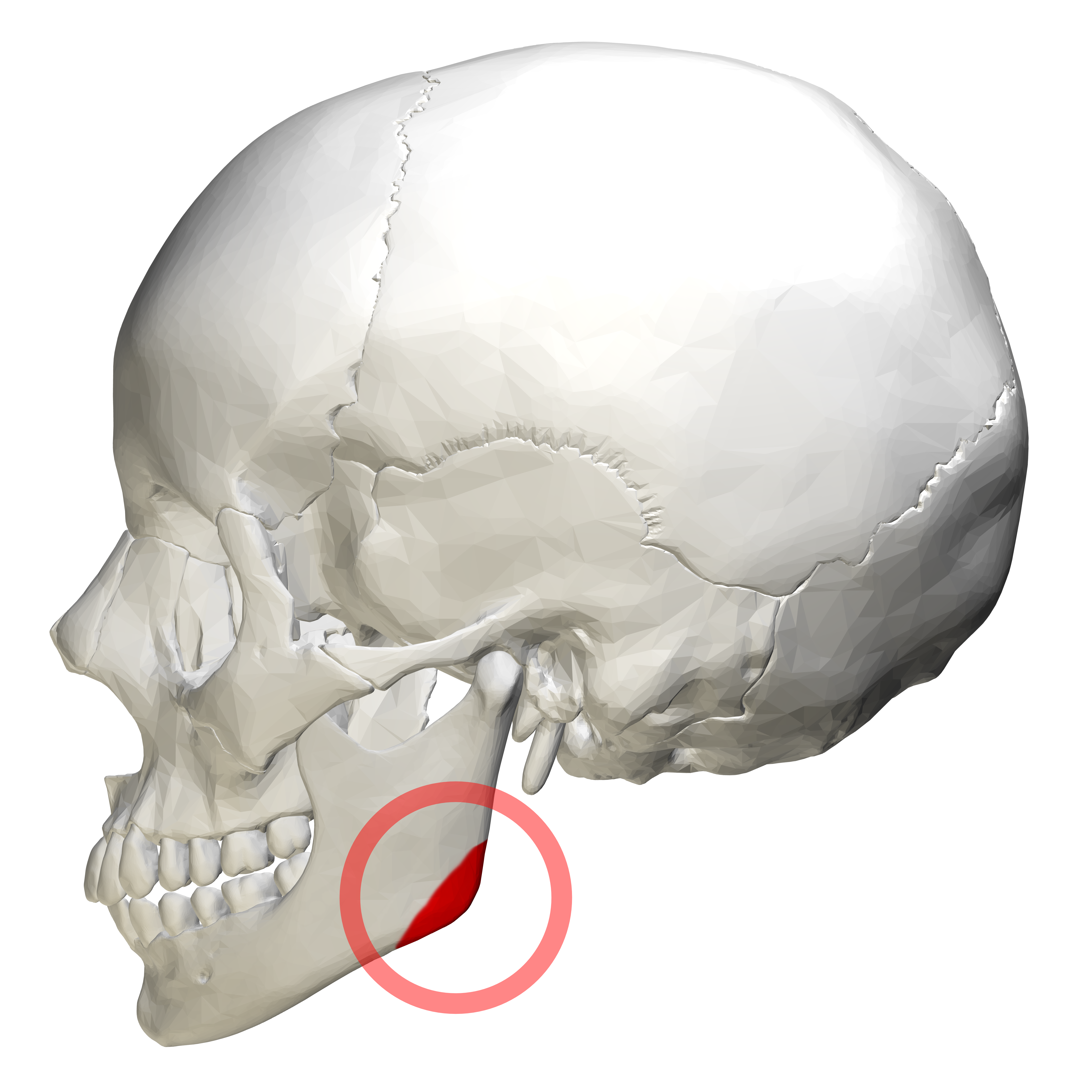
mandibular ramus
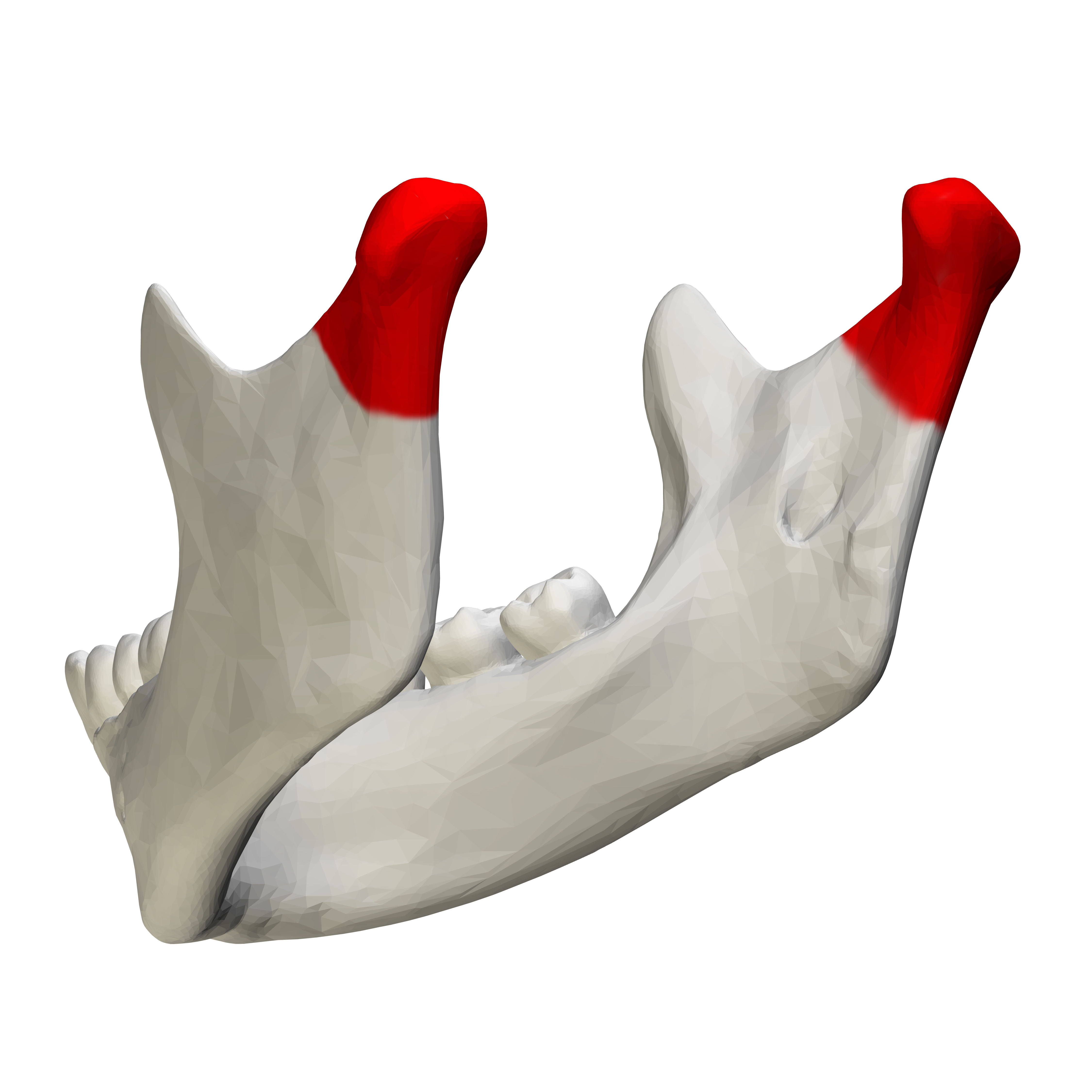
condylar process
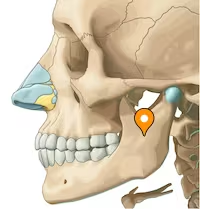
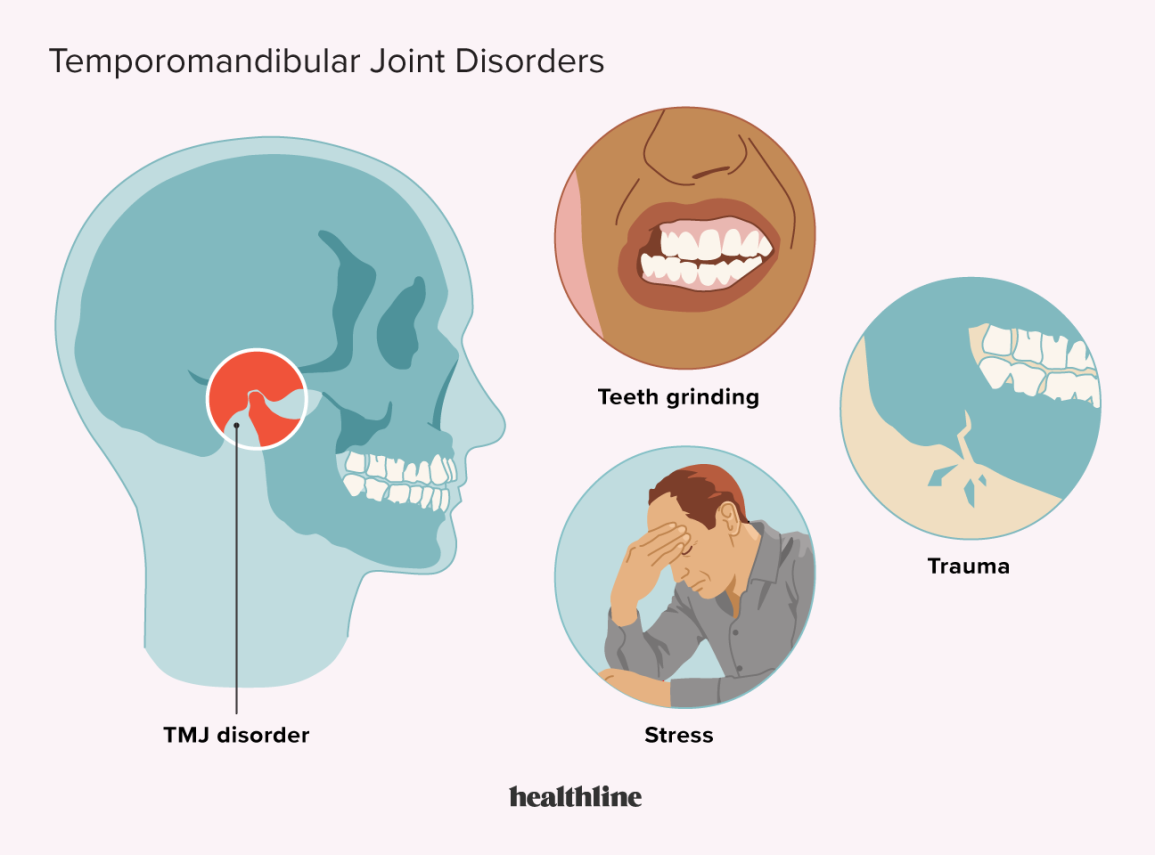
temporomandibular joint
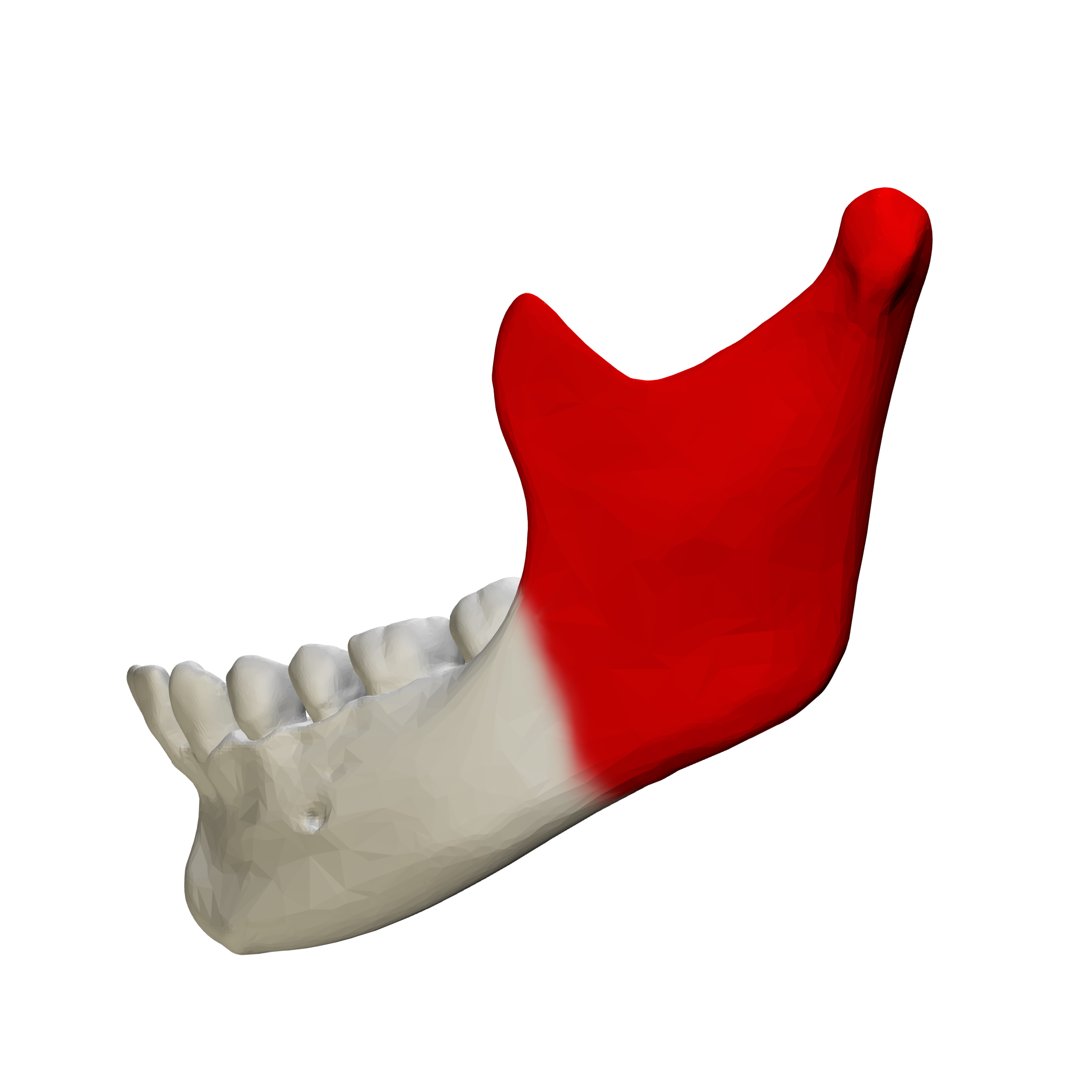
ramus of mandible
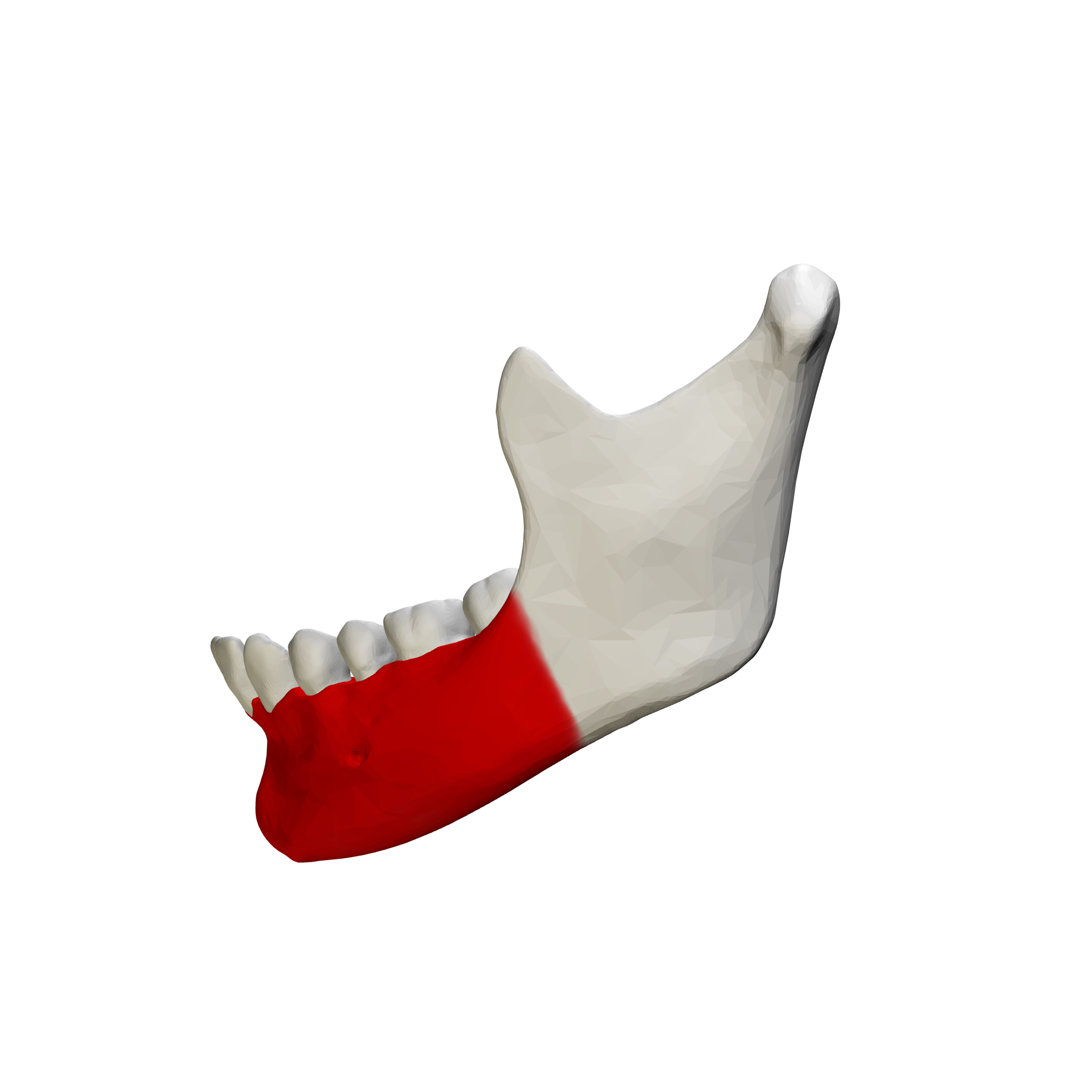
body of mandible
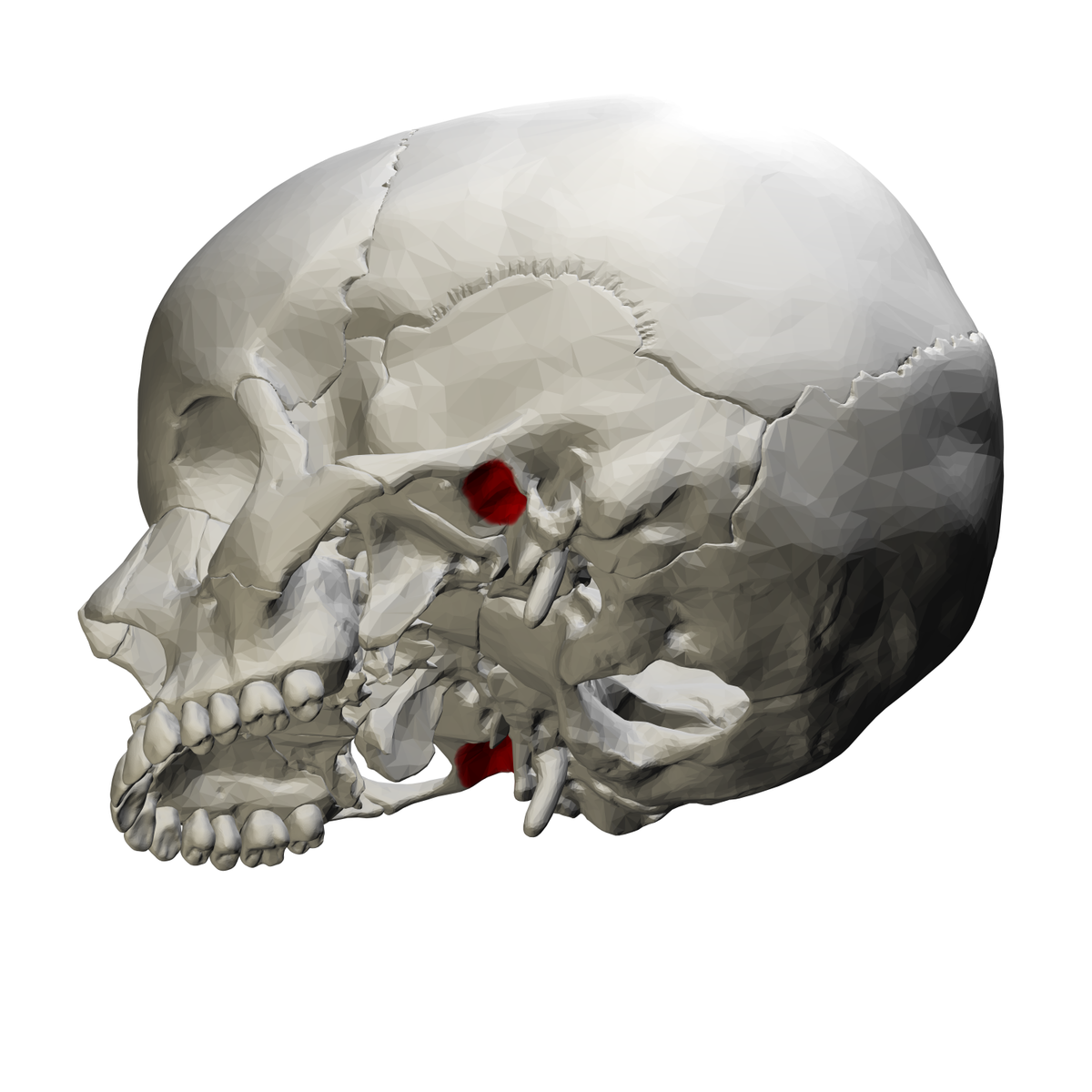
mandibular fossa of temporal bone
movements permitted by the TMJ
elevation depression protraction retraction and lateral movements
How is TMJ formed
mandibular fossa and condylar process
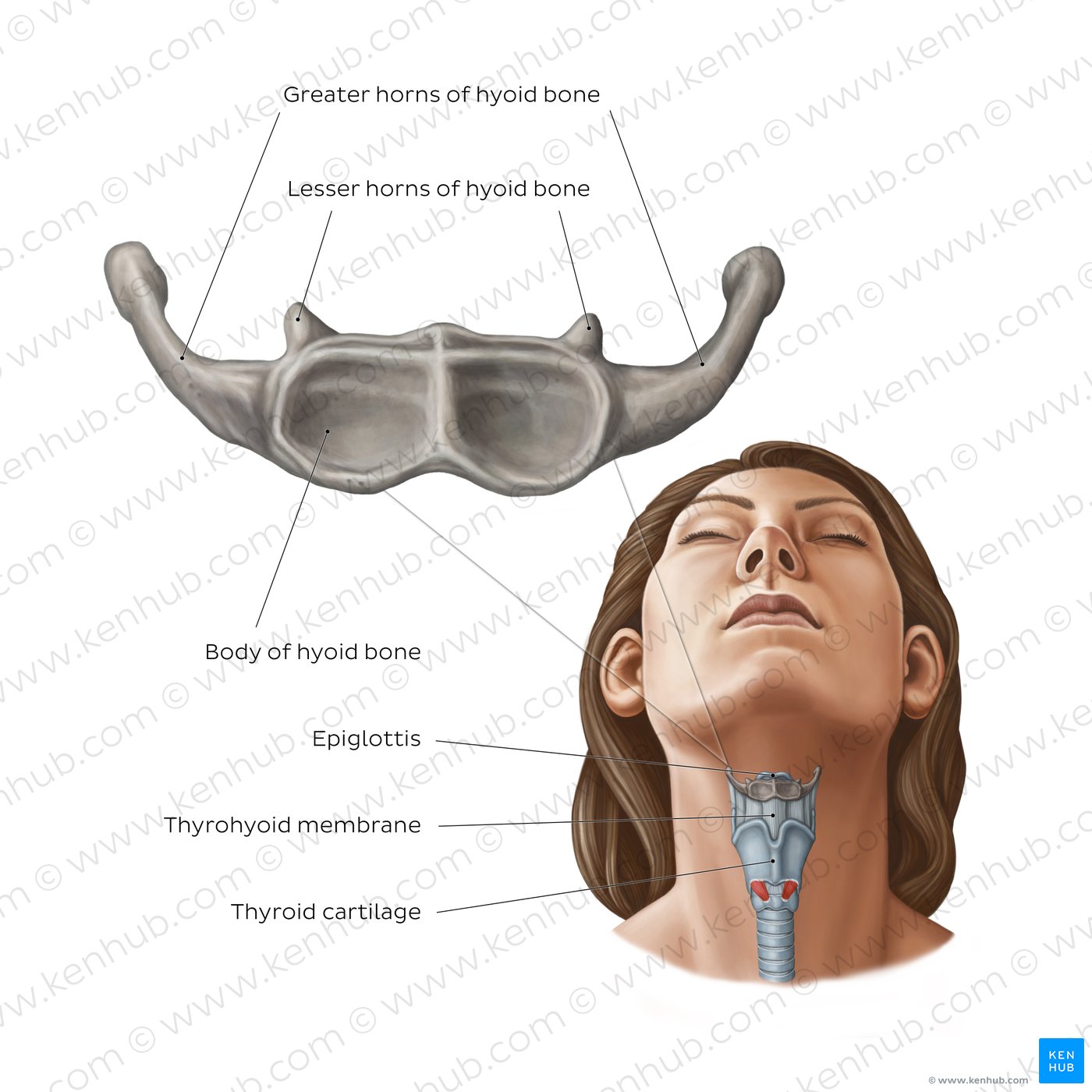
hyoid bone functions
attachment point for the neck
muscles that move the larynx
forms a moveable base for the tongue
orbicularis oculi location
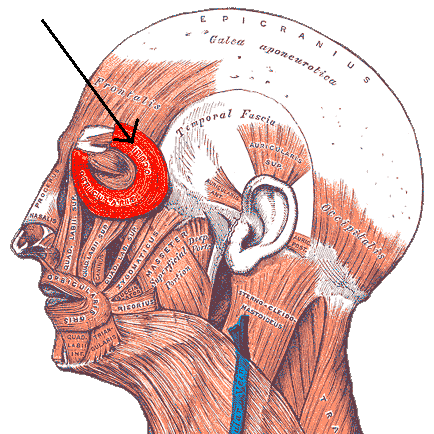
orbicularis oculi function
closes eyes
zygomaticus location
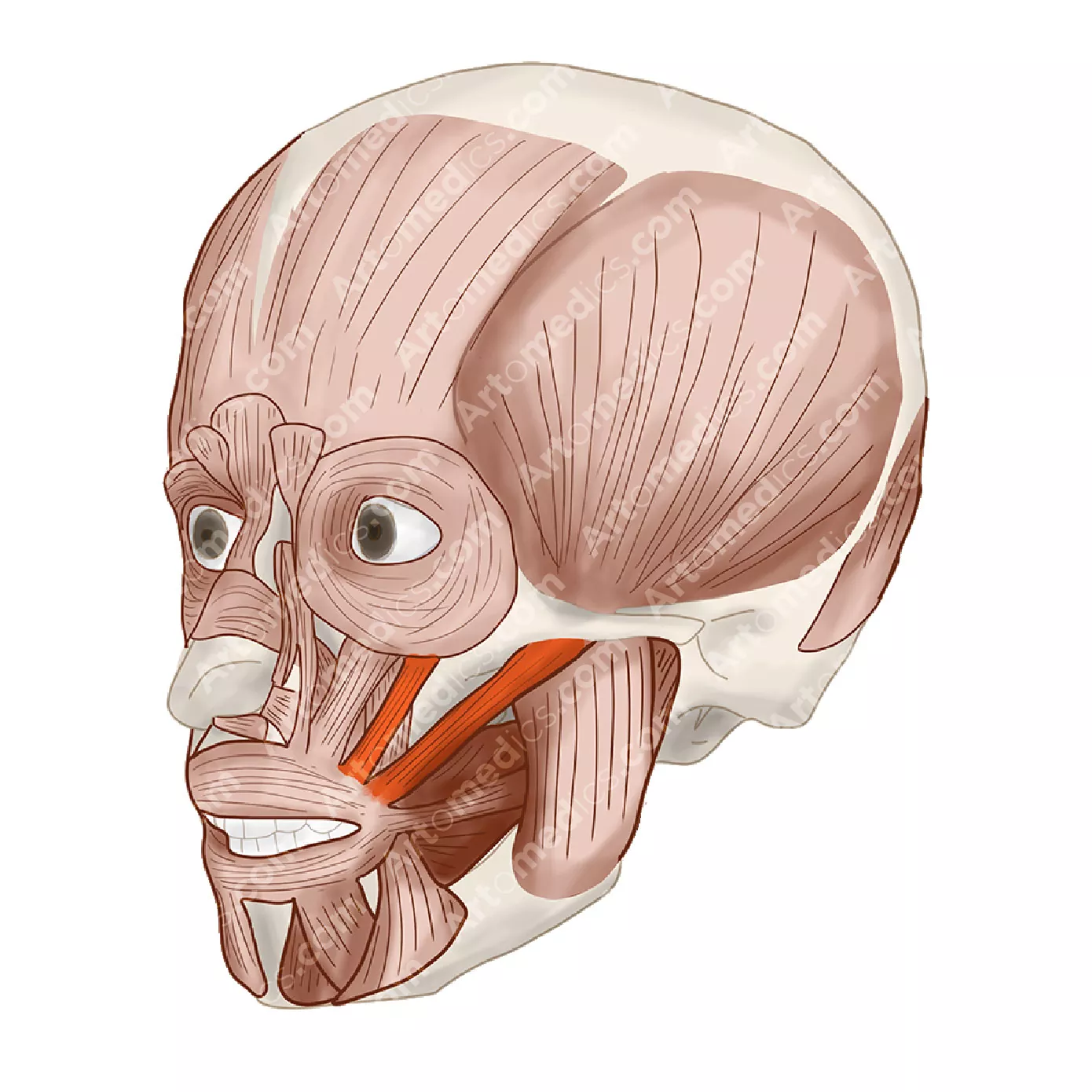
zygomaticus function
raises the lateral corners of the mouth (smiling muscle)
orbicularis oris location
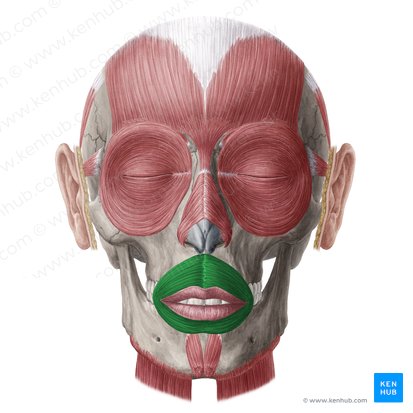
orbicularis oris function
closes the lips
platysma location
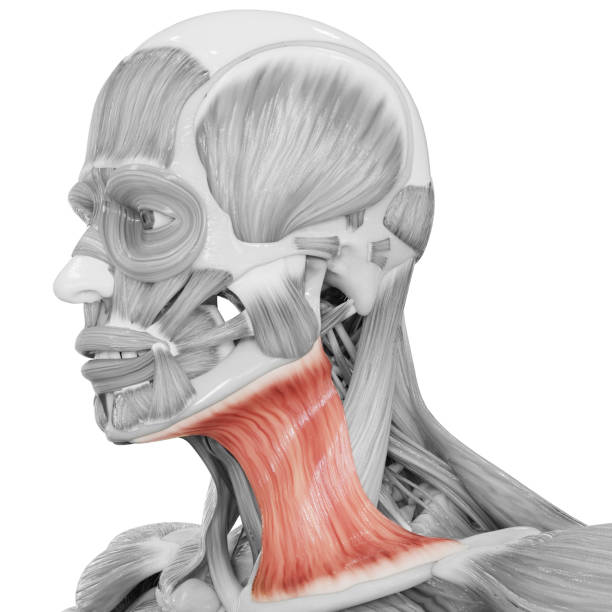
platysma function
tenses the skin of the neck, depresses the mandible and pulls lips back and down
buccinator location
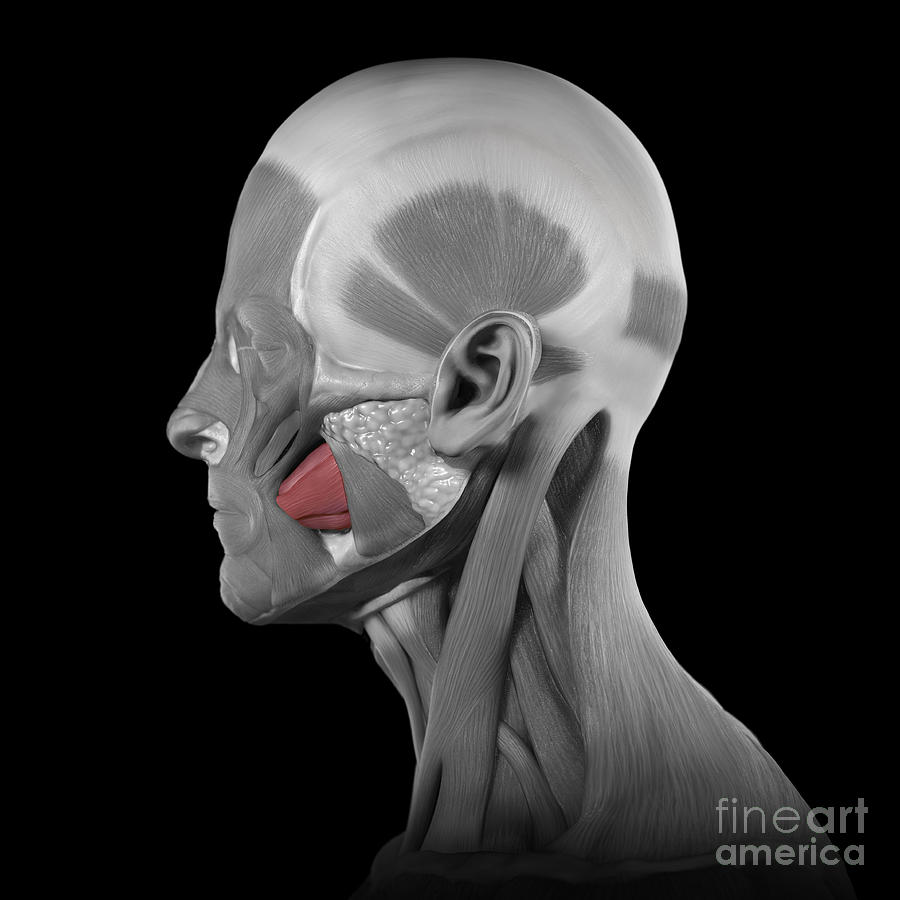
buccinator function
compresses the cheek, which helps hold food between teeth during chewing
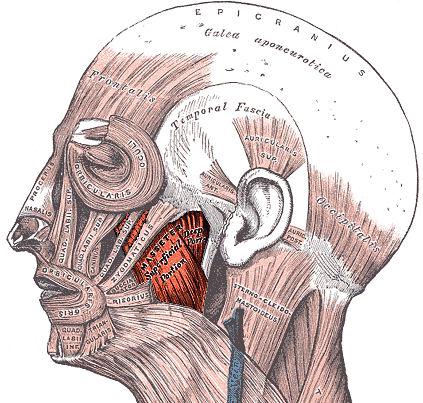
masseter function
elevates the mandible to close the jaw
masseter location
sternocleidomastoid location
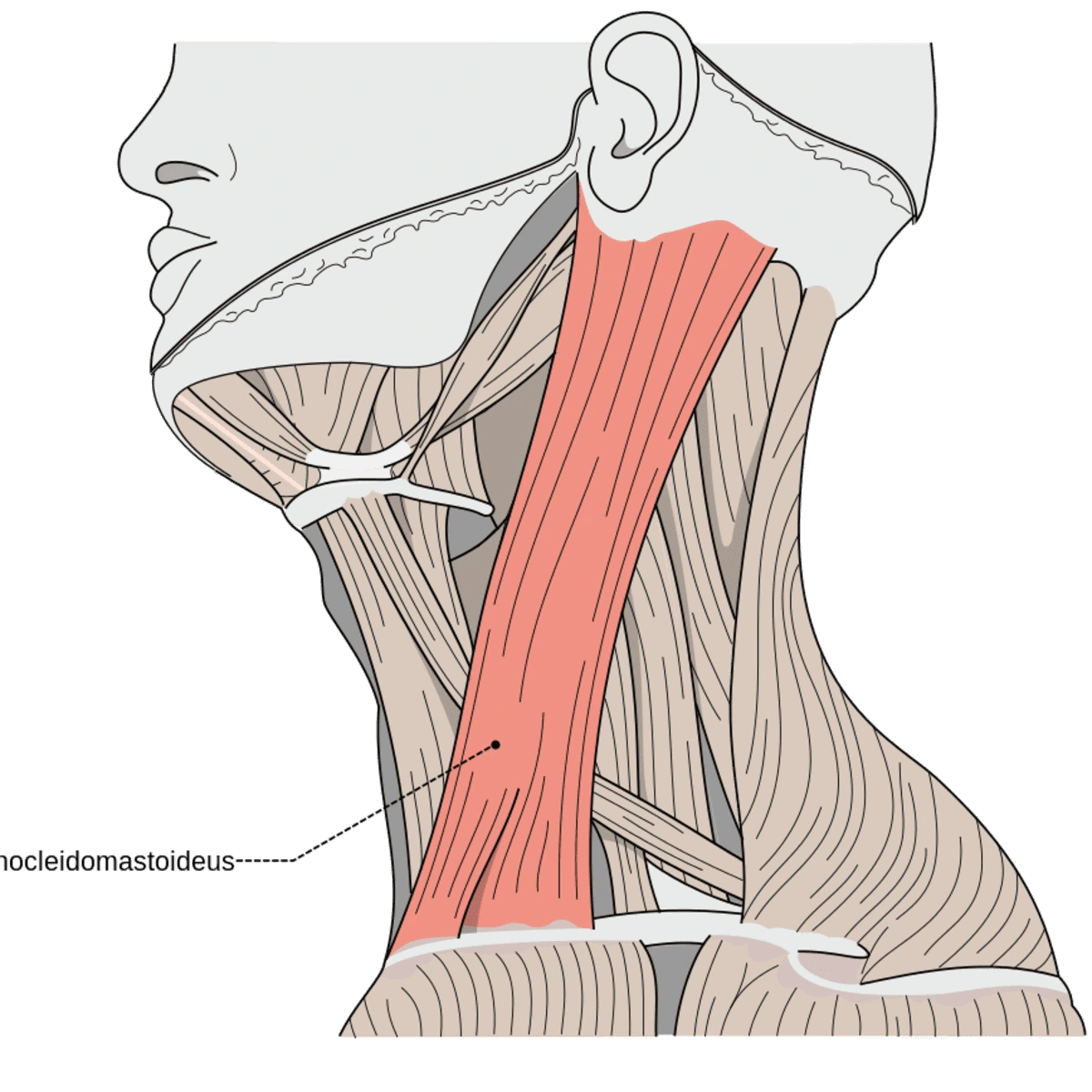
sternocleidomastoid function
flexes the head, tilts the head to the side and rotates the head
digastric location
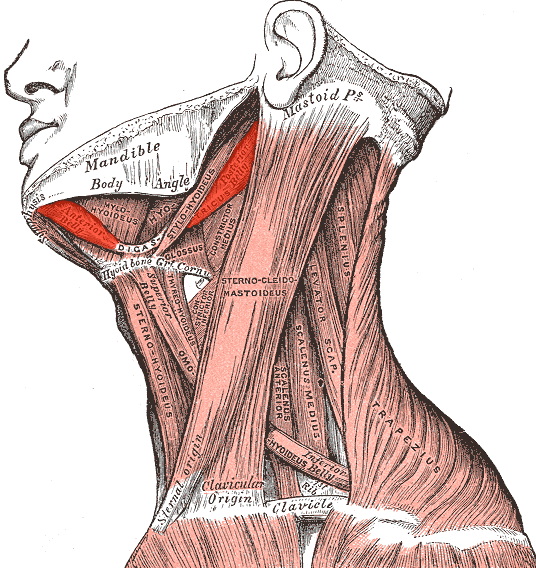
digastric function
depresses the mandible to open the jaw
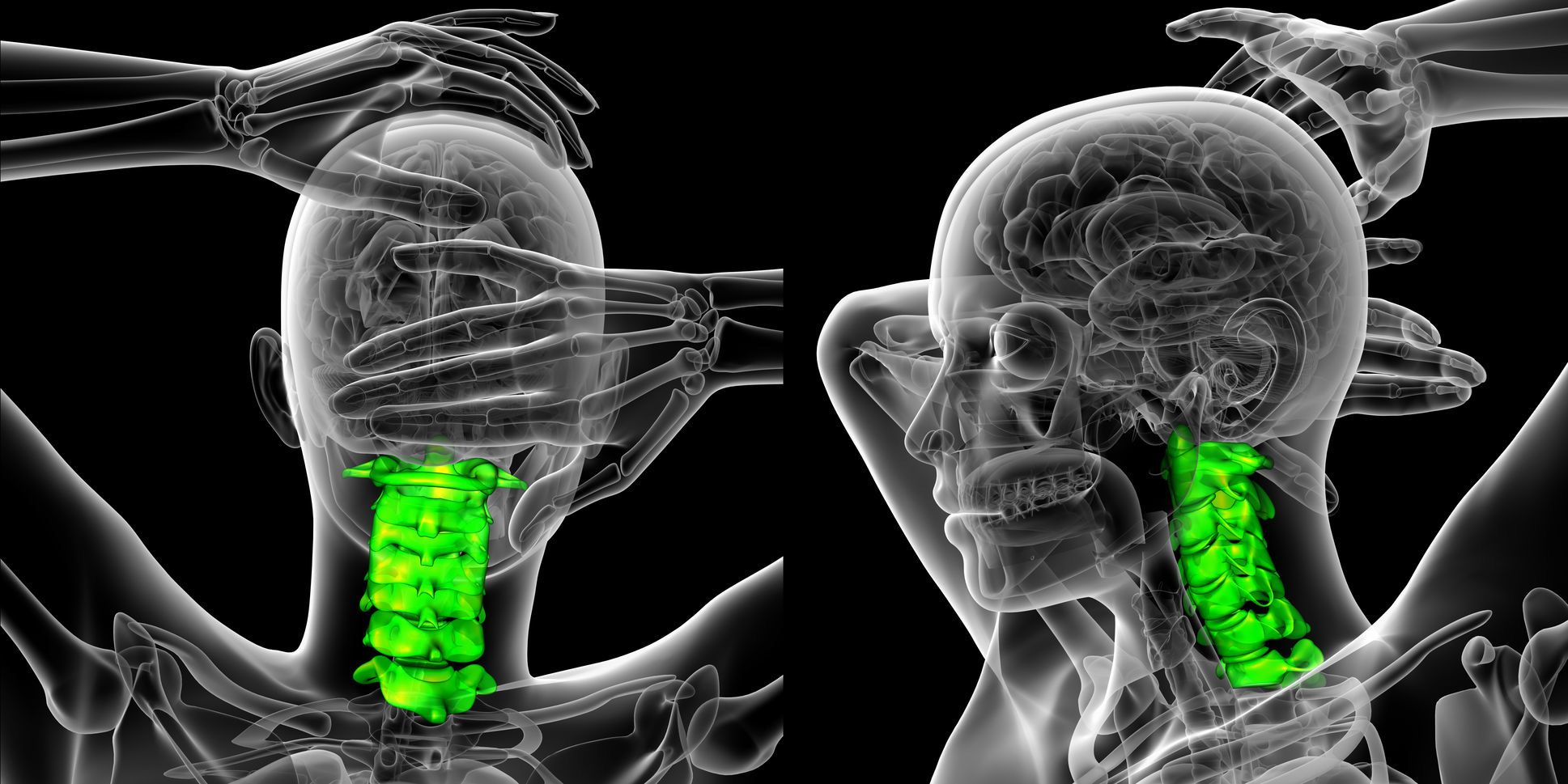
cervical
c1-c7
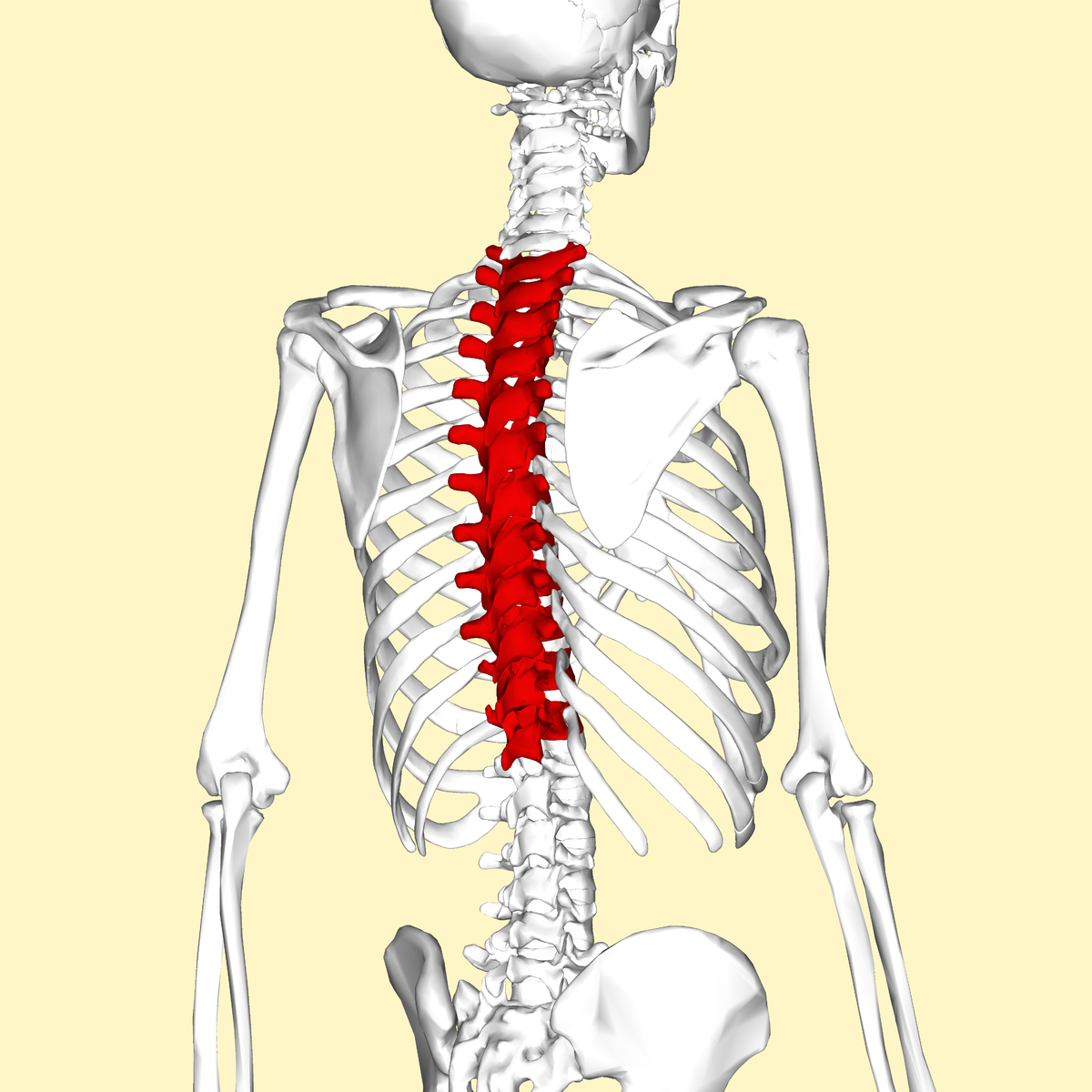
thoracic
t1-t12
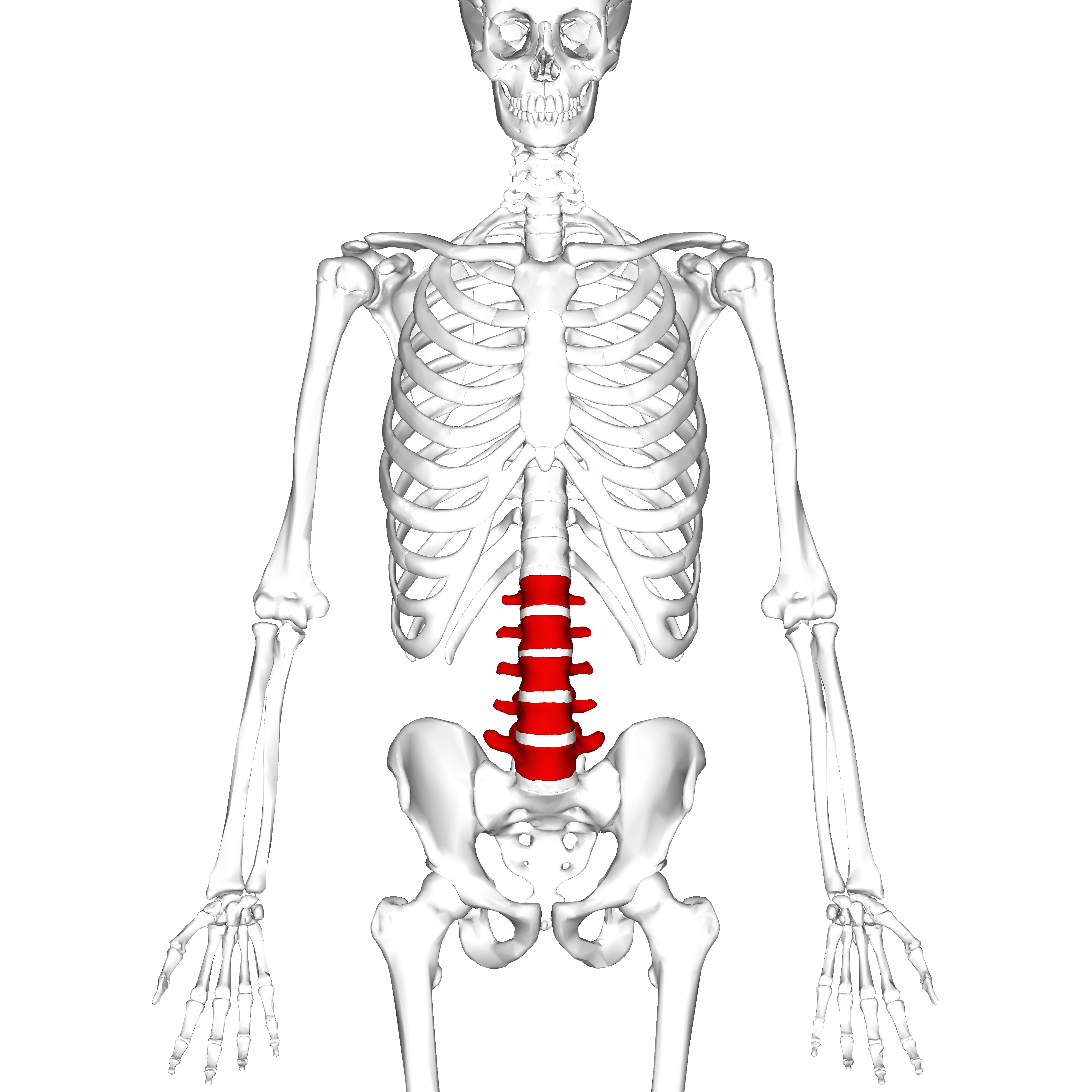
lumbar
l1-l5
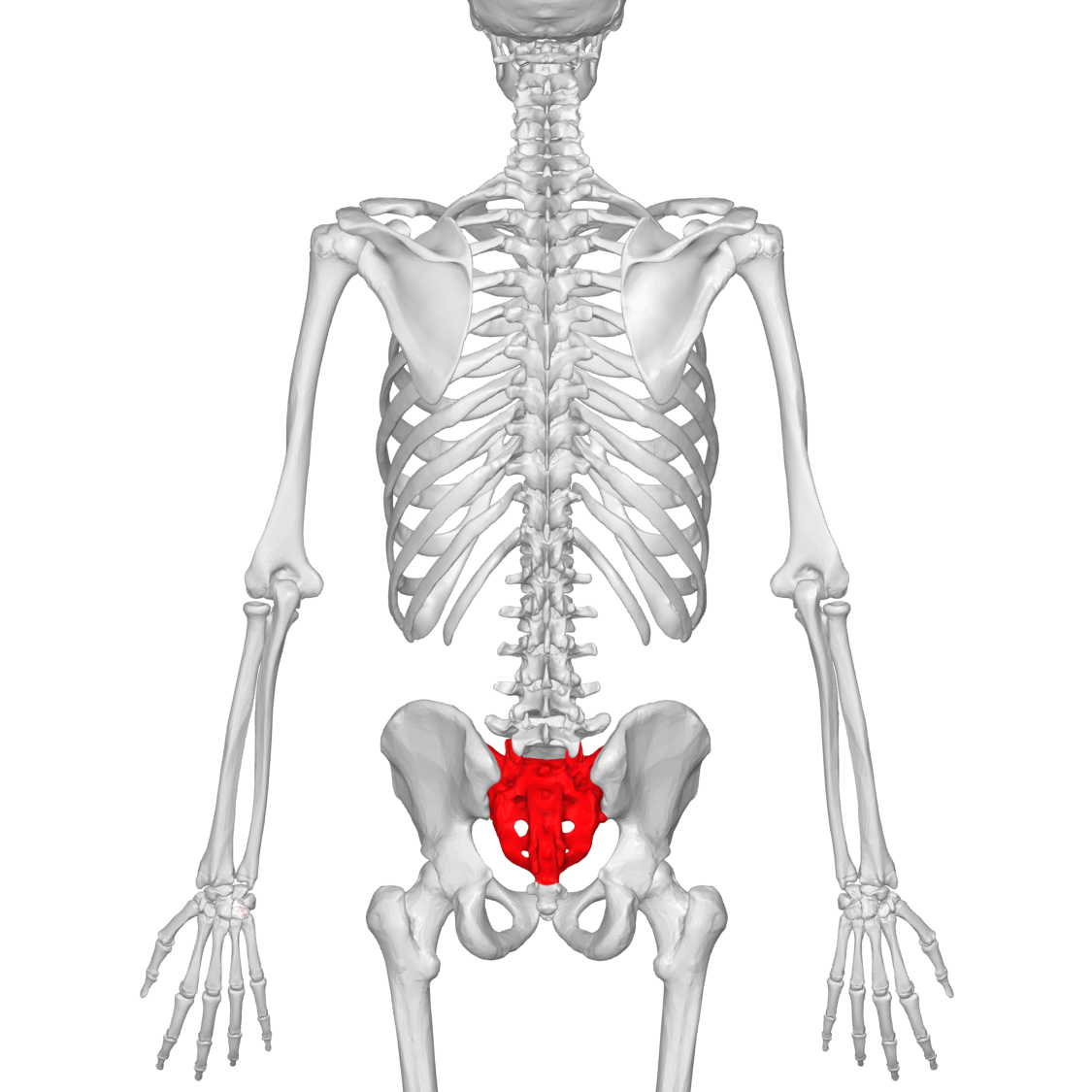
sacrum
5 fused vertebrae
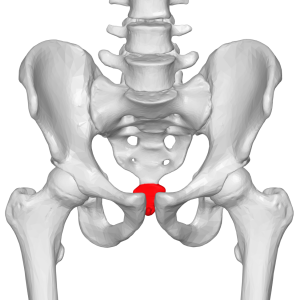
coccyx
4 fused vertebrae
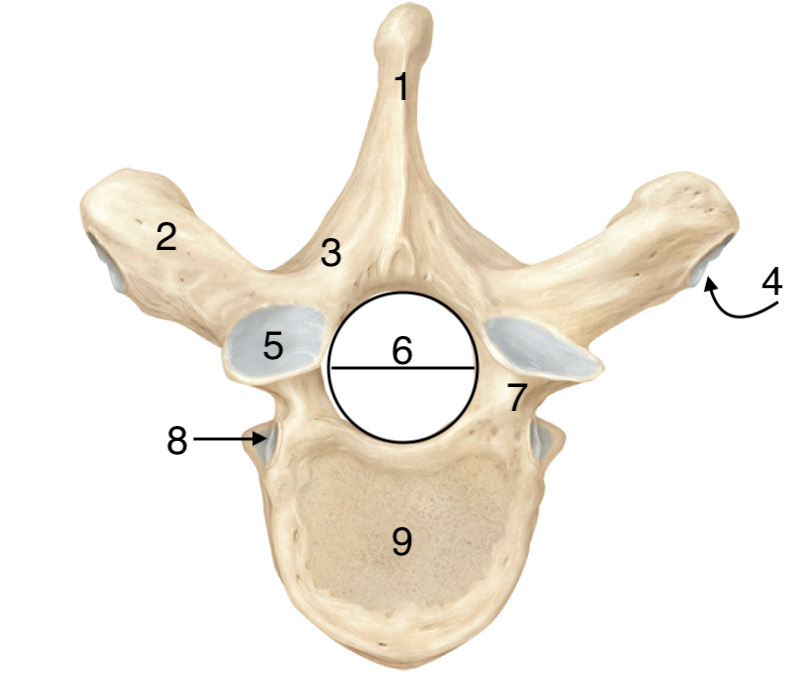
vertebral arch
3
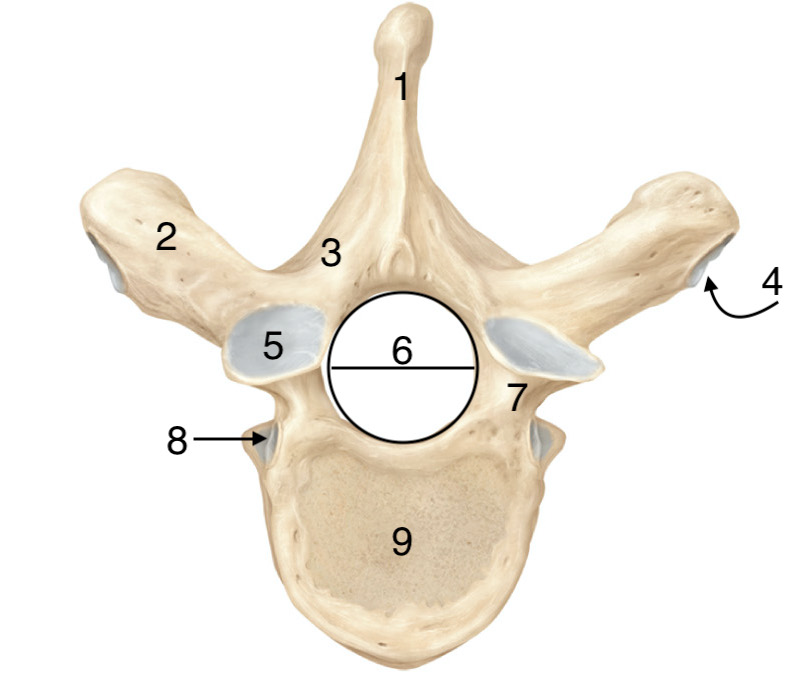
spinous process
1
transverse process
2
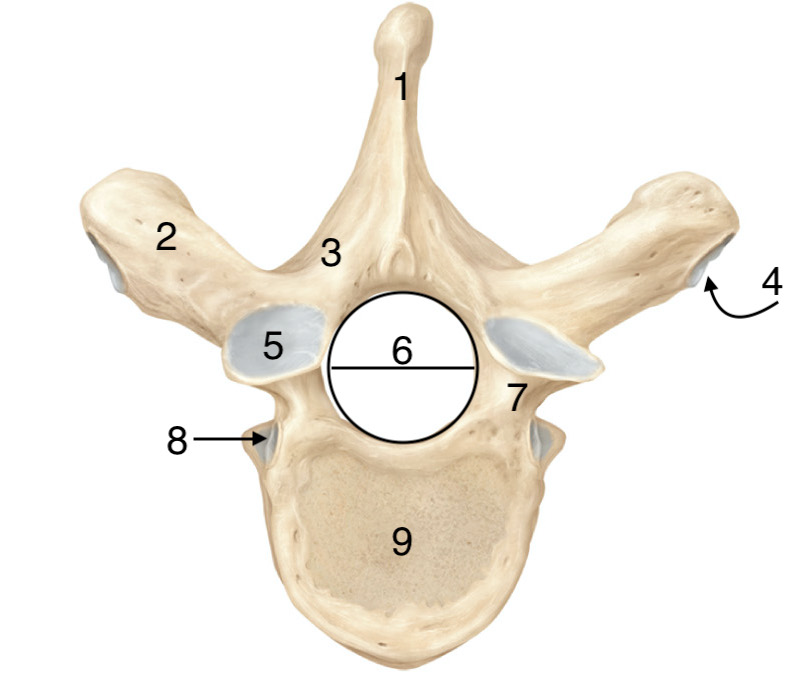
superior articular process
7
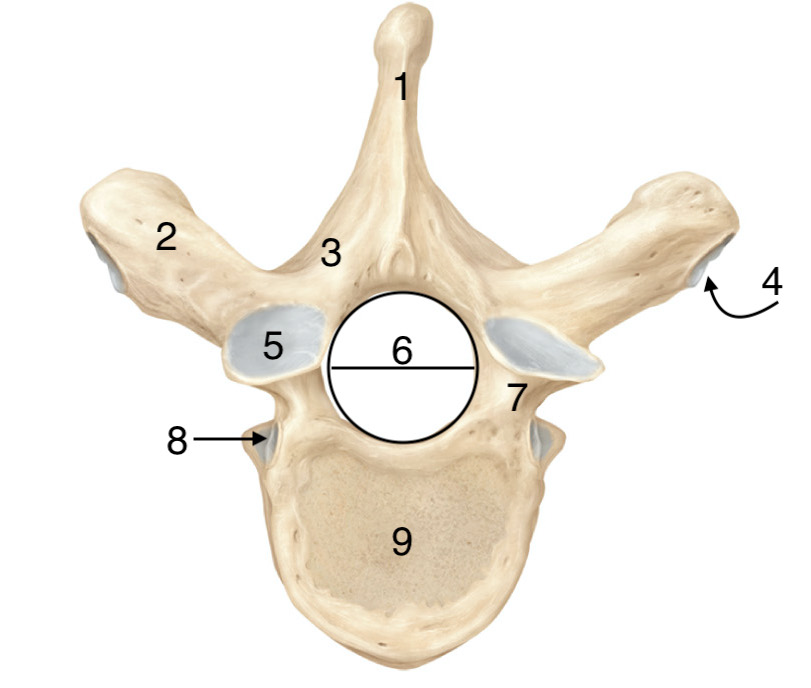
vertebral foramen
6
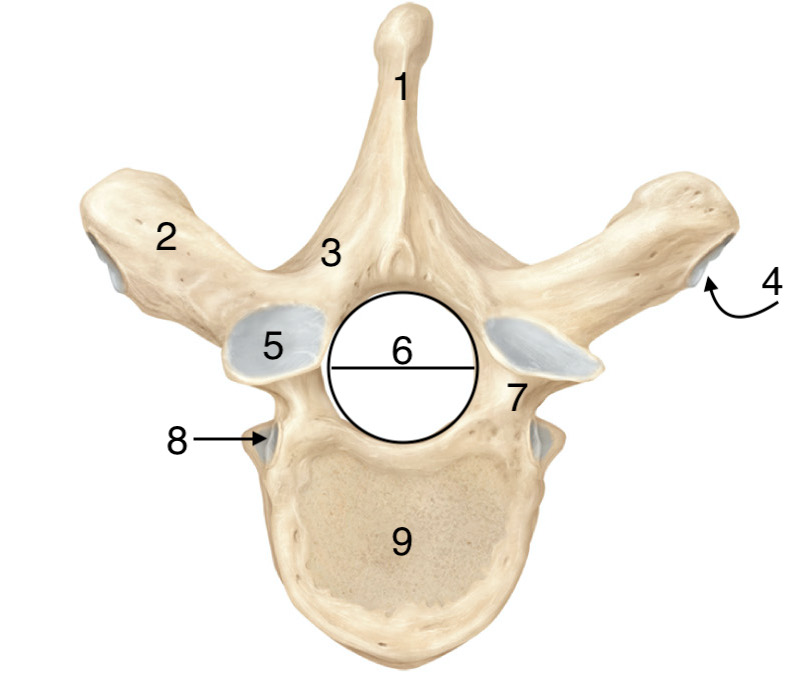
body
9
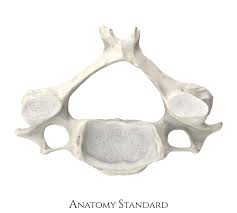
cervical vertebrae features
oval body
short bifid spinous process except c7
large triangular vertebral foramen
each transverse process contains a transverse foramen
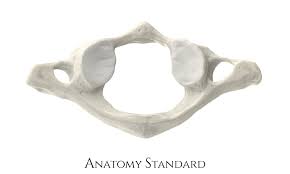
Atlas
c1
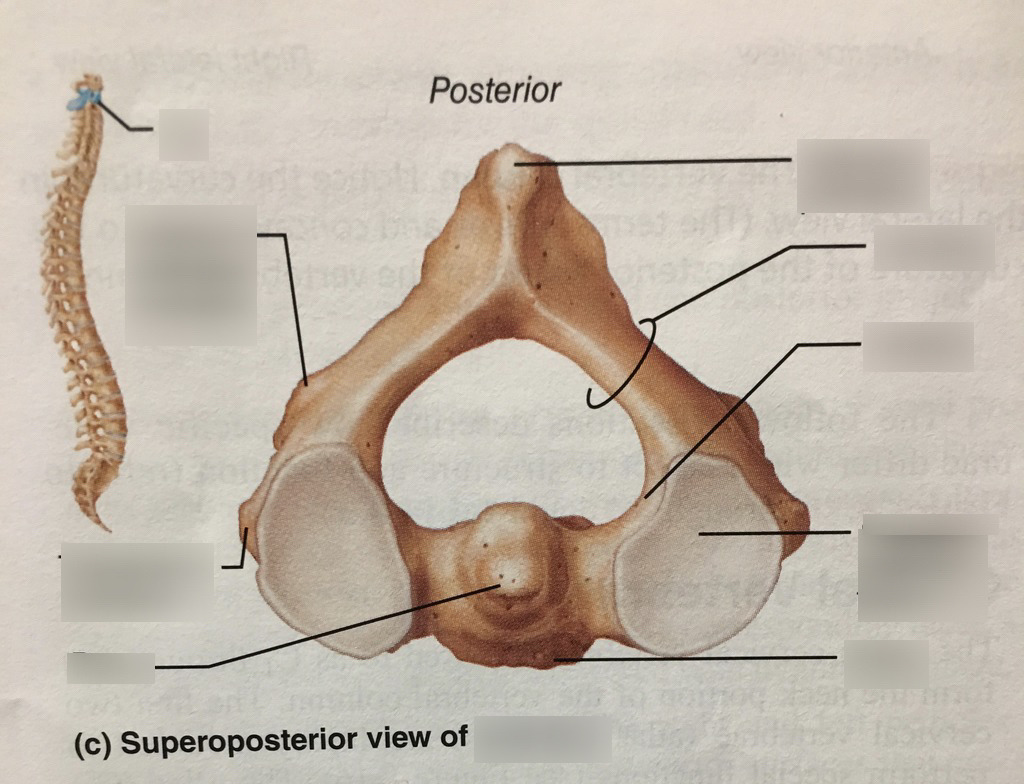
axis
c2
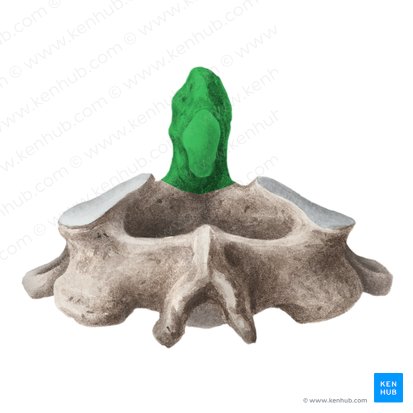
dens
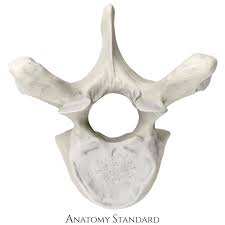
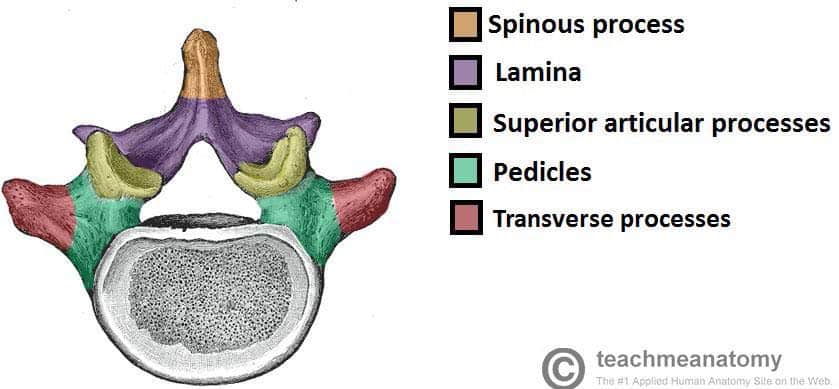
thoracic vertebrae features
heart shaped body
long downward pointing spinous process
circular vertebral foramen
only vertebrae that articulate with the ribs
lumbar vertebrae features
large block like body
short blunt posterior projecting spinous process
triangular vertebral foramen
short then transverse process
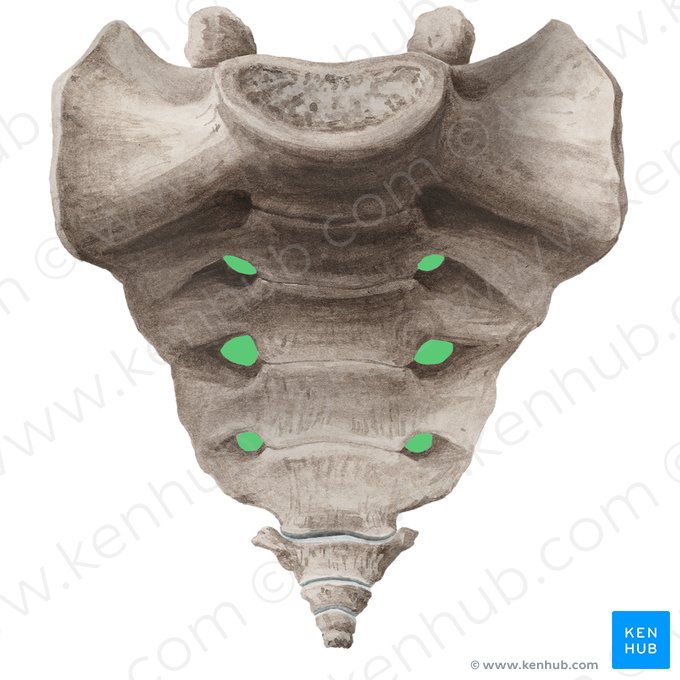
sacral foramina
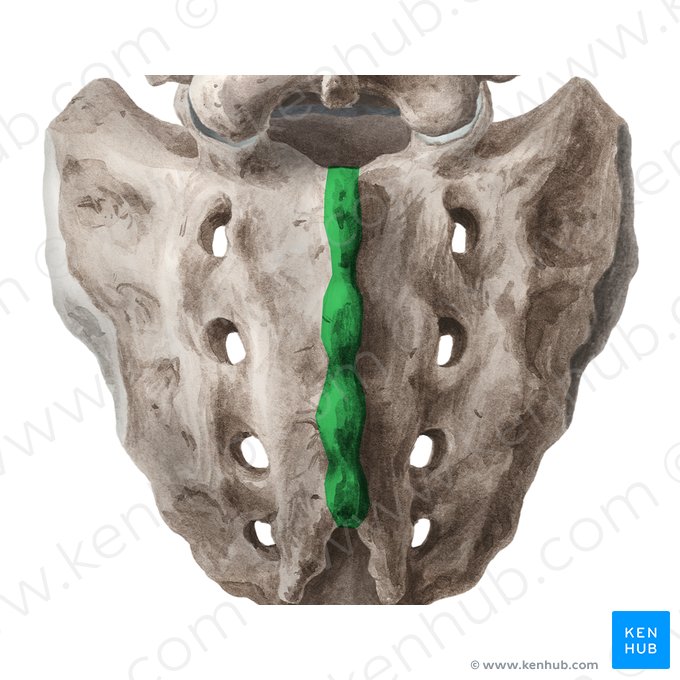
median sacral crest
superior articular process and facets of sacrum
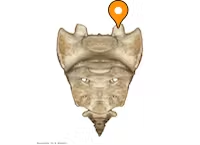
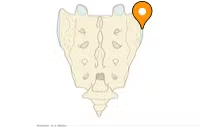
auricular surface
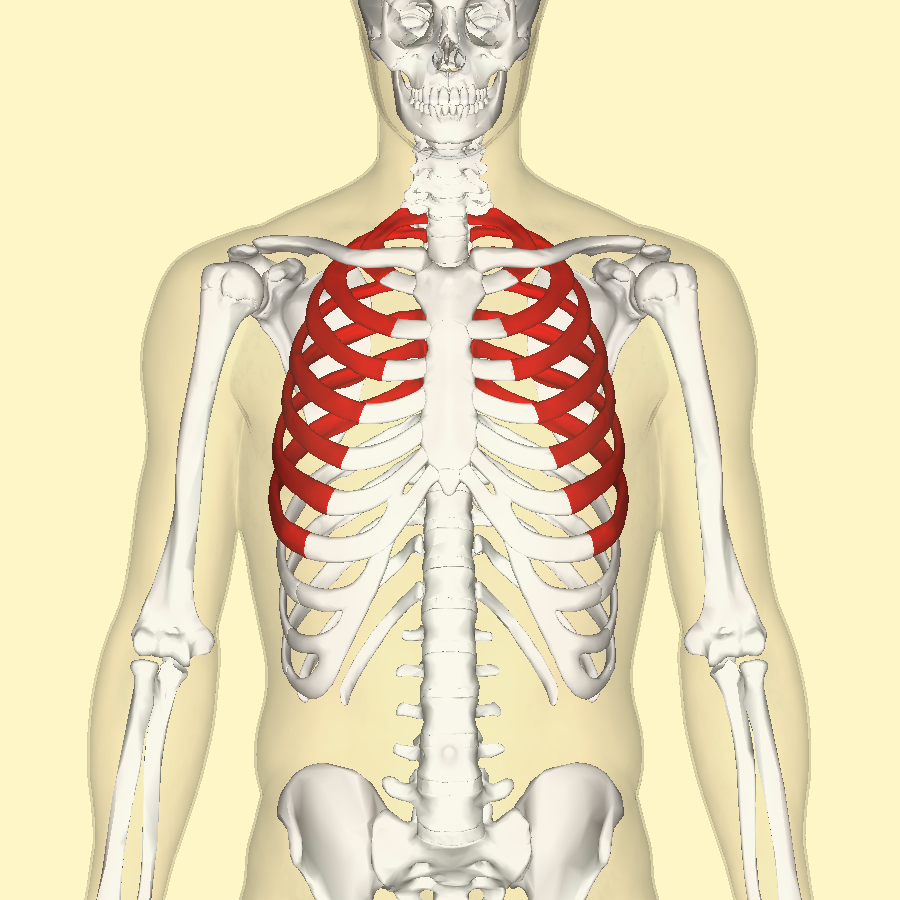
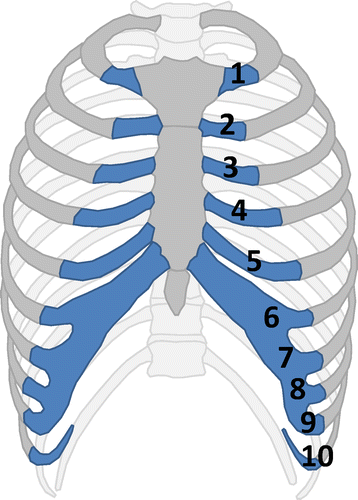
true ribs
1-7
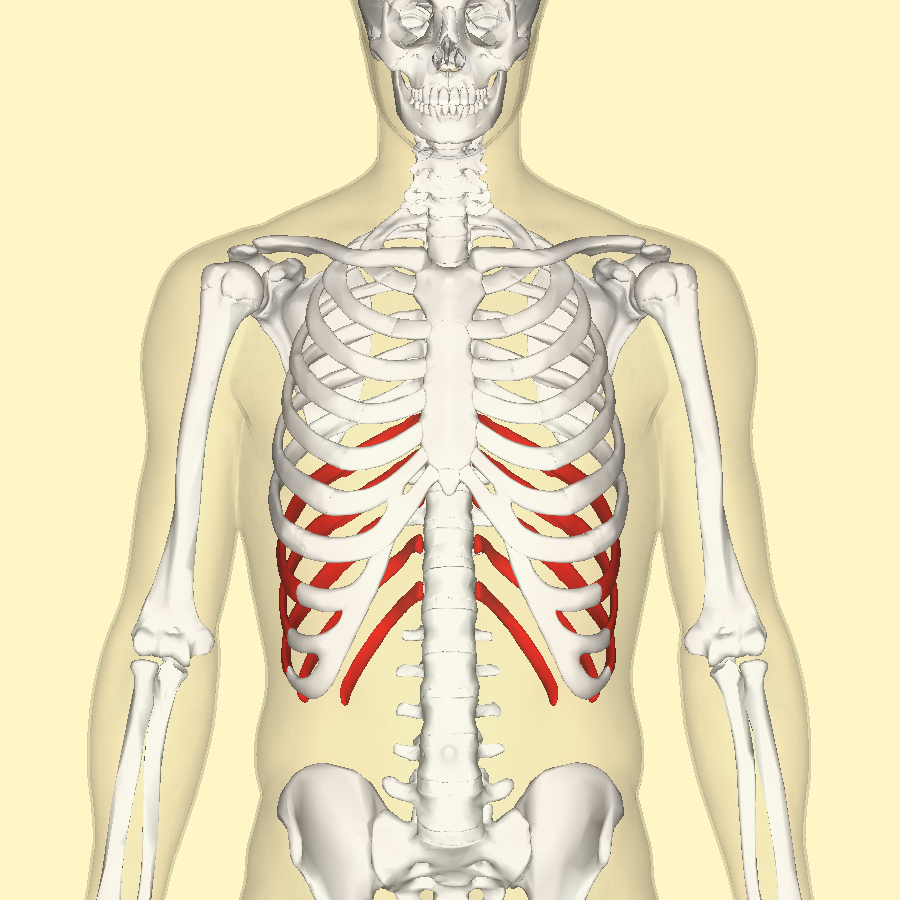
false ribs
8-12
jugular notch
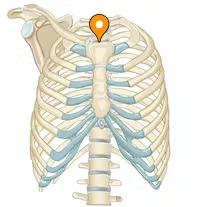
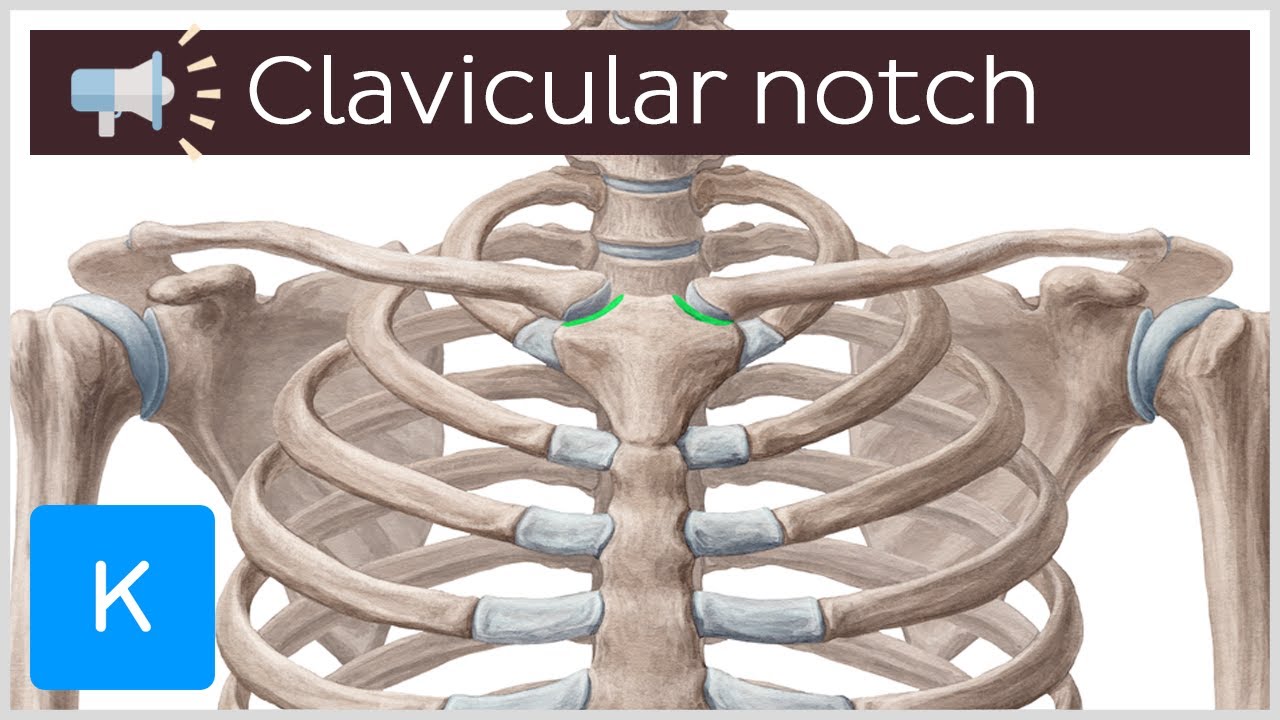
clavicular notch
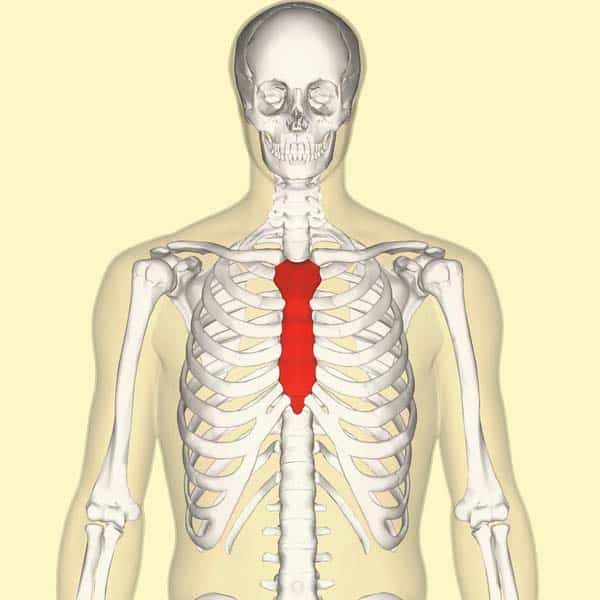
sternum
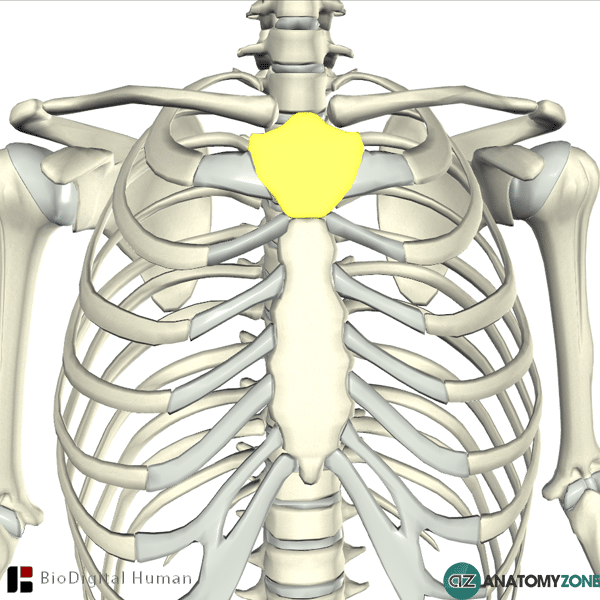
manubrium
sternal angle
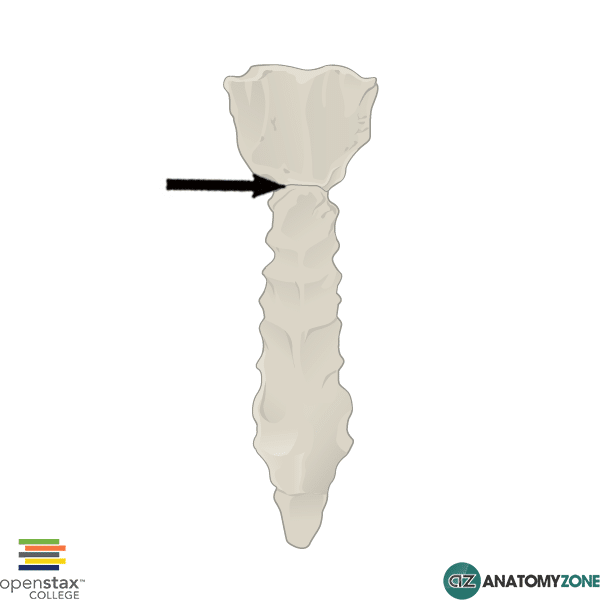
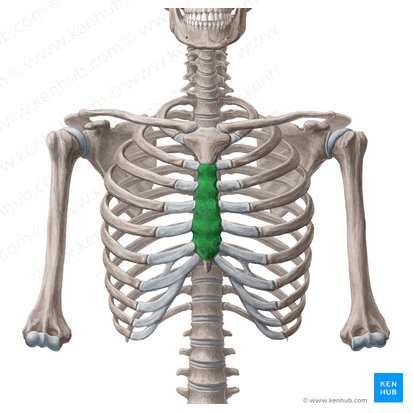
body of sternum
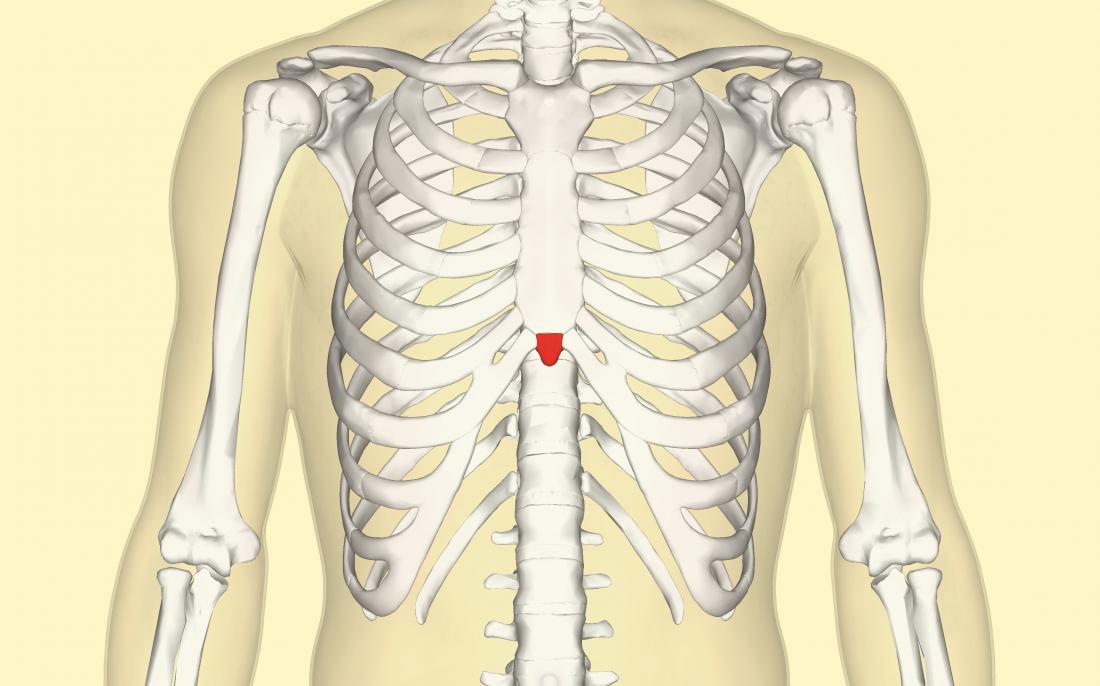
xiphoid process
vertebral chondral cartilage connect to costal cartilage above it
ribs 8, 9 10,
floating ribs
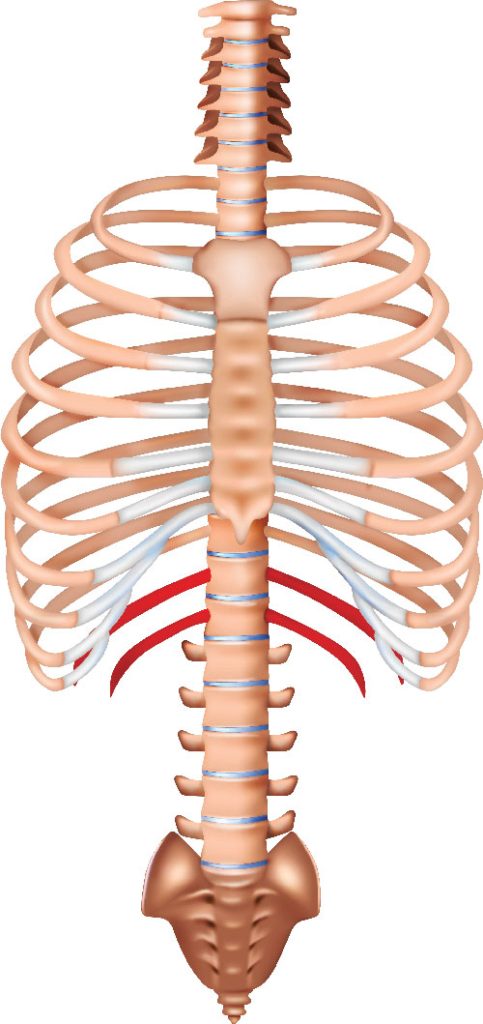
costal cartilage
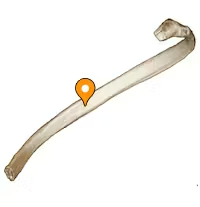
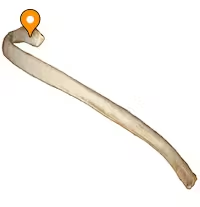
shaft of rib
tubercle of rib
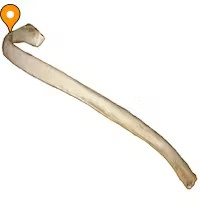
head of rib
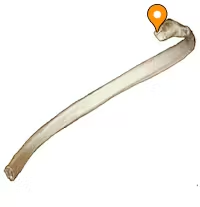
neck of rib
 Note
Note  Flashcards (69)