HRM L4: Planning & Job Design
 Call Kai
 Learn
Learn Practice Test
 Spaced Repetition
 Match
Match Flashcards
 Knowt Play
1/30

There's no tags or description
Looks like no tags are added yet.
Name | Mastery | Learn | Test | Matching | Spaced | Call with Kai |
|---|
No analytics yet
Send a link to your students to track their progress
31 Terms
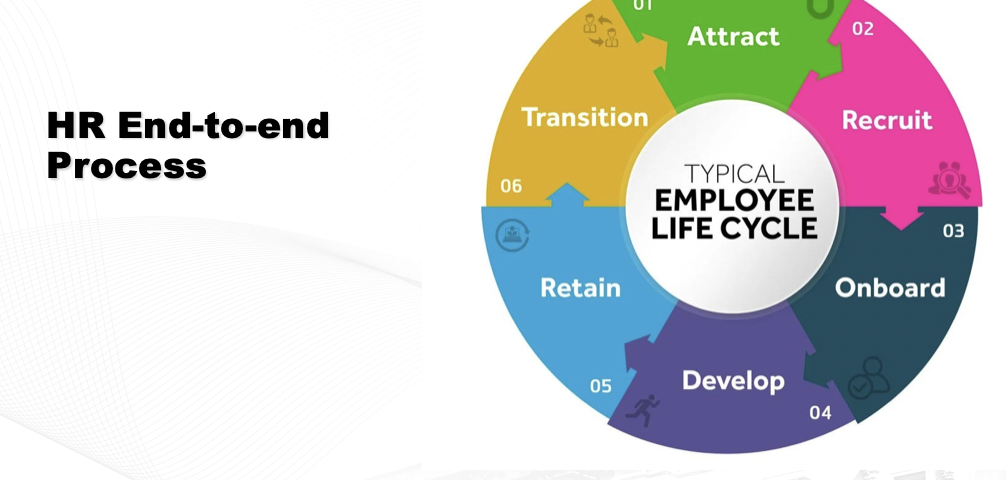
(1) HR end to end process
attract
recruit
onboard
develop
retain
transition
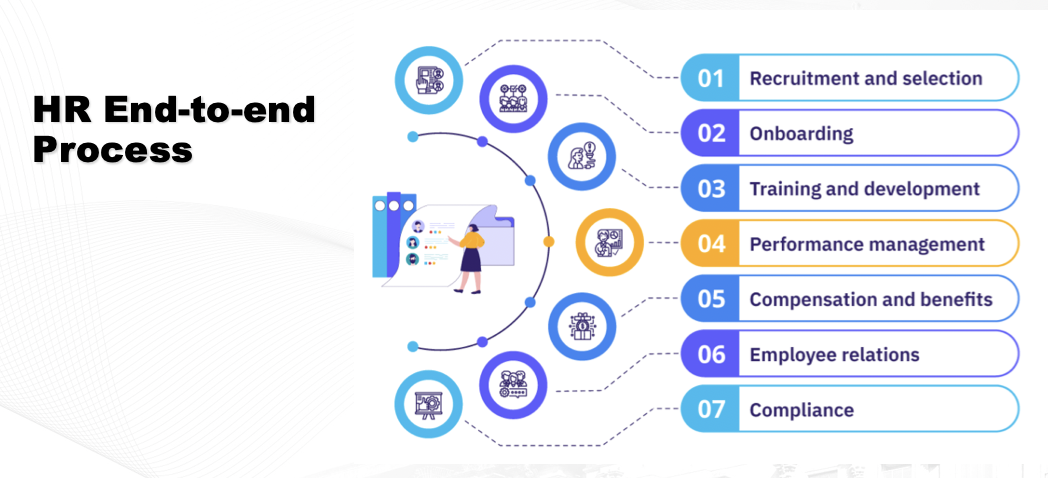
(2) HR end to end process
life span of employee / employee life cycle:
recruitment / selection
onboarding
training / development
performance management
compensation and benefits
employee relations
compliance
HR process
talent accusation
performance management
termination
voluntary
you resign / it’s your decision to leave the company
involuntary
you get terminated for due reason
talent acquisition
recruitment
selection
accessing candidate better
job fit (look at competencies if suitable) & culture fit (looks at personality if it fits the culture)
hiring
signing of the contract
onboarding
attrition
the rate which employees leave the organization
there is early attrition where candidate does not continue with the interview
performance management
ensuring the person is kept
training / mentoring
compensation and benefits
pay the person you hire
make sure it motivates him to keep him / do his job well
3 ways to link strategic planning and HRP
strategic analysis
strategic formulation
strategic implementation
strategic analysis
what human resources are needed and what are available?
strategic formulation
what is required / necessary in support of human resources?
strategic implementation
how will the human resources be allocated?
job design
creating a new job / add duties to an existing job
identifying tasks, roles, responsibilities and requirements
need in selection bcs the duties will determine the assessments u will be giving
need in training / development = what u will train them depends on these
work design
considers how these roles fit into the larger context of teams and the organization
core characteristics
skill variety
task identity
task significance
autonomy
job feedback
skill variety
range of abilities needed to perform a job
task identity
extent to which a job involves completing an identifiable piece of work from start to finish, with a visible outcome
employees are more likely to complete task if they identify with them / have seen them through from start to finish
task significance
extent to which a job is important to / impacts others within and outside of the organization
when employees feel that their work is significant to their organization, they are motivated to do well / this will lead to increased employee productivity
autonomy
measures employees level of freedom / ability to schedule task according to his own approach / strategy
lower the position, lower the autonomy
job feedback
degree to which an employee receives direct feedback on their performance
recurring one on one meetings between employees / managers create consistent avenue for communication including feedback on projects / performance
forecasting
are you going to grow the business?
the process of estimating an organization's future staffing needs, including headcount and skill requirements, to ensure the right talent is available at the right time
involves:
forecasting the demand for labor
forecasting the supply of labor
balancing supply and demand considerations
model of HR forecasting
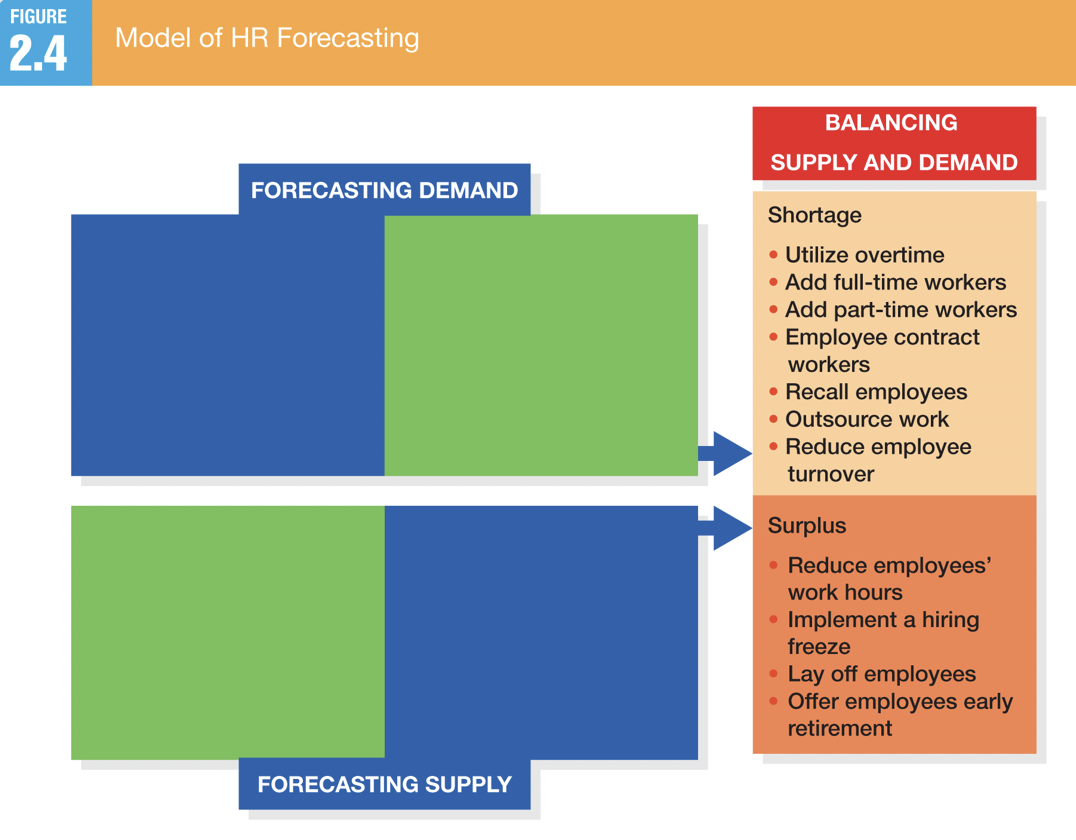
forecasting the supply of employees: internal labor supply
staffing tables
skill inventories
replacement charts
succession planning
staffing table
representation or database containing information about the current or planned staffing of positions within a company
serves as an overview and planning tool for human resources, enabling organizations to monitor the availability of employees for specific tasks or projects.
skill inventories
files of personnel education, experience, interests, skills, etc., that allow managers to quickly match job openings with employee backgrounds.
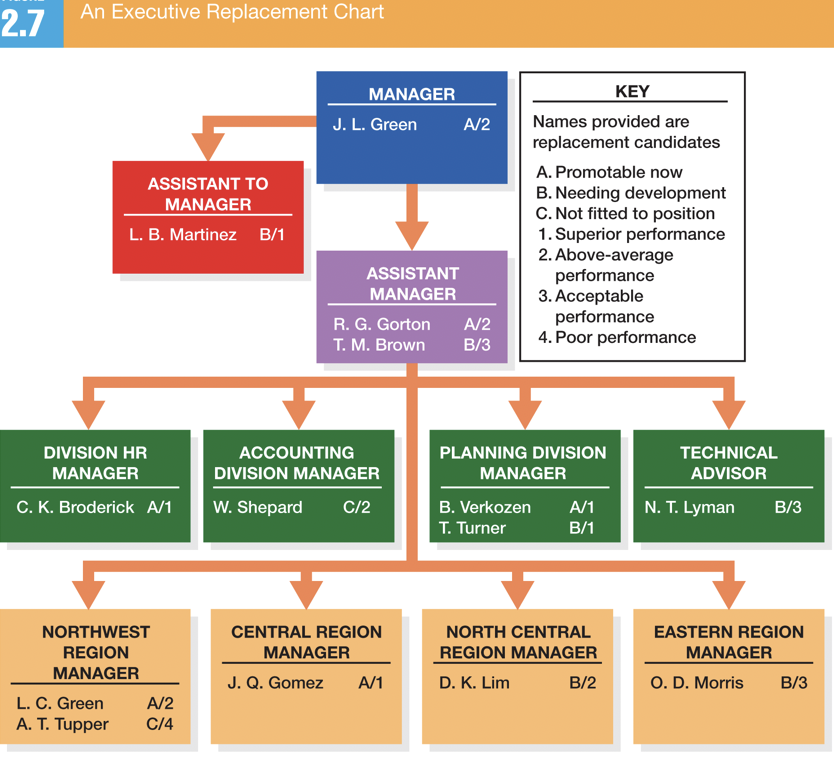
replacement charts
listings of current jobholders and persons who are potential replacements if an opening occurs.
succession planning
process of identifying, developing, and tracking key individuals for executive positions.
project based employees
not your regular employees
employees hired during a particular project because that’s the only time you need them
work ends when the project ends
example: construction worker
contract employees
employees hired for a fixed period of time based on contract
work ends when contract period ends
if u do not regulate them after 6 months, you should terminate the contract
recalling employees
employees who were temporarily laid off but are expected to return to work when company needs them again
asking those who left the company to come and work for u sometime
you will not recall someone you terminated due to misconduct, it’s mostly people those who resigned or needed to let go
ex: factory workers sent home during low production, but called back when production increases

