B2 Heart and blood vessels
 Studied by 0 people
 Call Kai
 Learn
Learn Practice Test
 Spaced Repetition
 Match
Match Flashcards
 Knowt Play
1/27

There's no tags or description
Looks like no tags are added yet.
Name | Mastery | Learn | Test | Matching | Spaced |
|---|
No study sessions yet.
28 Terms
What is the heart?
The heart is an organ that pumps blood around the body in a double circulatory system.

Which ventricle pumps blood to the lungs?
Right ventricle
- pumps blood to the lungs where gas exchange takes place
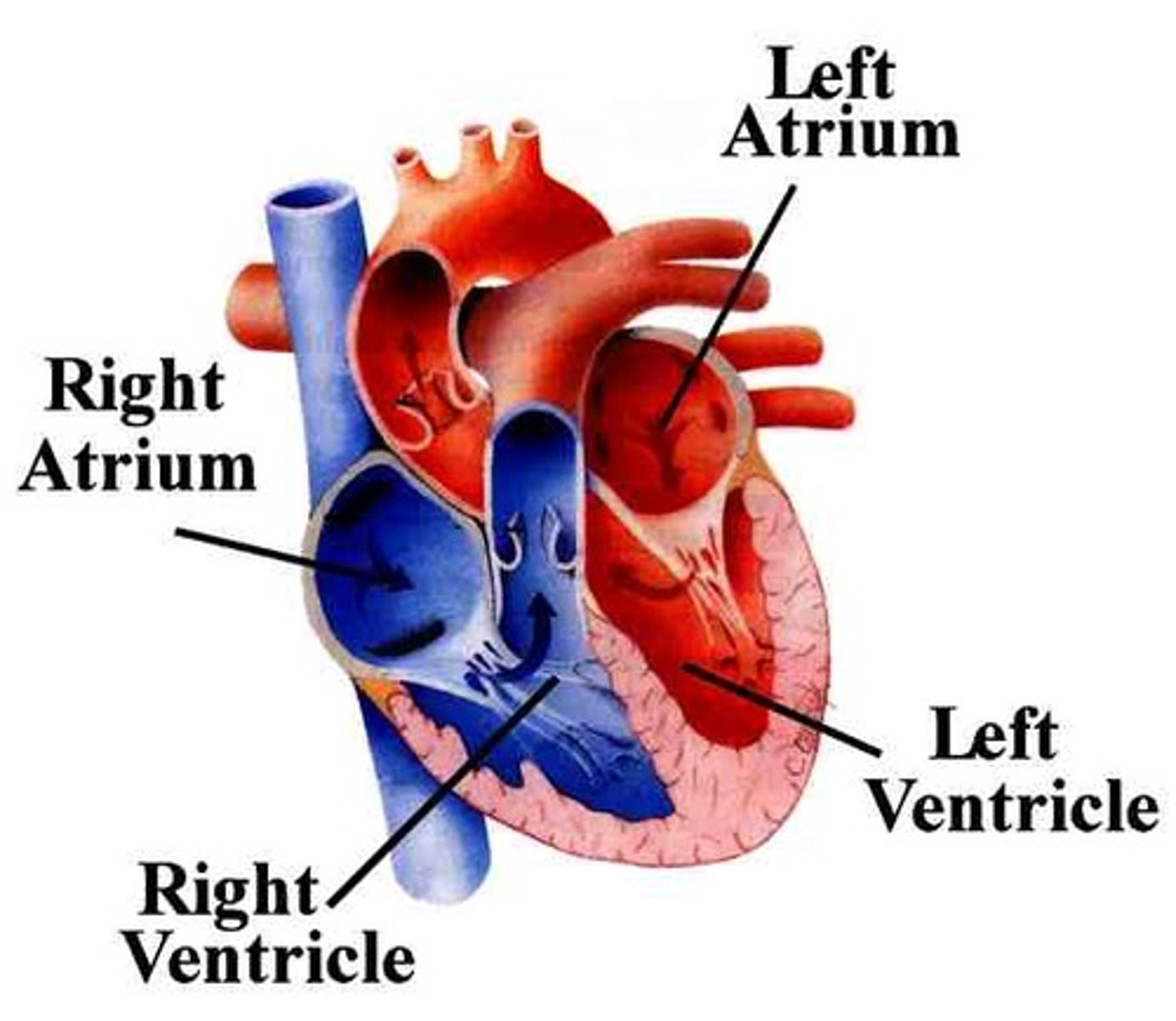
Which ventricle pumps blood to the body?
Left ventricle
- pumps blood around the rest of the body.

What circulatory system do humans have?
Double circulatory system

Vena cava (vein)
a large vein carrying deoxygenated blood into the heart
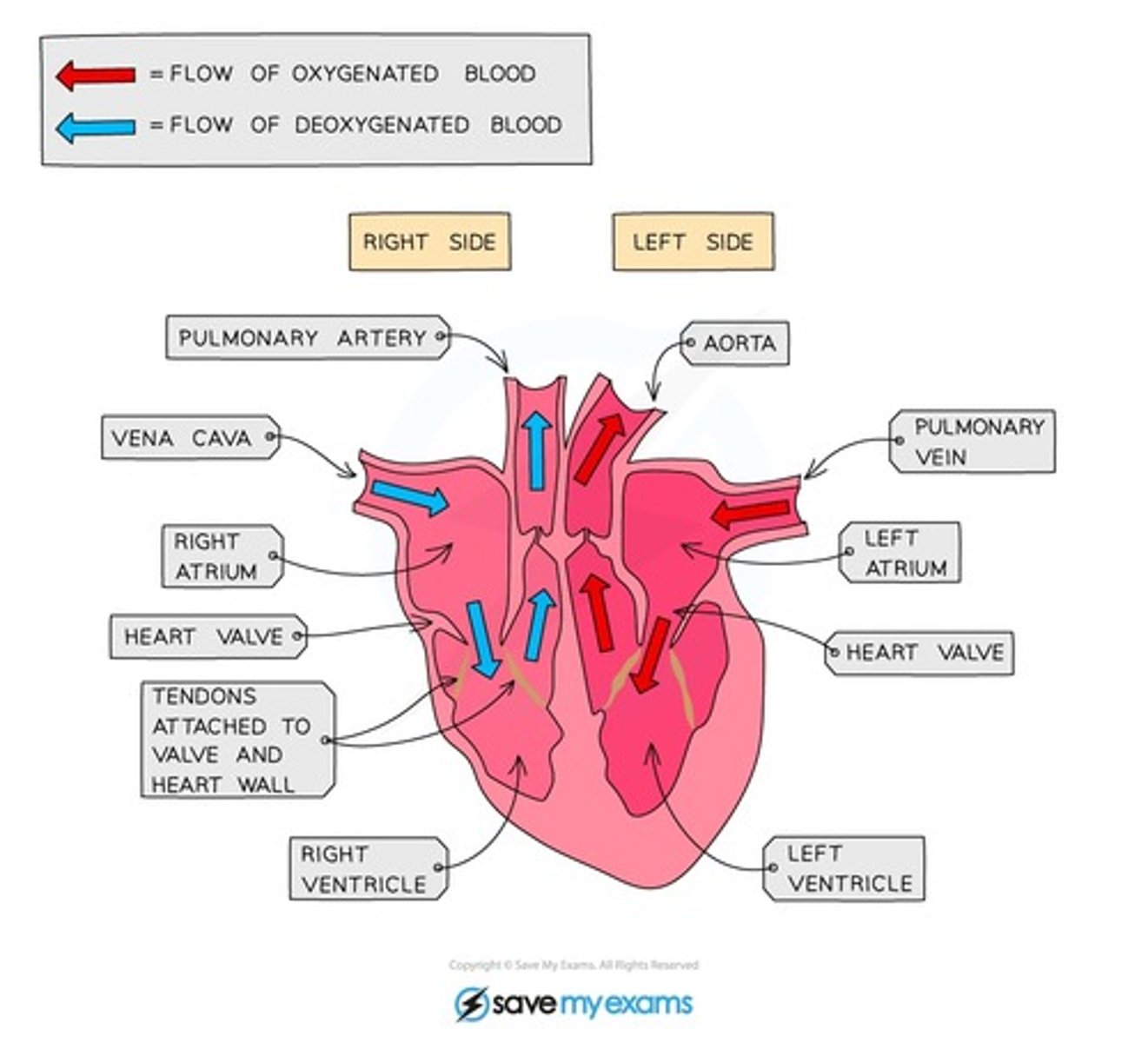
Right atrium
Receives deoxygenated blood from the body
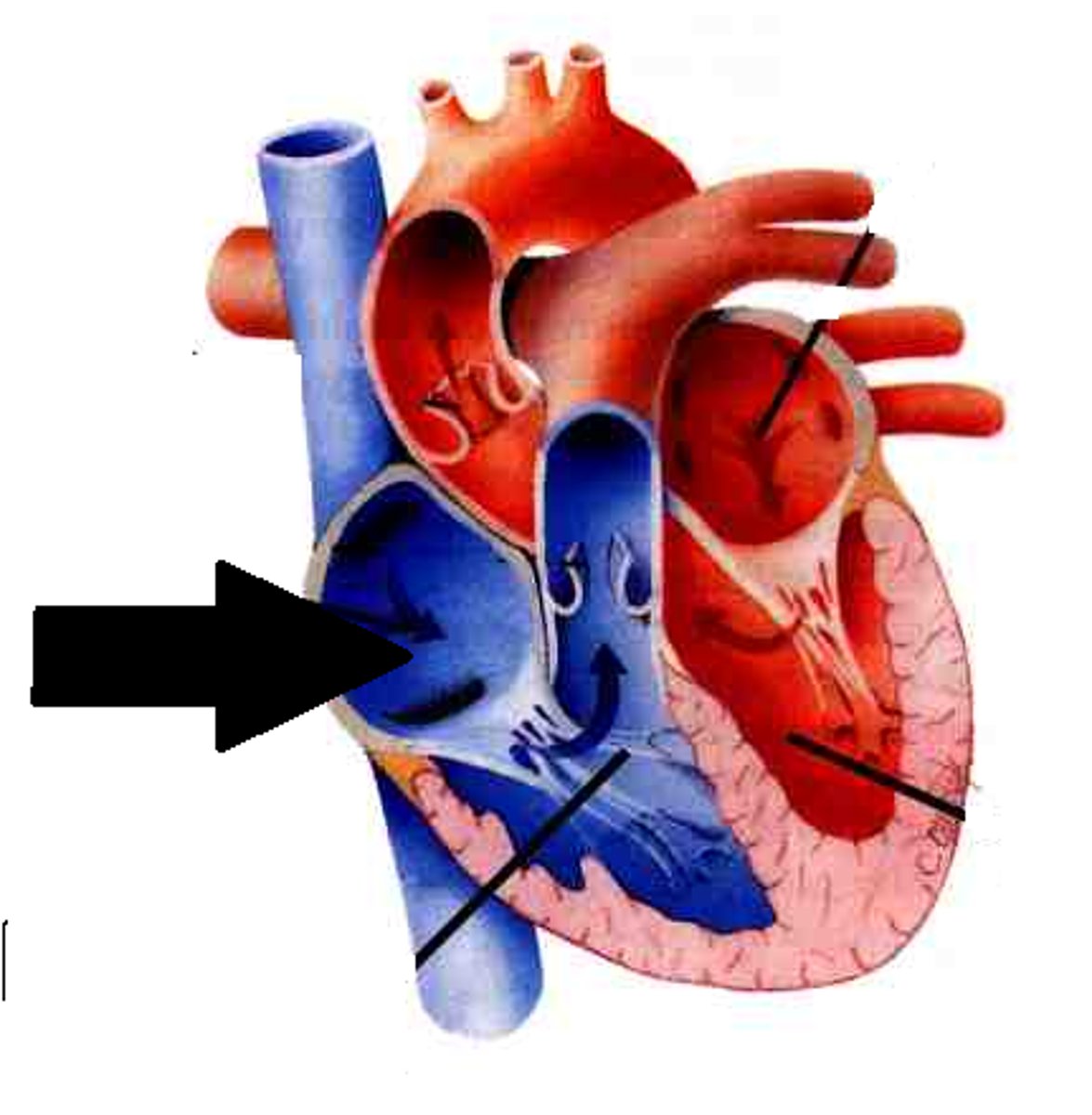
Where are the pacemaker cells located?
right atrium
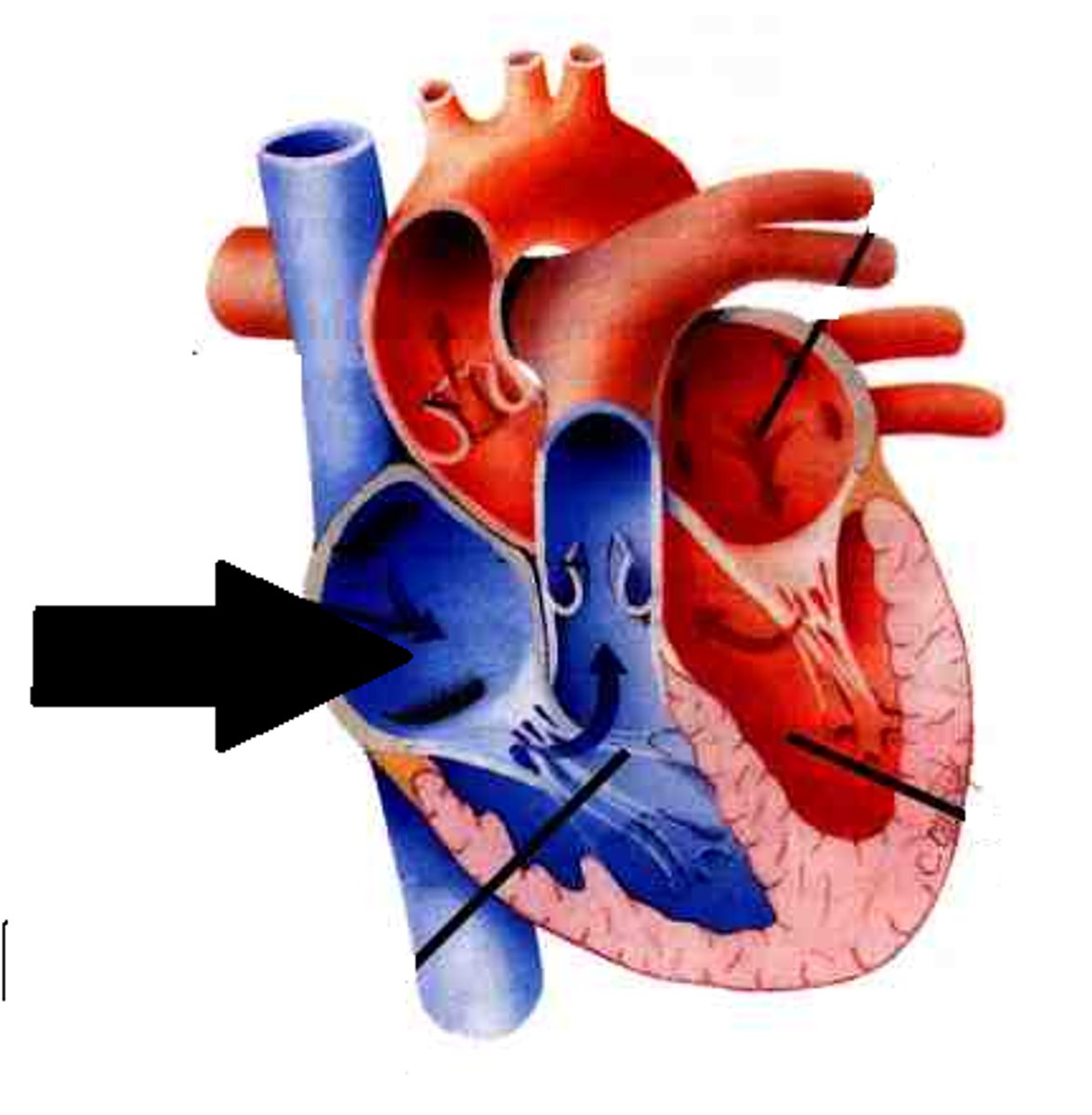
What do the pacemaker cells do?
Controls the natural resting heart rate
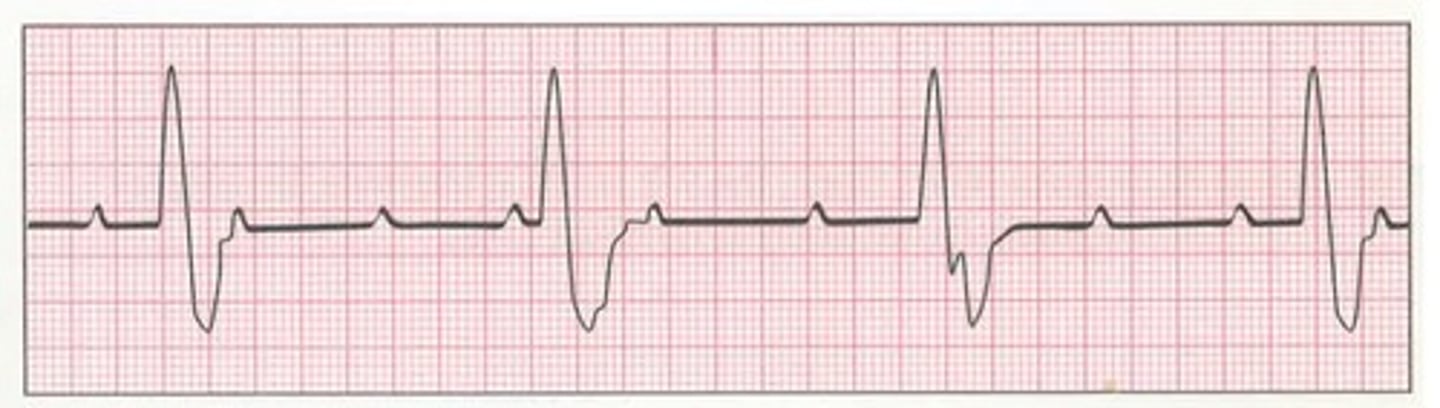
Right ventricle
pumps deoxygenated blood to the lungs for gas exchange
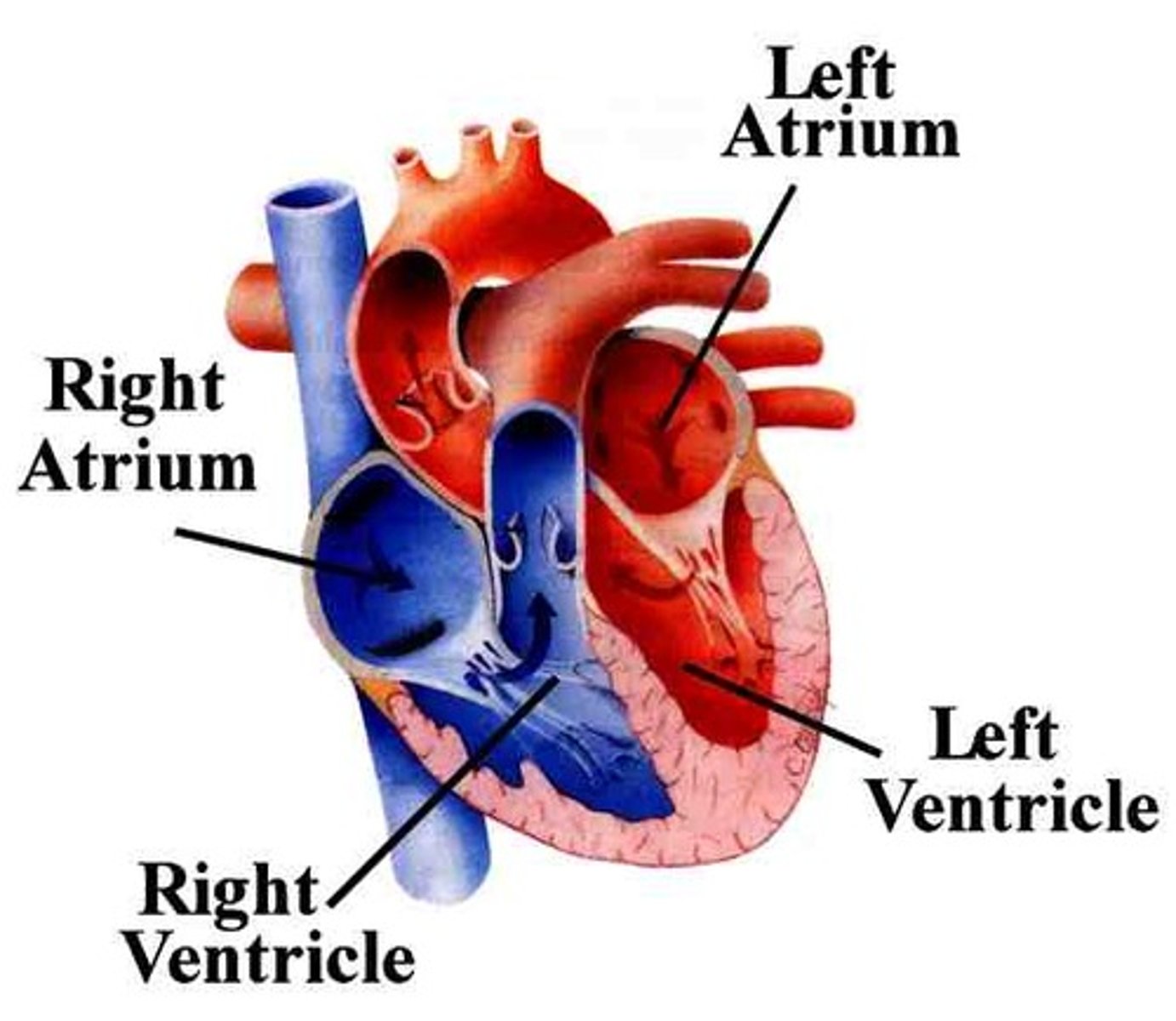
Pulmonary artery
artery carrying deoxygenated blood from the heart to the lungs
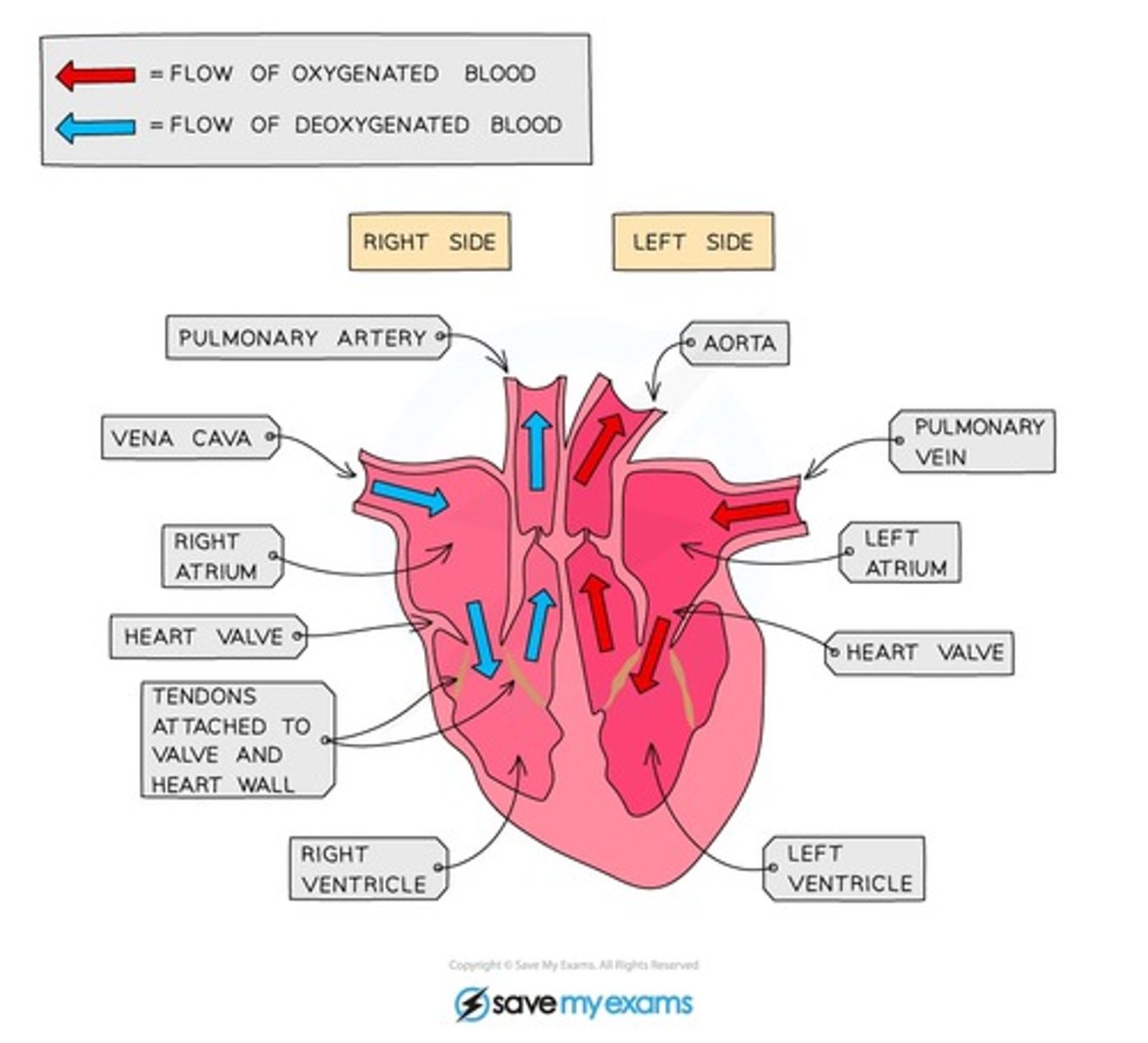
Aorta (artery)
takes oxygenated blood to the body from heart

Pulmonary vein
carries oxygenated blood from the lungs to the heart
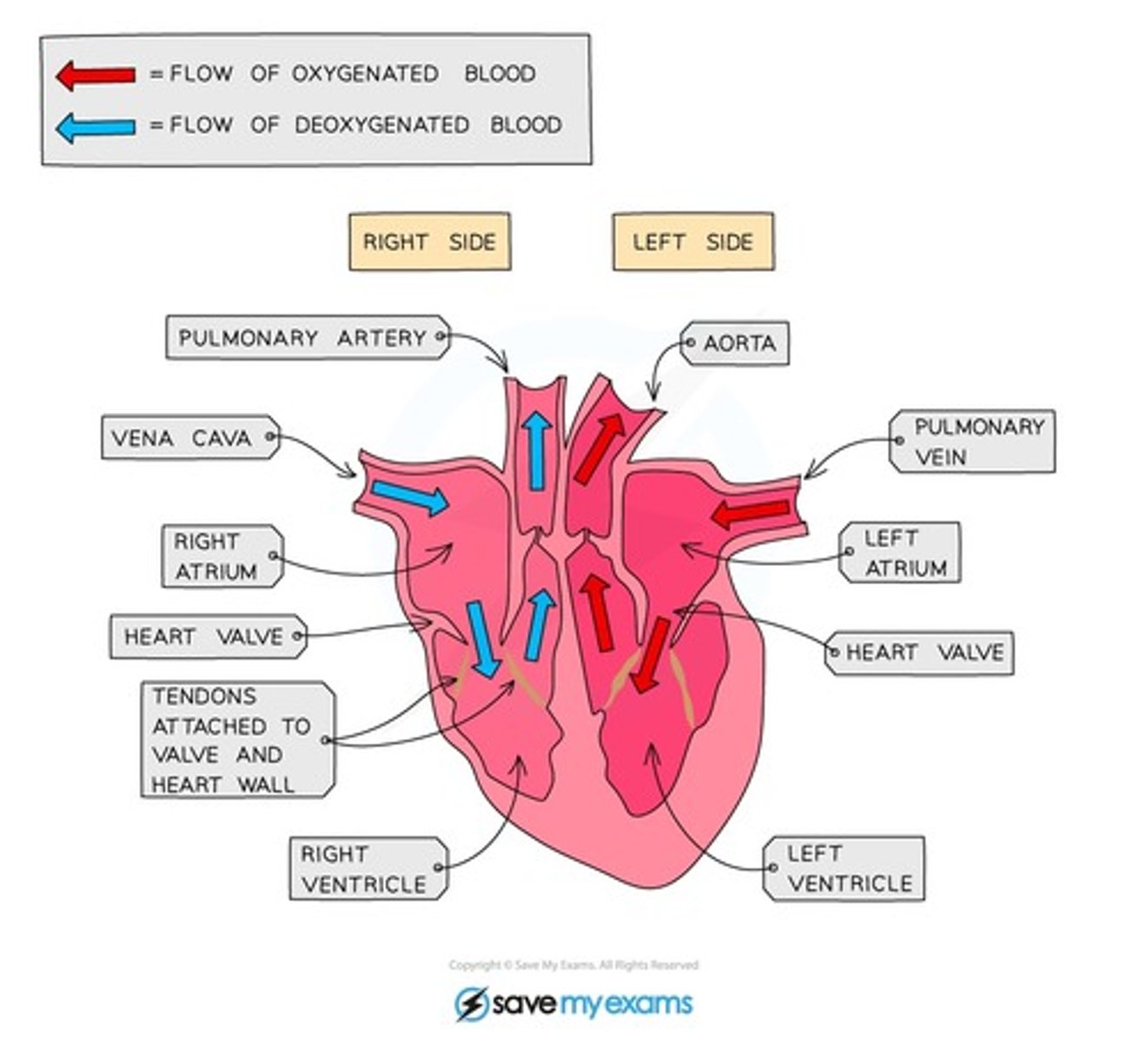
Left atrium
receives oxygenated blood from the lungs
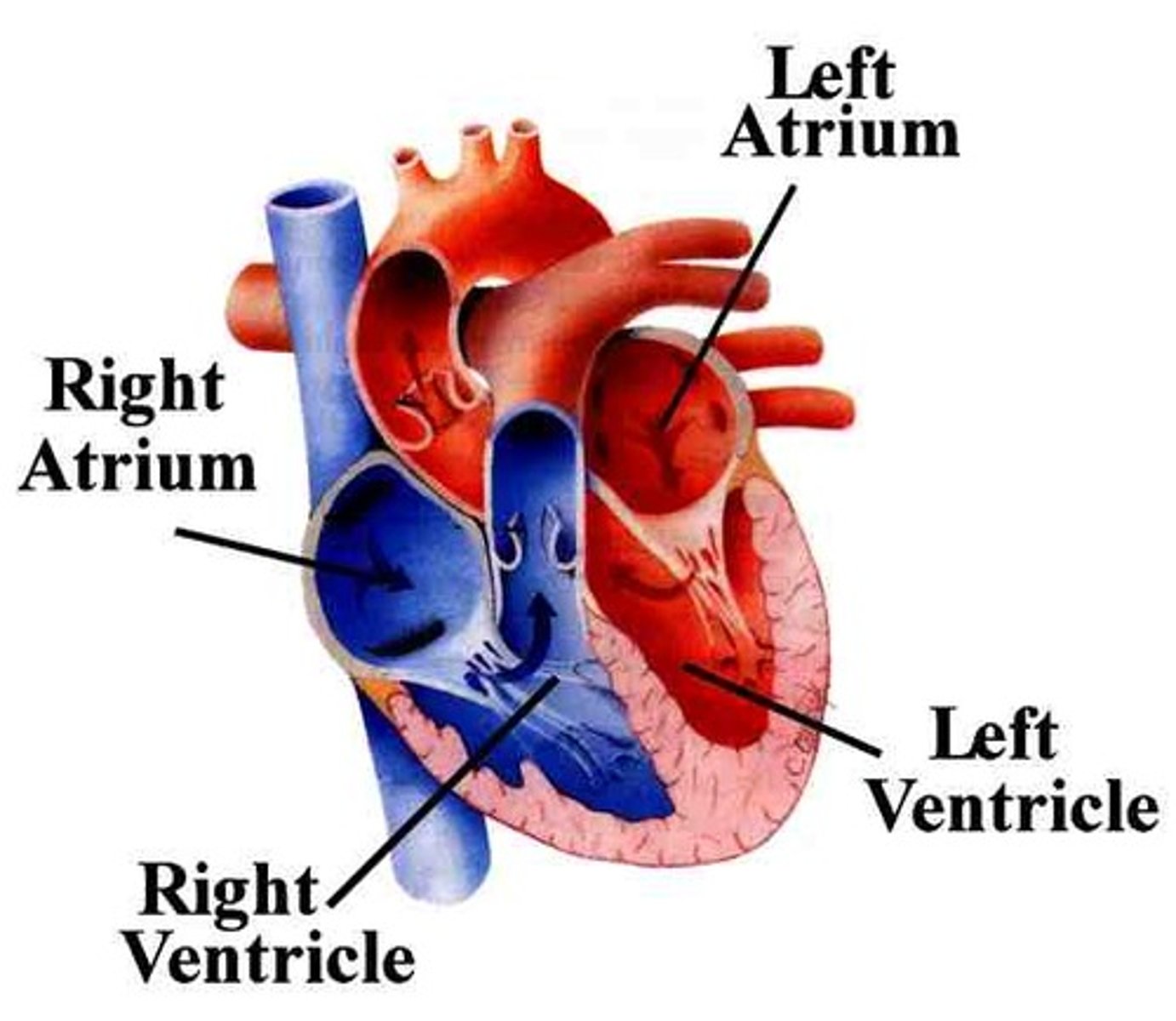
Left ventricle
pumps oxygenated blood to the rest of the body
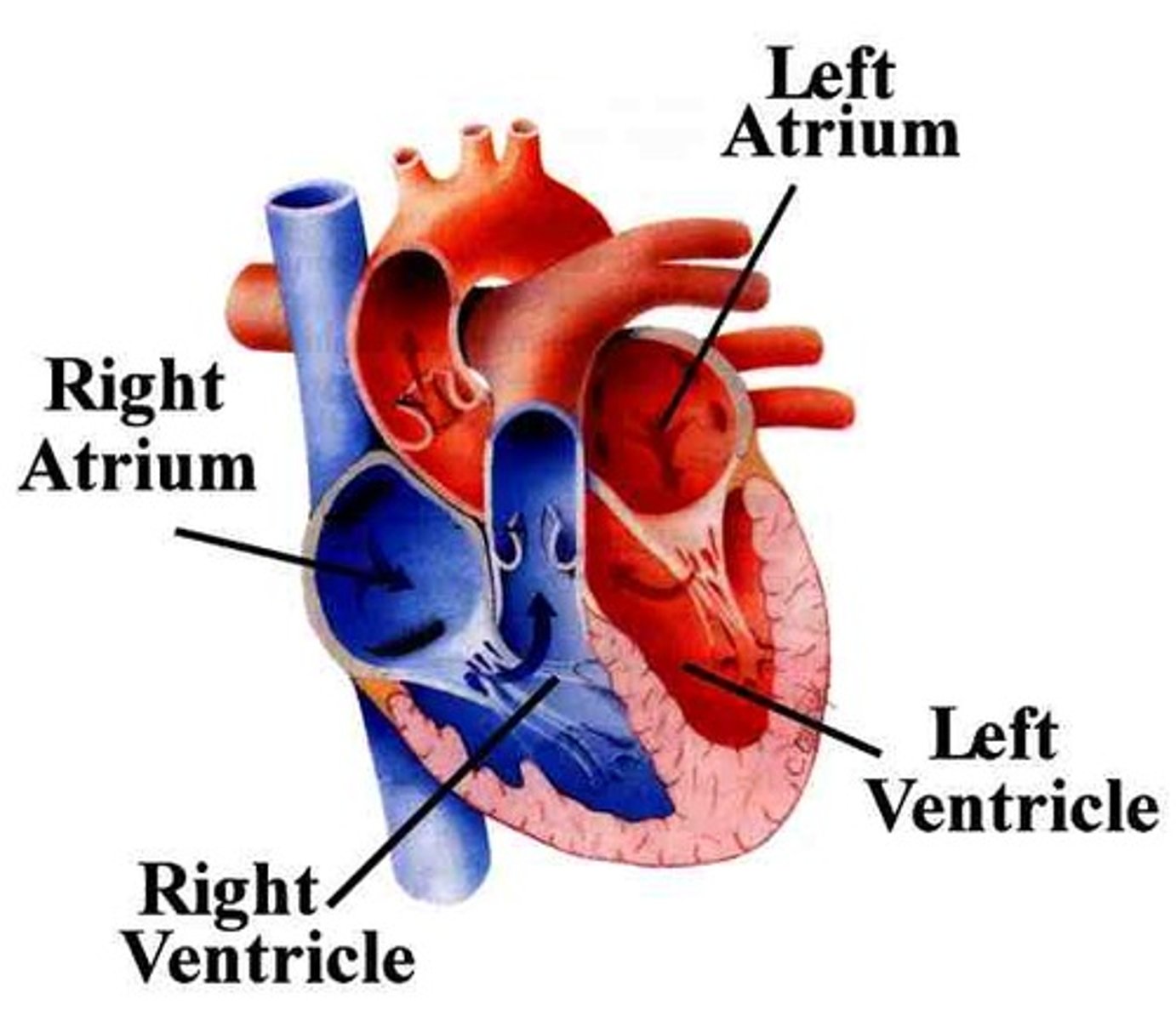
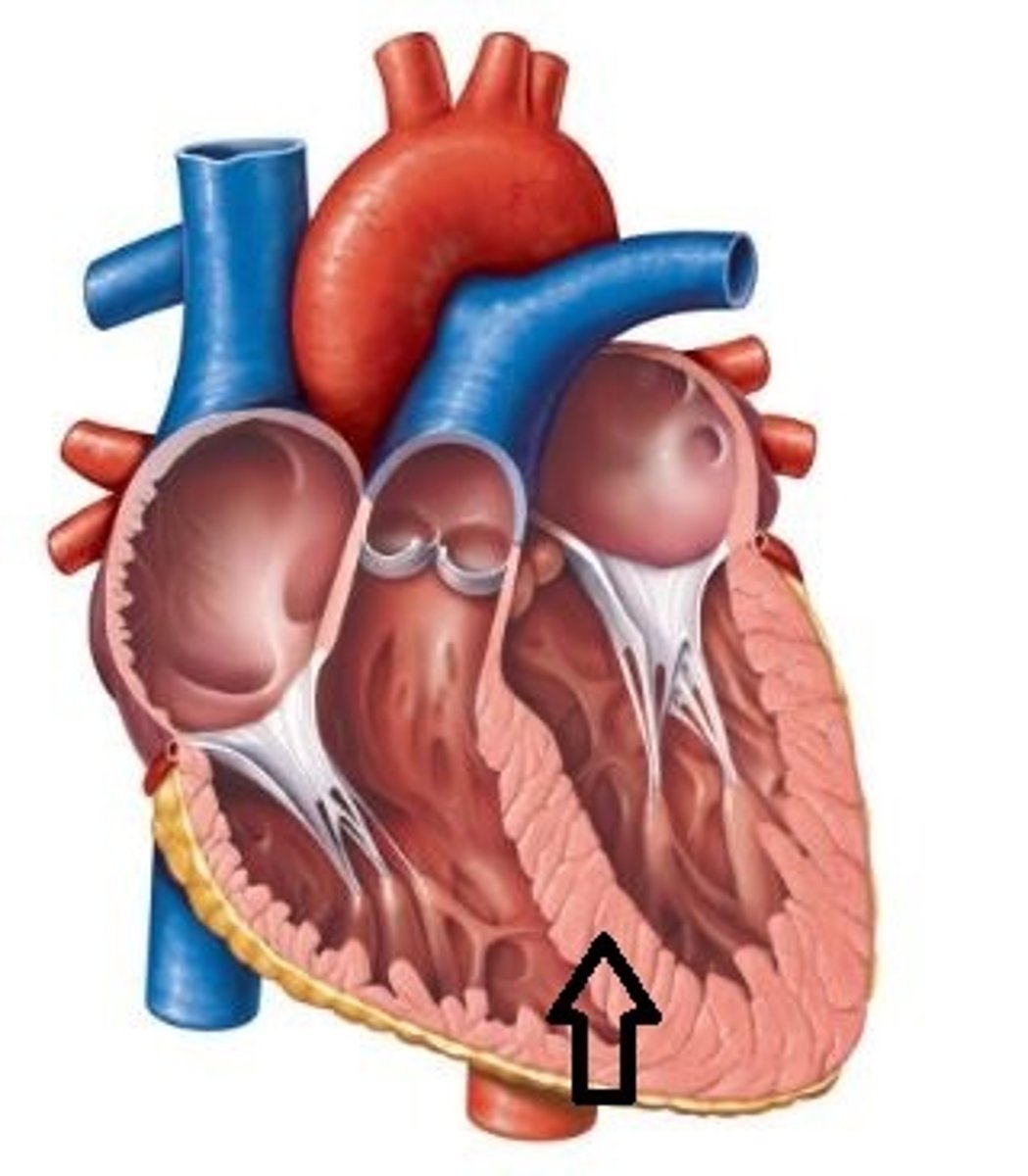
Why does the left side of the heart have a thicker wall?
to help pump oxygenated blood back to the rest of body
What are the three different type of blood vessels?
artery, vein, capillary
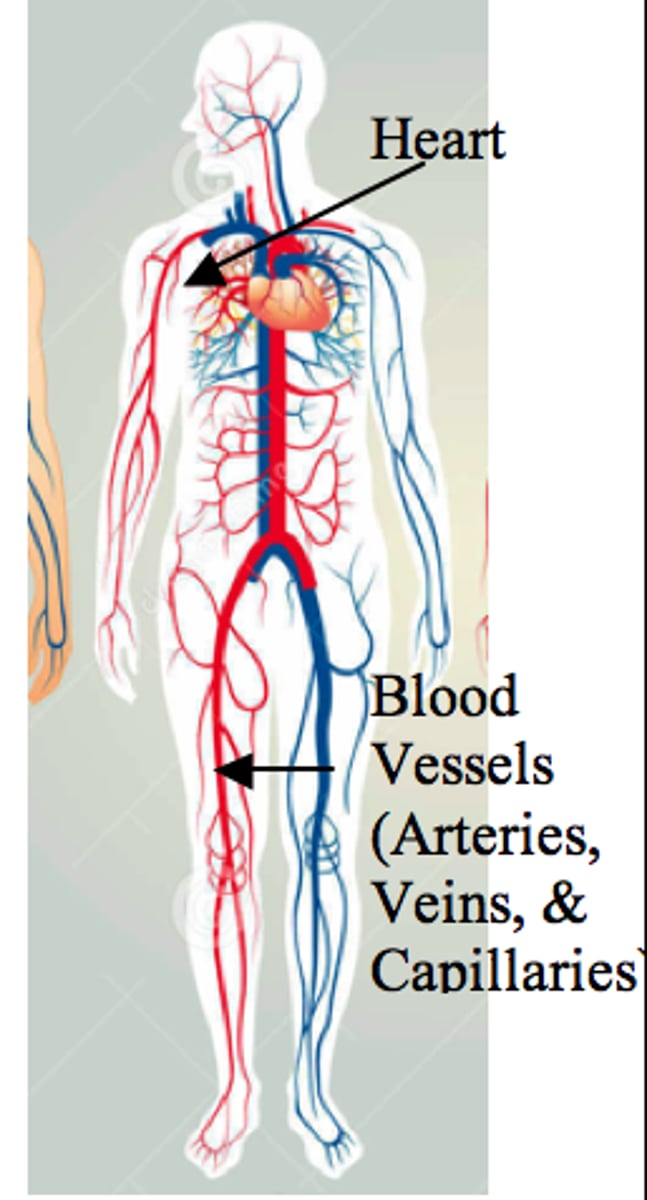
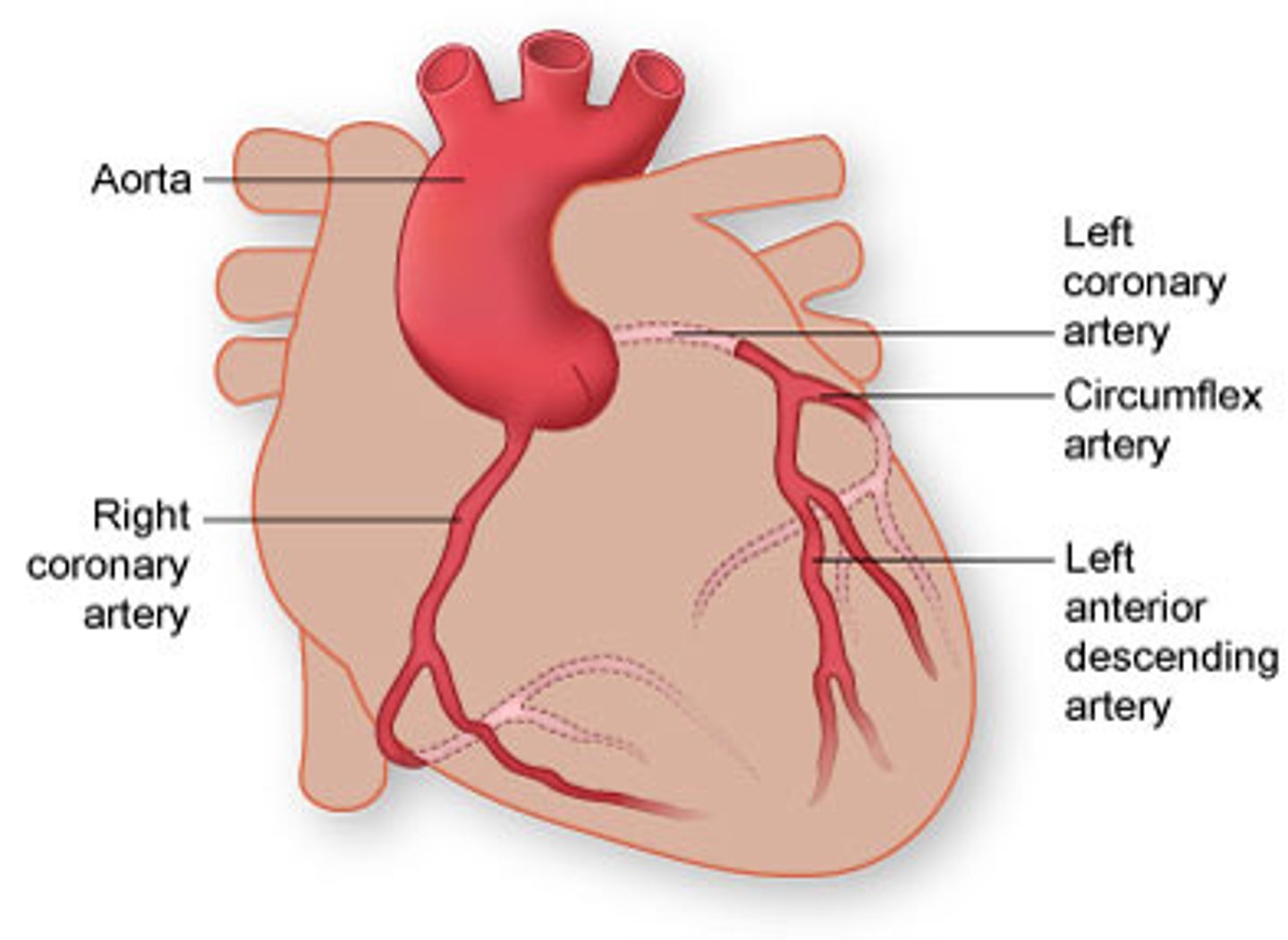
What is the role of arteries?
transport blood away from the heart to the organs
- they all carry oxygenated blood (except the pulmonary artery)
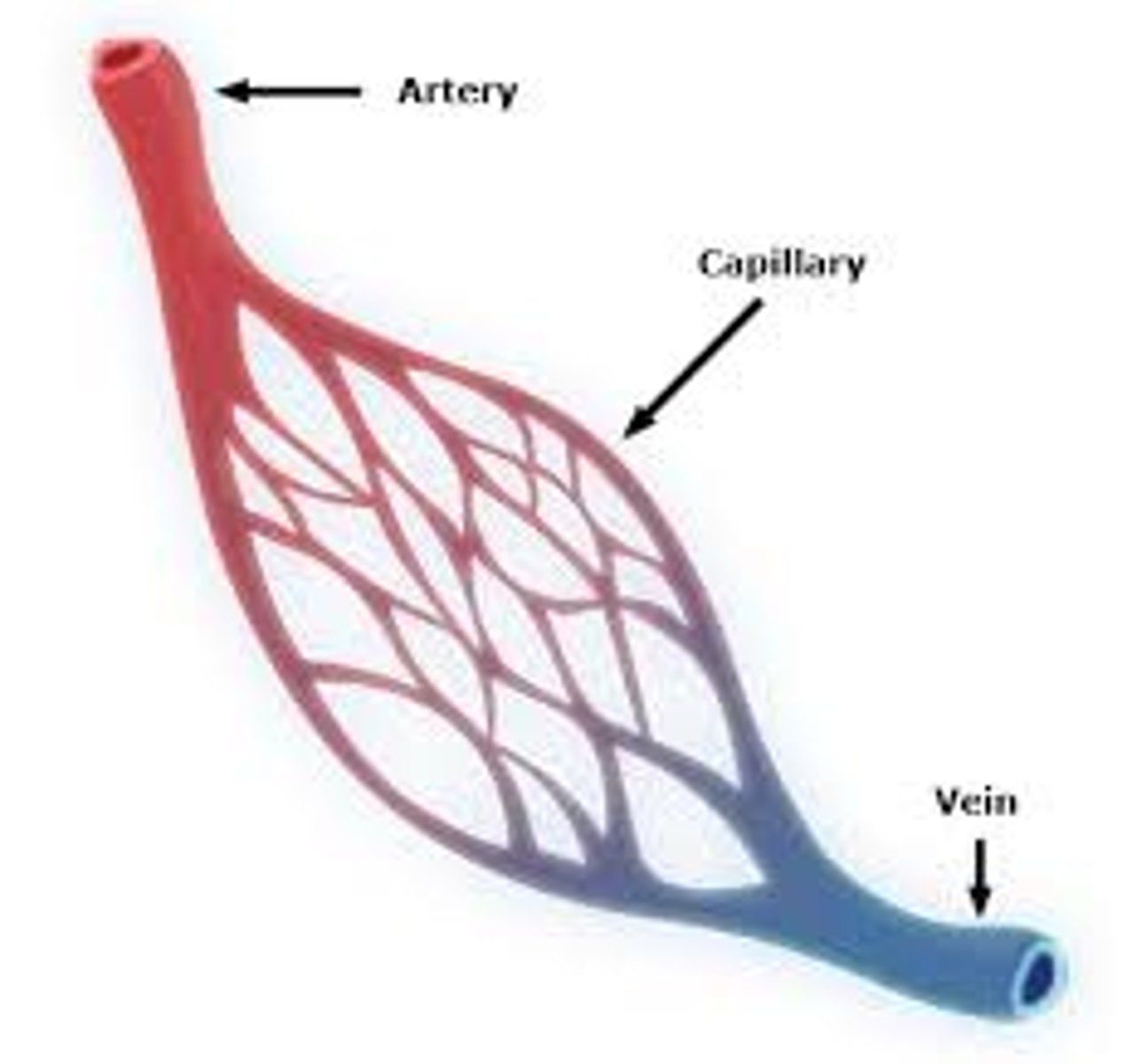
What is the role of capillaries?
They are a smaller branch of arteries
- they allow exchange of gases, nutrients, hormones between blood and tissues
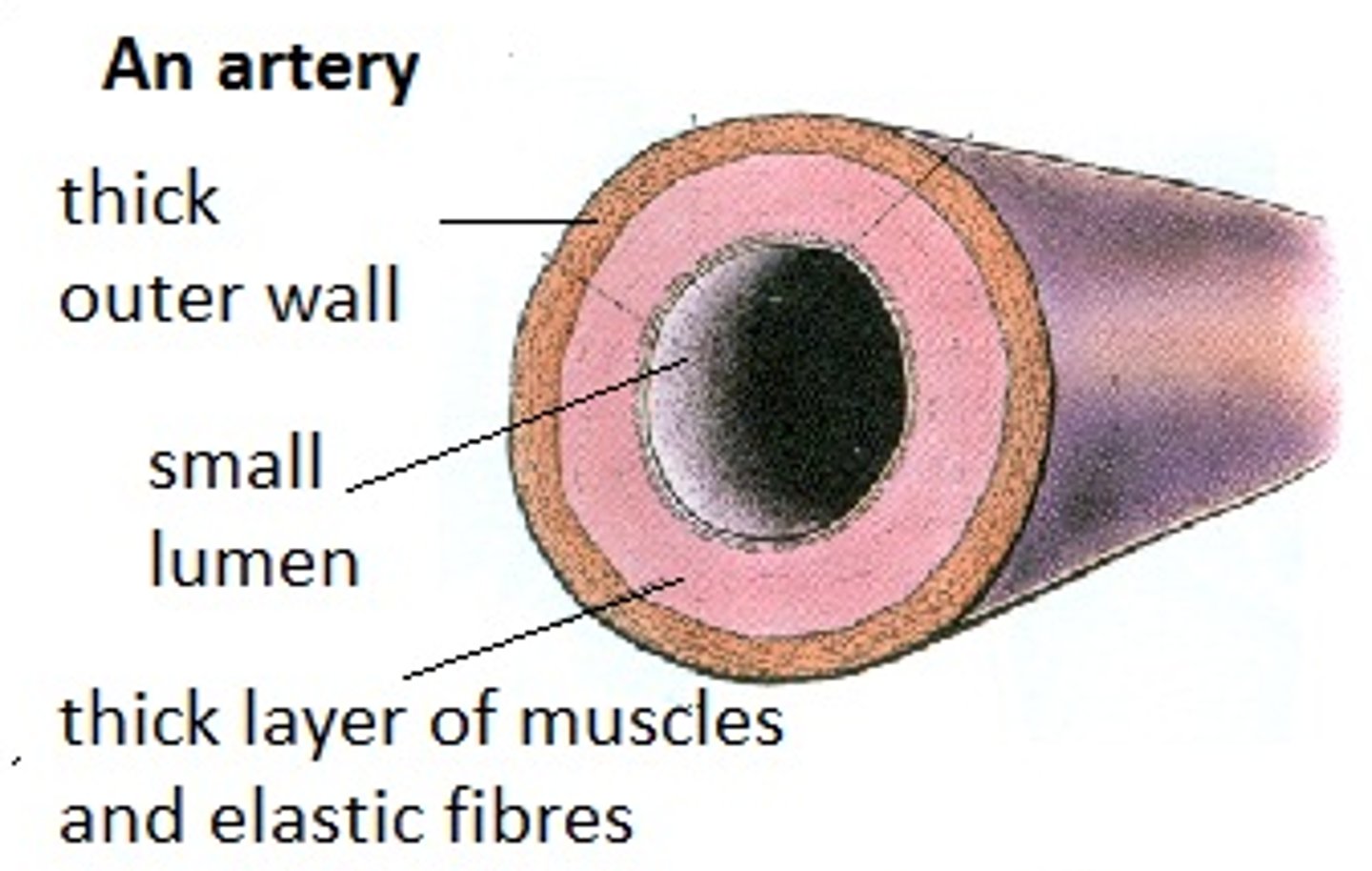
What adaptations does arteries have?
- elastic fibres to stretch
- thick layers of muscles to stay strong due to the high pressure when pumping blood
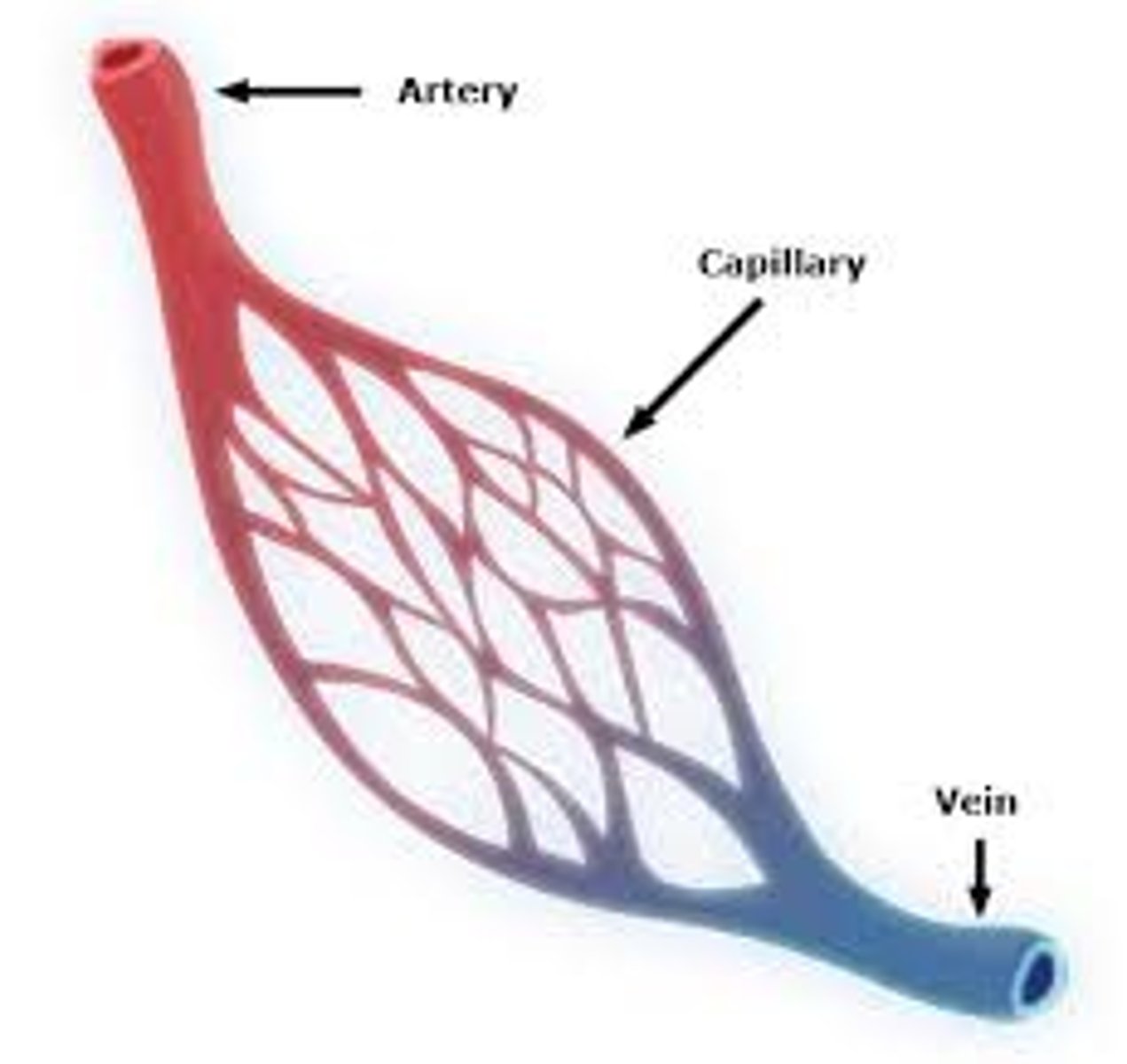
What are the adaptations of capillaries?
- thin walls and pass very close to body cells
= more efficient exchange of waste products (CO2) and glucose/oxygen

What is the role of veins?
carry deoxygenated blood to the heart (except the pulmonary vein)
What are the adaptations of veins?
- thinner walls due to a lower blood flow pressure
- wider cross-section to counteract the low pressure limiting blood flow
- valves to prevent backflow of blood
Define pulmonary
relating to the lungs
Pulmonary vein - transports oxygenated blood from lungs to heart
Pulmonary artery - transports deoxygenated blood from heart to lungs

What is the role of valves in the heart?
prevent backflow of blood

calculate heart rate
Heart rate = cardiac output ÷ stroke volume
calculate stroke volume
stroke volume = cardiac output ÷ heart rate
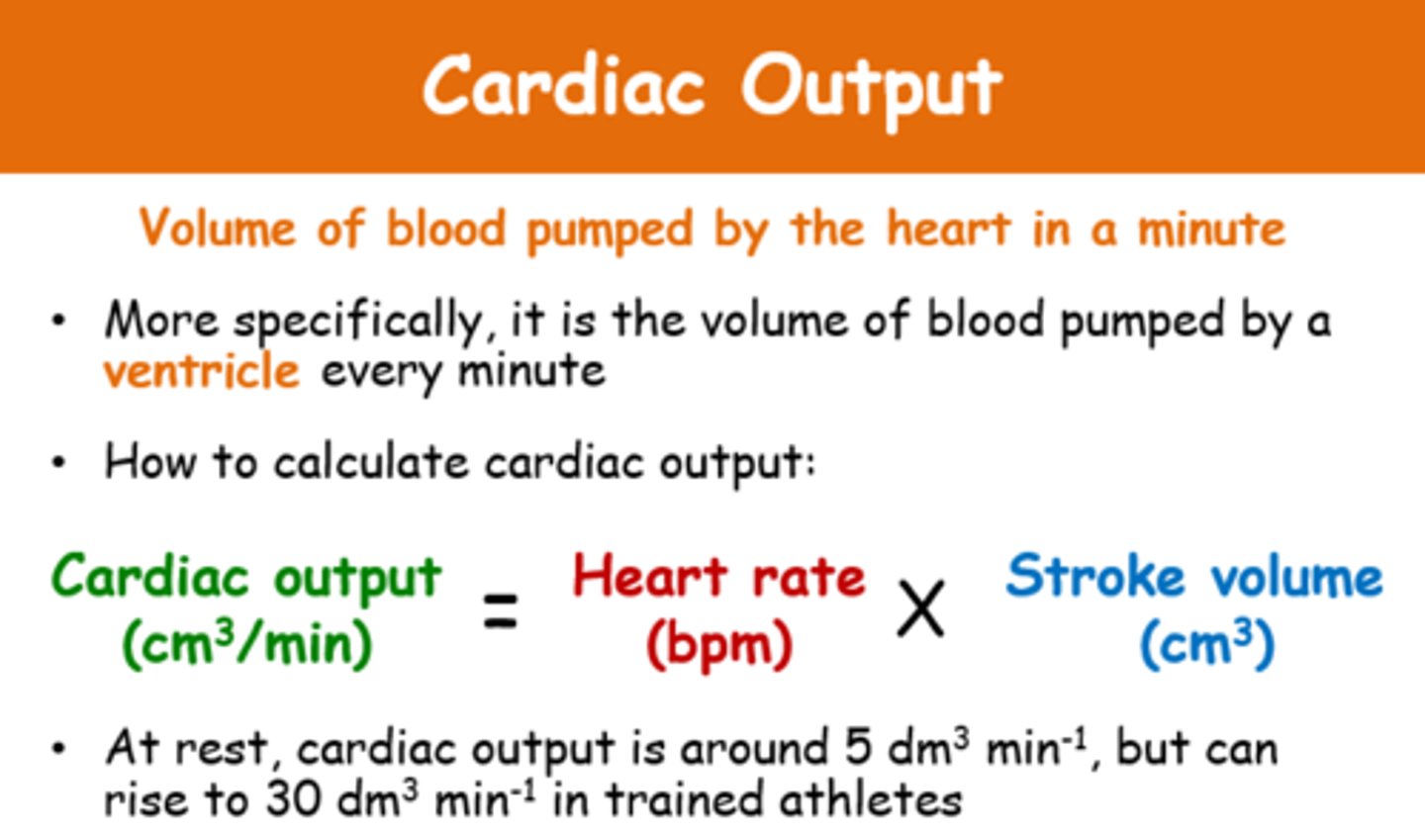
calculate cardiac output
cardiac output = stroke volume x heart rate
calculate rate of blood flow
the rate of blood flow = volume of blood / number of minutes

 Note
Note  Flashcards (189)