Econ Microeconomics and Intro
 Call Kai
 Learn
Learn Practice Test
 Spaced Repetition
 Match
Match Flashcards
 Knowt Play
1/33

There's no tags or description
Looks like no tags are added yet.
Name | Mastery | Learn | Test | Matching | Spaced | Call with Kai |
|---|
No analytics yet
Send a link to your students to track their progress
34 Terms
What is economics?
The study of the allocation of resources
What are the three big questions in economics?
What will we produce? How will we produce it? For whom?
What are the four factors of production?
Land, labour, capital and enterprise
What is the invisible hand?
The market will manage itself even without government intervention
What is opportunity cost?
The value of the next best alternative that is forgone when making a choice
What are free goods?
Goods with zero opportunity cost
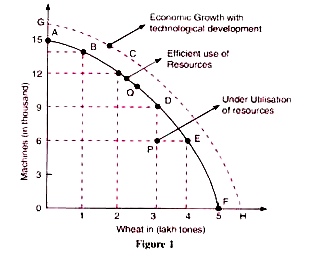
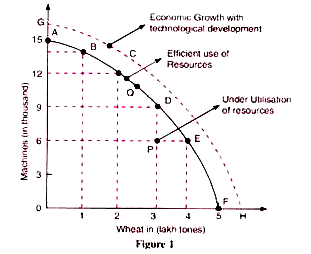
What is a PPC/PPF?
Production possibilities frontier/curve
What does a PPF model show?
The max combo of 2 goods than an economy can produce in a given period of time with its factors of production maximised
What is demand?
The quantity of a good/service that consumers are willing and able to purchase at a given price
What is the law of demand?
Quantity demanded and price have an inverse relationship, ceteris paribus
What does ceteris paribus mean?
all else being equal
Why is there an inverse relationship between Qd and P?
Income effect: The good is less affordable to consumers as price increases
Substitution effect: People switch to alternatives if price increases too much
Shift of curve vs contraction/expansion along the curve for supply and demand
Change in non-price determinant: shift
Change in price: movement along
Non-price determinants of demand
Population/demographic changes
Income
Related goods prices
Advertising
Tastes and preferences
Expectations of future price
Seasonal factors
What is PED?
The responsiveness of Qd in relation to P
PED = %∆Qd ÷ %∆P
What do PED/PES values mean?
> 1 is price elastic
< 1 is price inelastic
= 1 is unitary elastic
= 0 is perfectly inelastic
= ∞ is perfectly elastic
Note that PED will be negative but the absolute value is what is interpreted.
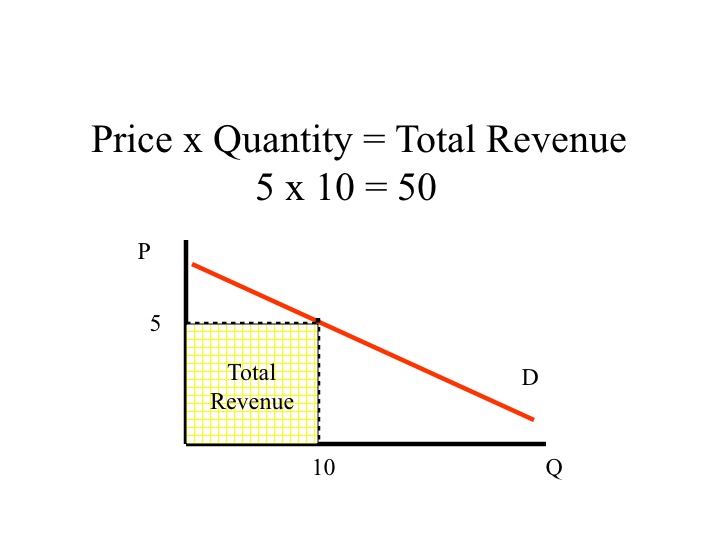
What is revenue?
Price x quantity
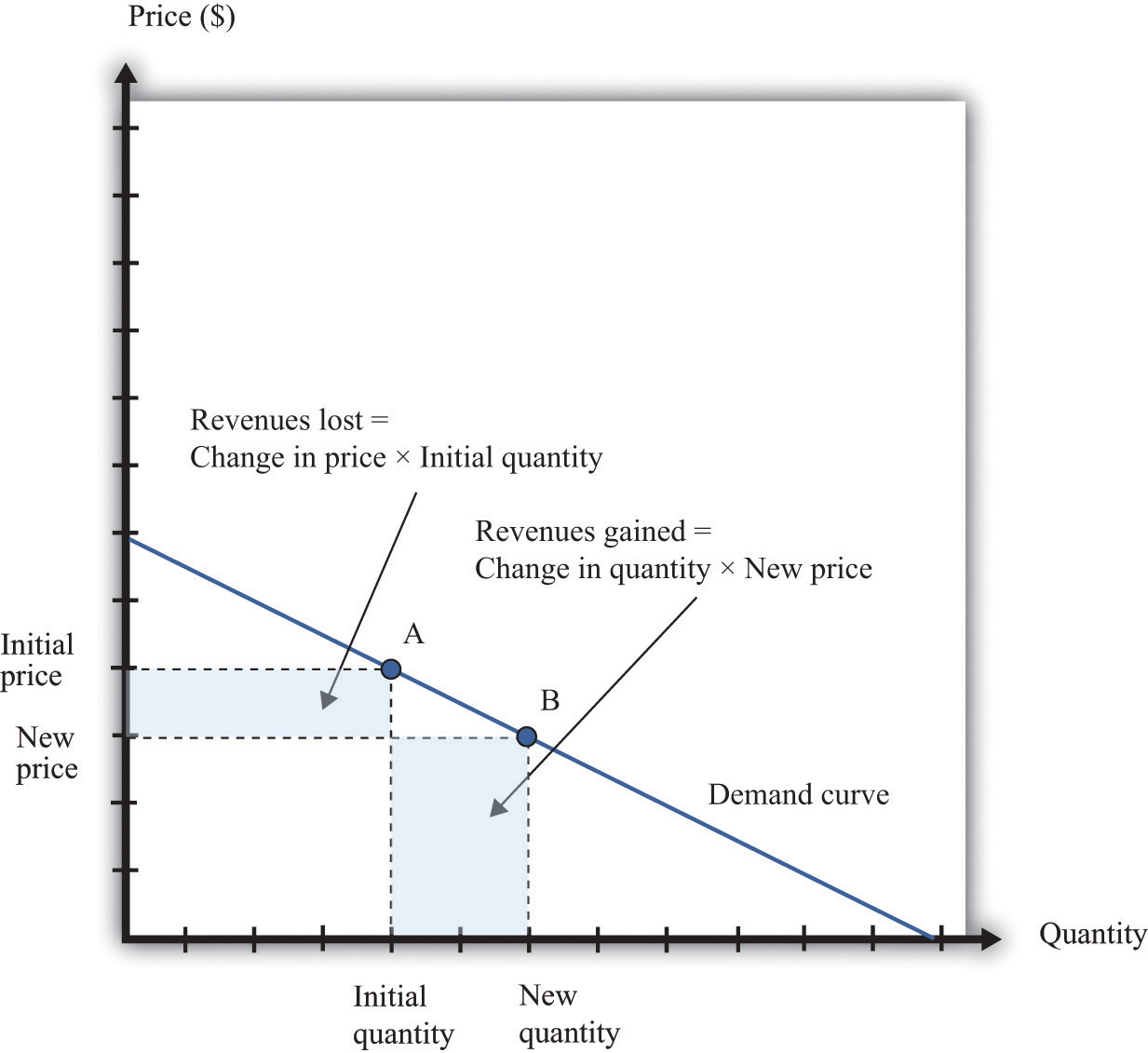
Effect of PED on revenue
PED affects whether there is a net loss or gain in revenue when price changes
Non-price determinants of supply
Profitability of alternative products
Indirect taxes
Number of firms
Technology
Subsidies
Weather/unexpected shocks
Cost of production
What is PES?
The responsiveness of Qs in relation to P
PES = %∆Qs ÷ %∆P
What is YED?
The responsiveness of Qd in relation to income (Y)
YED = %∆Qd ÷ %∆Y
Percentage change
(difference between new and old ÷ old) x 100
Non-price determinants of PES
Mobility of factors of production
Ability to store
Spare capacity
Time
Non-price determinants of PED
Substitutes
Proportion of income
Luxury vs necessity
Addictive
Time
What is a market?
The interaction of consumers (demand) and producers (supply)
S vs Qs and D vs Qd
S and D refer to the whole curve while Qs and Qd refer to a specific point on the curve
What is consumer surplus?
The difference between what a consumer is willing to pay for a good vs the price they actually pay
What is producer surplus?
The difference between the price a producer is willing to receive for a good vs the price they actually receive
What do YED values mean?
< 0 is inferior good (like stamford street co)
0-1 is income inelastic (normal good, necessity)
> 1 is income elastic (normal good, luxury)
What are price ceilings?
When the government/market regulator sets a max price (prevents producers from raising price above it)
Advantages of price ceilings
Protects consumers from rising prices of essential goods and services
Law of supply
An increase in the price leads to an increase in the quantity supplied, ceteris paribus
Why is there a positive relationship between Qs and P?
Profit Incentive: When price increases, producers have a greater financial incentive to manufacture or sell more units, as potential profit margins increase.
Opportunity Cost: Higher prices help justify the rising costs and opportunity costs associated with scaling up production and acquiring additional resources.