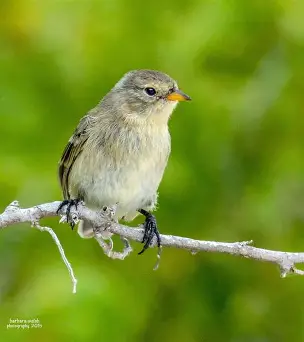
Exam 3 - Reptile and Birds of Galapagos
 Call Kai
 Learn
Learn Practice Test
 Spaced Repetition
 Match
Match Flashcards
 Knowt Play
1/81

There's no tags or description
Looks like no tags are added yet.
Name | Mastery | Learn | Test | Matching | Spaced | Call with Kai | Chat |
|---|
No analytics yet
Send a link to your students to track their progress
82 Terms
Reptiles of Galapagos
22 reptile species
20 endemic
Testudidae - tortoises
Cheloniidae - Marine Turtles
Iguanidae - Lizards and Iguanas
Gekkonidae - Geckos
Colubridae - Snakes
C. nigra
Also known as Floreana Tortoise
Extinct tortoise species
Darwin said they were heavily hunted
C. wallacei
Also known as Rabida Tortoise
Extinct tortoise species
Single species was removed by California Academy of Sciences in 1906
Not sure if it is a separate species or not
C. phantasticus
Also known as Fernandina Tortoise
Thought to be extinct (one found and killed by C.A.S. in 1906) until a female was found in 2019
C. abindonii
Also known as Pinta Tortoise
Lonesome George was last member (extinct), though scientists are still trying to find any remaining individuals of this species
Current # of tortoises in Galapagos
about 15,000
San Crisobal
common ancestor to the different tortoises/subspecies was most-likely first on
Espanola
greatest # of tortoises released by CDRC
Scutes
sections of shell on tortoises
differences of tortoises across Galapagos
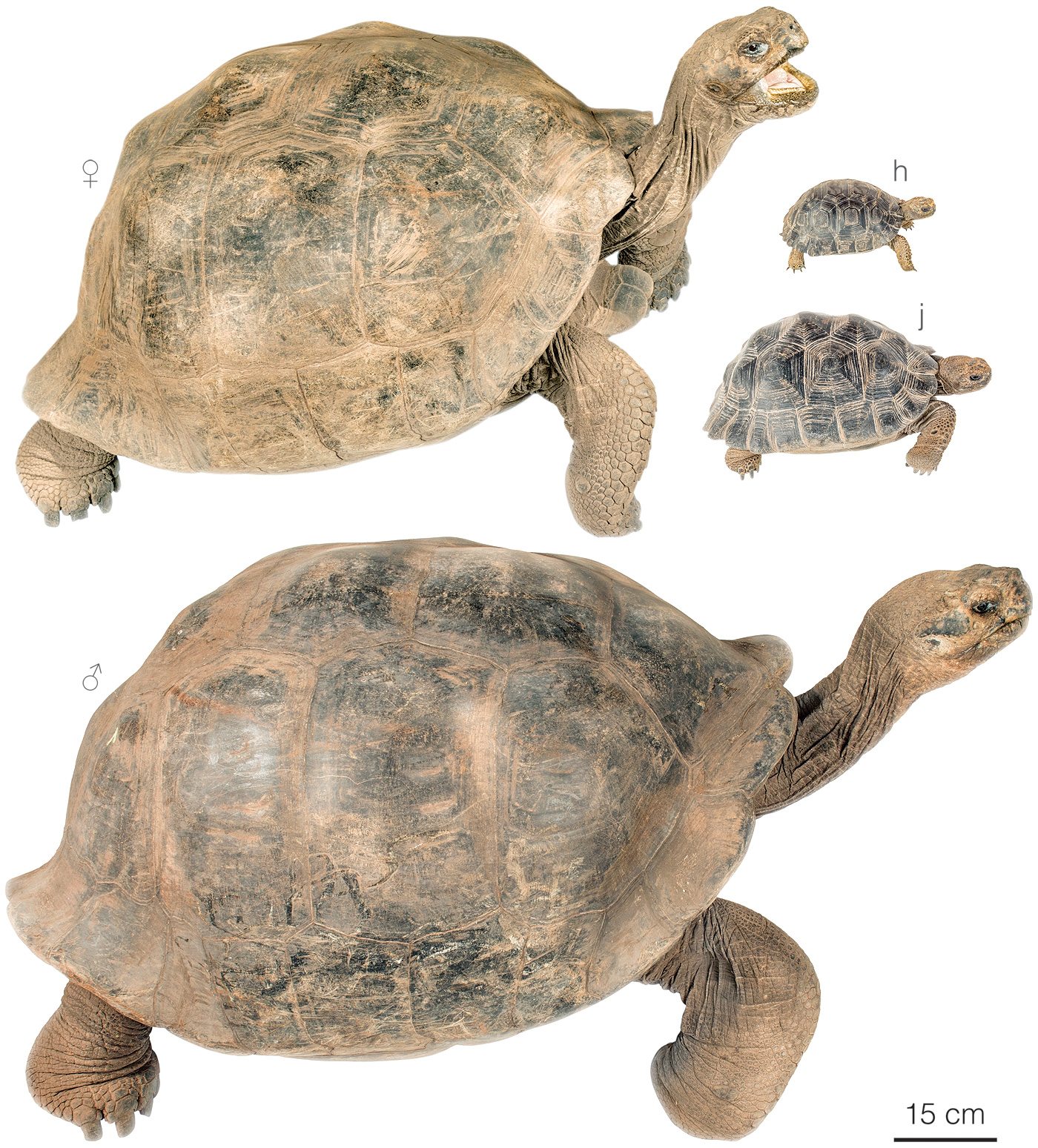
varies in size, shape, color of body and of shell across Islands (sometimes even in same species)
C. darwini
Santiago Tortoise (female pictured)
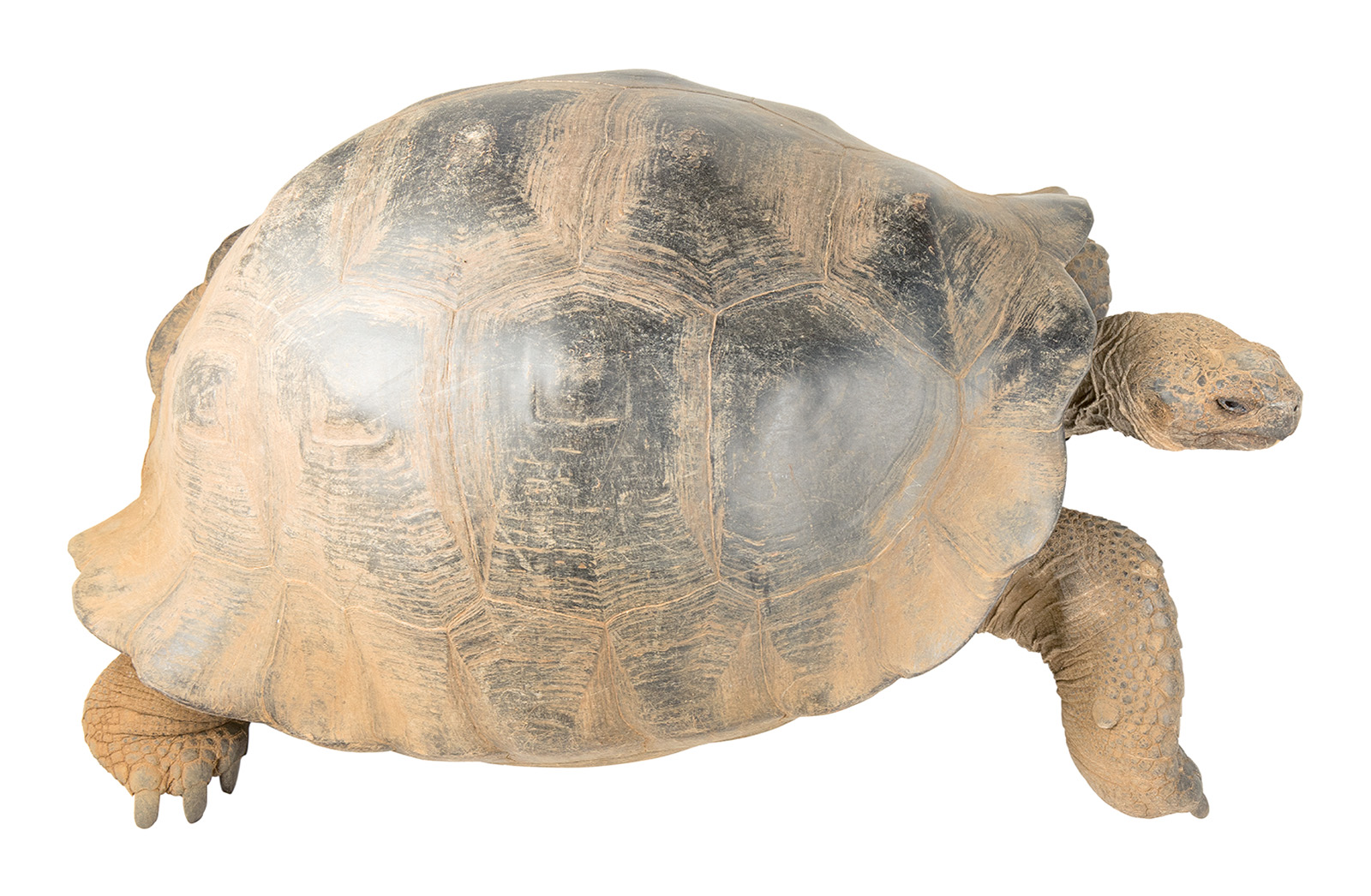
C. donfaustoi
East Santa Crus Tortoise
species named after Lonesome Georges’ caretaker
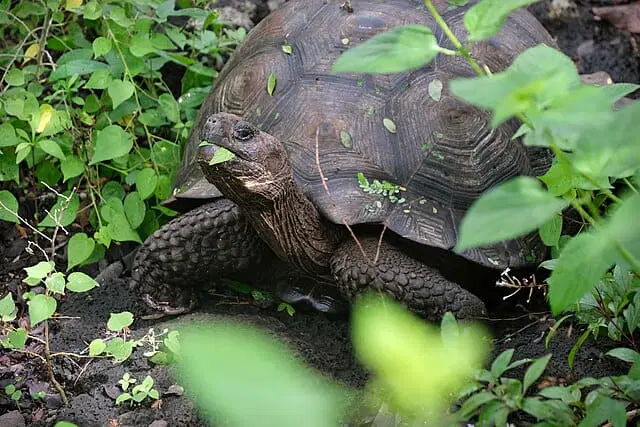
C. duncanensis
Pinzon tortoise
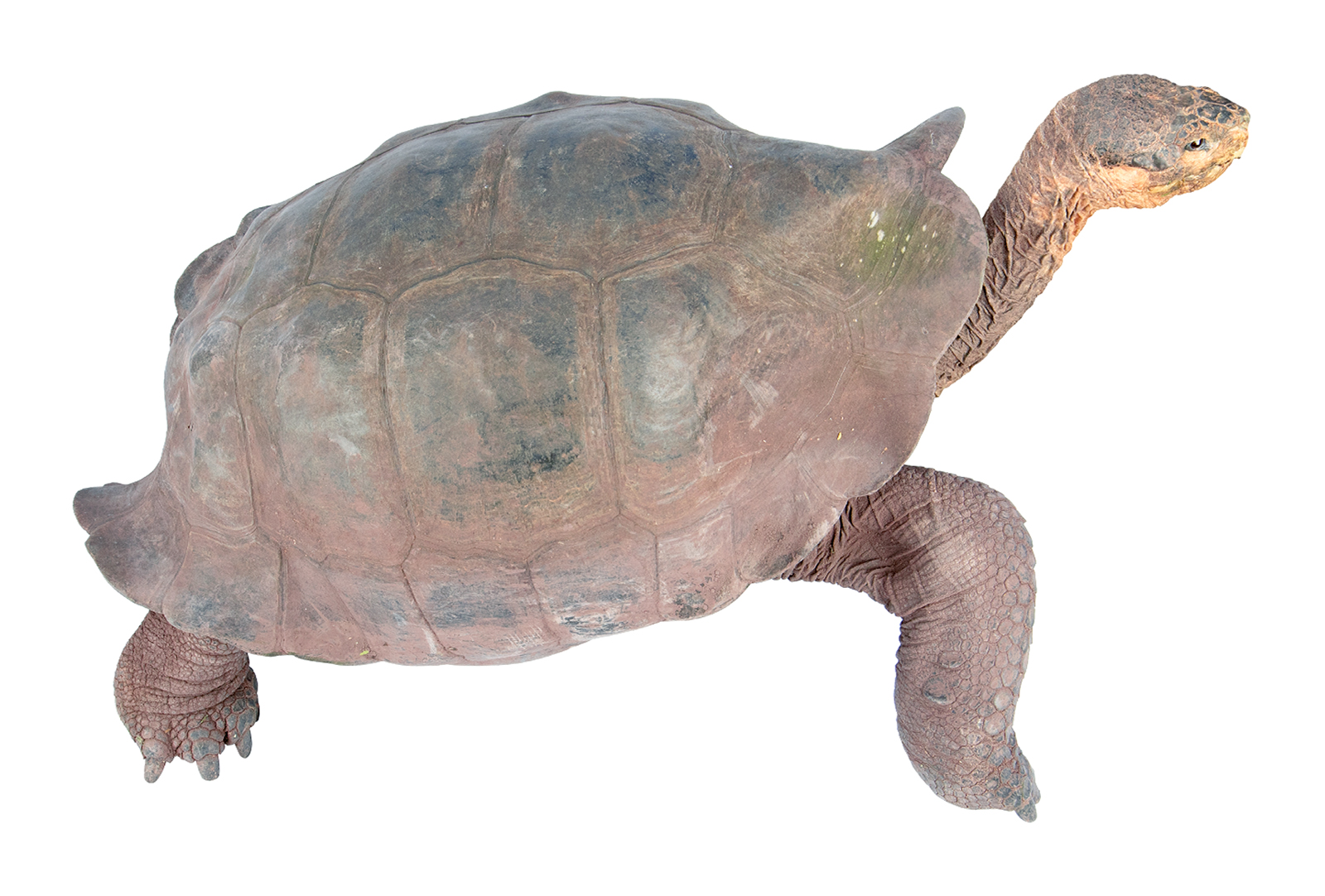
C. porteri
West Santa Crus Tortoise
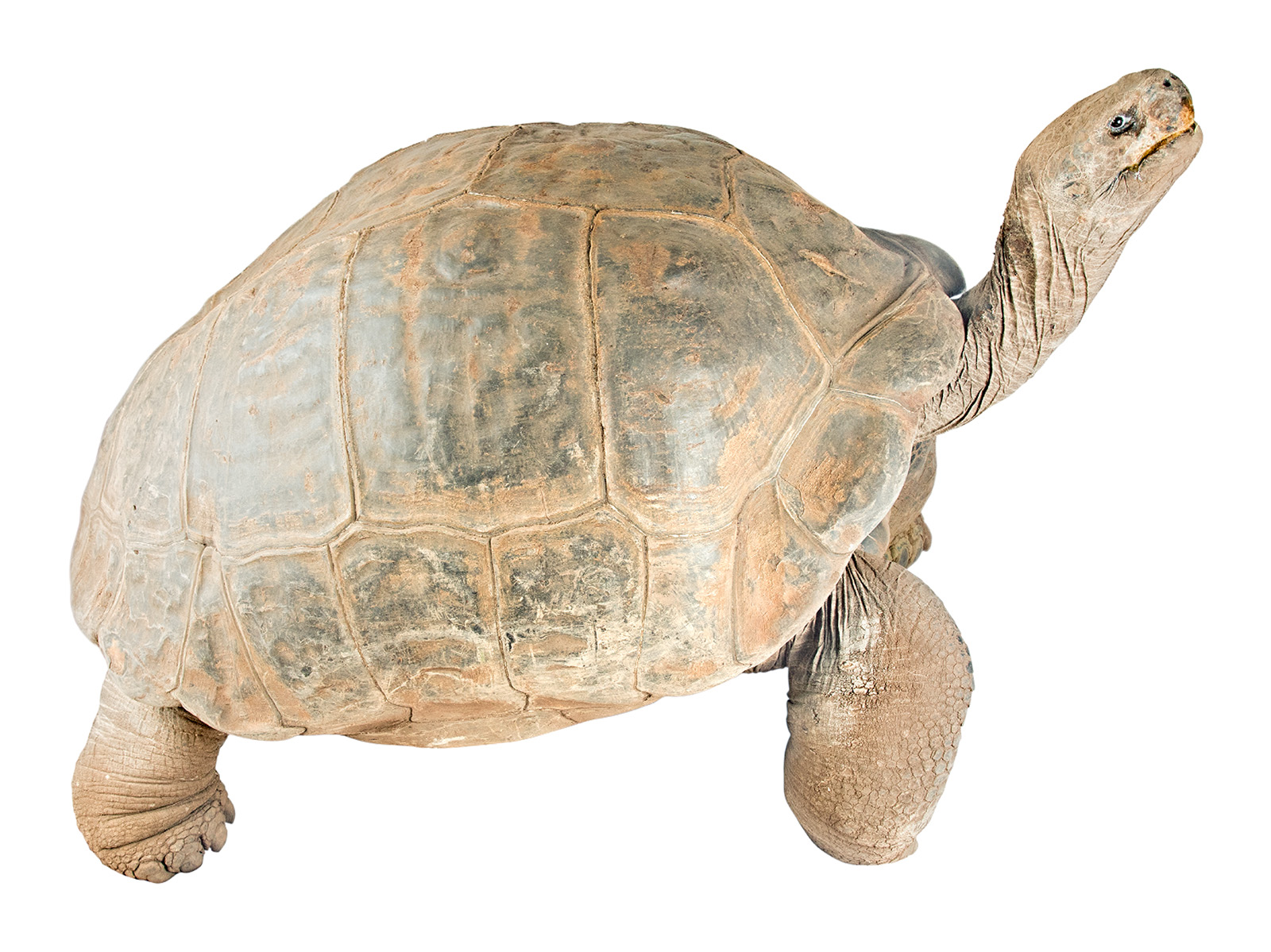
C. chathamensis
San Cristobal Tortoise
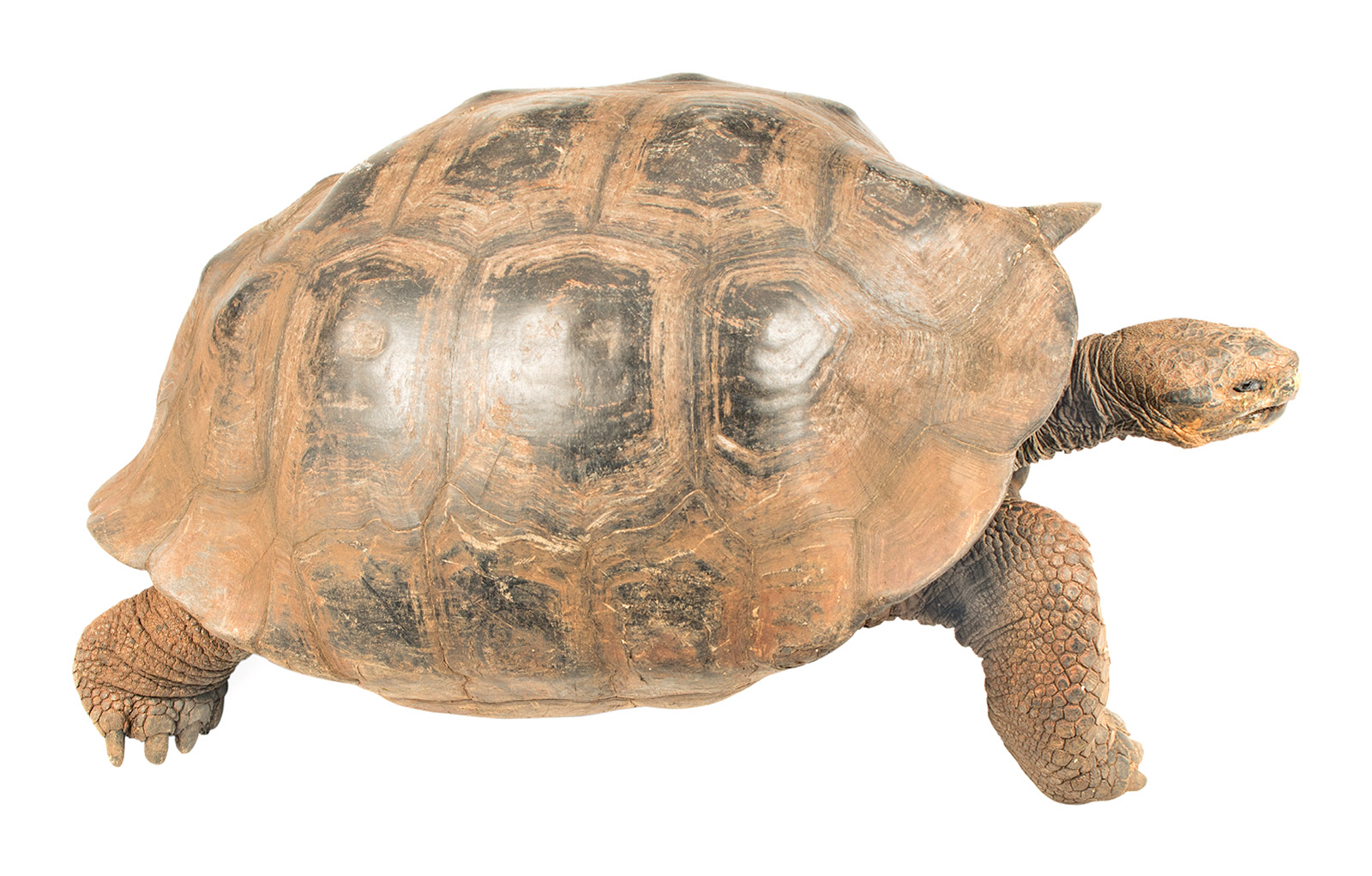
C. hoodensis
Espanola Tortoise
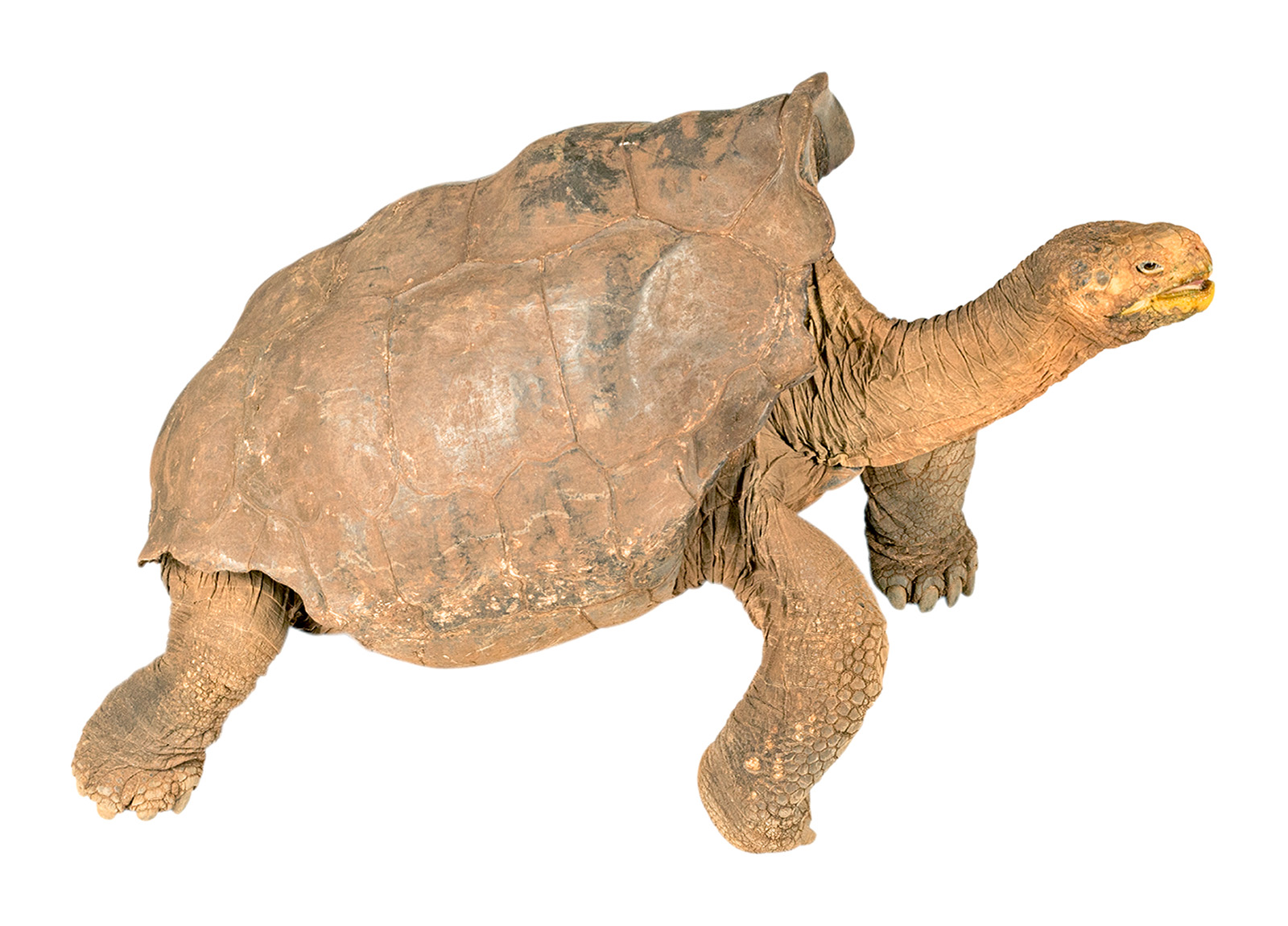
C. becki
Isabela (Volcan Wolf Tortoise)
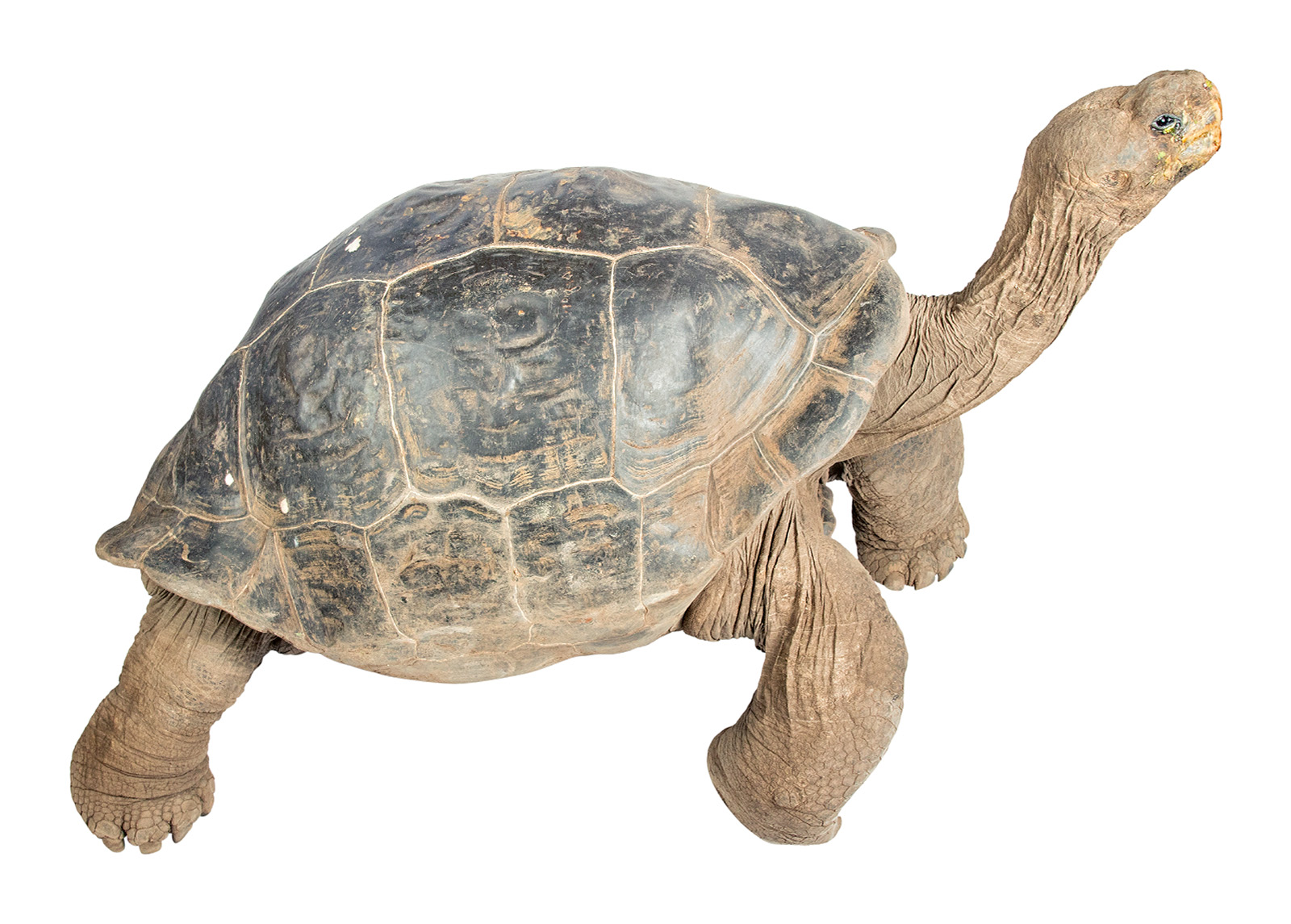
C. vicina (subspecies of niger)
Isabela (Volcan Cerro Azul Tortoise)
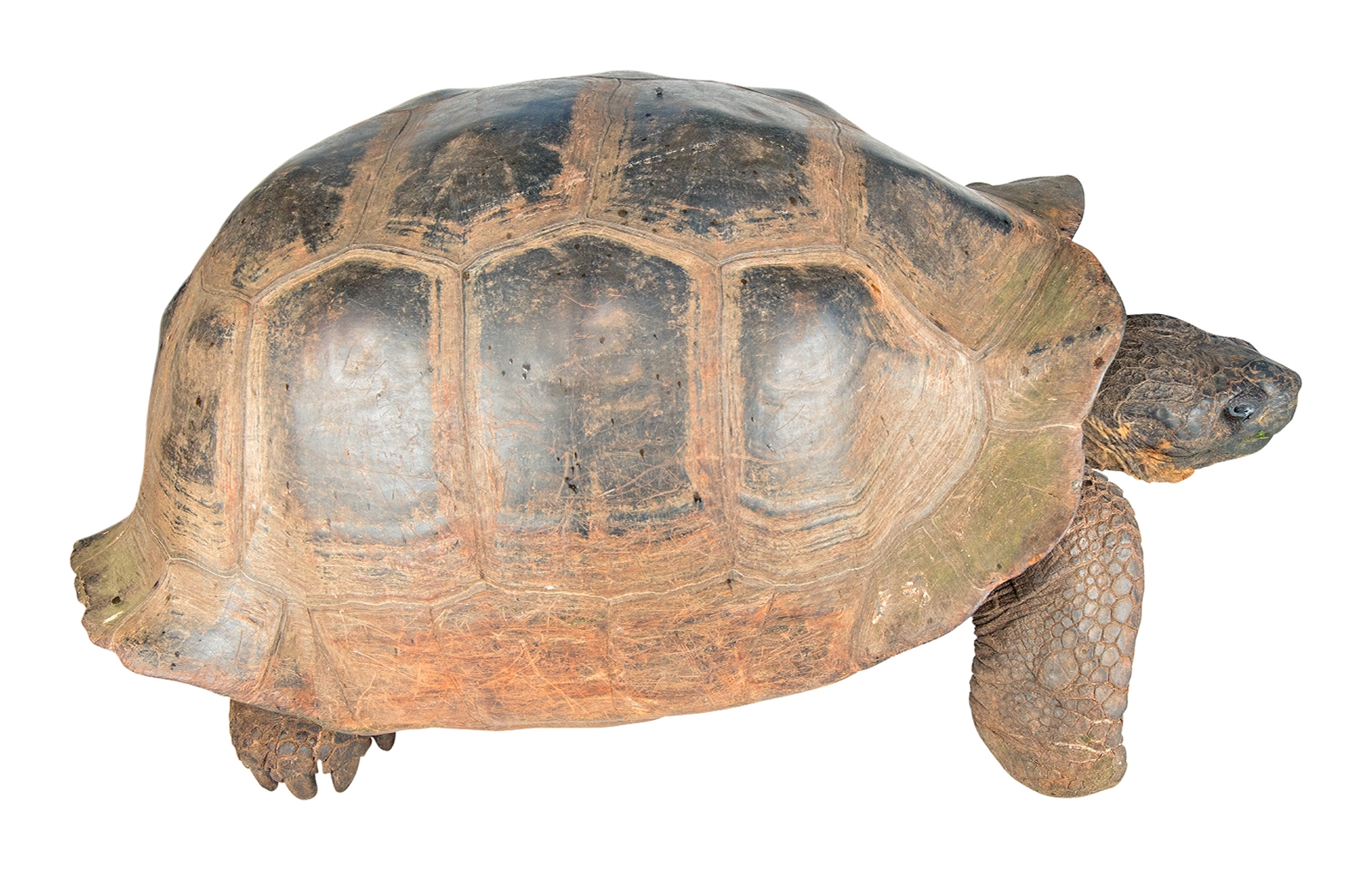
C. microphyes
Isabela (Volcan Darwin Tortoise)
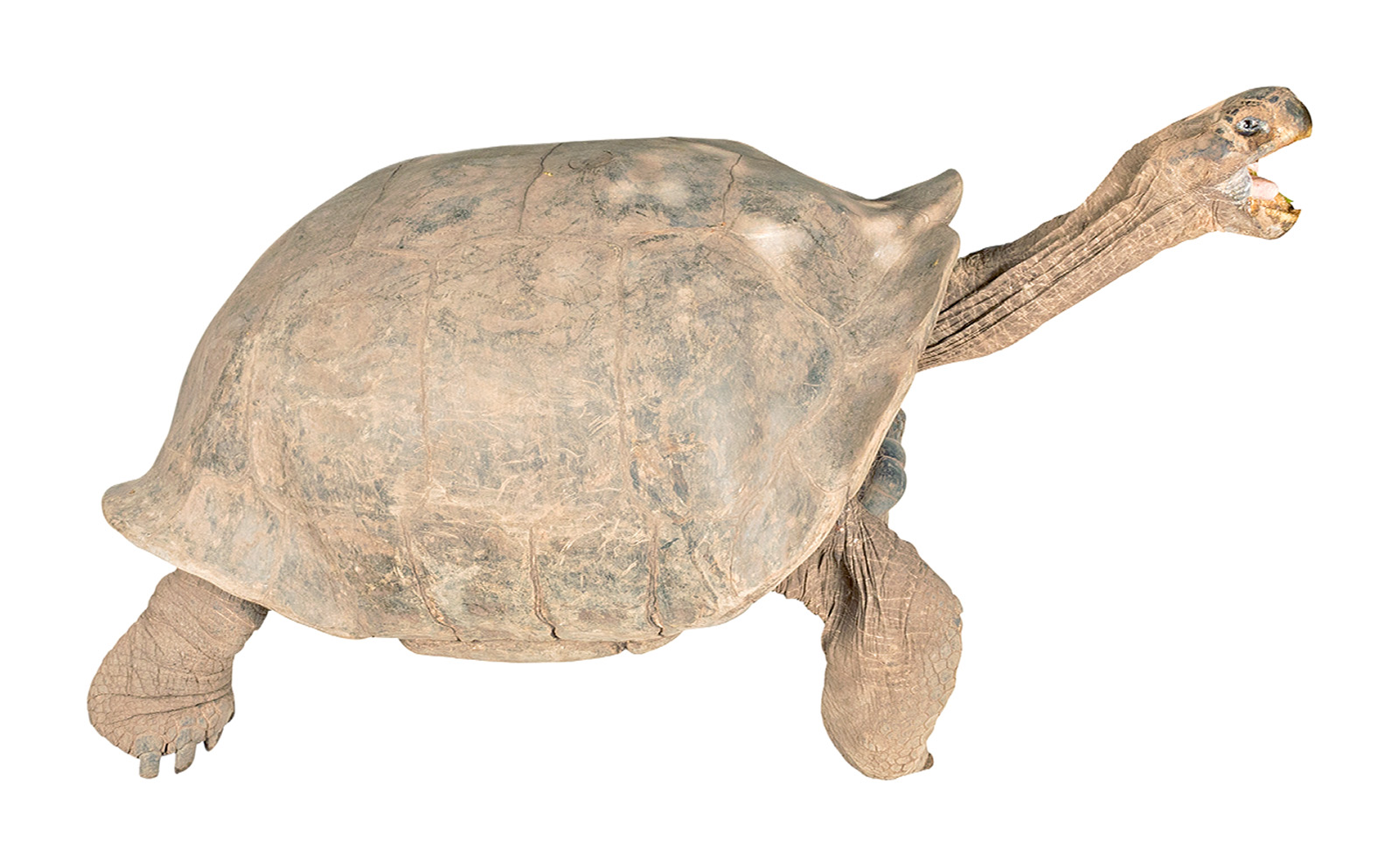
C. guentheri
Isabela (Volcan Sierra Negra Tortoise)
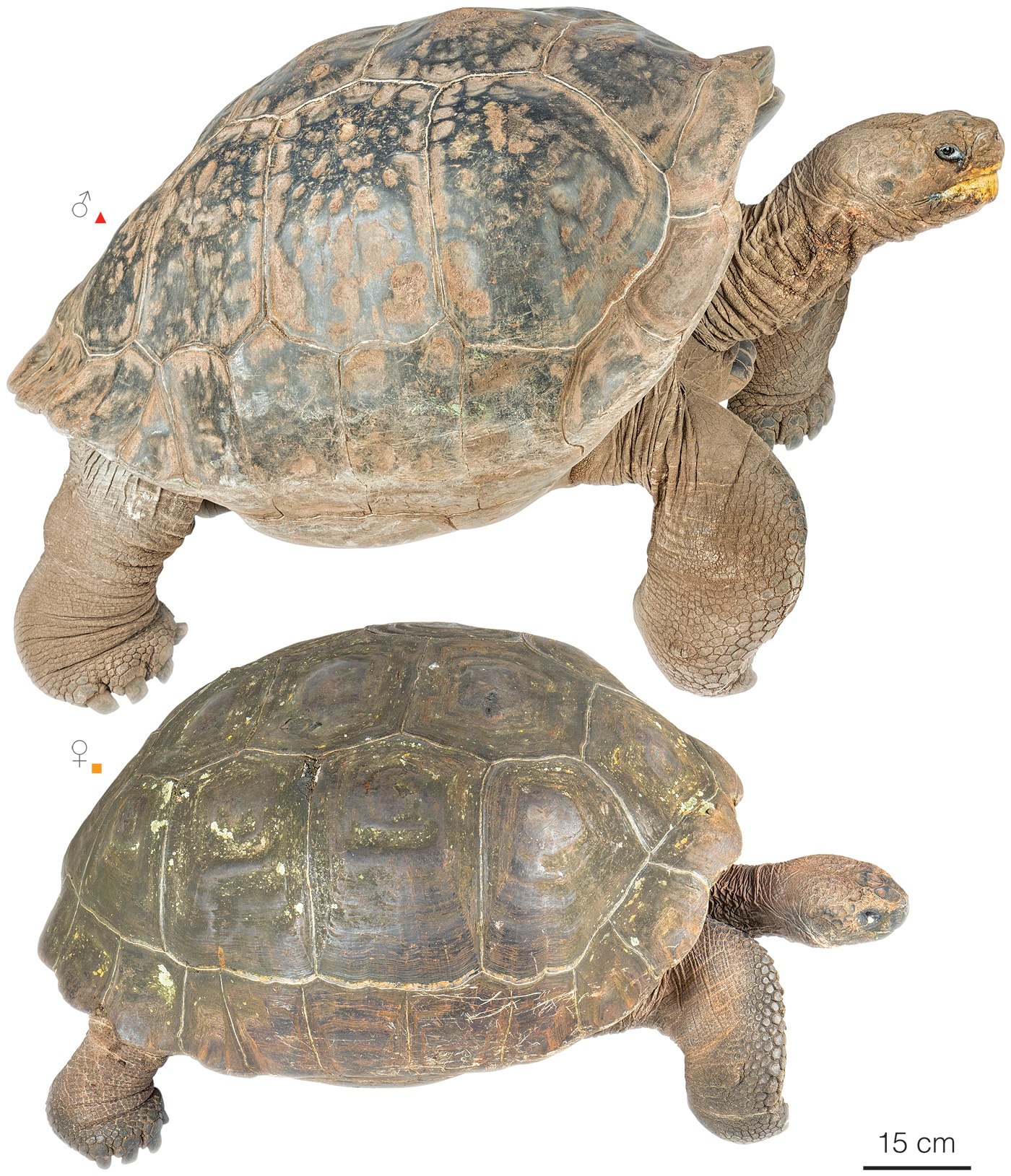
C. vandenburghi
Isabela (Volcan Alcedo Tortoise)
Diet of Tortoises
Hippomane mancinella (posion apple)
Psidium galapageium (galapagos guava)
Azolla microphylla (mosquito fern)
Tillandsia insularis (tillandsia)
Opuntia species
Behaviors of Tortoises
often seen wallowing in pools of water or mud baths (to keep cool and avoid bugs)
finches and/or mockingbirds’ clean insects off of their skin, the tortoise will stretch their neck out longer, so the birds are able to reach the insect pests
become sexually active at about 20-25 years of age (toward warm season - start breeding)
males will fight for territory or females by stretching their necks as high as possible, highest head indicates the more dominant tortoise
males have a concave-shaped plastron that allows it to easily mount the females when mating
eggs are laid between june and december (sandy-dry soil is required for nests), hind legs are used to dig a 30 cm deep hole, then about 2-16 eggs are deposited: nest then capped with layer of mud and urine
young hatch about 120-140 days later between december and april (hawks are only native predator to hatchlings)
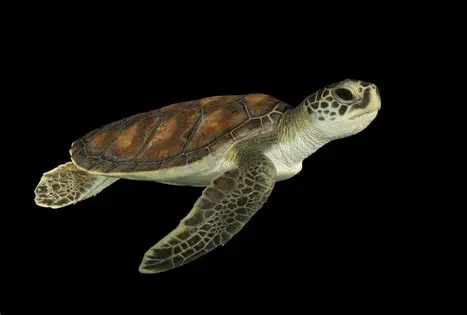
Chelonia mydas agaggisi
Pacific green turtle
only marine turtle resident
mating season peaks november to january
female is typically larger and does swimming during copulation (male holds on using his flippers)
many males mate with one female
males have a concave-shaped plastron
weighs up to 150 kg (typically range from 50-100kg)
shells vary from black to green (rare but sometimes orange or yellow)
food source = seaweed
lays eggs on sandy beaches (70-80 eggs each time)
digs small nest with flippers
nesting takes place at night usually
december to june
eggs/young turtles are hunted by ghost crabs, birds, pigs and rats (introduced) and once in ocean; sharks, fish, more birds
Snakes
two species - both endemic and all of them are constrictors
Philodryas
Alsophis
comprised of two species, with each of the two species having 2-3 subspecies
maximum length of 1 m
mainly brown in color, with yellowish stripes or spots on their back
prey -
lava lizards, geckos, young marine iguanas, rats, and grasshoppers
Geckos
Genus - Phyllodactylus (6 species, 5 endemic)
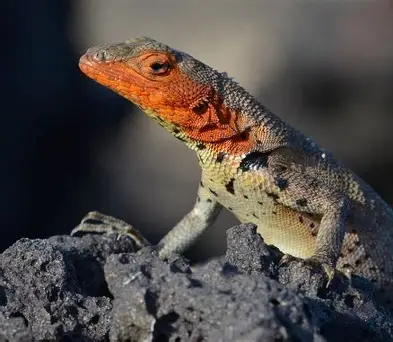
Lava Lizards
genus - Microlophus (7 endemic species)
on all major islands (except Genovesa, Darwin, and Wolf)
San Cristobal, Floreana, Marchena, Espanola, Pinta, and Pinzon each have their own species
males are typically 2-3 times larger than females; body is normally more brightly colored or distinctly patterned
the lizards vary in color depending on the surrounding substrate
Behaviors-
push-ups
territorial display that can vary from population to population
sensitive to movement
Food -
moths, flies, beetles, grasshoppers, grubs, spiders, and scorpions
Preyed upon by -
hawks, snakes, mockingbirds, herons, and centipedes
Land Iguanas
genus - Conolophus
found in drier parts of several islands
food consists mostly of opuntia (fruits and pads)
Portulaca flowers are favored when in season
male land iguanas are larger and more brightly colored than females (color also affected by body temp and level of excitement)
live about 60 years or more, 8-12 years to reach sexual maturity
males mate with female by grabbing hold of her neck in his mouth, hooking his leg over her, and bringing his tail around underneath her (often results in female running away after mating completed)
females lay between 2-25 eggs in burrows up to .5 m deep; breeding season varies from September to January to June, depending on the island
hatchlings leave the nest and become food for herons, egrets, hawks, and owls
No longer on Santiago Island due to influence of humans and introduced animals
Conolophus subcristatus
Found on Fernandina, Isabela, Santa Cruz, Plaza Sur, and Seymour Norte
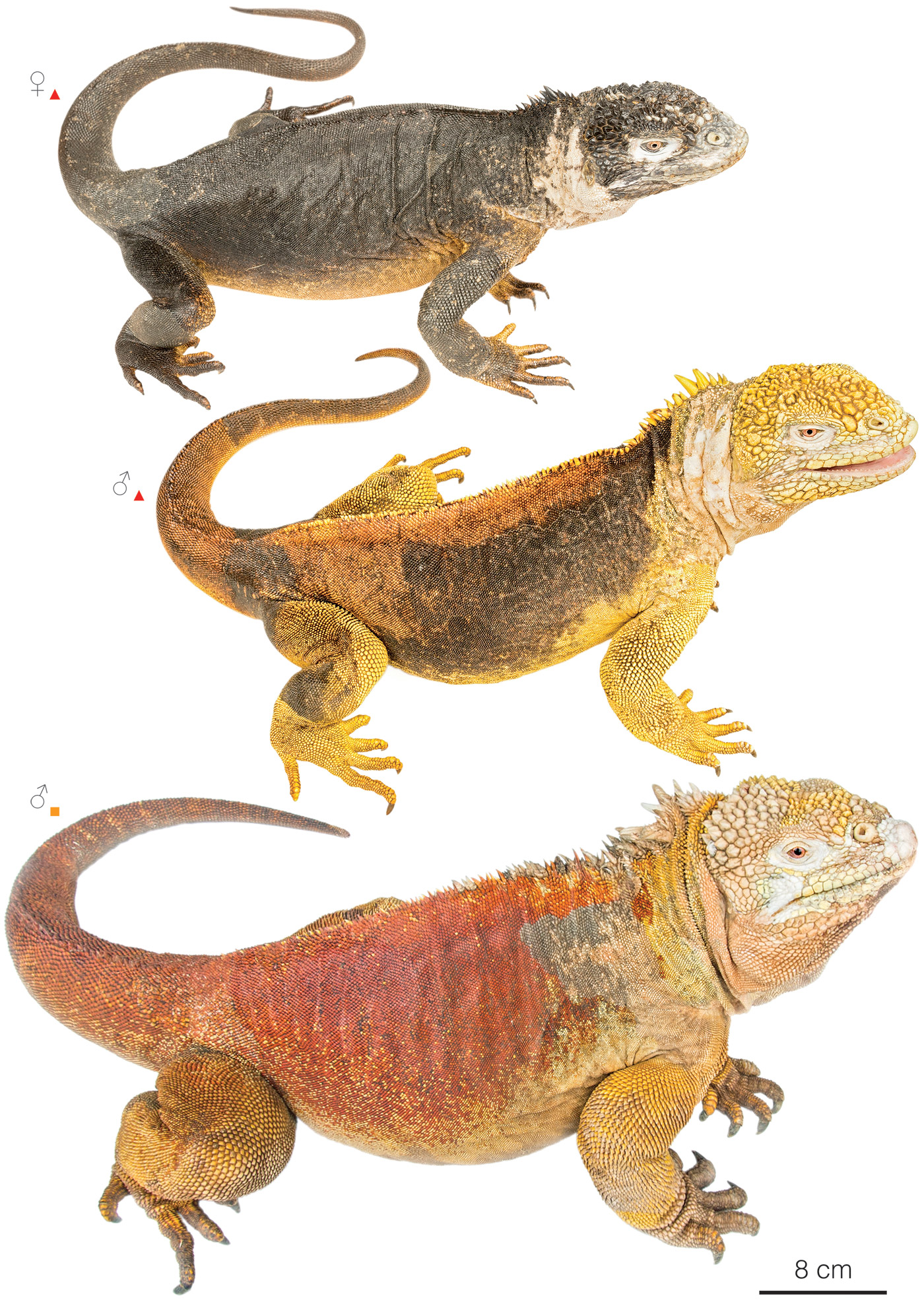
Conolophus pallidus
Found on Santa Fe; yellower than the other species
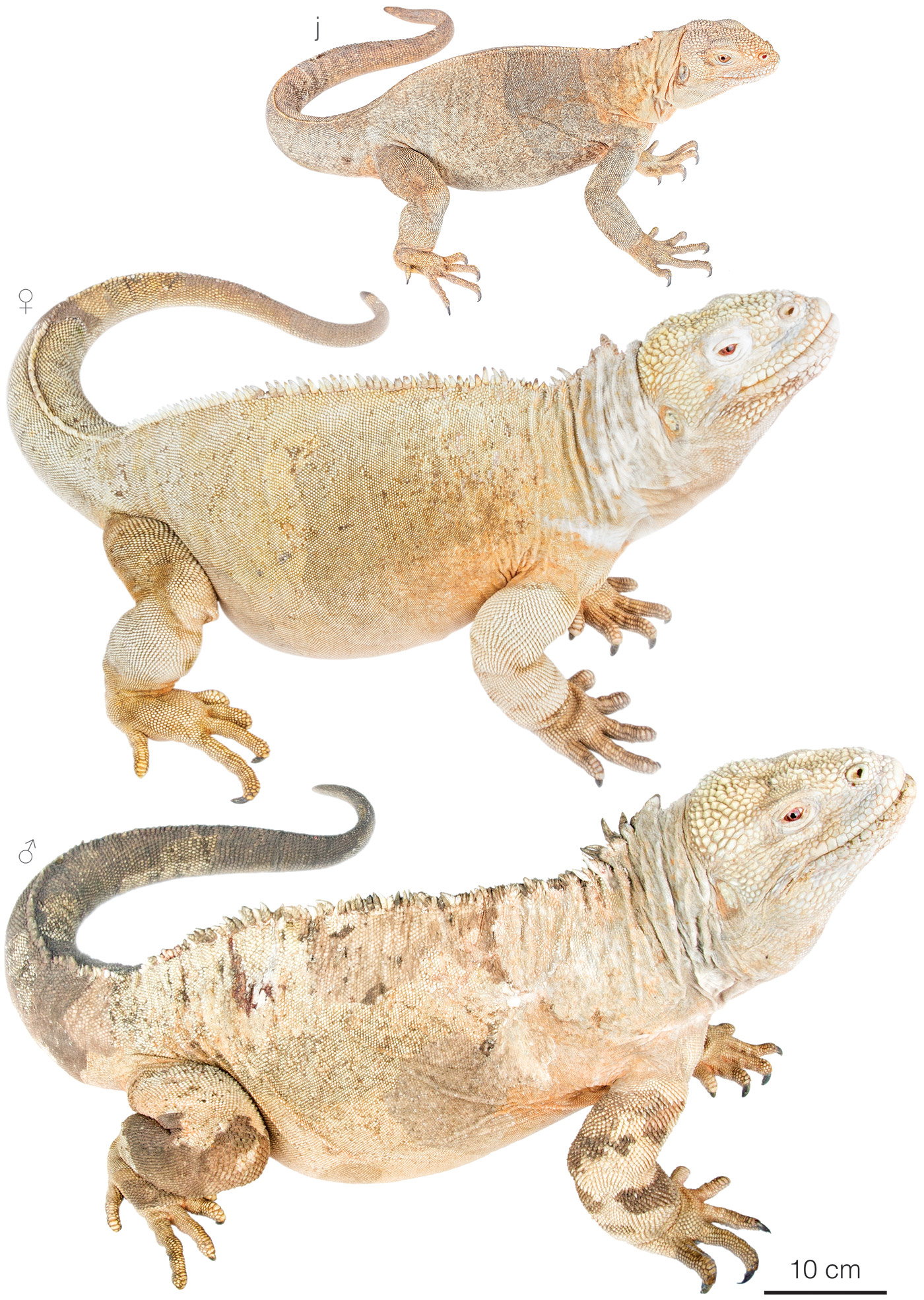
Conolophus marthae
New species recently discovered from Isabela Island (Volcan Wolf)
pink body with some dark stripes
discovered in 1986 and identified as a separate species in 2009
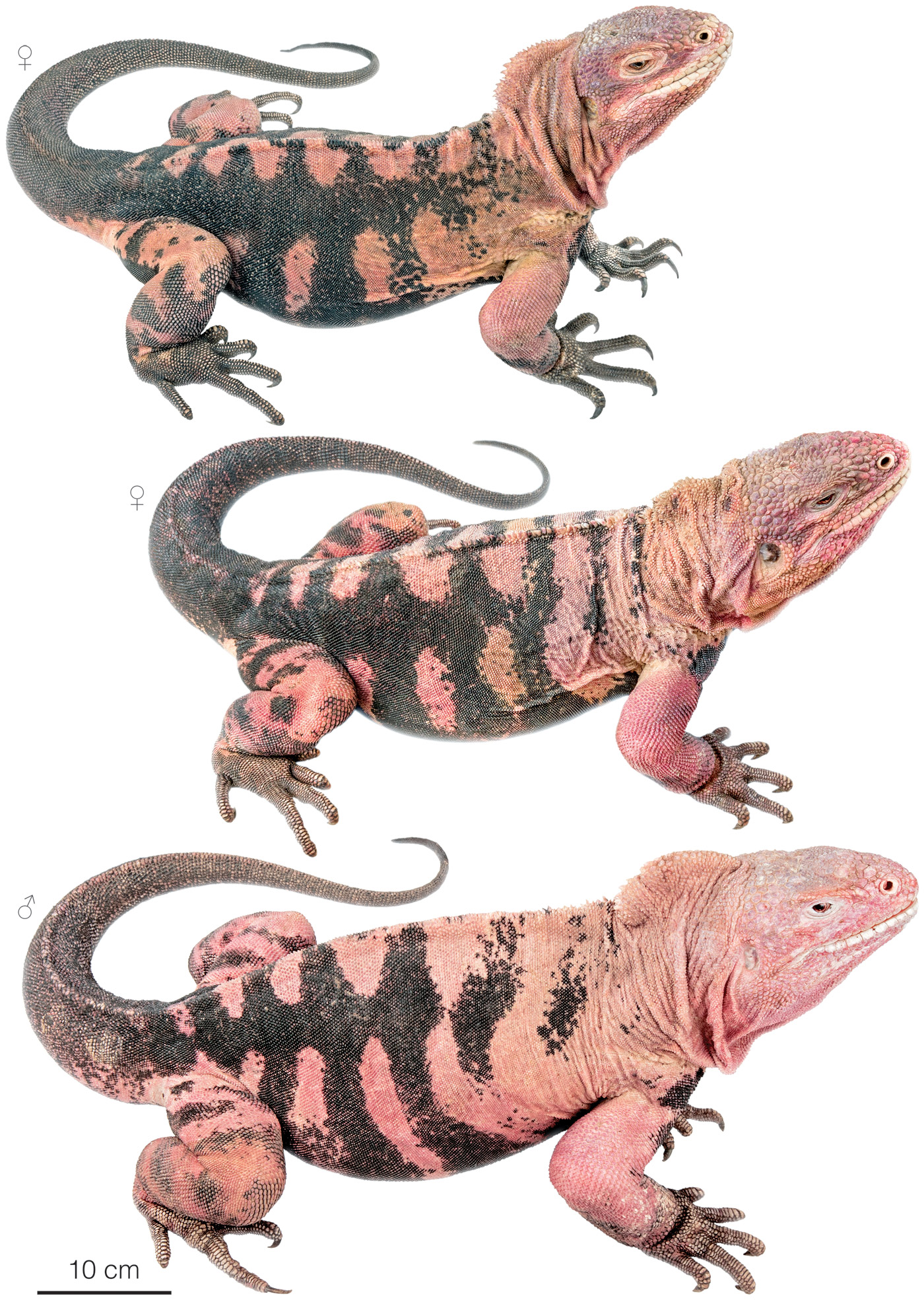
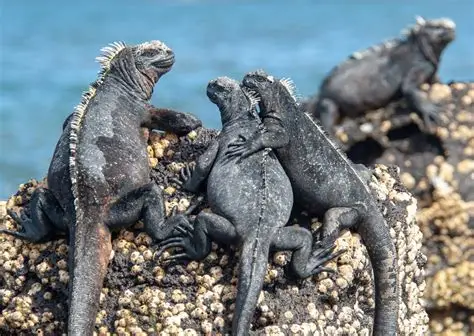
Marine Iguana
Amblyrhynchus cristatus
only sea-going iguana in the world, found throughout the entire archipelago (prefers exposed southern coastlines)
larger, stronger males feed offshore by diving; younger males and females typically feed intertidally or on exposed reefs
diving behavior-
5-10 minutes, but sometimes lasting as long as 60 minutes
may go as deep as 12 m or more below the surface
take in a lot of salt as they feed/dive, must excrete lots of salt through these glands above the eye and connected to the nostrils
exothermic
black with few gray, green, or reddish spots
elevated basking
marine iguana faces the sun and raises the front half of its body allowing the breeze to circulate under the body
during swimming, they may lose body heat, so will flatten their body, and orient themselves so as to receive as much sunlight as possible
Breeding season - marine iguanas
males become brightly colored and territorial
males will court a female by circling her and nodding at her, if successful, the male will hold her by the neck, twist the tail around her to the point where the genitals meet
when nesting begins, the females will become aggressive
nest in sandy areas, guard their nest from other females
4 eggs laid in each burrow
3-4 months hatchlings emerge
Galapagos Birds
3 major types
seabirds
shorebirds
landbirds
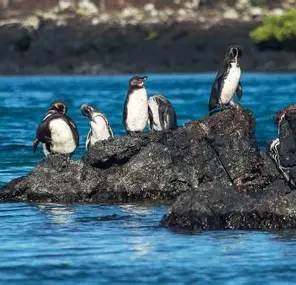
Spheniscus mendiculus
Galapagos Penguin
endangered
endemic species
3rd smallest in the world - about 35 cm tall
descended from Humboldt penguin (southern SA)
5,000 individuals in the islands
adults - black and white with stripe on front of the face
juveniles - greyer, without the stripes
Behaviors -
breed along the west coast of Isabela and on Fernandina
seen resting on rocks along shoreline
Prey - fish and crustaceans
fat layer under feathers allows them to cool their body when on land, hold their wings out so air can circulate around their body
keep feet shaded and pant rapidly
mate for life
females lay 1-2 eggs in holes/caves
parents take turns watching the nest until the eggs hatch
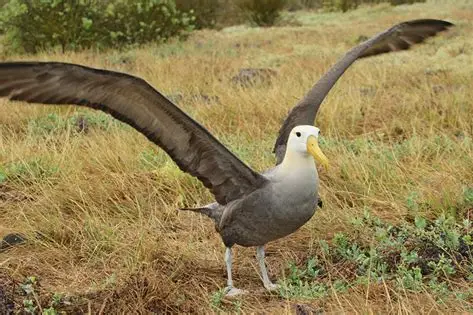
Phoebastria irrorata
Waved Albatross
critically endangered
endemic species - about 12,000 pairs nest on Espanola
wingspan over two meters
Behaviors -
mate for life
spend months away from Galapagos (Espanola), return in March at beginning of breeding season
most eggs laid at the beginning of May
hatchlings feed on oily liquid consisting of digested fish and squid (part of parent’s stomach), they eat up to 2 kg of this oily substance
chicks leave the island and spend next few years at sea, then in 4th or 5th year, return to seek a mate
Courtship reaches peak around October, revolves around a complex mating dance
the pair faces each other and each one’s bill circles the other, often making a clacking sound, then bowing occurs, and male will stick its bill straight upwards and make a high pitched “whoo-oo” sound, then more bowing and bill-clacking begins
another part of the dance, both birds open their bills in a gaping fashion, then bill is snapped shut, making a “cluck” sound
then a sway-walk, a highly exaggerated rocking back and forth while walking to a different location, then one of the pair begins a “forward bobbing” movement that indicates ownership of that particular location
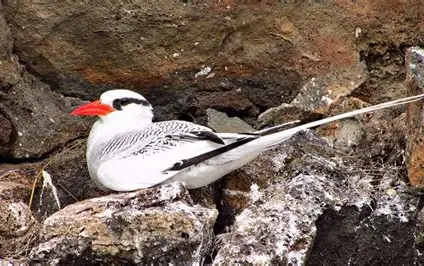
Phaethon aethereus
Red-Billed Tropicbird
Resident, not endemic
nests in the cliffs on several islands in the archipelago but flies far out to sea to feed
White tails and bright red bills
Prey consists of squid and fish
feed by plunge diving
single egg is laid in each nest
breeding may occur throughout the year
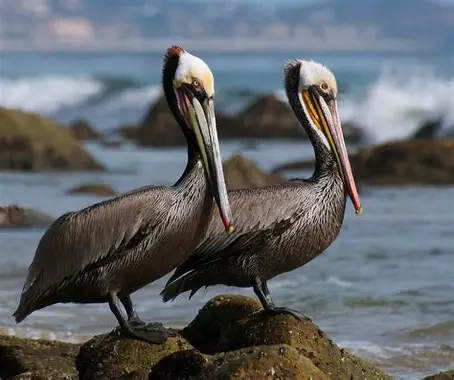
Pelecanus occidentalis
Brown Pelican
few thousand pairs - residents
more commonly observed birds around boats
feeds by plunge diving in shallow water
drain water from large throat pouch, swallowing any fish that remains
excellent fliers
beginning of the breeding season, adults have white and chestnut brown markings on their heads and necks
often with a tinge of yellow at the top
typically nest in mangroves or other coastal plants like the saltbush
breeding occurs throughout the year
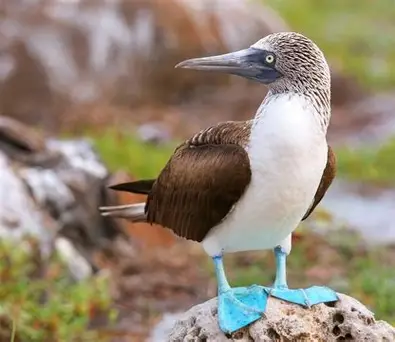
Sula nebouxi
Blue-footed Booby
most commonly seen of the three species
nest and feed near the shoreline
females have a much larger eye pupils than the males
courtship dance
male starts “sky-pointing”
female notices him, they approach each other
males raise its feet alternately, like showing off
more sky-pointing follows by both male and female
then mating
1-3 eggs are laid on bare ground; 3-5 days apart
nest surrounded by a ring of guano (poop and urine) - represents boundary of the nest
facultative silicide - kicking other siblings out
males take on fishing duties while chicks are in the nest, later both male and females will do the fishing
predators of the chicks when small include hawks and owls
maintains hemostasis by releasing salt through beak/nose
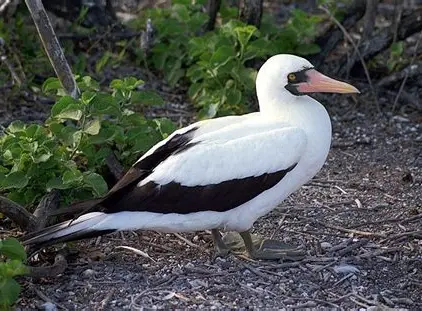
Sula granti
Nazca Booby
largest of the Galapagos boobies
25-50,000 pairs
nests on ground
lays two eggs, both hatching and only one survives to maturity
aggression by the older/bigger chick is more responsible for the death of the younger rather than food availability as in blue-footed
females are larger than males, pupils seem similar
females make a “quacking” sound, and males make a “whistle” sound
gray feet, white body and black wings
Sula sula
Red-footed booby
smallest and least seen booby, though most abundant
red feet are most distinctive feature
most are a brown color (some being white) with a blueish bill color
eye entirely black
nest in trees and shrubs
incense and mangroves (red), salt bush as well
prehensile feet (wrap around the branches)
males and females have similar calls, males have higher-pitched and more nasal quacking than gruffer quacking of the female
egg laying occurs throughout the year
1 egg at a time
young don’t have red feet or blue bill
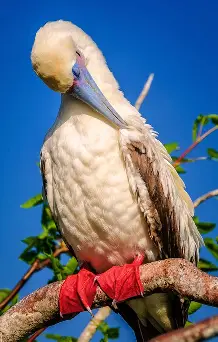
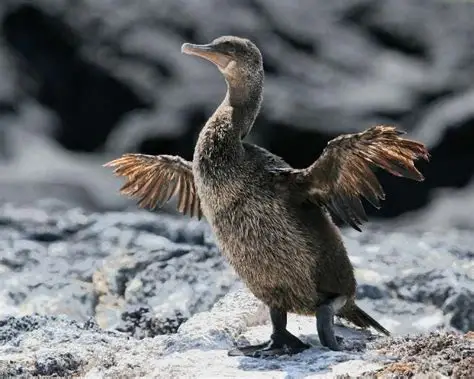
Phalacrocorax harrisi
Flightless Cormorant
vulnerable
endemic bird, only of the species that can’t fly
wings are too small and lack a strong breastbone
wings used to dry out after swimming
adults are dark brown to black above, brownish below
males larger than females
very good swimmers
swim low in water when on surface, but can dive for fish
do not often feed far offshore
courtship dance
aquatic dance involving both partners
both swim around each other, with their necks stretching out in a snakelike form, while making growling sound
will raise up from water a bit, point their beak upward, flap its wings, and shake itself
nests are comprised of seaweed and other flotsam collected from sea
2-3 eggs are laid
700-800 pairs in archipelago
mostly found on isabela and fernandina
Fregata minor
Great Frigatebird
adult male is all black with a faint green sheen on back, brown band across the wings
females have white abdomen and breast feathers extending up to the chin with red around eye
young have a white head with a rusty tinge
males have bright red gular sacs, that they inflate during courting season
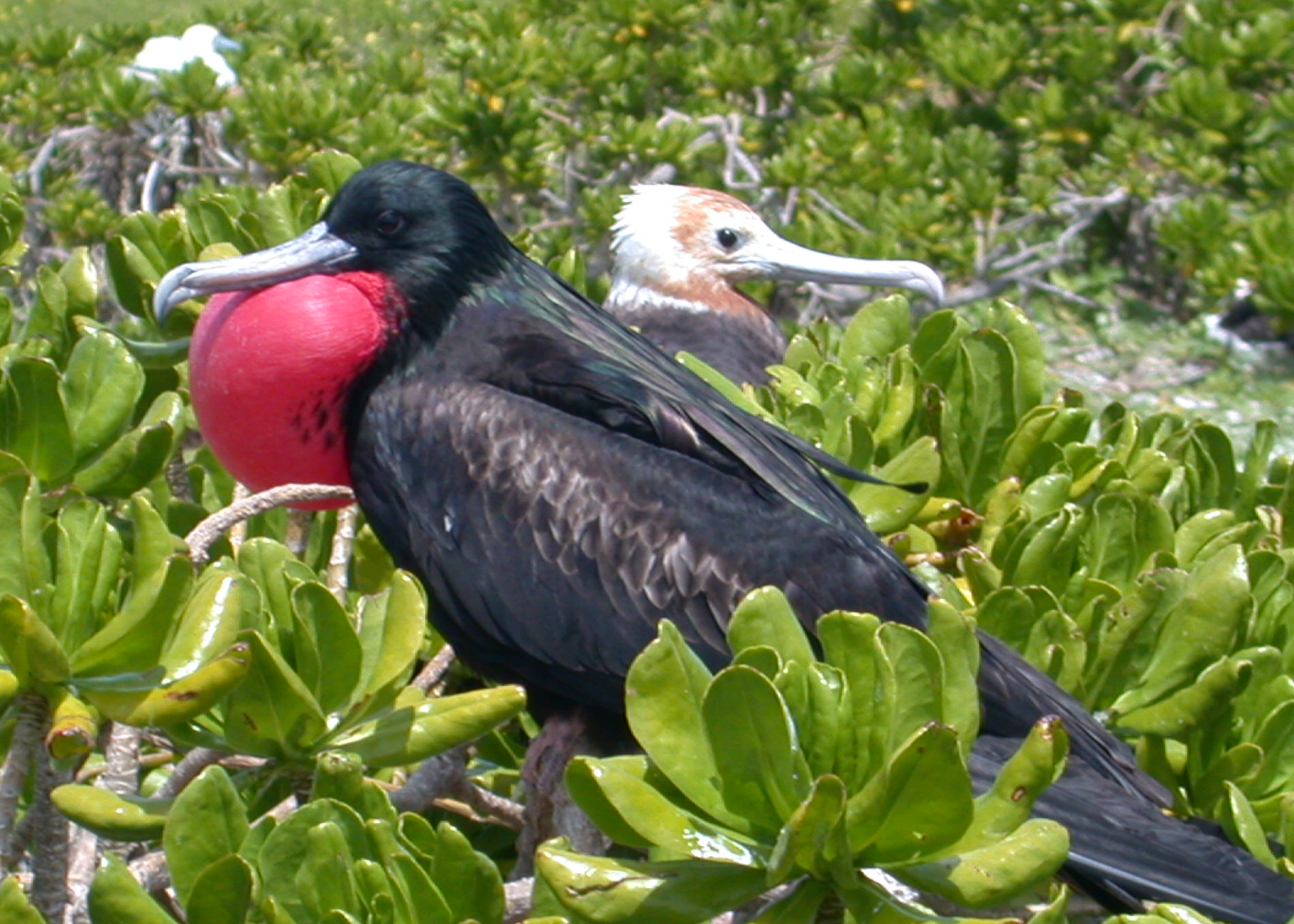
Fregata magnificens
Magnificent Frigatebird
males have purple sheen on its back, and no brown band
females have white area that only extends up to the throat
young has an all white head
males have bright red gular sacs, inflate during courting season
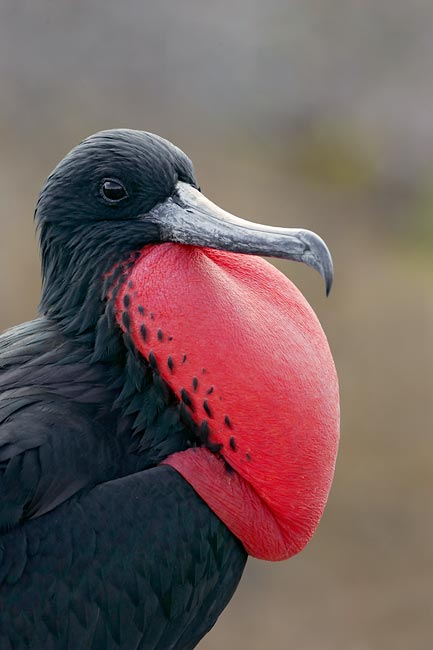
Courting/breeding of both Frigatebirds
females fly overhead of the males, the latter shake their wings, display their pouches, and call to the former
once the female selects a mate, nest building begins
young must develop for about 5 months before they can fly
predators include other frigatebirds, hawks, and owls
once mature, very good fliers
primary prey is fish and squid, but also swoop down to snatch other food items in the sea, as well as baby sea turtles from the beach
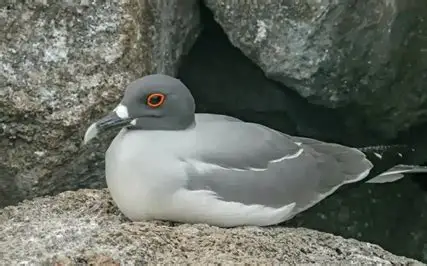
Creagrus furcatus
Swallow-tailed Gull
endemic genus
10-15,000 pairs
one of the few gulls that feed at night
large eyes adapted for night vision
also have special coloration that helps them see each other in the dark
chicks are mottled white, helps the parents see them at night
lays a single egg in nest
alarm call
“rattle-and-whistle”
loudest call made by this gull
display of unmated males is the “upward jerk” in which the head is jerked backward several times
“foot watching” - sign of submission

Leucophaeus fuliginosus
Lava Gull
vulnerable
endemic gull - probably one of the rarest in the world
300-400 pairs
dark gray color
nest alone, lay two eggs
primarily a scavenger, but also catch small fish
known to eat the eggs of other seabirds and baby iguanas and sea turtles
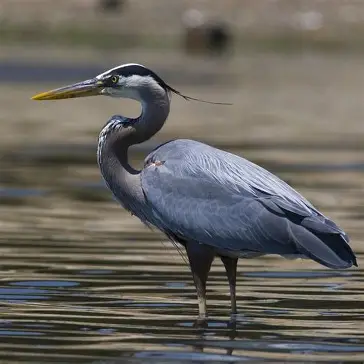
Ardea herodias
Great Blue Heron
largest of herons that live in archipelago
primarily gray, with some black and white markings on the head, neck and breast
diet consists of primarily fish, supplemented by lizards, young marine iguanas, and sea turtle hatchlings
stab their beak at prey
Ardea alba
Great Egret
large white bird similar to great blue heron in its habits
mainly each the same prey items as GBH, with some insects

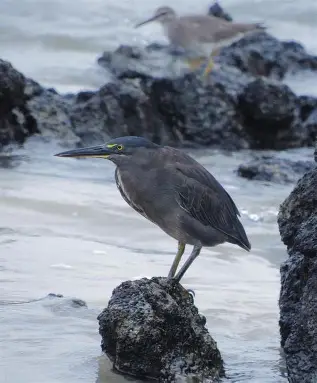
Butorides striata sundevalli
Striated Heron
small heron often seen feeding along rocking coastlines
catches small fish in tide pools and in depressions in the lava where fish may be trapped
young are brownish in color, with dark streaking
nest under rocks or among mangrove roots
lay up to 3 eggs
subspecies is considered by some to be endemic, going by name lava heron
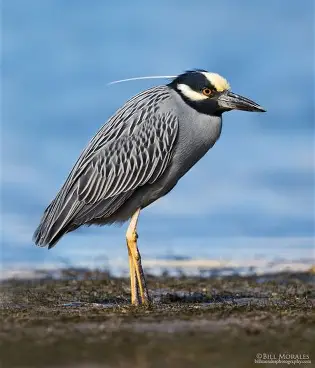
Nyctanassa violacea
Yellow-crowned Night Heron
feeds at night, primarily on insects
distinctive yellow crown and large yellow-orange eyes
distinctive call when disturbed
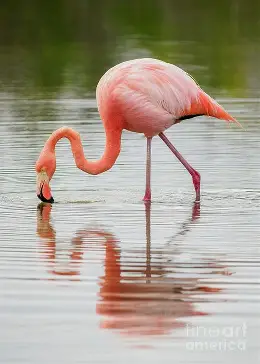
Phoenicopterus ruber
Greater Flamingo
endangered
about 500 individuals of this species
feed in lagoons with their head’s upside down, sucks water in through the front of its bill, and pumps it out through the side, filtering out the small animals that comprises its diet
during breeding seasons
single egg laid on mud/sand mound
the bills of the young do not take on curved shape for about 3 weeks, fed by parents until able to themselves
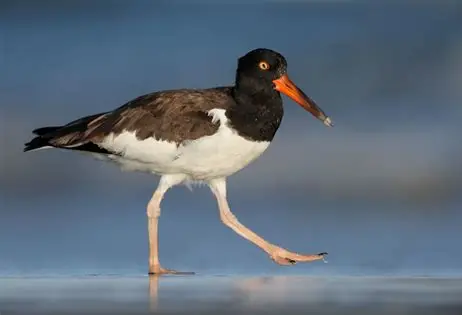
Haematopus palliatus
American Oystercatcher
about 200 pairs
normally seen along beaches and rocky shores
some suggest this species warrants recognition as a subspecies (H. p. galapagensis)
lays two speckled eggs among the rocks on shoreline
adults usually seen in pairs
white belly, black back and neck, and orange beak
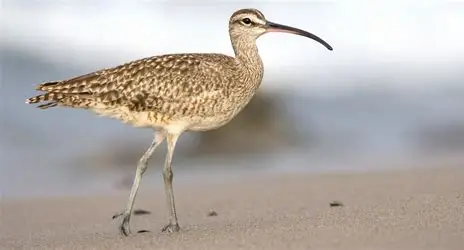
Numenius phaeopus
Whimbrel
common shore bird
downward curving bill
call consists of several rapid whistles
Land Birds
not as common as sea or coastal birds, but almost 80% are endemic
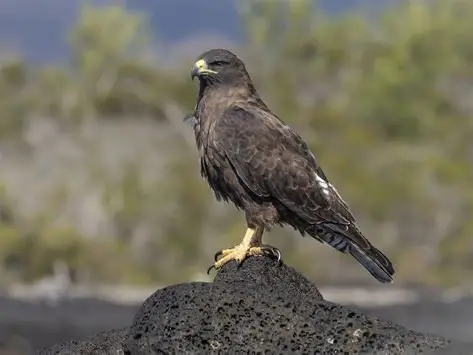
Buteo galapagoensis
Galapagos Hawk
vulnerable
endemic species
very tame
adults are dark brown in color
juveniles lighter brown and heavily mottled
mating system which as many as four males may mate with one single female, then all of those males will help care for the eggs and young
feed on lizards, young iguanas, rats, doves, mockingbirds, centipedes, grasshoppers, and young seabirds
Asio flammeus galapagoensis
Short-eared Owl
endemic subspecies
hunts primarily during day
prey consists of smaller other birds
when sharing island with hawks, they will become more active during twilight hours to avoid hawks

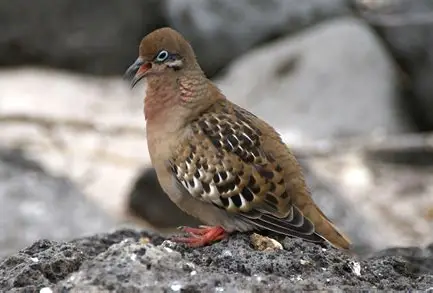
Zenaida galapagoensis
Galapagos Dove
endemic species
found in drier zones on most of main islands, though seen in highlands at times
very tame as well
individuals on Darwin and Wolf are larger, and considered a separate subspecies
feed primarily on seeds from Opuntia and their flowers, as well as insects
nest under rocks, usually lay two eggs
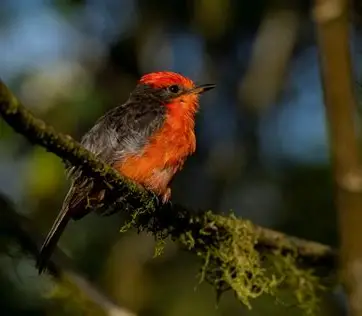
Pyrocephalus nanus
Little vermillion Flycatcher
endemic species
inhabits highland areas
primary food item is insects, which they snap out of the air, making a “clicking” sound as its bill snaps shut
nests made out of mosses, lichens, and liverworts
only male has bright red color
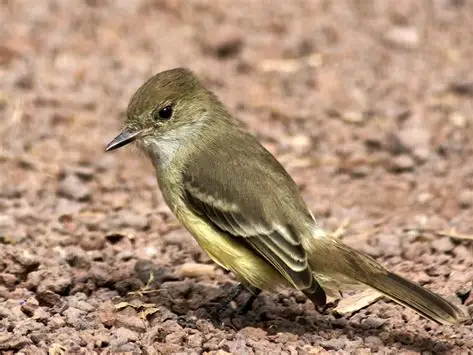
Myiarchus magnirostris
Galapagos Flycatcher
endemic flycatcher is larger than vermillion flycatcher and has a wider bill
yellow tinged belly, with brown wings, head, and back
neck is white
Mockingbird - Mimus spp.
4 mockingbird species in archipelago
possible pollinators
Mimus melanotis
Mockingbird species
only found on San Cristobal
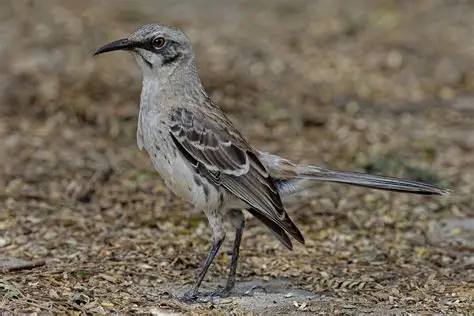
Mimus trifasciatus
Mockingbird Species
Only found on Champion and Gardner-near-Floreana
did occupy Floreana during Darwin’s visit
about 250-300 individuals

Mimus macdonaldi
Mockingbird species
Found on Espanola and Gardner-near-Espanola
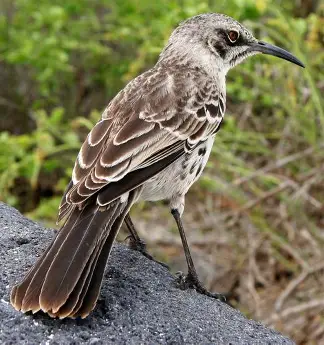
Mimus parvulus
Mockingbird Species
comprises several subspecies (only one of them pictured)
found on remaining major islands
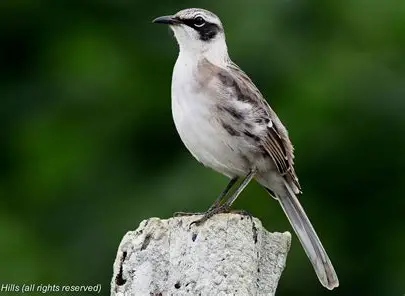
Prey of Mockingbirds
young finches, lava lizards, insects, centipedes, and birds eggs
scavengers too
Darwin’s Finches
18 species
example of adaptive radiation
Captain Fitzroy and Simms Covington did a better job at collecting these specimens than Darwin
all thought to be derived from a single introduction to the archipelago
Pinaroloxias inornata
Cocos Finch
1 species
this genus is not found in the Galapagos archipelago, rather in Cocos Island, Costa Rica
this species was started in the Galapagos
Beak Color in ALL species/sexs of Finches
All black = breeding
Horn colored, partially or totally = non-breeding
Yellow lower mandible = juvenile
Whitish lower mandible = fledgling
Geospiza
Ground Finches
9 species
plumage color varies from freckled gray in females and juveniles to darker blotchy gray in immature males to completely black in fully mature males
Geospiza magnirostris
Large Ground Finch
largest of the ground finches
usually, large beak that is as deep as it is long
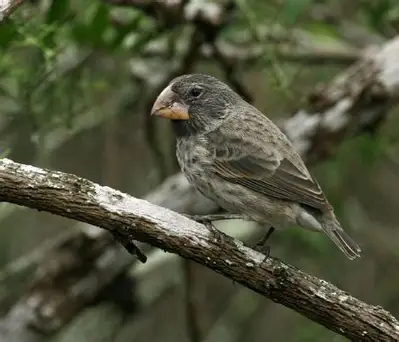
Geospiza fortis
Medium Ground Finch
heavy beak, but more pointed than the large ground finch
break size can vary greatly, even on same island
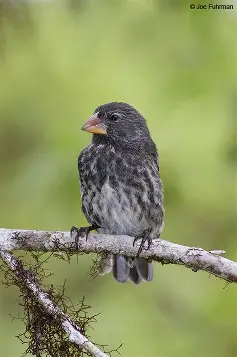
Geospiza fuliginosa
Small Ground Finch
short, stubby beak
feeds on small seeds and ectoparasites of reptiles
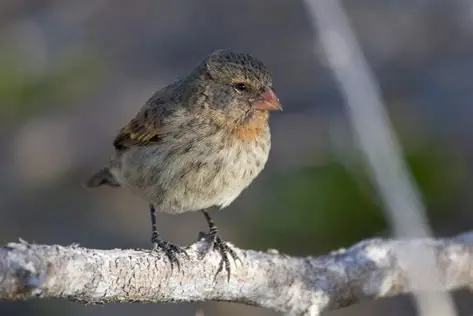
Geospiza scandens
Cactus Finch
longer, more downward-curved beak than other ground finches
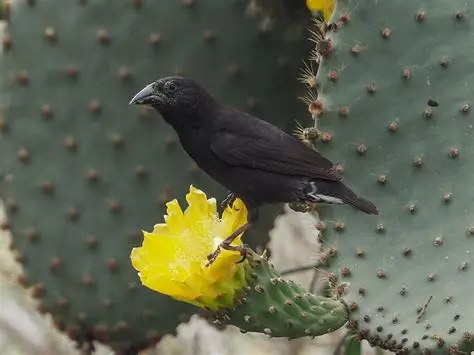
Tree Finches
Platypsiza and Camarhynchus
plumage color in both sexes and ages is pale beige
older males, except woodpecker finch, gradually develop a black face or hood
vegetarian and mangrove finches show variable mottling corresponding to age
Platyspiza crassirostris
Vegetarian Finch
one of the largest finches
beak short, deep, and broad
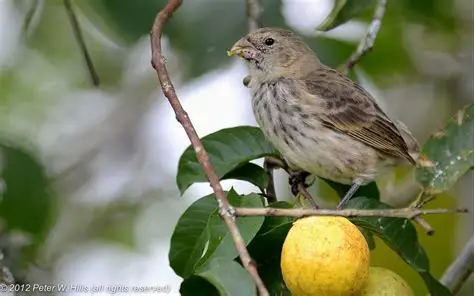
Camarhynchus pallidus
Woodpecker Finch
large, elongated beak that curves downward at the end
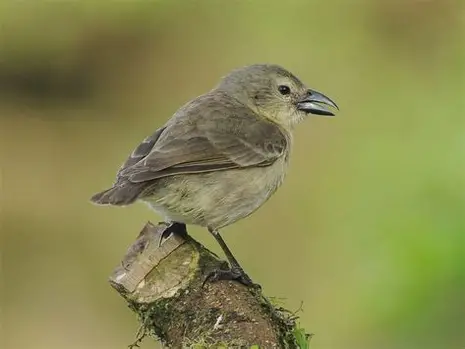
Other Geospiza species
Geospiza difficilus - Sharp-beaked Ground Finch
Geospiza septentrionalis - Vampire Finch (will drink blood from scabs of other animals)
Geospiza conirostris - Large Cactus Ground Finch
Geopsiza propinqua - Genovesa Cactus Finch
Geospiza acutirostris - Genovesa Ground Finch
Other Tree Finches
Camarhynchus heliobates - Mangrove Finch (most endangered of all finch species in galapagos)
Camarhynchus psittacula - Large Tree Finch
Camarhynchus pauper - Medium Tree Finch
Certhidea fusca
Grey Warbler Finch
plumage color is pale beige in all stages
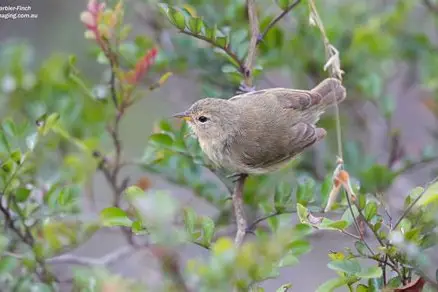
Certhidea olivacea
Green Warbler Finch
plumage color is pale beige in all stages