Zoology Test Study 2
 Studied by 12 people
 Call Kai
 Learn
Learn Practice Test
 Spaced Repetition
 Match
Match Flashcards
 Knowt Play
1/251

There's no tags or description
Looks like no tags are added yet.
Name | Mastery | Learn | Test | Matching | Spaced | Call with Kai |
|---|
No analytics yet
Send a link to your students to track their progress
252 Terms
Protostome
an animal whose mouth is formed from the blastopore
Deuterostome
blastopore becomes anus
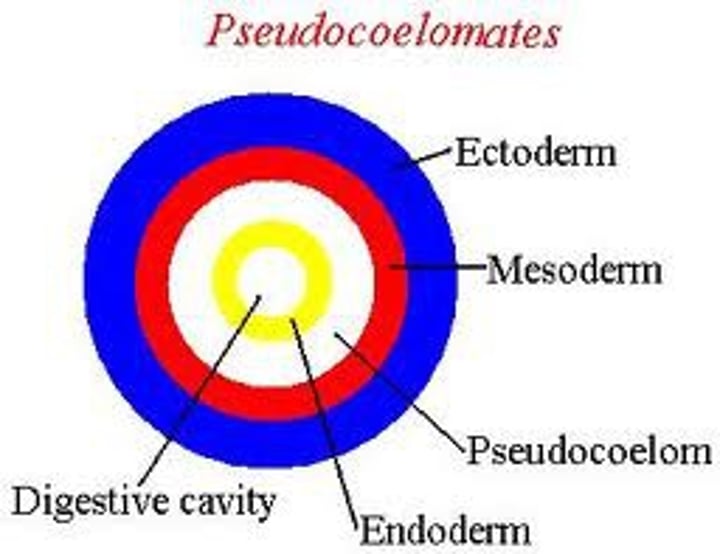
pseudocoelomate
internal organs float within body cavity
- Nematoda
coelomate
true body cavity
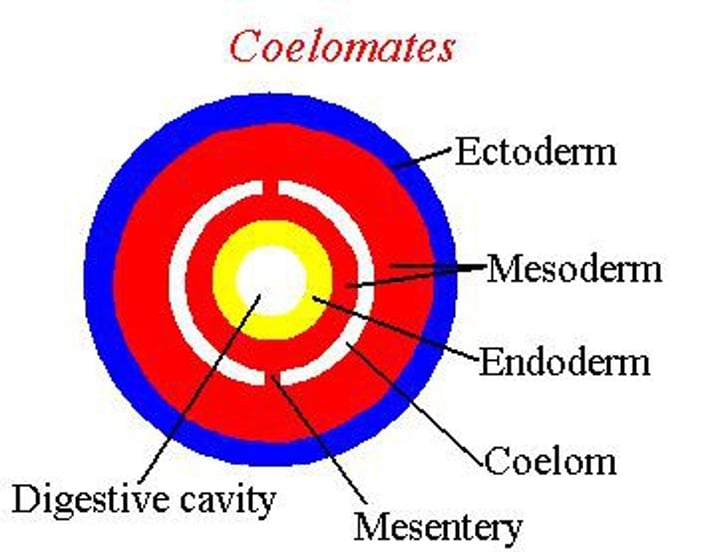
mesentaries
allow locations for networks of blood vessels, alimentary canal more independent in function
- used as hydrostatic skeleton
Phylum Mollusca
- second most diverse phylum
- marine, freshwater, terrestrial
- variety of feeding methods
- intermediate hosts
Organisms in the Phylum Mollusca
- giant clam
- giant squids
- giant octopus
Mantle
- skin sheath
- between mantle and visceral mass
- opening: siphon (modified into tentacles)
Larvae of Mollusca are named
veliger
Class Caudofoveata
very ancestral - worm-like burrowers
Class Solenogastres
worm-like, lack shell
Class Monoplacophora
have a single shell to cover multiple gills and other organs
Class Scaphopoda
tusk shells
- water pulled through from above
- gills in mantle cavity
Class Polyplacophora
chitons
- all marine
Class Gastropoda
snails and slugs
- herbivourous
- single nephriudium
- sexual reproduction
- statocysts
- chemoreceptors
Genus Conus use _____ to capture prey
conotoxins
Torsion
act of twisting; stress due to twisting forces exerted on a body
Sinistral
left-handed
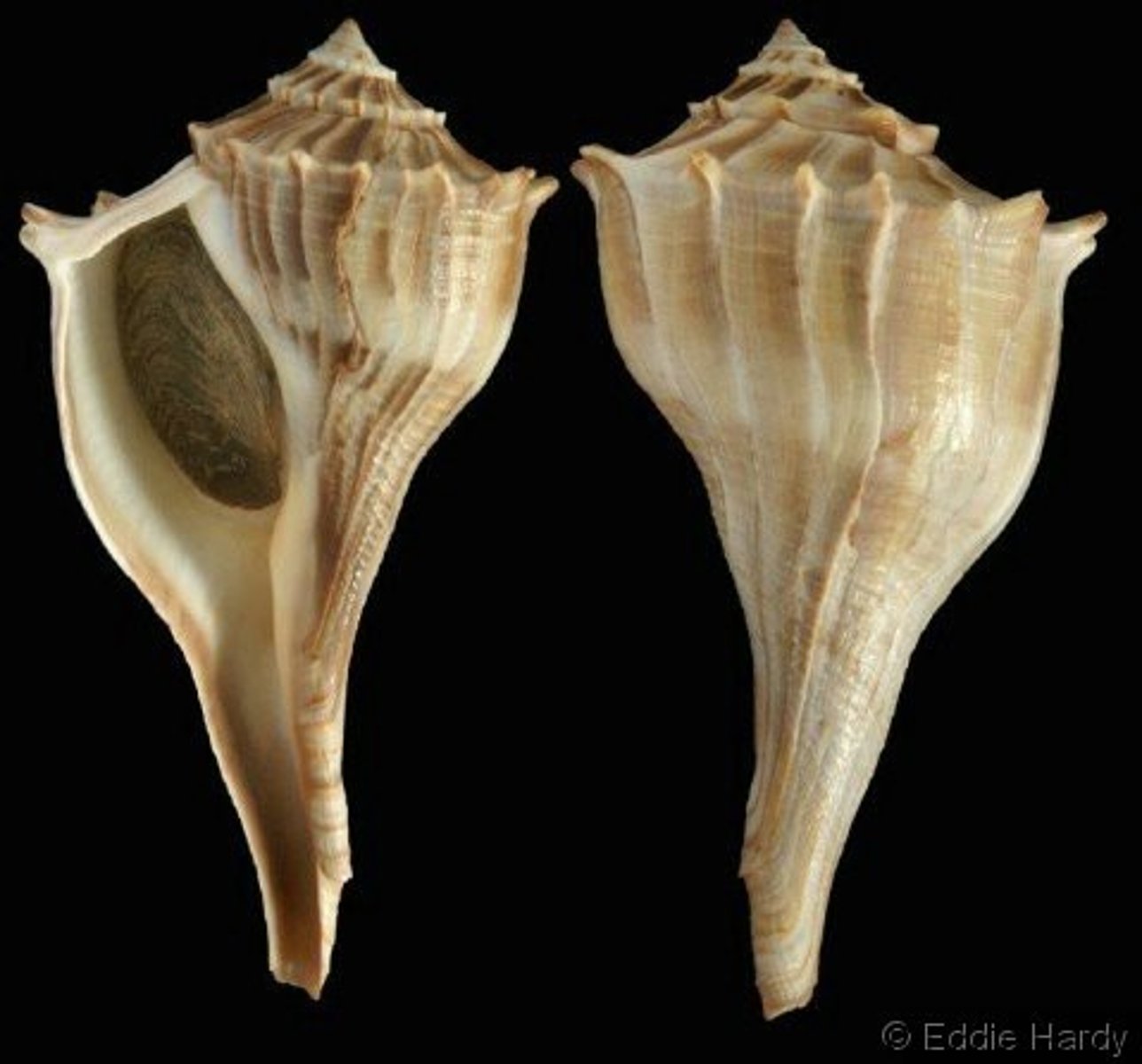
Dextral
right-handed
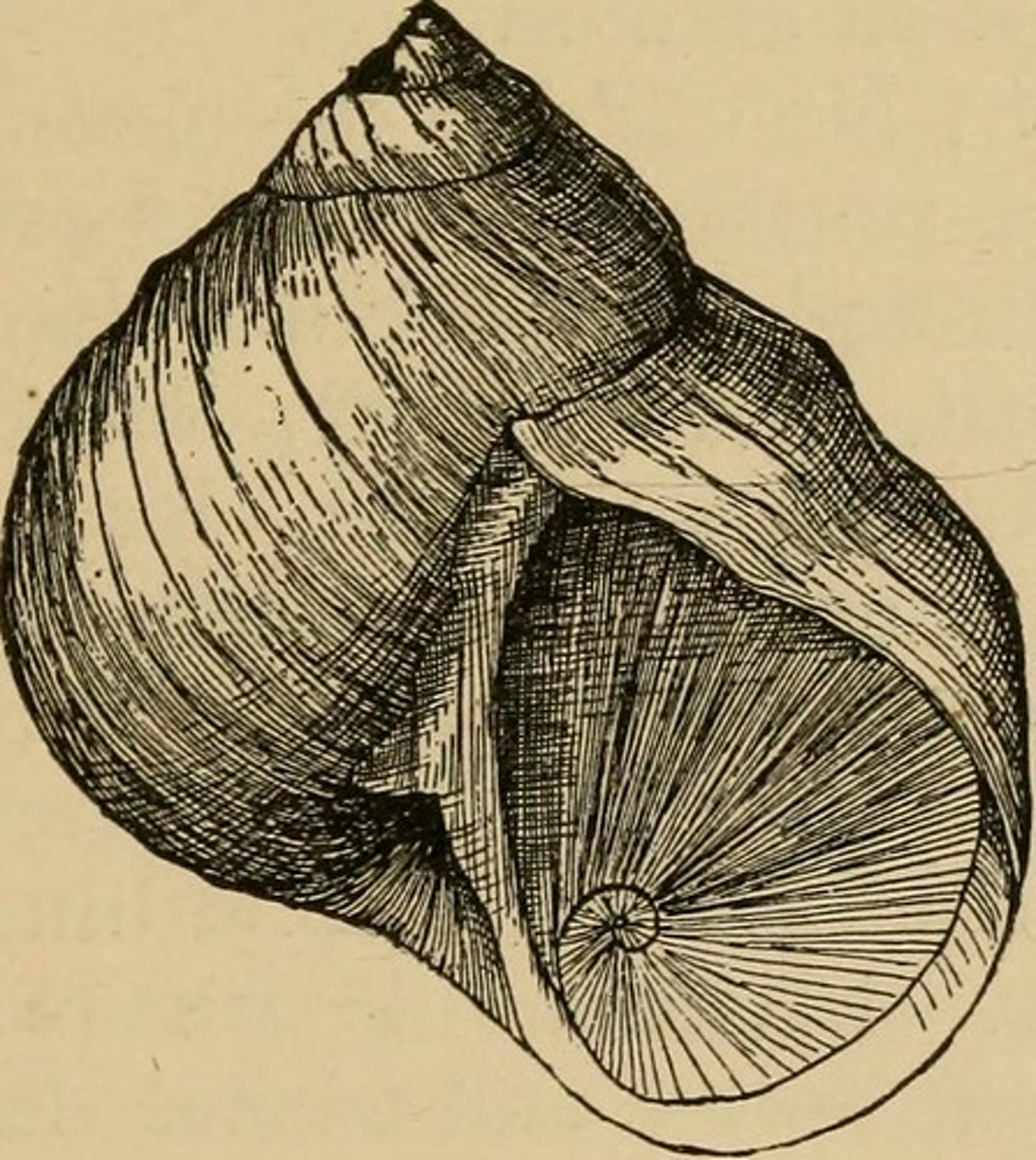
operculum
A protective flap that covers the gills of fishes
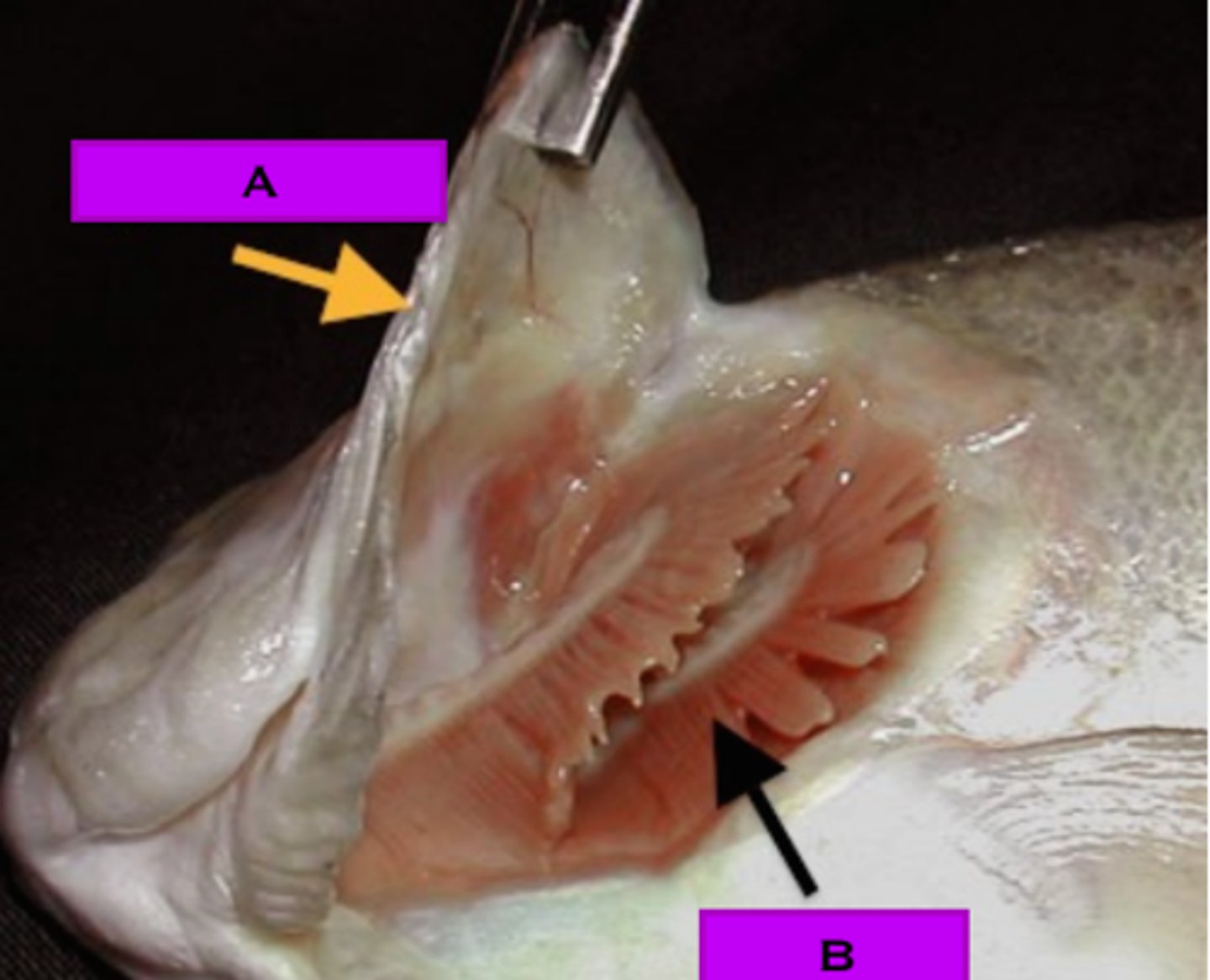
Ctenedium
gills in mantle cavity
- in Gastropoda
Respiration in Gastropoda
- vascular area in mantles
- oxygen exchange in the mantle cavity
Prosobranchs
- Gastropods
- marine and some freshwater
Opisthobranchs
nudibranchs, sea hares
- can incorporate ingested toxins into body wall
Pulmonates
air breathing snails
Invasive species of Gastropoda
Giant African land snails
Class Bivalvia
- 2 shells
- mussels, clams, scallops
- water taken in through siphon
- cillia on gills (lamellae) to put food into mouth
Larva of Class Bivalvia
glochidium
- useful for dispersal
How are pearls formed?
Grains of sand get on nacre and organism wraps irritant in nacre layer.
Byssus threads
Filaments secreted by Phylum mollusca Class Bivalvia These threads help them attach to surfaces.
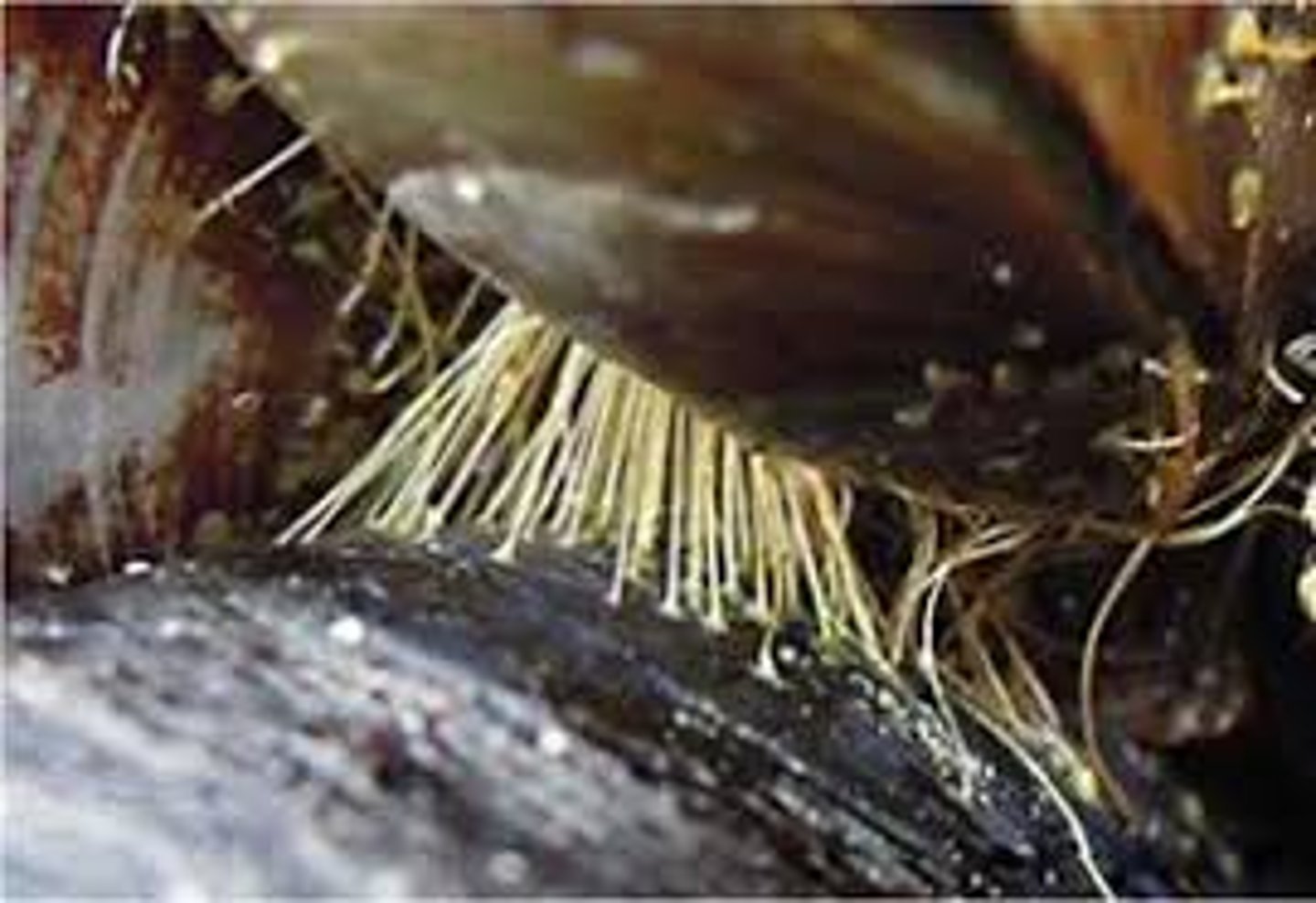
Invasive species in Class Bivalvia
Zebra mussels
Class Cephalopoda
"head-foot"
- marine
- move by expelling water through siphon
- closed circulatory system
- carnivorous
- predators
Ammonites
- Class Cephalopoda
- gone extinct at K-T event
Nautiloids
cephalopods whose body is covered by a shell
- 6 shelled
Nautilus
Only cephalopod with an external shell
- gas chambers: bouyancy
What class has the largest brain of any invertebrate?
class Cephalopoda
How can Cephalopods change colors?
have chromatophores in mantle
Class Cephalopoda Reproduction
males produce spermatophores
What are the 5 major groups of Cephalopodas
Octopuses, Squids, Cuttlefishes, Neutiloids, Vampire squids
Phylum Annelida
- segmented worms separated by septa
- 2 part head: prostomium and peristomium
- freshwater, marine, terrestrial
The Phylum Annelida are separated by narrow rings called
annuli
Pygidium
the end segment of an annelid that contains the anus
Sipuncula
peanut worms
- marine
Polychaeta
seaworms
- marine
- bottom dwellers
- larva: trochophore
Clitellata
earthworms, leeches
Parapodia
paired appendages on each body segment
- setae on each
Tubeworms
specialized mouthparts for capturing drifting food
List the sensory organs in Prostomium (Polychaeta)
- eyes, tentacles, sensory palps, nuchal organs, jaws
Epitokes
free swimming reproductive segments
- in Clam worms
Notopodium and neuropodium
notopodium: dorsal
neuropodium: ventral
Subclass Echiura
- Polychaeta
- Proboscis scoops sediment and brings it to mouth
- Proboscis is not retractable, but can be rolled into scoop shape
- Setae
- Generally in burrows
Clitellum
Band of thickened, specialized segments in annelids that secretes a mucus ring into which eggs and sperm are released
- In Class Hirudinida
Describe a double circulatory system
- coelomic fluid circulates some nutrients
- closed blood system powered by a heart
How many aortic arches does an earthworm have?
5
- serve to maintain blood flow
How species obtain oxygen if they lack a respiratory system?
oxygen obtained through skin- vascularized
metanephridium
a type of excretory tubule with internal openings called nephrostomes that collect body fluids and external openings called nephridiopores.
Tubifex worms
sensitive to concentrations of heavy metals
Which side of the leech is the head?
the side opposite of the sucker
Proboscis
the long snout of an animal; retractile organ
- in Hirudinea
Hirudin
the anticoagulant secreted by leeches into the wound they create to prevent clotting
Leeches nervous system
- have 2 brains: one in head, other at posterior end
- double ventral nerve cord
Hirudotherapy
leech therapy
- remove excess blood, promote healing by maintaining flow of freshblood
What big problem can leeches cause?
- venous congestion due to inefficient venous drainage
- blood can clot, and arteries that bring tissues nourishment will become plugged
- tissues will die
Leeches double the success rate of __________________
transplanted tissue flaps
Ecdysozoa characteristics
- all have cuticle
- outer non-living layer
- secreted by epidermis
Ecdysis
periodic molting
Nematodes
roundworms
- moist environment
- over 25,000
- breakdown of glycogen = obtain O2
Do most of Ascaris eggs survive?
No. they produce tons of eggs that are resistant.
What is the advantage of Nematodes living environment?
they can live under extreme hypoxic conditions and therefore can live where there is little competition
spicule (Nematoda)
sperm cells pass out of the male tract during copulation (intercourse), and a __________ holds the female reproductive organ in place while the sperm cells pass into the females
Which Nematoda species are important in agriculture and medicine?
Globodera restochiensis
Ascaris lumbricoides
- used to detect which areas is sterile
Phylum Nematoda vs. Phylum Nematomorpha
Nematoda:
Nematomorpha:
- horsehair worms, gordian worms
- lack respiratory, circulatory, and excretory system
Snout worms
Phylum Kinorhyncha
- 11 trunk segments
- introverted head
- feed on bacteria, diatoms, and algae in sediment
Penis worms
Phylum Priapulida
- live on bottom or in sand
Nematodes are different from flatworms because
When nematodes get into the wrong host, they wander until they find an exit leading to the destruction of internal structures. When flatworms get into the wrong host, they immediately die
Phylum Loricifera
- 5 body regions (mouth cone, head, neck, thorax, abdomen)
- marine
Phylum Onychophora
- velvet worms
- 70 species
- have 14-43 pairs of short unjointed legs
- soft exoskeleton
- moist leafy debris
- feed on insects, snails, and worms
Phylum Tardigrada
- water bears
- 900 species
- thin film of water on mosses
- trunk has 4 pairs of unjointed legs
- mouth = stylet
stylet
feeding tube in Targidrada
Cryptobiosis (Tardigrada)
State of extreme hibernation, slows metabolism
- form on anhydrobiosis
Describe the Phylum Tardigrada's evolution with moss
- mosses tolerate complete dehydration
- Tardigrades date back to the Cambrian period
- co-evolve together
Describe the Cambrian period
Appearance of many types of relatively large, mobile animals with hard skeletal tissues
Dracunulus medinensis
Guinea worm
- used to be in middle of Africa, then after time fewer and fewer cases occur. There is a related species in dogs that makes it difficult to fully eliminate these.
capitulum (Parasitiformes)
anterior projection where the mouthparts occur
Alpha-gal syndrome
- red meat allergy from the lone star tick
- present in saliva, some people develop allergy after bit
cavitation
Formation of a cavity or hole
Intermediate host
no sexual reproduction occurs
Definitive host
sexual reproduction occurs
Obligate
required
Facultative
not requires, but may use
Spicules
crystalline structures
Introvert
retractable head
lorica
thick plates
annuli
narrow rings that separate body segments
setae
chitinous bristles
nephridiopore
opens to outside of body
radioles
feathery arms in tube worms
clitellum
reproductive structure
mesentaries
allow locations for networks of blood vessels
siphon
opening
 Note
Note  Flashcards (69)