Herpetology Practical Exam 2
 Call Kai
 Learn
Learn Practice Test
 Spaced Repetition
 Match
Match Flashcards
 Knowt Play
1/103

There's no tags or description
Looks like no tags are added yet.
Name | Mastery | Learn | Test | Matching | Spaced | Call with Kai |
|---|
No analytics yet
Send a link to your students to track their progress
104 Terms
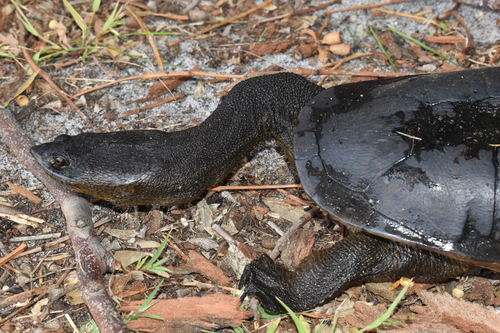
Chelidae
side-necked turtles that inhabit aquatic environments across Australia, New Guinea and South America. ambush predators that use rapid side neck extension to capture prey.
Chelidae
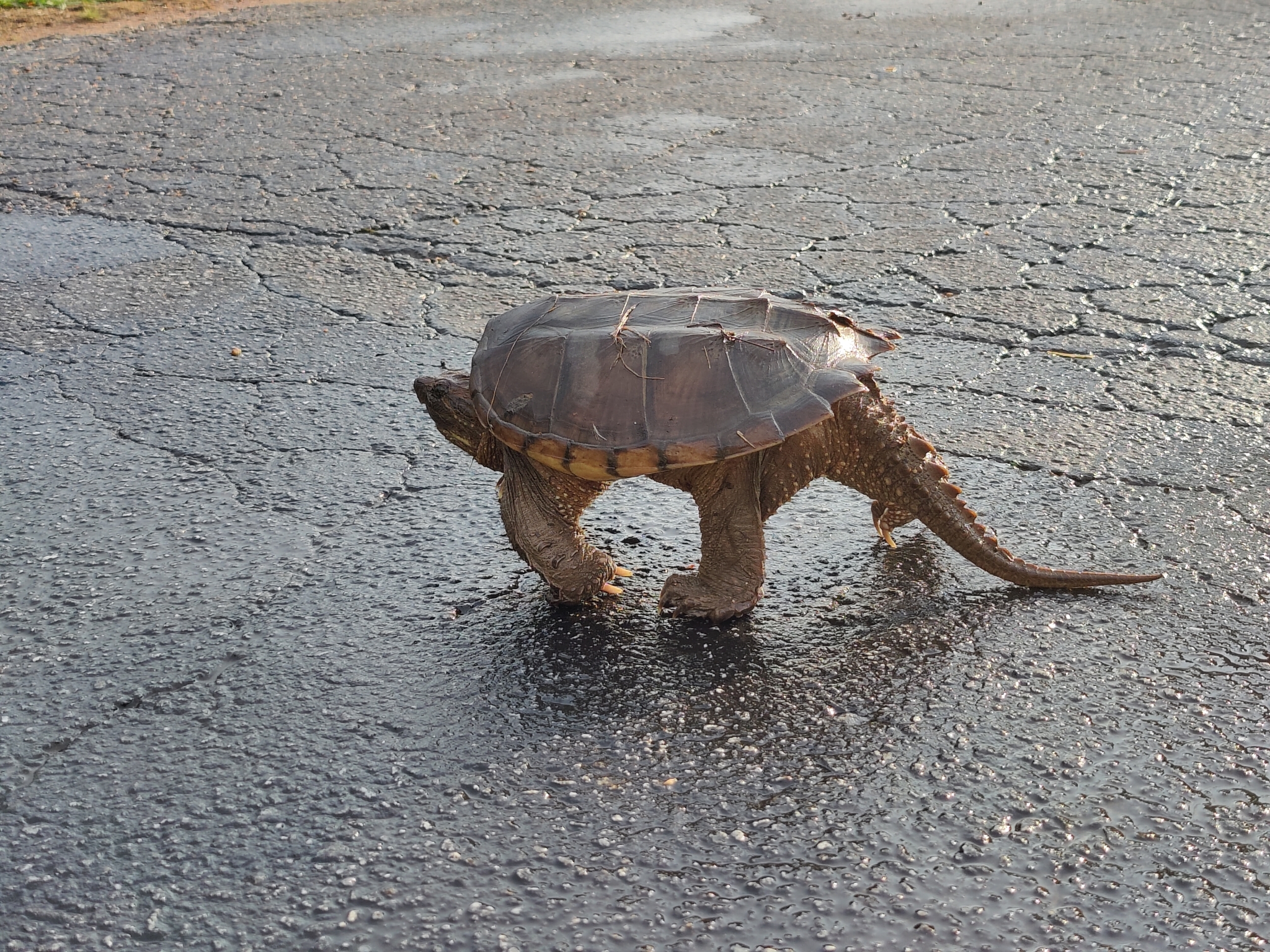
Chelydridae
head, neck and limbs are not able to fully retract. powerful, snapping jaws. long, pointed tails. primarily aquatic and found in North and Central America
Chelyridae
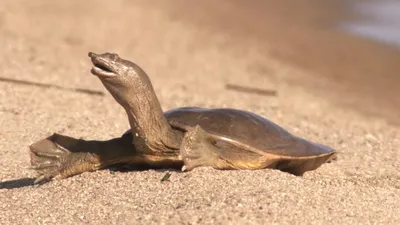
Trionychidae
softshell turtles with a snorkel like snout. long necks, webbed limbs and flattened shell. mainly aquatic.
Trionychidae
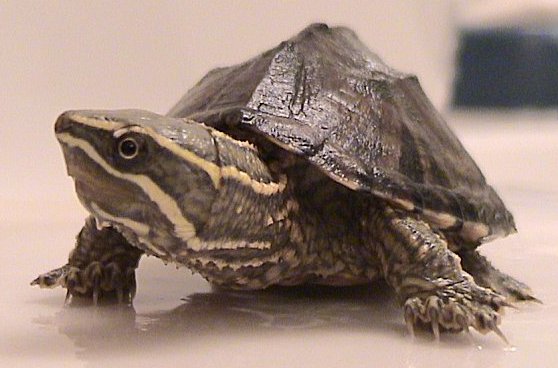
Kinosternidae
backside of shell is hinged and overall carapace is very domed. large head. have musk glands in the cloaca that omit when disturbed. moderately webbed limbs. highly aquatic.
Kinosternidae
Emydidae
found in freshwater and semi-aquatic habitats. ponds, lakes, slow moving rivers. Omnivorous. Well-developed plastron (back of shell) for protection. webbed feet for swimming and shell is smooth.
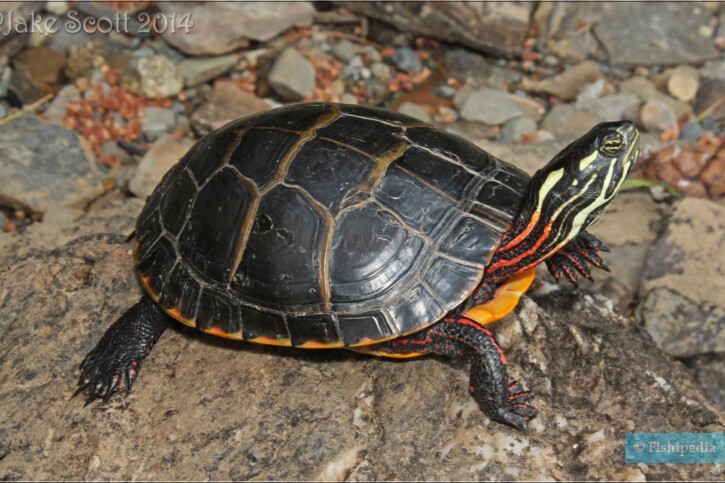
Emydidae
Testudinidae
otherwise known as tortoises. fully terrestrial found in arid regions, grasslands. herbivores. feet are elephantine and legs are columnar.
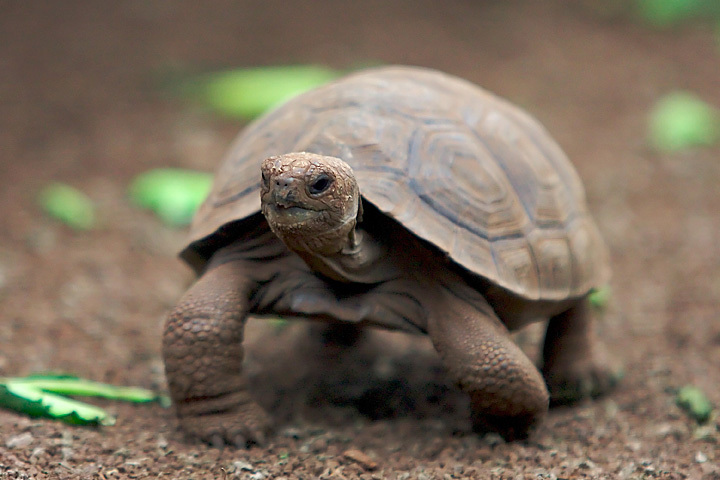
Testudinidae
Cheloniidae
extensive migration patterns. front limbs like flippers and are used for propulsion. hind limbs used as rudders. sea turtles.
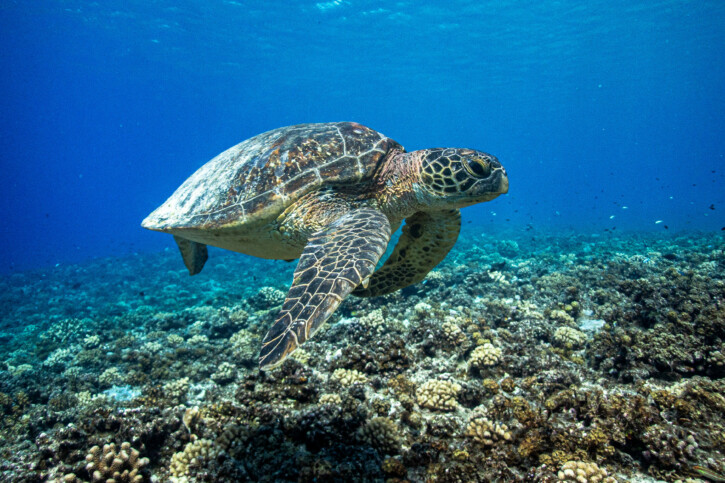
Cheloniidae
Podocnemididae
side necked river turtle. primarily found in rivers. pelvic girdle is fused to shell. have a large, flattened carapace
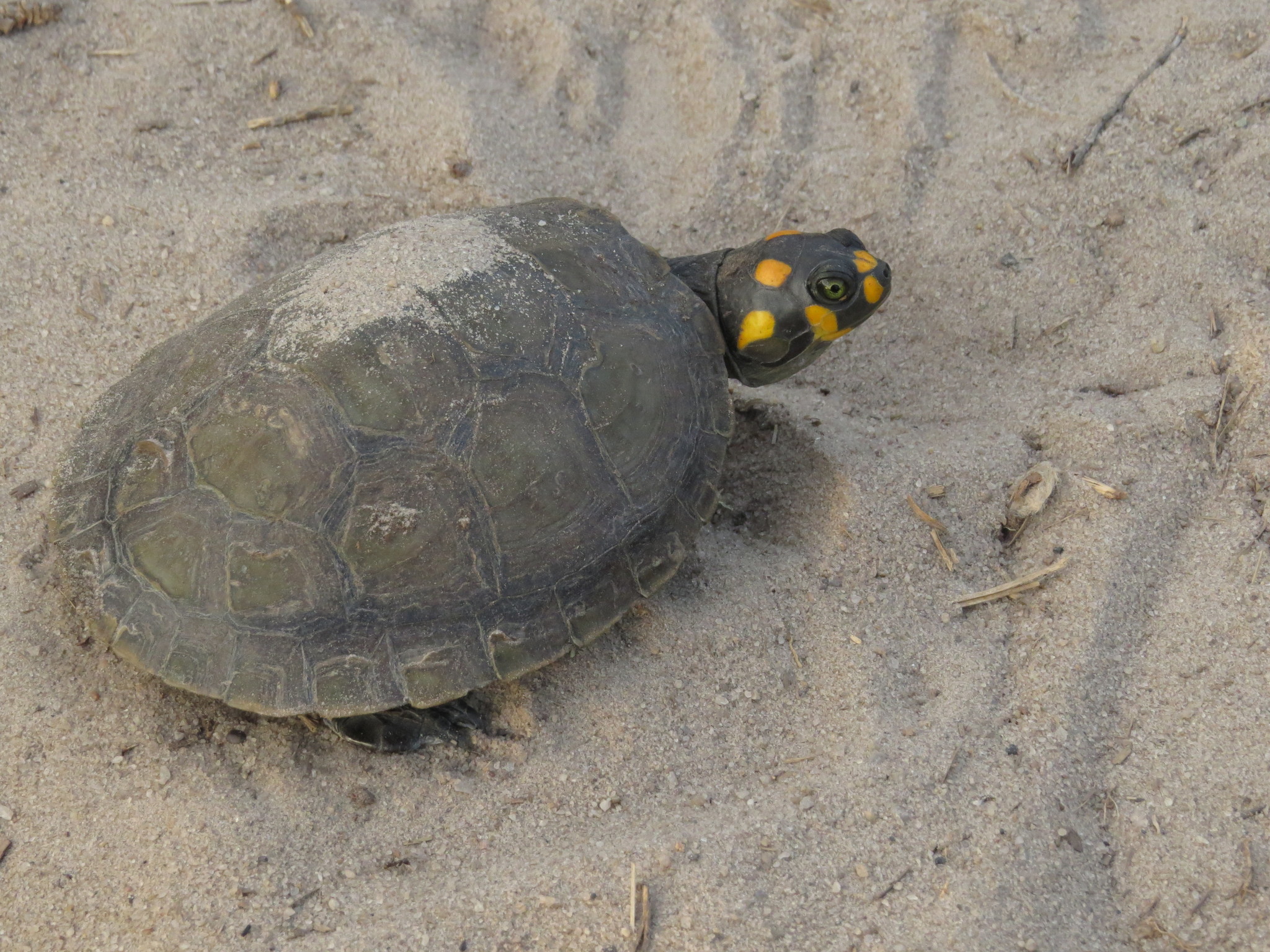
podocnemididae
Alligatoridae
Freshwater systems. U shaped snout with heavy dorsal osteoderms (boney deposits). Dark, robust body form. Overall have a much wider head than crocodiles. Have 4-chambered hearts. no lingual salt glands. (inside mouth near tongue).
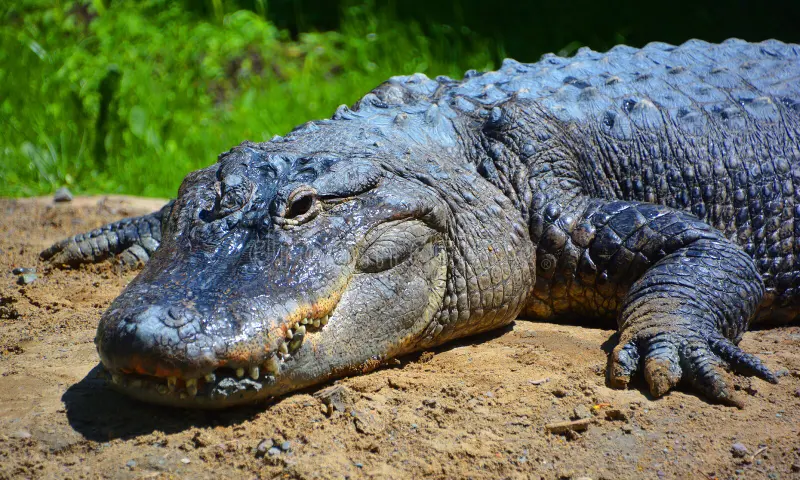
Alligatoridae
Crocodylidae
V-shaped snout. 4th tooth of the lower jaw remains visible when mouth is closed. Can live in saline environments due to salt glands in mouth.
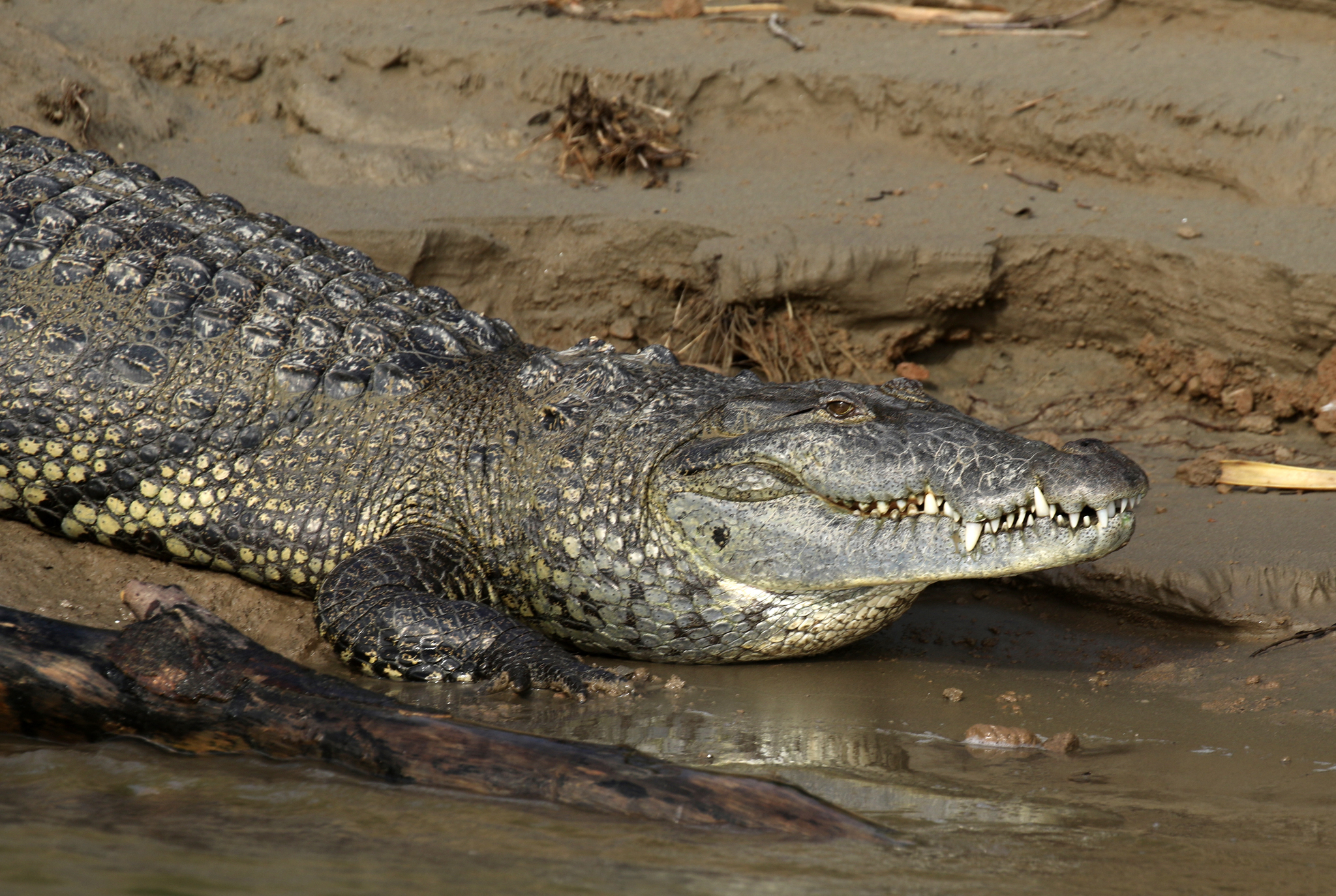
Crocodylidae
Eublepharidae
moveable eyelids. segmented tails that store fat and can be removed when threatened. clawed digits with no adhesions on toe pads.
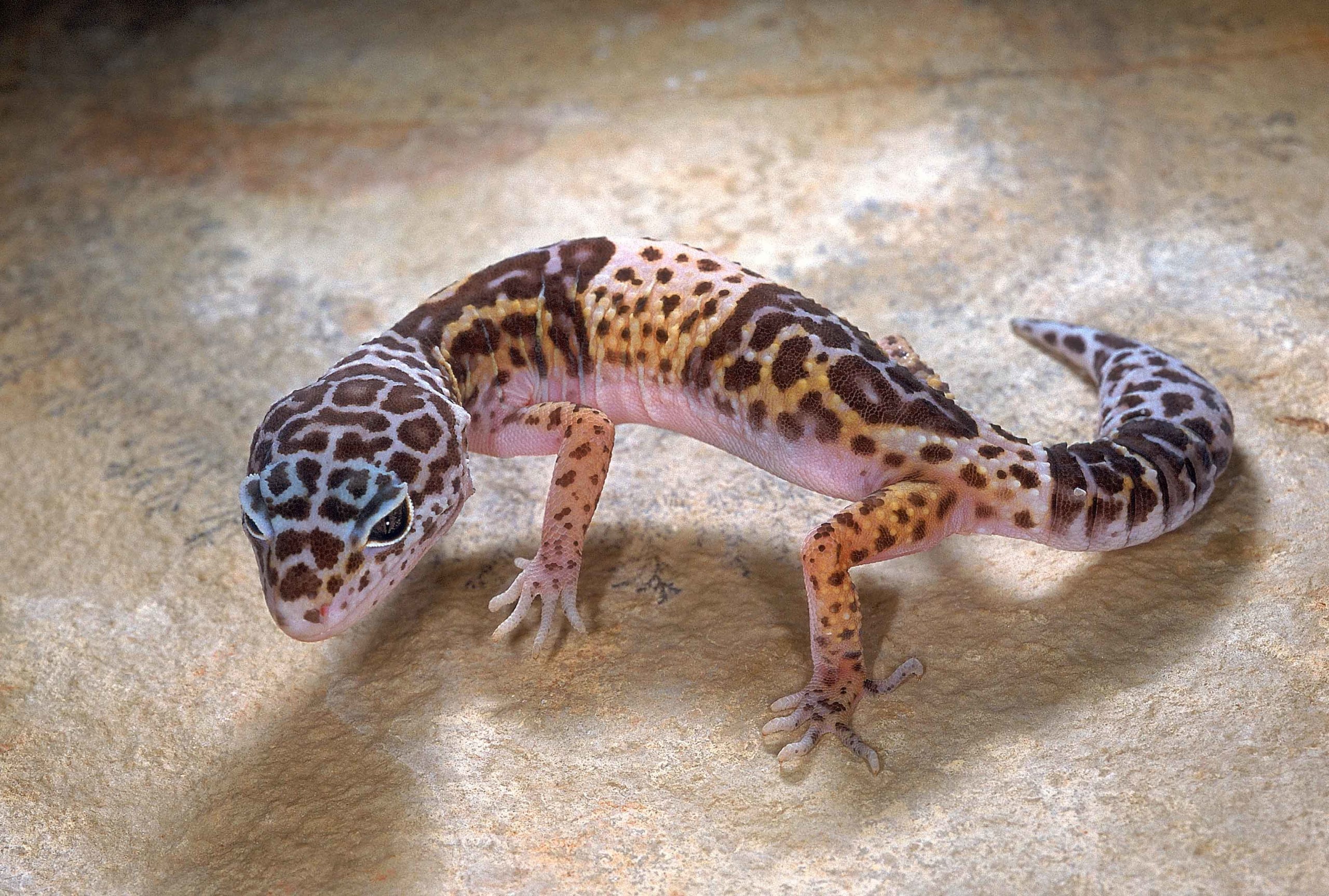
Eublepharidae
Gekkonidae
most widespread lizard family. adhesive toepads made of microscopic hairs. do not have moveable eyelids. can vocalize through clicks or chirps.
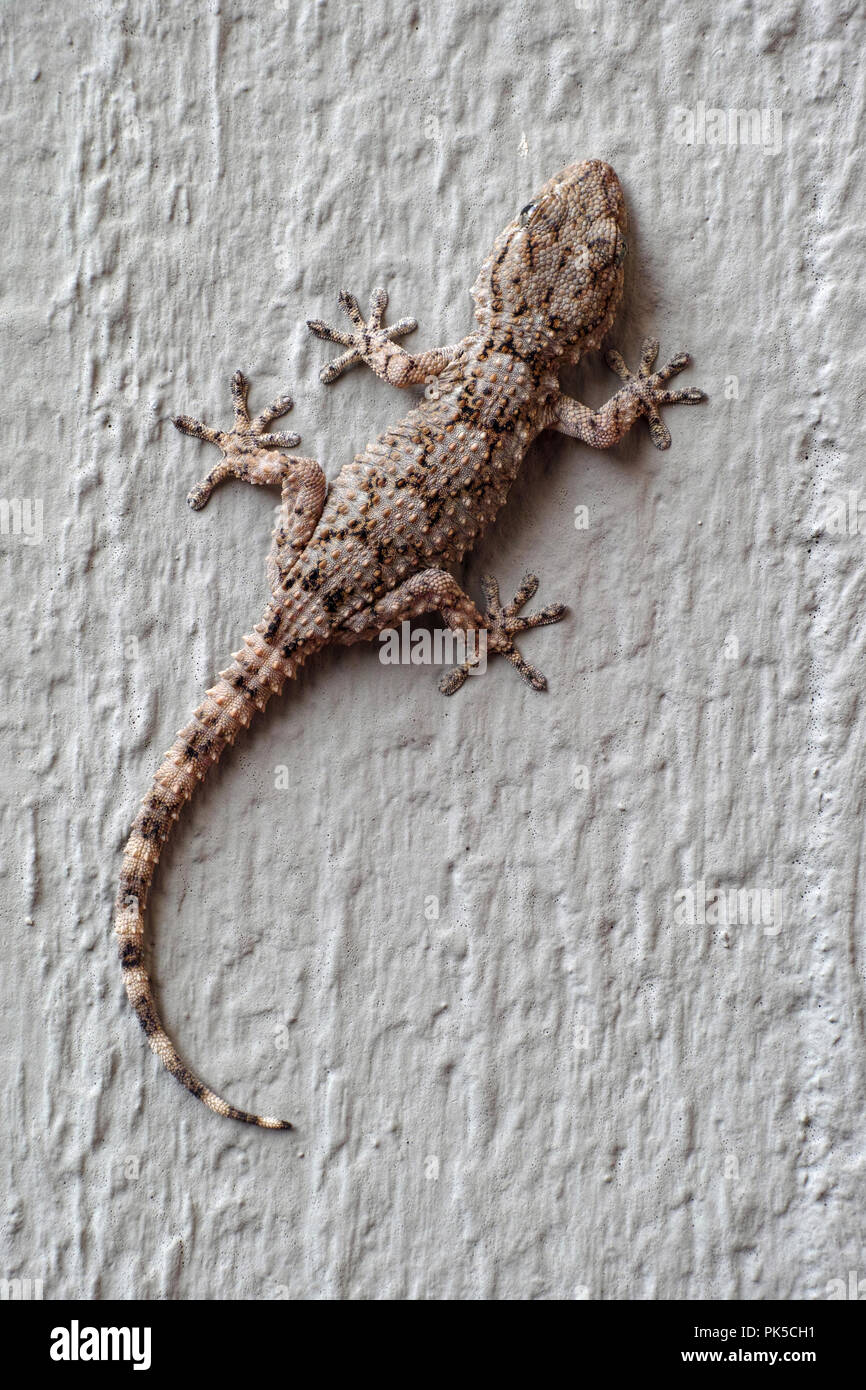
gekkonidae
Cordylidae
Native to Sub-Saharan Africa found on rocky outcrops. Give birth to live young. Form heavy armor with spiny scales across body and tail. Scales strongly keeled.
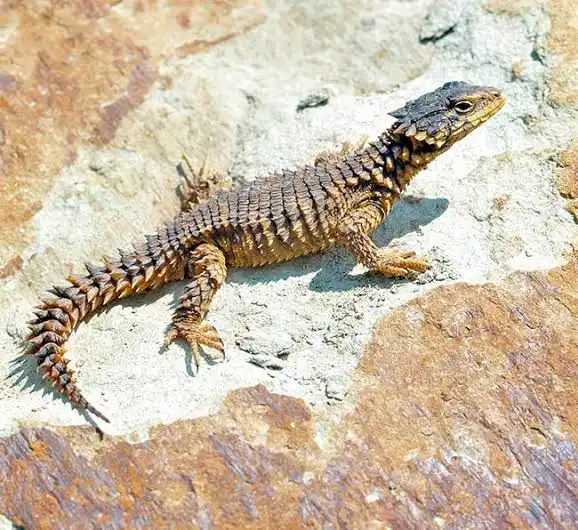
Cordylidae
Scincidae
Secretive and can inhabit arid, tropical and forested areas. Smooth, shiny and overlapping scales. Limb reduction or loss is common. Short necks and small eyes.
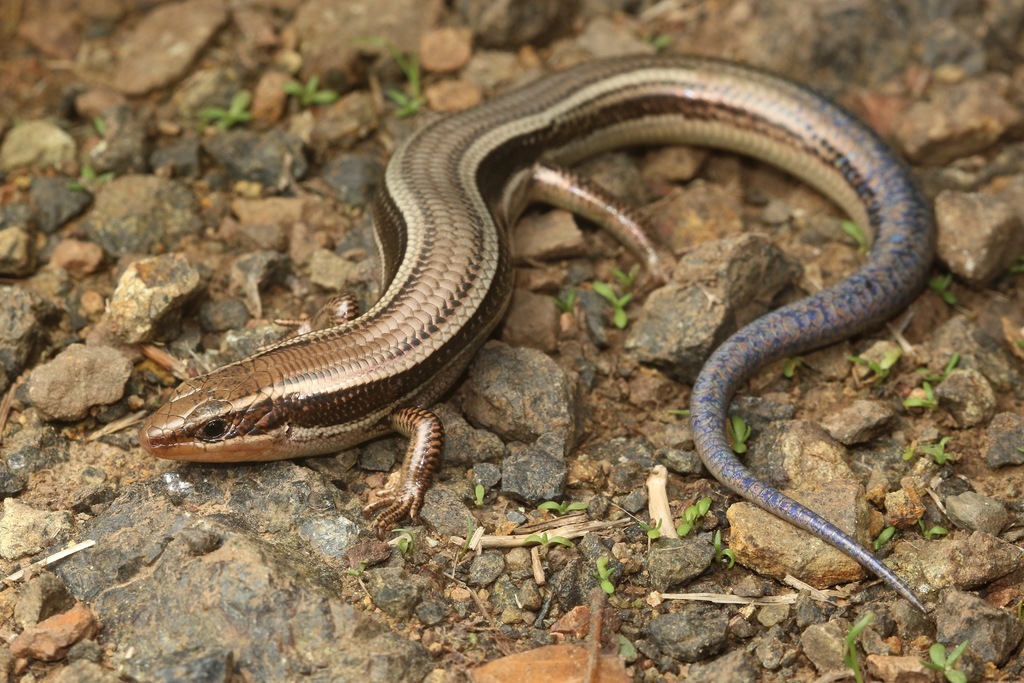
Scincidae
Amphisbaenidae
worm lizards. legless. adapted for life underground. borrowers (fossorial). Body has distinct ring-like segments. heavily ossified skull for borrowing. reduced eyes.
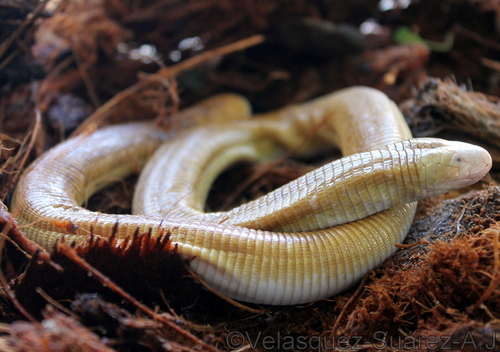
Amphisbaenidae
Teiidae
thick neck. robust body. long tail. have large, rectangular scales that are arranged in distinct rows.
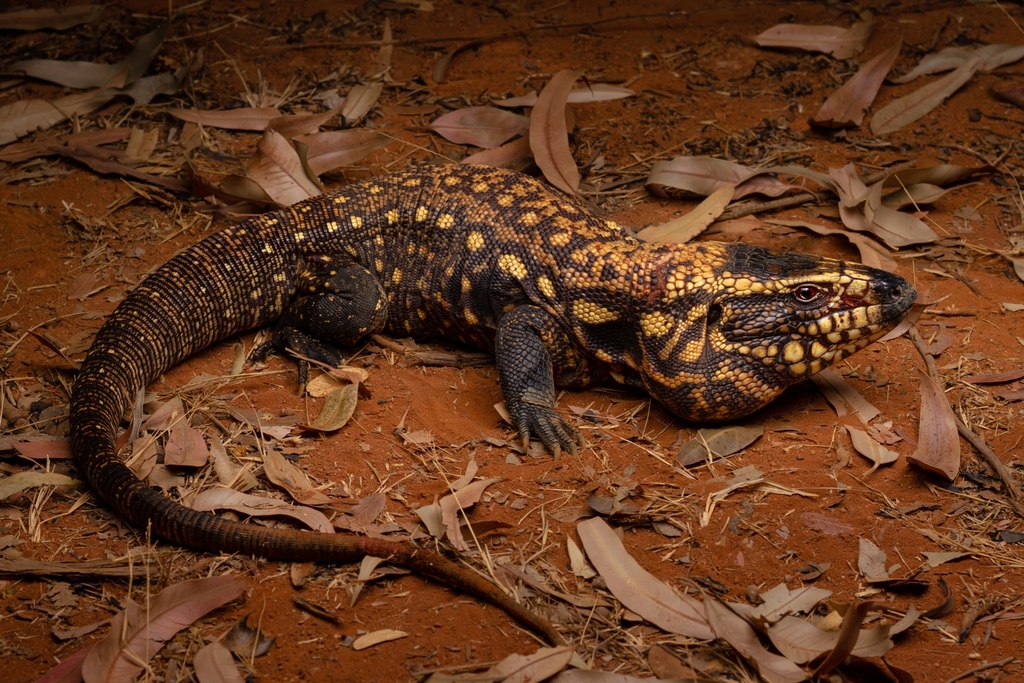
Teiidae
Anguidae
terrestrial inhabiting forests, grasslands and shrublands. non-overlapping scales. can have limb reduction.
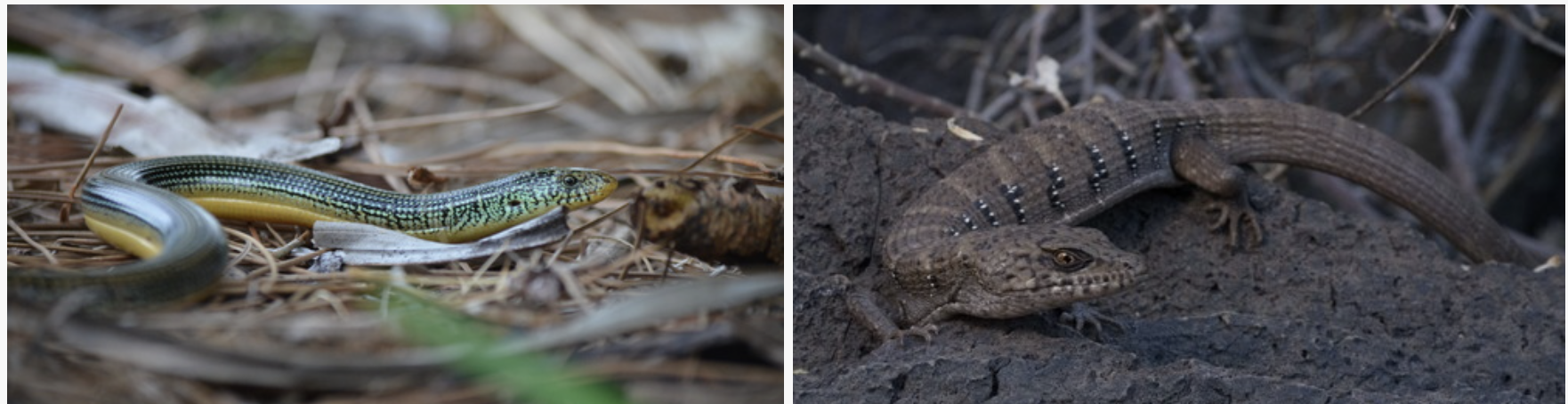
Anguidae
Helodermatidae
Gila monsters. Slow moving, venomous.
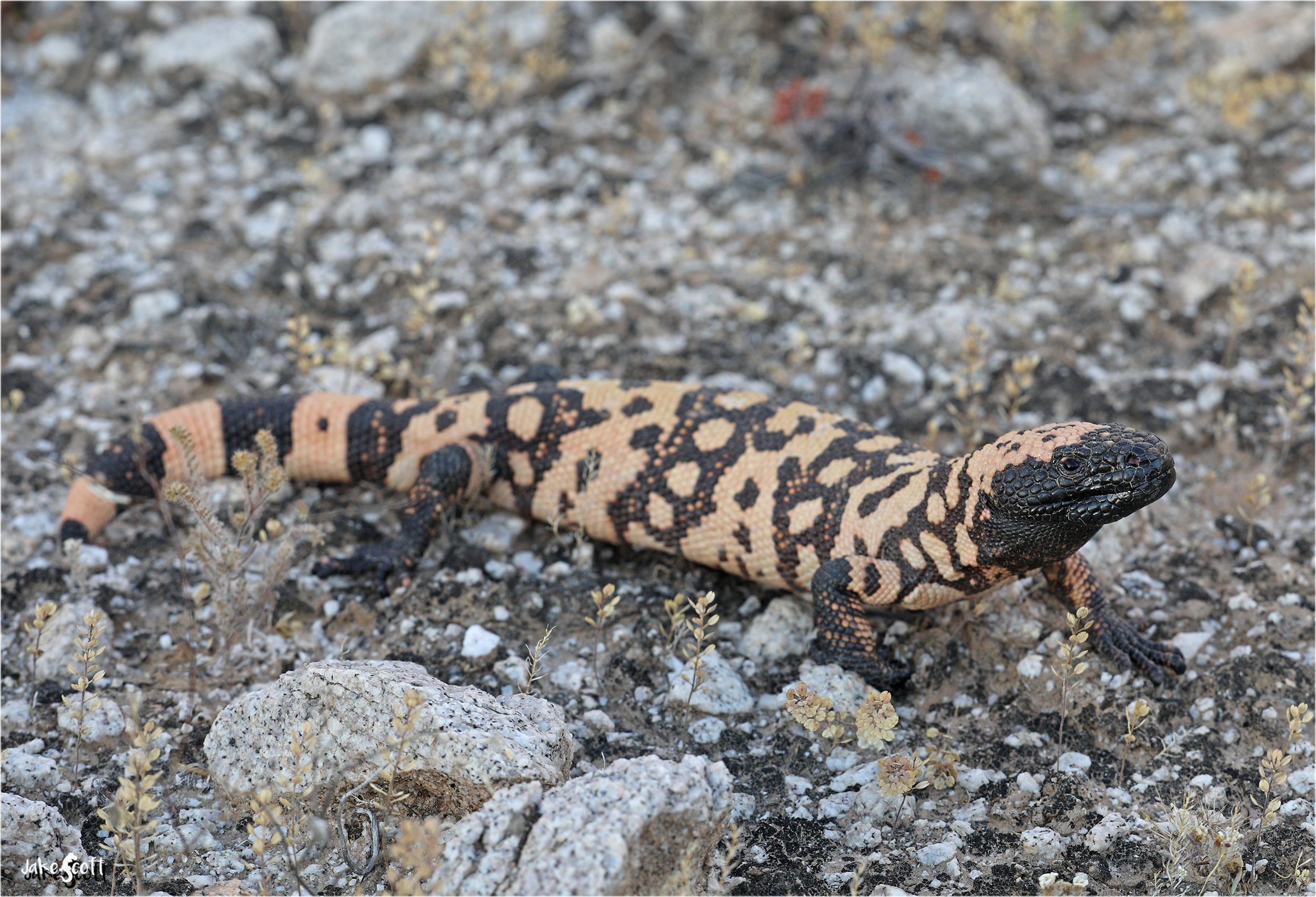
Helodermatidae
Varanidae
Monitor lizards. very long, thin tails. V-shaped head and snout. Long snout.
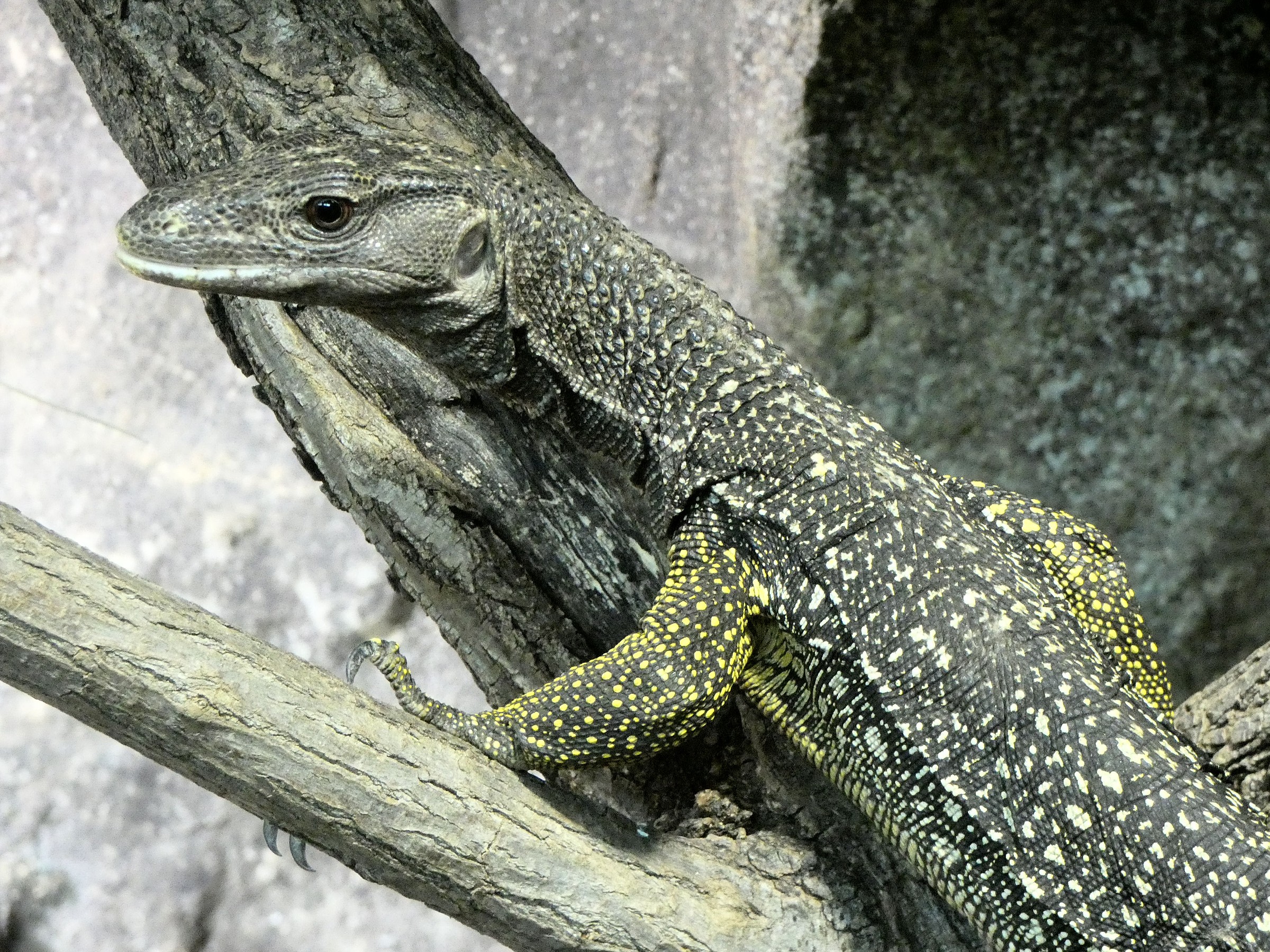
Varanidae
Chamaeleonidae
projectile tongues. zygodactylous feet. Arboreal. slow movers.
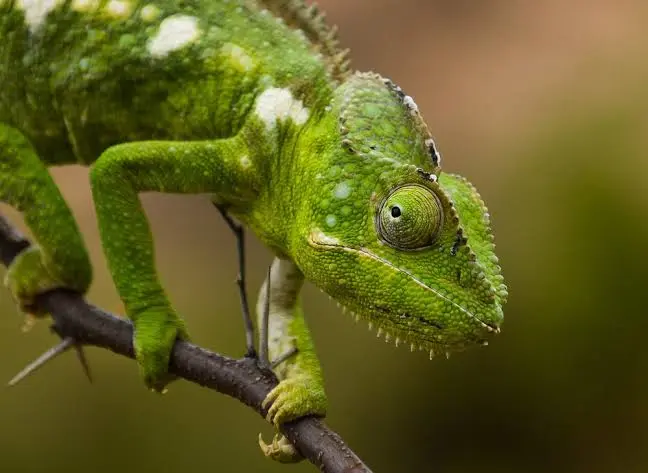
Chamaeleonidae
Agamidae
over 400 species. moderate to large in size. teeth are fused to the crest of the jaw.
Draco (Agamidae)
flying lizards. South and Southeast Asia. Arboreal.
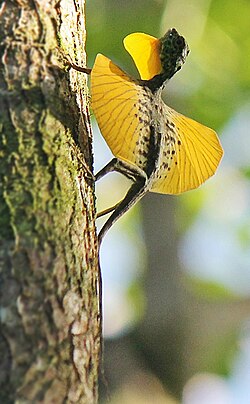
Draco
Uromastyx (Agamidae)
arid regions of North Africa, Middle East and south Asia. Spiny tailed lizards.
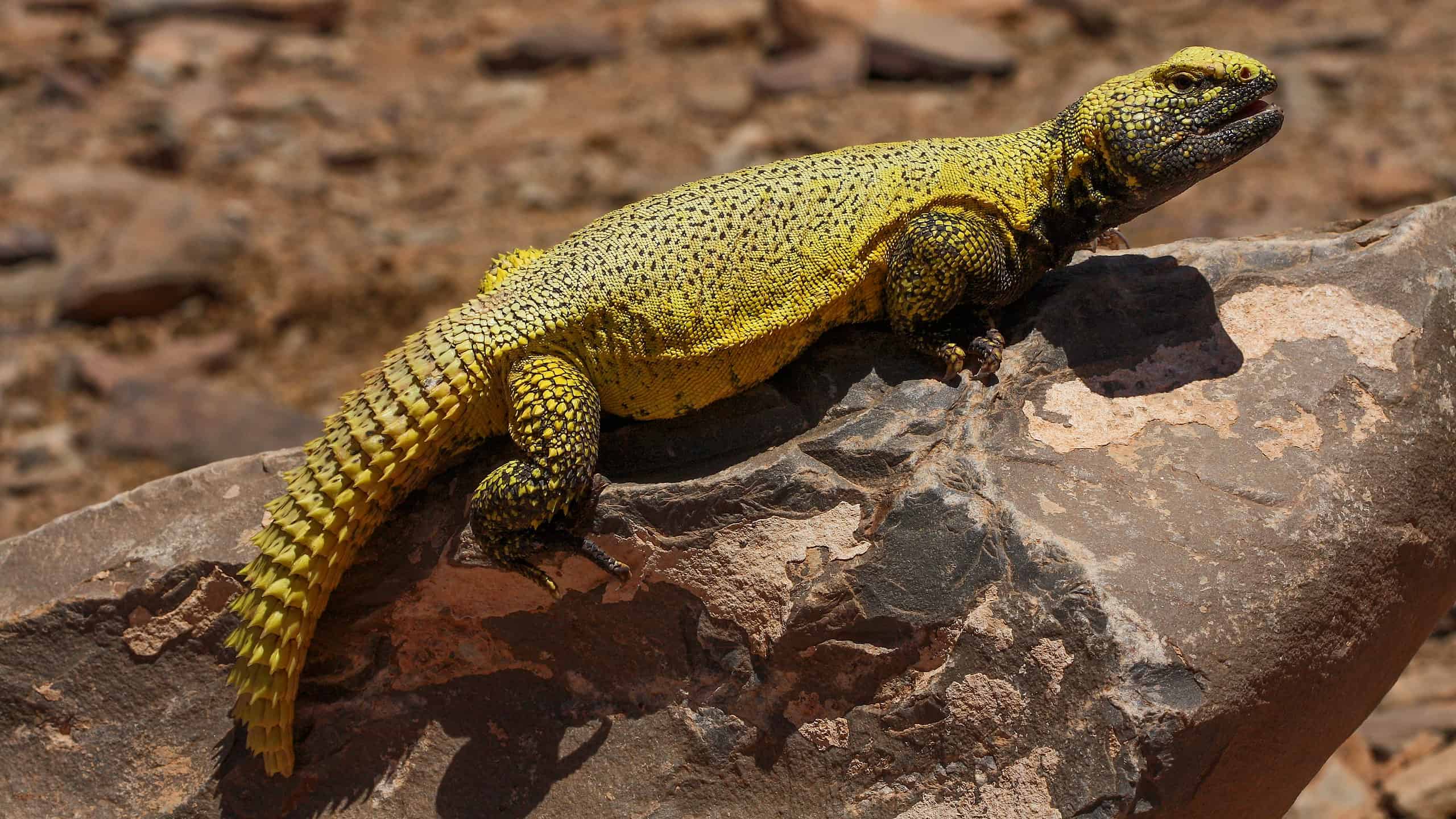
Uromastyx
Chlamydosaurus (Agamidae)
frilled lizard. Northern Australia and Southern New Guinea. best known for its cervical frill.
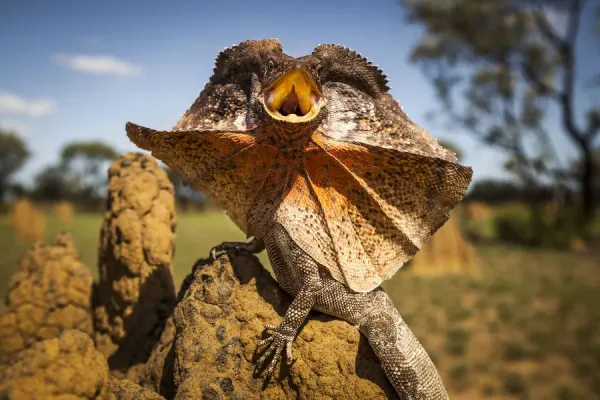
Chlamydosaurus
Pogona (Agamidae)
bearded dragons. characterized by spines down sides of body. Endemic to australia. broad, triangular heads. inhabit arid and semi-arid woodlands, scrublands and deserts.
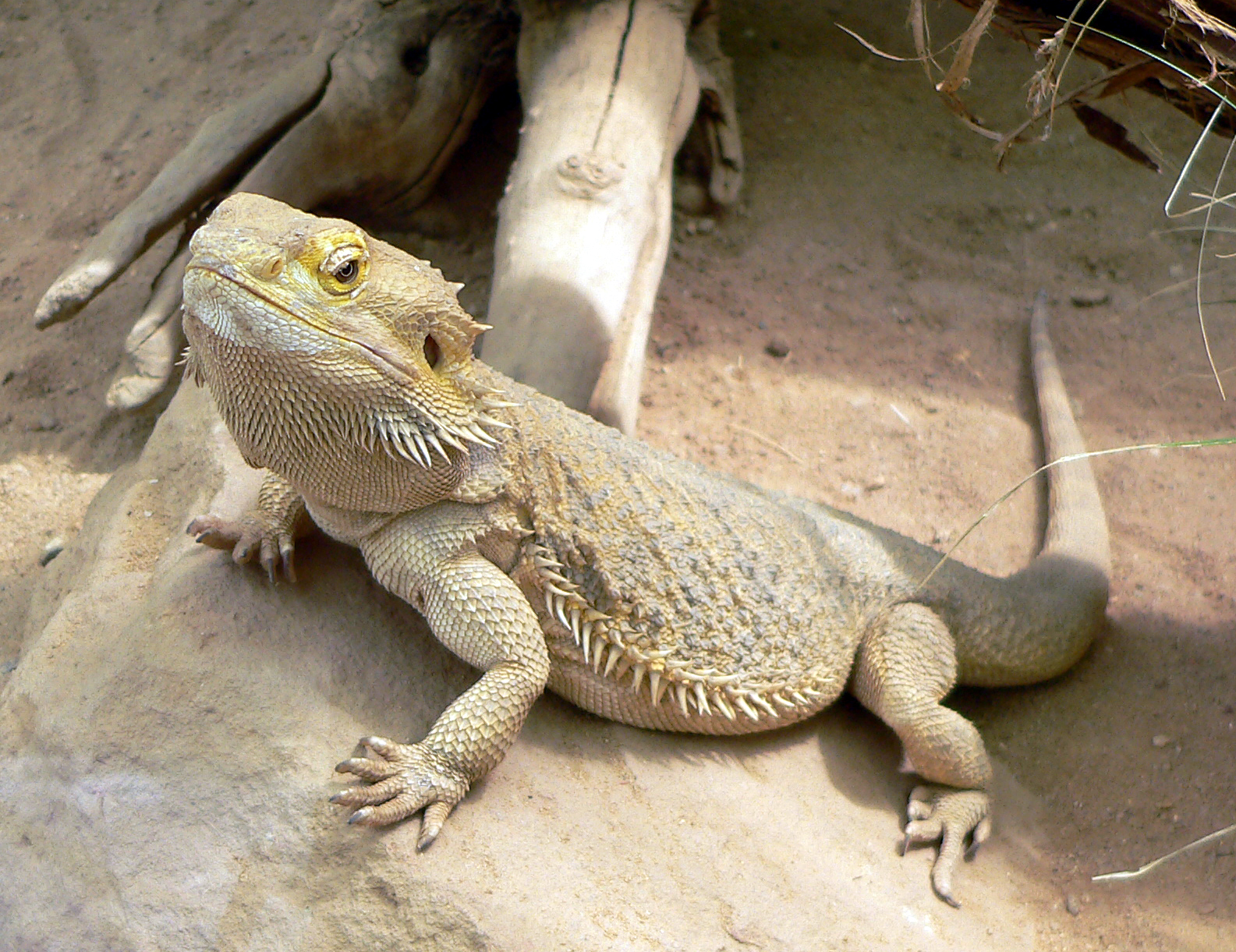
Pogona
Moloch (agamidae)
capillary skin channels for gathering water to mouth. Covered in conical, uncalcified spines.
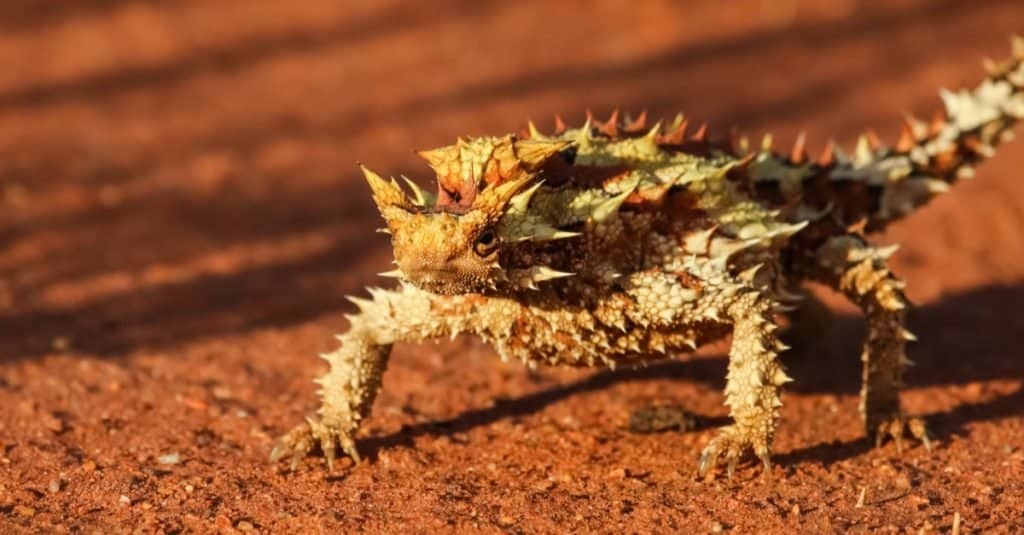
Moloch
Phrynosomatidae
spiny scales. Horn like projections on back of head. Arid species. Terrestrial to semi-terrestrial. sit and wait predat
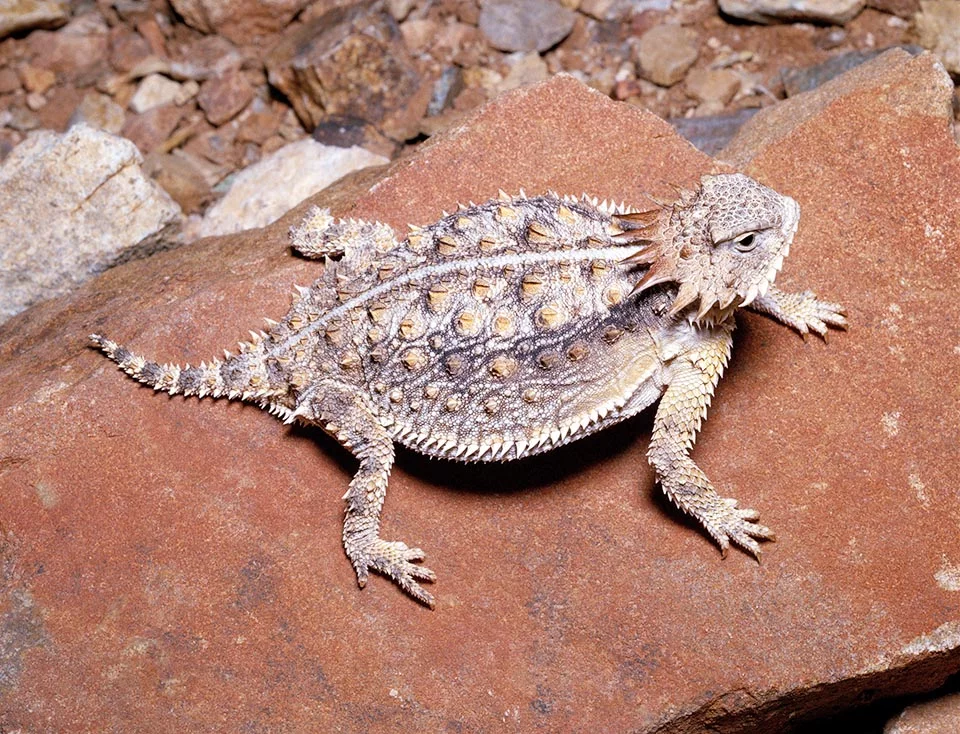
Phrynosomatidae
Iguanidae
Robust bodies, long tails, well-developed dewlaps or dorsal crests. Sharp claws for climbing. Distributed across the Americas in tropical or subtropical regions.
Ctenosaura (Iguanidae)
spiny-tailed. robust bodies. well-developed dorsal (upper side or back) crests. Whorled scales on the tail.
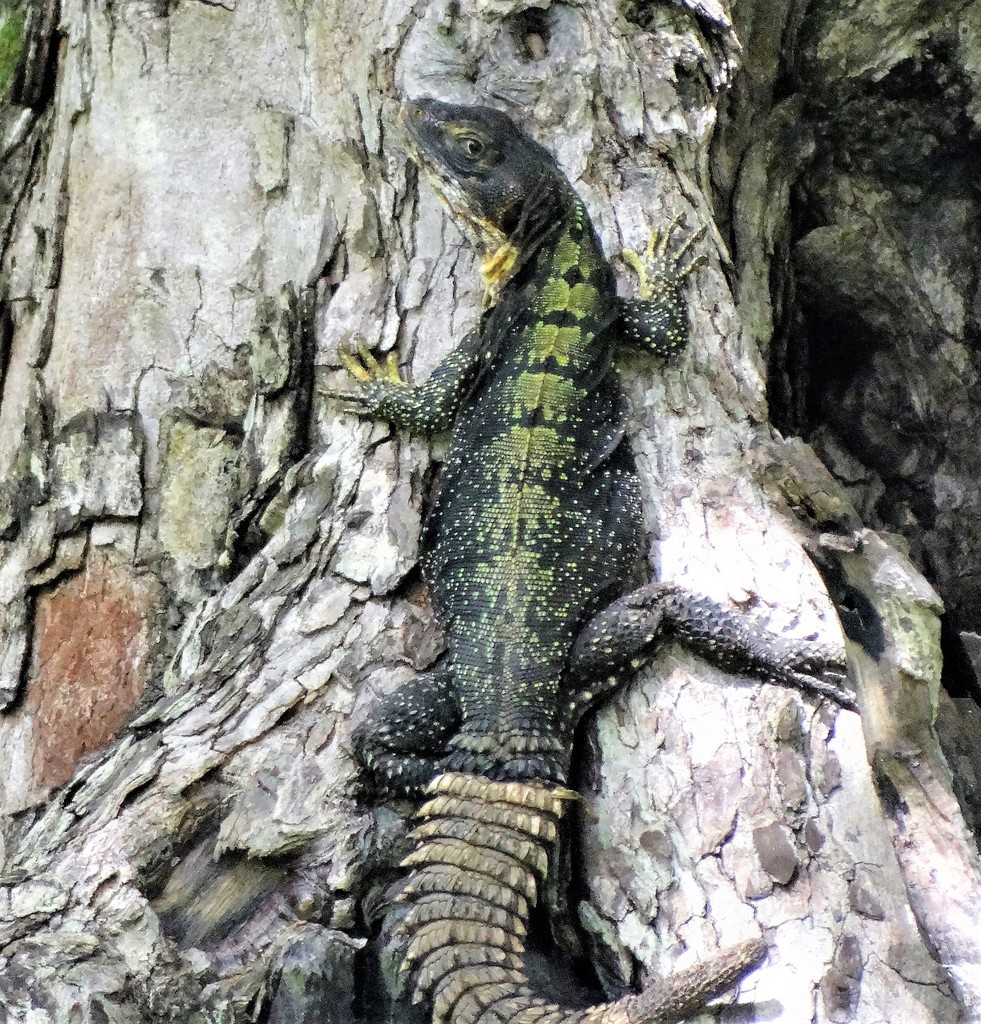
Ctenosaura
Iguana (Iguanidae)
large arboreal. Neotropical. laterally compressed body. dorsal spines. well-developed dewlap.
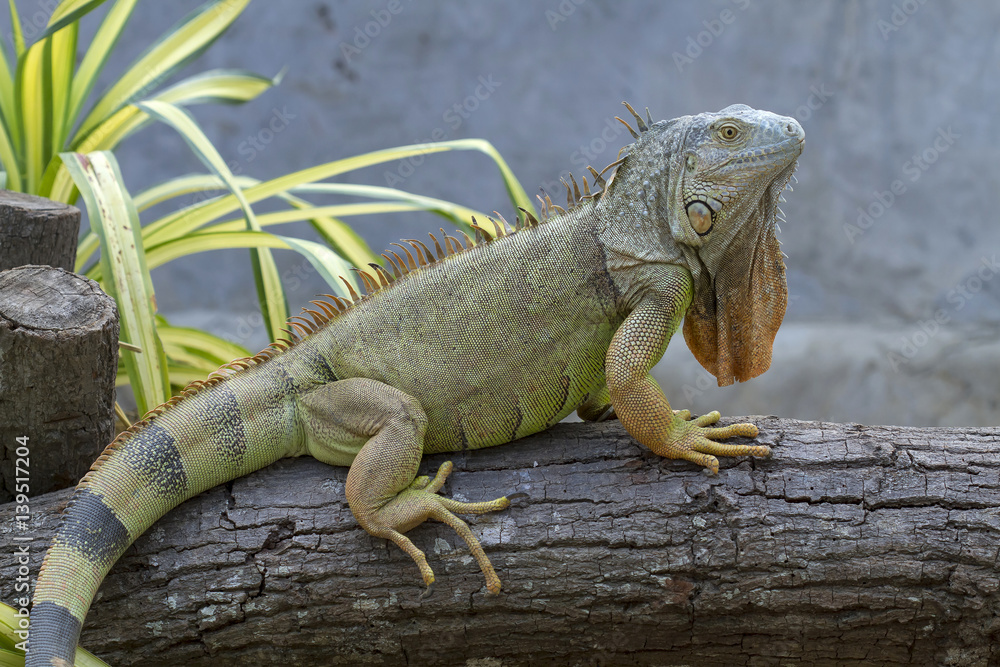
Iguana
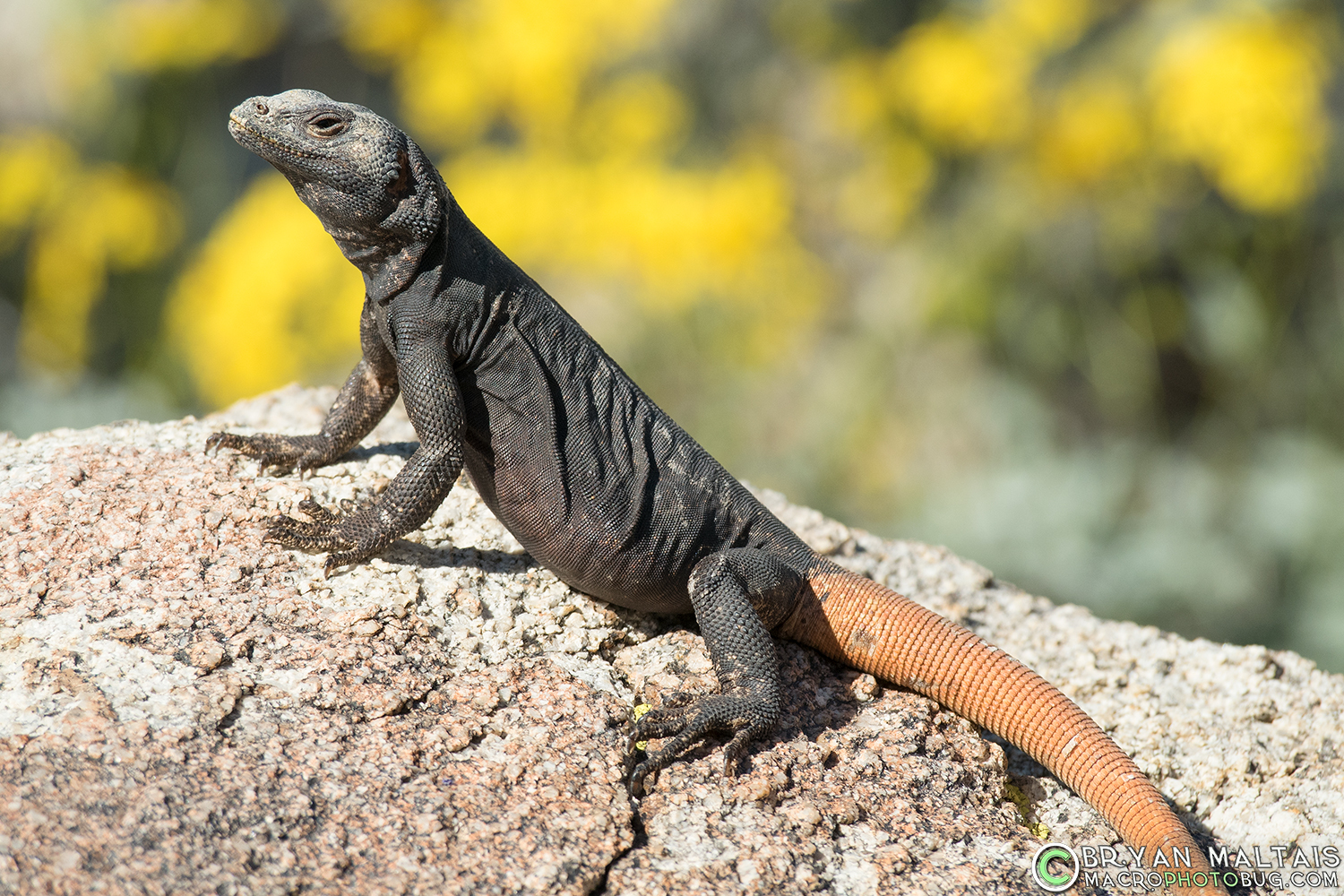
Sauromalus (Iguanidae)
chuckwallas. Arid regions of SW US and Northern Mexico. broad, flattened bodies and loose skin folds for thermoregulation.
Sauromalus
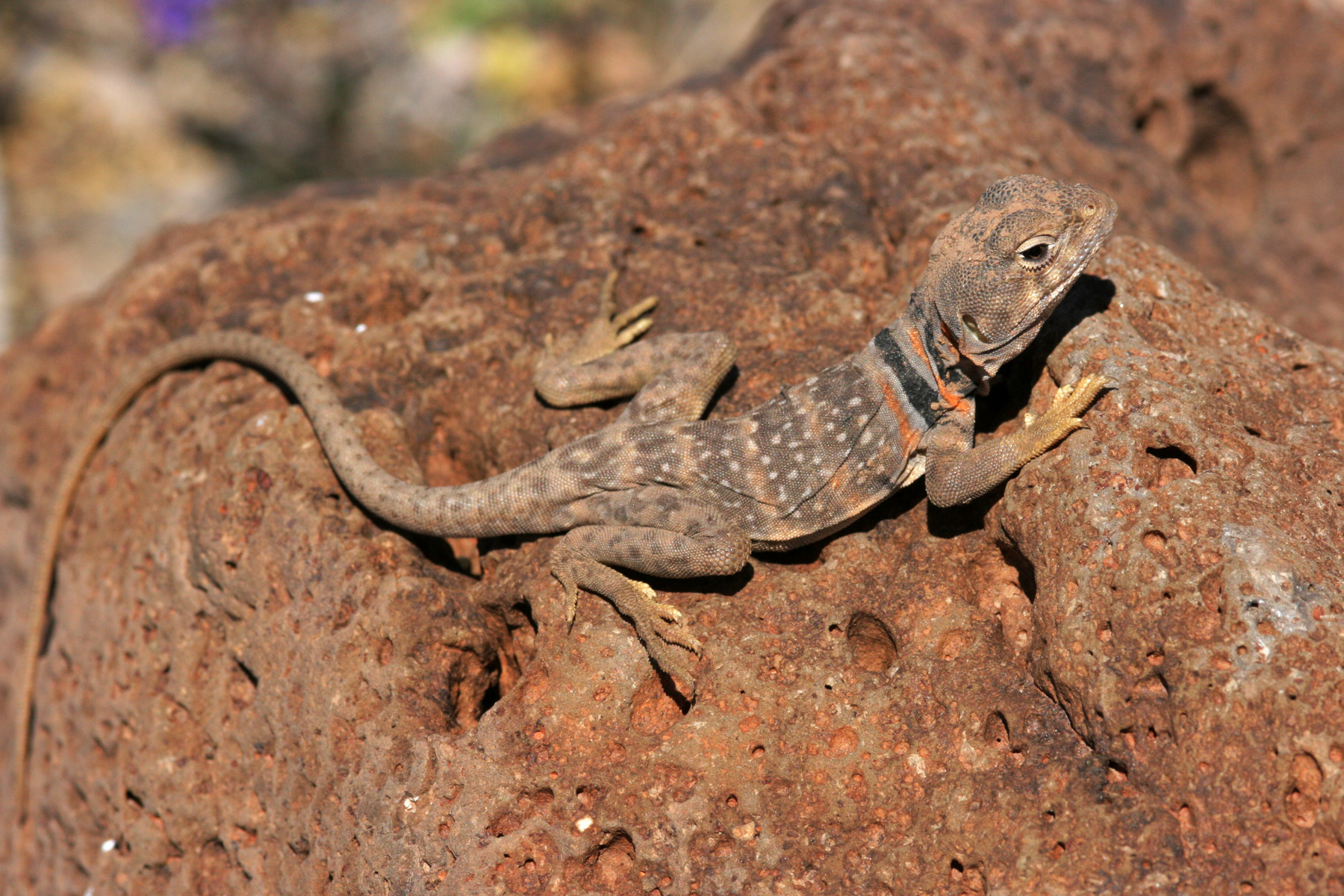
Crotaphylidae
large, blocky head. powerful jaw. very long, thin tail. Dark colored neck band. Dry, open habitats. Terrestrial found primarily in arid regions of Western NA.
Crotaphylidae
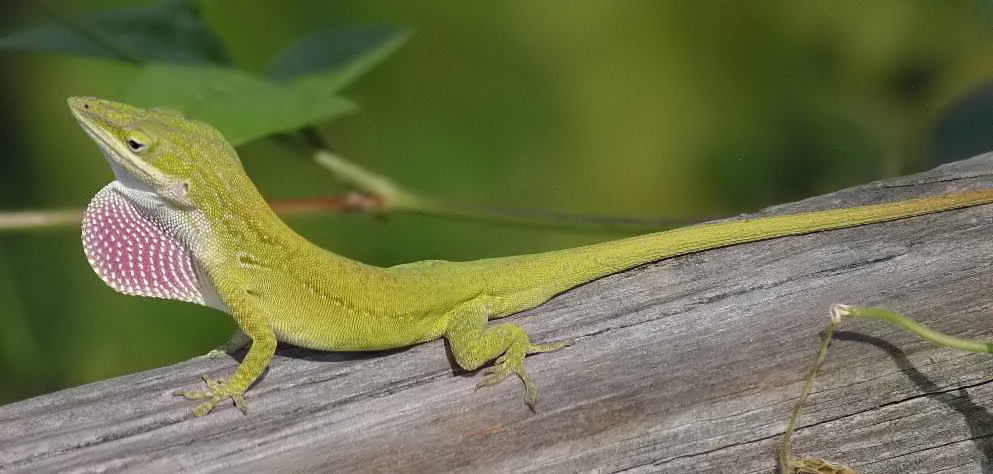
Dactyloidae
Anoles. (Anolis) Found in the Caribbean, Central America and parts of South America. Adhesive toe pads, slender body and long tail, moveable eyelids and a well-developed dewlap.
Dactyloidae
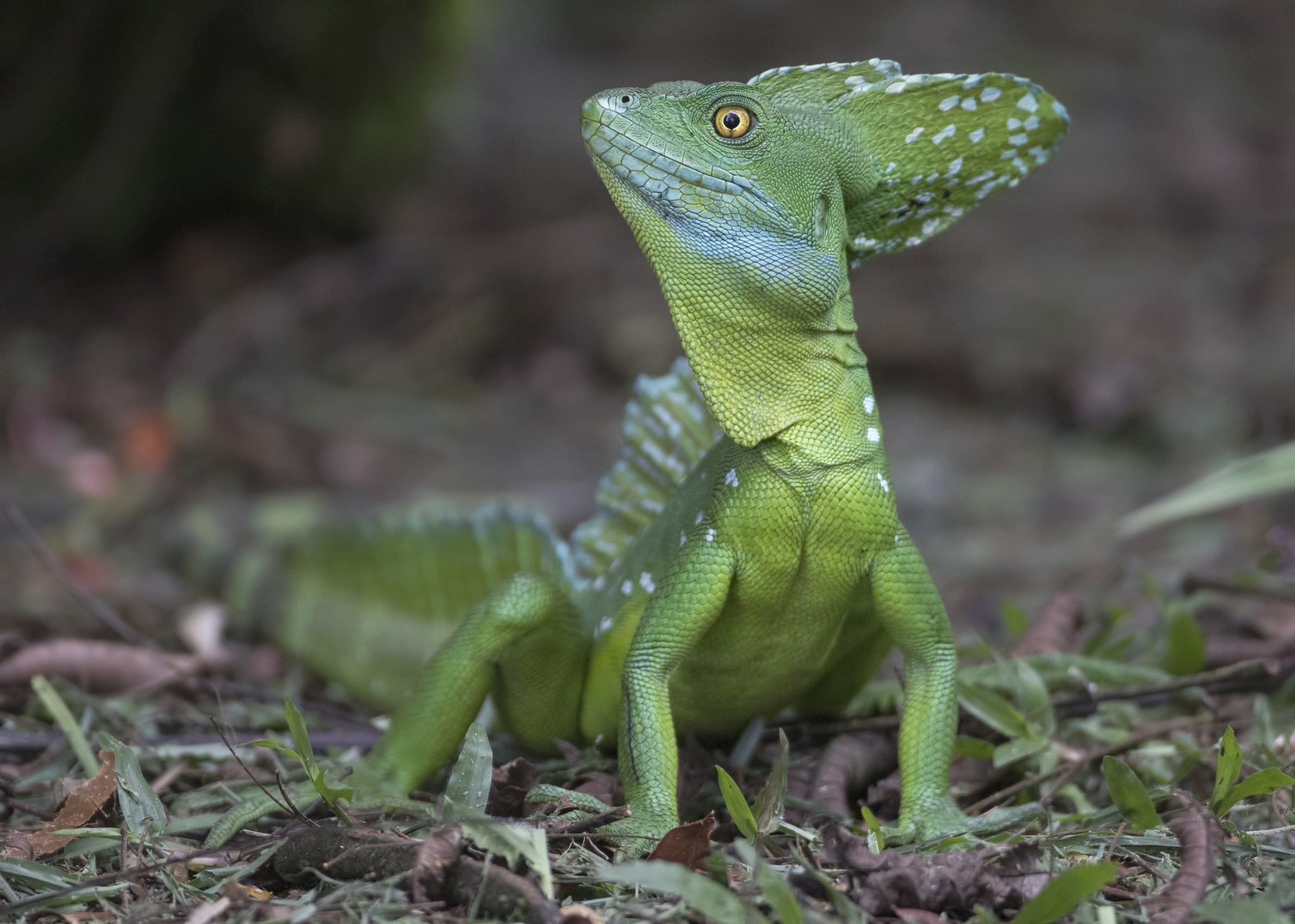
Corytophanidae
laterally compressed body. Cranial crest or “crown”. well-developed claws for climbing. Arboreal or semi-arboreal. Found in Central America and Mexico.
Corytophanidae
Phrynosoma (phrynosomatidae)
horned lizards. stoud, dorsoventrally flattened lizards. Arid and semiarid regions of North America.
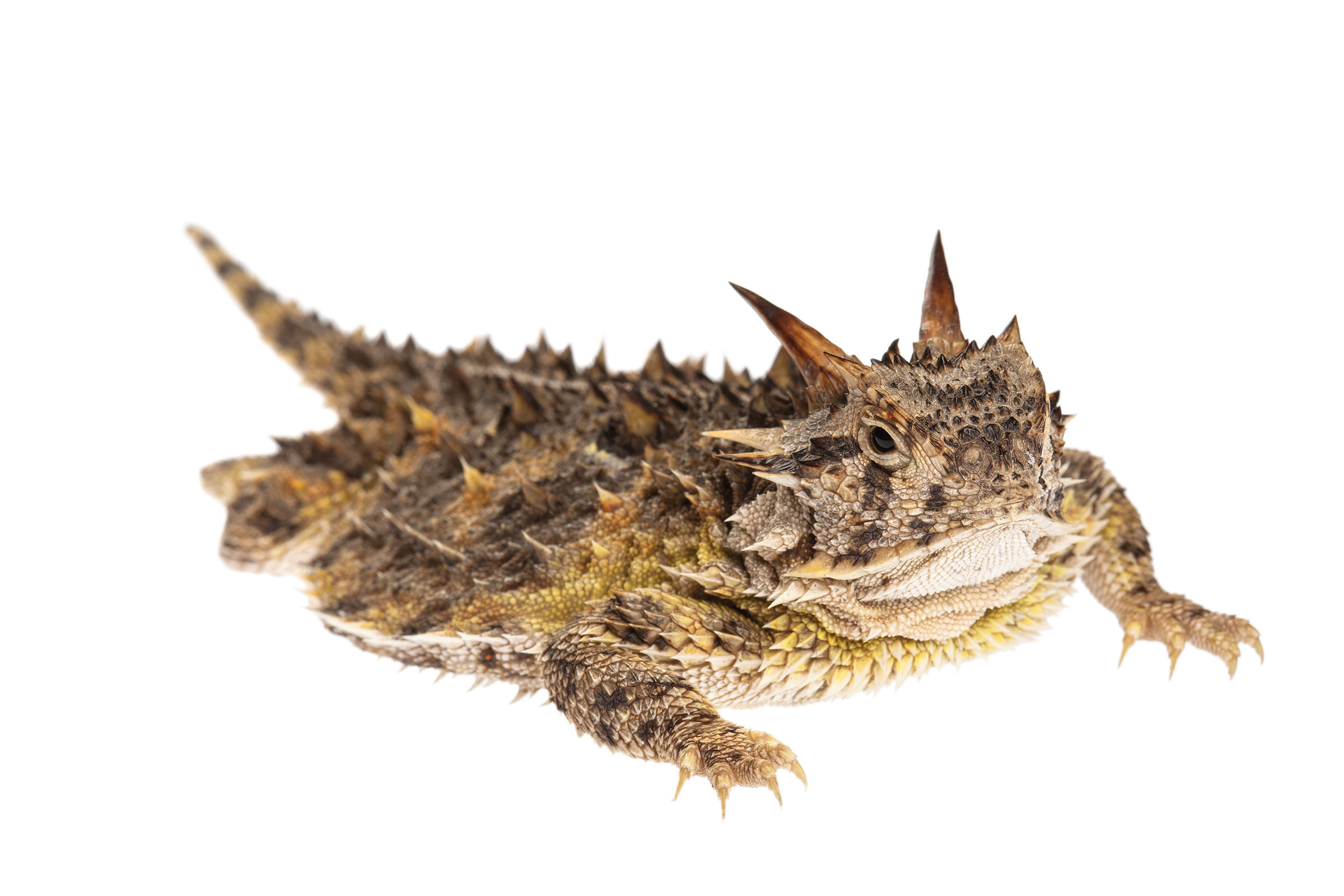
Phrynosoma
Sceloporus (Phrynosomatidae)
spiny lizards or fence lizards. spiny dorsal scale. males have bright blue ventral patches used in territorial and courtship displays. Found in North and Central America.
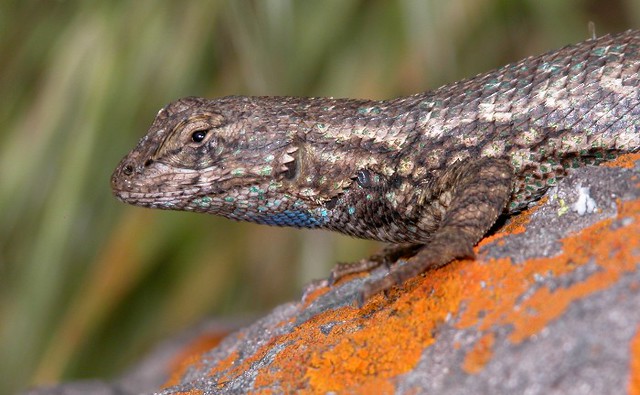
Sceloporus
Uta (Phrynosomatidae)
small, ground-dwelling lizards. granular dorsal scales. distinctive dark blotch just behind the forelimb.
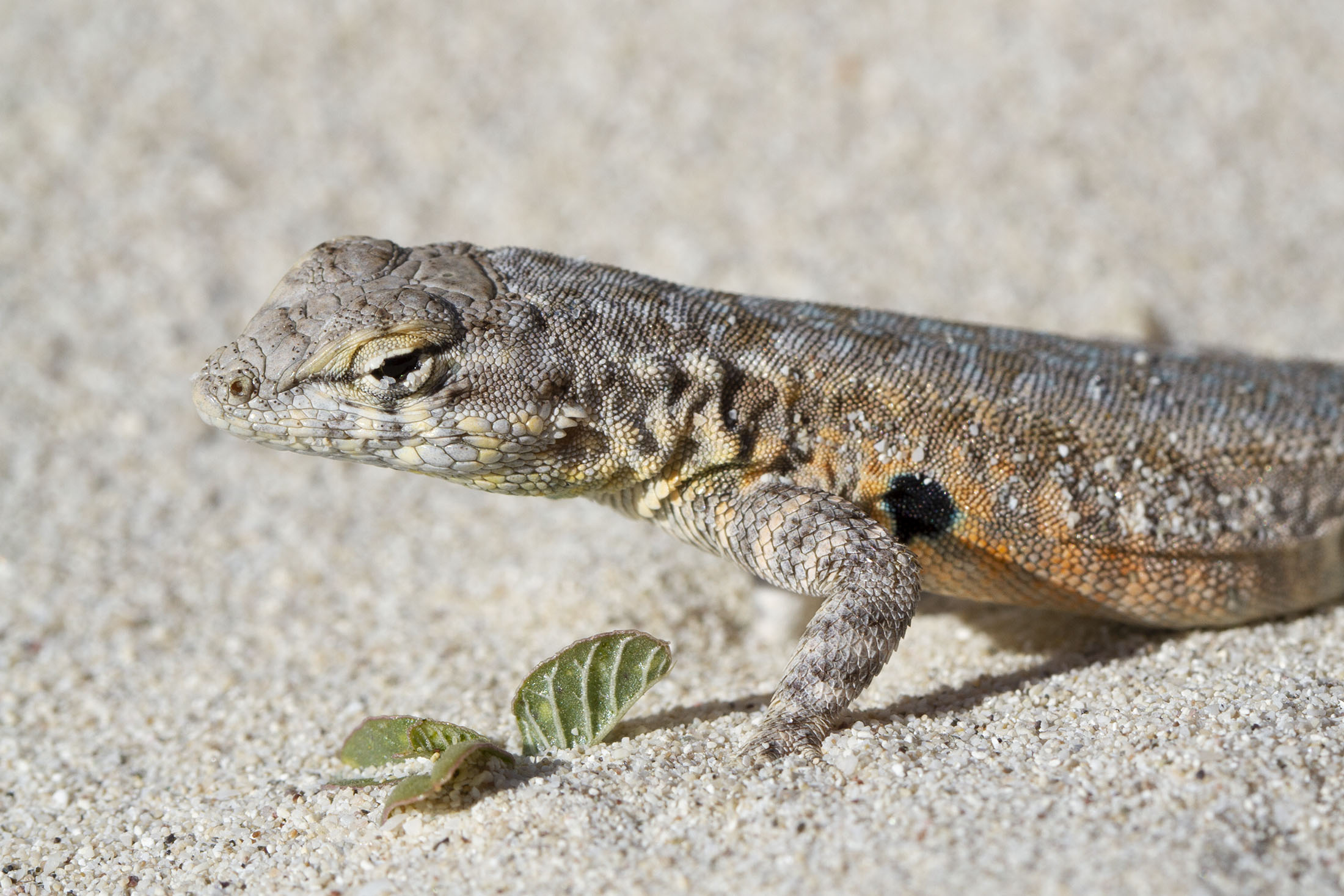
Uta
Holbrookia (Phryonosomatidae)
earless lizards, but do possess ear openings. cryptic dorsal coloration. often have bold, black and white ventral coloration.
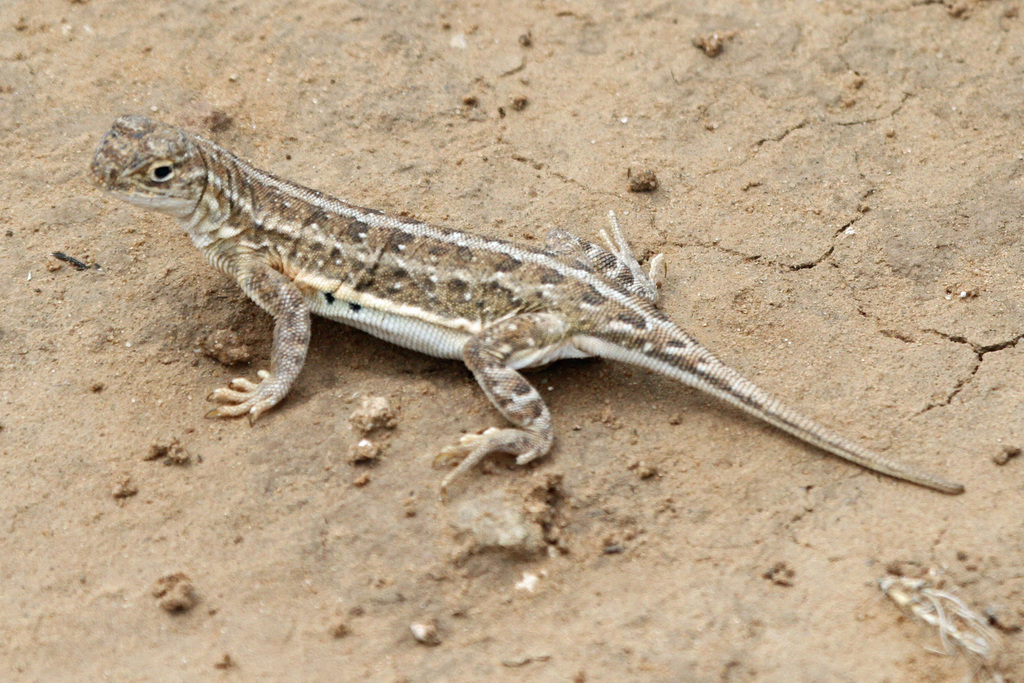
Holbrookia
Uma (Phrynosomatidae)
fringe-toed lizards. aid in locomotion on loose sand. pale, cryptic coloration.
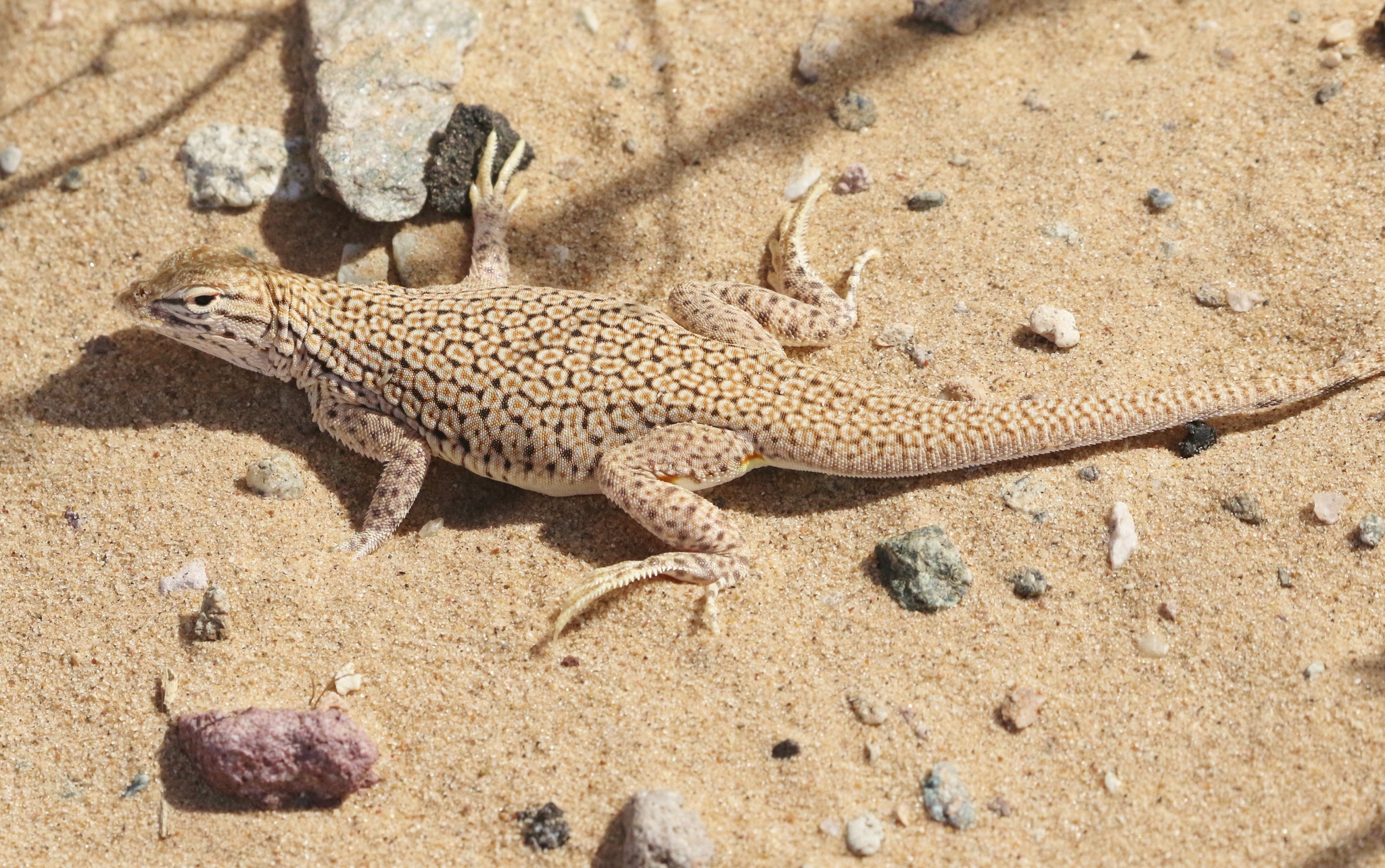
Uma
Cophosaurus
zebra-tailed lizards. live primarily in arid regions in Southwestern US and Northwestern Mexico.
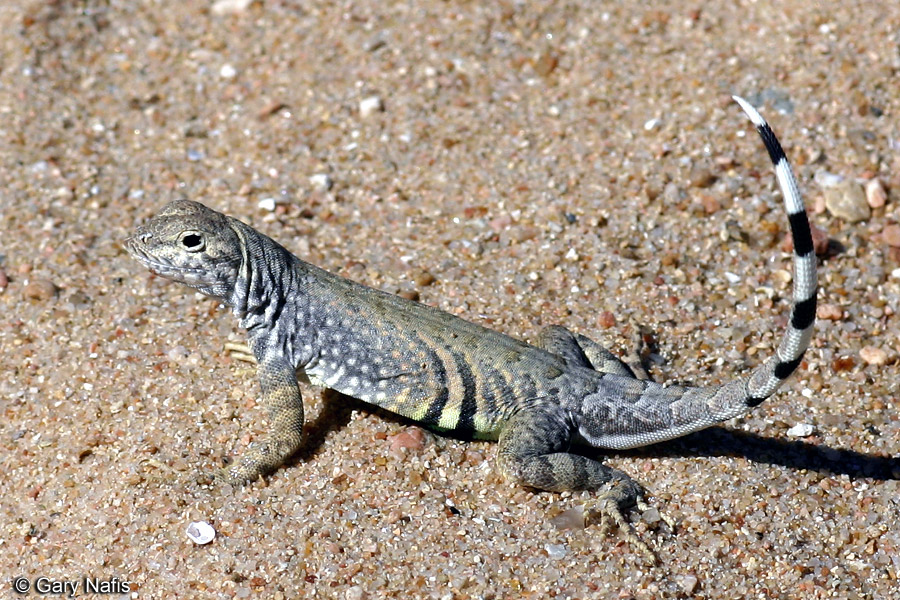
Cophosaurus
Pythonidae
patterns and scales are symmetrical on the head. Pelvic spurs from remnants of hind limbs. Two functional lungs. Shivering thermogenesis due to being egg layers. Head scales are wider than body. Heat sensing pits on upper and lower lips.
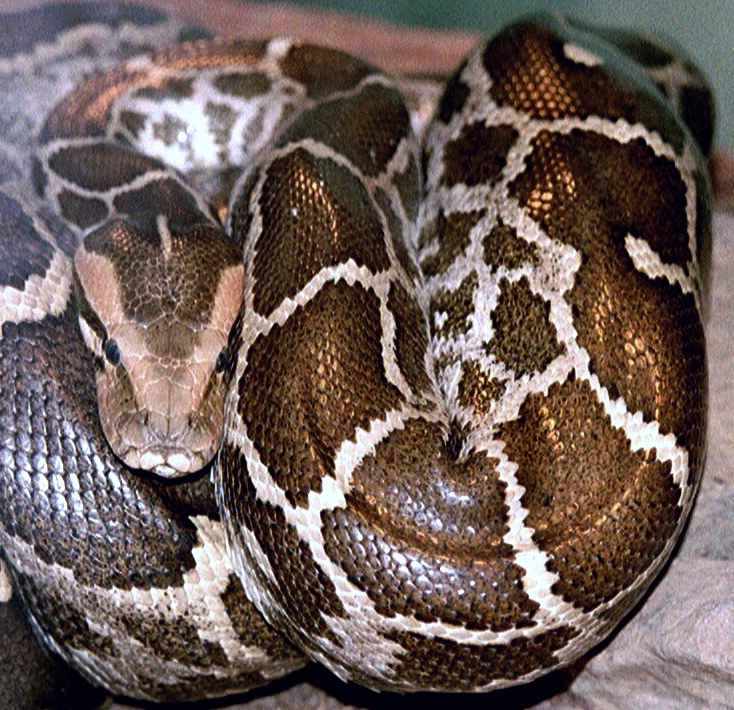
Pythonidae
Boidae
Head scale pattern is similar to the body. Almost looks like they have brow bones. Born fully developed.
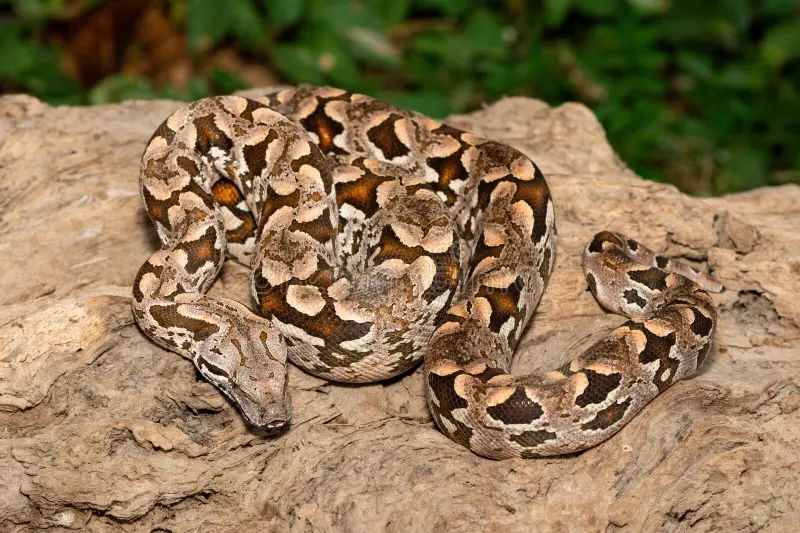
Boidae
Viperidae
Vertical pupils.Long, rotating fangs that remain folded against the roof of mouth when not in use. Triangular heads. Infrared receptors. Keeled scales.
Lachesis (Viperidae)
Bushmasters. Southern Mexico to South America. Scales can vibrate in defensive displays. Terrestrial. Oviparous (egg layers).
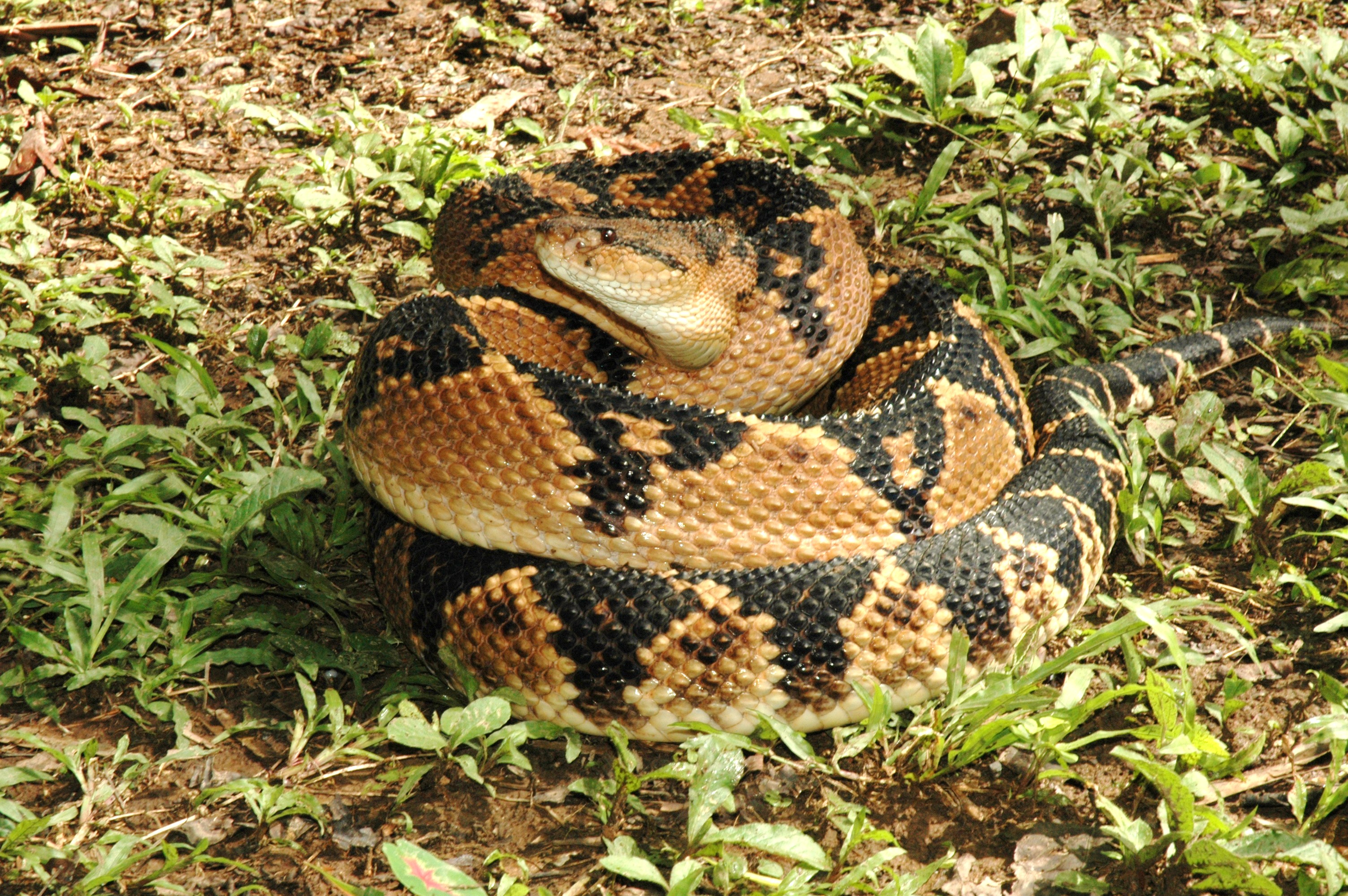
Lachesis
Agkistrodon (Viperidae)
copperheads and cottonmouths. terrestrial to semi-aquatic. cryptic coloration that allows for camouflaging.
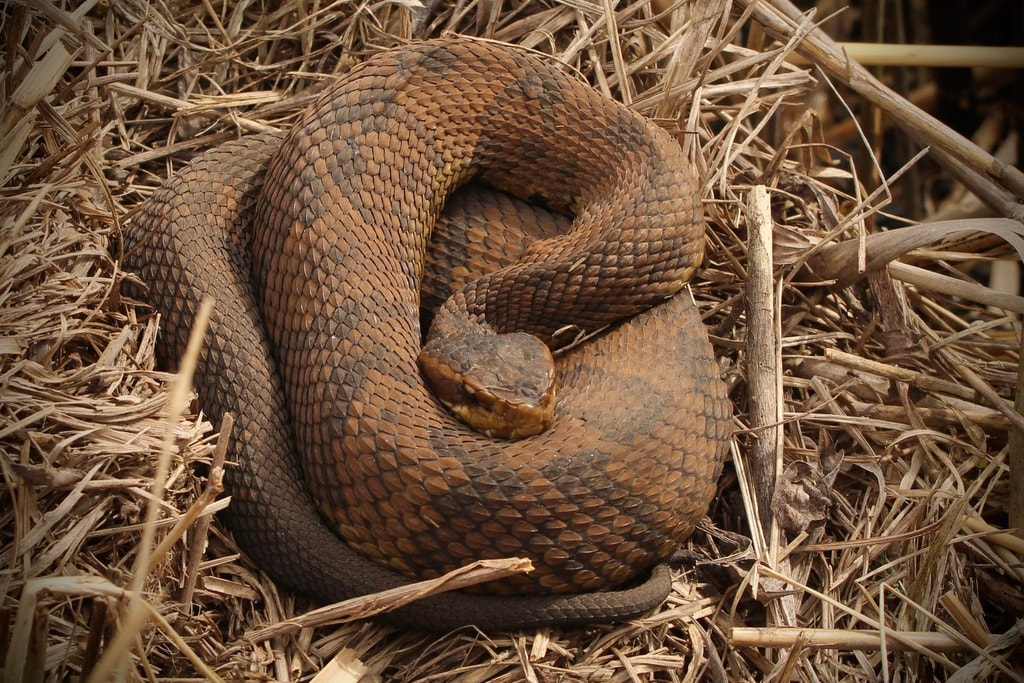
Agkistrodon
Bothrops (Viperidae)
lanceheads. lowland rainforests to savannas and agricultural landscapes. Most are terrestrial. Ambush predators.
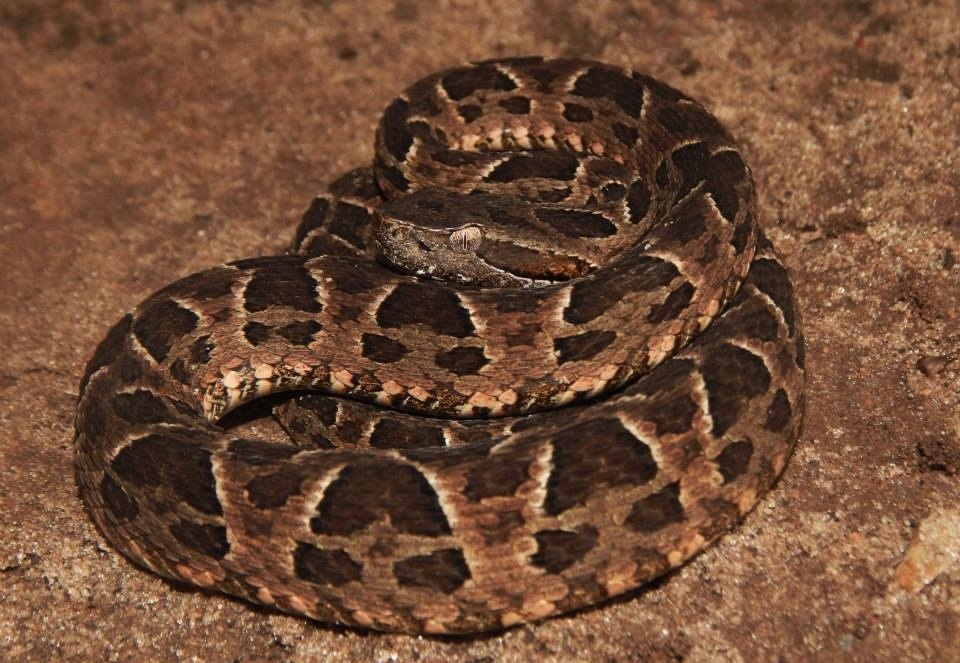
Bothrops
Elapidae
front fixed fangs. Small, rounded heads. smooth scales. very venomous!! cobras, taipans, kraits, etc.
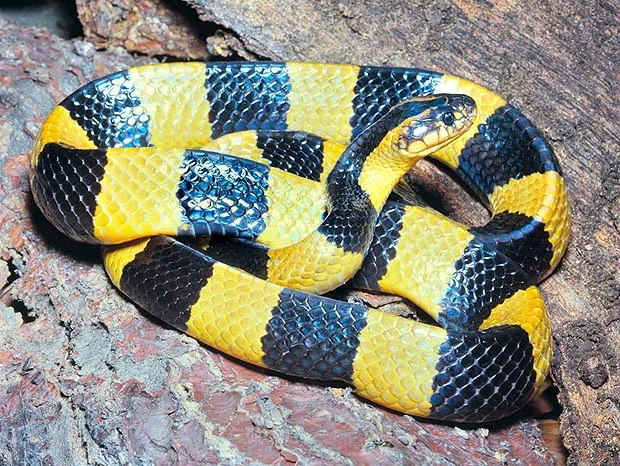
Elapidae
Colubridae
no front fangs. mostly non-venomous. large, rounded eyes with smooth scales. rear fanged.
Farancia (Colubridae)
aquatic with glossy scales. Bright red and yellow markings with a dark background.
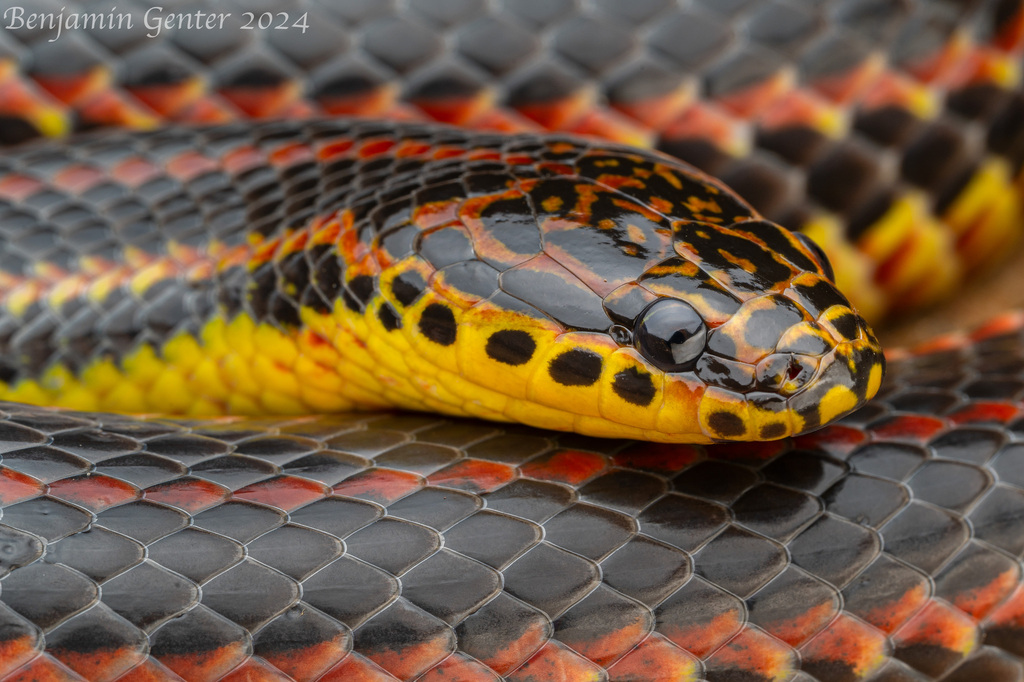
Farancia
Imantodes (Colubridae)
blunt headed tree snake. large eyes with a skinny, slender body.
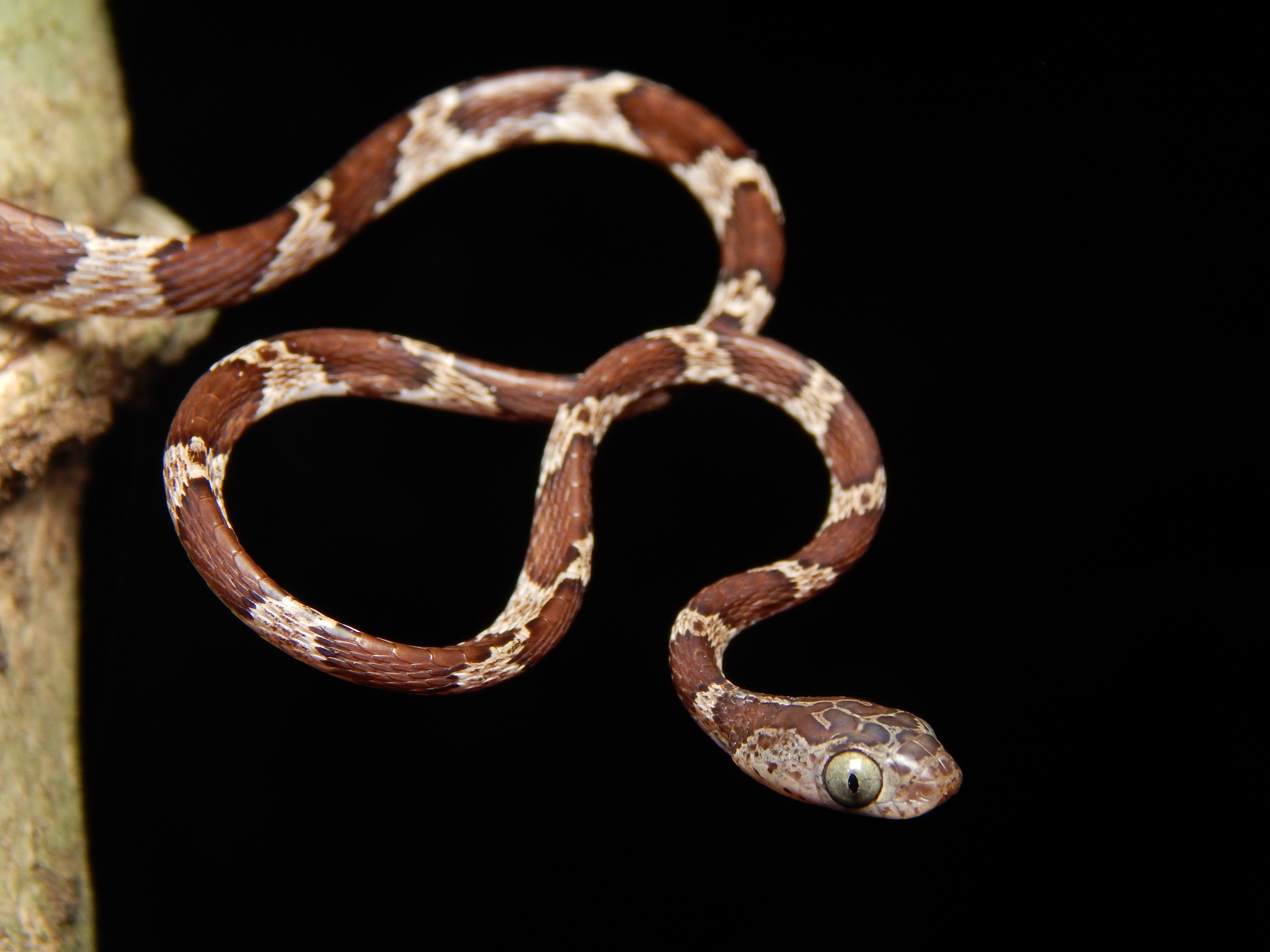
Imantodes
Oxybelis
tree/vine snakes. Slender, pointed faces.
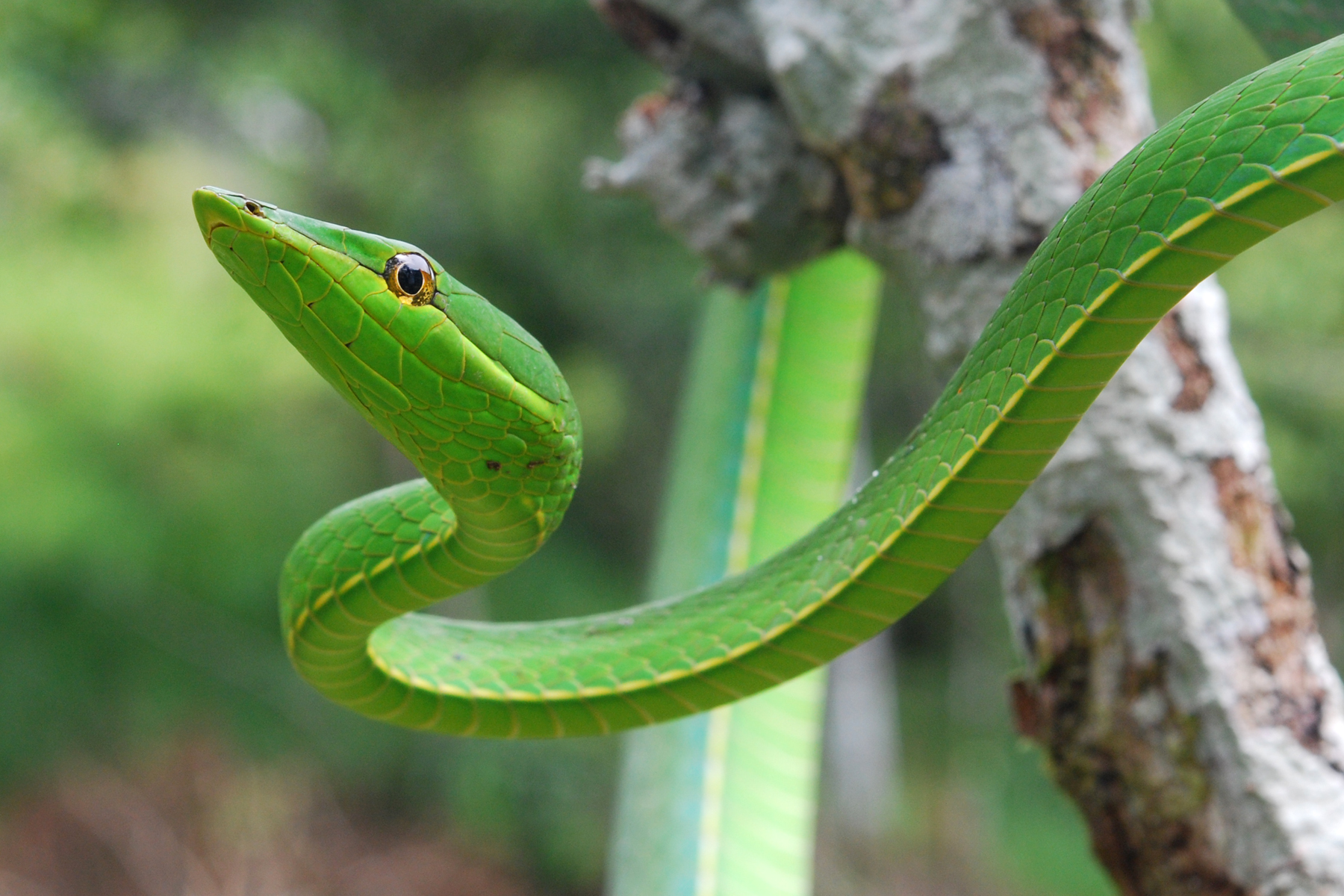
Oxybelis
Drymarchon (Colubridae)
indigo snakes. Native to southeast US. Black/dark in color.
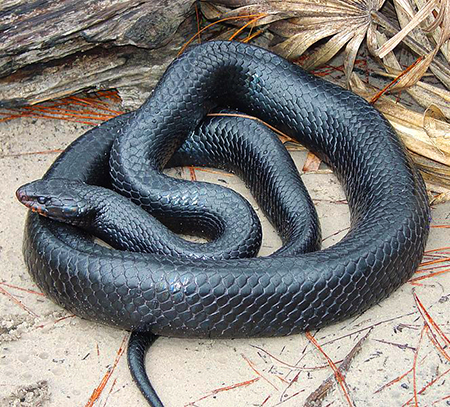
Drymarchon

