Unit 3 AP precalculus
 Studied by 5 people
 Call Kai
 Learn
Learn Practice Test
 Spaced Repetition
 Match
Match Flashcards
 Knowt Play
1/20

There's no tags or description
Looks like no tags are added yet.
Name | Mastery | Learn | Test | Matching | Spaced | Call with Kai |
|---|
No analytics yet
Send a link to your students to track their progress
21 Terms
Sin²x + cos²x =
1
Sin(α ± β) =
sin(α)cos(β) ± cos(α)sin(β)
Sin(2θ) =
2sin(θ)cos(θ)
Cos(2θ) =
Cos²(θ) - sin²(θ)
Cos(π/2 - θ) or Cos(θ - π/2) =
Sin(θ)
sin(-θ) =
-sin(θ)
Cos(-θ) =
Cos(θ)
cos (a ± B) =
cos (a)cos(ß) -(±) sin(a)sin(B)
how to express complex numbers with polar coordinate (r,θ)
rCos(θ) + iSin(θ)
sin(π/3)
√3/2
cos(π/3)
1/2
Formula for angle in radians
(Arc length)/radius
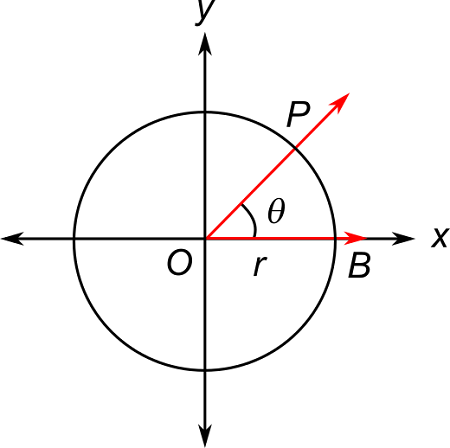
Sin(θ) is the ratio of
The vertical displacement of P from the x-axis to the distance between the origin and point P
Cos(θ) is the ratio of
The horizontal displacement of P from the y-axis to the distance between point P and the origin
Given an angle in standard position the tangent of the angle is the same as
The slope of the terminal ray
Cos(θ) in terms of sin(θ)
Sin(θ + π/2)
Sin(θ) is even or odd
odd
Cos(θ) even or odd
Even
Range of secant and cosecant
(-oo, -1] U [1, oo)
arcsinx in terms of arcos
arcos(√(1 - x²))
If a polar function is positive and decreasing or negative and increasing then
The distance between the function and the origin is decreasing
 Note
Note  Flashcards (82)