Exercise Physiology (Exam 2)
 Studied by 0 people
 Call Kai
 Learn
Learn Practice Test
 Spaced Repetition
 Match
Match Flashcards
 Knowt Play
1/40

There's no tags or description
Looks like no tags are added yet.
Name | Mastery | Learn | Test | Matching | Spaced | Call with Kai |
|---|
No analytics yet
Send a link to your students to track their progress
41 Terms
Exercise Intensity (chapter 1…)
What is the difference between absolute and relative exercise intensity, and why does it matter for muscle fiber recruitment?
Absolute intensity = the external workload or speed performed (same weight, same pace, same power output for everyone).
• Example: running at 10 mph or lifting 100 lb
• Does not account for individual fitnessRelative intensity = how hard that workload is relative to an individual’s max capacity (%VO₂max, %HRmax, %1RM).
• Example: 75–80% VO₂max or 80% 1RM
• Determines muscle fiber recruitmentAt the same absolute intensity, individuals may recruit different fibers.
At the same relative intensity, fiber recruitment is similar:
• Low relative intensity → Type I (slow-twitch)
• High relative intensity → Type II (fast-twitch)
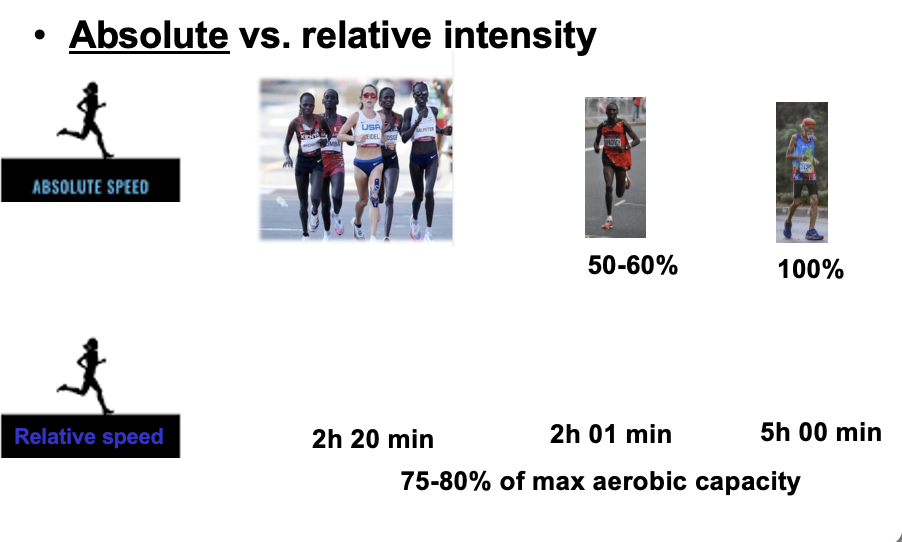
Why does the same speed represent absolute intensity but not relative intensity?
Same speed = absolute intensity because the external workload is identical for everyone.
Relative intensity depends on the individual’s max capacity.
• The same speed can be a low %VO₂max for a trained athlete
• The same speed can be a high %VO₂max for an untrained personResult:
• Fiber recruitment differs at the same absolute speed
• Fiber recruitment is similar only at the same relative intensity
We exercise at relative intensity…
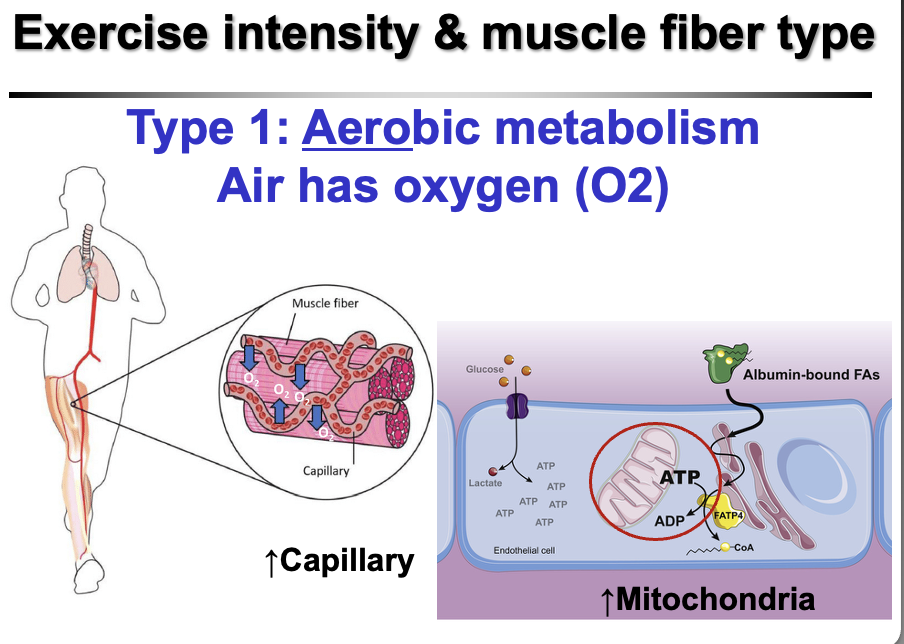
What metabolic characteristic do Type I (slow-twitch) muscle fibers use?
Aerobic (oxidative) metabolism
• Uses oxygen (O₂) to produce ATP
• ATP generated in the mitochondria
• High mitochondrial density, capillary density, and myoglobin
• Supports long-duration, low-intensity (endurance) activities
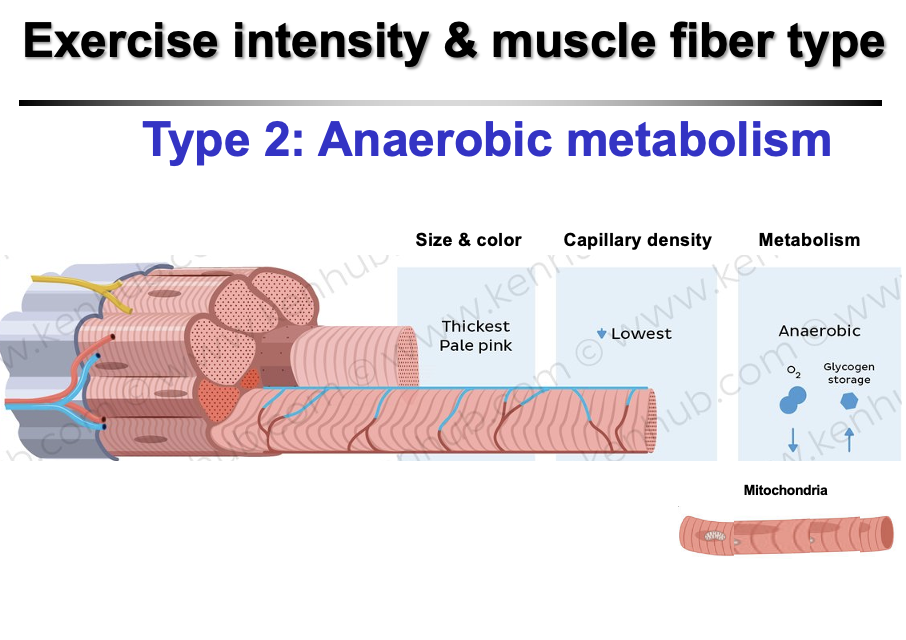
What metabolic characteristic do Type II (fast-twitch) muscle fibers use?
Anaerobic metabolism
• Produces ATP without oxygen
• Relies on glycolysis and phosphocreatine (ATP-PC system)
• Low mitochondrial and capillary density
• High glycogen storage
• Supports high-intensity, explosive, short-duration activities
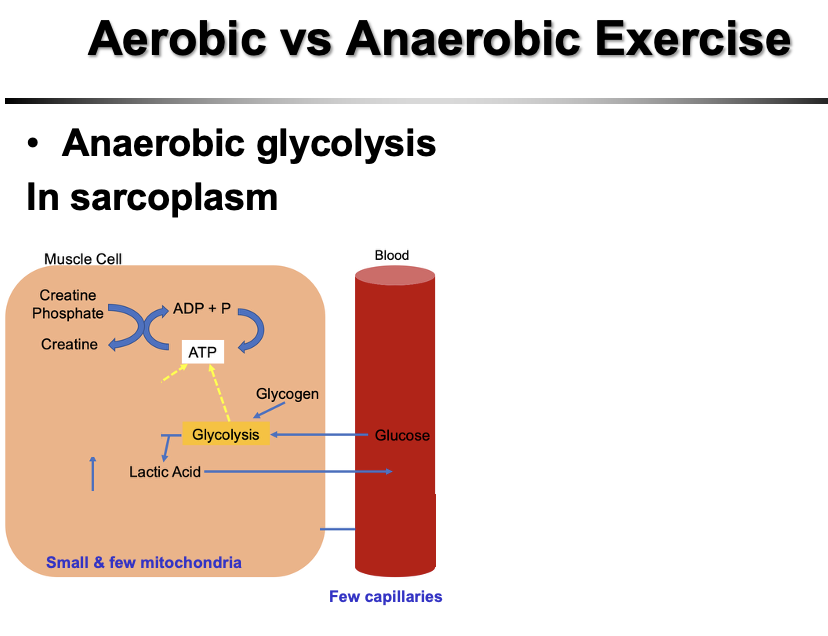
Where does anaerobic glycolysis occur, and what are its key features?
Anaerobic glycolysis occurs in the sarcoplasm (cytosol)
• Does not require oxygen
• Uses glucose/glycogen to rapidly produce ATP
• Produces lactate (lactic acid)
• Supported by few capillaries and small/few mitochondria
• Primary energy system for Type II (fast-twitch) fibers during high-intensity, short-duration exercise
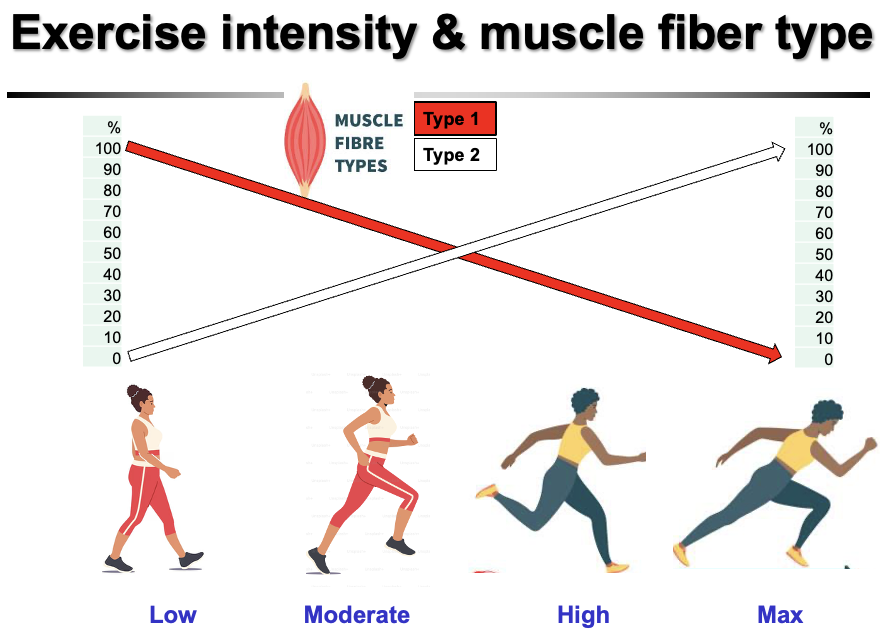
How does exercise intensity determine muscle fiber type recruitment?
• Low–moderate intensity (aerobic) → primarily Type I (slow-twitch) fibers
• High intensity → mixture of Type I and Type II fibers
• Maximal intensity → primarily Type II (fast-twitch) fibers
As exercise intensity increases, recruitment shifts from Type I → Type II fibers to meet higher force and power demands.
What is VO₂ max and what does it measure?
VO₂ max is the maximum amount of oxygen the body can consume and use during intense exercise.
• Indicator of cardiorespiratory (cardiopulmonary) fitness
• Reflects aerobic capacity
• Higher VO₂ max = greater ability to sustain aerobic exercise
What is 1-repetition maximum (1RM) and what does it measure?
1RM is the maximum amount of weight that can be lifted for one repetition.
• Measure of muscular strength
• Represents the maximum force produced in a single maximal contraction
How is exercise training intensity determined using HR max, and how does this relate to absolute vs relative intensity?
HR max estimates maximal heart rate:
HR max = 220 − age
Relative intensity is prescribed as a percentage of HR max (or HR reserve).
• Common training zone: 60–70% HR max
• Reflects how hard the exercise is relative to the individual
Example:
Age 20 → HR max = 200 bpm
• 60% = 120 bpm
• 70% = 140 bpm
Key distinction:
• Absolute intensity = same workload or speed
• Relative intensity = %HR max (accounts for fitness level)
What is the difference between absolute intensity and relative intensity in exercise?
Absolute intensity = the energy (ATP) required to perform an activity.
• Same workload for everyone (same speed, pace, or power)
• Does not account for individual fitness
Relative intensity = how hard the activity feels relative to an individual’s maximum aerobic capacity.
• Expressed as %HR max or %VO₂max
• Accounts for fitness level
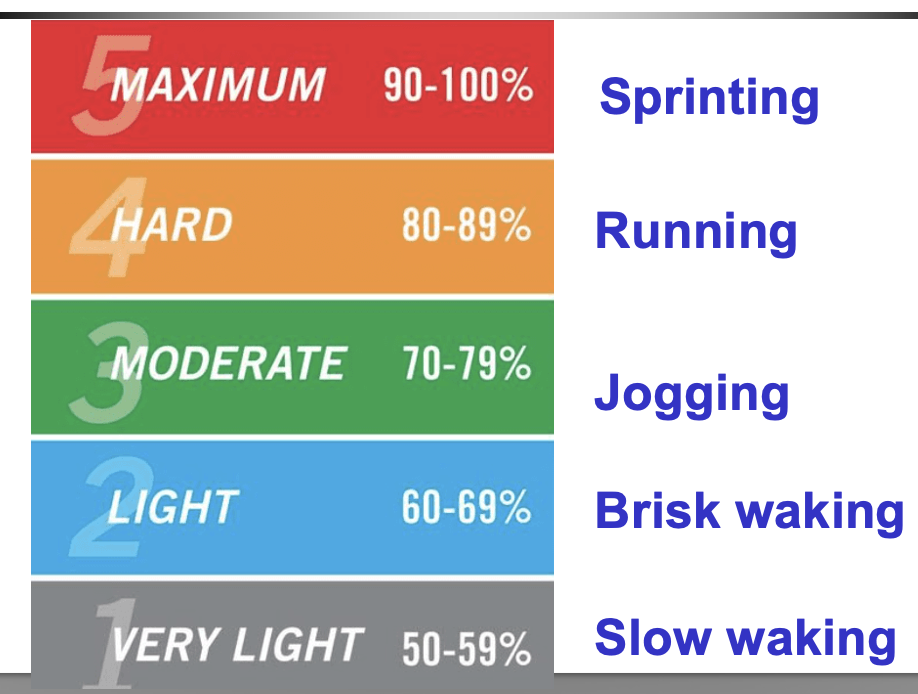
Examples (relative intensity):
• 50–59% → slow walking
• 60–69% → brisk walking
• 70–79% → jogging
• 80–89% → running
• 90–100% → sprinting
Basic Energy Metabolism (Chapter 2...)
What is metabolism?
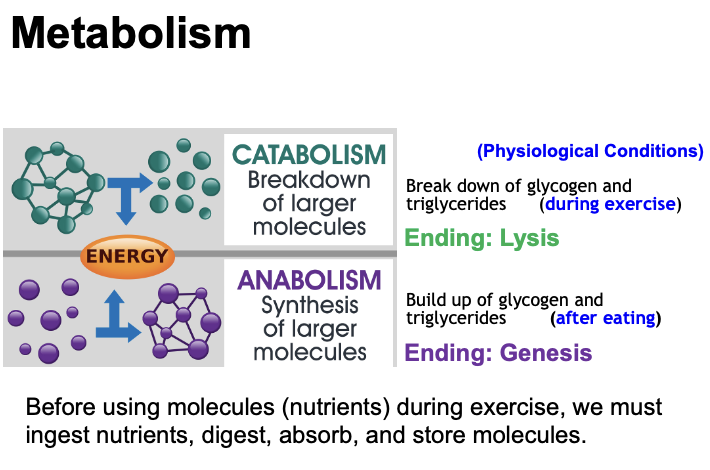
Metabolism is the sum of all chemical reactions in cells that convert food into energy and structural components needed for essential functions like movement and maintaining cellular function.
It includes:
Catabolism – breaking down molecules
Anabolism (2 hours after eating) – building up molecules
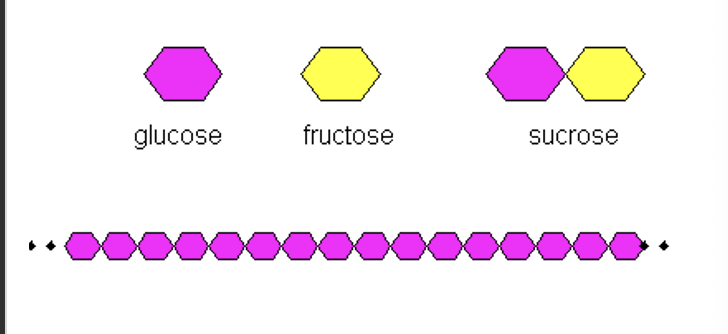
Polysaccharides, monosaccharides, disaccharides
glucose and fructose - monosaccharides
sucrose - disaccharides
ONLY FREE MOLECULES can be digested (free amino acid, free glucose, Free triacylglyceride)
Why is glucose the only nutrient shown that is immediately ready for absorption?
Energy is stored in the chemical bonds of nutrient molecules.
Glucose is immediately ready for absorption because it is a simple nutrient (a monosaccharide) and does not require further digestion before entering the bloodstream.
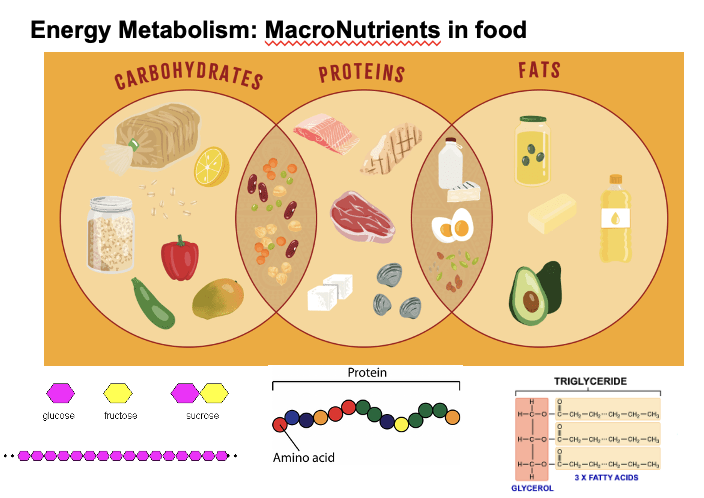
Where does digestion of carbohydrates, proteins, and fats occur, and what are the simple nutrients absorbed?
Carbohydrates:
• Mouth – amylase
• Duodenum – amylaseProteins:
• Stomach – pepsin
• Duodenum – trypsinFats:
• Duodenum – lipaseSimple nutrients (basic building blocks):
• Glucose
• Amino acids
• Free fatty acids
These are readily absorbed in the small intestine (mainly the ileum).
Starch = polysacharide
How do enzymes function as biological catalysts?
Enzymes are biological catalysts (usually proteins) that speed up chemical reactions.
They work by:
• Binding a specific substrate at the active site
• Forming a temporary enzyme–substrate complex
• Converting the substrate into a product
• Releasing the product while the enzyme remains unchanged and reusable
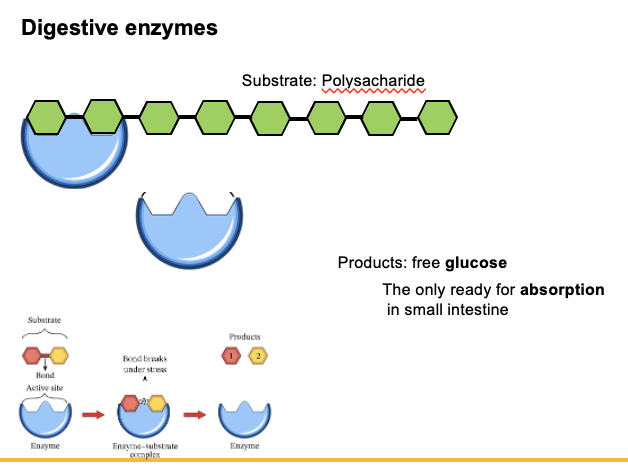
How are carbohydrates digested and absorbed?
Polysaccharides (starch, glycogen) are broken down by pancreatic amylase into smaller sugars.
Disaccharides (lactose, maltose, sucrose) are digested by brush border disaccharidases.
Final product: single glucose (monosaccharide).Monosaccharides: glucose, fructose
Disaccharides: lactose, maltose, sucrose
Polysaccharides: starch, cellulose, glycogen
Single glucose is ready for absorption in the jejunum and ileum.
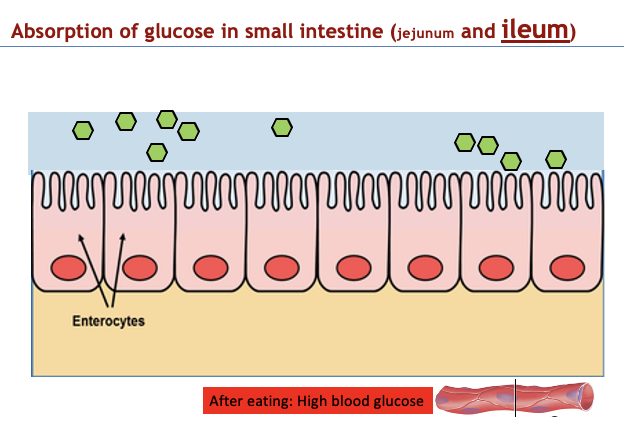
What is absorption?
movement (diffusion) of nutrients from the ileum to the capillaries
How are carbohydrates digested and absorbed into the blood?
Polysaccharides (starch) are digested by:
• Salivary amylase (mouth)
• Pancreatic amylase (small intestine)
They are broken down into monosaccharides (mainly glucose).
Only monosaccharides (e.g., glucose) are absorbed into the blood in the jejunum and ileum.
Absorption = movement (diffusion/transport) of glucose, amino acids, and fatty acids from the intestine into the bloodstream.
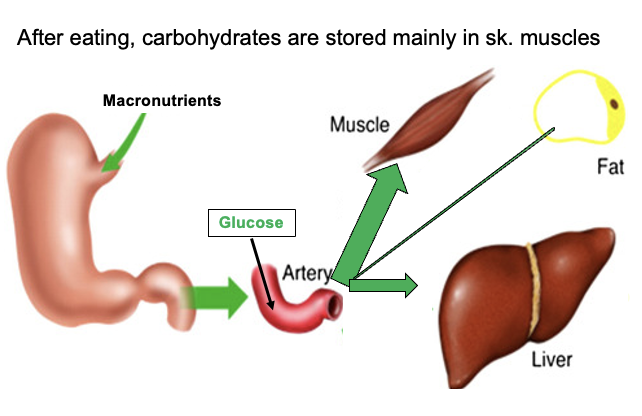
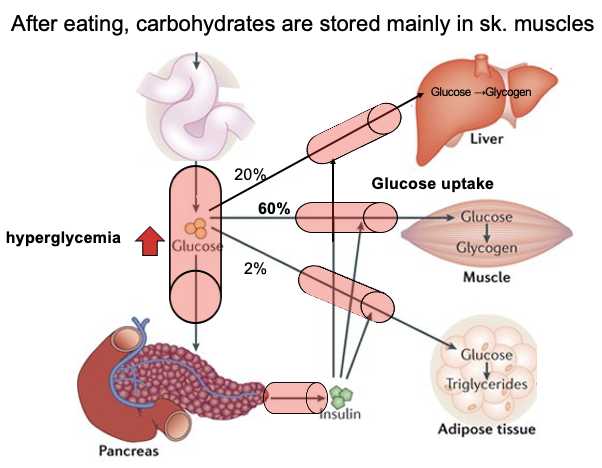
After a meal, where is most blood glucose stored?
After eating, most blood glucose is stored in skeletal muscle (as glycogen).
A smaller amount is stored in adipose tissue (fat cells).
Why should exercise be avoided 1–3 hours after eating if blood glucose is high?
After a meal, blood glucose rises (postprandial hyperglycemia).
If glucose levels remain high 1–3 hours after eating, exercise should be avoided because blood glucose is already elevated and the body is still in a storage (fed) state.It is better to exercise when blood glucose has returned closer to baseline.
What happens when blood glucose is high after a meal?
High blood glucose (hyperglycemia) stimulates insulin release from the pancreas.
Insulin promotes glucose uptake into cells via carrier proteins.
Distribution after a meal:
• ~60% stored in skeletal muscle (as glycogen)
• ~20% stored in liver
• Small amount (~2%) stored in adipose tissue
Glucose uptake is a tightly regulated process that transports glucose from blood into cells, mainly skeletal muscle and liver.
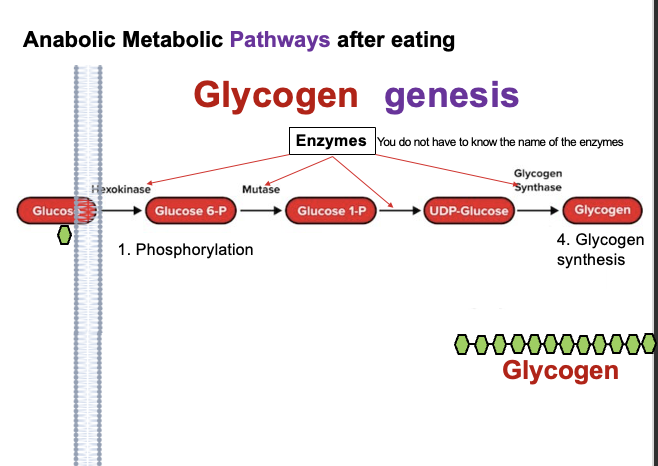
What is a metabolic pathway and what is glycogenesis?
A metabolic pathway is a linked, enzyme-catalyzed, step-by-step series of reactions in cells where the product of one reaction becomes the substrate for the next.
Glycogenesis is the anabolic process of converting glucose-6-phosphate into glycogen for storage.
Know for glycogen metabolism:
• First step of glycogenolysis
• Last step of glycogenolysis
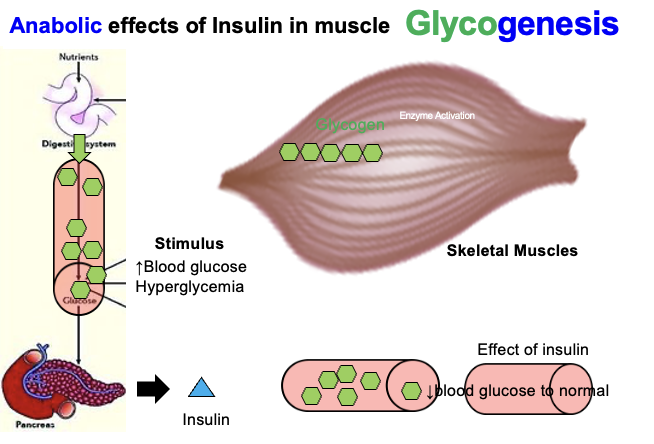
What happens to blood glucose after a meal in skeletal muscle?
After a meal, glucose absorbed from the jejunum and ileum increases blood glucose (hyperglycemia).
Hyperglycemia stimulates pancreatic β-cells to secrete insulin.
Insulin:
• Stimulates facilitated diffusion of glucose into muscle fibers
• Promotes glycogenesis (conversion of glucose to glycogen)
What happens to blood glucose in the liver after a meal?
After a meal, glucose absorbed from the jejunum and ileum increases blood glucose (hyperglycemia).
Hyperglycemia stimulates pancreatic β-cells to secrete insulin.
Insulin:
• Promotes glucose entry into liver cells (hepatocytes)
• Stimulates glycogenesis (conversion of glucose to glycogen)
Result:
Blood glucose returns to normal within 30–60 minutes after a meal.
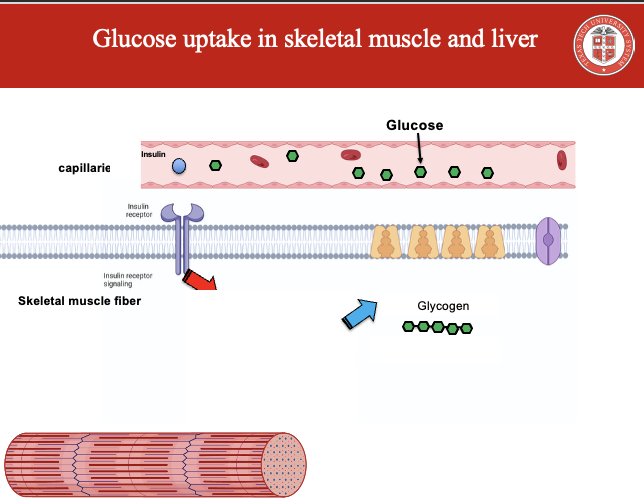
How does GLUT-4 mediate glucose uptake after a meal?
After eating, blood glucose rises → insulin is released.
Insulin binds to its receptor on skeletal muscle (and adipose) cells, triggering signaling that causes GLUT-4 transporters to move from intracellular vesicles (sarcoplasm) to the plasma membrane.
Once inserted into the membrane, GLUT-4 allows facilitated diffusion of glucose into the cell.
In skeletal muscle, the incoming glucose is stored as glycogen.
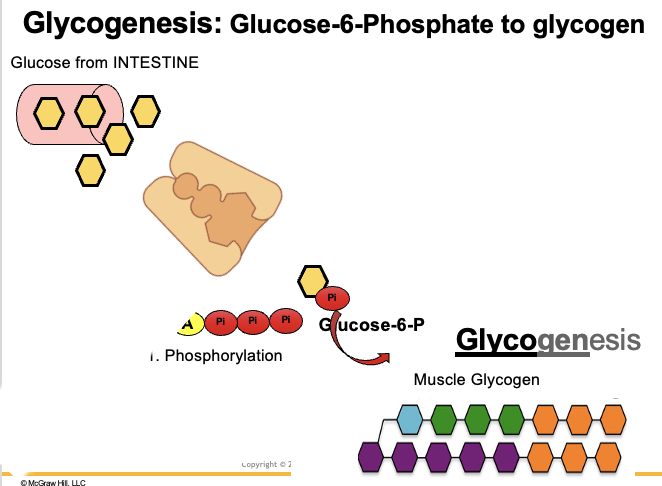
What are the key steps of glycogenesis after glucose enters the cell?
Glycogenesis = incorporation of glucose into glycogen after eating carbohydrates.
Step 1:
Glucose is phosphorylated to glucose-6-phosphate (G6P).
• Uses 1 ATP
• Catalyzed by hexokinase (muscle) or glucokinase (liver)
• Traps glucose inside the cell
Before glucose is added to glycogen, the phosphate group is removed.
Free glucose (without phosphate) is then incorporated into glycogen.
Why is glucose phosphorylated in the cytoplasm before being stored as glycogen?
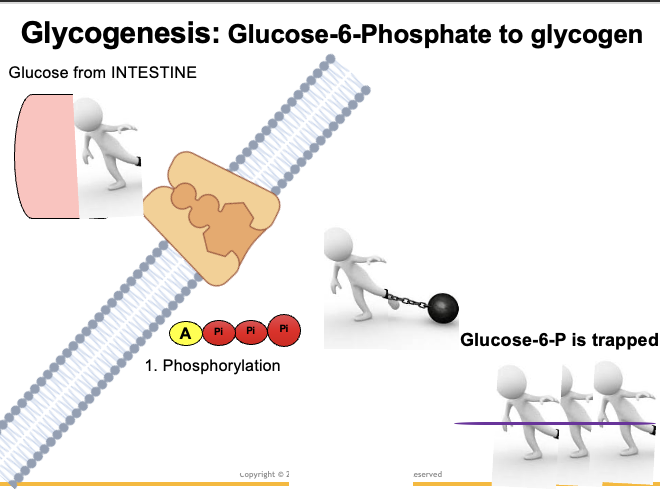
Glucose cannot remain free in the cytoplasm.
It is phosphorylated to glucose-6-phosphate (G6P), which:
• Traps glucose inside the cell
• Prevents it from diffusing back out
When glucose is incorporated into glycogen, the phosphate on carbon 6 is removed, and the glucose is added to the growing glycogen chain.
What is glycogen and where is it stored?
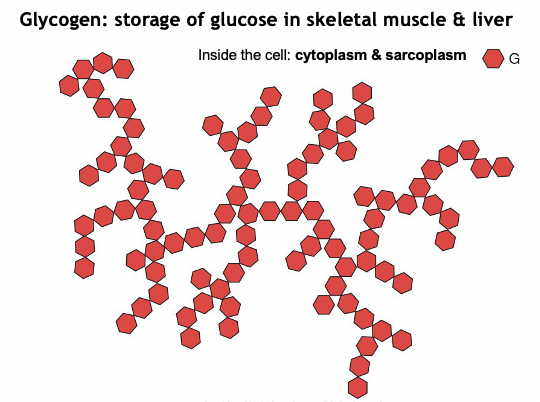
Glycogen is the main storage form of glucose.
It is stored primarily in:
• Skeletal muscle
• Liver
Inside the cell, glycogen is found in the cytoplasm (sarcoplasm in muscle).
Glucose-6-phosphate is the phosphorylated form of glucose before it is incorporated into glycogen.
What is a micelle and what is its role in fat absorption?
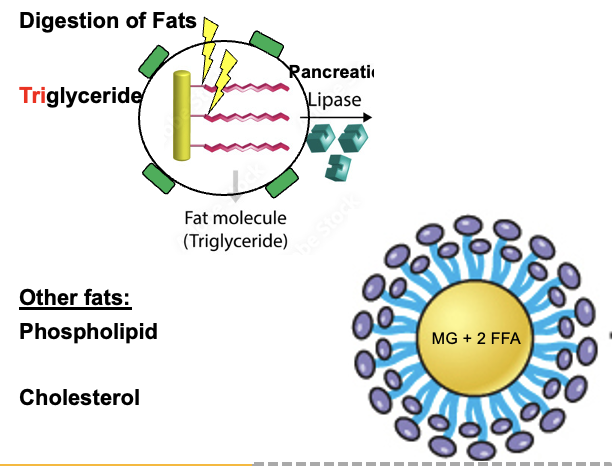
A micelle is a structure formed by bile salts that surrounds digested fats.
Inside the micelle:
• Monoglycerides
• Free fatty acids
Function:
Micelles transport digested fats from the lumen of the jejunum and ileum to the intestinal epithelial cells for absorption.
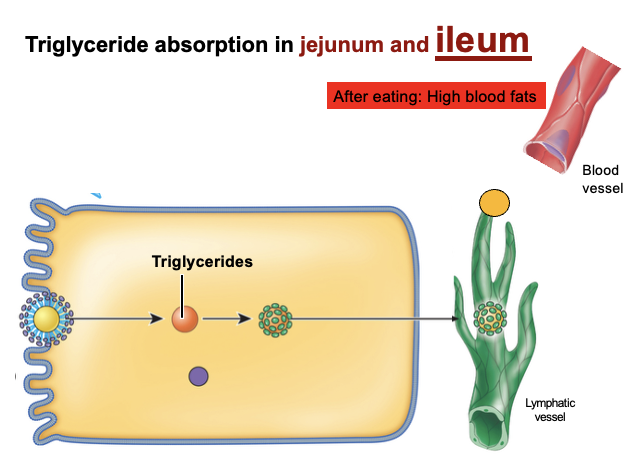
How are triglycerides absorbed in the jejunum and ileum?
• Fatty acids and monoglycerides diffuse into enterocytes.
• Inside the enterocyte, they are reassembled into triglycerides.
• Triglycerides are packaged and enter the lymphatic system.
• They are eventually delivered to the bloodstream.
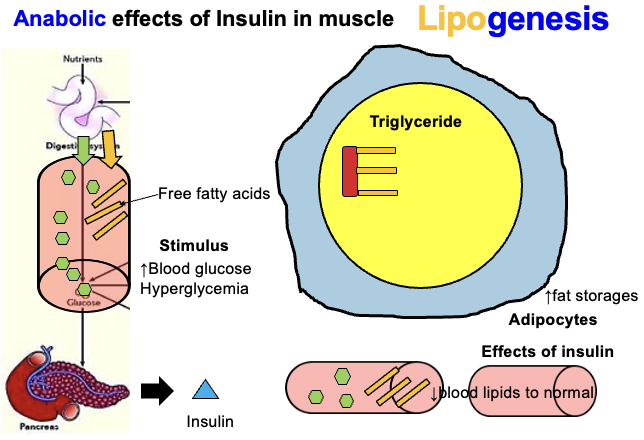
What is lipogenesis and how does insulin promote it?
Lipogenesis is the synthesis of triglycerides.
Process:
• Glucose is used to produce glycerol.
• Free fatty acids (FFA) diffuse into adipocytes.
• 3 FFA attach to 1 glycerol → forming 1 triglyceride.
Insulin stimulates lipogenesis after a meal by promoting glucose uptake and fat storage, mainly in adipose tissue (also in liver and skeletal muscle).
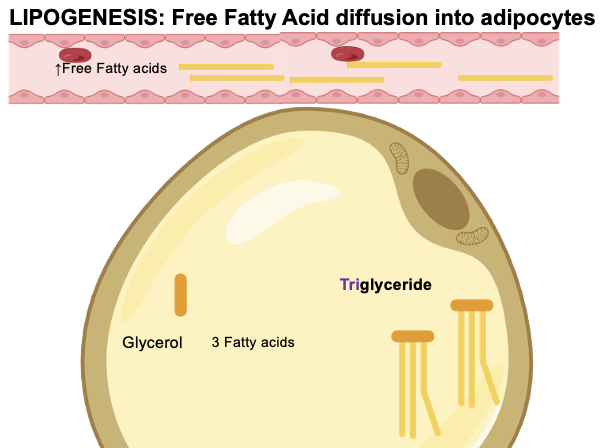
What is lipogenesis and what is the role of triglycerides?
Lipogenesis is the synthesis of lipids (triglycerides).
Inside adipocytes:
• Glycerol + 3 fatty acids → triglyceride
Triglycerides are the main stored lipid and serve as a major fuel source for ATP production during exercise.
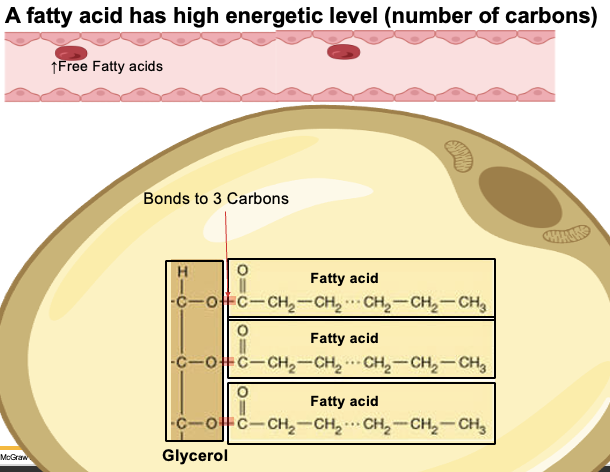
Why are triglycerides an important energy source during exercise?
Triglycerides are the main lipid used for ATP production during exercise.
Structure:
• 1 glycerol (3-carbon molecule)
• 3 fatty acids (long carbon chains with high energy content)
Fatty acids provide large amounts of energy due to their many carbon bonds.
Glycerol (3 carbons) can enter glycolysis and is related to glucose metabolism.
What is the difference between glucose, glycogen, glycogenesis, and glycogenolysis?
Glucose:
Simple sugar (monosaccharide), also called blood sugar; used for energy or stored.Glycogen:
Storage form of glucose in animals; stored mainly in muscle and liver.Glycogenesis:
Formation of glycogen from glucose.Glycogenolysis:
Breakdown of glycogen into glucose.
Both glucose and glycogen are important for metabolism at rest and during exercise.
How is ATP produced from ADP?
ATP is produced when a third phosphate (Pi) is added to ADP.
Enzyme:
• ATP synthase catalyzes the addition of Pi to ADP → ATP.
The phosphate (Pi) can come from different sources depending on exercise intensity:
• Creatine phosphate system
• Glycolysis
• Krebs cycle
• Electron transport chain
What are the main sources of ATP for muscle contraction?
Stored ATP
• Small amount already present in muscle before exerciseCreatine phosphate (PCr)
• Stored in the sarcoplasm
• Rapidly regenerates ATPGlycogen → Glycolysis
• Breakdown of glycogen/glucose to produce ATPBeta-oxidation of fatty acids
• Breakdown of fats to produce ATP
 Note
Note  Flashcards (23)