Pics
 Call Kai
 Learn
Learn Practice Test
 Spaced Repetition
 Match
Match Flashcards
 Knowt Play
1/65

There's no tags or description
Looks like no tags are added yet.
Name | Mastery | Learn | Test | Matching | Spaced | Call with Kai |
|---|
No analytics yet
Send a link to your students to track their progress
66 Terms
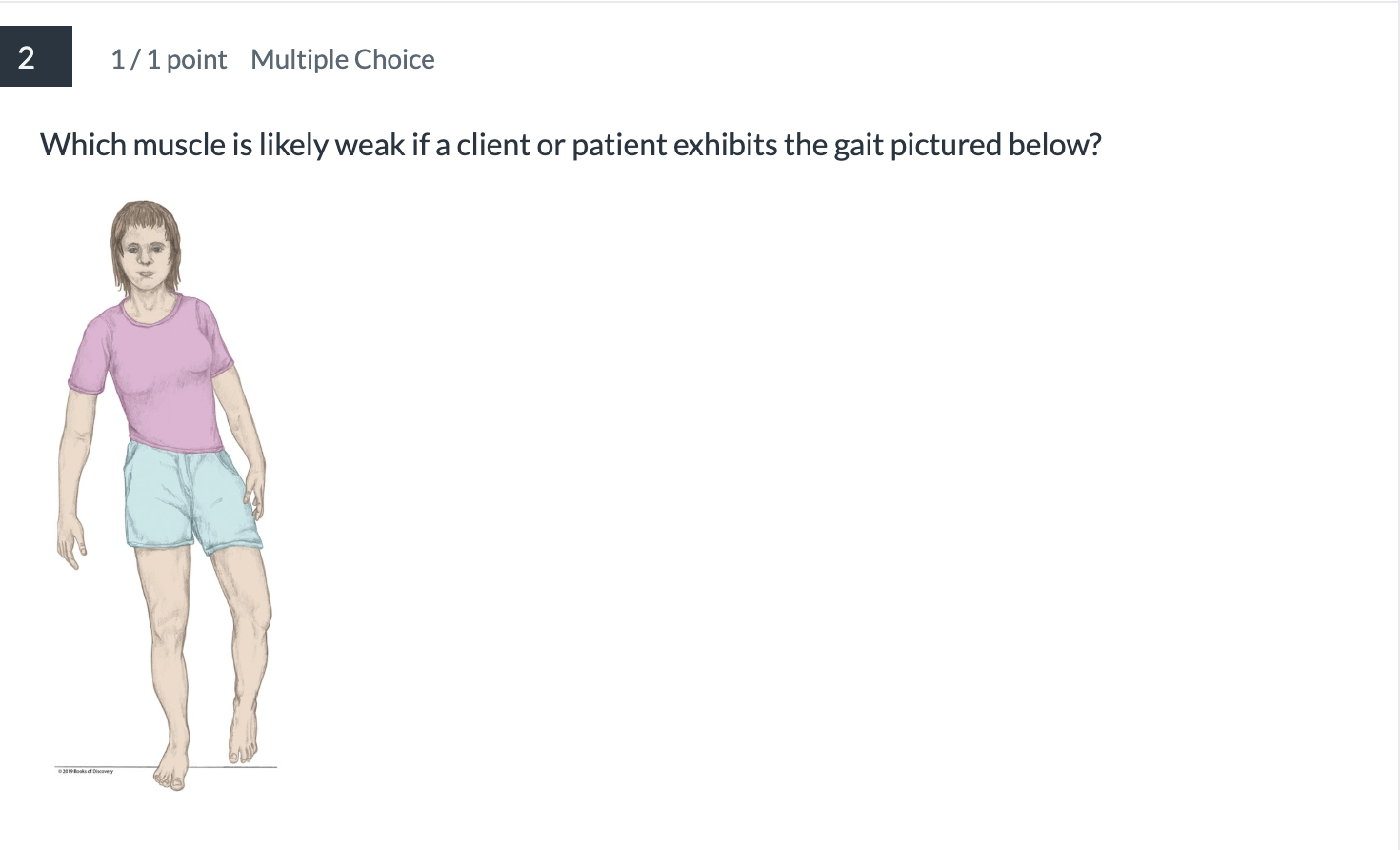
Which muscle is likely weak if a client or patient exhibits the gait pictured below?
Right gluteus medius
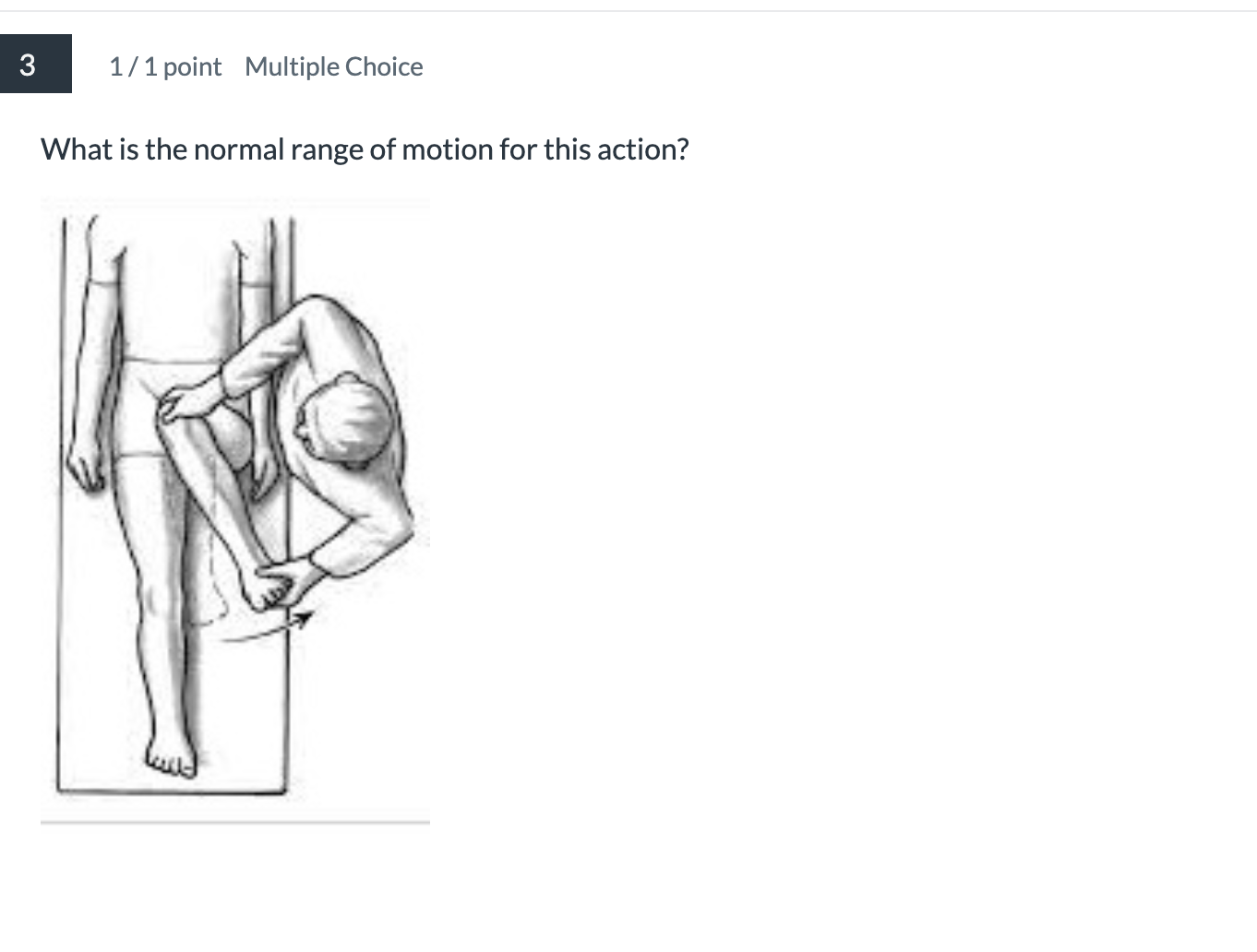
What is the normal range of motion for this action?
40 degrees
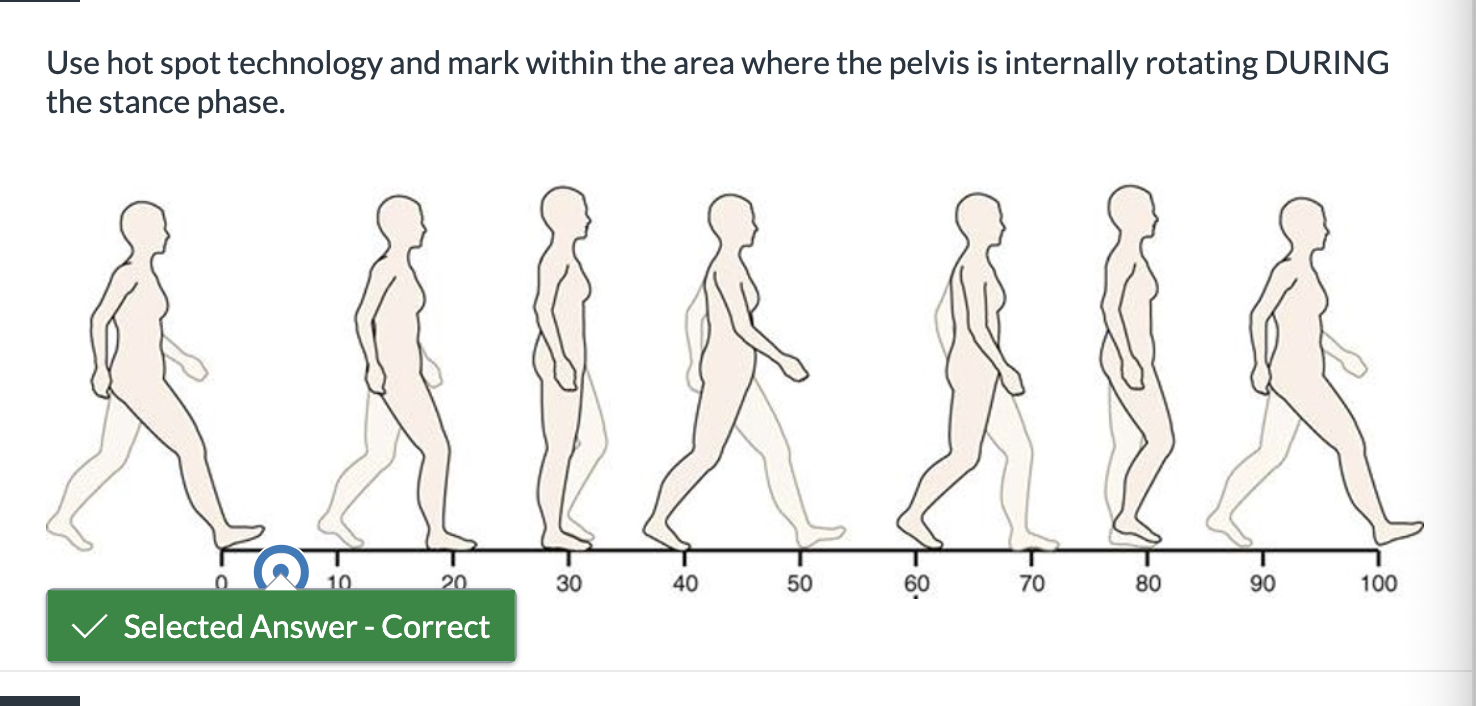
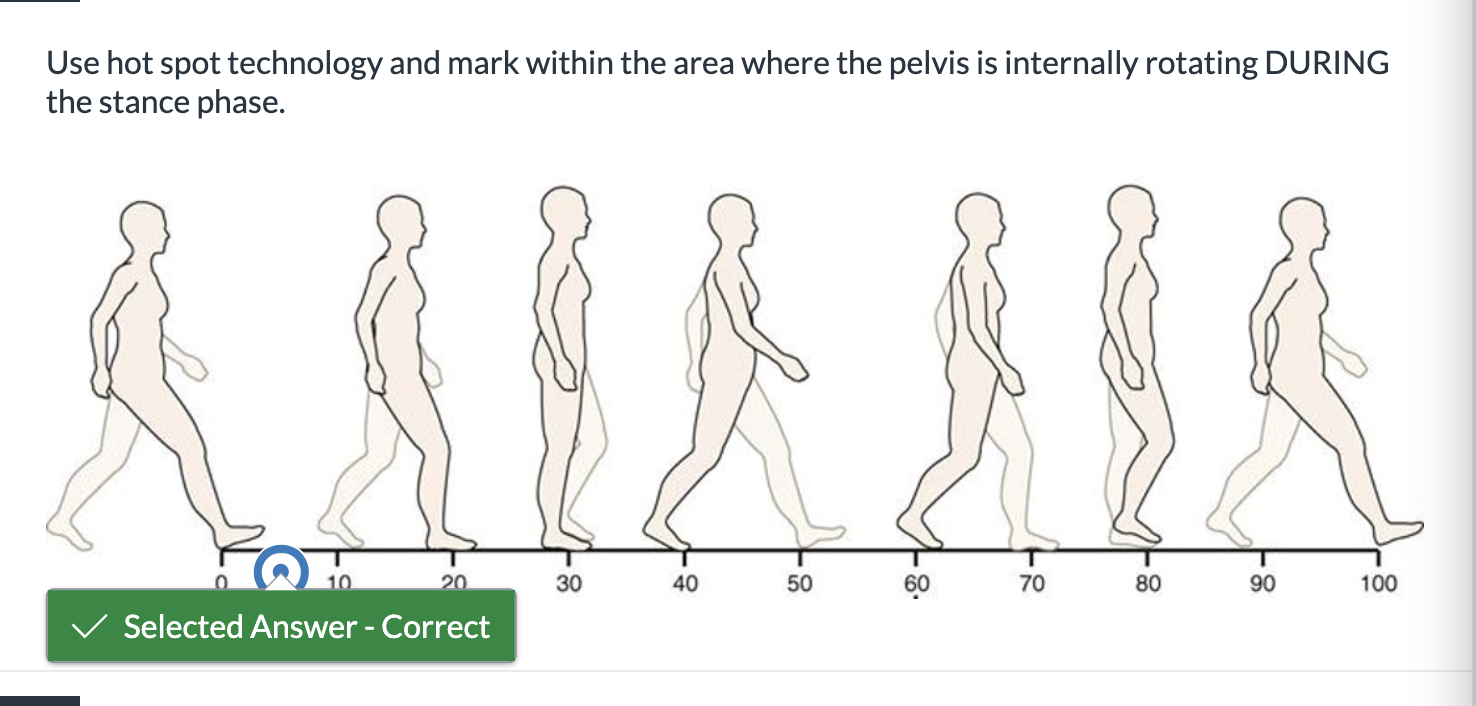
Use hot spot technology and mark within the area where the pelvis is internally rotating DURING the stance phase.
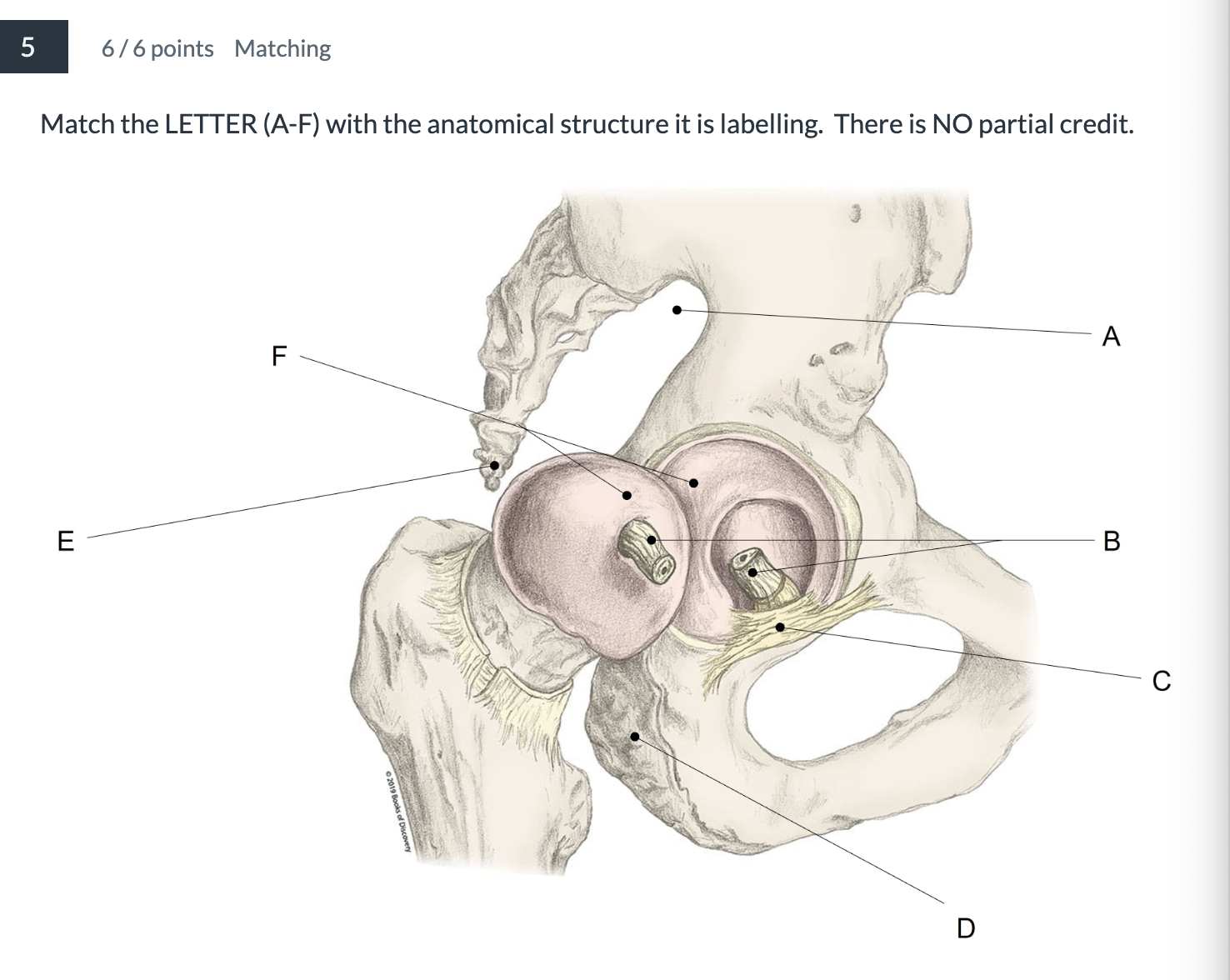
Match the LETTER (A-F) with the anatomical structure it is labelling. There is NO partial credit.
B- Ligamentum captitis femoris (round ligament)
E- Coccyx
F- Articular cartilage
D- Ischial tuberosity
C- Transverse acetabular ligament
A- Greater sciatic notch
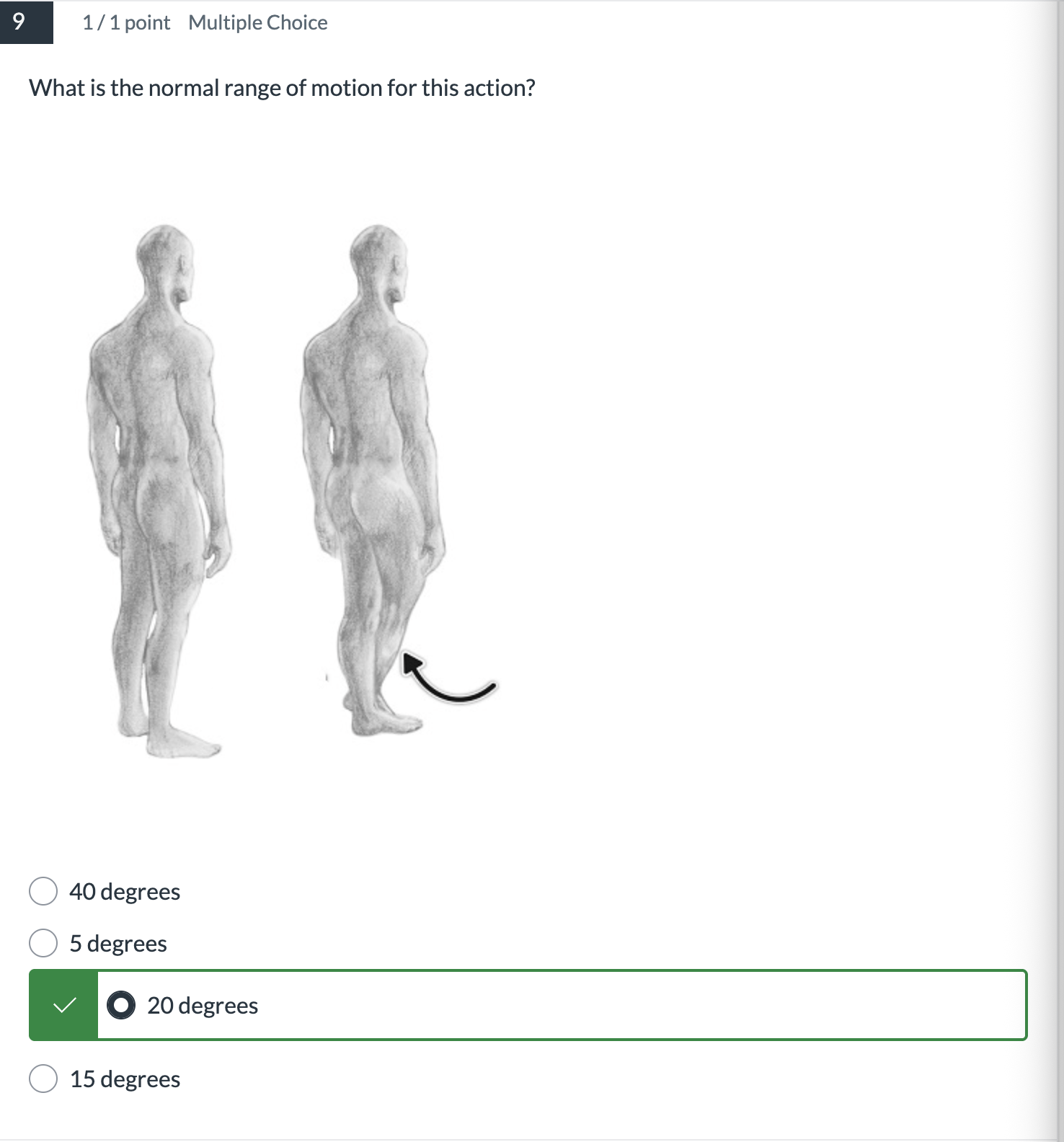
What is the normal range of motion for this action?
20 degrees
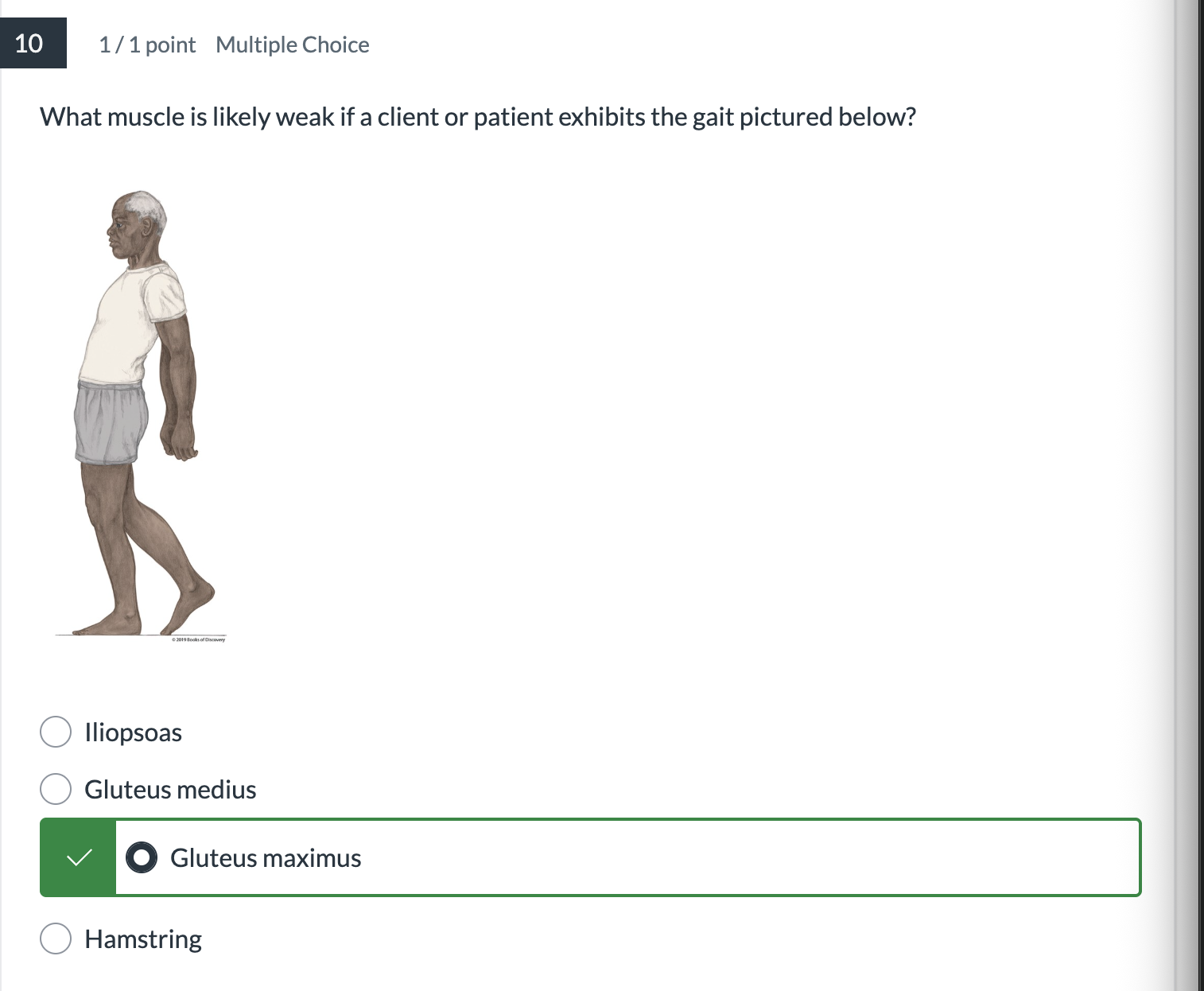
What muscle is likely weak if a client or patient exhibits the gait pictured below?
Gluteus maximus
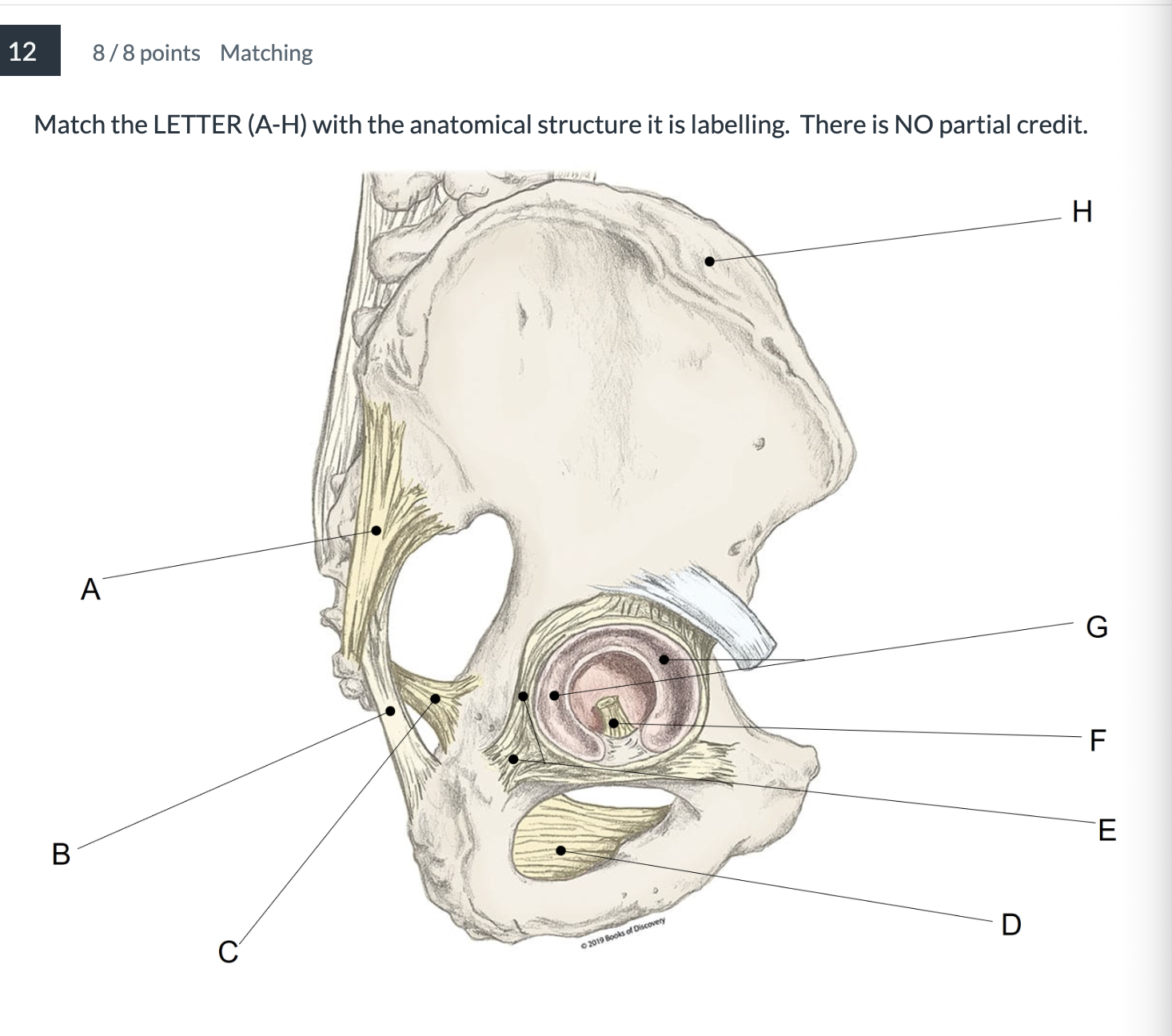
Match the LETTER (A-H) with the anatomical structure it is labelling. There is NO partial credit.
F- Round ligament (ligamentum capitis femoris)
D- Obturator membrane
E- Articular capsule of coxal joint
B- Sacrotuberous ligament
A- Posterior sacral ligament
H- Iliac crest
G- Acetabular labrum
C- Sacrospinous ligament
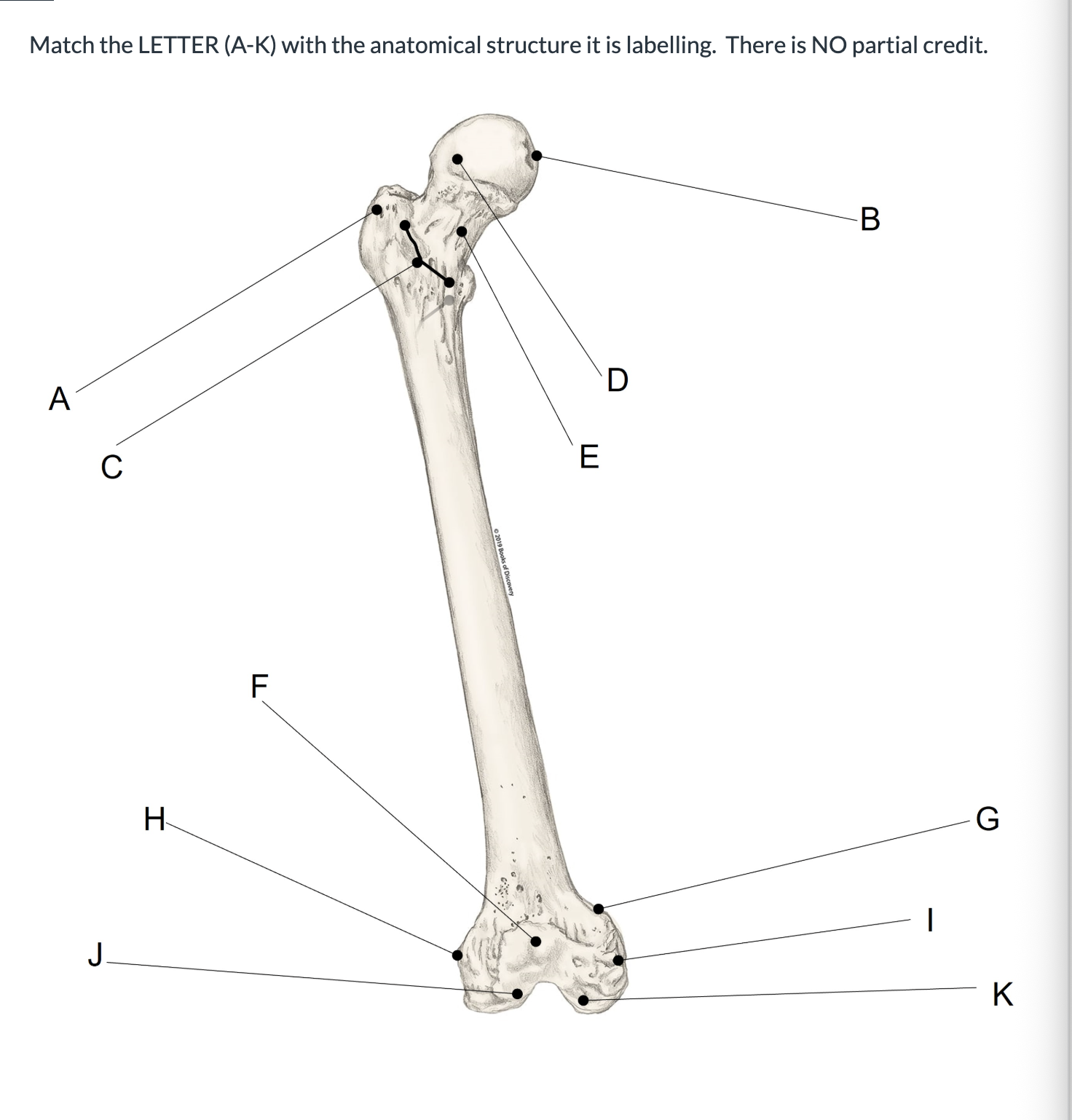
Match the LETTER (A-K) with the anatomical structure it is labelling. There is NO partial credit.
H- Lateral epicondyle
J- Lateral condyle
F- Patellar surface
E- Neck of femur
K-Medial condyle
C- Intertrochanteric line
G- Adductor tubercle
I- Medial epicondyle
D- Head of femur
B-Fovea of head of femur
A- Greater trochanter
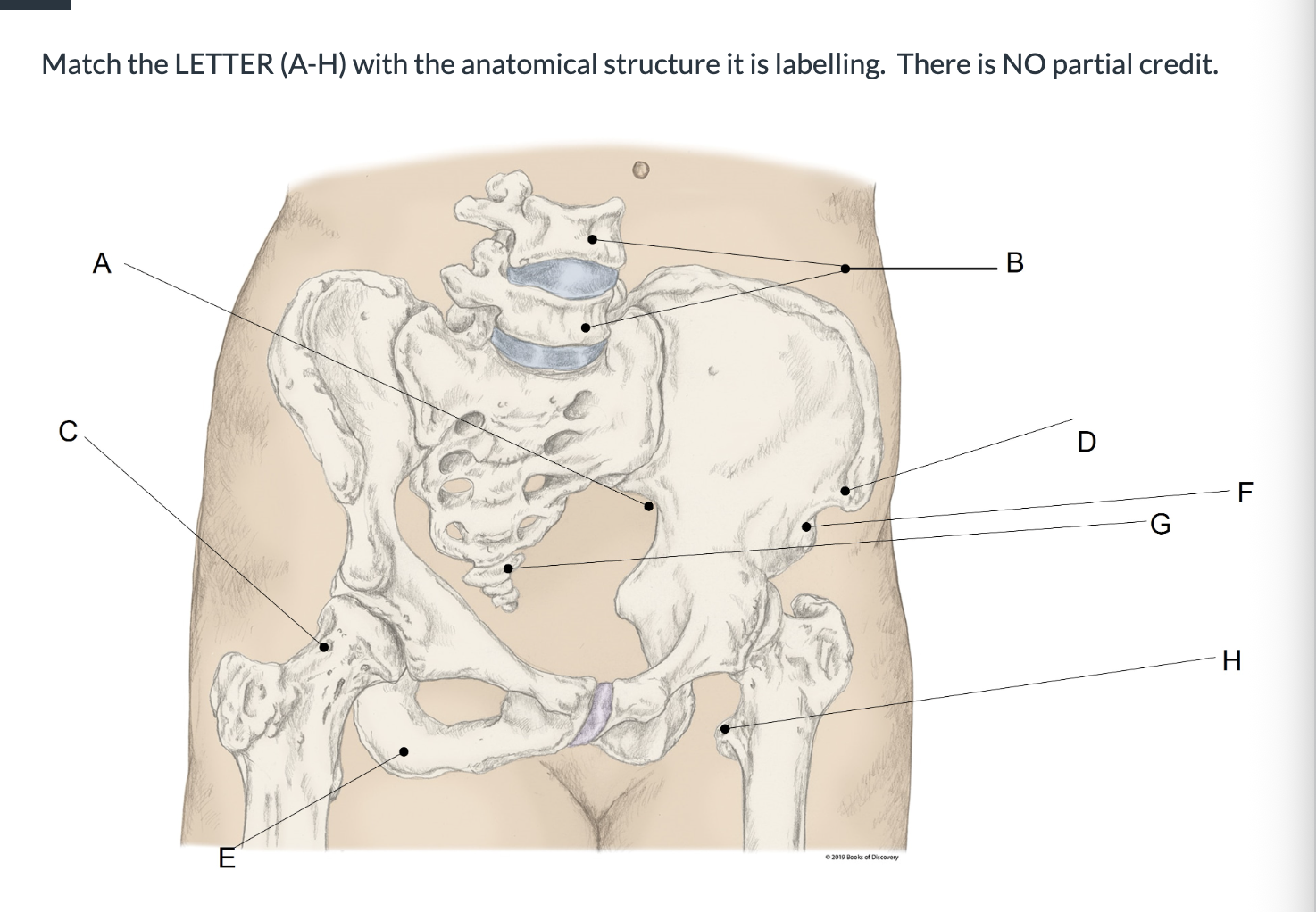
Match the LETTER (A-H) with the anatomical structure it is labelling. There is NO partial credit.
E- Ischium
D- Anterior superior iliac spine
F- Anterior inferior iliac spine
B- Lumbar vertebrae
A- Greater sciatic notch
G- Coccyx
C- Neck of femur
H- Lesser trochanter
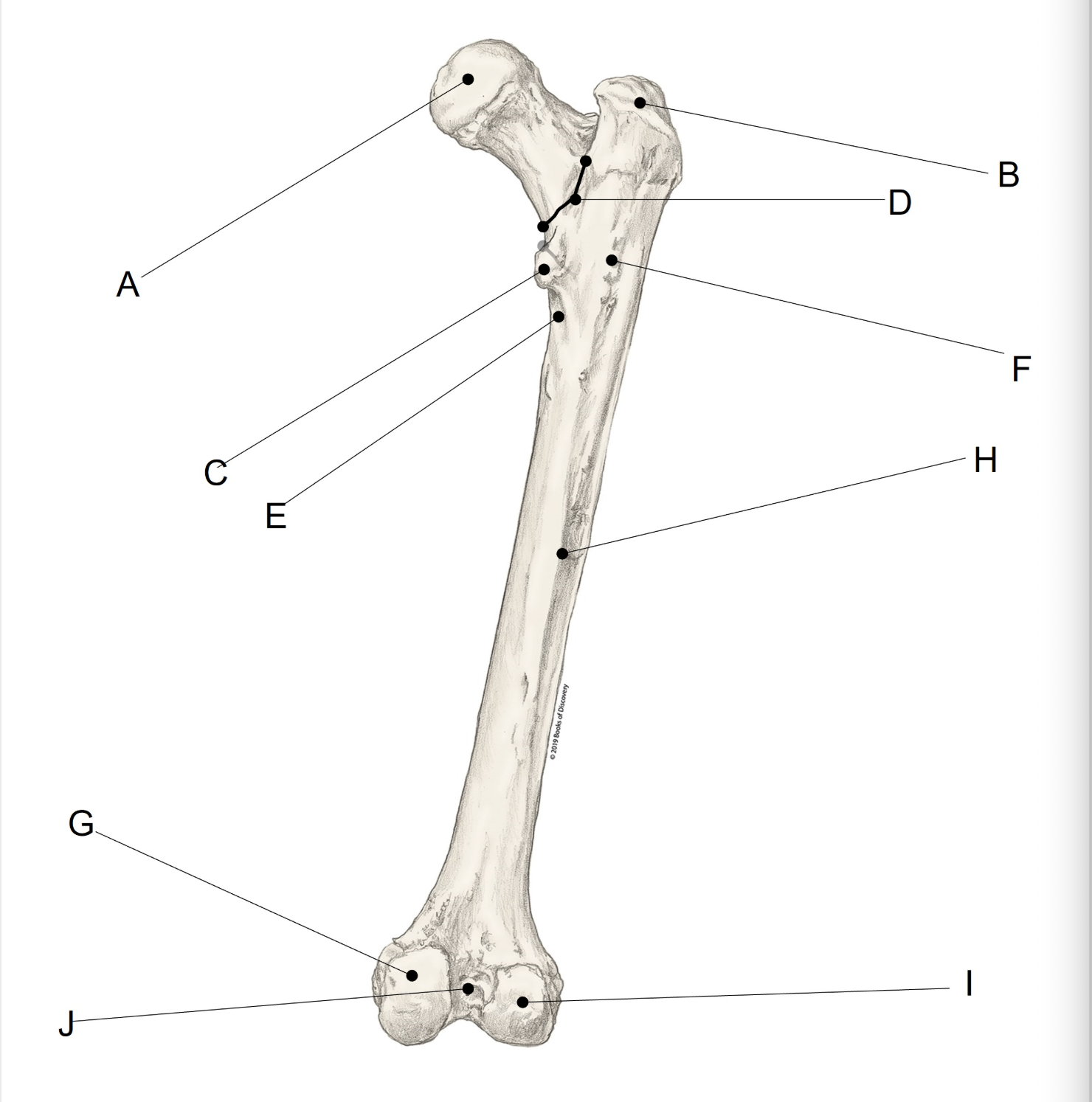
Match the LETTER (A-J) with the anatomical structure it is labelling. There is NO partial credit.
A- Head of femur
C- Lesser trochanter
I- Lateral condyle
G- Medial condyle
D- Intertrochanteric crest
E- Pectineal line
J- Intercondylar notch
H- Linea aspera
F- Gluteal tuberosity
B- Greater trochanter
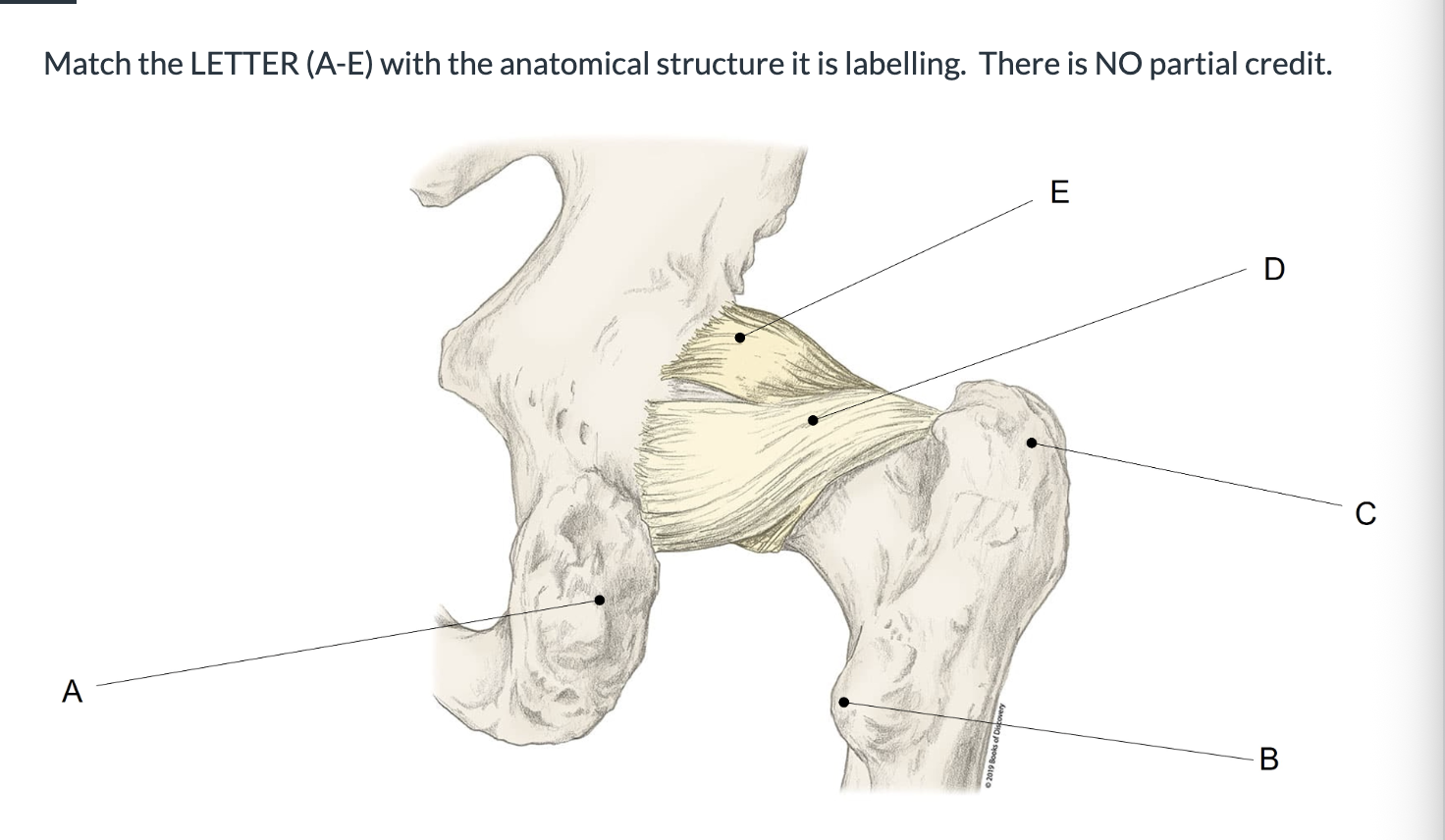
Match the LETTER (A-E) with the anatomical structure it is labelling. There is NO partial credit.
B- Lesser trochanter
C- Greater trochanter
E- Iliofemoral ligament
D- Ischiofemoral liagment
A- Ischial tuberosity
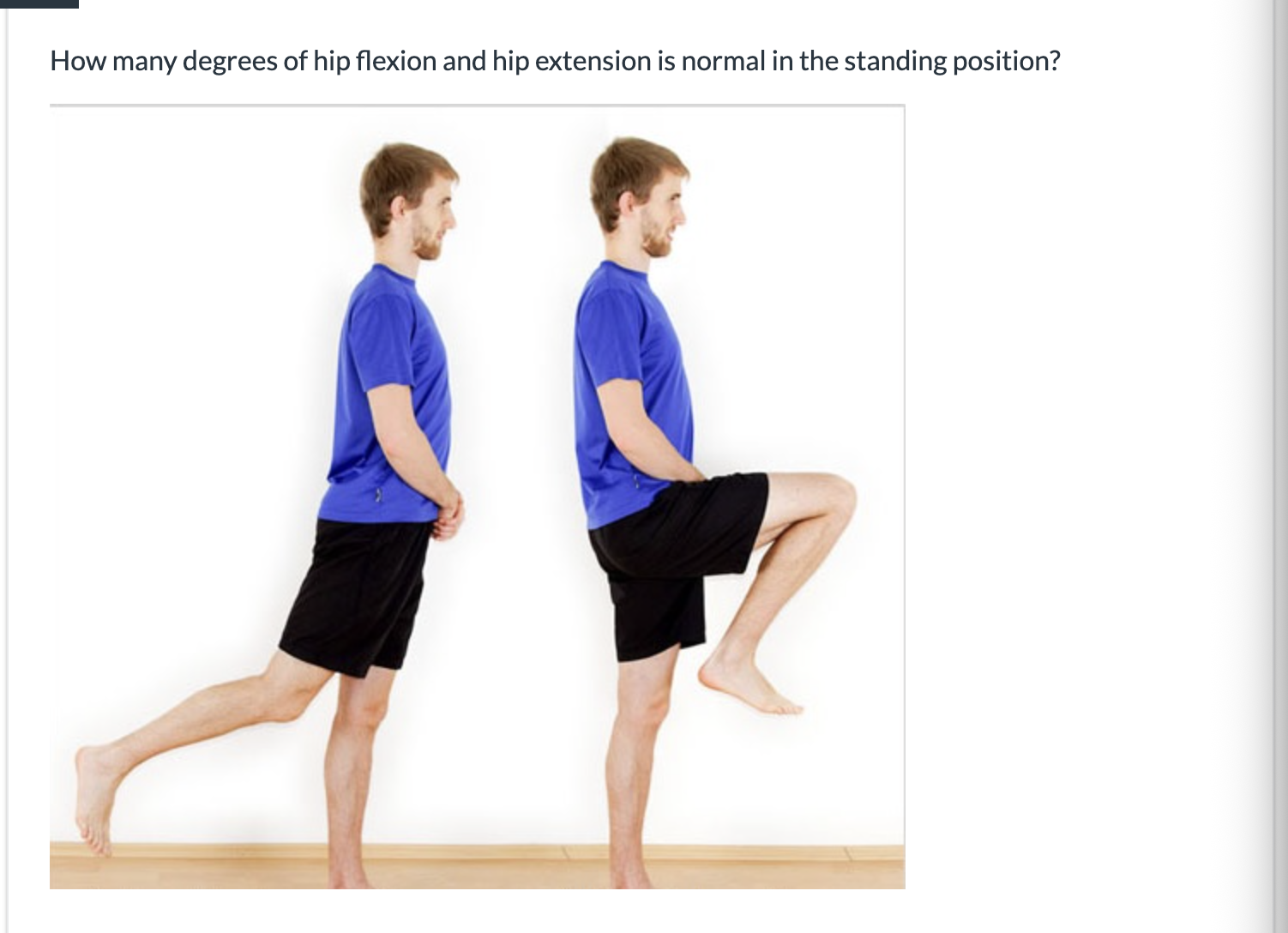
How many degrees of hip flexion and hip extension is normal in the standing position?
Hip flexion = 90 degrees; Hip extension = 20 degrees
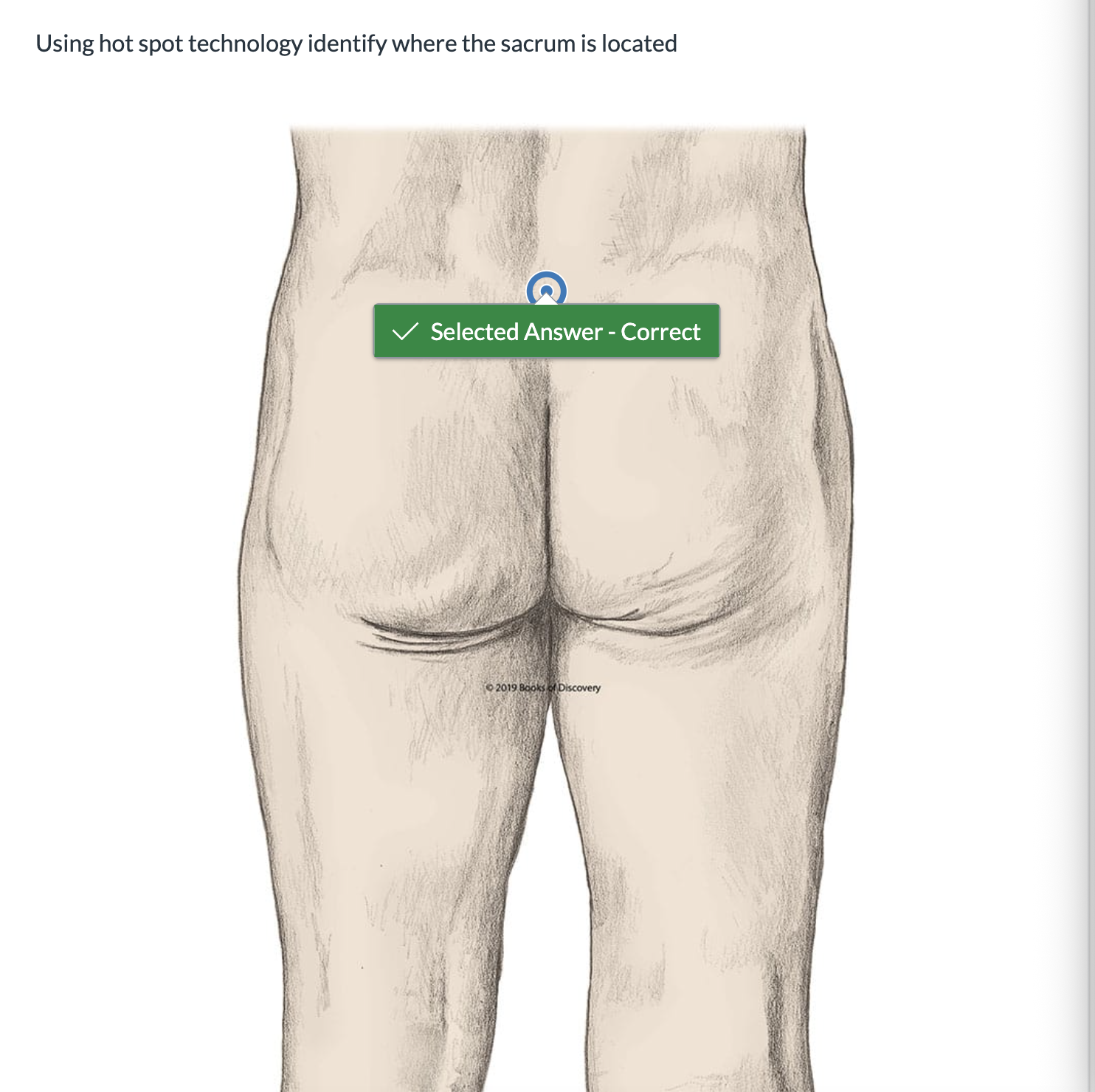
Using hot spot technology identify where the sacrum is located
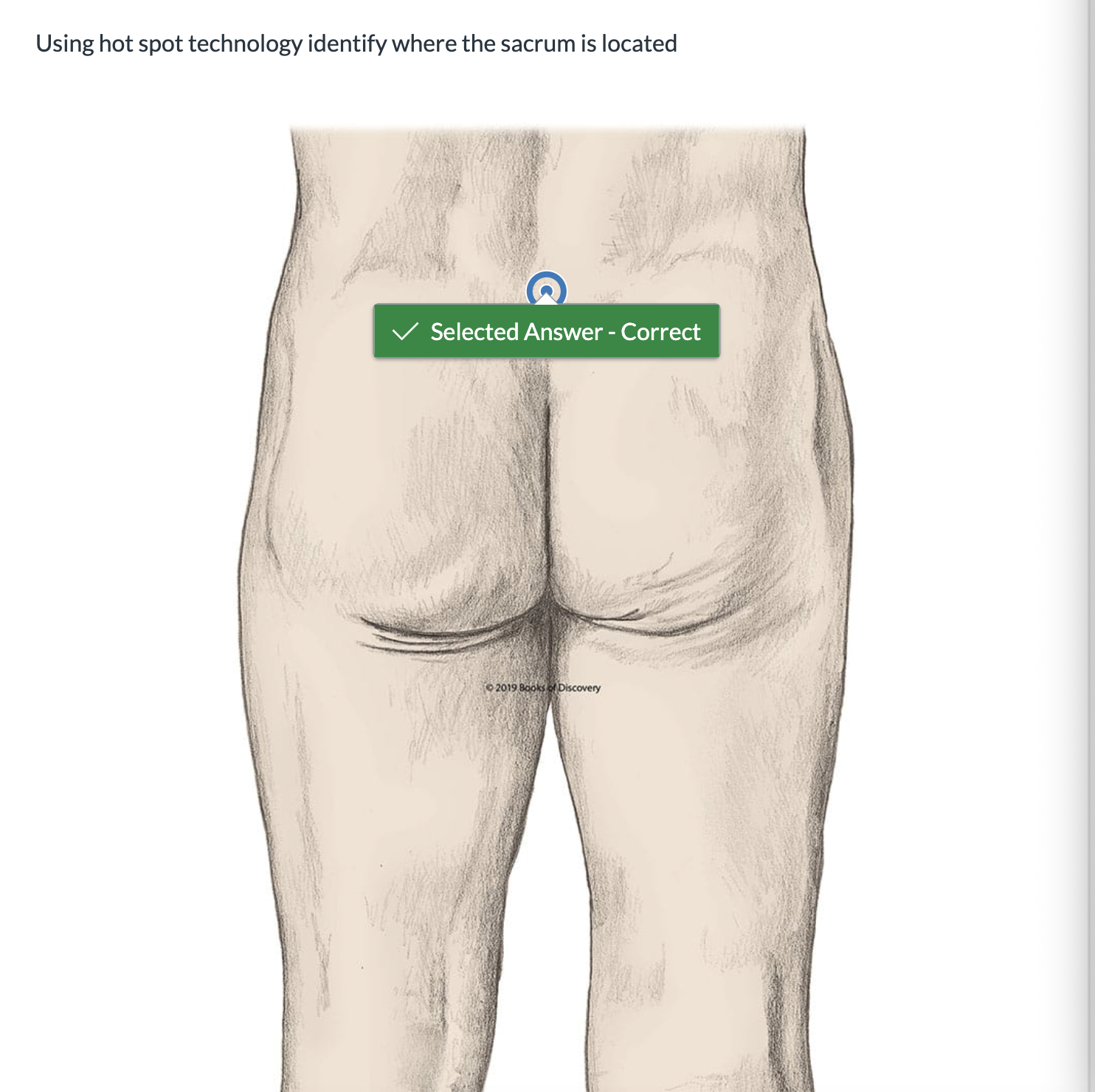
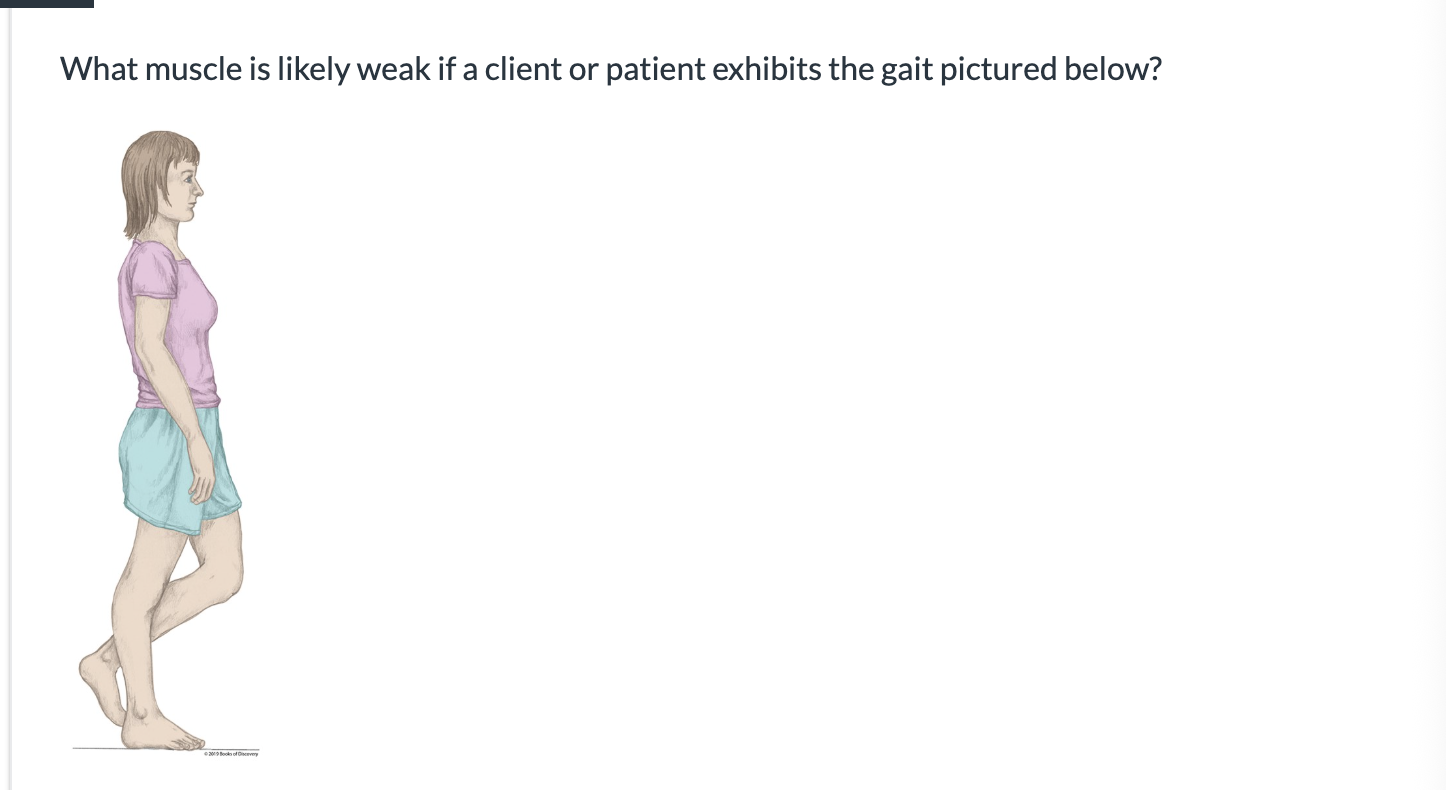
What muscle is likely weak if a client or patient exhibits the gait pictured below?
Hamstring
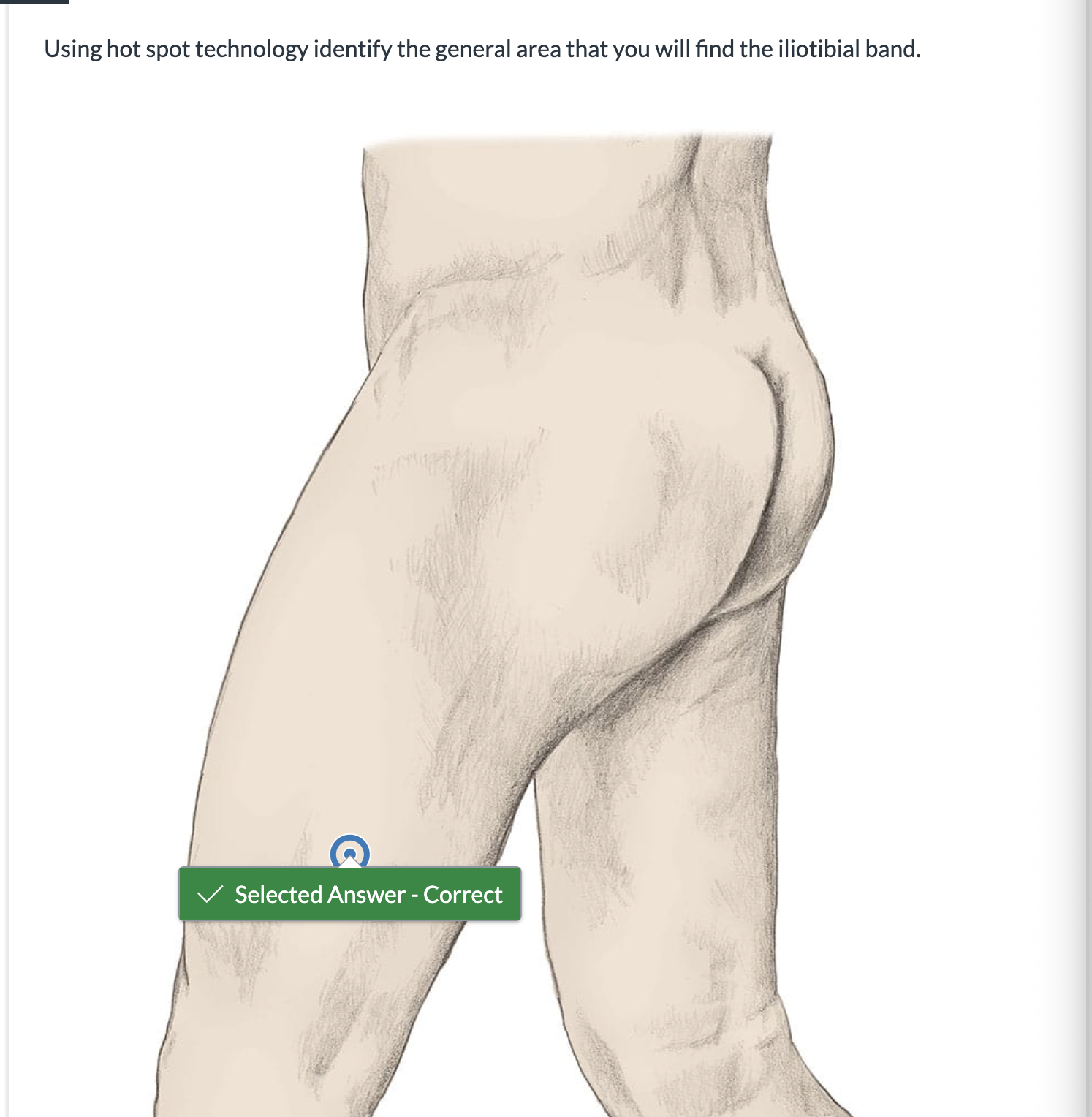
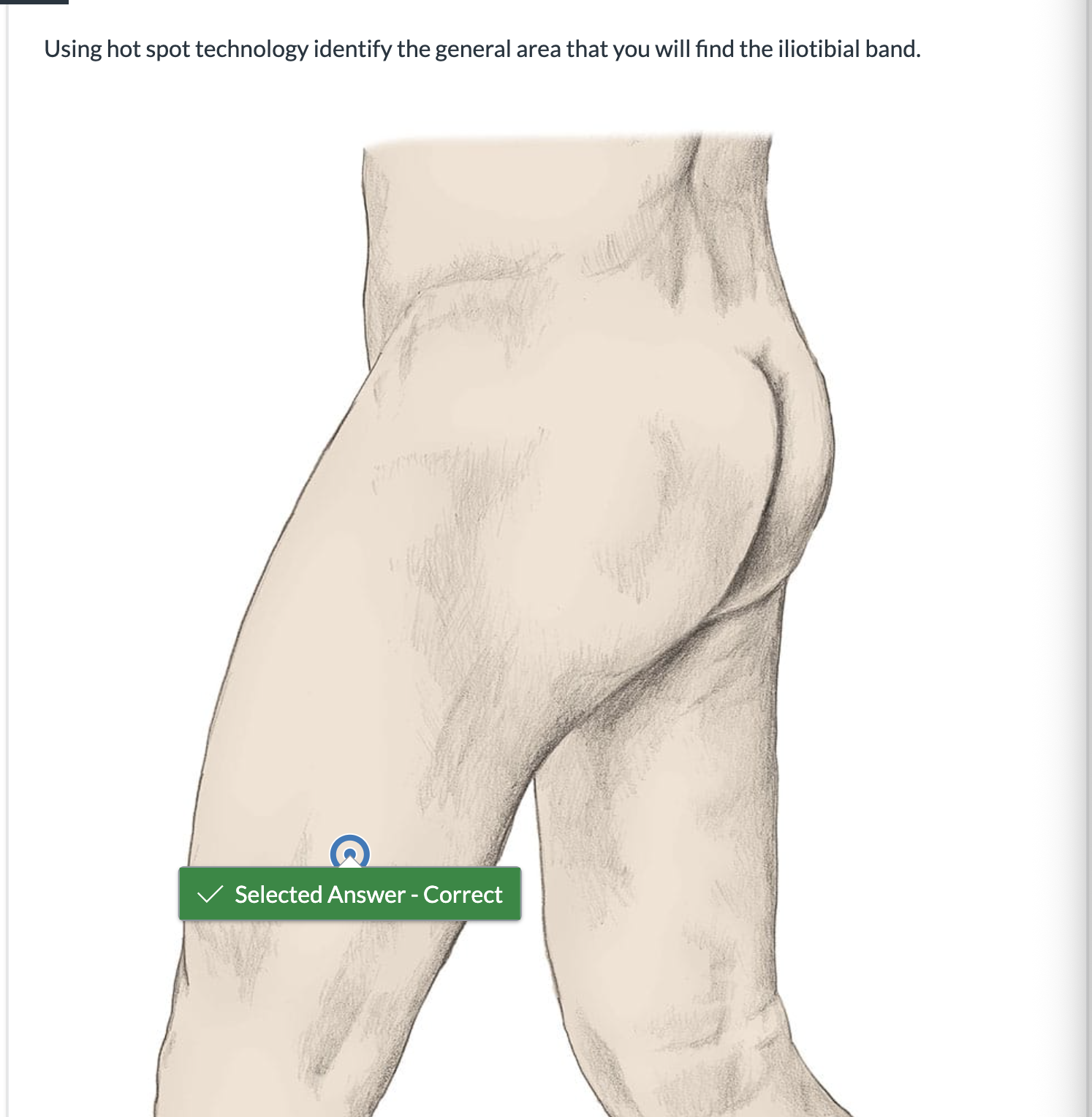
Using hot spot technology identify the general area that you will find the iliotibial band.
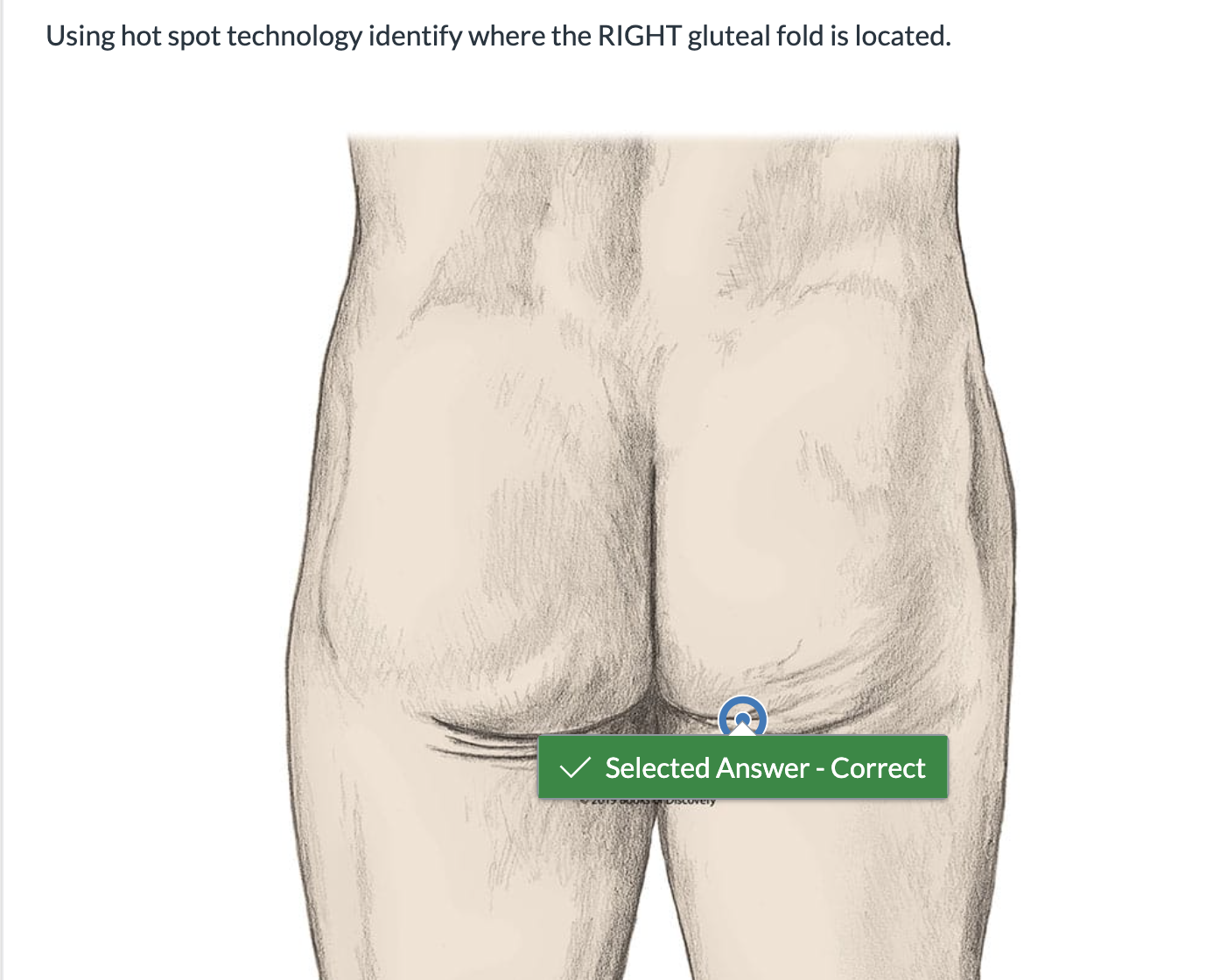
Using hot spot technology identify where the RIGHT gluteal fold is located.
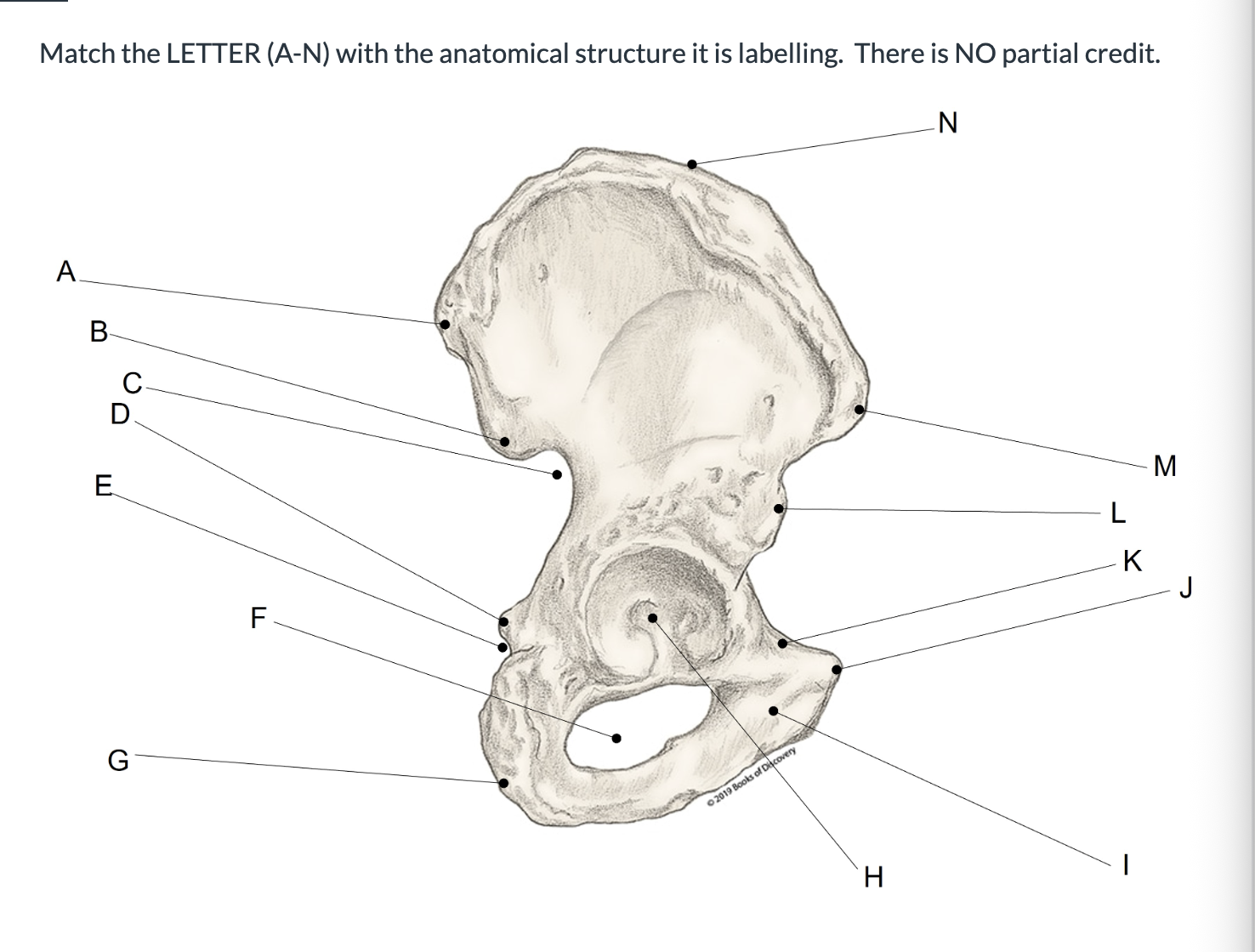
Match the LETTER (A-N) with the anatomical structure it is labelling. There is NO partial credit.
L- Anterior inferior iliac spine
A- Posterior superior iliac spine
E- Lesser sciatic notch
C- Greater sciatic notch
M- Anterior superior iliac spine
N- Iliac crest
J- Pubic tubercle
B- Posterior inferior iliac spine
F- Obturator forament
D- Ischial spine
G- Ischial tuberosity
K- Superior pubic ramus
H- Acetabulum
I- Inferior pubic ramus
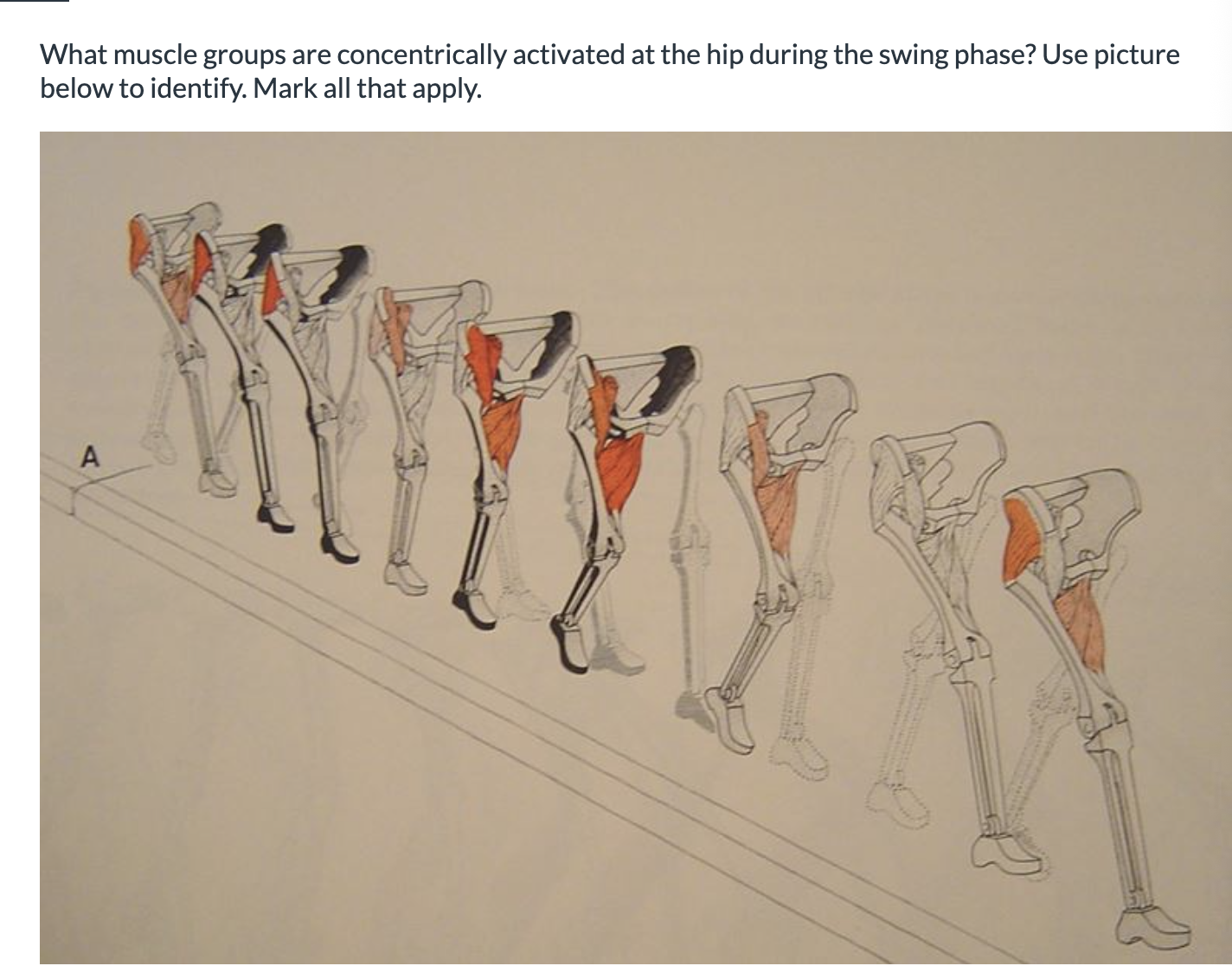
What muscle groups are concentrically activated at the hip during the swing phase? Use picture below to identify. Mark all that apply.
Adductors
Iliopsoas
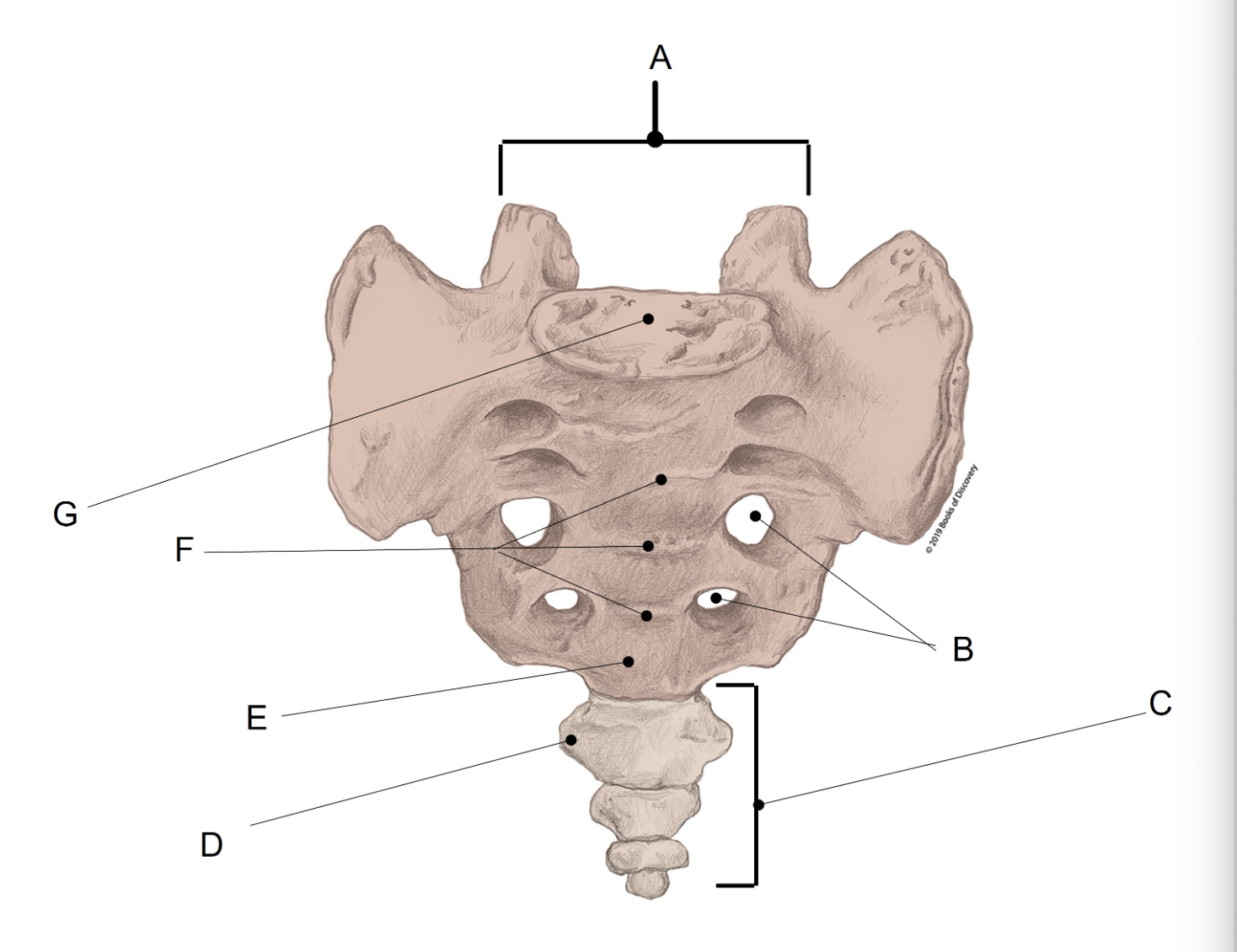
Match the LETTER (A-G) with the anatomical structure it is labelling. There is NO partial credit.
E- Sacral apex
B- Sacral foramen
F-Sacral transverse ridges
C- Coccyx
D- Coccyx transverse process
A- Sacral base
G- Lumbosacral articular surface
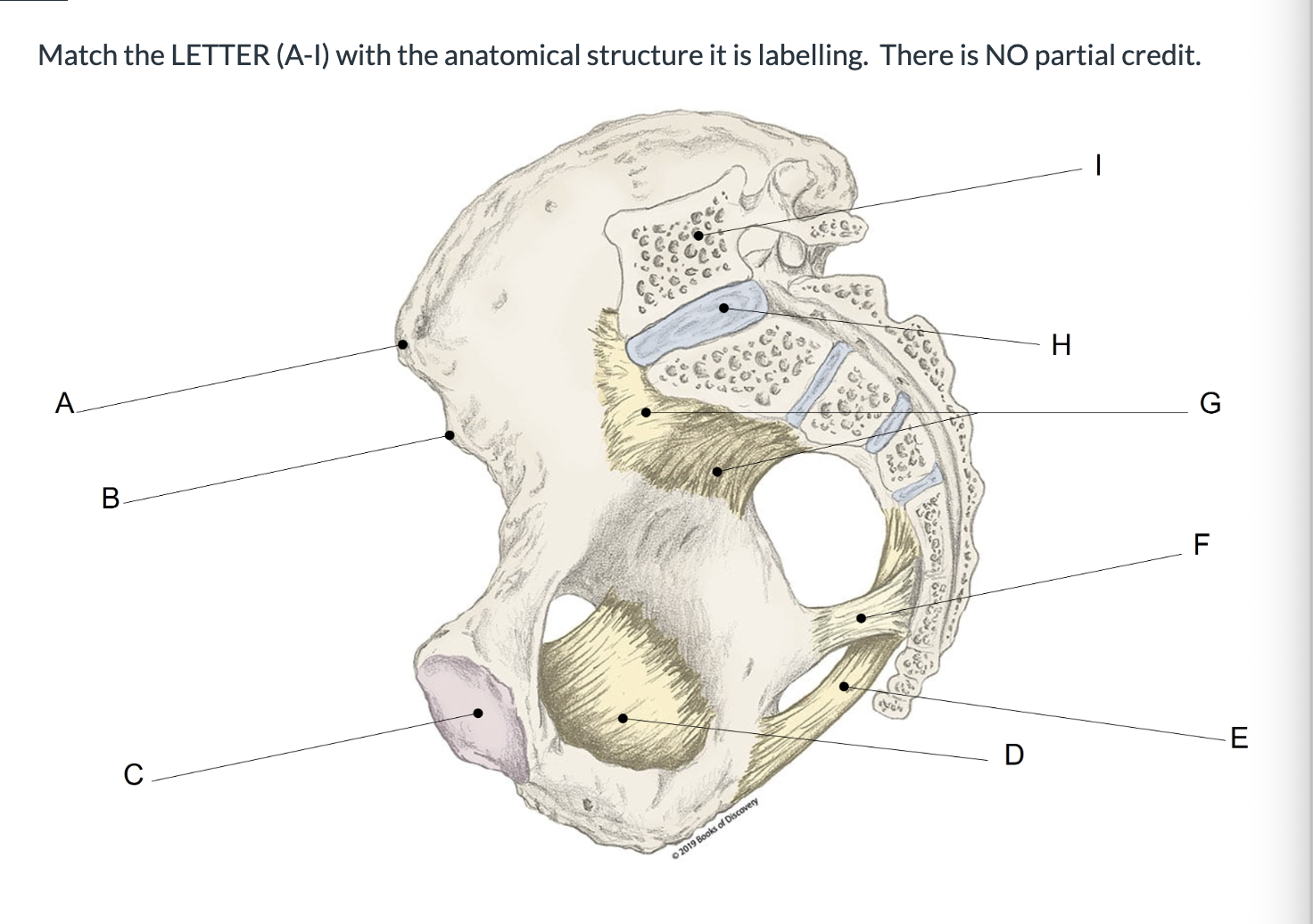
Match the LETTER (A-I) with the anatomical structure it is labelling. There is NO partial credit.
E- Sacrotuberous ligament
D- Obturator membrane
C- Pubic symphysis
G- Anterior sacroiliac ligament
B- Anterior inferior iliac spine
H- Intervertebral disk
A- Anterior superior iliac spine
F- Sacrospinous ligament
I- Lumbar vertebra
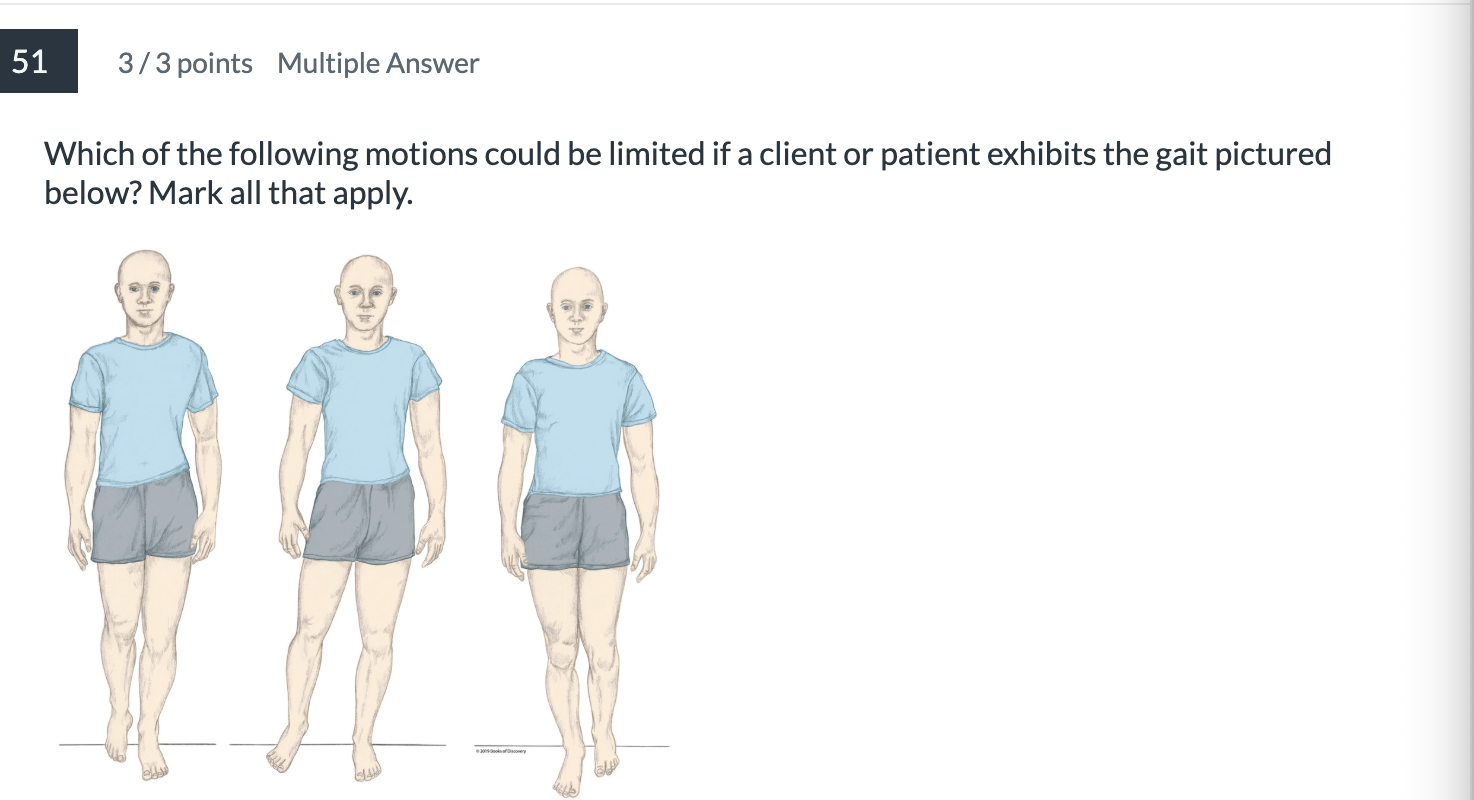
Which of the following motions could be limited if a client or patient exhibits the gait pictured below? Mark all that apply.
Ankle dorsiflexion
Knee flexion
Hip flexion
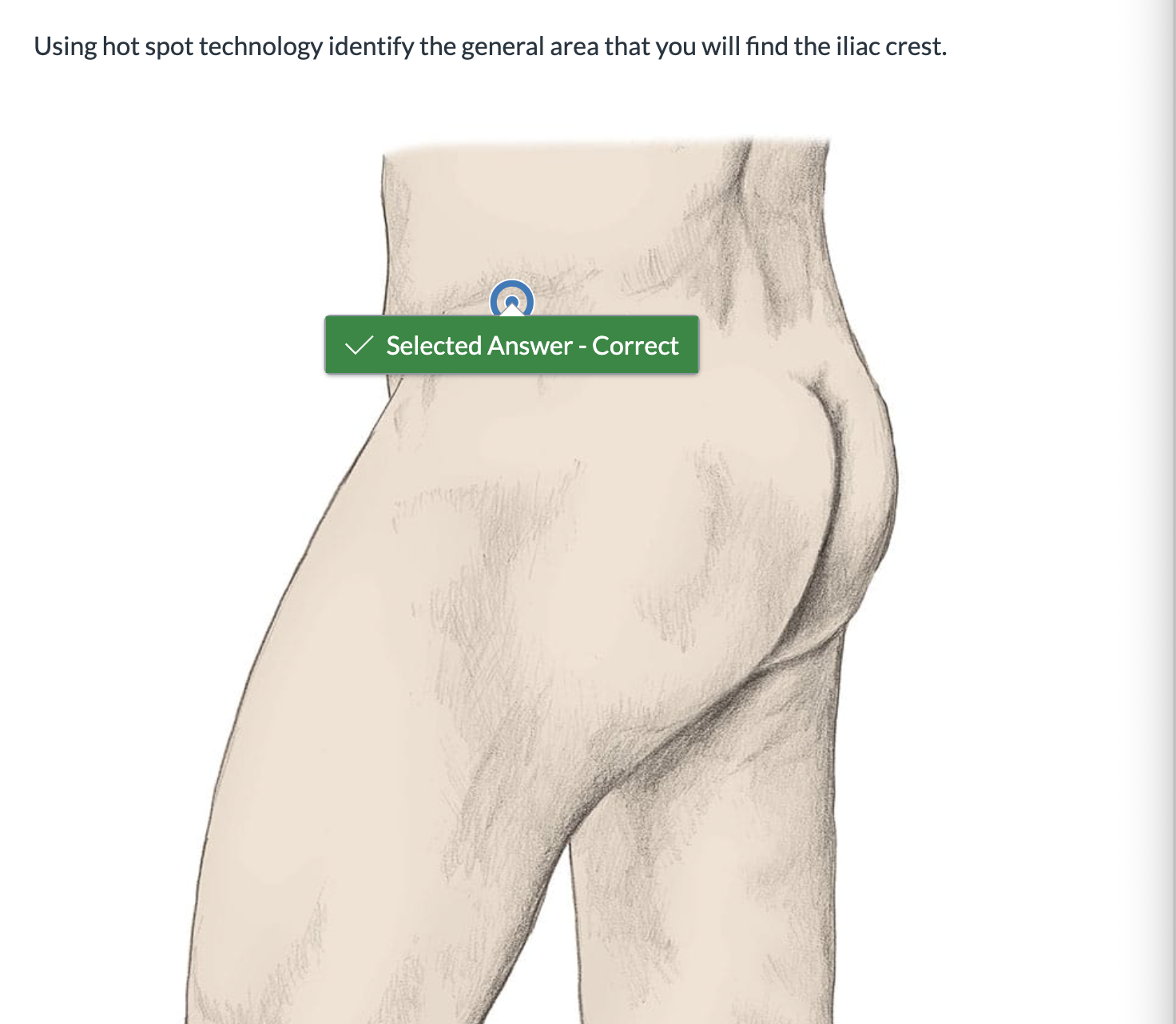
Using hot spot technology identify the general area that you will find the iliac crest.
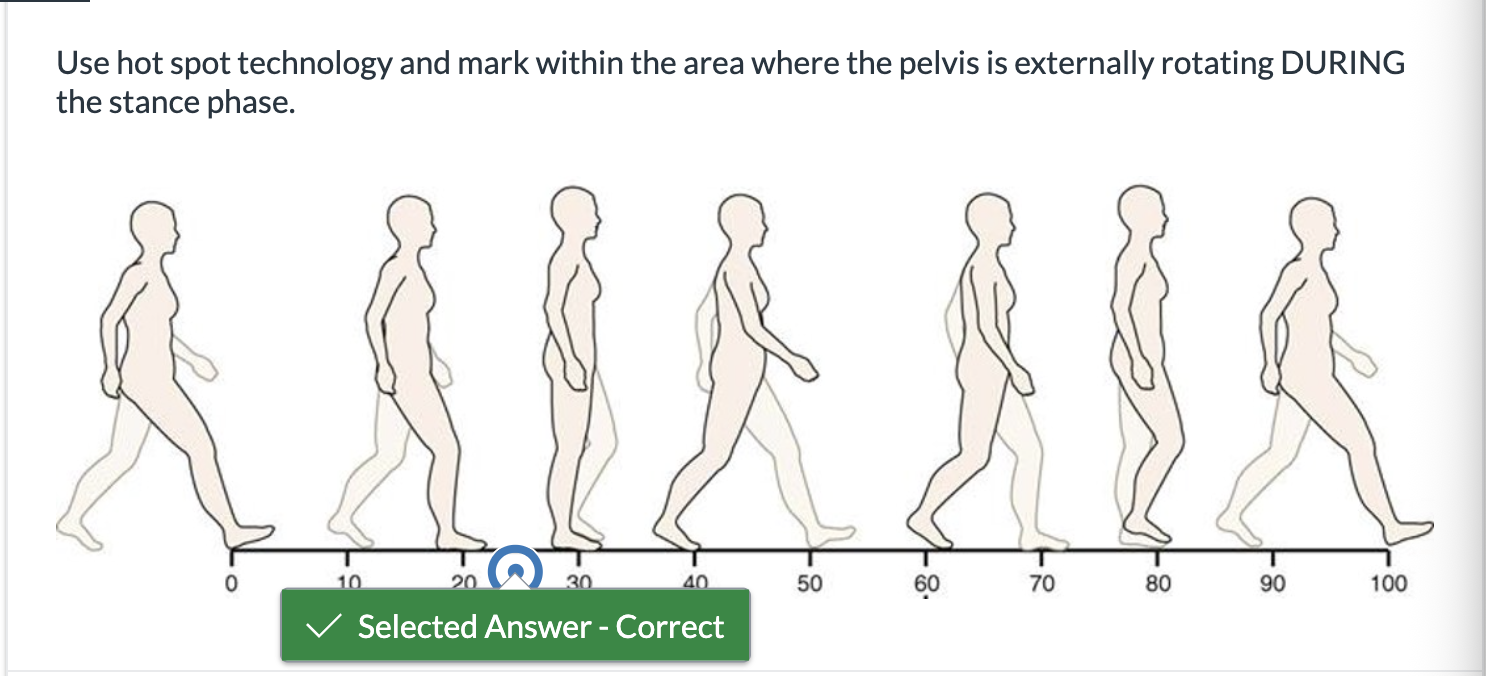
Use hot spot technology and mark within the area where the pelvis is externally rotating DURING the stance phase.
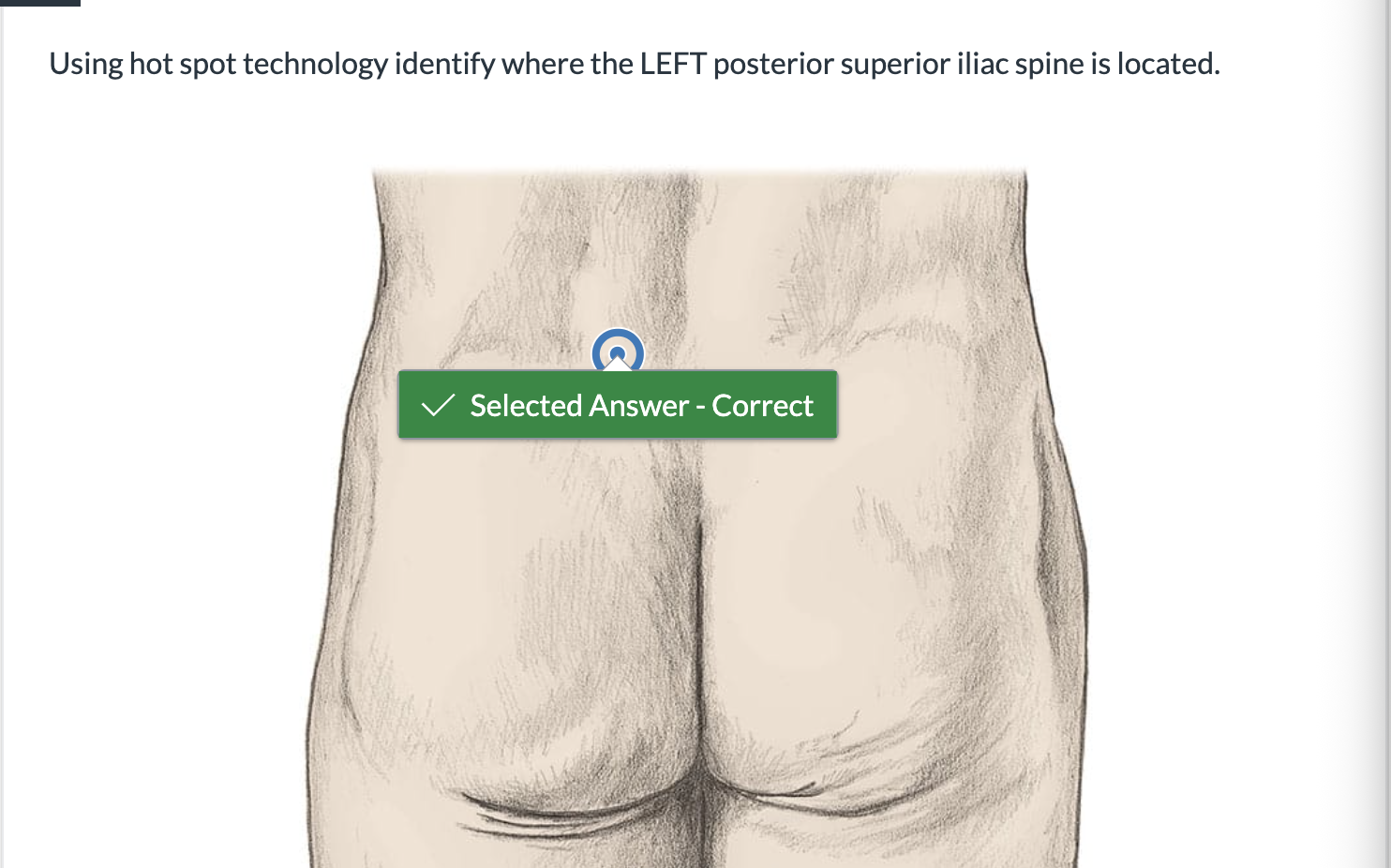
Using hot spot technology identify where the LEFT posterior superior iliac spine is located.
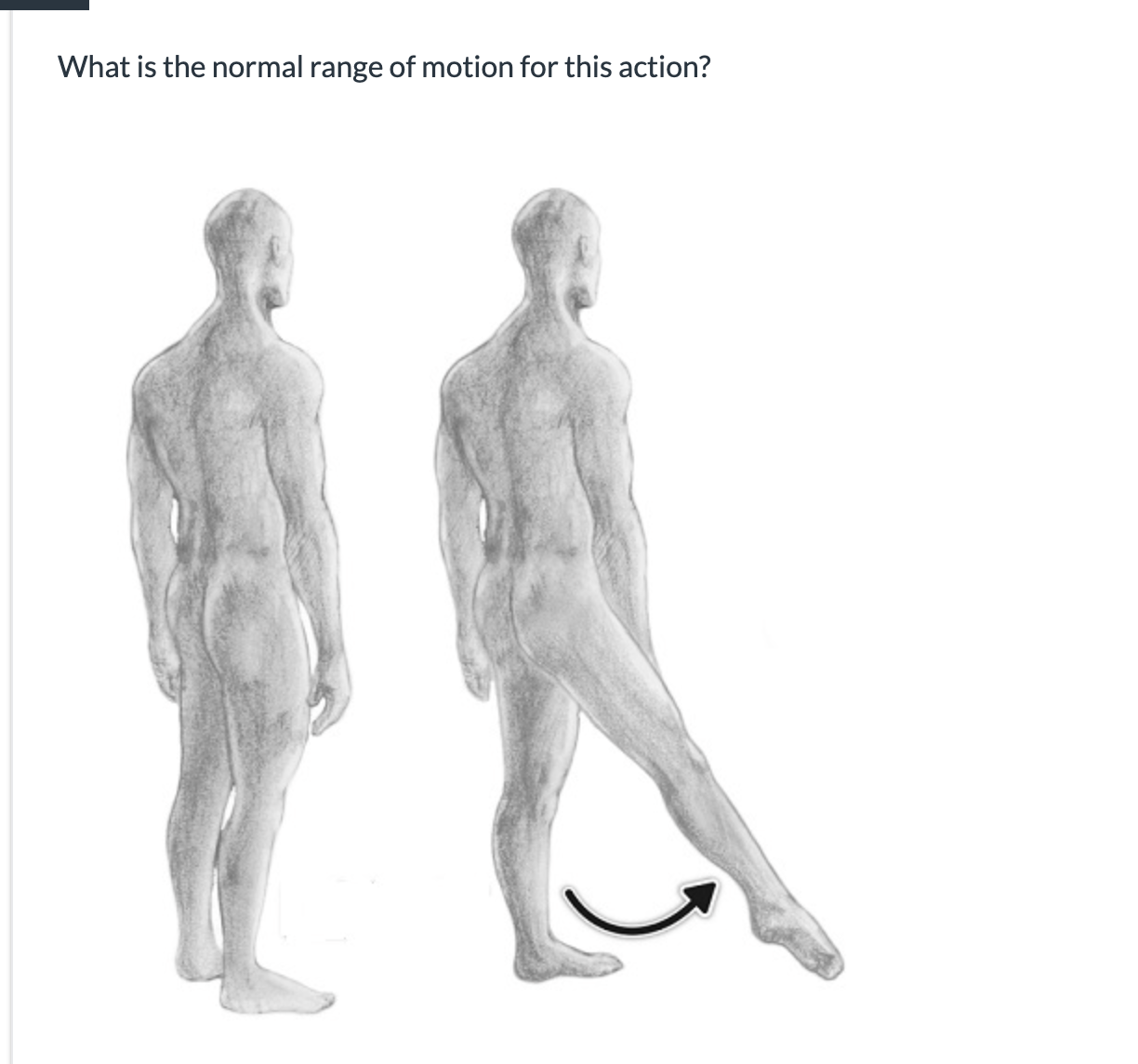
What is the normal range of motion for this action?
40 degrees
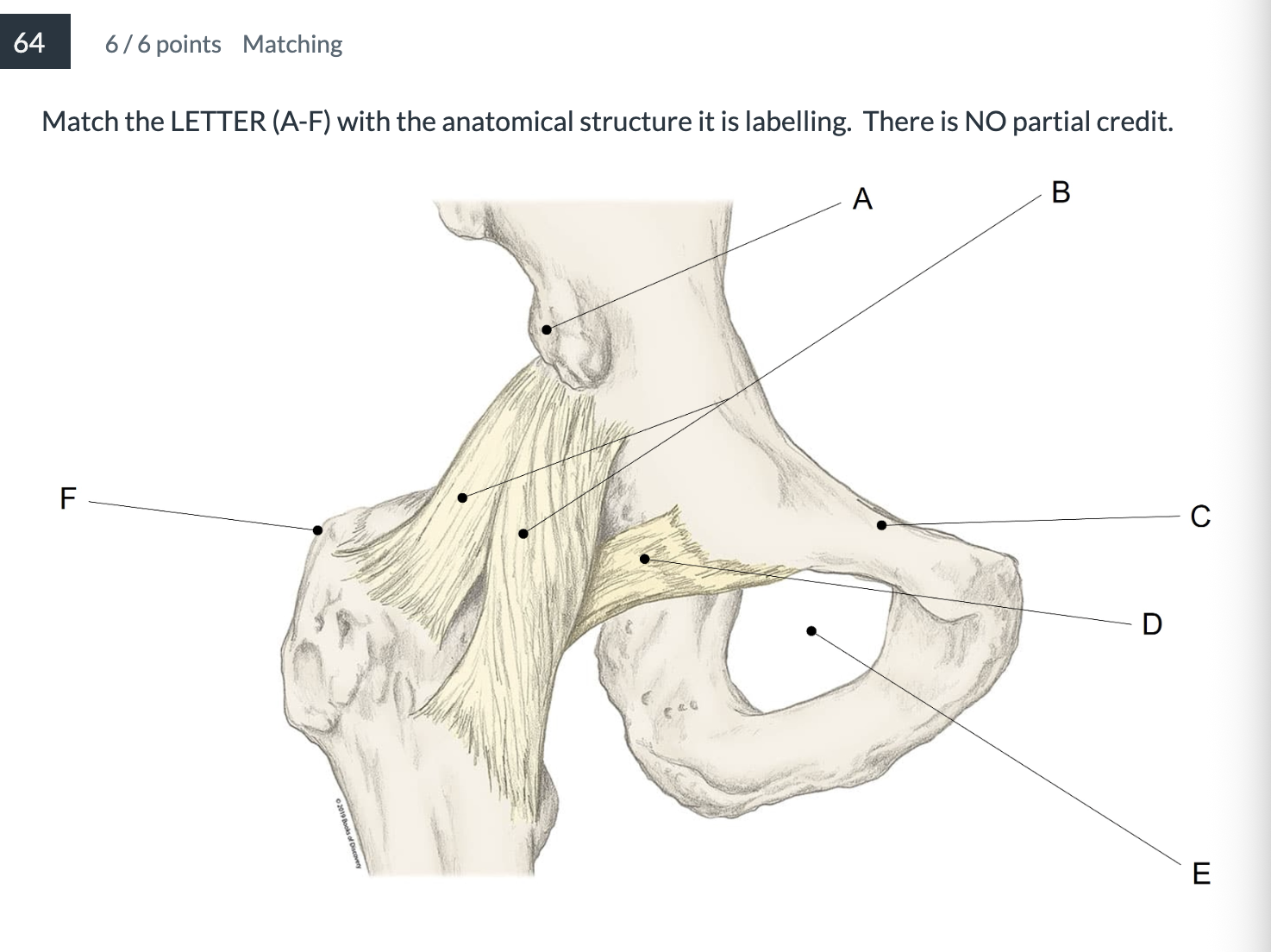
Match the LETTER (A-F) with the anatomical structure it is labelling. There is NO partial credit.
E- Obturator foramen
D - Pubofemoral ligament
C - Superior pubic ramus
B - Iliofemoral ligament
A - Anterior inferior iliac spine
F - Greater trochanter
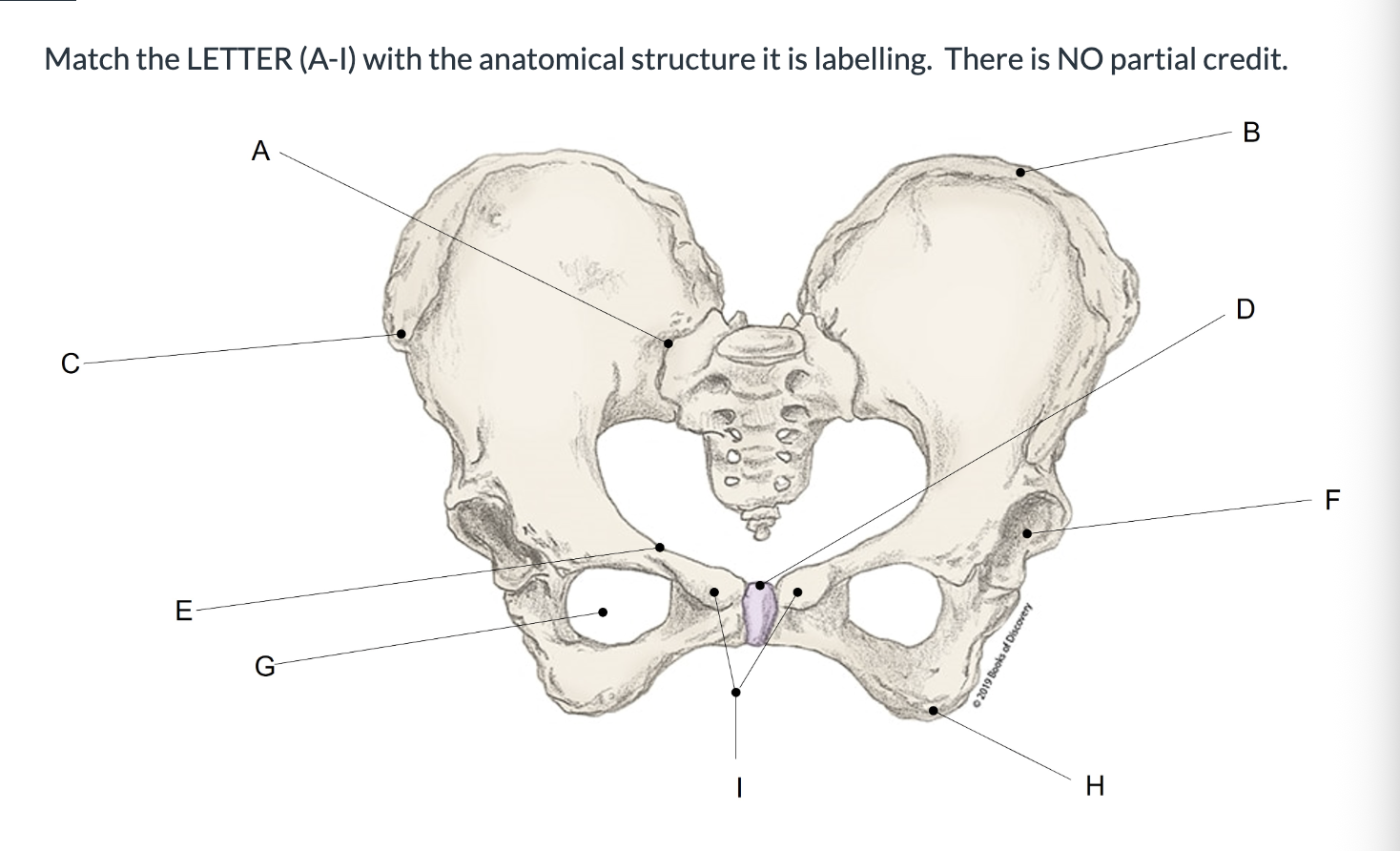
Match the LETTER (A-I) with the anatomical structure it is labelling. There is NO partial credit.
G - Right obturator foramen
D - Symphysis pubis
H - Left ischial tuberosity
A - Right sacroiliac joint
I - Pubic tubercles
E - Pubis
B - Left iliac crest
C - Right anterior superior iliac spine
F - Acetabulum
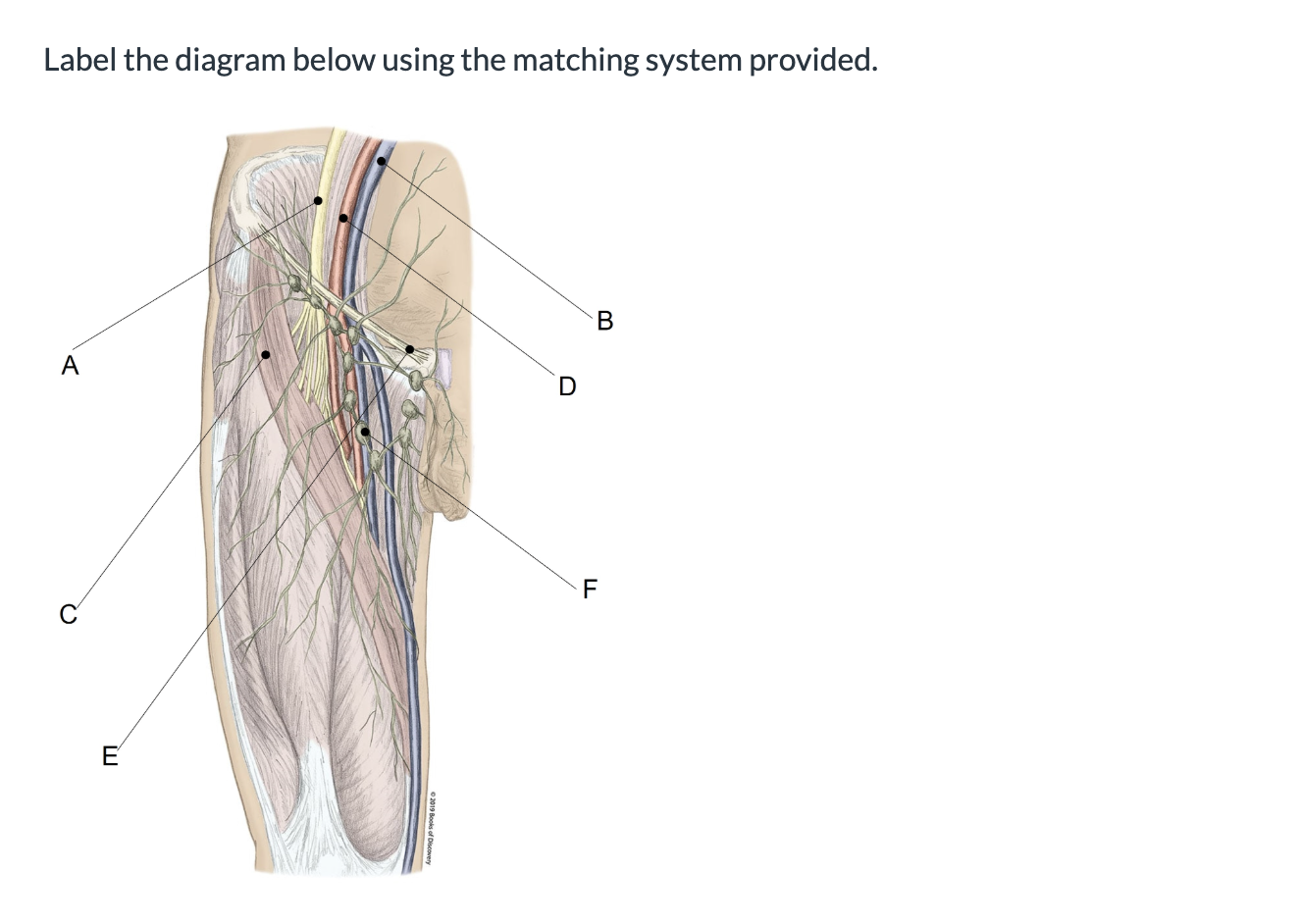
Label the diagram below using the matching system provided.
E - Inguinal ligament
D - Femoral artery
A - Femoral nerve
F - Lymph node
C - Sartorius
B - Femoral vein
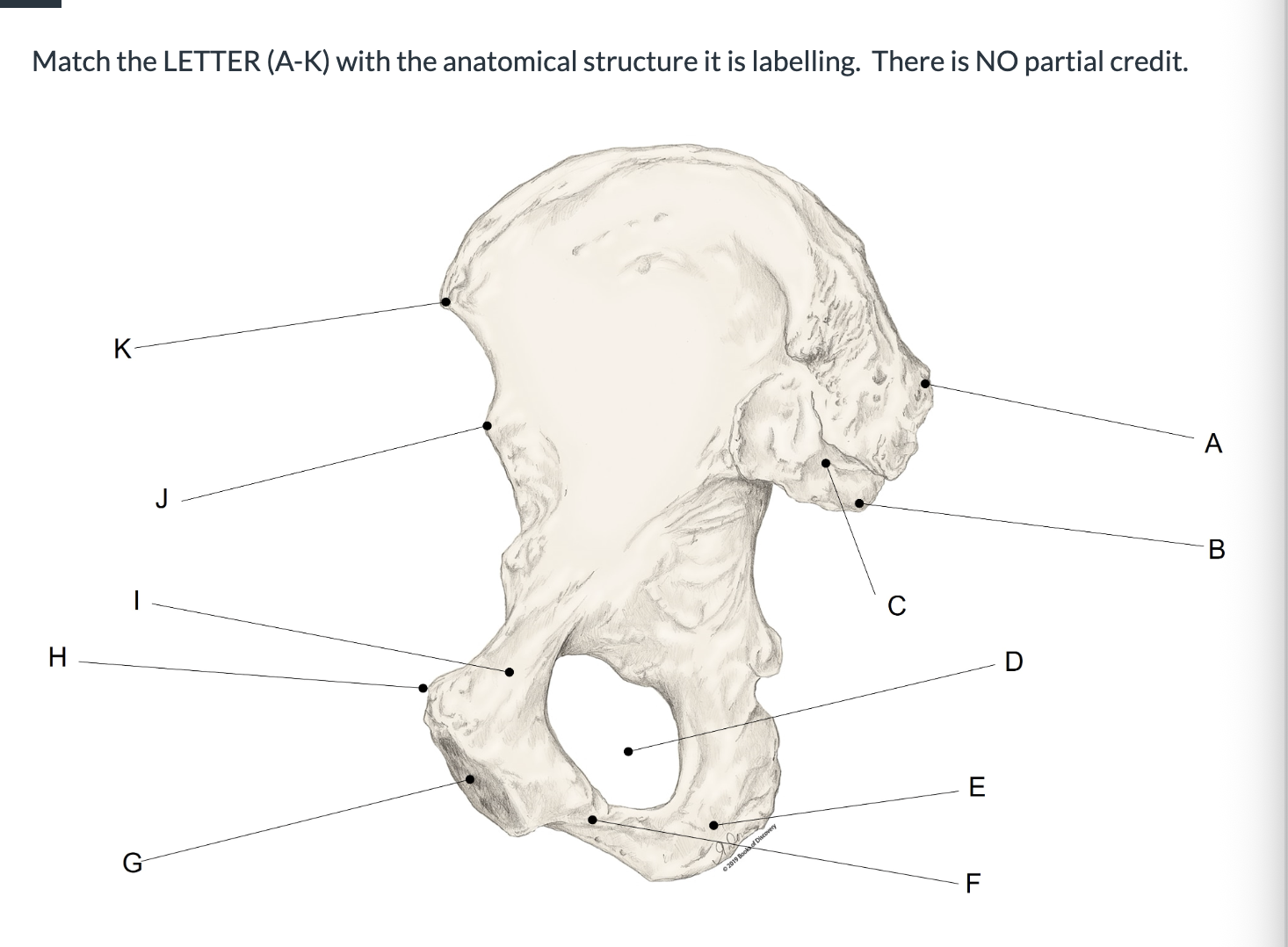
Match the LETTER (A-K) with the anatomical structure it is labelling. There is NO partial credit.
D - Obturator foramen
I - Superior pubic ramus
J - Anterior inferior iliac spine
F - Inferior pubic ramus
G - Pubic symphysis joint
A - Posterior superior iliac spine
B - Posterior inferior iliac spine
E - Ischium
K - Anterior superior iliac spine
H - Pubic tuberle
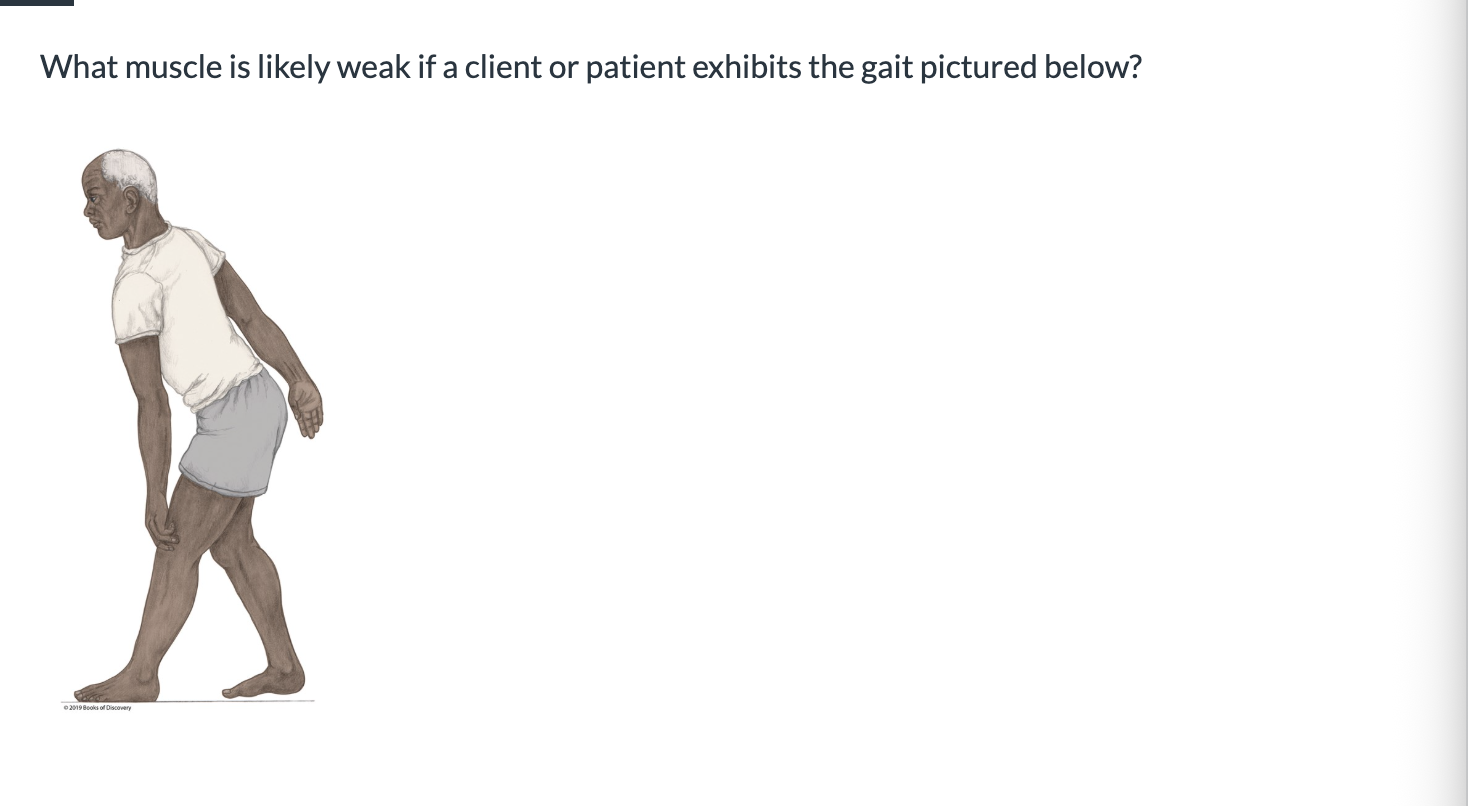
What muscle is likely weak if a client or patient exhibits the gait pictured below?
Quadriceps
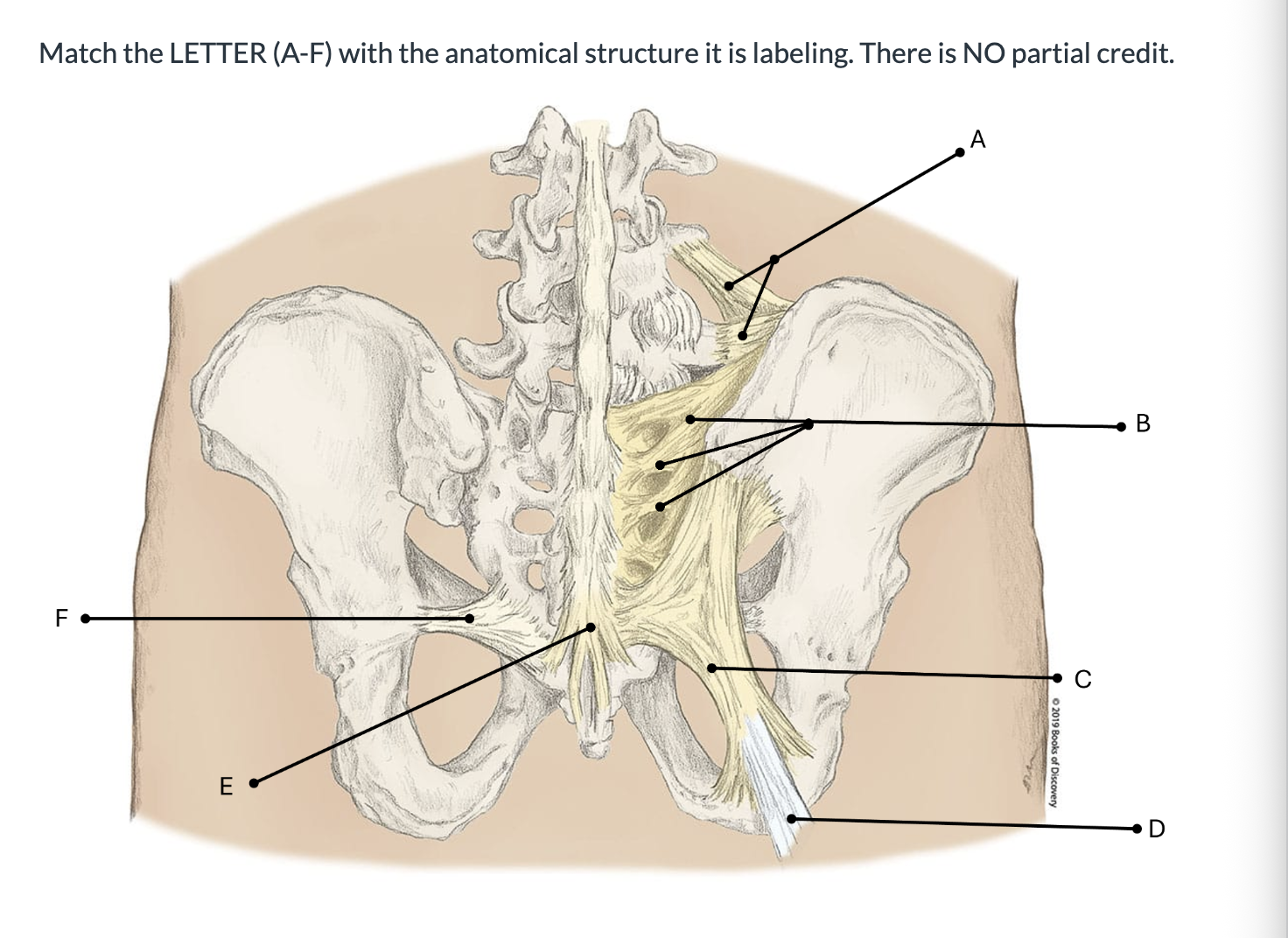
Match the LETTER (A-F) with the anatomical structure it is labeling. There is NO partial credit.
A - Iliolumbar ligament
C - Sacrotuberous ligament
D - Hamstring tendon
F - Sacrospinous ligament
E - Posterior sacrococcygeal ligament
B - Posterior sacroiliac ligament
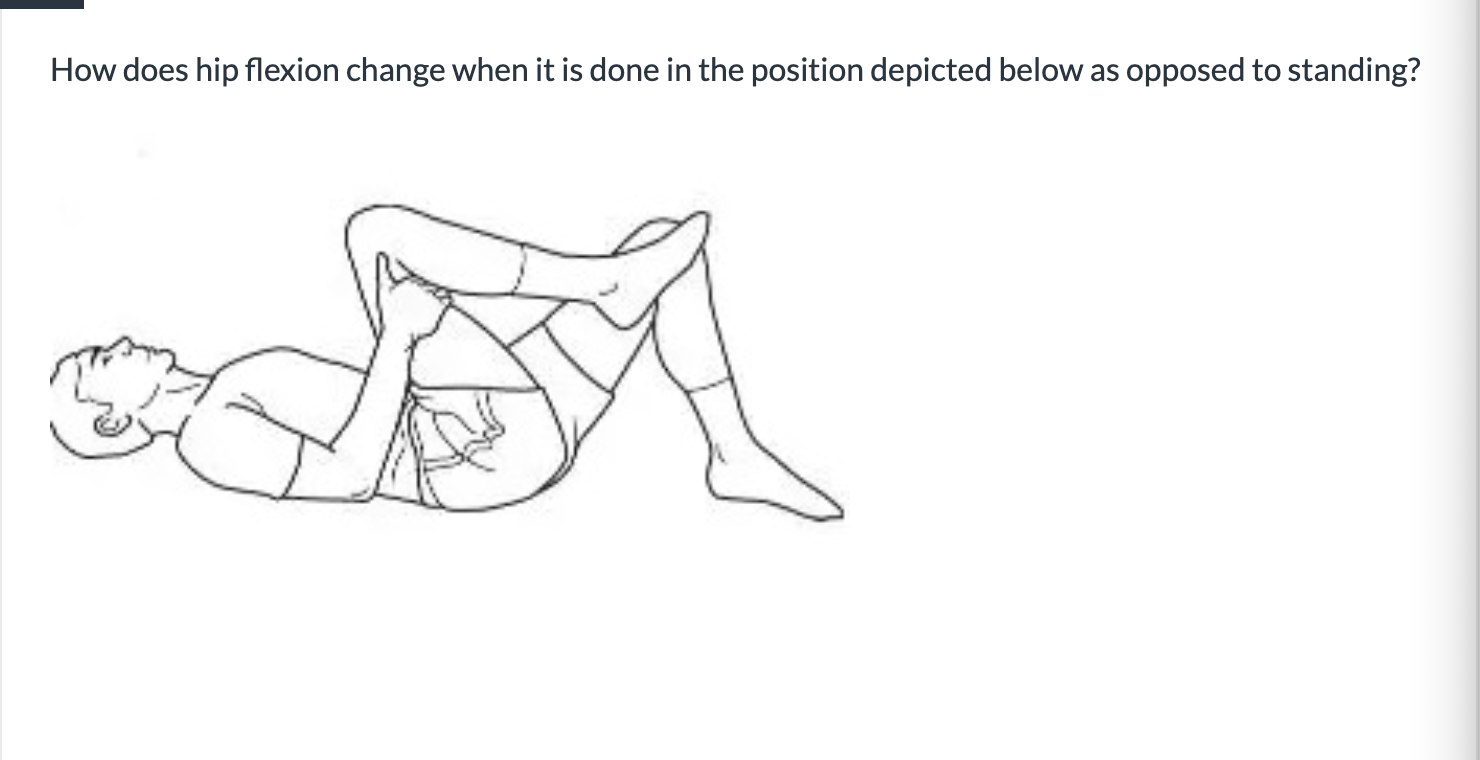
How does hip flexion change when it is done in the position depicted below as opposed to standing?
Increases by 30 degrees
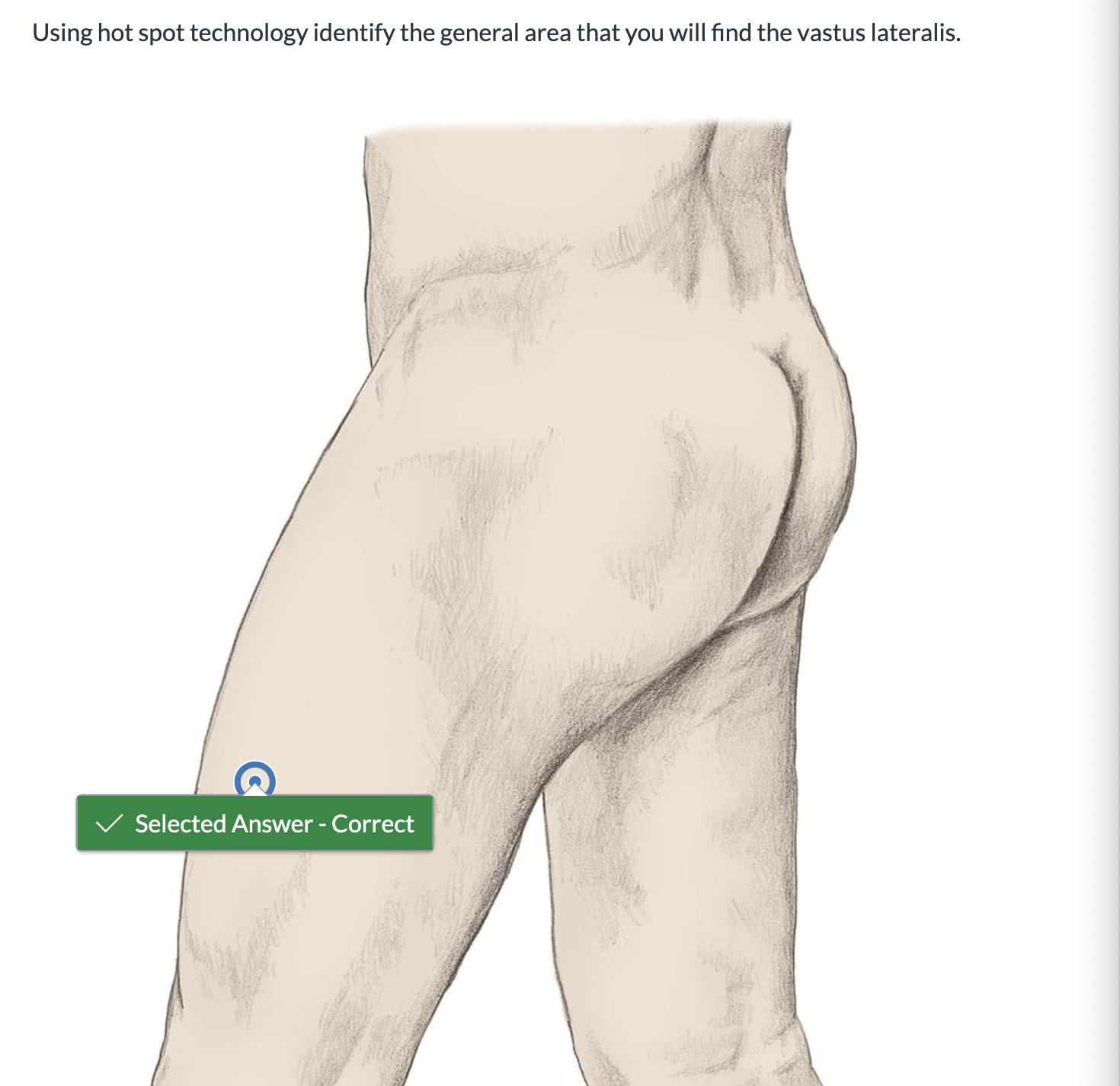
Using hot spot technology identify the general area that you will find the vastus lateralis.
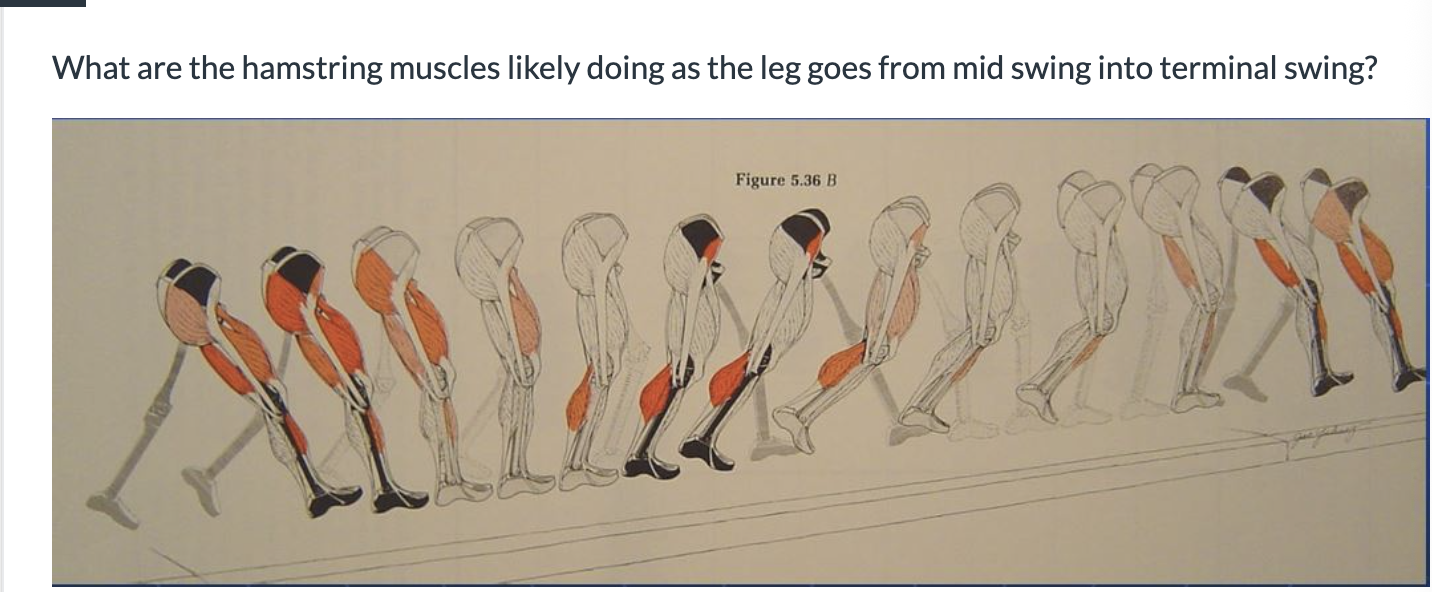
What are the hamstring muscles likely doing as the leg goes from mid swing into terminal swing?
Eccentrically controlling (slowing) knee extension
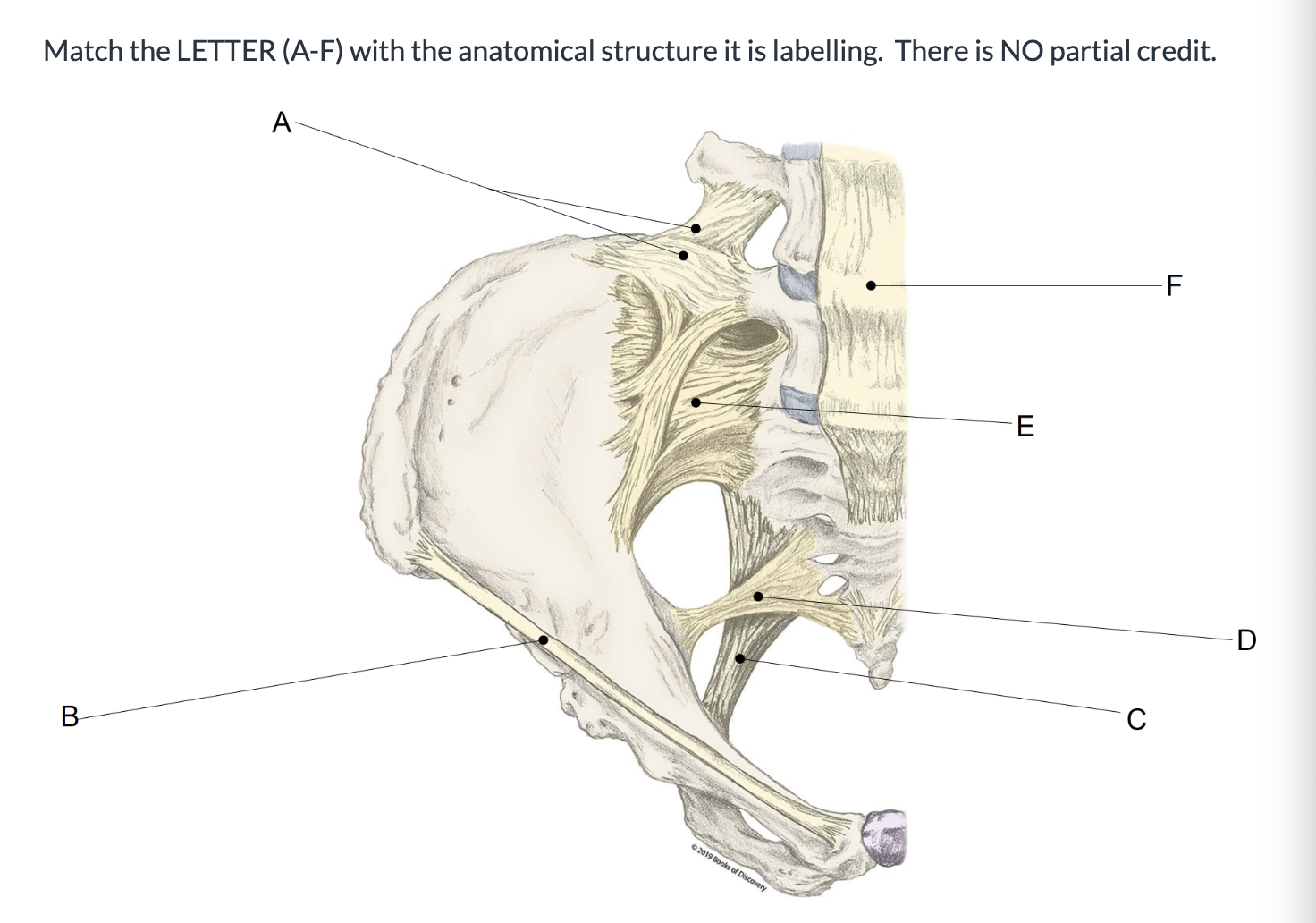
Match the LETTER (A-F) with the anatomical structure it is labelling. There is NO partial credit.
A - Iliolumbar ligament
C - Sacrotuberous ligament
B- Inguinal ligament
E - Anterior iliosacral ligament
F - Anterior longitudinal ligament
D - Sacrospinous ligament
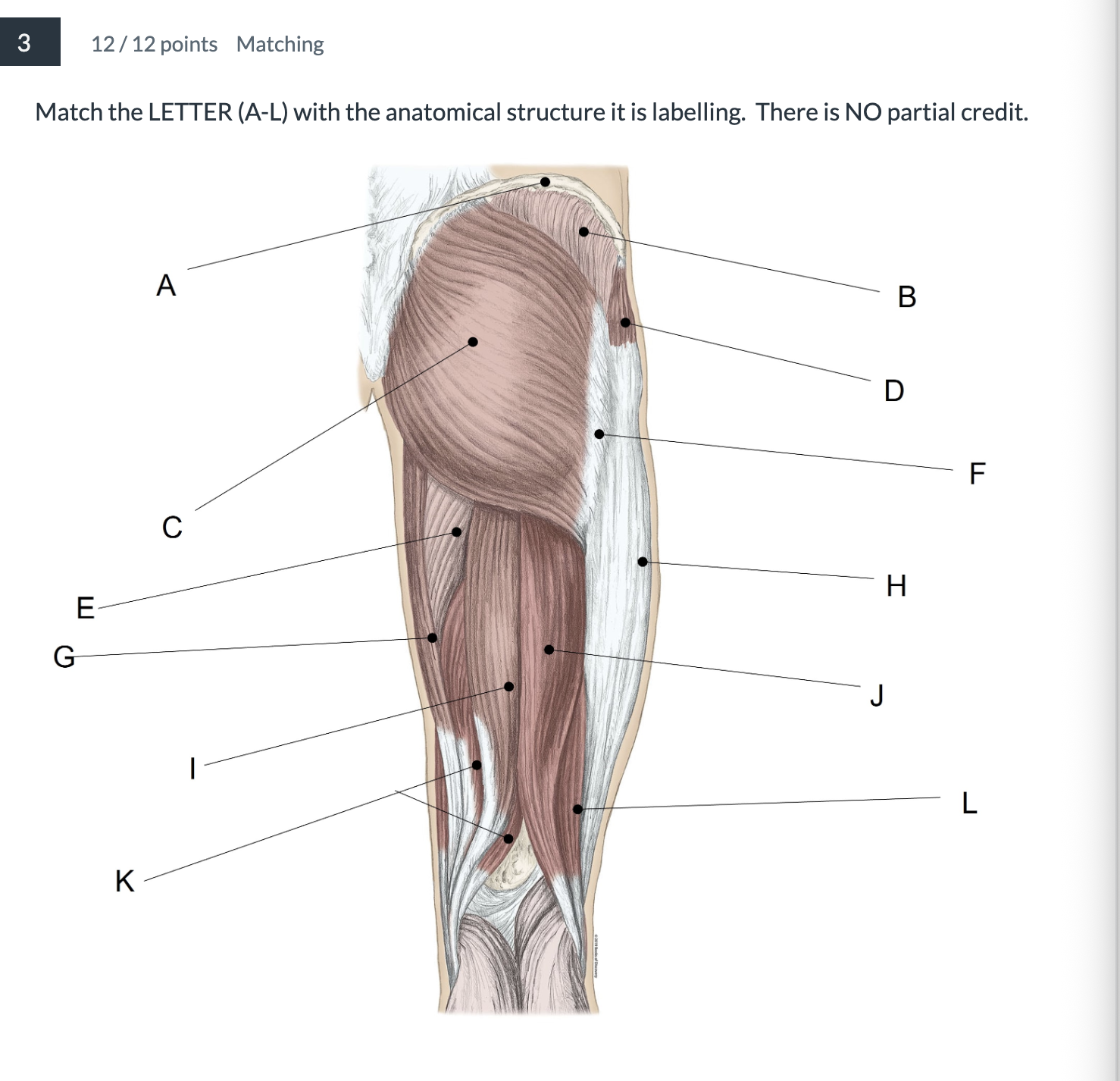
Match the LETTER (A-L) with the anatomical structure it is labelling.
K - Semimembransosus
E- Adductor magnus
A- Iliac crest
D - Tensor fascia latae
C - Gluteus maximus
G - Gracilis
B - Gluteus medius
F - Tendon of gluteus maximus
L - Short head of biceps femoris
H - Iliotibial band
J - Long head of biceps femoris
I - Semitendinosus
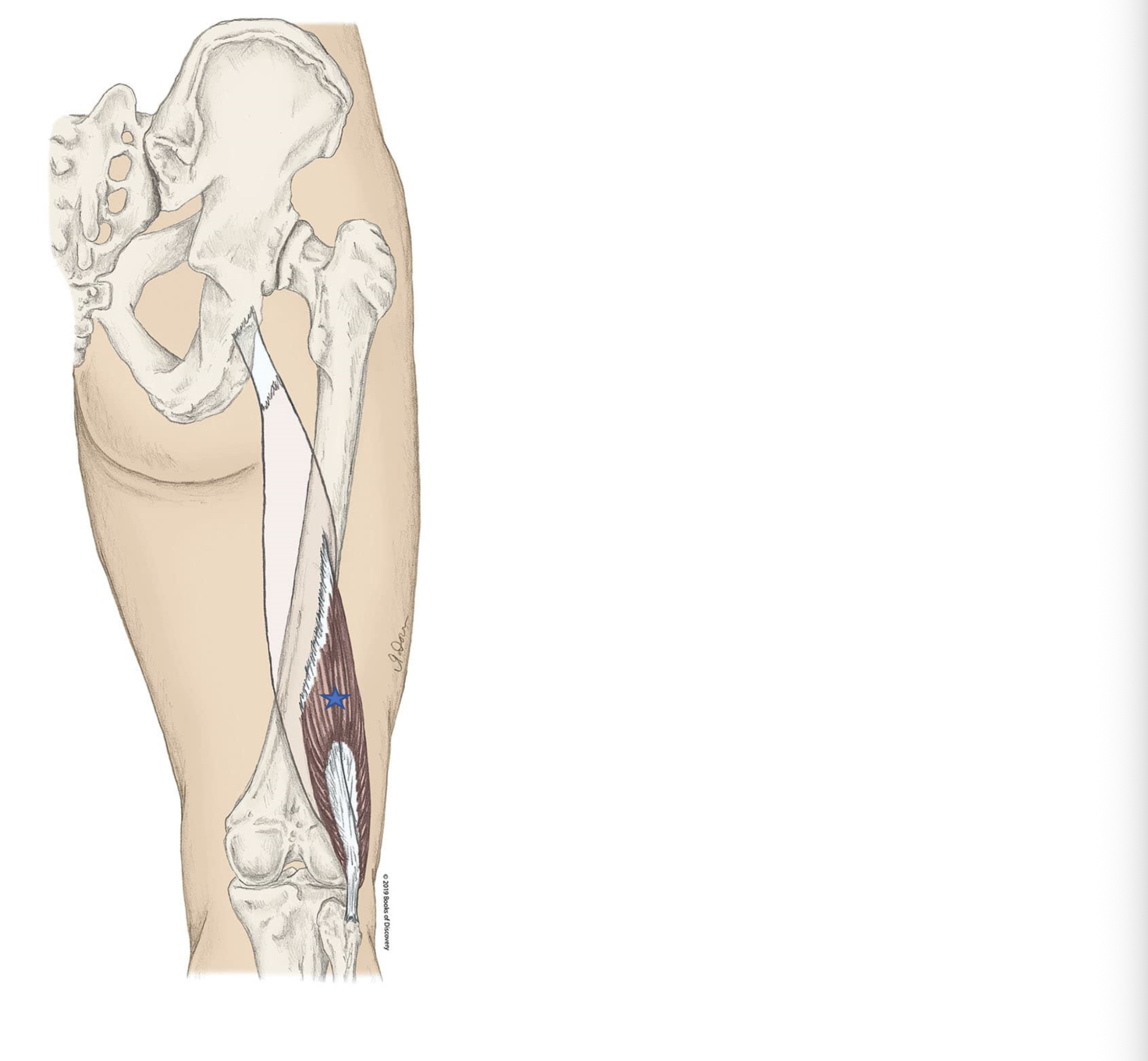
From the list of muscles and actions below, identify the "starred" muscle and its primary actions.
Flex the knee
Laterally rotate the flexed knee
Short head of biceps femoris
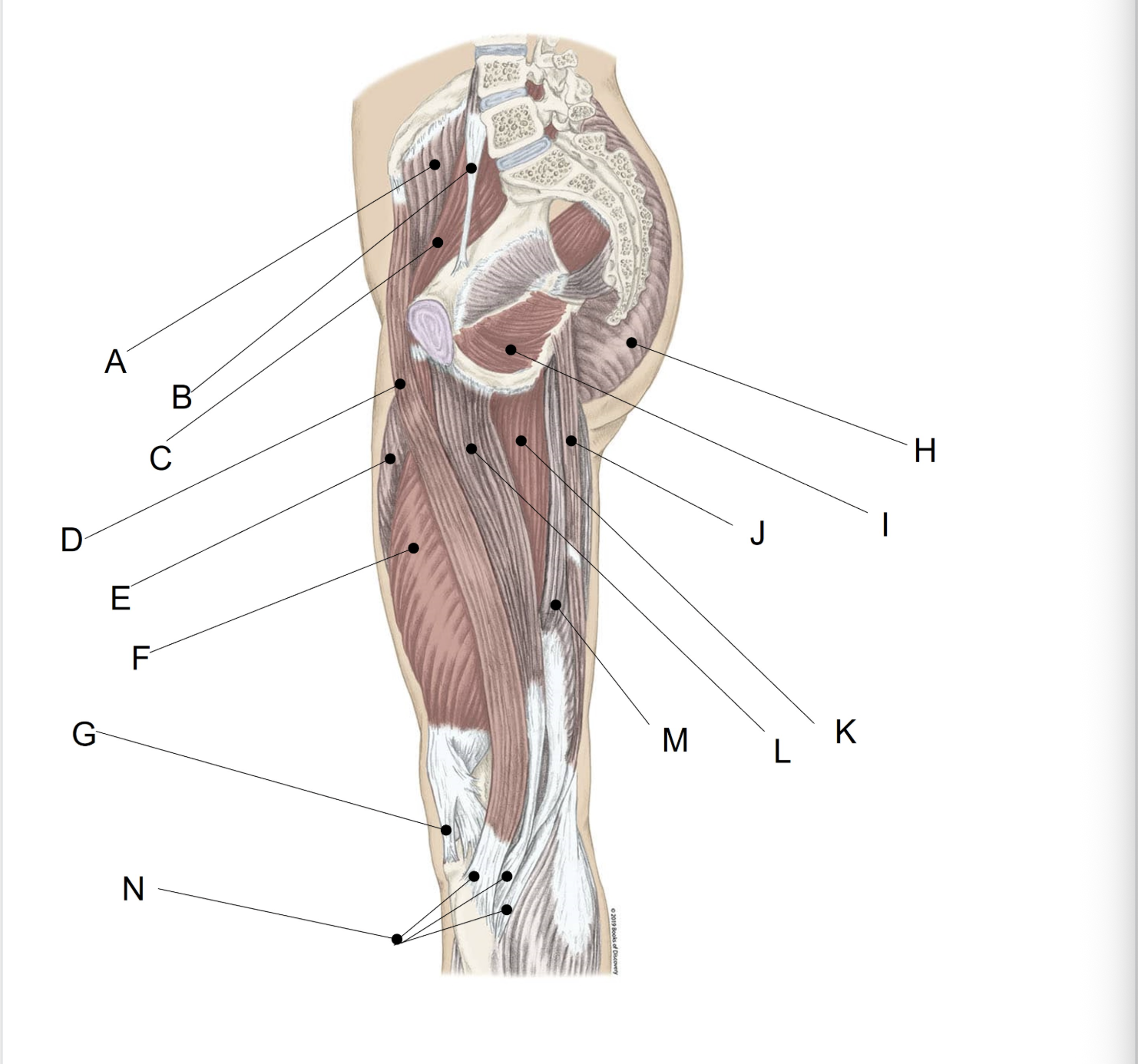
Match the LETTER (A-N) with the anatomical structure it is labelling.
E - Rectus femoris
H - Gluteus maximus
D - Sartorius
M - Semimembranosus
L - Gracilis
I - Levator ani
N - Pes anserinus tendon
F - Vastus medialis
K - Adductor magnus
G - Patellar tendon
A - Iliacus
B - Psoas minor
J - Semitendinosus
C - Psoas major
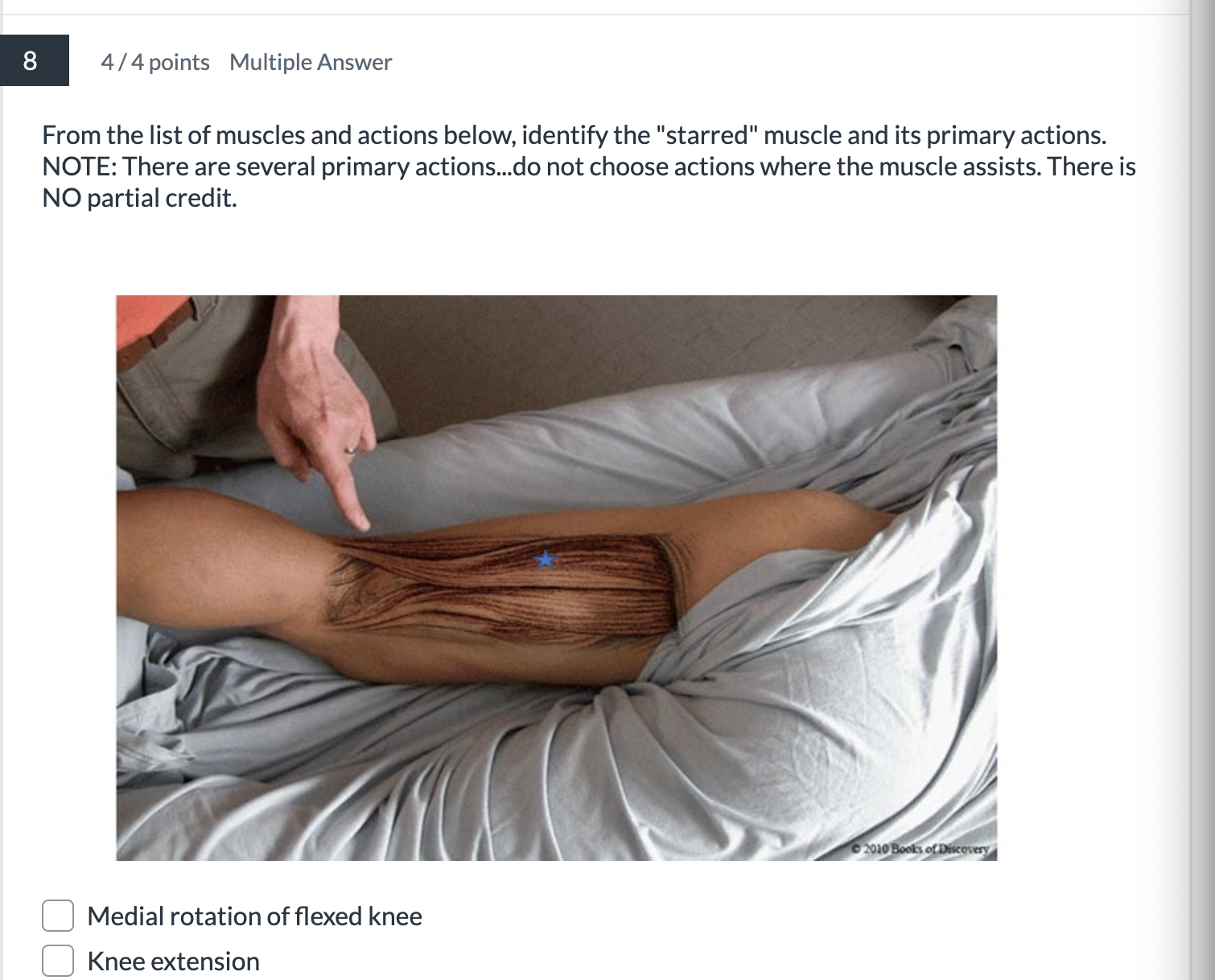
From the list of muscles and actions below, identify the "starred" muscle and its primary actions.
Lateral rotation of the flexed knee
Knee flexion
Hip extension
Long head of biceps femoris
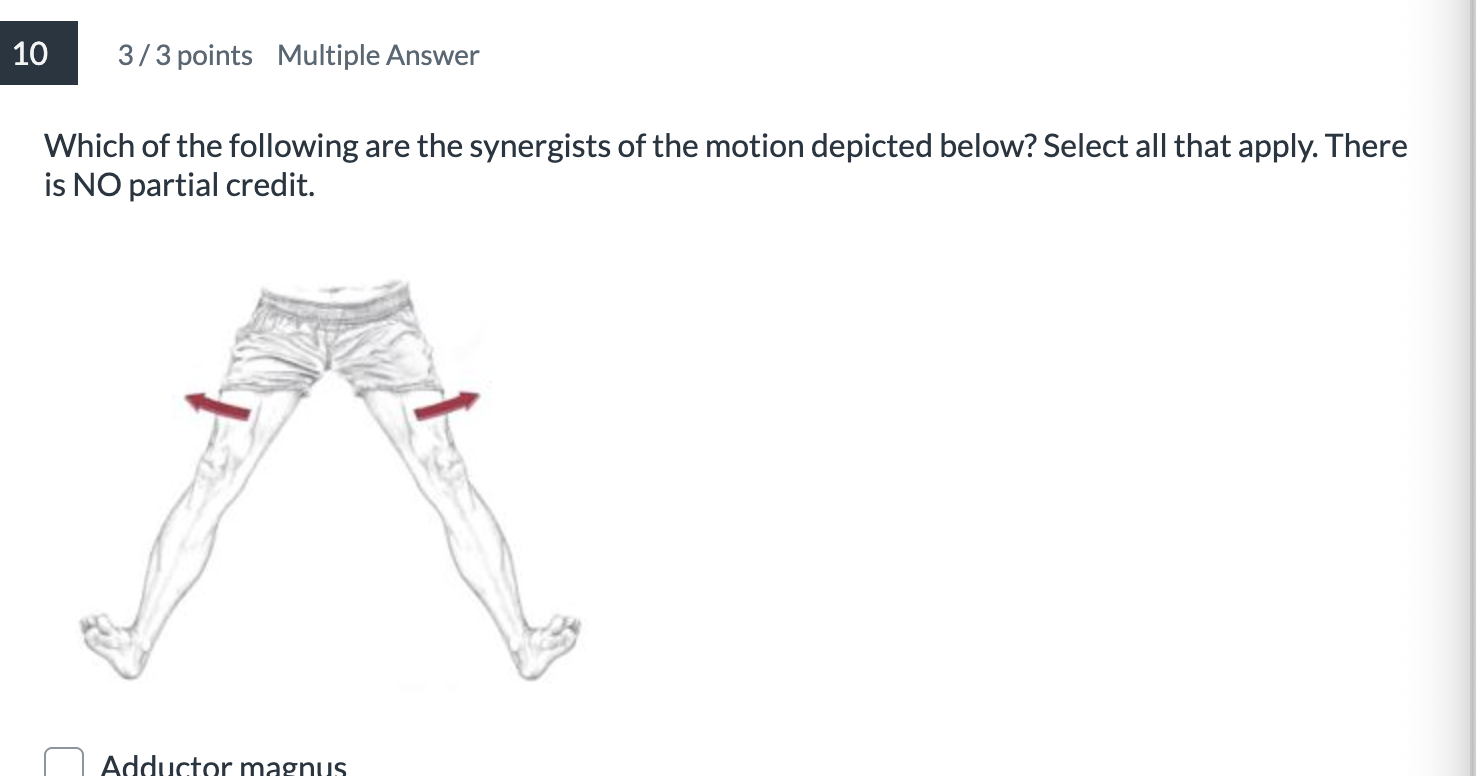
Which of the following are the synergists of the motion depicted below? Select all that apply.
Gluteus medius
Tensor fascia latae
Gluteus maximus
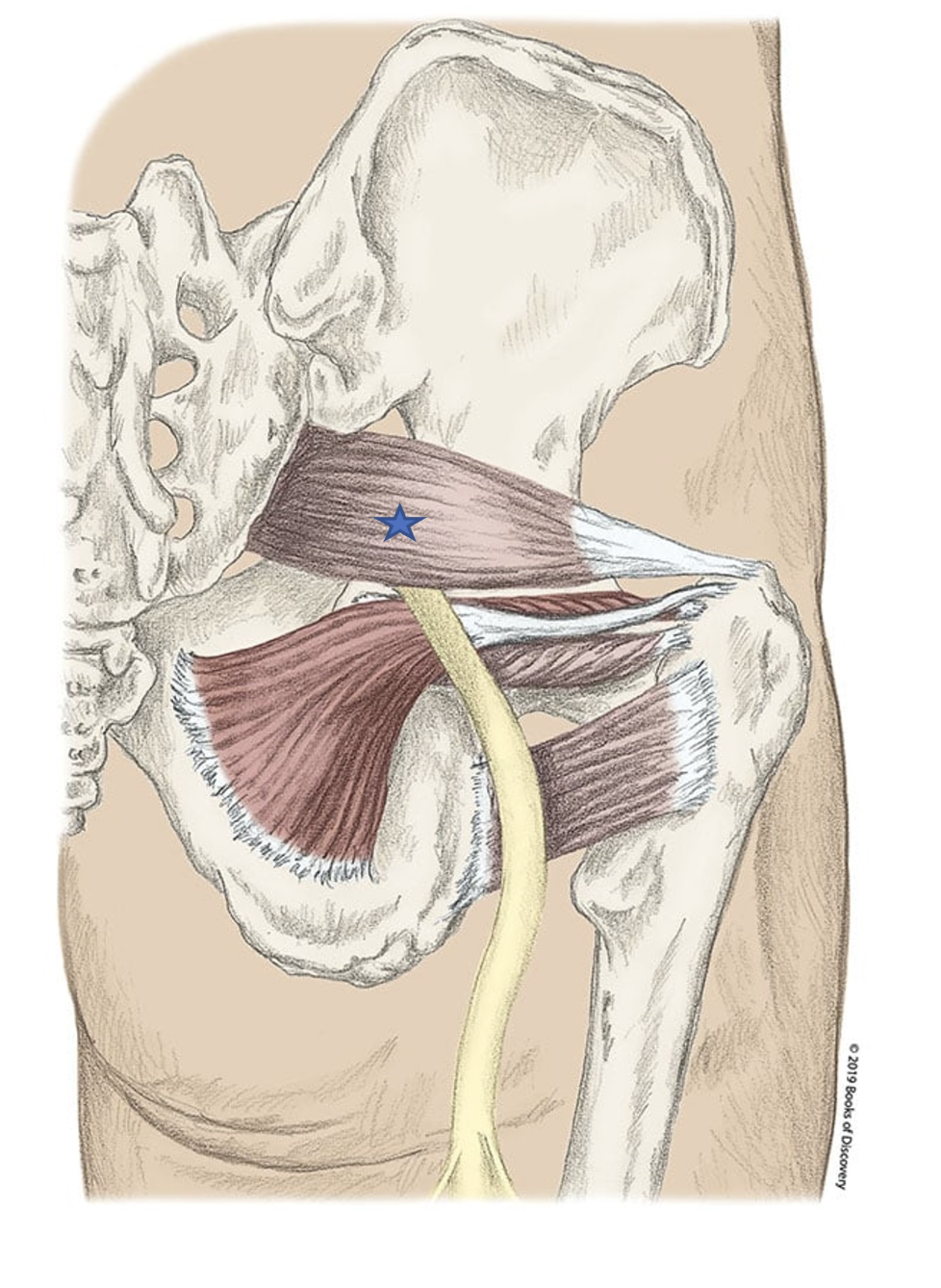
From the list of muscles and actions below, identify the "starred" muscle and its primary actions.
Lateral rotation of hip
Piriformis
Abduct hip with hip flexed
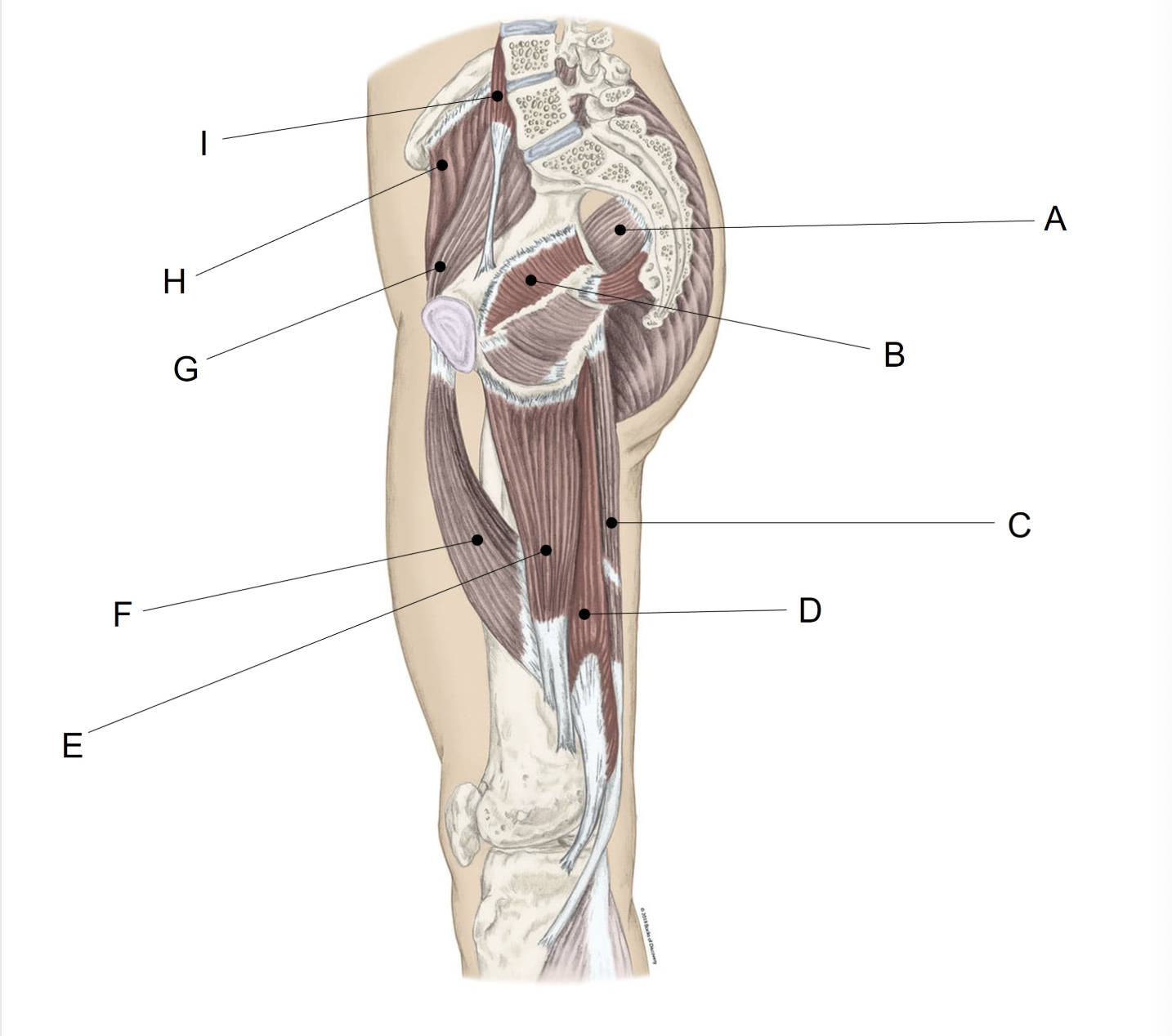
Match the LETTER (A-I) with the anatomical structure it is labelling.
E - Adductor magnus
I - Psoas minor
B - Obturator internus
C - Semitendinosus
A - Piriformis
G - Psoas major
F - Adductor longus
D - Semimembranosus
H - Iliacus
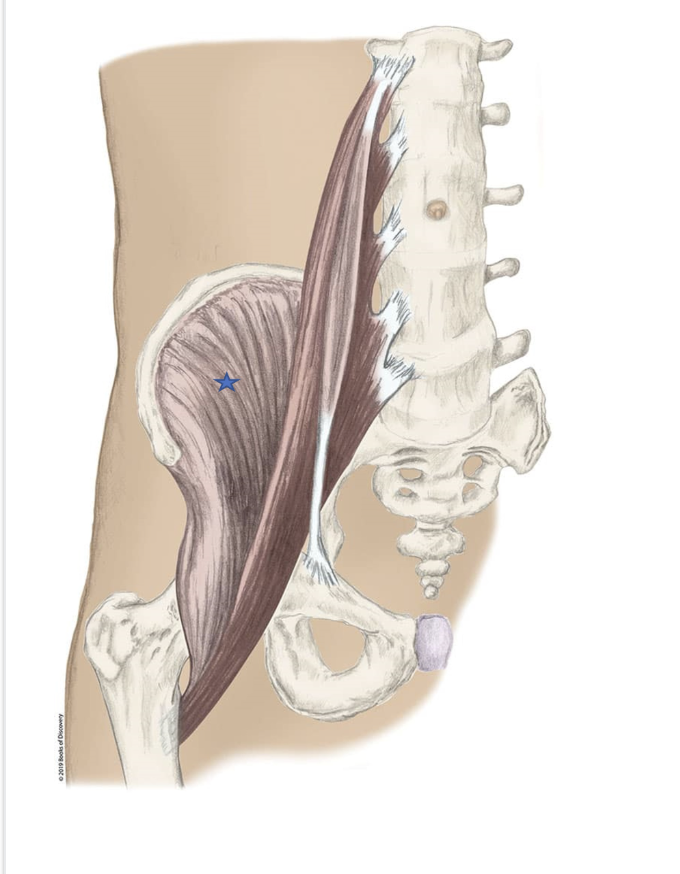
From the list of muscles and actions below, identify the "starred" muscle and its primary actions.
Flex the trunk with insertion fixed
Laterally rotate hip with origin fixed
Flex the hip with the origin fixed
Iliacus
Tilt pelvis anteriorly with insertion fixed
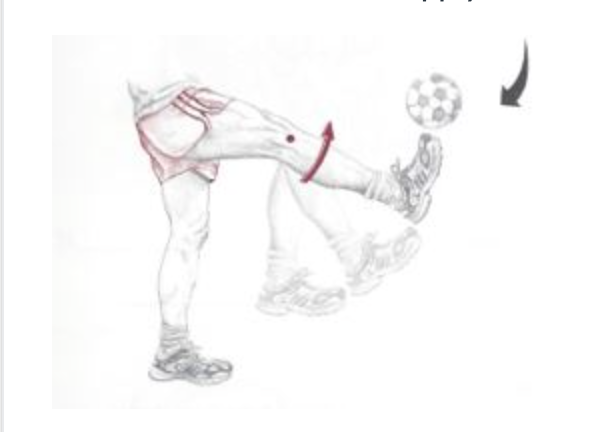
Which of the following are the synergists of the motion depicted below?
Psoas major
Rectus femoris
Sartorius
Tensor fascia latae
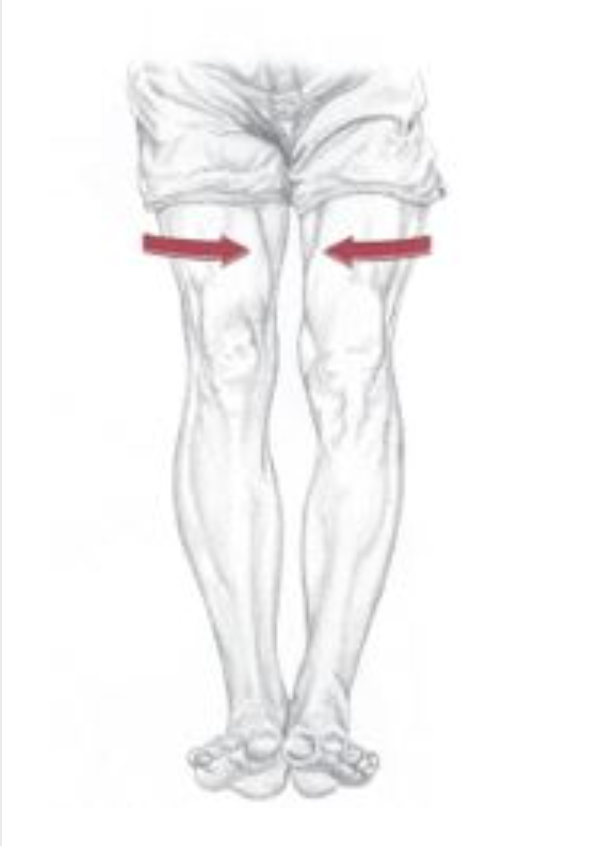
Which of the following are the synergists of the motion depicted below? Select all that apply.
Adductor longus
Pectineus
Gracilis
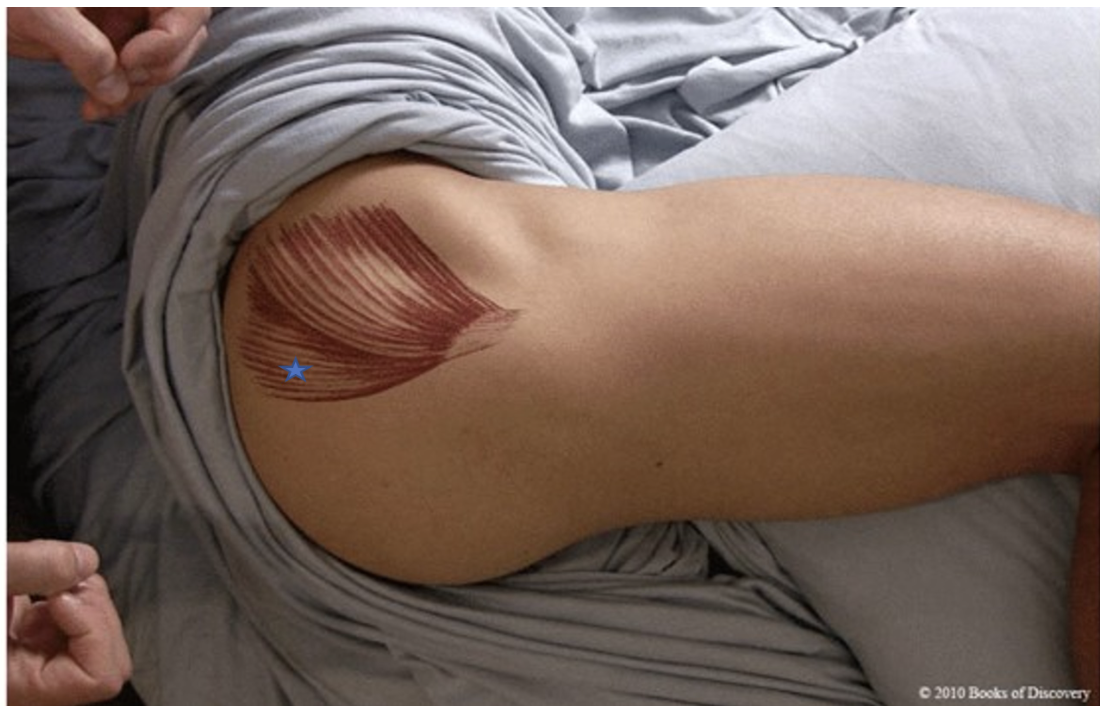
From the list of muscles and actions below, identify the "starred" muscle and its primary actions.
Extend hip
Posterior fibers of gluteus medius
Laterally rotate hip
Abduct hip
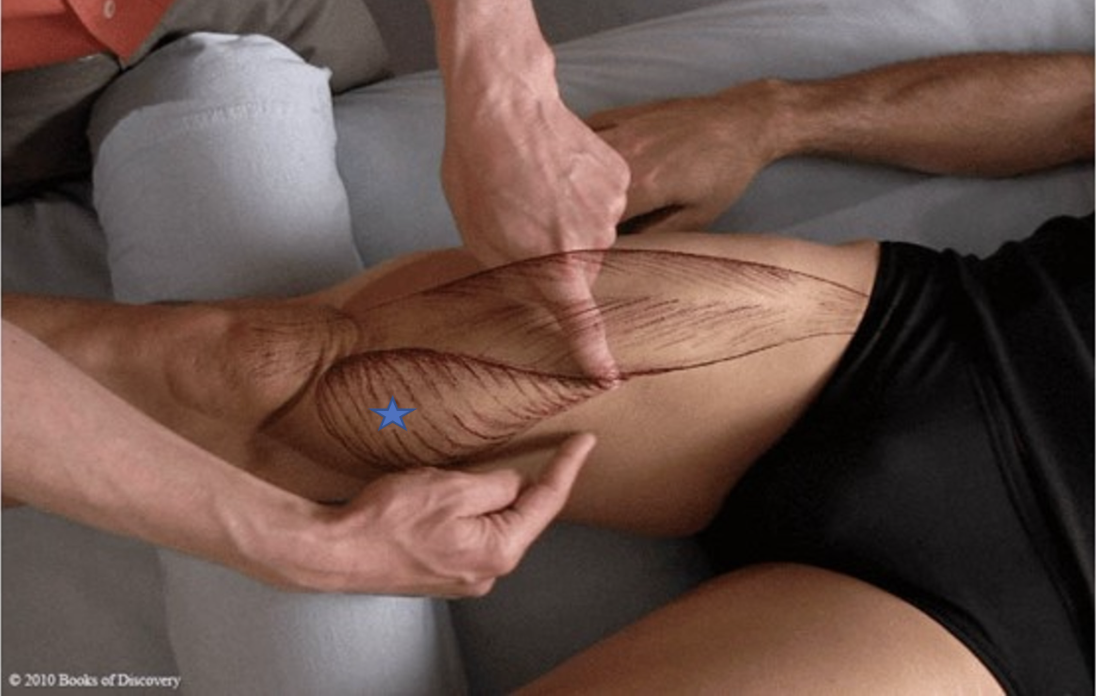
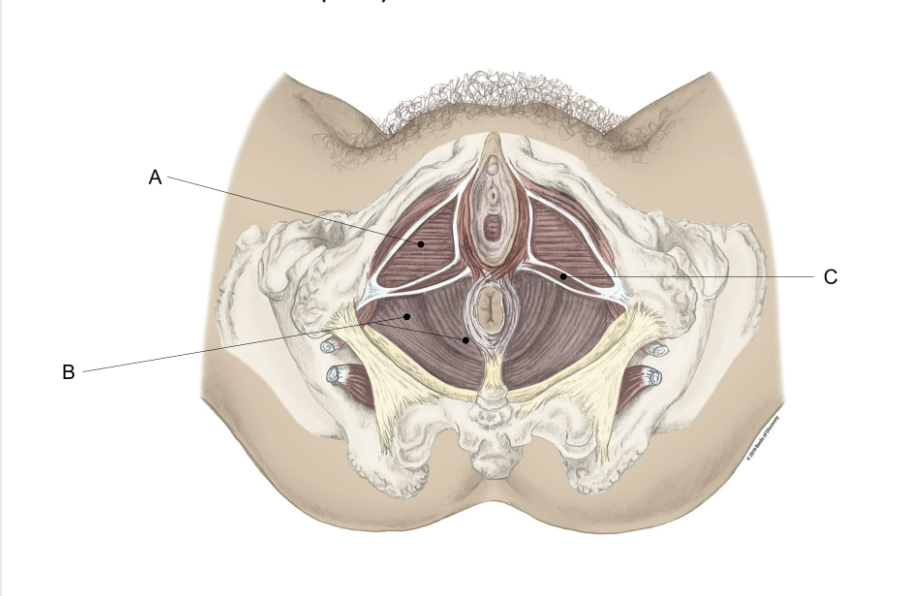
Match the LETTER (A-C) with the anatomical structure it is labelling.
B - Levator ani
C - Superior transverse perineal
A - Deep transverse perineal
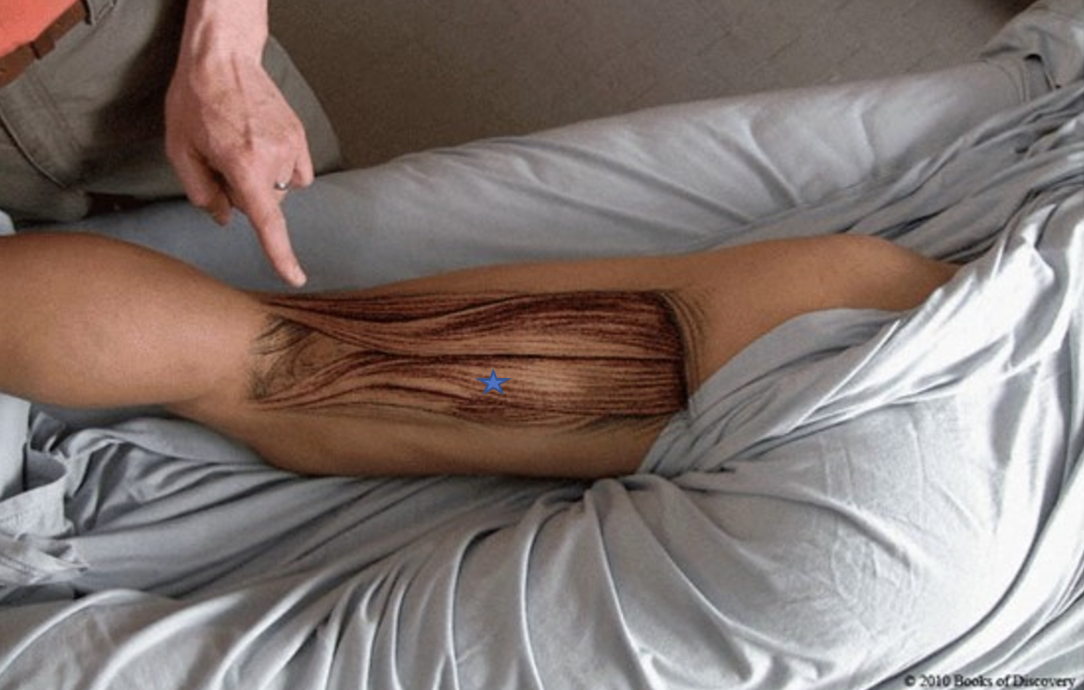
From the list of muscles and actions below, identify the "starred" muscle and its primary actions.
Hip extension
Medial rotation of flexed knee
Semitendinosus
Knee flexion
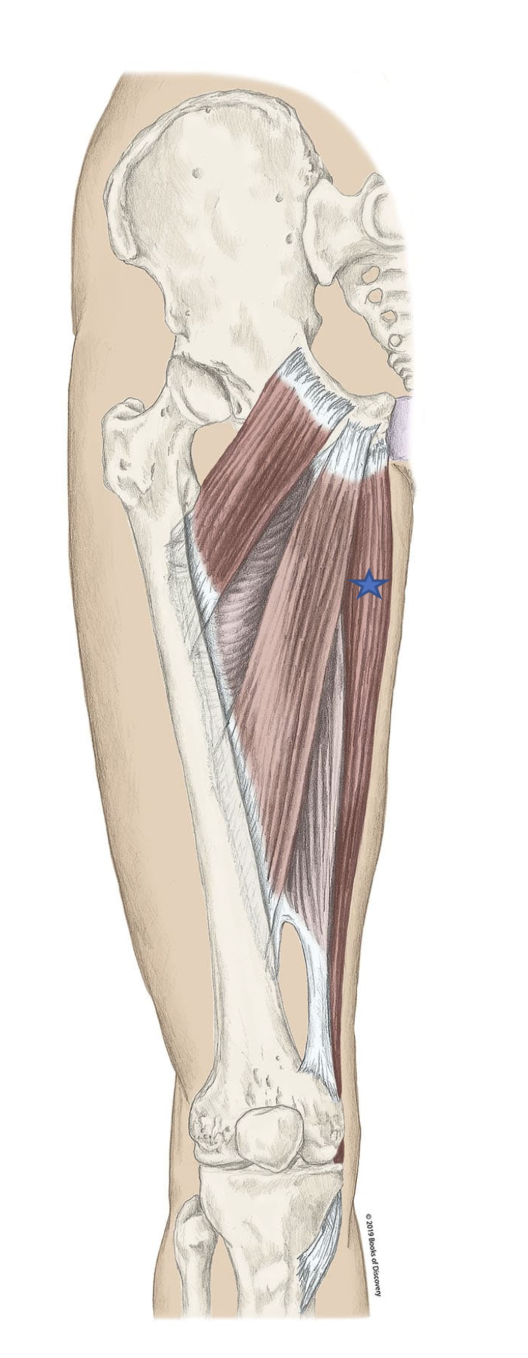
From the list of muscles and actions below, identify the "starred" muscle and its primary actions.
Adduct hip
Medially rotate a flexed knee
Flex the knee
Gracilis
Medially rotate hip
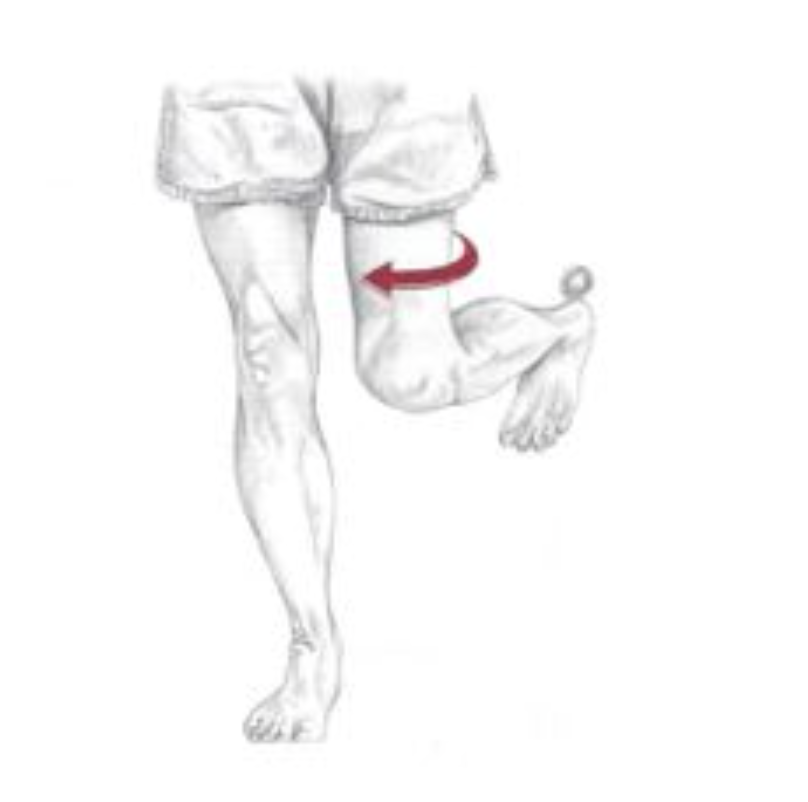
Which of the following are the synergists of the motion depicted below? Select all that apply.
Pectineus
Tensor fascia latae
Adductor brevis
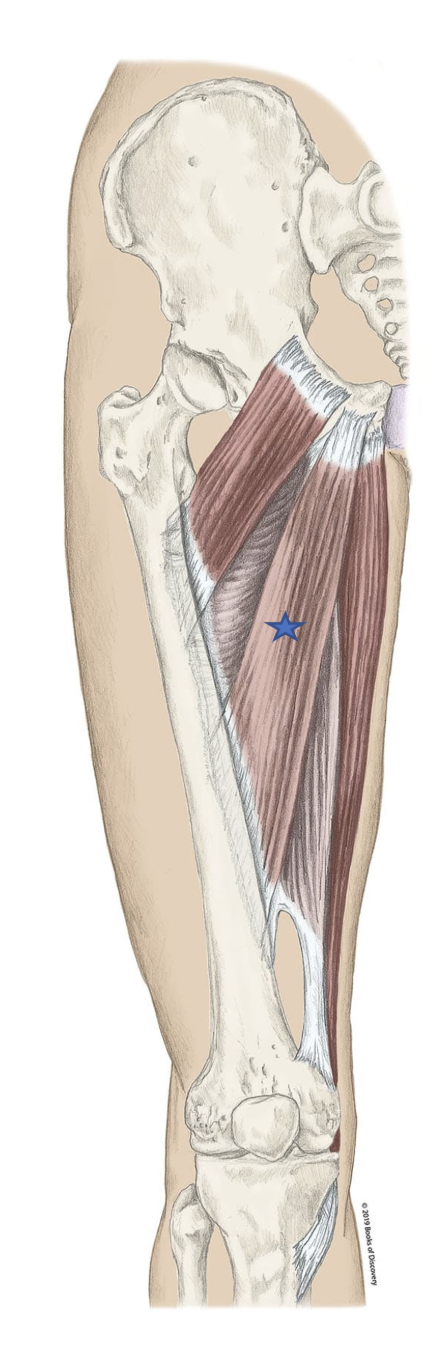
From the list of muscles and actions below, identify the "starred" muscle and its primary actions.
Flex the hip
Adduct hip
Medially rotate hip
Adductor longus
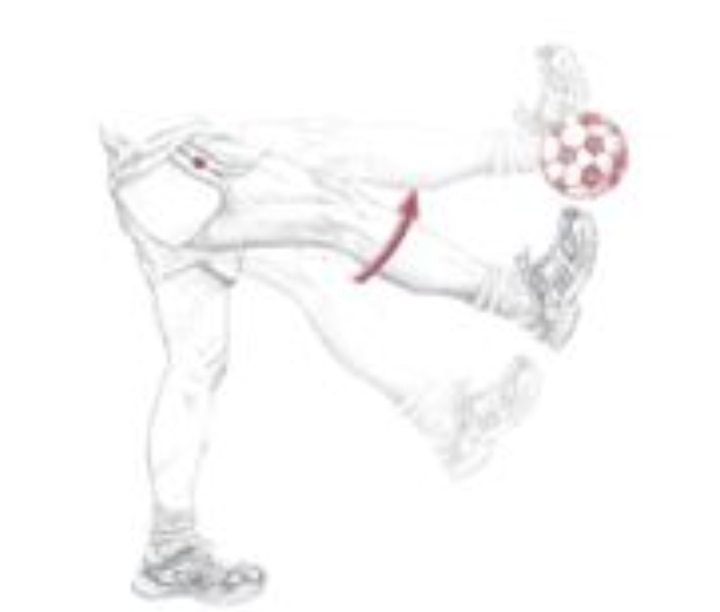
Which of the following are the synergists of the motion depicted below? The dot indicates the joint of interest. Select all that apply.
Vastus intermedius
Tensor fascia latae
Vastus lateralis
Rectus femoris
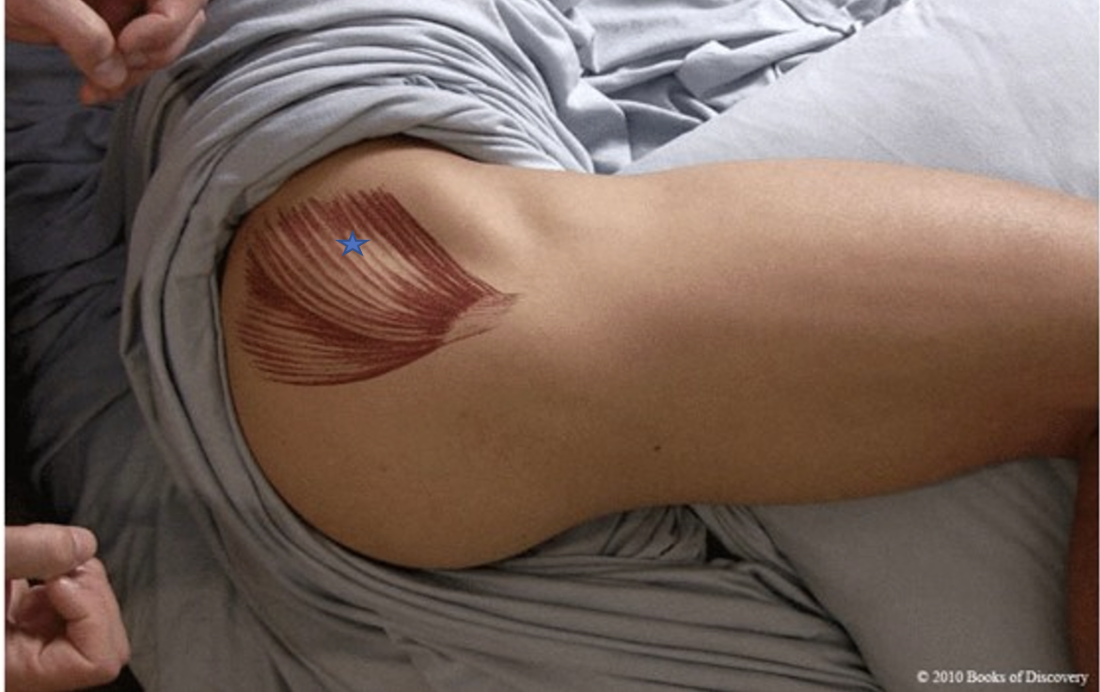
From the list of muscles and actions below, identify the "starred" muscle and its primary actions.
Flex the hip
Abduct hip
Anterior fibers of gluteus medius
Medially rotate hip
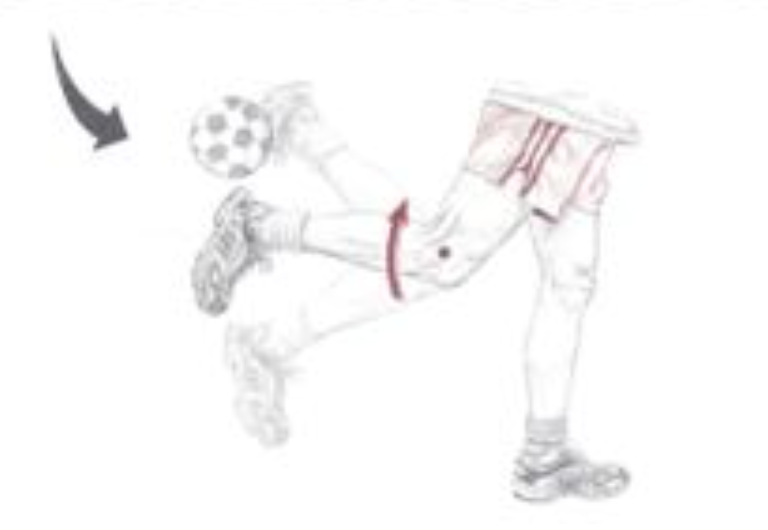
Which of the following are the synergists of the motion depicted below? The dot indicates the joint of interest. Select all that apply.
Semimebranosus
Long head of biceps femoris
Semitendinosus
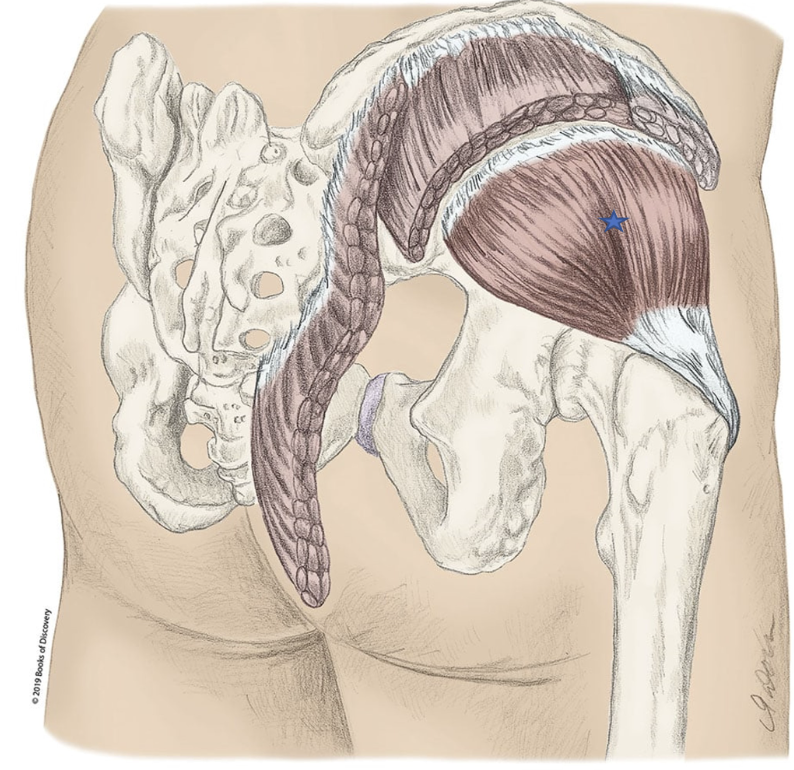
Which of the following are the synergists of the motion depicted below? The dot indicates the joint of interest. Select all that apply.
Medially rotate hip
Gluteus minimus
Flex the hip
Abduct hip
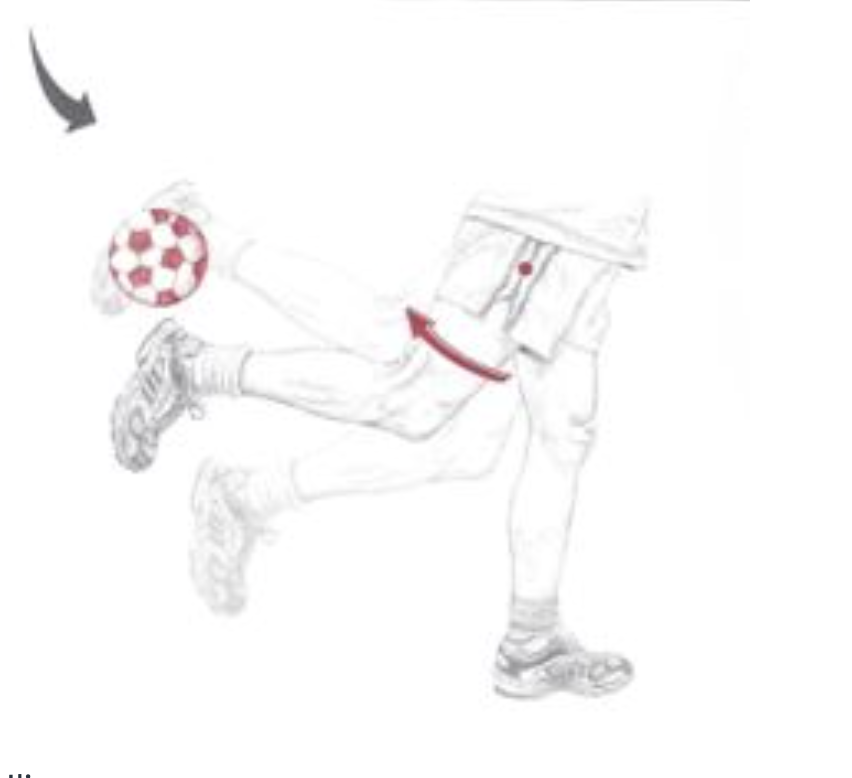
Which of the following are the synergists of the motion depicted below? The dot indicates the joint of interest. Select all that apply.
Adductor magnus
Long head of biceps femoris
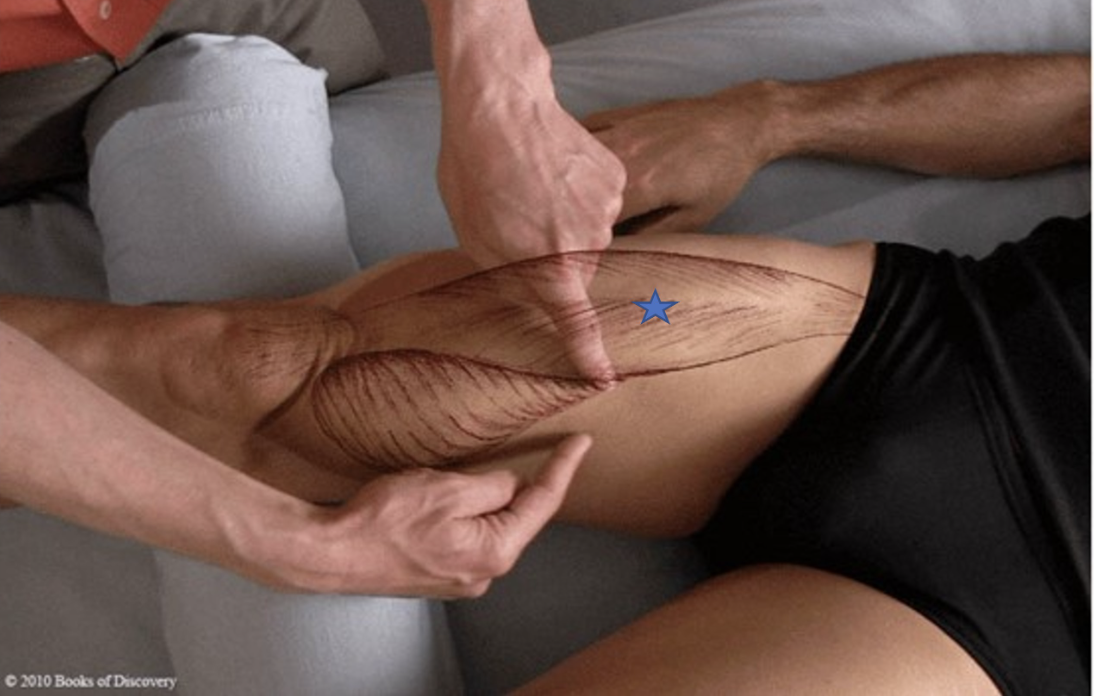
From the list of muscles and actions below, identify the "starred" muscle and its primary actions.
Knee extension
Rectus femoris
Hip flexion
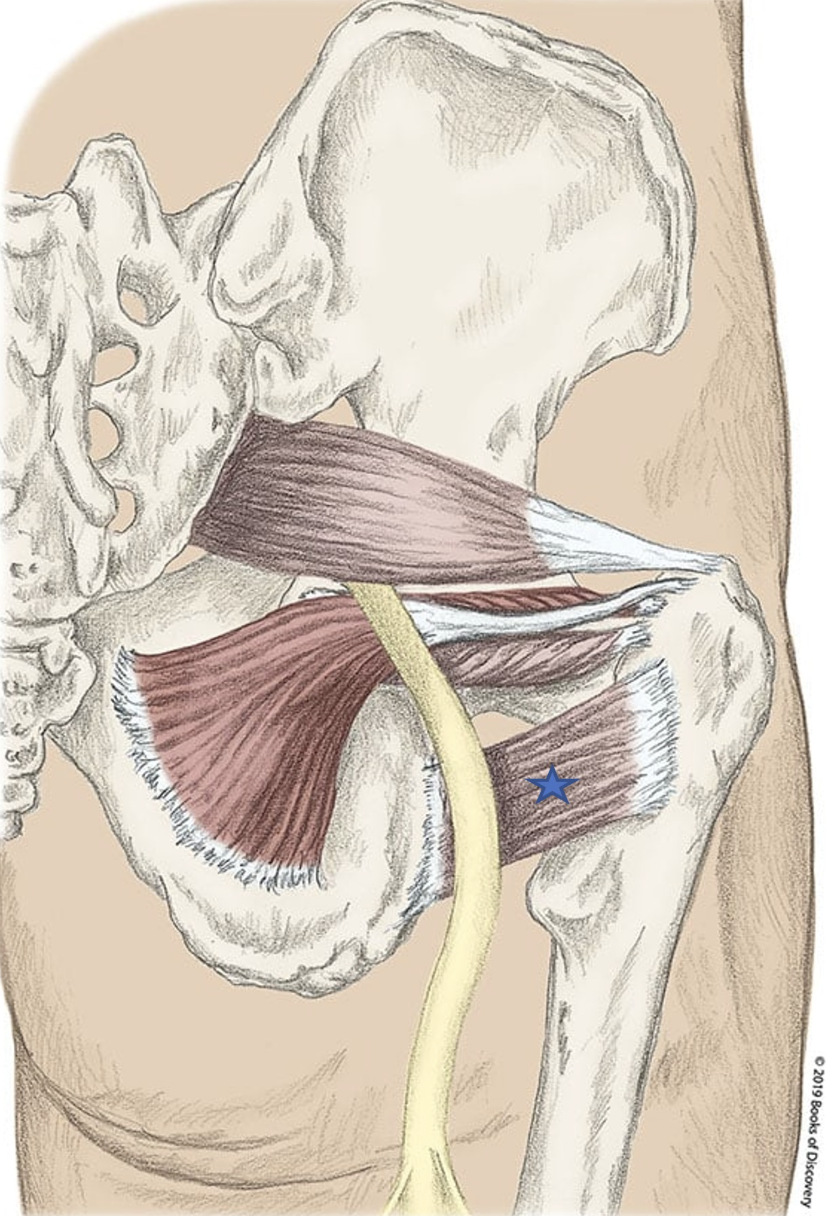
From the list of muscles and actions below, identify the "starred" muscle and its primary actions.
Quadratus femoris
Lateral rotation of hip
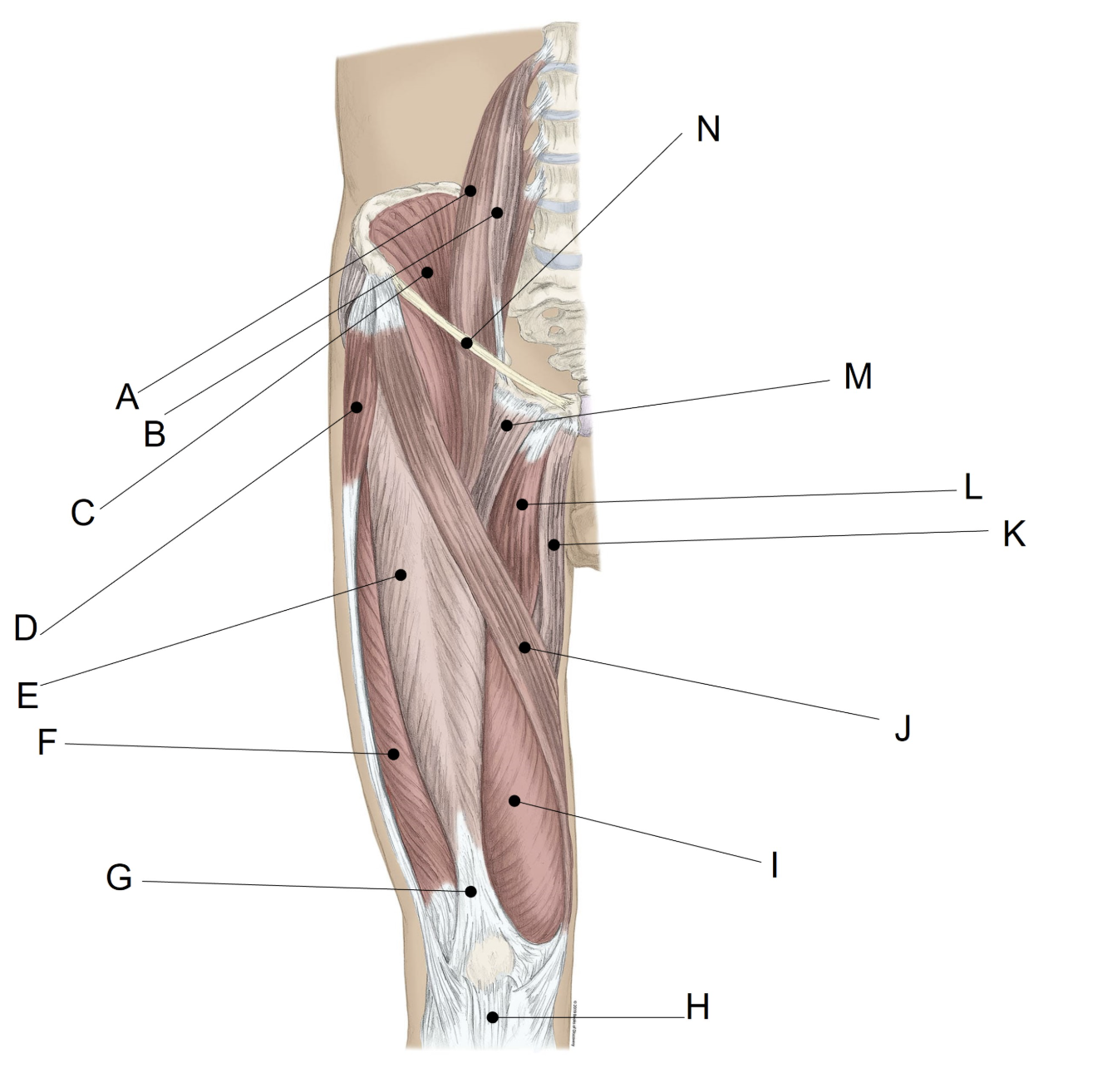
Match the LETTER (A-N) with the anatomical structure it is labelling.
C - liacus
D - Tensor Fascia Latae
N - Inguinal ligament
E - Rectus femoris
A - Psoas major
M - Pectineus
I - Vastus medialis
B - Psoas minor
K - Gracilis
G - Quadriceps tendon
H - Patellar tendon
L - Adductor longus
J - Sartorius
F - Vastus lateralis
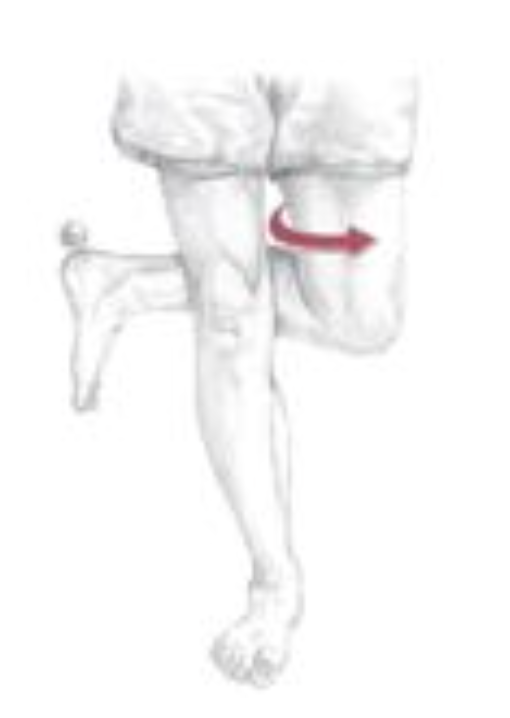
Which of the following are the synergists of the motion depicted below? Select all that apply.
Gluteus maximus
Gemellus superior
Piriformis
Quadratus femoris
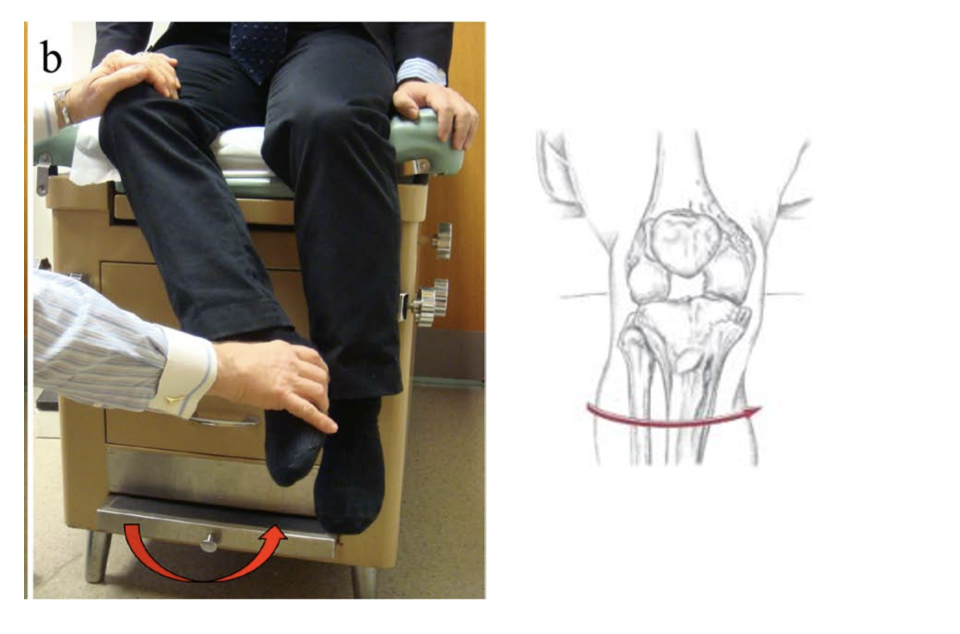
Which of the following are the synergists of the motion depicted below? Select all that apply.
Gracilis
Sartorius
Semitendinosus
Semimembranosus
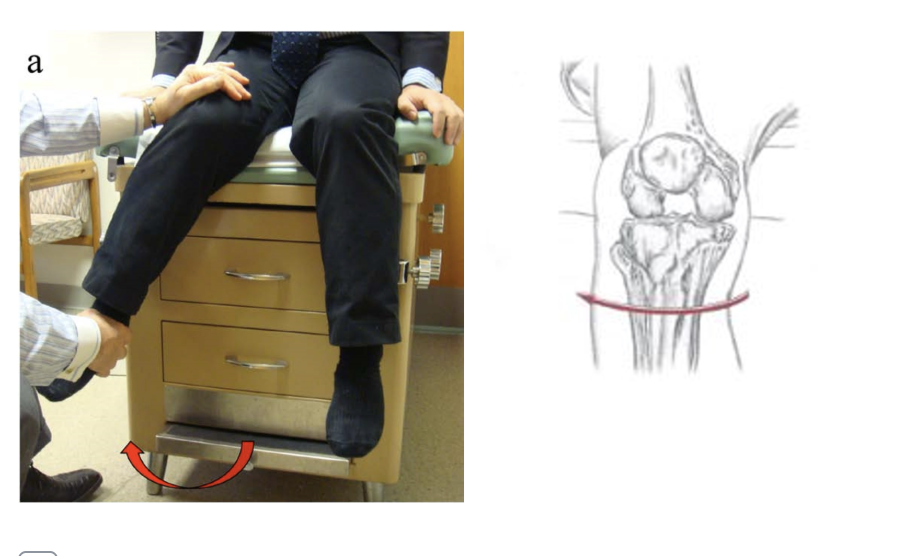
Which of the following are the synergists of the motion depicted below? Select all that apply.
Short head of biceps femoris
Long head of biceps femoris
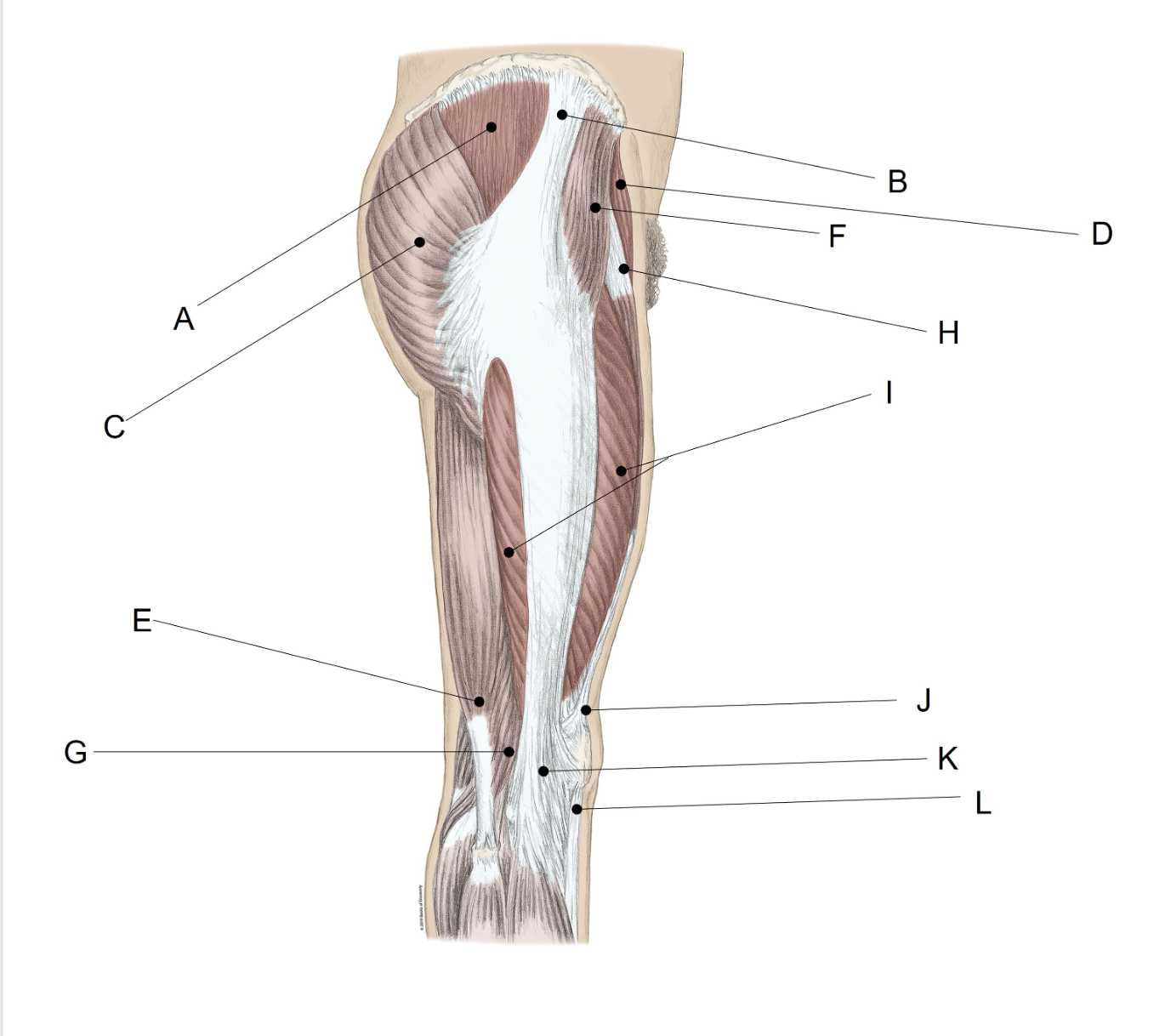
Match the LETTER (A-L) with the anatomical structure it is labelling.
I - Vastus lateralis
F - Tensor fascia latae
D - Sartorius
A - Gluteus medius
G - Short head of biceps femoris
E - Long head of biceps femoris
B - Proximal iliotibial band
J - Quadriceps tendon
C - Gluteus maximus
H - Rectus femoris
K - Distal iliotibial band
L - Patellar tendon
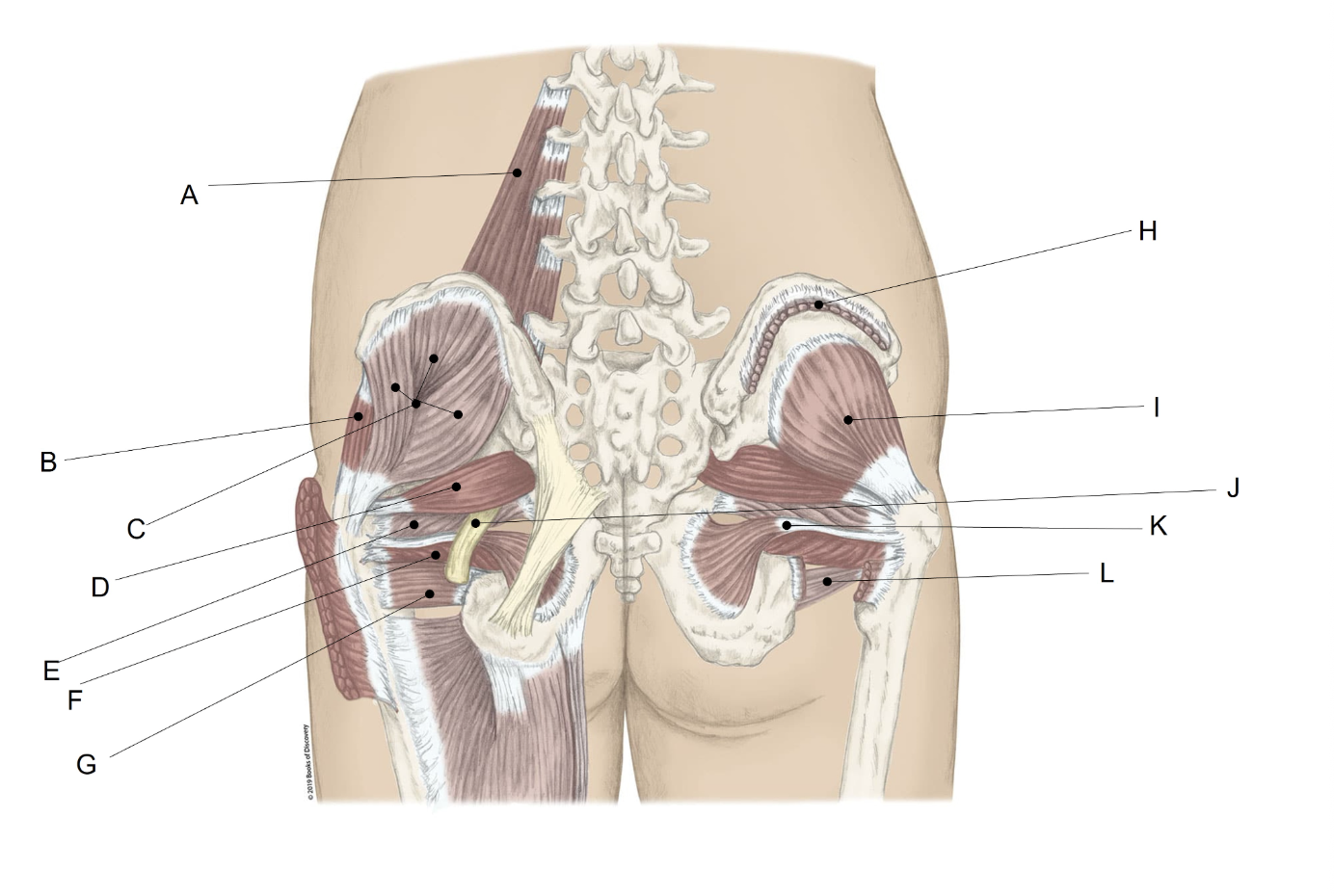
Match the LETTER (A-L) with the anatomical structure it is labelling. NOTE: One muscle is used twice because of the layered views.
C - Gluteus medius
J - Sciatic nerve
I - Gluteus minimus
D - Piriformis
L - Obturator externus
B - Tensor fascia latae
F - Gemellus inferior
A - Psoas major
K - Obturator internus
G - Quadratus femoris
H - Gluteus medius
E - Gemellus superior
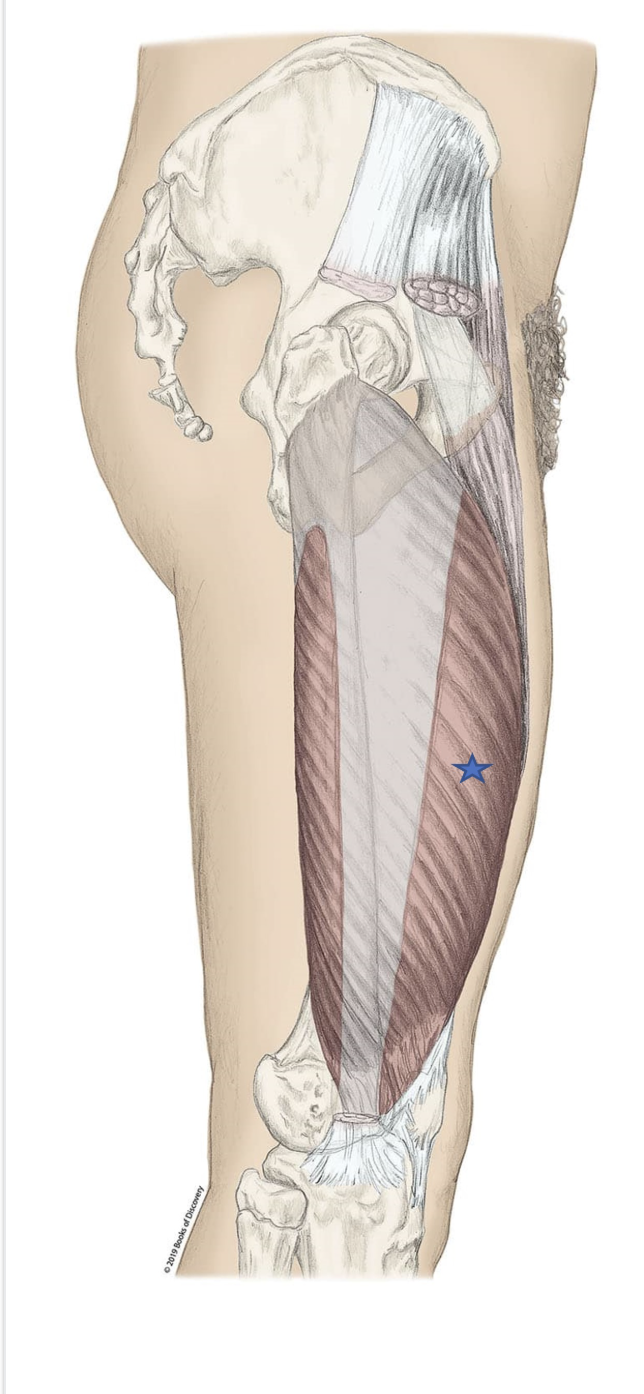
From the list of muscles and actions below, identify the "starred" muscle and its primary actions. NOTE: There are several primary actions...do not choose actions where the muscle assists
Knee extension
Vastus lateralis

