4.1 - juvenile idiopathic arthritis
 Call Kai
 Learn
Learn Practice Test
 Spaced Repetition
 Match
Match Flashcards
 Knowt Play
1/50

There's no tags or description
Looks like no tags are added yet.
Name | Mastery | Learn | Test | Matching | Spaced | Call with Kai |
|---|
No analytics yet
Send a link to your students to track their progress
51 Terms
6 weeks; BEFORE 16 years
juvenile idiopathic arthritis (JIA) is a group of conditions that present with arthritis of an unknown etiology lasting for at least __________ with an onset of _________
Juvenile idiopathic arthritis
________________ causes joint swelling that can significantly restrict a child’s activities
unknown
what is the etiology of juvenile idiopathic arthritis
F (after 16 years, no longer called JIA)
T/F: if a child has JIA, it is still considered JIA in early adulthood
exclusion
JIA is diagnosis based on ______________
swelling
end range stress pain
stiffness
loss of full ROM
4 cardinal signs of inflammation
contraction deformities
swelling and protective muscle spasms are known as _____________
synovial fluid
during chronic inflammation, there is an increased production of ____________ which stretches and weakness the joint capsule
chronic
demineralization occurs with acute or chronic inflammation
systemic arthritis
oligoarthritis **most common
polyarthritis
enthesitis related arthritis
what are the 4 most common types of JIA?
which is the most common?
throughout childhood
when is the onset of systemic arthritis?
early childhood, peak at 2-4 years
when is the onset of oligoarthritis?
females
is systemic arthritis more common in females or males
females
is oligoarthritis more common in females or males
late childhood or adolescence
biphasic distribution:
early peak at 2-4 yo
later peak at 6-12 yo
when is the onset of polyarthritis?
females
is polyarthritis more common in females or males
oligoarthritis
which type of JIA is most prevalent in females/female dominated
late childhood or adolescence
when is the onset of enthesitis related arthritis?
males
is enthesitis related arthritis more common in females or males
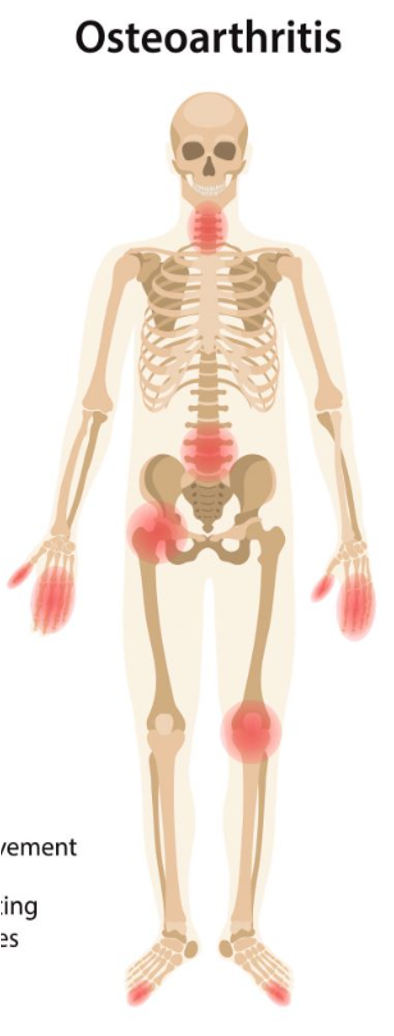
low grade inflammation in 4 or fewer joints
what is the diagnostic marker for oligoarthritis?
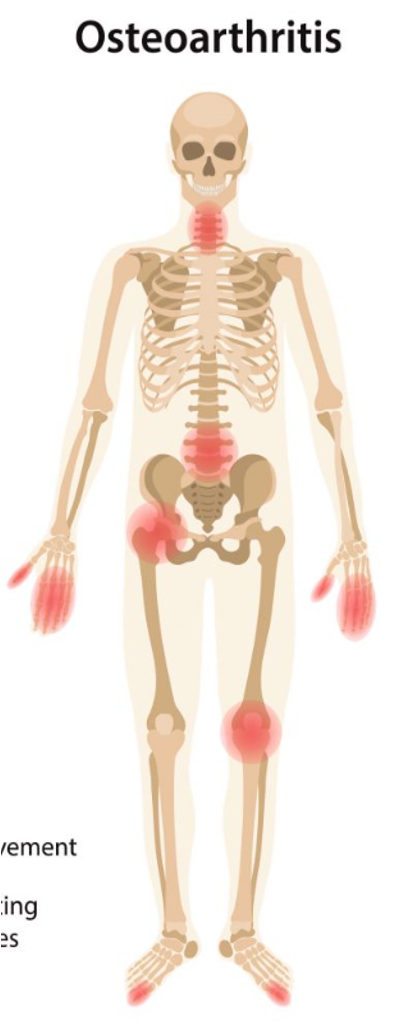
knee > ankles > elbows
what are the most frequent joints affected by oligoarthritis, IN ORDER
F (not common, but occasionally they can show iridocyclitis - eye swelling)
T/F: it is common for someone with oligoarthritis to show systemic symptoms
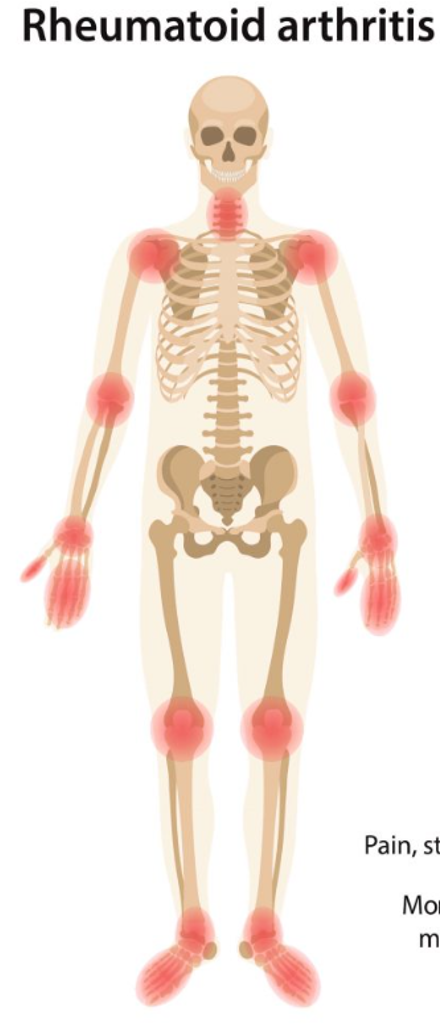
5 or more joint involvement
what is the diagnostic marker for polyarticular arthritis?
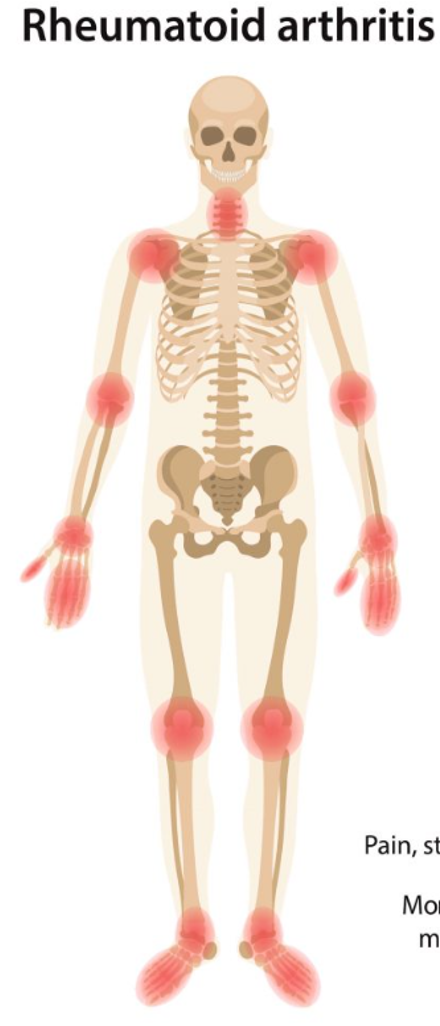
6 months
you should be able to diagnose polyarticular arthritis within the first __________ of the disease
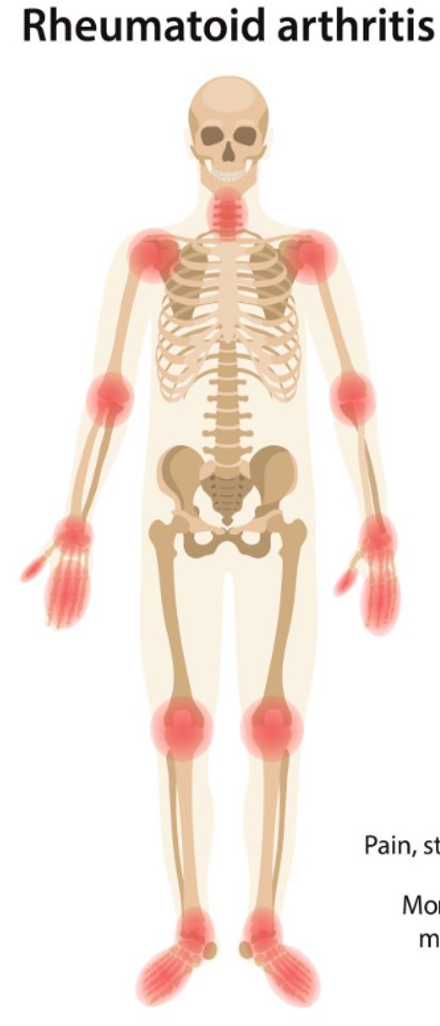
T (usually mild-low grade fever, iridocyclitis, RF+ follows rheumatoid disease)
T/F: it is common for someone with polyarticular arthritis to show systemic symptoms
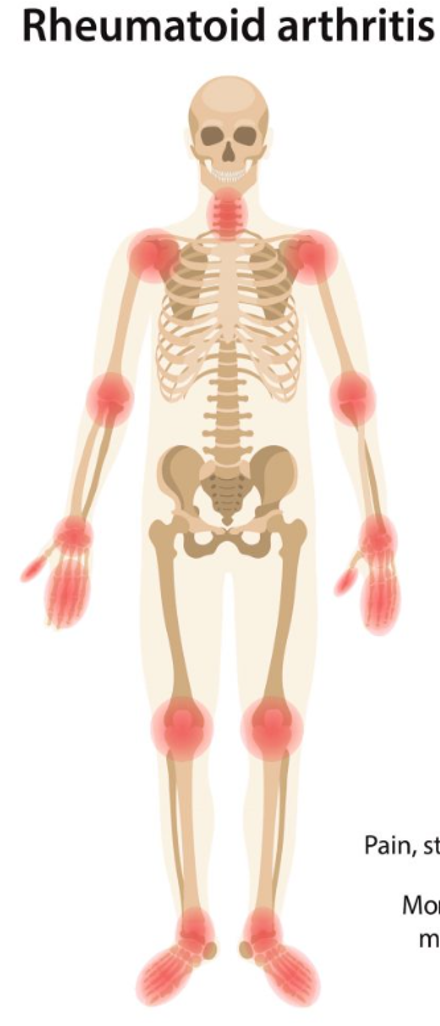
symmetrical
bilateral
both small and large joints
polyarticular arthritis:
symmetrical or asymmetrical
unilateral or bilateral
small or large joints
systemic fever for at least 2 weeks
rash on trunk and limbs
what is the diagnostic marker for systemic arthritis?
symmetrical; polyarticular
the joints in systemic arthritis are typically (symmetrical or asymmetrical) and _______________
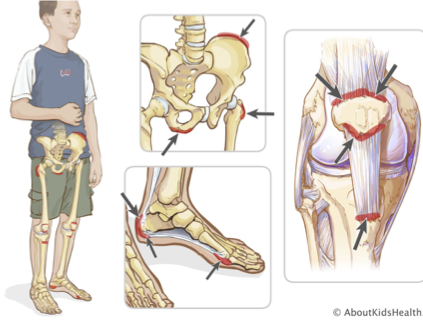
enthesis
____________ is the tendon to bone insertion site
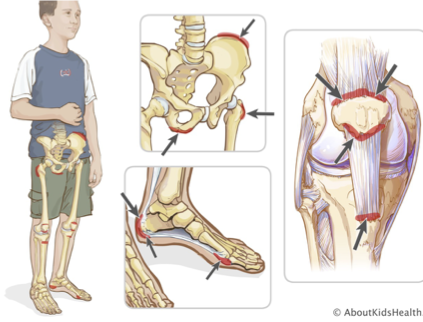
enthesitis
_____________ is a type of JIA where local T cells and innate immune cells cause inflammation in tendons and subchondral bone marrow
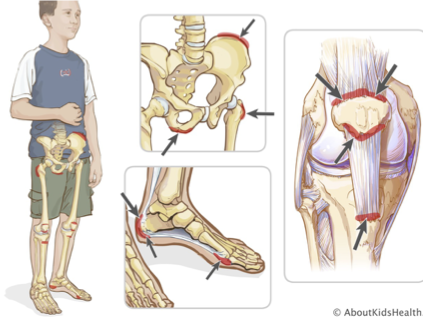
peripatellar
calcaneal
what are the two common joints that are involved with enthesitis
pharmacologically
the benefits of physical therapy will be limited until JIA is controlled ______________
induce remissions
control arthritis
prevent joint erosions
manage extra-articular manifestations
what are the 4 main goals of pharmacological management of JIA
NSAIDs
____________ medication is the first line of therapy for JIA
methotrexate (MTX)
____________ medication is used to manage both polyarthritis and systemic arthritis
biologic
_____________ medications target tumor necrosis factor, a cytokine responsible for many effects of inflammation
corticosteroids
intra-articular injections of long-acting ______________ treat severely inflamed and swollen joints
F (steroids CAN decrease the inflammation but DOES NOT alter the disease process)
T/F: the use of steroid treatment for JIA can help decrease the inflammation and alter the disease process
systemic steroids are a last resort bc they can impact growth and bone density, intra-articular injections have the benefits without the systemic risks
what is the benefit of using intra-articular injections over systemic steroids
Juvenile Arthritis Disease Activity Score (JADAS)
________________ is a measuring tool to assess the activity in Juvenile Idiopathic Arthritis (JIA).
6 minute walk test
what would an activity based outcome measure be for JIA
acute
the main goal of (acute, subacute, or chronic):
Maintain and preserve joint function
T (Don’t want to push a joint that is actively inflamed, don’t want to injure them furth, that’s why splints/casting is used)
T/F: during the acute phase of JIA, you should do AROM but NOT PROM
acute
intervention for (acute, subacute, or chronic):
muscle relaxation and pain relief
acute
intervention for (acute, subacute, or chronic):
isometric exercise, but not prolonged
acute
intervention for (acute, subacute, or chronic):
custom splints to support joints
acute
intervention for (acute, subacute, or chronic):
heat therapy
subacute and chronic
the main goal of (acute, subacute, or chronic):
restoration and compensation
subacute or chronic
intervention for (acute, subacute, or chronic):
strengthening
subacute or chronic
intervention for (acute, subacute, or chronic):
assist with preventing hypoactive lifestyle
mod-vig 2x/week for 45-60min
what is the exercise recommendation for subacute/chronic JIA

