Immunology: Innate and Adaptive Immune System Overview
 Call Kai
 Learn
Learn Practice Test
 Spaced Repetition
 Match
Match Flashcards
 Knowt Play
1/49

There's no tags or description
Looks like no tags are added yet.
Name | Mastery | Learn | Test | Matching | Spaced | Call with Kai |
|---|
No analytics yet
Send a link to your students to track their progress
50 Terms
What is the primary function of the innate immune response?
To provide immediate, non-specific defense against pathogens.
What are the first-line defenses of the innate immune system?
Physical barriers like skin and mucous membranes, and antimicrobial substances.
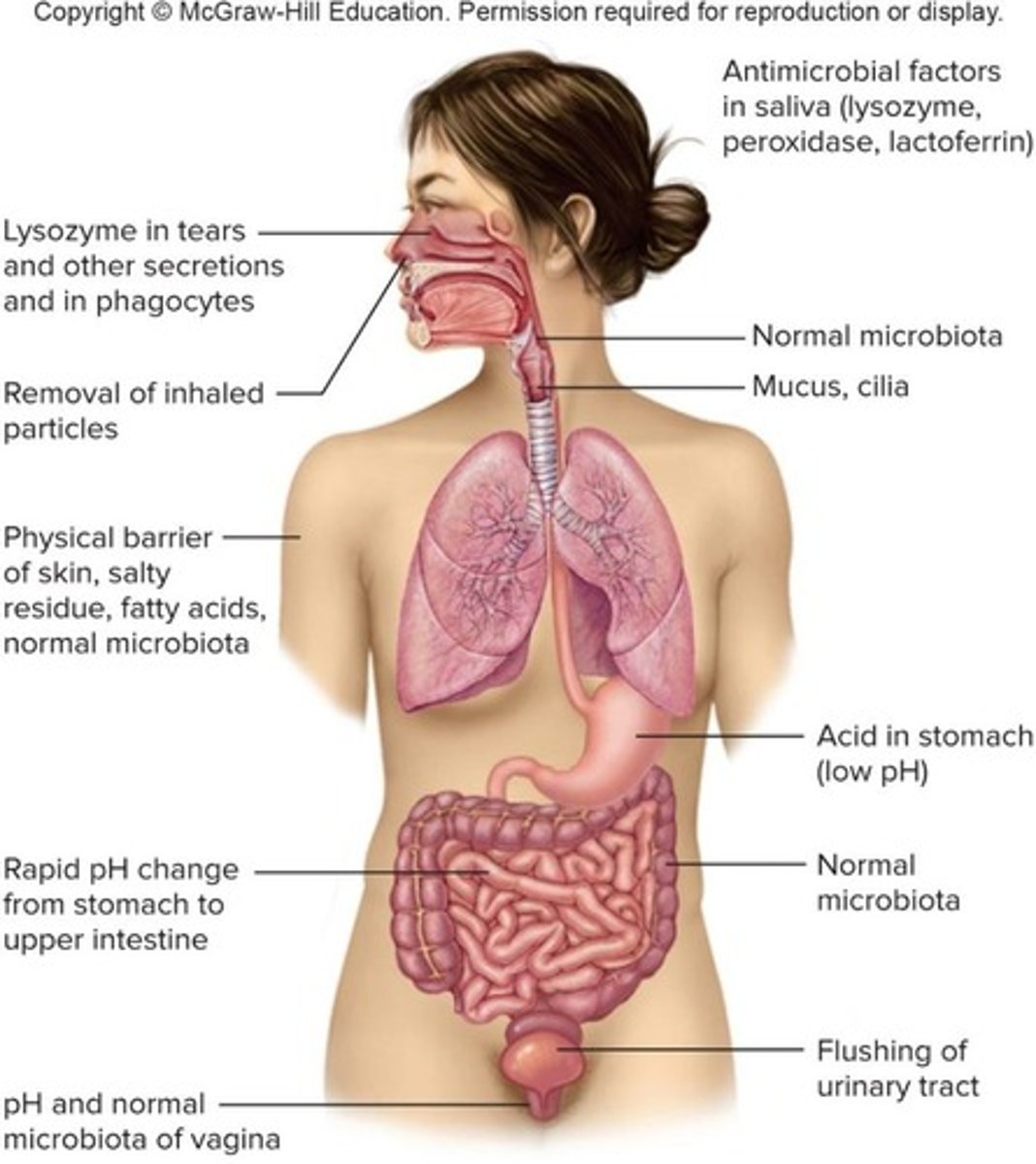
What is the role of the epidermis in the immune system?
It acts as a physical barrier composed of dead cells with keratin.
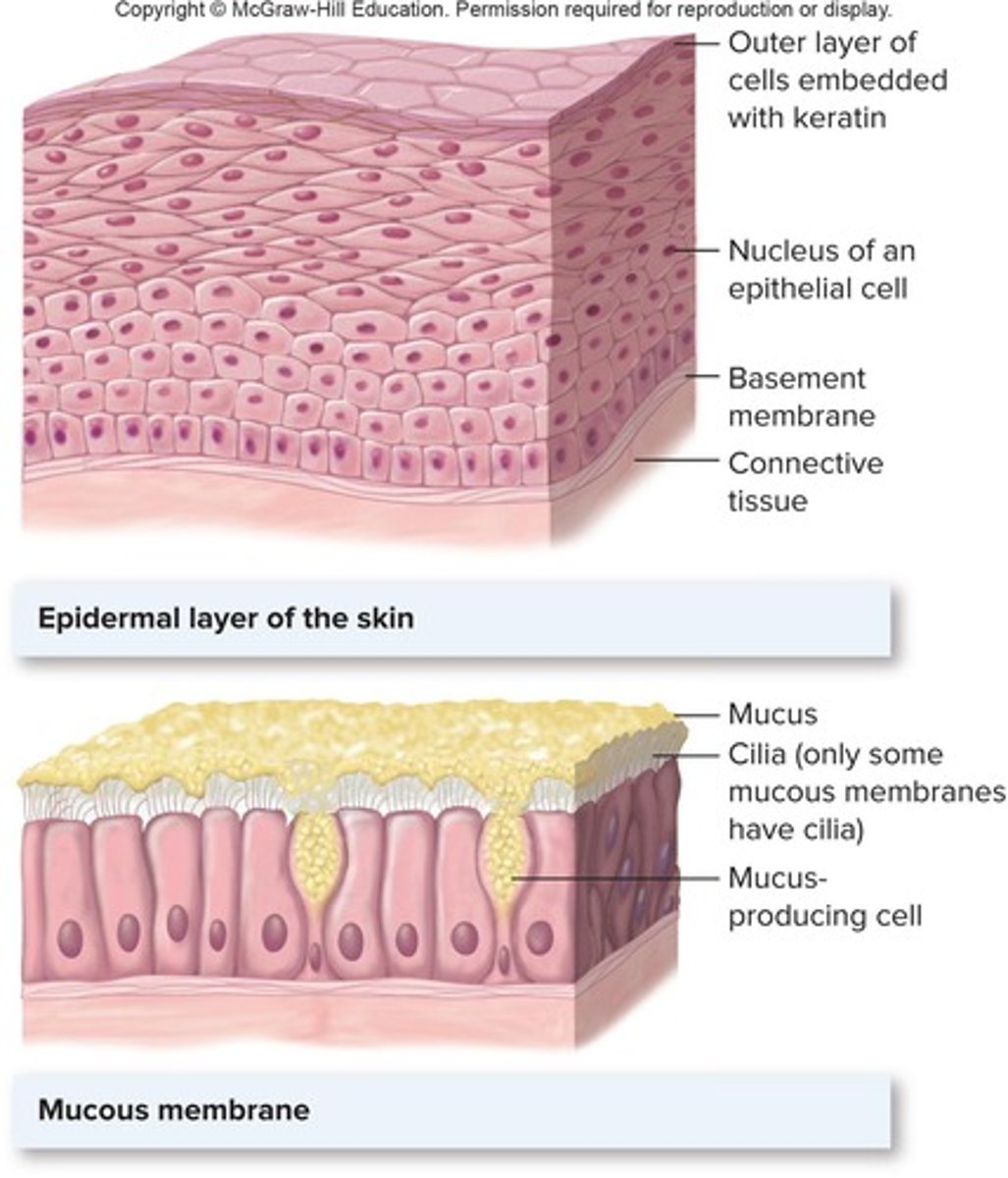
How do mucous membranes contribute to immunity?
They line tracts and are bathed in mucus that helps wash away microbes.
What is the function of lysozyme in the immune system?
It breaks down peptidoglycan in bacterial cell walls.
What are antimicrobial peptides (AMPs)?
Short chains of amino acids that disrupt microbial membranes.
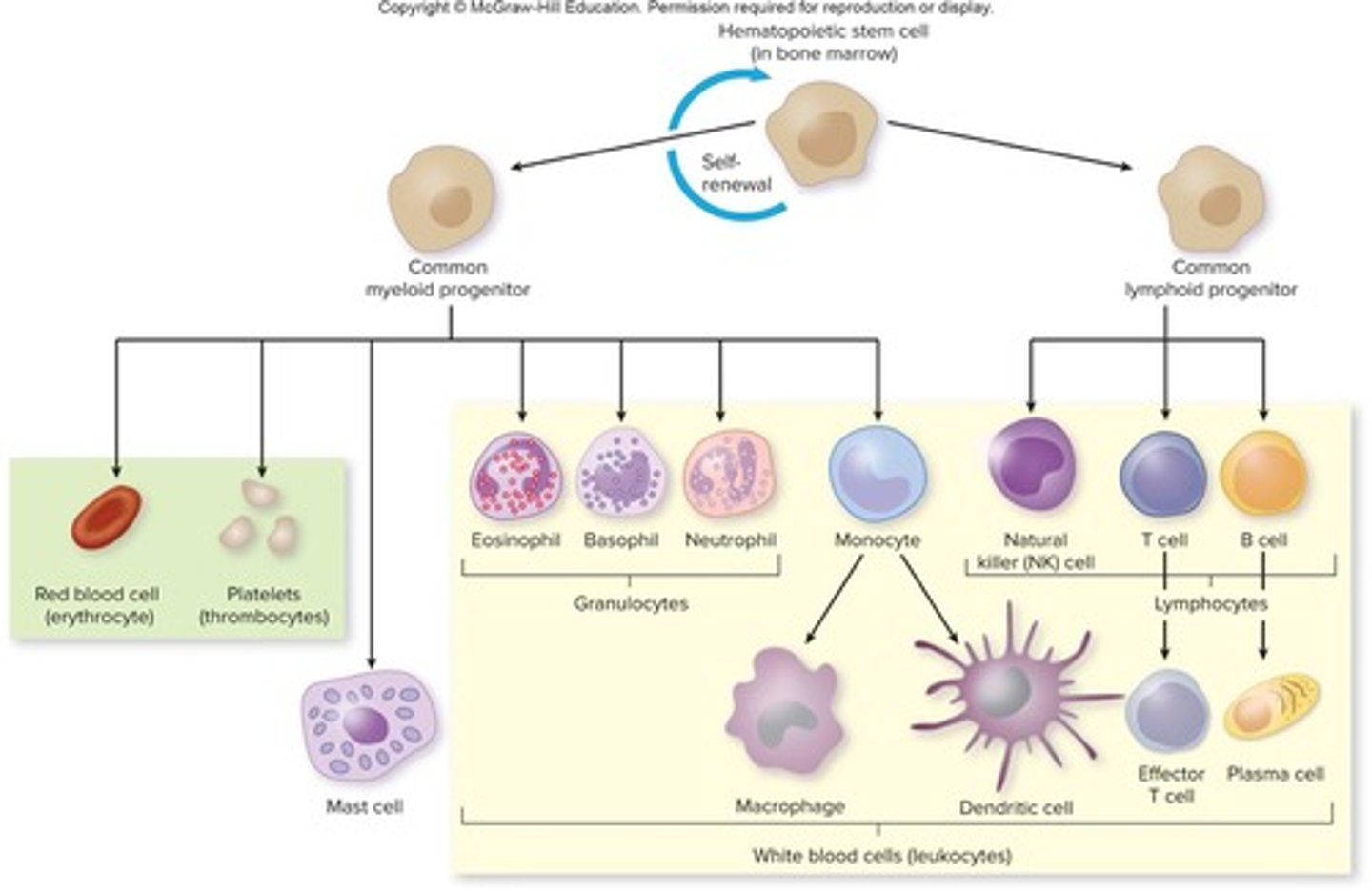
What is hematopoiesis?
The formation and development of blood cells.
What types of cells are produced from hematopoietic stem cells?
Erythrocytes (RBCs), platelets, and leukocytes (WBCs).
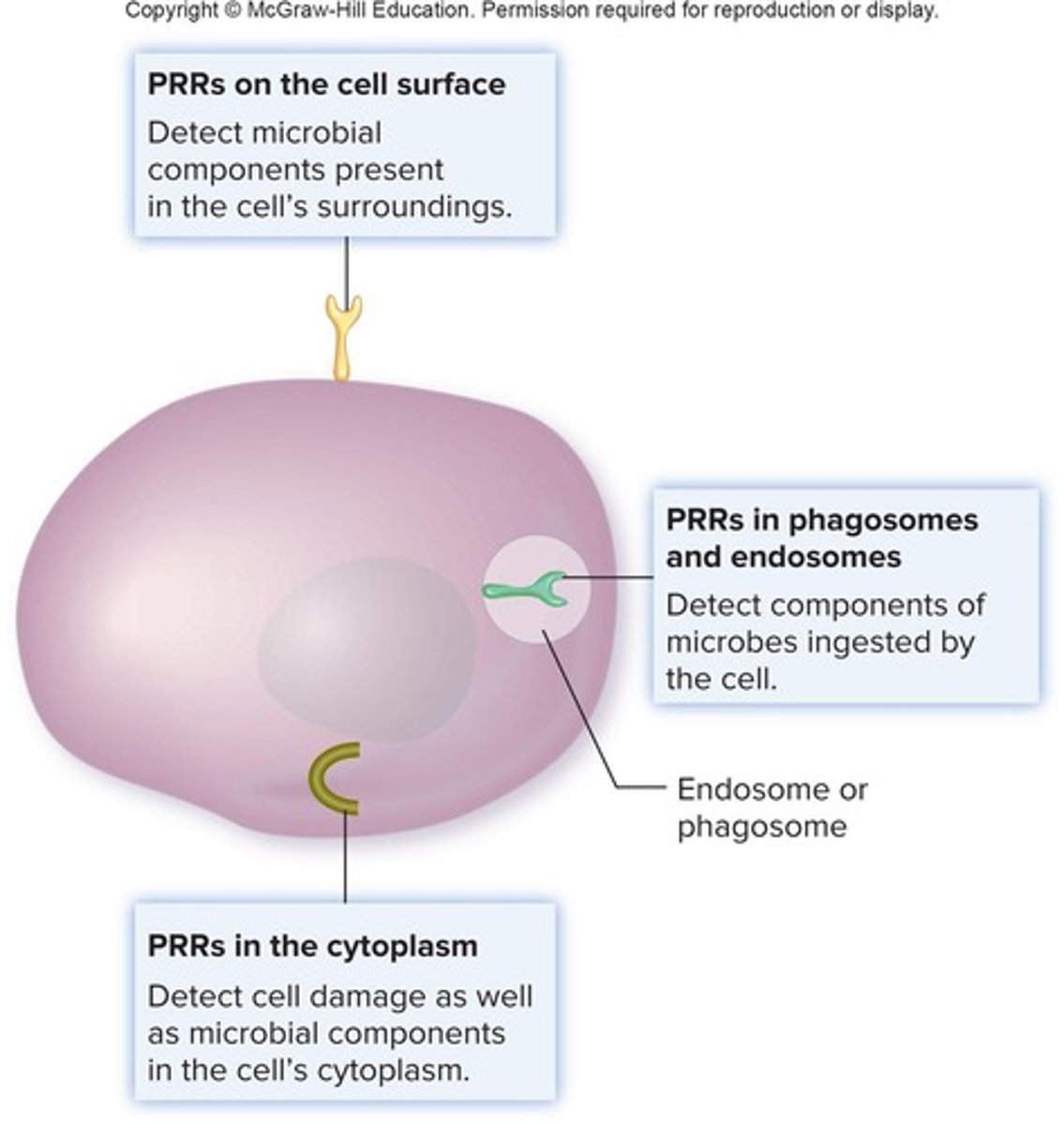
What are pattern recognition receptors (PRRs)?
Sensors that detect signs of microbial invasion and trigger immune responses.
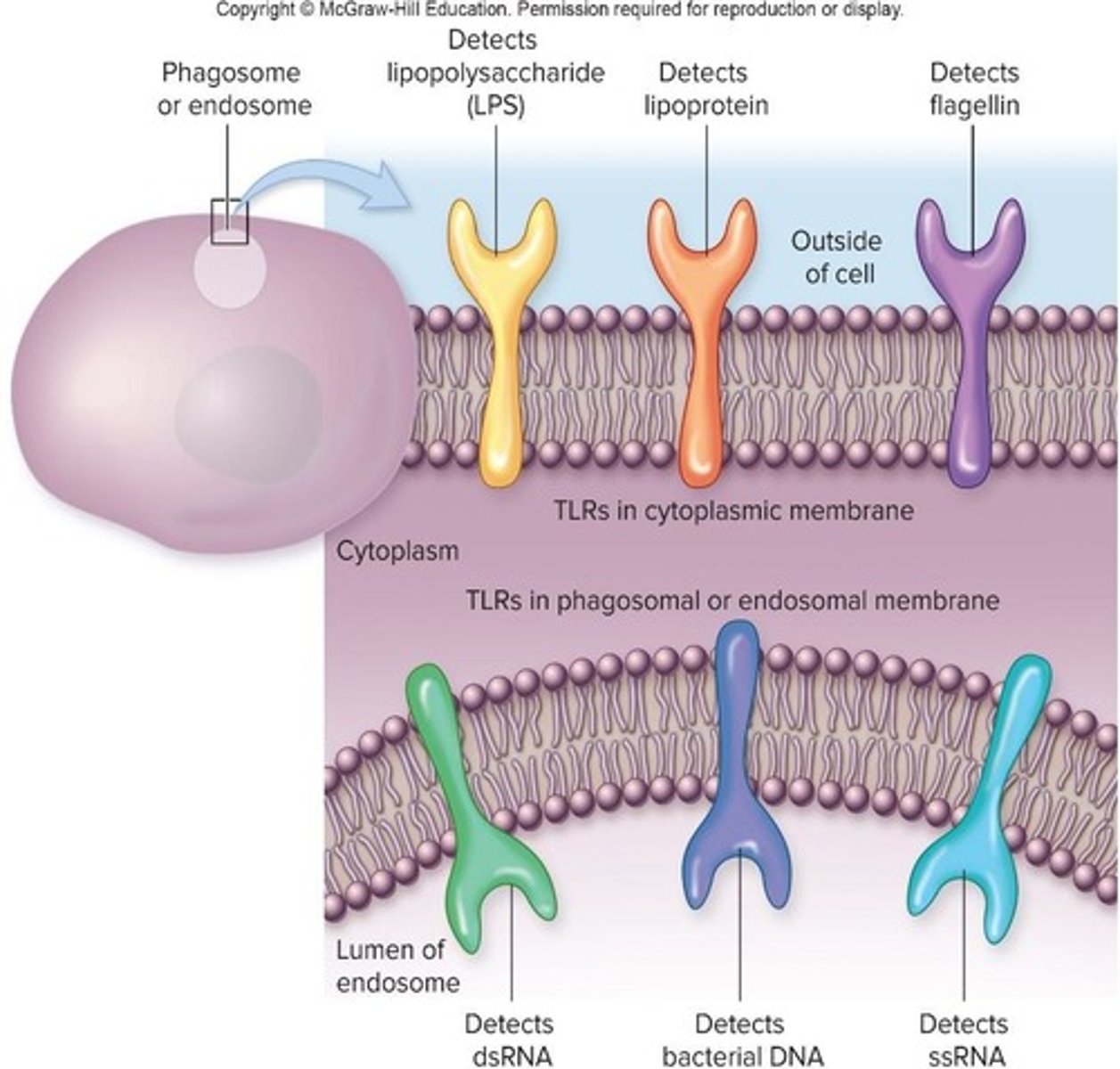
What do toll-like receptors (TLRs) detect?
Components on the outermost layer of microbial cells, such as LPS and flagella.
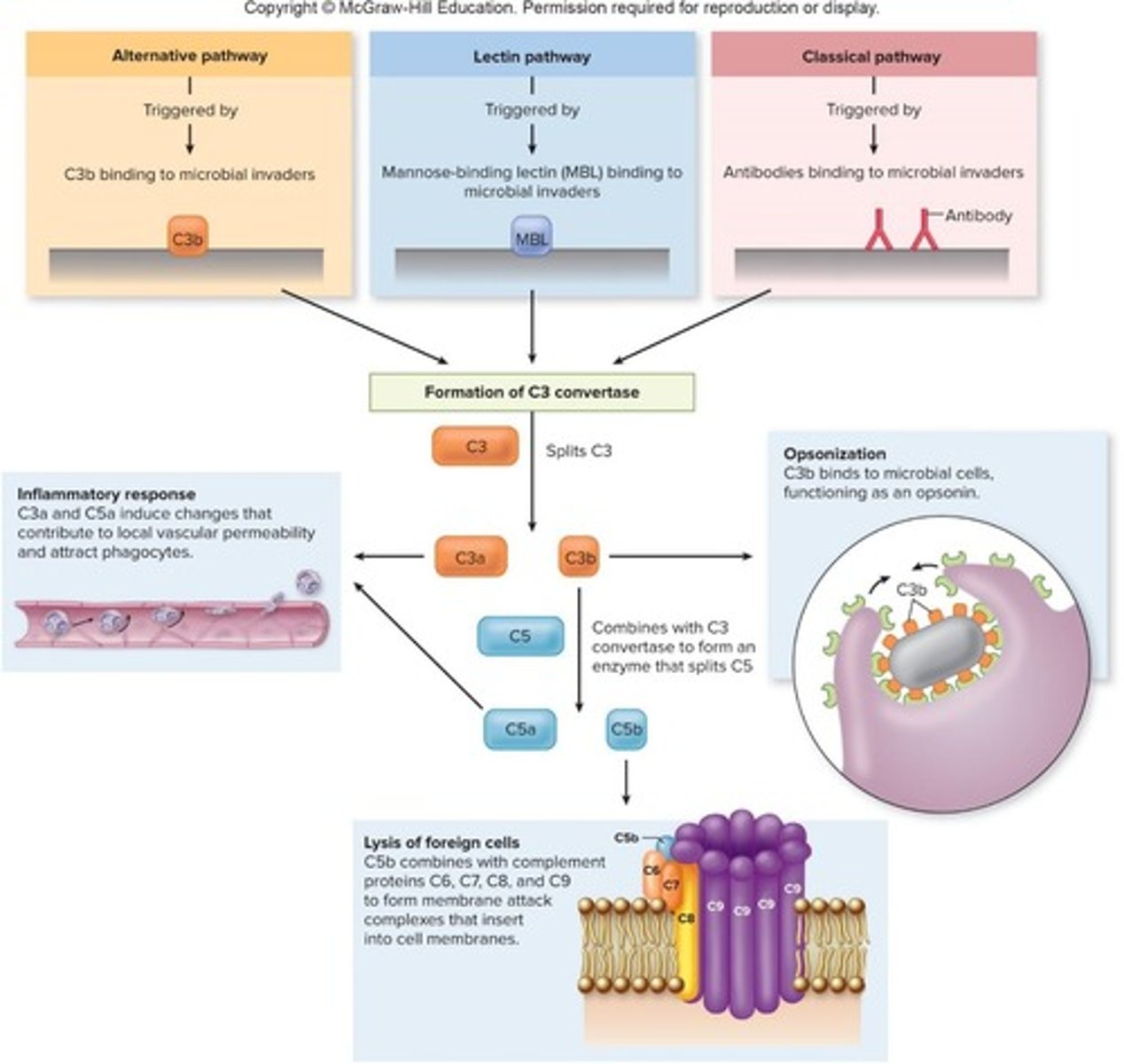
What is the complement system?
A series of proteins that circulate in blood and are activated to destroy invading microbes.
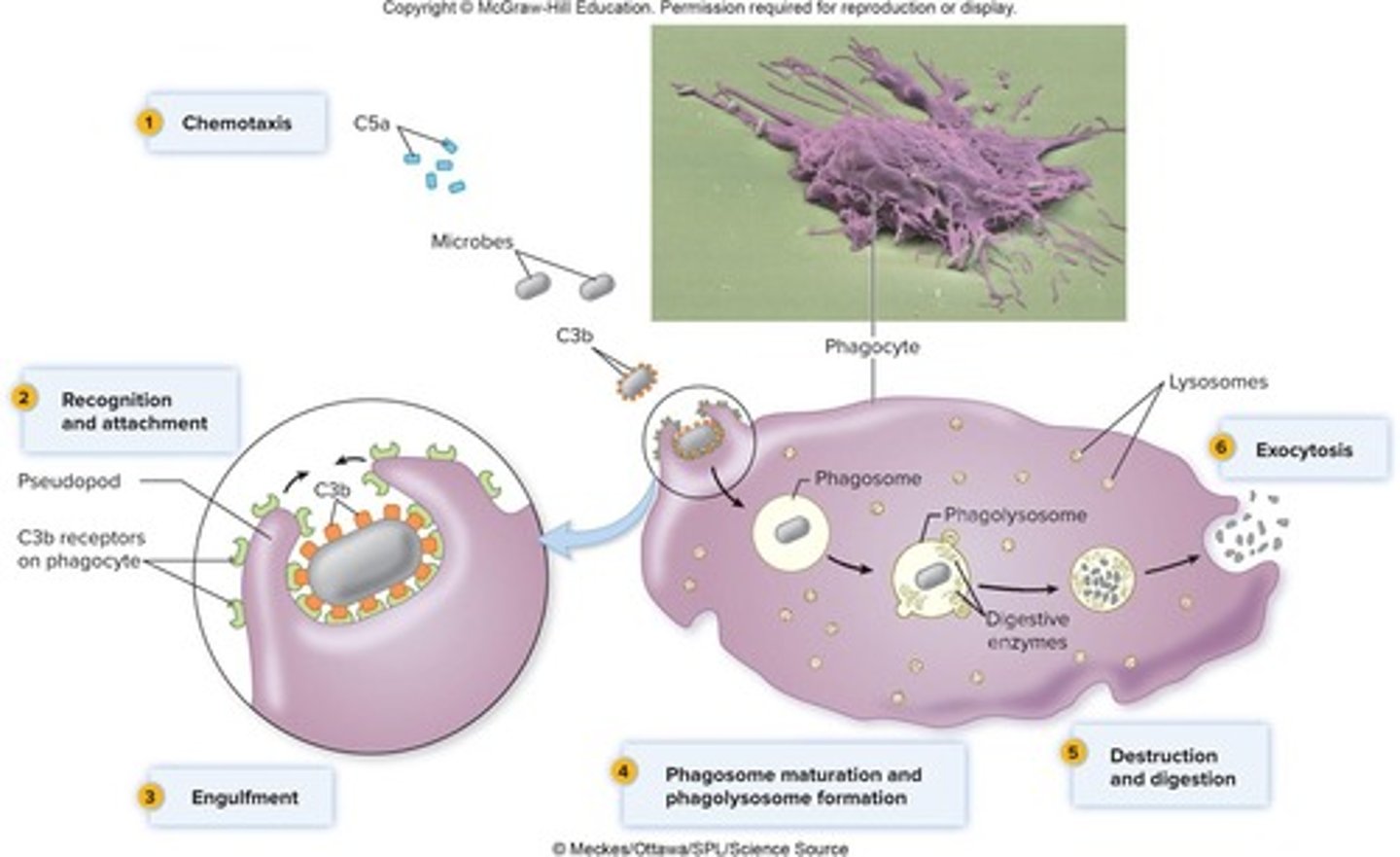
What is the role of phagocytic cells in the immune response?
They engulf and destroy pathogens and debris.
What is diapedesis in the context of inflammation?
The process of phagocytes squeezing between cells of dilated blood vessels.
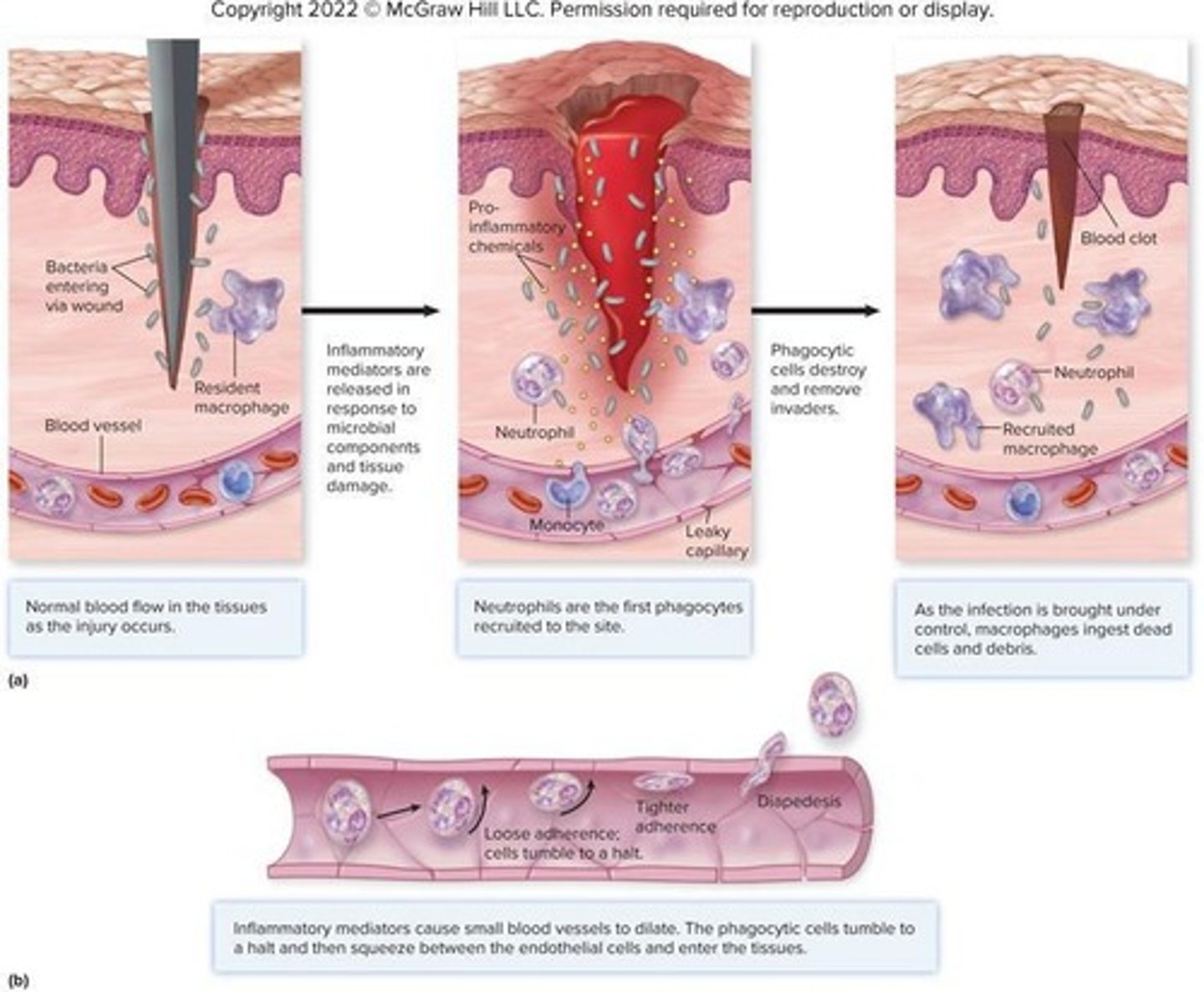
What characterizes acute inflammation?
A short-term response with a high abundance of neutrophils.
What is the difference between M1 and M2 macrophages?
M1 macrophages are pro-inflammatory, while M2 macrophages promote healing.
What is the significance of granulomas?
They are formed by macrophages and giant cells to contain pathogens that cannot be destroyed.
What triggers a fever in the immune response?
Cytokines that signal the hypothalamus to increase body temperature.
What are the characteristics of adaptive immunity?
Develops throughout life, involves lymphocytes, has molecular specificity, and provides memory.
What is the role of B cells in the adaptive immune response?
They produce antibodies specific to antigens.
What distinguishes normal host cells from invading microbes?
Tolerance, which allows the immune system to recognize self from non-self.
What is the function of interferons in the immune response?
They help establish an antiviral state in nearby cells.
What are the consequences of chronic inflammation?
Accumulation of macrophages and giant cells, potentially leading to tissue damage.
What is the role of cytokines in the immune response?
They are signaling molecules that mediate and regulate immunity and inflammation.
What is the function of lactoferrin in the immune system?
It binds iron to make it unavailable to microbes.
What are the two main types of immunity in the adaptive immune response?
Humoral Immunity and Cell-Mediated Immunity (CMI)
What type of immunity is primarily responsible for extracellular pathogens?
Humoral Immunity
What type of immunity deals with intracellular pathogens?
Cell-Mediated Immunity (CMI)
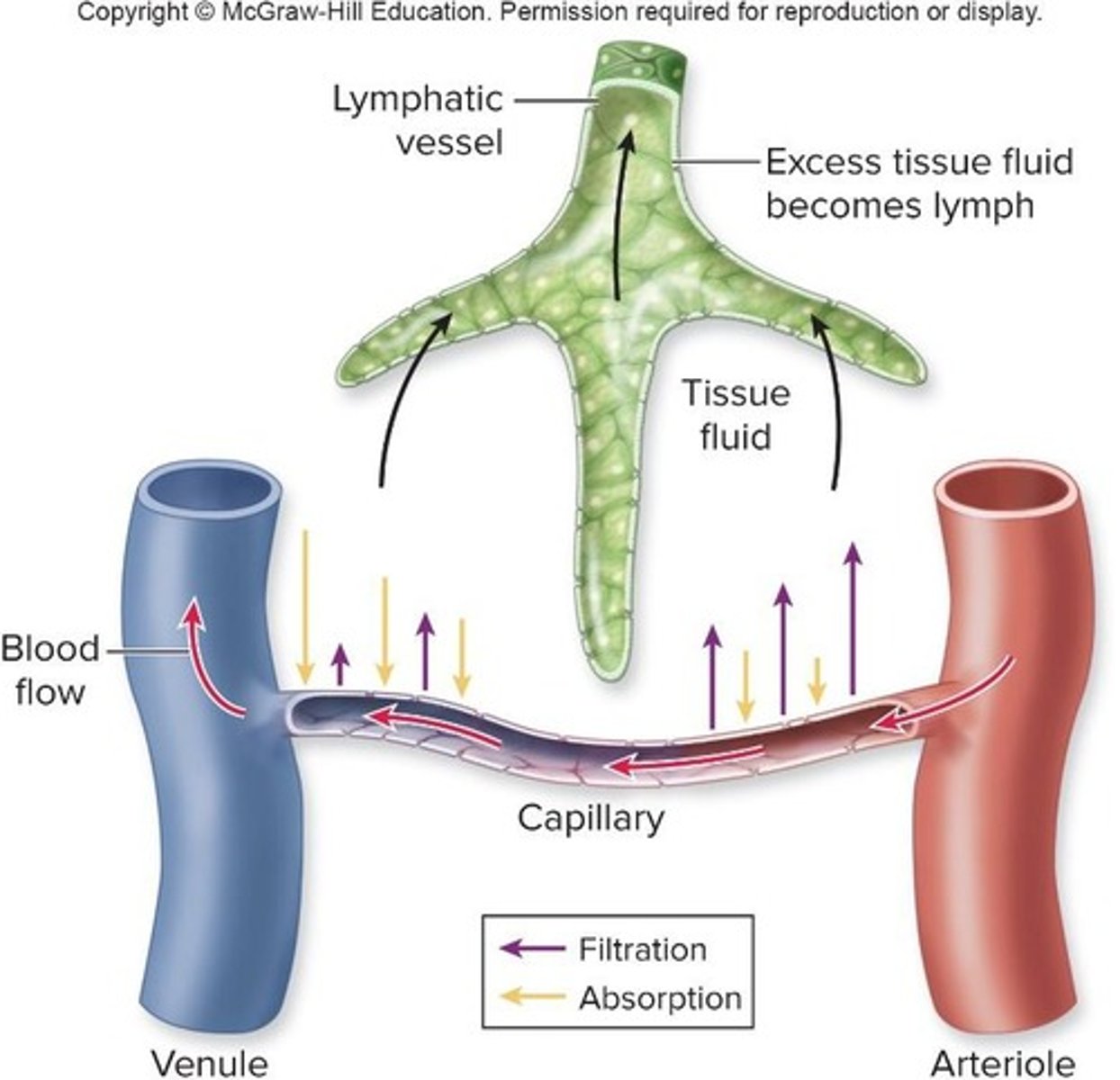
What is the function of lymphatic vessels?
They carry lymph, a colorless fluid derived from tissue fluid, and transport antigens.
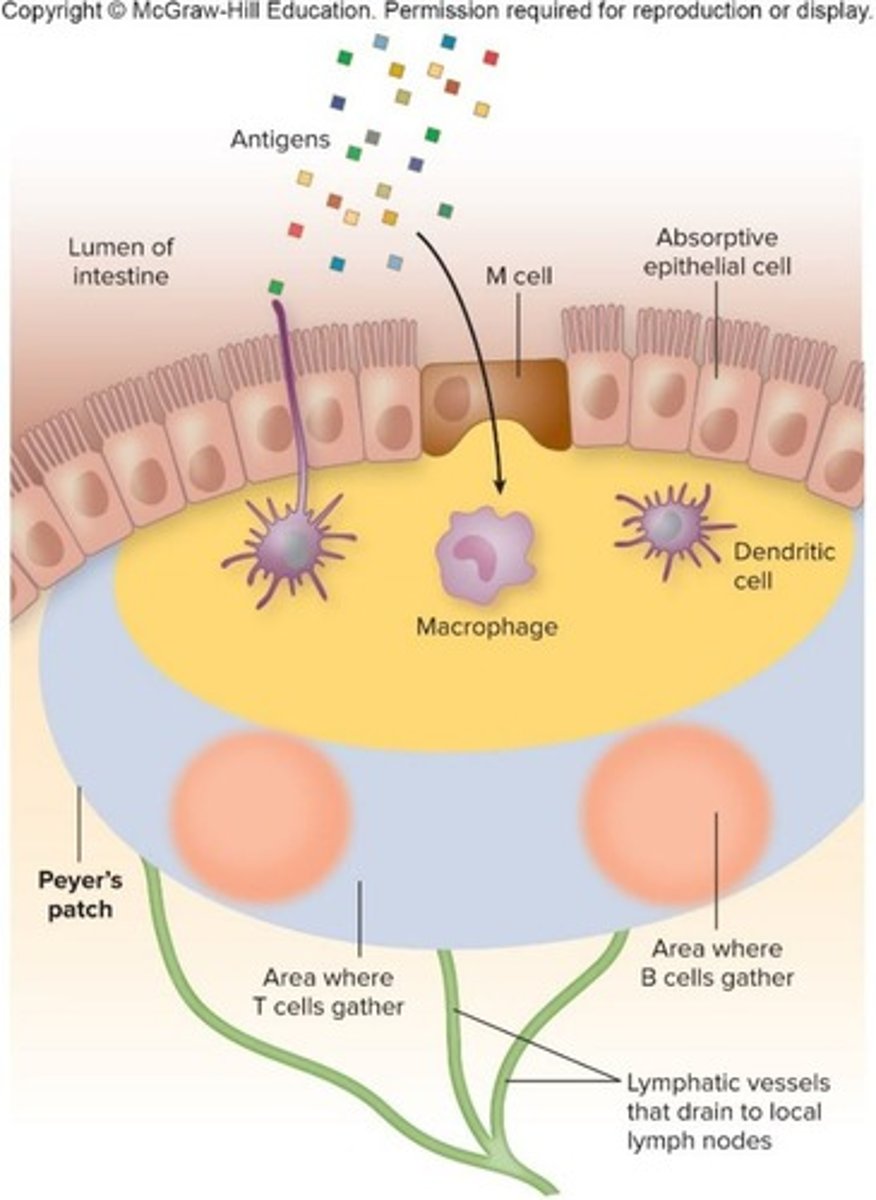
What are secondary lymphoid organs?
Sites where antigens are brought into contact with lymphocytes, including lymph nodes, spleen, tonsils, and Peyer's patches.
What is the role of M cells in Peyer's patches?
M cells transfer material from the intestinal lumen to the Peyer's patches for immune inspection.
What is the primary function of primary lymphoid organs?
They are the sites of lymphocyte maturation, including bone marrow and thymus.
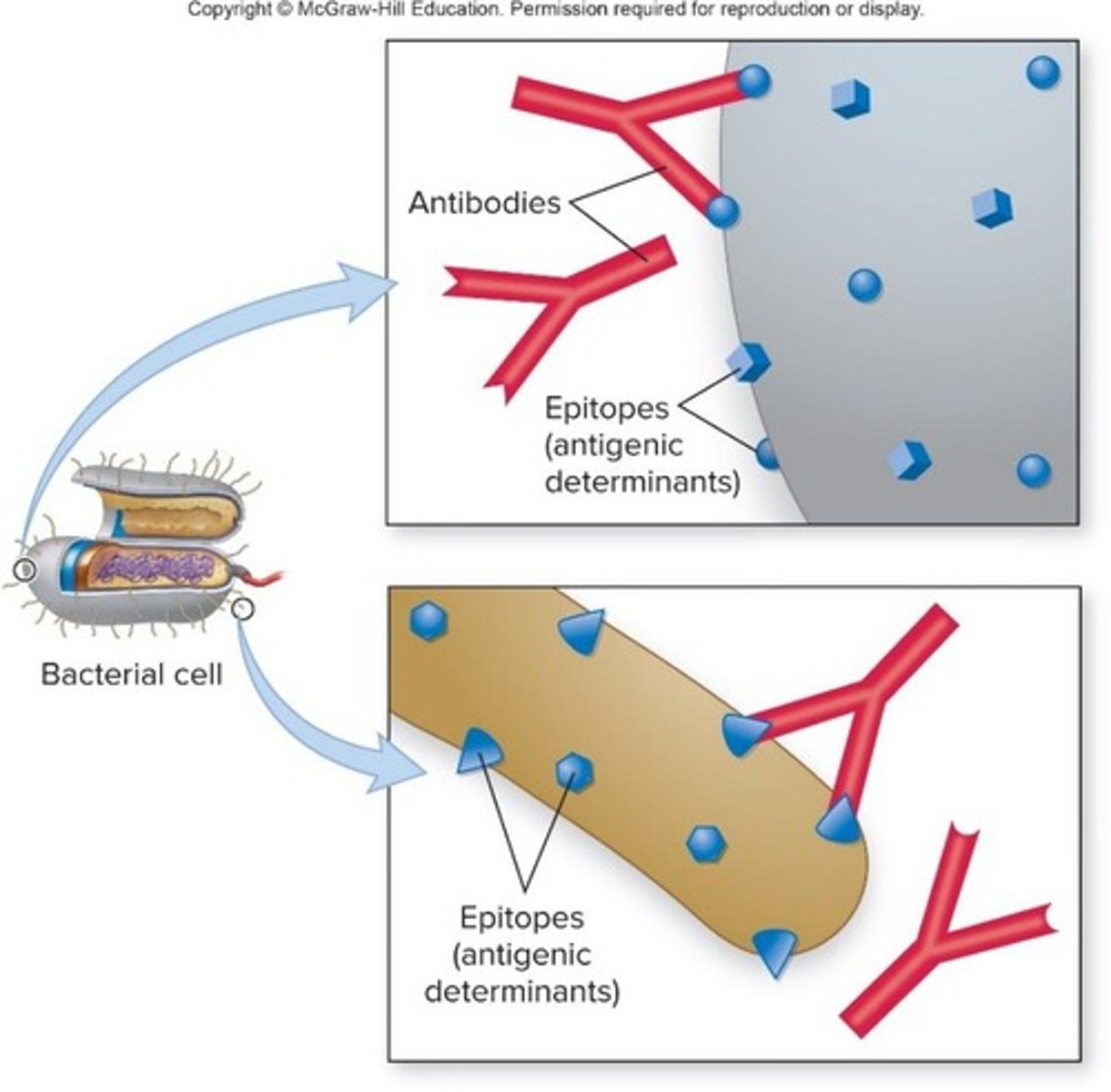
What are antigens?
Any molecule that reacts specifically with B cell receptors (BCR) or T cell receptors (TCR).
What are T-dependent antigens?
Antigens that require a signal from a Helper T cell for B cell activation; typically proteins.
What are T-independent antigens?
Antigens that can activate B cells without T cell help; typically polysaccharides and lipopolysaccharides (LPS).
What is the structure of immunoglobulins (Ig)?
Y-shaped with two identical arms (Fab) and a stem (Fc), consisting of 2 light and 2 heavy chains.
What is the primary antibody produced during the primary immune response?
IgM is the first antibody made, followed by IgG.
What is affinity maturation in B cells?
The process where B cells that bind the antigen the longest are most likely to proliferate.
What is class switching in B cells?
The process where B cells switch from producing IgM to producing IgG or IgA as they are activated.
What is the role of cytotoxic T cells (TC)?
They recognize antigens presented in MHC class I and induce apoptosis in infected or cancerous cells.
What is the function of Helper T cells (TH)?
They recognize antigens presented in MHC class II and activate B cells and macrophages by delivering cytokines.
What are natural killer (NK) cells?
Innate lymphoid cells that induce apoptosis in antibody-bound 'self' cells and destroy cells lacking MHC I.
What is the significance of the MHC class I molecule?
It presents endogenous antigens and is found on all nucleated cells.
What is the significance of the MHC class II molecule?
It presents exogenous antigens and is found on antigen-presenting cells (APCs).
What are clusters of differentiation (CD) markers?
Surface proteins that define different T cell types; CD8 for cytotoxic T cells and CD4 for Helper T cells.
What is the role of dendritic cells in the immune response?
They gather materials and present antigens to naive T cells in the lymphatic system.
What happens during the secondary immune response?
It is faster and produces high amounts of IgG due to memory cells.
What is a hapten?
A small molecule that elicits an immune response only when combined with a larger carrier compound.
What is the role of effector functions of TH (CD4) cells?
They activate B cells and macrophages by delivering cytokines.
What is the outcome of antibody-antigen binding?
It can neutralize pathogens, trigger immune complexes, and activate complement pathways.
What is the role of immunoglobulin classes?
Different classes (IgM, IgG, IgA, IgD, IgE) have distinct functions and properties in the immune response.

