Set 4: The Alvarez Hypothesis
 Studied by 0 people
 Call with Kai
 Learn
Learn Practice Test
 Spaced Repetition
 Match
Match Flashcards
 Knowt Play
1/71

There's no tags or description
Looks like no tags are added yet.
Name | Mastery | Learn | Test | Matching | Spaced | Call with Kai |
|---|
No study sessions yet.
72 Terms
Iridium
Platinum group metal
Foram
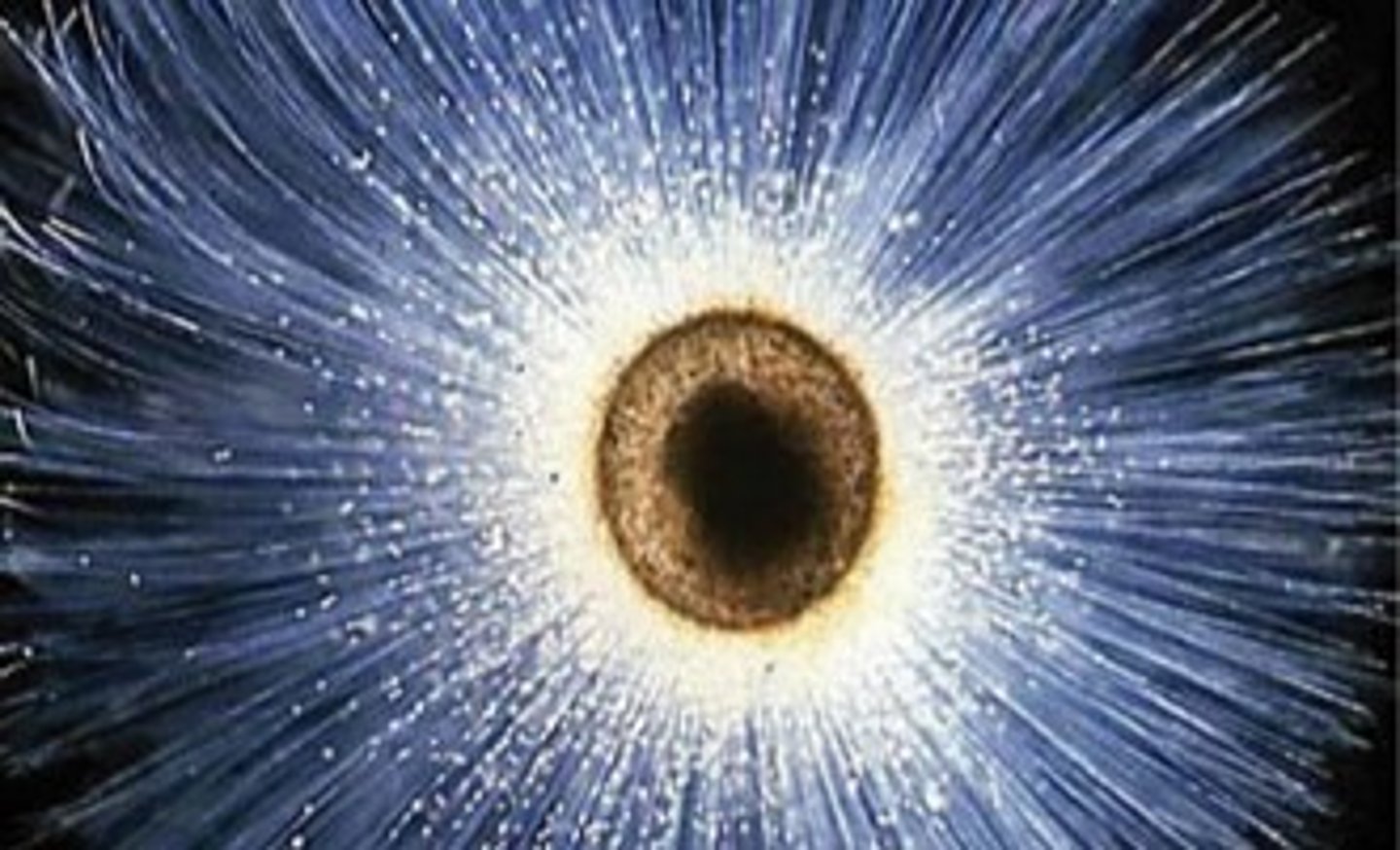
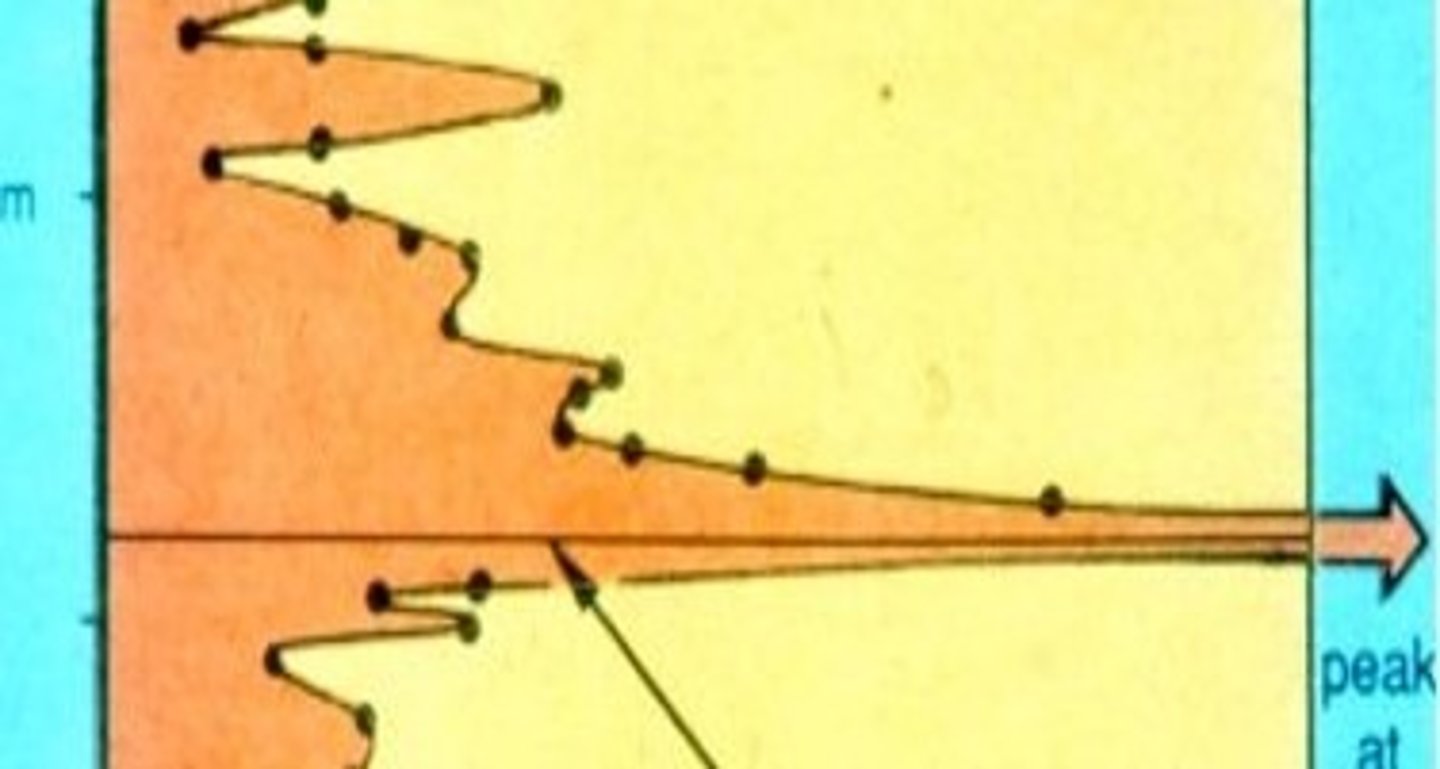
Iridium anomaly
Aristarchus
Heliocentric in 3rd century BC
Alfred Wegener
Continental drift
Gregor Mendel
Genetics
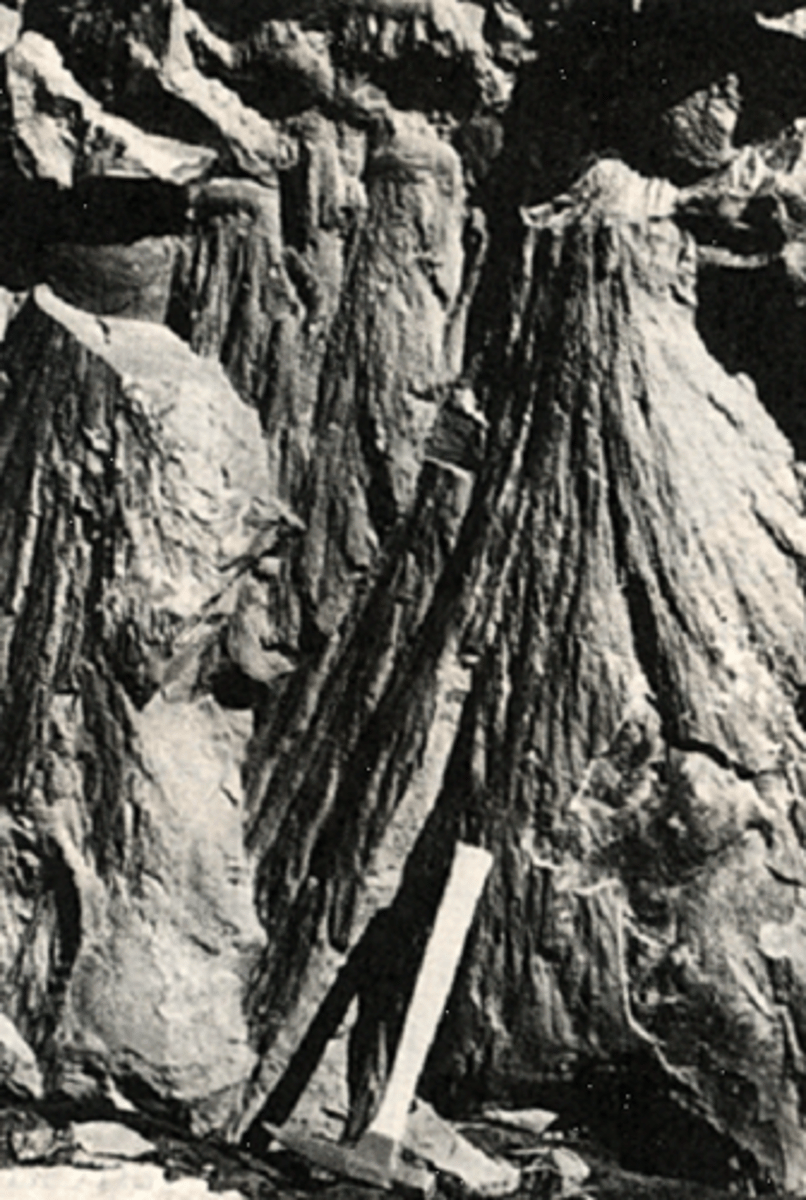
Shatter cones
Fossil shock waves, horsehair texture
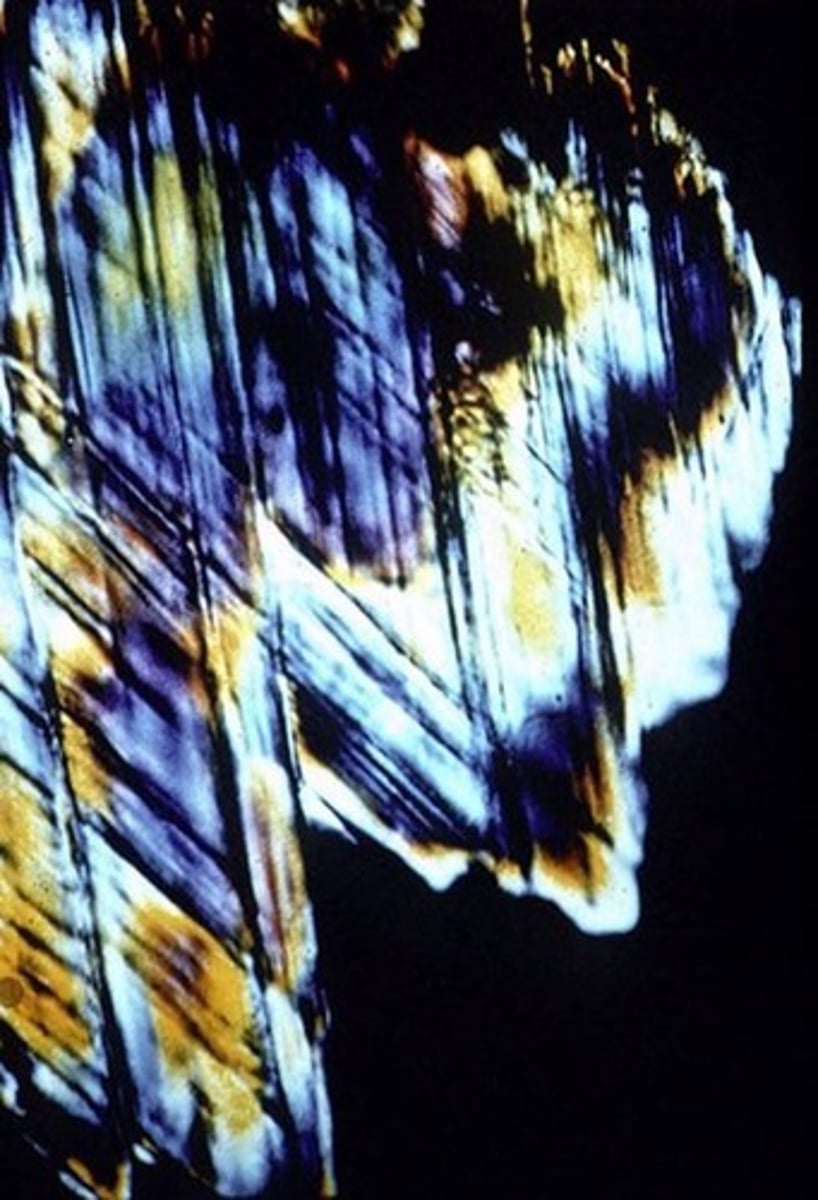
Shocked quartz
>= 2 sets parallel deformation features, only at craters and nuclear sites
Spherules
Tiny 'glass raindrops' that turn to clay
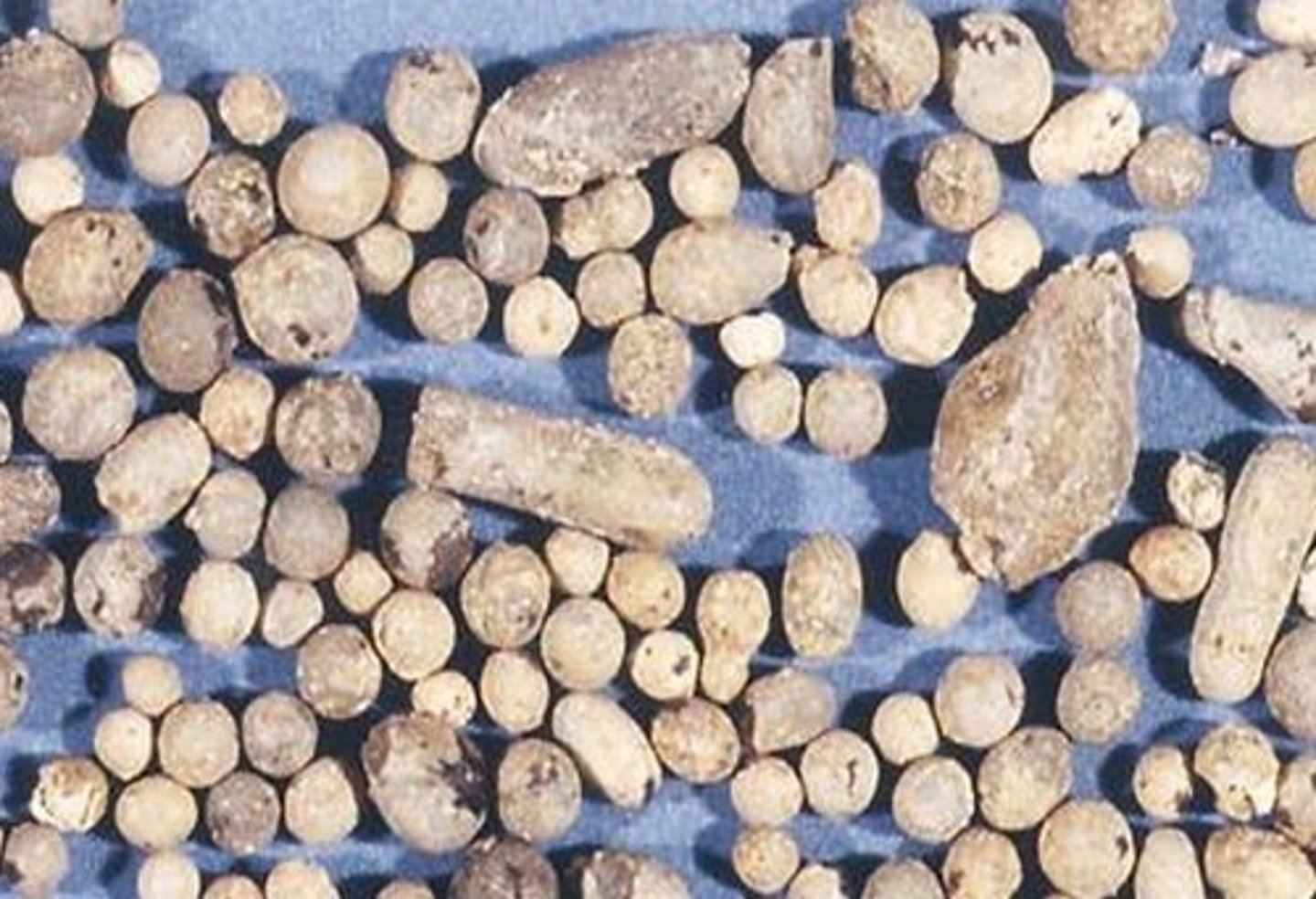
Tektites
Large, teardrop shaped 'glass raindrops'
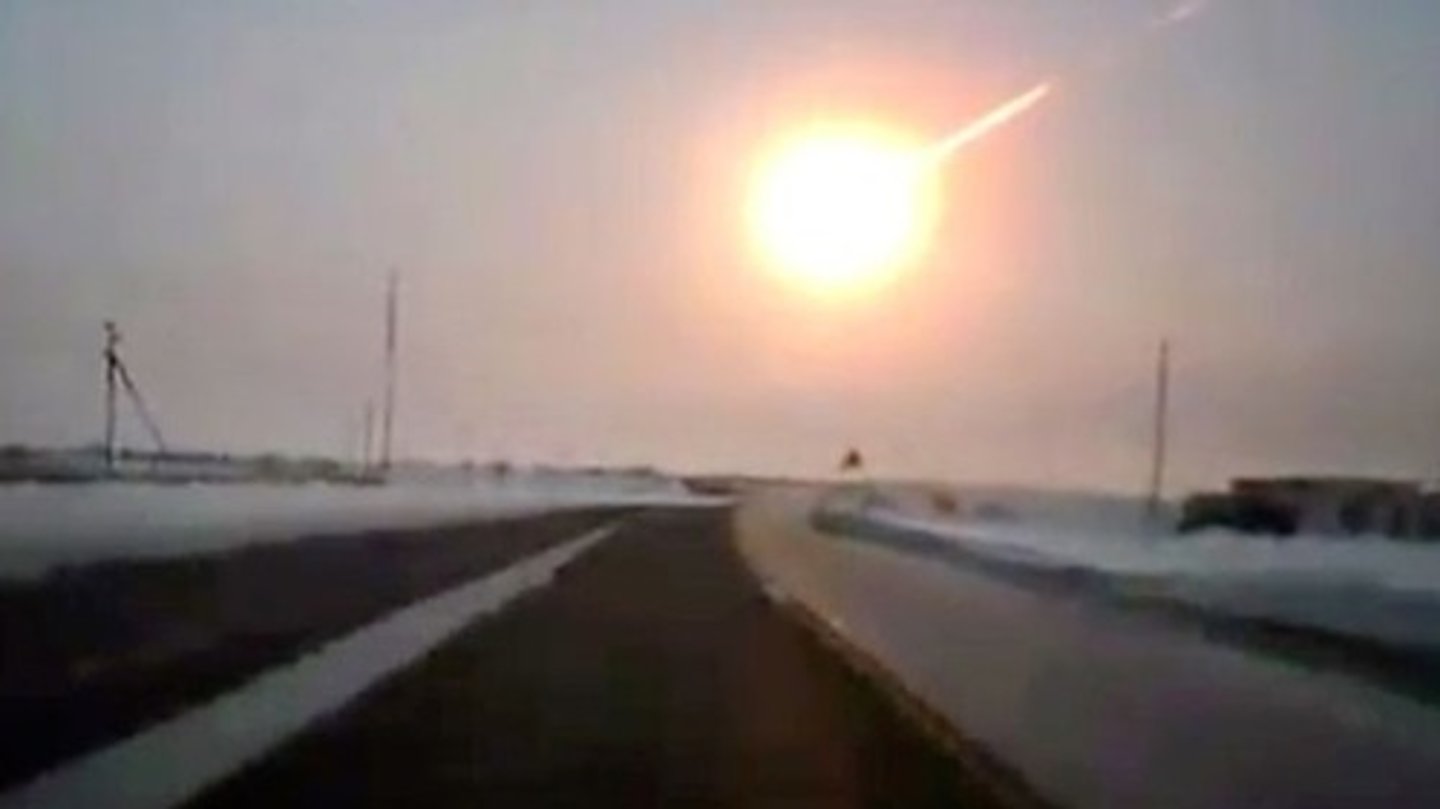
Chelyabinsk
Siberia 2013, dust plume wrapped the Earth
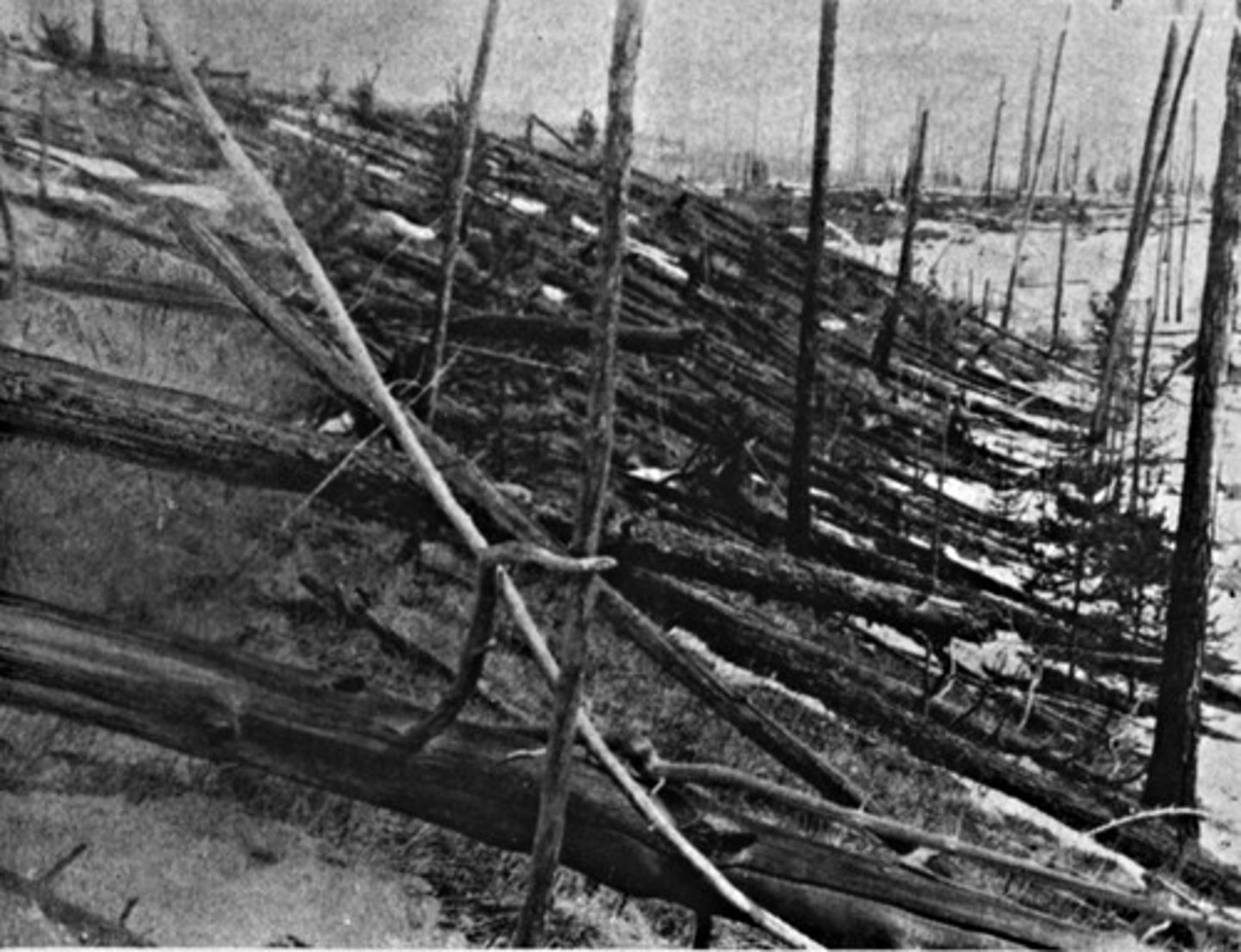
Tunguska
Siberia 1908, flattened forests
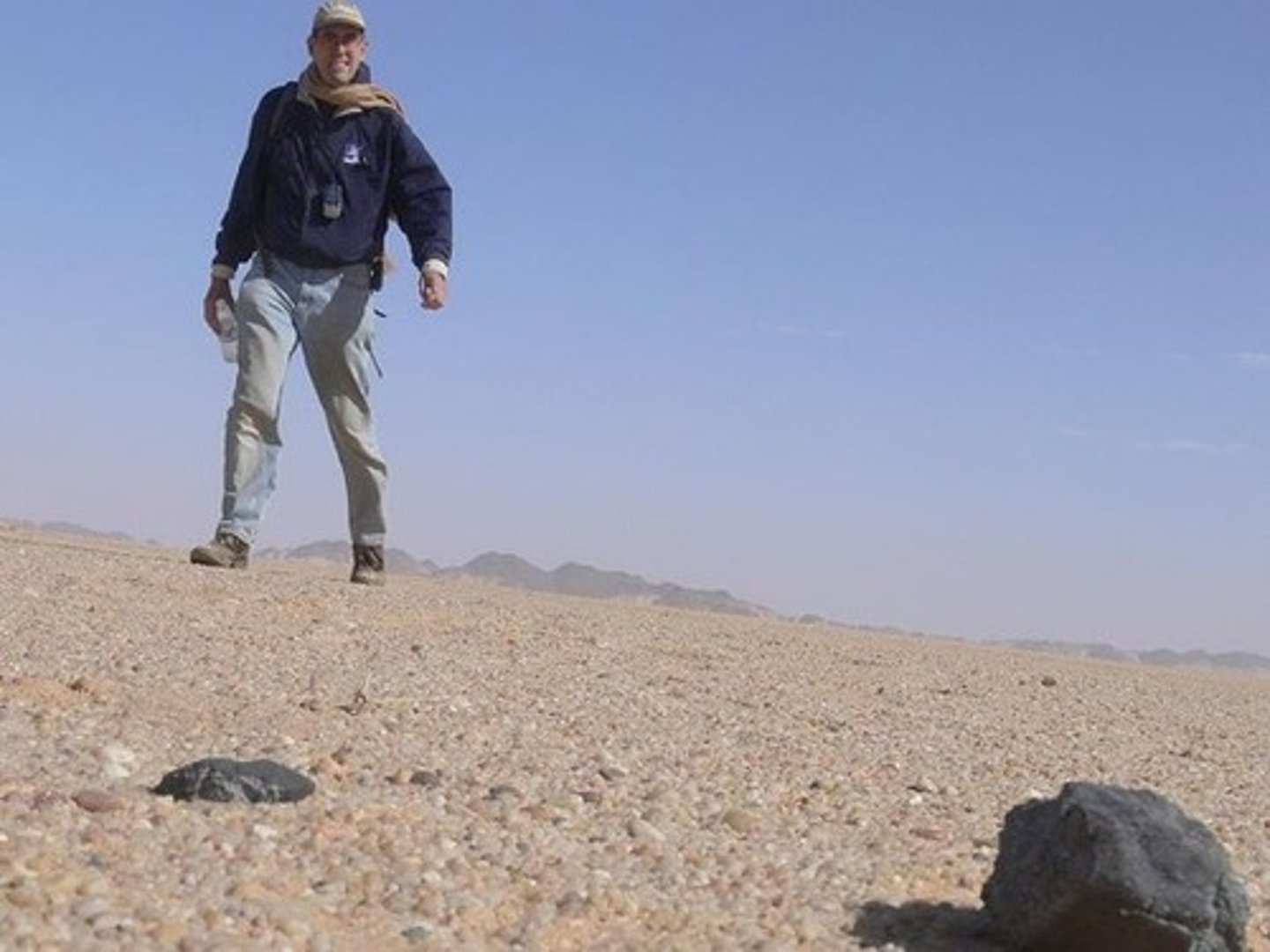
TC3
Tracked from sky to ground in Sudan
Coesite and stishovite
High pressure forms of quartz found at impact sites
Walter's question
How much time in K-T boundary clay
Discovered K-T shocked quartz
Bruce Bohor
Earth's iridium
Mostly in the core
Luis Alvarez
Physicist
About 10 km diameter
The K-T asteroid
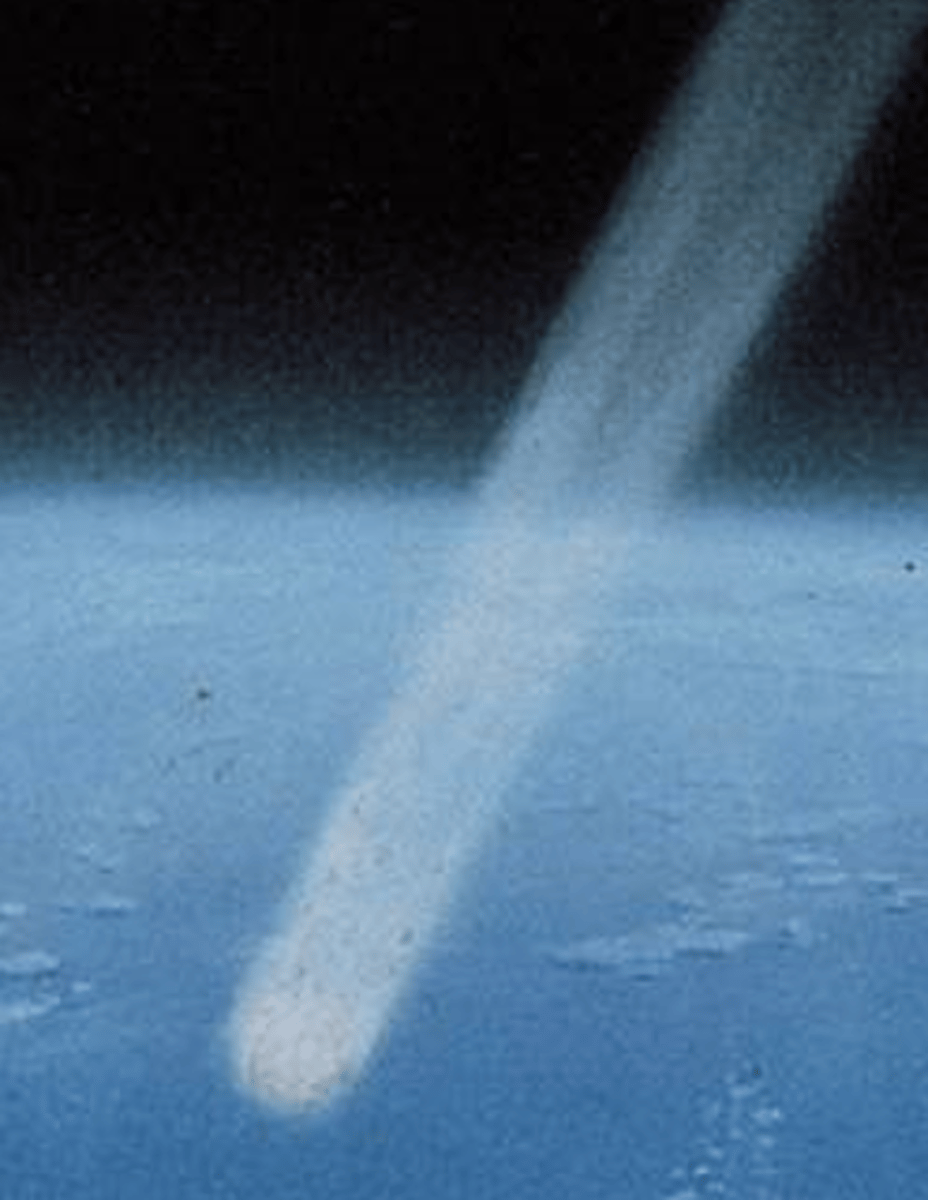
Proposed killing mechanism
Dust blocks the sun and photosynthesis
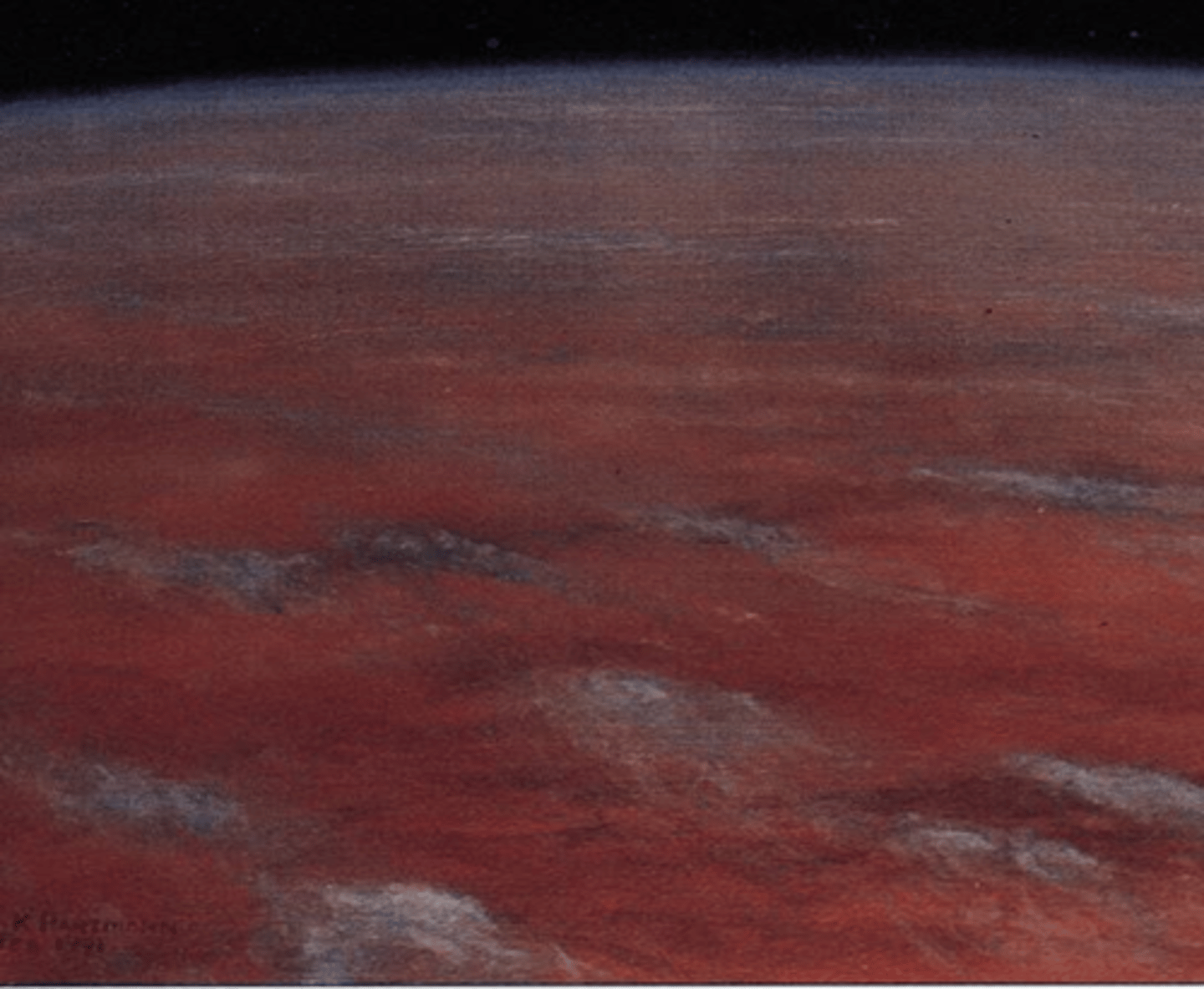
Alvarez Hypothesis, Part 1
Bolide impact occurred precisely at the K-T.
Alvarez Hypothesis, Part 2
The impact caused the K-T extinctions.
1980
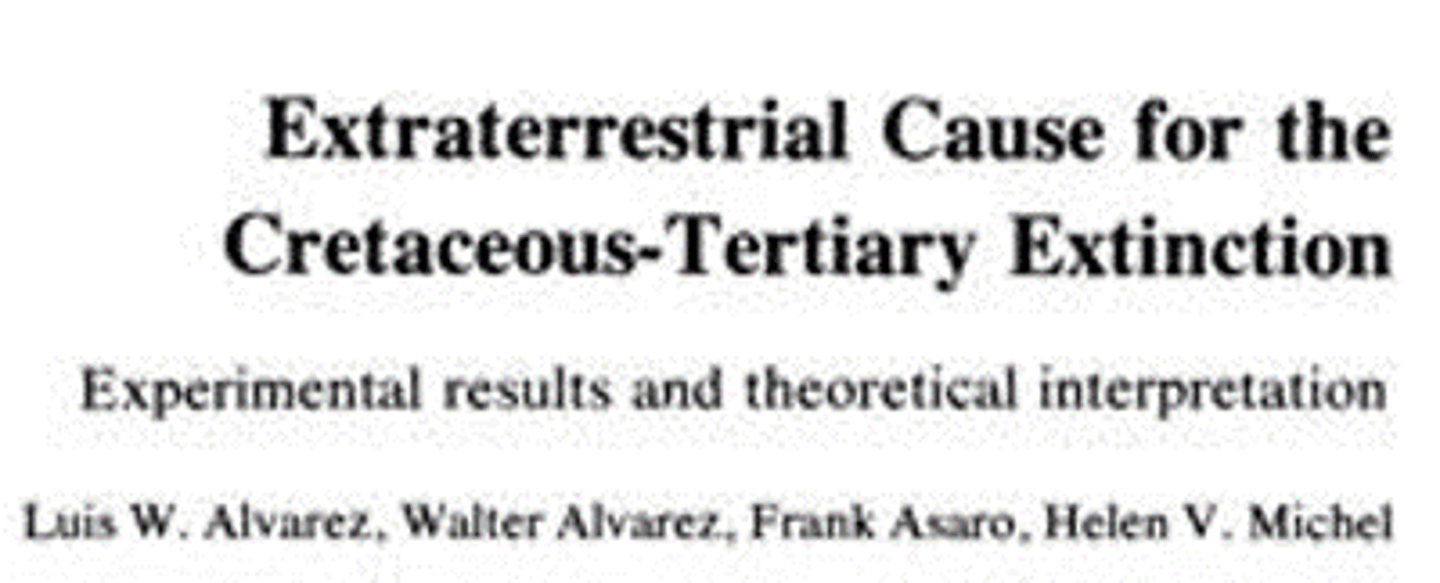
Alvarez Hypothesis published in Science
Formed by impact
The Moon

Meteor Crater, Arizona
Gene Shoemaker's starting point
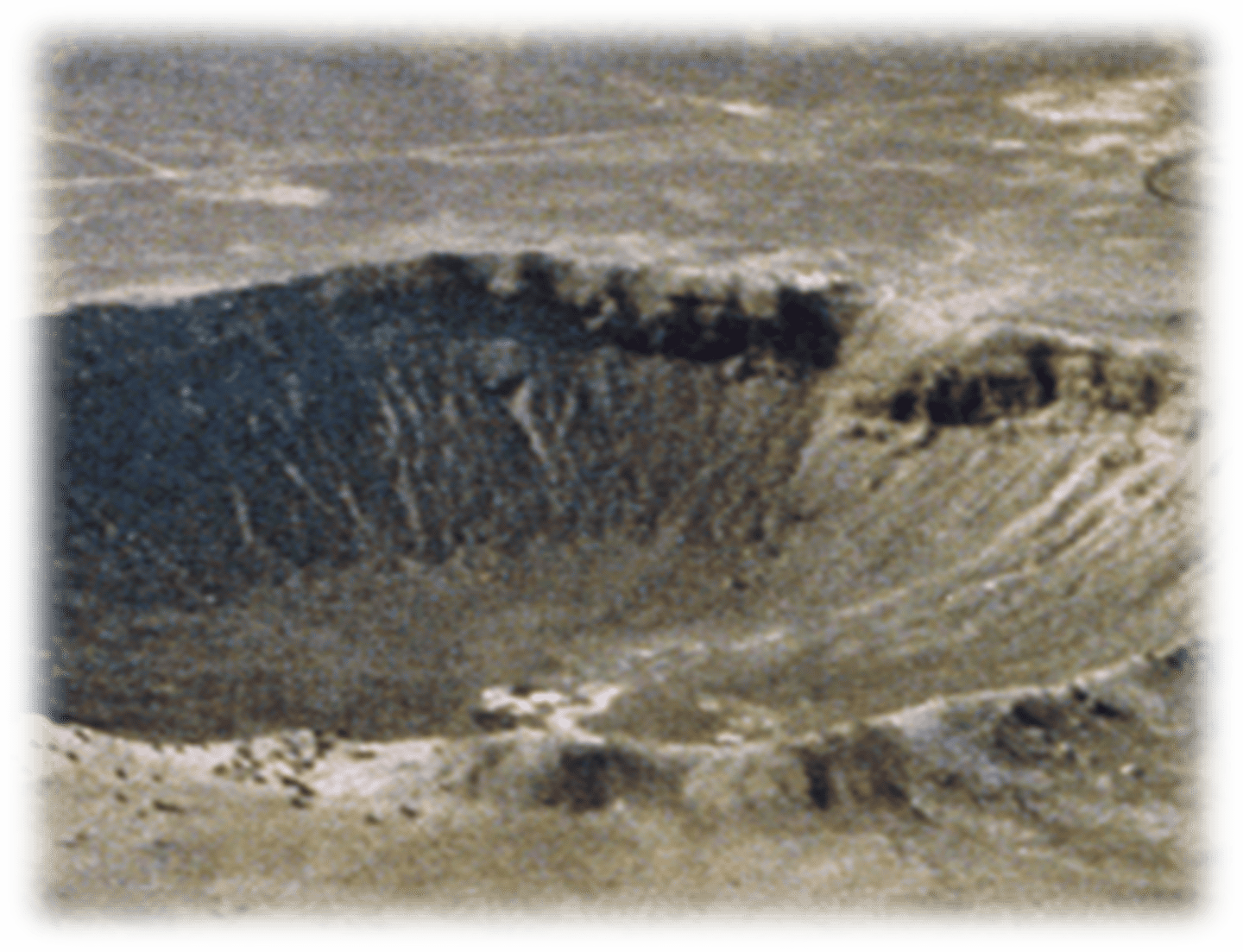
World's only globally distributed rock layer from a single event
The K-T boundary layer
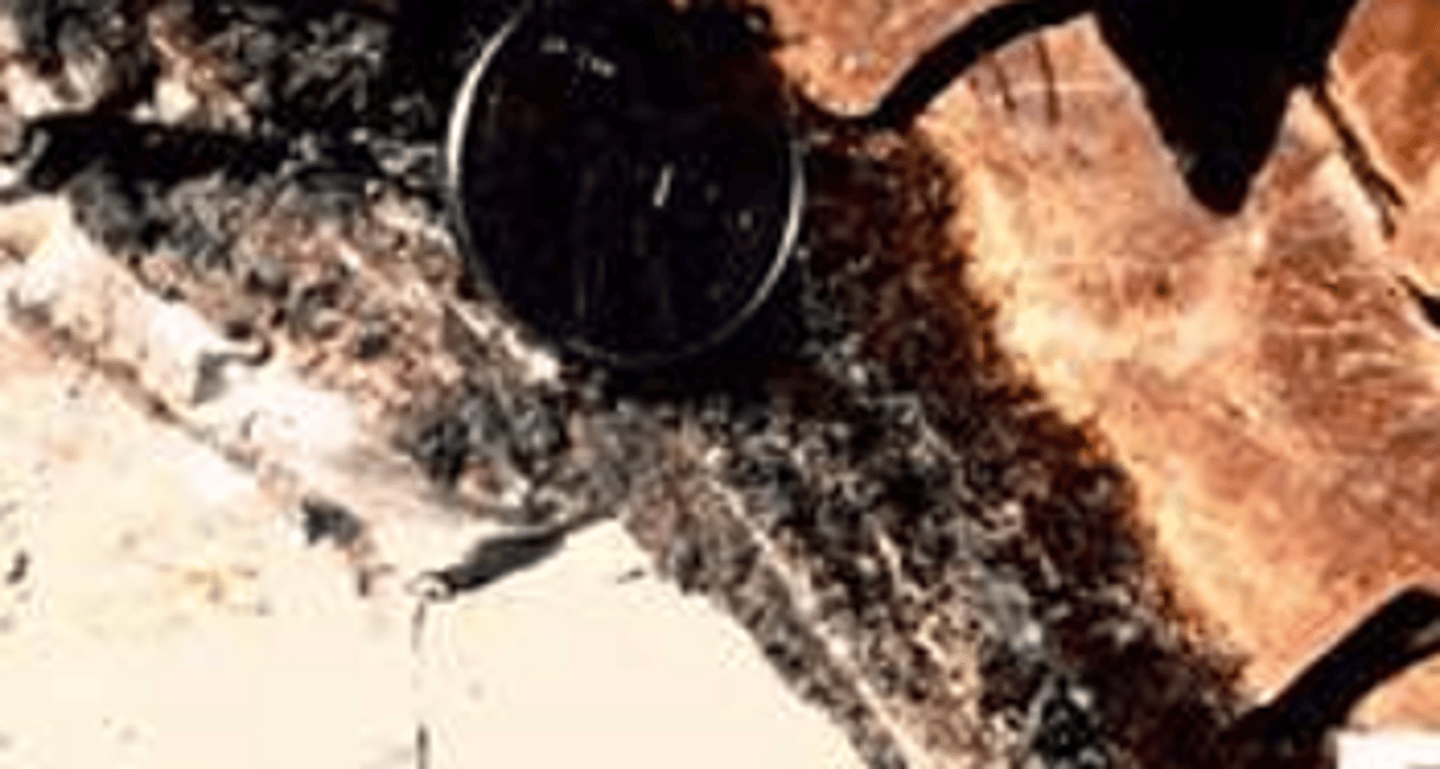
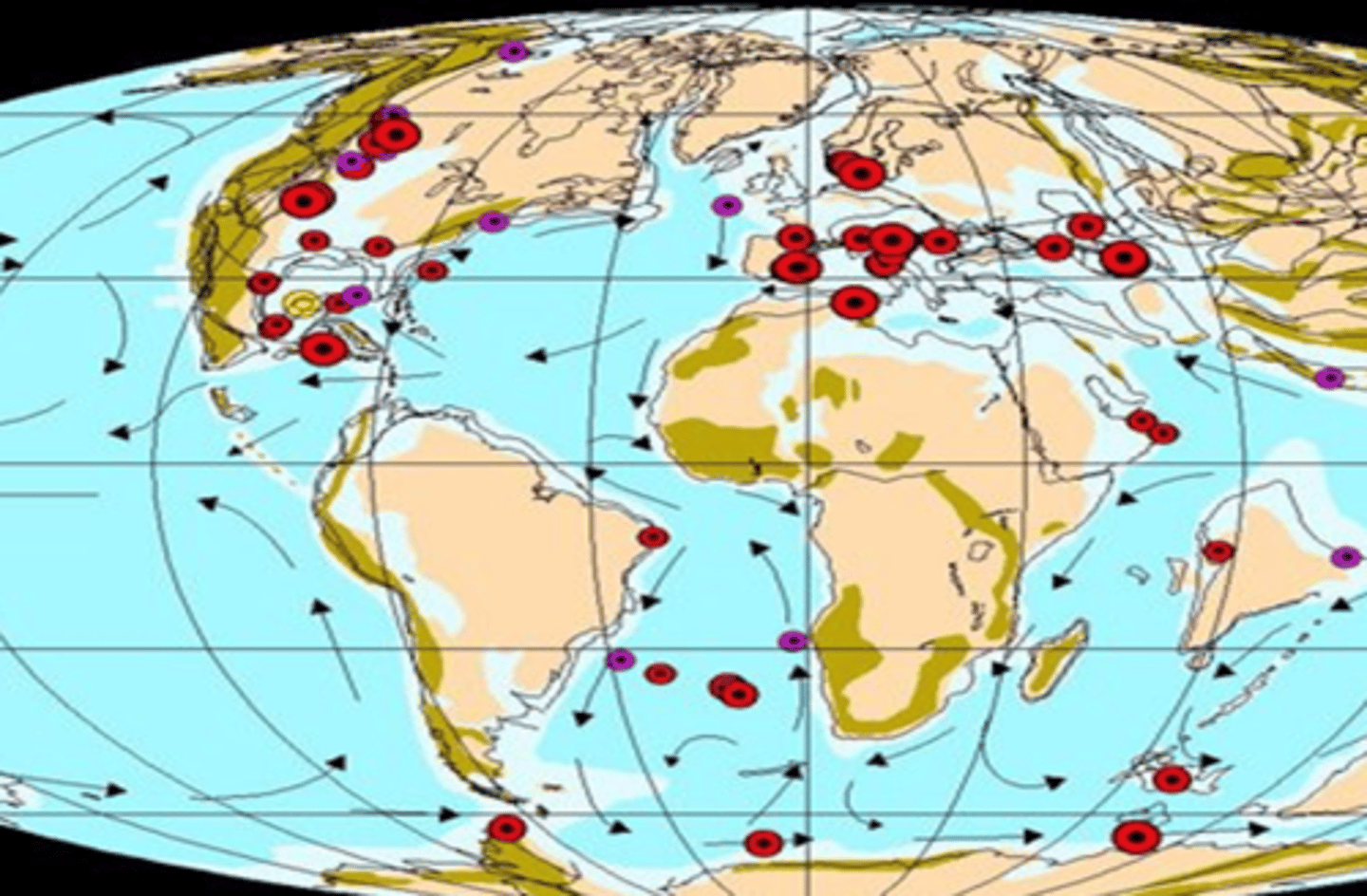
Global iridium anomalies
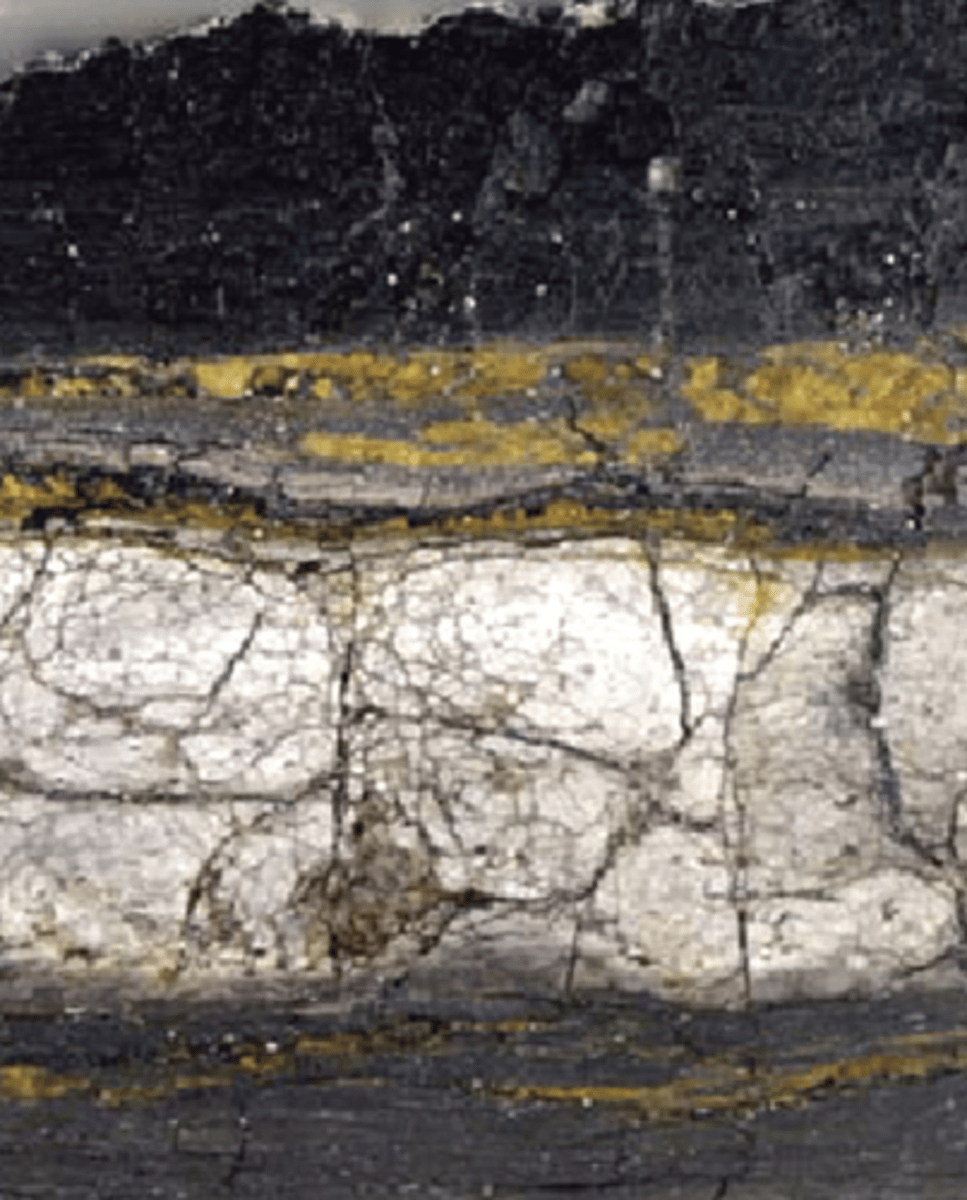
Volcanic "spherules"
angular, not rounded
Volcanic iridium
from non-explosive (basaltic) volcanoes
Deccan Traps
Massive lava flows from India
Peak of Deccan eruptions
Hundreds of thousands of years before and after the K-T
Major effect of Deccan eruptions
Short global warming episodes, biodiversity increased
Granite and quartz
K-T impactor struck a continent
Double boundary layer
North America only
Lead of Chicxulub discovery team
Alan Hildebrand
First noted Chicxulub gravity and magnetic anomalies
Penfield and Camargo (1981)
Global, regional, and local events revealed in one place
West Bijou Creek K-T section
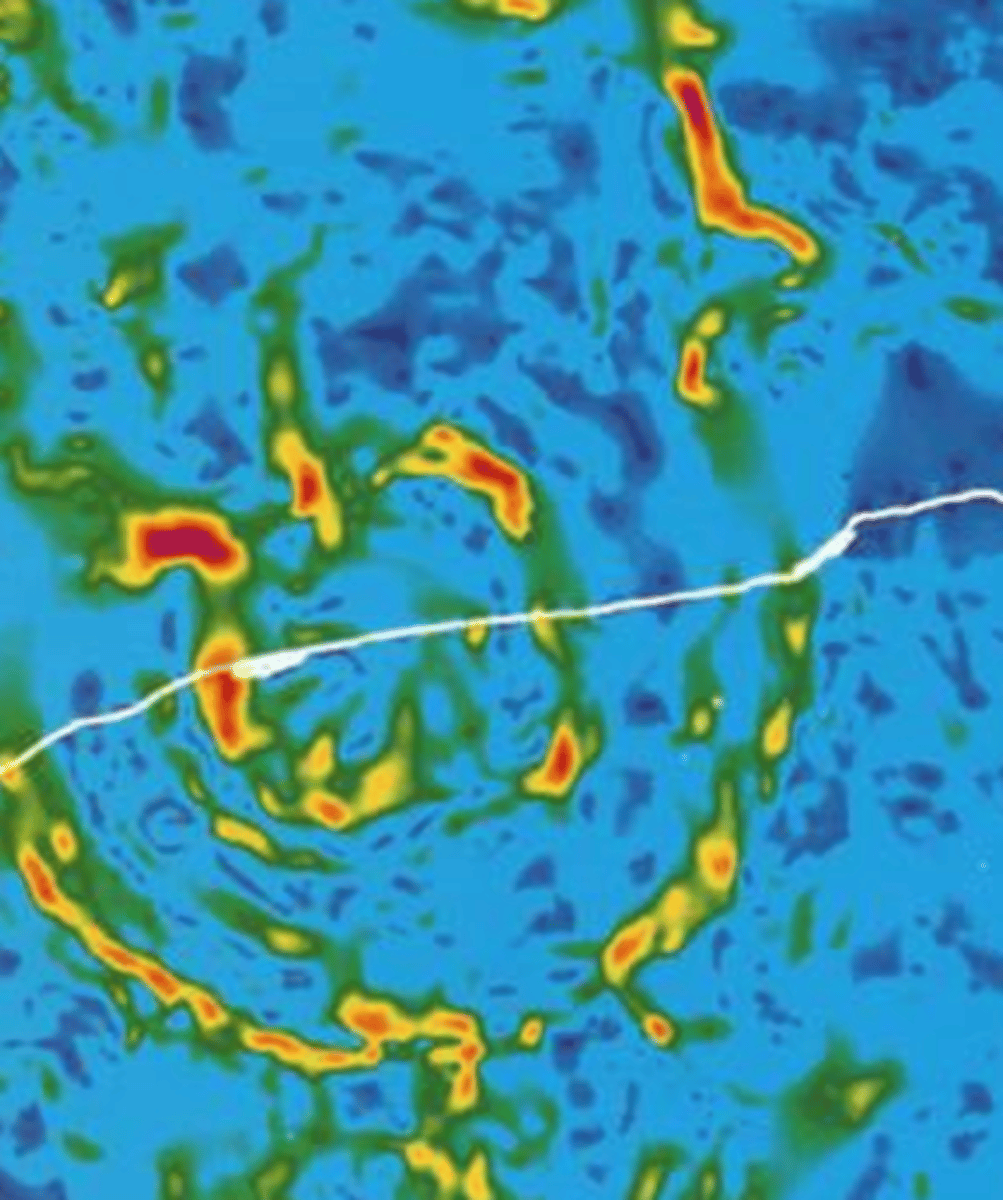
Chicxulub gravity field
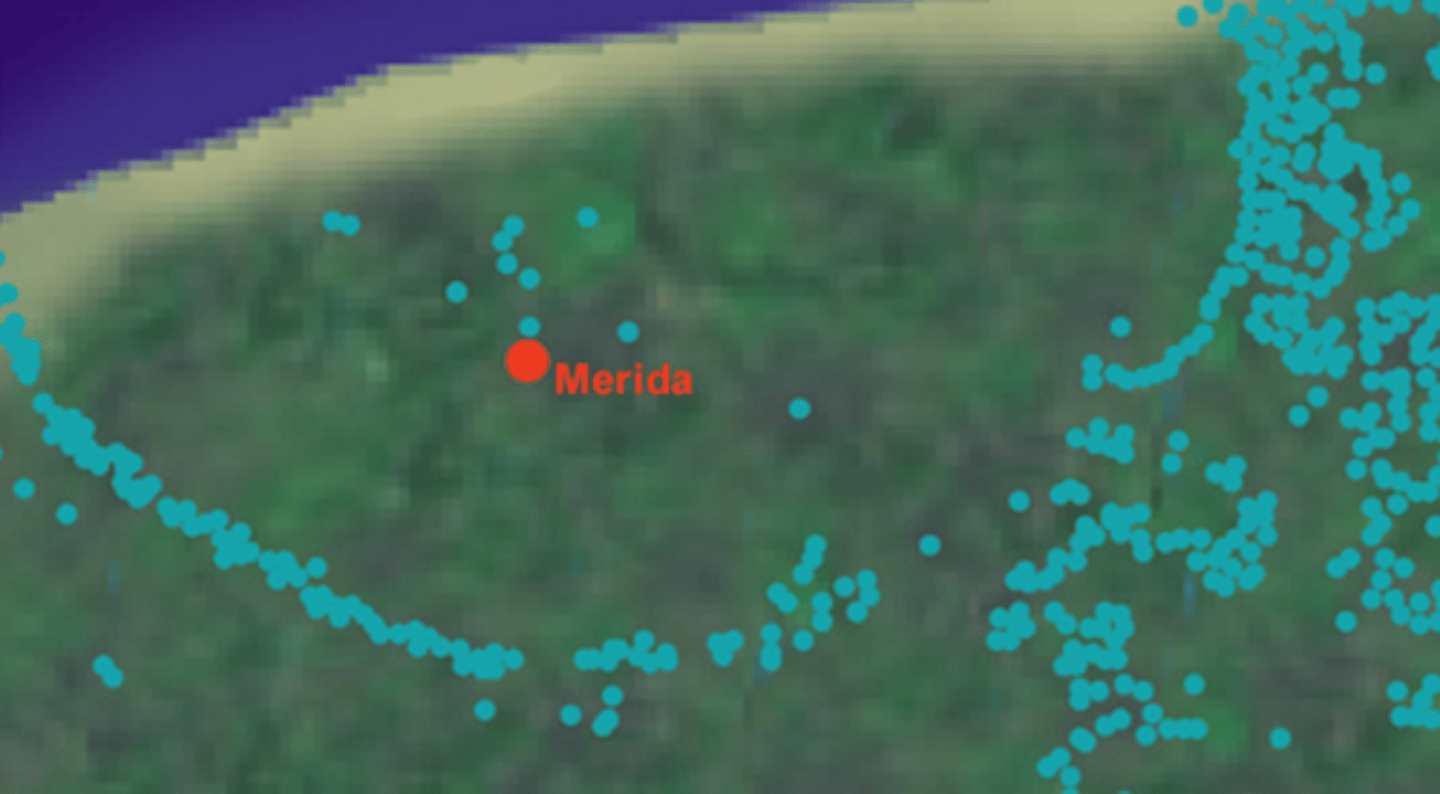
Cenotes
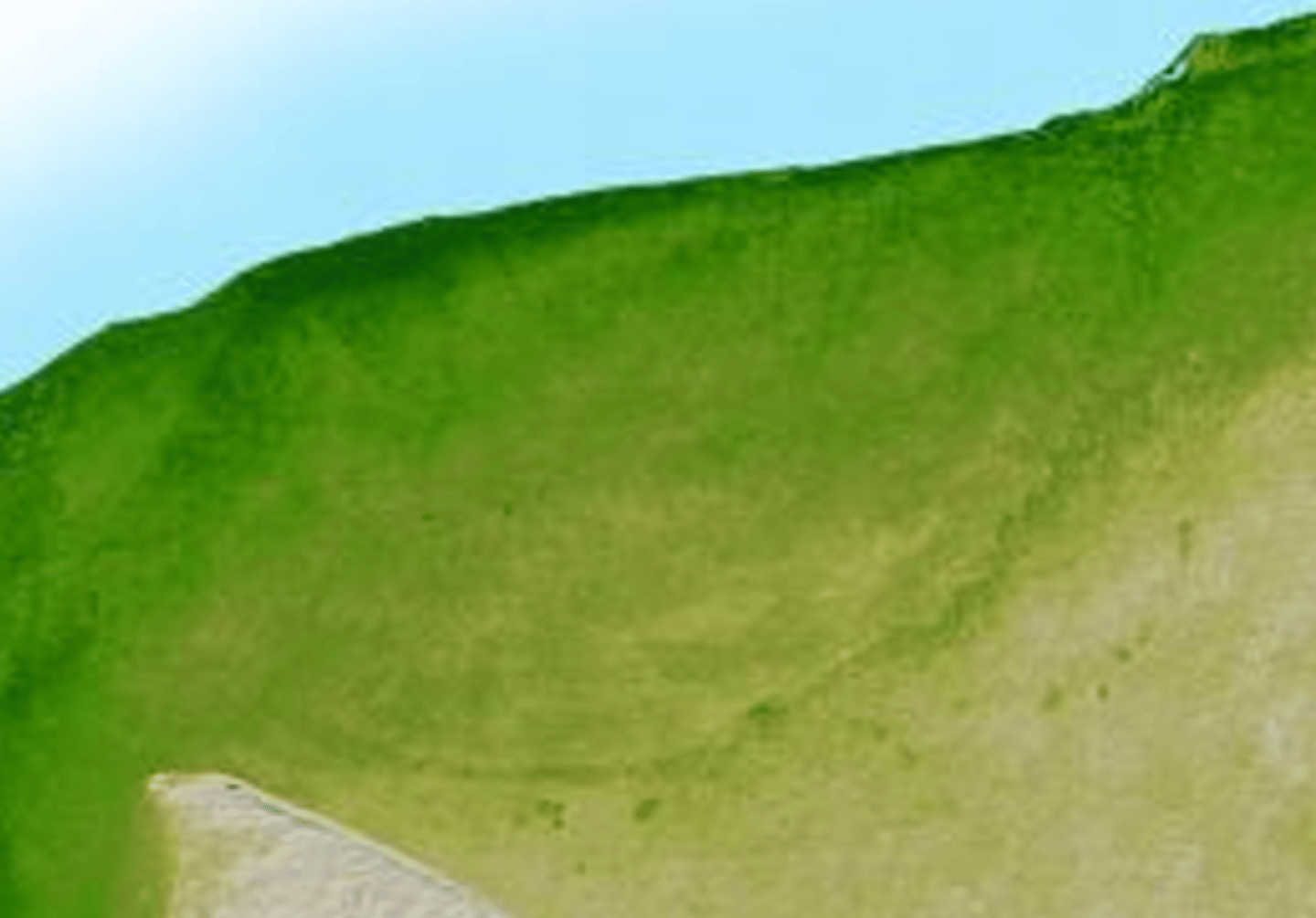
Chixculub ring from space shuttle
Same isotopes, 3 different elements
Impact glass in Haiti and Chicxulub
Same age within 32,000 years
Chicxulub and North Dakota K-T ashes
Same lead loss line and age
Zircons from Chicxulub and N America K-T boundary
Signor-Lipps effect
Observed extinction may precede true extinction
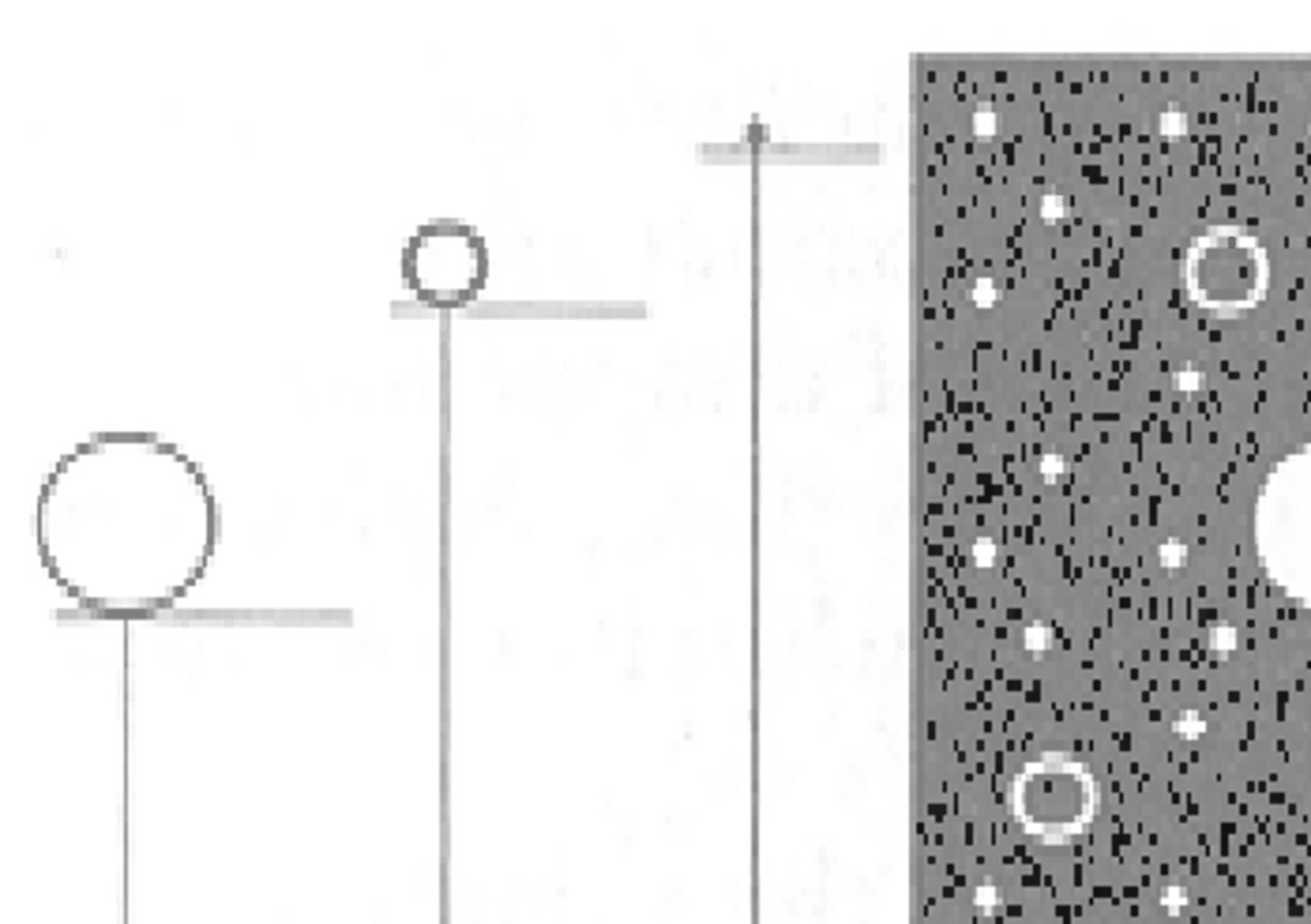
Least Signor-Lipps effect
Superabundant microfossils, forams and pollen
Most Signor-Lipps effect
Rare, large fossils (dinosaurs)
Overcome Signor-Lipps effect
Heavy sampling and statistics
The key question for Part 2 of Alvarez Hypothesis
Sudden or gradual extinction
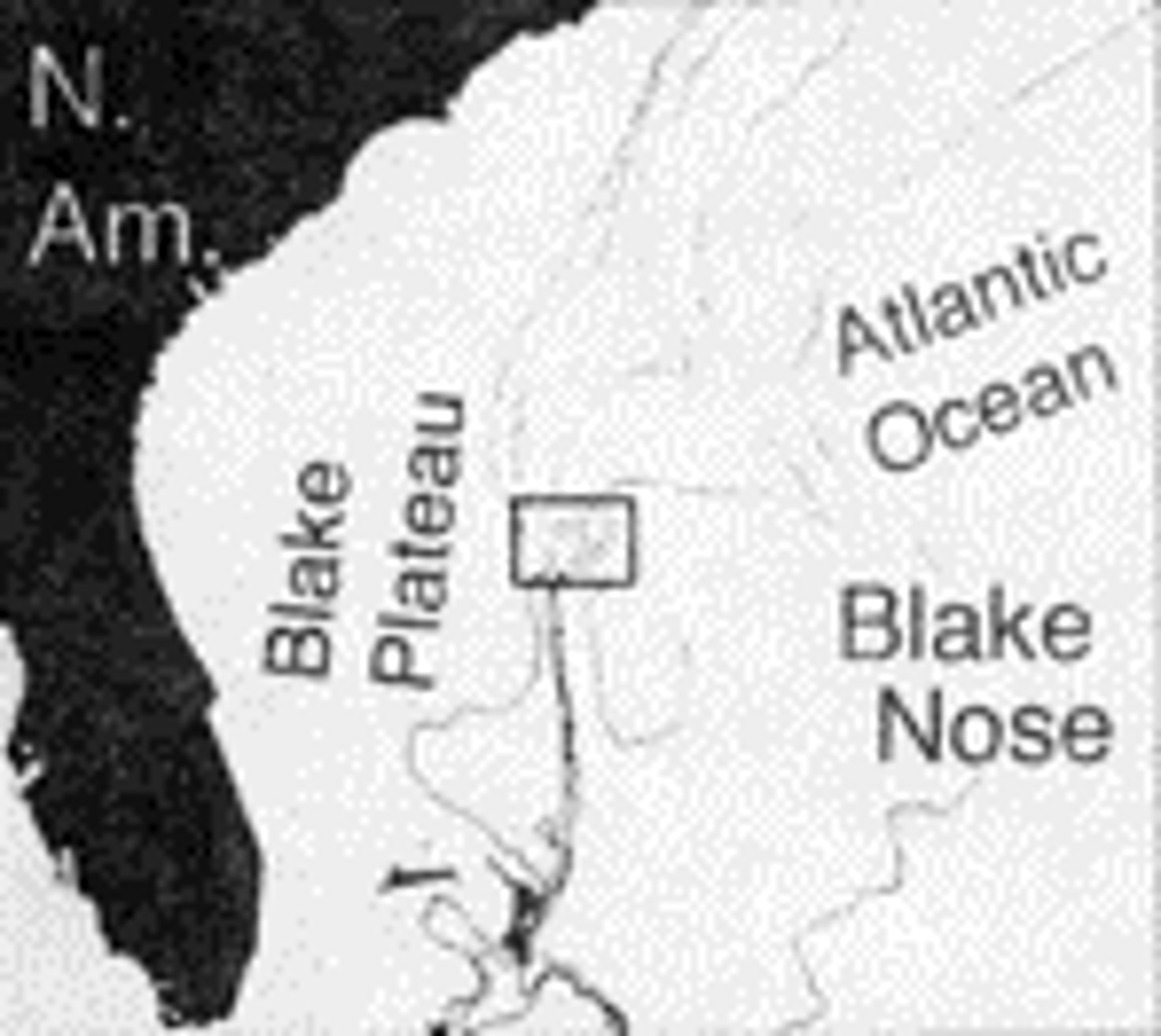
Blake Nose, Florida
Complete K-T boundary, abrupt foram extinction
Cretaceous forams
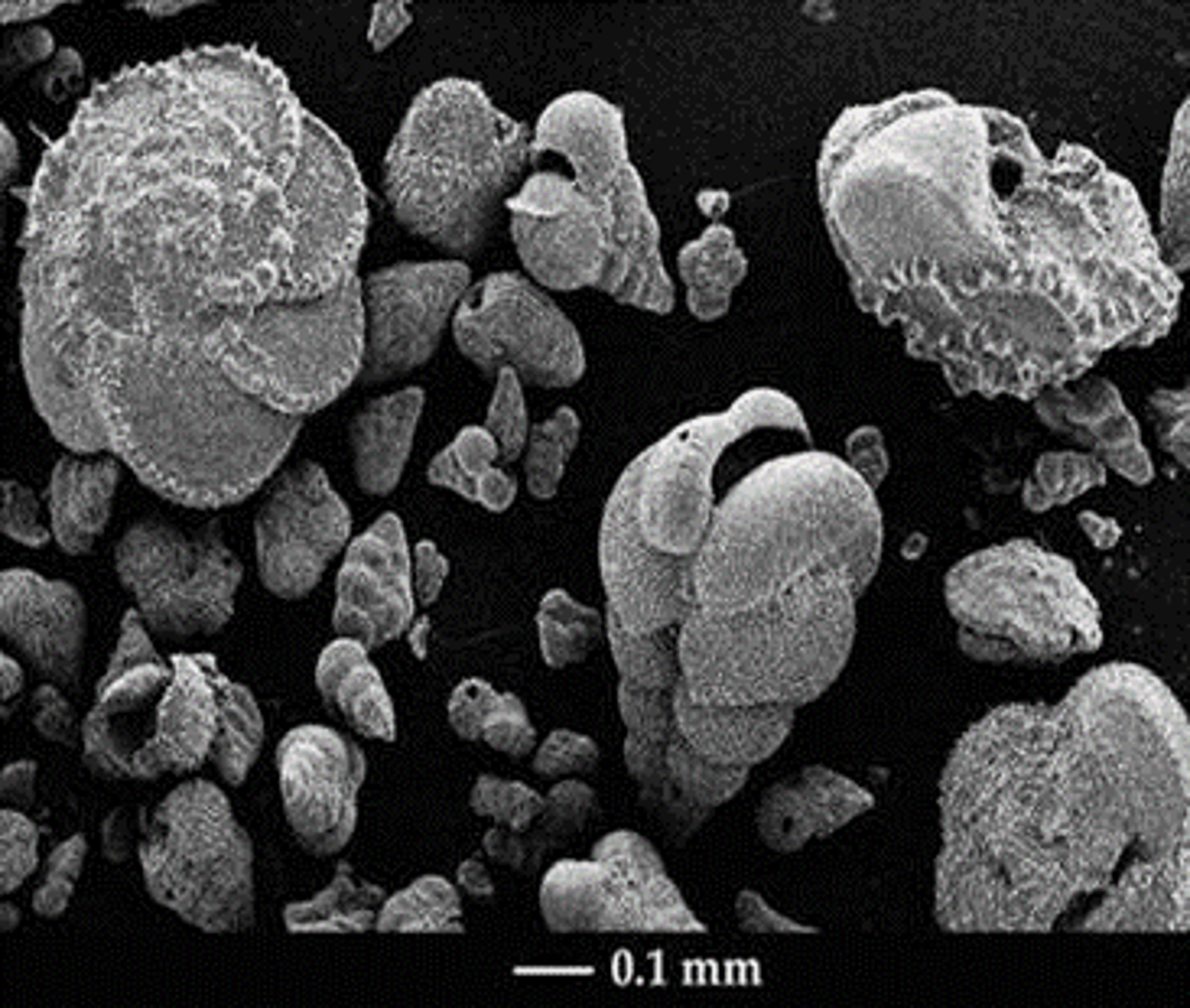
Post K-T forams
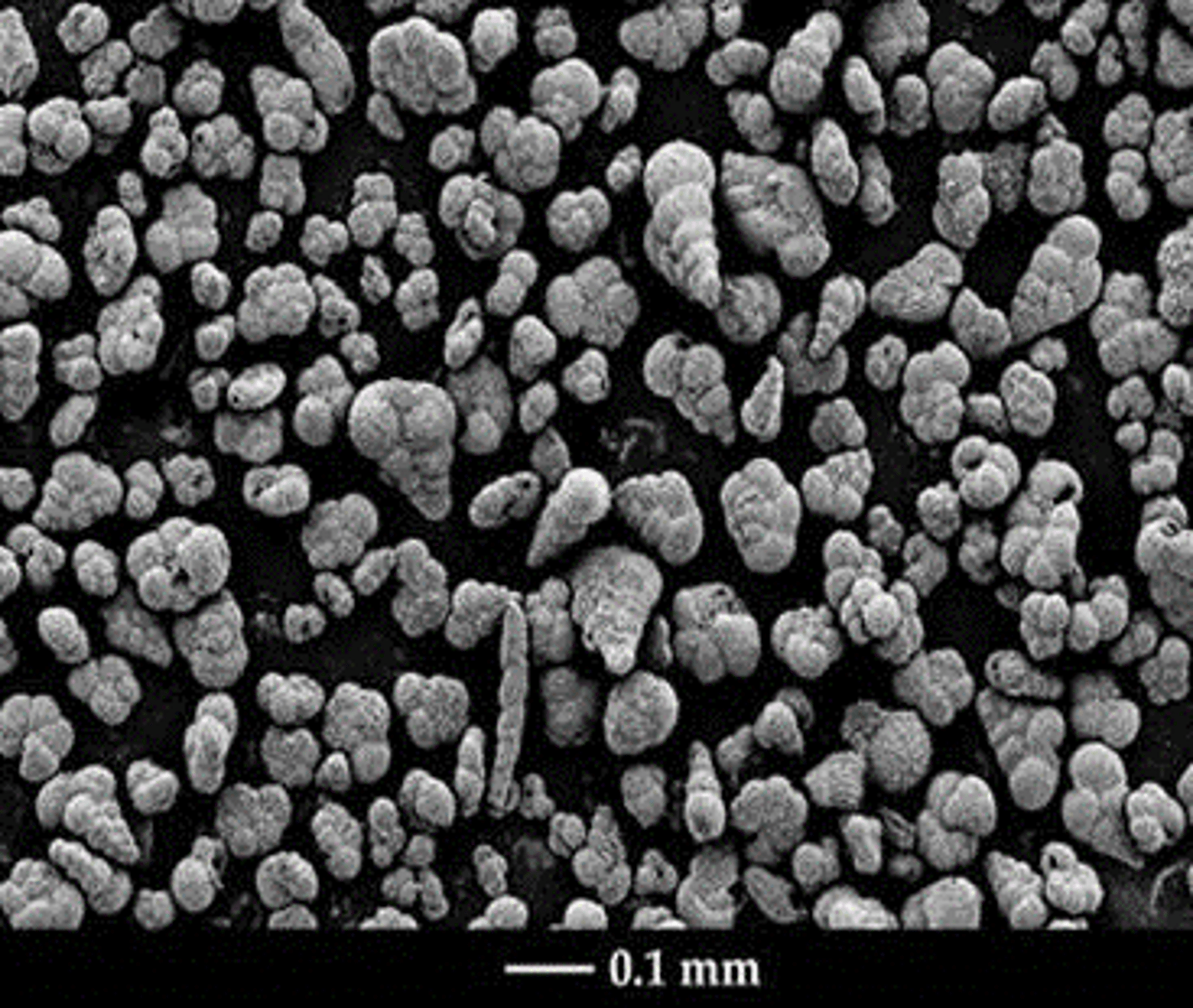
60%
North Dakota plant extinction
K-T plants with confidence intervals
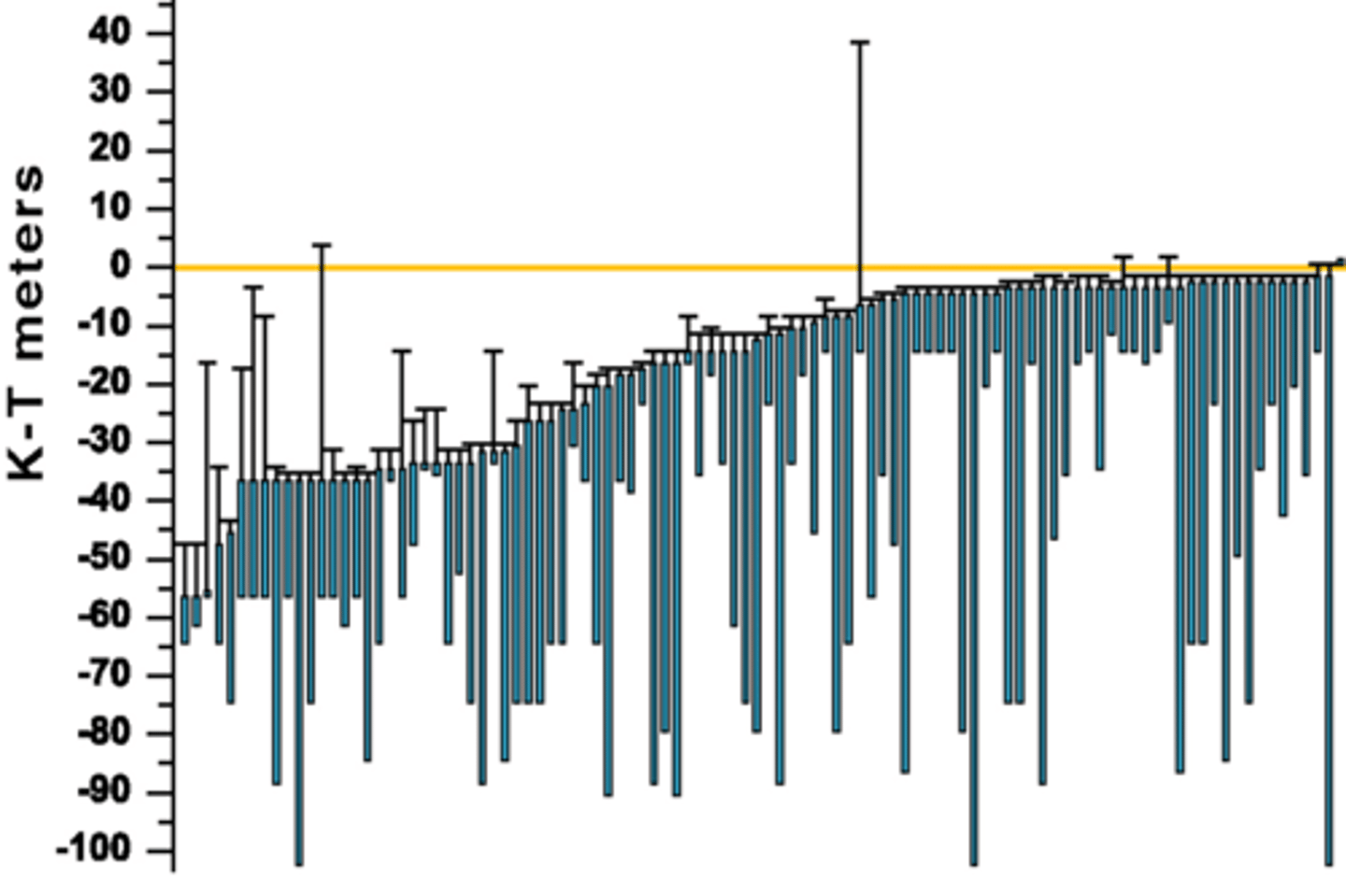
No survival known
Cretaceous leaf miners
How to study insect diversity and extinction without insect fossils?
Insect feeding marks on fossil leaves
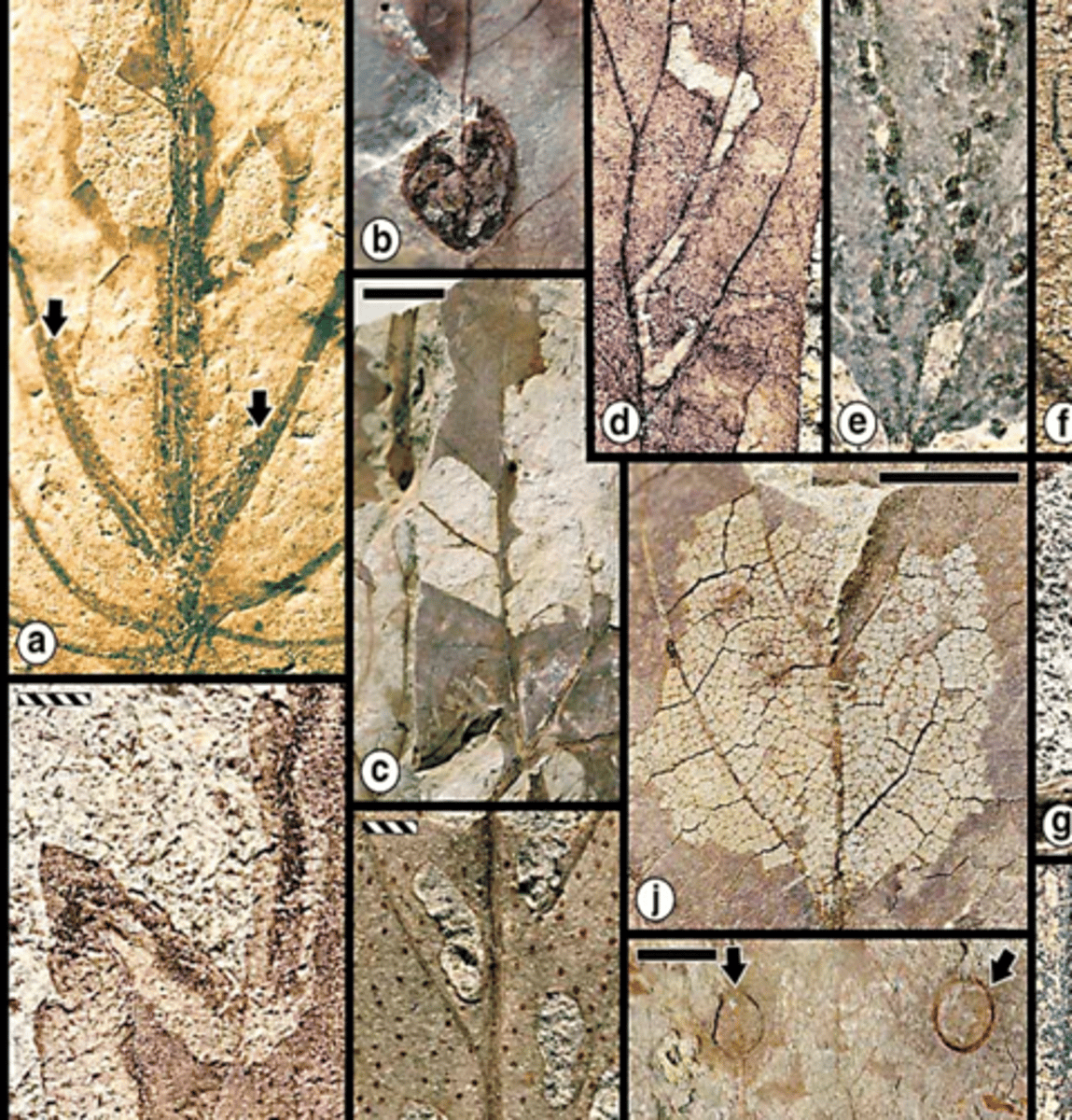
Second reason insects died
Host plants went extinct
Only detailed record of the end of the Mesozoic on land
Hell Creek Formation
Quantified global dinosaur diversity and sampling
David Fastovsky
Dinosaur diversity and sampling, whole Mesozoic
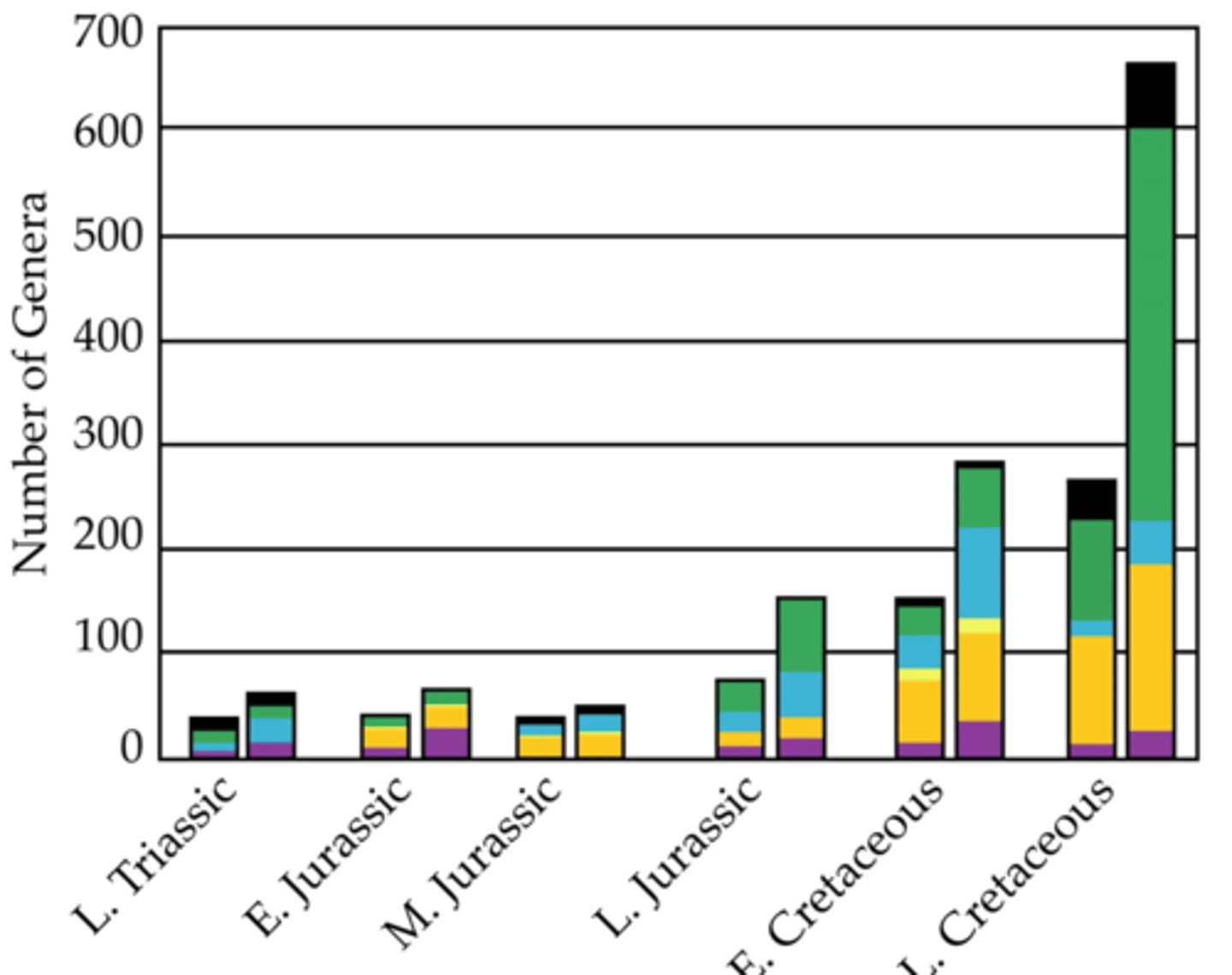
Dinosaur diversity and sampling, last ~35 my of Cretaceous
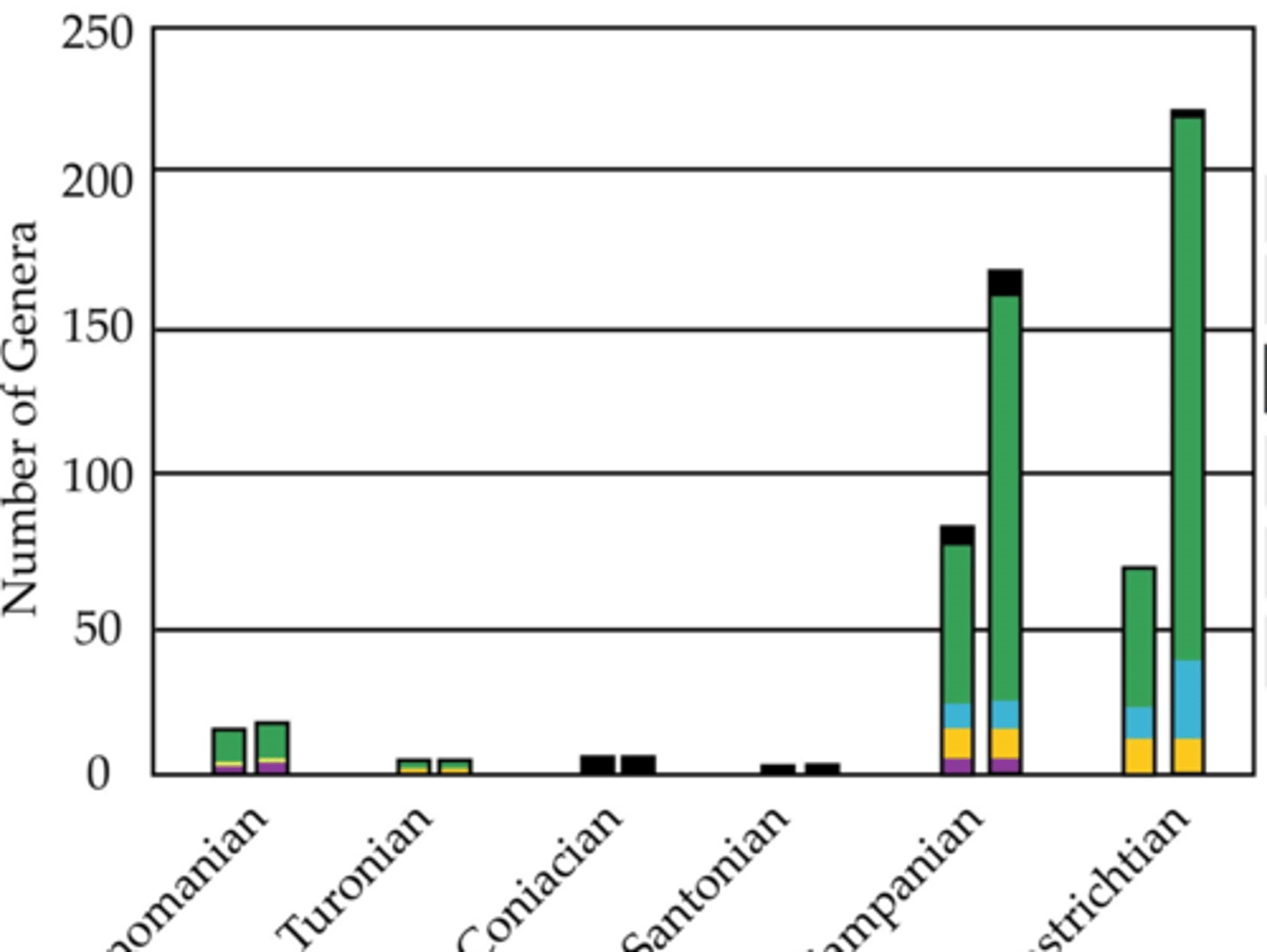
Dinosaur diversity, last ~19 my of Cretaceous
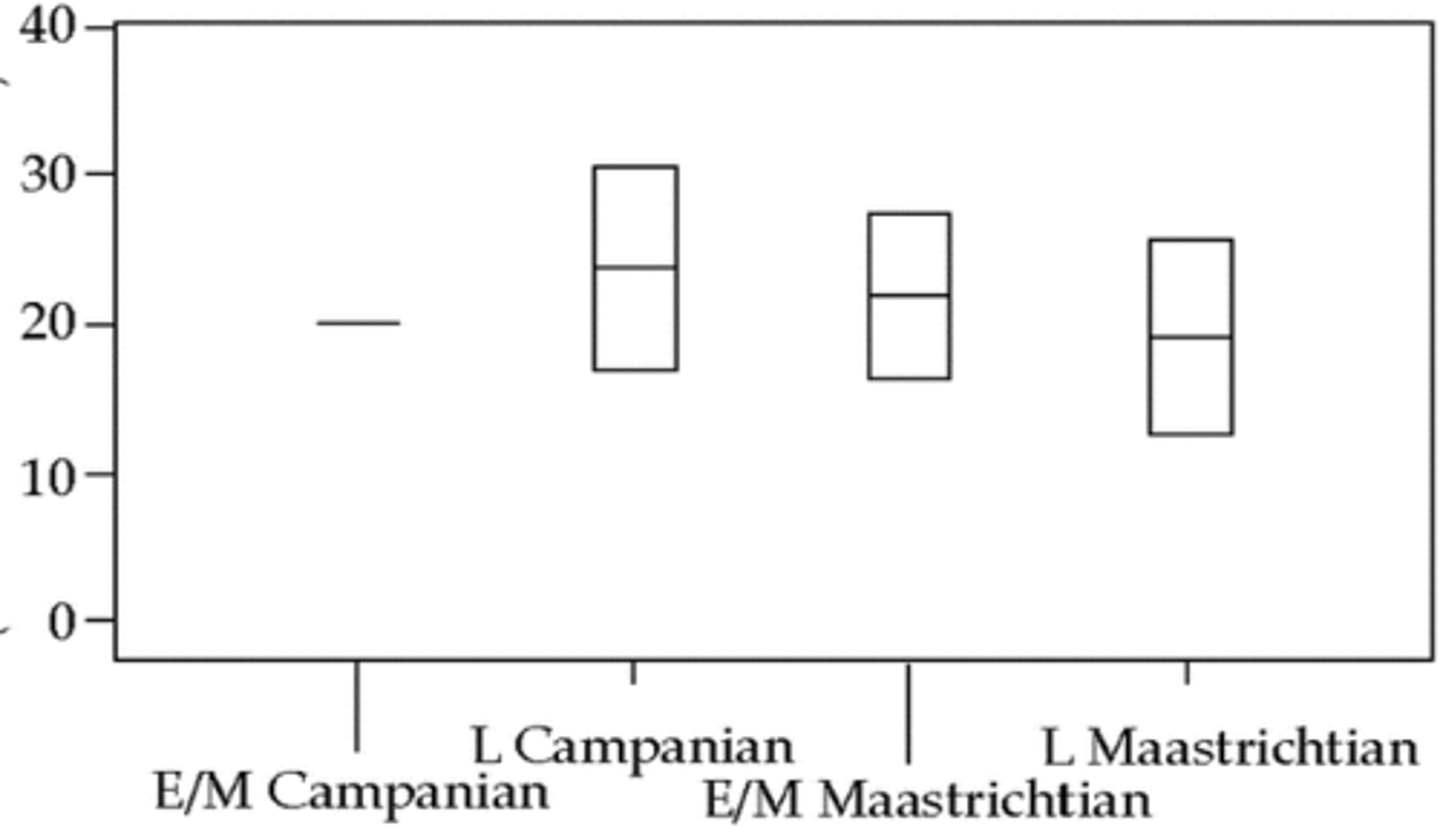
Quantified vertebrate diversity in Hell Creek Formation from 10,000 fossils
Dean Pearson
Vertebrate diversity, last 0.7 my of Cretaceous
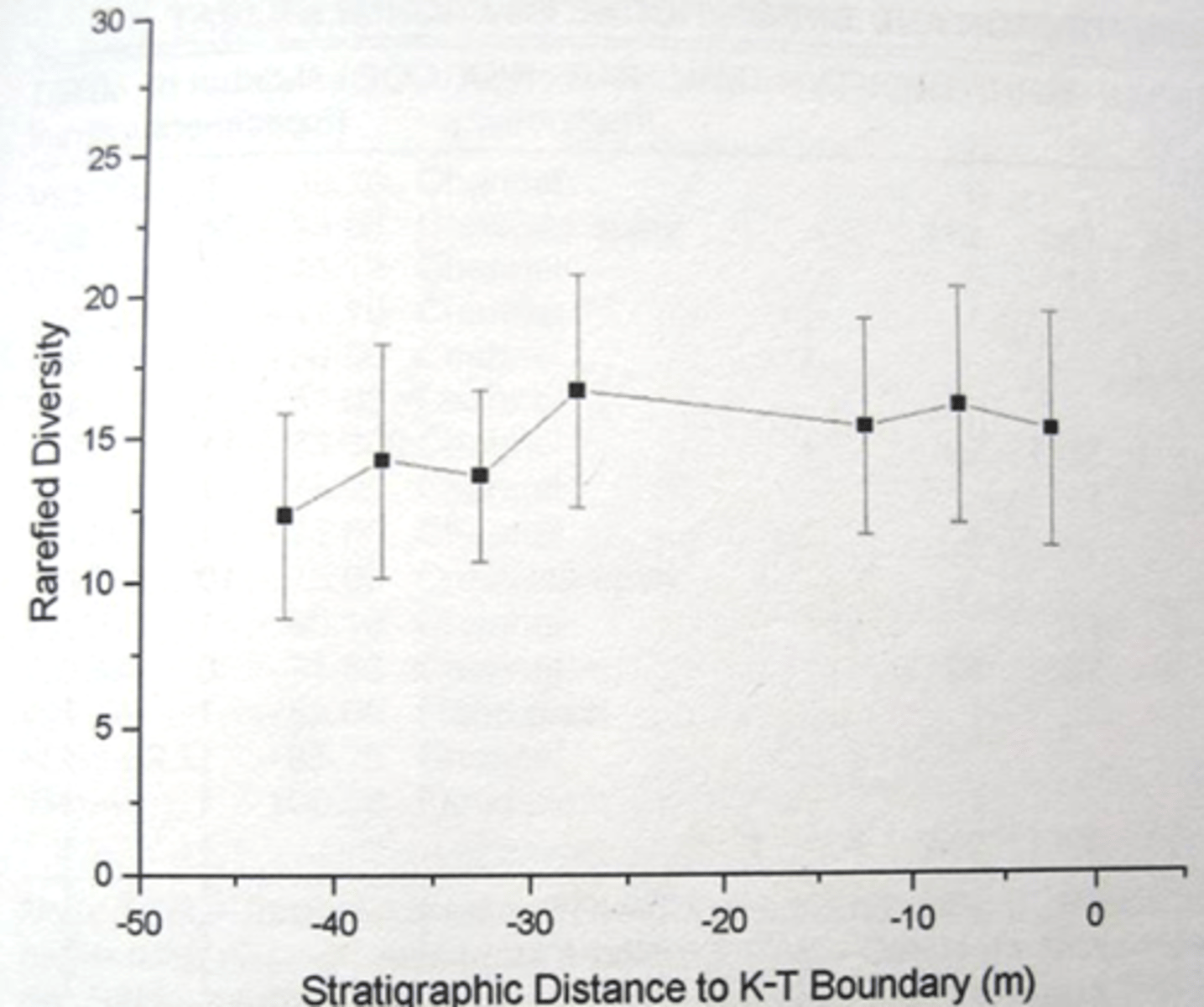
No Bone Zone
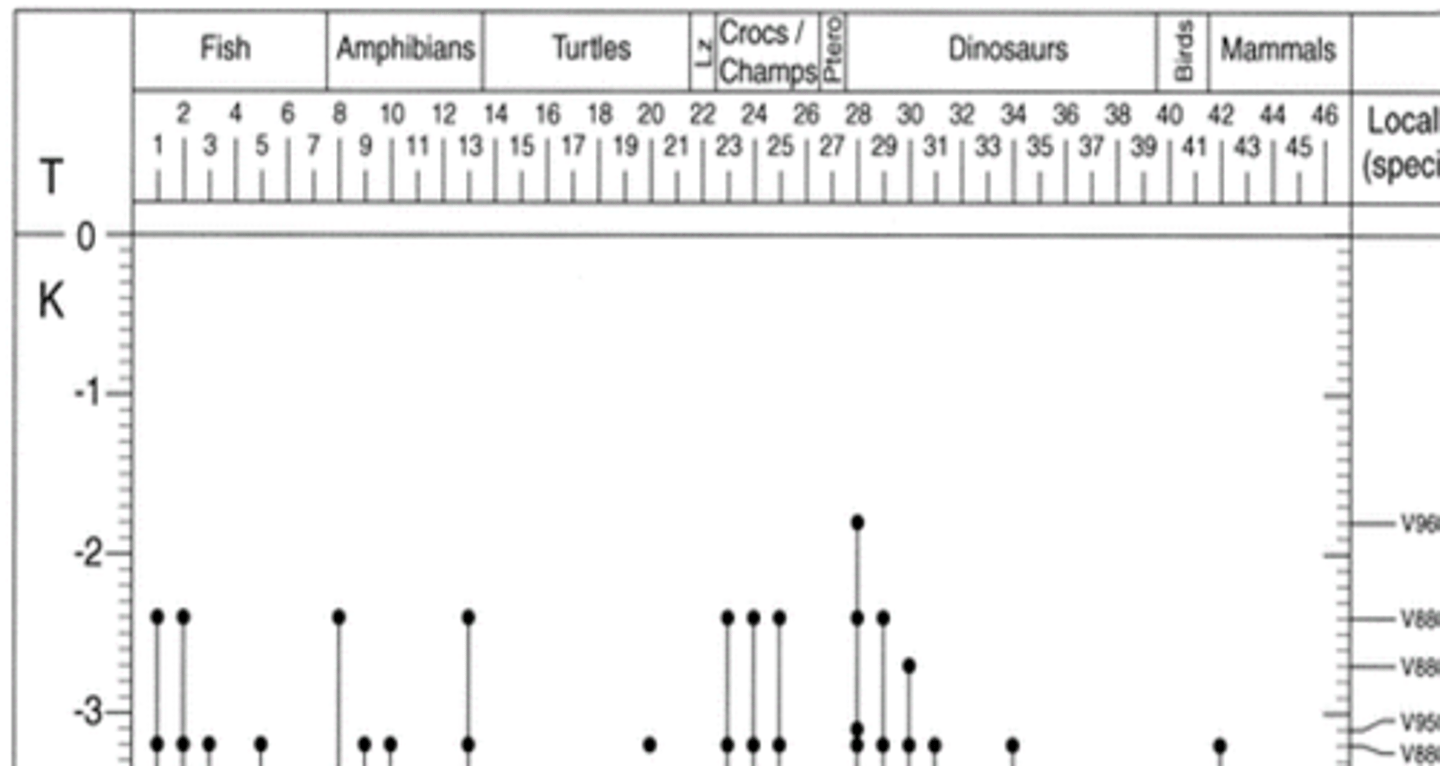
Youngest dinosaur known
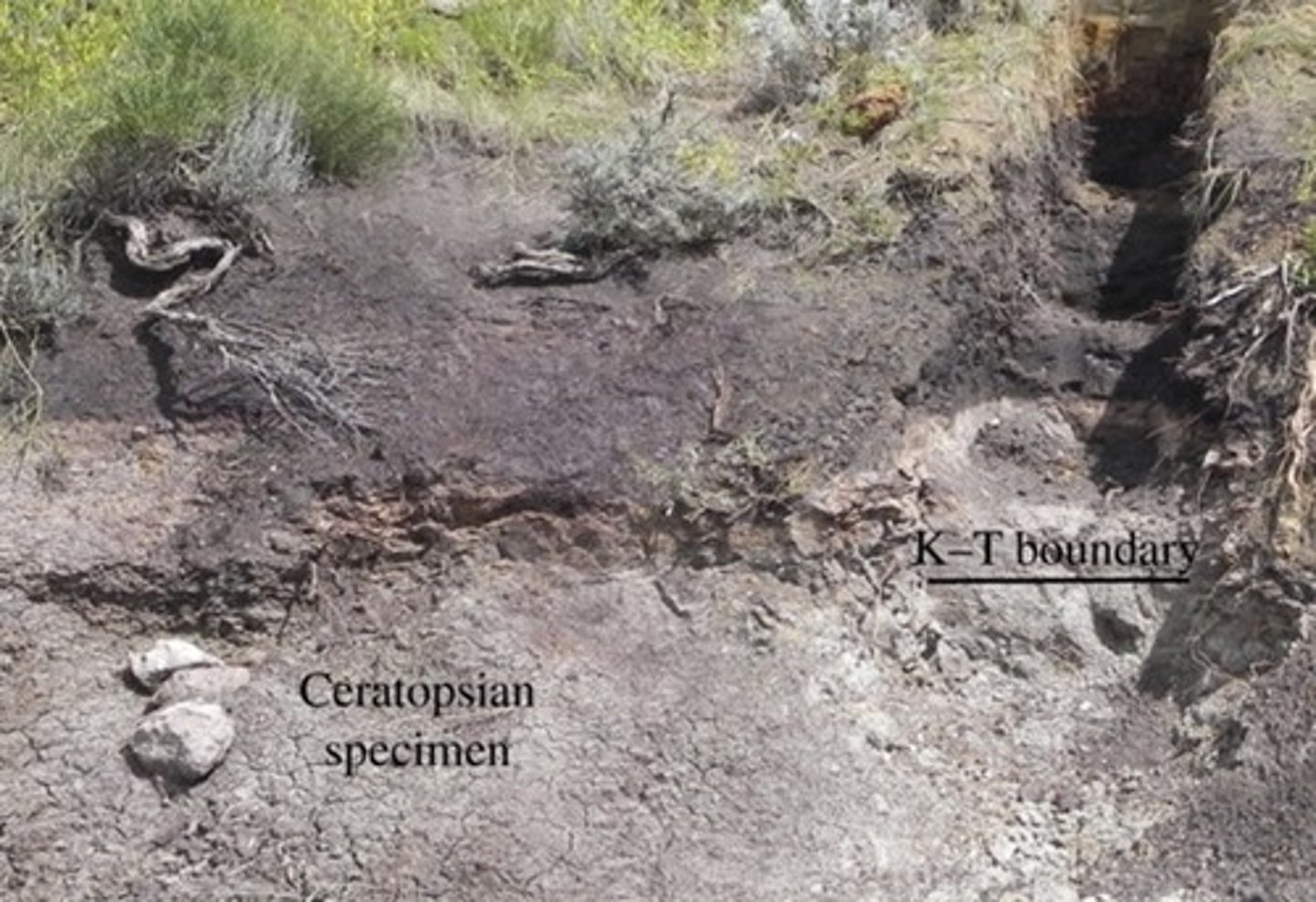
Evidence we have seen for pre K-T decline or gradual extinction of any group
0
Number of mass extinctions currently attributable to impacts
1
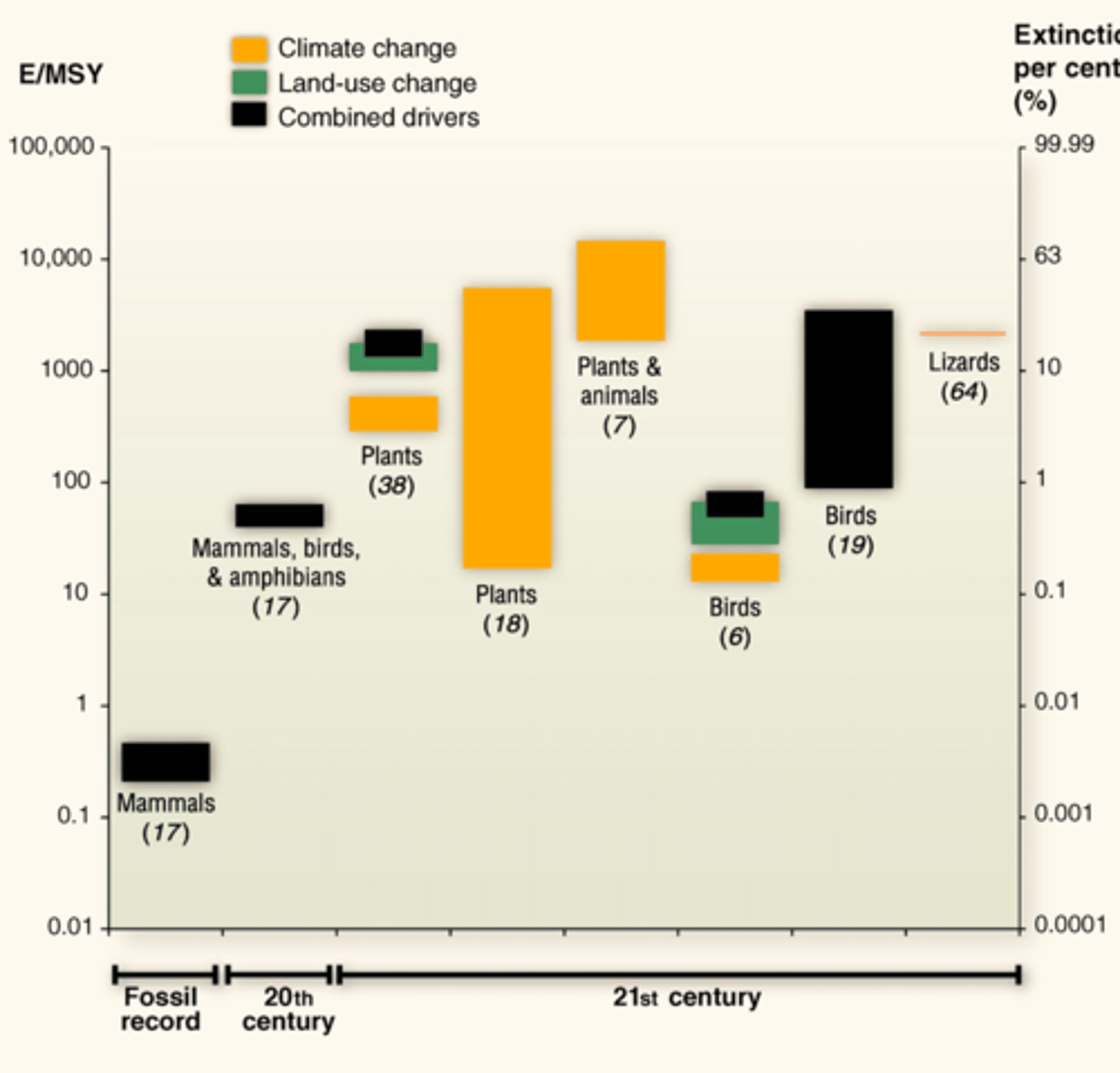
Fossil vs. modern extinction rates
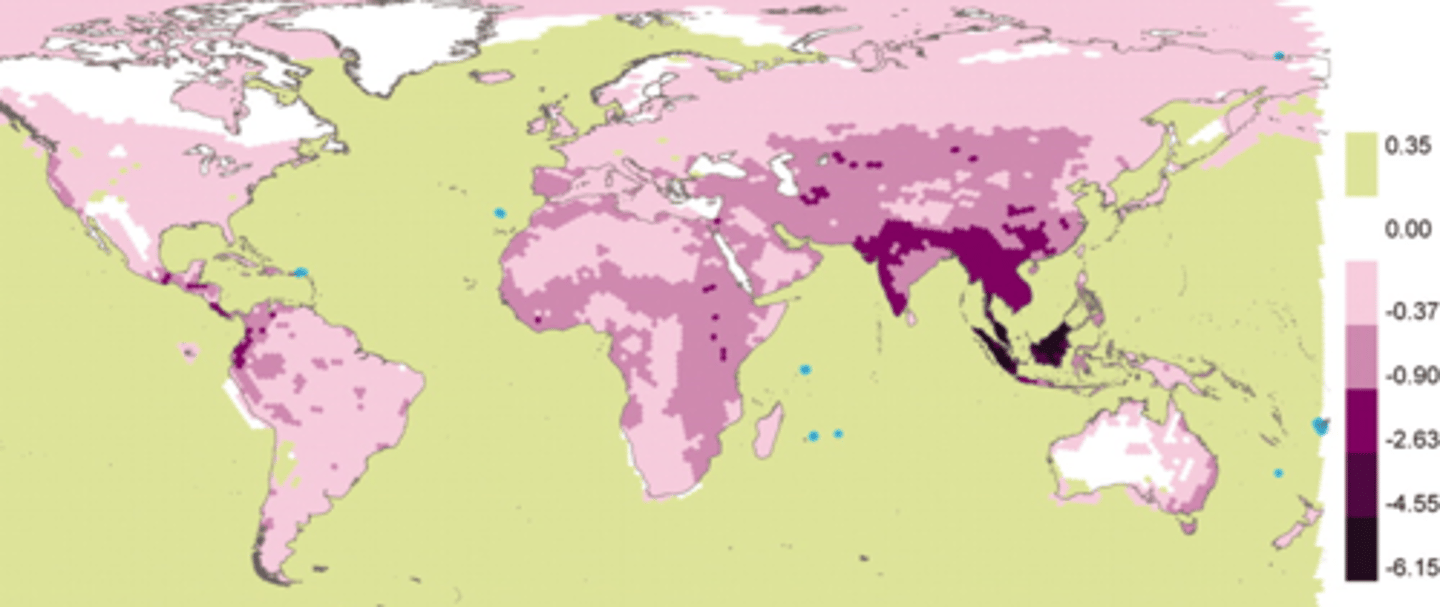
Where extinction risk is increasing
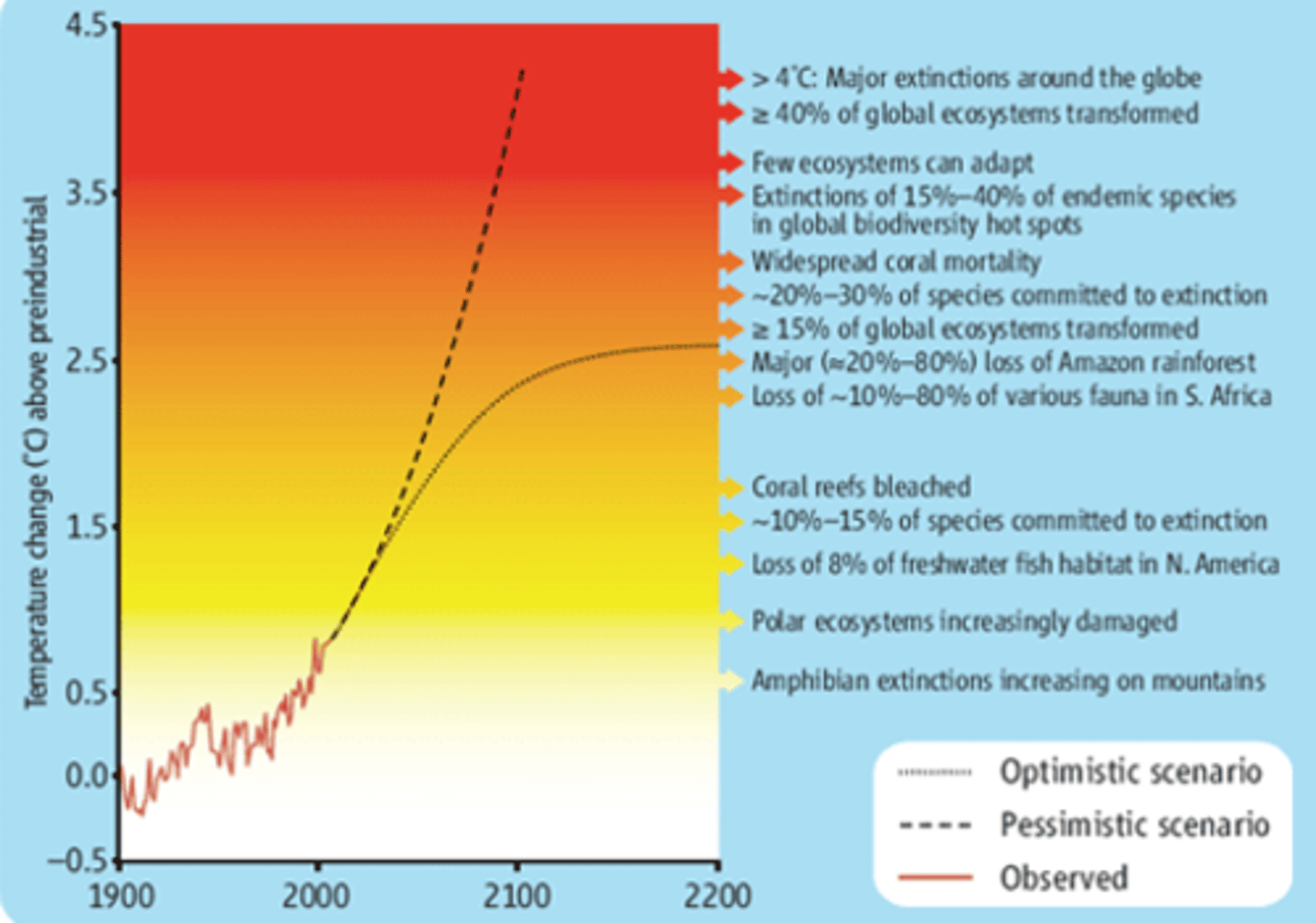
Climate change impact scenarios
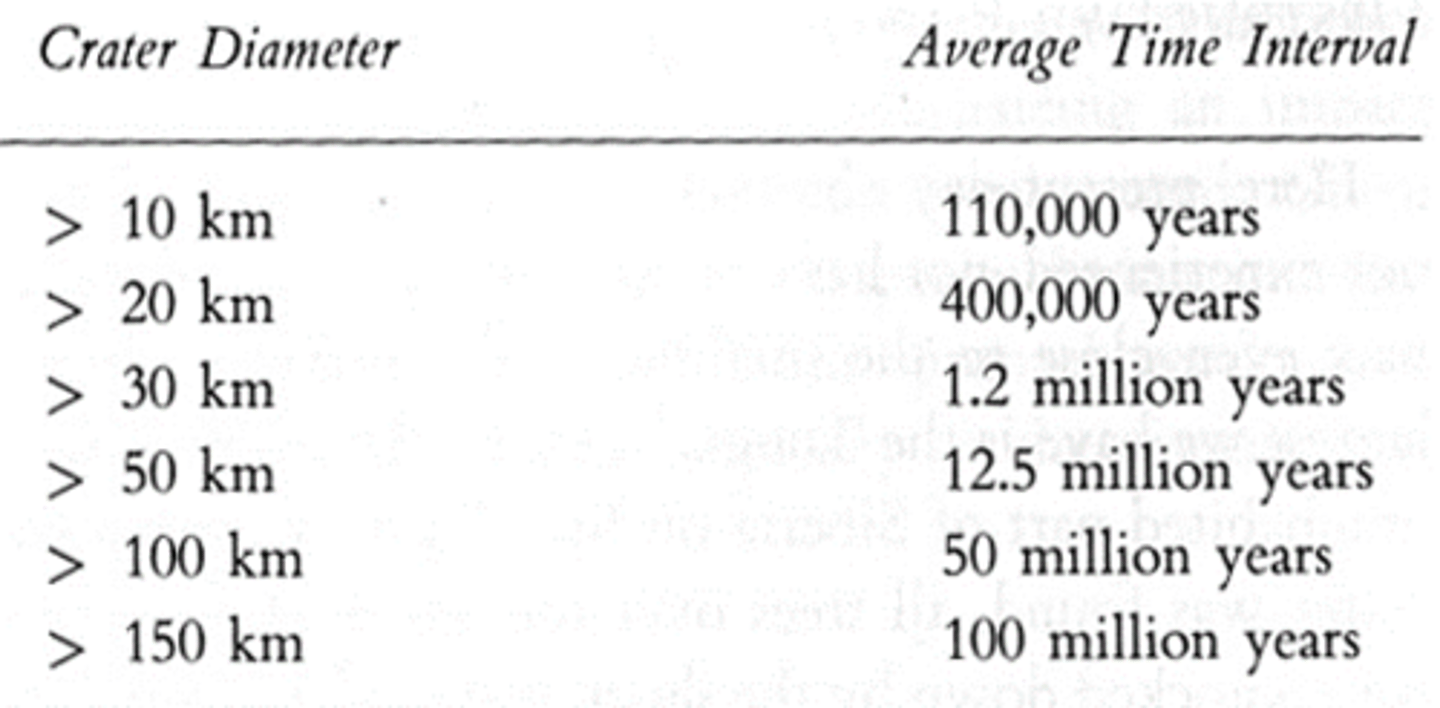
Shoemaker data
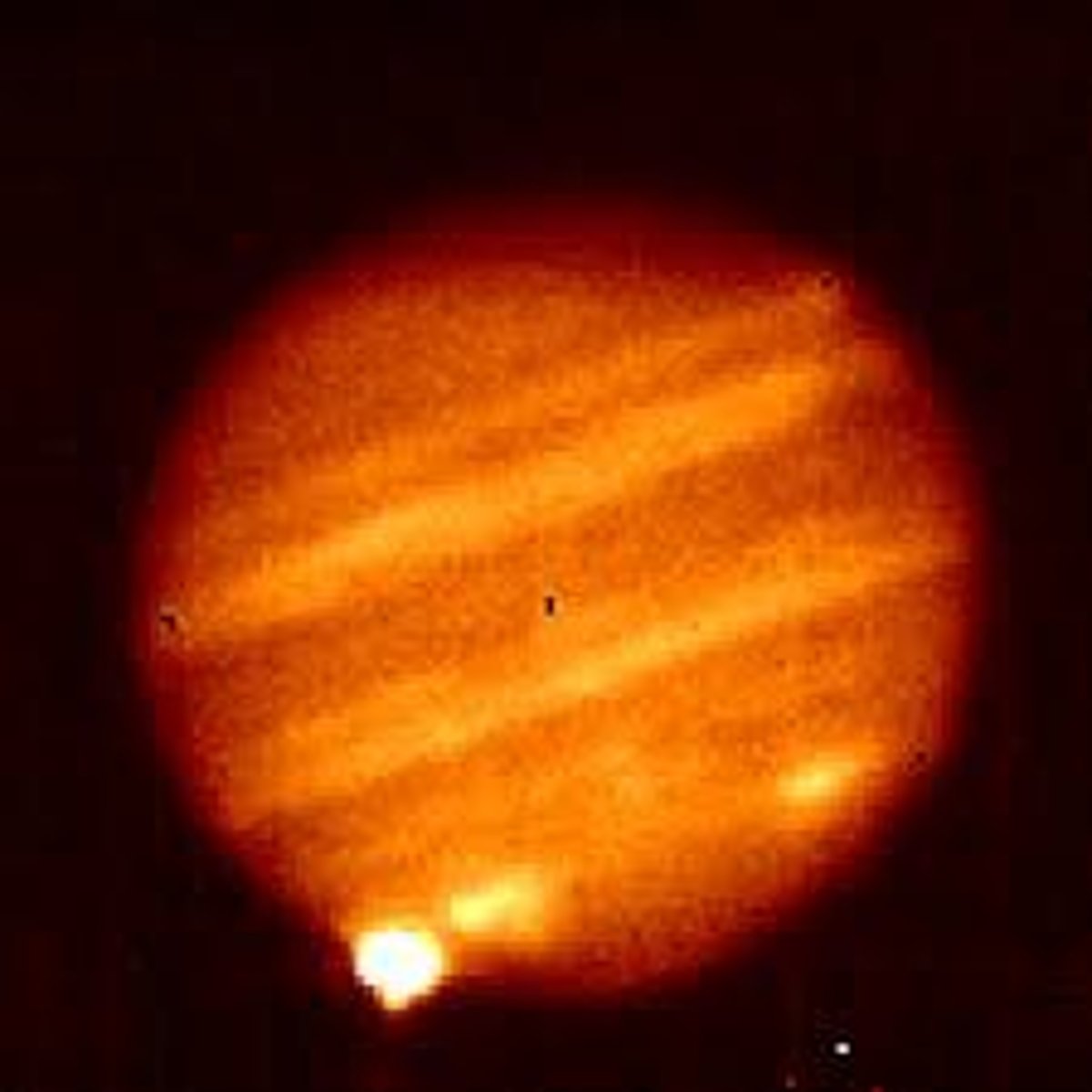
Shoemaker-Levy 9
 Note
Note  Flashcards (54)