Unit 1 Exam Review
 Studied by 0 people
 Call Kai
 Learn
Learn Practice Test
 Spaced Repetition
 Match
Match Flashcards
 Knowt Play
1/89

There's no tags or description
Looks like no tags are added yet.
Name | Mastery | Learn | Test | Matching | Spaced | Call with Kai |
|---|
No analytics yet
Send a link to your students to track their progress
90 Terms
Anatomy vs. Physiology
-Anatomy is the study of the structure and form of the body and its parts,
-physiology examines how these structures function and interact in living organisms.
Anatomical position
The standard position of the body used as a reference in anatomy, where the body stands upright, facing forward, arms at the sides, and palms facing forward.
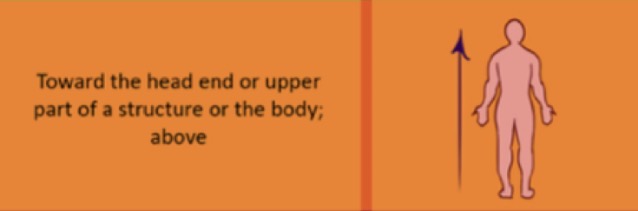
Superior (Cranial/ cephalic)
refers to a position that is above or higher than another part of the body.
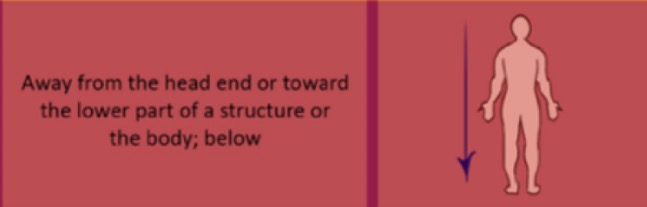
Inferior (Caudal)
refers to a position that is below or lower than another part of the body.
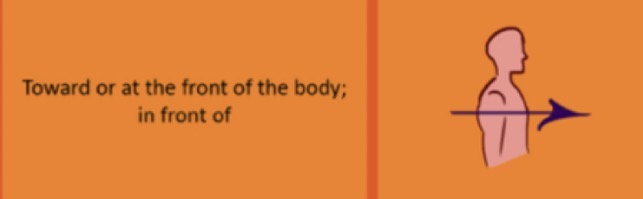
Anterior (ventral)
refers to the front or forward part of the body.
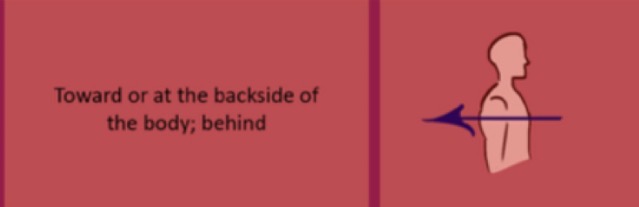
Posterior (dorsal)
refers to the back or rear part of the body.
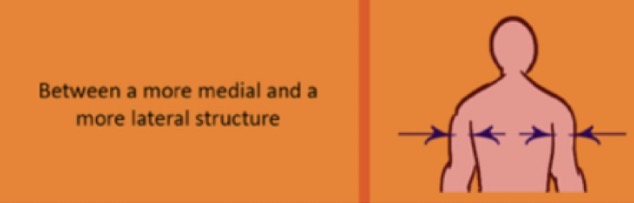
Medial
refers to a position that is nearer to the midline of the body.
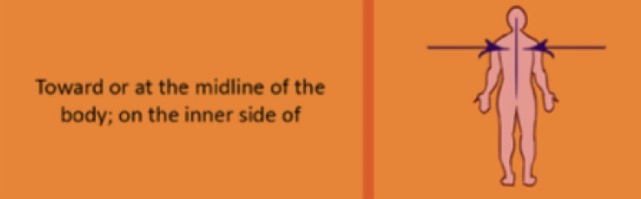
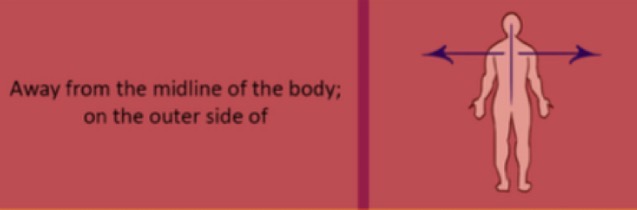
Lateral
refers to a position that is farther from the midline of the body.
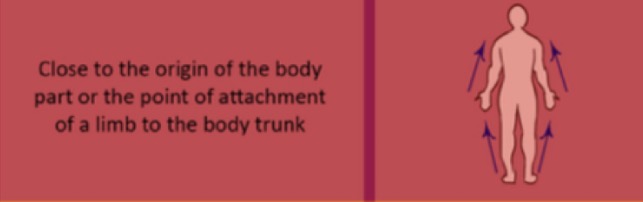
Proximal
refers to a position that is nearer to the point of attachment or origin of a structure.
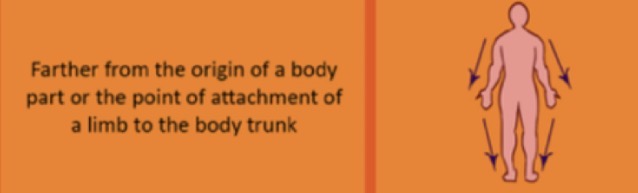
Distal
refers to a position that is farther from the point of attachment or origin, typically used in the context of limbs.
Superficial (external)
refers to a position that is closer to the surface of the body.
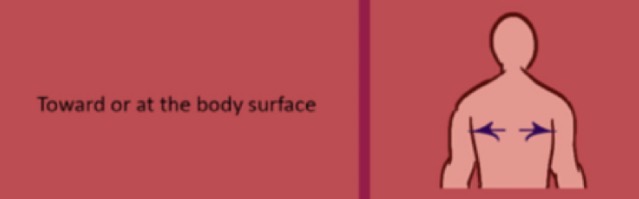
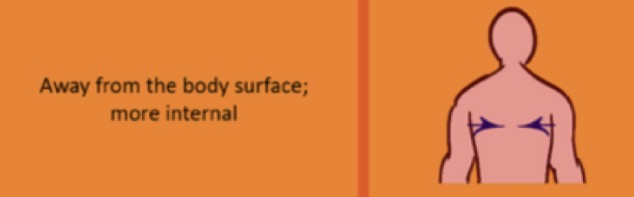
Deep (internal)
refers to a position that is further away from the body surface, typically indicating a layer beneath superficial structures.
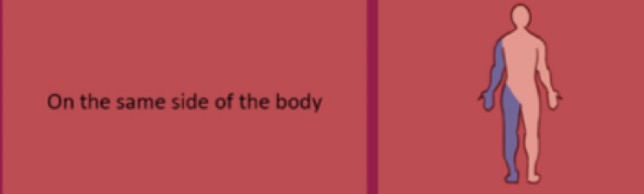
ipsilateral
refers to structures located on the same side of the body.
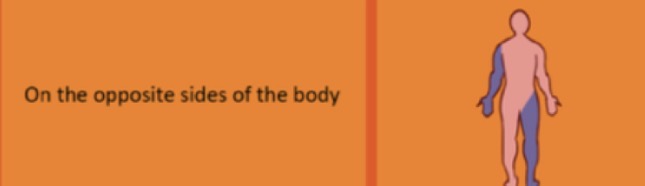
Contralateral
refers to structures located on opposite sides of the body.
Intermediate
refers to a position that is between superficial and deep structures in relation to other body parts.
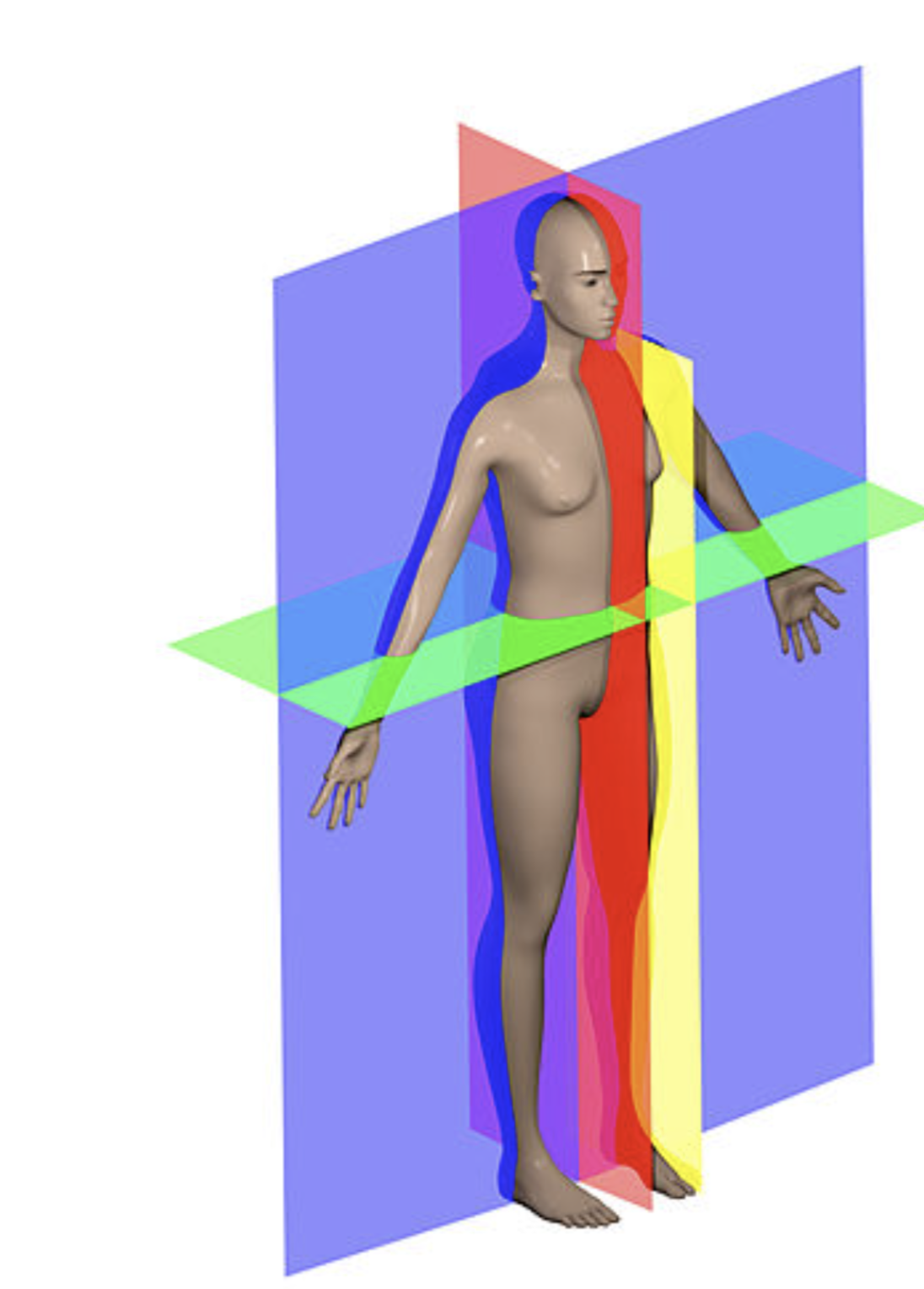
What is the blue plane?
Frontal or coronal plane
dividing the body into anterior and posterior sections.
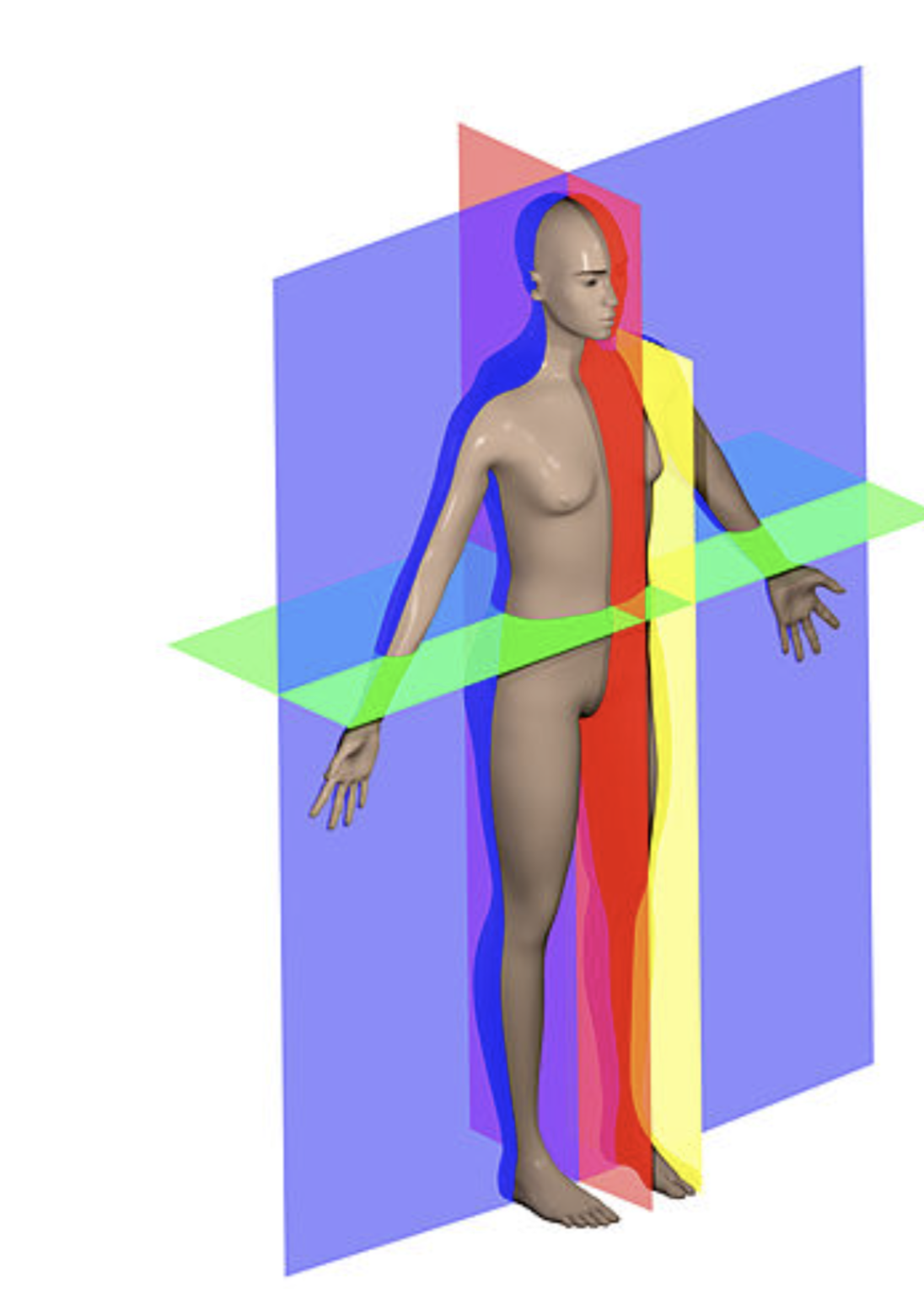
What is the green plane?
Transverse plane
dividing the body into superior and inferior sections.
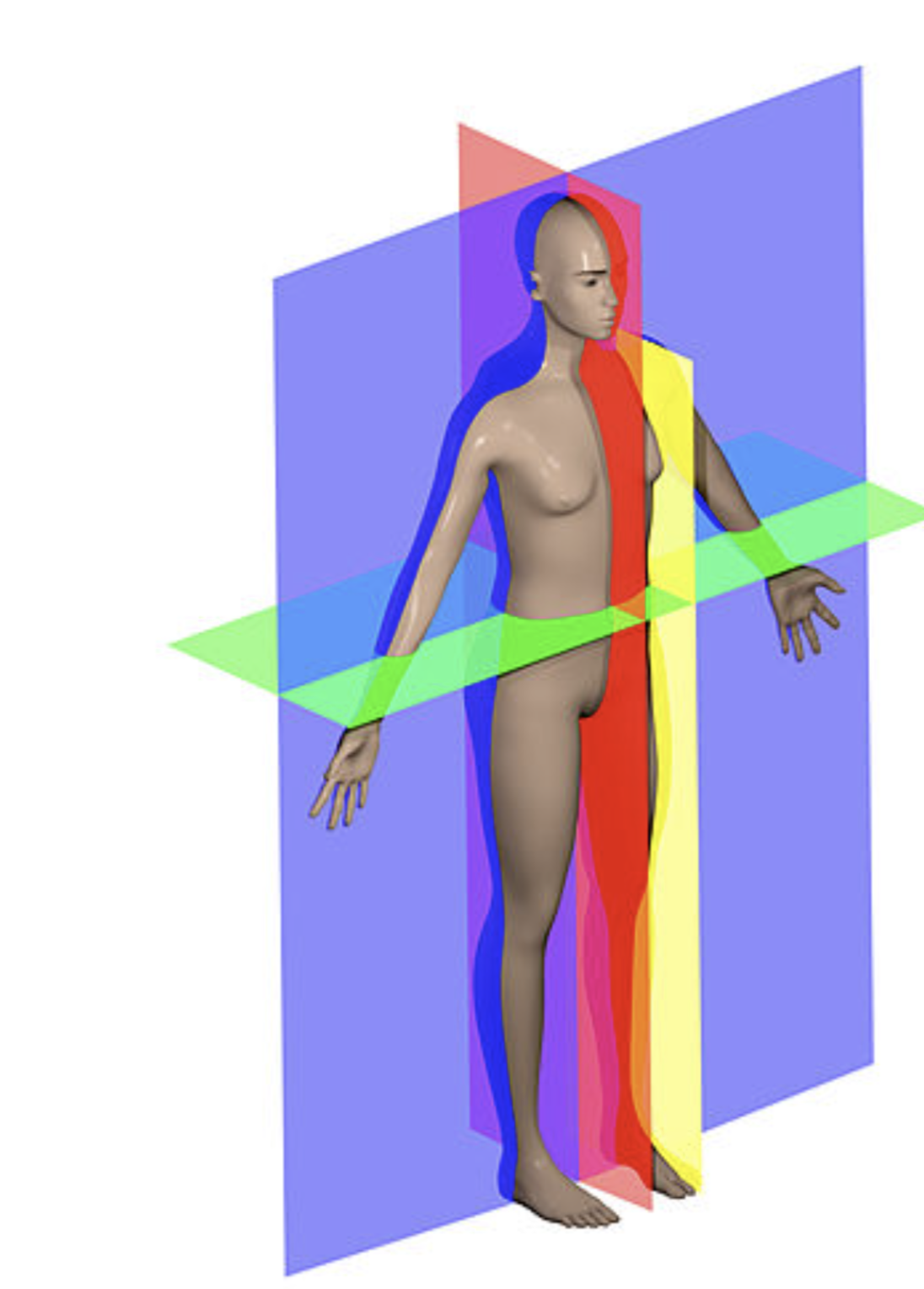
What is the yellow plane?
Parasagittal plane dividing the body into left and right sections, parallel to the midsagittal plane.
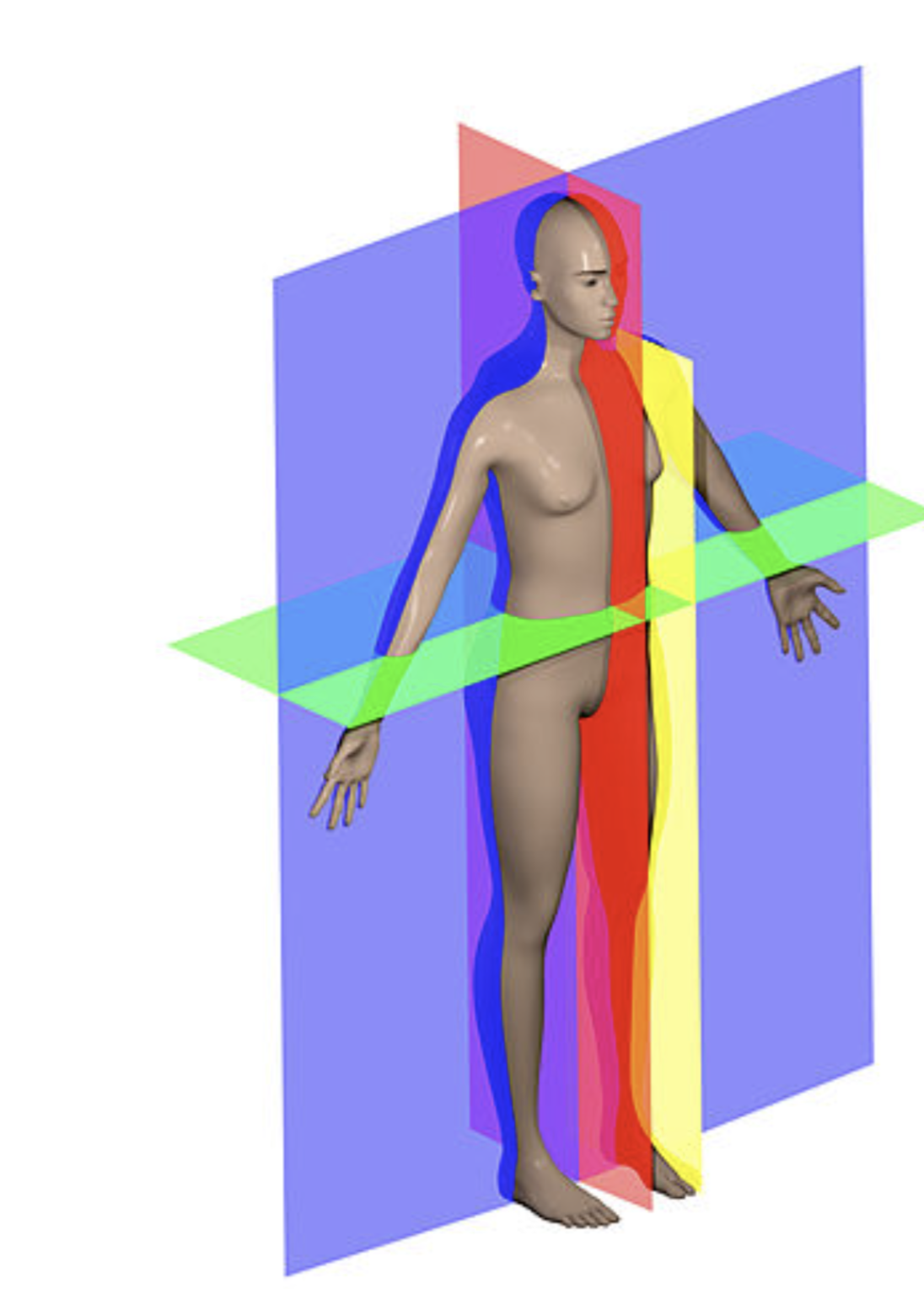
What is the red plane?
Midsagittal plane dividing the body into equal left and right sections.
What is the oblique plane?
A plane that divides the body at an angle, creating unequal sections of various shapes.
Major Cavities
The body can be divided into major cavities: Dorsal (which includes the cranial and vertebral cavities) and Ventral (which includes the thoracic cavity and abdominopelvic cavity).
Dorsal Cavity
Includes the cranial cavity (which houses the brain) and the vertebral cavity (which contains the spinal cord).
Ventral Cavity
Includes the thoracic cavity (containing the heart and lungs) and the abdominopelvic cavity (which houses digestive organs, bladder, and reproductive organs).
Parietal vs. Visceral Layers
Parietal layers line the body cavity, while visceral layers cover the organ itself.
Role of Serous Fluid
Serous fluid reduces friction between the parietal and visceral layers, facilitating organ movement within the cavities.
Homeostasis
Homeostasis is the process of maintaining stability in the internal environment of the body, such as regulating body temperature, pH levels, and glucose concentrations.
Negative Feedback
Negative feedback is the most common feedback mechanism, where the response reverses the initial change in a system. Examples include body temperature regulation, where sweating lowers temperature, and blood glucose regulation through insulin and glucagon.
Positive Feedback
Positive feedback is a less common mechanism, where the response enhances or amplifies a change in a system. Examples include blood clotting, where platelets attract more platelets, and labor contractions during childbirth mediated by oxytocin.
pH
pH is a measure of hydrogen ion concentration in a solution, indicating how acidic or basic that solution is.
Acidosis
Acidosis occurs when the pH is below 7.35, which may lead to central nervous system depression and potentially coma.
Alkalosis
Alkalosis occurs when the pH is above 7.45, which can result in muscle spasms and convulsions.
Buffers
Buffers are substances that help resist changes in pH levels. One example is the carbonic acid–bicarbonate system in blood, which helps maintain stable pH within the body.
Ionic Bonds
Ionic bonds are formed through the transfer of electrons from one atom to another, resulting in the formation of charged ions that attract each other. A common example is sodium chloride (NaCl), where sodium loses an electron and chlorine gains one.
Covalent Bonds
Covalent bonds involve the sharing of electrons between two atoms. These bonds can be polar or nonpolar: polar covalent bonds have unequal sharing of electrons, affecting solubility, while nonpolar covalent bonds have equal sharing, making them less soluble in water.
Hydrogen Bonds
Hydrogen bonds are weak interactions that occur between molecules, particularly those involving hydrogen. They are crucial for water's unique properties, such as its high surface tension and specific heat, and play an essential role in stabilizing the structure of proteins and DNA.
Carbohydrates
Carbohydrates are organic molecules that provide energy. They can be categorized into:
Monosaccharides: Simple sugars like glucose, which serve as a quick energy source.
Polysaccharides: Complex carbohydrates such as glycogen, stored in the liver and muscles, which play a key role in blood glucose homeostasis.
Lipids
Lipids are hydrophobic molecules that serve various functions:
Triglycerides: Primarily used for long-term energy storage.
Phospholipids: Essential components of cell membranes; their amphipathic nature is critical for forming barrier functions in cells.
Steroids (e.g., cholesterol): Important for maintaining membrane fluidity and serve as precursors to many hormones.
Proteins
Proteins are vital macromolecules with diverse roles:
Structural proteins: Like collagen, provide support in tissues.
Contractile proteins: Such as actin and myosin, that are involved in muscle contraction.
Enzymes: Act as catalysts to accelerate chemical reactions.
Transport proteins: Like hemoglobin, carry oxygen in the blood.
Denaturation: Changes in pH or temperature can alter a protein's shape, impacting its enzymatic activity.
Nucleic Acids
Nucleic acids are crucial for genetic information:
DNA: Serves as the genetic blueprint; involved in replication and regulation of protein synthesis.
RNA: Plays roles in transcription and translation, with types including mRNA, tRNA, and rRNA, contributing to the synthesis of proteins.
Catabolism
Catabolism is the metabolic process involving the breakdown of complex molecules into simpler ones, releasing energy in the form of ATP during this process.
Anabolism
Anabolism is the metabolic process of synthesis, where simpler molecules are combined to form more complex molecules, requiring an input of energy.
Enzyme Regulation
Enzyme regulation involves factors that affect metabolic rates, including temperature, pH levels, and the presence of inhibitors, which can either slow down or halt enzyme activity.
Membrane Potential
Membrane potential refers to the electrical potential difference across a cell membrane. The resting potential is critical for the function of nerve and muscle cells, as it allows for the generation of action potentials that facilitate communication and contraction in these tissues.
Cell membrane structure
is composed of a phospholipid bilayer with embedded proteins, cholesterol, and carbohydrates that together provide structural integrity, facilitate communication, and regulate the movement of substances in and out of the cell.
Cell membrane transport
is the process by which substances move across the cell membrane, involving mechanisms such as diffusion, osmosis, and active transport to maintain homeostasis and cellular function.
Passive transport
is the movement of substances across a cell membrane without the use of energy, relying on concentration gradients to facilitate the process.
Active transport
is the movement of substances across a cell membrane using energy, often against their concentration gradient, to ensure necessary materials enter or exit the cell.
Diffusion
is the net movement of molecules from an area of higher concentration to an area of lower concentration, occurring until equilibrium is reached.
Osmosis
is a specific type of diffusion that refers to the movement of water molecules across a selectively permeable membrane, from an area of lower solute concentration to an area of higher solute concentration.
facilitated diffusion
is the process by which specific molecules are transported across cell membranes through protein channels, down their concentration gradient, without the use of energy.
Endocytosis
is the process by which cells internalize substances from their extracellular environment by engulfing them in a vesicle, requiring energy.
Exocytosis
is the process by which cells expel or secrete materials by vesicles fusing with the plasma membrane, releasing their contents outside the cell.
Nucleus function
Transcription
The nucleus serves as the control center of a cell, housing the cell's genetic material (DNA) and coordinating activities such as growth, metabolism, and reproduction.
Ribosomes function
Translation
Ribosomes are the cellular structures responsible for protein synthesis, translating messenger RNA (mRNA) into polypeptide chains that fold into functional proteins.
Mitochondria function
ATP via aerobic respiration
Mitochondria are the organelles that generate ATP through oxidative phosphorylation, providing energy for cellular activities and metabolism.
ER, Golgi function
Protein processing, packaging
The endoplasmic reticulum (ER) and Golgi apparatus are involved in the synthesis, folding, modification, and transport of proteins and lipids within the cell.
Lysosomes, peroxisomes function
Cellular digestion and detoxification
Interphase (G₁, S, G₂)
Growth, DNA replication
The stage of the cell cycle where the cell prepares for division, including growth (G₁), DNA synthesis (S), and further preparation (G₂) for mitosis. During interphase, the cell undergoes metabolic processes and duplicates its chromosomes.
Mitosis (PMAT)
Somatic cell division for growth, repair
The process of cell division that results in two genetically identical daughter cells. Mitosis includes four phases: prophase, metaphase, anaphase, and telophase, which ensure proper segregation of chromosomes.
Checkpoints regulate cycle
Prevents errors
The mechanisms that ensure the proper progression of the cell cycle by verifying whether the necessary conditions are met before proceeding to the next phase. These checkpoints help prevent uncontrolled cell division and maintain genomic stability.
Cancer
Uncontrolled cell cycle, loss of checkpoint regulation (p53 mutation)
A disease characterized by uncontrolled cell division and growth, resulting from mutations in genes that regulate cell cycle checkpoints and apoptosis.
Epithelial Tissue physiological link
Barrier function, selective permeability
Epithelial tissue serves as a protective barrier and is involved in absorption, secretion, and sensation. It lines body surfaces and cavities, facilitating interaction between the body and its environment.
Connective tissue function
Provides structural support and connects other tissues, playing a vital role in the maintenance of organs and the body as a whole. It includes various types such as bone, blood, and adipose tissue.
skeletal tissue function
Skeletal tissue provides voluntary movement and support for the body, facilitates joint movement, and aids in posture. It is composed of muscle fibers that are striated and under conscious control.
Cardiac tissue function
Cardiac tissue is responsible for the involuntary contractions of the heart, pumping blood throughout the circulatory system. It is composed of striated muscle cells that are interconnected by intercalated discs, allowing for coordinated contractions.
Smooth tissue function
Smooth tissue is responsible for involuntary movements in various organs, helping to regulate functions such as digestion and blood flow. It is composed of non-striated muscle cells that operate without conscious control.
Nervous tissue function
Nervous tissue is responsible for transmitting electrical signals throughout the body, facilitating communication between different body parts. It is composed of neurons and supporting glial cells.
Neurons
Electrical signaling
specialized cells that transmit electrical signals throughout the body, facilitating communication between the brain, spinal cord, and other body parts.
Neuroglia
Support, nutrition, insulation
Supporting cells of the nervous system that provide structural and metabolic support for neurons.
Integumentary system
The integumentary system is the body's largest organ system, consisting of the skin, hair, nails, and exocrine glands. It protects the body from external damage, regulates temperature, and provides sensory information.
Epidermis (avascular)
The outermost layer of skin that provides a barrier to environmental damage and consists of dead skin cells.
Keratinocytes
Keratin, waterproof barrier
The most abundant cells in the epidermis, responsible for producing keratin, a protein that protects the skin.
Melanocytes
melanin, UV protection
Cells in the epidermis that produce melanin, the pigment responsible for skin color and protection against UV radiation.
Merkel cells
Sensory function
Specialized cells in the epidermis that function as mechanoreceptors, involved in the sensation of touch.
Langerhans cells
immune defense
Immune response cells in the epidermis that help detect invading pathogens and initiate the immune response.
Dermis
CT, blood vessels, nerves, glands
The layer of skin beneath the epidermis, containing connective tissue, blood vessels, and various cell types. It supports and nourishes the epidermis and contains structures such as hair follicles and sweat glands.
Hypodermis
Fat storage, cushioning, insulation
The deepest layer of skin, primarily composed of adipose tissue and connective tissue. It functions as insulation, energy storage, and cushioning for underlying structures.
How does the integumentary system protect?
pathogens, dehydration
The integumentary system protects the body by serving as a physical barrier against environmental hazards, pathogens, and dehydration. It also regulates temperature and sensory perception.
How does the integumentary thermoregulate?
sweat, blood flow
The integumentary system thermoregulates by controlling sweat production and blood flow to the skin. Sweating cools the body through evaporation, while vasodilation and vasoconstriction regulate heat loss.
How does the integumentary sensory reception work?
The integumentary system contains numerous sensory receptors that detect stimuli such as touch, pressure, pain, and temperature. These receptors transmit information to the brain, enabling the perception of the external environment.
How does the vitamin D synthesis in the integumentary system work?
Vitamin D synthesis in the integumentary system occurs when ultraviolet (UV) rays from the sun interact with cholesterol in the skin, leading to the production of vitamin D. This process is crucial for calcium absorption and bone health.
1st degree burn
A mild burn that affects only the outer layer of skin, causing redness, minor swelling, and pain. Typically heals within a few days without scarring.
2nd degree burn
A burn that affects both the outer layer and the underlying layer of skin, causing redness, swelling, pain, and blisters. Healing may take several weeks and can result in scarring.
3rd degree burn
burn affects all layers of skin, resulting in white, charred skin and loss of sensation. It requires medical treatment and may leave significant scarring.
How does negative feedback maintain homeostasis?
Negative feedback maintains homeostasis by sending signals that counteract changes in the internal environment, keeping physiological variables within a normal range. For example, if body temperature rises, mechanisms such as sweating are activated to cool the body down.
When does the body use positive feedback, and why?
The body uses positive feedback during specific processes such as childbirth and blood clotting, where the output enhances the original stimulus. This helps to rapidly amplify the signal for a specific biological event until a desired outcome is achieved.
what does the pH scale measure, and why does it matter for the body?
The pH scale measures the acidity or alkalinity of a solution, which is crucial for various bodily functions. Maintaining an optimal pH range is essential for enzyme activity, metabolic processes, and overall cellular function.
Why do our bodies need buffers?
Buffers are needed to resist pH changes in the body, helping to maintain a stable internal environment despite fluctuations in acidity or alkalinity from metabolic processes. This stability is vital for proper enzyme function and overall homeostasis.
A patient comes into the ER with heat stroke. Their body temperature is 104°F, they are dehydrated, and their heart rate is elevated. Which feedback mechanisms are failing? How does this distrupt homeostasis? What treatments could restore balance?
In cases of heat stroke, negative feedback mechanisms such as thermoregulation are failing, preventing the body from cooling down appropriately. This disruption of homeostasis can lead to severe organ damage and physiological dysfunction. Treatments may include cooling the body externally and rehydration to restore normal temperature and fluid balance.
Compare passive and active transport by creating 2 real-life examples of each. Explain why energy is or isn’t required
Passive transport involves the movement of molecules across cell membranes without the need for energy, such as diffusion of oxygen and facilitated diffusion of glucose. Active transport requires energy to move molecules against their concentration gradient, such as sodium-potassium pumps and endocytosis.
 Note
Note  Flashcards (70)