AP Art History - Prehistory [Description]
 Studied by 1 person
 Call Kai
 Learn
Learn Practice Test
 Spaced Repetition
 Match
Match Flashcards
 Knowt Play
1/10

Earn XP
Description and Tags
Name | Mastery | Learn | Test | Matching | Spaced | Call with Kai |
|---|
No analytics yet
Send a link to your students to track their progress
11 Terms
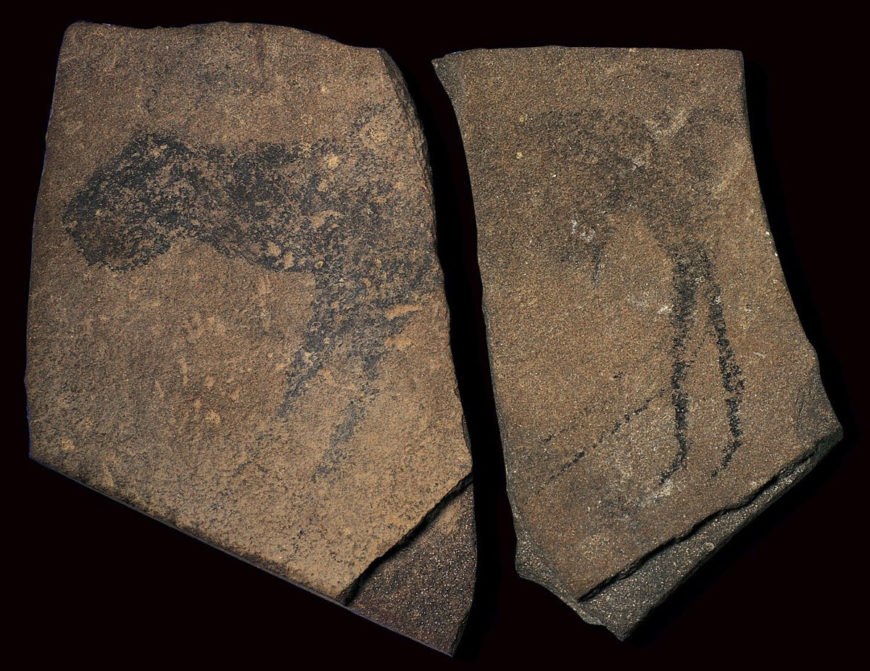
A bisected, hand-sized slab of stone depicting an animal drawn in charcoal. It was made in 25,500-25,300 BCE in Namibia with charcoal on stone.
Apollo 11 Stones
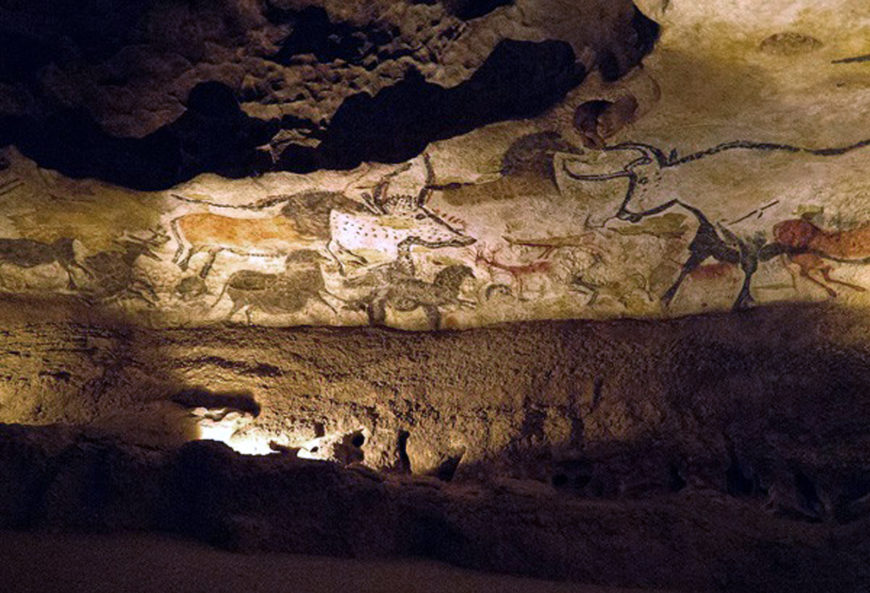
A section of cave tunnels wherein the figures of various animals were depicted using pigments and carvings. It was made in 15,000-13,000 BCE Lascaux with pigments on stone.
Hall of the Bulls
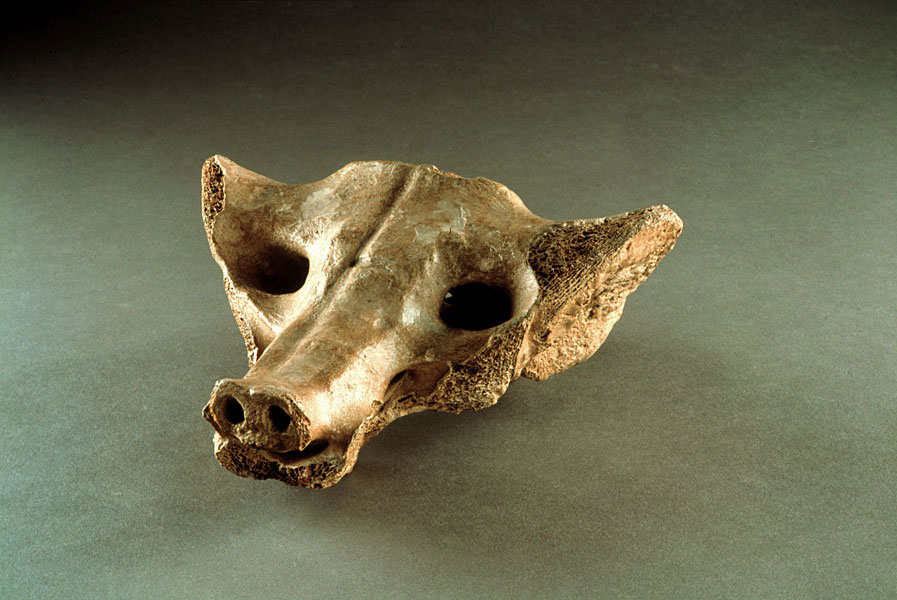
A piece of bone carved into the shape of a canine’s head. It was made in 14,000-7,000 BCE in Central Mexico by carving a bone.
Camelid Sacrum (in the shape of a canine)
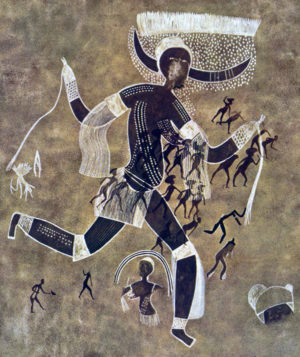
A depiction of a woman with horns and presumably scarification marks, running. It was made in 6,000-4,000 BCE in Algeria with pigments on stone.
Running Horned Woman
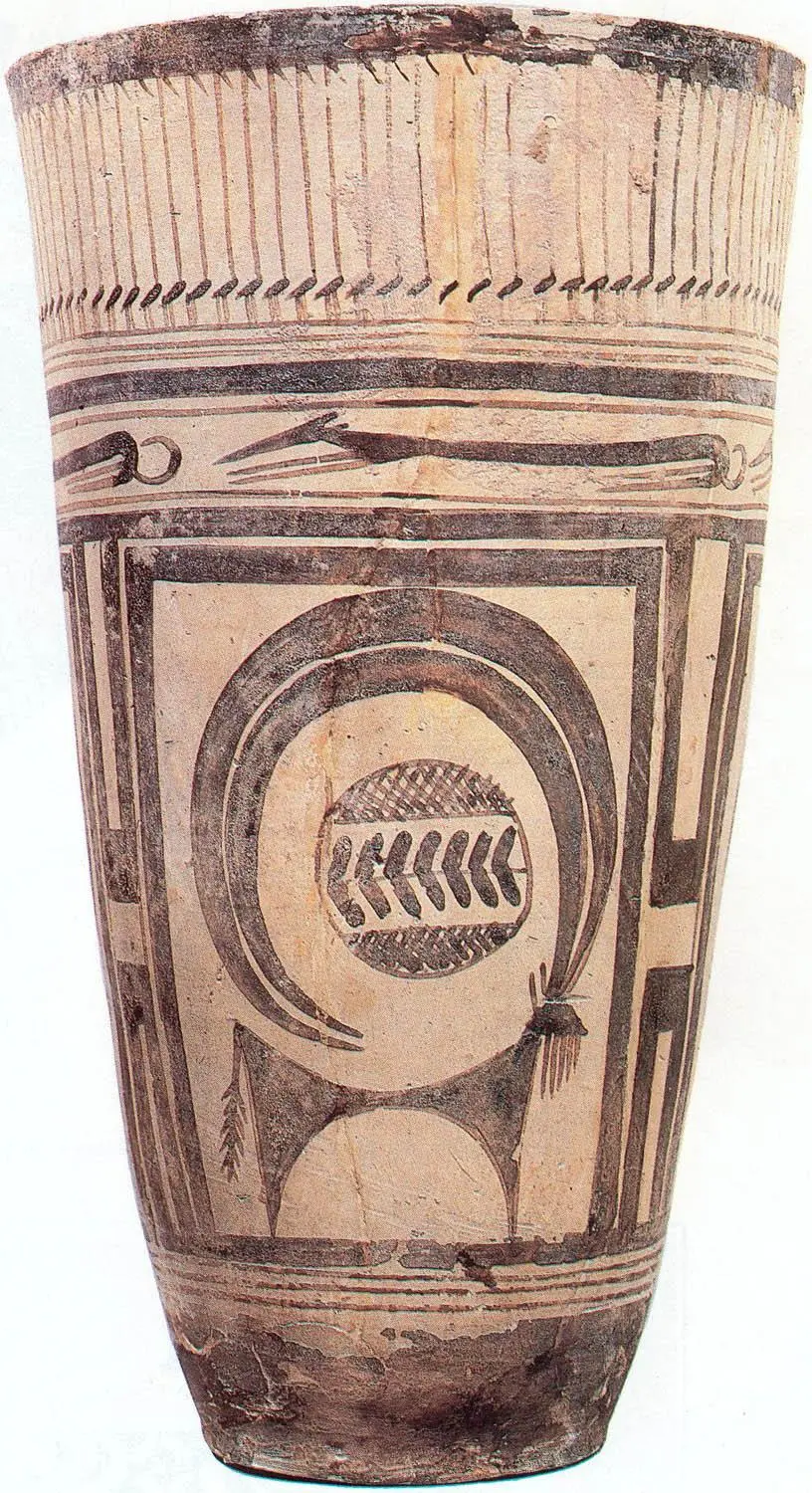
A tall piece of pottery with images of an ibex with exaggerated horns, long-necked birds, and running dogs. It was made in 4,200-3,500 BCE in Susa, Iran with paint on terracotta.
Beaker With Ibex Motifs
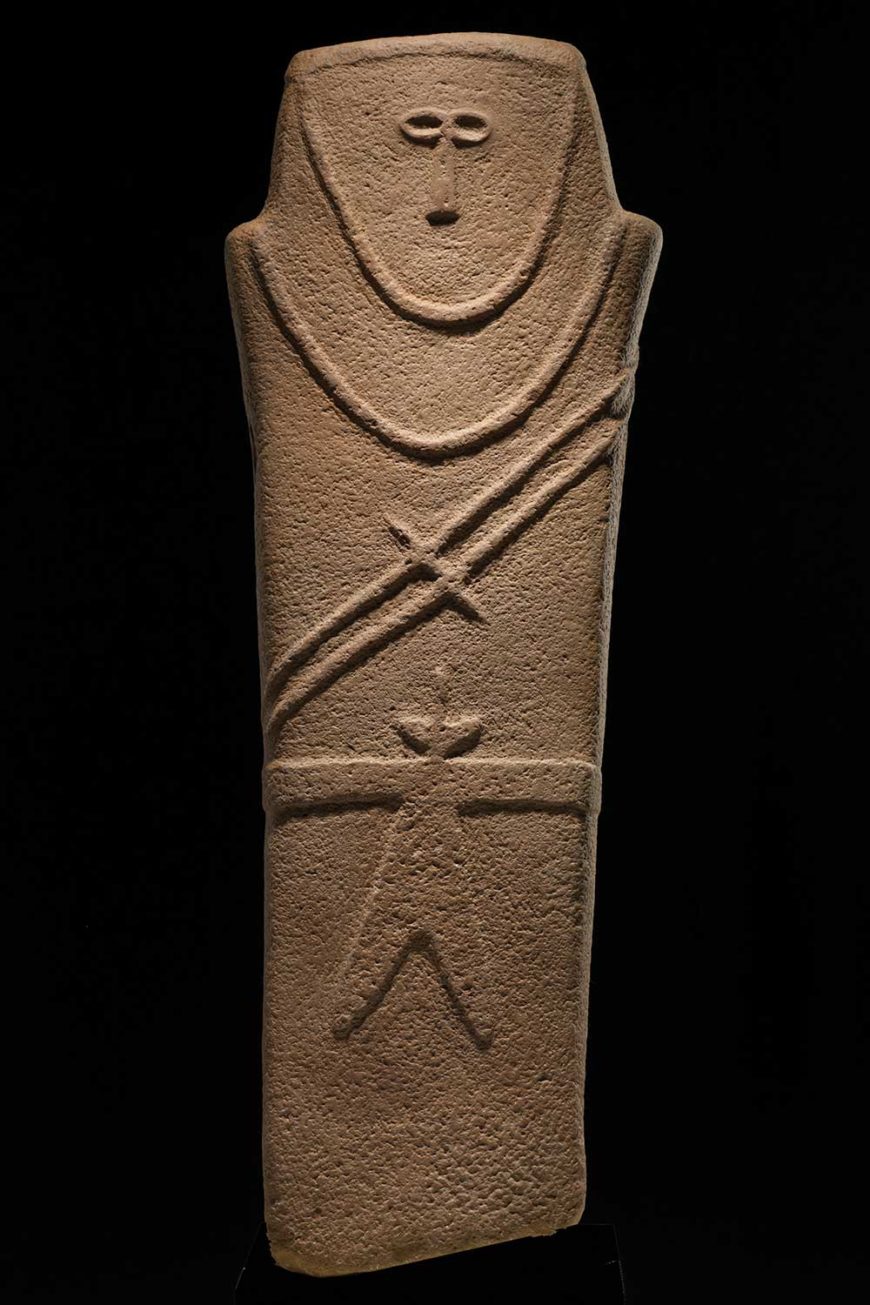
A stone marker carved to include important human and cultural features. It was made in 4,000-3,000 BCE in the Arabian Peninsula by carving sandstone.
Anthropomorphic Stele
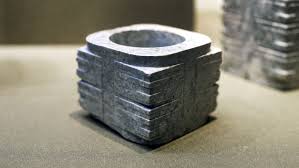
A piece of precious stone carved into an intricate rectangular tube with a circular hole. It was made in 3,300-2,200 BCE in Liangzhu, China by carving jade.
Jade Cong
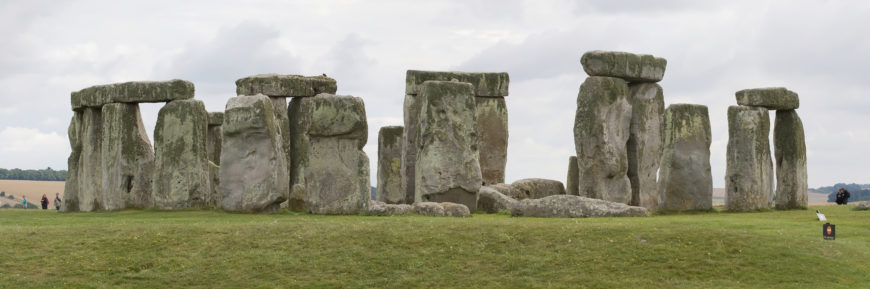
A structure of many stones situated in a circle and arranged vertically and as lintels. It was made in 2,500-1,600 BCE in Wiltshire, UK by organizing and stacking sandstone blocks.
Stonehenge
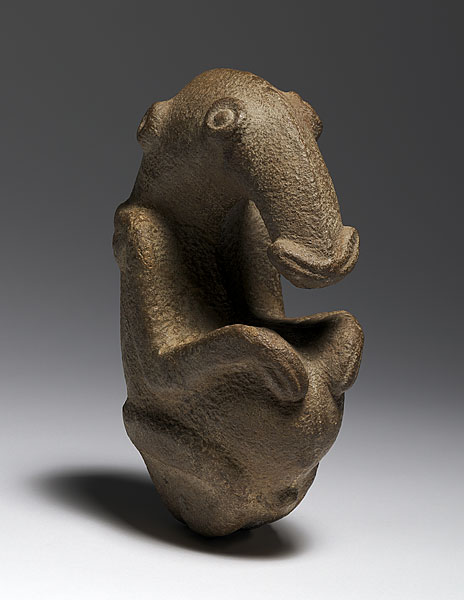
A carved stone made to resemble some sort of animal, looking especially similar to an anteater. It was made in 1500 BCE in New Guinea by carving greywacke.
Ambum Stone
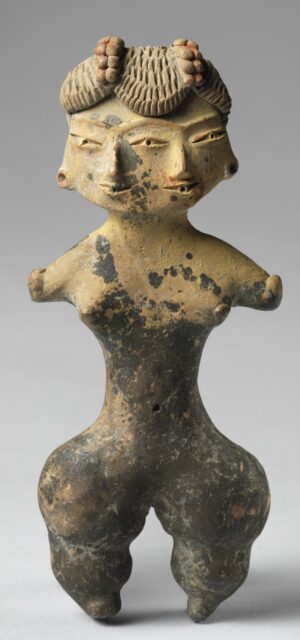
A ceramic figure of a woman with two faces and exaggerated proportions. It was made in 1,200-900 BCE in central Mexico with clay.
Tlatilco Female Figurine
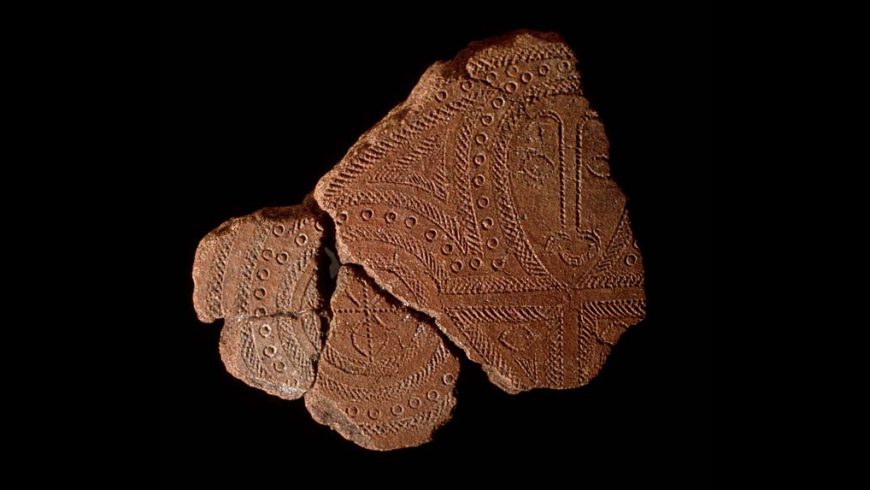
Red-slipped pottery incised with decorative patterns. It was made in 1,000 BCE in Oceania with terracotta.
Lapita Terracotta Fragments
 Note
Note  Flashcards (50)