Art History
 Studied by 0 people
 Call with Kai
 Learn
Learn Practice Test
 Spaced Repetition
 Match
Match Flashcards
 Knowt Play
1/12

There's no tags or description
Looks like no tags are added yet.
Name | Mastery | Learn | Test | Matching | Spaced | Call with Kai |
|---|
No study sessions yet.
13 Terms
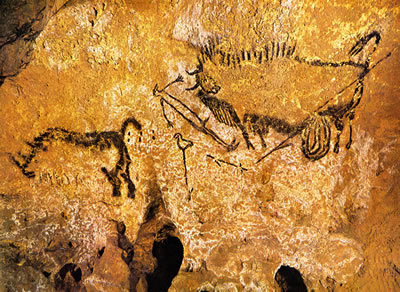
Painting from the Well Cave in Lascaux Cave (15,000-13,000 BCE)
Artist Unknown, France, Paleolithic, Pigment on Stone
Storytelling (Failed Hunting Attempt)
The bull was pierced by a spear which can be seen through its intestines falling out -spear on the ground
Earliest depiction of a story
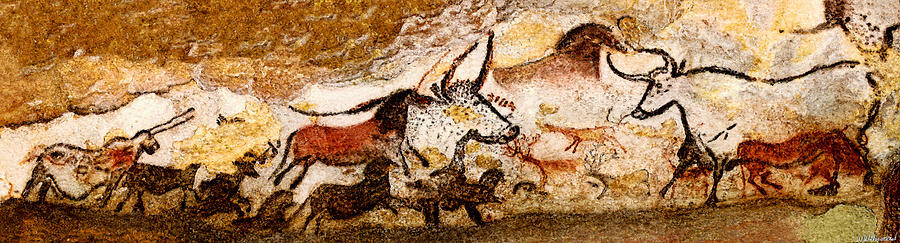
Hall of Bulls (15,00 BCE)
Artist Unknown,France, Paleolithic, Pigment on Stone
Pigment on Stone
Twisted composite view
Has a seemingly horizontal line (ground line)
Has no real landscape
No true understanding of what it was for but one possibility is that the animals were of some importance
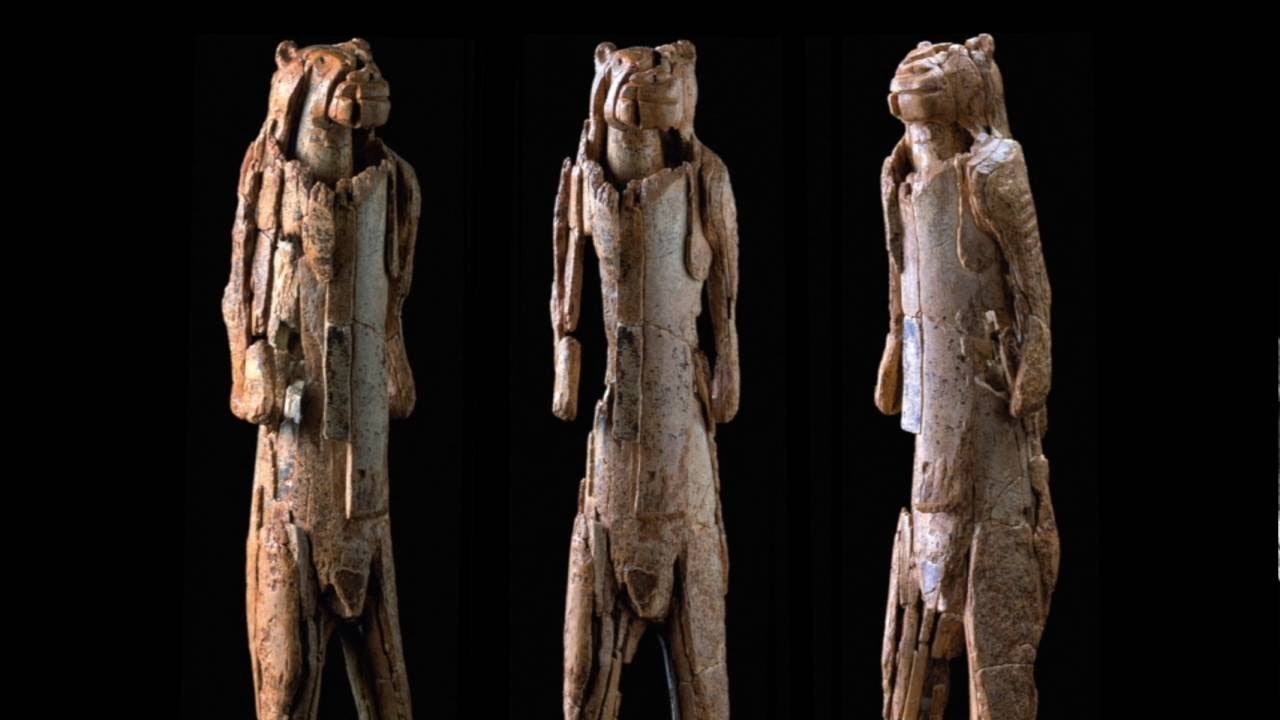
Lion-Human Figurine (c. 40,000-35,000 BCE)
Artist Unknown, Germany, Paleolithic, Mammoth Ivory
1 foot long
Half Lion, Half Human
Made so you can see all the way around it
Worn Down(Indication of being handled)
Significant Importance(Estimated 400+ hours to be made)
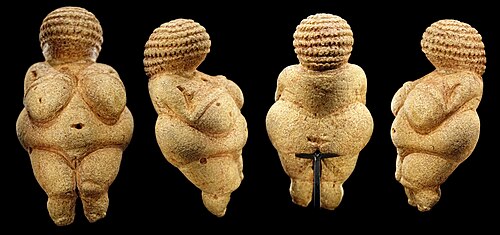
Women of Willendorf (24,000-22,000 BCE)
Artist Unknown , Paleolithic, Limestone
Possibly showing textiles (Knitted Cap)
Symbol of Fertility (Big Breasts)
No Clothes
Colored with Red Oaker
Made so you can see all the important parts
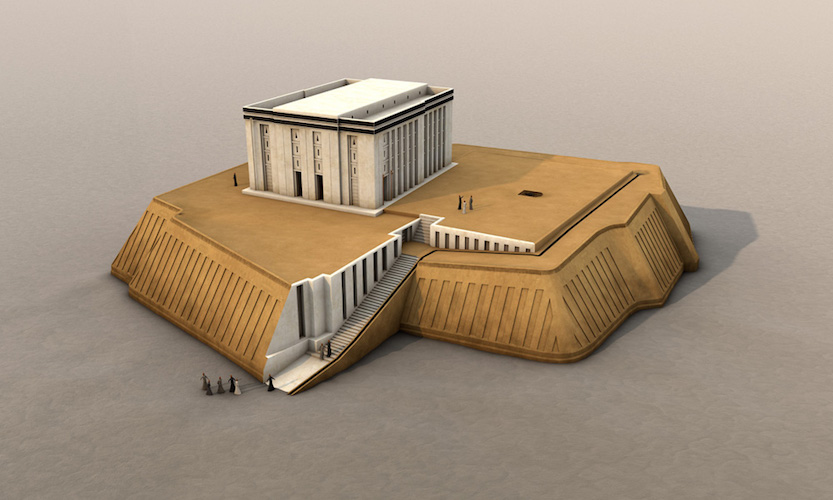
Temple of Anu at Uruk (c. 3300 BCE)
Architect Unknown, (Uraka, Warka, Iraq), Mesopotamian
Located in one of the first cities
One of the first temples
Dedicated to the god Anu ruler of Uruk
Zigarot
White and could be seen for miles
Grooves alongside provided relief from the blinding color
Built with Corvee labor(reflects a change in society)
Cella:Most sacred part of the temple
priest entered at a 90 degree angle as to not directly face the gods
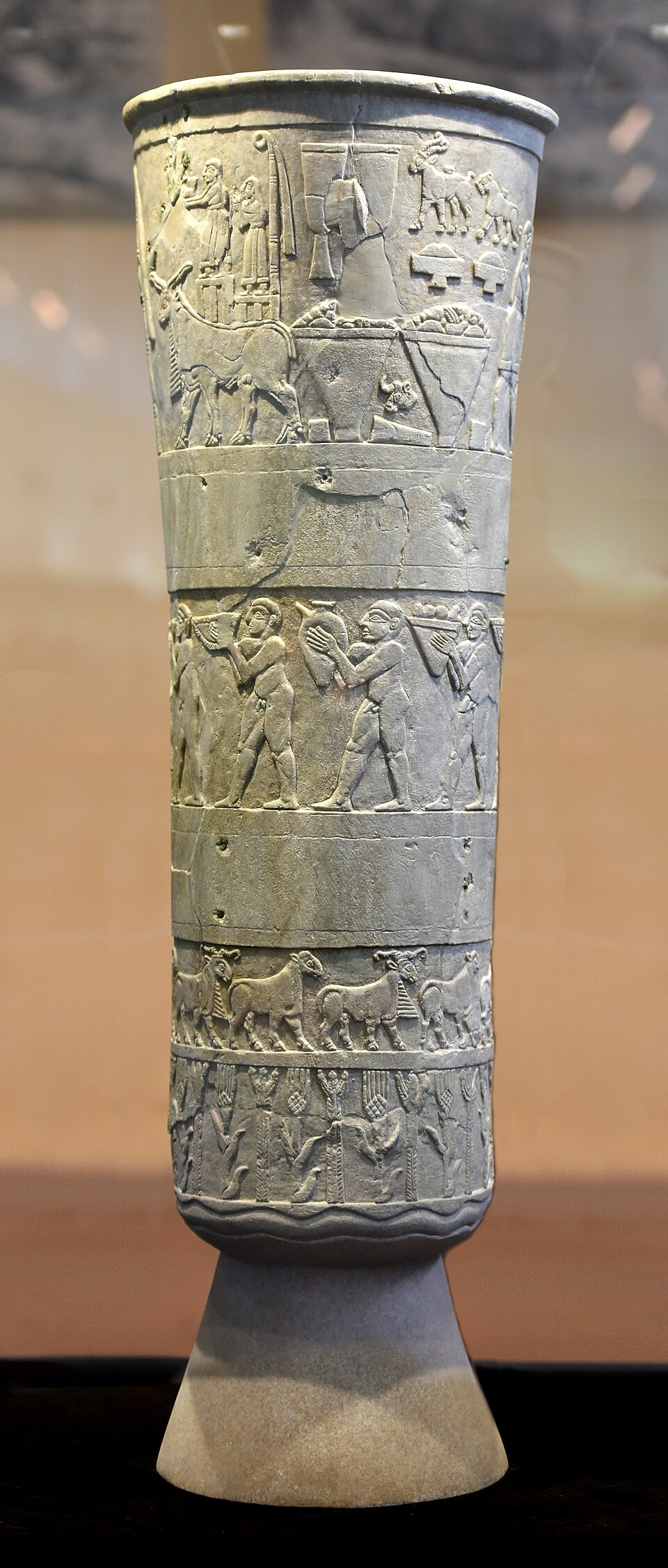
Uruk Vase (c. 32000 BCE)
Artist Unknown, (Warka,Iraq), Mesopotamian, Alabaster
First great work of native relief sculpture
Design pops out
Tells a story
Oldest Narative Relief
Split into registers
1st Register:crops(composite view) and animals (profile view)
2nd Register:laborers carrying resources, shows musculature, and is abstract
3rd Register: priest king giving goddesses offering(Inana) and in the background you can see all the offerings
Tells us something about the lives of people in Uruk
Shows the surplus of society
Iconography (priest king)
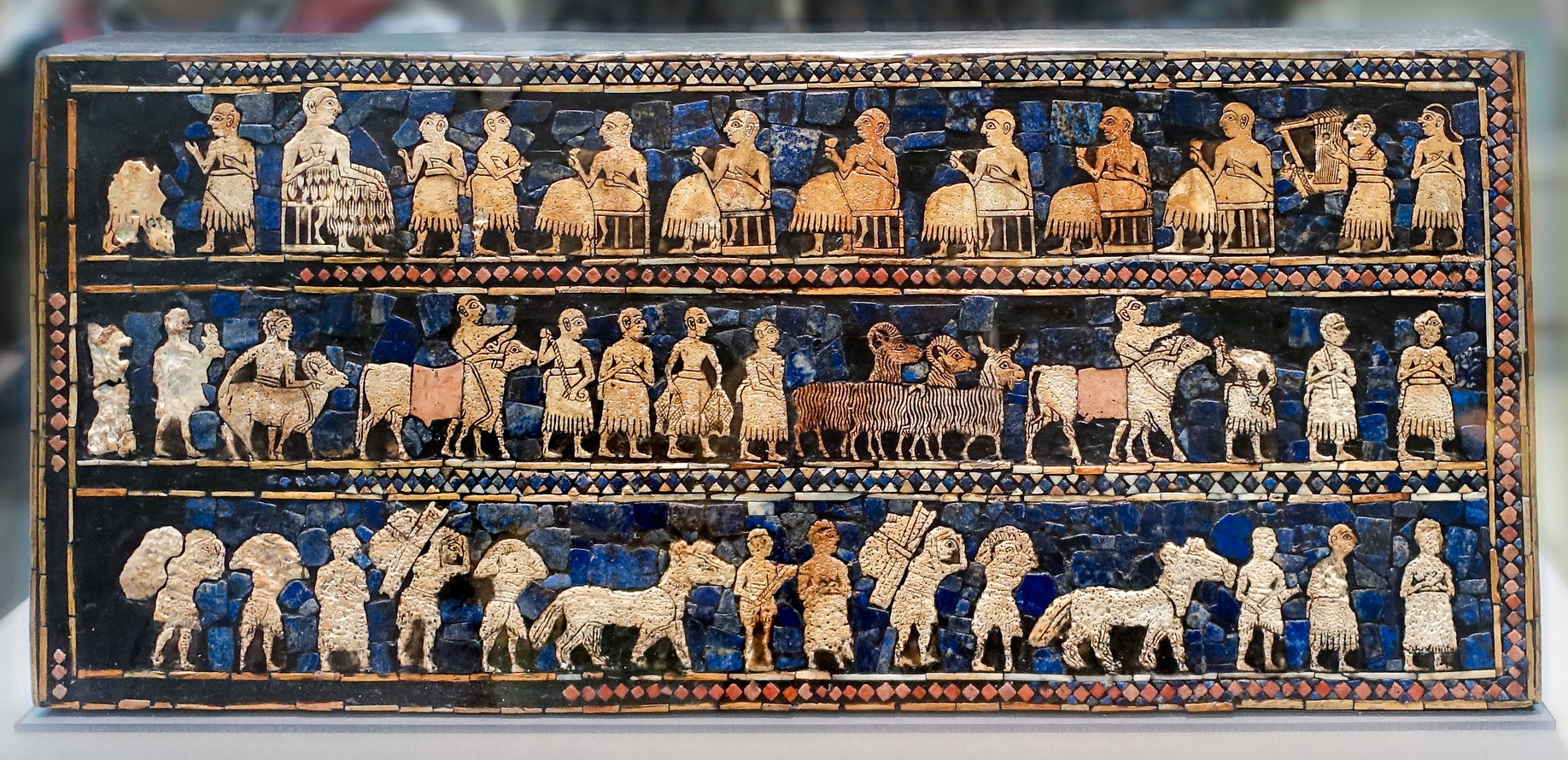
Royal Standard of Ur
Artist Unknown, (Cemetary at Ur, Iraq), Mesopotamian, Wood, Shell, Lapis, Red Limestone and Bitumen, Mosiac
Scenes on all four sides
Front Side( showcases peace, as it show hierarchy of people in Uruk workers as the bottom until at the top you see the king)
Back Side(showcases war, shows people being trampled and otherness being portrayed as being bad, and you can see king at the top as well)
Showcases the king is the pinnacle of society
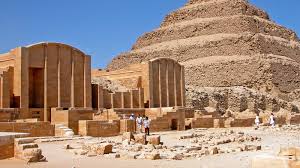
Funerary Complex and Stepped Pyramids (2667-2648 BCE)
Imohotep, Egyptian
First time we see a building like this with stone
Combined mortuary and mestaba complex
Lots of fake doors and buildings that only the Ka could use
Extreme amounts of labor (corvee labor)
Complex is permeable to the Ka not people
Has a serdab
Has one of the first pyramids (many mastabas stacked on one another)
Symbolizes god like statue of the king
Virtual place for the kings ka
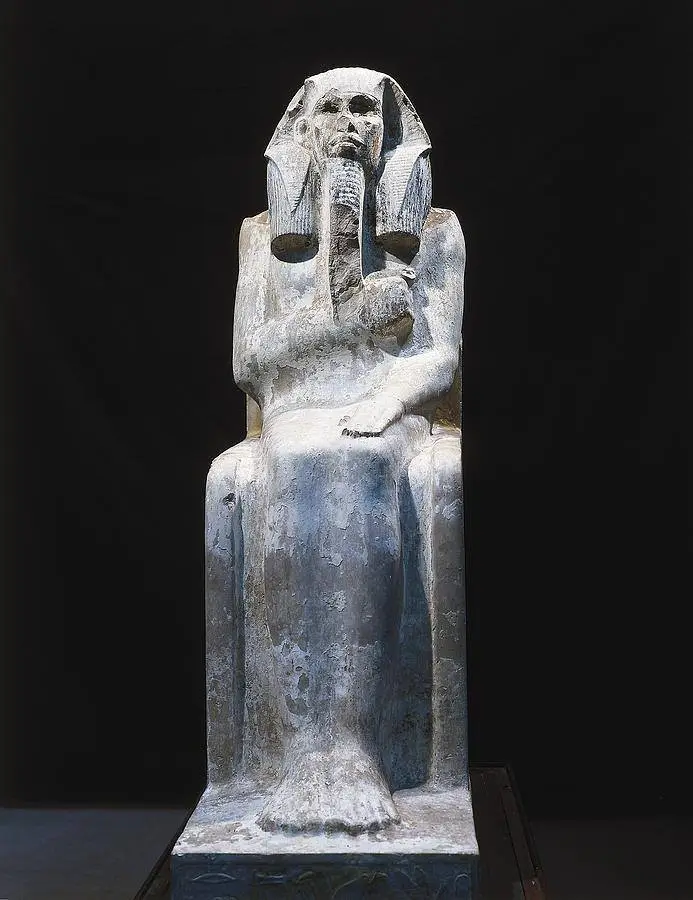
Ka Statue of Djoser (2592-2566 BCE)
Artist Unknown, Egyptian, Painted Limestone
One of the first life size statues
Wearing stuff only a king would (Nemes Headress, Hebsed Robe)
High Cheekbones, Wide ears, Almond Ears(Abstract)
His face is idealized (making him look perfect as thats what they wanted the king to be associated with)
Probably would have held something
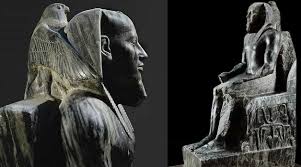
Statue of Khafre (2258-2532 BCE )
Egyptian, Made with Gneiss
Same stuff as Ka Statue but has on a Shendet Kilt instead
Face is idealized
Has intertwined Papyrus and Lotus lead (shows united upper and lower egypt)
Horus god on the back of his head
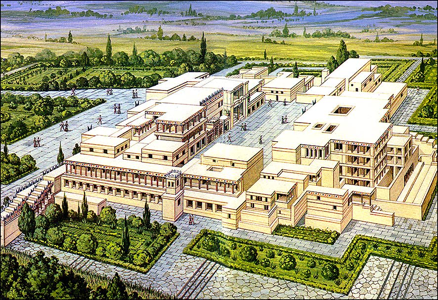
Knossos Palace (1700-1300 BCE)
Artist Unknown, Minoan
-Located in a place that essentially was in charge of
-It looks like a labyrinth
-Palace complex:Not in the usual definition as there is no evidence that a person of royal personage lived here
-1000 years of history in one building
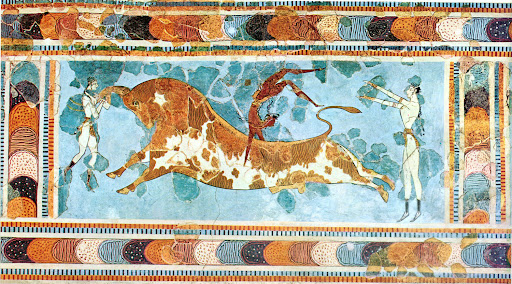
Toreador Fresco (c.1400 BCE)
Artist Unknown, Minoan, and Paint on Plaster
-Showcases a sport with athletes and bulls
-Seems that they would vault on a bull than flip off of it
-True Fresco: added pigment on wet plaster in order to achieve the beautiful pigment.
-Waists narrow, very bright colors, no registers, profile view
-No space in the fresco very intentionally filled up (Minoan Stylistic Convention)
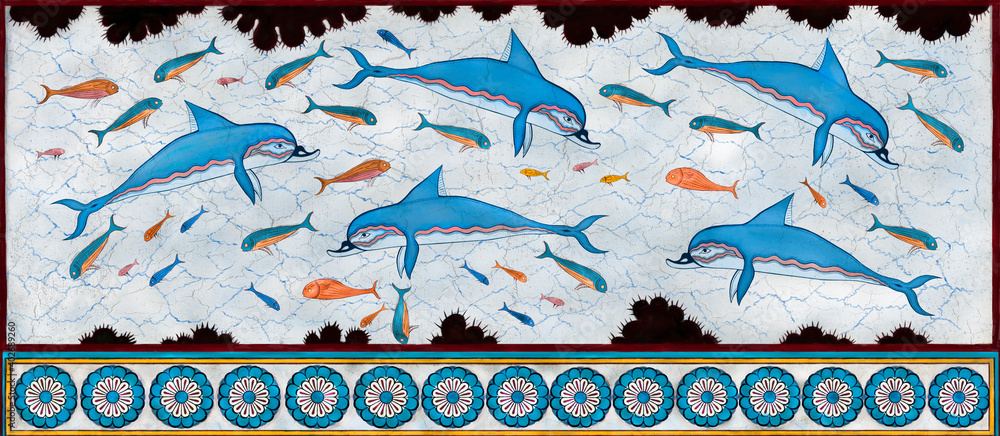
Dolphin Fresco (c. 1700 BCE)
Artist Unknown, Minoan, Paint on Plaster
More realistic view especially in terms of portrayal of depth
Space completely filled (Minoan Stylistic Convention)
Has bright borders
A little whimsical
Known for their protrayal of the organic wood in the naturalistic and colorful way
 Note
Note  Flashcards (22)