Mycenae Grave Circle Objects - Homeric World
 Studied by 10 people
 Call Kai
 Learn
Learn Practice Test
 Spaced Repetition
 Match
Match Flashcards
 Knowt Play
1/23

Earn XP
Description and Tags
Contains all of the Grave Circle objects from Mycenae required for GCSE Classics Homeric World unit
Name | Mastery | Learn | Test | Matching | Spaced | Call with Kai |
|---|
No analytics yet
Send a link to your students to track their progress
24 Terms
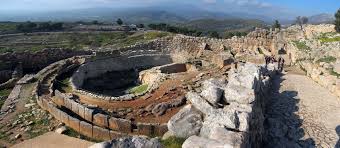
Grave Circle A
This is in the south west area of the city ( inside the citdael )
28m in diameter
It's thought to be a royal burial site since the 16th Century BC as it has items similar to Egyptian objects at the time
It was rebuilt with a new wall and the ground was raised when the Lion Gate was built.
6 shaft graves, with 9 women, 8 men and 2 children were buried.
The shaft graves were deeper and larger than those of Grave Circle B
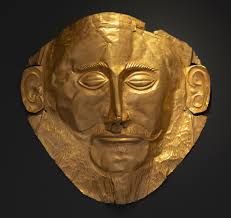
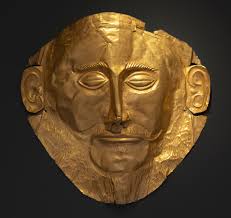
Death Mask of Agamemnon - ( Grave Circle A, Mycenae )
- Not actually Agamemnon ( mythical name given by Schliemann to make it sound more impressive )
Date : 16th century BC
Location : Shaft Grave V, Grave Circle A, Mycenae
Significance :
- shows metalworking techniques ( hammering , repousse )
- burial customs - death jewellery/decoration
- designed to look like the deceased's face = mask would be worn by dead
Dimensions :
17cm high
25cm wide
168g in weight - very light as it's made from very thin gold.
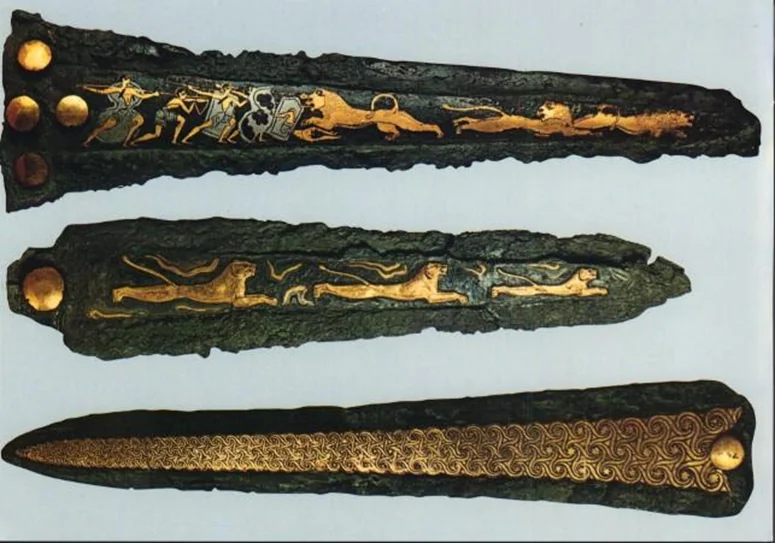
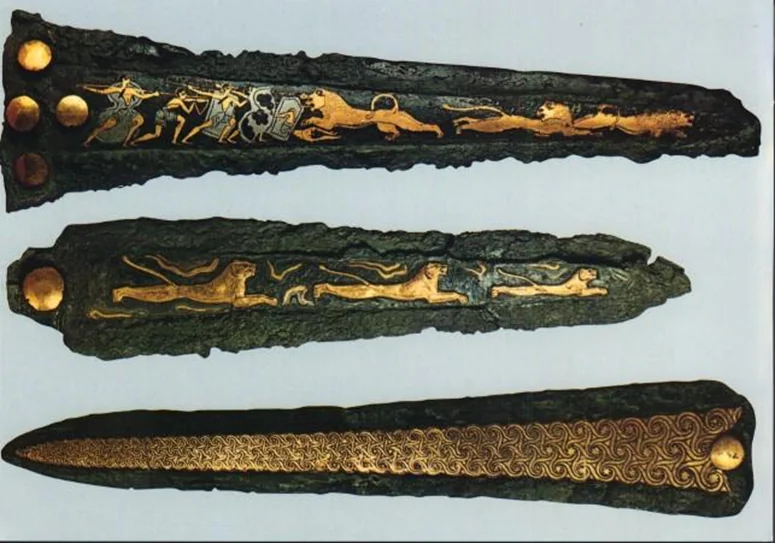
Lion Hunt Dagger - ( Grave Circle A, Mycenae )
Date - 16th century BC
Location : Grave IV, Grave Circle A, Mycenae
Material : gold, silver and niello ( black compound of metal pushed into engraved parts usually as a border or for fine detail.
Significance :
inlay technique is used
evidence of hunting, weaponry
reputation/status object vs decorative.
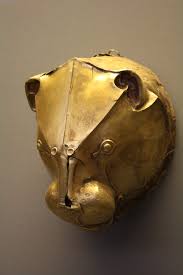
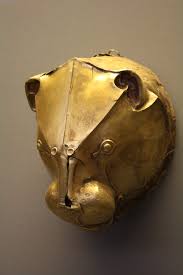
Lion Head Rhyton - ( Grave Circle A Mycenae )
Date : 16th century BC
Location : Grave IV, Grave Circle A, Mycenae
Material : sheets of gold
Significance :
container for pouring wine
metalwork techniques (hammering, granulation, repousse)
Status, power and wealth symbol perhaps
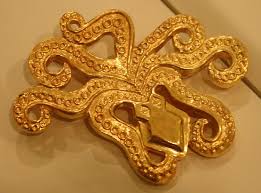
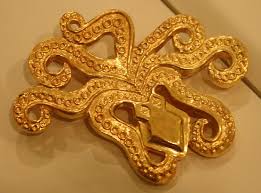
Octopus Brooch - ( Grave Circle A Mycenae )
Date : 16th century BC
Location : Grave Circle A, Mycenae
Material : gold
Significance :
evidence of craftsmanship ( repousse, granulation )
animals
fashion
burial customs ( suggest the dead were buried with clothing ? - brooch is a pin on a cloak )
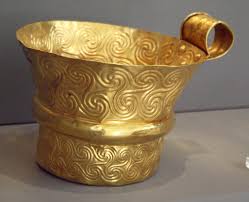
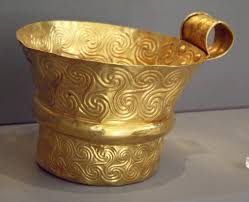
Gold cups decorated with swirls - ( Grave Circle A Mycenae )
Date : 16th century BC
Location : Grave Circle A, Mycenae
Material : Gold
Significance :
evidence of belief in afterlife - burial customs ( libations, drinking ? )
metalworking techniques ( repousse )
wealth and drinking culture
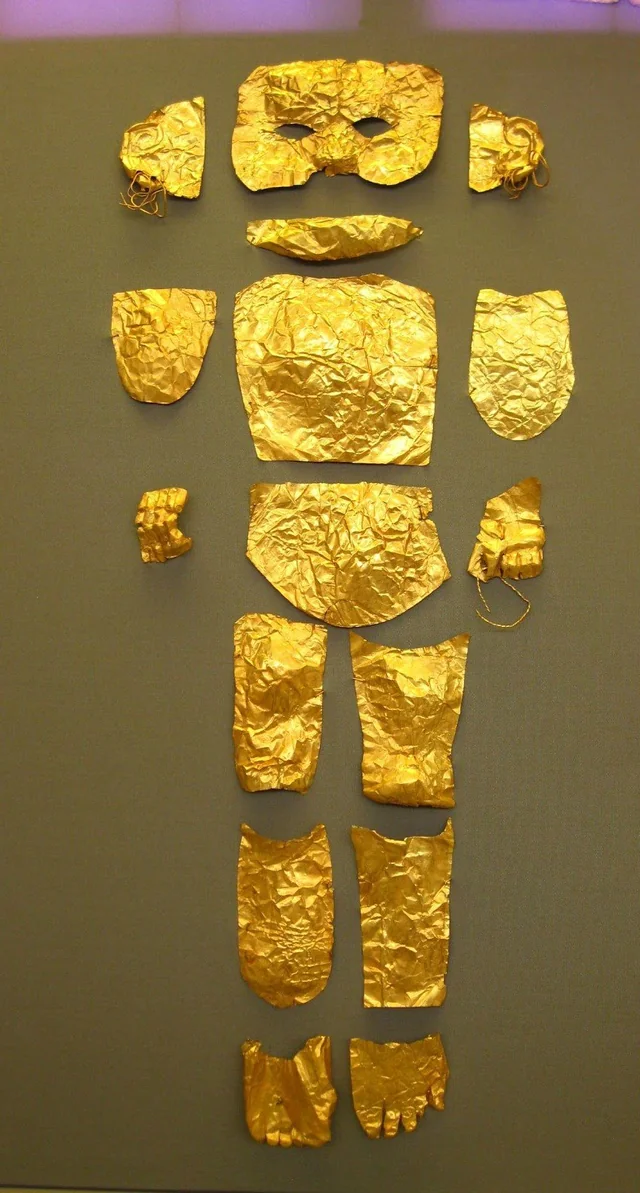
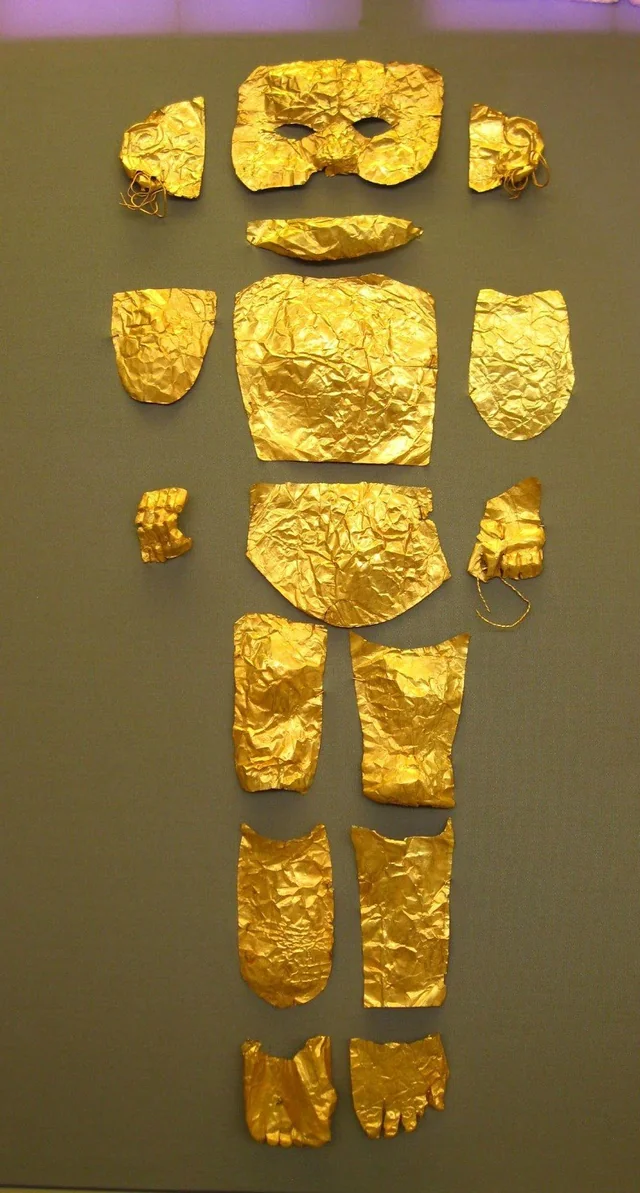
Gold body covering - ( Grave Circle A Mycenae )
Date : 16th century BC
Location : Grave Circle A, Mycenae
Material : gold sheets
Significance :
evidence of burial customs (death jewellery )
metalworking skill ( hammering, repousse )
wealth and status
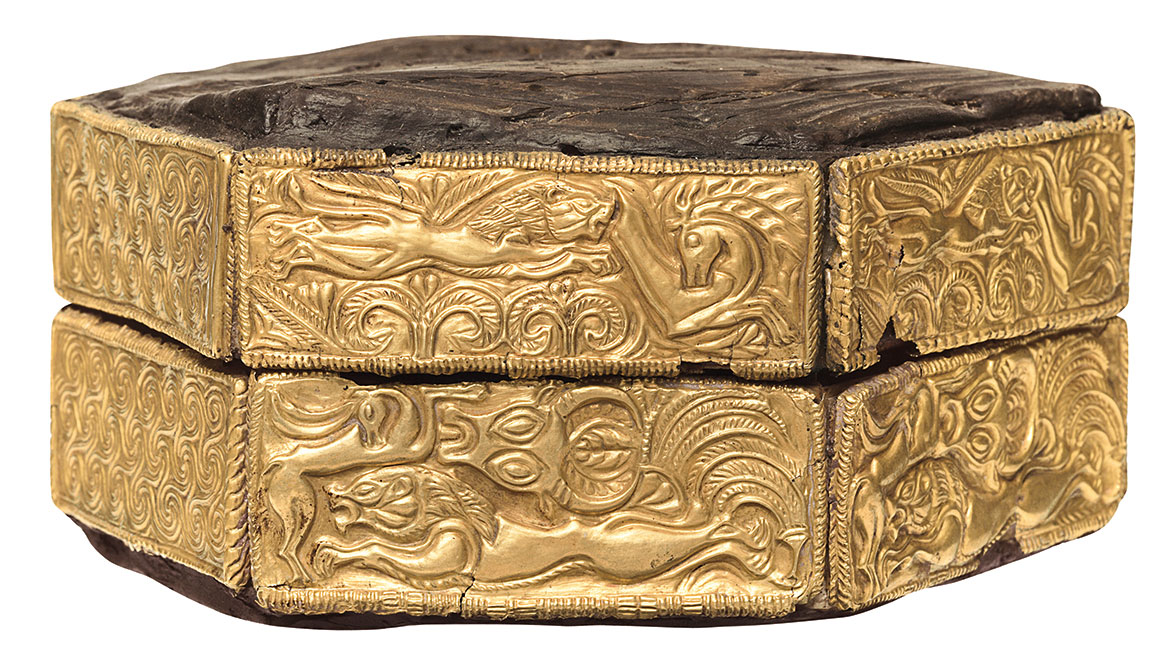
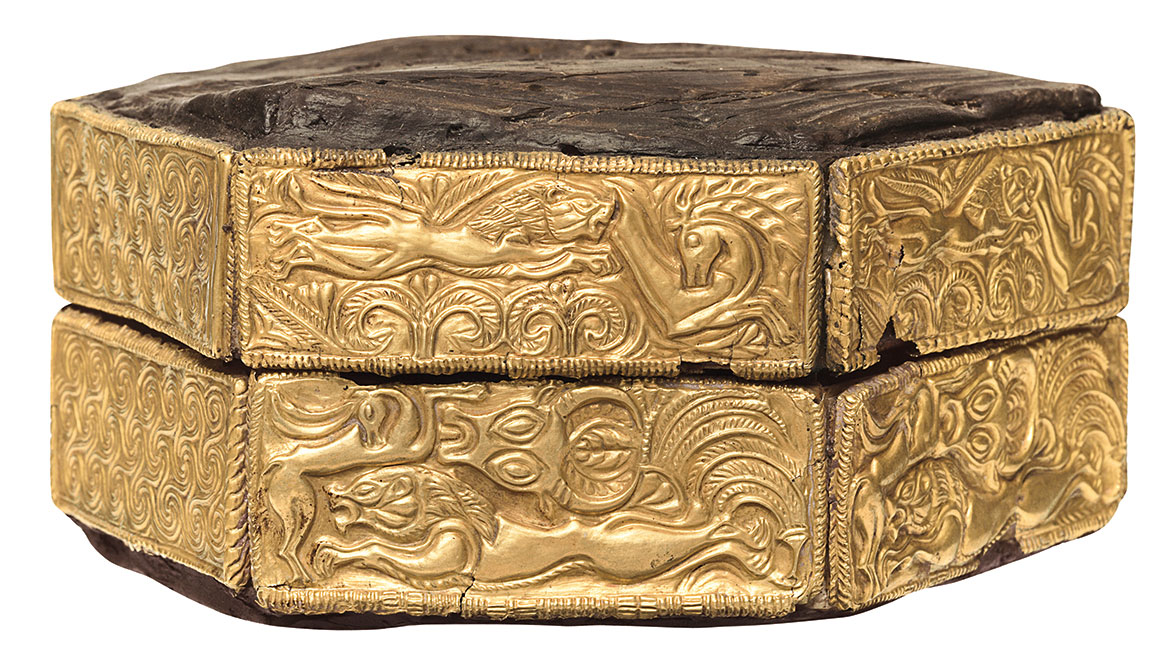
Gold pyxis with hunting scene
Date : 16th century
Location : Shaft Grave V, Grave Circle A, Mycenae
Function : jewellery box
Material : wood and gold
What is pictured :
lion chasing horses
heads of cattle
swirls/spirals
Significance :
evidence of craftsmanship ( repousse, filigree ) - attaching small golden plates to a wooden box.
rare wooden object - wood usually does not last this long and will rot.
Evidence for burial customs perhaps - gifts ?
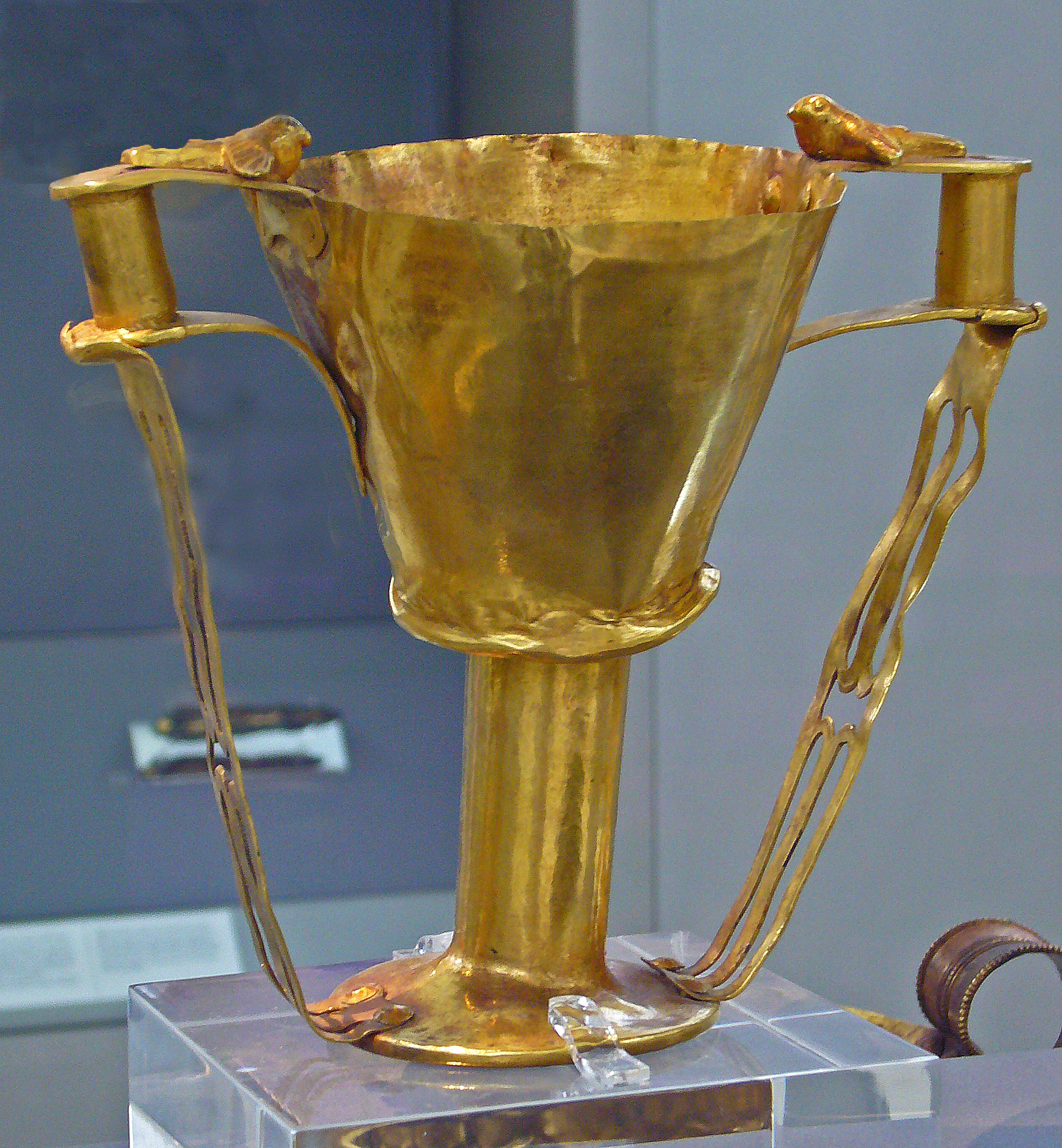
Cup of Nestor - ( Grave Circle A, Mycenae )
Date : 16th century BC
Location : Grave Circle A, Mycenae
Material : gold
Significance :
Found by Schliemann.
Had two eagles on the handle
Similar to cup of Nestor described in the Iliad ( Nestor’s cup had two doves on the handles )
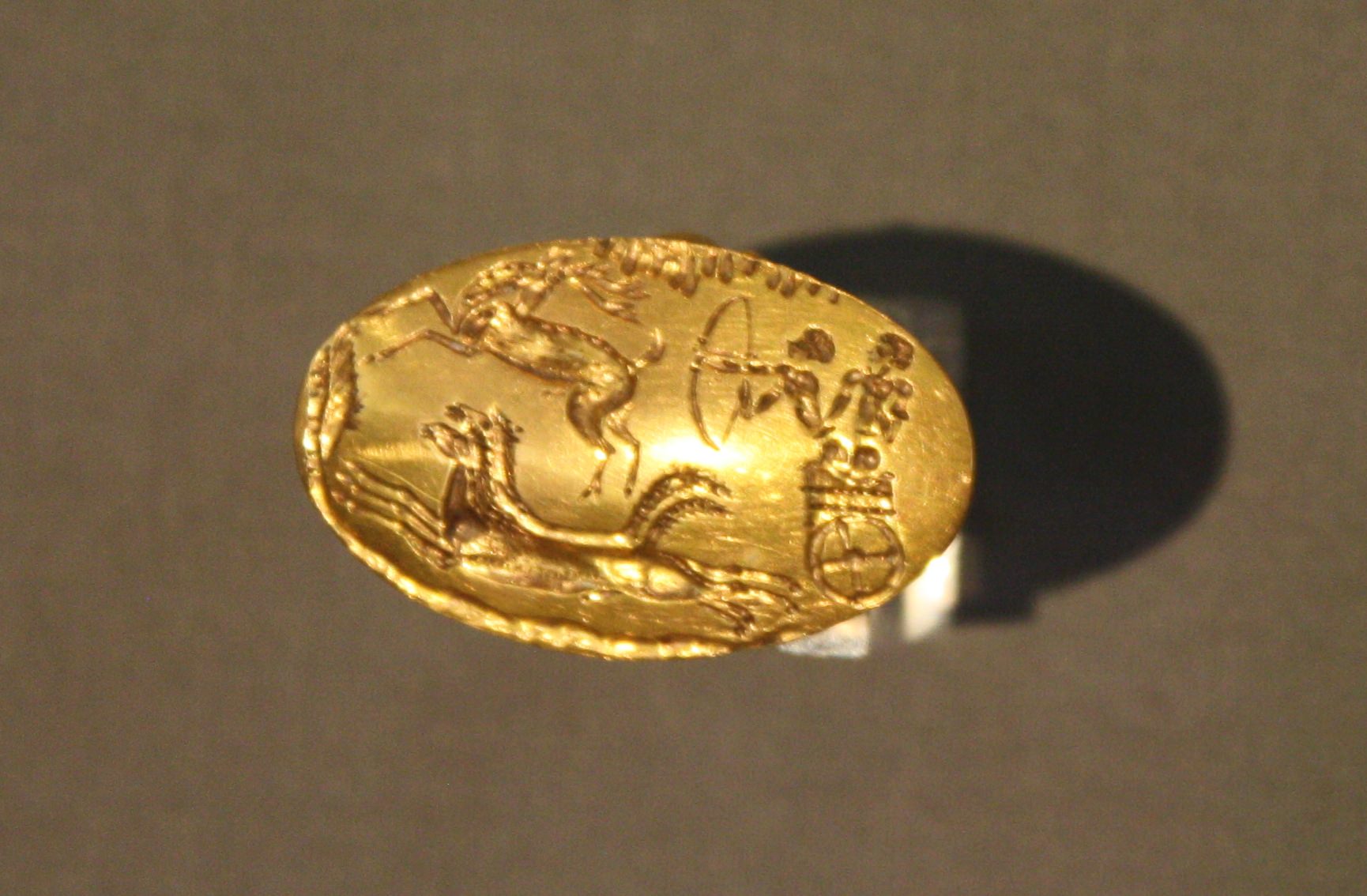
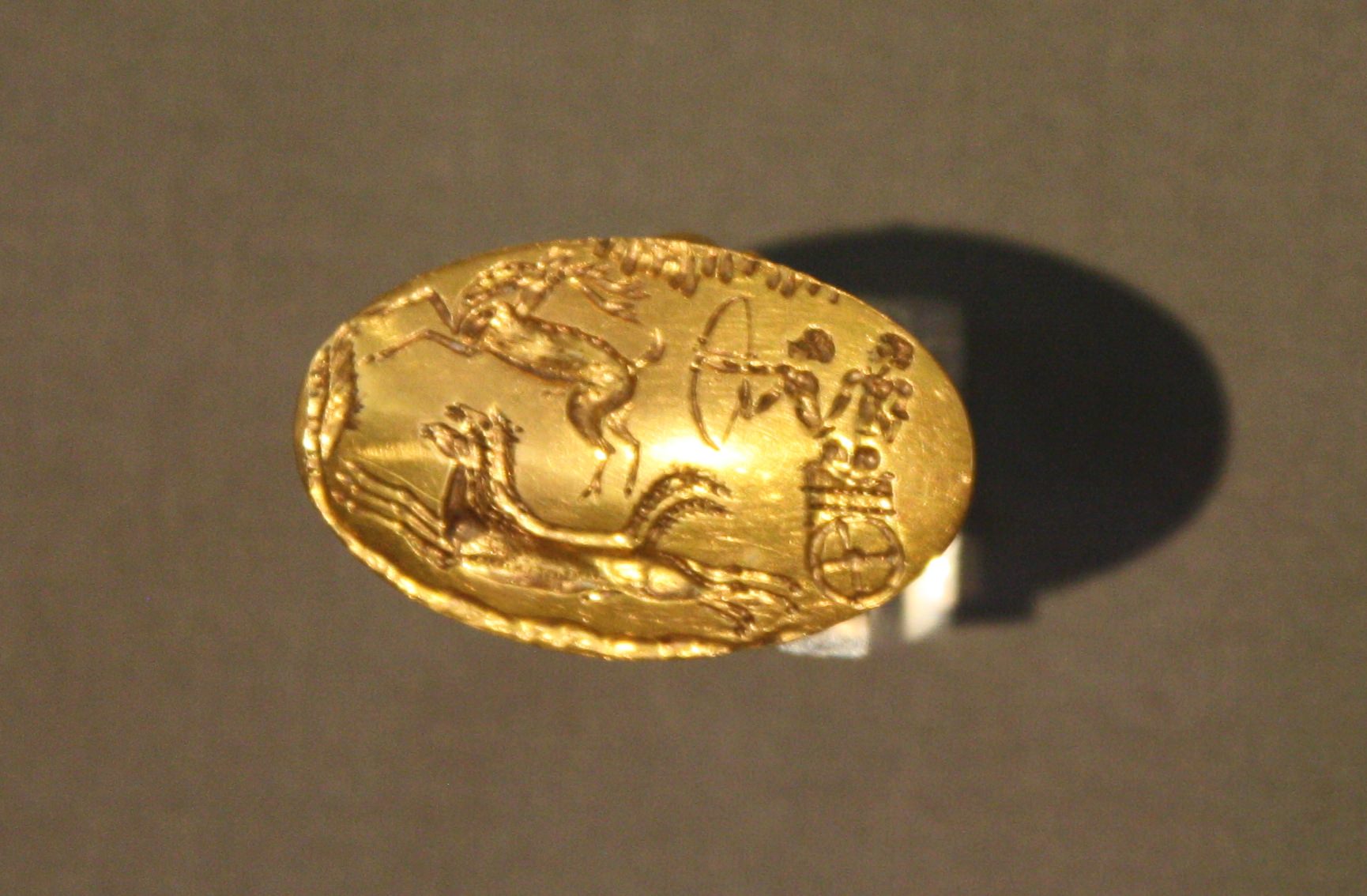
Signet ring of chariot hunt - ( Grave Circle A, Mycenae )
Date : 16th century BC
Location : Grave Circle A, Mycenae
Material : Gold
Significance :
jewellery
metalwork techniques ( repousse, hammering ) - impressive craftsmanship
evidence of hunting and weapons
evidence of types of chariots
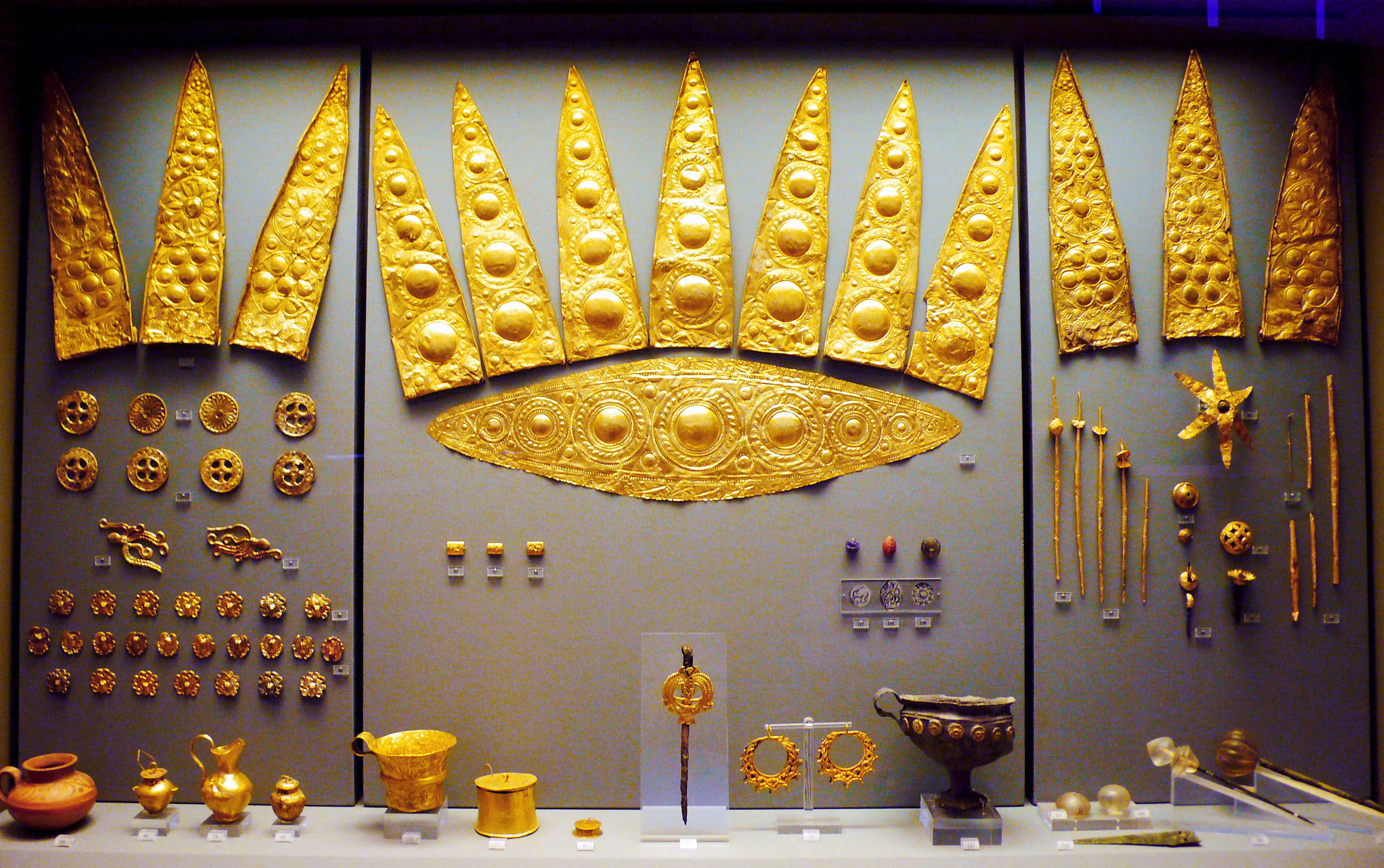
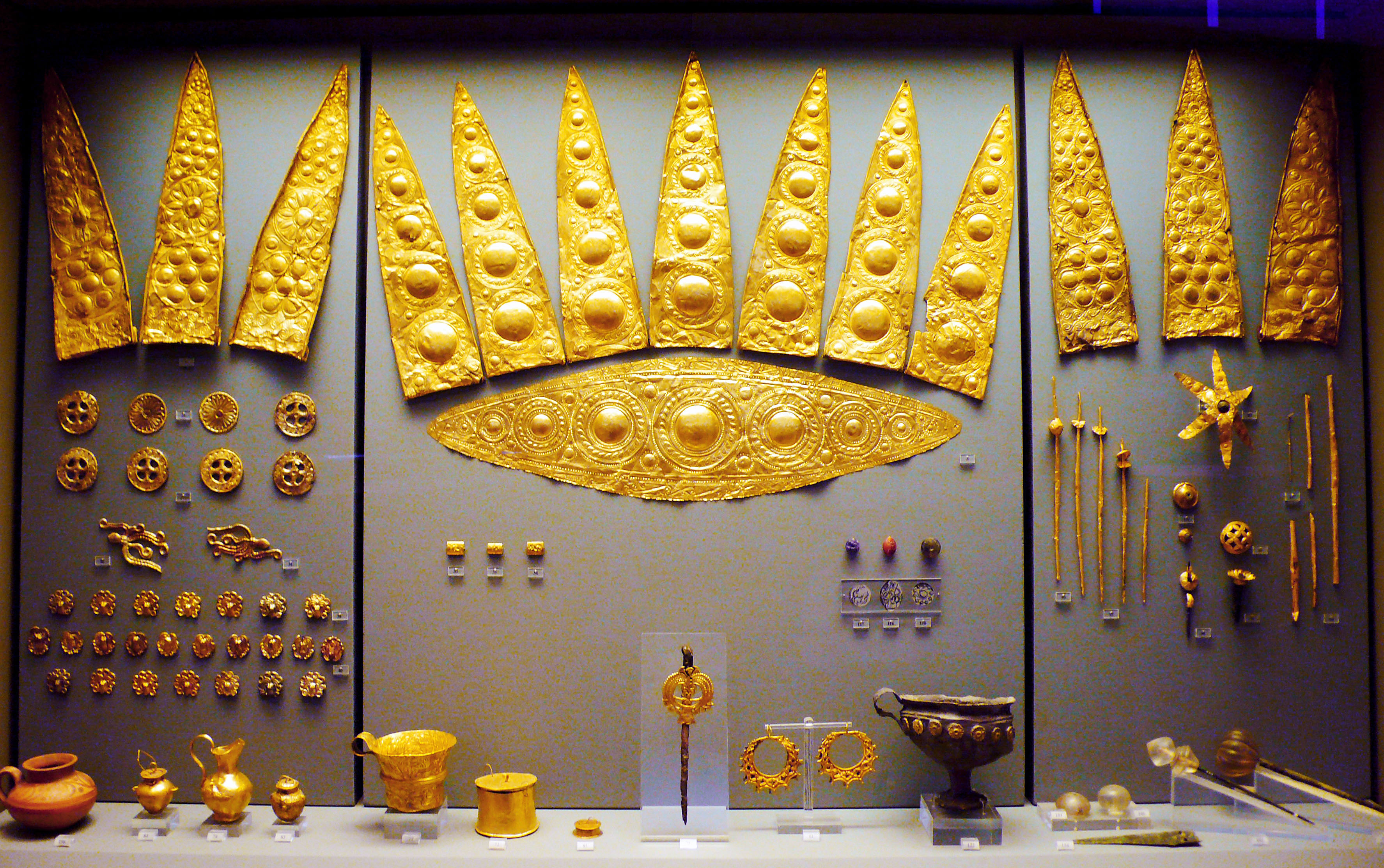
Gold leaf crown - ( Grave Circle A, Mycenae )
Date : 16th century BC
Location : Grave Circle A Mycenae ‘
Material : Gold
Significance :
burial customs - worn by the deceased perhaps ?
wealth and status
craftsmanship ( repousse, hammering, geometric patterns )
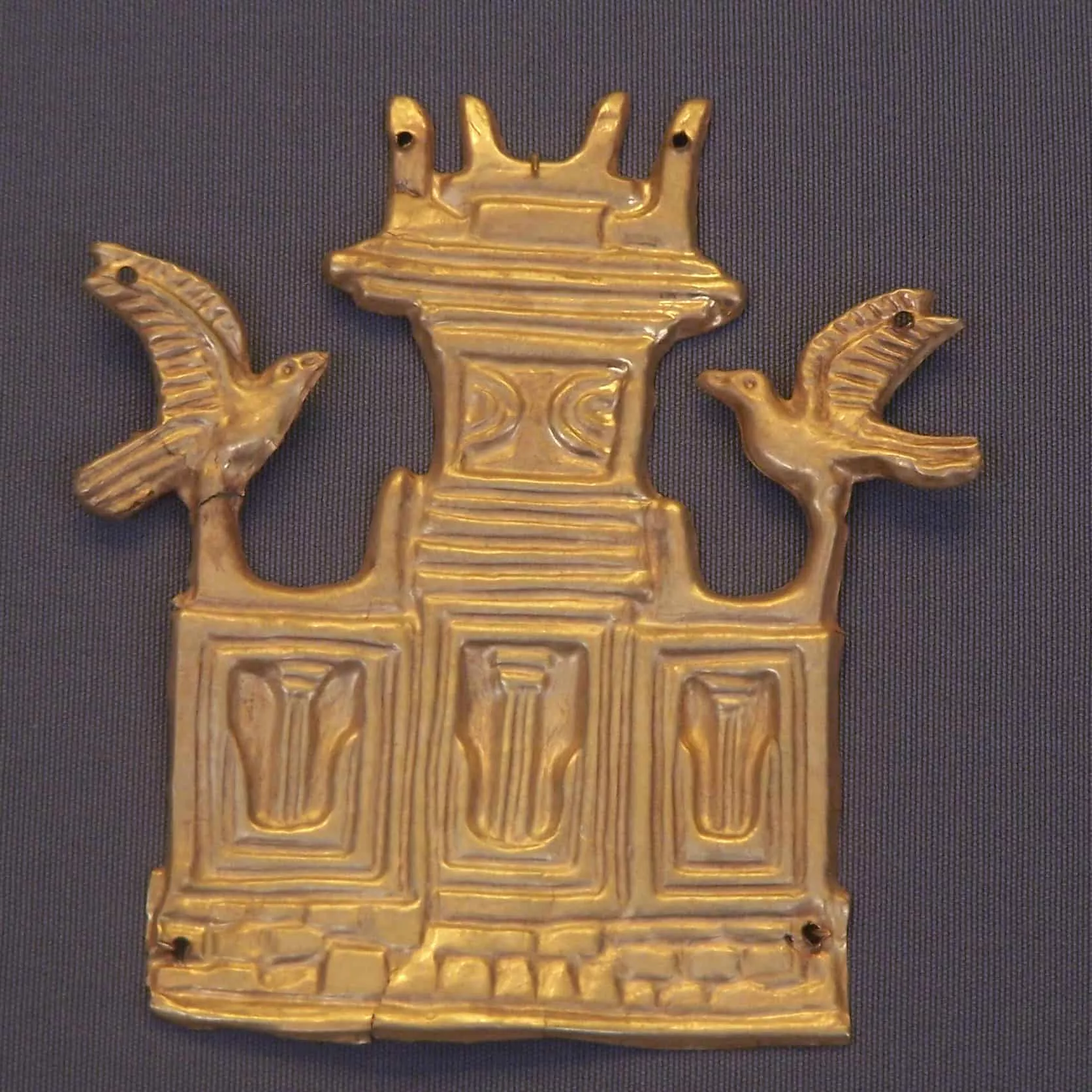
Gold brooch with birds and Minoan columns - ( Grave Circle A, Mycenae )
Date : 16th century BC
Location : Grave Circle A, Mycenae
Material : Gold
Significance :
craftsmanship ( repousse )
suggestion of Minoan influences possibly early trade ( Minoan styled columns ) - possible artistic influence from the Minoan
burial customs - could have been worn on clothing of the deceased ?
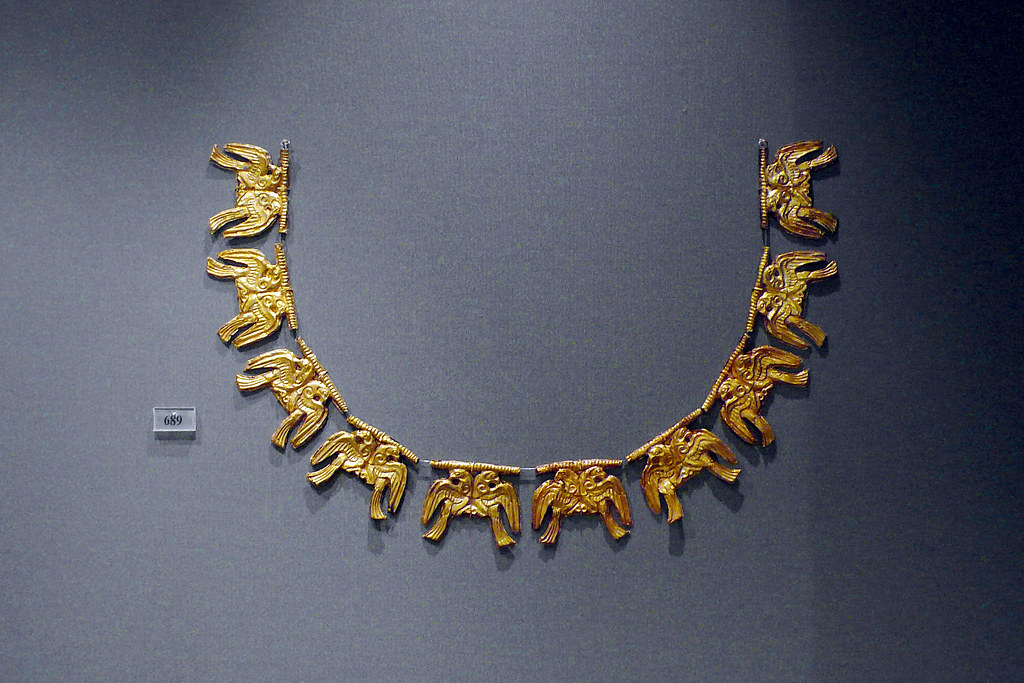
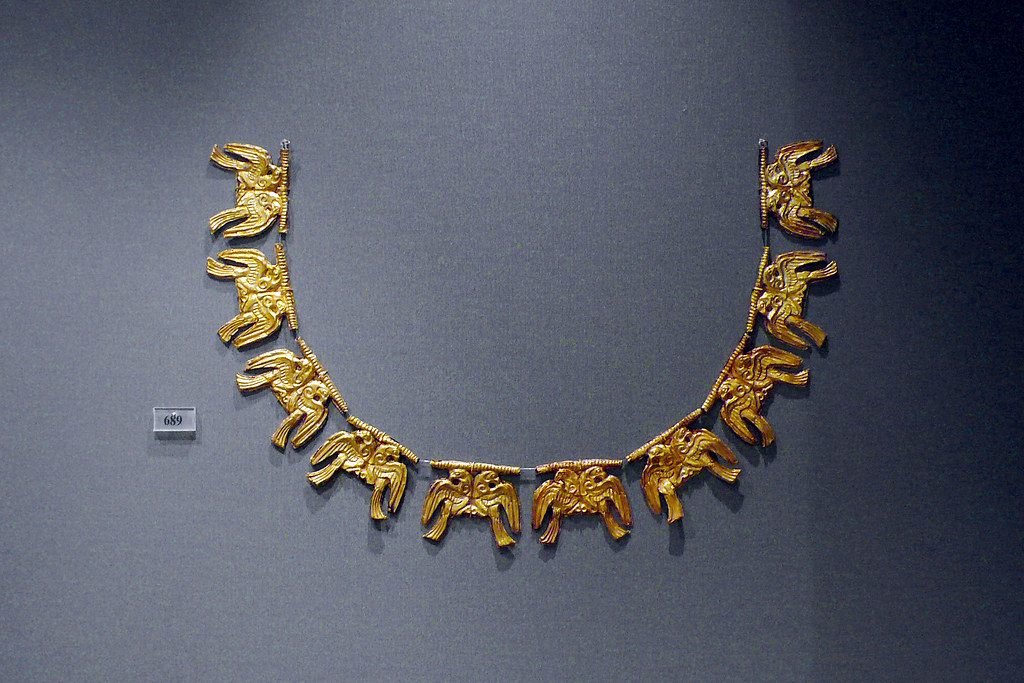
Eagle Necklace - ( Grave Circle A, Mycenae )
Date : 16th century BC
Material : Gold
Significance :
burial customs - gift for the deceased ?
craftsmanship ( repousse, hammer ) - skill
evidence for wealth and status of deceased
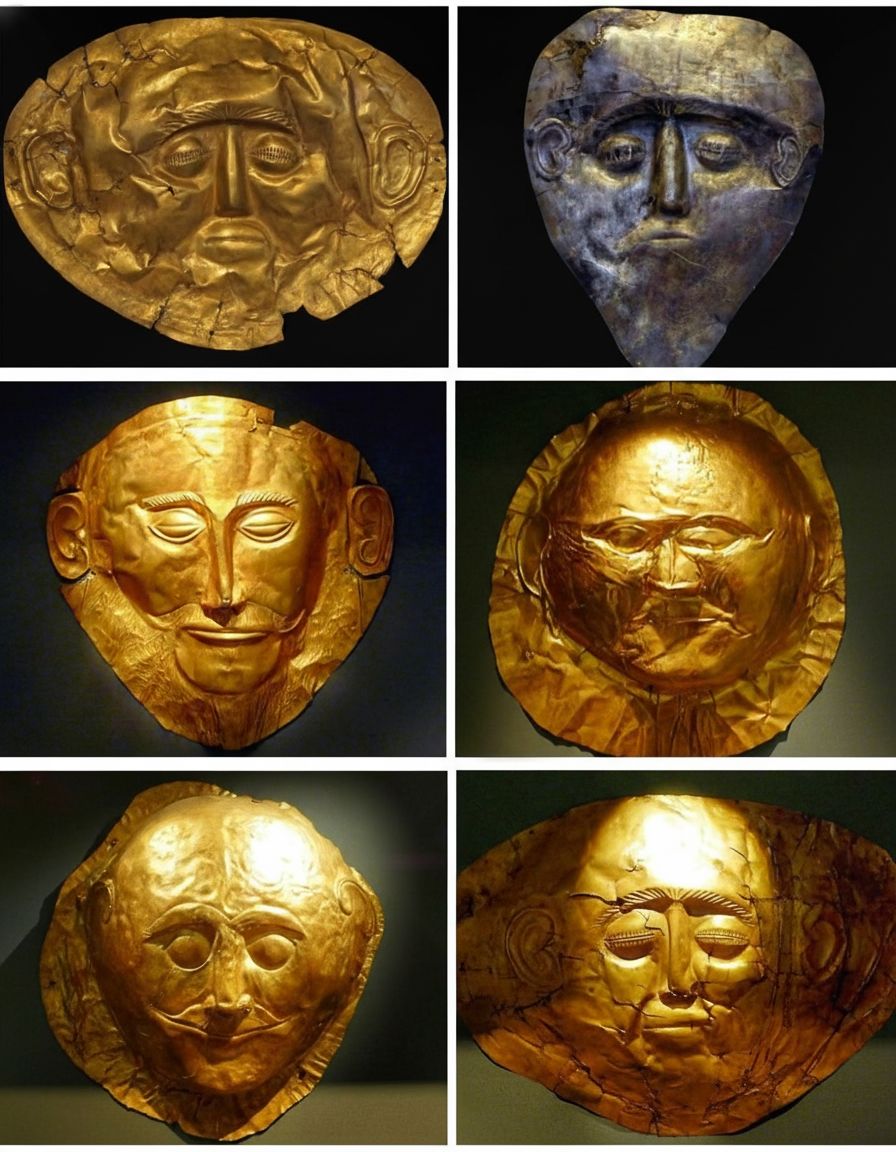
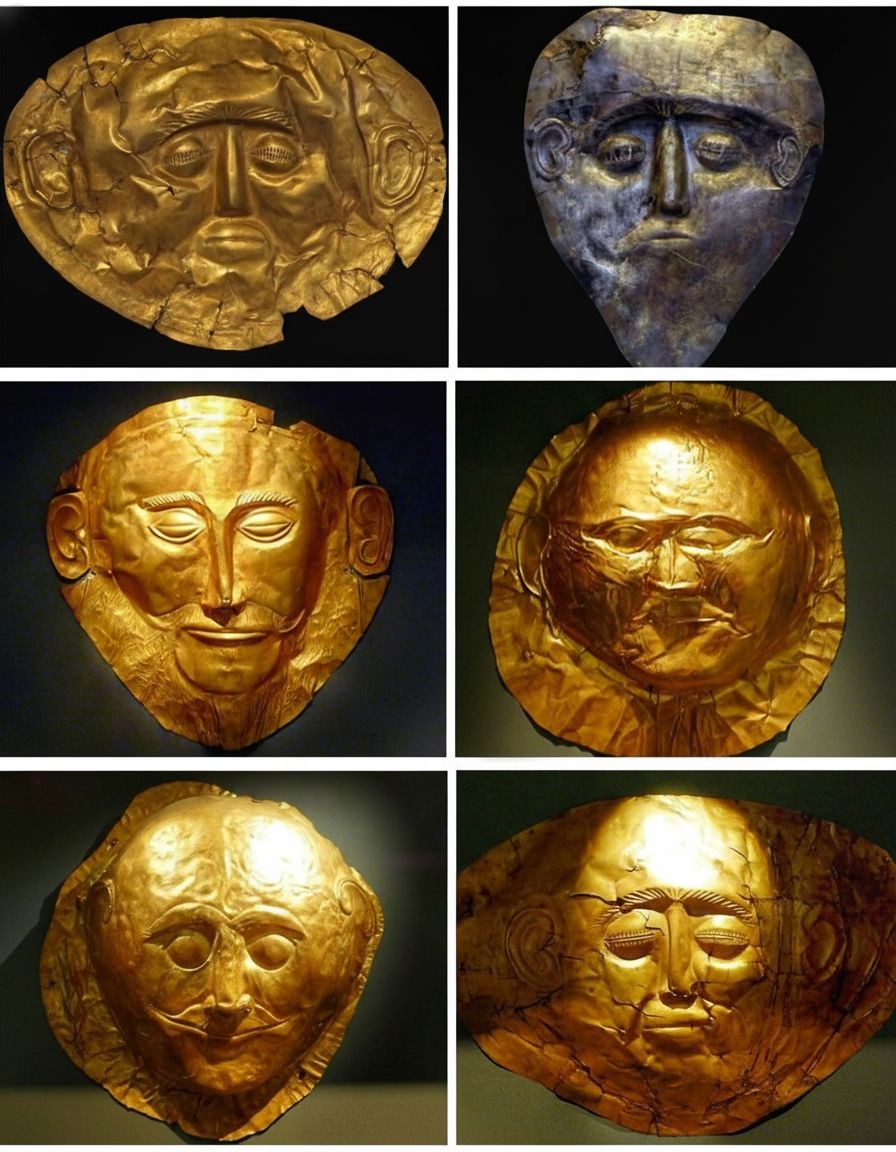
Variety of death masks - ( Grave Circle A, Mycenae )
Date : 16th century BC
Material : Gold
Significance :
skilled craftsmanship - variety of expressions created using ( repousse, hammering )
evidence of burial customs : deceased would wear these masks.
wealth and status of deceased - rich, able to afford gold death masks.
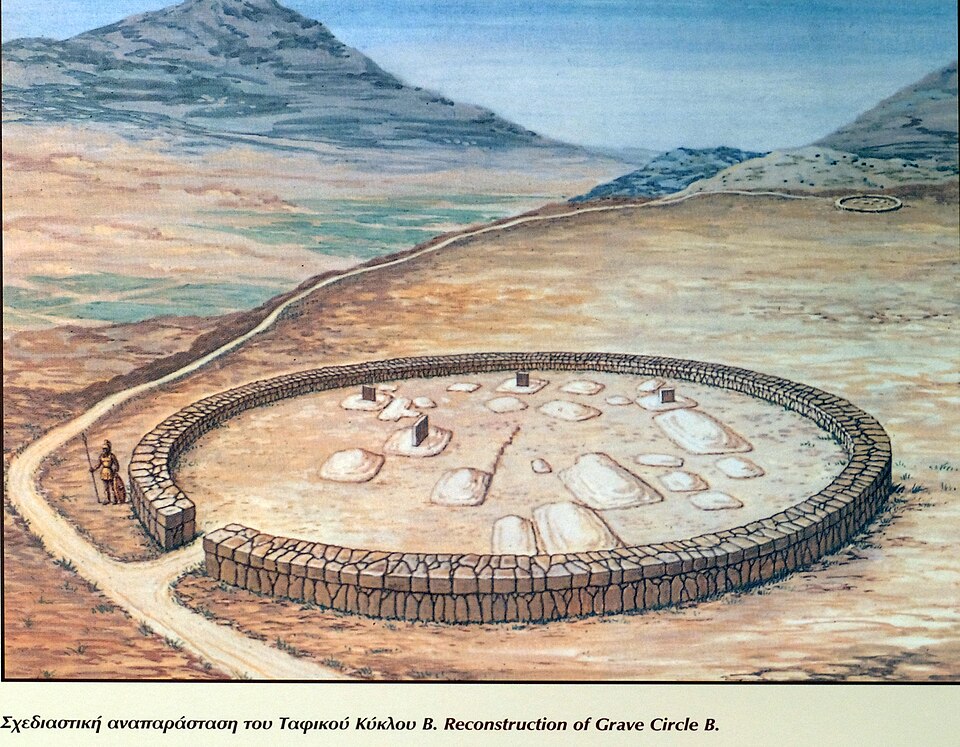
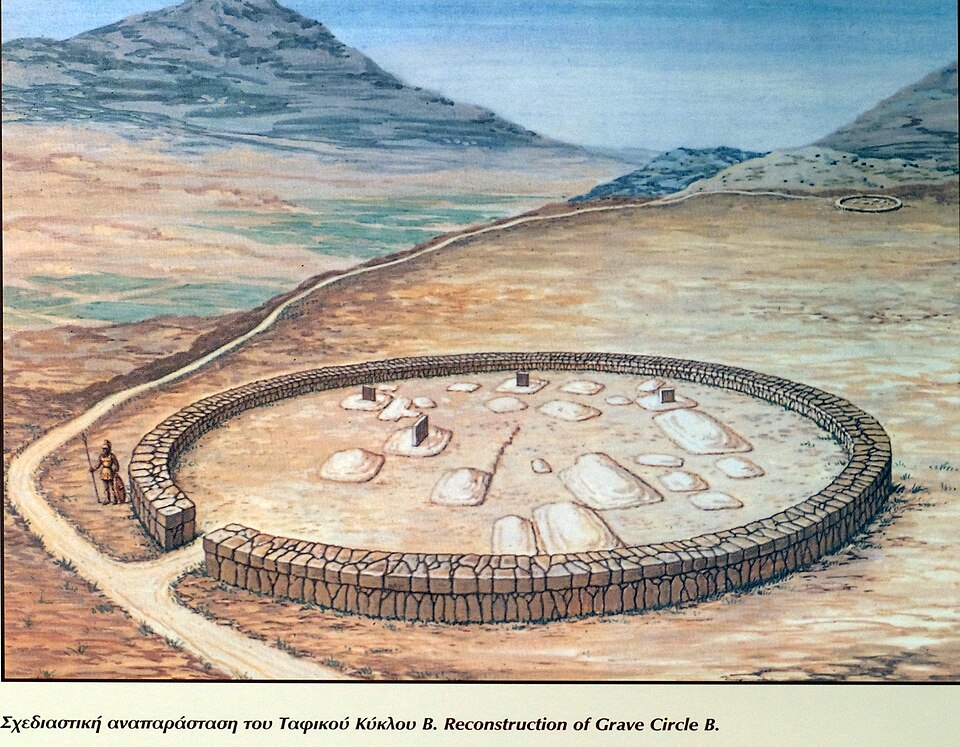
Grave Circle B
- The oldest tombs are found here although Grave Circle B was found later than Grave Circle A.
- It's next to the Tomb of Clytemnestra and is outside of the citadel
- 24 shaft graves found here
- diameter of 28m with an enclosed stone wall
- Over half of the graves are thought to be royal because of what they contained.
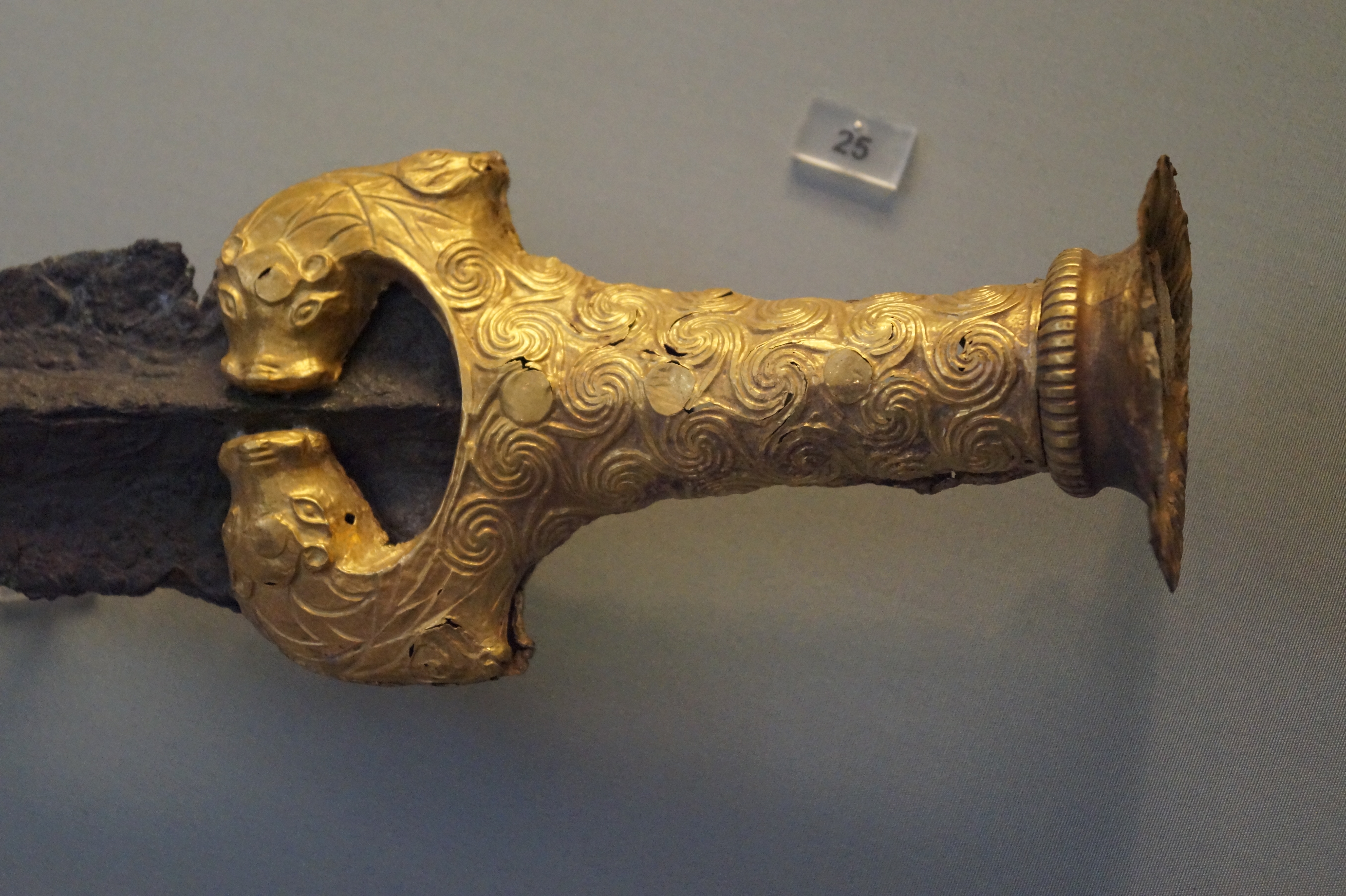
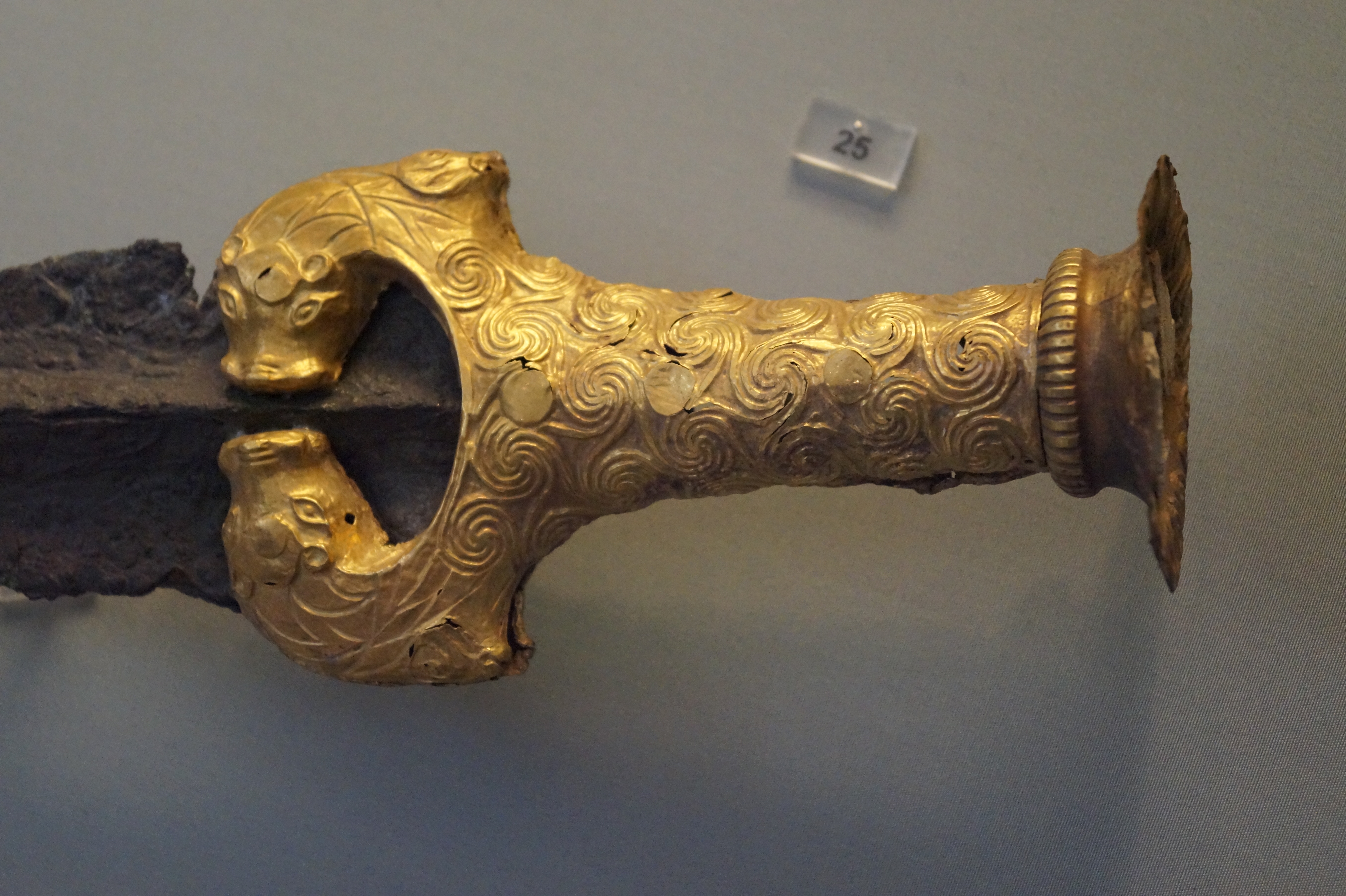
Gold decorated sword handles - ( Grave Circle B, Mycenae )
Date : 16th century BC
Location : Grave Circle B, Mycenae
Material : Gold handle on a bronze sword
Significance :
craftsmanship - repousse to create swirls.
decorative vs practical
evidence of war and weaponry in the Mycenaean period
Sword with gold handles with swirls and dolphins - ( Grave Circle B, Mycenae )
Date : 16th century BC
Location : Grave Circle B, Mycenae
Material : Gold ( handle ) and bronze ( blade )
Significance :
status/power symbol - decorative vs useful
evidence of battle, weapons
evidence of craftsmanship - ( repousse used on the handle )
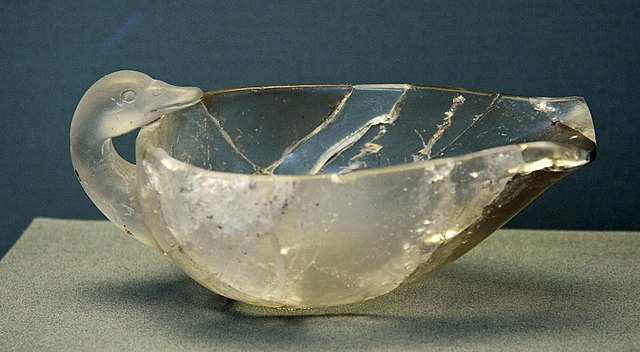
Rock crystal duck shaped bowl from Crete - ( Grave Circle B, Mycenae )
Date : 16th century BC
Location : Grave Circle B, Mycenae
Material : rock crystal
Significance :
Rock crystal is imported, suggesting trade with Crete
impressive craftsmanship - carving duck shape out of rock crystal
Decorative item
evidence of a wealthy and prosperous society
Evidence of burial customs - gifts to the deceased, possibly feasting, drinking ?
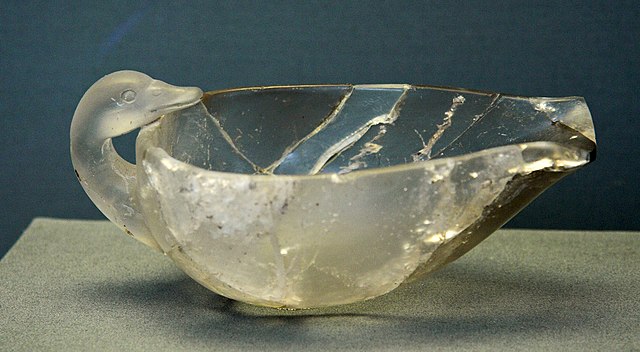
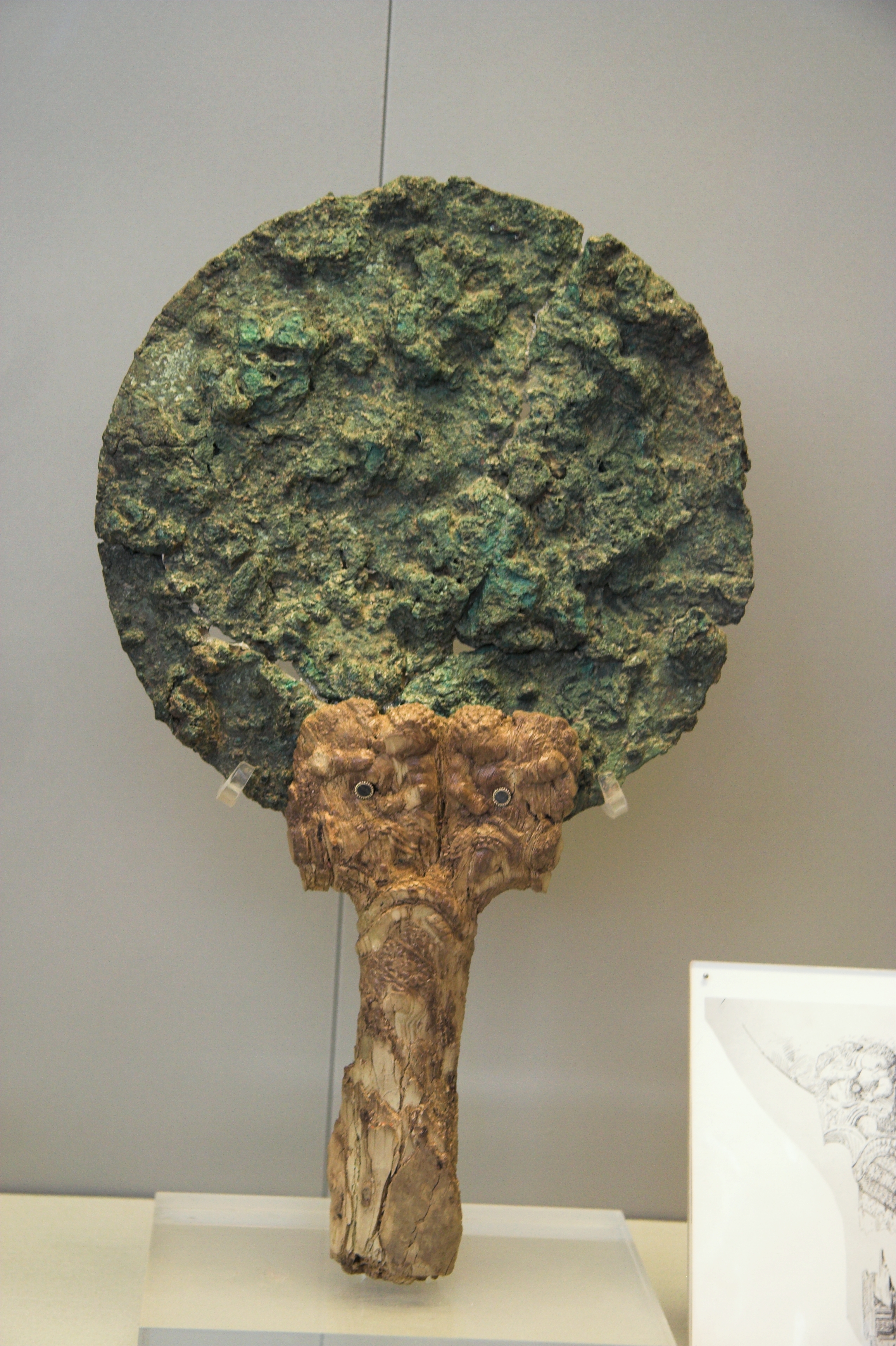
Handheld Mirror - ( Grave Circle B, Mycenae )
Date : 16th century BC
Location : Grave Circle B, Mycenae
Material : bronze + copper
Significance :
evidence of burial customs - gifts or favourite items to accompany deceased.
beauty culture
evidence of wealth
impressive craftsmanship and technical knowledge in knowing how to use metal as a mirror.
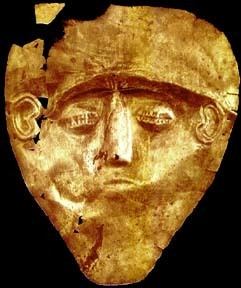
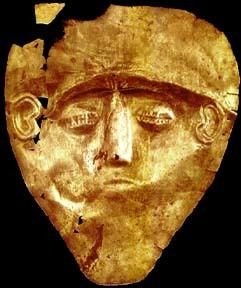
Electrum death mask - ( Grave Circle B, Mycenae )
Date : 16th century BC
Location : Grave Circle B, Mycenae
Material : Electrum ( alloy of gold + tin )
Significance :
evidence of burial customs - worn by the deceased.
impressive craftsmanship - metalworking techniques ( repousse, hammering )
impressive technical knowledge = alloying
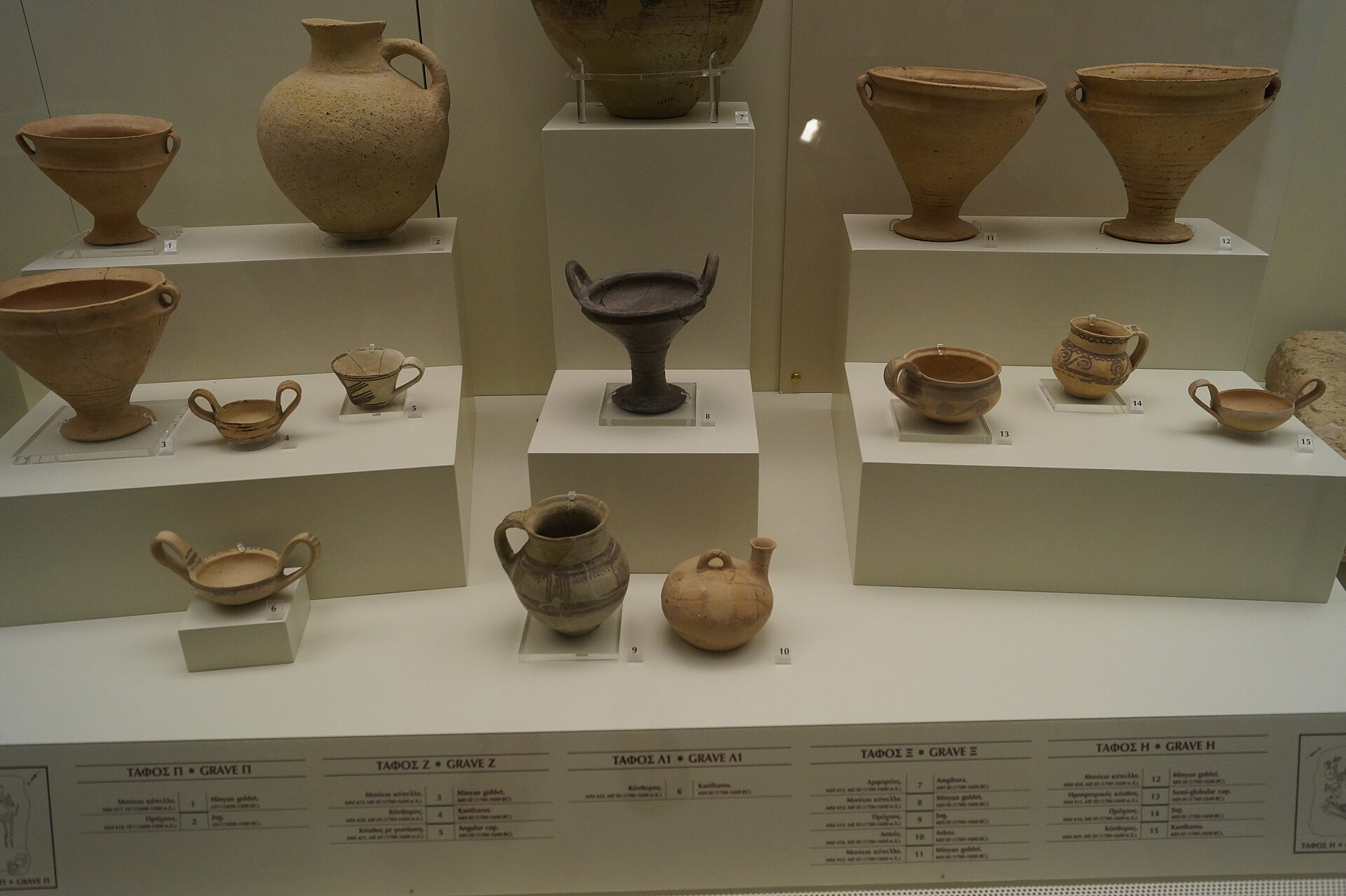
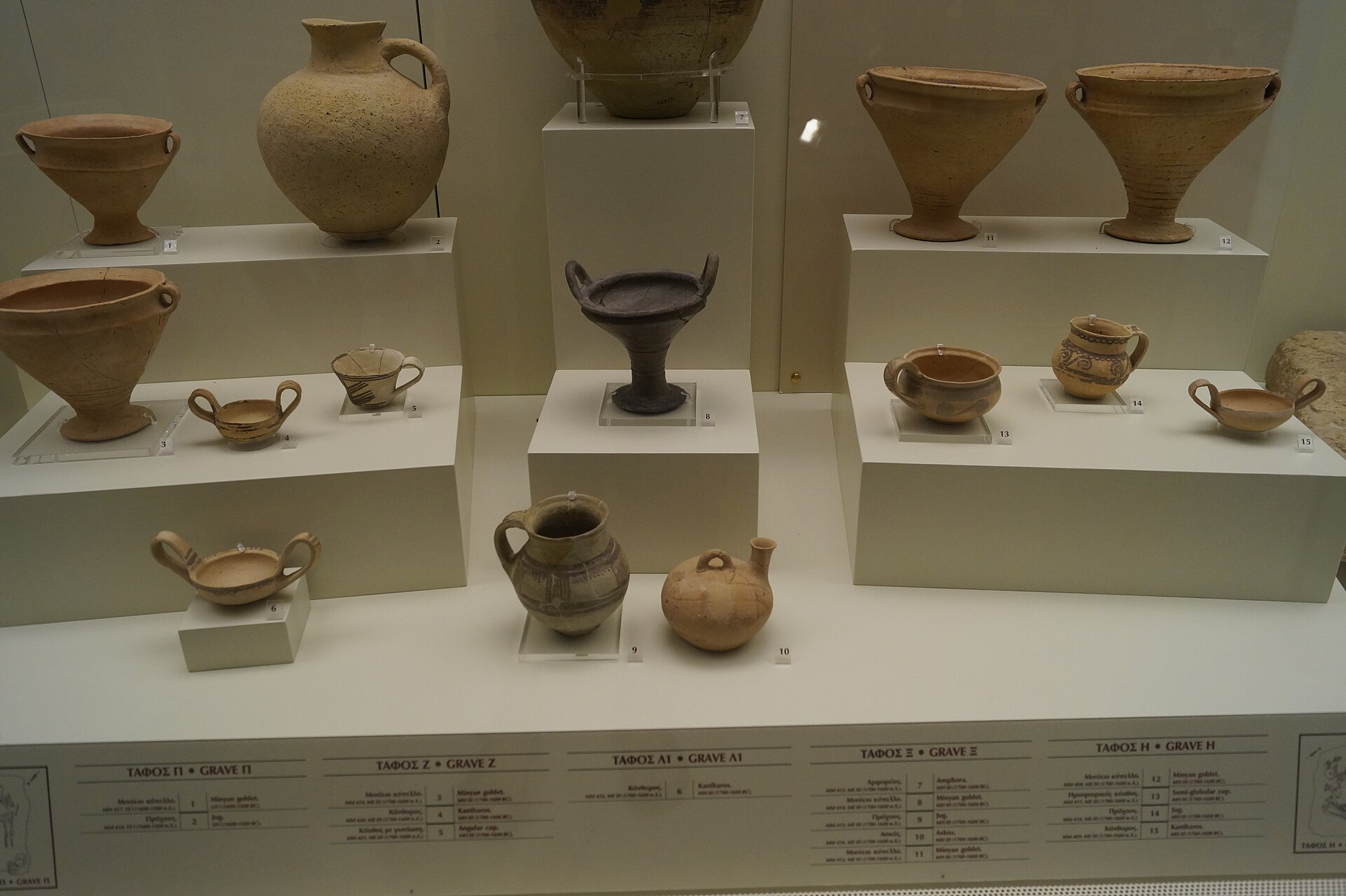
Lots of Pottery - ( Grave Circle B, Mycenae )
Date : 16th century BC
Location : Grave Circle B, Mycenae
Material : Clay
Significance :
evidence of Minoan and Egyptian influences in pottery - suggesting possible trade and early influence from Minoan culture.
burial customs - depictions of certain burial related imagery.
Skill in pottery - detail on the images, variety of sizes and shapes with many different usages.
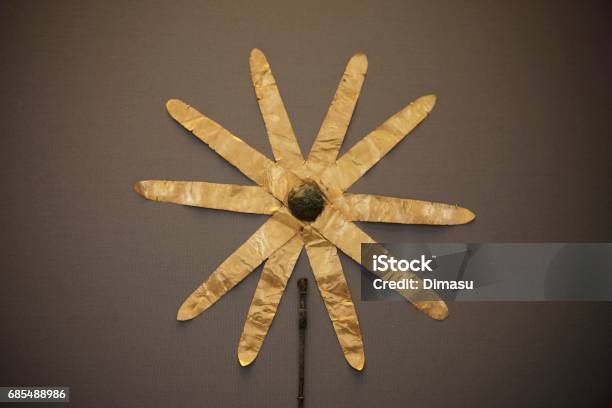
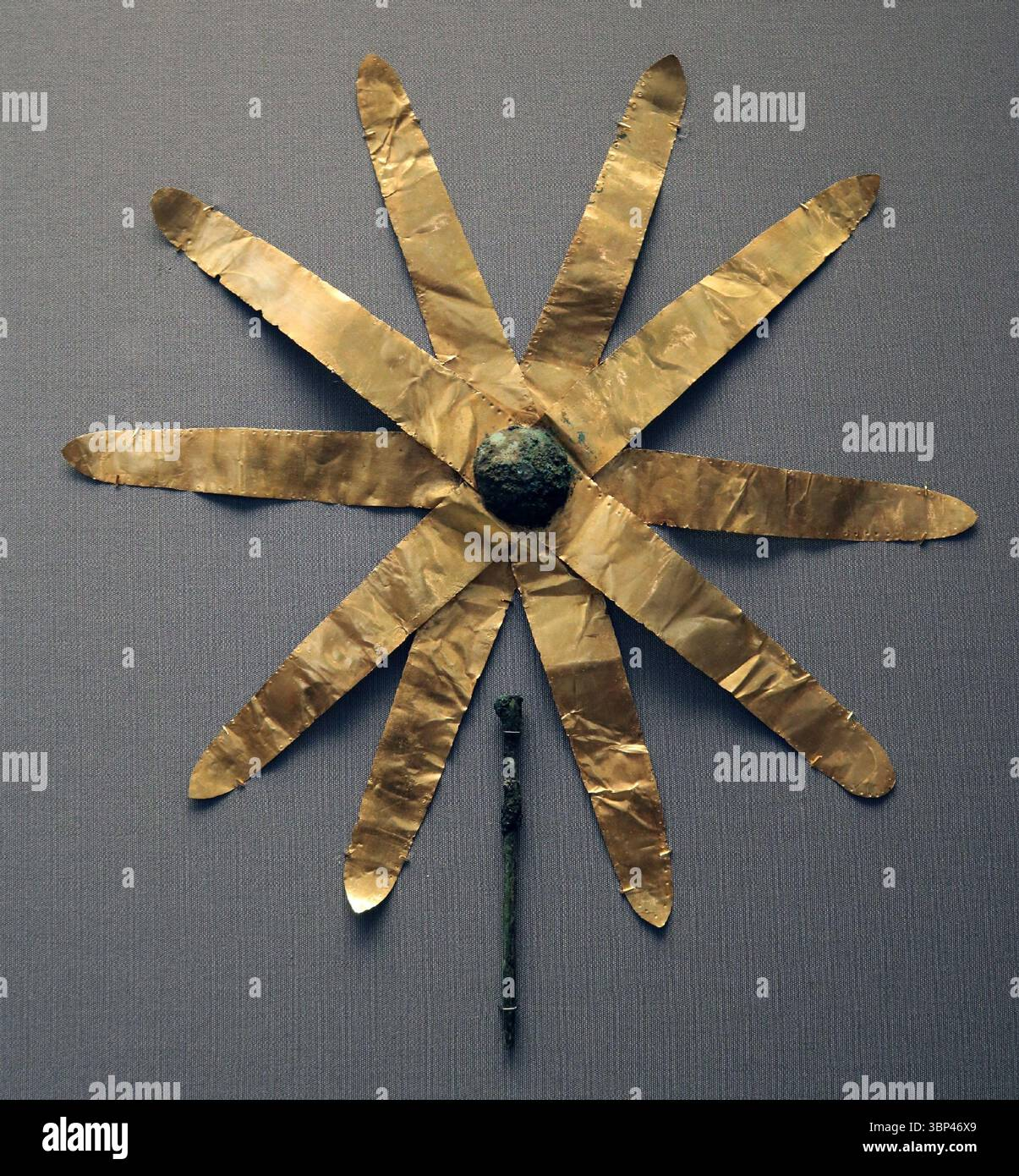
Sun shaped gold dress pin - ( Grave Circle B, Mycenae )
Date : 16th century BC
Materials : Gold ( thin plates - leaf )
Significance :
evidence of burial customs - dress pin suggests perhaps worn when buried / act as gift.
impressive craftsmanship - able to layer multiple thin layers of gold leaf to create sun/flower like shape.
evidence of wealth - mainly gold
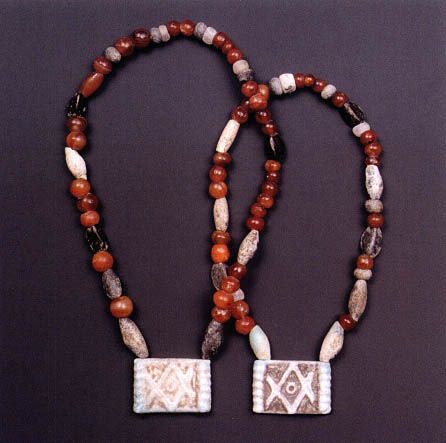
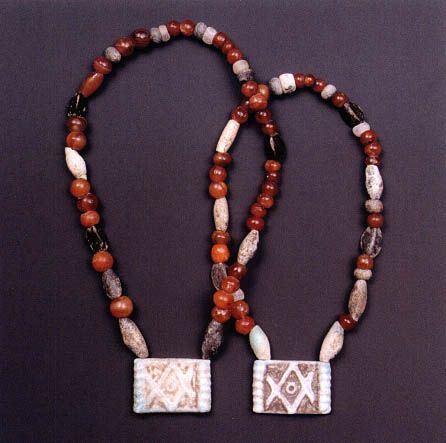
Pendant necklace with beads and ivory - ( Grave Circle B, Mycenae )
Date : 16th century BC
Location : Grave Circle B, Mycenae
Material : beads, ivory
Significance :
evidence of burial customs - jewellery either being worn or buried with, possibly as a gift ?
good craftsmanship - mould and carve beads, ivory into small pieces.
evidence of trade - ivory from Africa
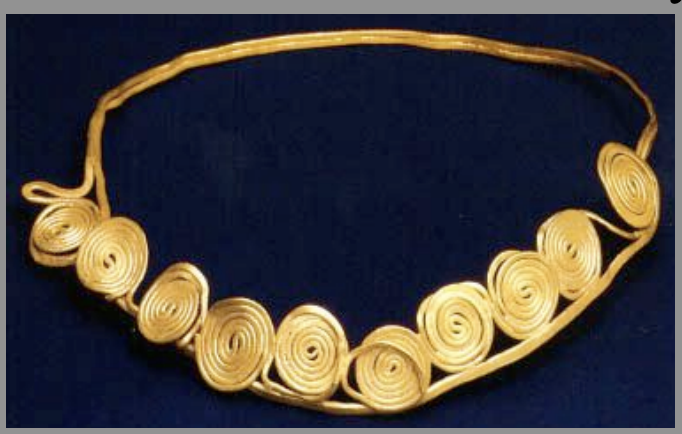
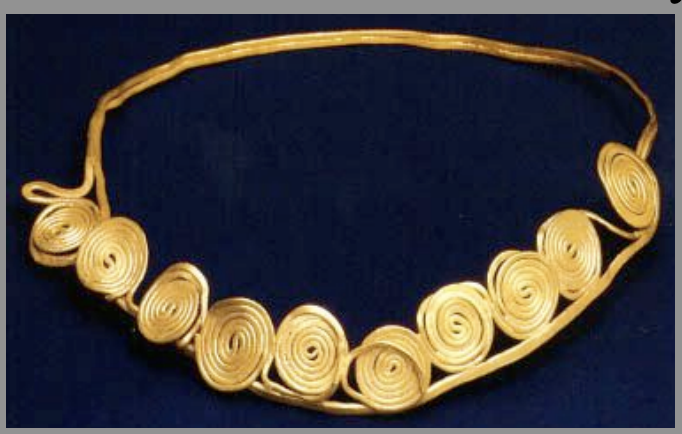
Gold swirl armband - ( Grave Circle B, Mycenae )
Date : 16th century BC
Material : gold
Significance :
evidence of burial customs - gift/worn by the deceased as jewellery
evidence of wealth - gold jewellery
craftsmanship - bending and twisting the gold to create those spirals