Egypt, Greece, Rome, Hebrew, and Early Christian Funeral Practices
 Studied by 0 people
 Call with Kai
 Learn
Learn Practice Test
 Spaced Repetition
 Match
Match Flashcards
 Knowt Play
1/99

Earn XP
Description and Tags
CCMS SOC321: Historical to Contemporary Funeral Practices
Name | Mastery | Learn | Test | Matching | Spaced | Call with Kai |
|---|
No study sessions yet.
100 Terms
This period includes Ancient Egypt, Ancient Greece, and Ancient Rome
Period of Evisceration
The Period of Evisceration lasted how long?
3200BC-650AD
The Period of Anatomists lasted how long?
650AD-1861AD
The Modern Era lasted how long?
1861-Present
This period includes the middle ages and the Renaissance
Period of Anatomists
This period includes pre/post Civil War through the present
Modern Era
Egyptians believed the _____ was the center of the universe
sun
_____ was the sun god
Ra
_____ was the earthly representation of the sun god
Pharaoh
Ra disappeared each evening in the _____ and fought his way through the underworld
west
Ra was reborn in the morning as a _____
scarab beetle
Scarab beetles represent _____
rebirth
_____ was the god of the Underworld and the Judge of the dead
Osiris
_____ murdered Osiris and threw him in the Nile
Set
Osiris’ wife was _____ who gathered his body and resurrected him
Isis
Isis had a son named _____ who became god of sky
Horus
This means keeping elements of the body intact; if the body is intact, the soul was also intact
Circle of Necessity
This means the soul was immortalized by having all its elements brought back to the body
Complex Elements Reassembled
Ba
Soul; the personality and all things that made that person unique
Ren
Name; given to you by the gods at birth
Sheut/Shuyet
Shadow; contained the essence of the person
Ib/Jb
Heart; seat of intellect, emotion, and good/evil
Ka
Spirit or vital essence; the most significant; remained with the body through ritualistic actions such as prayer
Yakhu/Akh/Ikhu
The Shining One; a combination of the Ba and Ka representing the enlightened immortal being after death
God of death and embalming
Anubis
Beast; devours hearts
Ament/Ammut/Ammit
Anubis weighed the heart of the dead against the _____
Feather of MaatT
The goddess _____ was the personification of Truth and Order
Maat
Greek philosopher gave the best-known accounts for egyptian embalming practices
Herodotus
Body preparation was based on _____
economic status
Natron
natural salts
Only ‘High End’ embalming got to have _____
canopic jars
Canopic jars represented the _____ children of Horus
four
Tuamutef (Jackal) canopic jar held the
heart and lungs
Mestha (Human) canopic jar held the
stomach and large intestines
Hapi (Dog) canopic jar held the
small intestines
Qebhsennuf (Hawk) canopic jar held the
liver and gallbladder
This was a mixture of linen and stucco; painted to give the deceased a lifelike appearance
Cartonnage
These were designed to act as substitutes for the deceased in the afterlife if they were called to work, so the soul could rest in peace
Ushtabi figures
The priest who superintended all embalming funeral arrangements was called the
Kher-heb
This was the funeral procession made up of oxen or men
Cortege
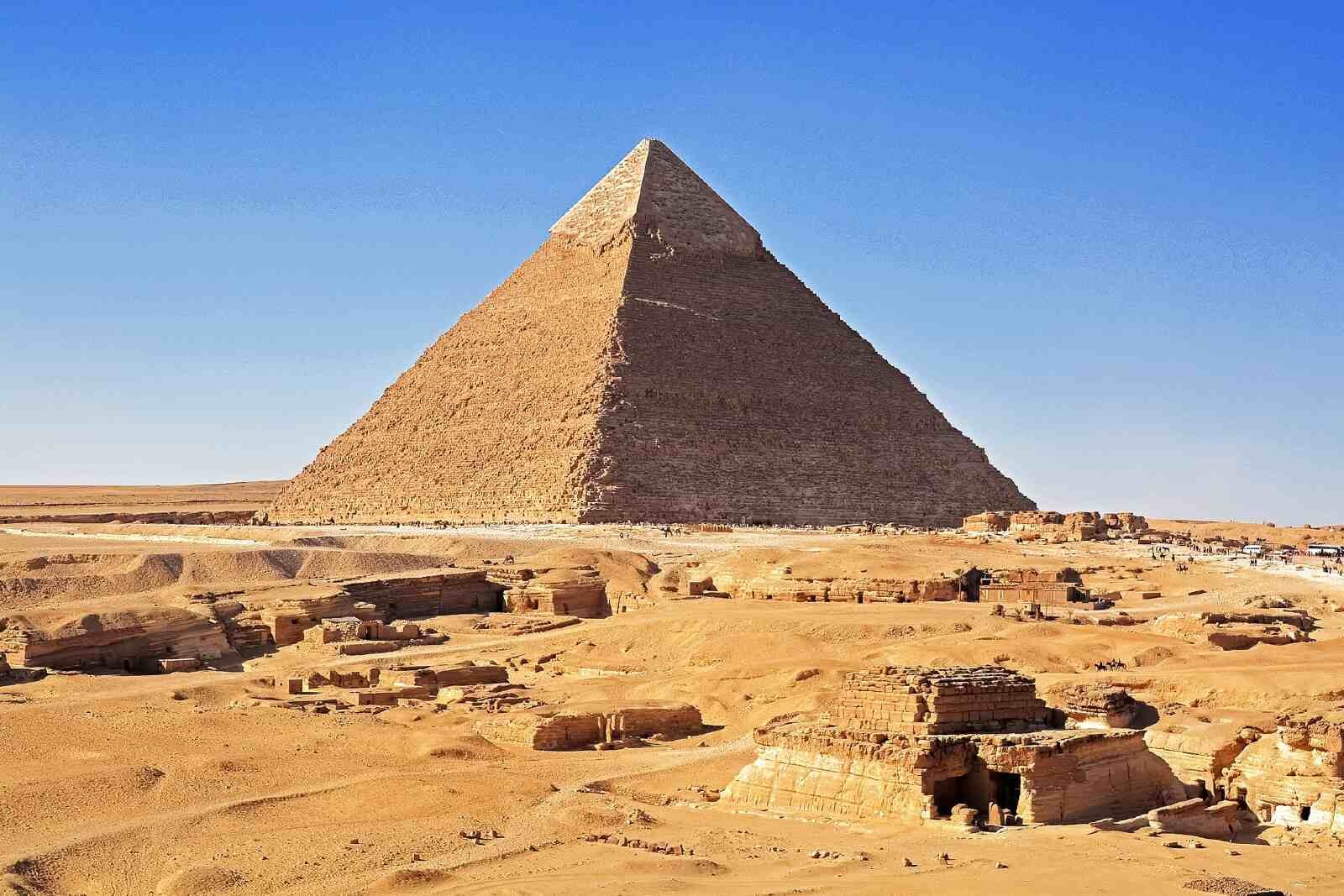
The “city of the dead” was known as this
necropolis
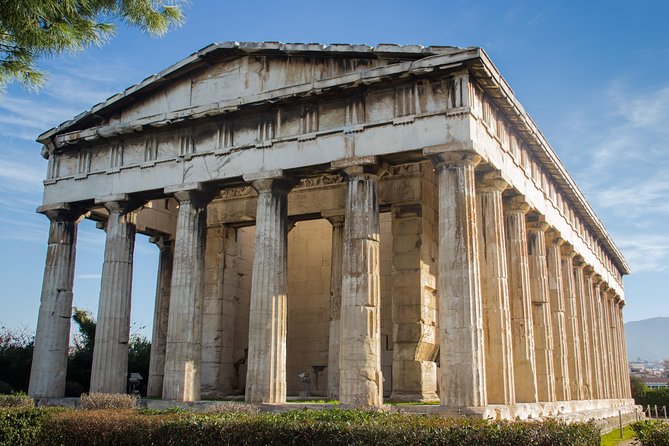
Earth and sky were created by the
Titans
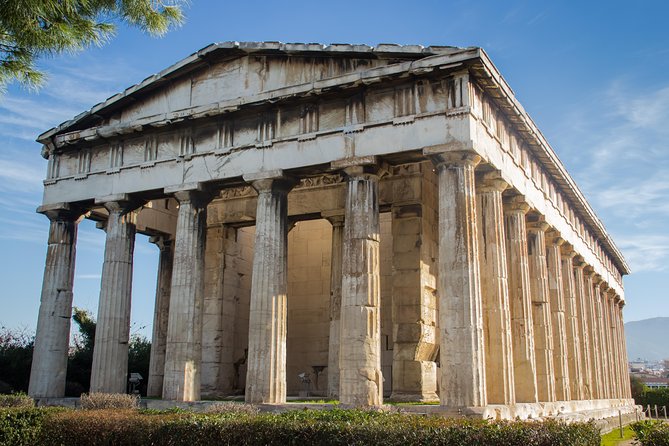
_____ was the supreme god
Zeus
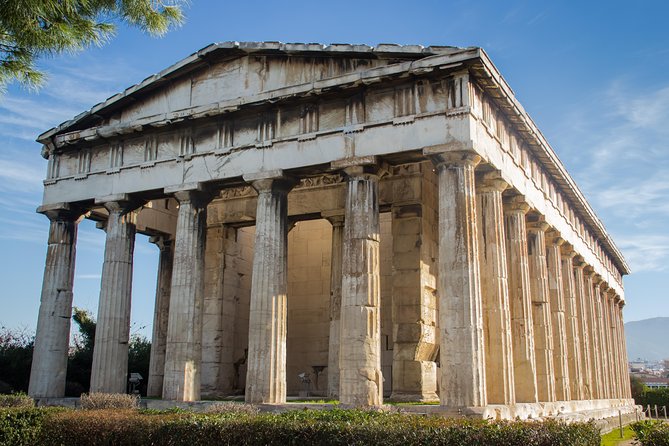
_____ was Zeus’ jealous wife
Hera
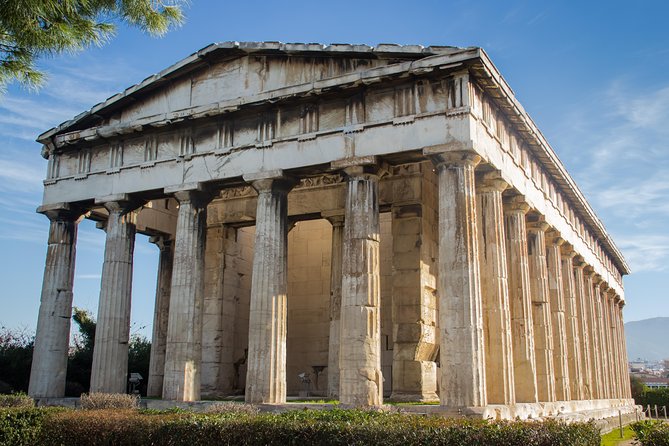
_____ was the god of the dead and the underworld
Hades
These are the three judges of the dead
Rhadamanthus, Aeacus, & Minos
Bad souls were delivered to the
Furies
Great souls were delivered to the
Elysian Fields
The average person ended up in
Hades
_____ took souls to Hades via the River Styx
Hermes
This was the passageway between the living and the dead
River Styx
The ferryman of the River Styx was known as
Charon
A coin, or _____, was placed in the mouth of the deceased to pay the ferryman for the journey
obol
_____ was the god of wine/ecstasy/fertility
Dionysius
_____ was practiced when bodies couldn’t be returned home
cremation
Human sacrifices to appease Gods were known as
suttee
Funeral preparation was done by who?
female family and children
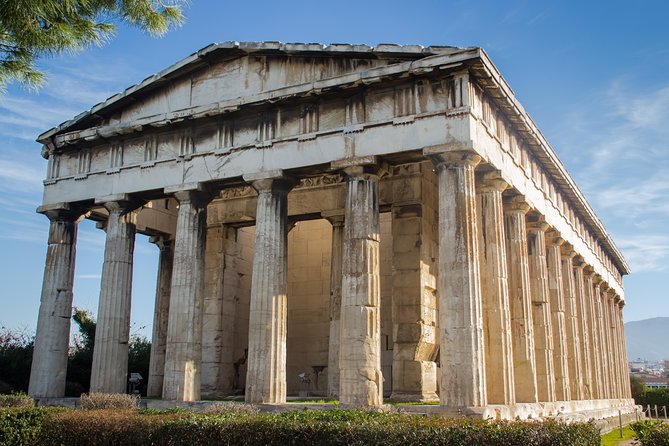
This type of Greek tomb is an upright slab of stone
Stelae
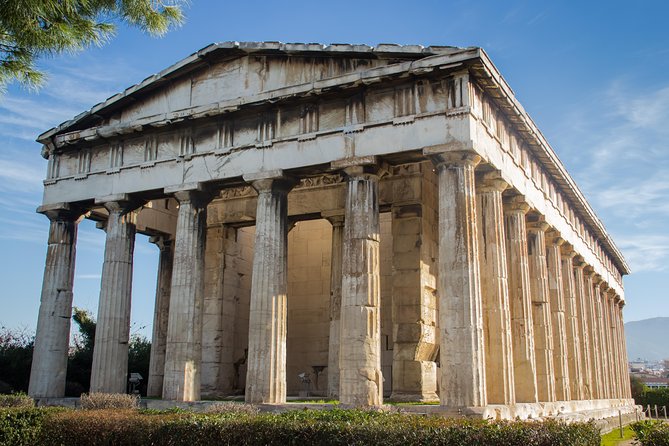
This type of Greek tomb has columns
KionesT
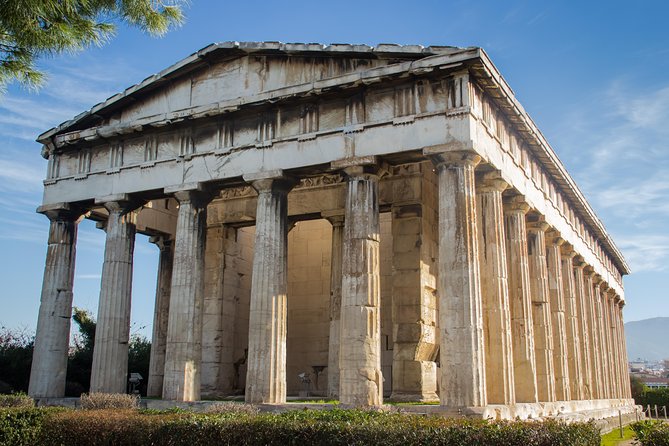
This type of Greek tomb is square cut
TrapezaeT
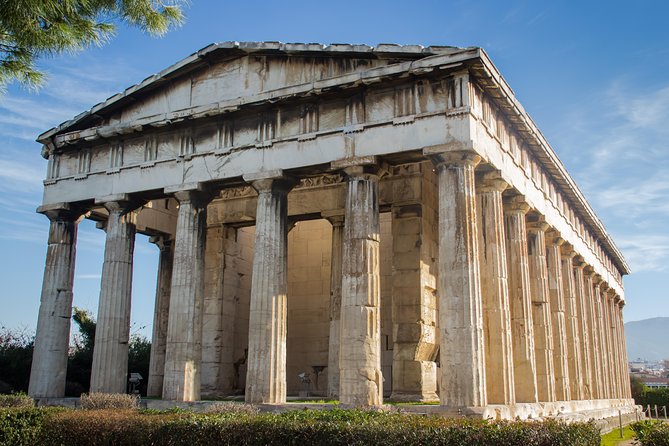
This type of Greek tomb is a temple-like building
Naidia
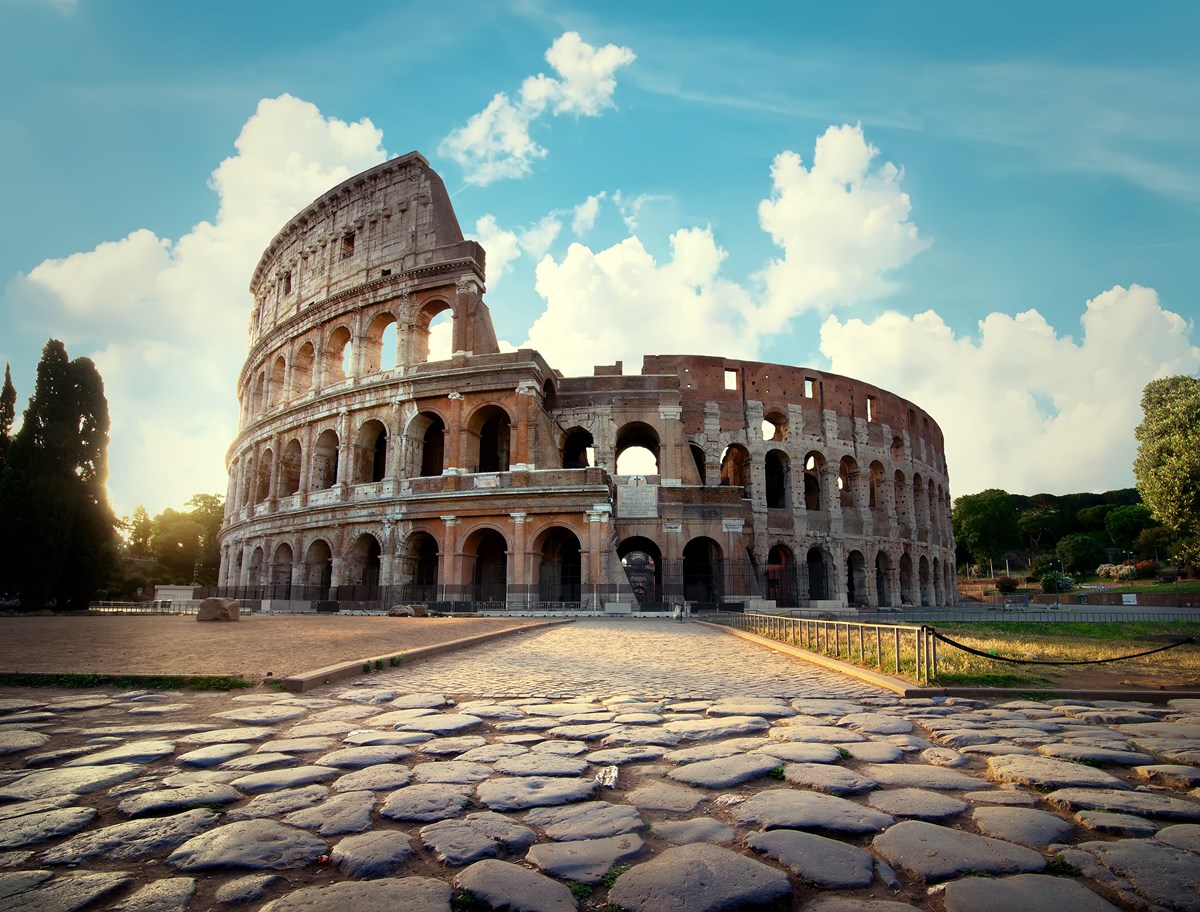
Rome was known as the first _____ society
secular
This is the belief that all things have a soul and that the soul is the vital principle
animism
This philosopher believed that atoms just disintegrated upon death
Epicurus
In Roman culture, there was no incentive to be _____
good
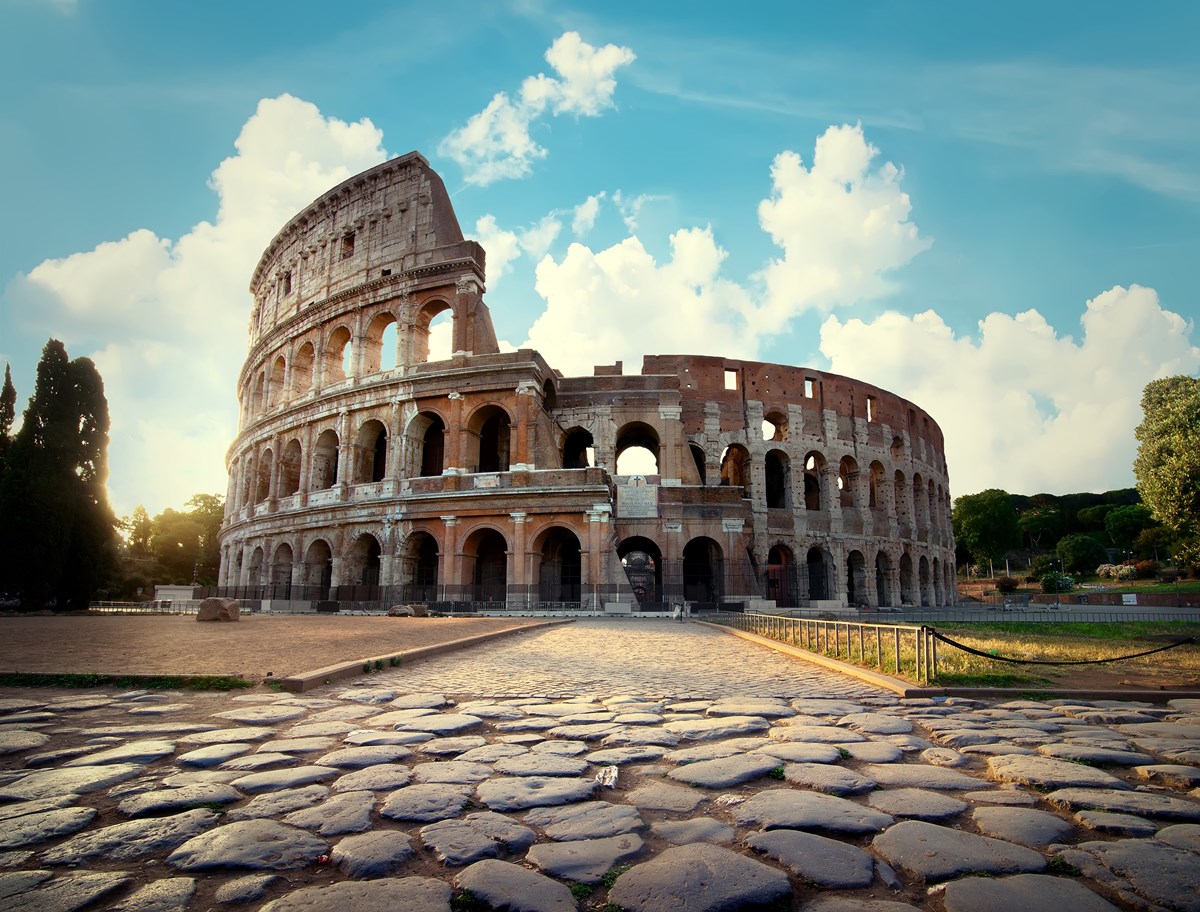
A declaration, made by a government or ruler and states, that members of a given religion will not be persecuted for engaging in their religious practices and traditions and that all people deserve a proper burial
Edict of Toleration
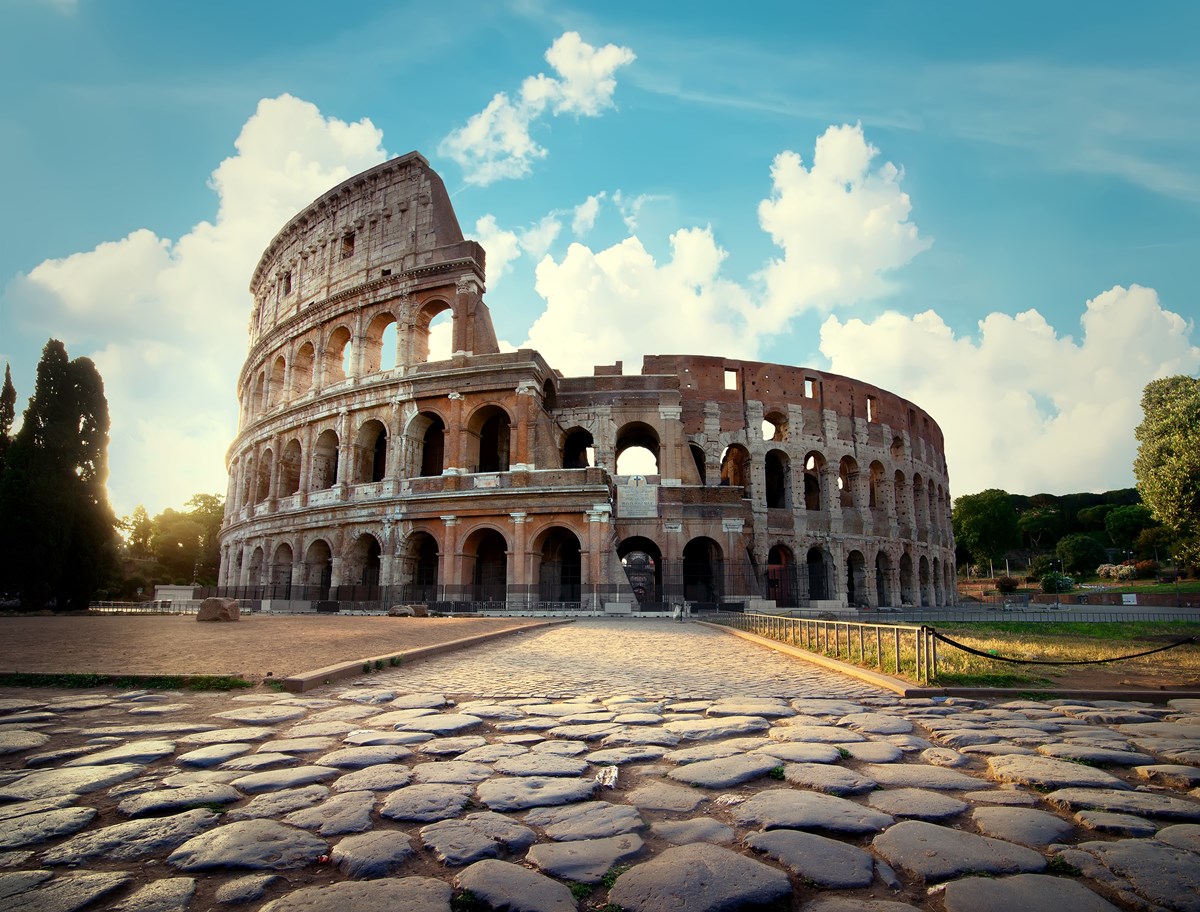
Who made the Edict of Toleration?
Constantine the GreatW
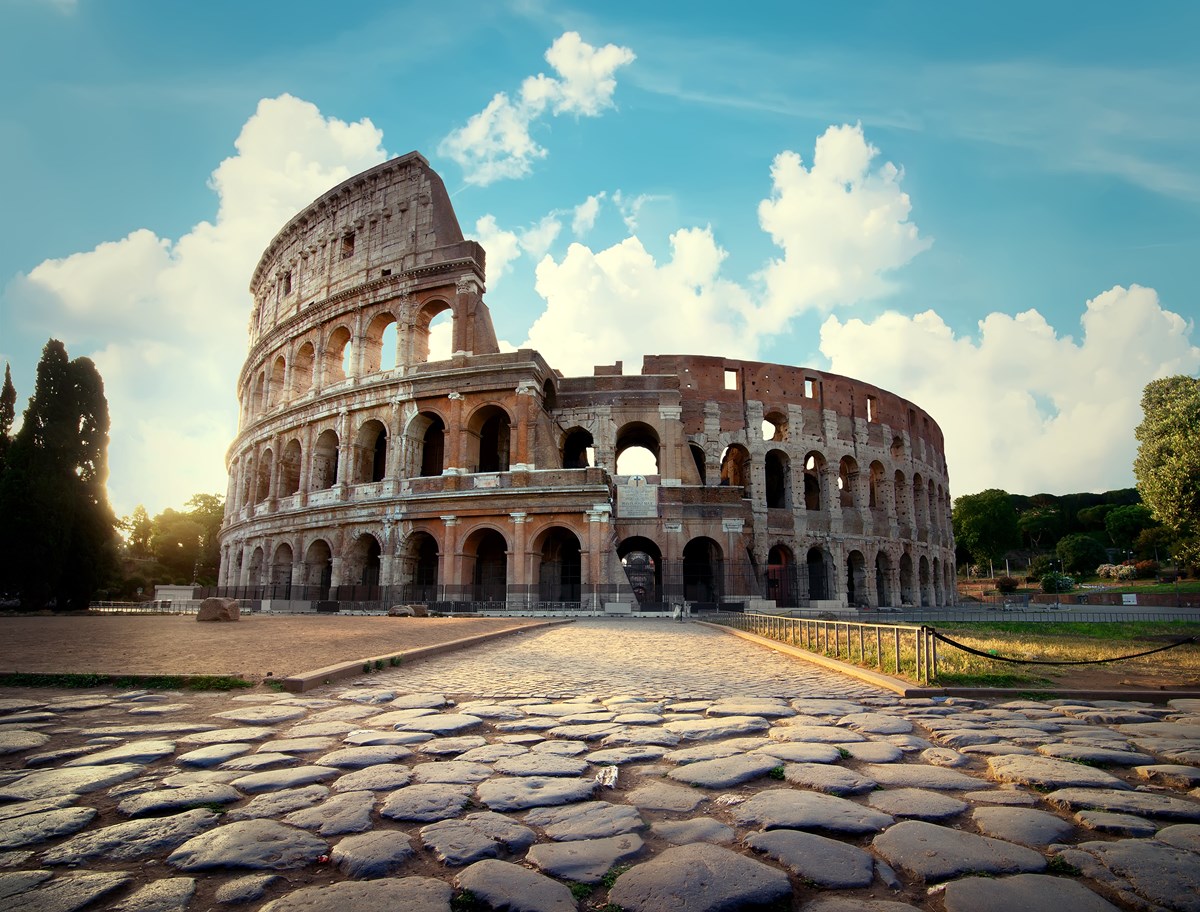
When was the Edict of Toleration made?
300 AD
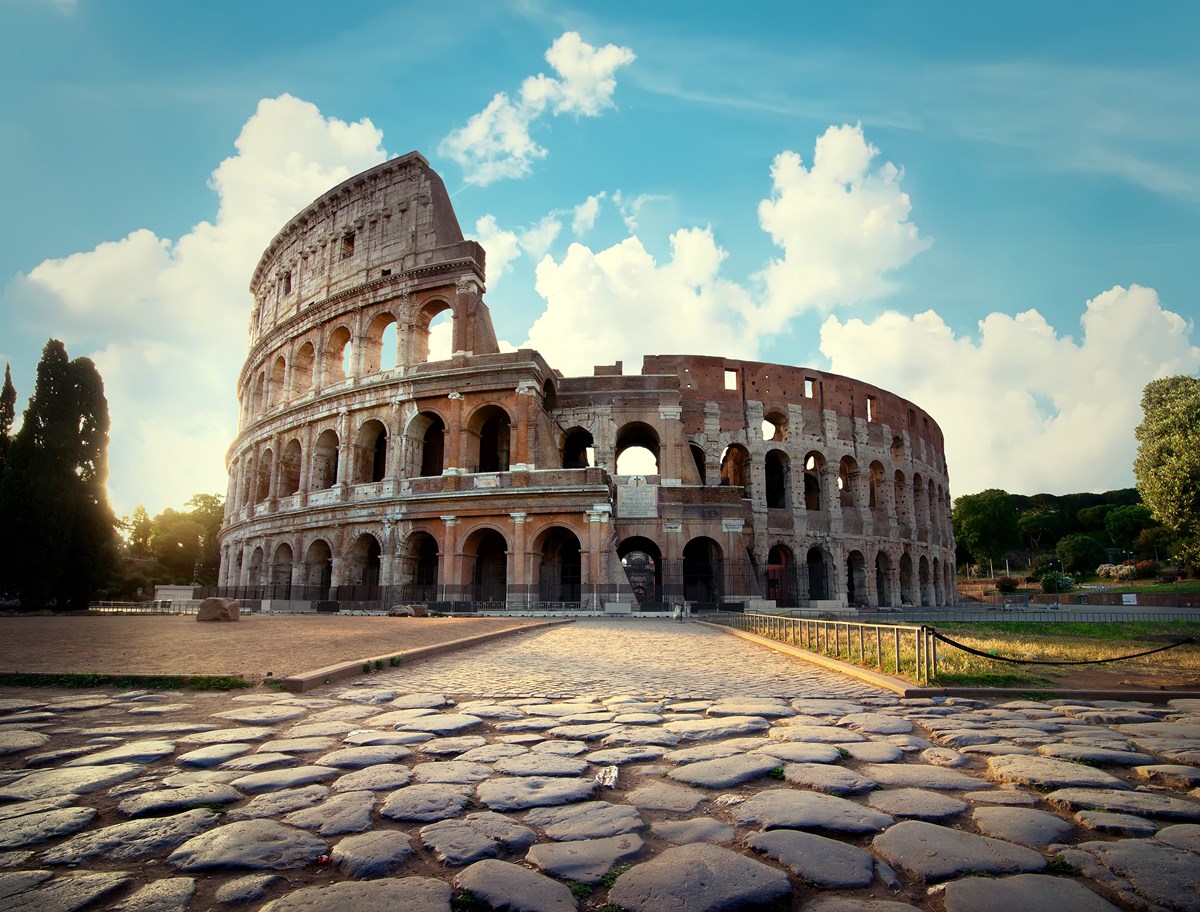
Cremation was normal _____ the Edict of Toleration
before
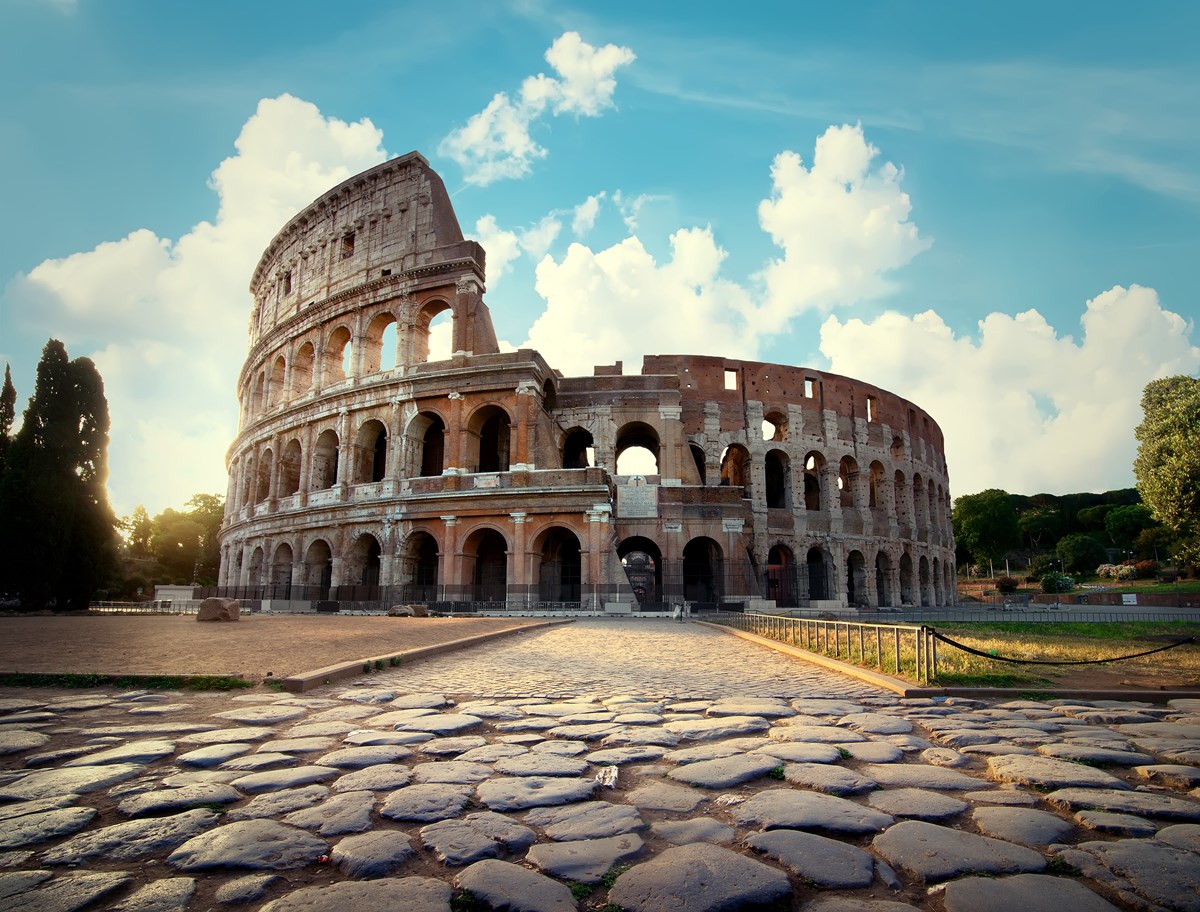
The Romans placed cremated remains in _____
columbaria
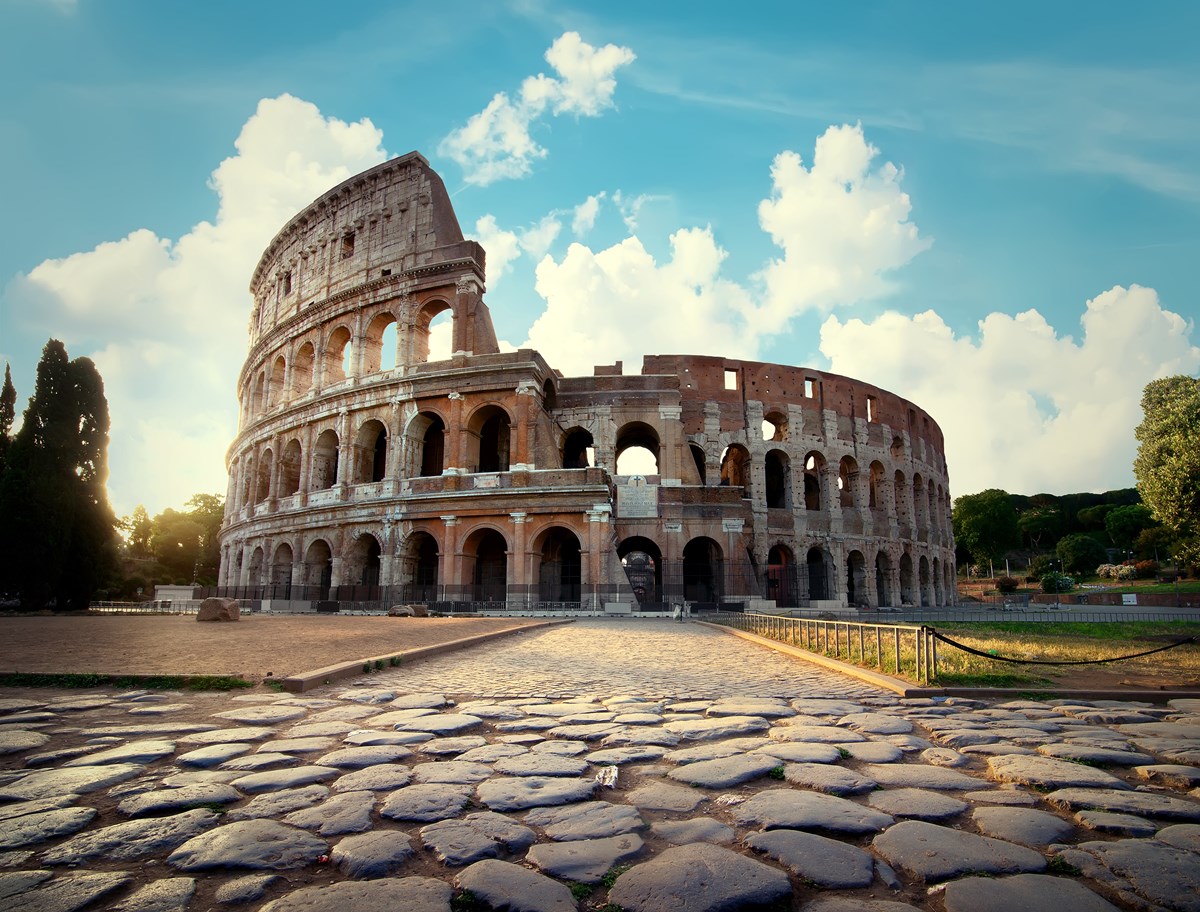
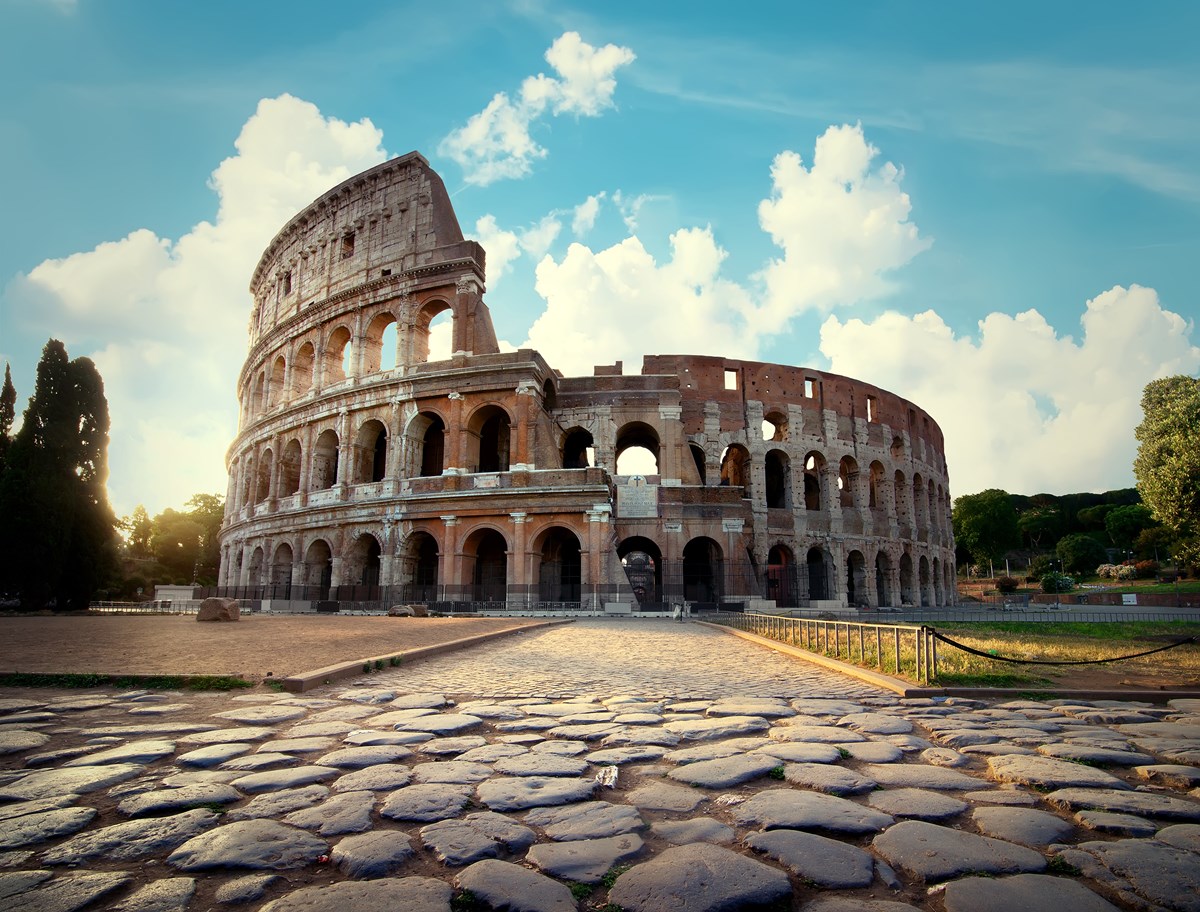
This means burial ‘outside the city walls’
extramural burial
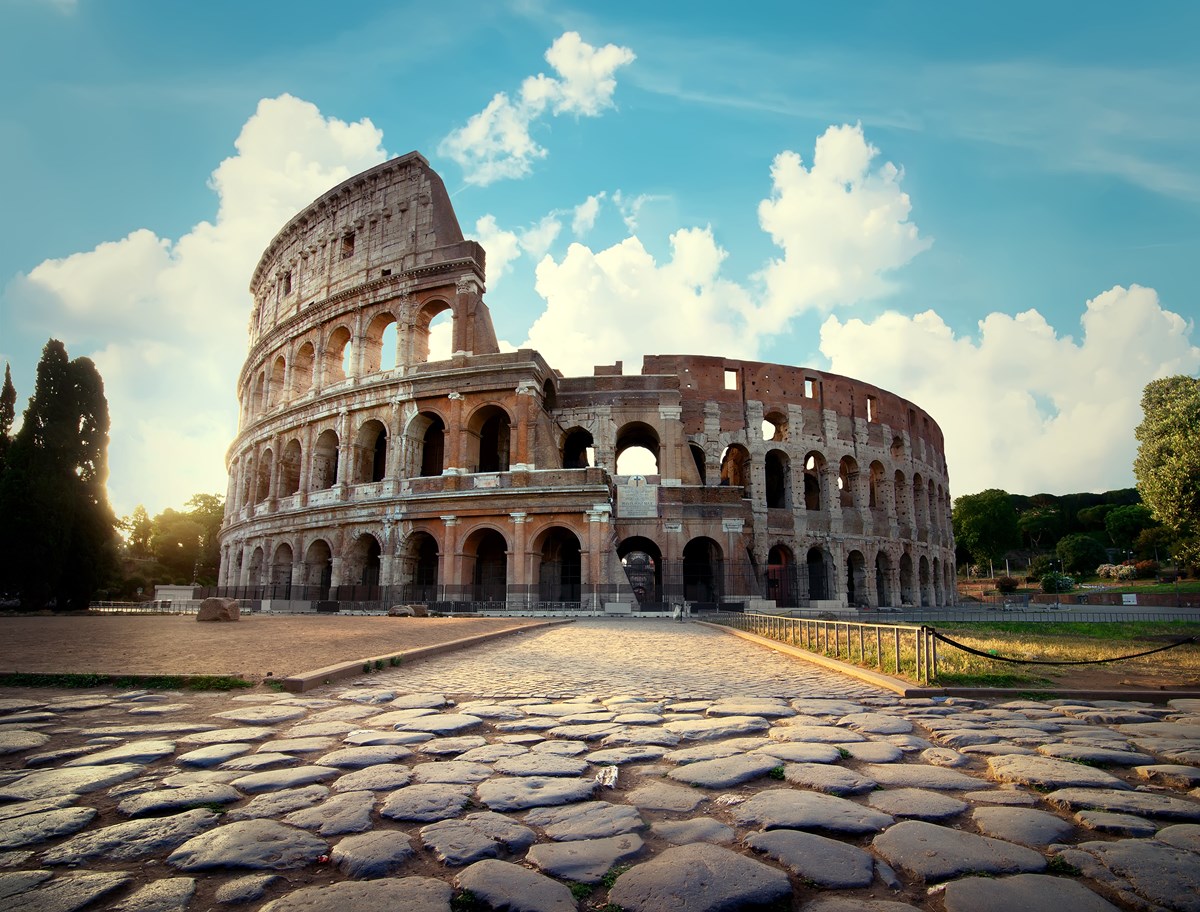
_____ was the goddess of corpses and funerals
Libitina
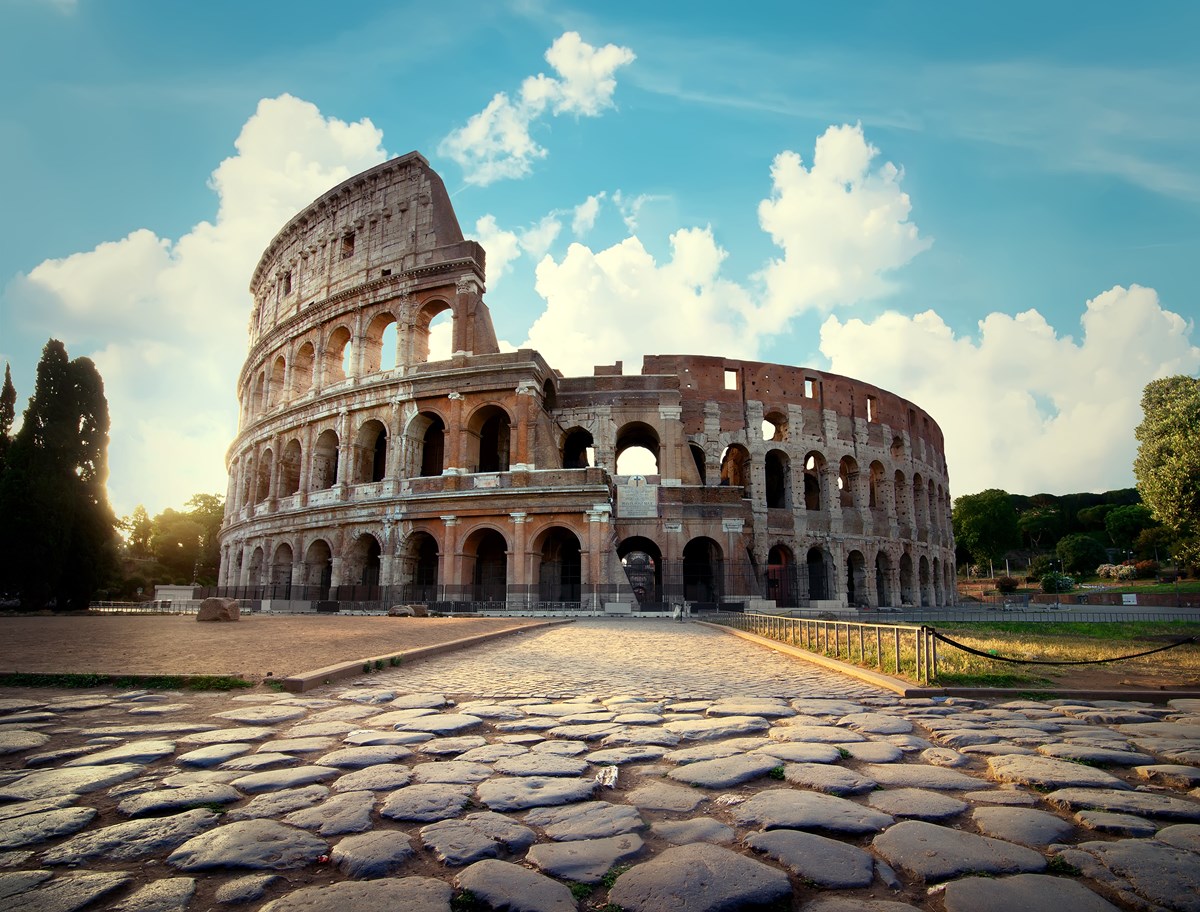
_____ was the Roman equivalent of the head undertaker, first secular funeral director and businessman
Libitinarius
_____ was the roman word for embalmers
pollinctores
The _____ was the master of ceremonies and director of funeral procession
designator
The _____ was the death crier
praeco
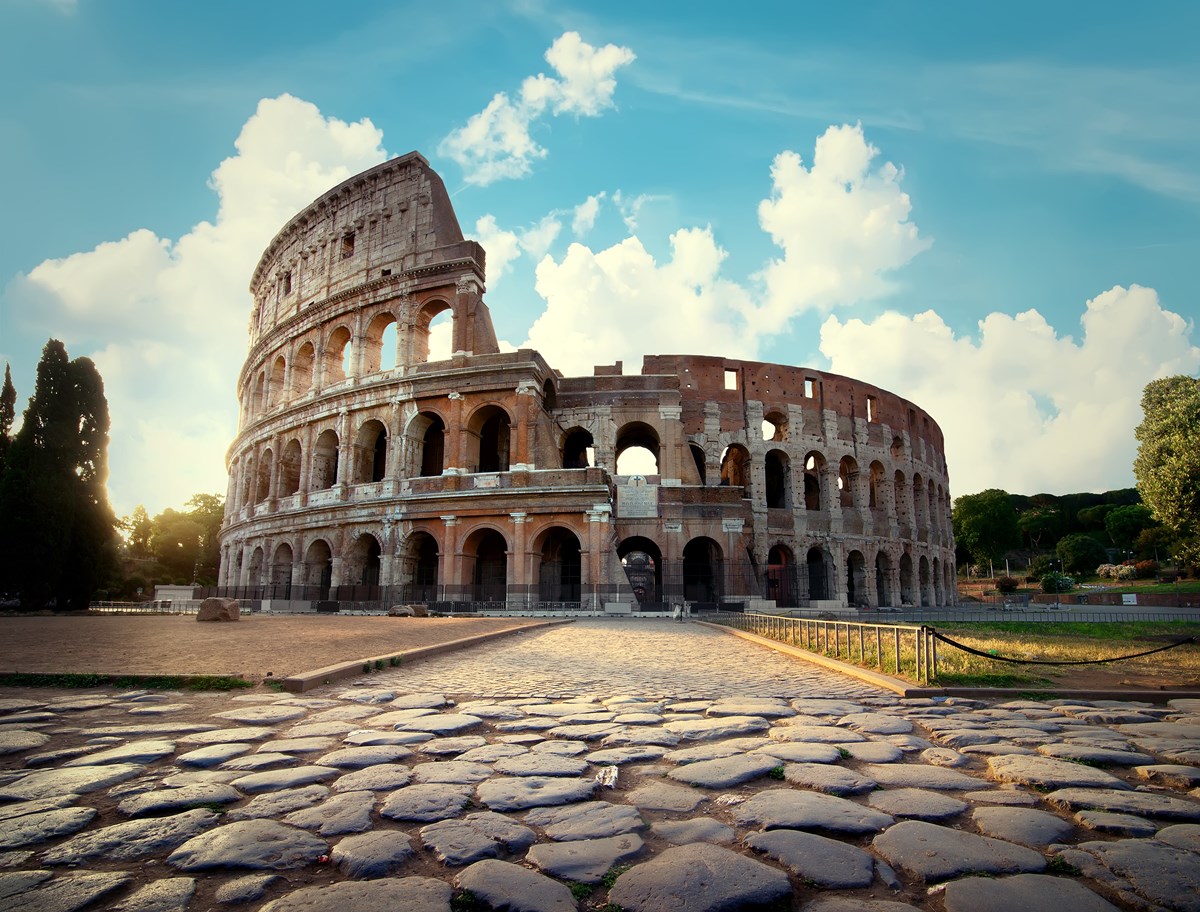
A torchlight procession was known as
Funeralis
Sad funeral songs were called
dirges
Calling out for the dead was called
conclamatio mortis
Constantine enacted these types of laws that prevented overcharging of funeral paraphernalia and prohibited excessive funerary spending
sumptuary
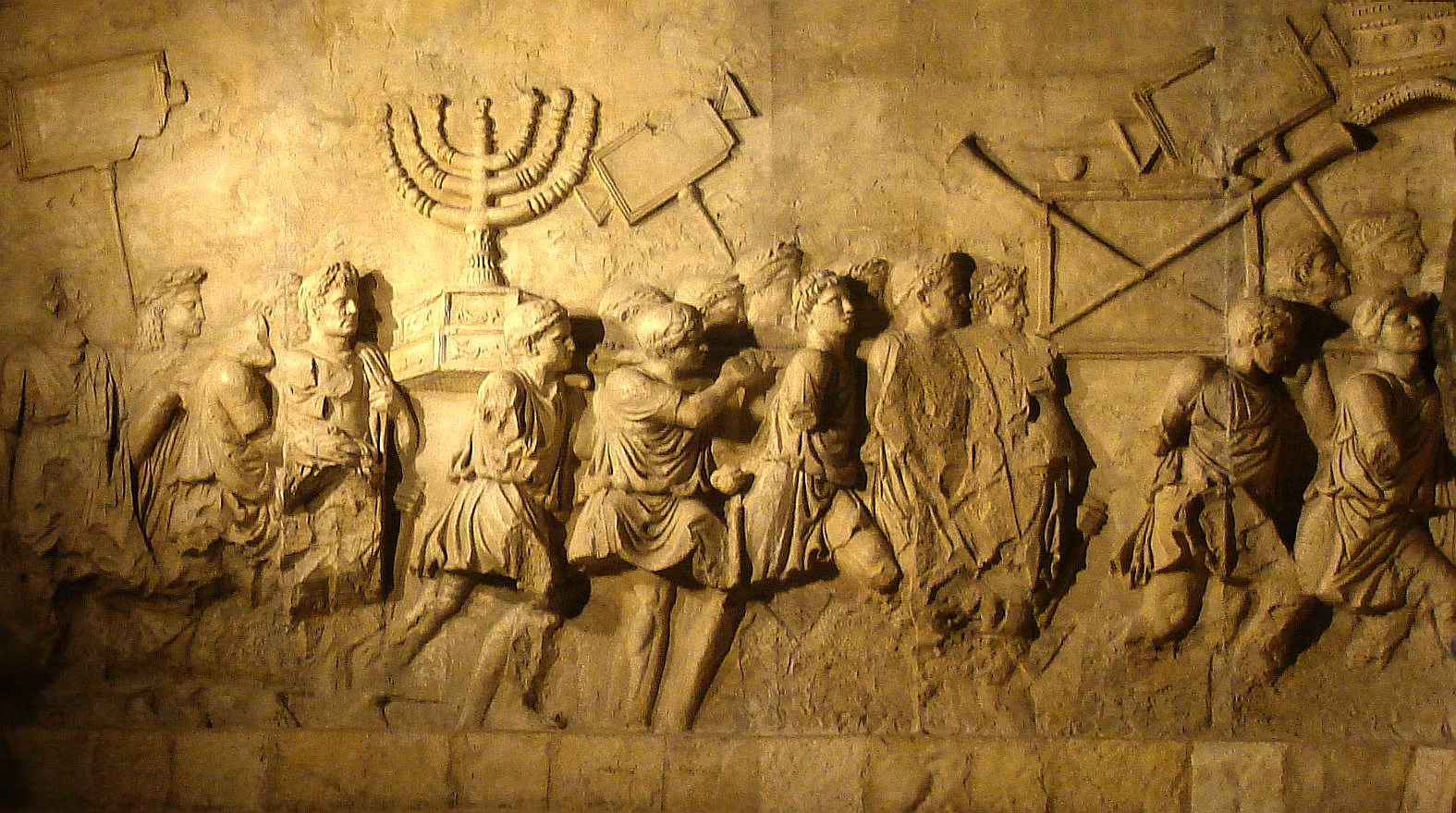
_____ means ‘flesh’ and is one of two elements that composes man
basar
_____ means ‘breath’ and is one of two elements that composes man
nefesh
Shadowy afterlife was spent here
Sheol
Occasional but rare _____
embalming
_____, sometimes trained community members, took charge of preparing the body
women
rending the garments in mourning
K’riah
7 days of formal mourning
Shiv’ah
first full month of mourning
Sh’loshim
1 year anniversary of death
Yahrtzeit
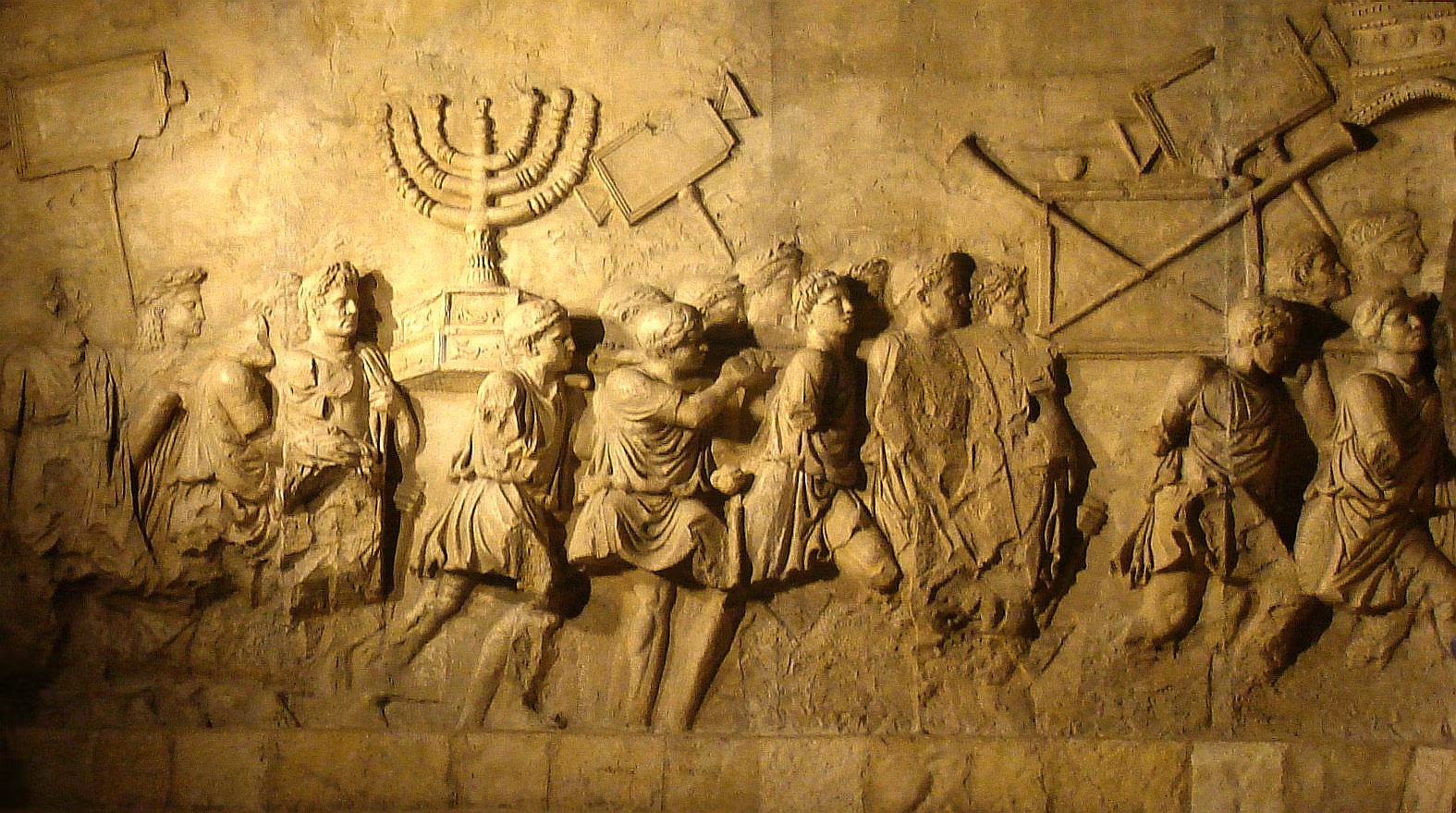
In the Jewish faith, funerals are prohibited on the _____
Sabbath
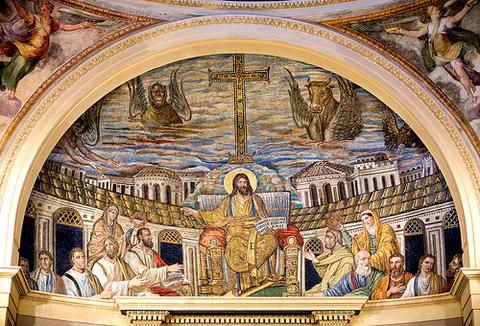
_____ taught the infinite and equal value of every soul
Christ
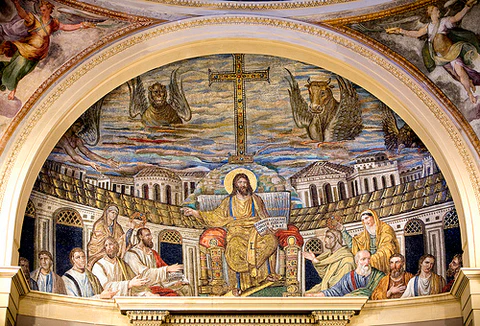
The hope of Christianity is the _____
resurrection
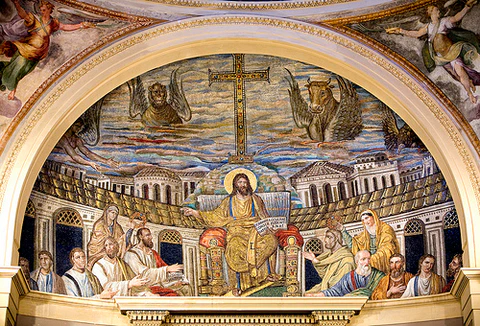
Only in extreme circumstances of _____ were bodies cremated
disease
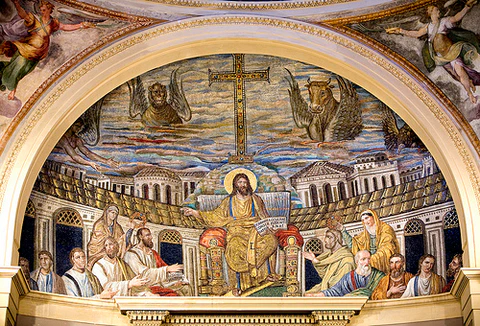
This word means ‘sleeping place’
cemetery
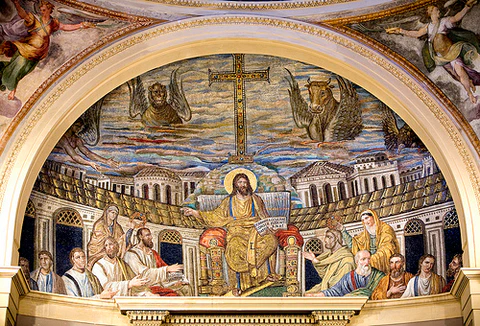
Early _____ laid down requirements for simple burial
Canon Law
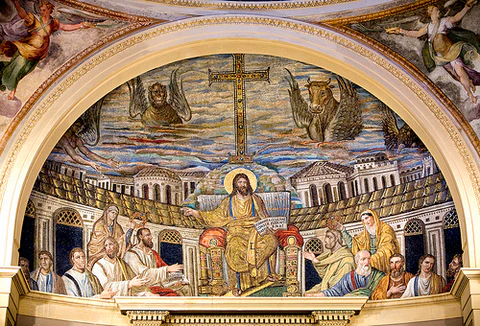
The Christian _____ broke Jewish barriers as Christians touched the dead for the first time
Kiss of Peace
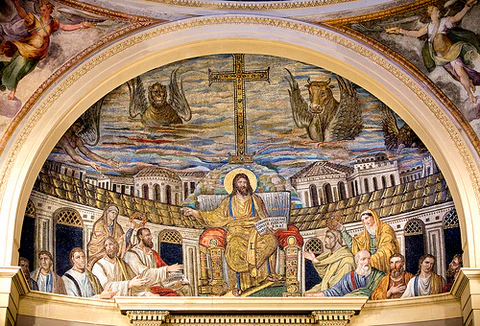
The _____ was meant to ensure that the deceased was not alive
wake
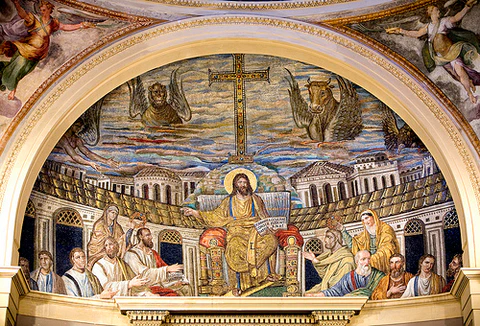
In _____ the poor would pool money to pay for funerals
burial clubs
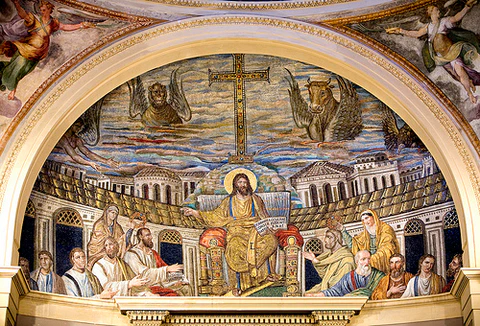
Changing viewpoints in the church leads to the _____
Reformation
 Note
Note  Flashcards (35)