AP Bio Unit 5
 Studied by 1 person
 Call Kai
 Learn
Learn Practice Test
 Spaced Repetition
 Match
Match Flashcards
 Knowt Play
1/48

Earn XP
Description and Tags
Name | Mastery | Learn | Test | Matching | Spaced | Call with Kai |
|---|
No analytics yet
Send a link to your students to track their progress
49 Terms
Diploid
2n; has two homologous chromosomes for each number
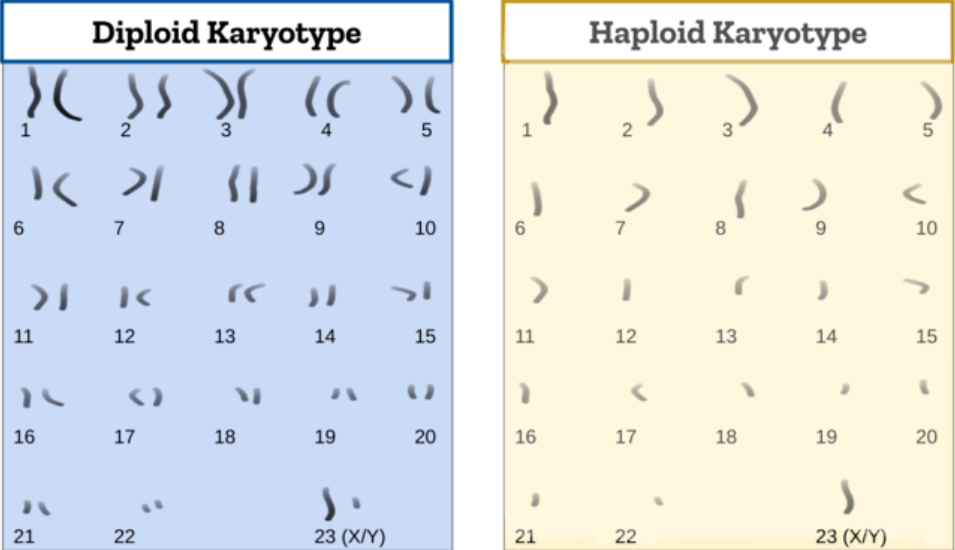
Haploid
n; has only one chromosome for each number
Polyploidy
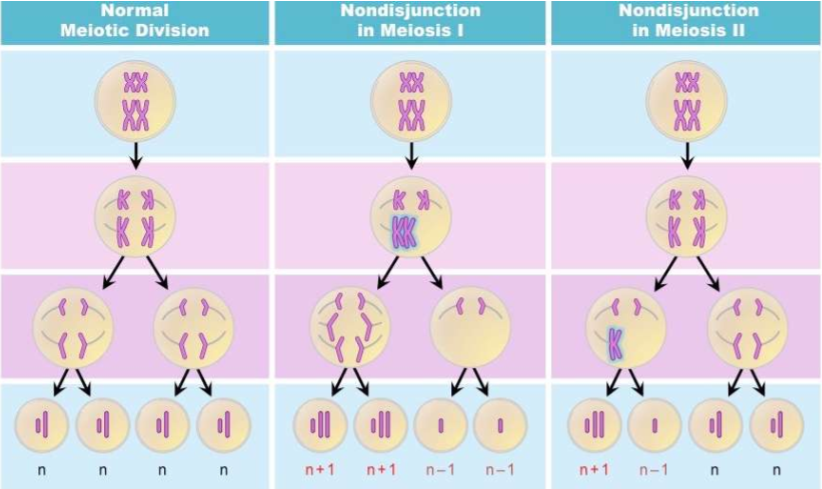
3n/4n; product of a diploid gamete and a haploid/diploid gamete; common among plants, typically lethal in animals
Order of genotypic/phenotypic ratio (only one gene)
Homozygous dominant : heterozygous : heterozygous recessive
Order of phenotypic ratio (two genes)
Dominant x2 : Dominant/recessive : Recessive/dominant : Recessive x2
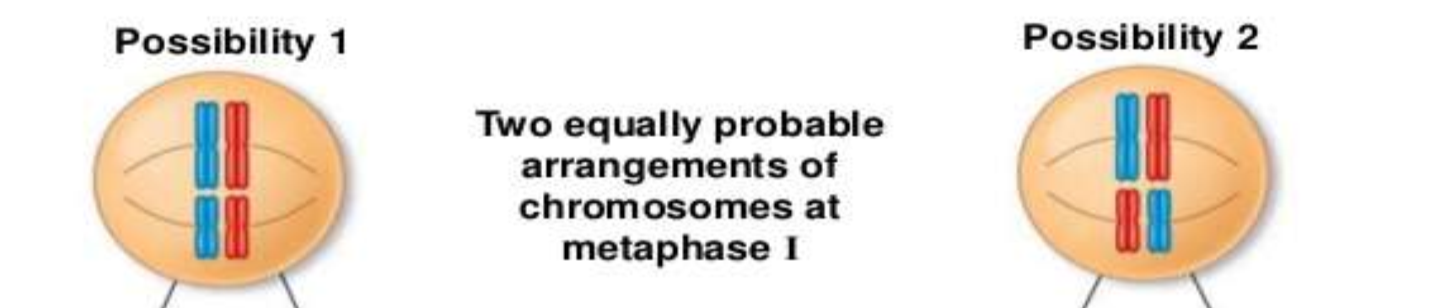
Mendel’s Law of Segregation
The two different alleles from one parent get separated into different gametes, so the offspring has the chance of inheriting either one, but only one
Phenotypic ratio of a dihybrid cross between two heterozygotes
9:3:3:1
Linked genes
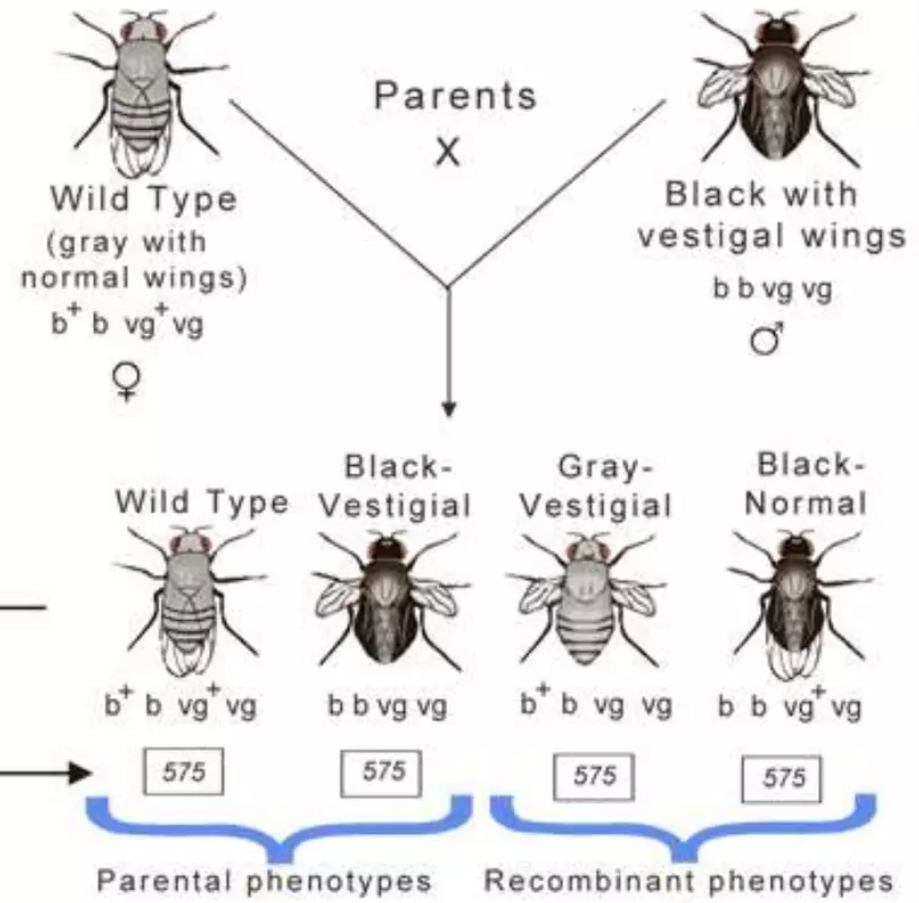
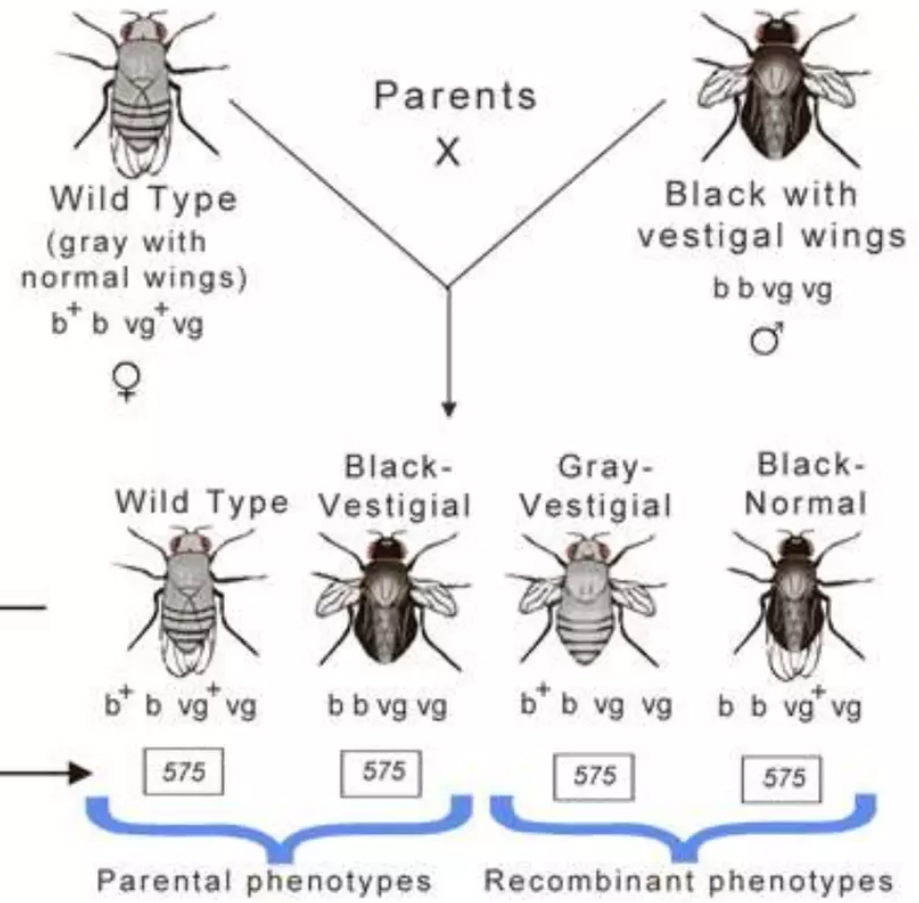
Two genes located close together on the same chromosome; because of this, they are often inherited together, causing mostly parental type offspring
Parental type offspring
Offspring who have the exact same phenotype for specific traits as one of their parents
Recombinant type offspring
Offsprings who mix phenotypes of both of their parents
Autosomal dominant trait + pedigree
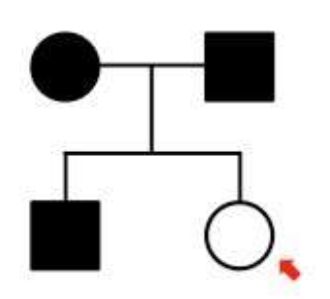
A normal trait (from chromosome 1-22) that is dominant
Autosomal recessive trait + pedigree
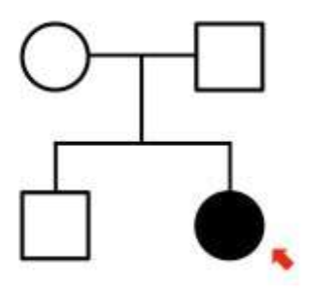
A normal trait (from chromosome 1-22) that is recessive
X-linked trait
A trait linked to the X chromosome; aka sex-linked chromosome
X-linked dominant trait + pedigree
An X-linked trait that is dominant - affects mostly women because women get two X chromosomes but only need one dominant X-linked allele to show the trait
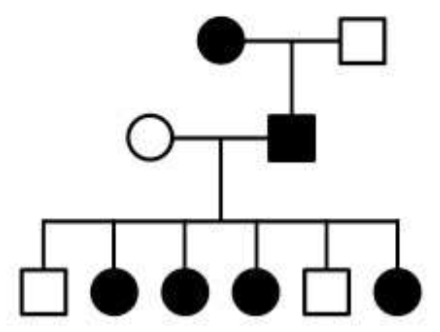
X-linked recessive trait + pedigree
An X-linked trait that is recessive - affects mostly men because men get only one of their mother’s X chromosomes, meaning they need only one X-linked recessive allele to show the trait
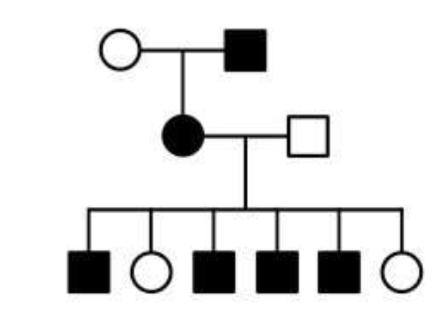
Strategies to figure out inheritance pattern from a pedigree
See if sexes are disproportionately affected and if they are, which one (shows autosomal vs x-linked dominant vs x-linked recessive )
See if unaffected parents can produce an affected offspring (if they can, it is autosomal recessive and both parents must be heterozygous)
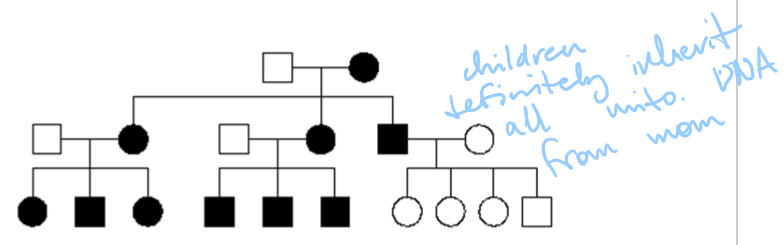
Mitochondrial Inheritance Pattern
Genes inherited solely from mitochondrial DNA; follows a maternal line because you get all mitochondria from your mom
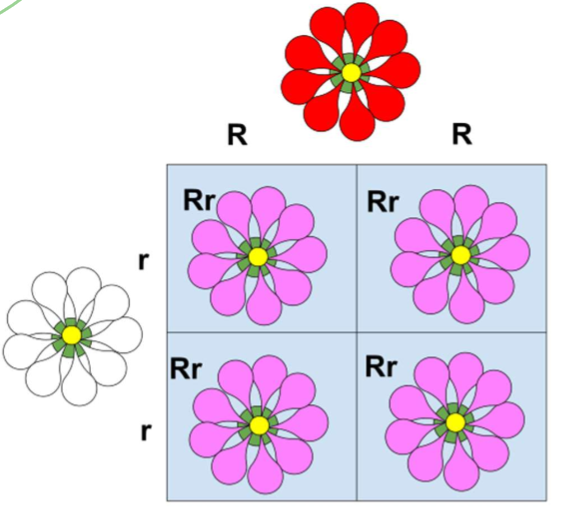
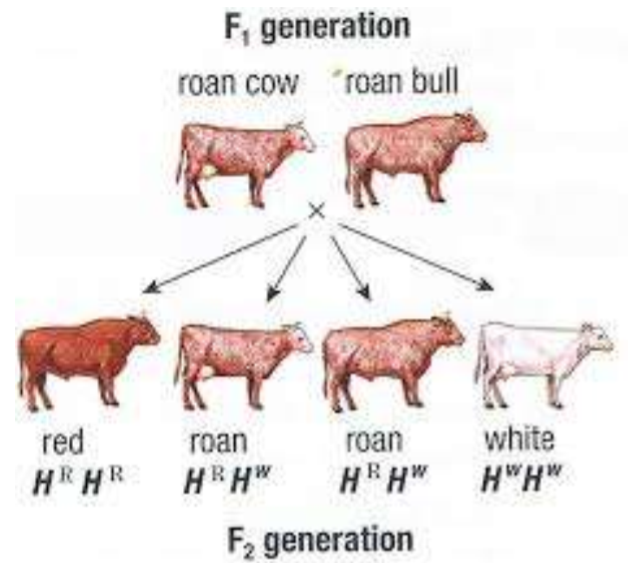
Incomplete dominance
One allele is dominant, but not completely; heterozygotes have a blend of both alleles in phenotype
Codominance
Both alleles are dominant; heterozygotes show both distinct alleles in phenotype
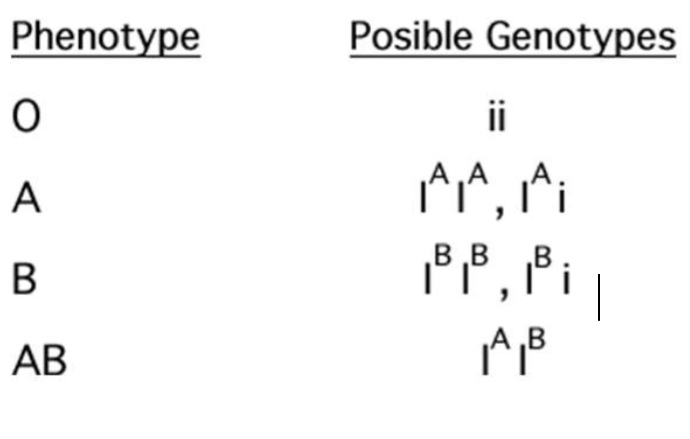
Blood type inheritance pattern
Basic blood type A/B/O has three genes: IA, IB, and i
IA and IB are codominant, and both are dominant over i
Each combination has a different phenotype
A-type blood
A antigens
Anti-B antibodies
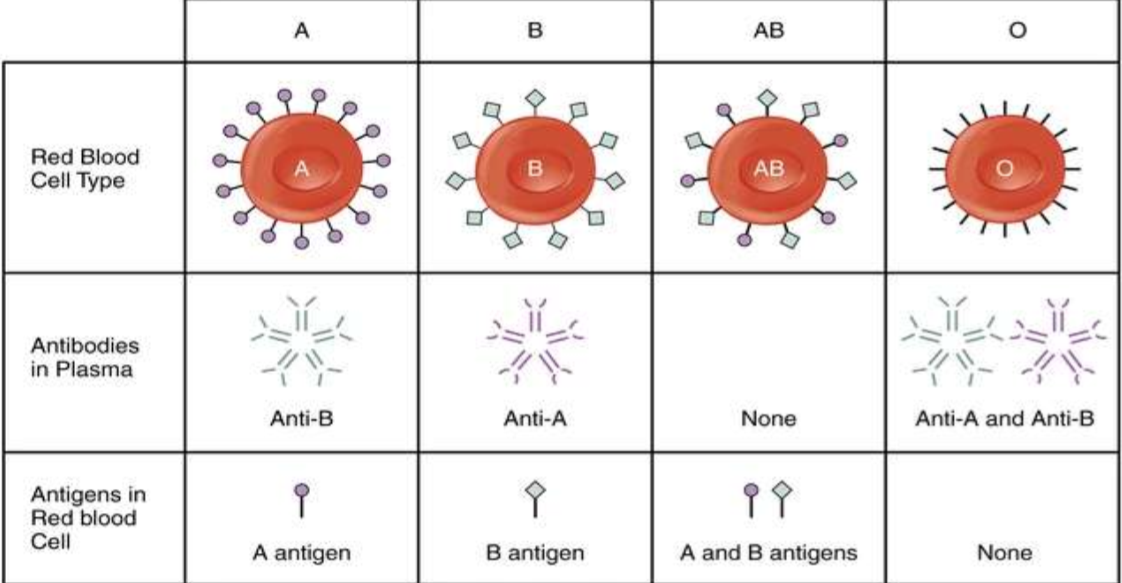
B-type blood
B antigens
Anti-A antibodies
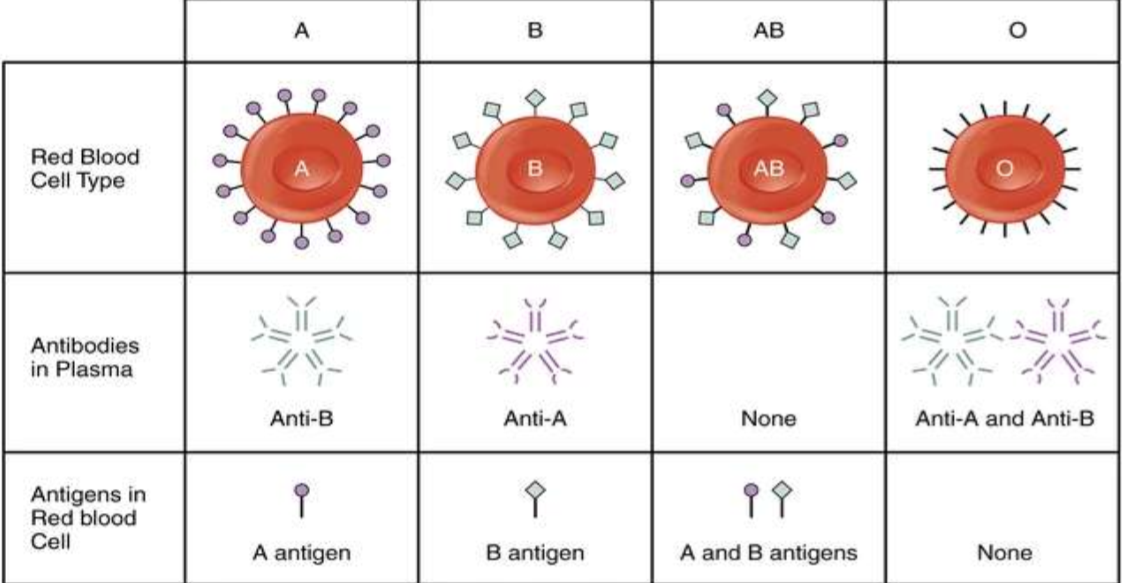
AB-type blood
A and B antigens
No antibodies (because they would attack the blood cell antigens)
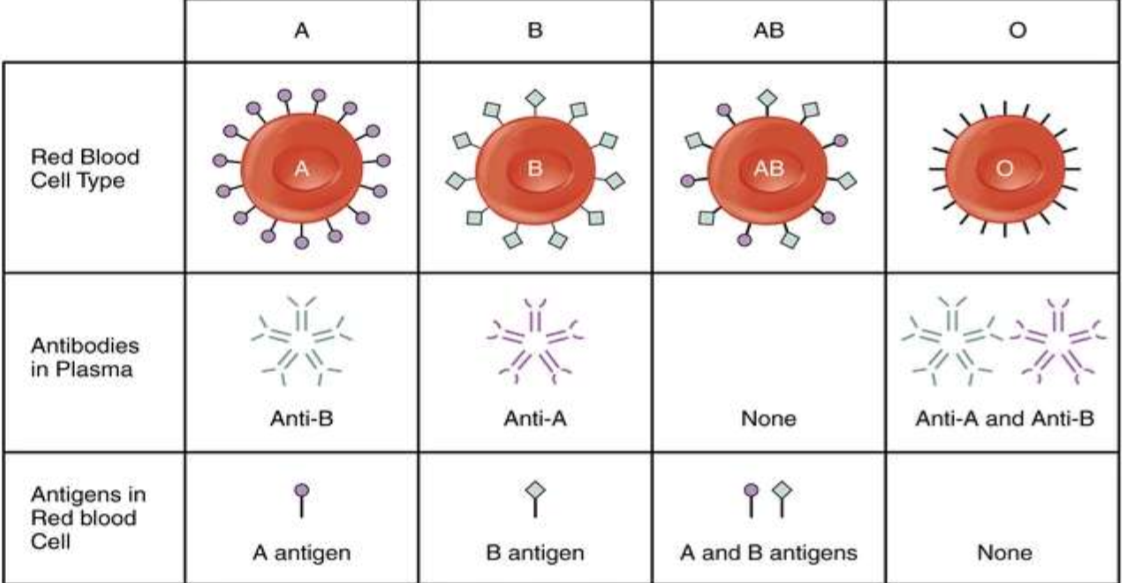
O-type blood
No antigens
Anti-A and anti-B antibodies (will not attack blood cells because they have no antigens)
Universal recipient
AB blood; because it has both types of antigens, it will be familiar to all antibodies in all other blood types
Universal donor
O blood; because it has no antigens, it will not be attacked by any antibodies
Rh factor gene
Determines if blood type is positive or negative; follows Mendelian patterns when positive is dominant (R) and negative is recessive (r)
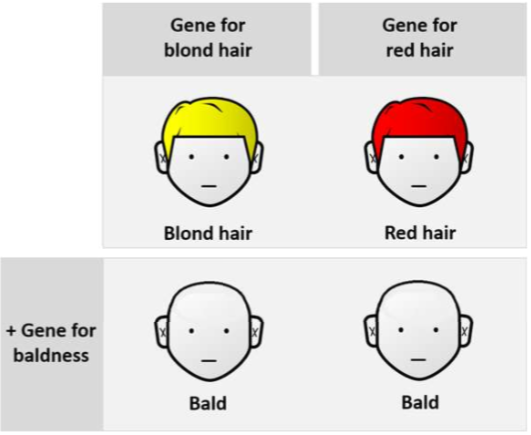
Epistasis
When phenotypic expression of a gene is altered by another, separate gene (in the example, the baldness gene is epistatic to the hair color gene)
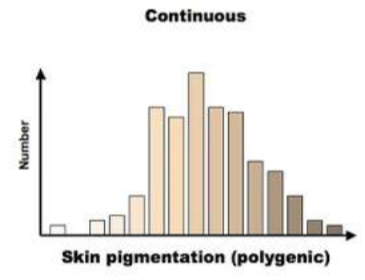
Polygenic inheritance
When multiple genes influence a phenotype (a bell curve in a population is indicative of this)
Nature vs. Nurture
Phenotype depends on genotype as well as environment
Wild type
Phenotype most commonly found in natural populations, shown by w+ (often dominant trait but not necessarily)
XY system
Sex chromosome system where XX = female, XY = male (ex. humans)
X-0 system
Sex chromosome system where XX = female, X = male (absence of second chromosome; ex. grasshoppers)
ZW system
Sex chromosome system where ZW = female, ZZ = male (ex. many birds)
Haplo-diploid system
Sex chromosome system where females are diploid (“normal” development) and males are haploid (formed from single unfertilized eggs through mitosis)
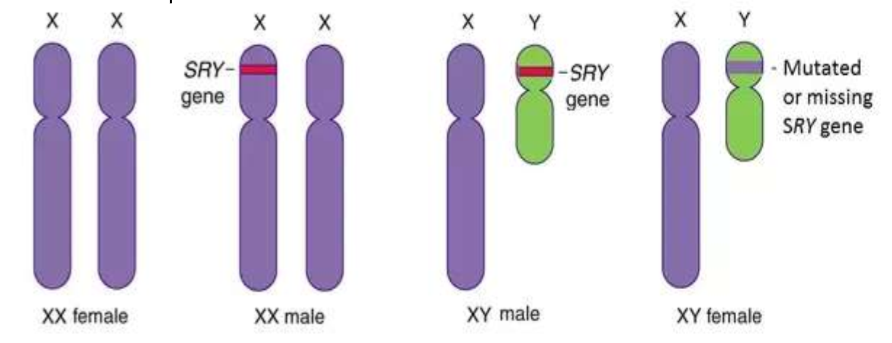
SRY gene
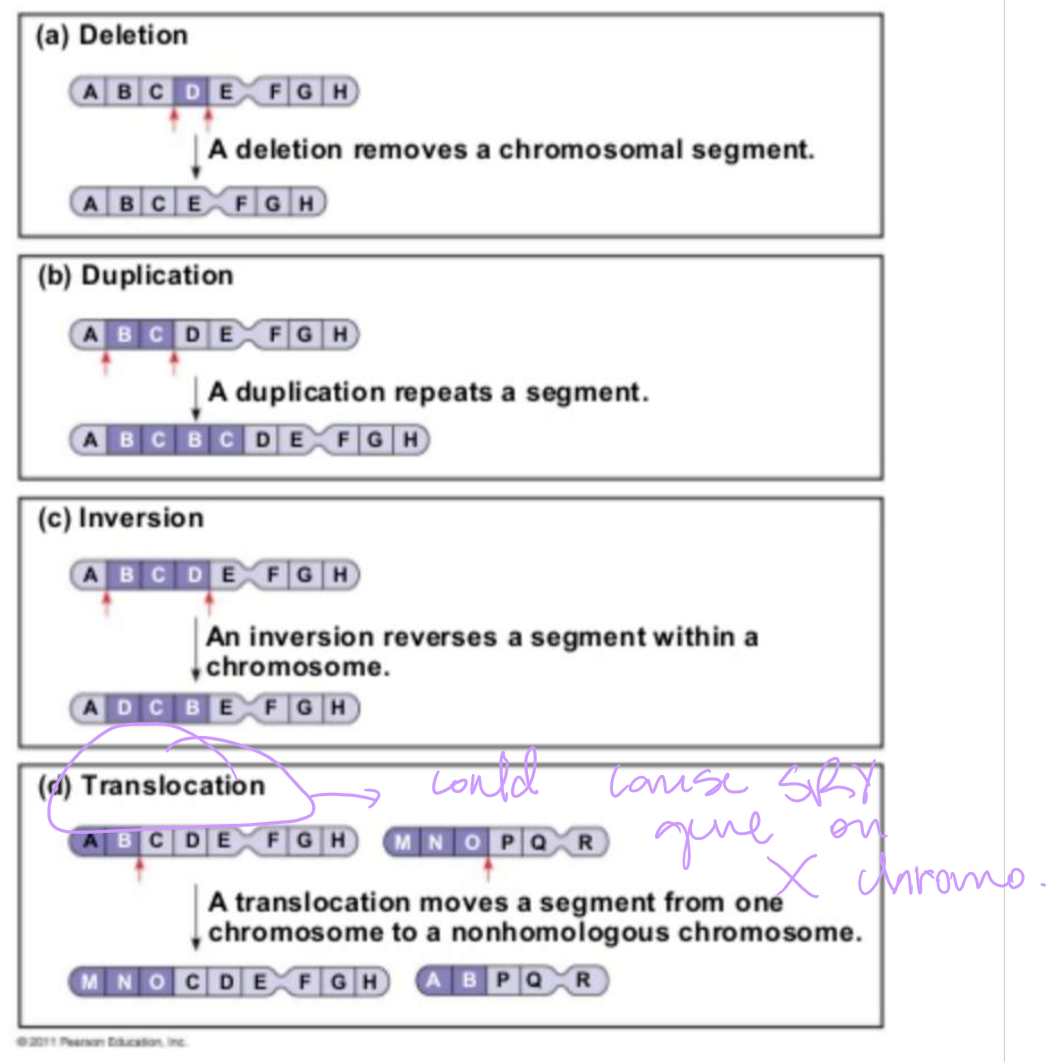
A gene on the Y chromosome that causes one to be biologically male; when it crosses over to the X chromosome it can cause XX males, and when it is mutated, it can cause XY females (both very rare)
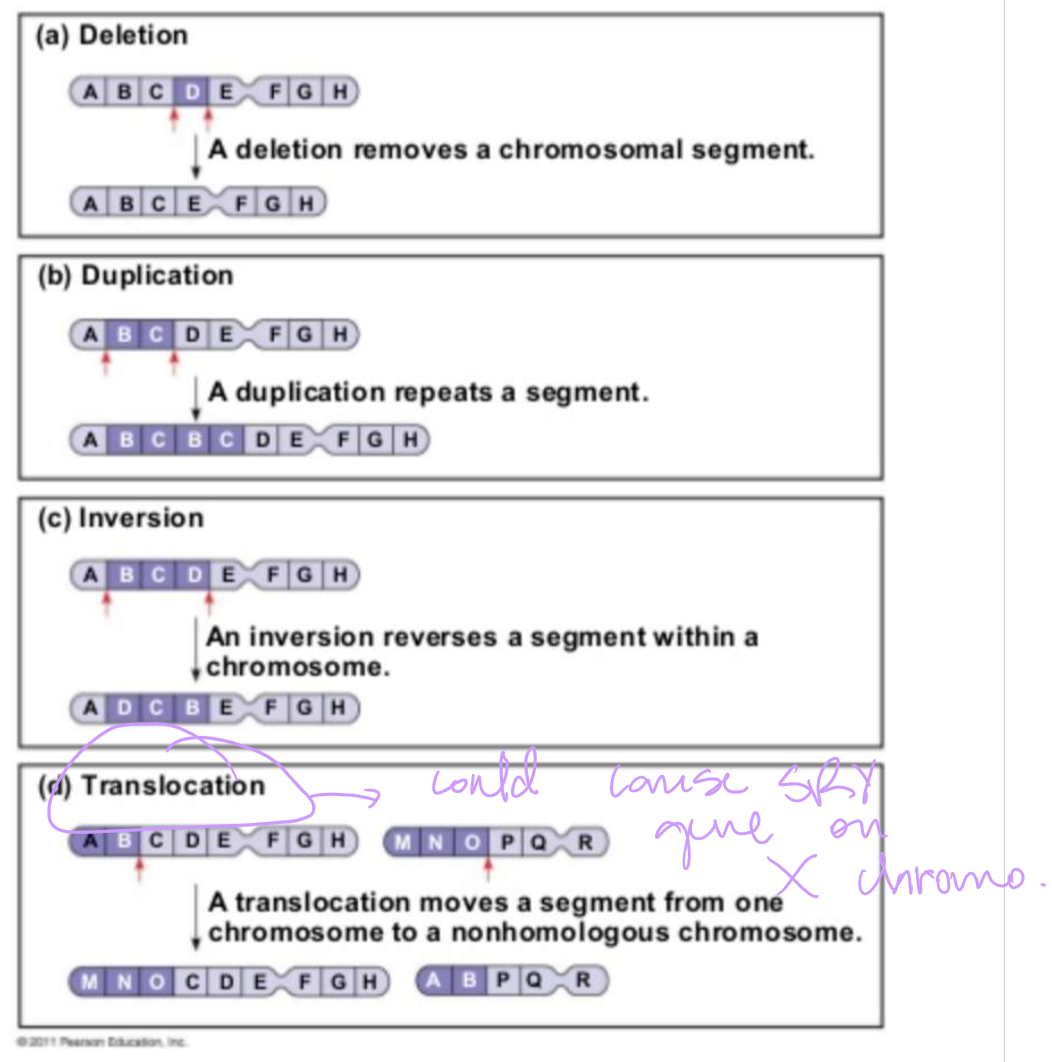
Deletion (and duplication)
When a chromosomal fragment is lost (may be attached to another chromosome, producing a duplication)
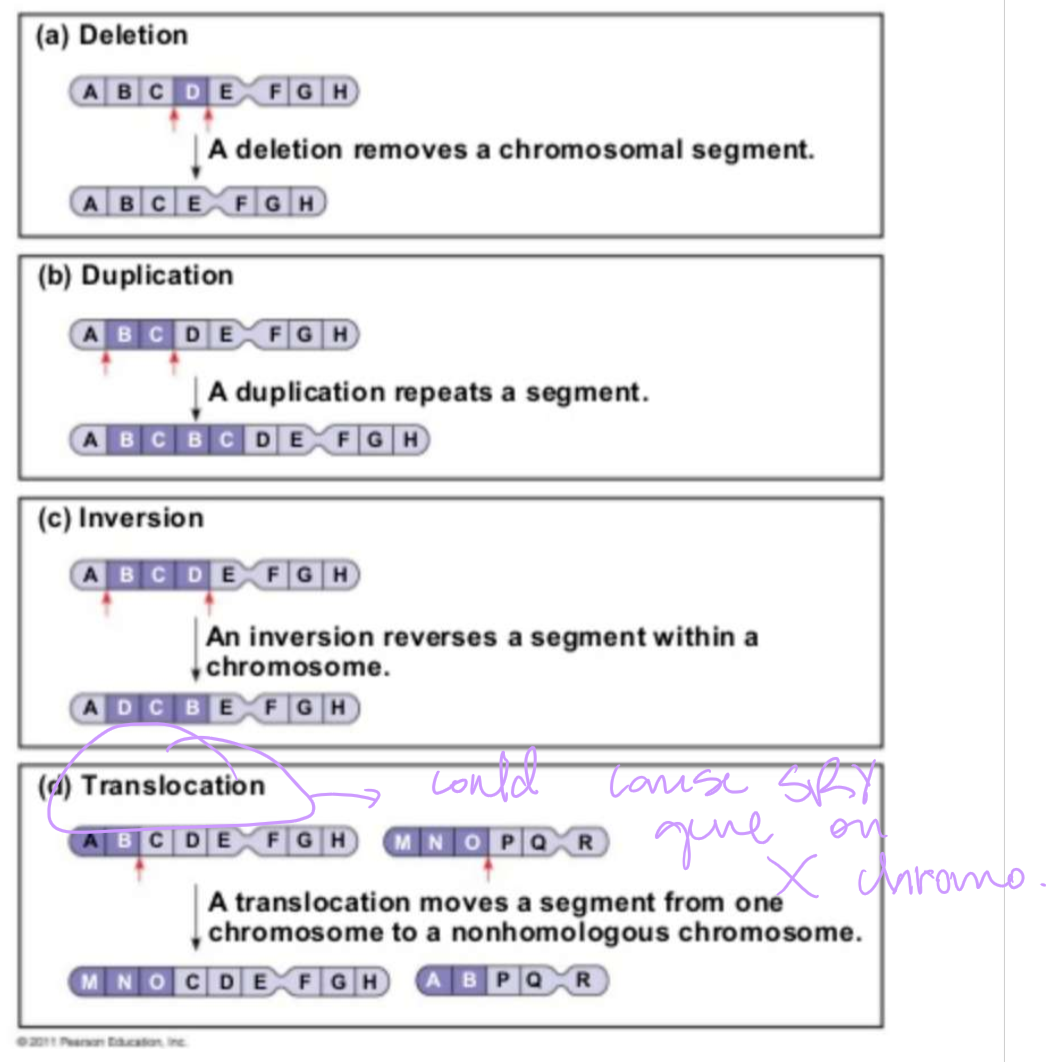
Inversion
Chromosomal fragment is reversed
Translocation
Fragment of a chromosome joins a nonhomologous chromosome
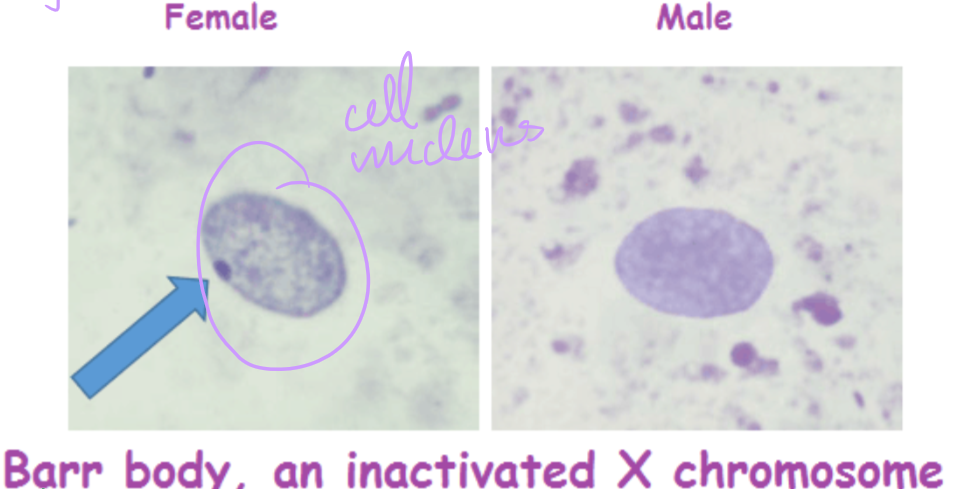
X-inactivation in Female Mammals
One X chromosome is inactivated in females because they have 2, and only need one; each cell will inactivate a different X chromosome, and all cells that descend from that cell will have the same inactivated X
Barr body
Inactivated X chromosome in female mammals that appears dark because it is still in condensed chromosome form
 Note
Note  Flashcards (393)