Number Systems
 Studied by 0 people
 Call Kai
 Learn
Learn Practice Test
 Spaced Repetition
 Match
Match Flashcards
 Knowt Play
1/16

There's no tags or description
Looks like no tags are added yet.
Name | Mastery | Learn | Test | Matching | Spaced |
|---|
No study sessions yet.
17 Terms
Define the Binary Values
1 = True = on
0 = False = off
Define Most significant number/bit
The first character - furthest to the left
Define Least significant number/bit
The last character - furthest to the right
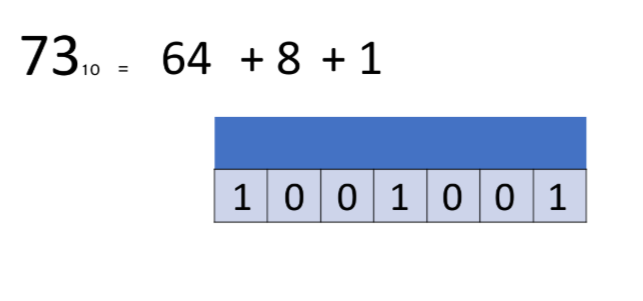
Name this method of conversion
Decimal to binary
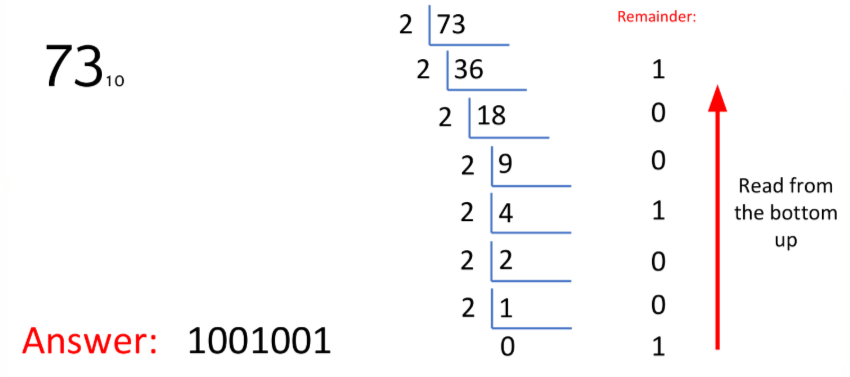
Name this method of conversion
Decimal to Binary
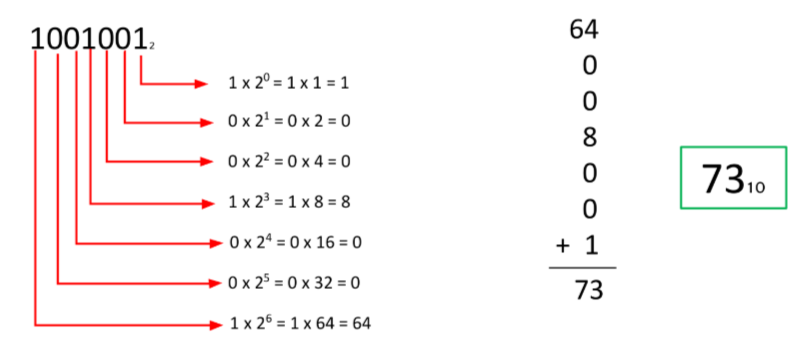
Name this method of conversion
Binary to Decimal
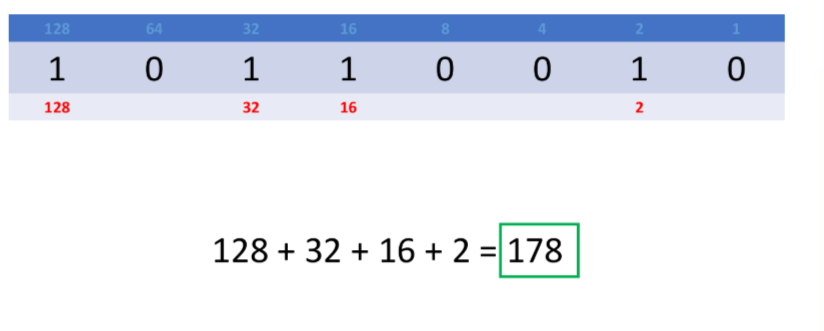
Name this method of conversion
Binary to Decimal
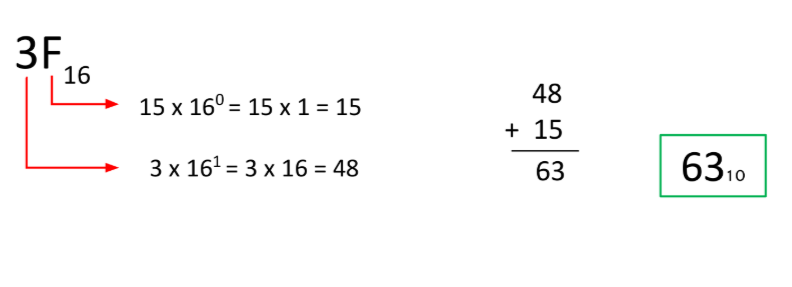
Name this method of conversion
Hexadecimal to Decimal
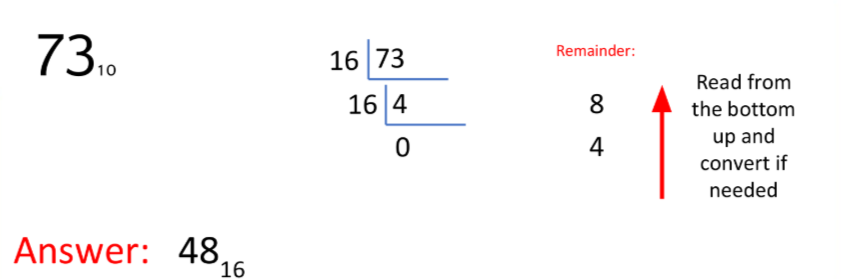
Name this method of conversion
Decimal to Hexadecimal
What precaution must you keep in mind When converting a colour code from hex to decimal?
Break it into 3 pairs and then convert as normal
Name 2 advantages of ASCII
Widely supported and compatible across programming languages
Uses a small amount of space - efficient for storing simple text data
Name 2 disadvantages of ASCII
Only supports 128 characters
Lacks support for non Latin characters
Name 2 advantages of UNICODE
Can represent over 143,000 characters
Can be stored in different formats
Name 2 disadvantages of UNICODE
Can take up more space than ASCII
Some older systems or software may not fully support Unicode
Define UTF-8
A way of encoding characters to Unicode using 8 bits to represent each character
State the importance of ASCII and UNICODE
Provide standard ways for computers to represent characters that are readable by other computers
Differentiate between ASCII and UNICODE
ASCII
Compatibility with Older Systems
UNICODE
Modern software and internet standards
 Note
Note  Flashcards (82)