AHST Final Review
 Studied by 0 people
 Call with Kai
 Learn
Learn Practice Test
 Spaced Repetition
 Match
Match Flashcards
 Knowt Play
1/43

There's no tags or description
Looks like no tags are added yet.
Name | Mastery | Learn | Test | Matching | Spaced | Call with Kai |
|---|
No study sessions yet.
44 Terms
Christine de Pizan in her study, for The Queen’s Manuscript, 1410-1414

Sofonisba Anguissola, The Chess Game, 1555
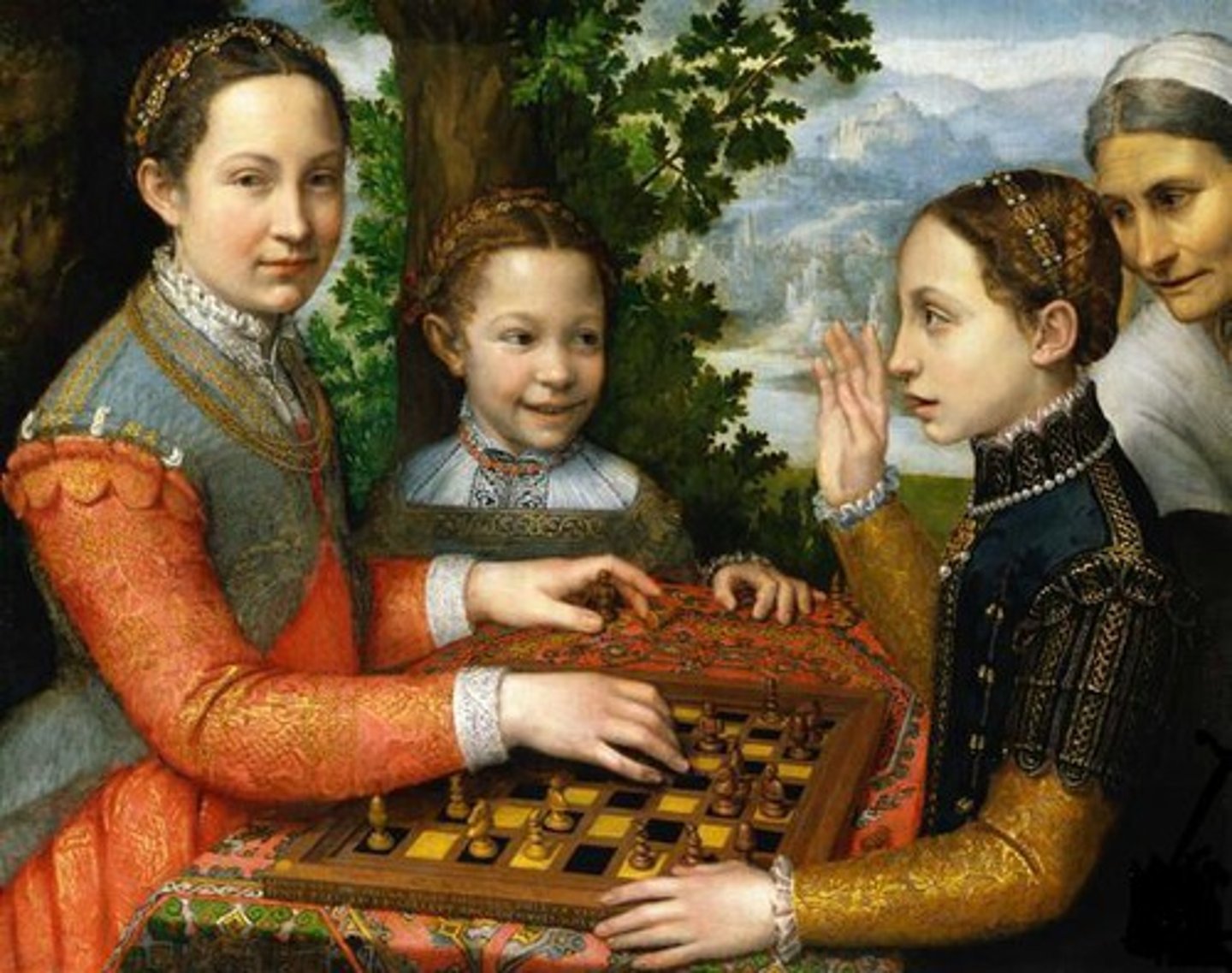
Unknown Flemish Artist, The King’s Fountain, 1570-80
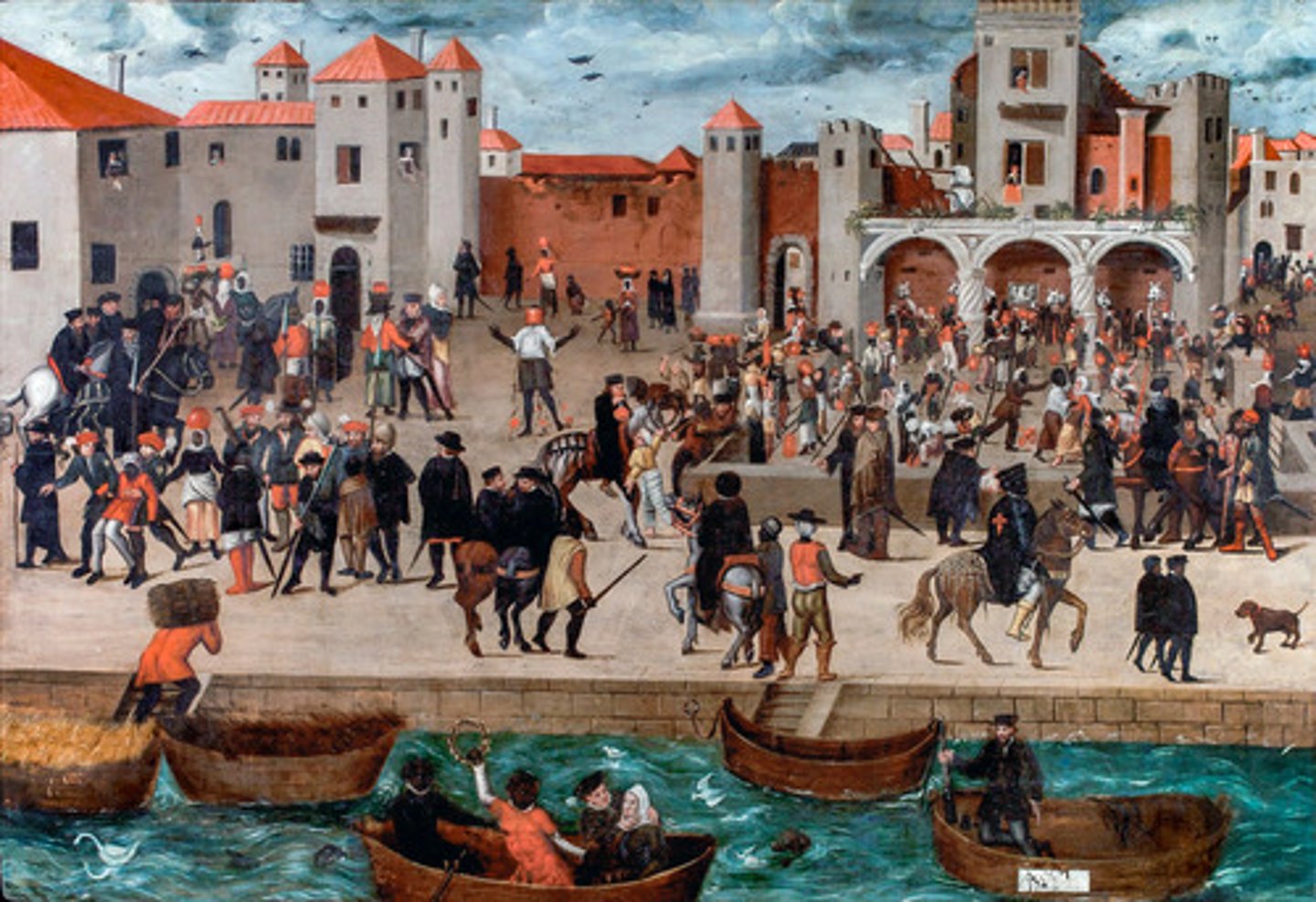
Rembrandt van Rijn, Two African Men, 1661
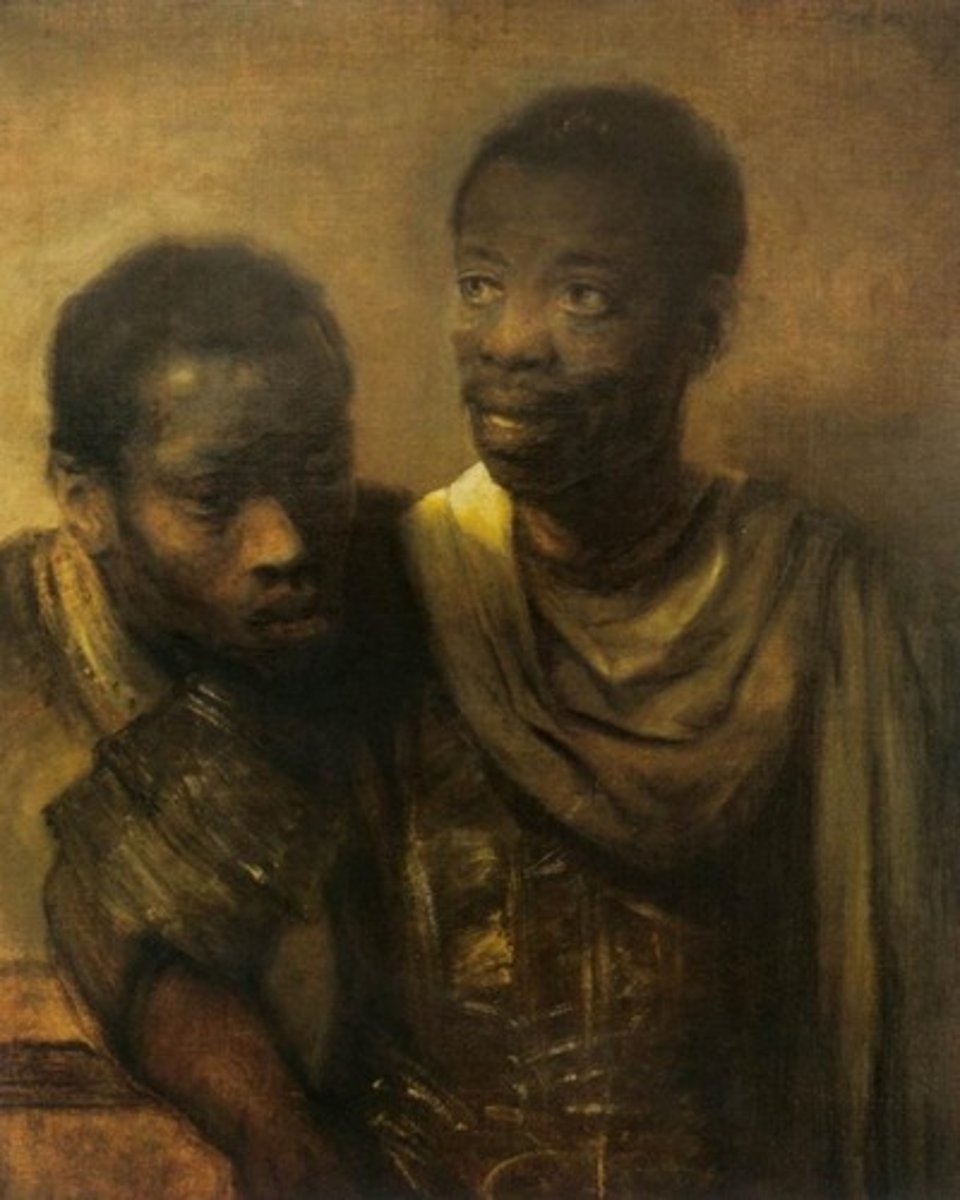
Vermeer, The Art of Painting, 1665-68
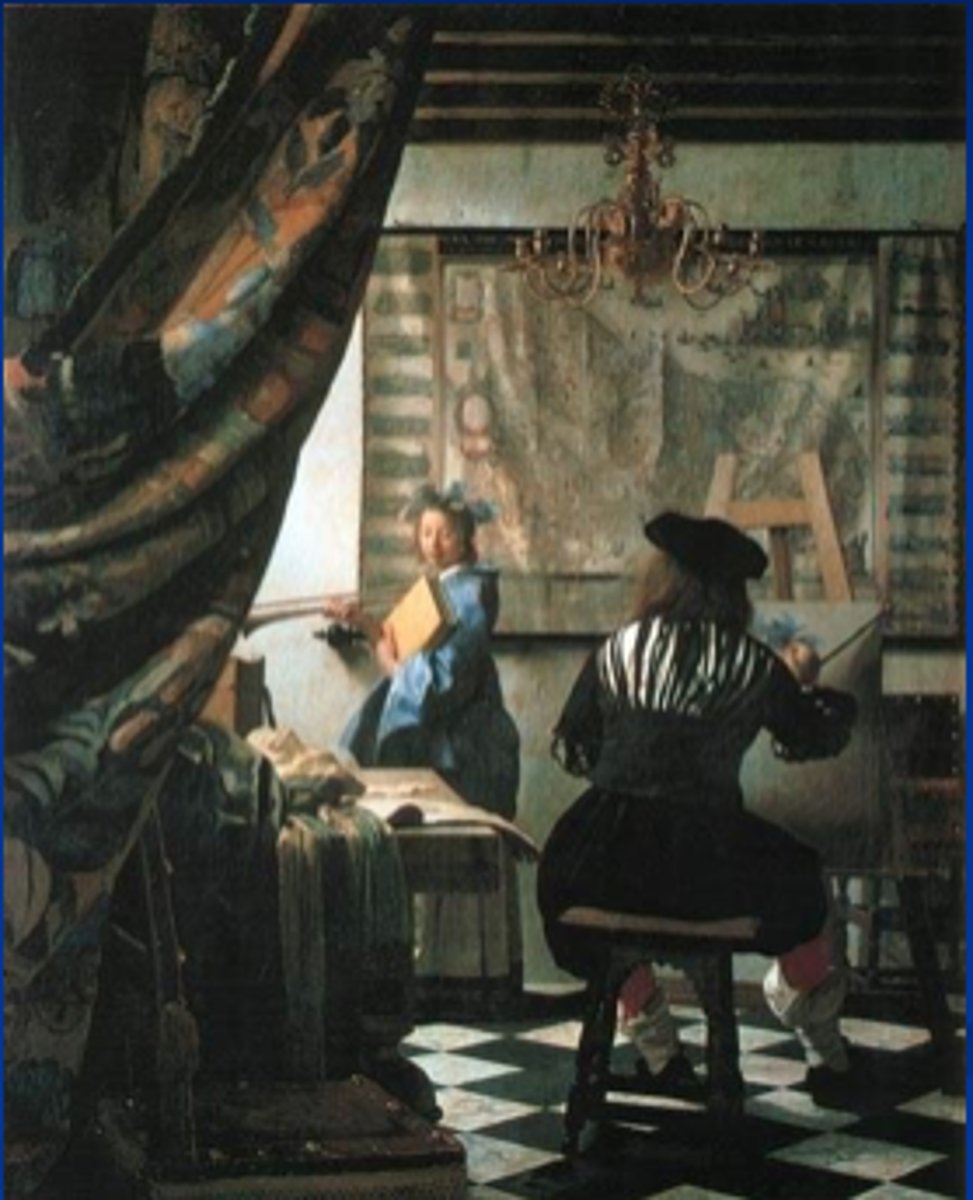
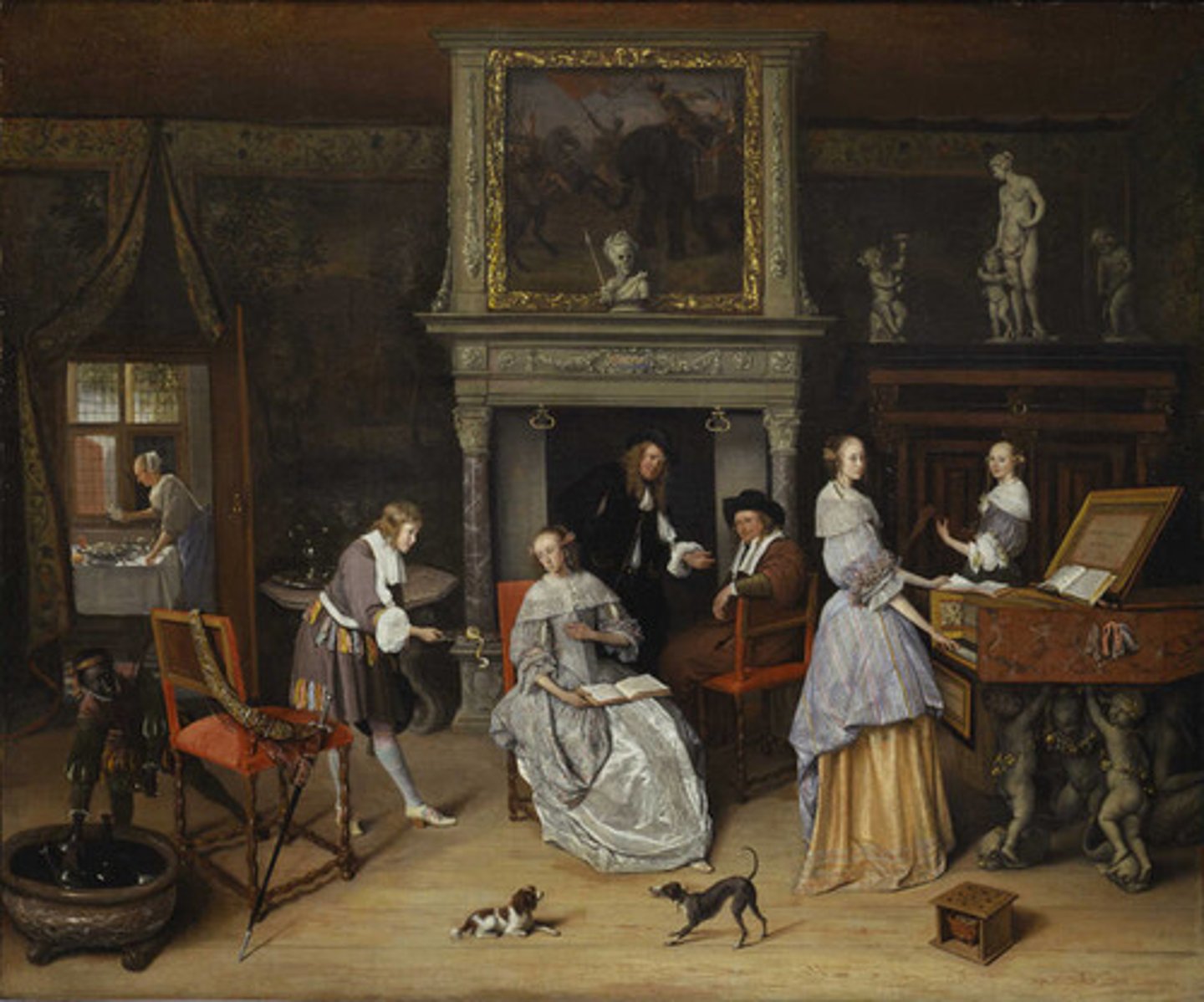
Jan Steen, Fantasy Interior, 1659-1660
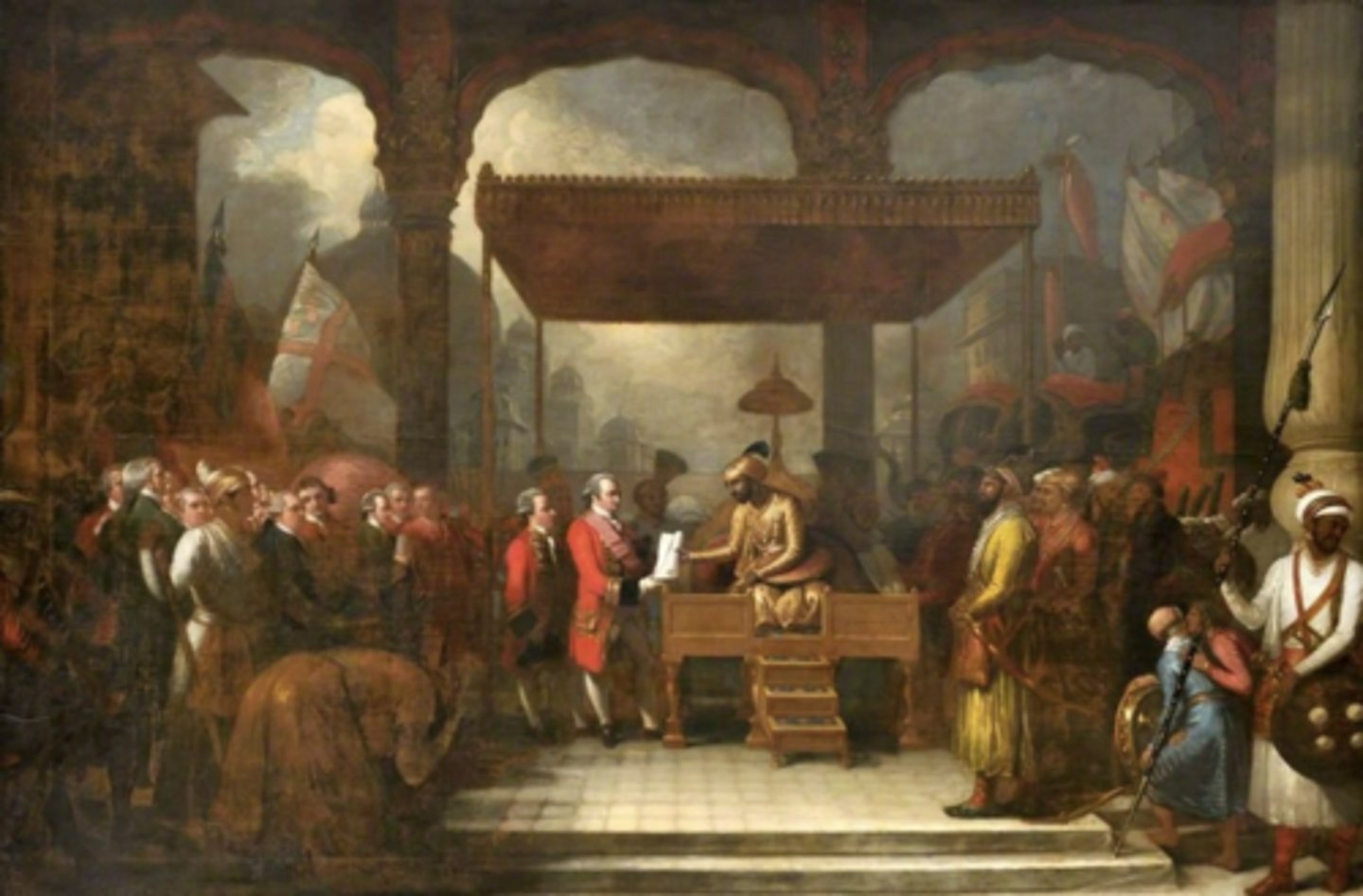
Benjamin West, Shah ‘Alam, Mughal Emperor, Conveying the Diwani to Lord Clive, August 1765, painted 1818
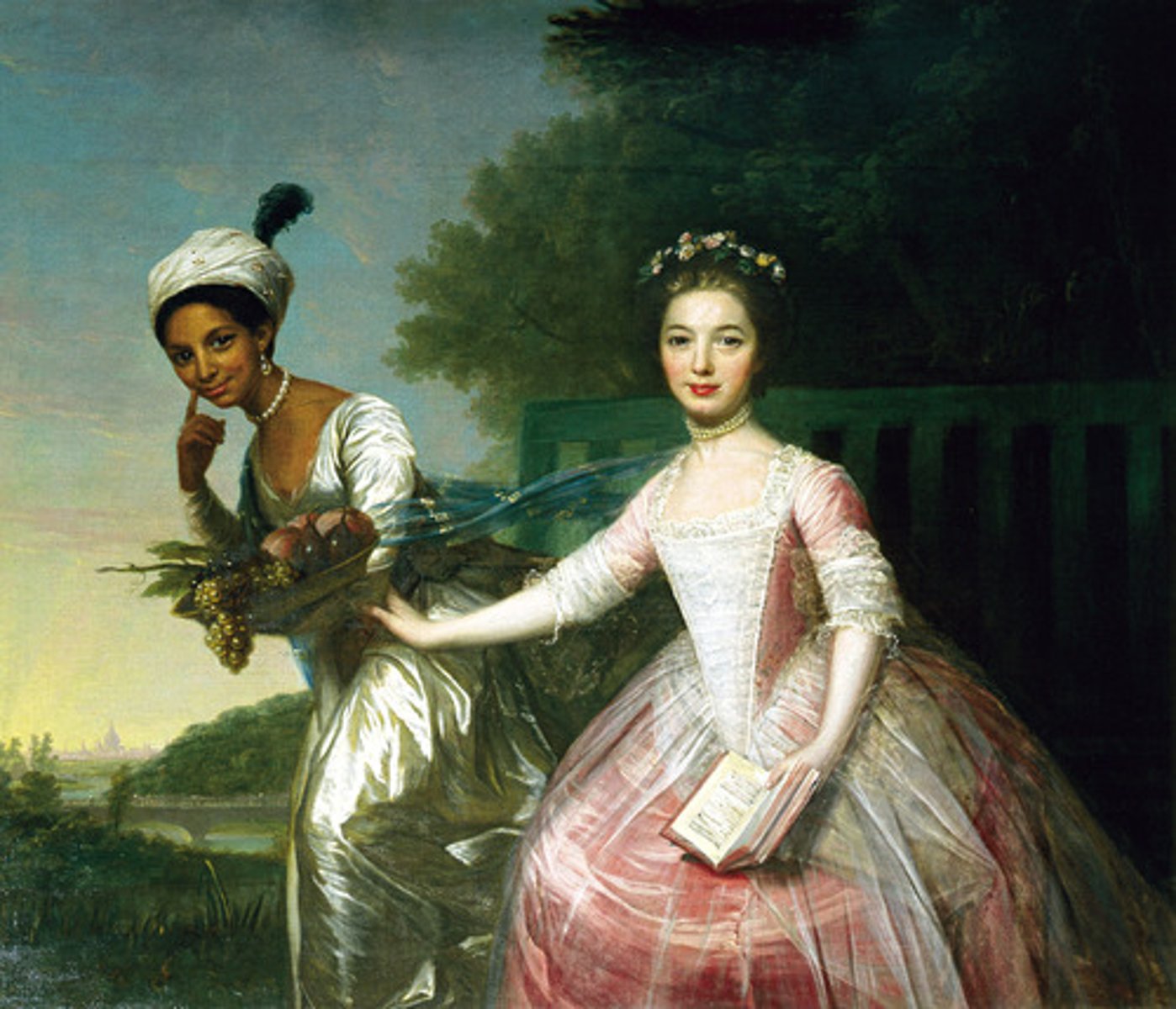
David Martin, Portrait of Dido Elizabeth Belle Lindsay and Lady Elizabeth Murray, 1778
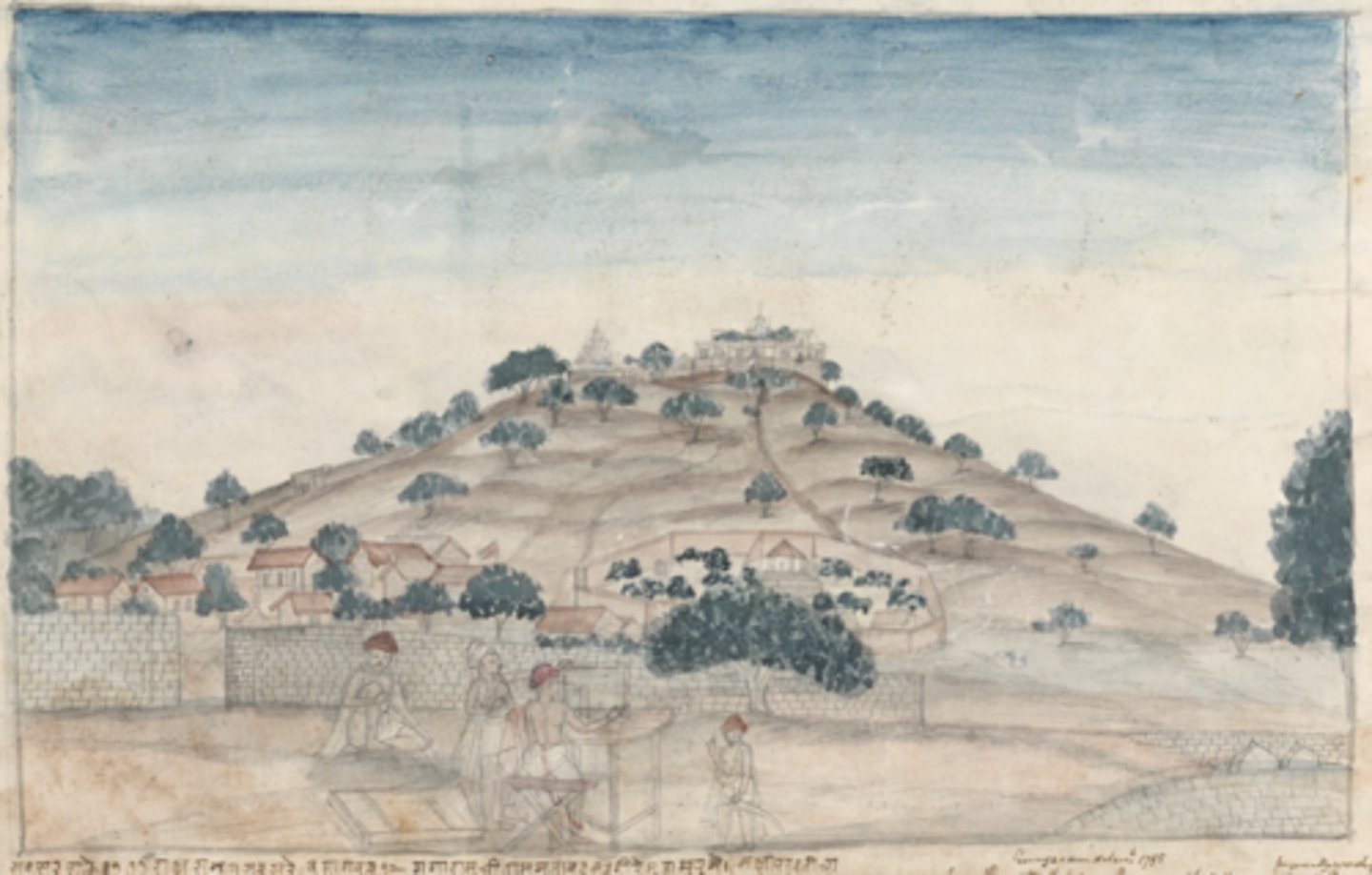
Gangaram Tambat, View of Parbati, 1795
Gangaram Tambat, Two Jeyties, 1792
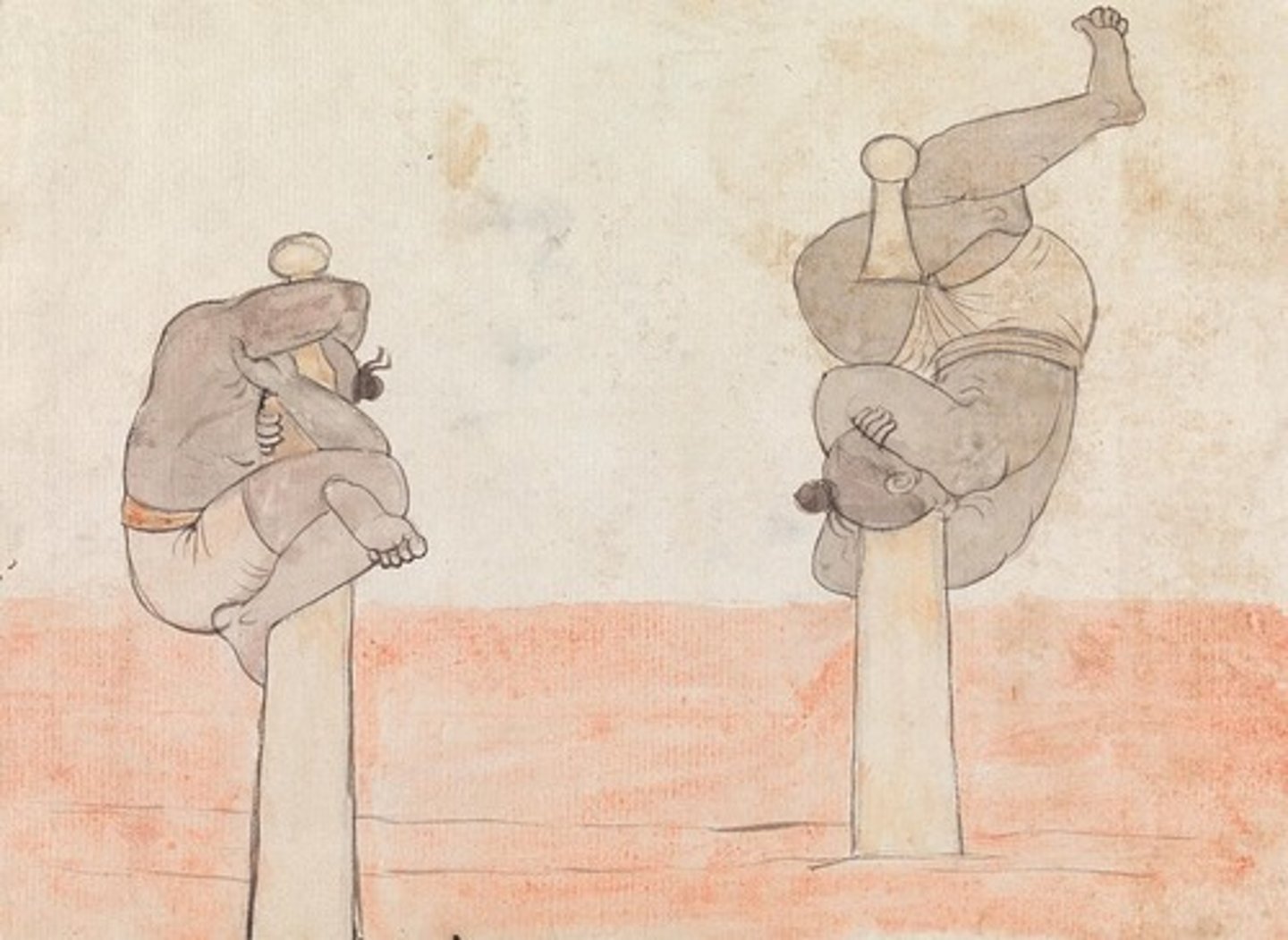
Praxiteles, Knidus Aphrodite, 4th century BCE
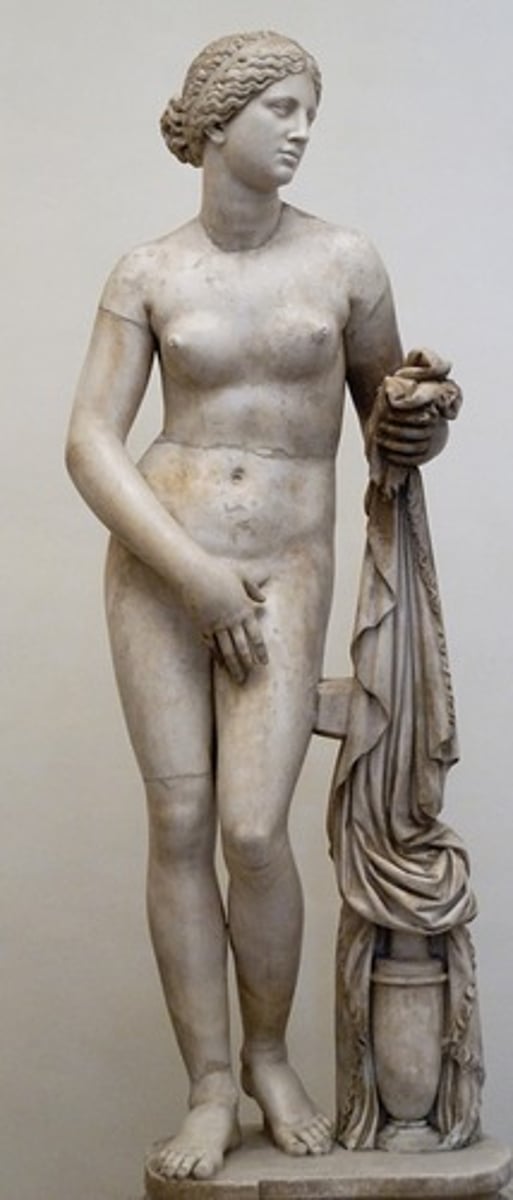
Carolee Schneemann, Interior Scroll, 1975
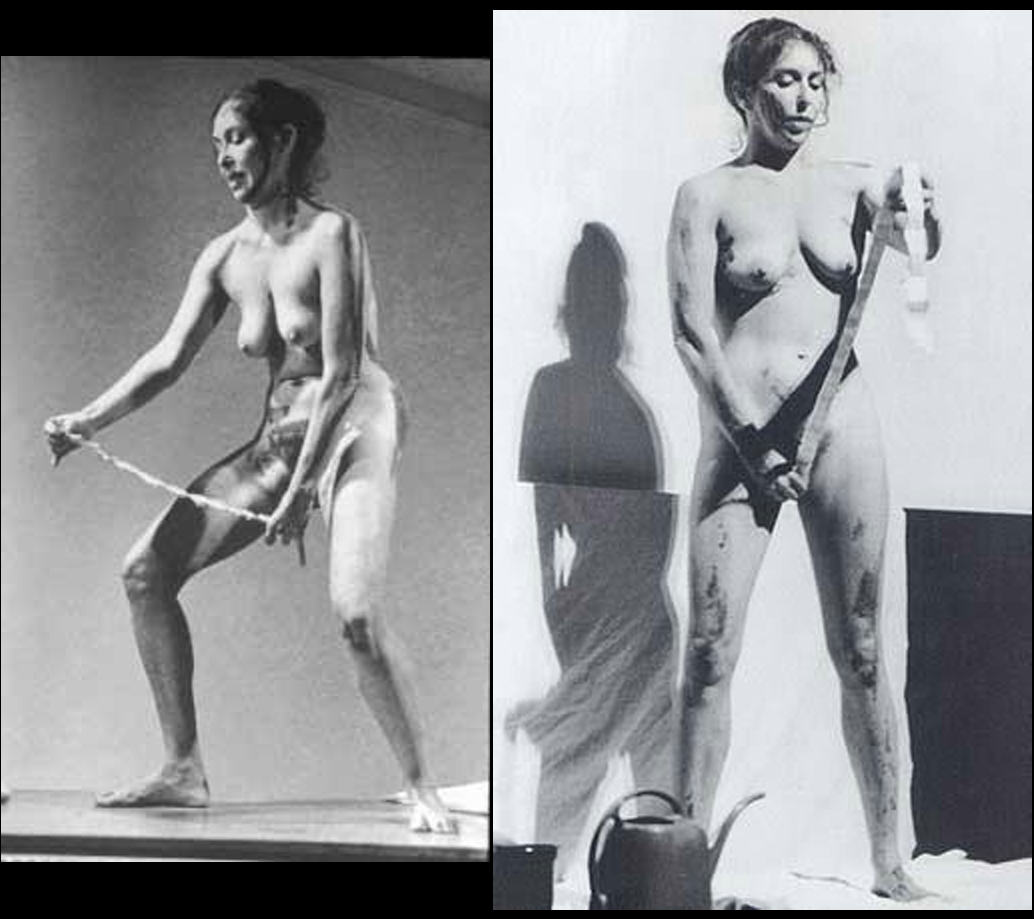
Jenny Saville, Plan, 1993
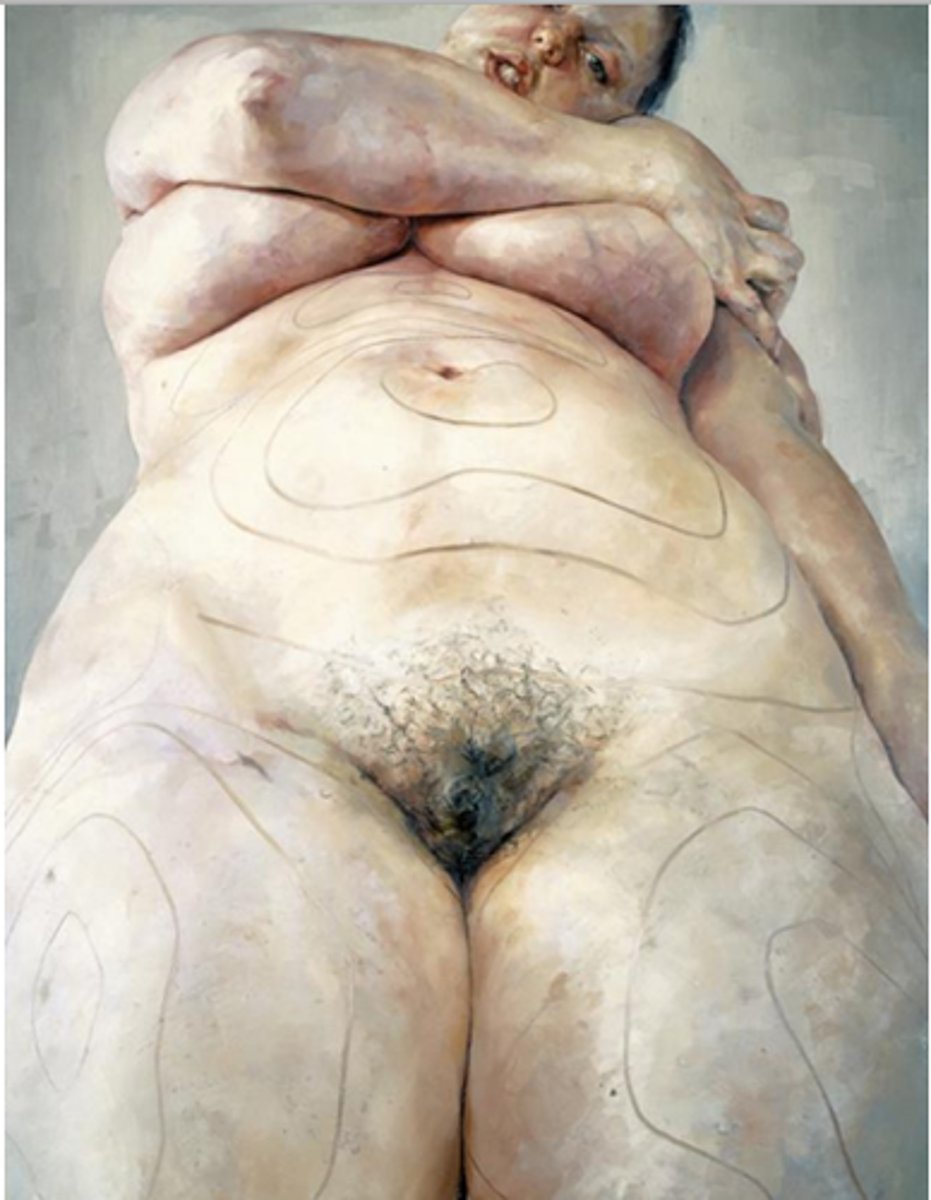
Kehinde Wiley, Young Tarentine I, 2022
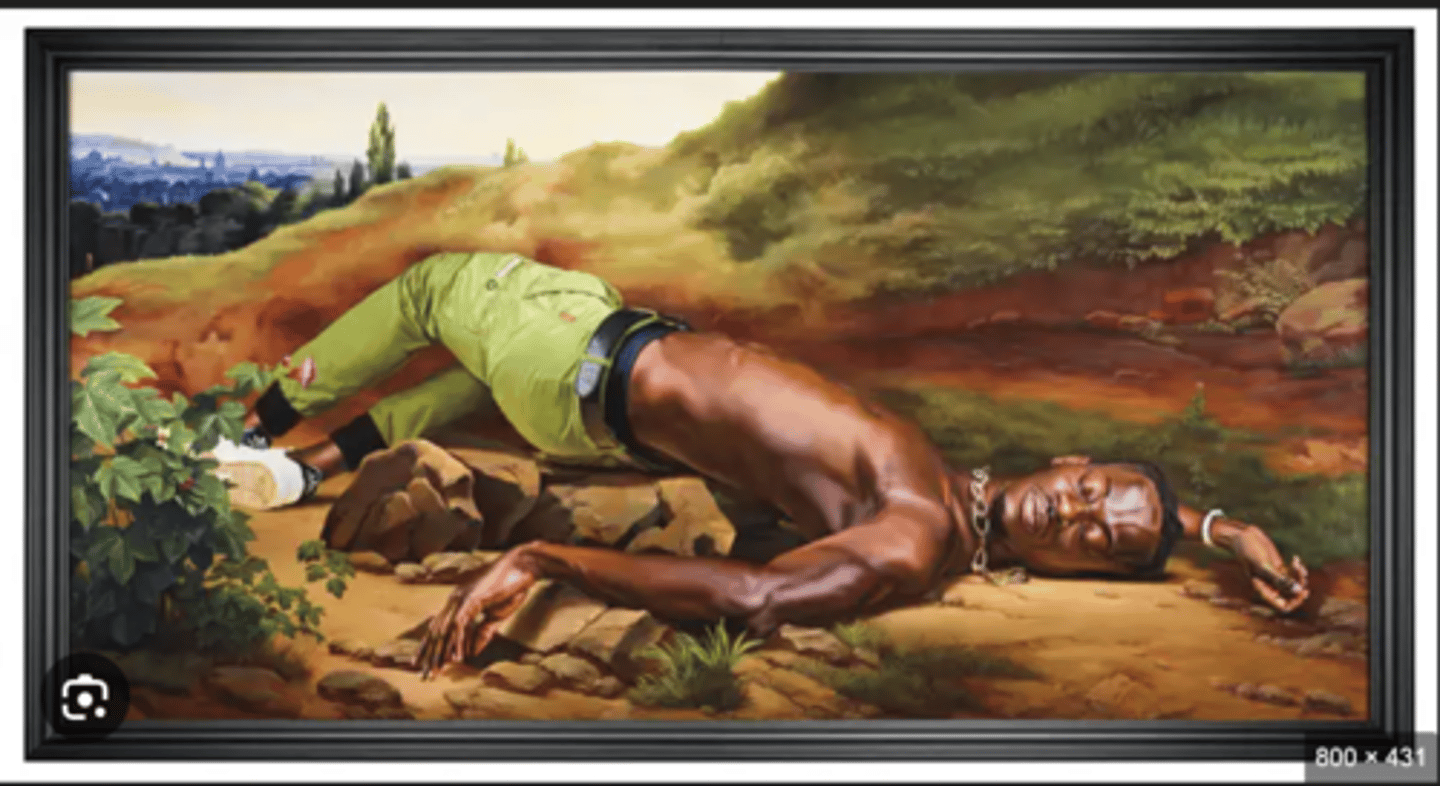
Jean-Léon Gérôme, The Snake Charmer, 1879
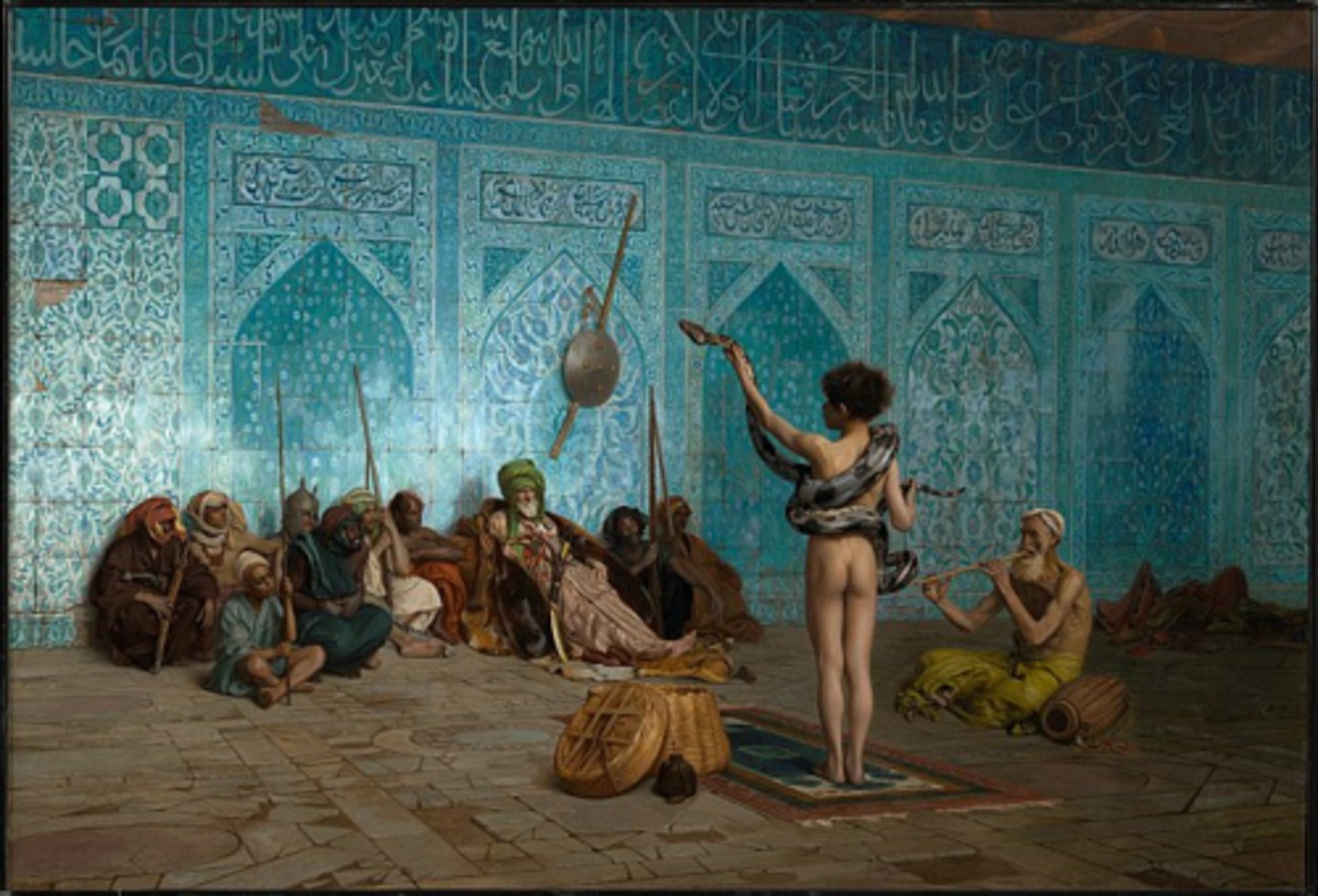
Jean-Auguste-Dominique Ingres, Odalisque with Slave, 1839
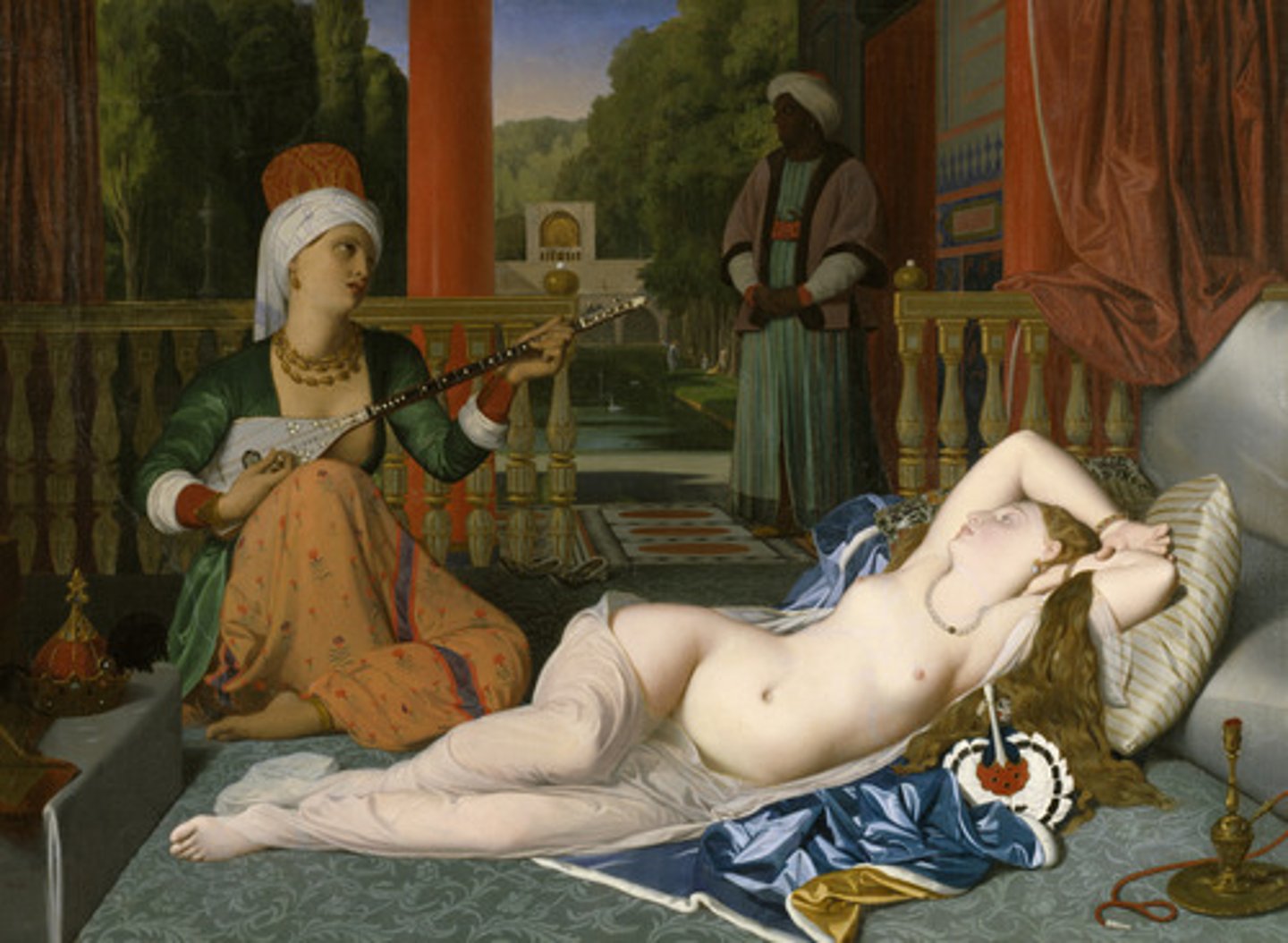
Osman Hamdi Bey, A Young Emir Studying, 1878
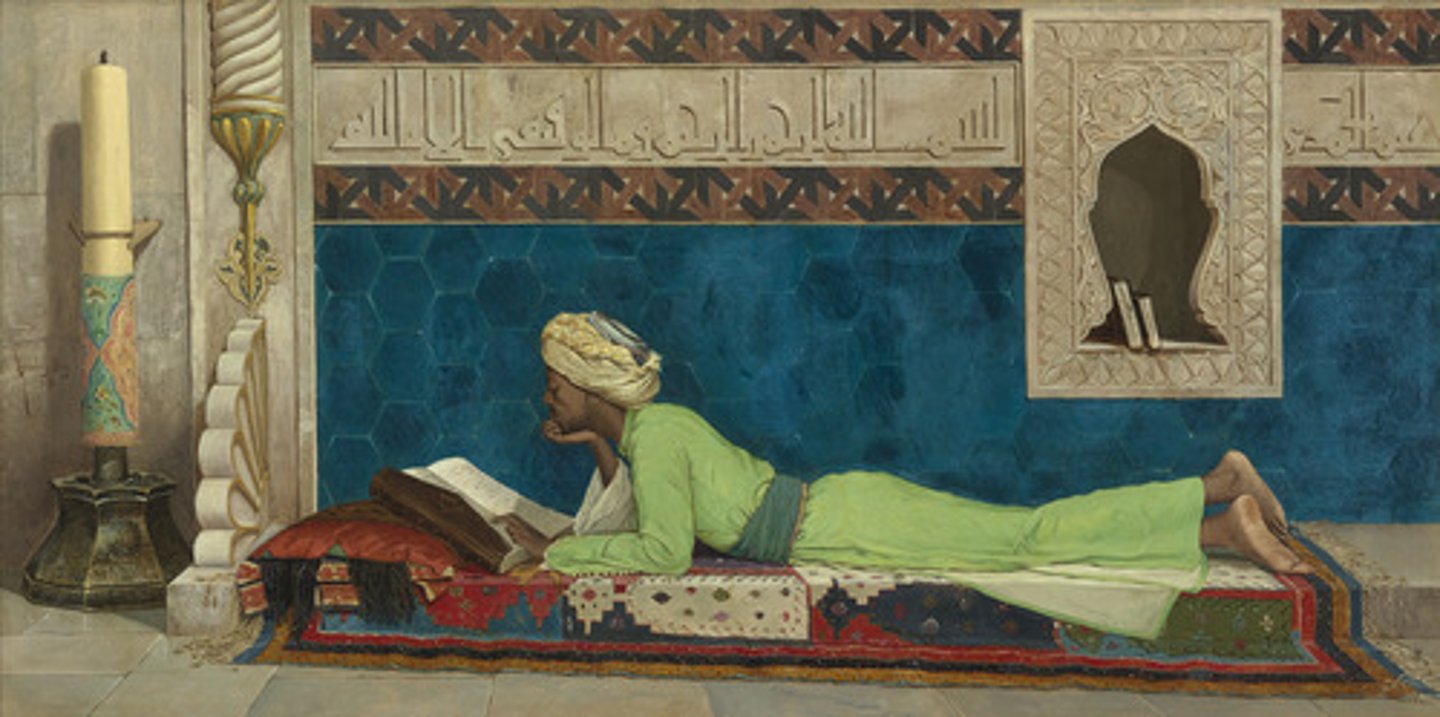
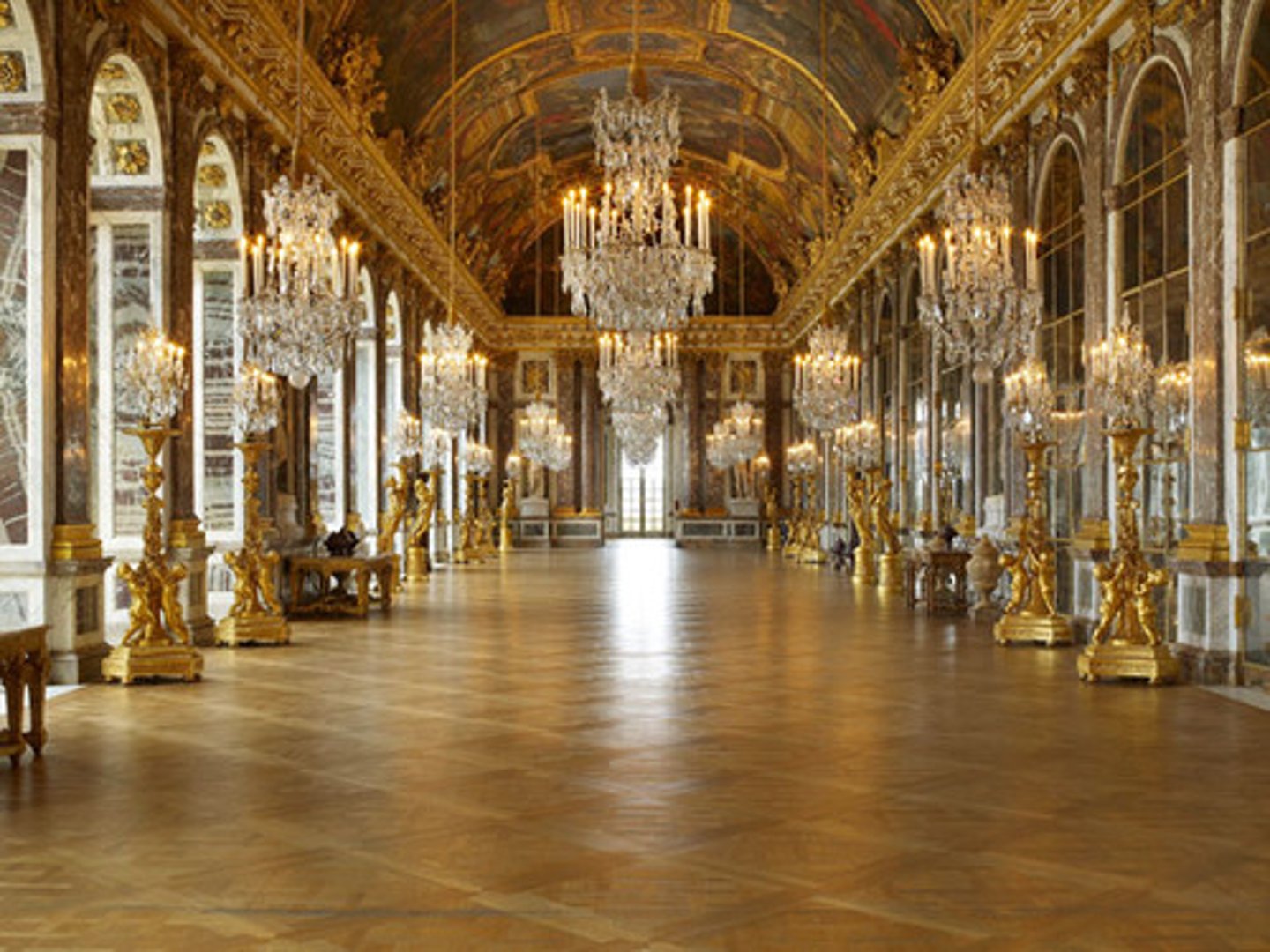
Hardouin-Mansart, Hall of Mirrors, Palace of Versailles, 1678-1684
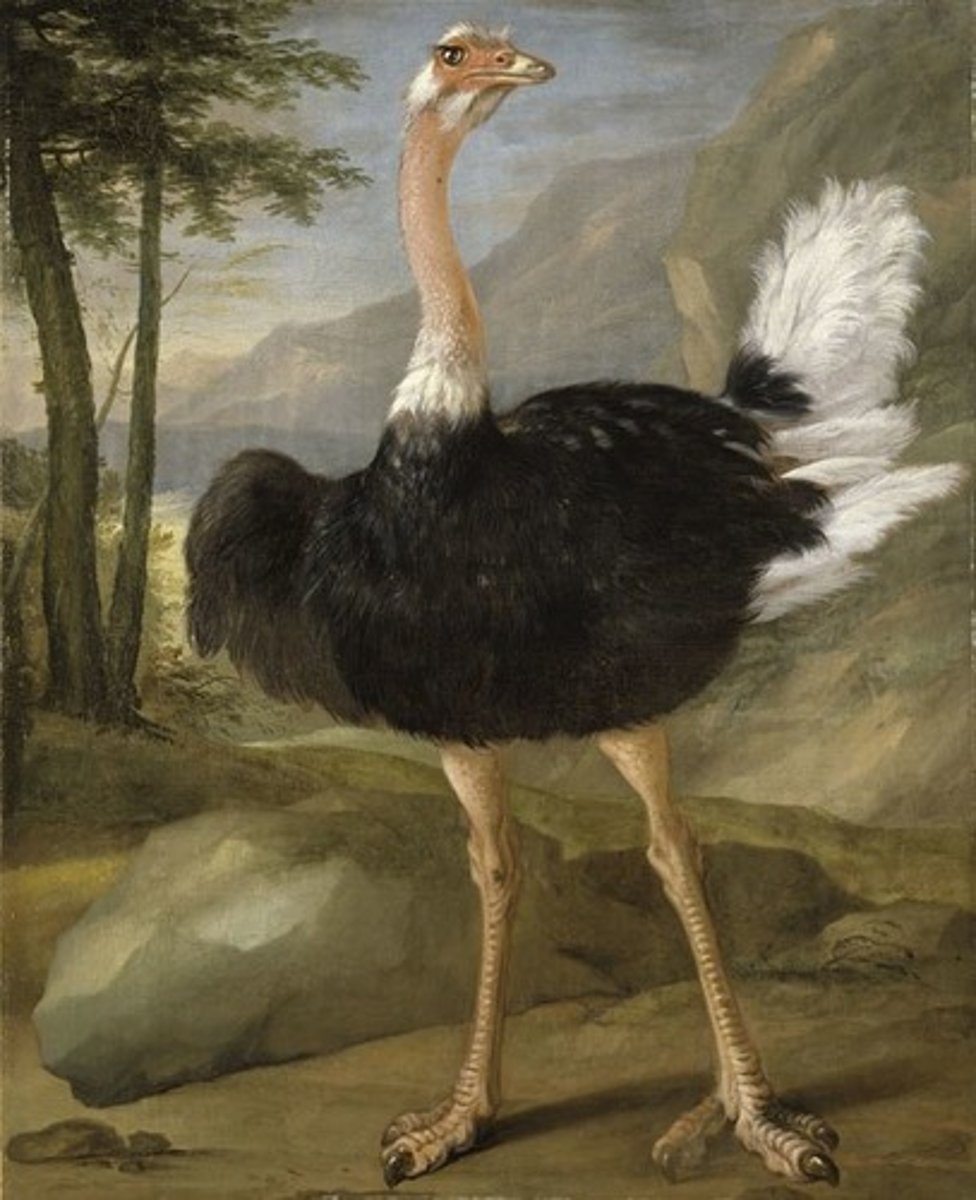
Nicasius Bernaerts, Study of an Ostrich, 1643-1678
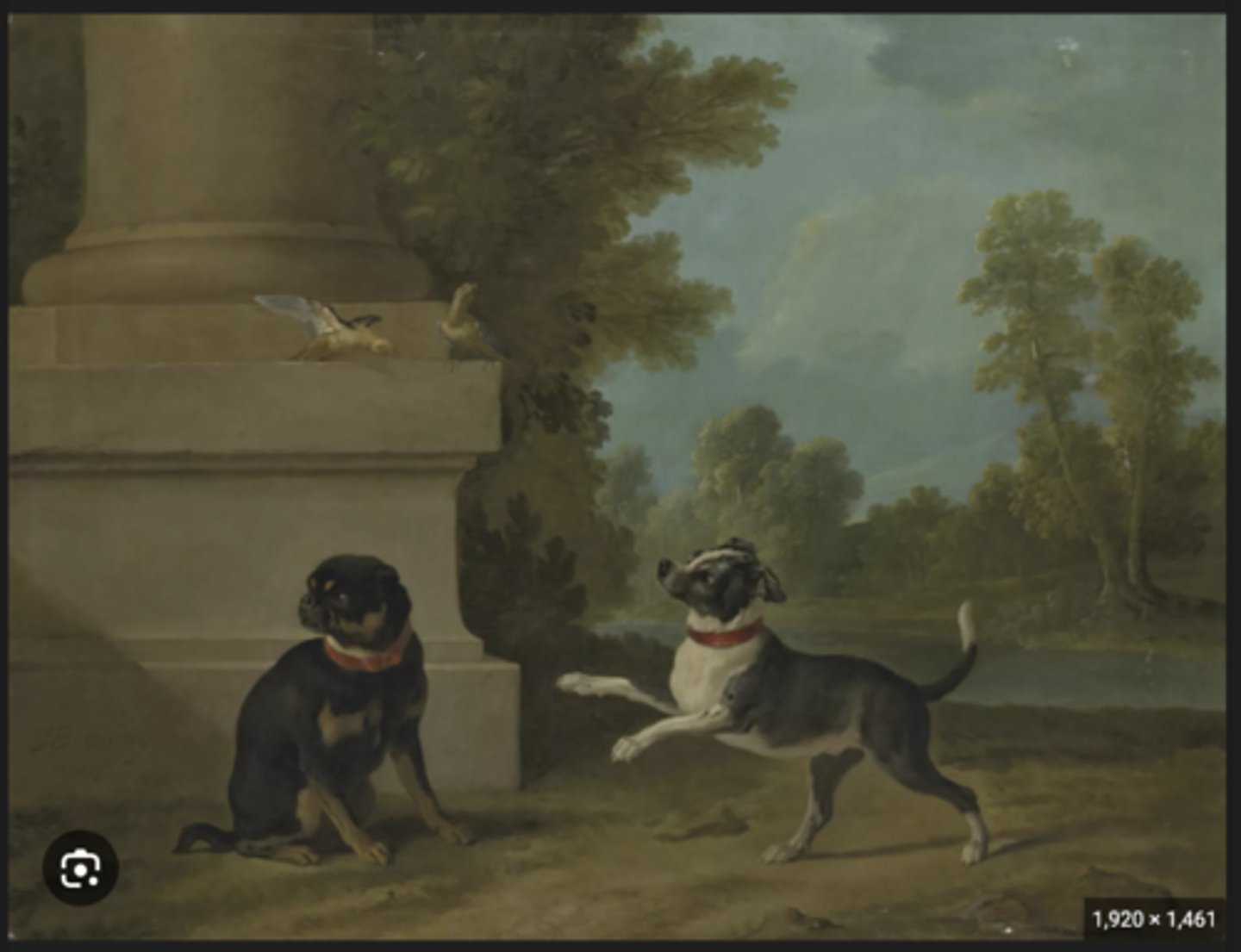
Jean-Baptiste Oudry, Dogs Playing with Birds in a Park, 1754
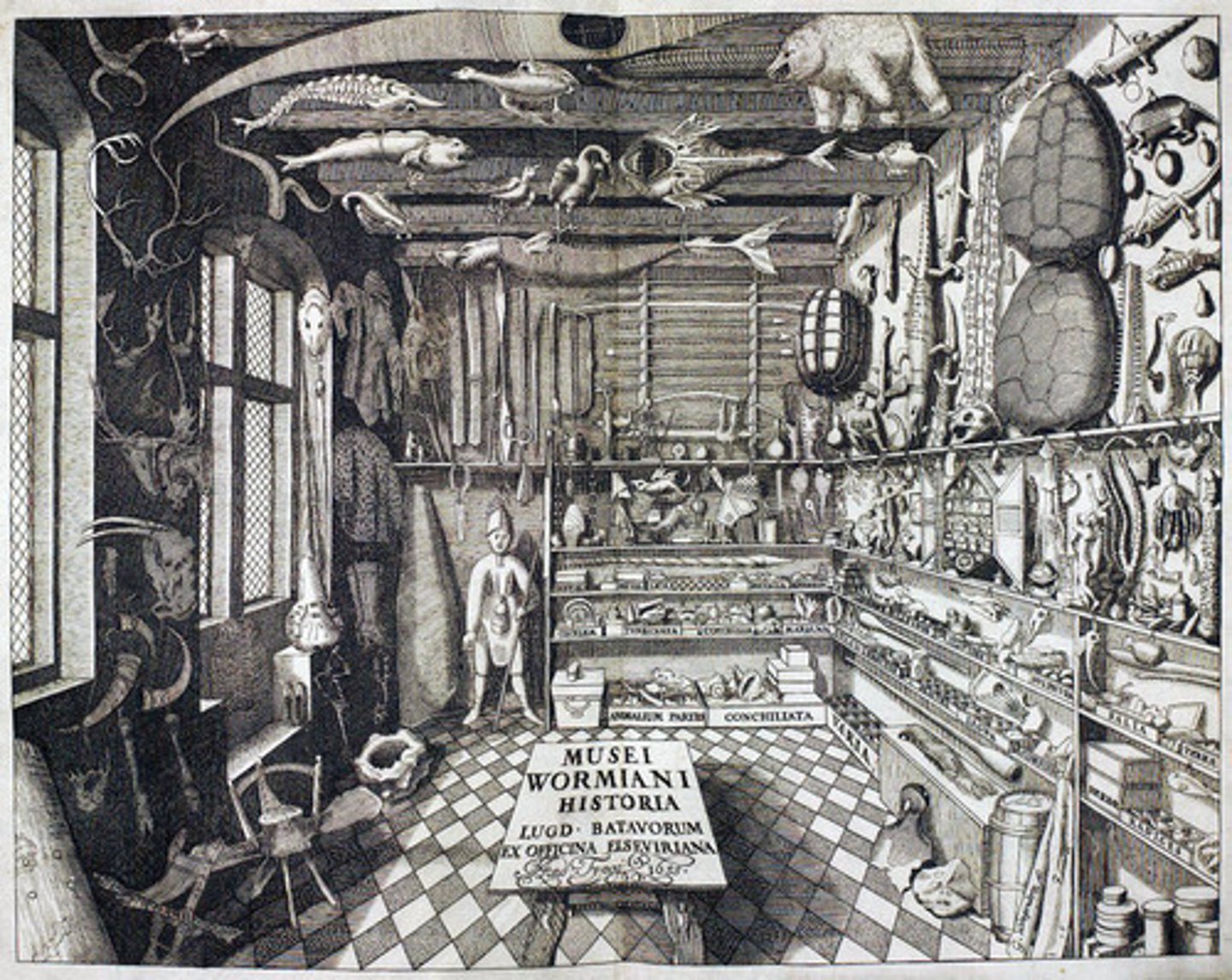
Ole Worm, Wunderkammer, 1655
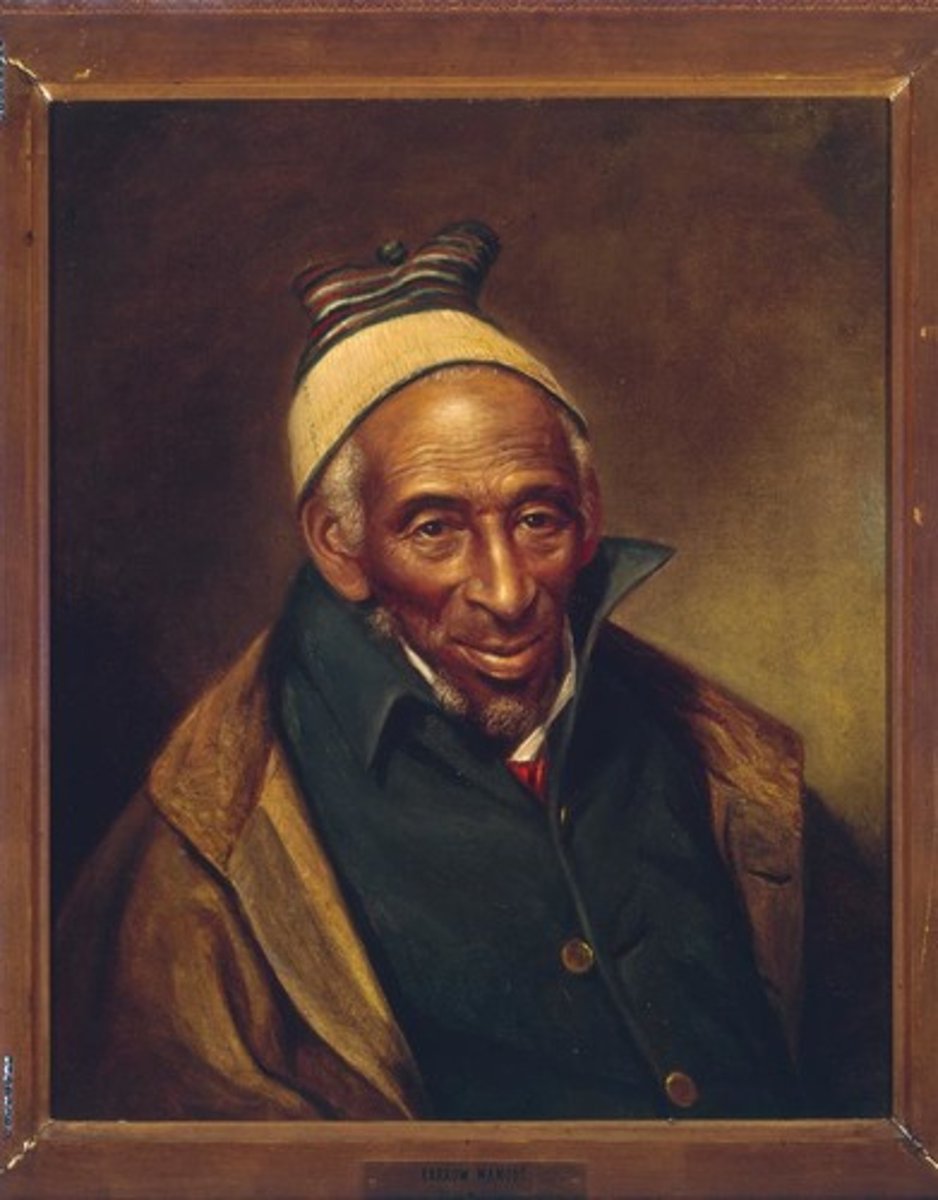
Robert Hooke, The Flea, 1665
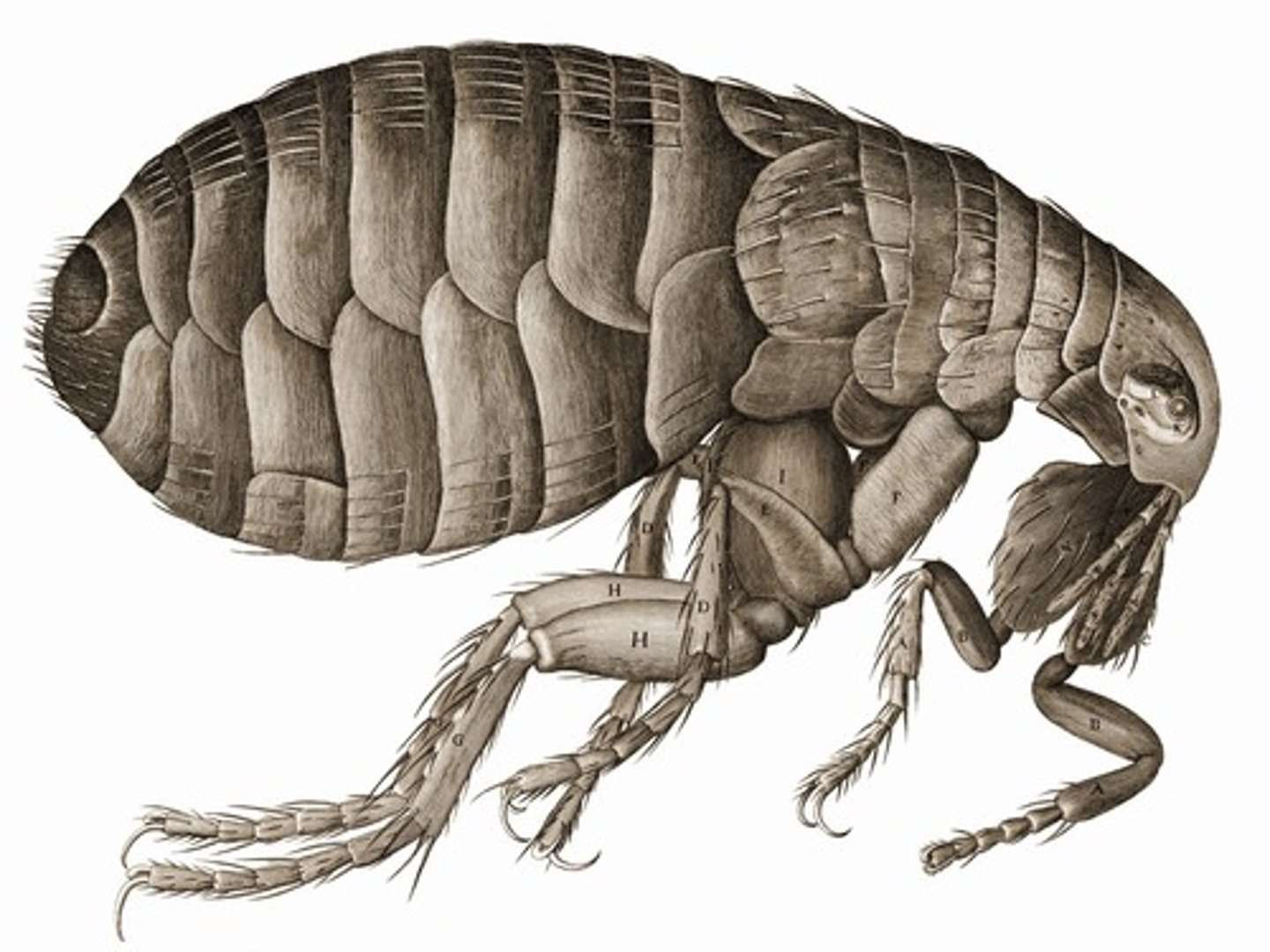
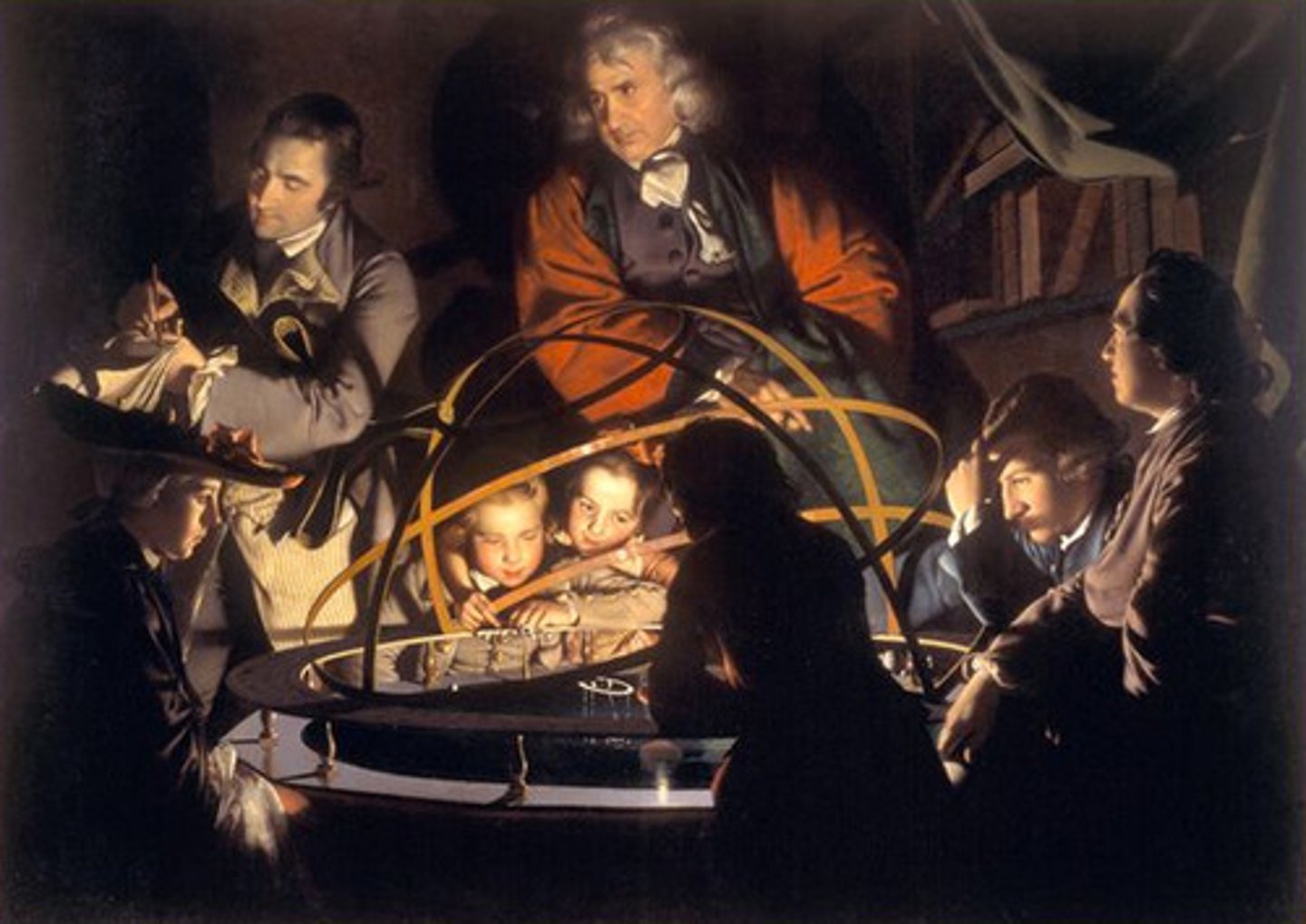
Joseph Wright of Derby, A Philosopher Lecturing on the Orrery, 1766
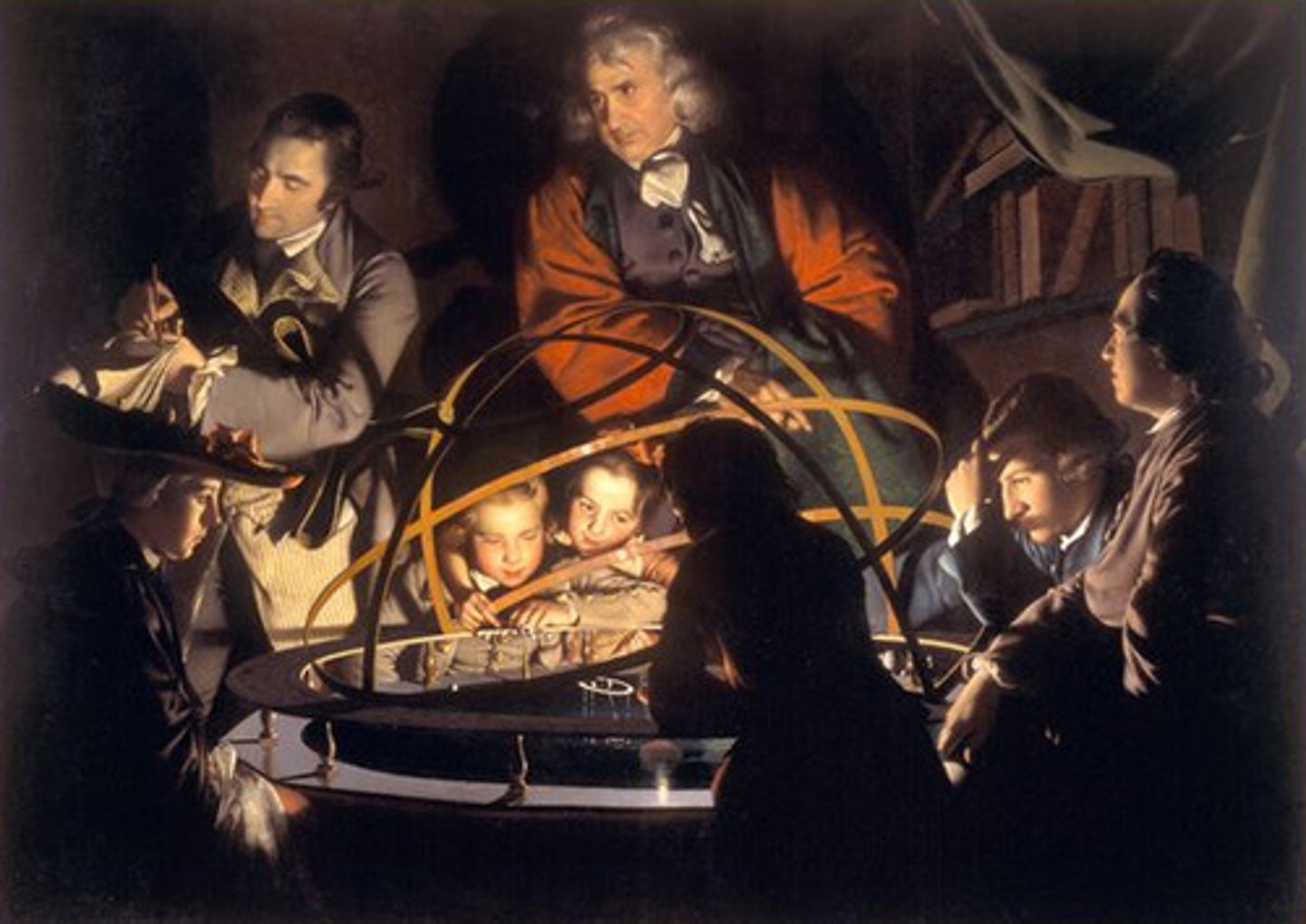
Charles Willson Peale, The Artist in His Museum, 1822
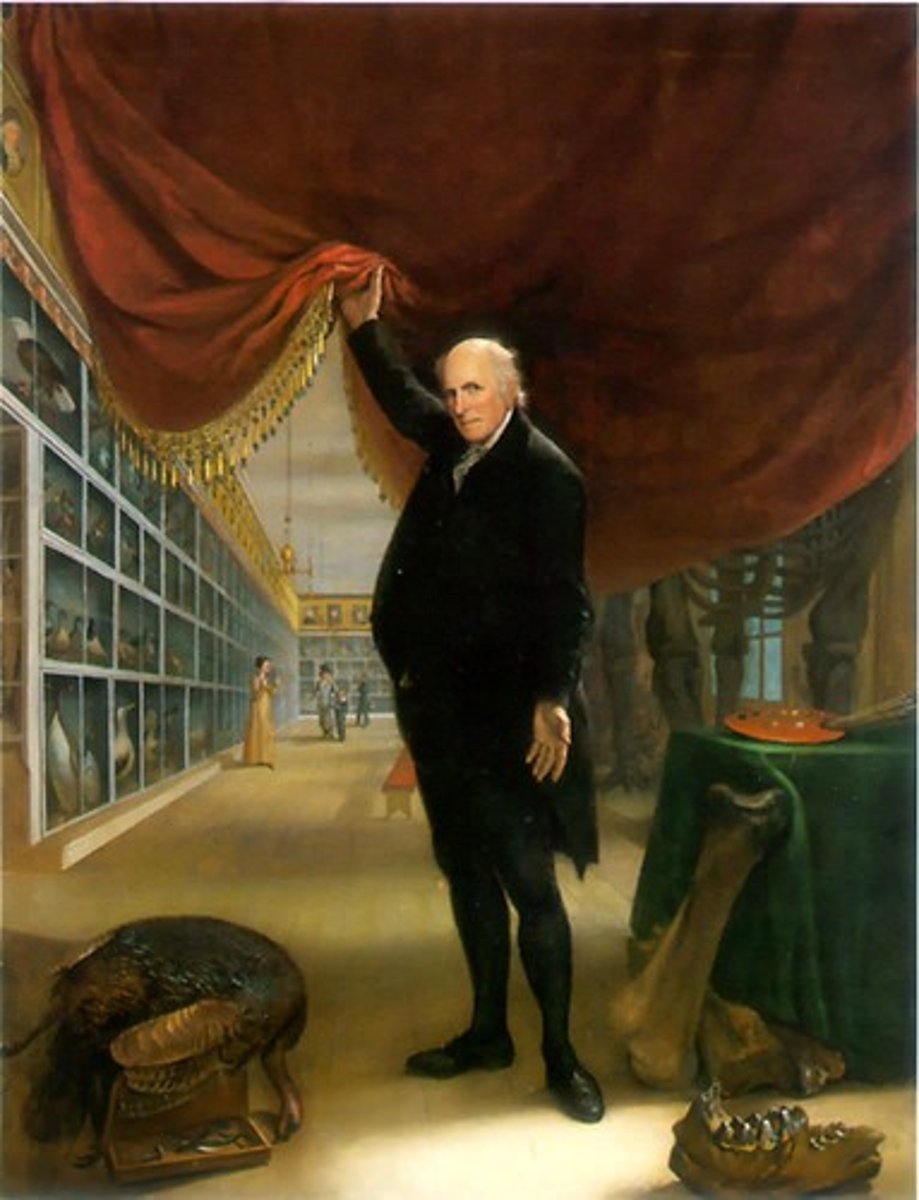
Charles Willson Peale, Yarrow Mamout, 1819
Rachel Ruysch, Flower Still Life, 1710
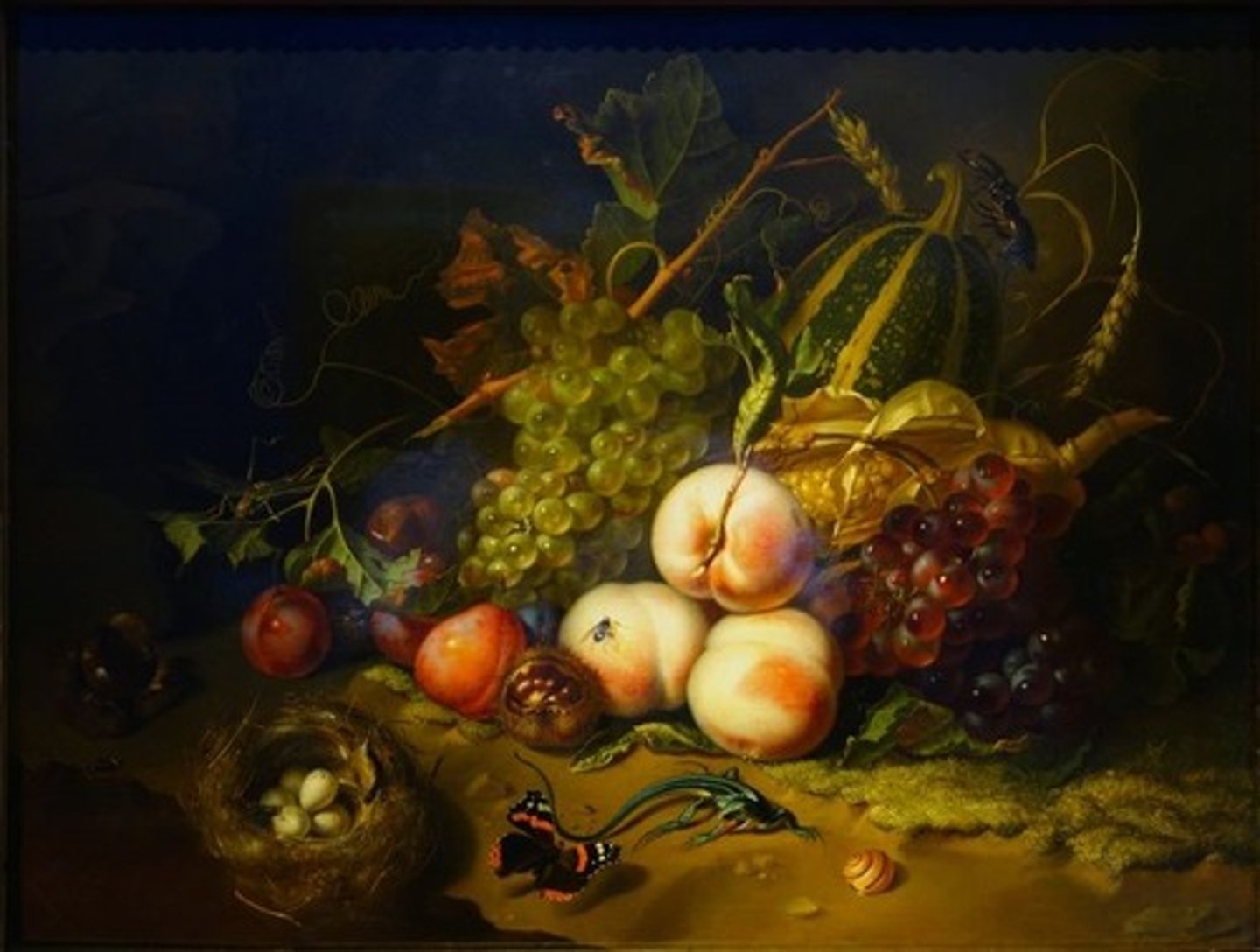
Maria Sibylla Merian, Metamorphosis of the Emperor Moth, 1705
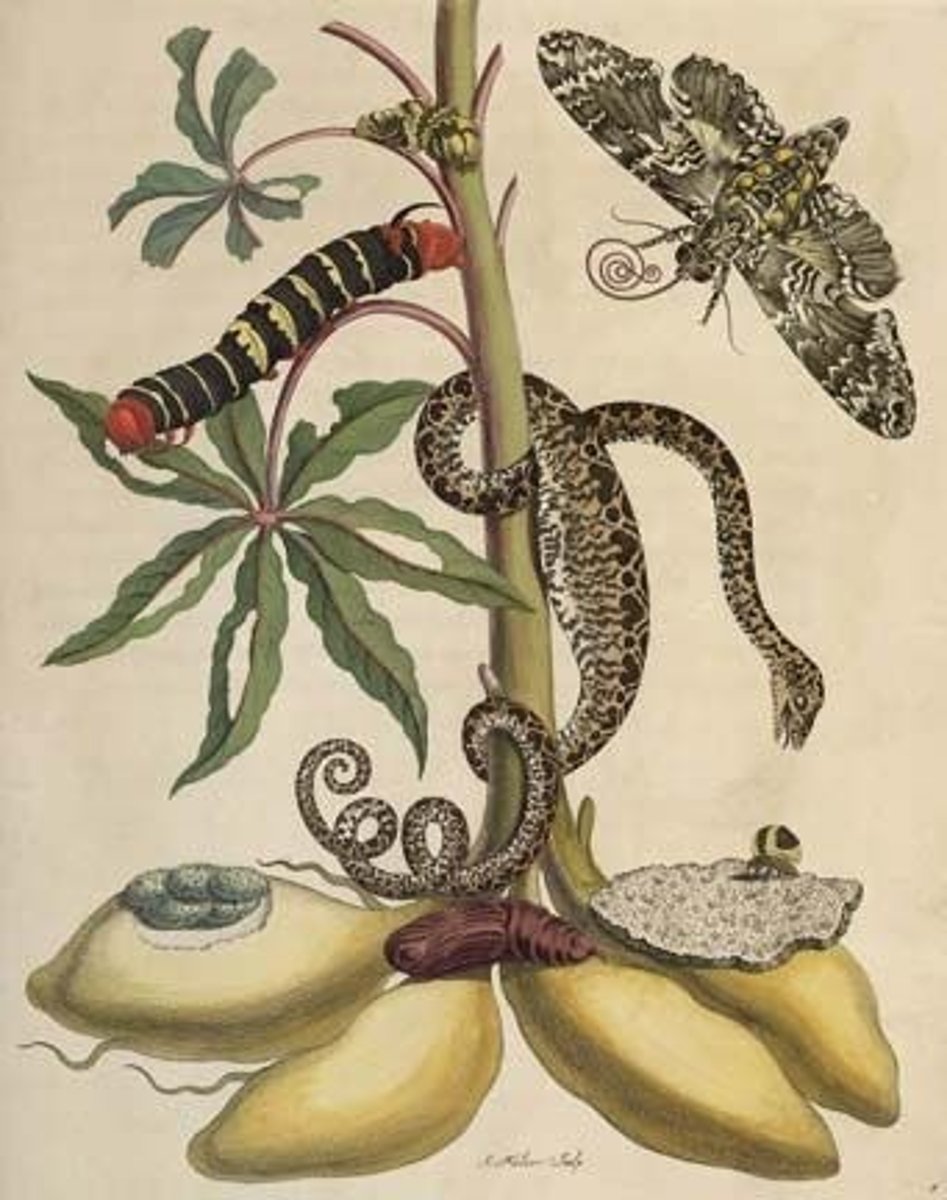
Thomas Cole, Course of Empire: Destruction, 1834
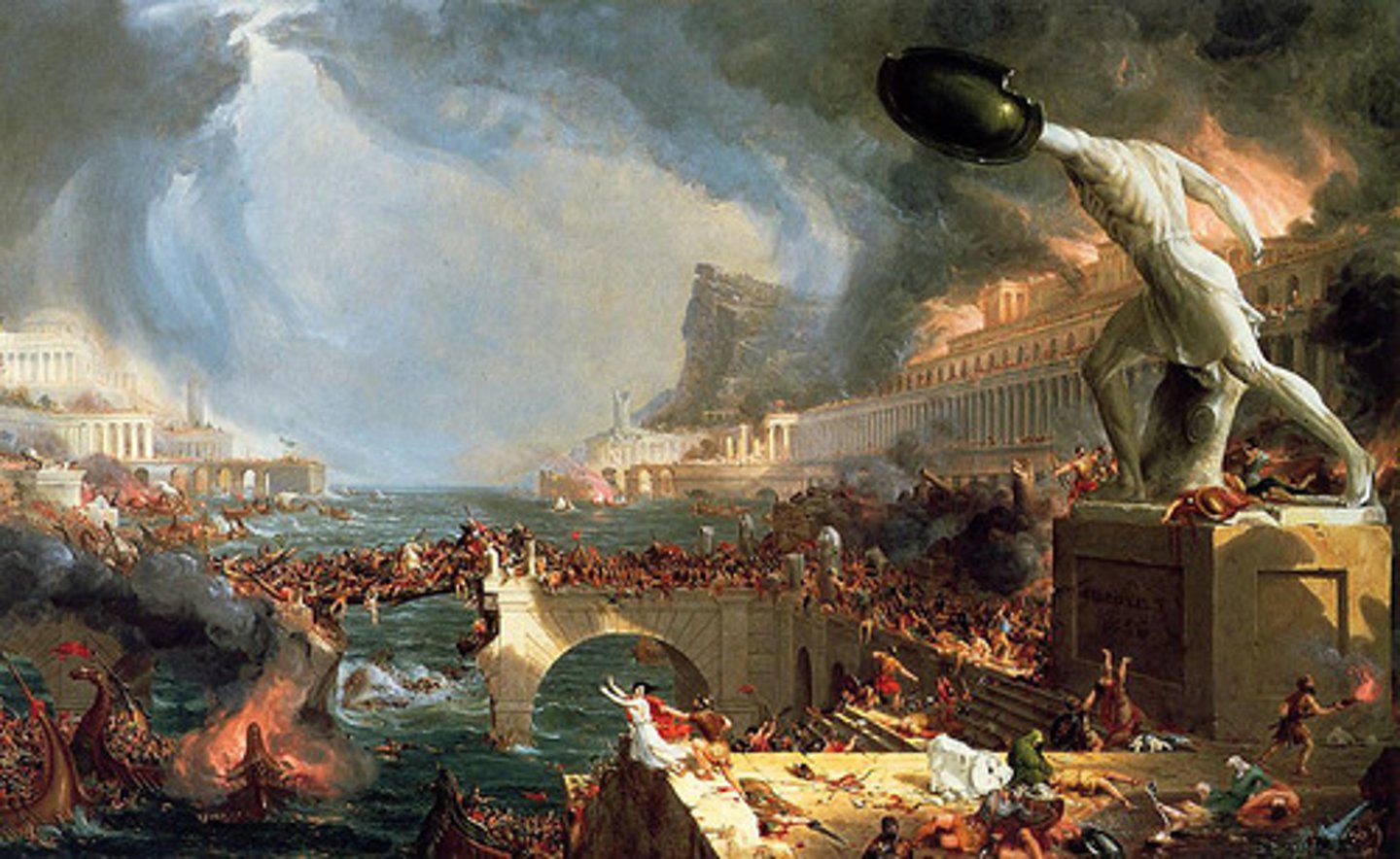
George Stubbs, Whistlejacket, 1762
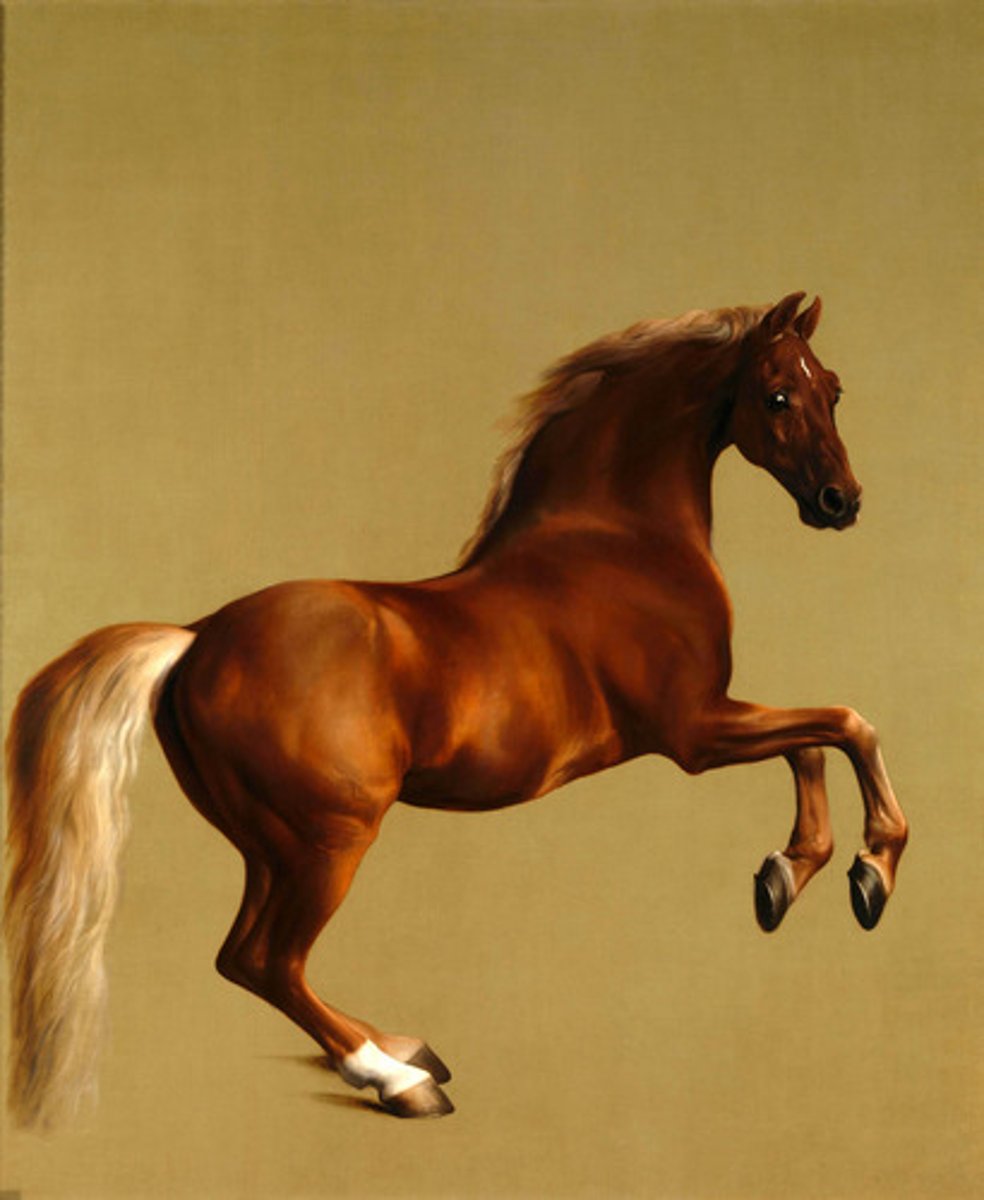
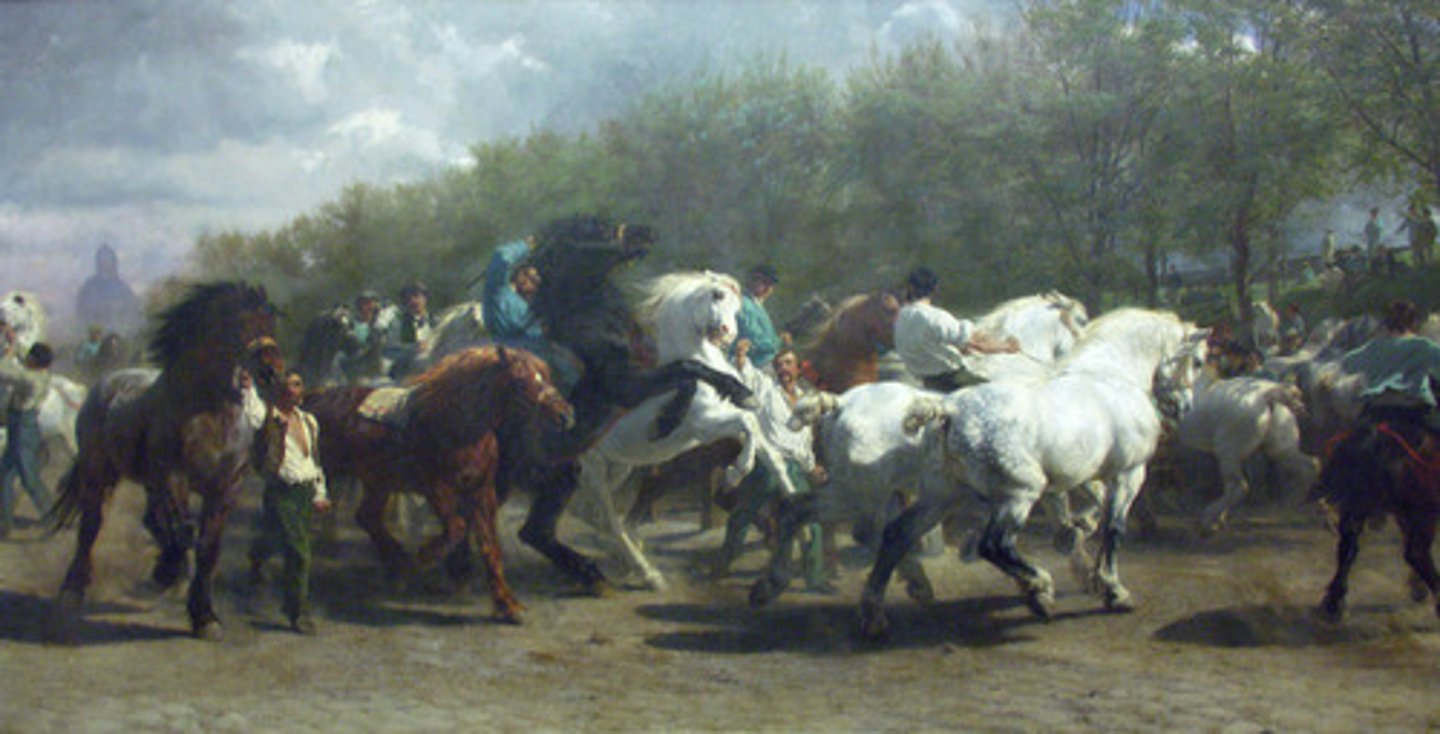
Rosa Bonheur, The Horse Fair, 1855
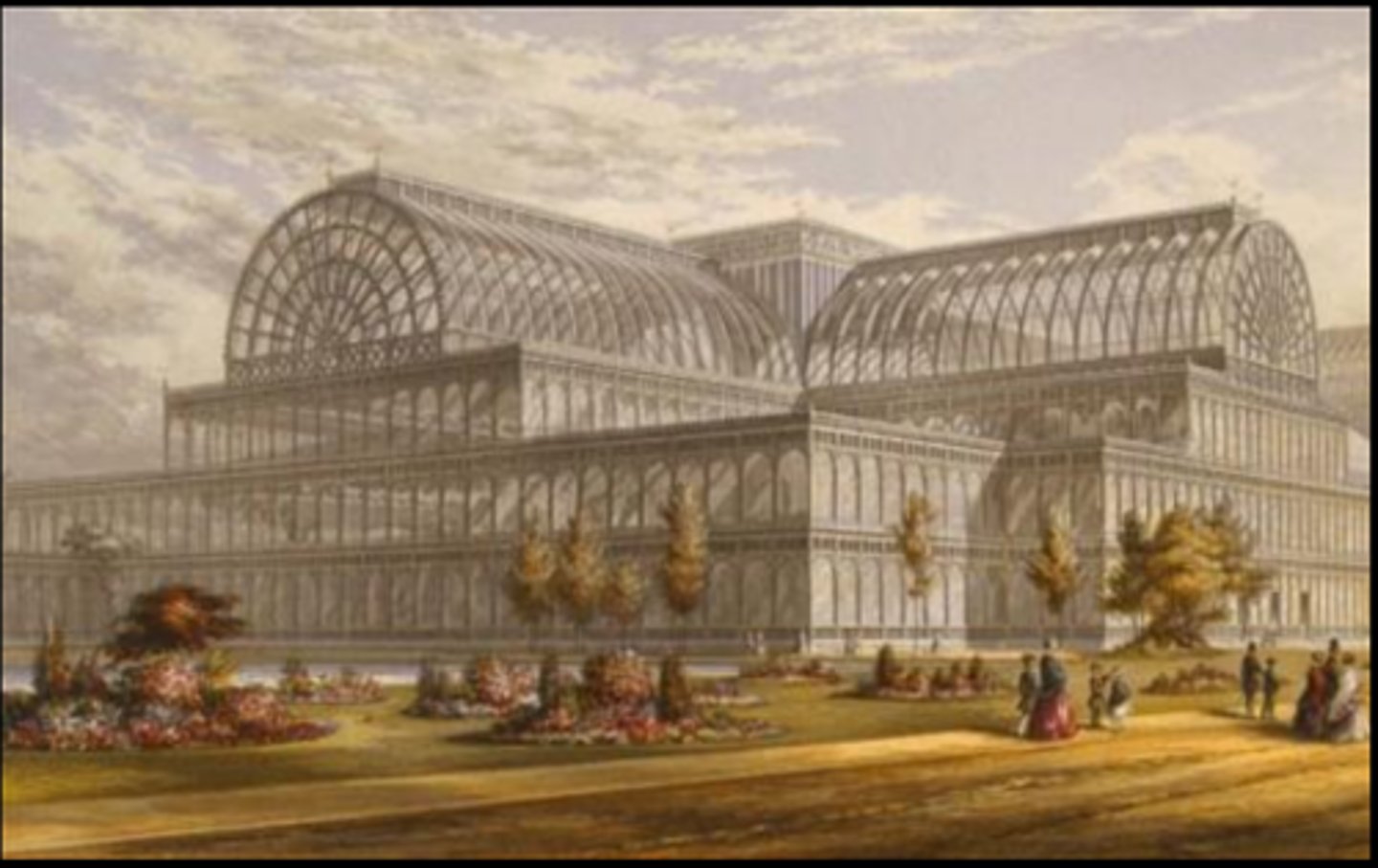
Joseph Paxton, Crystal Palace, London, 1851
Walter Gropius, Bauhaus School, Dessau, 1926

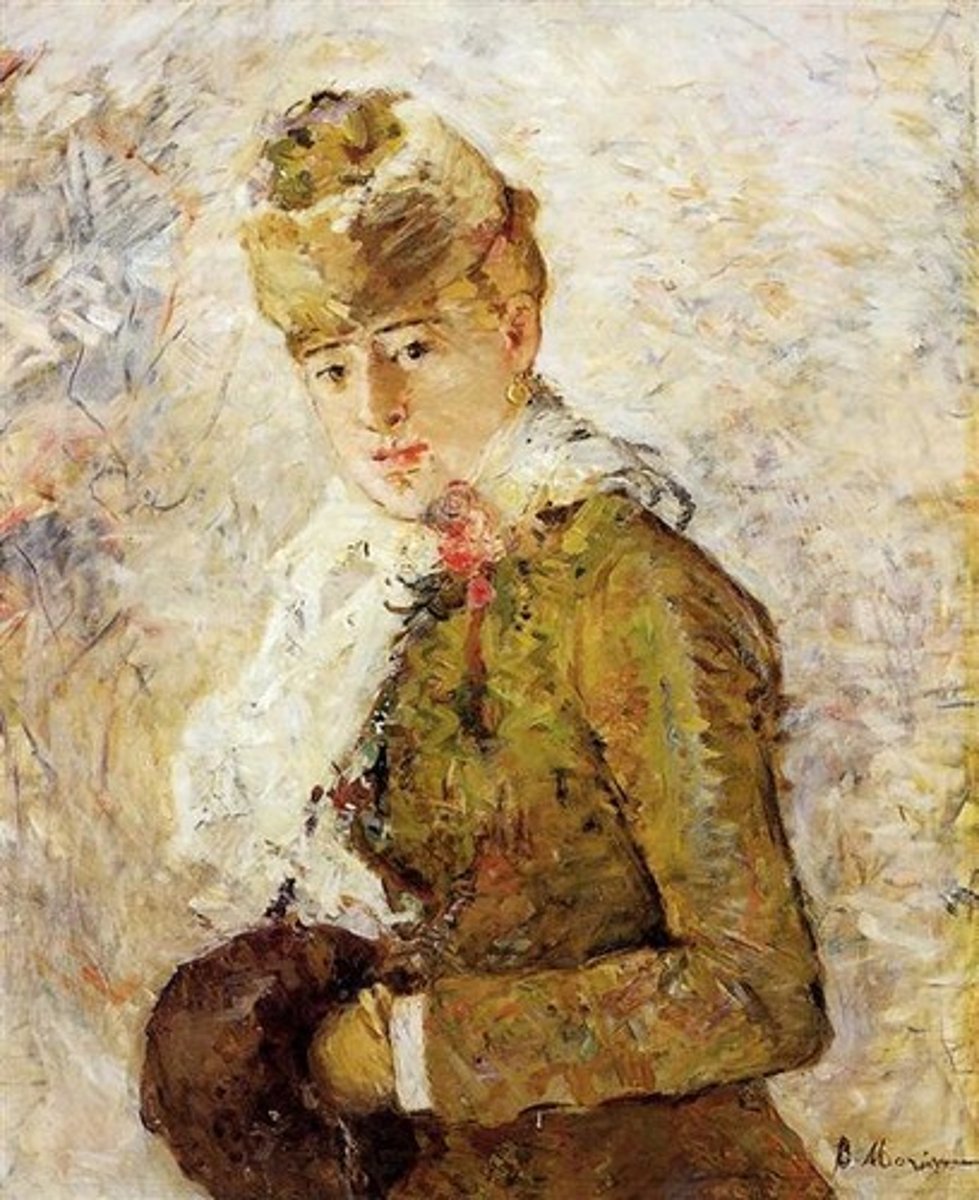
Berthe Morisot, Woman with a Winter Muff, 1880
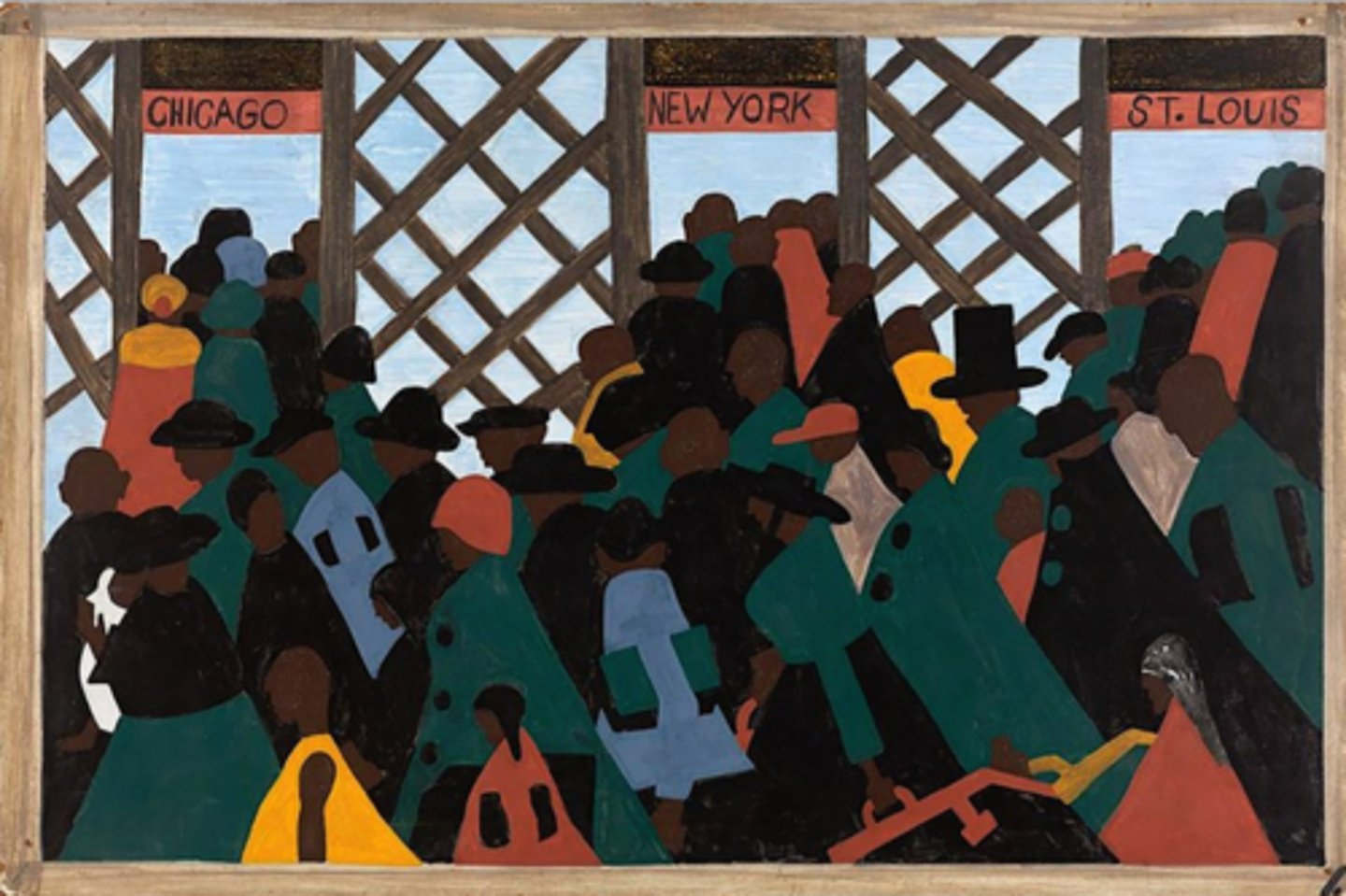
Jacob Lawrence, The Migration Series, 1941
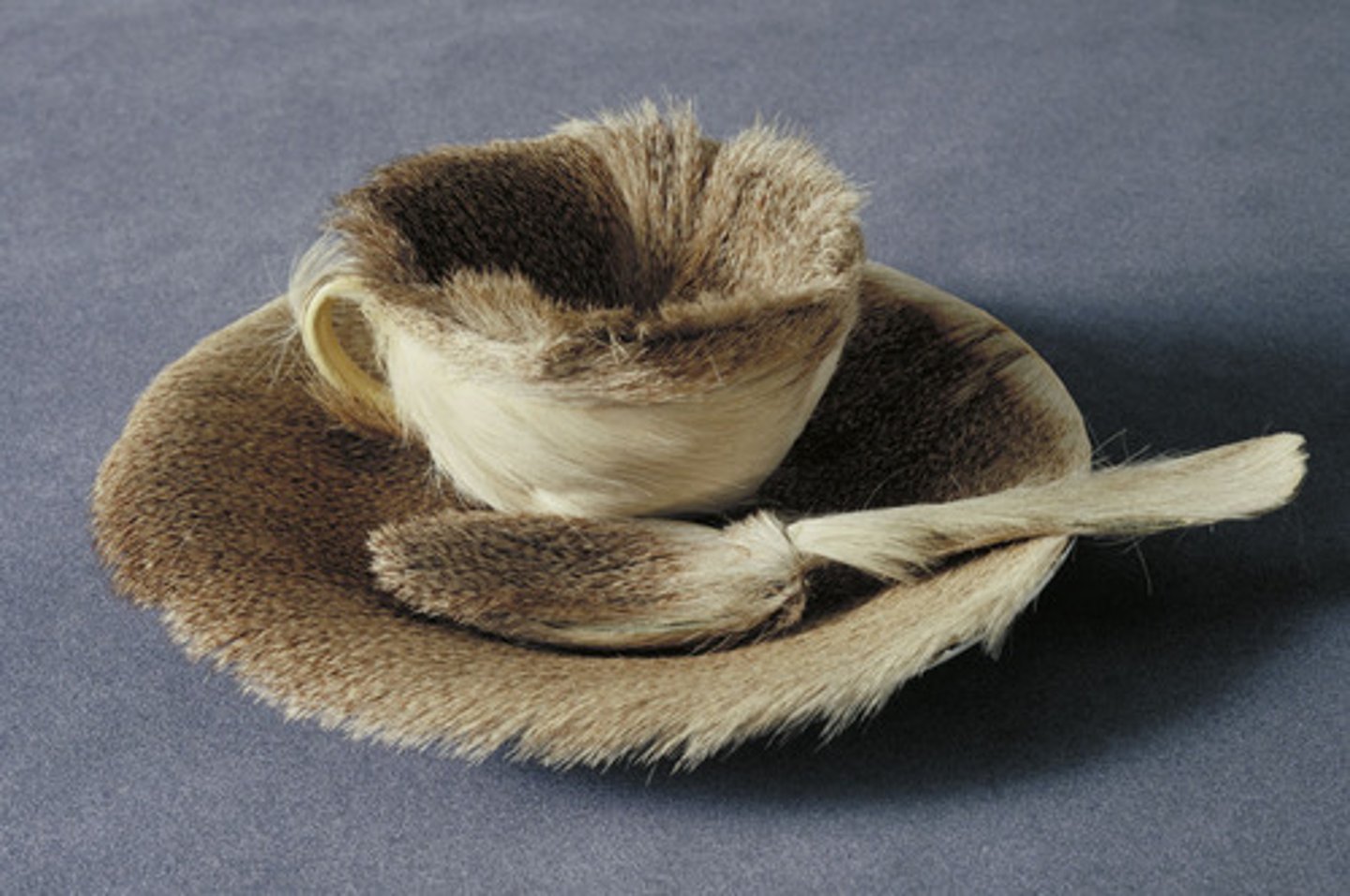
Meret Oppenheim, Object (Lunch in Fur), 1936
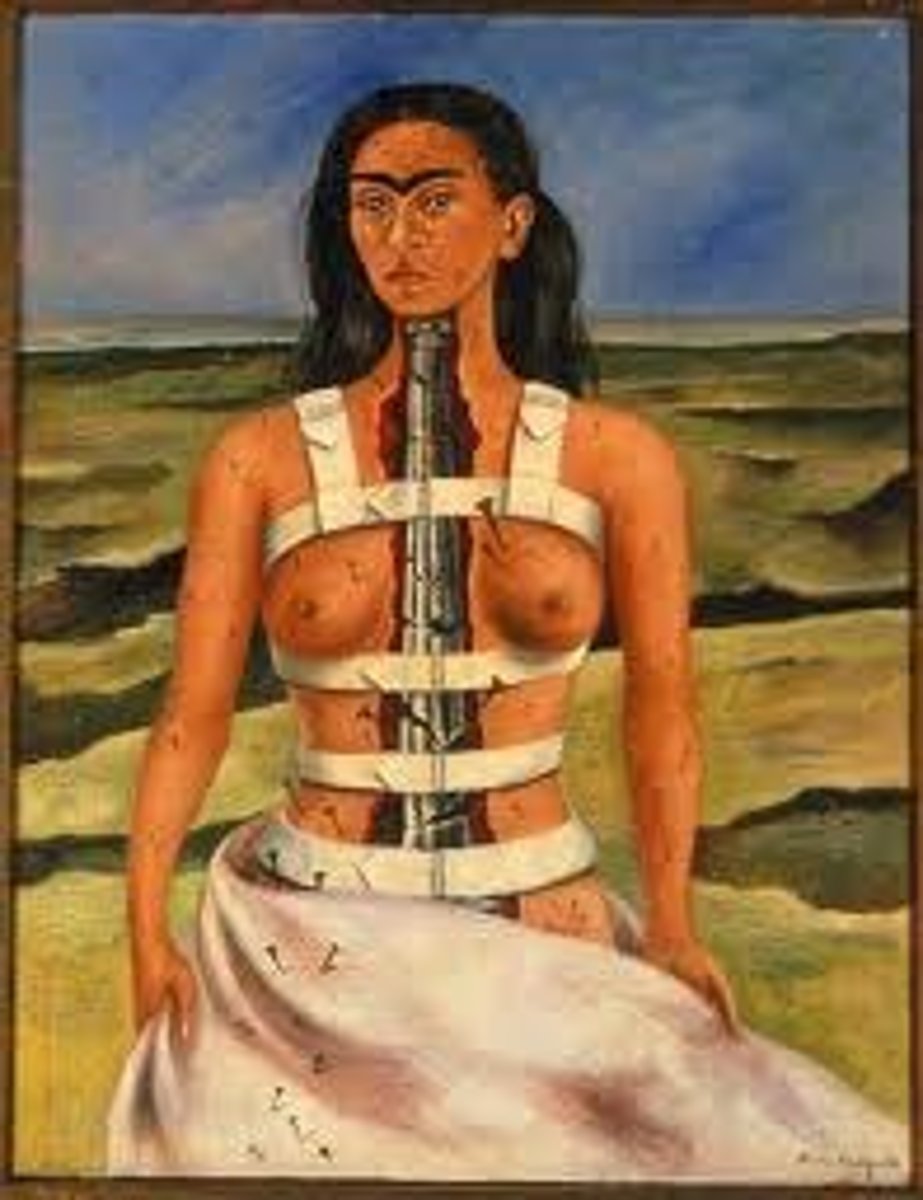
Frida Kahlo, The Broken Column, 1944
Modernity Joseph Wright of Derby, A Philosopher Lecturing on the Orrery, 1766
In the West, early modernity unfolds 16th-18th centuries.
Doctrine of discovery
Age of discovery
Exploration
Empire
Colonization
Scientific revolution
Democratic revolutions
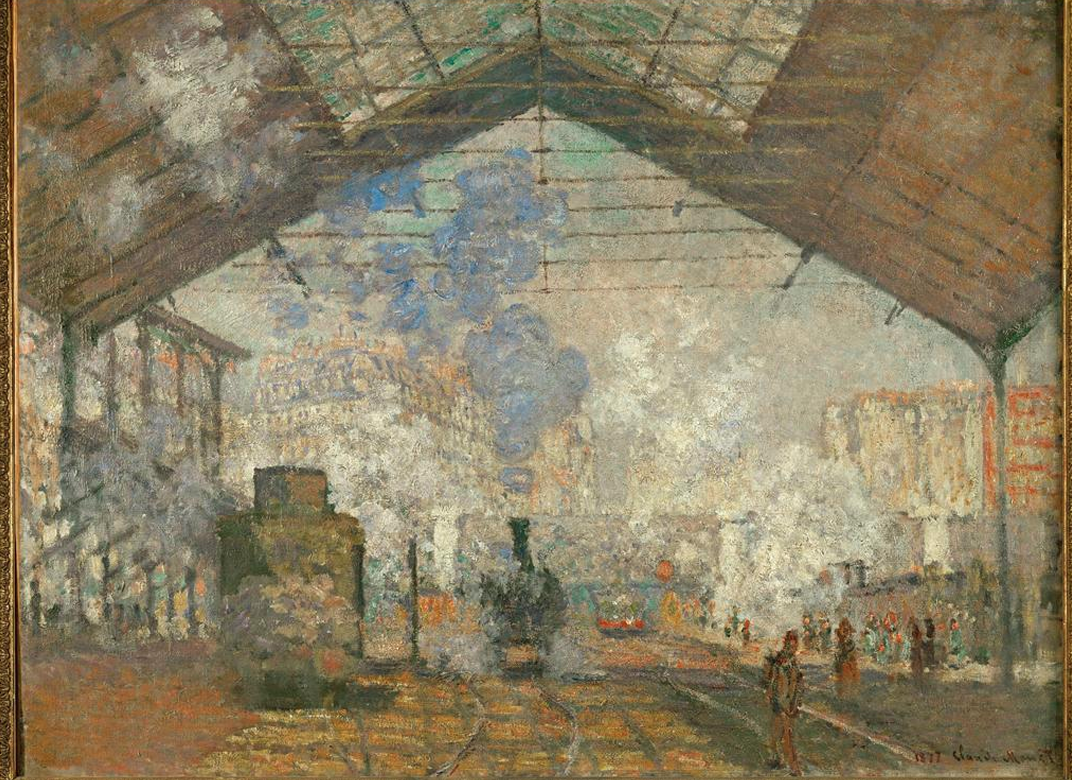
Modernization Claude Monet, La Gare Saint-Lazare, 1877
Modernization also means industrialization.
It is an ongoing process now occurring globally.
In the West, it began in the late 18th and early 19th centuries.
Factories
Machines
Migration from rural areas to cities.
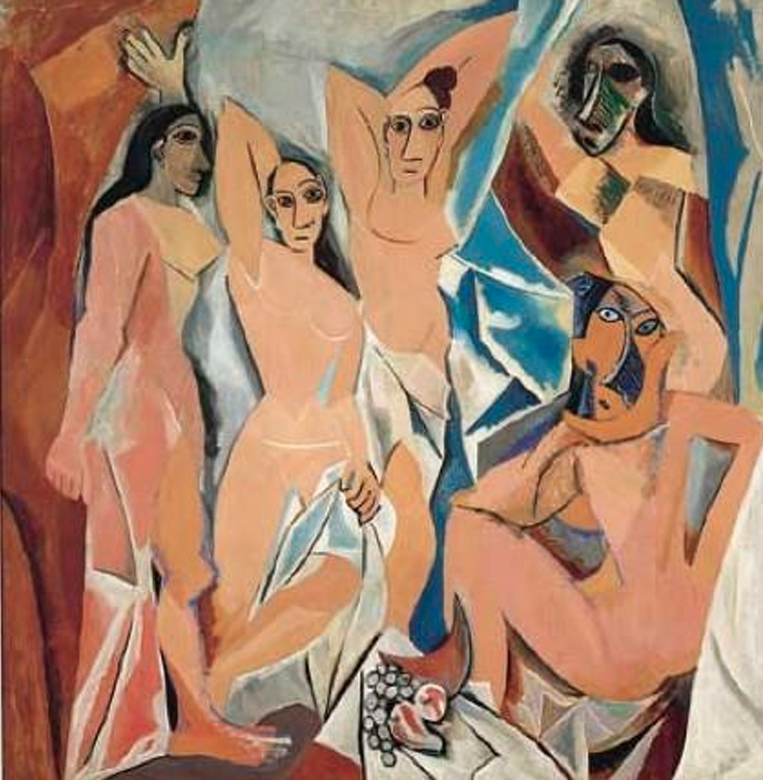
Modernism Pablo Picasso, Les Demoiselles d’Avignon, 1907
20th century-ongoing
Creative responses in art and architecture to modernity and modernization.
Modern architecture mimics factories.
Modern painting is often abstract and objectless.
Humanism Leonardo da Vinci, Vitruvian Man, 1490
The pursuit of human or earthly interests; Literary learning or culture; devotion to or expertise in the humanities, esp. classical scholarship. (Oxford English Dictionary).
Western humanism emerges from the rinascita or renaissance of Ancient Greek and Roman ideas and forms.
Humanism is often associated with secularism, taking a nontheistic view centered on human agency and reliance on science and reason.
From humanismus, “humanism” was coined in the nineteenth century by Bavarian theologian Friedrich Niethammer when discussing the value of philosophical breadth in education, now used to describe a philosophical stance taking the human being (individually and socially) as the center of ethics. (Ada Palmer, Inventing the Renaissance, 2025).
Umanista is the Italian word for humanist. The term derives from the Latin "humanitas," which Cicero used to describe the liberal education values. An umanista is a professional teacher of the studia humanitatis, a variation on the classical trivium (grammar, logic, rhetoric). (Ada Palmer, Inventing the Renaissance, 2025).
Western humanism continues to embody the hierarchical order of The Great Chain of Being [GCB] even while moving away from it. The GCB orders all existence in a divine, unbroken chain from God at the pinnacle, down through angels, humans, animals, plants, and minerals to inanimate matter.
![<ul><li><p>The pursuit of human or earthly interests; Literary learning or culture; devotion to or expertise in the humanities, esp. classical scholarship. (Oxford English Dictionary).</p></li><li><p>Western humanism emerges from the rinascita or renaissance of Ancient Greek and Roman ideas and forms.</p></li><li><p>Humanism is often associated with secularism, taking a nontheistic view centered on human agency and reliance on science and reason.</p></li><li><p>From humanismus, “humanism” was coined in the nineteenth century by Bavarian theologian Friedrich Niethammer when discussing the value of philosophical breadth in education, now used to describe a philosophical stance taking the human being (individually and socially) as the center of ethics. (Ada Palmer, Inventing the Renaissance, 2025).</p></li><li><p>Umanista is the Italian word for humanist. The term derives from the Latin "humanitas," which Cicero used to describe the liberal education values. An umanista is a professional teacher of the studia humanitatis, a variation on the classical trivium (grammar, logic, rhetoric). (Ada Palmer, Inventing the Renaissance, 2025).</p></li><li><p>Western humanism continues to embody the hierarchical order of The Great Chain of Being [GCB] even while moving away from it. The GCB orders all existence in a divine, unbroken chain from God at the pinnacle, down through angels, humans, animals, plants, and minerals to inanimate matter.</p></li></ul><p></p>](https://knowt-user-attachments.s3.amazonaws.com/856f0073-1ff0-4e54-967b-b78a0b09421c.webp)
Dehumanization Carolee Schneemann, Interior Scroll, 1975
To deprive individuals and groups of people of positive human qualities, such as individuality.
When members of a persecuted group are treated less than human [like an animal, robot, or thing].
Steps to dehumanization Suggesting a group of people…
has less intelligence and morality.
is a threat to the health or safety of the larger majority.
are like animals or insects (scapegoating).
must be labeled, separated, confined, and removed.
deserves to be treated violently or killed.
![<ul><li><p>To deprive individuals and groups of people of positive human qualities, such as individuality.</p></li><li><p>When members of a persecuted group are treated less than human [like an animal, robot, or thing].</p></li></ul><p>Steps to dehumanization Suggesting a group of people…</p><ul><li><p>has less intelligence and morality.</p></li><li><p>is a threat to the health or safety of the larger majority.</p></li><li><p>are like animals or insects (scapegoating).</p></li><li><p>must be labeled, separated, confined, and removed.</p></li><li><p>deserves to be treated violently or killed.</p></li></ul><p></p>](https://knowt-user-attachments.s3.amazonaws.com/ec696f33-56b7-4f11-a38b-9c097f02334f.png)
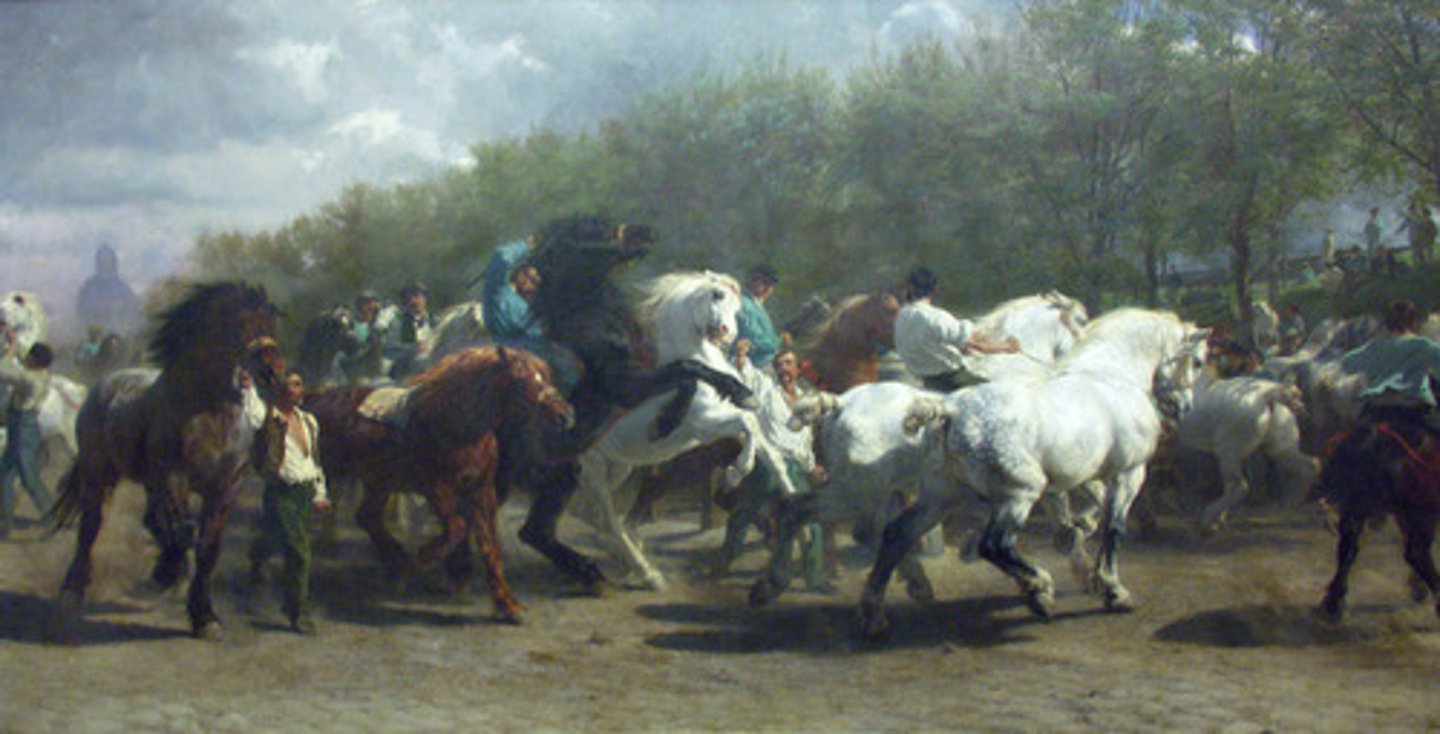
Nonhuman life Rosa Bonheur, The Horse Fair, 1855
Any life that is not human. In the third module of our class, this included all organic life forms other than human life forms. We focused on the Kunstkammer/Wunderkammer, the rise of modern science (natural sciences, biology, taxonomy, etc.), portraits of nonhuman animals, academic animalier painting, and romantic landscape paintings (depictions of nature).
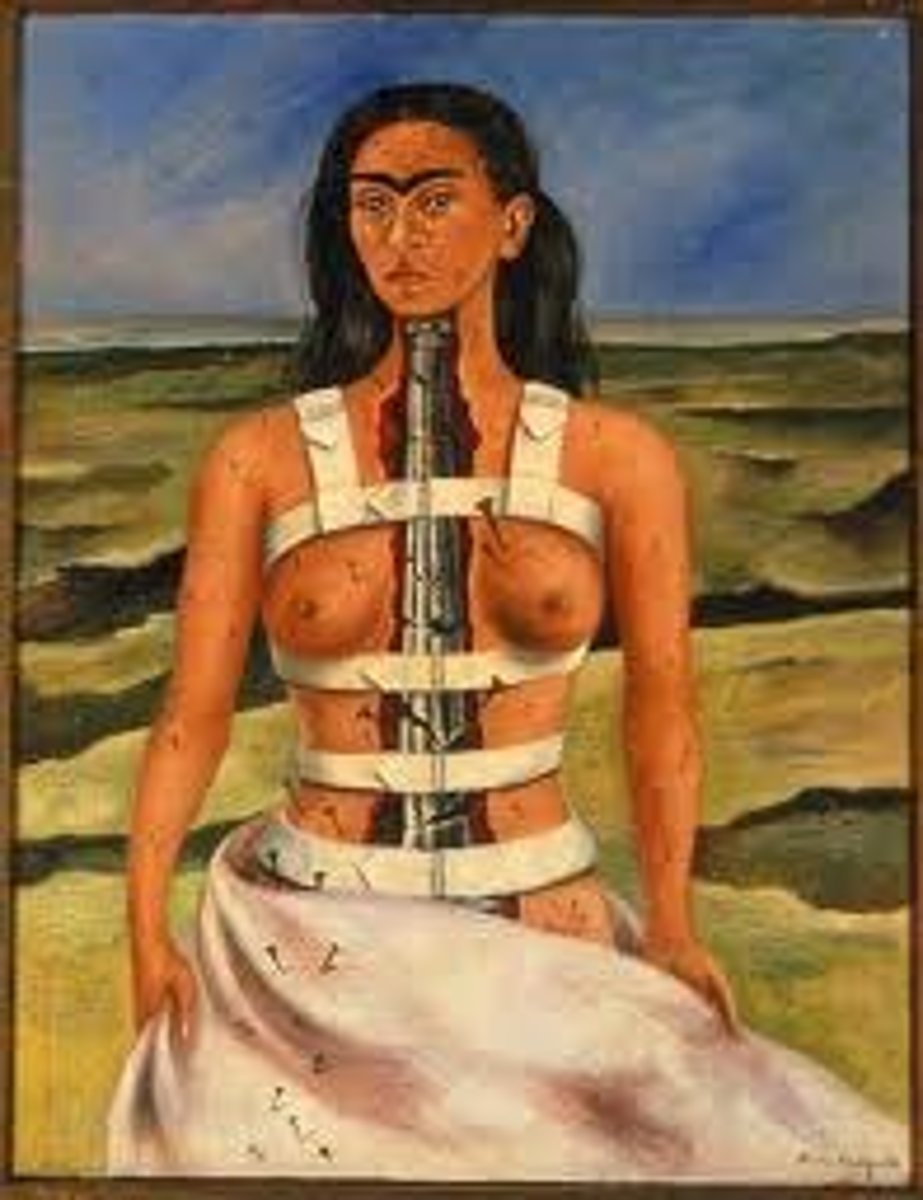
Posthumanism Frida Kahlo, The Broken Column, 1944
A critique of classical humanism.
Ecological movement decentering humans.
From humans to nonhumans.
Robots and cyborgs.
Technology is transforming and/or extending the human body beyond its biological and natural form.
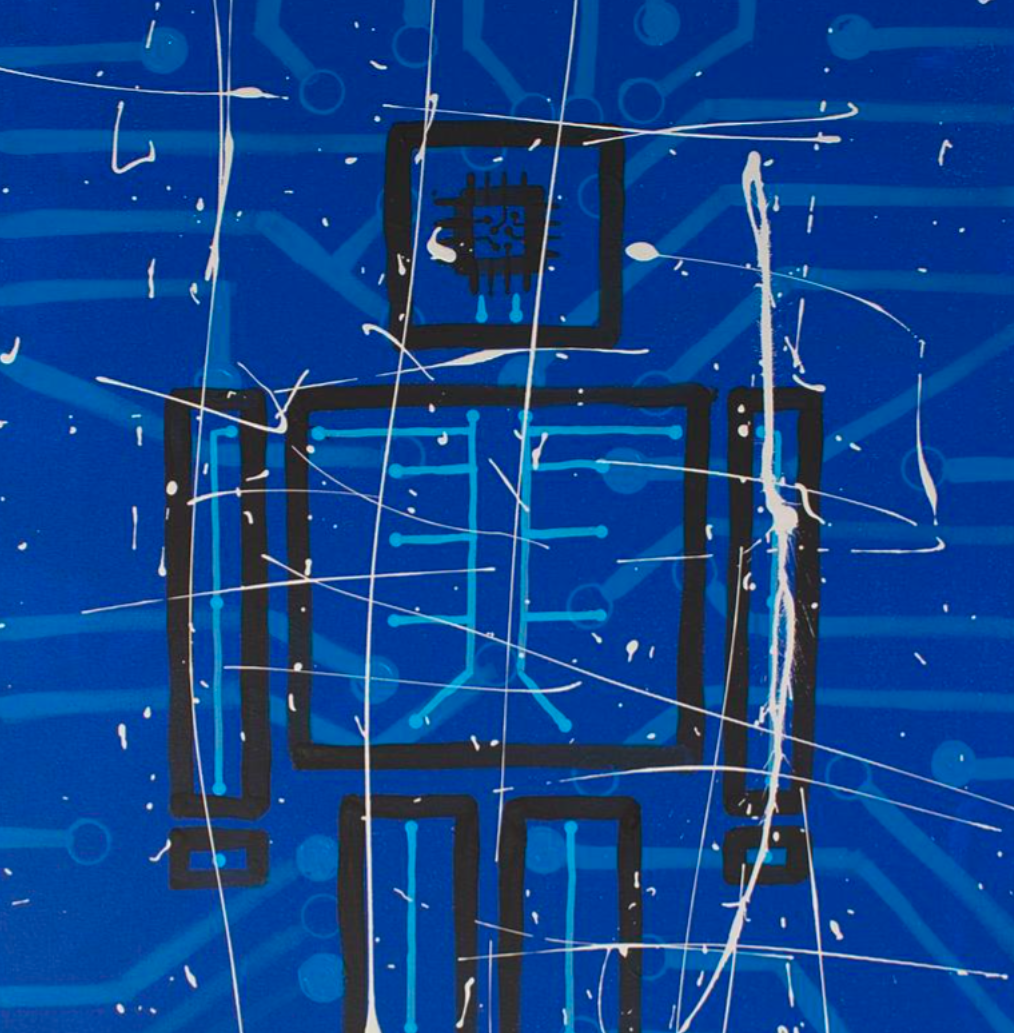
Transhumanism Davide Canepa, Trans Human Express, 2000s
A philosophical movement started by Julian Huxley c. 1945 advocating for the use of science and technology to radically enhance human physical and mental capabilities, with the goal of transcending fundamental human limitations like aging and death.
 Note
Note  Flashcards (92)