Functional Skills Maths
 Studied by 0 people
 Call Kai
 Learn
Learn Practice Test
 Spaced Repetition
 Match
Match Flashcards
 Knowt Play
1/9

There's no tags or description
Looks like no tags are added yet.
Name | Mastery | Learn | Test | Matching | Spaced |
|---|
No study sessions yet.
10 Terms
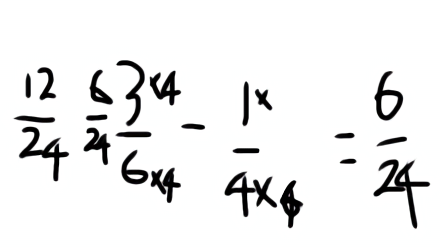
Subtracting/Adding fractions
done by finding a common multiple, multiplying both fractions’ numerator and denominator, and subtracting/adding the numerators like normal
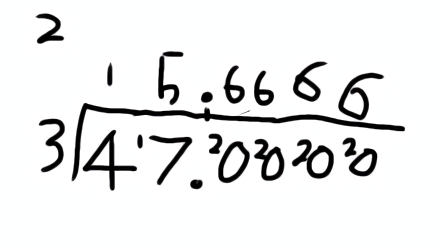
Dividing a Remainder
done by placing 2 decimal zeroes on the divided number, carrying the remainder over to thise zeroes, and dividing until you either eliminate the remainder or get a repeating answer
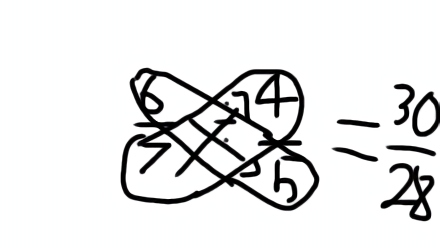
Cross-Multiplying
an easy and efficient way to divide fractions, done by multiplying the 1st numerator and 2nd denominator, and vice versa for the other 2 numbers (simplify if possible afterwards)
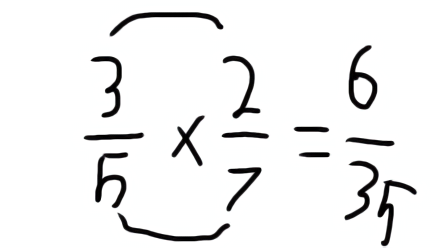
Multiplying Fractions
multiply the numerators together, then the denominators, and simplify if you can
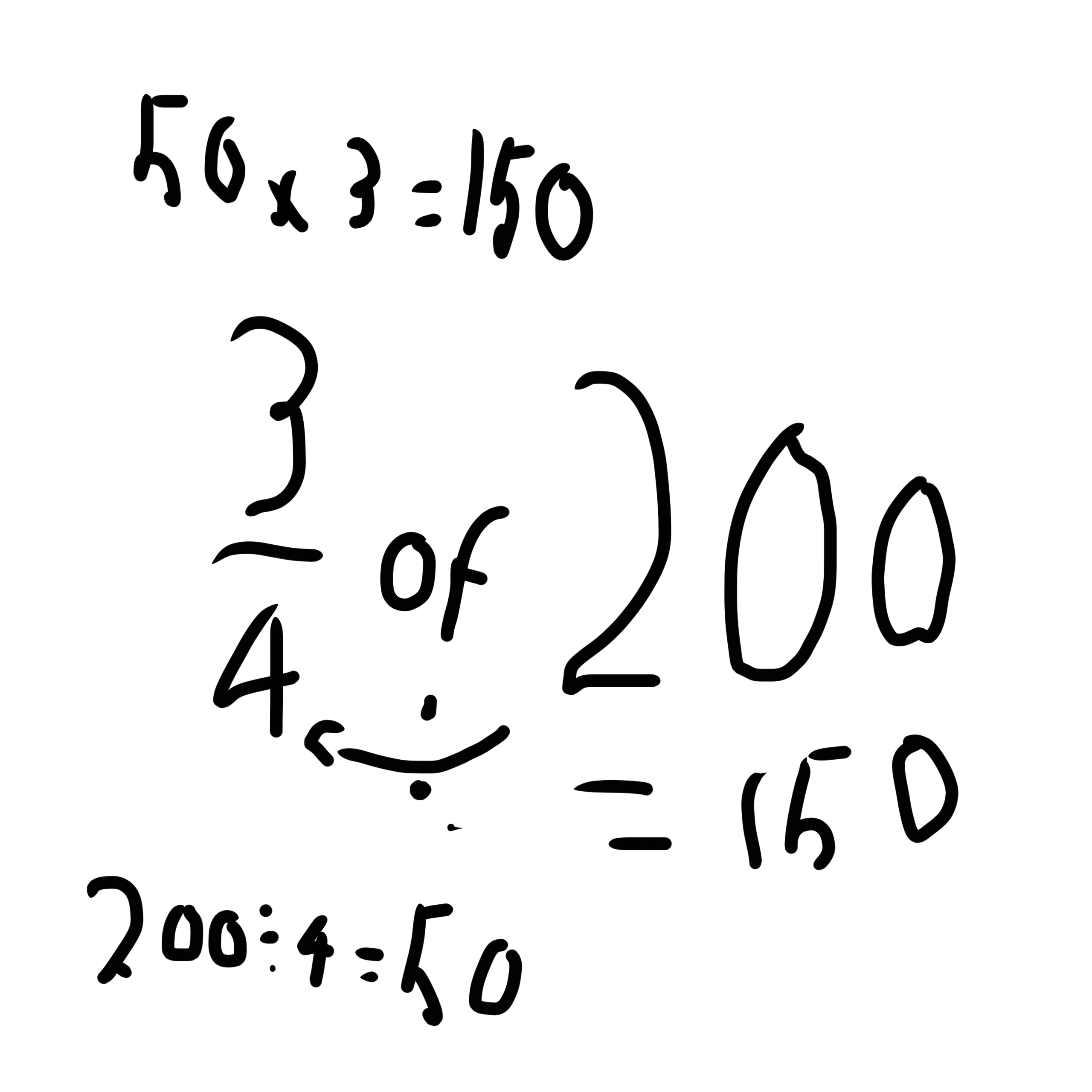
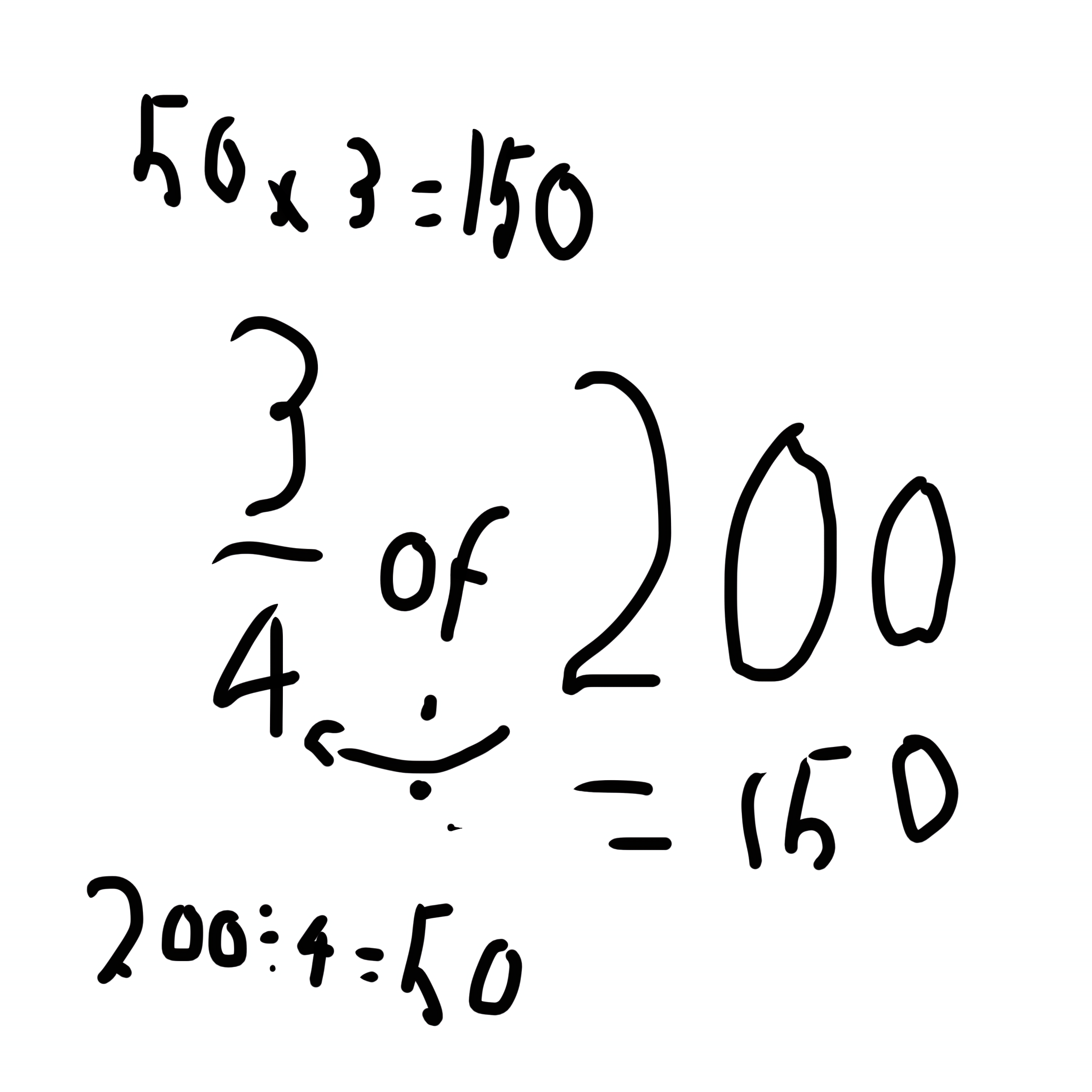
Find a Fraction of an amount
first, get the amount and divide it by the denominator (bottom number), then get the answer to that first sum and multiply it by the numerator (top number)
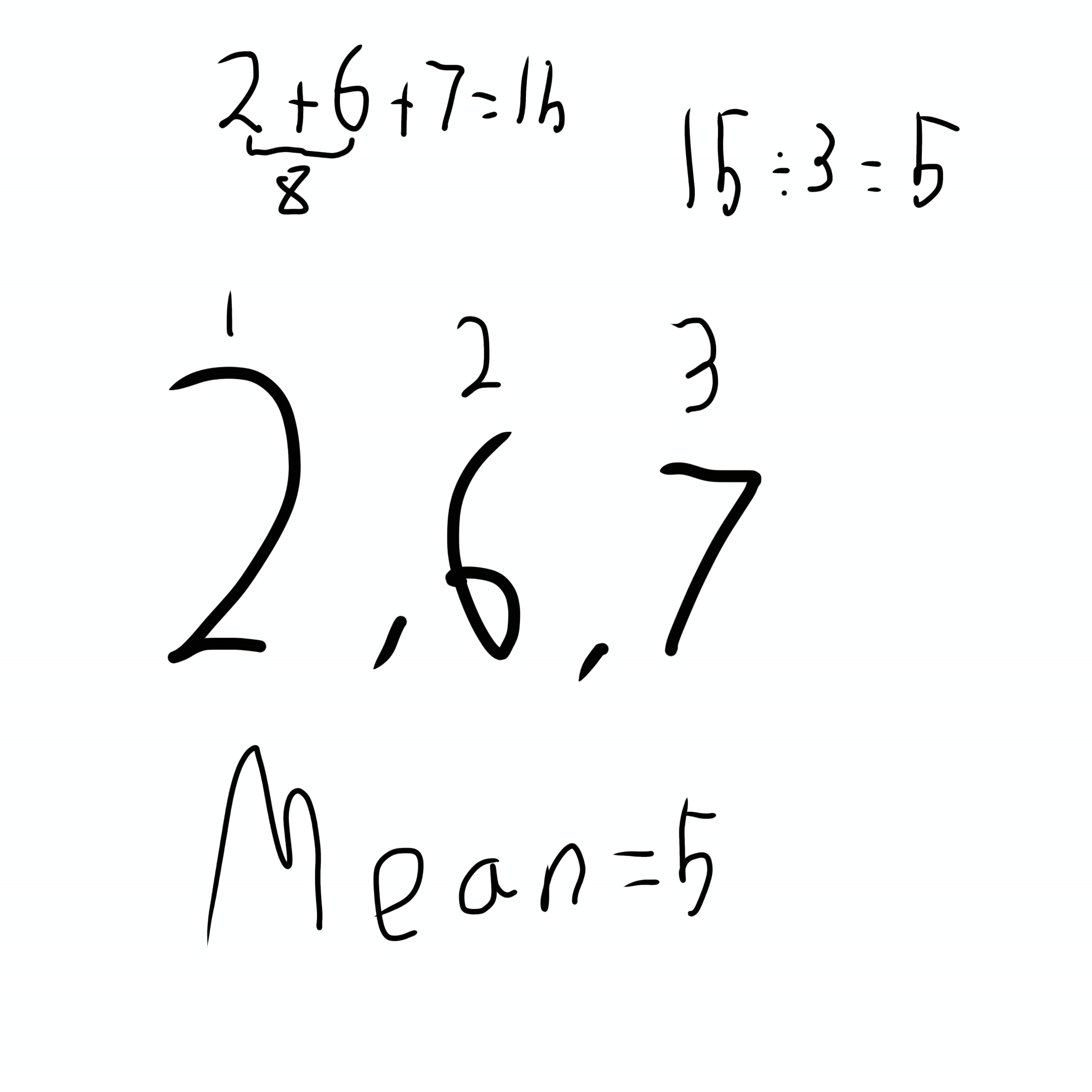
Calculating the Mean
to calculate the mean of a number, first add up all the numbers in your dataset, count the amount of numbers in said dataset, and divide the sum of all your numbers by the amount of numbers
Finding a Mixed Fraction of a 4-digit Number
first, divide by the percent by 100, then times it by the amount (e.g = 7% of 67 = 0.07 x 67 which is 4.69)
Sharing a Given Ratio
First, add all ratio parts together (e.g: 1:2 = 1+2 = 3), then divide the amount you are sharing by that number (e.g 30 / 3 = 10), and finally multiply the andwer to that division question by all the parts of a ratio (10 × 1 = 10 and 10 × 2 = 20, so 10 and 20 is the answer)
Finding a Cube’s Volume
simply multiplying the length of all the sides together (e.g: a cube with 2cm sides is 2 × 2 × 2, making the volume 8cm³
finding the area of a square / rectangle
simply times the length of the shape by the height of the shape (so a rectangle thats 7 inches long and 10 inches high would be 70in²)
 Note
Note  Flashcards (42)