Plant Biology Lecture 20
 Call Kai
 Learn
Learn Practice Test
 Spaced Repetition
 Match
Match Flashcards
 Knowt Play
1/20

Earn XP
Description and Tags
Exam 3
Name | Mastery | Learn | Test | Matching | Spaced | Call with Kai |
|---|
No analytics yet
Send a link to your students to track their progress
21 Terms
formation of oil and natural gas
organic marine matter accumulates in stagnant water (mostly plankton NO SLVPs)
no oxygen
covered by inorganic sediments and incomplete decay
formation of hydrocarbon-rich muds, broken down by anaerobic bacteria
increasing heat and pressure transform hydrocarbons into fatty acids
fatty acids are changed into asphaltic material, keragen
more pressure and heat cause oil formation
what is the ‘greenhouse effect’?
heat from the sun is either absorbed or reflected, some of the reflected heat is absorbed by CO2 and other GHGs in the atmosphere, which reflects heat in all directions — leads to warming of Earth’s surface and oceans
consequences of climate change
agricultural production, climatic conditions may lead to increase agriculture production in some regions; in most regions, decrease due to increased stress conditions for crops, most severe for poor countries with no way to cope with climate events
what can be done about climate change?
paris climate agreement, limit global warming to 2°c , political issue due to immense consequences for all nations (180 countries have ratified the Climate Agreement) U.S. dropped out
positive sign about reducing carbon emissions?
widespread adoption of alternative carbon-neutral electricity generation, technology is available and costs are dropping.
seedless vascular plants
xylem (w/ lignin) and phloem, SP dominant generation, multiple sporangia per sporophyte, dichotomous branching (apical meristems), primary/secondary growth, homosporous
selaginella
SLVP, hetersporous
monilophyta - horsetails
first present in Devonian, almost all species are extinct except Equisetum; fossils show that an identical genus that existed 300 mya in Carboniferous (may be oldest genus on Earth)
horsetail trees
among SLVPs that gave us coal (image: Equisetum pratense)
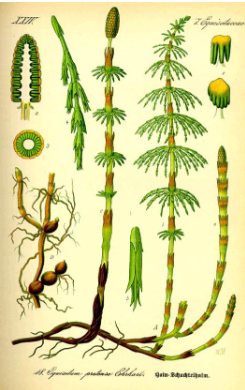
silica
scouring rush
monilophyta - ferns
abundant during Carboniferous, still abundant; largest group besides flowering plants
fern growth
often in tropics, grow as epiphytes upon trees
tree ferns
up to 25m tall with fronds (leaf) of 5m in length
water ferns
specialized ferns living in water, mostly float on surface of freshwater ponds
Azolla (water fern)
often found on rice paddies because it provides nitrogen fertilizer to rice, in a symbiosis with cyanobacterium (Anabaena azollae)
Anabaena azollae
In root nodules of legumes, can fix atmospheric nitrogen and metabolize it into ammonia, which can be assimilated by Azolla; Azolla provides carbs for Anabaena.
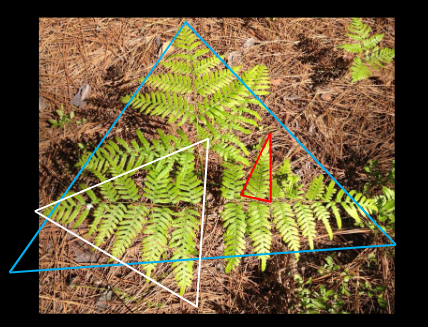
leaves and their stalks (stipes)
fronds (image; fractal organization of some ferns)
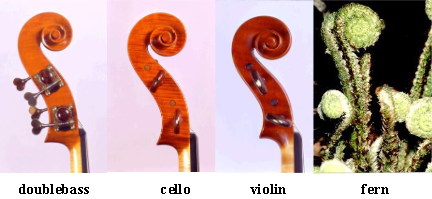
emerging fronds are coiled forming a fiddlehead structure
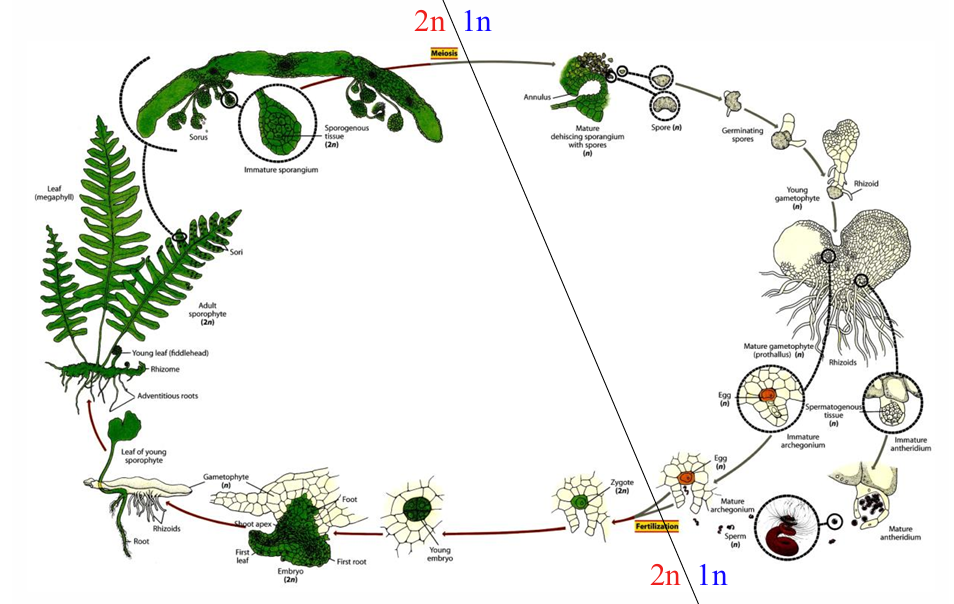
fern life cycle
sporangia are organized in clusters (sori), which are located underneath fronds; homosporous - GP is both male and female gametangia, archegonia and antheridia.
fern reproductive cycle
fern GPs are small but free living, flagellated sperm (need water), SP develops on GP — initially nutritionally dependent on GP (placenta cells); SP becomes independent and GP dies
SP IS DOMINANT GENERATION
life cycle of Polypodium (Filicales)